SDG 11.4.7
SDG 11.4.7 Local authority collaboration regarding planning and development
1. Official guest accommodation
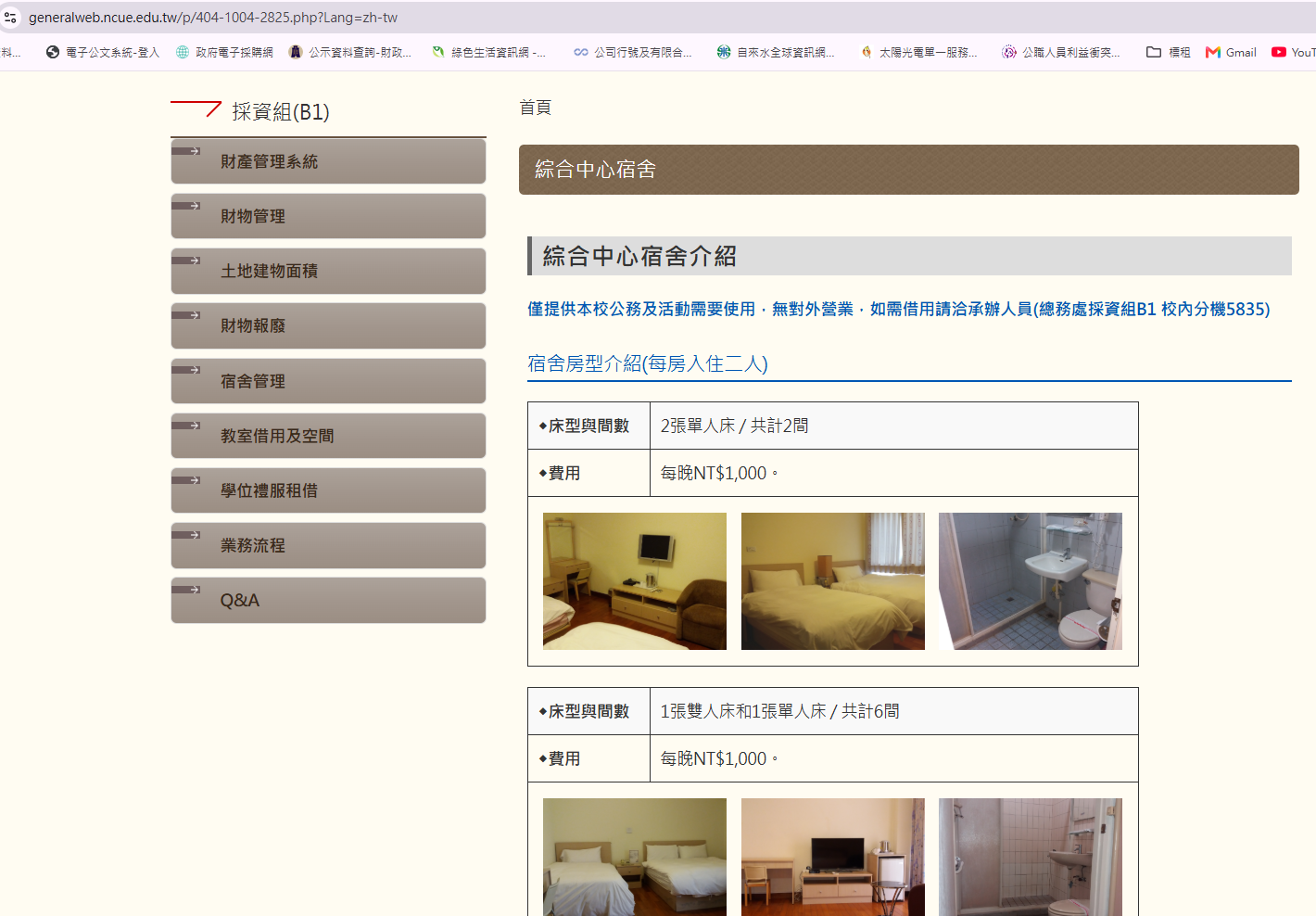
NCUE provides official guest accommodation for visitors on University business and for scholars from abroad engaged in teaching, research or exchange. The units are Rooms 1–8 of the Multipurpose Center and Rooms 4–5 of Dormitory No. 10. Charges are as follows:
(1) Multipurpose Center, Rooms 1–8: a cleaning charge of NTD 1,000 per room per day.
(2) Dormitory No. 10, Rooms 4–5: a management fee of NTD 3,000 per month for a single room or NTD 6,000 per month for a whole floor. Guests pay their own water, electricity and gas charges; where a unit is shared, the two guests share the charges in proportion to the number of days each stays.
(3) The guest accommodation provides a comfortable environment and is well-equipped. Details of the room types are available on the Multipurpose Center accommodation webpage (Figure 1). (https://generalweb.ncue.edu.tw/p/404-1004-2825.php?Lang=zh-tw)
2. Parking and Green Energy Facilities
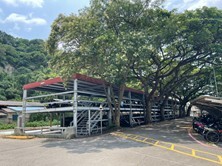
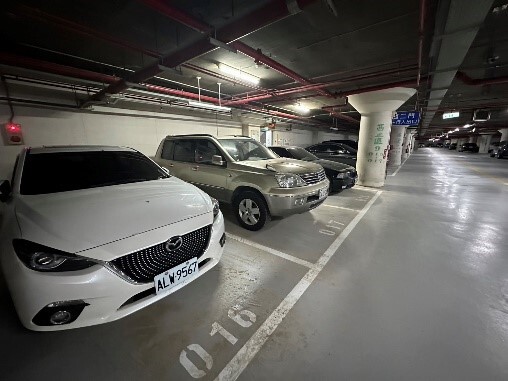
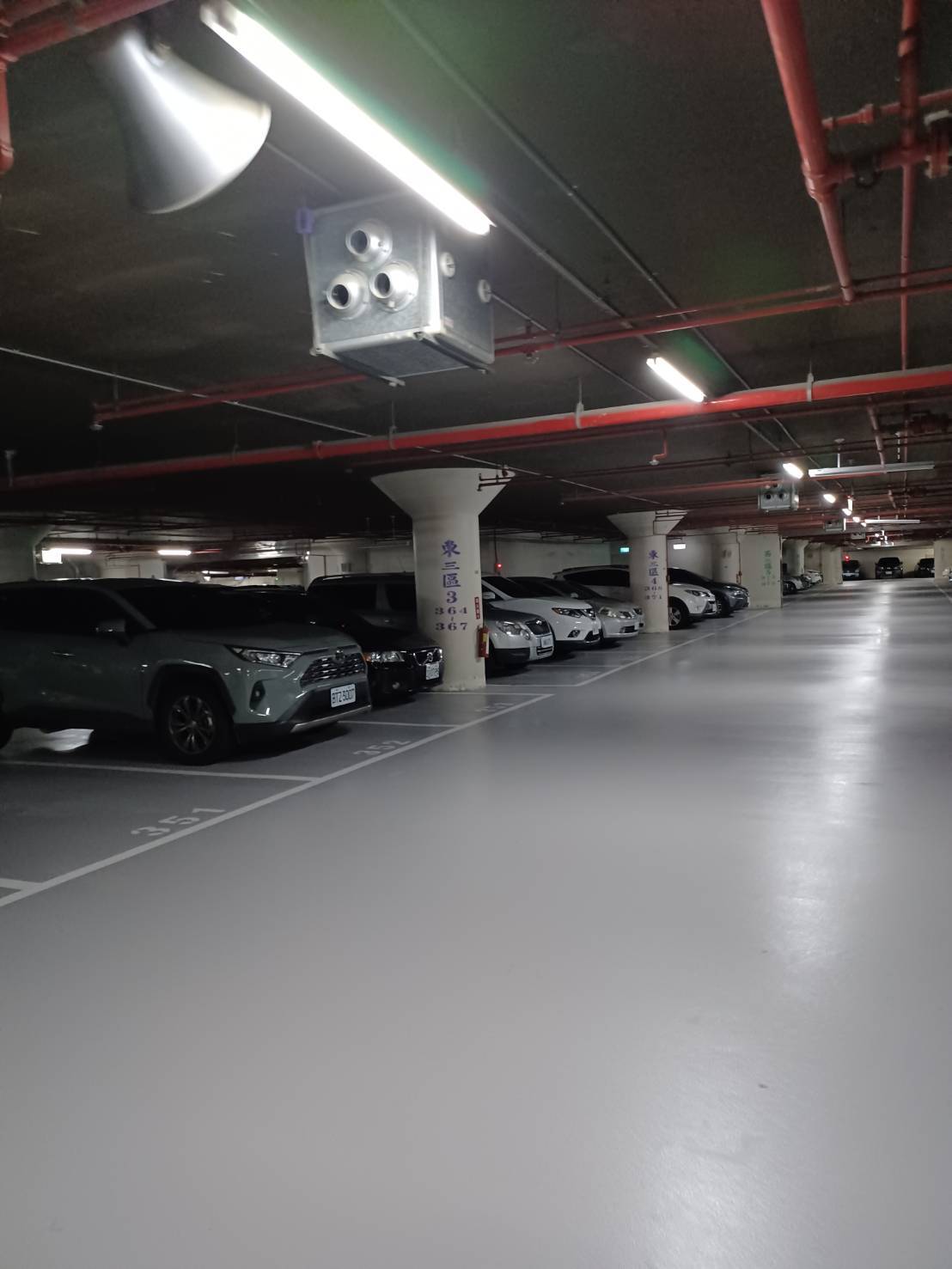
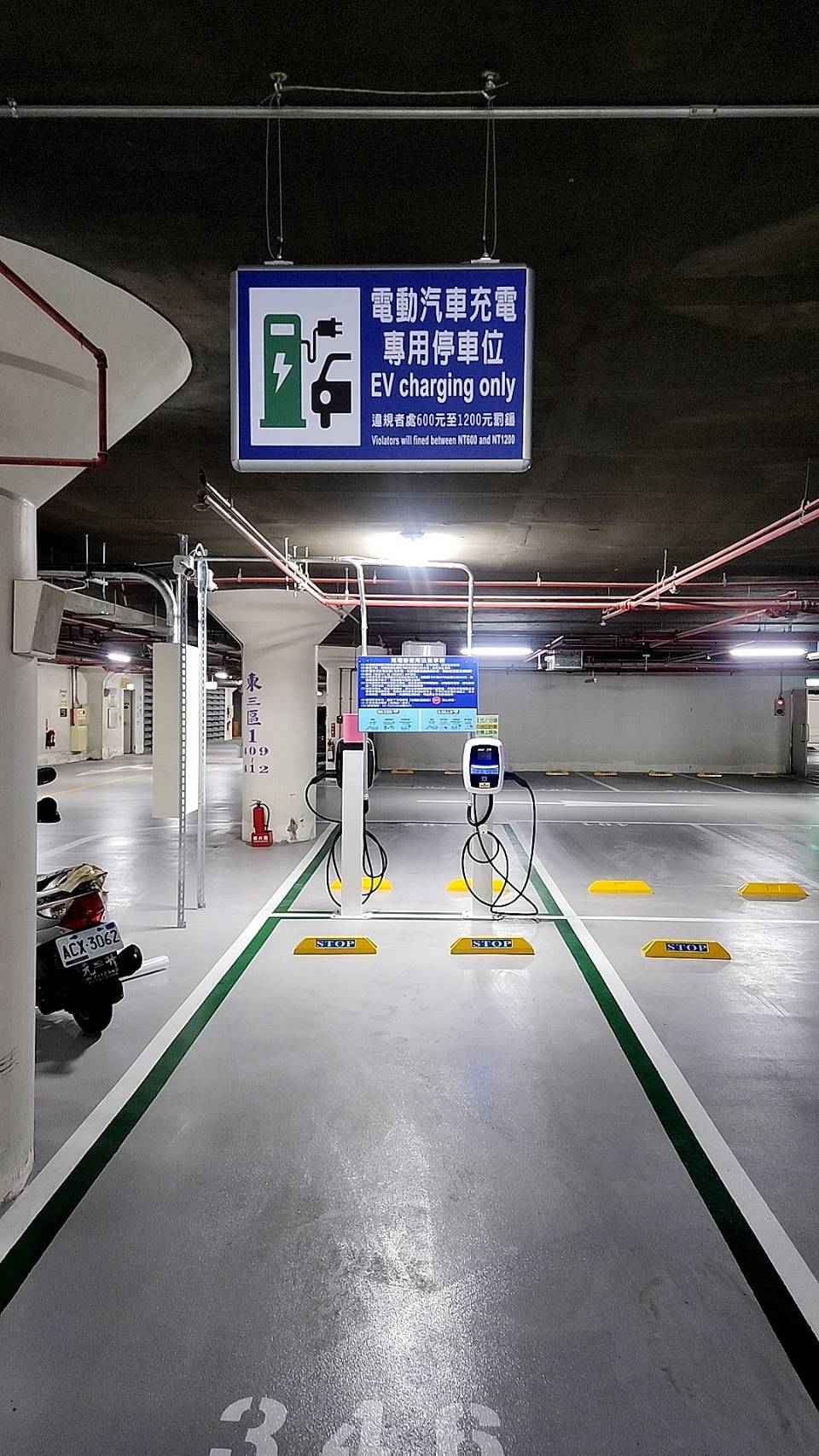
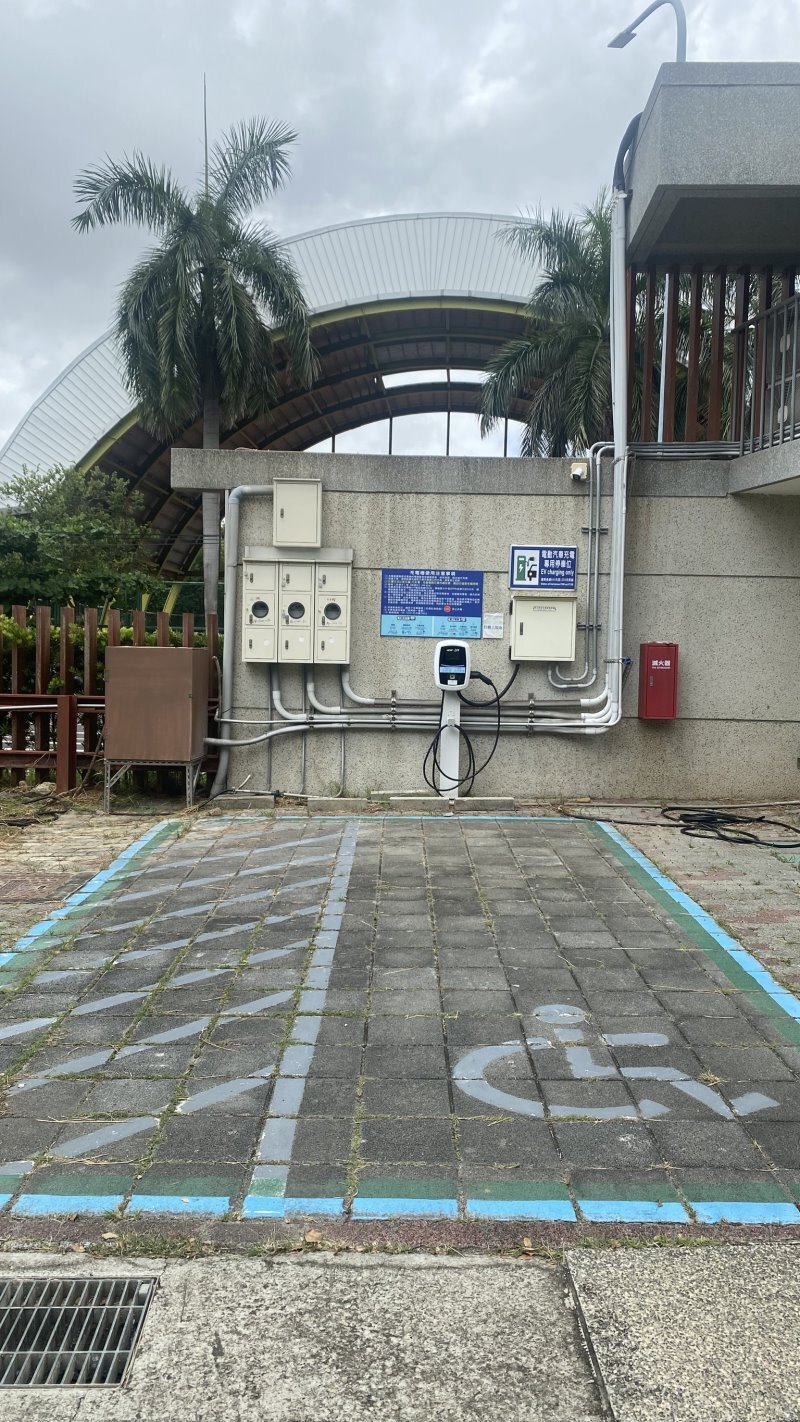
The Jinde Campus provides free motorcycle parking for visitors who are not NCUE staff or students, and the underground car park is available for rent to retired University staff, local residents and other members of the public. About 10% of all monthly rental bays are allocated to the local community. NCUE is located in Fuxing neighborhood, Changhua City, and residents of the neighborhood pay a reduced monthly rate. Places are limited and allocated on application. This offers an additional convenience for people who own homes near the University. In accordance with government policy and relevant regulations, NCUE installed two EV charging points in the underground car park of the Jinde Campus and one in the surface car park of the Shida Campus in November 2024, and added eight more at the Jinde Campus and three at the Shida Campus in August 2026 These facilities support a net-zero, low-carbon lifestyle and help achieve the goals of energy conservation, carbon reduction and sustainability (Figures 2–6).
3. Sharing public space
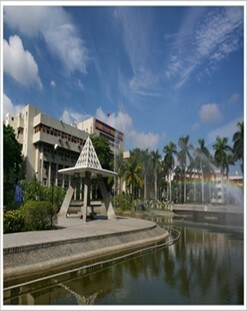
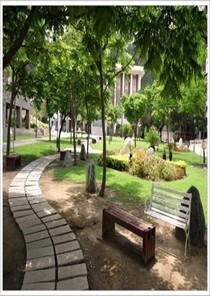
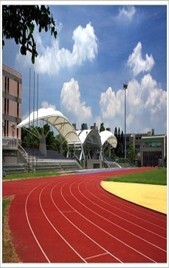
The campus is open to the public free of charge, and the library, sports grounds and courts, arts exhibitions and restrooms are all available for public use at no cost. Baisha Lake, the garden landscaping around it and the sports grounds function as a large public park and are a popular destination at weekends (Figures 7–9).
4. Social Housing Cooperation
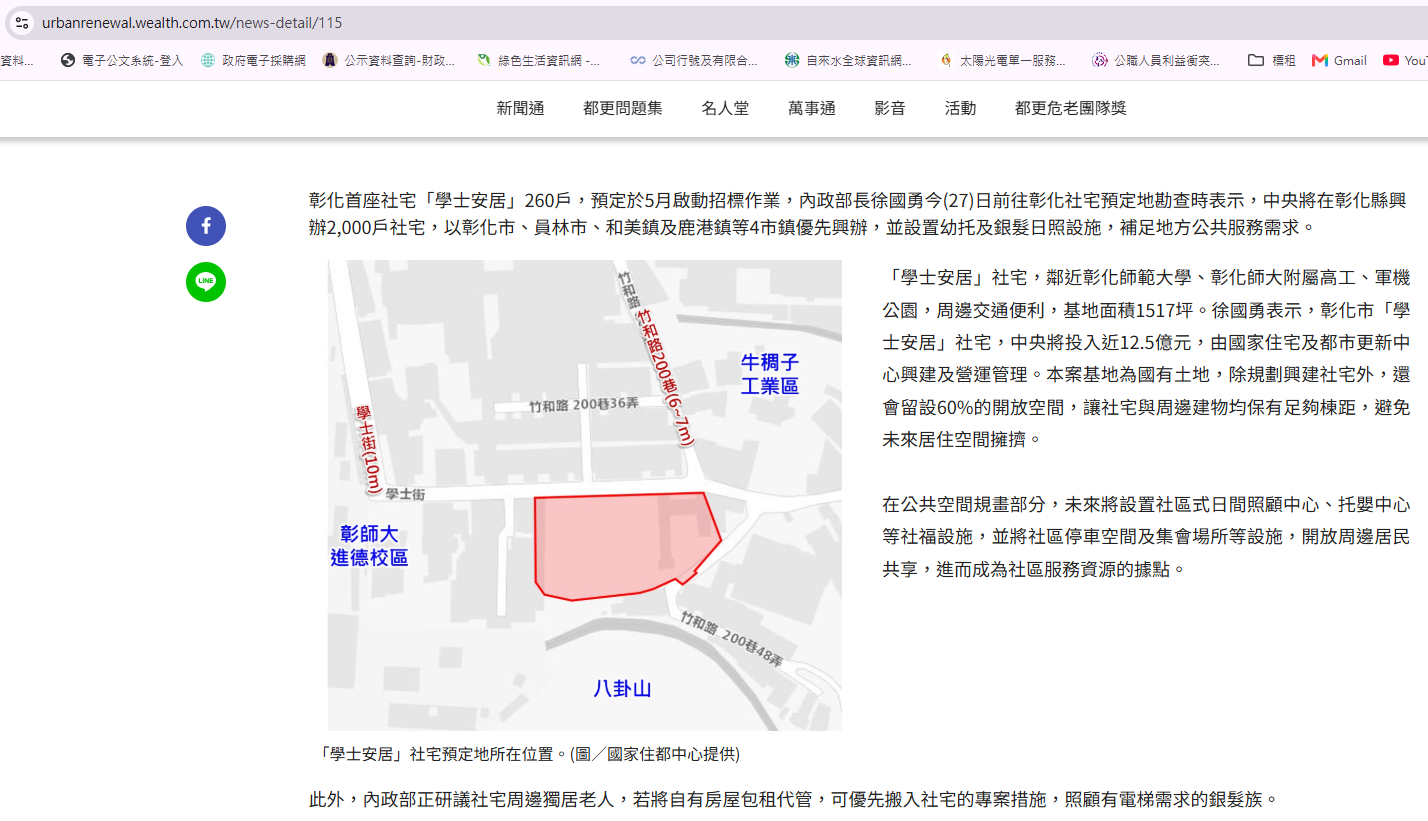
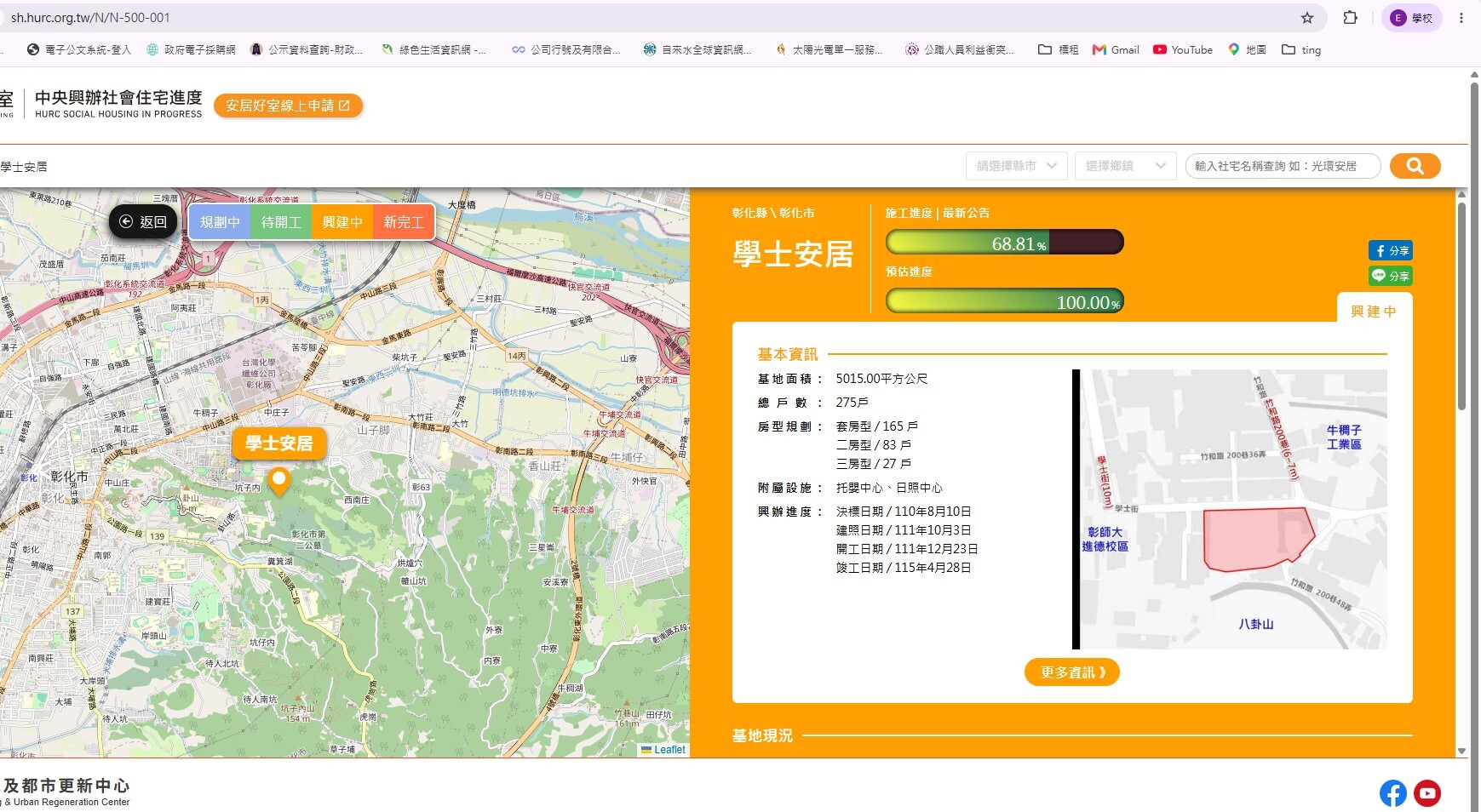
(1) Central and local government in Taiwan are jointly developing social housing: dwellings that meet defined living standards, built by government (directly or with subsidy) or owned privately, let only on a rental basis at below-market rents or free of charge to lower-income households and disadvantaged groups. The Construction and Planning Agency of the Ministry of the Interior selected a 0.5-hectare site of state-owned land in central Changhua City adjoining NCUE for a social housing block of 10 stores above ground and two below, providing 275 units. Construction began at the end of 2022 and is due for completion in 2026. Residents will be eligible for NCUE’s discounted parking and will also be able to enjoy its attractive campus grounds.
(2) The construction information webpage is shown in Figure 10.
(3) The progress enquiry webpage for central government social housing in Changhua City, Changhua County is shown in Figure 11.
5. Connecting to public transport
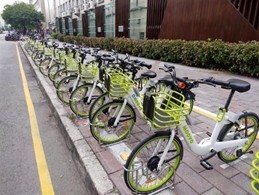
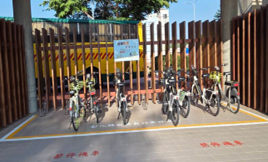
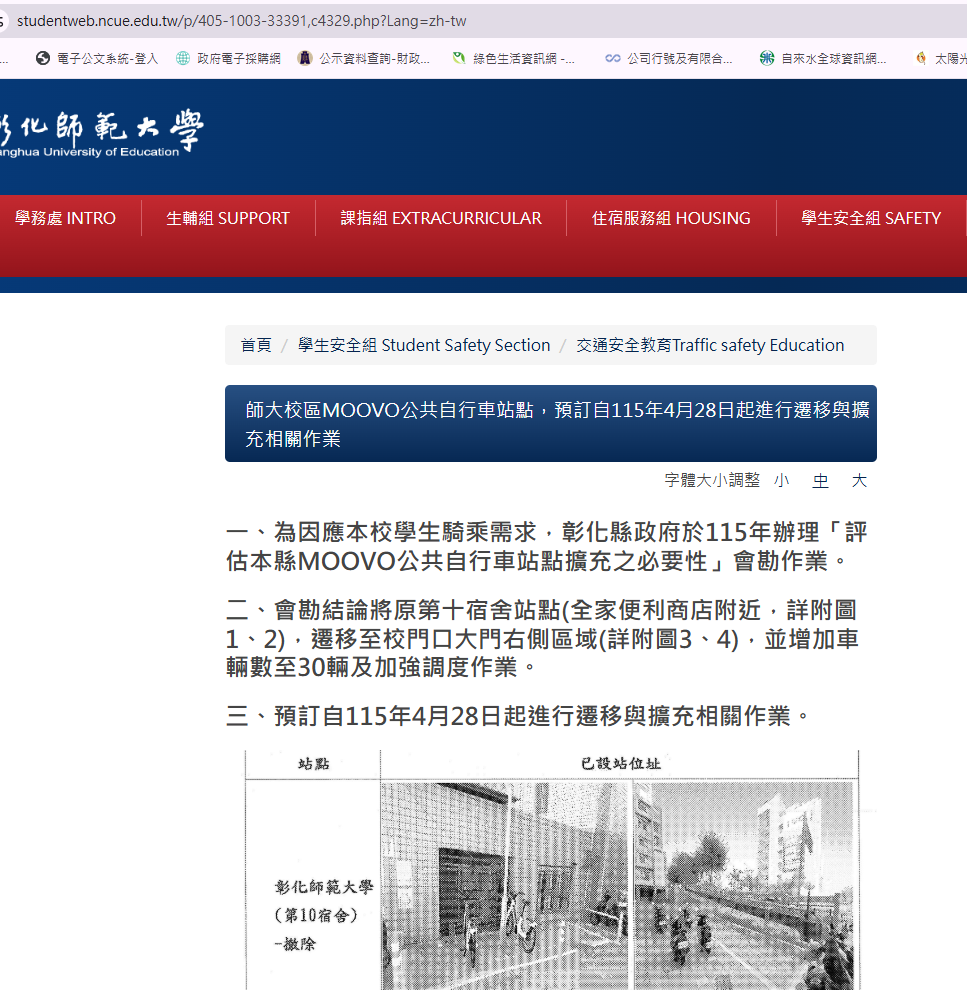
(1) Since June 28, 2014, NCUE has leased land at the main entrance of the Jinde Campus to the Changhua County Government for a public bicycle-sharing station (originally the YouBike system). The lease expired on December 31, 2023, and was renewed for the period from January 1, 2024, to December 31, 2026. The system has since changed to MOOVO (Figure 12). In 2025, NCUE arranged with the County Government for an additional station on the Shida Campus, which is now in service (Figure 13). On April 28, 2026, that station was moved to the Shida Campus entrance and expanded to 30 electric-assist bicycles, giving faculty, staff and students more options and greater convenience for short journeys. This also encourages greater use of public transport to reduce carbon emissions, protect the environment and save energy. The Office of Student Affairs announcement is shown on Figure 14.
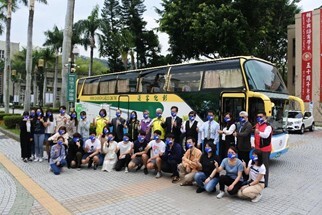
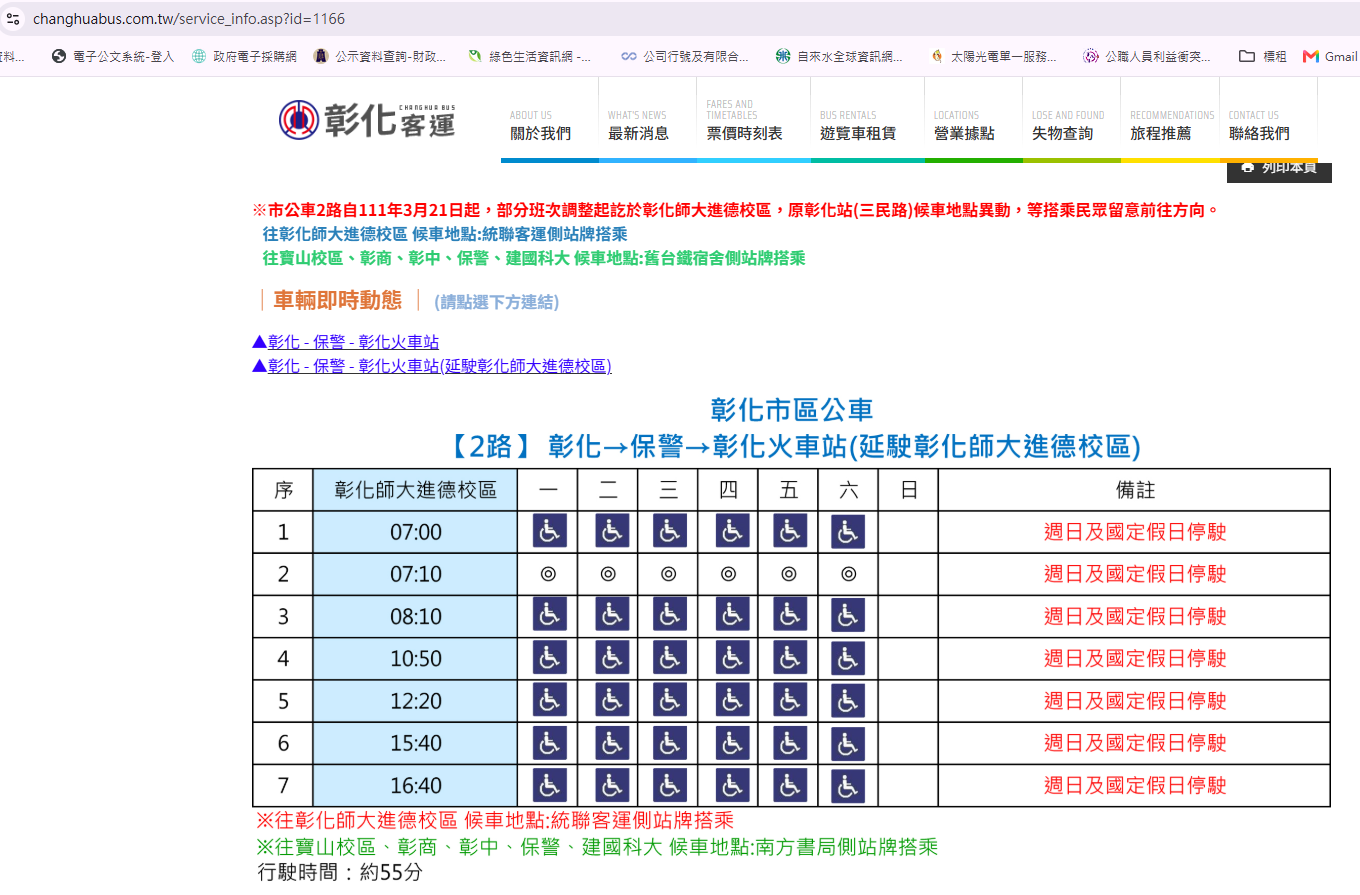
(2) NCUE secured approval under the “Bus into Campus” program of the Directorate General of Highways, Ministry of Transportation and Communications. Changhua Bus Route 2 was extended into the Jinde Campus and now runs from Changhua Railway Station to the Shida Campus, giving students a direct public transport link between the station and both campuses and providing a safe, comfortable and convenient service (Figure 15). The timetable is shown in Figure 16.
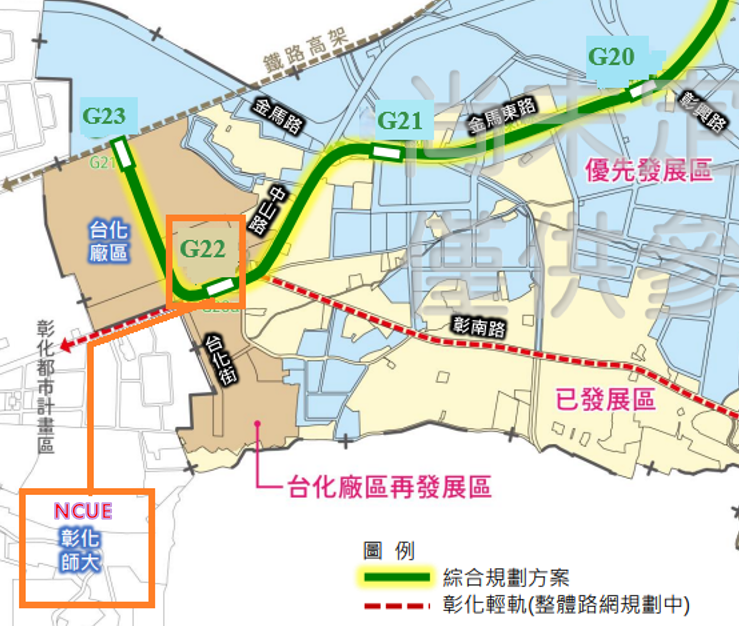
(3) Extending the Taichung Metro Green Line into Changhua City will benefit regional transport and low-carbon commuting. The Changhua City section is about 4 km long, and the number of stations has been increased from three to four. The new G22 station (formerly G20a), in front of the main gate of the Taiwan Fertilizer Company works (Figure 17), is about 1 km from NCUE’s Jinde Campus and will make public transport considerably more accessible for the University’s students, staff, parents and visitors.
NCUE supports transit-oriented development (TOD) by taking part in local public hearings and coordinating its campus planning accordingly, linking the campus and its surroundings with the urban transport system. These efforts promote people-centered sustainable transport solutions that balance environmental and community development needs, demonstrating NCUE’s active involvement in regional public transport and sustainable urban development.
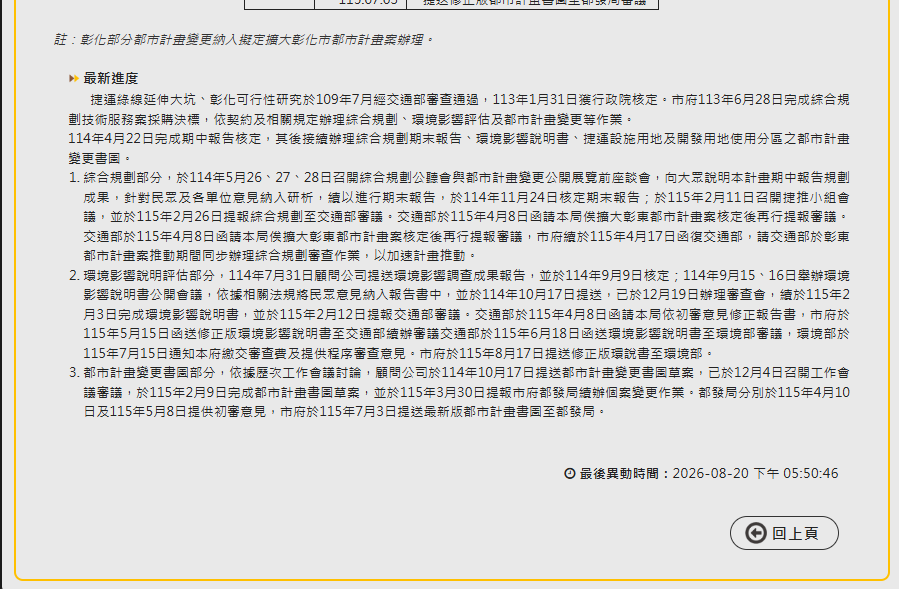
The webpage providing the latest progress updates is shown in Figure 18.
6. Pedestrian Safety Improvement at Campus Entrance
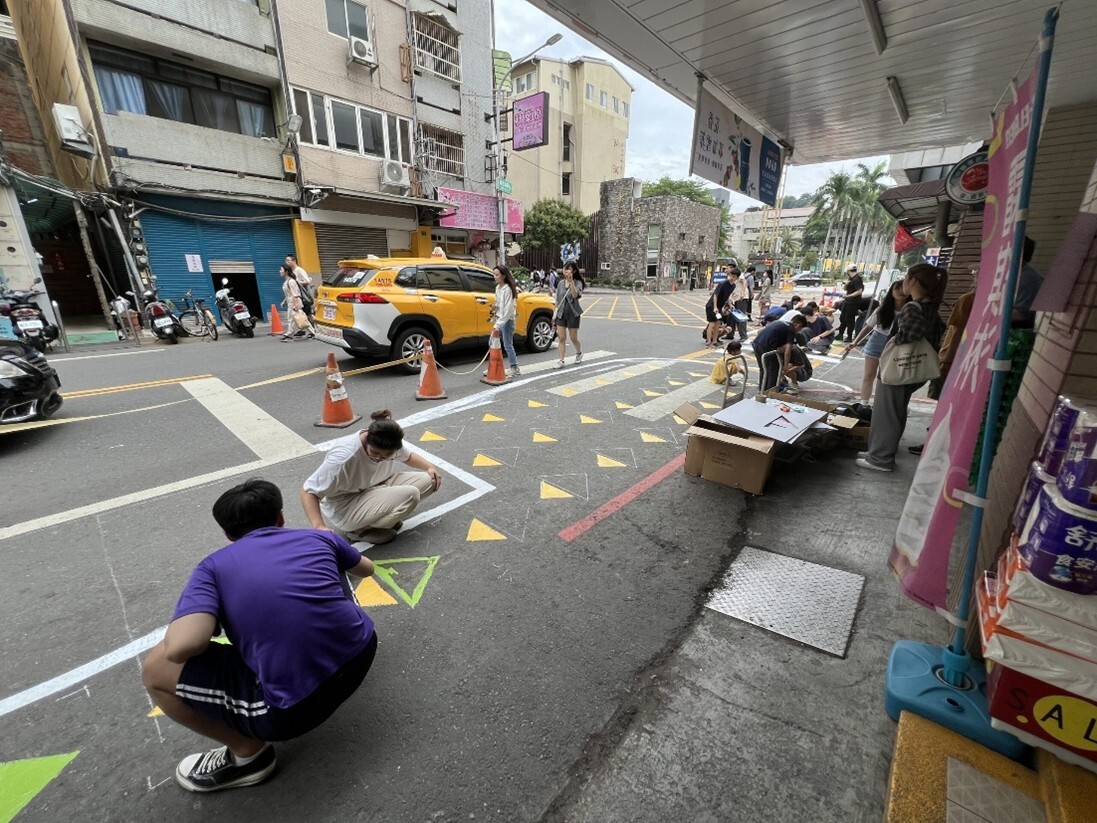
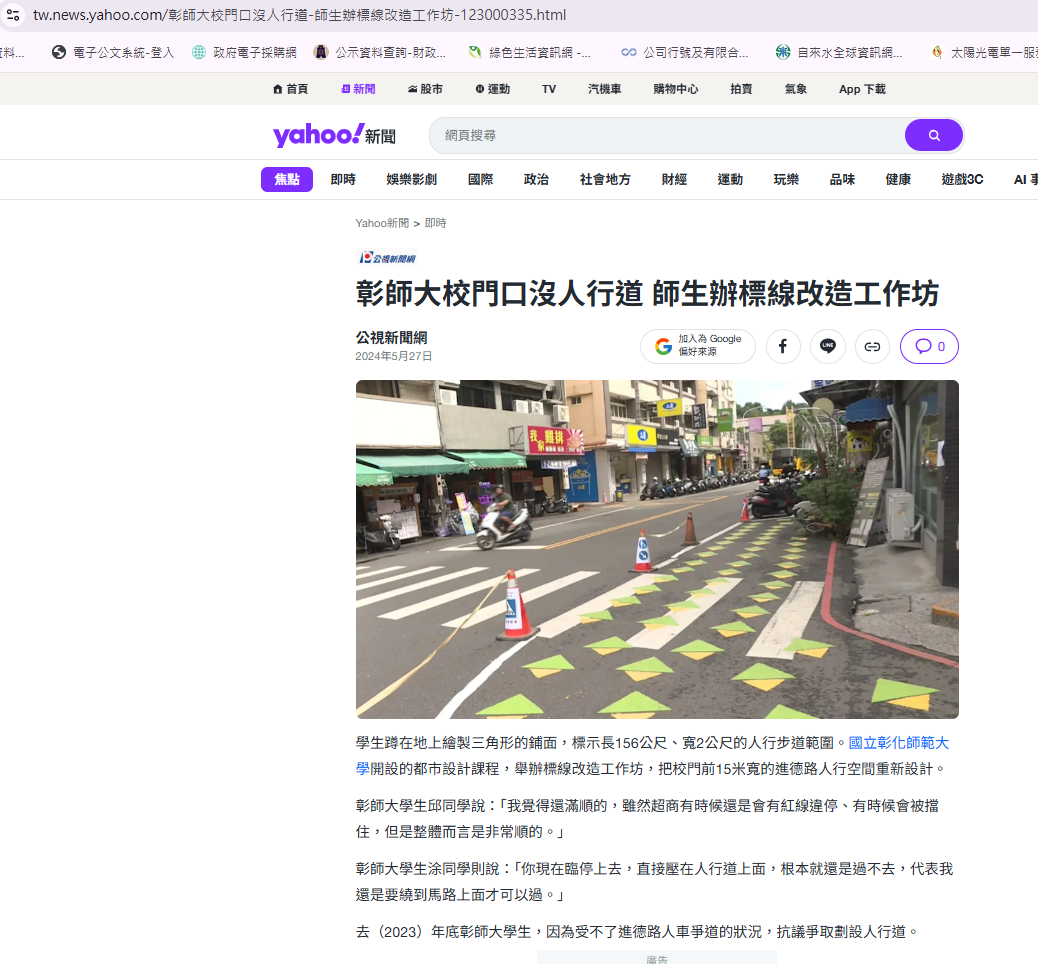
(1) Jinde Road, in front of the main gate, had no footway, so pedestrians and vehicles competed for space. NCUE faculty and students worked with Associate Professor Pei-wen Lu of the Department of Geography on a planning experiment within the “Urban Design” course. In May 2024, they held a “Road Marking Redesign Workshop” at which students planned and painted the road markings themselves (Figure 19), reallocating road space by narrowing traffic lanes, adding angled motorcycle bays and marking out a temporary footway 156 m long and 2 m wide as a demonstration of safe pedestrian passage. This was the first road-marking experiment in Taiwan carried out by students, providing an innovative reference for local transport planning. The related news coverage is shown in Figure 20.
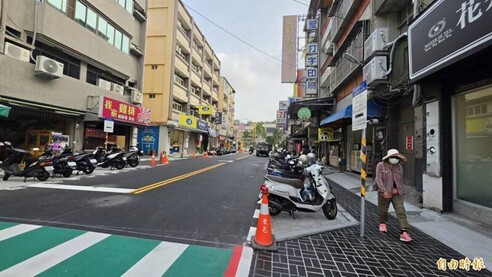
(2) After the Changhua City Office granted a short-term road use permit for the trial, it adopted the resulting plan. On December 16, 2025, the City Office began the first phase of construction of a 50 m footway. The work completed in April 2026 (Figure 21). Academic advocacy and practical experimentation were thus translated into public works, supporting the local authority’s people-centered transport policy.
(3) The Changhua City Office is also taking forward the “Changhua City NCUE People-Friendly Commercial District Regeneration Plan,” under which a 240 m people-friendly footway on Shijian Road has reached central government detailed design review, with continuing consultation with residents and relevant agencies. NCUE will continue to work with the local authority to extend the Jinde Road footway to Section 3 of Zhongshan Road, so that a connected walking network improves safety for students, staff and residents. These efforts fulfill the University’s mission of supporting local planning and sustainable urban development
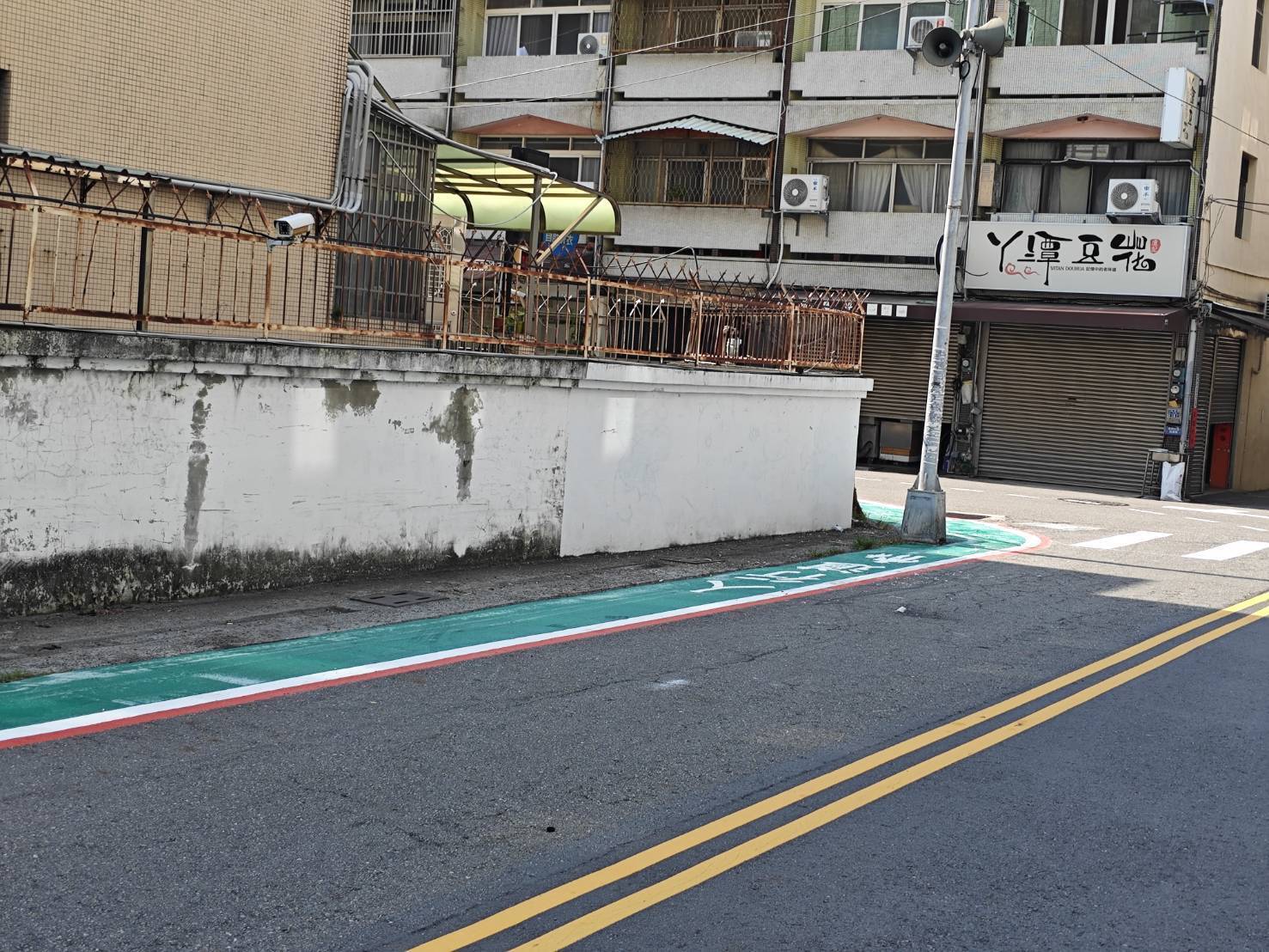
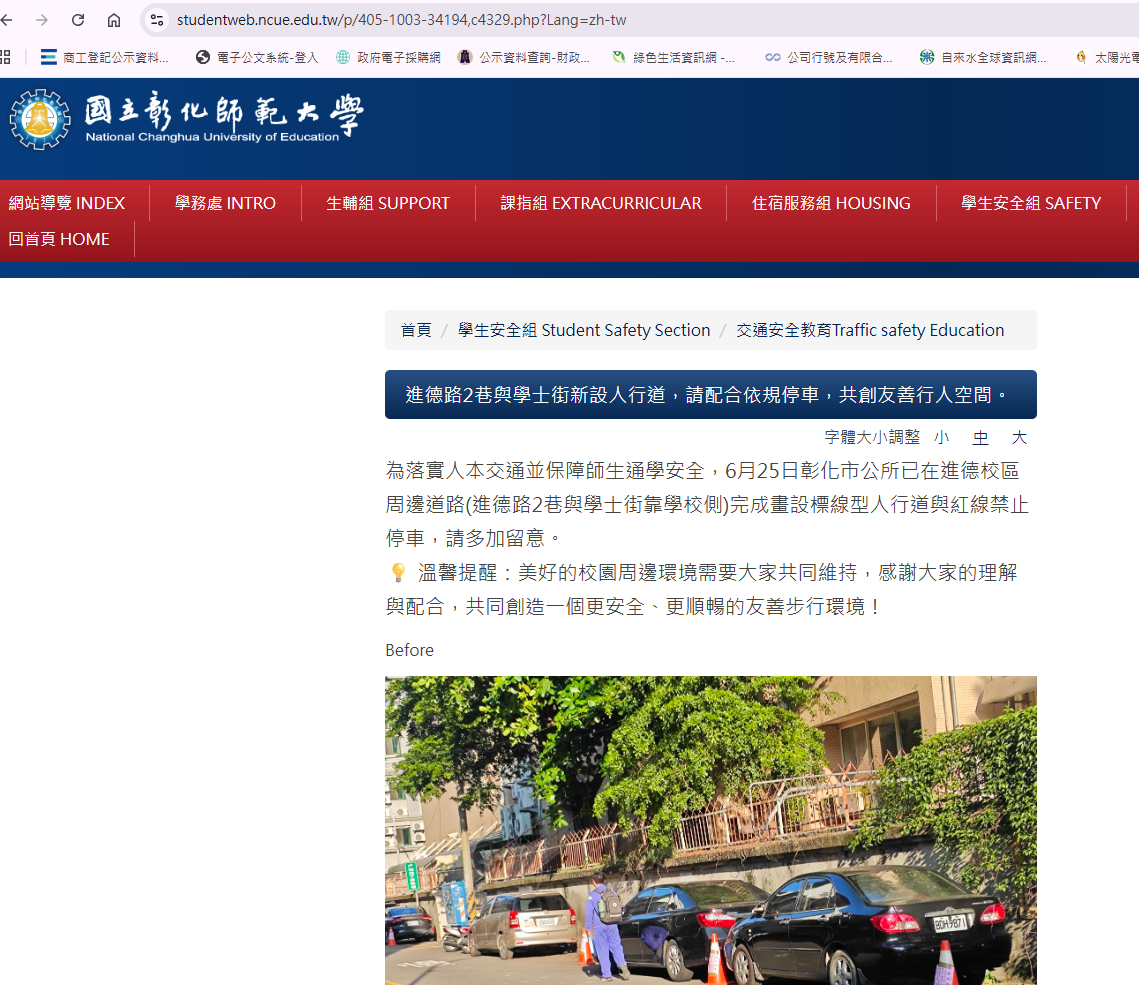
(4) Improving accident blackspots around the campus: after a serious traffic accident at the junction of Lane 2, Jinde Road and Xueshi Street in May 2026, NCUE immediately wrote to the Changhua City Office requesting a joint site inspection with the Transportation Department of the Changhua County Government, the police and the contractor, and a traffic safety meeting. The University proposed time restrictions on construction vehicles, traffic guidance at the junction and improvements to pedestrian space. Following discussions among the agencies involved, the City Office completed the improvement works in June 2026, adding pedestrian crossings, flashing signals at the junction, about 235 m of marked footway and red-line parking restrictions (Figure 22). These improvements help separates pedestrians from vehicles and demonstrate the results of cooperation between NCUE and the local government in promoting people-centered transport and improving safety on journeys to and from the university.
The NCUE Office of Student Affairs announcement is shown in Figure 23. (URL: https://studentweb.ncue.edu.tw/p/405-1003-34194,c4329.php?Lang=zh-tw)
7. People-Centered Streets Hackathon and Smart Street Governance
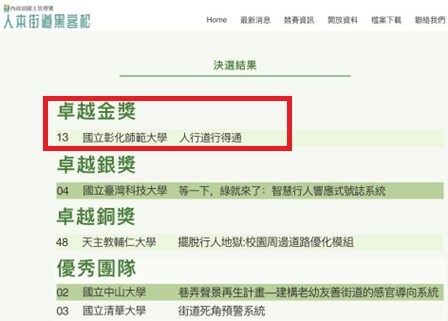
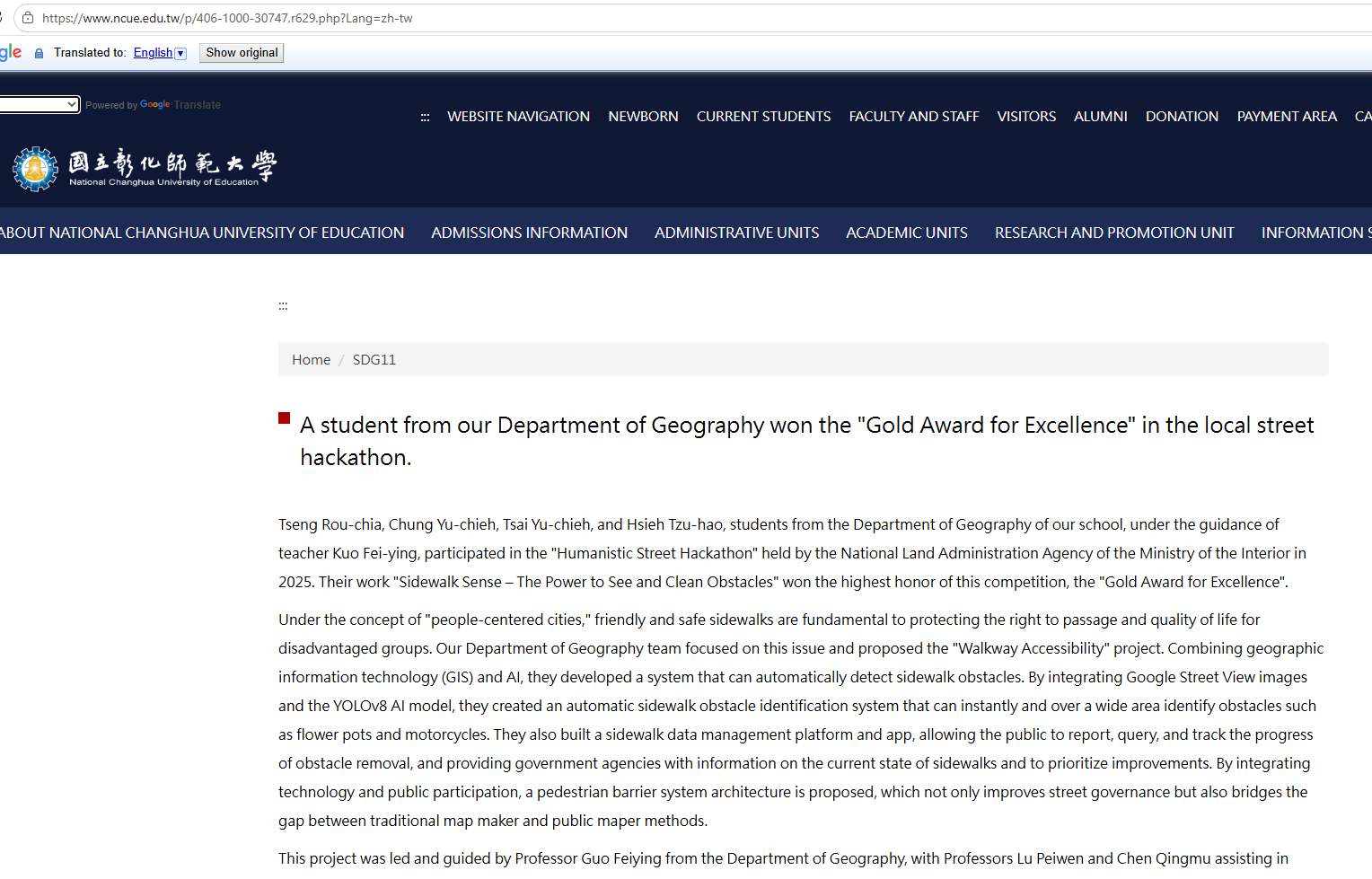
Students of NCUE’s Department of Geography took part in the 2025 People-Centered Streets Hackathon organized by the National Land Management Agency, Ministry of the Interior, and won the Gold Award for Excellence with “Sidewalk Sense — The Power to See and Clean Obstacles” (Figure 24). The team combined Google Street View imagery with YOLOv8 object recognition to build an automatic footway-obstruction detection system, a data management platform and a public reporting app. These let local authorities quickly map footway obstructions, analyze areas in need of improvement and set repair priorities, improving the effectiveness of road planning and management. By combining technology with citizen participation, the project establishes a mechanism for government and the public to work together to improve pedestrian environments, strengthening local public space planning and sustainable development. The team was subsequently invited to Berlin for the Taiwan–Germany People-Centered Streets Hackathon exchange, Hack Your District 2025, where it shared Taiwan’s experience of smart street governance and local collaboration with international specialists and exchanged findings on urban planning, transport and digital governance. These activities demonstrate NCUE’s practical contribution to helping local governments devel0p inclusive, safe and sustainable cities.
The Campus Headlines report webpage is shown in Figure 25. (URL: https://www.ncue.edu.tw/p/406-1000-30747,r629.php?Lang=zh-tw)
The press release from the National Land Management Agency, Ministry of the Interior, is shown in Figure 26. (URL: https://www.nlma.gov.tw/ch/titlelist/news/16676)