
SDG 10.2.1
SDG 10.2.1 Proportion of first-generation students
Number of students starting a degree
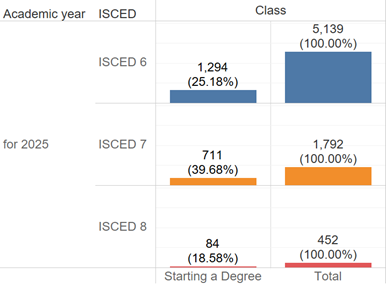
Number of students starting a FTE bachelor’s degree in 2025: 1,294; Master’s degree: 711; Doctoral degree: 84 (Figure 1).
Number of first-generation students starting a degree
1. Number of first-generation university students starting a degree
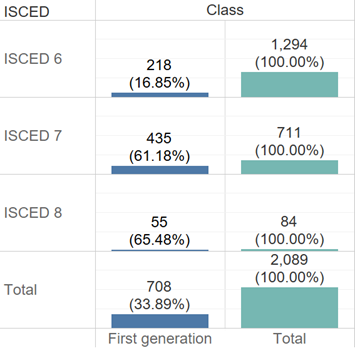
Among the new students enrolled in the day-time courses in 2025, 708 were first-generation university students starting a degree, accounting for 33.89% of the 2,089 students in total. The statistics of first-generation students starting as shown in Figures 2.
2. Providing a Comprehensive Support System for First-Generation University Students Commencing a Degree
NCUE deeply recognizes the pivotal role of higher education in promoting social mobility and eliminating inequality of opportunity. NCUE regards "first-generation university students" as a core group within its diverse and inclusive campus framework, and actively identifies this population through a regular census mechanism to provide precision-oriented support and governance.
(1) Analysis of the Diversity and Inclusiveness of the Student Body
Among the full-time equivalent (FTE) number of students commencing a degree in 2025, the total number of newly enrolled first-year students across the university was 2,089, comprising 1,294 undergraduate students, 711 master's students, and 84 doctoral students (Figure 1). Through a precise census conducted by the academic administration system, the number of first-generation university students commencing a degree was identified as 708, accounting for 33.89% of the total number of students enrolled that year (Figure 2). This significant proportion demonstrates NCUE's active fulfillment of its social responsibility as a national university, opening pathways for upward mobility to a substantial number of students from families without a background in higher education.
(2) "Soaring in Academic Careers, Realizing Eagles' Dreams": A Comprehensive and Inclusive Support System
For first-generation university students, the lack of cultural capital and inherited resources related to higher education within their families often leads to multiple challenges after enrollment, including academic adaptation difficulties, information barriers, and economic pressure. In conjunction with the Higher Education Sprout Project, NCUE has established an institutionalized support mechanism that provides disadvantaged students with support ranging from "pre-admission guarantees" and "comprehensive assistance throughout the entire enrollment period" to "digital equity," implementing the core principle of "Replacing Work-study with Learning" and comprehensively eliminating systemic barriers.
(a) 1Institutionalized Pre-admission Guarantees and Early Intervention Mechanisms
To eliminate inequality at the starting point, NCUE actively constructs diverse support channels, proactively increasing admission opportunities for disadvantaged and first-generation university students from the point of recruitment, while alleviating their hidden economic burdens:
i. University admission with reserved quotas: The university application admission channel provides quotas for the priority admission of economically disadvantaged students, with a specially established "Soaring Eagles Recruitment Group" that breaks away from the traditional single-score framework, placing emphasis on students' learning motivation and their journey of growth through adversity, with comprehensive adoption of written review. In the 2025 academic year, 2 and 20 students were admitted, respectively.
ii. Zero-burden admission examination mechanism: To prevent students from losing opportunities for upward mobility due to geographic and economic constraints, NCUE fully waives admission examination fees for economically disadvantaged students and proactively subsidizes transportation and accommodation costs for taking the examination. Since the 2025 academic year, subsidies totaling approximately NT$29,000 have been provided.
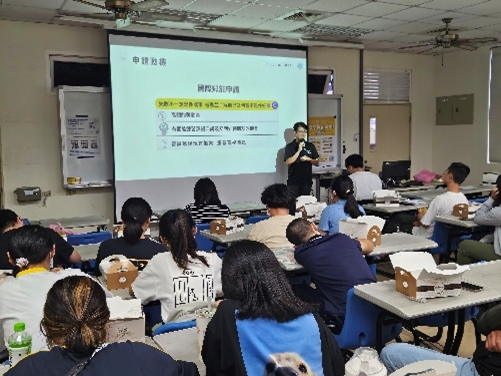
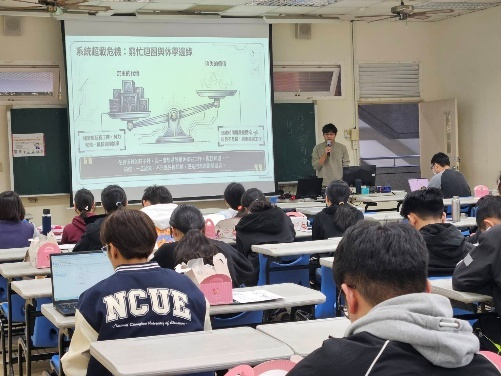
iii. Proactive first-mile outreach: NCUE holds the "Soaring Eagles Incentive Grants Briefing" and the "Freshman Financial Aid Briefing" (Figures 3-4), ensuring that students are seamlessly connected to the university's support network from the very beginning of enrollment.
(b) A Four-dimensional Post-admission Support Network (Academic, Psychological, Economic, and Digital Equity)
NCUE upholds its commitment to "Comprehensive Care for Students' Learning Journey," promoting secure academic life guidance and counseling, professional and caring psychological counseling, enhanced self-directed learning guidance, and improved competency career counseling. In 2025, under NCUE's Soaring Eagles Program, counseling economically disadvantaged students received a total of 2,172 instances of guidance and support.
Among these, resources were precisely directed toward first-generation university students, with a total of 901 guidance and counseling sessions provided and incentive grants amounting to NT$5,398,950 (accounting for 41.51% of the total incentive grants). The specific results are shown in Table 1 below.
| Indicator | Life Guidance and Counseling | Psychological Counseling | Learning Guidance and Counseling | Career Guidance and Counseling | Total |
|---|---|---|---|---|---|
| Number of Guidance and Counseling Instances | 262 | 562 | 1,343 | 5 | 2,172 |
| Student Incentive Grants | 3,944,000 | - | 9,061,000 | 0 | 13,005,000 |
| Number of First-generation Students | 120 | 235 | 544 | 2 | 901 |
| First-generation Student Incentive Grants | 1,715,950 | - | 3,683,000 | 0 | 5,398,950 |
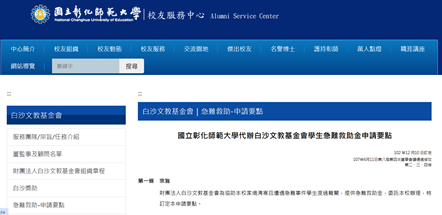
i. Life Support and Emergency Assistance Network: Through mechanisms such as tuition and miscellaneous fee reductions, fully guaranteed accommodation, and campus meal coupons, NCUE stabilizes students' basic living conditions. For students from economically disadvantaged families who encounter emergencies (including those who are the first in three generations of their family to attend university) (as shown in Figure 5), a dedicated "Student Emergency Aid Fund" has been established, providing immediate assistance of up to NT$100,000. The relevant regulations and application procedures are publicly available on the university's official website.
ii. Precision Psychological Counseling and Peer Community Building: In response to the campus adaptation and cultural challenges commonly faced by first-generation university students, NCUE's Counseling Center has established a "precision counseling mechanism," providing individualized and group counseling, and establishing case management tracking.
iii. Excellence Development and Zero-cost Digital Equity: To fully eliminate the "digital divide" and hidden learning costs arising from family background, NCUE invests approximately NT$29 million annually to enrich its library and electronic resources. The university currently holds approximately 440,000 physical volumes and actively participates in five major consortiums, including the Taiwan Academic E-book and Database Consortium (TAEBDC), procuring more than 30 types of leading global electronic databases, including Elsevier ScienceDirect, Springer, Wiley, and IEEE. Combined with on-campus computer labs and laboratories, these resources create a digitally equitable, high-quality research and learning environment for first-generation university students.
(3) Precision Career Development and Social Mobility to Eliminate Class Inequality
To ensure that first-generation university students can overcome the lack of family network resources upon graduation and break down information asymmetry in the workplace, NCUE extends its guidance and counseling framework to the point of employment, actively promoting career transition:
(a) Establishment of a Dedicated Cross-departmental Unit
In February 2025, NCUE formally established the "Precision Career Development Center" as a university-level dedicated unit, integrating a cross-departmental resource platform and working closely with various departments to provide students with diverse and precise career guidance.
(b) Corporate Mentorship and Professional Consultation
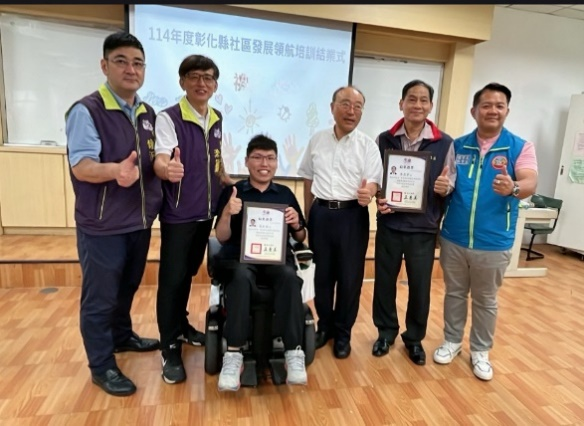
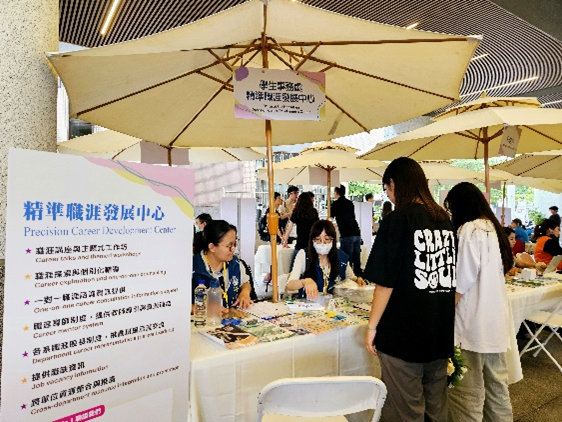
NCUE actively applied for the "Subsidy Program for Universities and Colleges Implementing Employment Service" from the Workforce Development Agency, Ministry of Labor, Taichung-Changhua-Nantou Regional Branch, bringing in industry experts to provide one-on-one, in-depth career counseling services. In 2025, a total of 30 participants were served, including 5 first-generation university students who received precision-targeted services (as shown in Figure 6, Community Development Leadership Training and in Figure 7, on-site consultation at the job fair). Through objective and professional assessment, NCUE helps students clarify their self-worth and gain insight into market trends, achieving high-quality professional employment and substantively breaking the intergenerational reproduction of economic class.
(4) Extending Social Impact: First-generation University Students as Practitioners of Educational Equity
As one of Taiwan's longest-established and leading normal universities, NCUE's most distinctive practice lies in transforming first-generation university students from "recipients of resources" into "empowering agents of educational equity in rural areas." The university actively encourages and funds students to step outside the campus, applying their professional expertise to benefit rural children with fewer educational resources, deepening their sense of self-worth and achievement through the process of serving society:
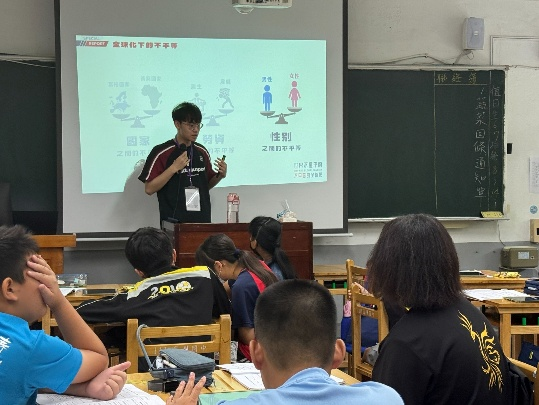
(a) Baisha Summer School (Educational Transition Practice)
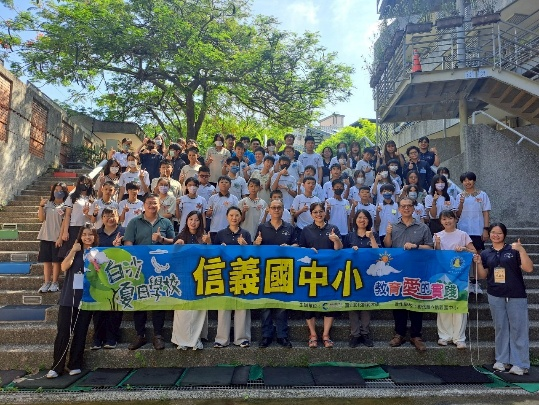
Since 2011, the Baisha Summer School has been held annually. It is organized by a team of pre-service teachers who take on various administrative and teaching roles, simulating the operations of a school and leading newly admitted elementary and junior high school students to adapt to campus life while experiencing bridging courses that combine creativity and enthusiasm. In the summer of 2025, a total of 55 pre-service teachers were stationed at 3 junior high schools in Changhua County, guiding 115 incoming seventh graders to experience the joy of learning and embrace their new life in junior high school (Figures 8-9).
(b) Schweitzer Educational Service Program (Care for the Disadvantaged)
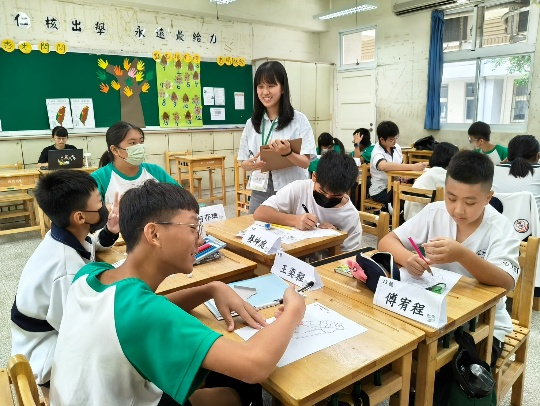
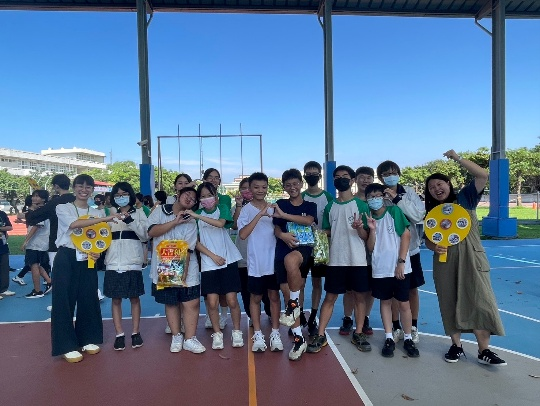
Since 2006, the Schweitzer Educational Service Program has embodied the spirit of Dr. Schweitzer by caring for the underprivileged and providing professional services, entering rural schools to organize academic tutoring and character-building activities. In the summer of 2025, a total of 25 pre-service teachers served 28 students transitioning from seventh to eighth grade at Sinsi Junior High School in Changhua County (Figures 10-12).
(c) USR Baisha x Collaborative Good Program (Regional Resource Integration)
Launched in 2020, this program aims to fulfill the university's social responsibility, enhance pre-service teachers' professional knowledge and teaching skills, and strengthen their practical teaching skills, while promotes regional resource integration so that disadvantaged rural students gain access to better learning opportunities and educational resources. In 2025, summer camps were co-organized with a total of 8 schools across Changhua County, Yunlin County, Taichung City, and Tainan City, incorporating localized, place-based curricula and interdisciplinary courses. For example, the "Little Cooking Masters" bilingual home economics course at Tianzhong Senior High School's junior high division used immersive English activities and hands-on cooking practice to help students build confidence in daily life and improve their English communication skills. A total of 69 pre-service teacher volunteers participated in the program, serving 247 junior high and elementary school students (Figures 13-14).
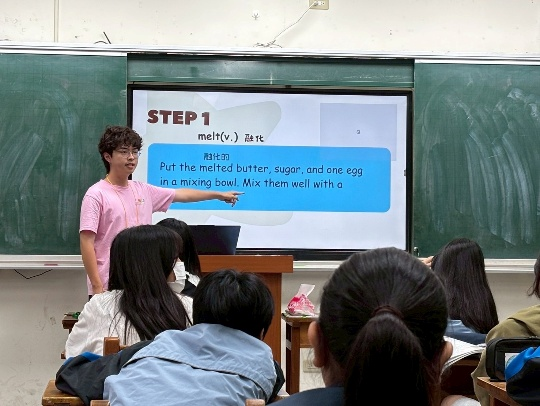
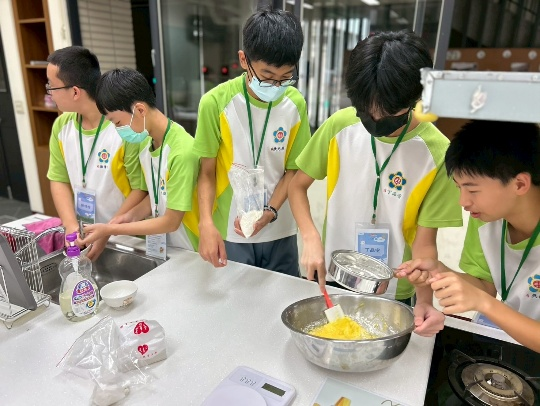
Through the three programs described above, NCUE has not only successfully contributed to the practice of educational equity in rural areas, but has also enabled first-generation university students to recognize their own power as "advocates of social equality" through practice, creating a sustainable, positive impact that benefits the university, its students, and society alike.