SDG 10.6.6
SDG 10.6.6 Support for underrepresented groups
NCUE continues to promote a friendly workplace environment and strengthen support mechanisms for faculty and staff with disabilities, those from disadvantaged backgrounds, and underrepresented groups. Through the "Employee Assistance Program (EAP)," we provide comprehensive services including psychological counseling, career guidance, and legal consultation to help faculty and staff cope with life and work pressures. For faculty and staff with disabilities, NCUE have reasonable job adjustment mechanisms in place to protect their work rights and safety. We also continuously strengthen gender equality policies and have established a Gender Equality Education Committee and diverse gender support systems to create a workplace culture of inclusion and respect for diversity. Through these measures, NCUE is committed to achieving SDG 10 "Reduced Inequality," enhancing internal institutional fairness and inclusiveness, as detailed below:
1. Assistance programs offered to faculty members and staff:
NCUE has established its “Faculty and Staff Mental Health Service Program (as shown in Figure 1)”, which offer psychological counseling and physical health services.
(1) NCUE conducts annual psychological counseling service activities which are a part of the assistance programs to protect the mental health of faculty members and staff. A feedback form is designed to collect the opinions of the applicants, which serves as a basis to decide how to improve and whether to conduct the activities again.
(2) NCUE allocated a special fund of NTD$200,000 for the psychological counseling services provided in 2025, which served 108 person-times, helping a total of 16 employees.
2. Strengthening support mechanisms for providing legal consultation to disadvantaged faculty and staff:
NCUE collaborates with professional legal advisors to provide regular free legal consultation services, assisting with issues related to labor rights, workplace discrimination, and gender equality, ensuring that their rights are fully protected and further promoting a fair and just workplace environment.
3. Creating a Gender-Friendly Workplace
(1) In consideration of the needs of faculty, staffs and students who are pregnant, with limited mobility, or with young children, the Gender Equality Education Committee of NCUE has drawn up the first ‘Caring parking card’ in colleges and universities nationwide. Since 2009, all faculty, staff, and students in need, and even school guests, can apply for the use of the “Caring parking card”. A vehicle with a “Caring parking card” can park in barrier-free parking spaces (the card must be placed visibly on the windshield of the vehicle), as shown in Figure 2 and Figure 3.
(2) NCUE provides faculty and staffs with day care services and nursery rooms
(a) NCUE has launched the “Changhua Private Kindergarten Affiliated to the University Co-operative Limited of the National Changhua University of Education.” This kindergarten enrolls the children of the school’s faculty and staff, as well as provides childcare services of preschool education for children over 2 years old. Use of services is chargeable.
(b) In addition, NCUE has set up the “Important points for maintaining the education rights of students of the National Changhua University of Education during pregnancy and guidance-assisting measures.” We actively safeguard the education rights of pregnant students and use school or social resources through referrals to assist pregnant students with childcare needs after giving birth or having children.
(c) NCUE has a total of three well-equipped and comfortable nursery rooms, which are located in the medical room of the Jinde campus and Mingde hall, as well as the medical room of the Shida campus, as shown in Figure 4. In addition, we have set up “National Changhua University of Education Nursery Room Setup and Management Measures.” Please refer to the regulations (as shown in Figure 5) (https://genderweb.ncue.edu.tw/ezfiles/16/1016/img/1021/166393770.pdf)
4. Services to support economically-disadvantaged students:
To alleviate students’ financial burdens, a plan to “replace part-time work with studying” was designed to guide economically-disadvantaged students so that they can strike a balance between their studies and economic needs. NCUE supports them from the first year at the university through the last, fulfilling the goal of “all-round care for students’ learning process,” and helping them to “fly high in academic life, be an eagle to fulfill their dreams.” The learning process includes life guidance for studying with ease, professional care with psychological guidance, guidance on improving students’ autonomous learning, and career guidance on improving students’ abilities. Table 1 presents the status of the distribution of the recipients of 2025 The Soaring Eagles Program (as shown in Figure 6) and the number of students who received the aid. The number of economically disadvantaged students who received counseling has reached 2,172 individuals.
| 2025 | Daily life counseling | Psychological counseling | Learning counseling | Career counseling | Total |
|---|---|---|---|---|---|
| Number of students served | 261 | 562 | 1,343 | 6 | 2,172 |
| Expenditures of rewards for students (NTD$) | 3,944,000 | - | 9,061,000 | 0 | 13,005,000 |
5. Services to support students with disabilities
A Resource Classroom has been set up in the Special Education Centre of NCUE. In order to provide students with disabilities with appropriate consulting and evaluation services so that they can successfully complete their studies, and to improve their emotional, learning, social, and professional adaptation, the ‘Resource Classroom’ of NCUE is specially designed to arrange counseling during the learning process. The Resource Classroom is responsible to provide general, life, and academic counseling. The onsite services available at NCUE’s resource room are detailed in Table 2, with the number of individuals receiving various services illustrated in Table 3.
| Statistics of various services provided in the Resource Classroom | Students served (person-times) |
|---|---|
| Data query | 387 |
| Use of assistive equipment | 9 |
| Printing coursework | 650 |
| Self-study | 1399 |
| Exam service | 115 |
| Data transfer | 12 |
| Academic counseling | 337 |
| Life counseling | 339 |
| Transition counseling | 15 |
| General counseling | 16 |
| Types of services provided by the Resource Classroom | Number of students served |
|---|---|
| Schoolwork counseling | 141 |
| Examination service | 115 |
| Study companion service | 898 |
| Borrowing assist equipment | 38 |
| Textbook conversion | 29 |
6. Support Services for Indigenous Students
(1) Introduction and Achievements of the Indigenous Student Resource Center
To effectively provide indigenous students (hereinafter referred to as "indigenous students") with assistance and services in daily life, academic studies, and career guidance, NCUE established the "Indigenous Student Resource Center" (hereinafter referred to as the "Indigenous Resource Center") in 2017. The Center aims to integrate various resources to implement campus-wide indigenous education and the promotion and inheritance of ethnic culture.
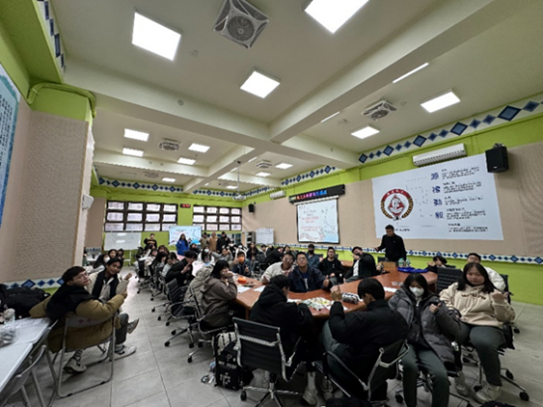
To deepen the multicultural awareness of indigenous culture among faculty and students across the university, the Indigenous Resource Center planned a series of themed activities in 2025, organizing a total of 32 service activities throughout the year and serving 1,487 student participants (for details on the activities and number of participants served, please refer to Table 4; for photos of the outcomes of various visit activities, please refer to Figures 7-15).
| Category | Service Content | Number of Students Served |
|---|---|---|
| Life Services | 2024-2 Semester Opening Dinner | 15 |
| 2024-2 Farewell Dinner | 30 | |
| 2025-1 Semester Opening Briefing Dinner | 76 | |
| 2025-1 Semester-End "All Pass" Dinner | 100 | |
| Academic Tutoring | Midterm Study Group | 24 |
| Participation in the "Guidance for Academic Advancement" Program | 3 | |
| Career Guidance | "Designing a Self-Optimized Career" Lecture | 10 |
| "Indigenous Youth Speak Out: Seeing the Width of the World from Our Tribes" | 26 | |
| "Designing Your College Life in the Age of FOMO" Lecture | 15 | |
| "Indigenous Youth Sharing Session: Preparing for Exchange Programs in New Zealand and Hawaii" Lecture | 14 | |
| Symposium on "National Examinations and the Cultivation and Selection of Indigenous Civil Service Talent" | 90 | |
| Cultural Lectures | "Who Will Sing VUVU's Song?" Lecture | 80 |
| "My Name: Cultural Aesthetics and Self-Identity through Picture Book Creation" Lecture | 79 | |
| "A Life Forged in Sound: The Path to Becoming a Musical Instrument Craftsman" Lecture | 37 | |
| Documentary Screening and Discussion: "The Green Bamboo Leaves" | 43 | |
| Sharing Session on "How Is Umav Doing!" | 78 | |
| "Tracing Indigenous History in the Museum: Objects, Historical Sites, and Public Participation" Lecture | 80 | |
| "Multiple Roles on the Path of Indigenous Language: Learner, Worker, and Inheritor" Lecture | 57 | |
| "Rethinking Indigenous Education Beyond the School" Lecture | 42 | |
| "If I'm Not in the Field, I'm on My Way to the Field: The Past, Present, and Future of Anthropological Fieldwork" Lecture | 40 | |
| Cultural Workshops | "Deeply Woven Love: The Art of Net Weaving" Workshop | 14 |
| "Bunun Textiles and Plant Dyeing" Workshop | 27 | |
| "Amis Handmade Necklace" Experience Course | 20 | |
| "Paiwan Flower Wreath Making" Workshop | 18 | |
| "Ram's Horn Crochet: Freedom (Bravely Pursuing Dreams)" Workshop | 30 | |
| "Who Loves to Brew (Millet Wine) + Blood Sausage with You" Workshop (2 sessions on the same day) | 20 | |
| Tribal Visits (including faculty and staff sessions) | Visits to Dili and Shuanglong Tribes | 30 |
| Visit to Itashao Tribe | 25 | |
| Internship at Valu Tribe (faculty and staff session) | 30 | |
| Indigenous Education for All | NCUE 54th Anniversary Celebration Series – "Indigenous Music Festival" for Indigenous Education for All | 300 |
| "Subtle Discrimination on Campus and Ethnic Literacy" Lecture | 34 | |
| Total | 32 | 1,487 |
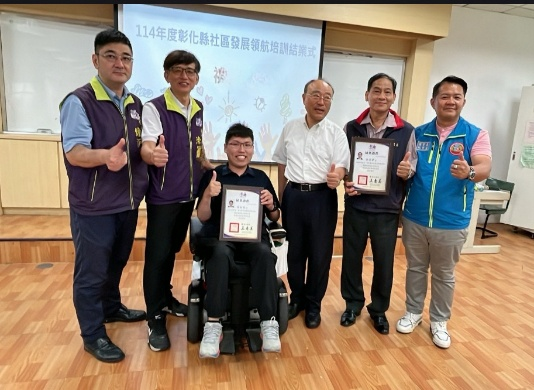
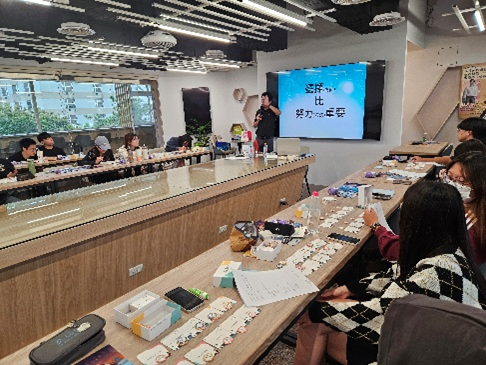
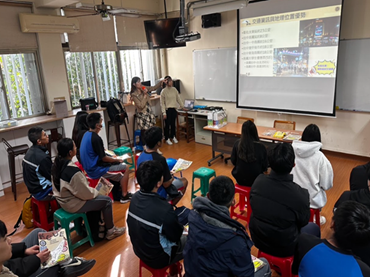
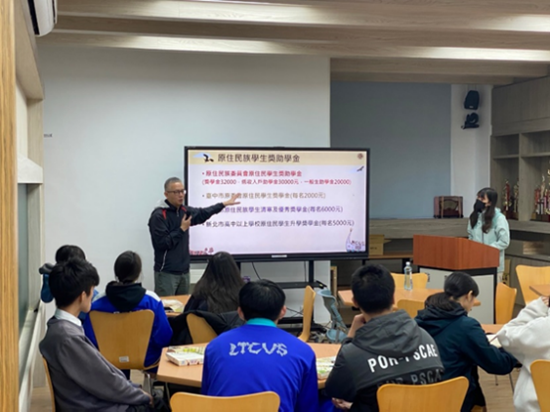
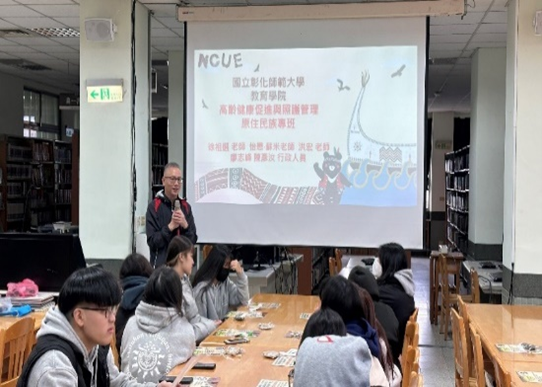
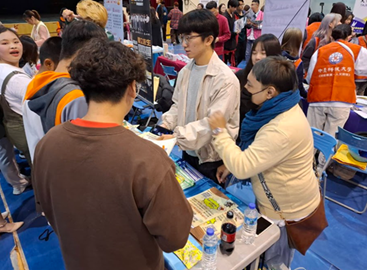
Resource Integration and Information Disclosure Channels: NCUE actively provides various resources needed by indigenous students and continues to integrate resources both on and off campus. Relevant public information and the latest event updates are compiled on the Indigenous Resource Center's official website, Facebook fan page, and Instagram.
(2) Achievements of the Special Program for Indigenous Students in Elderly Health Promotion and Care Management
NCUE's "Special Program for Indigenous Students in Elderly Health Promotion and Care Management" is dedicated to building a support and cultivation system for indigenous students that integrates "cultural safety," "professional competence," and "tribal practice." This program addresses the challenges indigenous students face in higher education—including cultural adaptation, academic learning, and career orientation—by promoting a comprehensive plan of mentorship, peer support, and diverse practical learning A list of support services and field-practice activities is presented in Table 5:
(a) Building Cultural Subjectivity and Peer Support
Through off-campus teaching, field visits to tribal communities, and cultural immersion experiences, the program guides students in understanding indigenous traditional life wisdom and tribal care models. The curriculum design particularly encourages indigenous students to serve as facilitators and presenters in cultural practice activities, strengthening their ethnic identity and cultural confidence, while fostering a close peer support network within the program and creating a learning environment with a strong sense of cultural safety.
(b) Connecting Professional Practice with Cross-Generational Inclusion
Combining expertise in elderly care and health promotion, the program leads students in field-based learning at tribal cultural health stations, indigenous cultural centers, and long-term care institutions. Students apply classroom theory to the practice of elderly care within tribal communities, experiencing diverse models of cross-generational inclusion and tribal long-term care, while enhancing their cultural sensitivity and capacity for local community engagement.
(c) Career Orientation and Cultivation for Service in Home Communities
The program organizes thematic activities such as sharing sessions on civil service examination experience and visits to long-term care industry and assistive device exhibitions, guiding students in career exploration and professional development. This cultivates outstanding talent equipped with professional caregiving skills and an understanding of the needs of indigenous home communities, thereby promoting the health and well-being of these communities and social class mobility.
Centered on the integration of cultural heritage, professional practice, and social engagement, this program concretely embodies the United Nations Sustainable Development Goals of "Good Health and Well-being" (SDG 3), "Quality Education" (SDG 4), and "Reduced Inequalities" (SDG 10), demonstrating higher education's active contribution to ethnic equality and the sustainable development of tribal communities.
| Theme and Service Content | Outcomes and Support Description | Activity Photos |
|---|---|---|
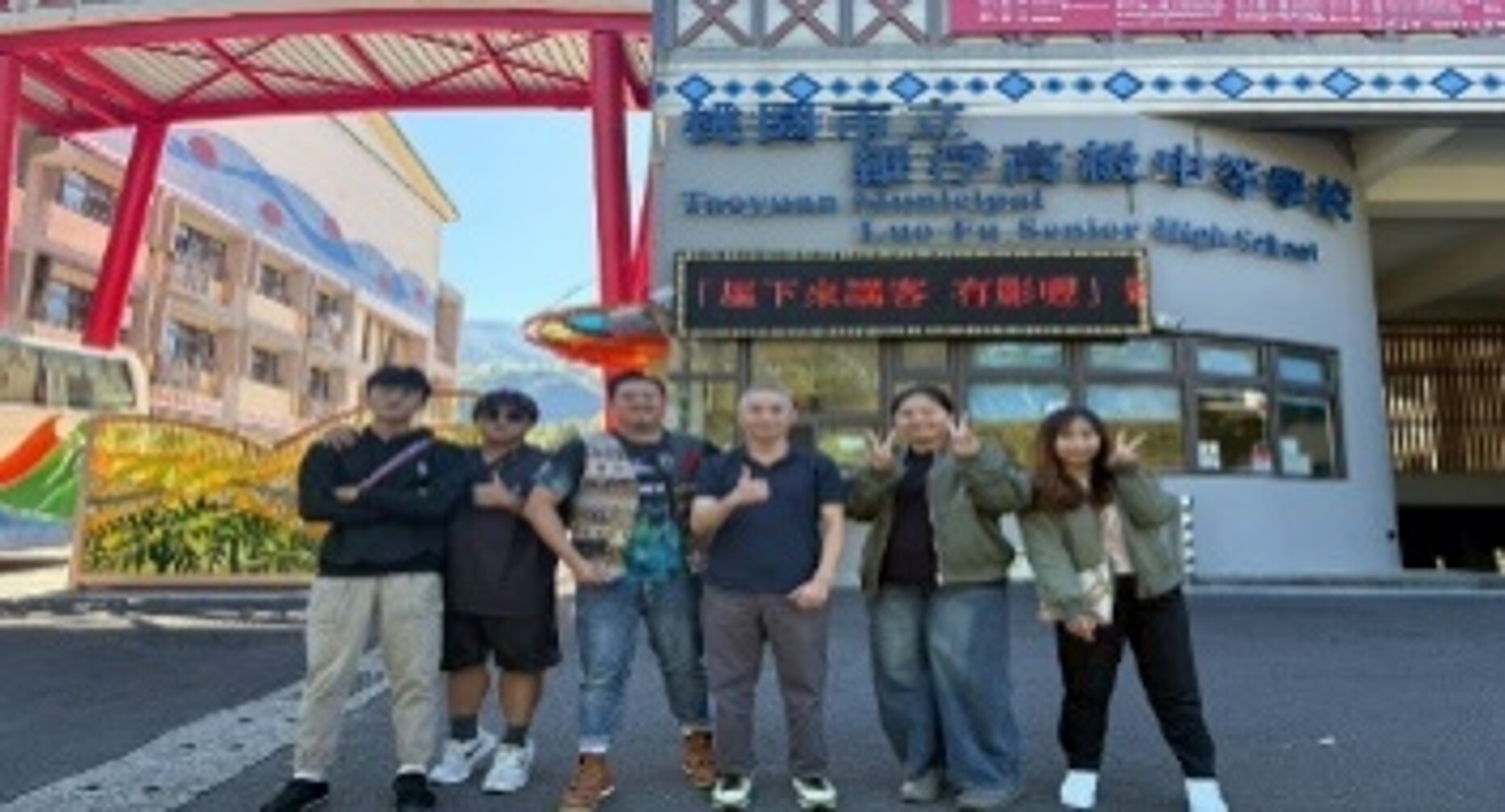
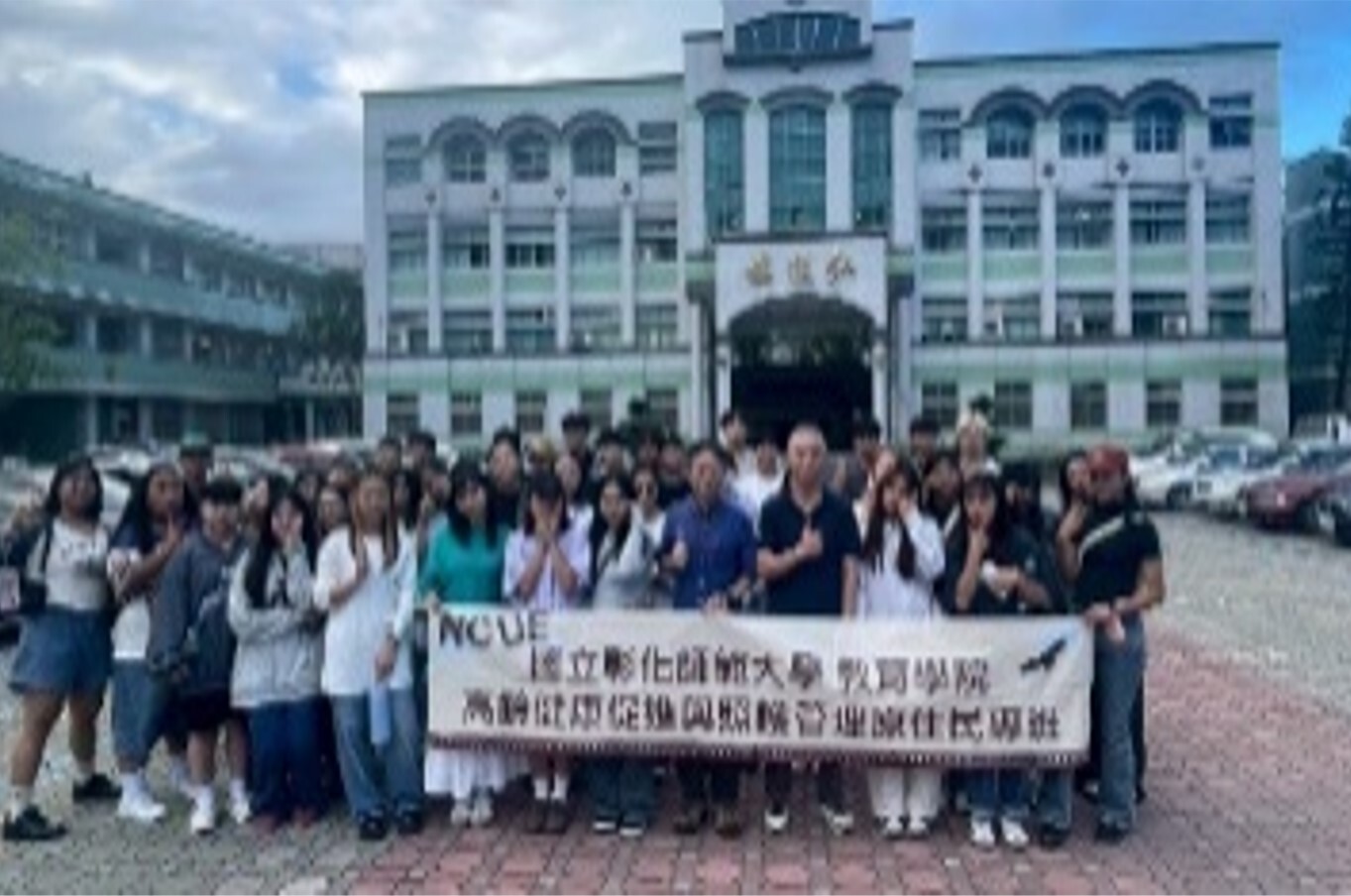
| 11/07/2025: Visit to Luofu Senior High School and Luodong Commercial and Industrial Vocational High School | Facilitated cross-school exchange and peer experience sharing among indigenous students, establishing a peer support network. |
|
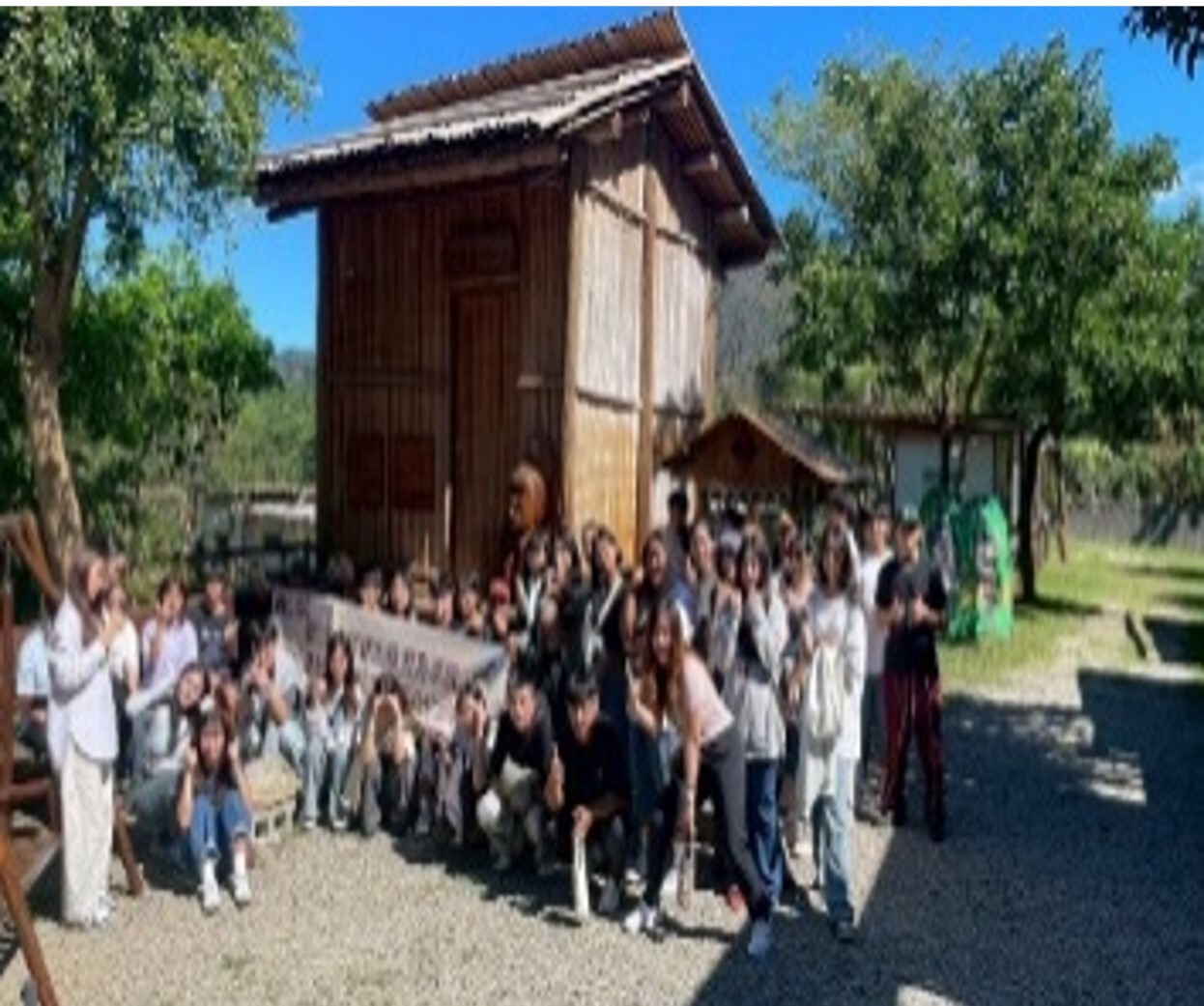
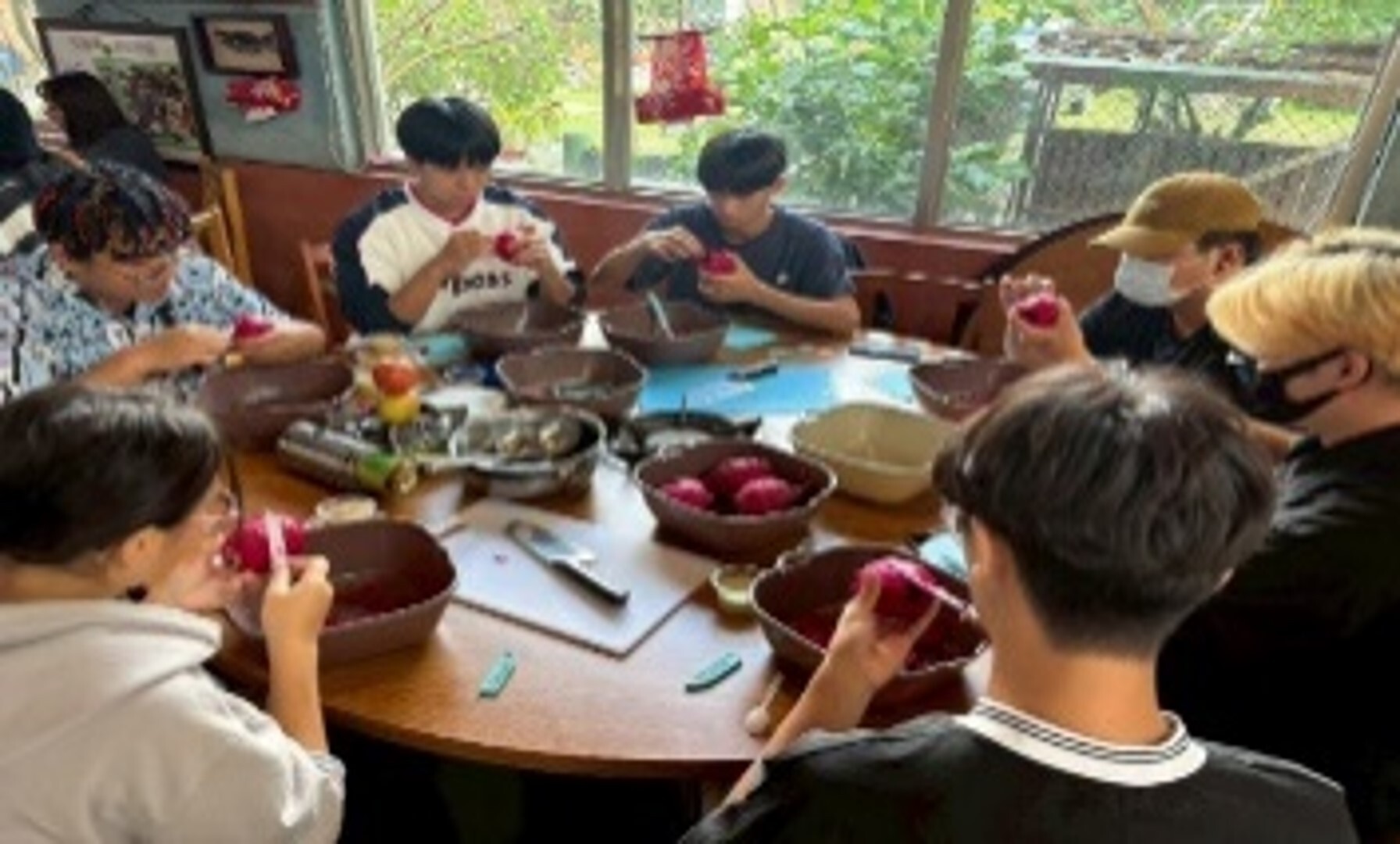
| 25: Visit to Xikou Tribe, Sakura Farmstay Wellness Farm, and Sakizaya Tribe | Observed local tribal industries and distinctive healthy diets, connecting traditional indigenous dietary wisdom with elderly health promotion. |
|
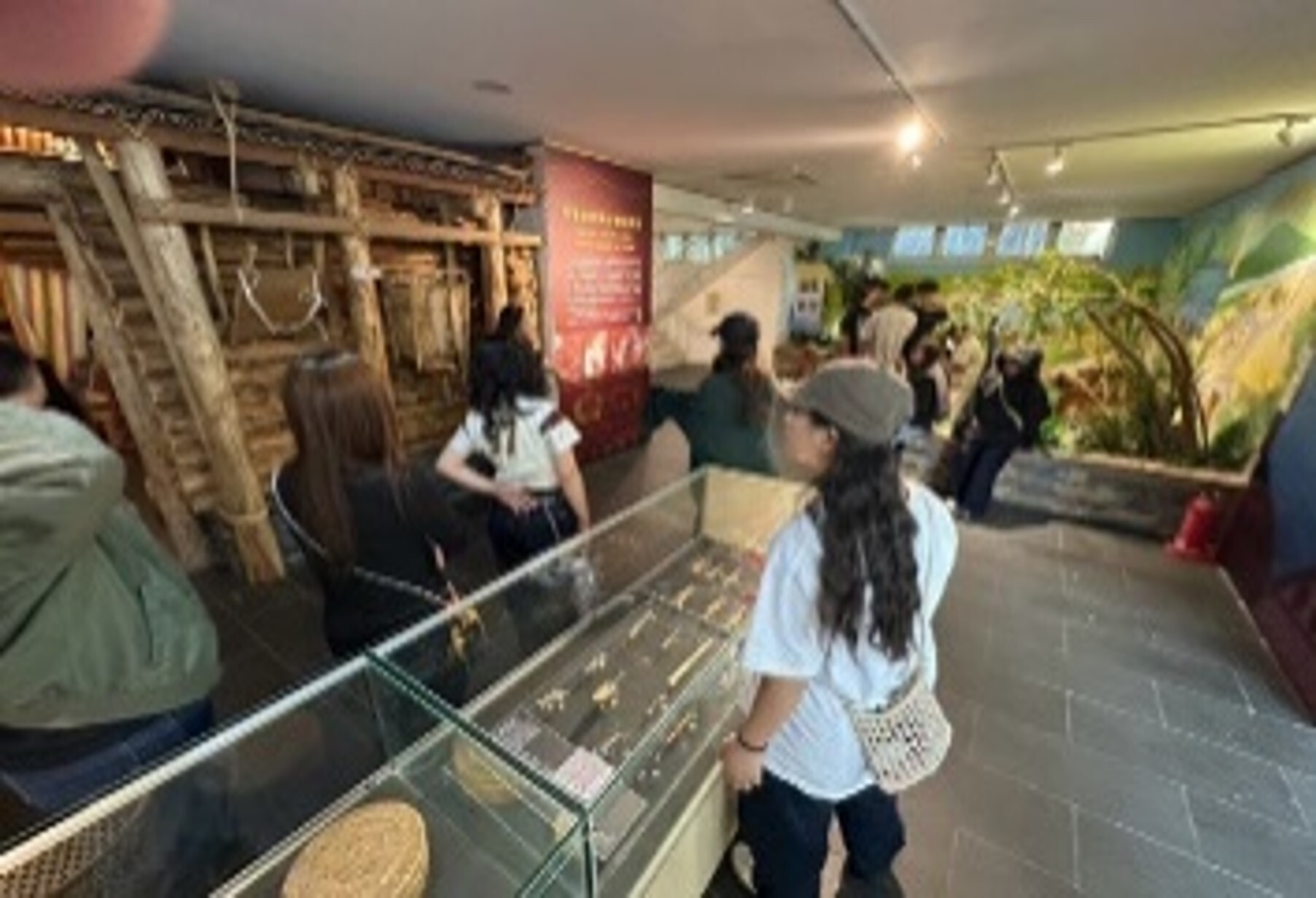
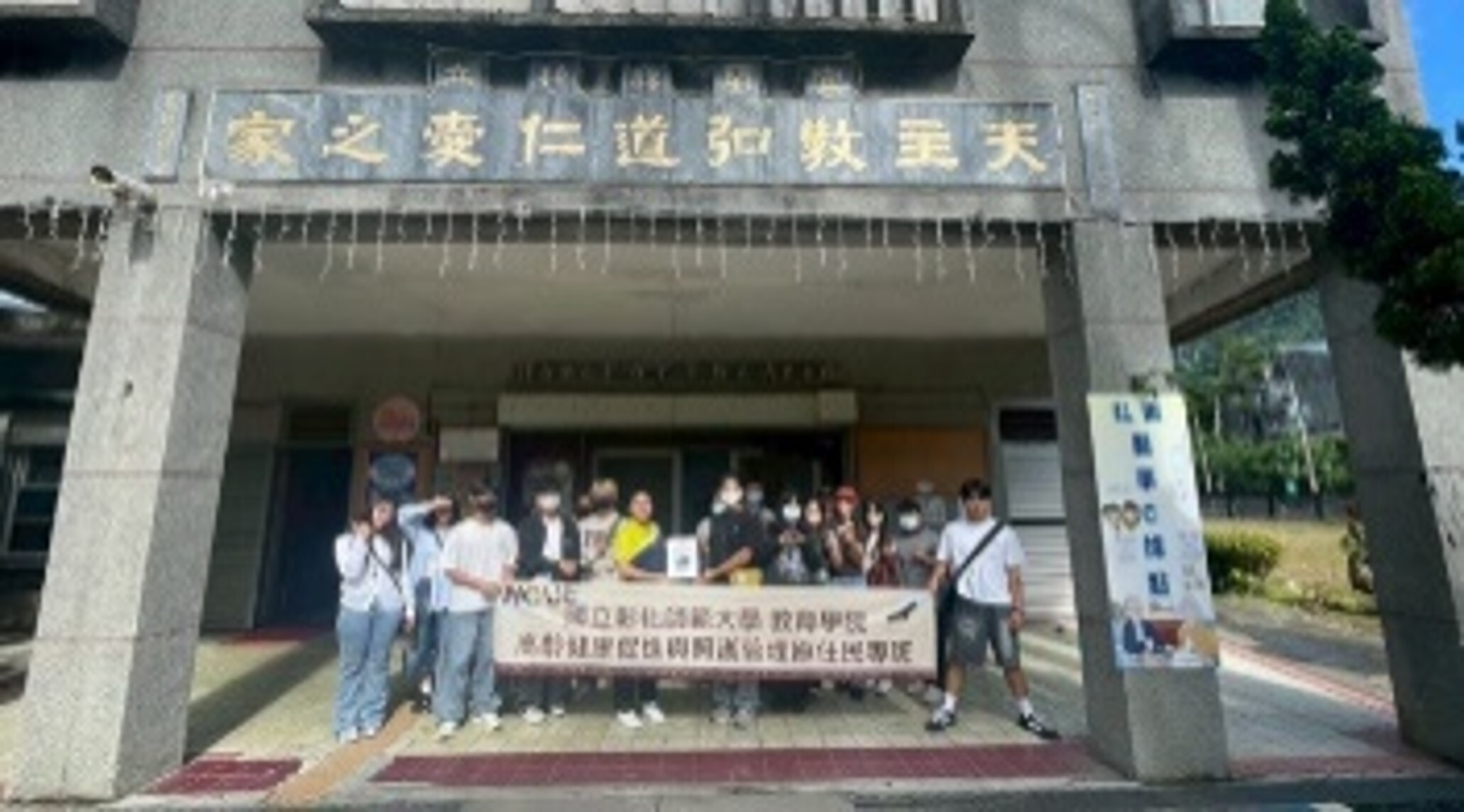
| 11/09/2025: Field Study at the Yilan Nan'ao Township Atayal Cultural Center and Hong Dao Ren Ai Home | Studied traditional Atayal culture and conducted on-site observation of cross-generational care practices at a long-term care institution. |
|
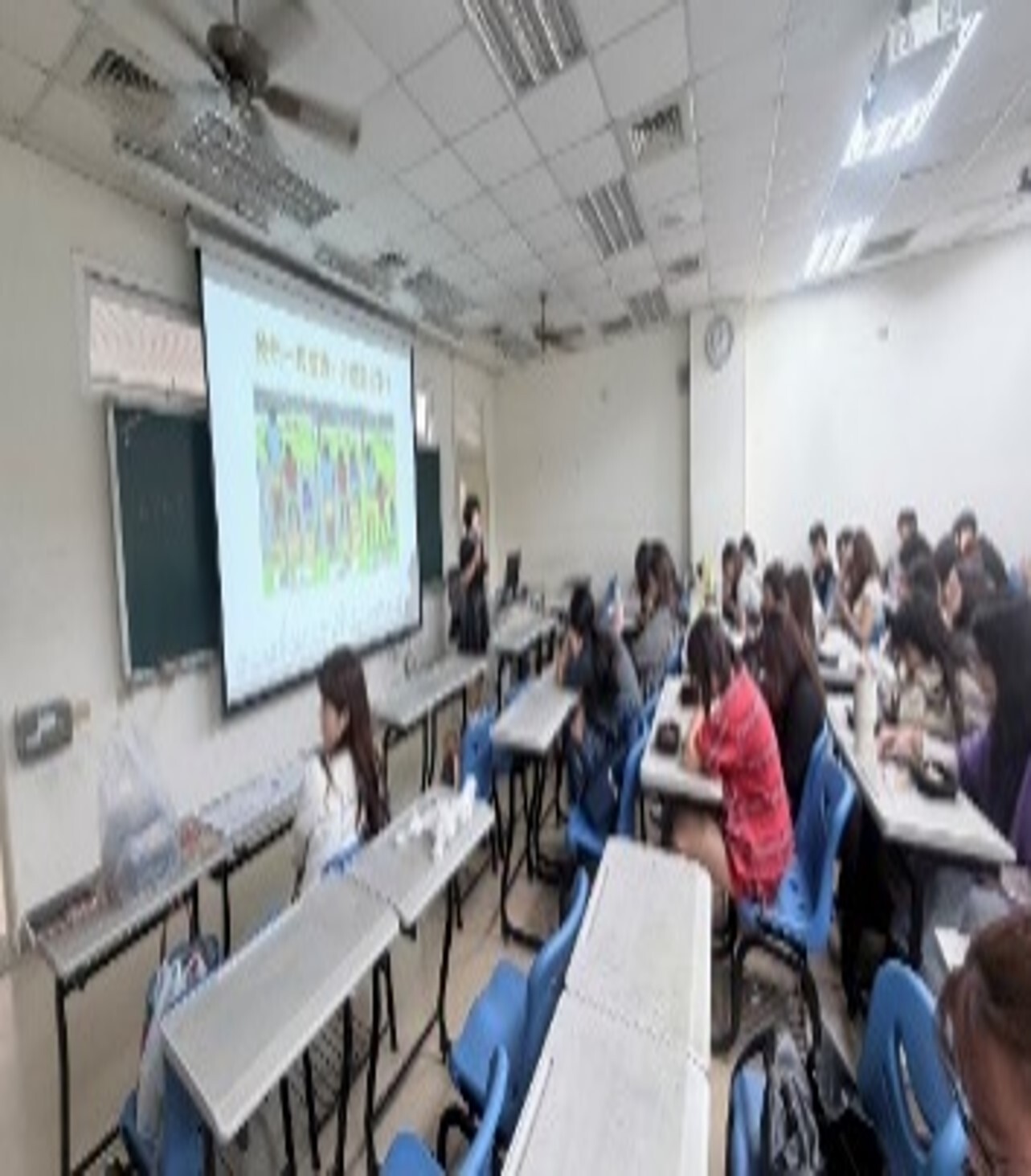
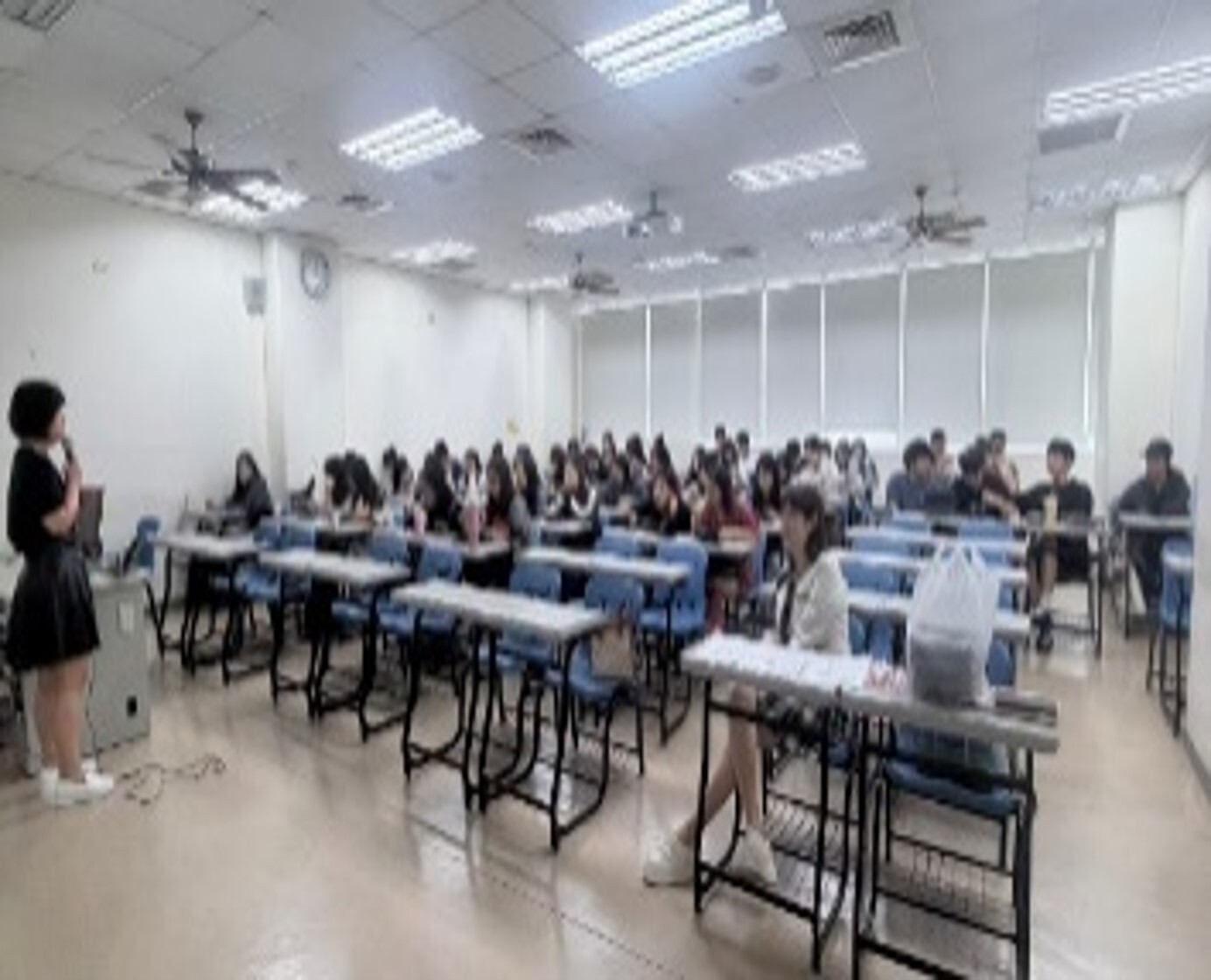
| 05/12/2025: Thematic Lecture on Indigenous Civil Service and Career Development | Invited experts to share experiences on civil service examination preparation and service in home communities, providing career orientation guidance. |
|
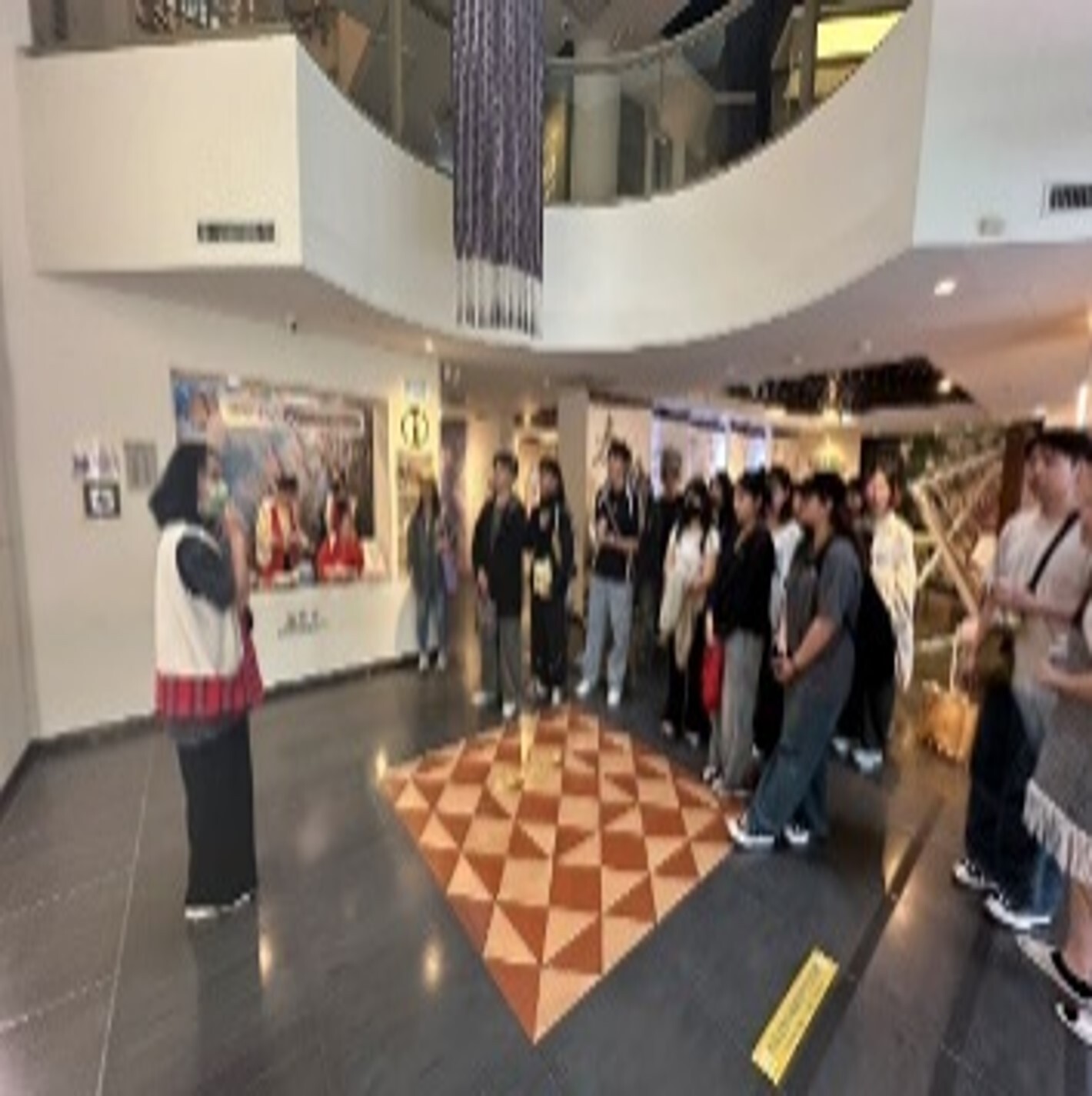
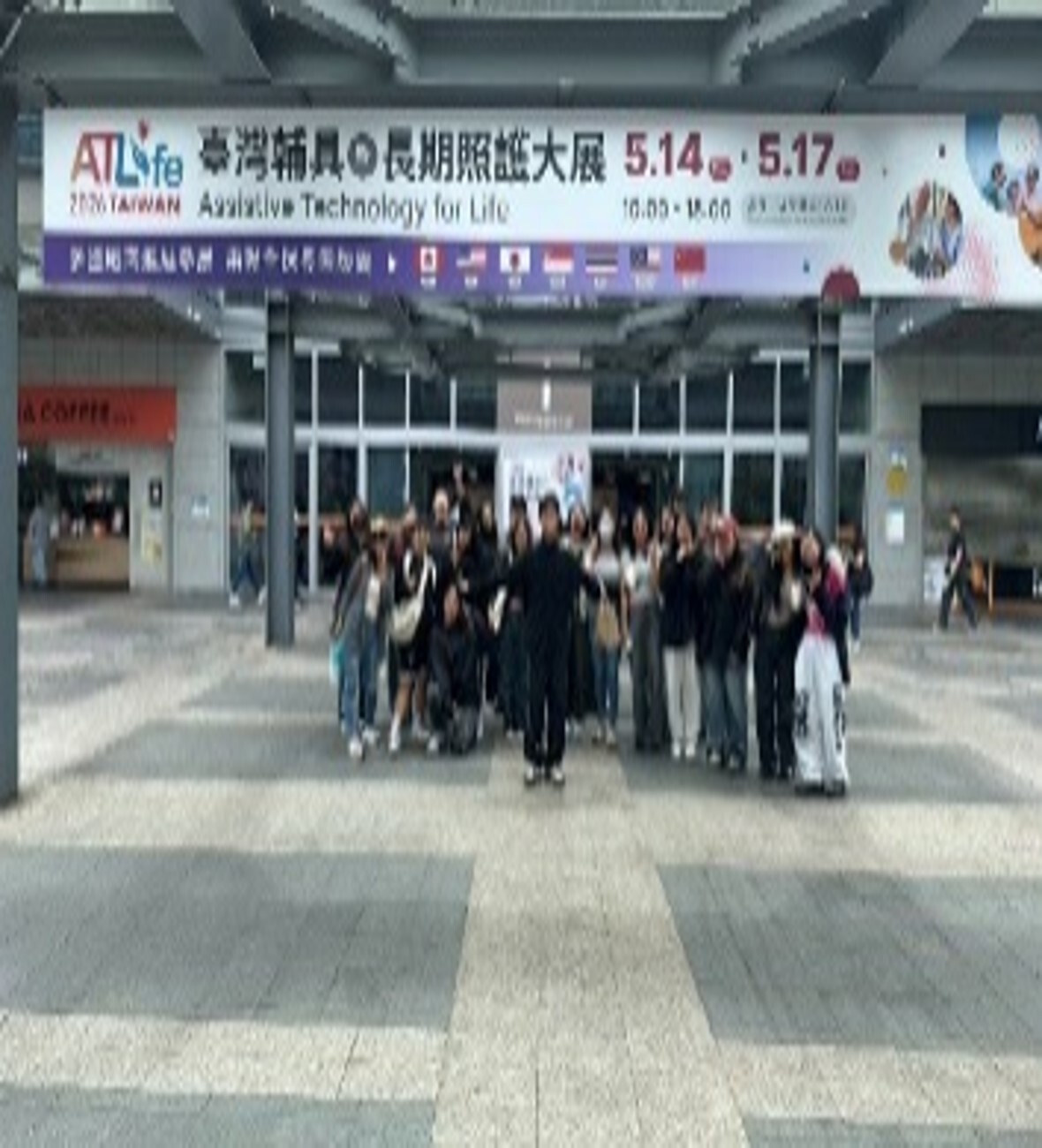
| 05/15/2026: Visit to the Taipei International Assistive Technology Exhibition and the Wulai Atayal Museum | Combined modern long-term care assistive technology with Wulai Atayal culture, enhancing students' knowledge of assistive device application and cultural sensitivity. |
|
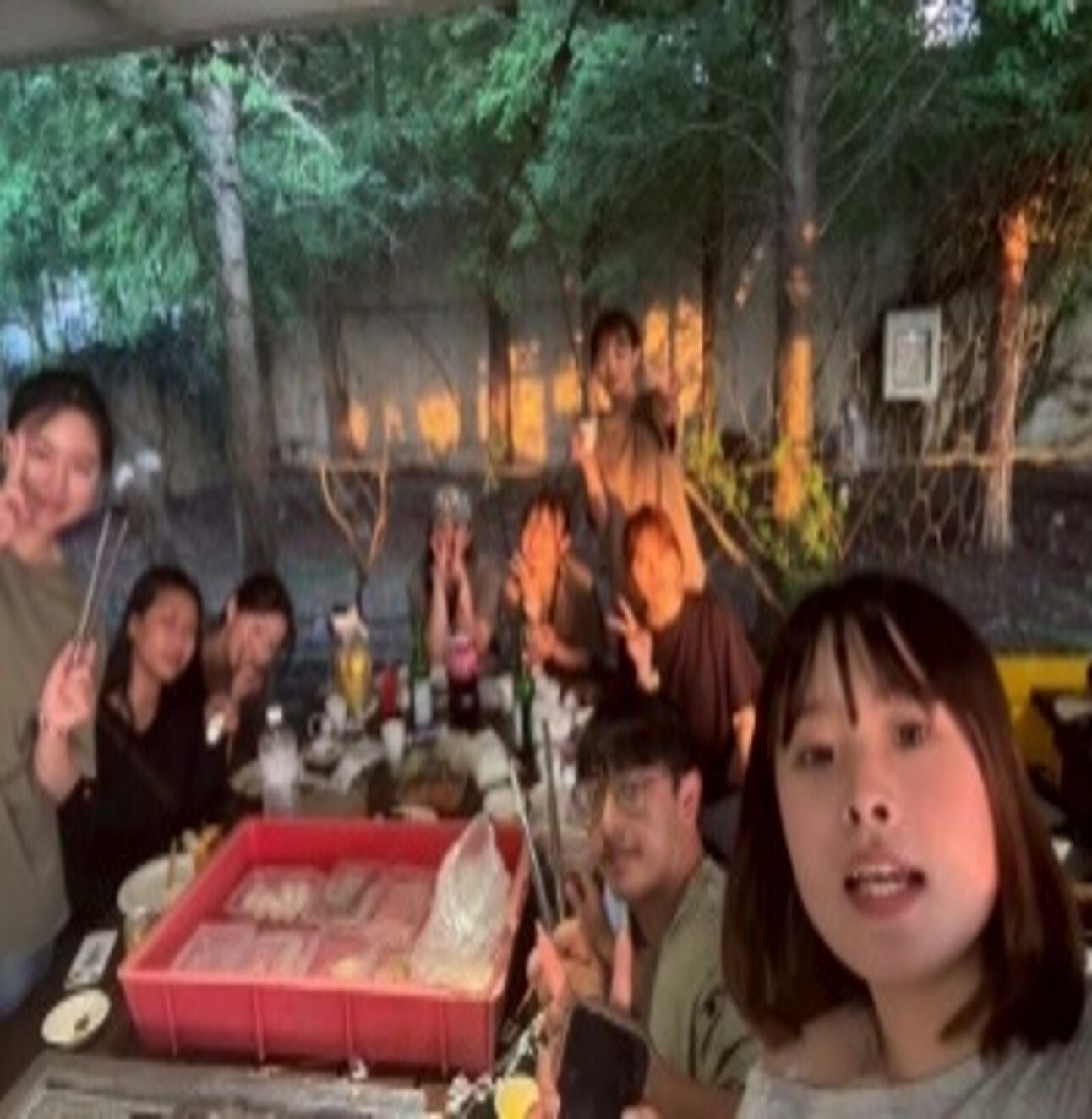
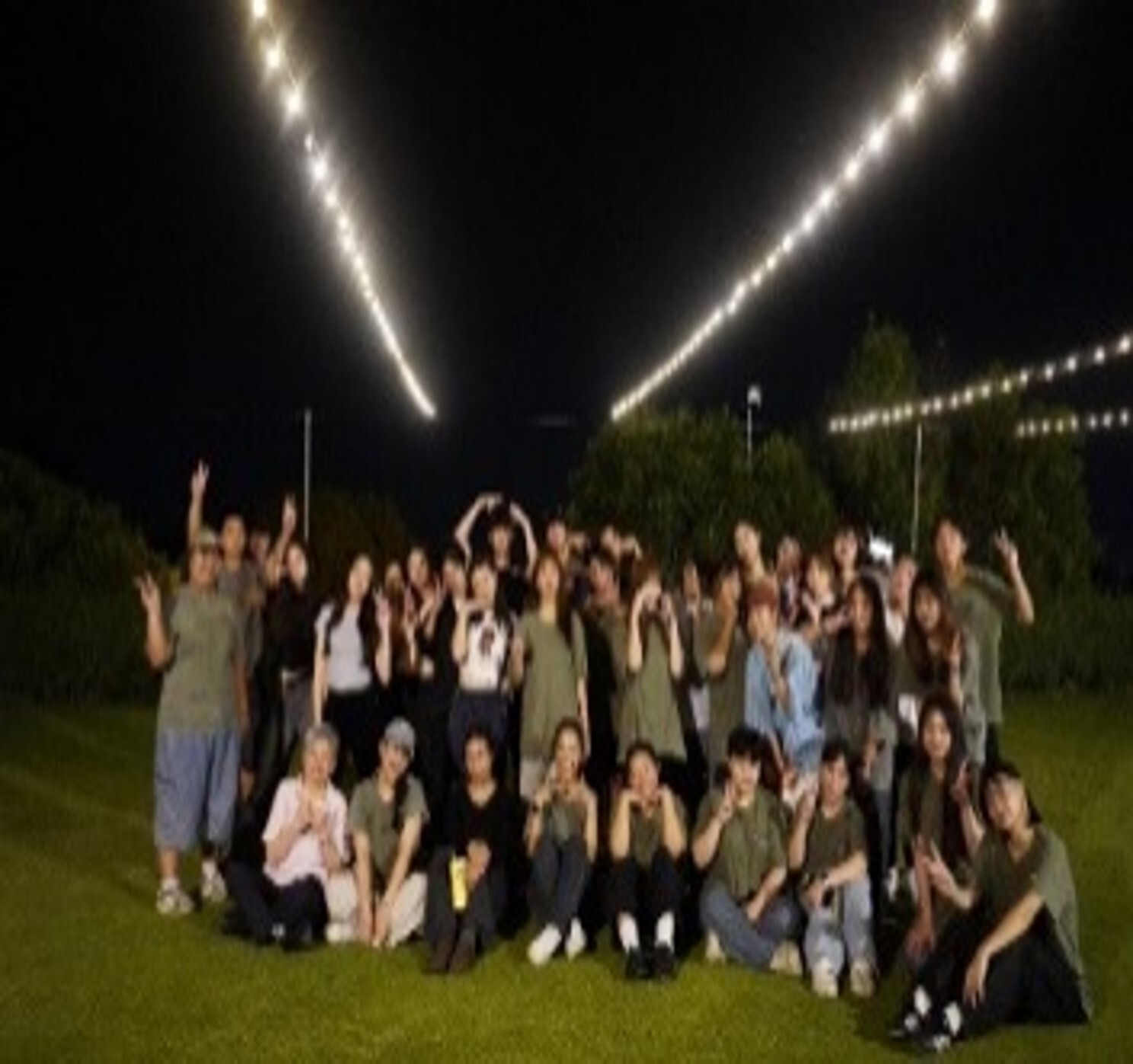
| 05/22/2026: "You're Really Good at Grilling" Program Bonding and Cultural Exchange Activity | Fostered peer interaction and a sense of ethnic belonging through the exchange and gathering around traditional indigenous food culture. |
|
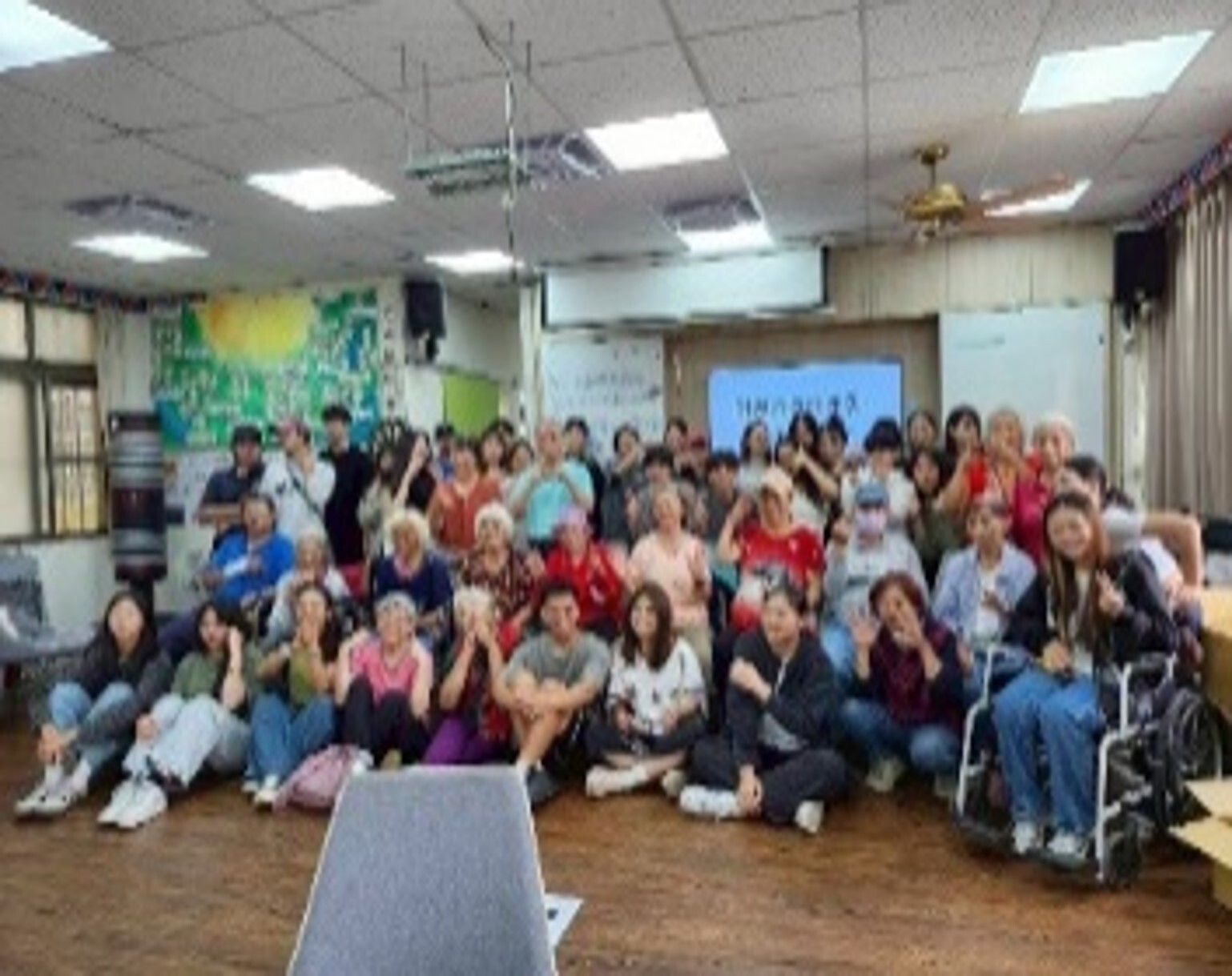
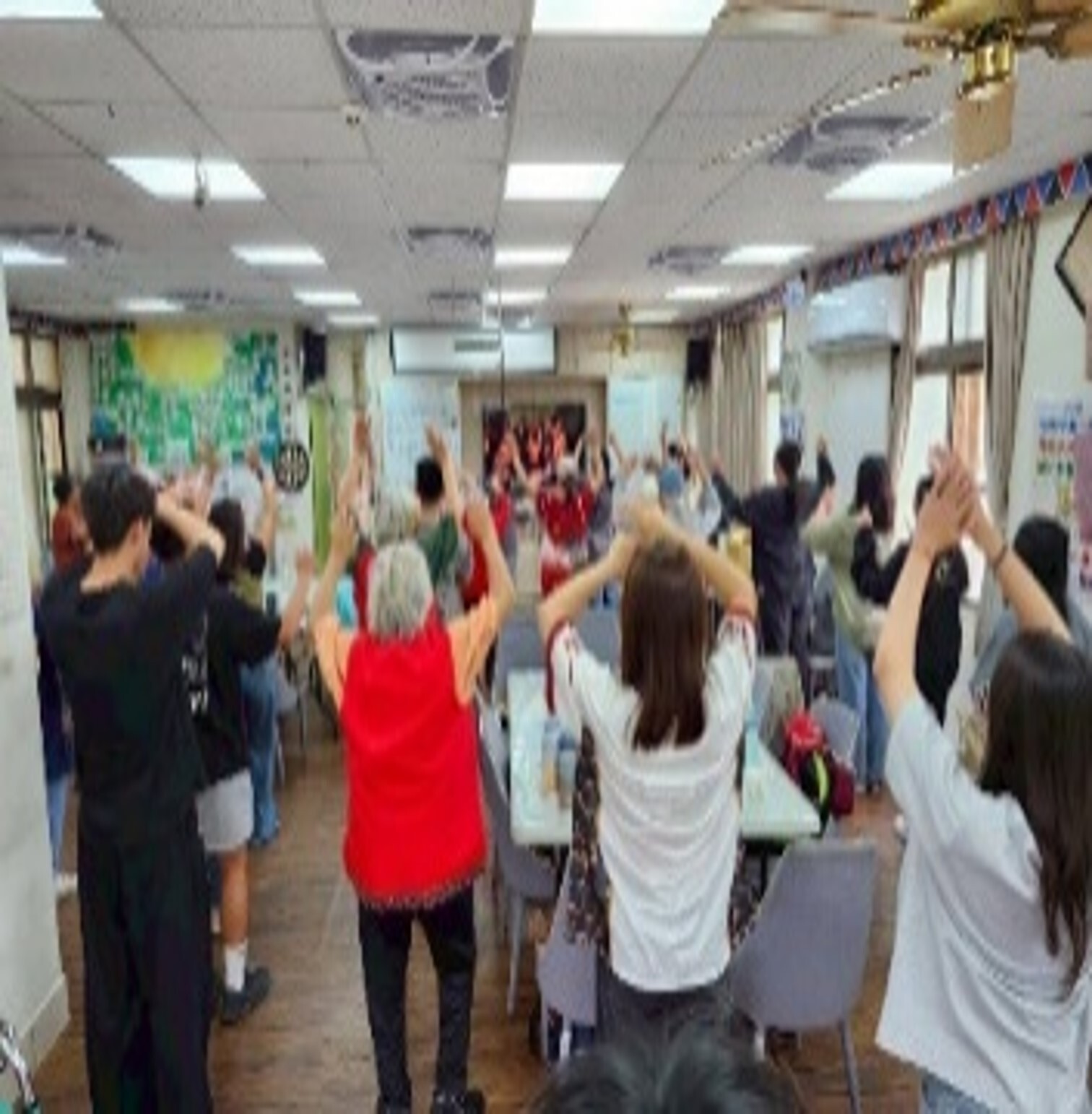
| 06/05/2026: Visit to and Service at the Chiayi Indigenous Cultural Health Station | Participated on-site in the operation of the cultural health station, observing and learning practical approaches to health promotion for tribal elders, deepening local community engagement. |
|
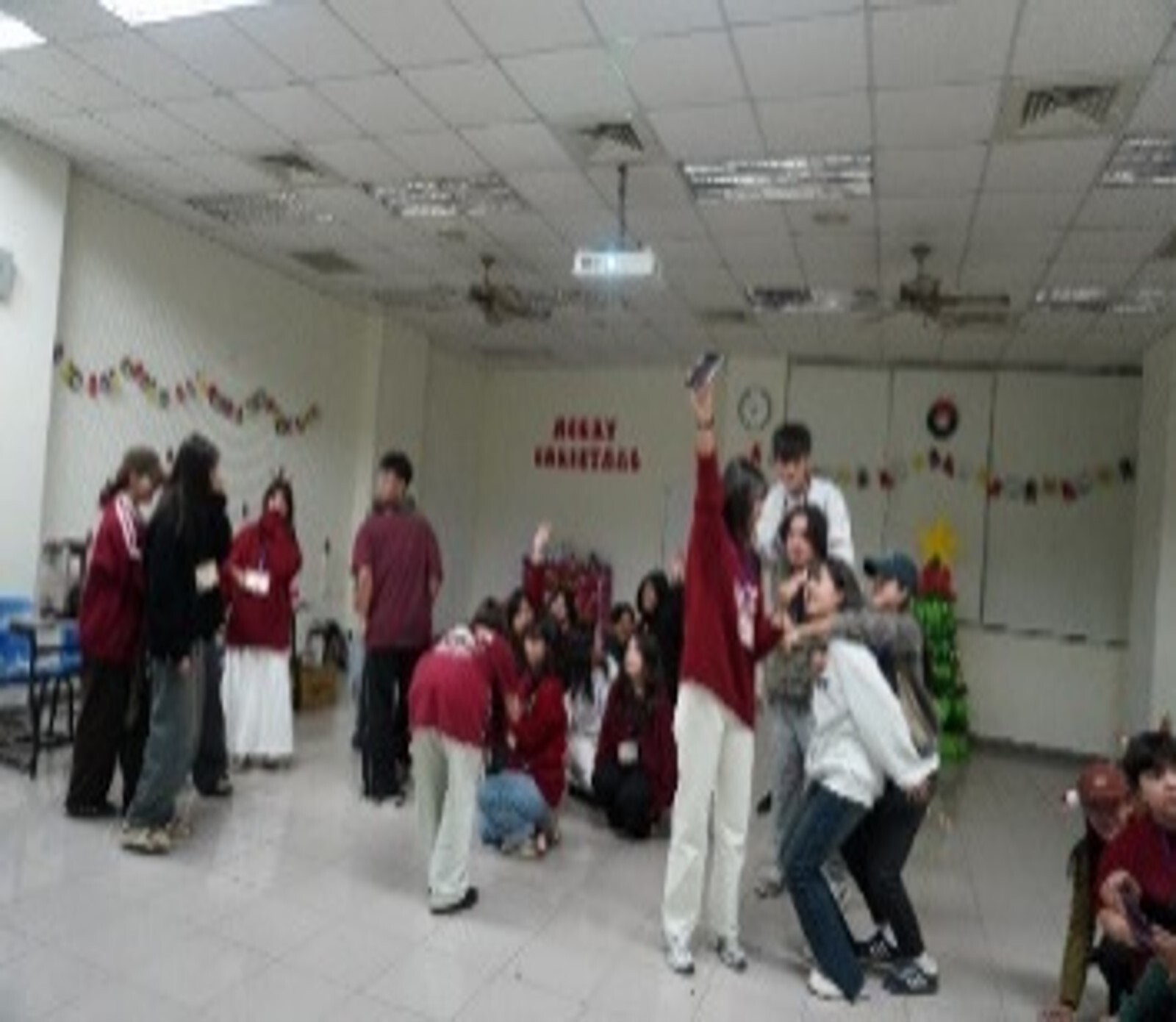
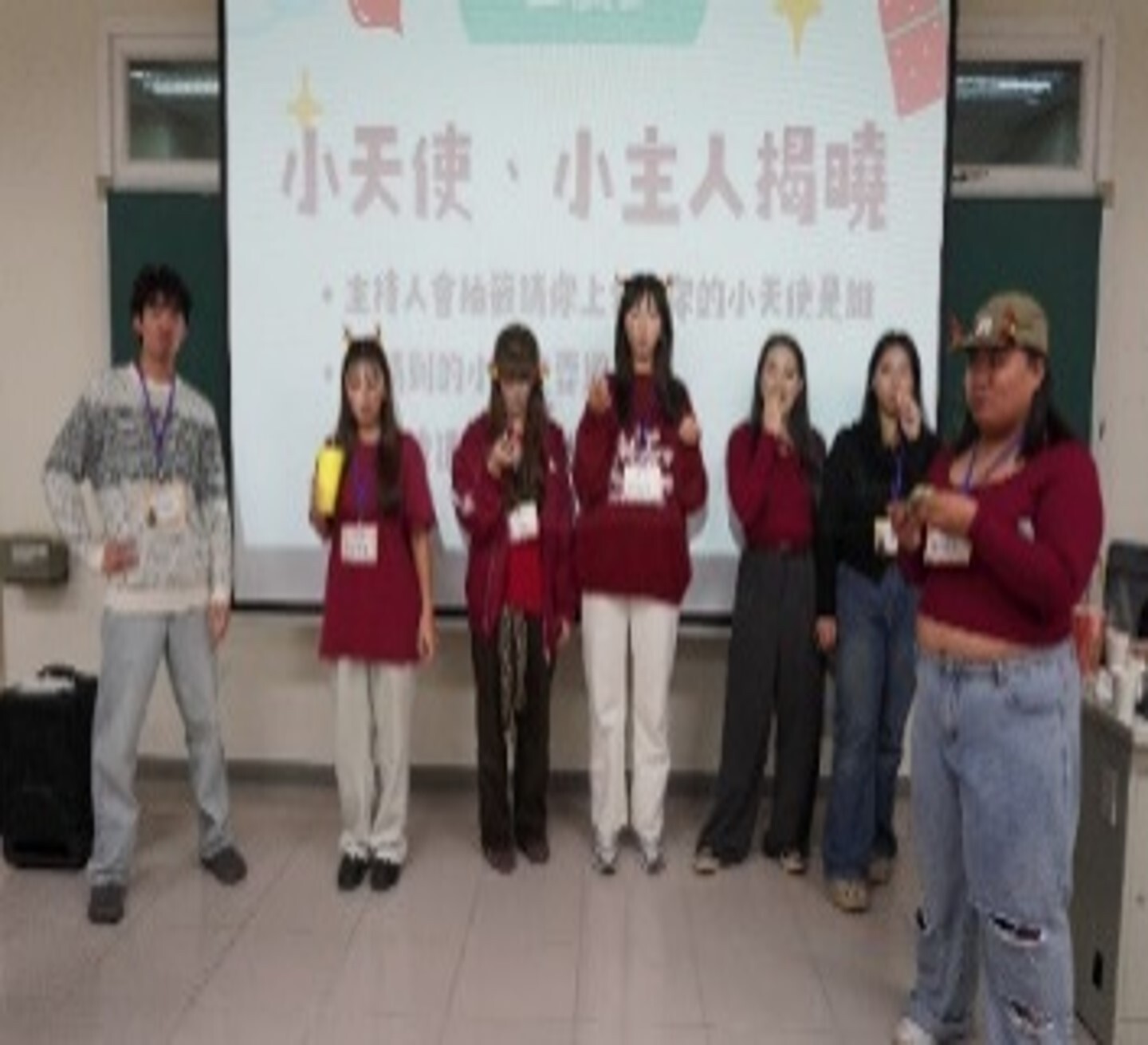
| 12/19/2025: Sleepless Christmas Night – Indigenous Student Care and Companionship Activity | Held a heartwarming gathering event providing mentor life care and peer psychological support, fostering a sense of campus belonging. |
|
(3) Grand Opening of "Yingyu-Changshi Cultural Health Station," Taiwan's First Such Station Established at a National University
In partnership with the Council of Indigenous Peoples and the Changhua County Government, NCUE has established the "Yingyu-Changshi Cultural Health Station" on campus (as shown in Figure 16)—the first of its kind at a national university in Taiwan —providing urban-dwelling Indigenous elders with a space for health care, Indigenous language exchange, and cultural preservation. By deploying higher education resources and local academic capacity, this initiative addresses the inequality faced by ethnic minority groups in accessing health and social welfare resources within urban areas. It not only safeguards the cultural safety and care rights of Indigenous elders, but also creates an inclusive space that fosters intergenerational cooperation between young people and seniors as well as cross-cultural understanding, embodying the core values of social equity and ethnic inclusion.
7. Services of student unions and associations
(1) The Student Union has the right to send representatives to attend school meetings and make suggestions on university affairs
A student union has been set up to implement the idea of student autonomy, to cultivate democratic accomplishment (as shown in Figure 17), and to promote the communication of opinions on campus and the equality of student associations. NCUE’s Students’ Union website and Facebook fan page are as shown in Figures 18 and 19. The union’s task is to manage students’ public affairs, to participate in various activities on behalf of all members, plan and coordinate university-level activities internally, coordinate the fund usage and auditing of the student union, and send representatives to participate in school meetings. The organization has the right to make suggestions on university affairs, suggest issues that reflect the opinions of most students, protect students’ rights and interests, and arbitrate student affairs.
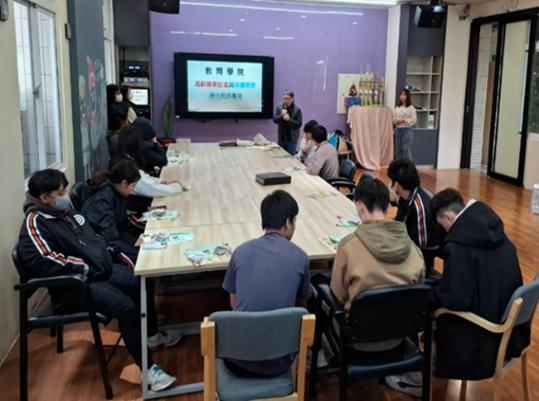
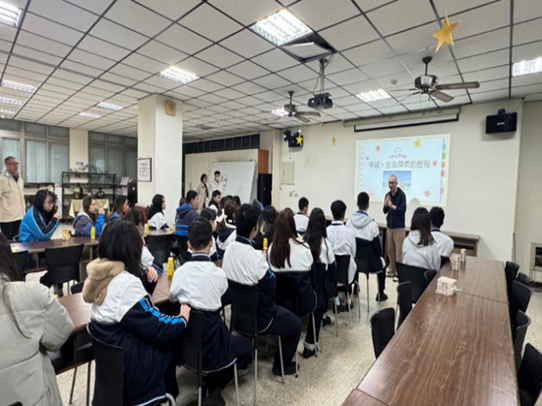
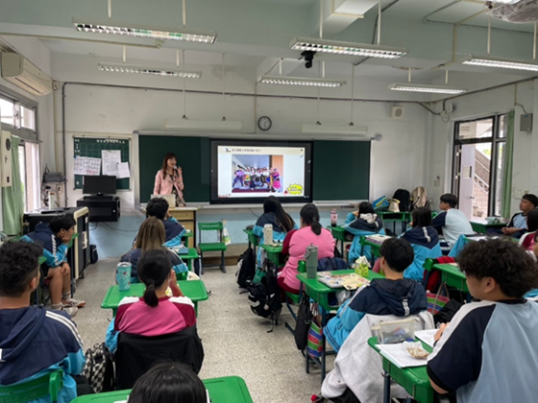
(2) Student service clubs provide social services
During the academic year, service-oriented student clubs organize learning activities such as event planning, drama skills, group games, and outdoor recreational activities, and travel to remote rural areas during winter and summer breaks to provide educational and recreational camps for local elementary school students (as shown in Figure 20-21). Taking the Mountain Area Service Club and the Department of Mathematics Youth Service Team as examples, both organized children's educational and recreational camps and community service activities in the winter and summer of 2025, respectively. The camps centered on the themes of "self-awareness," "media literacy," and "mathematics-related activities." As the environment students live in continues to change, these issues remain a matter of ongoing concern. Through lively and engaging courses and activities, the camps aimed to help children understand their relationship with the online world and recognize the importance of media literacy. In this digital age, learning to cultivate oneself as a discerning media consumer is also an important lesson. In addition, to enhance children's motivation to learn, the camps incorporated multiple rotating educational stations, role-playing games (RPG), and NPC-guided challenge activities, through which children gained knowledge of multicultural understanding and popular science in mathematics.