
SDG 11.4.6
SDG 11.4.6 Pedestrian priority on campus
NCUE adheres to the "pedestrians first" principle and is committed to creating a safe, comfortable, and sustainable for walking on campus.
1. Traffic Restrictions
Motorcycles are banned from the teaching and dormitory areas so that these core spaces are primarily used by pedestrians. Campus motorcycle restriction announcements is shown in Figure 1.
2. Planning Basis
Under the "NCUE Campus Master Plan" reviewed and approved in 2017, pedestrian walkways are designed according to the characteristics of each area:
(1) Formal and commemorative spaces: walkways adopt straight-line forms to display a solemn atmosphere.
(2) Residential areas: curved paths, giving a more relaxed character.
(3) Building connectivity: paths from an interconnected network based on actual movement needs between campus buildings, providing convenient pedestrian access
3. Sustainable Design
Plazas and main walkways use permeable paving materials and construction methods to enhance rainwater infiltration. Low-traffic garden paths also use permeable materials, reflecting the principles of an ecological campus and green building design.
4. Project Results
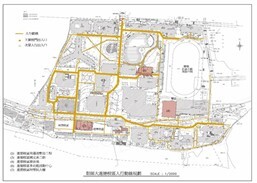
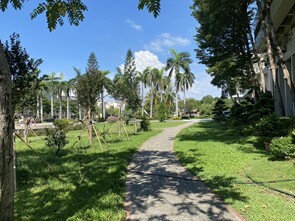
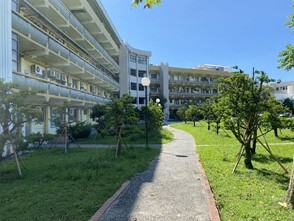
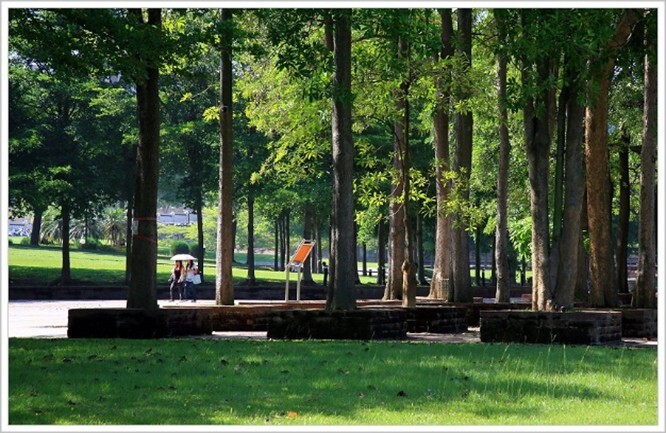
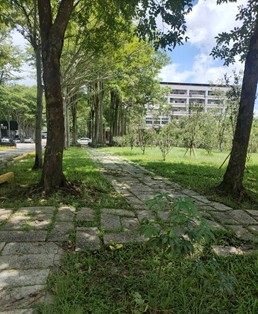
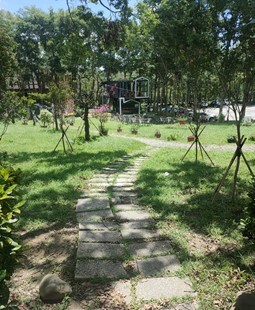
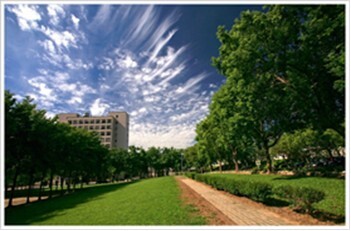
(1) Jinde Campus: pedestrian circulation planning is shown in Figure 2, with pedestrian walkways shown in Figures 4-5.
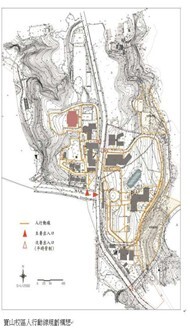
(2) Shida Campus: cars and motorcycles are directed to use the ring roads, while the remaining areas are designated as pedestrian-only spaces. Pedestrian circulation planning is shown in Figure 3, with pedestrian walkways shown in Figures 6-9.
5. Improving the accessible walking environment
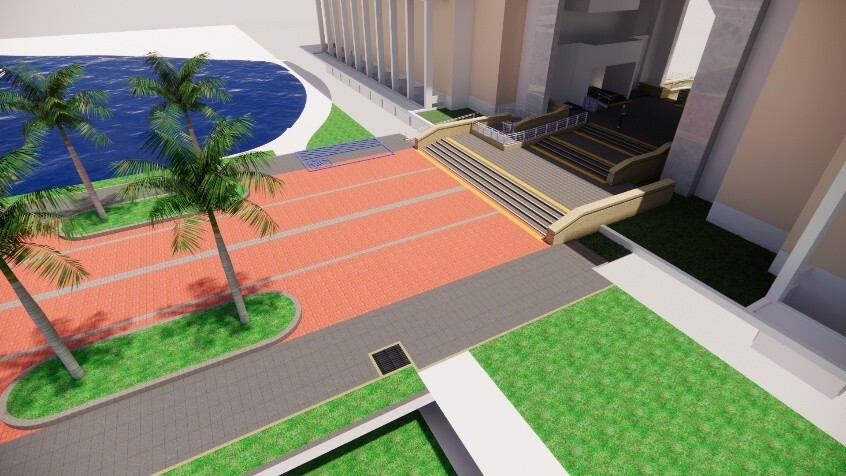
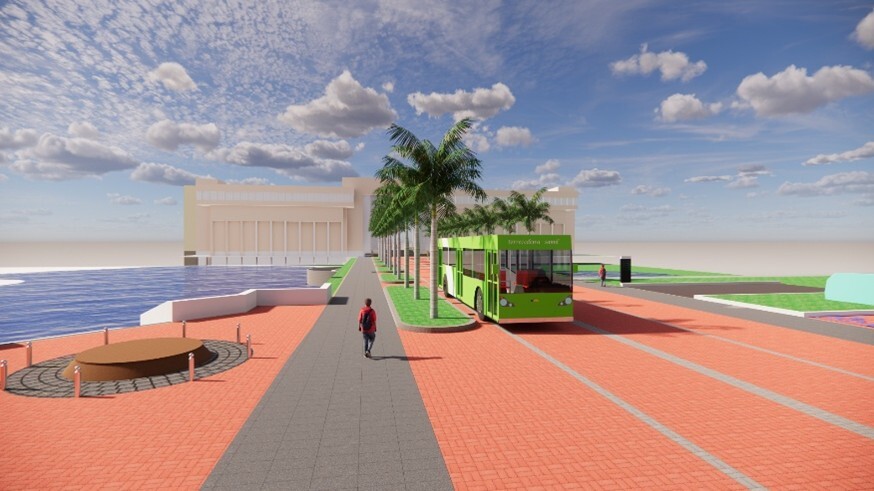
To continue reviewing and keep the accessibility, NCUE applied to the Ministry of Education’s program for the comprehensive review and improvement of accessible campus environments and has drawn up improvements for the student cafeteria and its surrounding access routes. These cover indoor entrances, accessible toilets, a new accessible lift, an outdoor guided route from the main gate along Yelin Boulevard to the student cafeteria, and accessible ramps, providing safe, convenient and use-friendly campus access. Yelin Boulevard will be surfaced with high-strength concrete interlocking pavers for the carriageway and Guanyin stone for the footway, completing the accessible route across the campus (Figures 10–11). Design review is complete and tender preparation is under way, with the aim of continuing to improve pedestrian access and accessibility on campus.
Through this planning and these measures NCUE has progressively put its pedestrians-first policy into effect, providing a safer, greener, more user-friendly, more accessible and more sustainable walking environment on campus.