
SDG 16.2.3
SDG 16.2.3 Identify and engage with local stakeholders
In accordance with the future development priorities outlined in Chapter IV of NCUE’s medium- and long-term university development plan, formulated in 2022 and revised in 2025 (Figure 1), NCUE builds on its previous university development plan (2016-2023). At the institutional level, the university focuses on creating an open learning environment and making information about its operations public to enable various forms of public oversight of the university’s development. In teaching, NCUE plans to offer courses and related activities that foster a sense of local identity. Faculty and students will jointly explore regional issues and strengthen ties with local institutions to promote innovative cooperation, mutual benefit, and shared prosperity between the University and local communities.
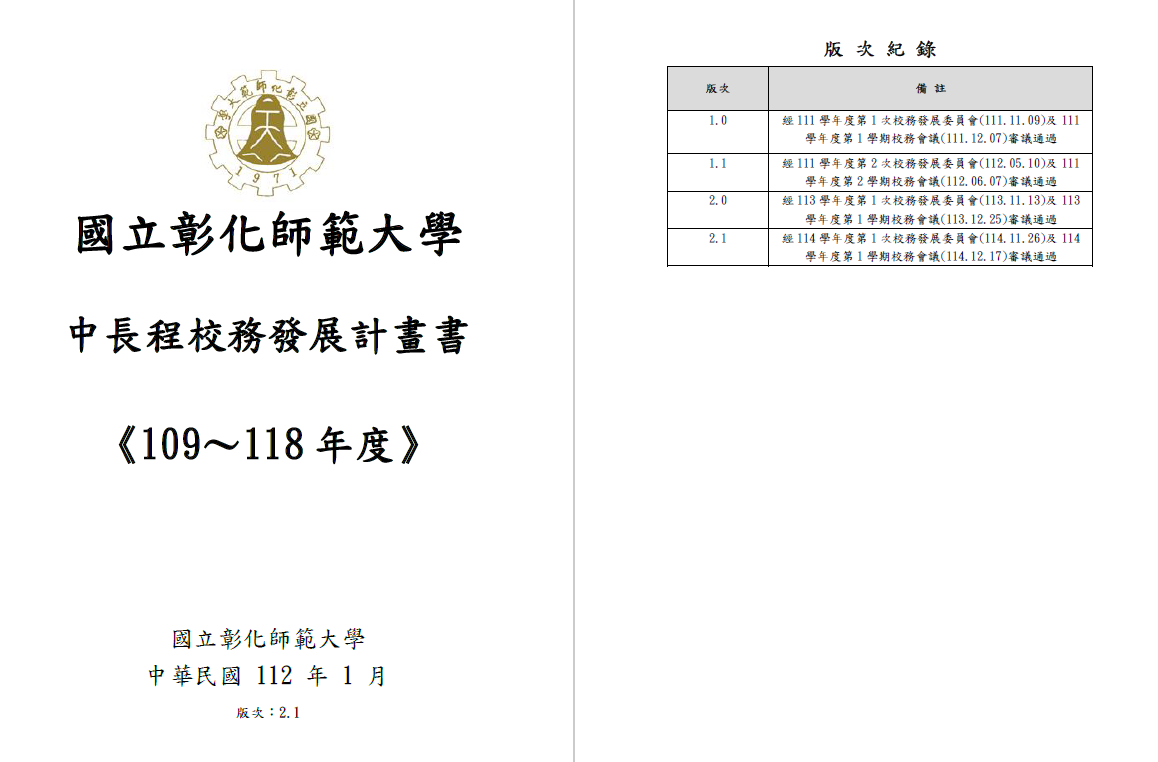
Figure 1. National Changhua University of Education’s medium- and long-term university development plan
Disclosure of information on NCUE’s operations:
The “Information Disclosure” section is available on the homepage of NCUE’s official website (Figure 2). It provides information on university affairs, evaluations (including university evaluations and teacher education evaluations) and reports, scientific research and procurement, internal control, and information security and personal data protection. Local stakeholders can access the information online and use it to offer NCUE a range of suggestions and guidance and to exercise oversight. Link: https://www.ncue.edu.tw/

Figure 2. University affairs information disclosure section of the National Changhua University of Education website
Interaction and Cooperation between NCUE and Local Stakeholders.
(1) Strengthening ties with Local Institutions and Jointly Exploration of Local Issues:
NCUE invites local experts, scholars, and regional institutions (such as county and city governments, social welfare organizations, local enterprises, and community colleges) to examine and assess community issues, support community development, and encourage more active and harmonious social participation.
(a) NCUE’s Community Counseling and Human Development Service Center (Figure 3) is the first university center of its kind in Taiwan established to serve local residents. It provides mental health services to specific community members and institutions, promoting local residents’ mental health and the development of their potential.
The university brings together resources from NCUE and community colleges to provide comprehensive education opportunities for local residents. It also strengthens interaction with county and city government to help address challenges faced by government agencies.
Since 2022, NCUE has been commissioned by the Changhua County Government to provide the” Counselling and Support Service for Teachers,” which continues to this day. These services help teachers become more aware of their stress levels and how they are adjusting, thereby improving their mental health and ability to adjust to work.
Through these strategies, NCUE aims to promote innovative collaboration, mutual benefits, and shared prosperity between the university and local community. The NCUE Community Counseling and Human Development Service Center website can be found here: https://humanweb.ncue.edu.tw/
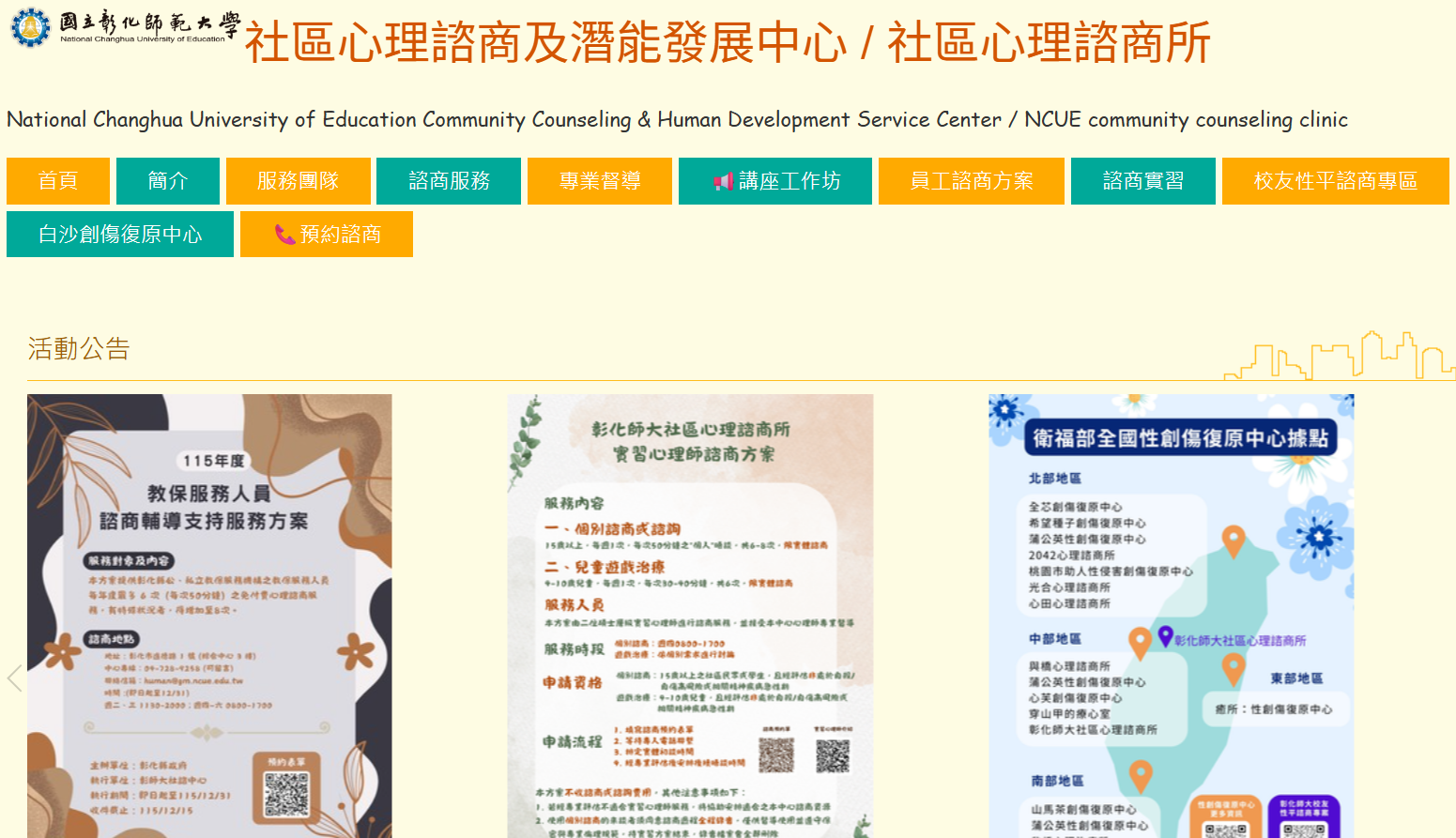
Figure 3. Community Counseling and Human Development Service Center, National Changhua University of Education
(b) To help teachers relieve stress and look after their physical and mental health, and to build more links between NCUE and the local community, the Community Counseling and Human Development Service Center planned a series of restorative stress-relief activities in 2025.
i. Scent as Shelter: participants blended their own personal fragrance for stress relief. A professional aromatherapist led the session, helping participants relax through scent and using material from a book and hands-on practice to guide teachers in rediscovering their own physical and mental state (Figure 4).
ii. Embroidered Mandala Badge Stress-Relief Group: an embroidery artist used the gentle process of hand embroidery to guide participants in creating a healing garden, giving teachers a way to settle their minds and talk to one another while they worked (Figure 5).
These two sessions were not only a chance to relax but also a way for NCUE to work with local aromatherapists and artists, turning community resources into a source of support for teachers.
iii. A Healing Journey in Resonance with Singing Bowls will use singing bowls to bring calm to the body and mind and introduce participants to how sound resonates with energy to gently soothe emotions and relax the body (Figure 6). The Plant Printing and Dyeing Group explores natural dyeing through a course that combines hands-on practice with knowledge sharing (Figure 7).
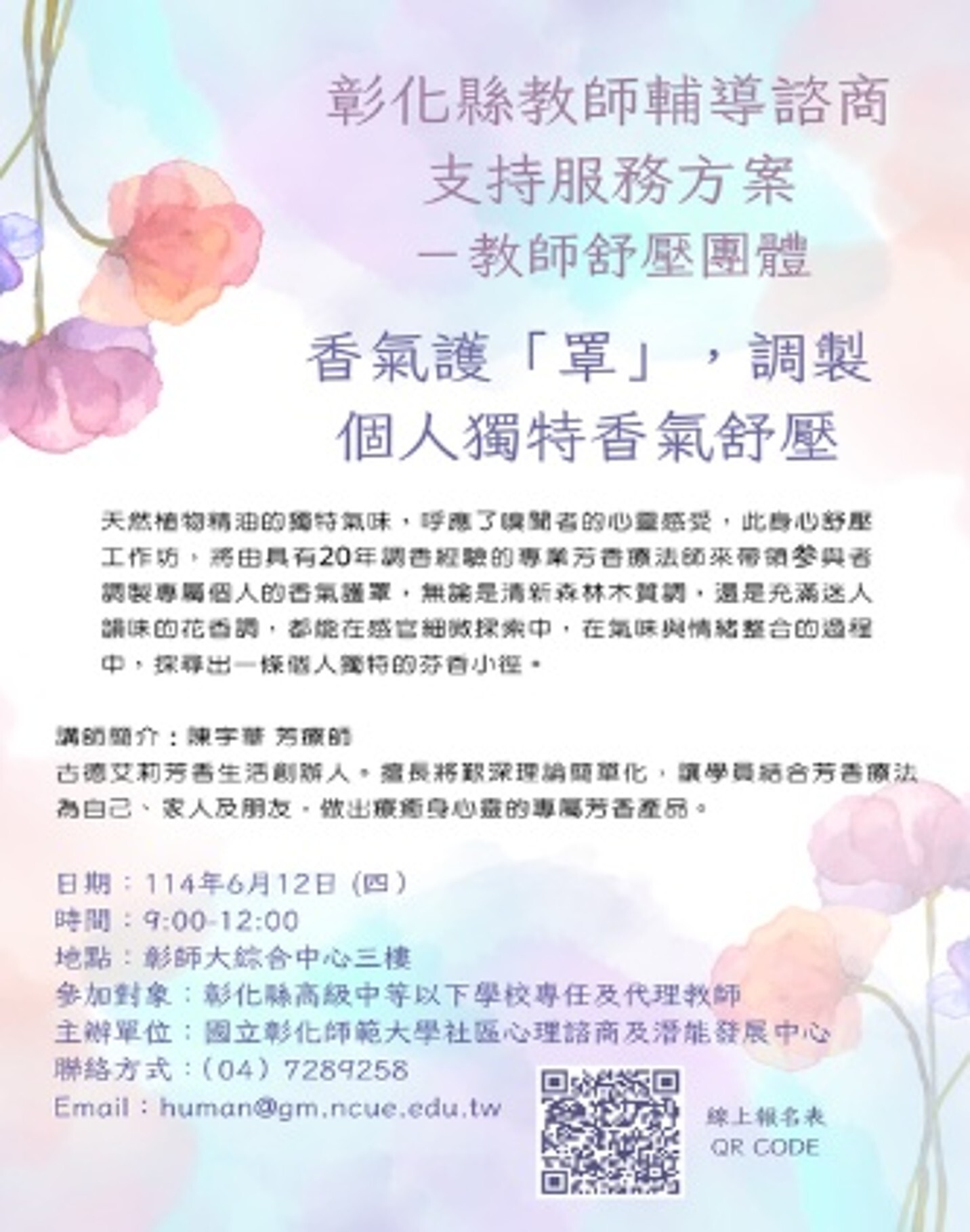
Figure 4. Poster for Scent as Shelter: blending a personal fragrance for stress relief, 12 June 2025
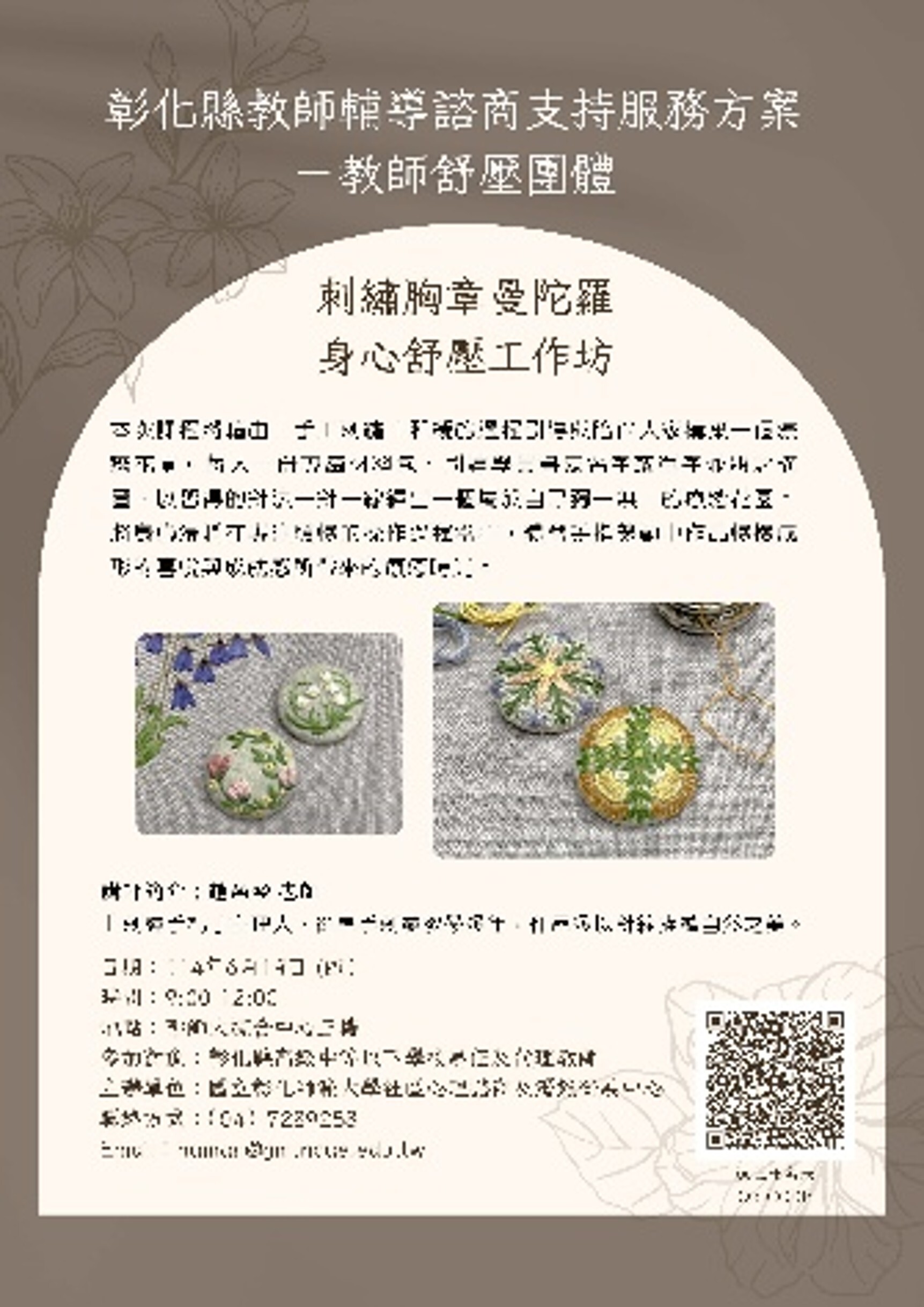
Figure 5. Poster for the Embroidered Mandala Badge Stress-Relief Group, 19 June 2025
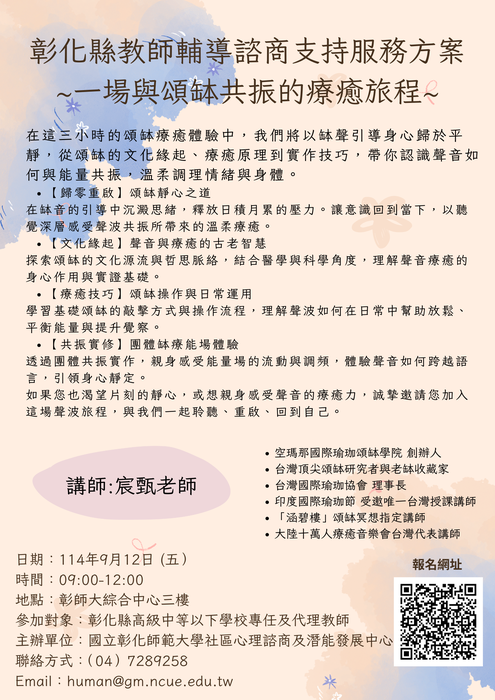
Figure 6. “A Healing Journey in Resonance with Singing Bowls”group session, 12 September 2025
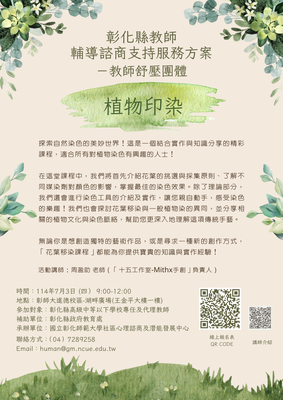
Figure 7. Plant Printing and Dyeing Group session, 3 July 2025
(2) Caring for local industrial parks
To fulfill the public role of higher education and NCUE's University Social Responsibility (USR), the Innovation Incubation Center under the Office of Research and Development promotes start-ups and helps traditional industries transform. In line with national policy, it has built a diversified platform centered on precision machinery, smart electric vehicles and green energy, together with a comprehensive incubation network to develop the industries with local competitive advantages. The center also uses NCUE's resources to help companies aligned with the Sustainable Development Goals (SDGs) to grow, providing long-term guidance on technology upgrading and support in applying for government R&D funding, such as the Small Business Innovation Research (SBIR) program. Through these efforts, it deepens industry-academia cooperation across Taichung, Changhua and Nantou, and expands the benefits of its support.
In recent years, the center has drawn together resources from departments and graduate institutes across NCUE, nearby academic and research institutions, the Changhua Association of Industry-Academia Advancement and industrial park service centers. It has also worked with teams of full-time faculty members to give companies comprehensive and workable proposals tailored to their needs. Matching faculty expertise to company needs for joint R&D can lower companies' R&D costs, strengthen their capacity to innovation and R&D, and build momentum for new ventures.
Looking ahead, NCUE’s Innovation Incubation Center plans to apply to the Changhua County Government in 2026 for the” Changhua County Energy-Saving Partner Governance and Promotion Program,” with the goal of encouraging everyone to participate in saving electricity. The project will help local residents apply energy-saving knowledge in daily life. It will also include educational outreach activities and citizen collaboration workshops and create an atmosphere that encourage electricity-saving action, thereby deepening local civic participation.
(3) National University-Industry Innovation Implementation Competition
Through university-industry collaboration and student internships, NCUE encourages students to participate in the National University-Industry Innovation Implementation Competition, guiding students to conduct in-depth research and exploration in their respective fields and apply their knowledge practically. Through strategic collaboration among industry, academia, and research institutions, NCUE strengthens ties with industry, promotes connections between the academic knowledge and industrial practice, and trains personnel with practical technical skills for industry. Through hands-on experiences, students gain a firsthand understanding of business operations and prepare for their future entry into the workplace. In 2024, 173 projects by students and teachers from universities and colleges nationwide reached the finals; in 2025, the number was 198 (Figure 8).

Figure 8. Students introducing projects in 2025 National University Industry-University Innovation Implementation Competition
(4) Collaborating with local industries in Changhua
Enterprises in Changhua County are mostly small- and medium-sized. Current challenges to industrial development include shortages of technical personnel, the need to upgrade production process and product, process optimization and automation, cloud platforms and relevant data analysis, technologies for monitoring process-yield, wastewater treatment and environmental monitoring, energy and water conservation, and the use of green energy. To address these challenges, NCUE faculty members with relevant expertise draw on resources from partner universities to introduce the concepts and technologies related to smart machinery and the Internet of Things. These efforts help transform traditional industries into smart manufacturing industries aligned with Productivity 4.0 and help develop Changhua County into a smart city. For example, NCUE uses the Environmental Education Center as a platform to bring together the expertise of faculty members from different fields and institutions and integrate the theory and practice of environmental sustainability. Students are guided to design core and specialized courses or activities connected to local issues. These efforts promote positive environmental attitudes and values and train educators and specialists in environmental education outreach, photovoltaic green energy applications, eco-friendly aquaculture, and community transformation and regeneration. They aim to improve environmental quality and industrial standards and support sustainable environmental management and use. NCUE's University Social Responsibility (USR) Project, "Resilient Changbin: Climate Change and the Sustainability of Changhua's Coastal Environment and Industries," is shown in Figure 9. Its website can be found here: https://zh-tw.facebook.com/NCUEUSR/
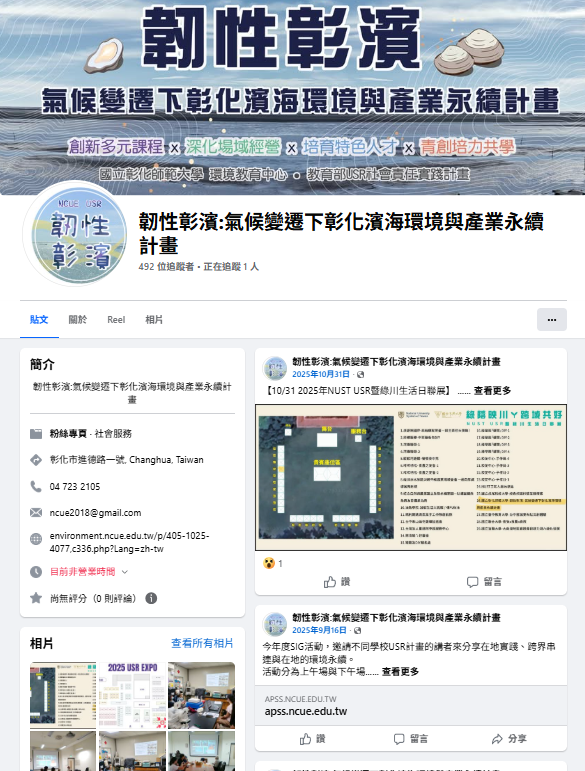
Figure 9. Website of the USR project Resilient Changbin: Climate Change and the Sustainability of Changhua's Coastal Environment and Industries
(5) Smart Casting and Manufacturing & Smart Mechatronics Integration Programs
In the 2023 academic year, NCUE’s Department of Electrical and Mechanical Technology established the Smart Casting and Manufacturing Industry-Academia Collaboration Program (4+2+1 teaching model), which enrolled 9 students. In the 2024 academic year, the department started the Smart Mechatronics Integration Program, which enrolled 26 students, and in the 2025 academic year, it enrolled 19 students. Students in this specialized program learn at the partner companies from Monday to Thursday and return to the university for classes on Friday and Saturday. This new educational model, developed in cooperation with the industry, enables students to combine education and employment. It also helps address talent shortage in key industries and establishes a platform for close cooperation in teaching and internships between the industry and the university. The program promotes the practical and applied approach of vocational education, emphasizing “learning by doing, and doing while learning.” Furthermore, to support economically disadvantaged students, the Ministry of Education provides an annual grant of NT$40,000 to students in four-year technical colleges and two-year junior college stages of these specialized programs with an annual household income that does not exceed NT$700,000 (Figures 10 -11).
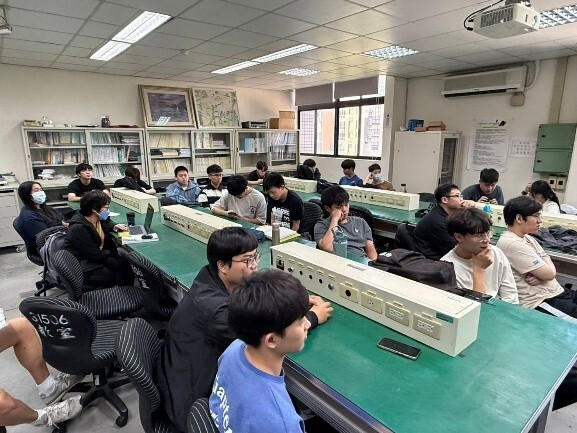
Figure 10. Students in the 2024 Smart Mechatronics Integration Program
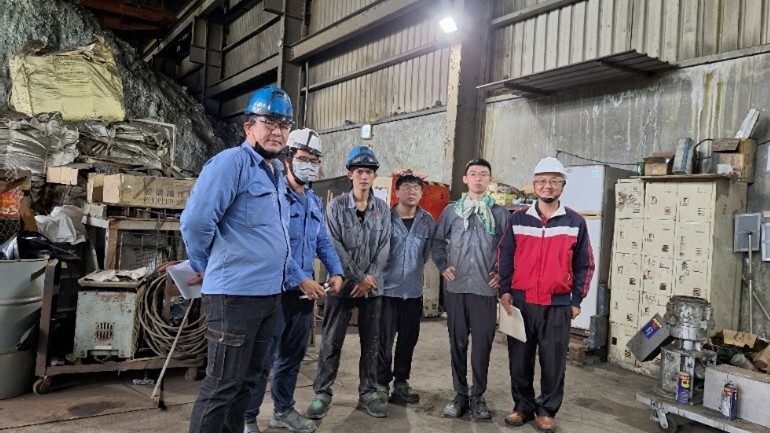
Figure 11. Faculty members from the Smart Casting and Manufacturing Industry-Academia Collaboration Program visiting students at partner companies
(6) Semiconductor Industry Practical Training Program
In the 2023 Academic Year, NCUE established the “Semiconductor Industry Practical Training” program at its Industry College and partnered with Siliconware Precision Industries Co., Ltd. (SPIL), the world's third-largest semiconductor assembly and testing company. The collaboration aims to jointly cultivate high-quality professional talent for industries prioritized for national development while enhancing faculty members’ ability to innovate in professional practical and improving teaching quality. In recruiting students for the program, NCUE actively provides opportunities for students from fields other than science and engineering to participate, with the aim of promoting diverse, cross-sector collaboration with industry. For the 2025 Academic Year, NCUE plans to offer industry and enroll 22 students (Figures 12-13).
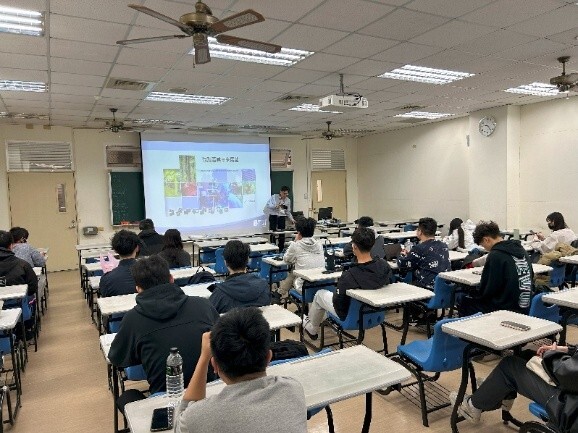
Figure 12. Students in the Industry College class
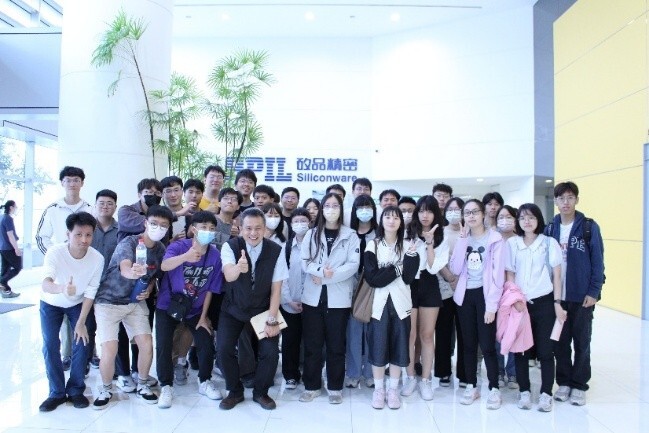
Figure 13. Industry College visiting Siliconware Precision Industries Co., Ltd.
(7) Cooperation in building Changhua’s green energy industry
Changhua is home to a globally significant wind farm, and the green energy industry will definitely take root here. However, energy storage is crucial to green energy development. Smart energy development, especially in green energy, is also one of the strengths of NCUE’s College of Engineering.
Energy company Ørsted donated a 1 MW/1.26 MWh battery energy storage system (BESS) (figure 14) to NCUE, making it the first university in the world to receive such a system as a donation. Under this cooperation, NCUE provides the land, while Ørsted provides equipment and personnel. The two parties also actively support the Changhua County Government ‘s green energy development policy. In the future, NCUE will prioritize expertise in smart energy when recruiting faculty members and encourage students to pursue this field in their master’s theses, doctoral dissertations, and projects. These efforts will help NCUE establish a place in Taiwan’s green energy industry. Using the energy storage system as a focus for research, NCUE involves master’s and doctorial students in developing energy management systems and AI applying for energy. The resulting technologies are transferred to companies such as the Aerospace Industrial Development Corporation (AIDC) and Yuchen System Technology to promote industry-academia collaboration and talent development. Orsted's first megawatt-scale energy storage demonstration system in the Asia-Pacific region has been completed and put into operation. Orsted news release: https://orsted.tw/zh/news/2020/06/first-bess-in-apac
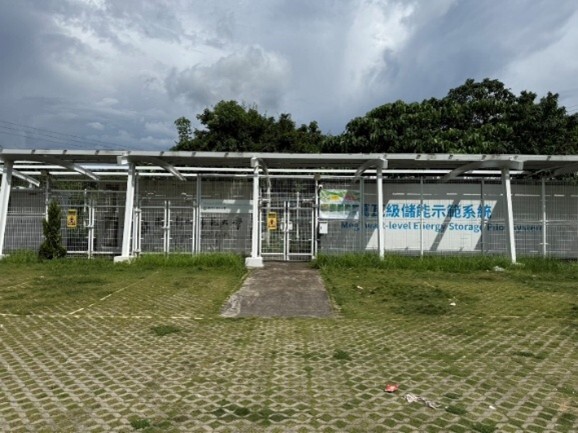
Figure 14. The 1 MW/1.26 MWh Energy Storage System on the Shida Campus
In addition, NCUE continues to invest in equipment and research related to energy storage systems and electric vehicles, such as small distributed 100 kW/50 kWh BESS (Figure 15) and an all-electric bus (Figure 16). The two campuses together have 2,688.75 kW of solar photovoltaic capacity. In 2026 NCUE and Taiwan Power Company signed a memorandum of understanding (MOU) for a NT$100 million industry-academia project to develop a smart microgrid demonstration site. This project aims to turn the Shida Campus into a physical testbed for an advanced distribution-level microgrid in Taiwan. It integrates a 1.2 MW / 1.8 MWh grid-forming battery energy storage system (BESS), a 500 kW emergency diesel generator, 378 kWp of newly installed solar photovoltaic capacity and the campus's existing green energy facilities to build a highly resilient microgrid featuring a seamless transition to islanded operation in 100 ms and dynamic zero-export control. Together with microgrid dispatching technology, NCUE's smart green energy demonstration system will serve as a reference point for both industry and academia.
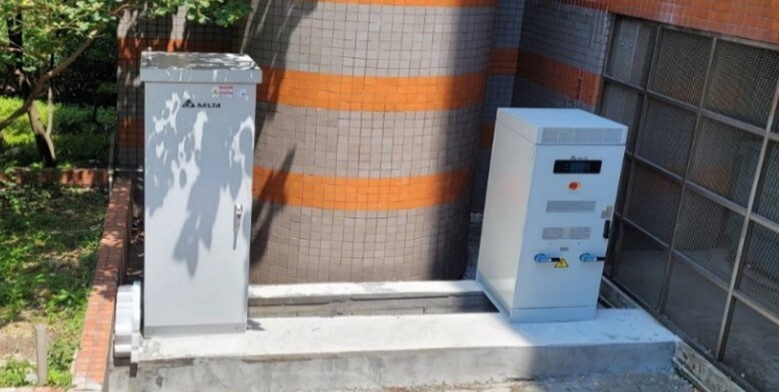
Figure 15. The 100 kW/50 kWh Energy Storage System on the Shida Campus
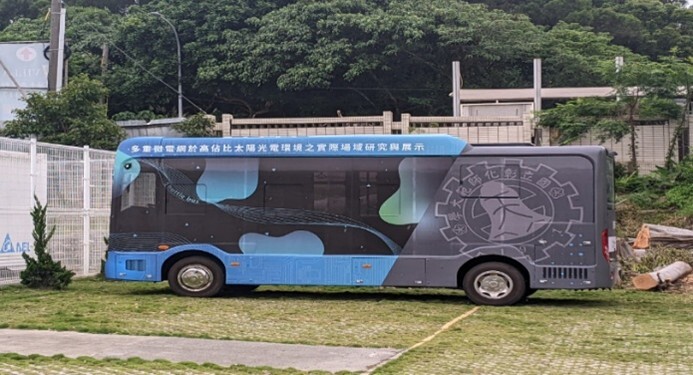
Figure 16. The 30 kW/78 kWh all-electric bus
(8) Baisha Education Alliance
To fulfill its university social responsibility and strengthen the professional knowledge and practical teaching skills of its pre-service teachers, NCUE focuses on integrating regional resources and raising the quality of education in rural areas. It has brought together rural schools in Miaoli County, Changhua County, Taichung City, Tainan City and Yunlin County, along with National Taichung University of Education and National University of Tainan, to form the Baisha Education Alliance. The alliance serves disadvantaged students in rural areas, giving them better learning opportunities and educational resources and building their skills in inquiry, digital literacy and career planning.
Website of NCUE's “NCUE x Common Good: Rural Education Service and Research Promotion” USR project: https://sites.google.com/view/ncue-teach/%E9%A6%96%E9%A0%81
On 4 September 2025 NCUE held a signing ceremony with eight rural schools in five counties and cities (Figure 17): https://www.ncue.edu.tw/p/406-1000-31648,r93.php?Lang=zh-tw
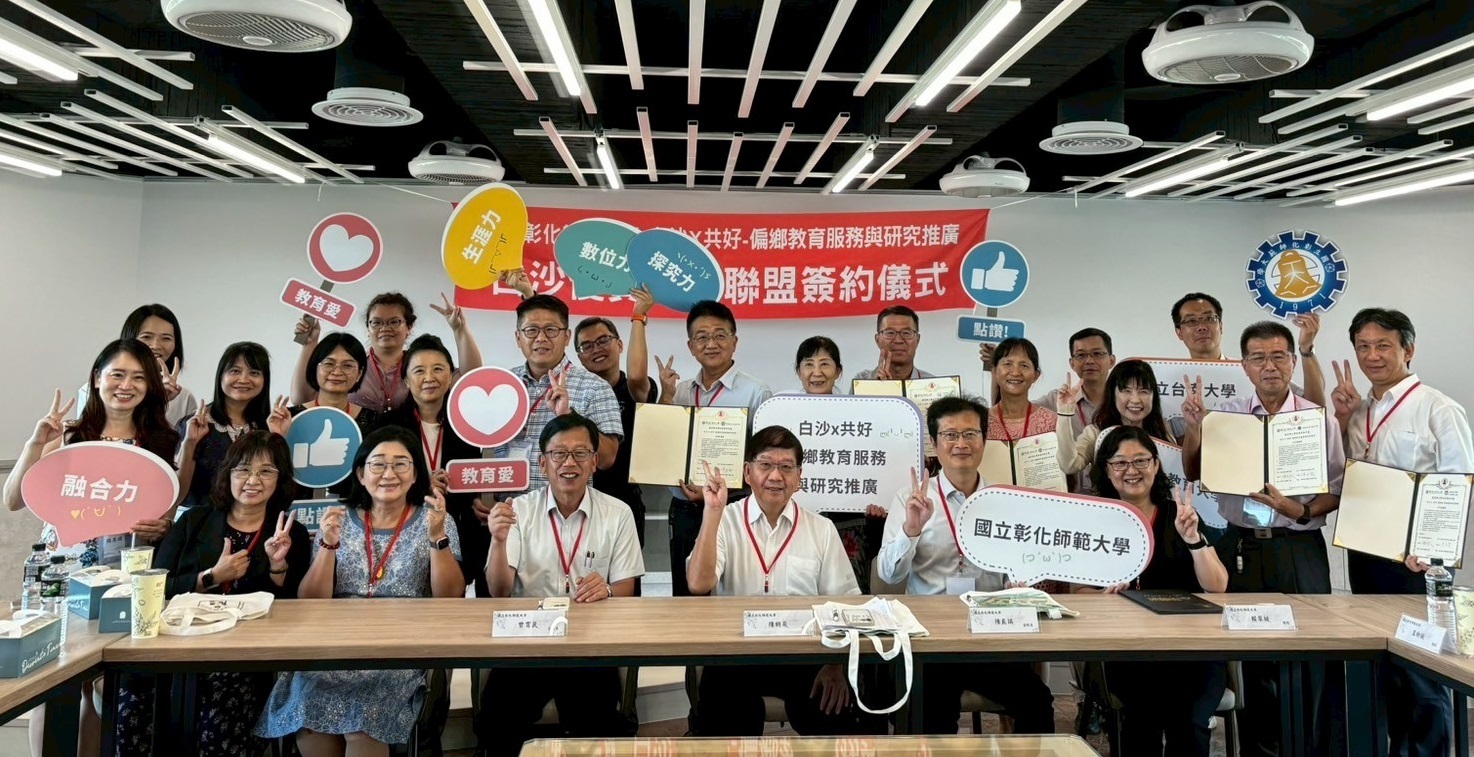
Figure 17. Signing ceremony for a memorandum of understanding with two teacher-education universities under NCUE's USR project “NCUE x Common Good,” 4 September 2025
(9) NCUE Signs an MOU and Launches an Industry-Academia Cooperation Project with Changhua Christian Hospital
NCUE actively assists local hospitals in improving medical care and medical equipment. After several collaboration meetings in 2024, the Office of Research and Development, College of Engineering, and Changhua Christian Hospital jointly convened a research and development cooperation meeting (Figure 18). During the meeting, participants discussed the needs of hospital’s nursing department and innovation incubation center and matched NCUE faculty members with hospital staff to help resolve clinical problems related to medical care, medical equipment, or nursing. It was subsequently agreed that matchmaking meetings would continue to address issues faced by Changhua Christian Hospital. The two parties would also toward establishing directives for joint research project projects (Figure 19) to deepen cooperation, improve healthcare for local residents, strengthen NCUE's social impact, fulfill its social responsibility, and enable more people to receive better medical care.
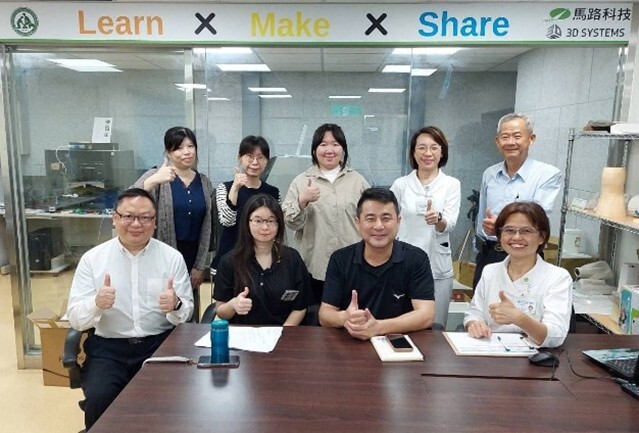
Figure 18. Matchmaking meeting between NCUE and Changhua Christian Hospital
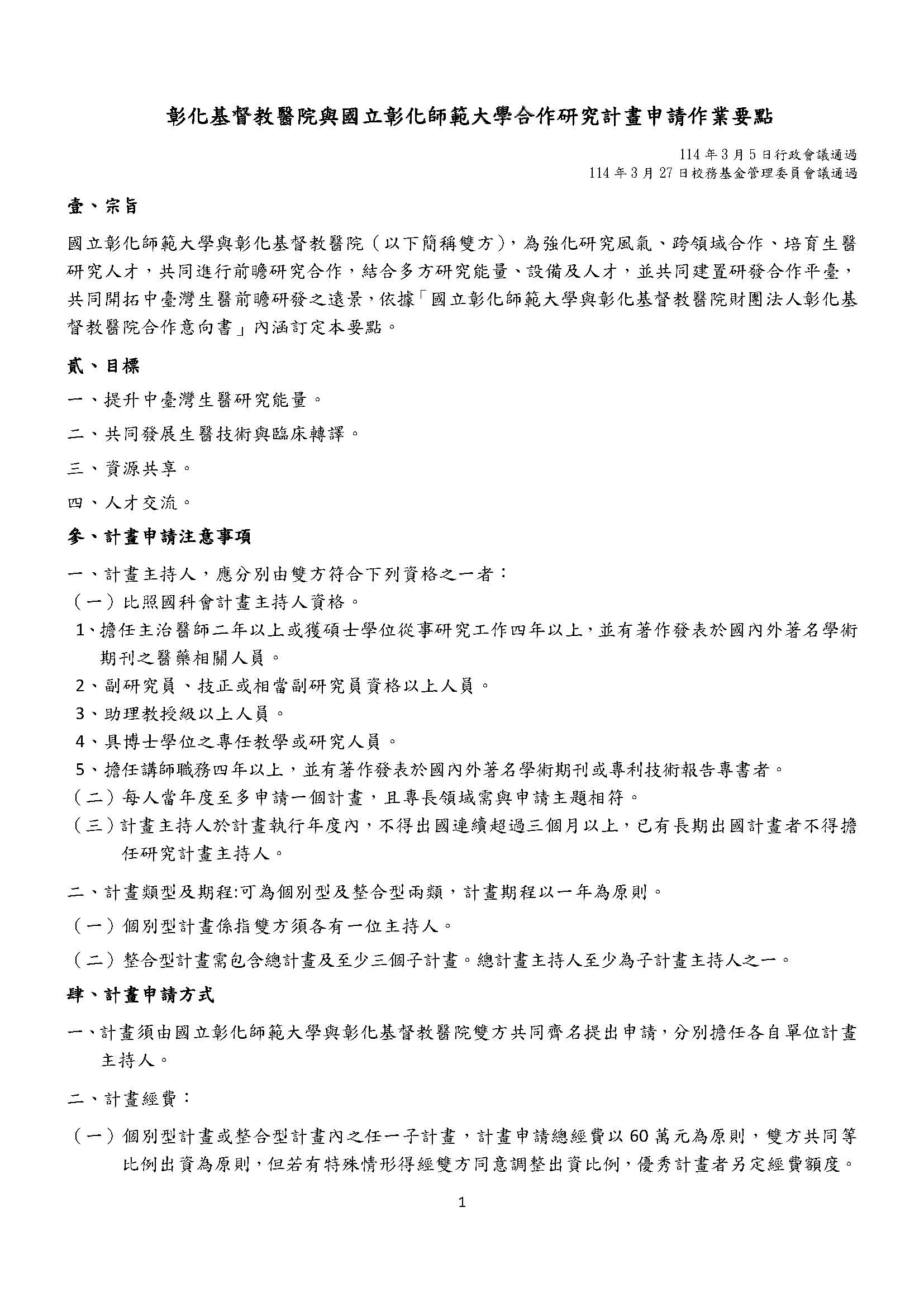
Figure 19. Guidelines for applying for joint research projects between Changhua Christian Hospital and National Changhua University of Education
(10) Off-Campus Rental Housing Safety Assistance System
NCUE collaborates with the Changhua County Police Department, the Changhua Branch of the Fire Bureau of Changhua County, local landlords, and other institutions to establish an off-campus rental housing safety assistance system, including off-campus housing information platforms, rental property safety certification, rental dispute mediation, and emergency safety assistance services to protect students' rental rights and residential safety:
(a) In accordance with the Ministry of Education’s “Implementation Plan for Promoting Rental Housing Services for Students at Senior High Schools and Higher Education institutions,” NCUE has formulated “Specific Measures for Promoting Student Off-Campus Housing Safety and Services at National Changhua University of Education.” Cloud-based rental housing website: https://house.nfu.edu.tw/announce/4859
(b) NCUE conducts rental-property visits and has set up an off-campus rental service platform (Figure 20). Link: https://house.nfu.edu.tw/NCUE
i. Establishing a registry of students’ off-campus residences: The Student Safety Section compiles a university-wide registry of students living in off-campus rented accommodation within two months of the start of each academic year and completes the required forms for student housing visits and rental building safety assessments in accordance with Ministry of Education requirements.
ii. Visiting students in rented accommodation: In the first semester of each academic year, class advisors use the registry to visit the off-campus accommodation of the students in their class and submit the visit record to the Student Safety Section for reference. In the second semester the Student Safety Section continues to follow up on students' off-campus housing, conducts building safety inspections at the residence of a sample of students who are moving into rented accommodation as they advance from their first to second year, and completes the corresponding housing safety visit records.
iii. Providing rental service information: Through NCUE's cloud-based rental housing website, the university provides information on rental housing services offered by participating landlords. It also promotes the website to encourage students living in rented accommodation to use it and provides rental listings, standardized rental contract templates, examples of common rental disputes, and information on relevant regulations.
iv. Providing landlord’s rental listings: Verified rental listings from participating landlord are published on NCUE's cloud-based rental network.
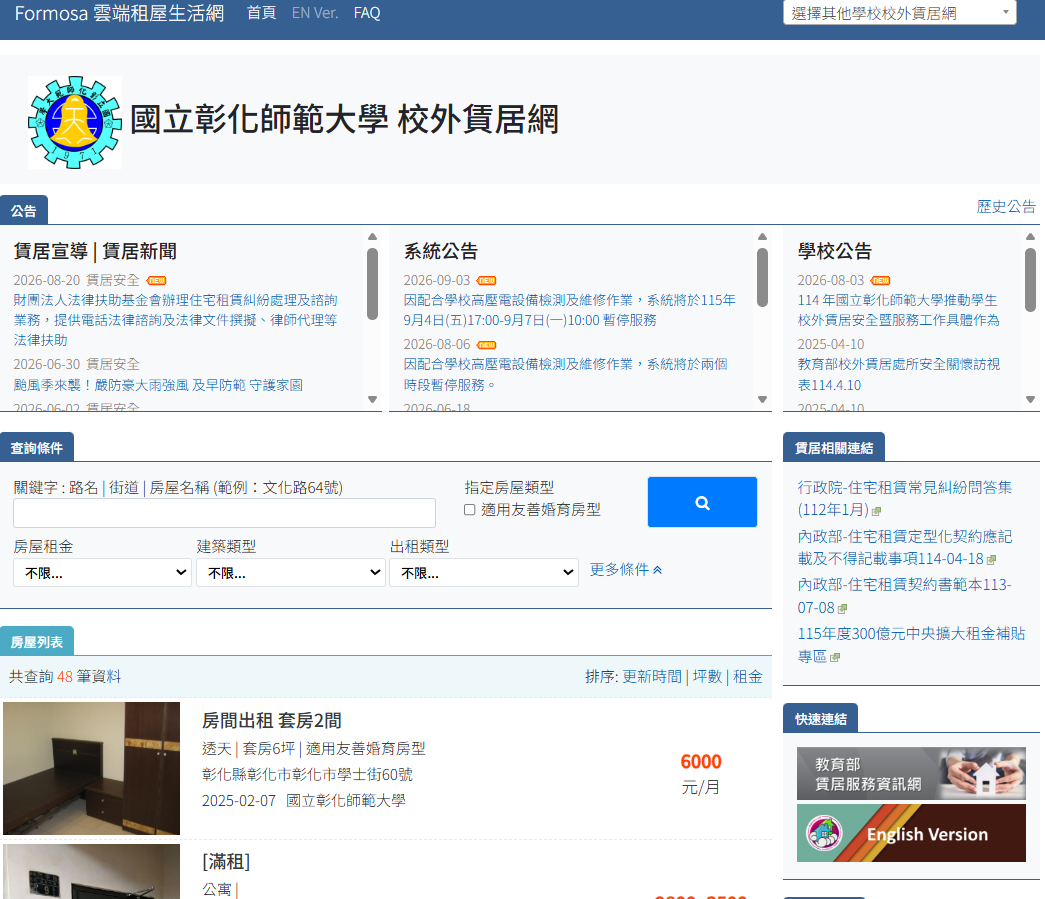
Figure 20. Off-campus rental service platform
(c) NCUE facilitates access to dispute resolution channels and provides legal consultation services:
i. Handling rental inquiries and coordinating rental dispute resolution: The Student Safety Section establishes a rental housing service contact point to provide students with rental advice and dispute mediation. Cases are referred to legal services or relevant professional organizations as needed to provide more comprehensive support and reduce disputes.
ii. Strengthening parents’ knowledge of renting: Each March, NCUE provides information on off-campus rental precautions through email and announcements to parents of students who will begin renting accommodation as they advance from their first to their second year. The information highlights matters to consider when viewing properties and signing contracts to facilitate communication and coordination between parents and students.
iii. Conducting rental housing safety seminars: Experts and scholars are regularly invited each academic year to conduct seminars that help students living in rented accommodation understand what to consider when renting and signing contracts with landlords. The seminars also provide basic legal knowledge about renting and strengthening students’ understanding of home security, fire safety, and building safety. These efforts increase students' awareness of rental housing safety and their legal knowledge to help reduce rental disputes. On 27 May 2025, NCUE invited Military Instructor Lin Yi-ying of Feng Chia University to give a seminar on student off-campus housing safety. The seminar was attended by 50 people and helped protect students' safety in off-campus accommodation. (Figures 21-22)
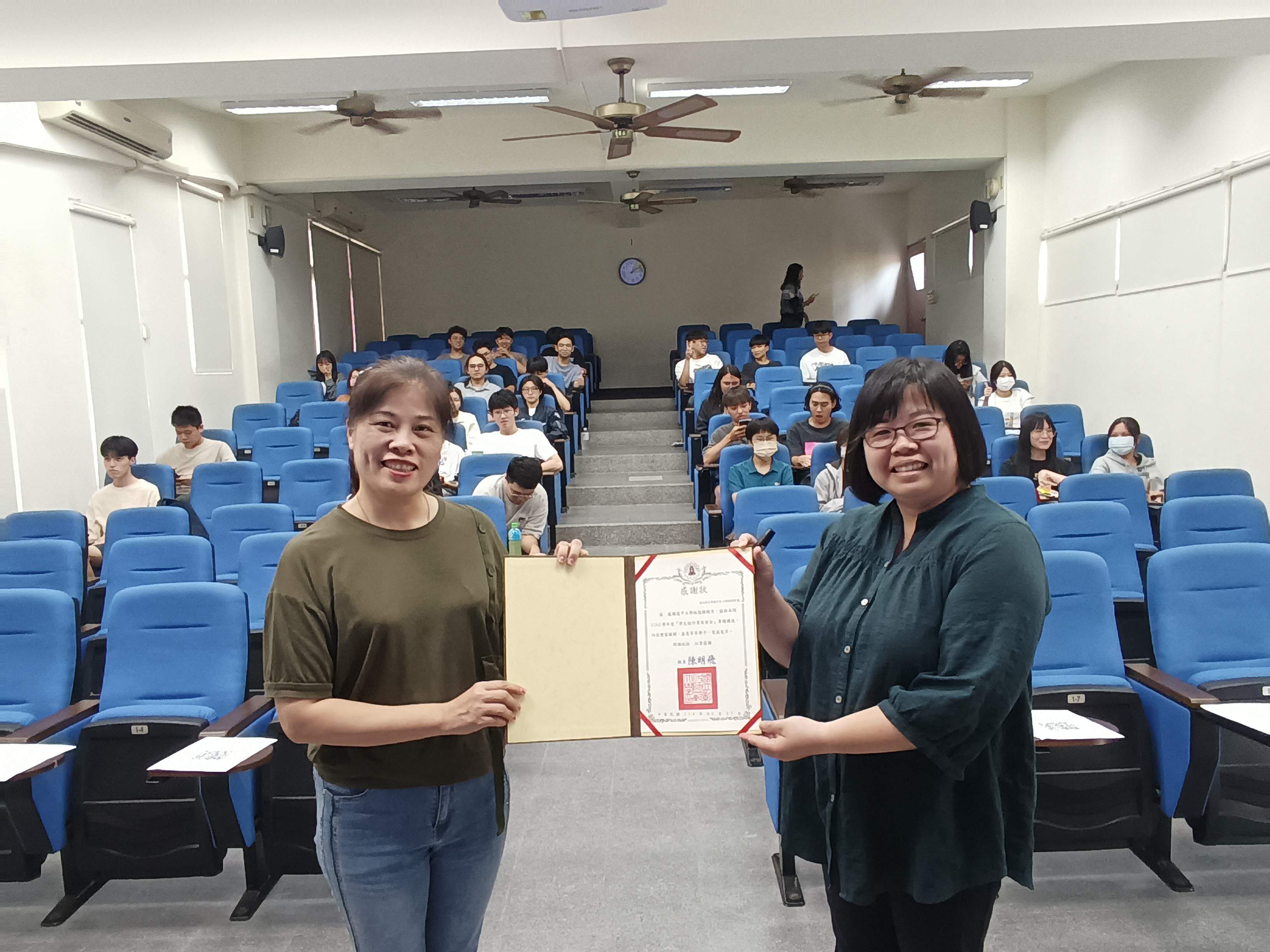
Figure 21. The executive secretary presenting a certificate of appreciation
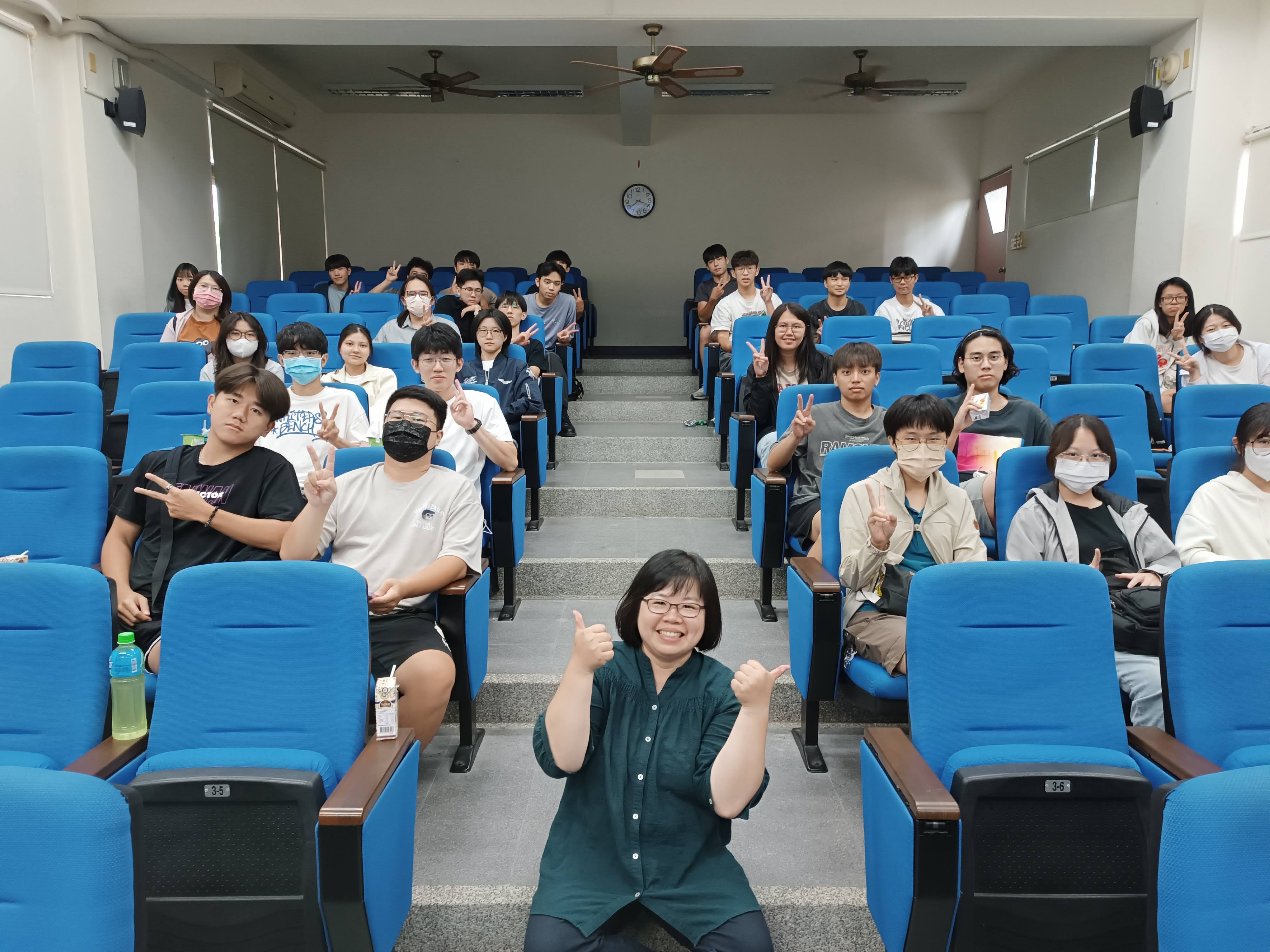
Figure 22. Group photograph of the speaker and students
(d) Commending outstanding rental service landlords: NCUE periodically recognizes landlords who care for student tenants or provide excellent rental services, giving commendations to those with verified achievements to help establish good landlord-tenant relationships.
(e) Promoting off-campus rental property safety certification: To safeguard the safety of student tenants, NCUE promotes initiatives that aim to enhance students' and landlords' awareness of home safety and ability to prevent theft, reducing the risk of security incidents.
(f) Other rental service-related matters: NCUE makes anti-voyeurism detection devices available for students living in off-campus rented accommodation to borrow. Each year, it combines the registry of student tenants with students’ basic information to compile records of their off-campus residence for use in emergency reporting, communication, and response.
(g) The Office of Student Affairs has established the "National Changhua University of Education Off-Campus Rental Network," where students can search for housing information published by NCUE that complies with Ministry of Education regulations. This website also provides Ministry of Education off-campus rental property safety visit forms, Ministry of Education off-campus rental property safety self-assessment checklists, a list of landlords certified for rental safety in 2025, rental safety certification instructions, and other materials, all of which help ensure student off-campus rental safety. Link: https://house.nfu.edu.tw/NCUE
(11) Underground Parking Garage Renovation & Diversified Services
NCUE invests in renovating the underground parking garage to provide community residents with comfortable, convenient, and modern parking spaces while offering parking discounts and diversified services:
(a) In 2024, NCUE allocated NT$16,681,213 to renovate the parking garage, aiming to strengthen services for the community and NCUE faculty and students and provide quality parking spaces. The renovated parking garage is shown in Figures 23-24.
(b) The underground parking garage on Jinde Campus is open for temporary parking rentals by community members or external individuals on weekdays (free for the first 30 minutes) and also open for long-term rentals. Residents of the nearby Fuxing Village enjoy preferential monthly rental fees, enabling NCUE resources to be shared with the community. For NCUE Parking Garage Management Regulations (Figures 25), please refer to: https://generalweb.ncue.edu.tw/var/file/4/1004/img/131/867335768.pdf
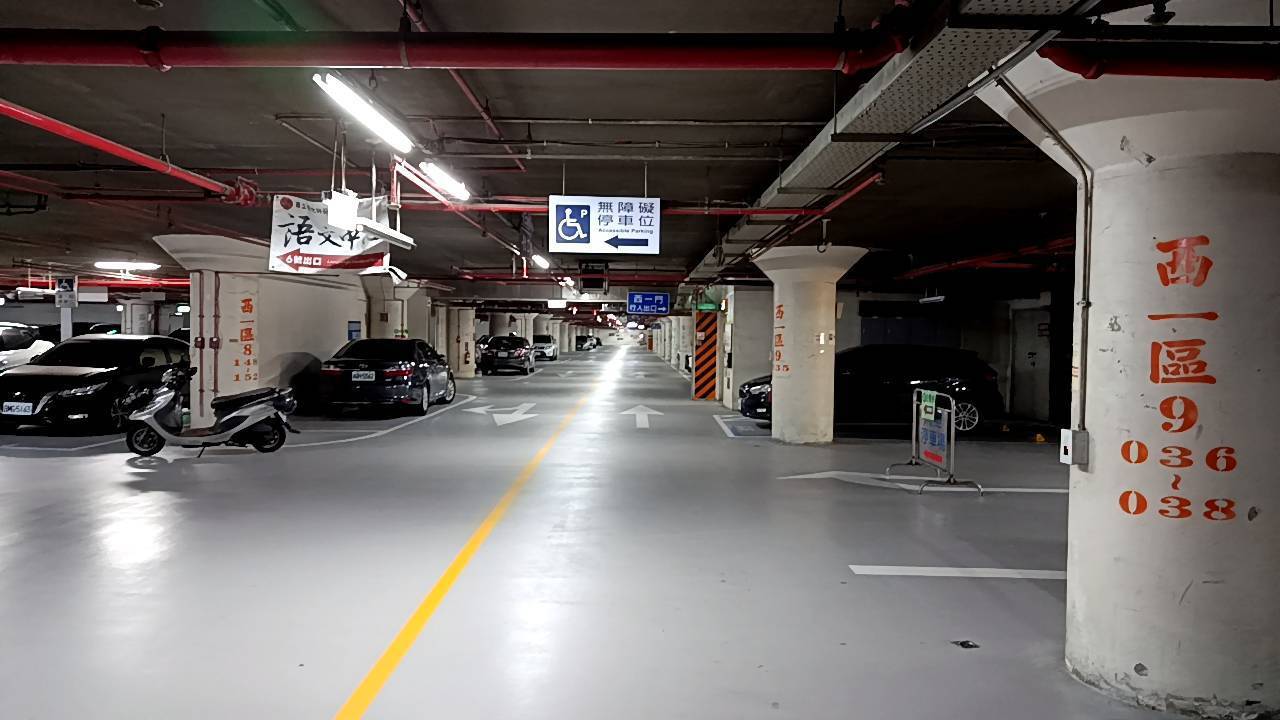
Figure 23. The renovated parking garage
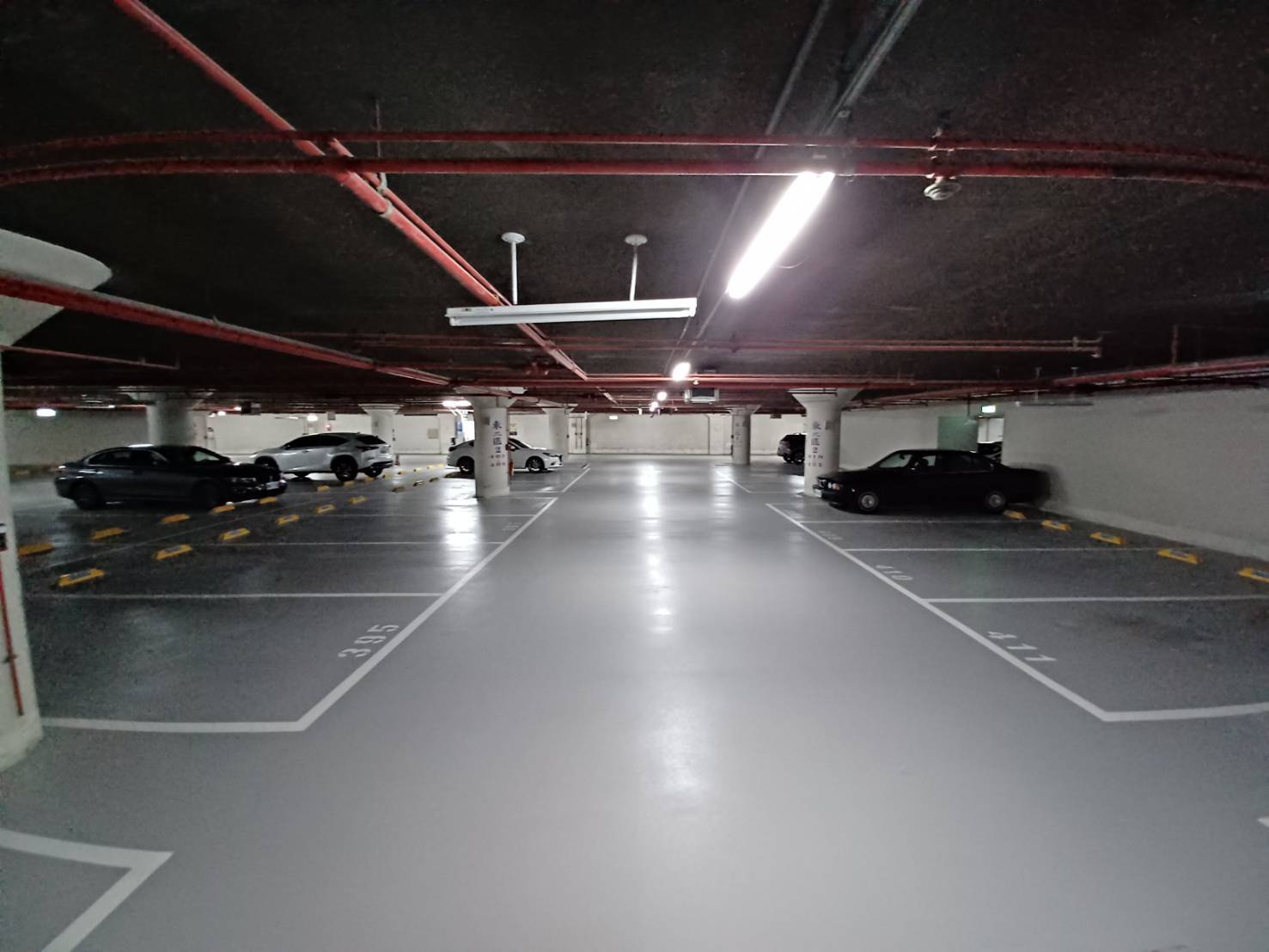
Figure 24. The renovated parking garage
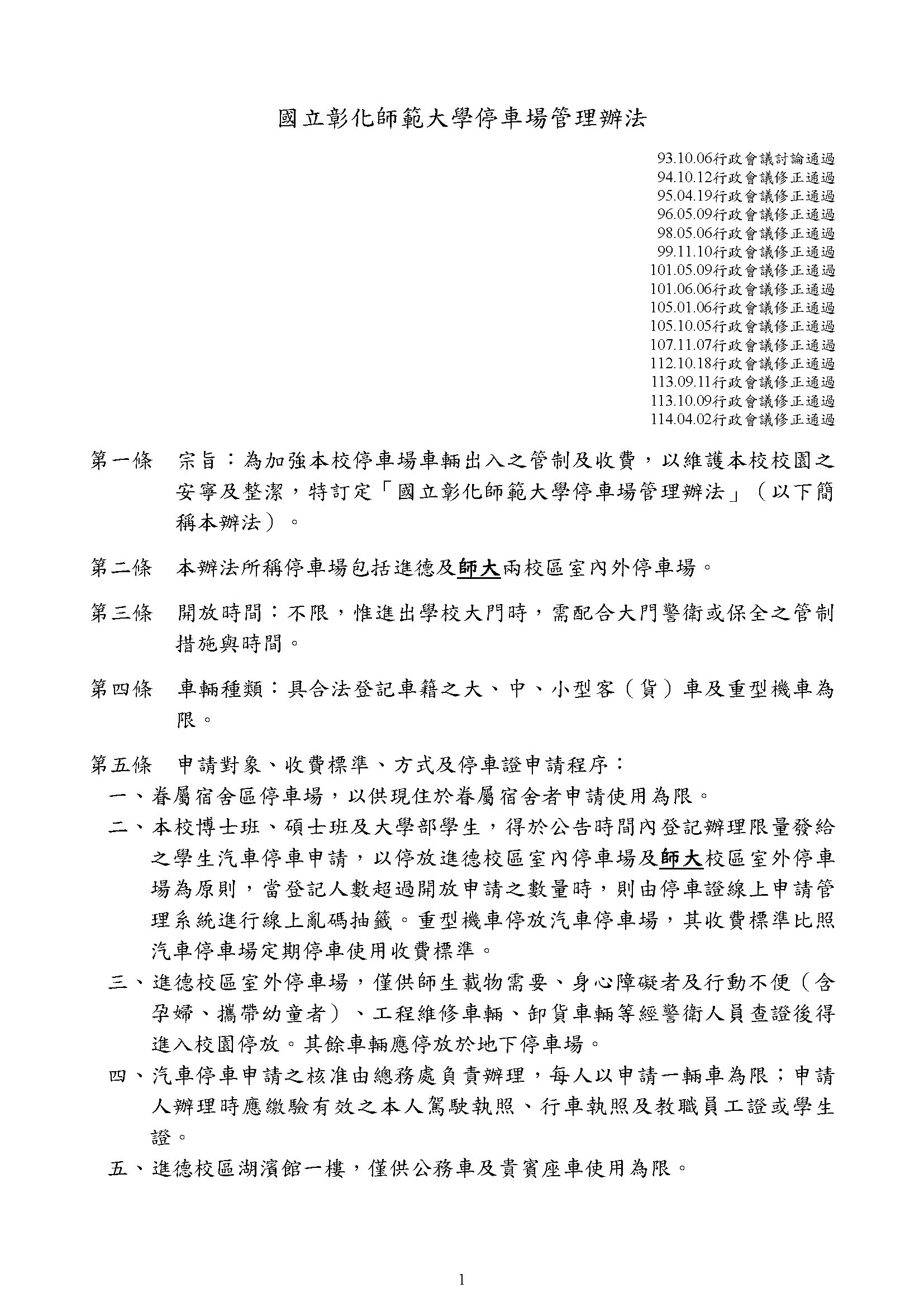
Figure 25. National Changhua University of Education parking management regulations
(c) To reduce greenhouse gas emissions and air pollution, NCUE installed 2 parking spaces equipped with electric vehicle chargers in November 2024 (Figures 26-27) to meet the charging needs of community residents with electric vehicles. In addition to providing parking convenience, this also responds to the electric vehicle market by providing diversified charging services. NCUE will continue to expand the number of parking spaces equipped with electric vehicle chargers, with eight more planned on the Jinde Campus and three on the Shida Campus by August 2026, to meet the growing electric vehicle market. For NCUE's "Directives for the Management of Parking Space Reserved for Electric Vehicle Charging " (Figures 28), please refer to: https://generalweb.ncue.edu.tw/var/file/4/1004/img/131/418956510.pdf
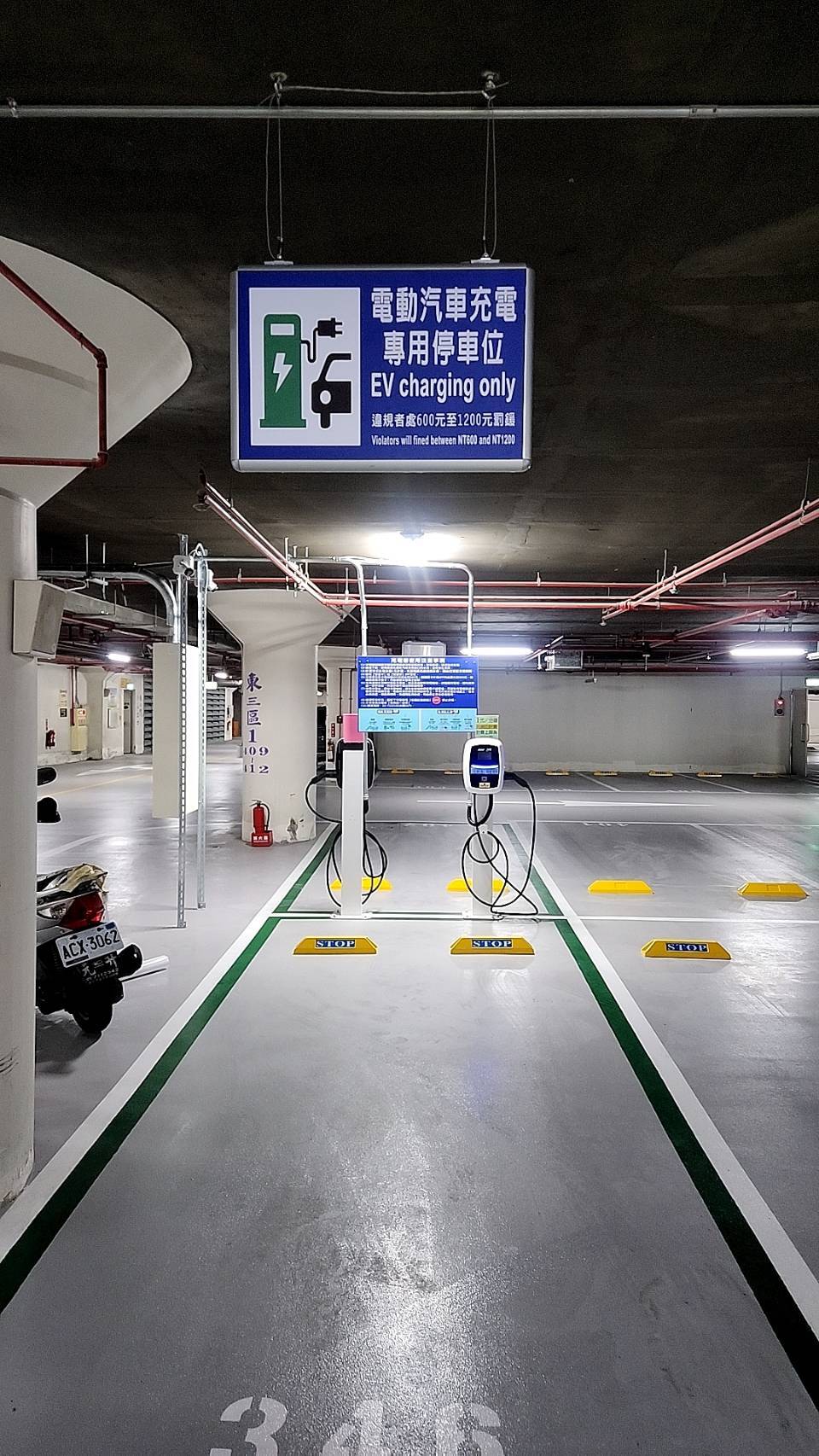
Figure 26. Parking Space with an electric vehicle charger on the Jinde Campus
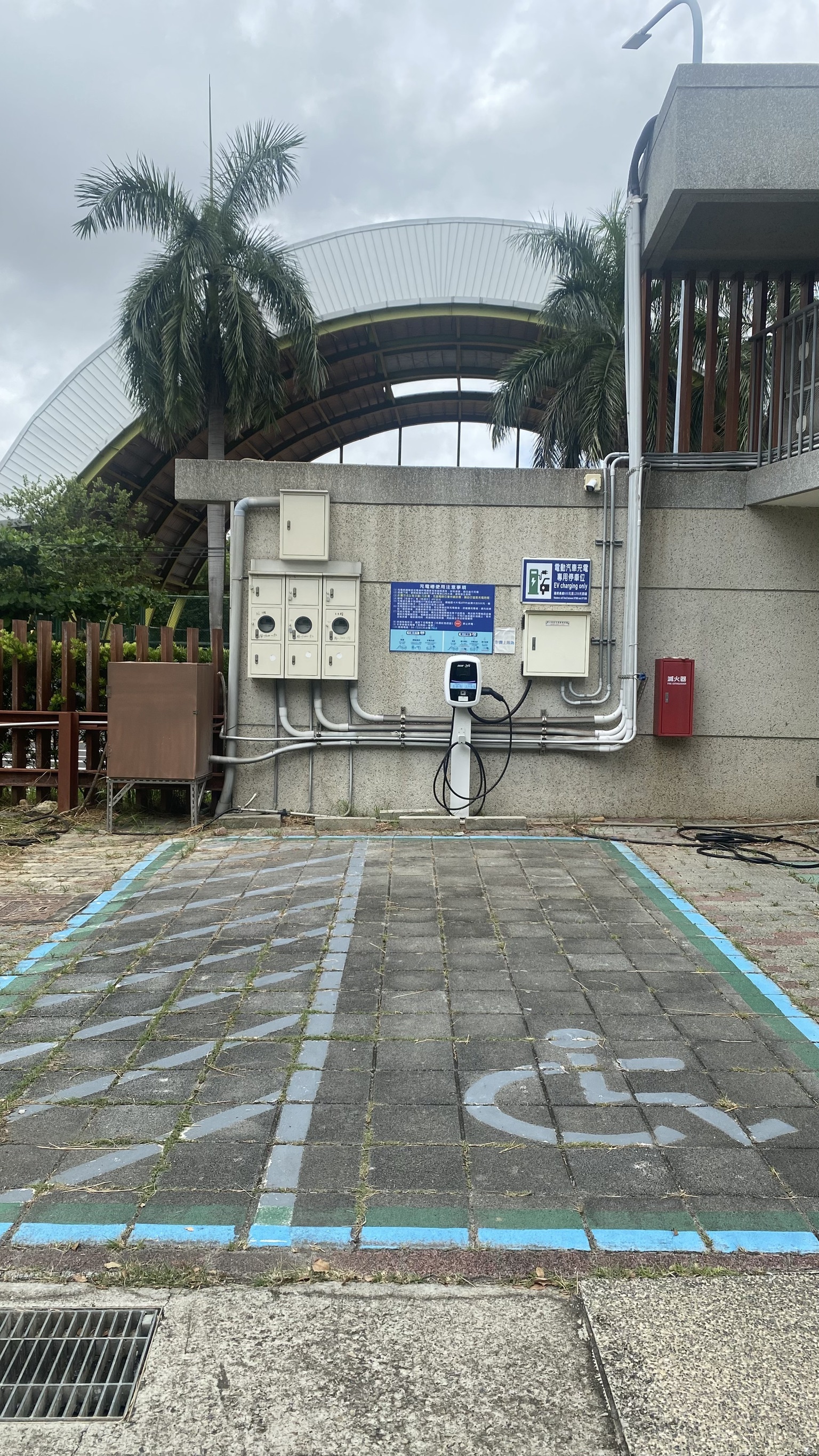
Figure 27. Parking Space with an electric vehicle charger on the Shida Campus
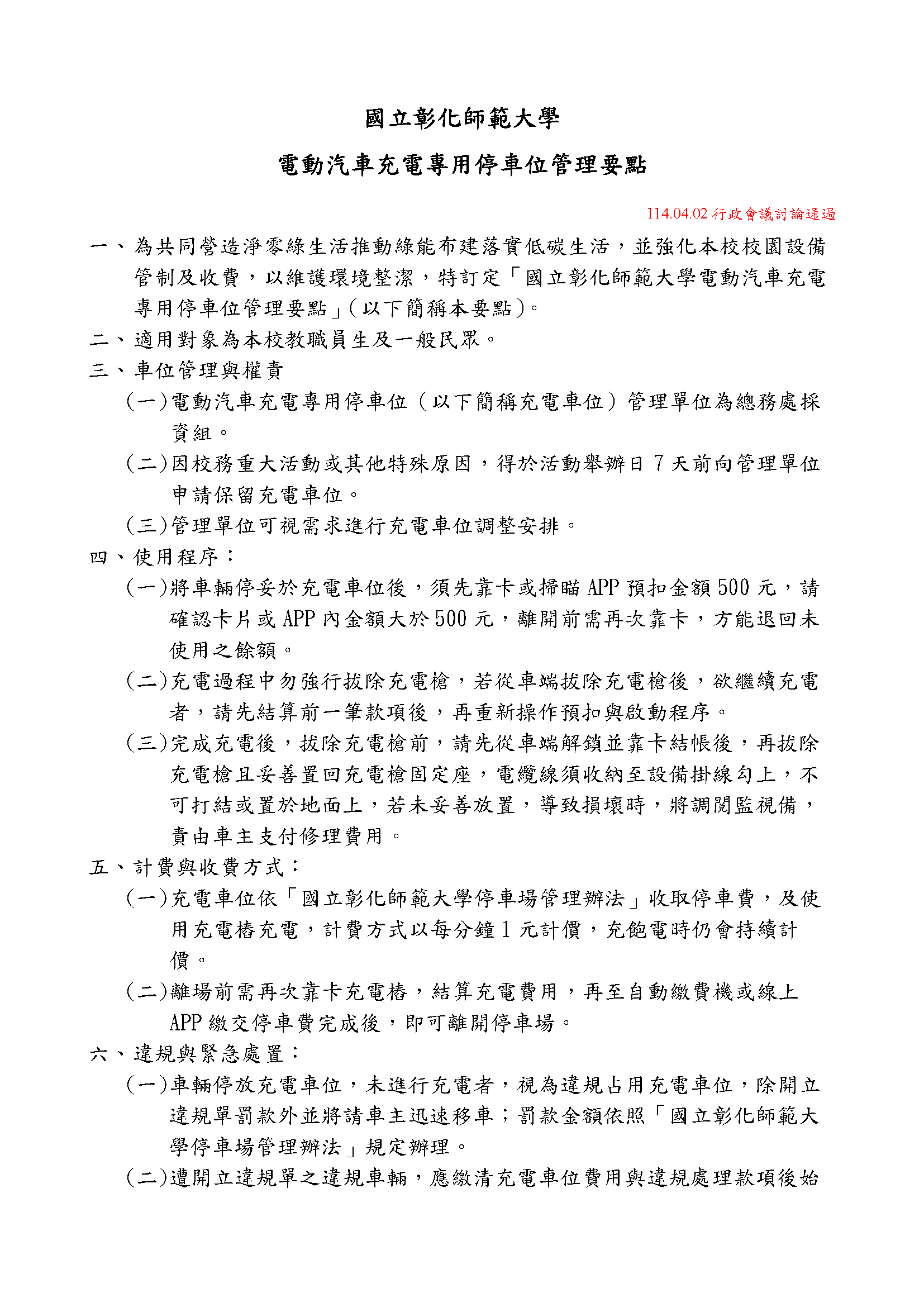
Figure 28. National Changhua University of Education guidelines for the management of parking spaces reserved for electric vehicle charging
(12) Other External Local Stakeholder Engagement - Undergraduate Student Research Projects:
(a) Professor Chang Yuan of the Department of Finance supervised the student Ho Chung-cheng in carrying out a National Science and Technology Council undergraduate research project from July 1, 2025, to February 28, 2026, titled "Global Supply Chain Maintenances, Firm's ESG Performance and Carbon Emission". Using data on 1,722 listed and over-the-counter non-financial companies in Taiwan between 2016 and 2023, the study tests whether ESG pressure from global supply chains affects a company's own ESG performance and carbon emissions. As public awareness grows and governments tighten climate policy, a company that relies more on global supply chain relationships, or faces ESG pressure from a greater number of global supply chains (for example, through a higher export ratio or exports to countries with stricter ESG, environmental and human rights requirements), comes under greater pressure to improve its ESG performance or particular environmental outcomes. This pressure can help improve the company’s own ESG performance or carbon emissions performance. Correlation analysis and multiple regression show that companies facing greater global supply chain ESG pressure, reflected in a higher export ratio and a wider geographic spread of sales, have better ESG performance, are more likely to disclose carbon emissions data and have lower carbon intensity (Figure 29).

Figure 29. Global Supply Chain Maintenances, Firm's ESG Performance and Carbon Emission
(b) Professor Yu-ling Song of the Department of Geography supervised the student Wu Yu-chien in carrying out a National Science and Technology Council undergraduate research project from July 1, 2025, to February 28, 2026, titled "Affective Atmosphere and Local Boundaries: The Life-Worlds and Differentiated Spaces of New and Old Sanxia". The study uses ethnography together with ethnomethodology and semi-structured interviews. By recording in detail the feelings, experiences and values of residents of the NTPU Special District and old Sanxia, it identifies the shared emotions and sense of self and other among residents in each area, and examines the affective atmosphere of the two areas and the boundary between them. It asks how the shared experience and culture of different groups shape that atmosphere, and whether encounters between different atmospheres shape boundaries and create differences between places, rather than examining these differences solely in terms of administrative divisions. The findings are intended as a reference for studies of similar areas (Figure 30).

Figure 30. Affective Atmosphere and Local Boundaries: The Life-Worlds and Differentiated Spaces of New and Old Sanxia
(c) Professor Pei-Wen Lu of the Department of Geography supervised the student Tseng Jou-chia in carrying out a National Science and Technology Council undergraduate research project from July 1, 2025, to February 28, 2026, titled "Spatial Governance and Green Energy Policy in Pingtung: A Place-Based Perspective". Taking the 800 MW solar photovoltaic zone across four coastal townships in Pingtung as its case, the study examines how Taiwan's renewable energy policy shapes space and local development in practice and reshapes the relationship between people and place. It combines GIS spatial analysis with semi-structured interviews, overlaying the actual distribution of solar panels with maps of marginal farmland and land subsidence, and interviewing residents, local leaders, solar operators, government agencies and academics to trace how the zone came about and how the actors interact. The study finds that the Pingtung solar zone was driven mainly by efficiency, technical feasibility and investment conditions, with local space treated as a container for energy production rather than planned around local life and long-term development. The absence of visible protest reflects not strong local consensus on the energy transition but a low-conflict, depoliticized governance culture in which local participation is reduced to individual land-leasing decisions, compensation negotiations and informal mediation, while the people-place relationship, ideas about local development and intergenerational risk drop out of public debate. The study argues that although this model helps speed up green energy deployment and meet installed capacity targets, it lets short-term efficiency and technical feasibility lead the energy transition while local society bears the risks of long-term land use uncertainty and a lack of consensus on the direction of development, and that this gap may become a source of future conflict, difficulties in adjusting policy and lost social trust (Figure 31).

Figure 31. Spatial Governance and Green Energy Policy in Pingtung: A Place-Based Perspective
(d) Professor Hsin-Wen Wang of the Department of Business Administration supervised the student Yang Chia-hua in carrying out a National Science and Technology Council undergraduate research project from July 1, 2025, to February 28, 2026, titled "Decoding Criminal Money Flows: Blockchain Technology in Anti-Money Laundering". The study examines three major cases with combined losses of more than US$9.6 billion: the collapse of the FTX exchange in 2022, the Bybit security breach in 2025 and the theft from UXLINK's multi-signature wallet in 2025. Using on-chain data tools from OKLINK and Arkham Intelligence, it builds a cross-validation framework based on two tools and reconstructs how the stolen funds moved across centralized exchanges, DeFi protocols, Layer 2 networks, cross-chain bridges and privacy protocols. Contrary to common assumptions, when multi-signature wallets were hit by supply-chain attacks and governance-layer intrusions and funds moved quickly into cross-chain environments, neither the multi-signature mechanism nor on-chain transparency stopped the assets from escaping; instead they created systematic breaks in the trail. Once funds entered Layer 2 architectures or zero-knowledge privacy protocols, traceability fell sharply, which shows the limits of current monitoring tools against modular, cross-chain and privacy-enhancing technologies. The study's main contribution is empirical evidence that corrects the mainstream assumption that on-chain transparency necessarily improves asset security, and that questions absolute trust in the idea that "code is law". It also provides evidence for cybersecurity governance and policy design by virtual asset service providers (VASPs) and regulators in emerging regulatory jurisdictions (Figure 32).

Figure 32. Decoding Criminal Money Flows: Blockchain Technology in Anti-Money Laundering