SDG 15.3.5
SDG 15.3.5 Collaboration for shared land ecosystems
NCUE has implemented multiple projects and activities, including the Department of Fine Arts’ “Ecological Healing and Green Sustainability: Changhua Ecological Art Project”; the Department of Biology’s “Hualien County Red Imported Fire Ant Control Enhancement Project,” “Invasive Fire Ant Control Project for the Fenglin Recreation Area in Hualien,” “Kaohsiung City Flying Ant Damage Survey and Control Strategy Evaluation Project,” “Monitoring and Control of Yellow Crazy Ants in Terrestrial Crab Hotspots at Gaomei Wetland,” “Yellow Crazy Ant Control Project in Kenting National Park,” and “Commissioned Planning and Design for Invasive Red Imported Fire Ant Control Operations” ”Changhua Coastal Hard Clam Habitat Survey, Conservation, and Restoration Promotion” Project; and the Department of Geography’s “Changhua County Landscape Conservation Promotion Project.” These projects and activities are briefly summarized in Table 1 below, followed by individual introductions.
| Project activities | Funding Agency |
|---|---|
| Ecological Healing and Green Sustainability: Changhua Ecological Art Project | Ministry of Education |
| Yellow Crazy Ant Control Project in Kenting National Park | Kenting National Park Headquarters, National Park Service, Ministry of the Interior |
| Kaohsiung City Flying Ant Damage Survey and Control Strategy Evaluation Project | Agriculture Bureau, Kaohsiung City Government |
| Monitoring and Control of Yellow Crazy Ants at Gaomei Wetland | Agriculture Bureau, Taichung City Government |
| Changhua Coastal Hard Clam Habitat Survey, Conservation, and Restoration Promotion | Changhua Marine Food Research Production Cooperative |
| Changhua County Landscape Conservation Promotion Program | Changhua County Government |
1. Ecological Healing and Green Sustainability: Changhua Ecological Art Project
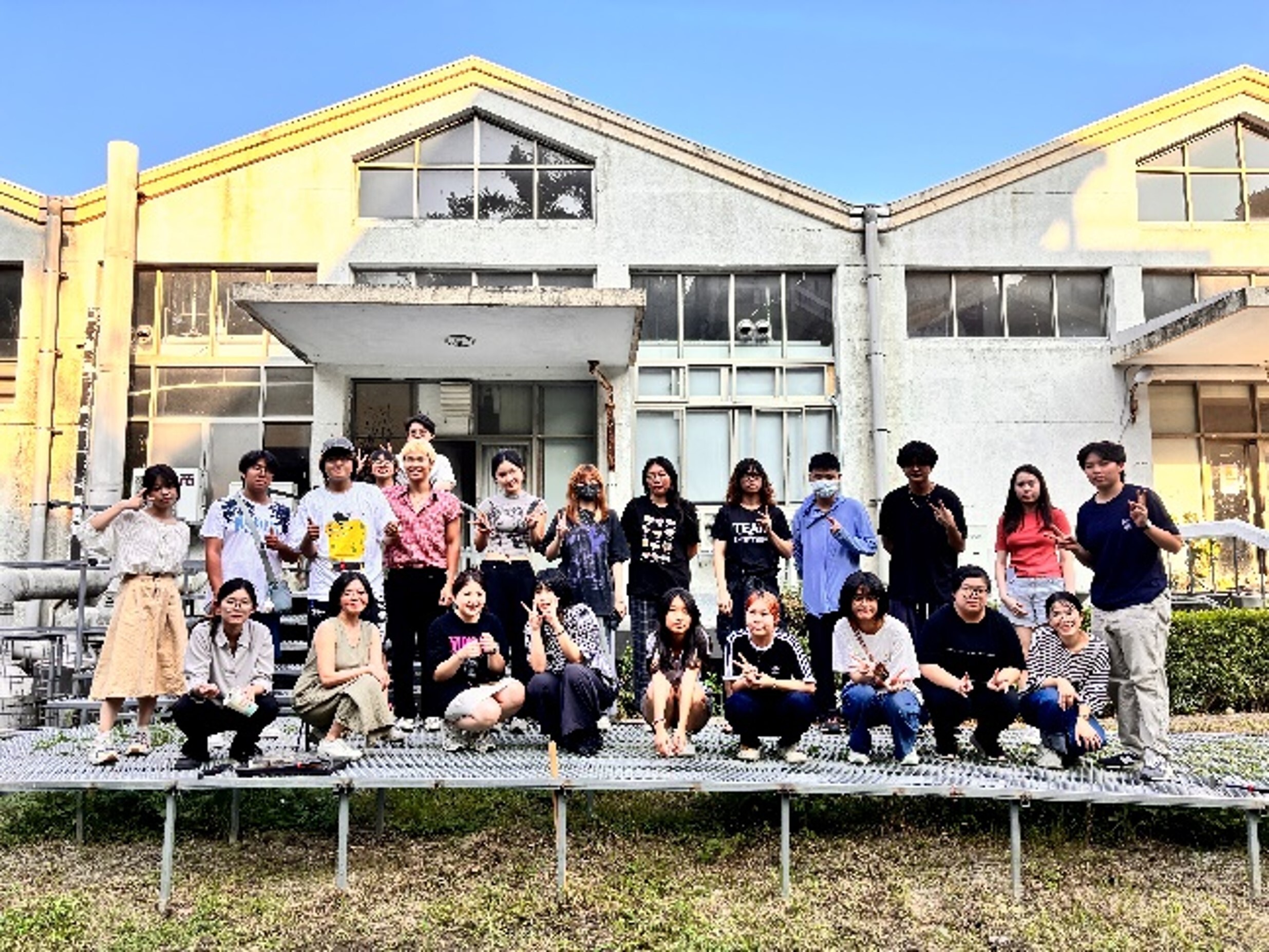
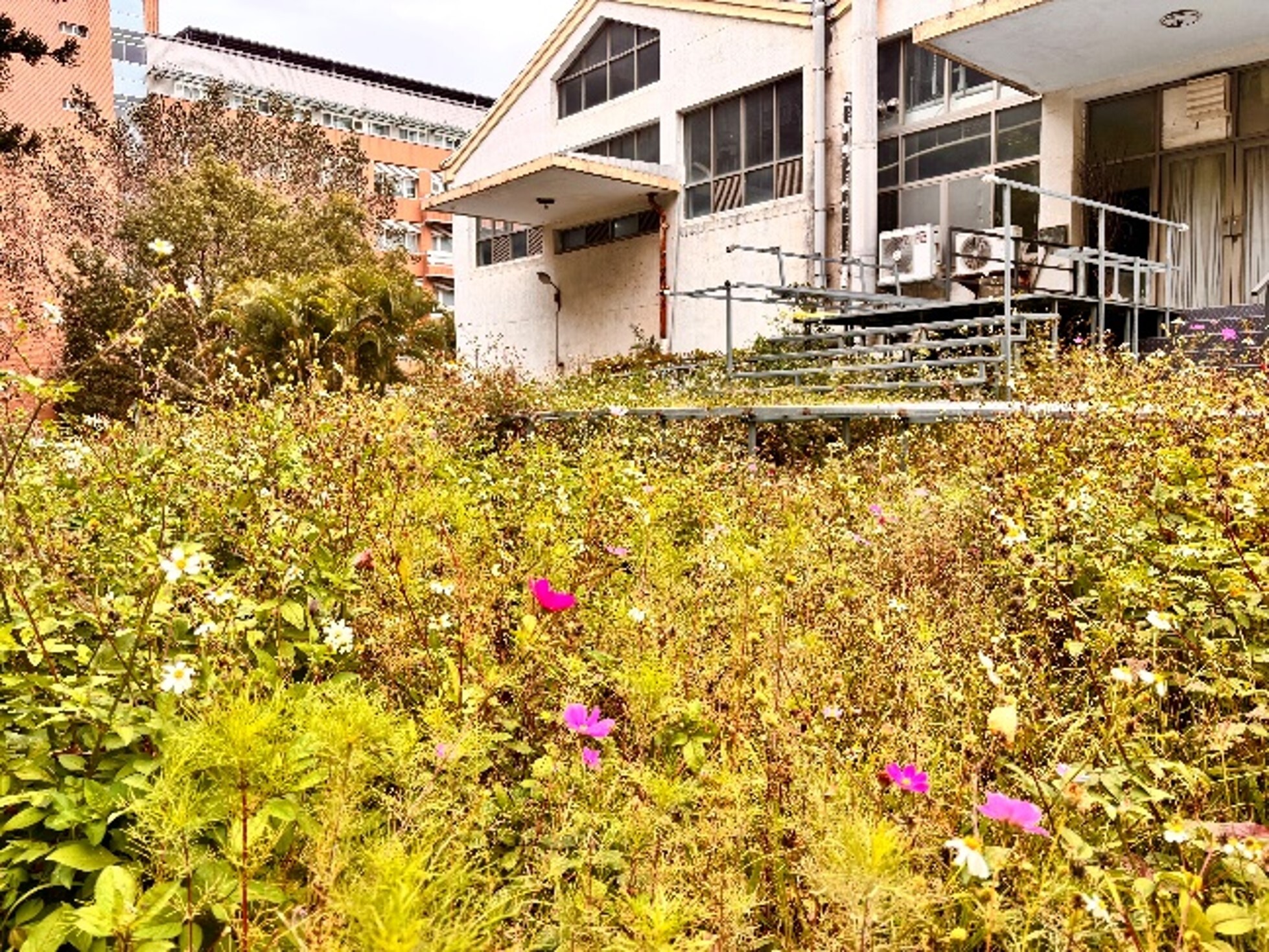
In response to the ecological crisis caused by global warming, the University’s Department of Fine Arts proposed the University Social Responsibility (USR) Project, “Ecological Healing and Green Sustainability: Changhua Ecological Art Project,” for the 2025–2027 period. With “local care” as its central theme, the project aims to contribute to United Nations Sustainable Development Goal (SDG) 11: Sustainable Cities and Communities. In 2025, a series of free activities were organized, as summarized in Table 2. Relevant photographs are shown in Figure 1-2.
| Activity Name | Date (2025) | Location | Target Participants | Number of Participants |
|---|---|---|---|---|
| Siangshan Ecological Field Study Workshop | Mar. 31 | Siangshan Community, Changhua City | Siangshan Community residents | 23 |
| Dongfong Park Ecological Tour Guide Capacity-Building Training | Apr. 14 | Siangshan Trail and Dongfong Park, Changhua City | Siangshan Community residents; faculty and students from the Departments of Biology and Fine Arts at NCUE | 49 |
| Changhua Community Climate Change and Environmental Lecture | Apr. 21 | Fengshan Temple, Siangshan Community, Changhua City | Siangshan Community residents; Professor Tu Chien-Yi from Department of Geography at NCUE | 19 |
| Breathe with the Forest: An Ecological Outdoor Workshop through Dongfong Park, Siangshan area in Baguashan | May 3 | Dongfang Park, Siangshan area | Ecological Tour Guide Volunteer Team of Siangshan Community; healthcare personnel and family members of Changhua Christian Hospital; faculty and students of NCUE | 88 |
| Green Moments: My Little Garden (Siangshan Sessions 1 & 2)—Senior Horticultural Therapy Workshop Series | May 5 | Fengshan Temple, Siangshan Community, Changhua City | Horticultural therapy instructor of the NCUE USR Project; faculty and students of the Department of Fine Arts; Siangshan Community residents | 35 |
| Ecological Restoration Project 2: Green Trail Workshop | Jun. 29 | Lawn behind the Yihui Hall, NCUE | Faculty and students of the Department of Fine Arts, NCUE; faculty and students of the Graduate Institute of Architecture and Art, Tainan National University of the Arts | 7 |
| Siangshan Nature Lecture: Exploring Everyday Local Ecology | Aug. 4 | Science Building I, NCUE | Faculty and students of the Departments of Fine Arts and Biology, NCUE; Siangshan Community residents | 25 |
| Nature Enthusiasts of Siangshan: Training in Local Ecological Interpretation | Aug. 11 | Science Building I, NCUE | Faculty and students of the Departments of Fine Arts and Biology, NCUE; Siangshan Community residents | 25 |
| Following Leaves and Scents: Nature’s Stories Among Three Gardens | Aug. 18 | Siangshan Community, Changhua City | Faculty and students of the Departments of Fine Arts and Biology, NCUE; Siangshan Community residents | 26 |
| Siangshan Green Trail Learning: Observation, Interpretation, and Evaluation | Aug. 25 | Siangshan Community, Changhua City | Faculty and students of the Departments of Fine Arts and Biology, NCUE; Siangshan Community residents | 24 |
| Department of Fine Arts—Social, Cultural, and Media Green Survey and Soil Restoration Project: Let the Wildland Bloom—Cosmos Seed-Sowing Action Workshop | Oct. 1 | Lawn behind the Yihui Hall, NCUE | Faculty and students of the Department of Fine Arts, NCUE | 25 |
2. Yellow Crazy Ant Control Project in Kenting National Park
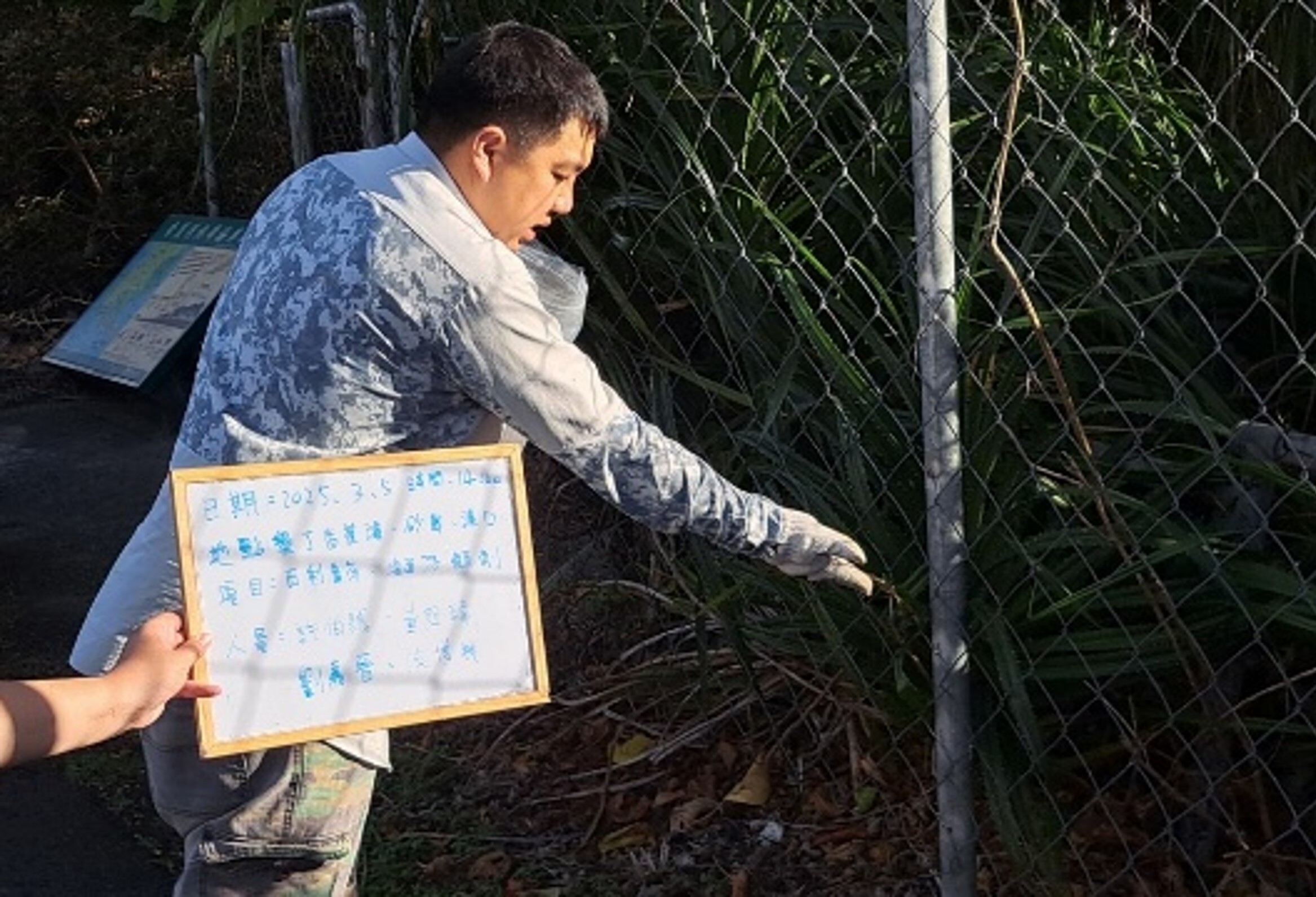
This project continues the control measures implemented in 2024. The bait dosage and treatment areas were expanded in three survey sites to evaluate long-term control strategies for yellow crazy ant populations in Kenting National Park and to formulate recommendations for future management.
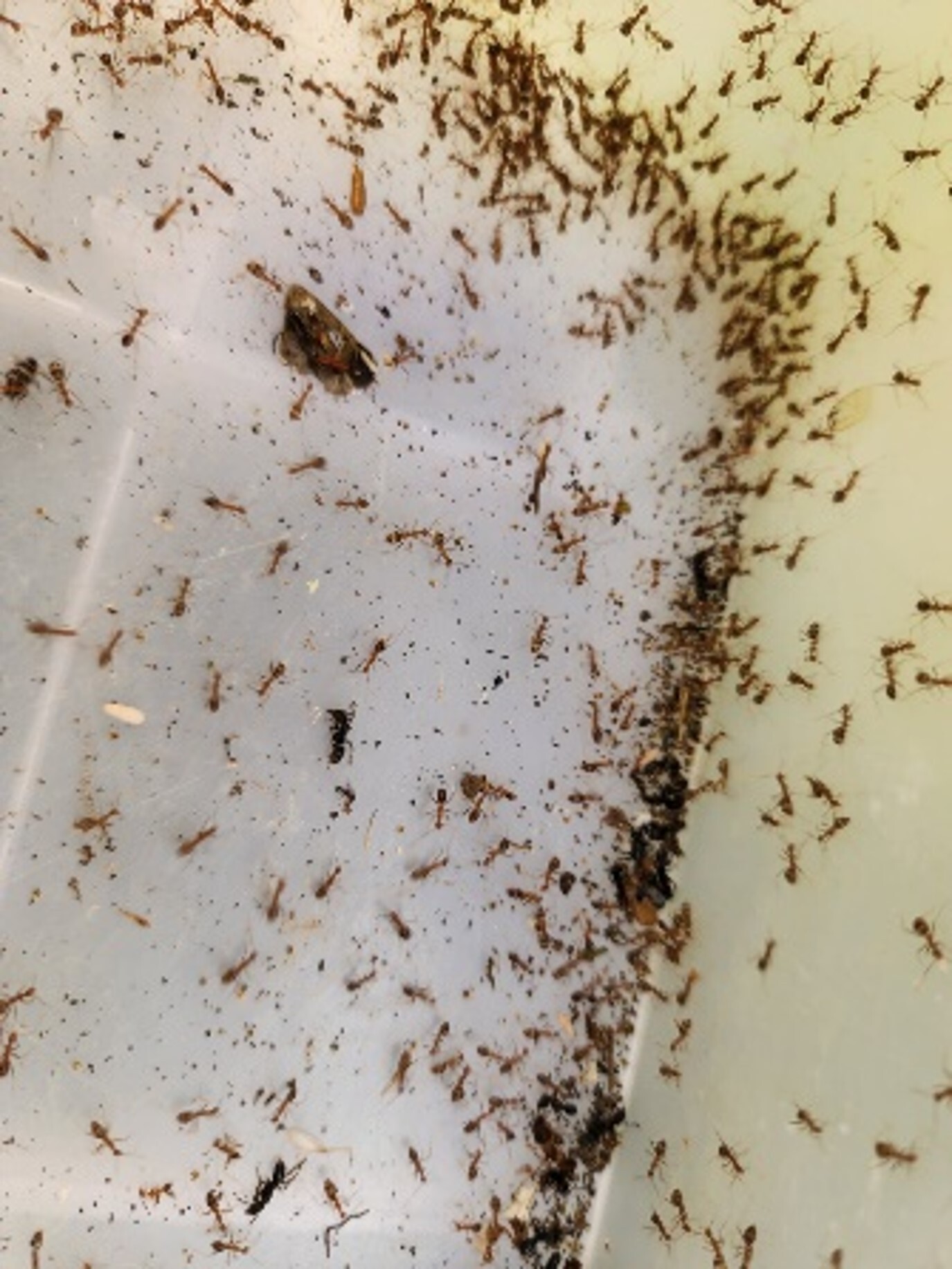
In 2025, a total of 2,009 queen ants and approximately 240,000 worker ants were captured across the three survey sites. The number of worker ants was slightly lower than in previous years, while queen ants showed a tendency to become more concentrated. Among the three survey sites, the Gangkou site recorded the highest numbers of both worker ants and queen ants, indicating a relatively high level of yellow crazy ant infestation.
Aggressive-behavior tests indicated that the Banana Bay, Shadao, and Gangkou sites each contained distinct super colonies, with a total of six super colonies identified across the three sites.
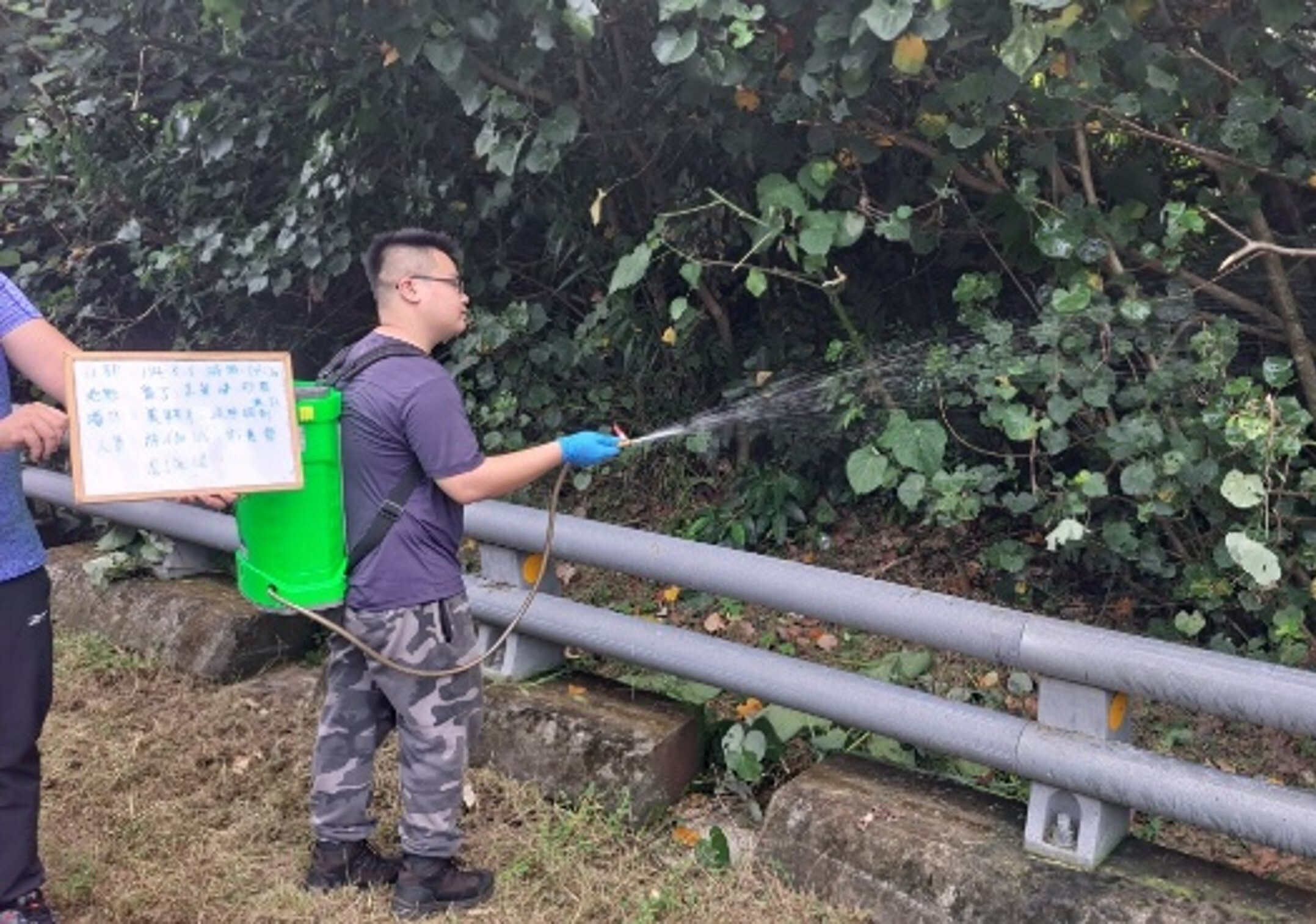
At the central section of the Banana Bay site, a more stable population began to emerge, accompanied by increasingly frequent foraging activity. At the southeastern section of the Shadao site, ant nests and populations were present, but foraging density was relatively low. The Gangkou site contained a greater number of ant nests and exhibited more frequent foraging activity, indicating a relatively high level of infestation. Close monitoring and continued control measures are therefore recommended. Relevant photographs are shown in Figures 3–4.
3. Kaohsiung City Flying Ant Damage Survey and Control Strategy Evaluation Project
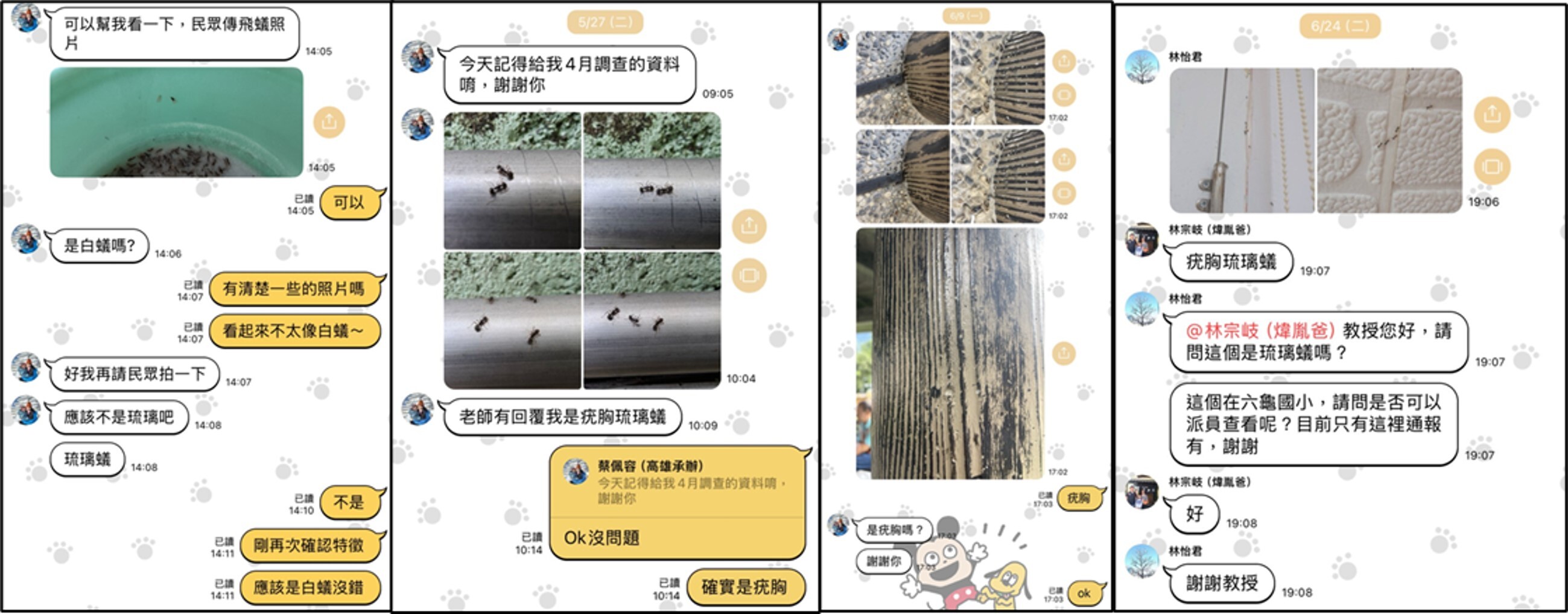
This project aims to help local residents better understand the relationship between industrial risks and the environment. Accurate knowledge and concepts are provided to local residents through Line groups, while local interviews are conducted to build a shared understanding with residents regarding strategies for addressing ant-related damage.
In the study areas, including Liugui District, Meinong District, Shanlin District, Jiasian District, Qishan District, Maolin District, and Taoyuan District of Kaohsiung City, local district offices and relevant personnel established a Line community for real-time communication, namely the “Kaohsiung Flying Ant Prevention and Control Group.” Group members include neighborhood chiefs, district office personnel, community administrators, leaders of agricultural production and marketing groups, and homestay operators. The communication platform provides a mechanism for long-term interaction and enables timely assistance in responding to inquiries from district offices throughout Kaohsiung regarding flying ant identification, ecological behavior, and control methods.
Public outreach activities for residents in areas affected by flying ants in Kaohsiung introduced the two species of the subfamily Dolichoderinae currently known to cause damage in central and southern Taiwan: the brown flat-backed ant (Technomyrmex brunneus) and the thoracic-wart ant (Dolichoderus thoracic us). The outreach covered their basic biology, possible factors contributing to nuptial flights and attraction to artificial light, conditions associated with large-scale occurrences, and appropriate control methods.
In areas where large numbers of ants occur around residential properties, residents were advised to combine baiting with the application of non-toxic saponin and diatomaceous earth solutions after a certain period of bait exposure. Integrated environmental management was also recommended, including the removal of microhabitats preferred by flying ants, such as bamboo tubes and water pipes, to improve control effectiveness.
For flying ants, residents were advised to replace white household lighting with warmer, orange-toned lighting or install dark-colored curtains to reduce the likelihood of attracting flying ants. In addition, public information sessions were held, during which live specimens of Technomyrmex brunneus were collected and displayed for residents to observe and identify. Relevant control methods were also introduced to provide residents with basic knowledge and practical approaches for repelling and controlling flying ants. Relevant photographs are shown in Figure 5.
4. Monitoring and Control of Yellow Crazy Ants at Gaomei Wetland
Gaomei Wetland is home to rich terrestrial crab ecological resources. However, in recent years, the invasive alien species yellow crazy ant (Anoplolepis gracilipes) has been found to have invaded terrestrial crab habitats, posing a threat to the survival of terrestrial crab populations.
Control operations targeting yellow crazy ants in the terrestrial crab hotspot areas of Gaomei Wetland were initiated in early 2018 and concluded in 2019. Subsequently, the population density of yellow crazy ants remained relatively low until 2023, when an increasing trend was observed. As a result, control operations were resumed in 2024.
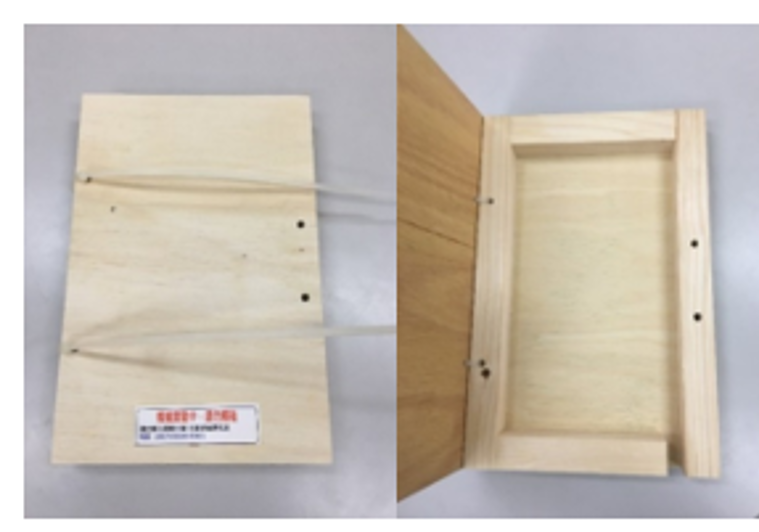
In the current year, monitoring of the distribution and population density of yellow crazy ants in terrestrial crab hotspots was continued in April, June, August, and October. In addition, liquid bait was applied once a month from April through September. Artificial bait stations were also deployed to physically remove yellow crazy ant nests.
The distribution range of yellow crazy ants was consistent with that observed in previous years, with the population primarily concentrated between the southern starting point of the survey area and the pavilion, corresponding to sampling points 1–24. The survey results showed that yellow crazy ants were detected at 7, 14, 14, and 9 sampling points in April, June, August, and October, respectively. Among the sampling points, 17 were classified as Level 1 (low severity), 20 as Level 2 (moderate severity), 6 as Level 3 (moderately high severity), and 1 as Level 4 (high severity).
Compared with the data from the previous year, both the distribution range and population density of yellow crazy ants showed a declining trend this year. Unlike the previous year, the population did not increase substantially after summer, particularly in October.
During the four monthly monitoring periods, the artificial bait stations captured a total of 579 queen ants, 117 queen pupae, and 35,249 worker ants. The monitoring results indicate that the integrated control approach of continuous liquid bait application combined with artificial bait stations was more effective in suppressing the yellow crazy ant population within the survey area.
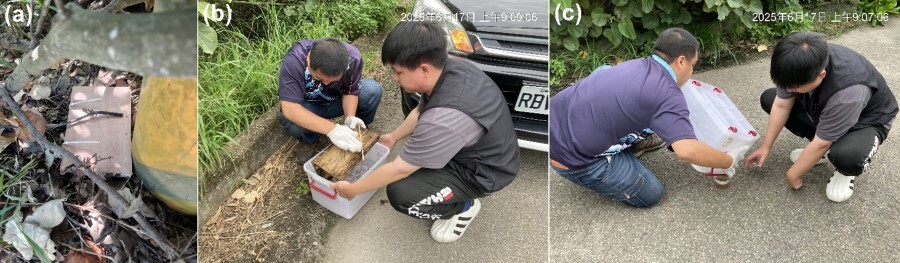
Given the significant effectiveness of the current control measures, it is recommended that the monthly application of liquid bait be continued next year, together with the use of bait stations for physical removal. The related activities are shown in Figure 6.
5. 2025 Marine Conservation Local Stewardship Project—Changhua Coastal Hard Clam Habitat Survey, Conservation, and Restoration Promotion Project.
Under the Ministry of Education Fourth-Phase USR Project, “Resilient Changhua Coastal Area: Environmental and Industrial Sustainability in Changhua’s Coastal Region under Climate Change,” NCUE worked with Caohu Junior High School, Hanbao Elementary School, Fangyuan Elementary School, and Houliao Elementary School to promote marine education, intertidal observation, clam identification, water-quality monitoring, blue carbon, environmentally friendly aquaculture, and fisheries-related food education. Caohu Junior High School received the Ministry of Education’s Marine Education Promotion Award in 2021 and 2025, and the Excellence Award in the junior-high category of the Marine Education Innovative Teaching Quality Team Selection.
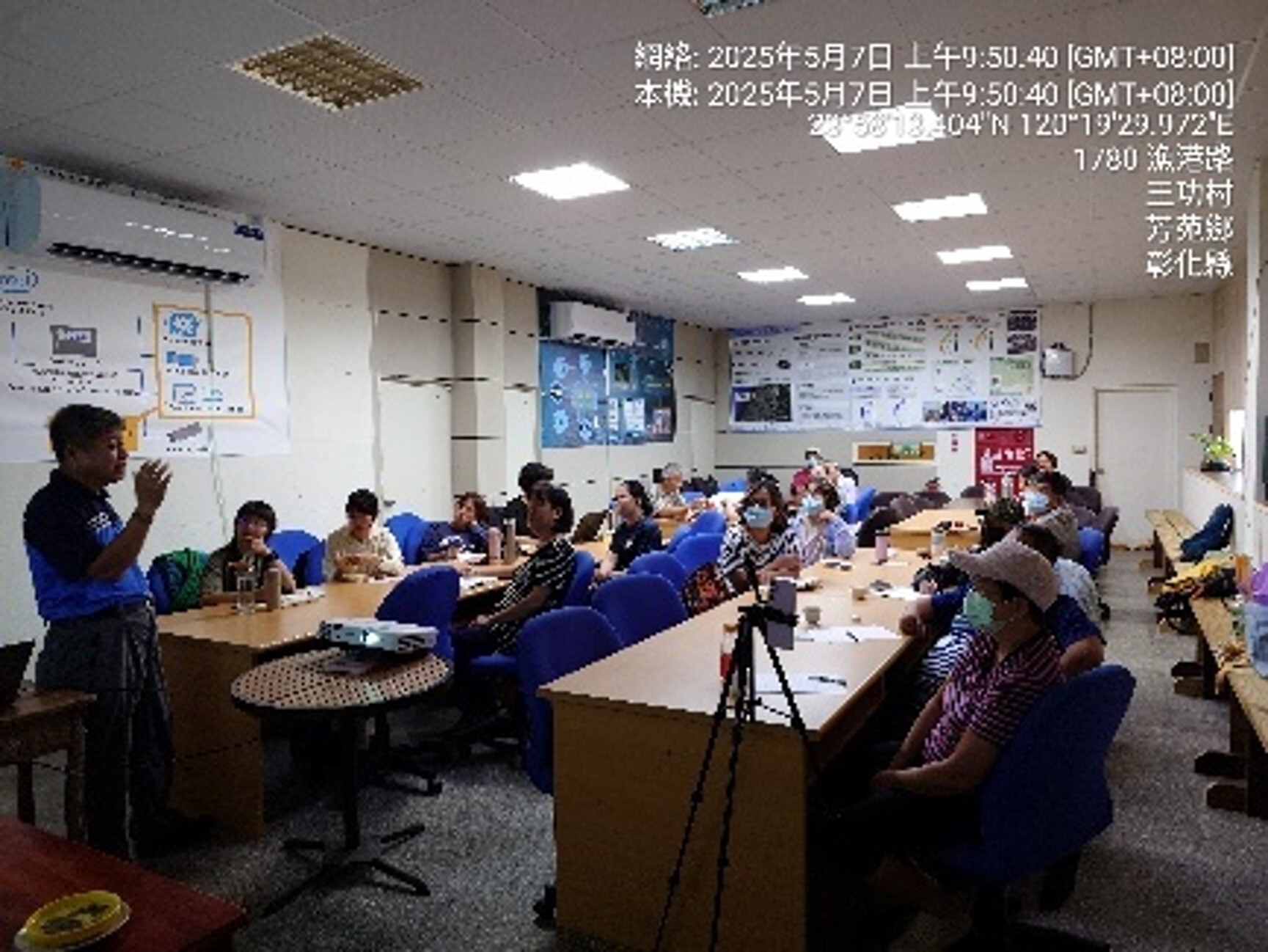
In collaboration with the Changhua Marine Food Research Production Cooperative and local communities, the University conducted clam-habitat surveys, sediment improvement, and marine citizen-science training at Xinbao Wetland. In 2025, four clam-habitat surveys and volunteer-training activities reached 50 participants; five Little Marine Citizen Scientist activities reached 146 participants; and three outdoor ecological survey and field-operation activities reached 73 participants. Activities included water-quality and dissolved-oxygen testing, sediment analysis, bivalve identification, benthic-fauna surveys, intertidal biodiversity observation, and an oyster-shell sediment-improvement trial. Through a “big hand leading a small hand” model, Caohu Junior High School students led Hanbao Elementary School pupils in intertidal surveys, linking the University, schools, communities, and local industry. Relevant photographs are shown in Figure 7.
6. Changhua County Landscape Conservation Promotion Project
This project is implemented by NCUE with funding from the Changhua County Government and guidance from the Forestry and Nature Conservation Agency. Using a phased and area-based approach, the project inventories potential sites in the Baguashan area that may possess value as natural landscapes or natural monuments and organizes public outreach activities to promote landscape conservation.
In 2025, the survey focused on the southern section of Baguashan, covering Shetou Township, Tianzhong Township, and Ershui Township. Through literature reviews and field investigations, the project completed the inventory and documentation of 10 potential landscape conservation sites, including the Longzaitou Mountain badlands, the badlands on the southern foothills of Baguashan, the Songbaikeng gravel formation, the Toutiaokeng collapse cliffs and debris-flow channels, four alluvial fans, including Shibawan, as well as the knife-edge ridges in Tianzhong and Puzhong. Landscape inventory record forms were also established to provide the competent authorities with references for development review, environmental education, and conservation management. Of the 350 registered landscape sites nationwide, Changhua County currently has only two.
In terms of public outreach, the project organized four activities with a total of 47 participants, all of which were held at the Shengyang Hall of NCUE.
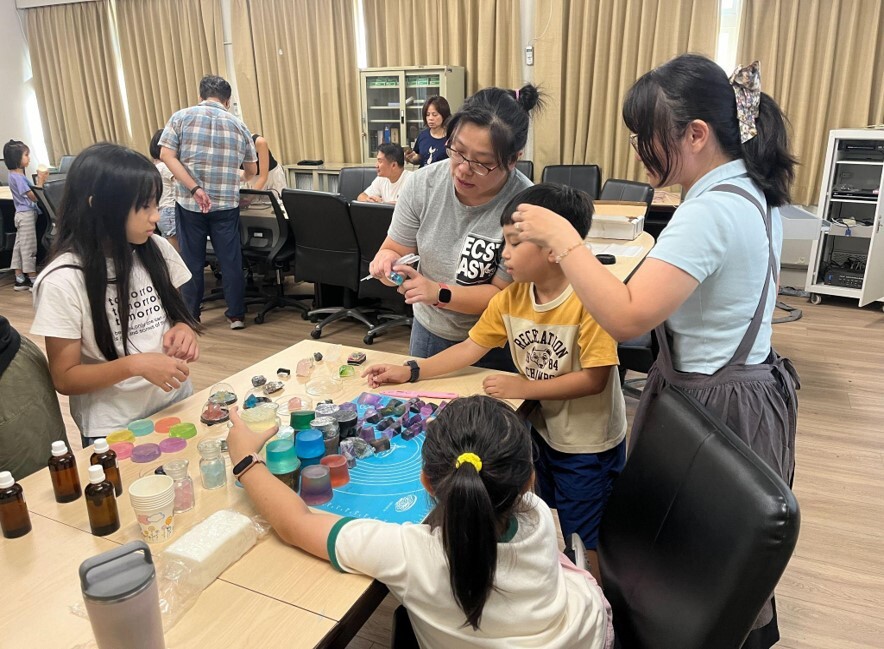
On October 18, 2025, two sessions of the “Realistic Mineral and Rock Soap Workshop” were held, with 10 participants in the morning session and 18 in the afternoon session, for a total of 28 participants. The project principal investigator introduced the results of the Baguashan landscape inventory and international experiences in landscape art and conservation. A landscape artist then guided participants in using soap bases and mica powder to recreate the crystalline forms of minerals.
On October 24, 2025, two sessions of “Landscape Terrarium Making and the Stories of Baguashan” were held, with a total of 19 participants. The activities began with an indoor presentation on the geological development of Baguashan, followed by a field observation along the Baguashan trail behind the campus. Participants observed geological features including cross-bedding, rain gullies, imbricate structures, and marine ripple marks. Finally, participants used transparent containers to layer red soil, gravel, and sand to simulate a red-soil-and-gravel profile and incorporated plants into their creations. Through this hands-on activity, geological knowledge and awareness of landscape conservation were integrated into everyday life. Relevant photographs are shown in Figure 8.