SDG 15.3.4
SDG 15.3.4 Alien species impact reduction (policies)
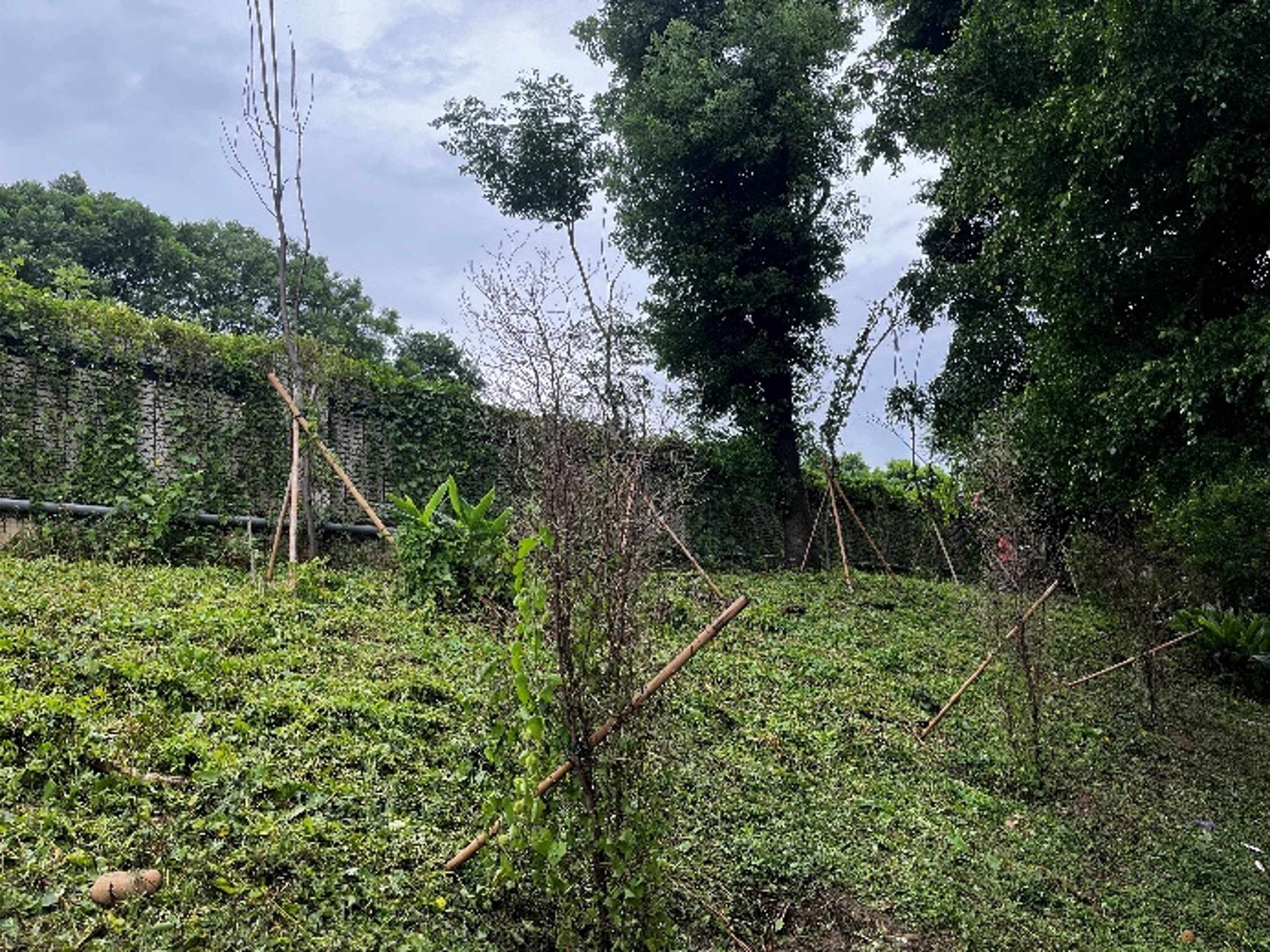
Invasions by alien species, which can impact the campus ecology, can be managed with prevention control and eradication techniques, which are the two measures implemented by NCUE. Preventive management helps to monitor and avert invasions from alien species. Eradication operations involve the use of manual, mechanical, physical, chemical, or biological control methods to eliminate alien species quickly, prevent them from spreading continuously, and to minimize losses.
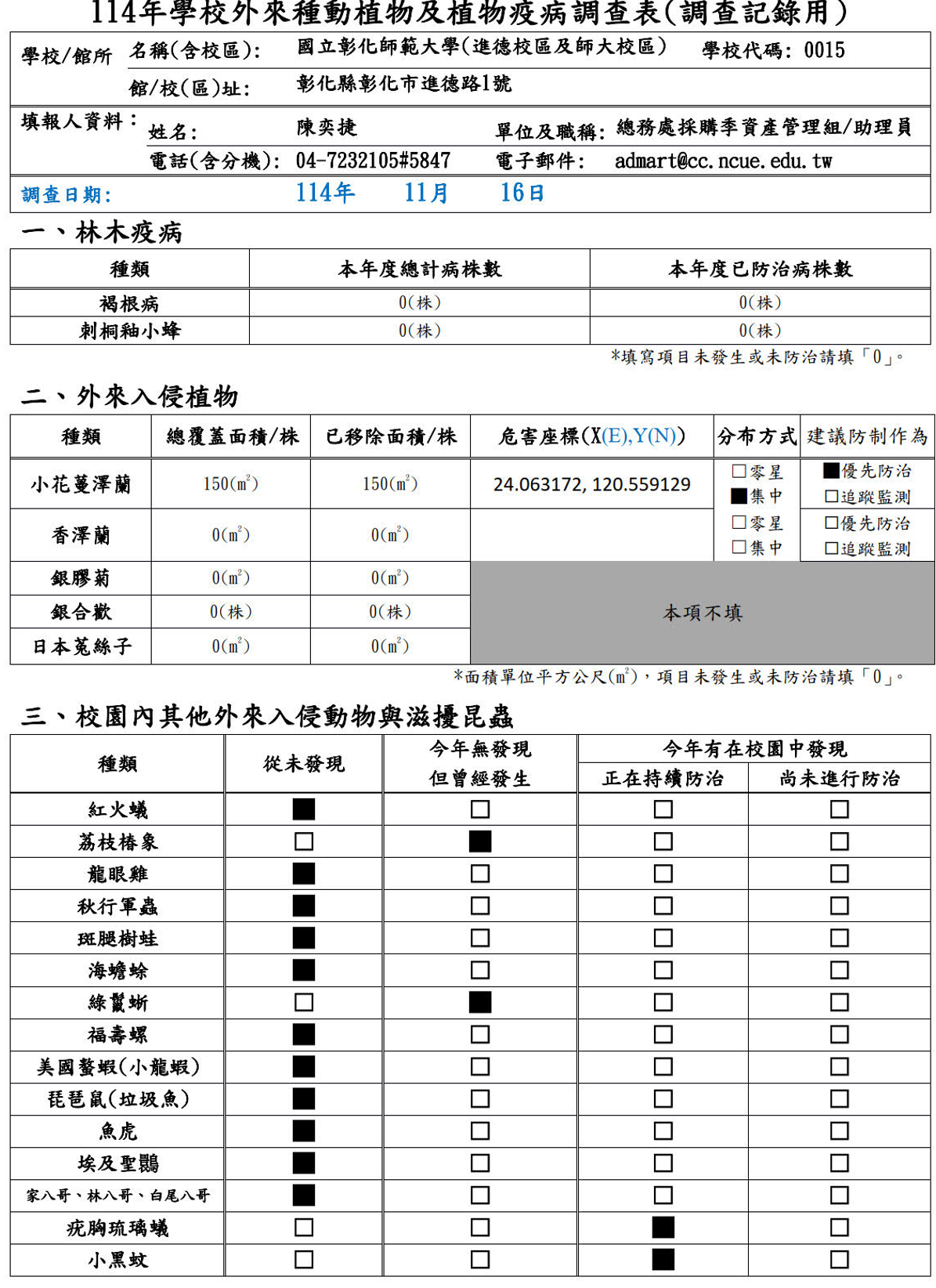
Figure 1 briefly shows the surveyed information of alien species on the campus. It can be observed that alien species include Small black mosquito and Dolichoderus thoracicus, while other species have not been found.
Regarding the incorporation of biodiversity considerations into planning for local coastal areas, the Department of Biology is conducting a project titled "Changhua Coastal Hard Clam Habitat Survey, Conservation, and Restoration Promotion" Project.; a brief overview follows.
Under the Ministry of Education Fourth-Phase USR Project, “Resilient Changbin: Climate Change and the Sustainability of Changhua's Coastal Environment and Industries,” NCUE worked with Caohu Junior High School, Hanbao Elementary School, Fangyuan Elementary School, and Houliao Elementary School to promote marine education, intertidal observation, clam identification, water-quality monitoring, blue carbon, environmentally friendly aquaculture, and fisheries-related food education. Caohu Junior High School received the Ministry of Education’s Marine Education Promotion Award in 2021 and 2025, and the Excellence Award in the junior-high category of the Marine Education Innovative Teaching Quality Team Selection.
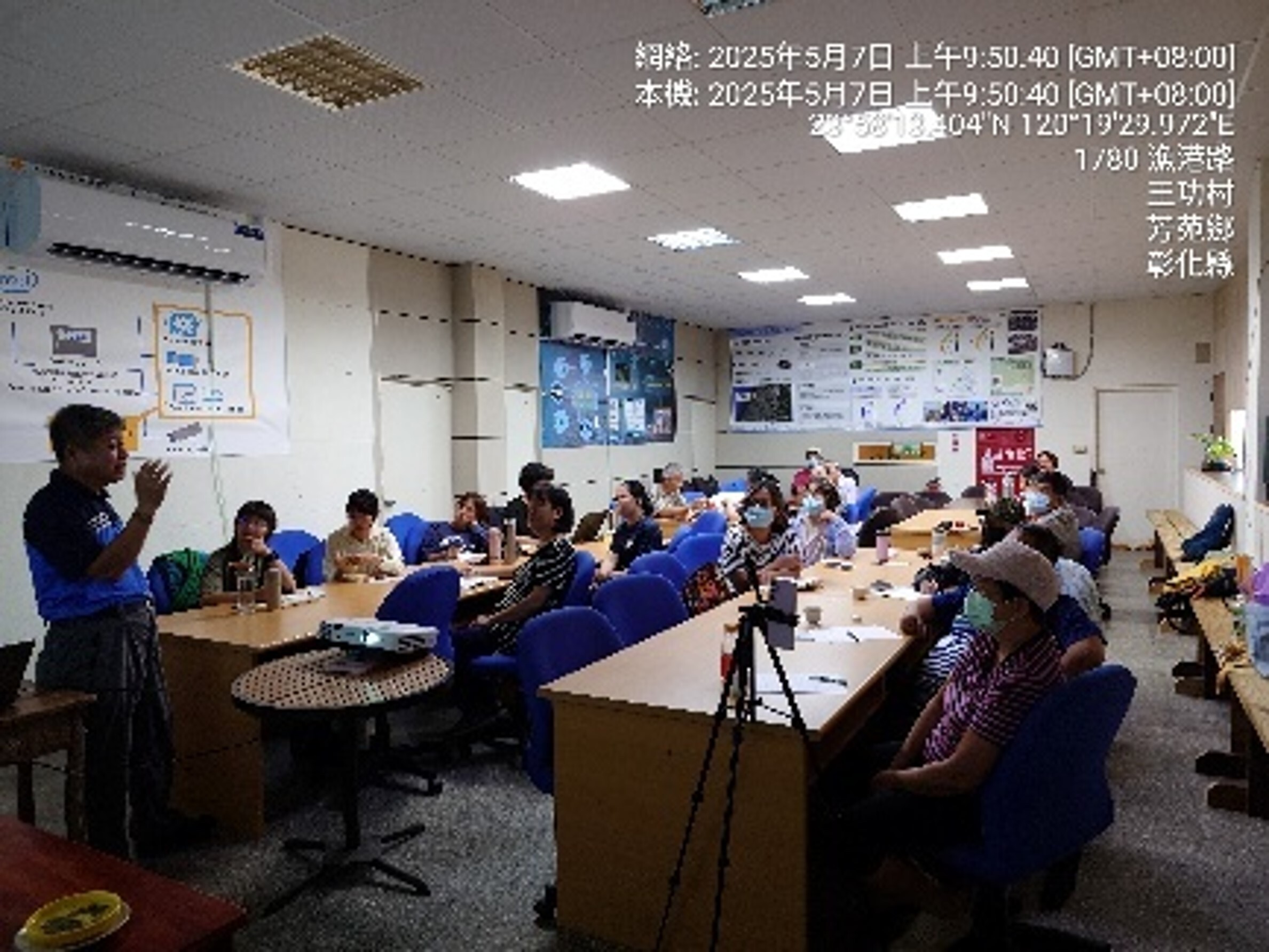
In collaboration with the Changhua Marine Food Research Production Cooperative and local communities, the University conducted clam-habitat surveys, sediment improvement, and marine citizen-science training at Xinbao Wetland. In 2025, four clam-habitat surveys and volunteer-training activities reached 50 participants; five Little Marine Citizen Scientist activities reached 146 participants; and three outdoor ecological survey and field-operation activities reached 73 participants. Activities included water quality and dissolved oxygen testing, sediment analysis, bivalve identification, benthic-fauna surveys, intertidal biodiversity observation, and an oyster-shell sediment-improvement trial. Through a “big hand leading a small hand” model, Caohu Junior High School students led Hanbao Elementary School pupils in intertidal surveys, linking the University, schools, communities, and local industry. Relevant photographs are shown in Figure 3.