SDG 17.4.1 Education for SDGs commitment to meaningful education
NCUE integrates the Sustainable Development Goals (SDGs) into courses, workshops, and campus activities. The Center for General Education works with campus units to provide education in sustainable living. The Office of Academic Affairs established the University Social Responsibility and Innovative Teaching Development Center to involve students in local industry development and rural education projects. Bilingual workshops and guidance activities also support students' international perspectives and understanding of the SDGs. The following seven areas describe this work:
1. The Center for General Education promotes sustainability literacy courses and general education activities:
(1) NCUE bases its general education curriculum on six core areas: cultural literacy, scientific literacy, practical action, original thinking, civic literacy, and a global outlook. In 2025, it offered Introduction to Marine Life Sciences, Green Energy Technology, Environmental Change and Human Civilization, Spatial Greening Design, Changhua Studies, and Water Resources and Human Civilization. It also offered approximately 17 general education lectures, with capacity for approximately 1,545 attendances. Topics included Indigenous communities, community GIS and local memory, the Bamboo Leaves in Green documentary, chemical safety and food-safety risks, and waste reduction. These activities aimed to develop understanding of sustainable energy, food safety, environmental protection, and the sustainable use of marine resources.
(2) NCUE recognizes campus activities on gender equality, suicide prevention, and self-exploration as General Education Passport lectures. Examples include Safeguarding Campus Safety: We Are All Gatekeepers for Suicide Prevention; The Power of Life—Suicide Prevention; Discussing Gender Equality through Bodily Autonomy; the Baisha Gender Film Festival screening and discussion of “Are You Okay If I Am 12?”; Bringing Relationships Closer: From Conflict to Understanding; and Colours Beyond the Frame: Gender Imagination in Art. These activities aim to expand students' knowledge and empathy. NCUE also offers lectures and activities for faculty and staff as part of a campus-wide approach to guidance. See Table 1.
2. NCUE implements the University Social Responsibility (USR) project:
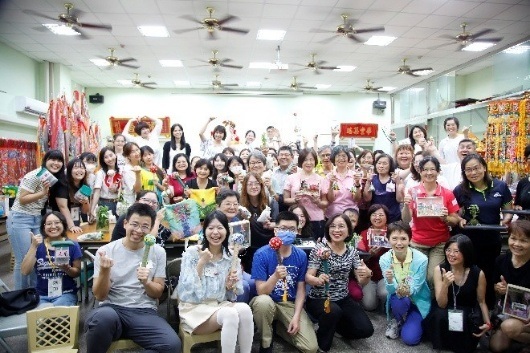
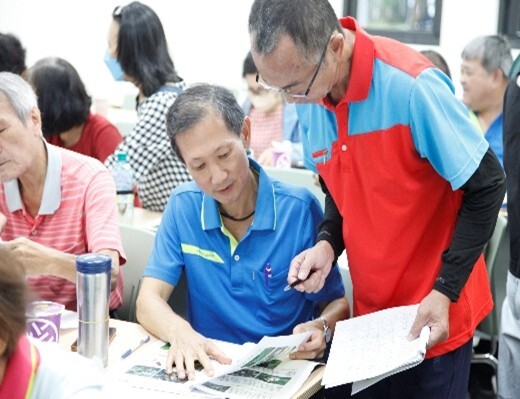
"Ecological Healing and Green Sustainability: Changhua Ecological Art Project". It integrates health, education, sustainable communities, terrestrial ecology, and partnerships into interdisciplinary teaching. The Art Therapy and Support credit programme and courses in Art and Assistive Therapy and Horticultural Therapy Research prepared 50 students for community practice. Courses in media arts, AI and its applications, curatorial theory and practice, and social and cultural media engaged 342 students in interdisciplinary learning involving audiovisual technology, ecological art, and land restoration. The project also trained 25 student teaching assistants and ten audiovisual team members, who produced 35 documentary films. These activities connect coursework, practical training, community service, and the sharing of outcomes. (Figures 1 and 2)
SDG Alignment: SDG 1 No Poverty; SDG 3 Good Health and Well-Being; SDG 4 Quality Education; SDG 10 Reduced Inequalities; SDG 11 Sustainable Cities and Communities; SDG 15 Life on Land; and SDG 17 Partnerships for the Goals.
3. NCUE implements the University Social Responsibility (USR) project:
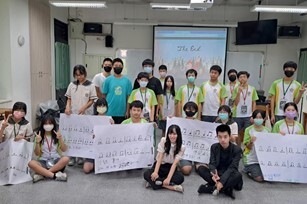
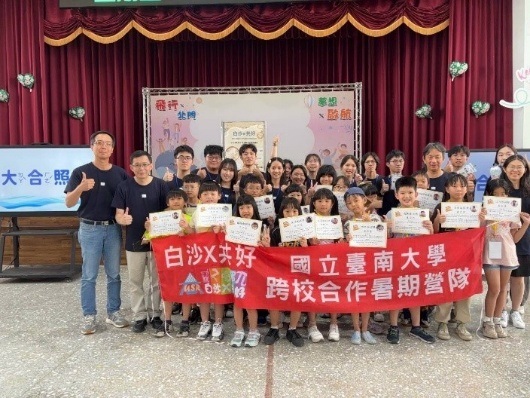
"Baisha x Common Good: Rural Education Service and Research Promotion Project". It integrates education, equity, sustainable communities, and partnerships into teacher education and service learning. The project connects 16 courses, including Practice and Service Learning in Secondary Education, Cross-disciplinary Teaching Application and Practice, and Career Planning. Nine workshops and 14 meetings with partner schools addressed competency-based teaching, interdisciplinary curricula, career planning, digital technology, and inclusive education. In 2026, 69 pre-service teachers delivered summer camps for 247 students at eight rural schools across four counties and cities. The project also helped 47 disadvantaged students at two partner schools develop career plans. Cross-institutional enrolment, course integration, and service learning give students practical opportunities to address rural education, social inclusion, and sustainability. Project website: https://reurl.cc/4oOrrK (Figures 3 and 4)
SDG Alignment: SDG 1 No Poverty; SDG 4 Quality Education; SDG 10 Reduced Inequalities; SDG 11 Sustainable Cities and Communities; and SDG 17 Partnerships for the Goals.
4. NCUE implements the University Social Responsibility (USR) project:
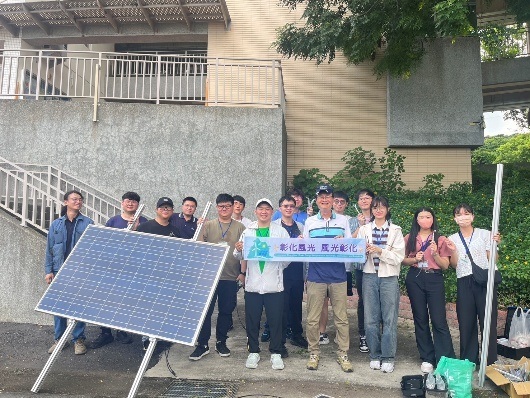
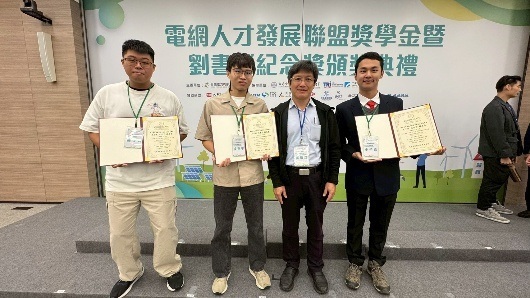
"Sustainable Changhua: Green Energy Perspective in Education, Technology, and Economy". It connects the SDGs with energy and power topics in technology education and Changhua’s wind and solar energy industries. Its green-energy USR micro-programme is open to students across NCUE and has recorded 1,102 course enrolments. Ten teacher workshops recorded 142 attendances and prepared 40 teachers to share green-energy teaching practices. The project developed one set of special education lesson plans and teaching aids and two sets of green-energy lesson plans for students in mainstream education, supporting participation by students with disabilities. Students completed eight green-energy projects. Four energy and carbon-inventory courses helped 59 employees and eight students obtain relevant certificates. These activities connect sustainability education with practical projects, professional qualifications, and industry needs. (Figures 5 and 6)
SDG Alignment: SDG 1 No Poverty; SDG 4 Quality Education; SDG 7 Affordable and Clean Energy; SDG 9 Industry, Innovation and Infrastructure; SDG 10 Reduced Inequalities; SDG 12 Responsible Consumption and Production; SDG 13 Climate Action; and SDG 17 Partnerships for the Goals.
5. The NCUE Bilingual Education Research Center and Language Center promote bilingual education and student internationalization:
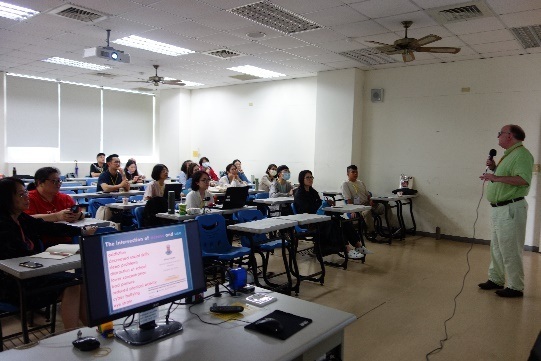
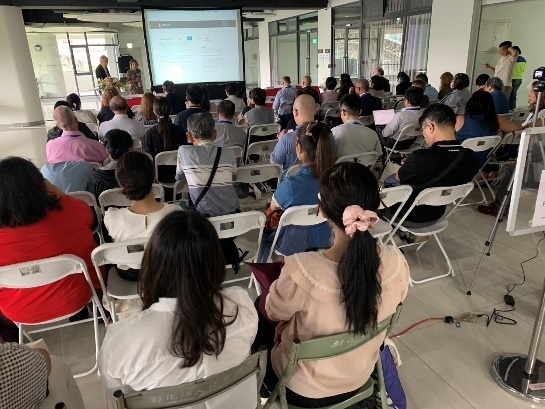
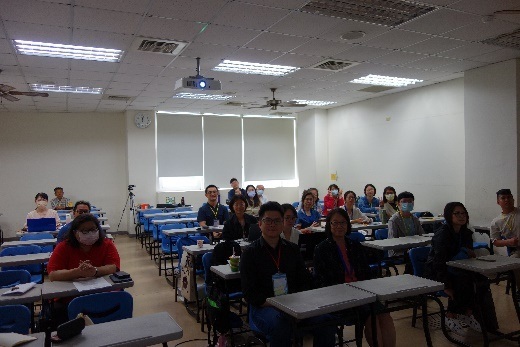
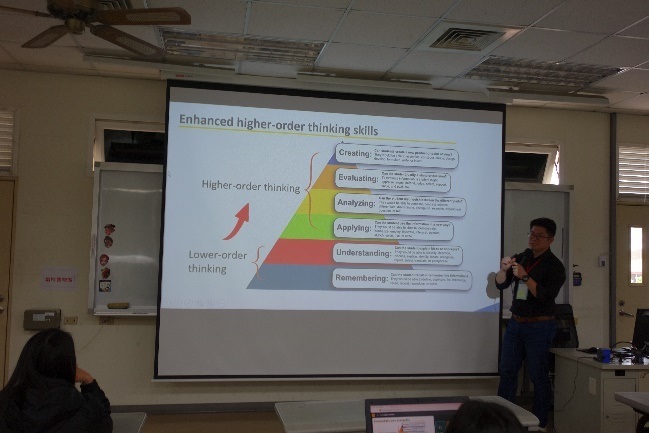
(1) The NCUE Bilingual Education Research Center offers lectures, workshops, classroom observations, and teaching demonstrations for pre-service and in-service teachers. The Bilingual Digital Teaching Symposium on 25 April 2025 addressed generative AI, digital literacy, bilingual teaching experience, and classroom applications of AI. International scholars and local teachers discussed curriculum design, teaching strategies, and everyday use of English. These activities help pre-service teachers understand classroom requirements. NCUE will continue Ministry of Education-supported work to develop teachers' English proficiency and bilingual teaching skills in support of the 2030 bilingual policy. See Figures 7–10.
(2) NCUE's Language Center provides online self-directed learning and final assessments to help College of Management undergraduates meet their English-proficiency graduation requirement. It also offers IELTS and TOEIC courses for graduate students. In 2025, 37 students received support and met the requirement. The center offers introductory English, Japanese, Korean, German, Spanish, Indonesian, and Vietnamese courses for students, faculty, staff, and the public, supporting language learning on campus and in the community.
SDG Alignment: SDG 4 Quality Education; SDG 8 Decent Work and Economic Growth; and SDG 17 Partnerships for the Goals.
6. The Student Psychological Counseling and Guidance Center promotes health and well-being and gender-equality education
These activities guide students in career exploration, introduce issues of health and well-being (SDG 3) and gender equality (SDG 5), encourage reflection on interpersonal relationships, and help create a friendly campus environment. The related courses and guidance activities are outlined below:
(1) NCUE provides first-year class guidance. In the 2024–2025 academic year, activities focused on interpersonal interaction and responses to conflict, incorporating psychological assessments to address students' questions in a timely manner and help them understand the forms and misconceptions of interpersonal conflict. Each activity lasted one to two hours. Participants' average satisfaction score was 4.5, with individual session scores of 4.63, 4.36, 4.86, and 4.36. (Table 2)
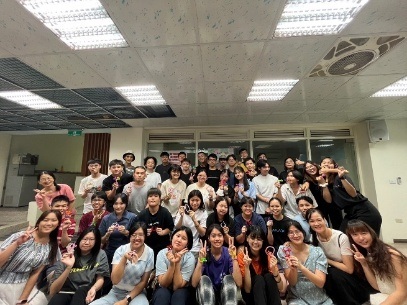
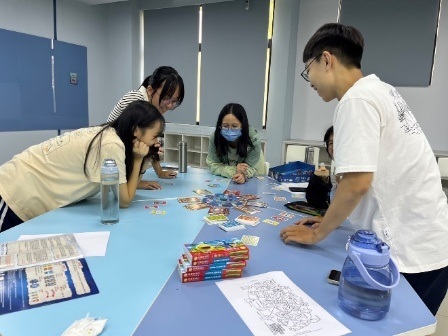
(2) NCUE provides a systematic support program for international students. During the first semester of the 2024–2025 academic year, two activities were offered for international students, including overseas Chinese students, mainland Chinese students, and foreign students: a new-student orientation and a Safeguard series activity. These activities helped students strengthen self-care, begin with emotional awareness, build healthy interpersonal relationships, and adapt to campus life. During the second semester, NCUE offered two further activities—a singing-bowl experiential workshop and a lecture on intimate relationships—to support international students in developing self-awareness, fostering healthy intimate relationships, and enhancing their adjustment to campus life. Details are provided in Table 3 and Figures 11–14.
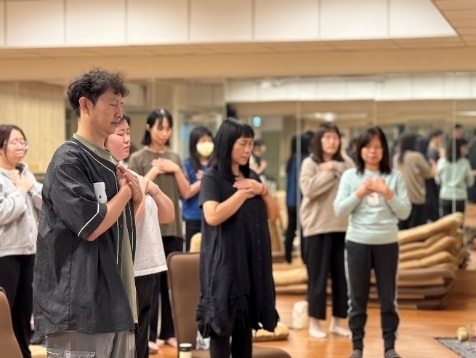
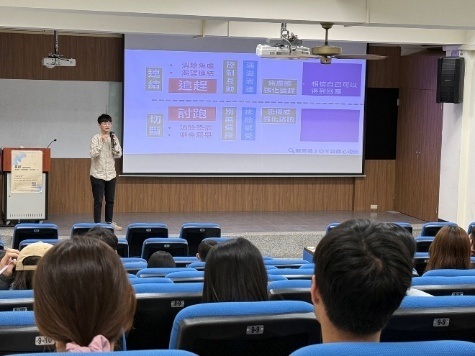
(3) NCUE offers group counseling activities. During the academic year, four groups were held, involving 25 participants and a cumulative 157 attendances, with an overall satisfaction score of 4.75. Details are provided in Table 4.
(4) NCUE advances gender-equality education:
(a) During the first semester of the 2024–2025 academic year, two activities were held. At the Jinde Campus, counseling psychologist Chang Chuan delivered a lecture entitled Talking about Love through Psychology—The Five Love Languages. At the Shida Campus, NCUE counselor Yan-Ren Chen led a screening and discussion of the film Aristocrats, exploring individual choice, interpersonal relationships, cultural values, social class, and gender in contemporary urban life. The activities helped participants understand the film's deeper meanings, reflect on their own circumstances, and exchange diverse perspectives. The two events attracted 49 and 37 participants, respectively, with satisfaction scores of 4.41 and 4.56. (Figures 15 and 16)
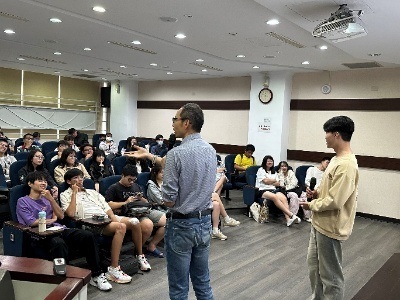
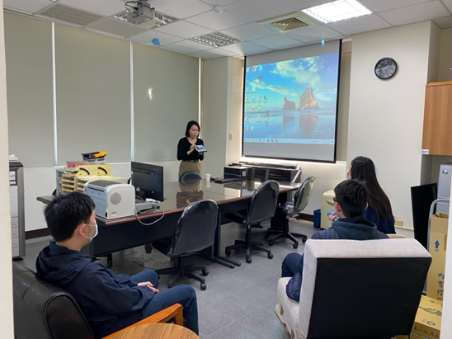
(b) During the second semester, two thematic lectures were held at the Jinde and Shida Campuses. The Jinde session, entitled Seeing the World through Her Eyes: Mapping Travel Stories through Gender, invited participants to examine gender and multicultural issues in travel and everyday life, thereby strengthening students' sensitivity to gender equality. A total of 46 people participated, and the satisfaction score was 4.38.
(c) The Shida Campus session featured Wei-Xuan Zhang, founder and CEO of Womany, speaking on Are Your Choices Truly Your Own? How Gender Shapes Our Dreams and Choices. The lecture helped participants understand how gender shapes different aspects of life and how diversity, equity, and inclusion (DEI) can be practiced in their own contexts. A total of 35 people participated, and the satisfaction score was 4.58. (Figures 17 and 18)
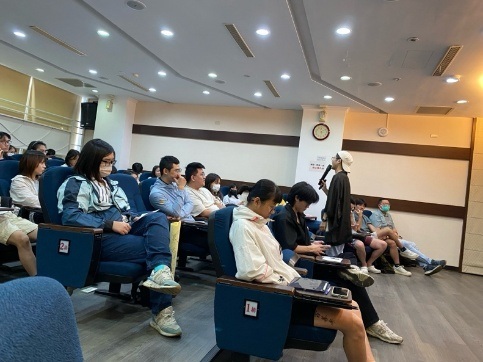
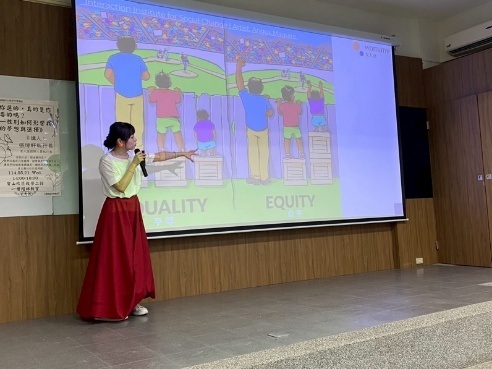
(5) NCUE Organized Workshops on Emotion Management and Stress Adaptation: To support university students in navigating diverse life challenges and psychological stress, NCUE organized a series of wellness initiatives during the 2024–2025 academic year. In the first semester, the university hosted a "Fluid Art Stress-Relief Workshop," employing a popular and creative medium to offer students an evaluation-free environment for relaxation amidst high-pressure academic assessments. Facilitated by an instructor with a professional psychology background, the workshop integrated self-exploration and emotional-stress literacy, guiding participants to reframe stress and gain inner support within a safe, comfortable setting. The workshop engaged 32 participants, achieving an exceptional satisfaction rating of 4.79 out of 5. In the second semester, NCUE invited floral artist Zhao-Yu Shi to conduct "Knotted Wishes: Japanese Shimenawa Handcraft Blessing Workshop," designed to help students restore mental and physical well-being through hands-on crafting. Attended by 16 students, the workshop earned a high satisfaction score of 4.78 out of 5 (Figures 17–18).
SDG Alignment: SDG 3 Good Health and Well-Being; and SDG 5 Gender Equality.
7. NCUE's Special Education Center provides support and career guidance for students with disabilities.
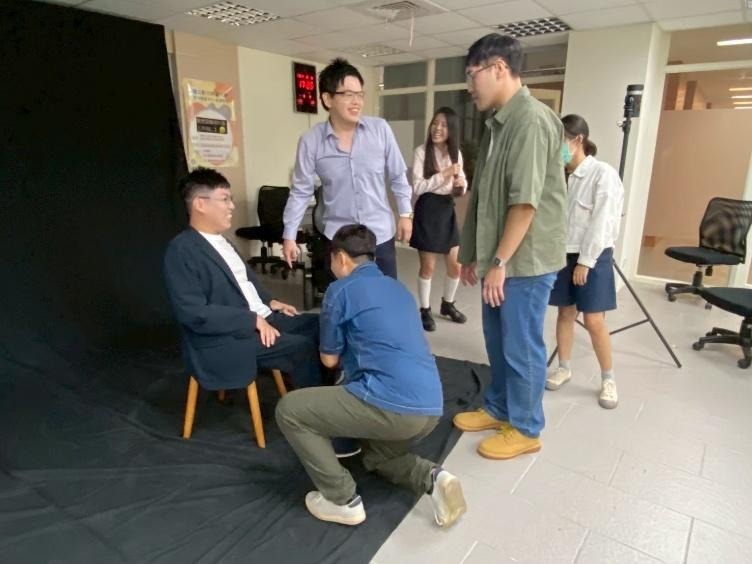
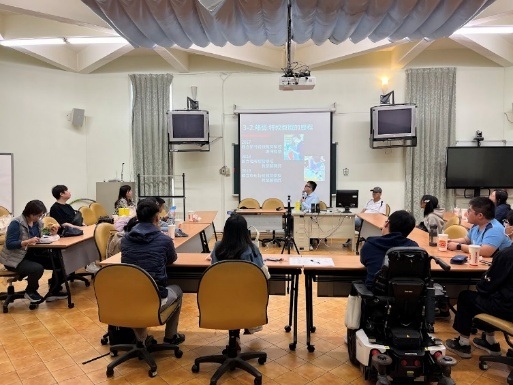
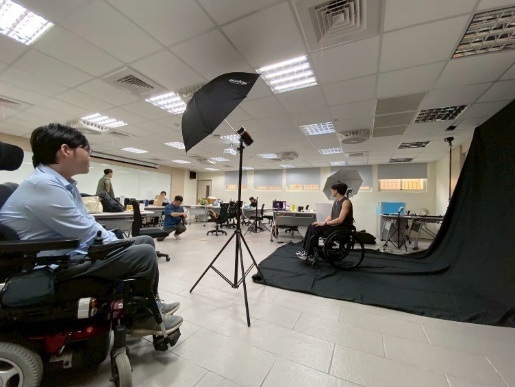
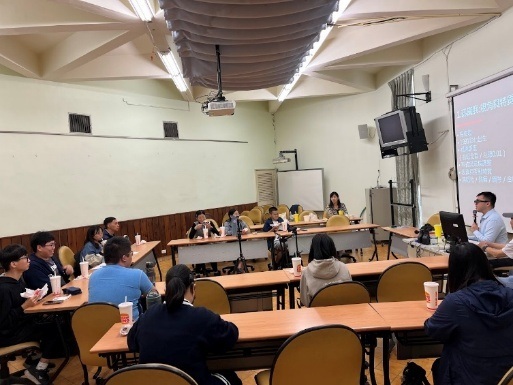
Through Ministry of Education commissioned and subsidized projects, the Center supports students with disabilities in learning, daily life, campus adjustment, and transition. In 2025, it served 80 students and provided 2,571 instances of academic-learning assistance, 339 instances of daily-living assistance, 83 career and transition services, and 651 counseling and guidance services. For example, the Center organized a résumé and workplace-image workshop to help students develop an understanding of attire appropriate to different industries. Professional stylists provided guidance on clothing, hair, and make-up, followed by photographs for résumés and workplace profiles; printed photographs and electronic files were supplied for students' future job searches. The Center also organized a career lecture featuring Gao Wei-jun, an alumnus of the Department of Special Education, Class of 2013. Drawing on his experience as a person with visual impairment, special education teacher, and public servant, he shared his educational journey, career development, and experience of taking the civil-service examination for persons with disabilities. (Figures 19, 20, 21 and 22)