
SDG 14.5.1
SDG 14.5.1 Minimizing alteration of aquatic ecosystems (plan)
NCUE formulated both on-campus and off-campus plans for minimizing the physical, chemical, and biological changes to aquatic ecosystems.
Regarding on-campus laboratory waste liquid, it is treated by a licensed waste management contractor as industrial waste, in accordance with the Waste Disposal Act. Meanwhile, existing wastewater treatment facilities remain in normal operation to minimize physical, chemical, and biological changes to aquatic ecosystems.
1. Reduction of water quality changes in NCUE
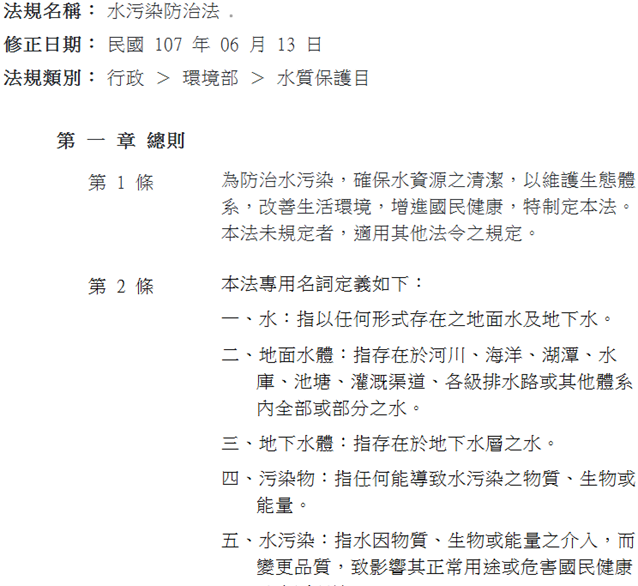
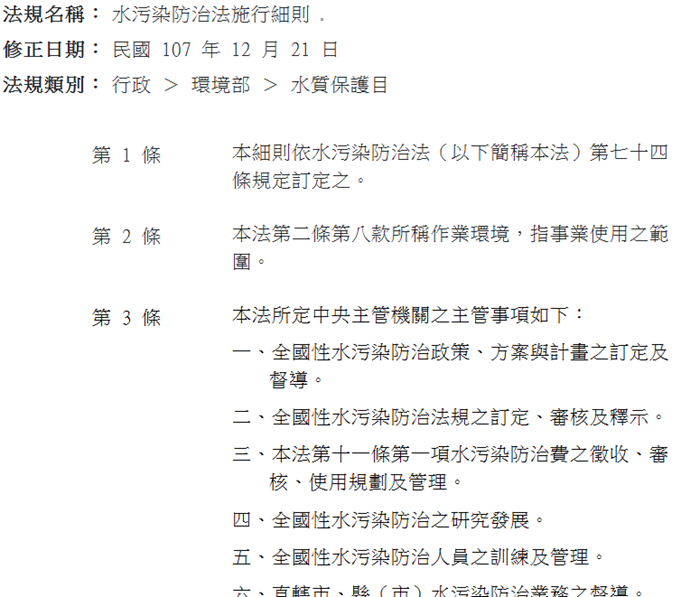
(1) All wastewater on campus would first be handled centrally at the wastewater treatment, after that, the effluent is discharged through the discharge outlet registered by NCUE. All the treatments are in accordance with the Water Pollution Control Act and the Enforcement Rules of the Water Pollution Control Act.
Link to Water Pollution Control Act: https://law.moj.gov.tw/LawClass/LawAll.aspx?media=print&pcode=O0040001)
Link to Water Pollution Control Act and the Enforcement Rules of the Water Pollution Control Act: https://law.moj.gov.tw/LawClass/LawAll.aspx?media=print&pcode=O0040002
(A screenshot of the regulation's content is shown in Figure 1.)
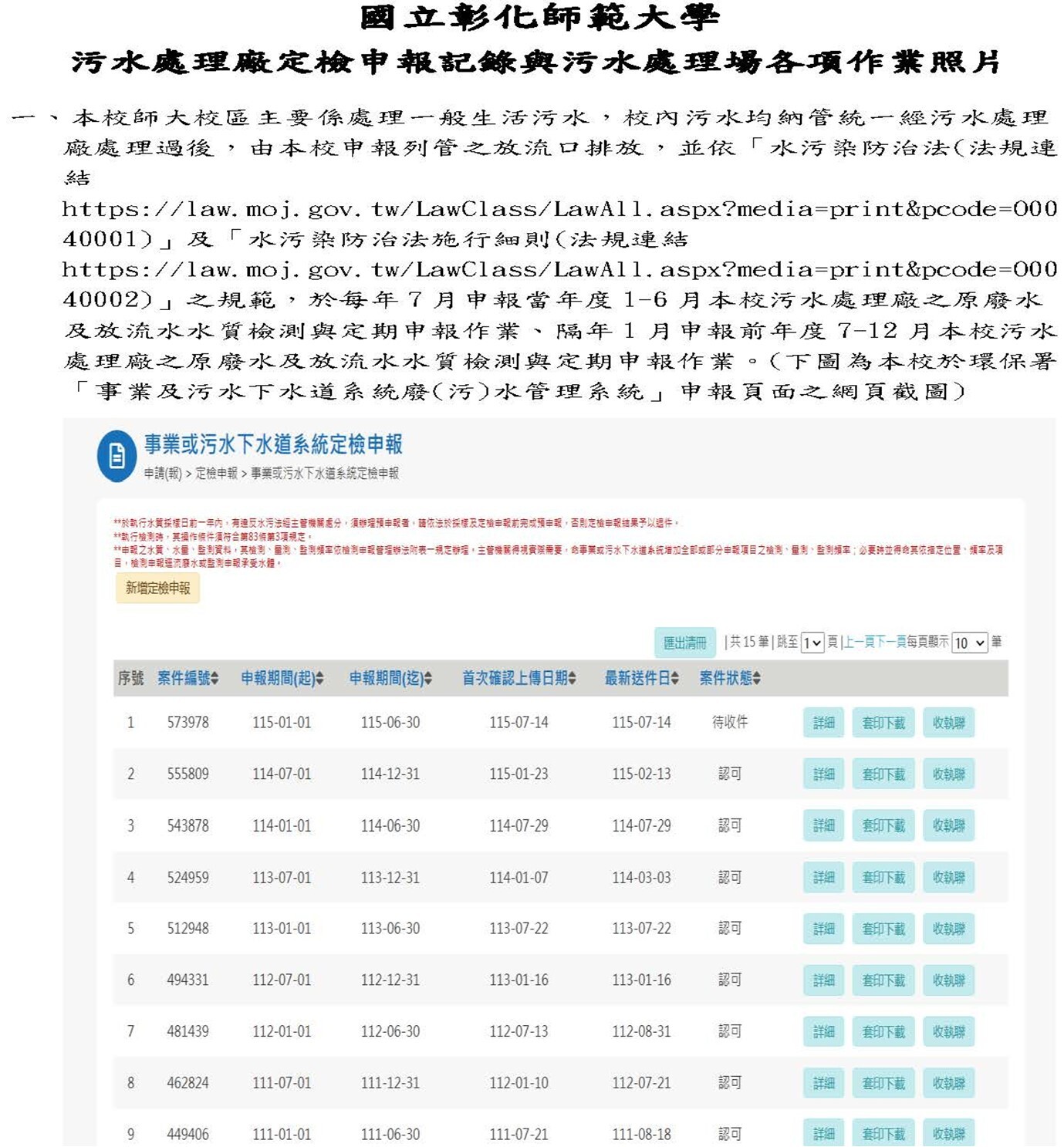
The university follows the reporting schedule below: in July each year, NCUE submits data for the period from January to June of that year; in January of following year, it submits data for the period from July to December of the previous year.
(2) A screenshot of reporting of NCUE on the webpage of the “Waste/Polluted Water Management System for Businesses and Sewage Systems” (WPMIS) of the Ministry of Environment is shown in Figure 2:
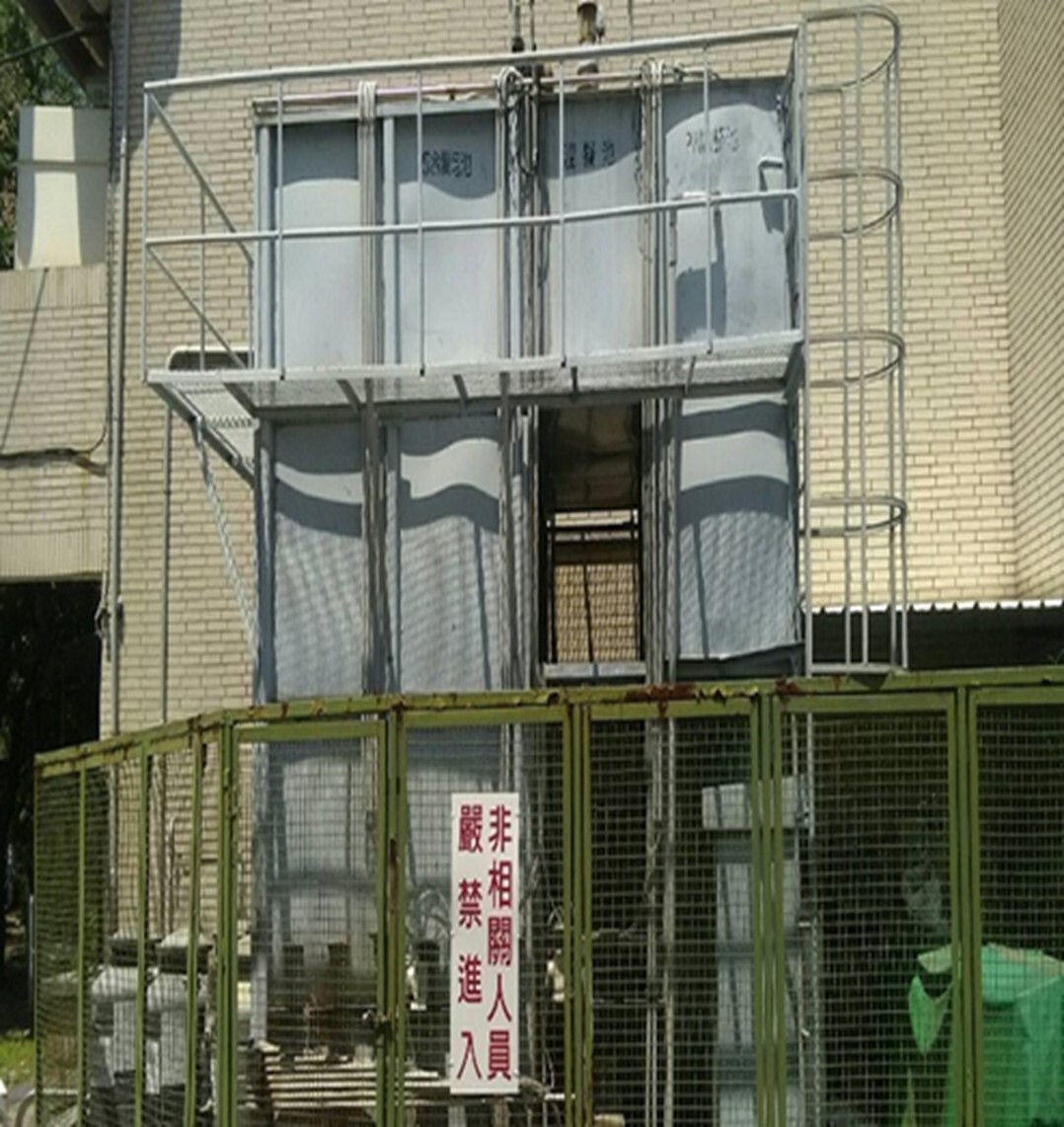
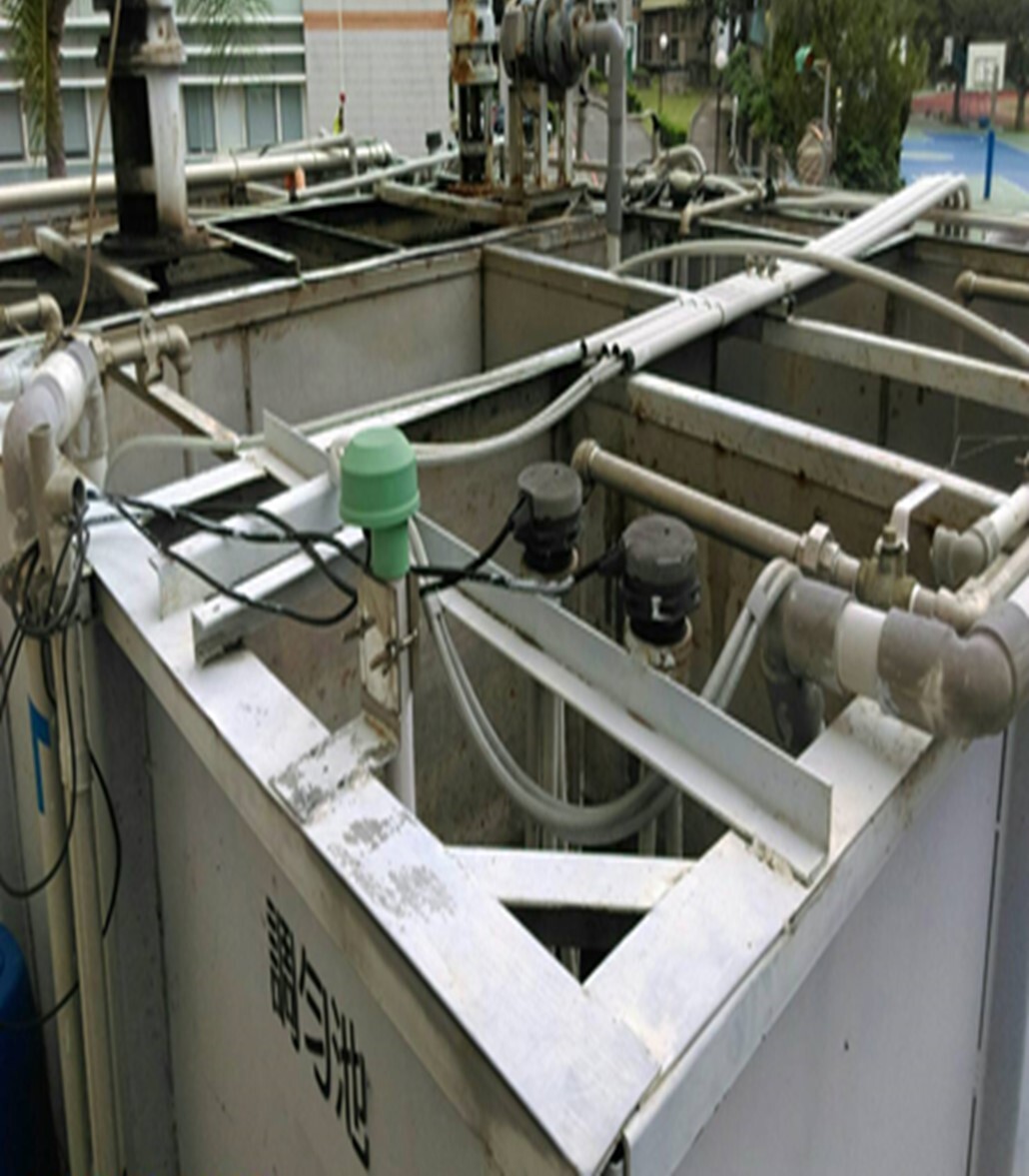
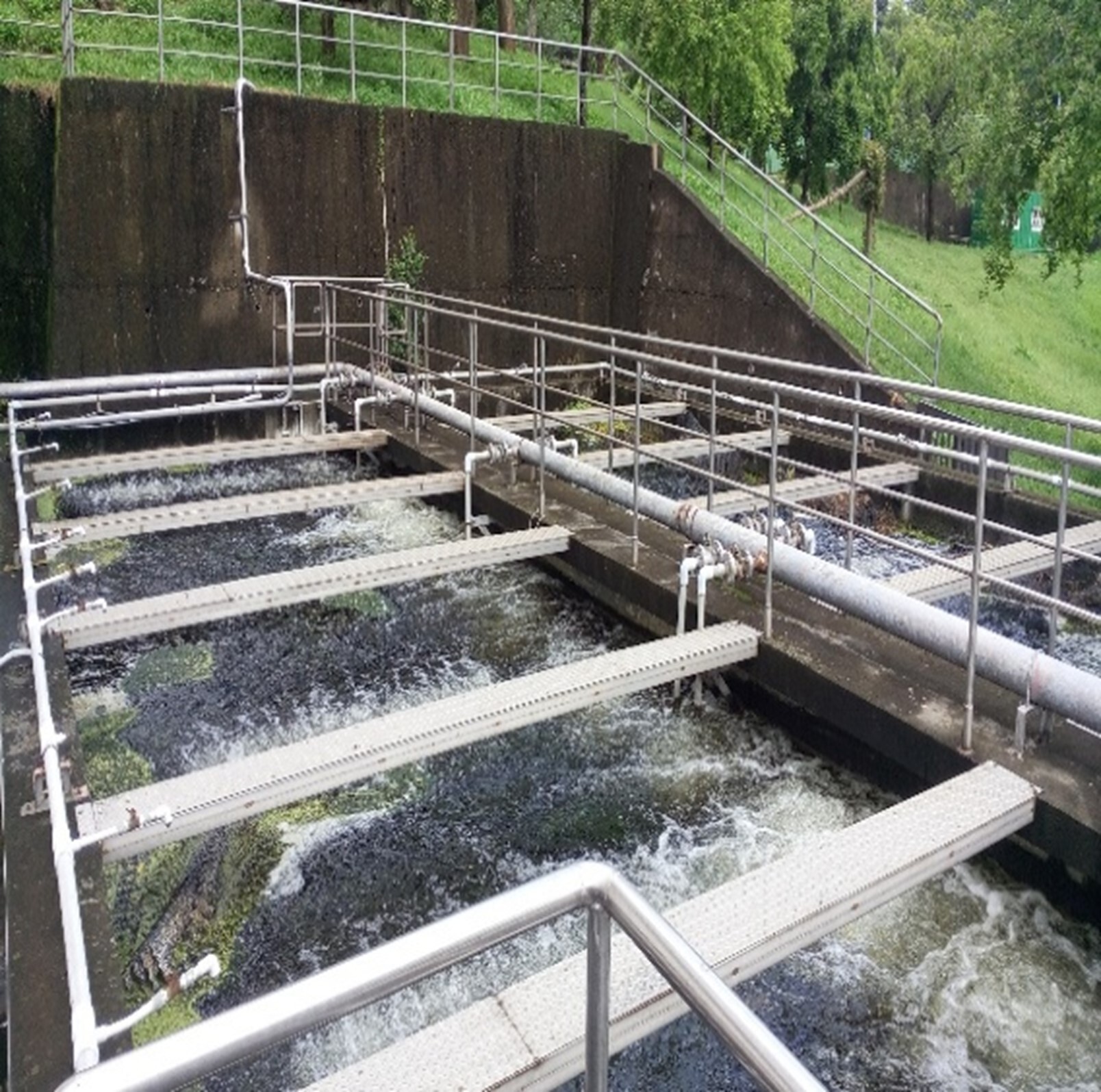
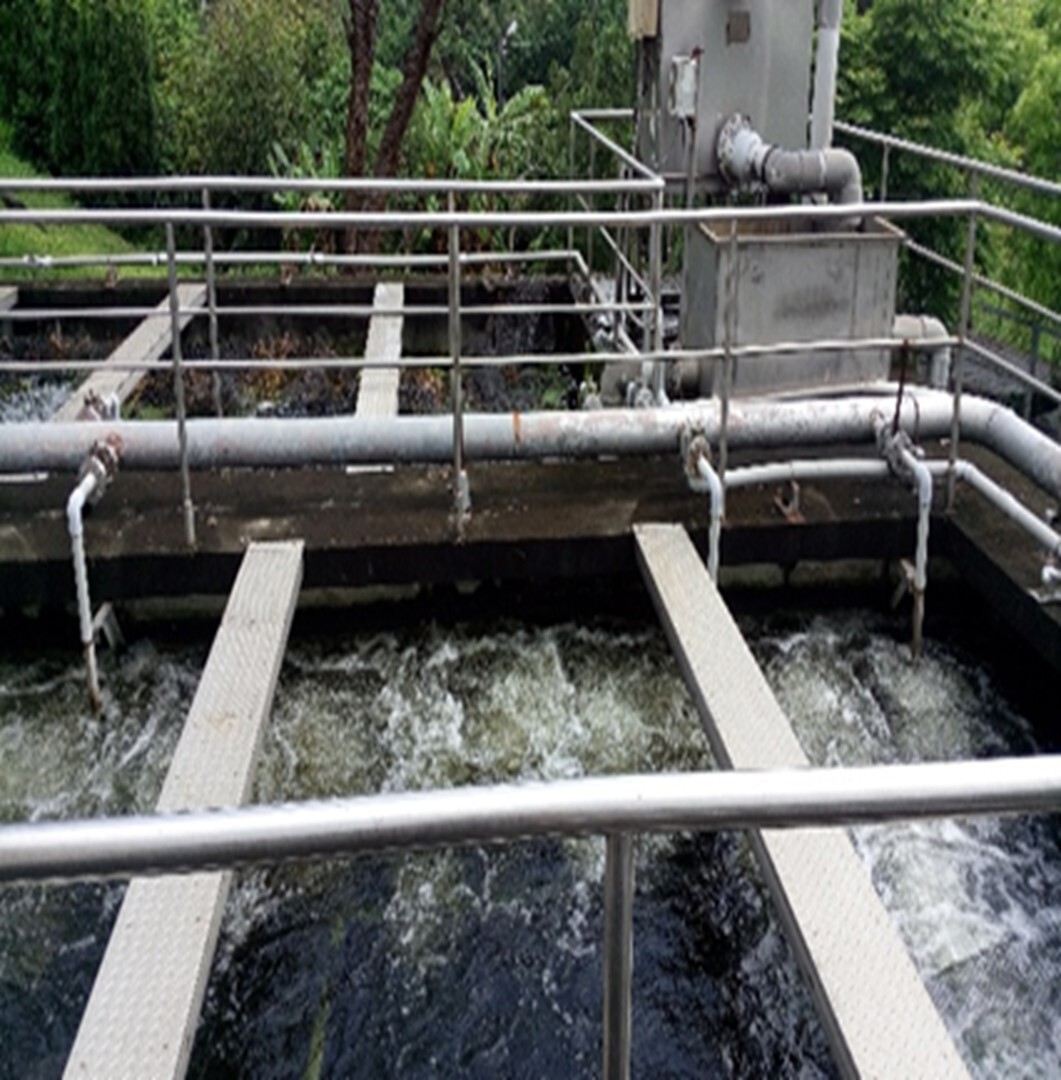
(3) Photograph of a Wastewater Treatment Plant are shown in Figure 3-4.
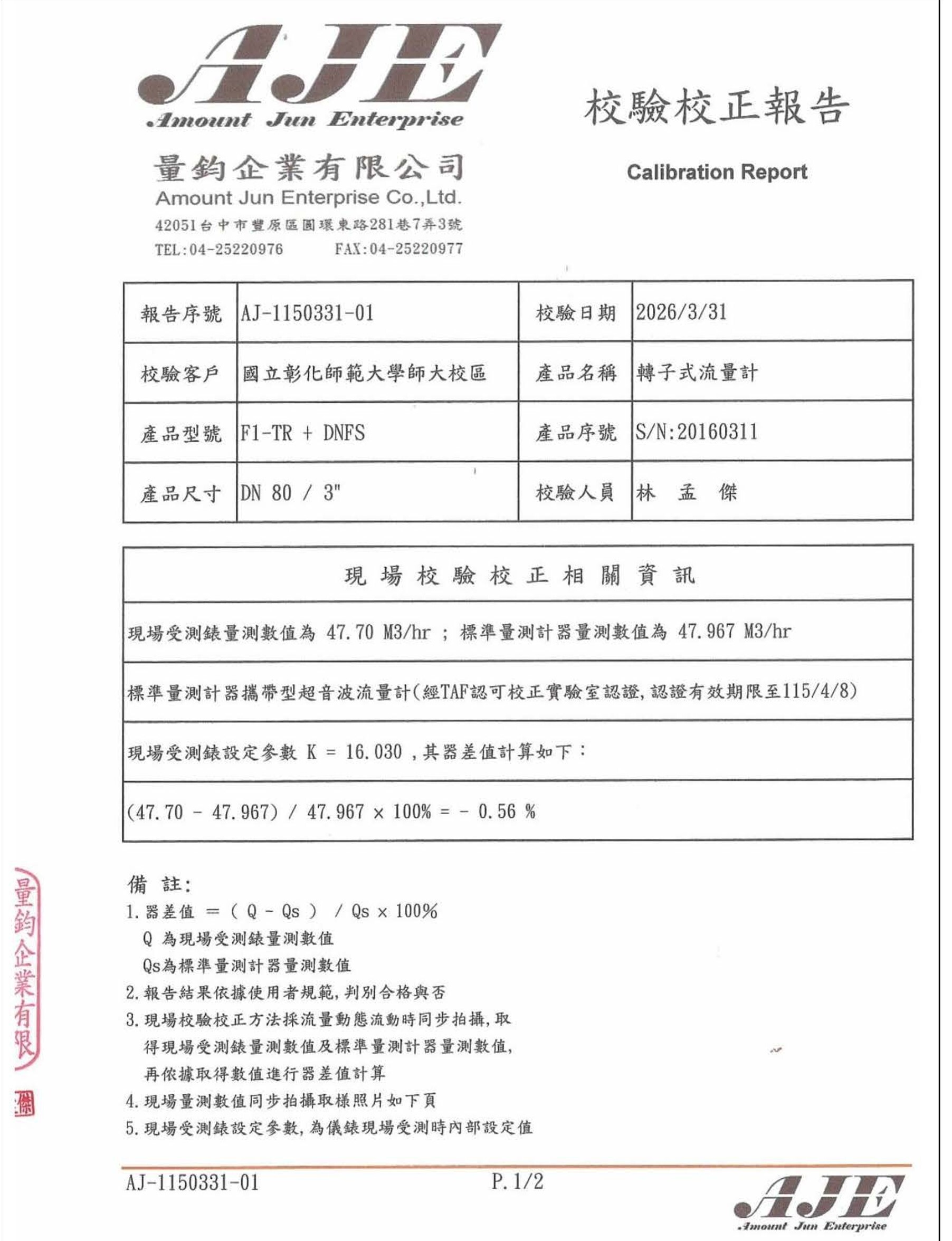
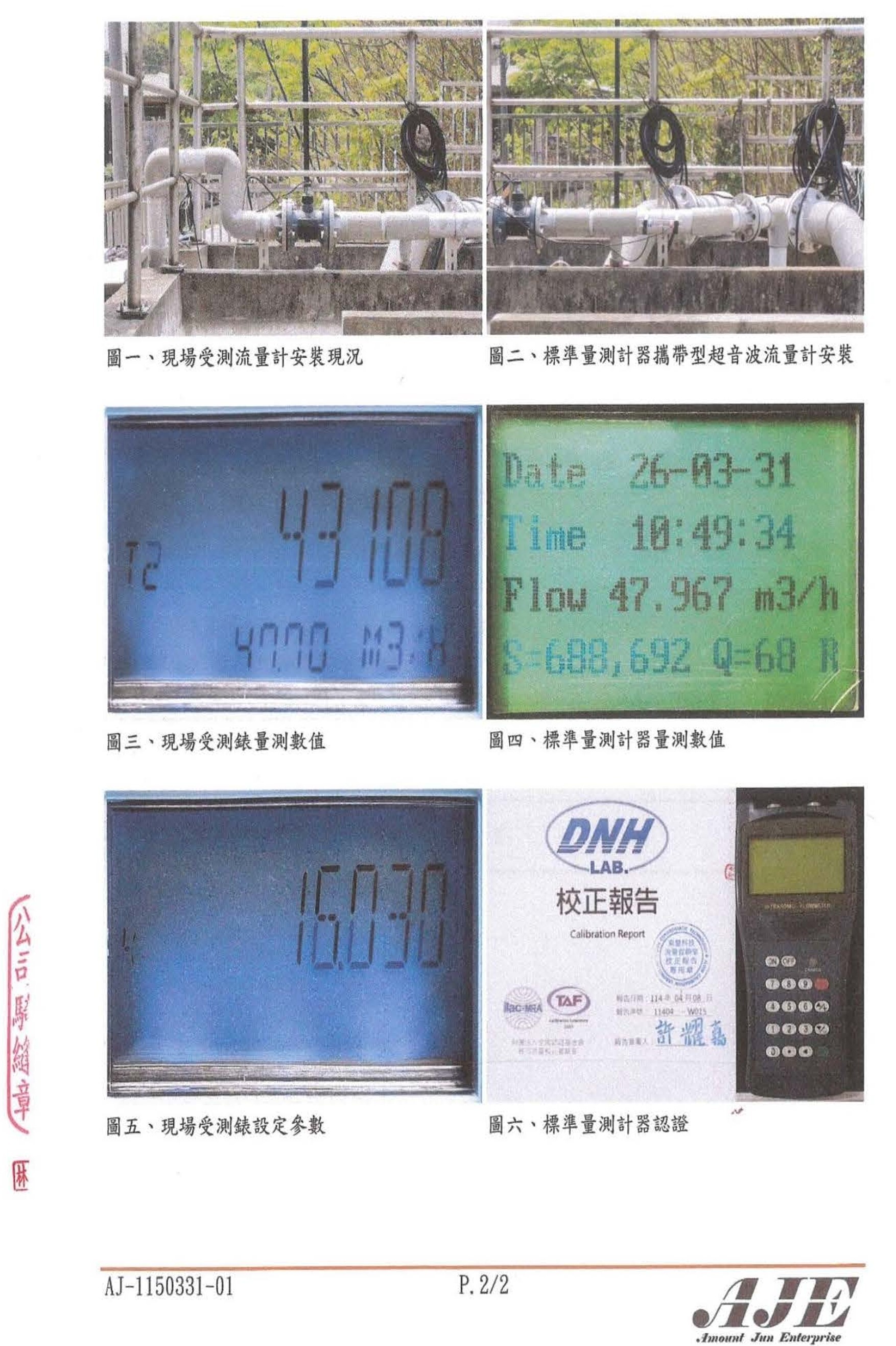
(4) In accordance with the Water Pollution Control Act, the university conducts an annual calibration of the effluent flow meter at its wastewater treatment plant. Figures 7-8 present the flow meter calibration and verification reports issued by an inspection agency accredited by the Ministry of Environment for the University’s wastewater treatment plant effluent.
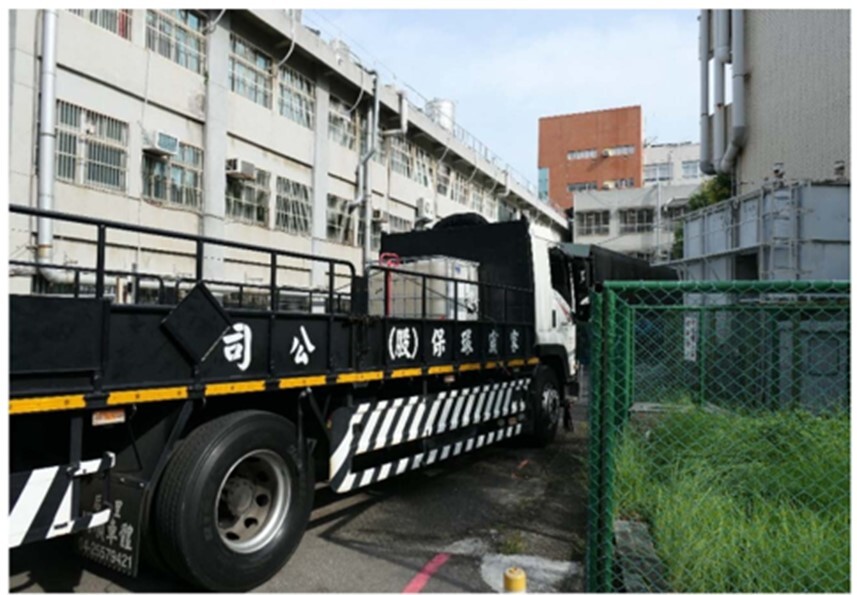
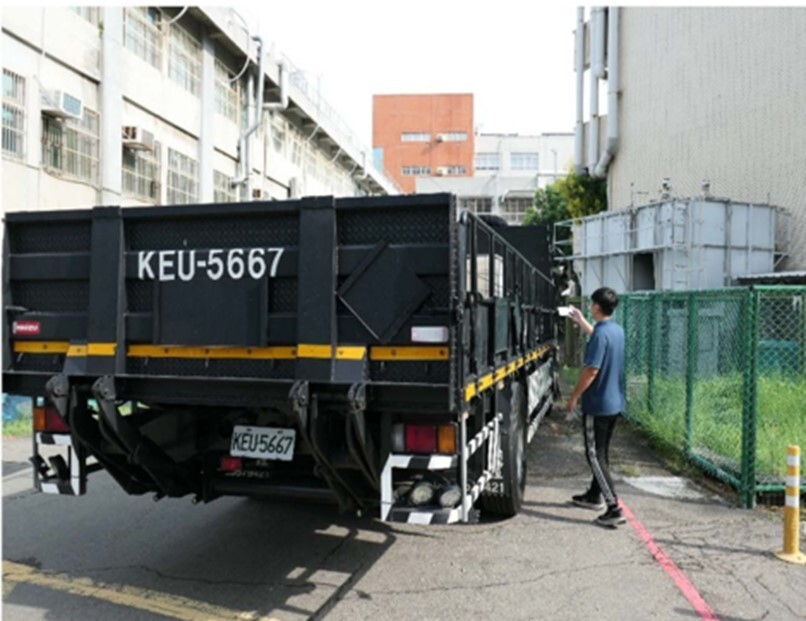
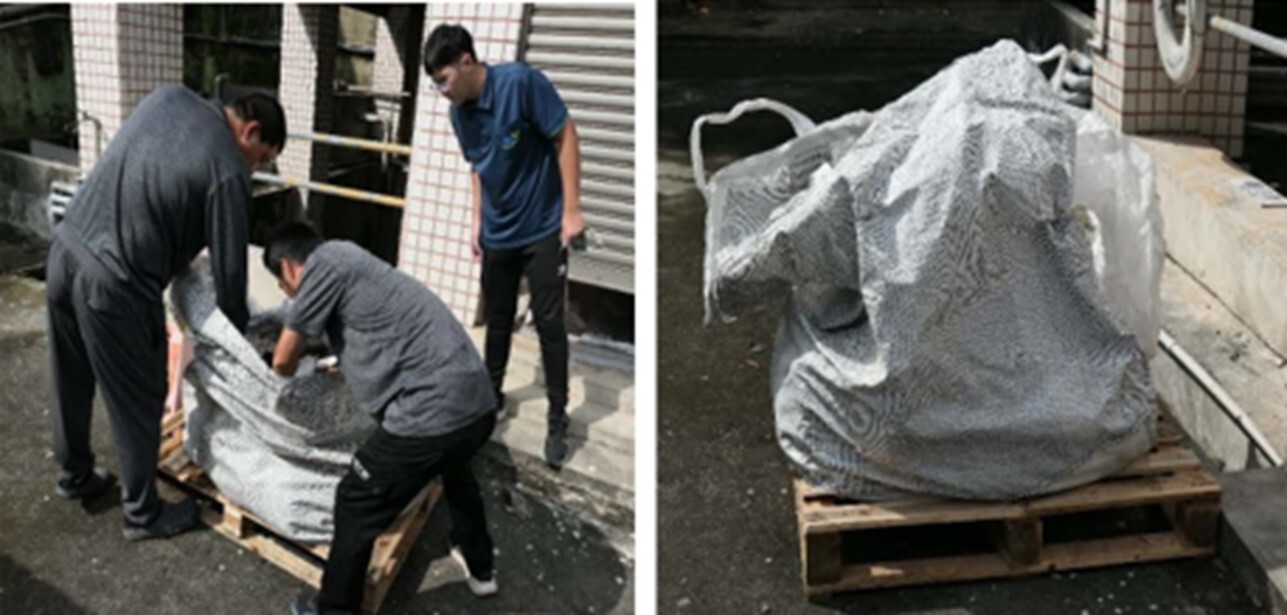
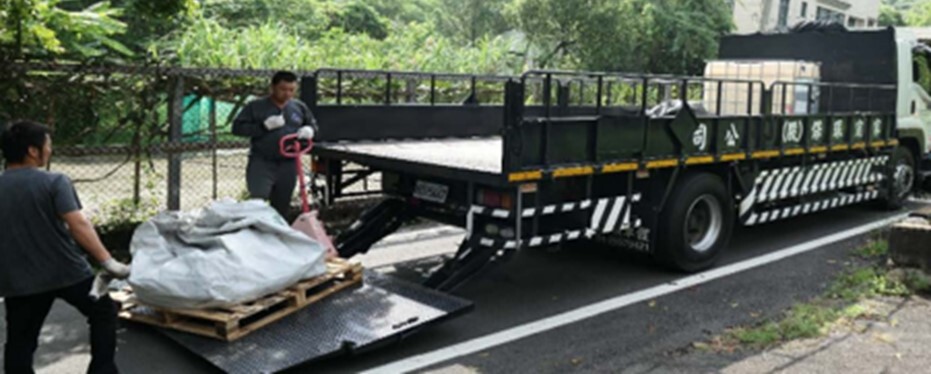
(5) In accordance with the Water Pollution Control Act and Waste Disposal Act, sludge removal and treatment operations are conducted every two years, as illustrated in Figures 9-10.
2. Independent Water Supply and Wastewater Systems and Drinking Water Quality Management
Wastewater pipelines and water supply pipelines in NCUE are installed as separate systems. In accordance with the pipeline installation principles of the Taiwan Water Corporation, the wastewater pipelines are positioned below the water supply pipelines, effectively minimizing the risk of contamination to the water supply system.
The university installs water dispensers widely to provide drinking water for faculty and students; there are 178 drinking water dispensers on Jinde campus and 70 on Shida campus, for a total of 248 drinking water dispensers.
In accordance with the Regulations Governing the Use and Maintenance of Fixed Equipment for Continuous Drinking Water Supply, the university conducts regular water quality testing of its drinking water dispensers. Each quarter, an external contractor is commissioned to randomly test the total coliform count on one-fourth of the university’s total drinking water dispensers across the two campuses and their respective buildings. Approximately 60 dispensers are tested each quarter, with no dispenser being tested more than once during the same year.
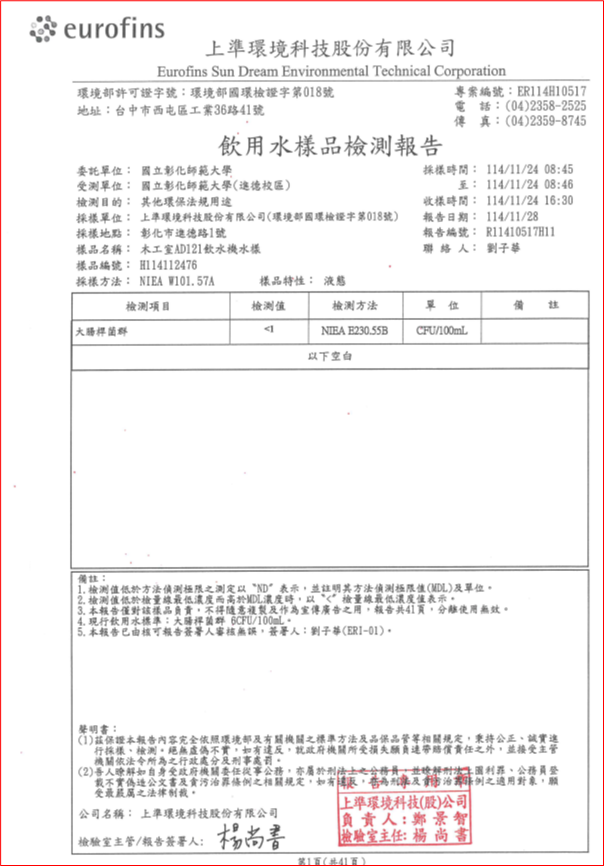
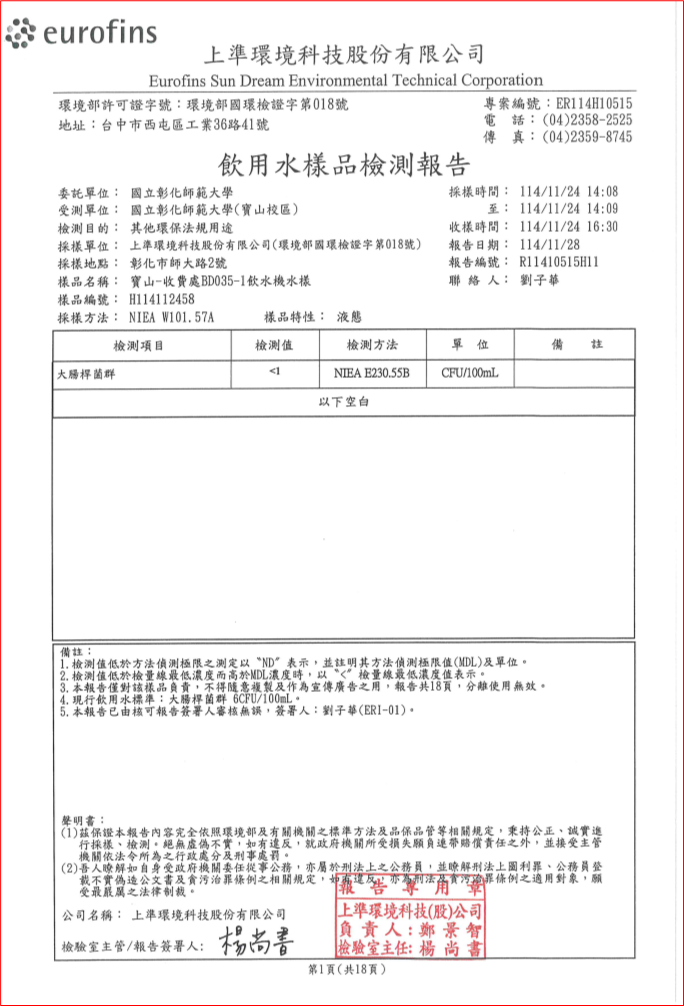
According to the Drinking Water Quality Standard promulgated by the Ministry of Environment, Executive Yuan, the maximum allowable limit for total coliforms is 6 CFU per 100 mL, and all drinking water dispensers sampled by the university met the applicable drinking water quality standards, resulting in a 100% compliance rate.
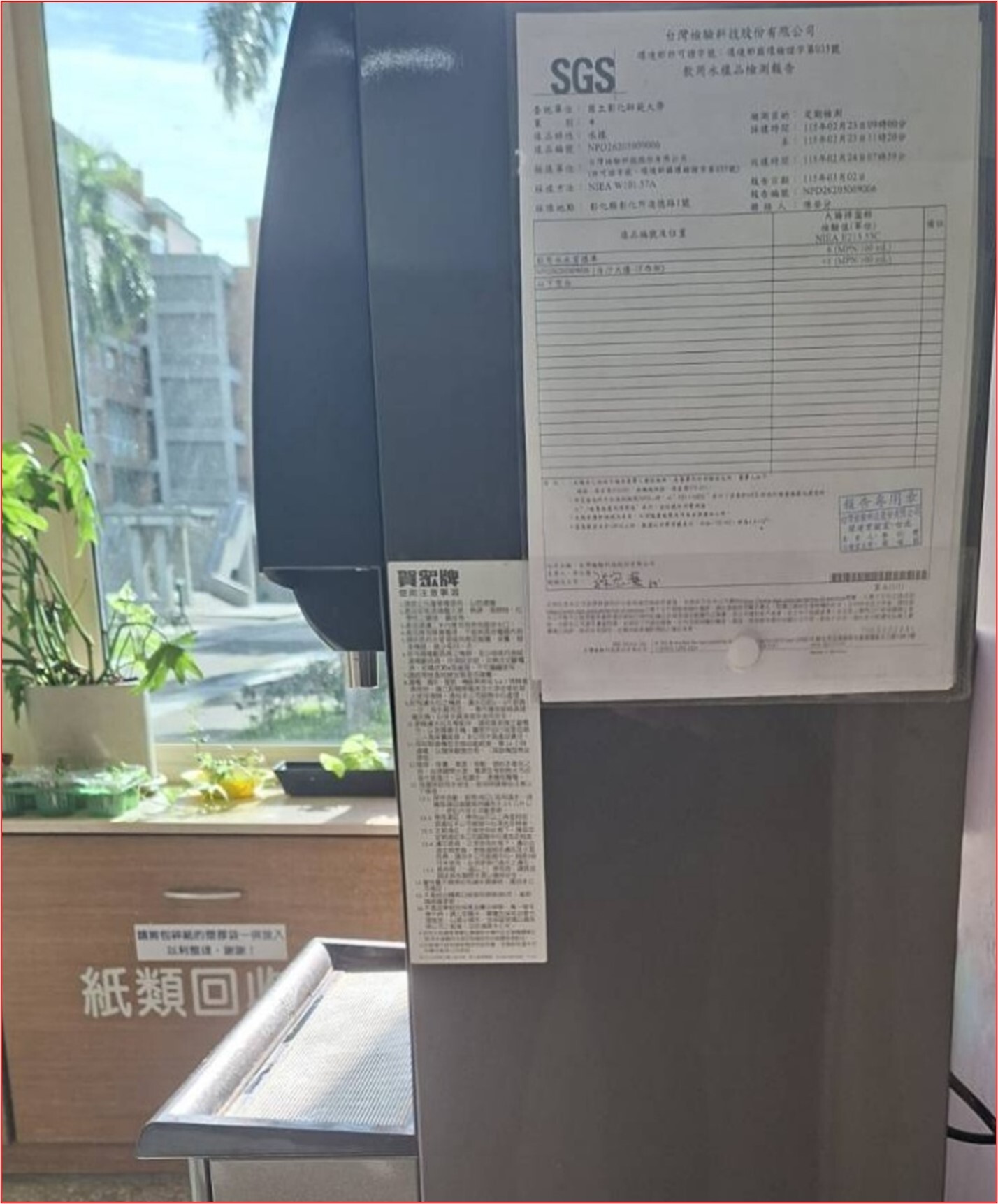
2025 drinking water quality testing reports are presented in Figures 11-12. The reports are also posted next to the respective drinking water dispensers for users to review, ensuring transparent access to water quality information and safe use, as shown in Figure 13.
3. Off-campus plans for minimizing physical, chemical, and biological changes to relevant aquatic ecosystems are outlined below.
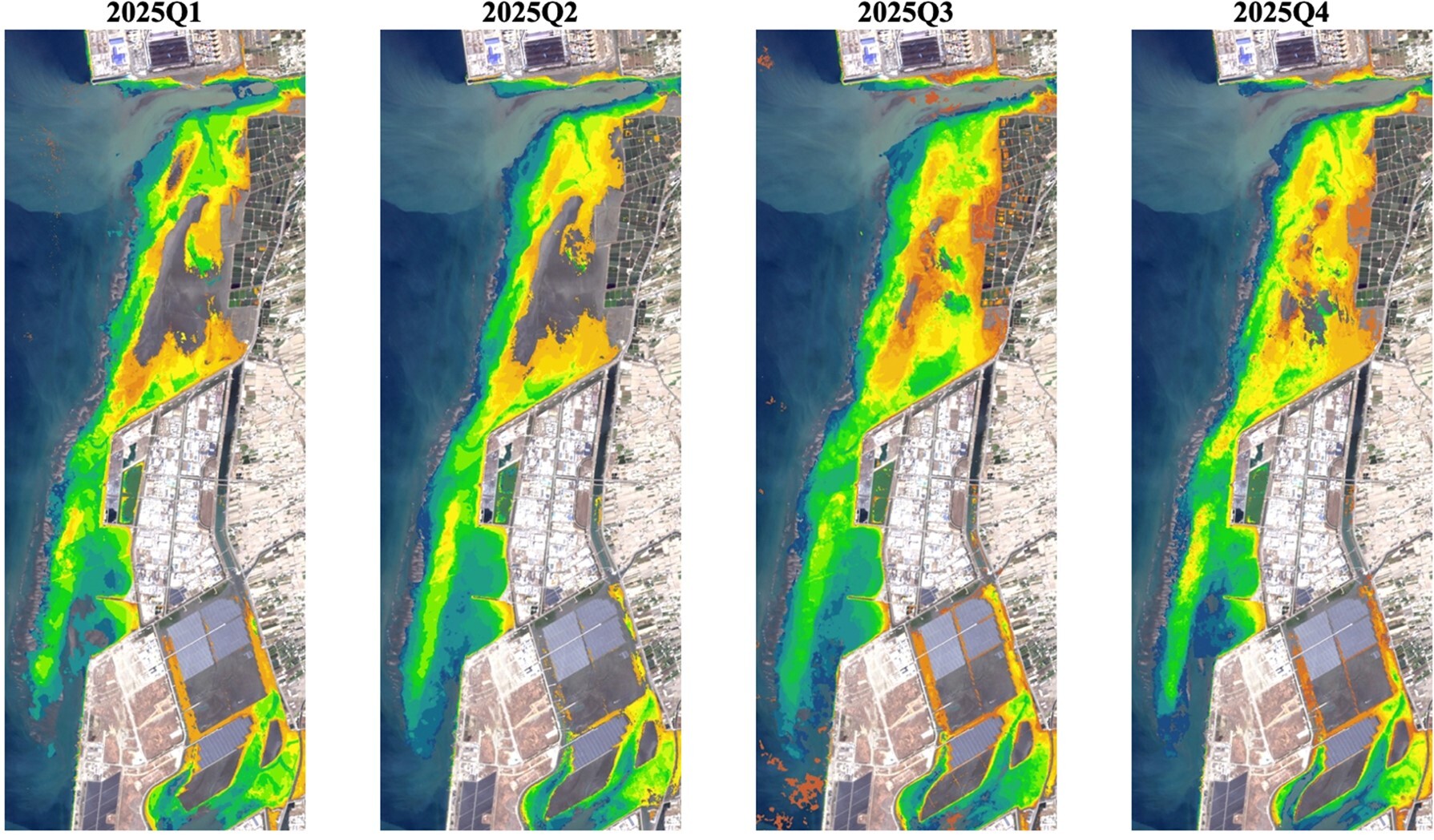
(1) The Interactive Relationship between Coastal Energy Landscapes and Local Structural Changes in Changhua: A Satellite Image Inversion Analysis of the Impacts of Natural Processes and Human Development on Intertidal Wetland and Sediment Grain Size (Overall Project and Subproject 1)
The Changhua coast has the largest area of intertidal wetlands in Taiwan, serving as an important ecological habitat along the western coast as well as a major site for oyster farming and clam harvesting. It is also home to Fangyuan’s sea-buffalo oyster-harvesting culture. The Department of Geography in NCUE implemented this project to conduct long-term monitoring and analysis of the impacts of natural processes and human development on intertidal geomorphology and sedimentary environments. The natural processes include typhoons and the northeast monsoon, while human development include offshore wind power, floating solar installations, and wetland walkway.
In the first year, the project integrated multi-temporal satellite imagery from Sentinel-1, Sentinel-2, SPOT, and Landsat with U-Net deep-learning classification to develop the LogiTide2DEM intertidal topographic inversion method. This approach helps to establish seasonal-scale digital elevation models (DEMs) of Changhua intertidal wetlands for the period from 2017 to 2025 and to analyze the relationships between surface sediment grain size and satellite-derived spectral indices.
The results indicate significant seasonal differences in sediment deposition and erosion across the Changhua intertidal wetlands. During winter, deposition generally occurs under the influence of the northeast monsoon and alongshore sediment transport, whereas in summer, typhoons and strong waves cause erosion and sediment redistribution. During Typhoon Gaemi in 2024, localized sediment deposition in Fangyuan intertidal wetlands reached 0.4 ± 0.2 m, which was consistent with local recorded height of oyster farm burial.
The project also integrates its findings with erosion-pin monitoring and sediment grain-size surveys conducted by the Long-Term Socio-Ecological Research (LTSER) Core Research Station—Changhua. This integration helps address the limitations of point-based observations in capturing large-scale spatial changes. The seasonal-scale habitat and environmental data generated by the project can support ecological surveys of intertidal crabs, assessments of the impacts on the oyster-farming industry, and the development of sustainable coastal management strategies. The results also provide a scientific basis for assessing the impacts of energy development on intertidal ecosystems. Program information is shown in Figure 14.
(2) 2025 Local Marine Stewardship and Conservation Project: Changhua Coastal Meretrix Lusoria Habitat Survey, Conservation, and Restoration Project.
Under the Ministry of Education Fourth-Phase USR Project, "Resilient Changbin: Climate Change and the Sustainability of Changhua's Coastal Environment and Industries," NCUE Center for General Education worked with Caohu Junior High School, Hanbao Elementary School, Fangyuan Elementary School, and Houliao Elementary School to promote marine education, intertidal observation, clam identification, water-quality monitoring, blue carbon, environmentally friendly aquaculture, and argi-food as well as fisheries-food education. Being dedicated to marine education, Caohu Junior High School integrates marine issues into alternative curriculums, special education, and aesthetic creation. The school not only received the Ministry of Education’s Marine Education Contribution Award in 2021 and 2025, but also won the Excellence Award in the junior-high category of the Marine Education Innovative Teaching Quality Team Selection.
In collaboration with the Changhua Marine Food Research Production Cooperative and local communities, NCUE conducted clam-habitat surveys, sediment improvement, and Marine Citizen Scientists training at Xinbao Wetland. In 2025, we had completed four clam-habitat surveys and conducted an investigative volunteer training accumulated a total of 50 participant-times; on top of that, we had also held five Junior Marine Citizen Scientist activities reached 146 participants and three outdoor ecological survey and field-operation activities reached 73 participants. The activities included water-quality and dissolved-oxygen testing, sediment analysis, b