
SDG 6.5.6
SDG 6.5.6 Promoting conscious water usage on campus
1. NCUE has built a Smart Campus Sustainable Life Platform and applies a range of strategic tools aligned with the United Nations Sustainable Development Goals. For water resources, NCUE monitors the conductivity and pH of its three campus wells. Water quality sensors collect real-time data and transmit them over the Internet to the water resources monitoring system for NCUE to manage well water quality effectively and to allocate and use the water optimally. Faculty and students can view the real-time water monitoring data on the platform, understand the importance of water resource management, and value water resources.
2. NCUE regularly posts announcements promoting water conservation (Figure 1) and asks all faculty, staff, and students to report leaks from water fixtures inside buildings through the campus maintenance reporting system so that leaks can be repaired promptly. NCUE’s electricians also read the main water meters every day. If a reading is abnormal, they immediately inspect the entire campus for leaks and repair any leaks they find (Figure 2).
3. For facilities with higher levels of water consumption, water utilization measures are adjusted according to demand. For example, the sprinkler irrigation system will not activate when it detects rain, and the lease contract of the campus swimming pool requires the tenant to cooperate with the government’s water conservation measures. These measures ensure the rational utilization of water (Figure 3).
4. To cultivate awareness of reasonable water use and water resource sustainability among faculty and students, NCUE actively integrates "water resource conservation" and "environmental sustainability" issues into curricula and practical experiences. Through courses, experimentation, field research, and service learning, students develop correct concepts and action capabilities for water use. Related measures are as follows:
(1) Center for General Education Courses
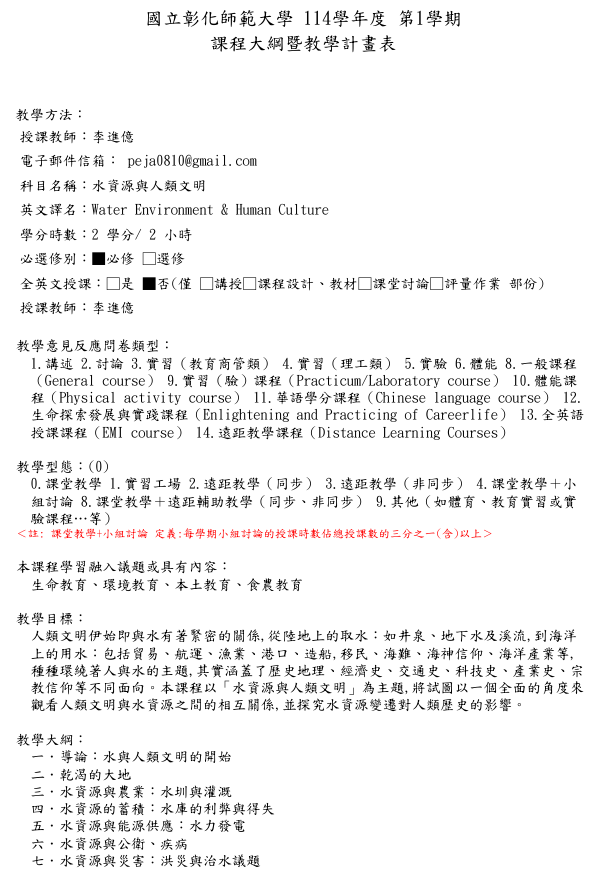
(a) The "Water Resources and Human Civilization" course focuses on introducing global and Taiwan's water resource challenges (as shown in Figure 4). Through this course, students explore the historical and contemporary significance of water for human society and its key role in sustainable development. The course examines the impact of water resource changes on human history. Students learn how to understand sustainable water use and reflect on how individuals and society should conserve water in daily life.
(b) The " Water and Electricity Energy Saving in Modern Life " course introduces students to the basic principles of water resources and power sources to understand their importance and environmental impact, while cultivating students' water and electricity conservation capabilities.
(c) "An Introduction to Marine Life Sciences" Course
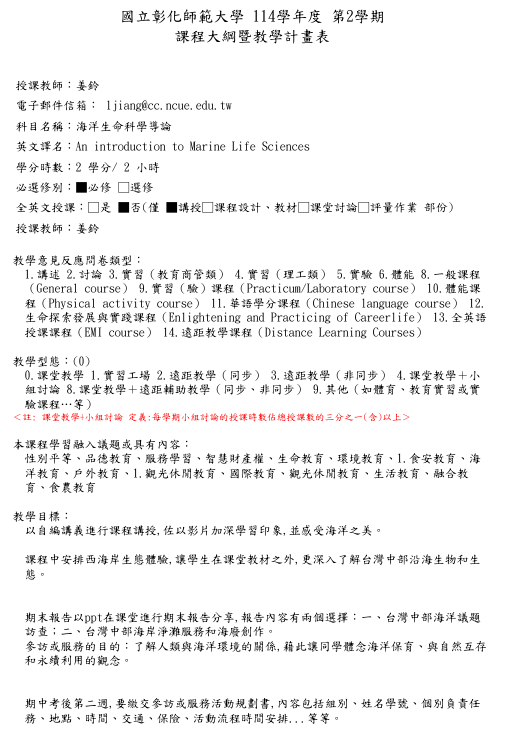
This course guides students to understand the importance of water environment conservation and sustainable development through topics such as the marine environment, marine pollution, global climate change, marine ecology, and sustainable utilization of marine resources (Figure 5). The course combines theoretical lectures, off-campus ecological experiences, coastal wetland visits, and coastal beach cleanup service tocultivate students' sense of responsibility for cherishing water resources, reducing water pollution, and protecting the marine environment. Through marine issue exploration and service learning, the course also enhances campus faculty and students' environmental literacy regarding reasonable water use, water resource conservation, and sustainable utilization.
(2) Department of Geography's " Special issues of hydrology and water resource in Taiwan " and "Hydrology" Courses (Figures 6-7)
Through topics such as the water cycle, water resource management, hydrological environment, water-related disasters, and Taiwan's water resource issues, these courses cultivate students' professional knowledge for the sustainable utilization of water resources. The courses combine topical discussions, off-campus visits, and thematic lectures to explore issues such as water resource management, hydrological environment change, and watershed governance for students to understand the challenges of Taiwan's water resources, establish concepts of cherishing water, reasonable water use, and sustainable management, and enhance campus water resource conservation awareness and environmental literacy.
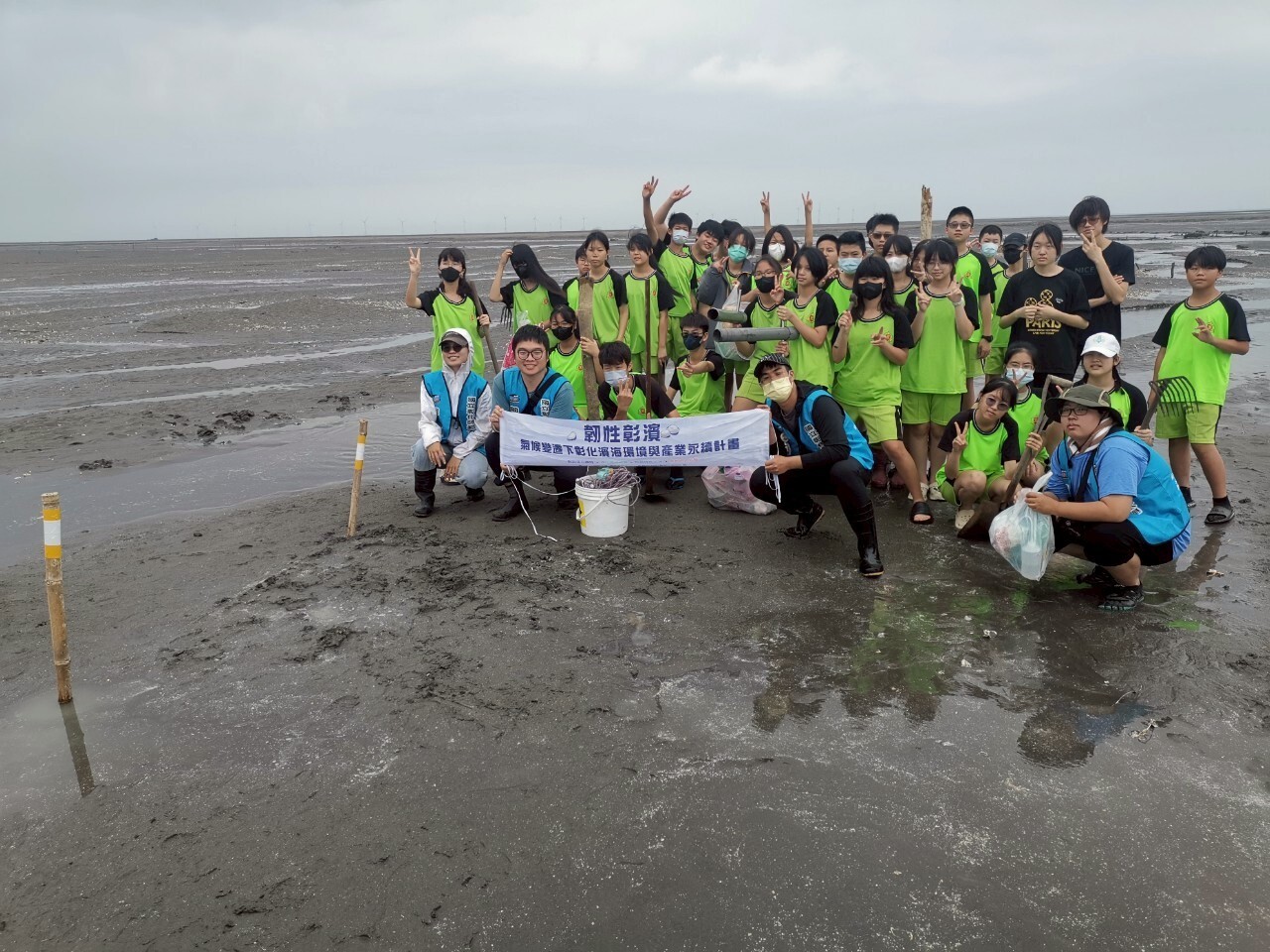
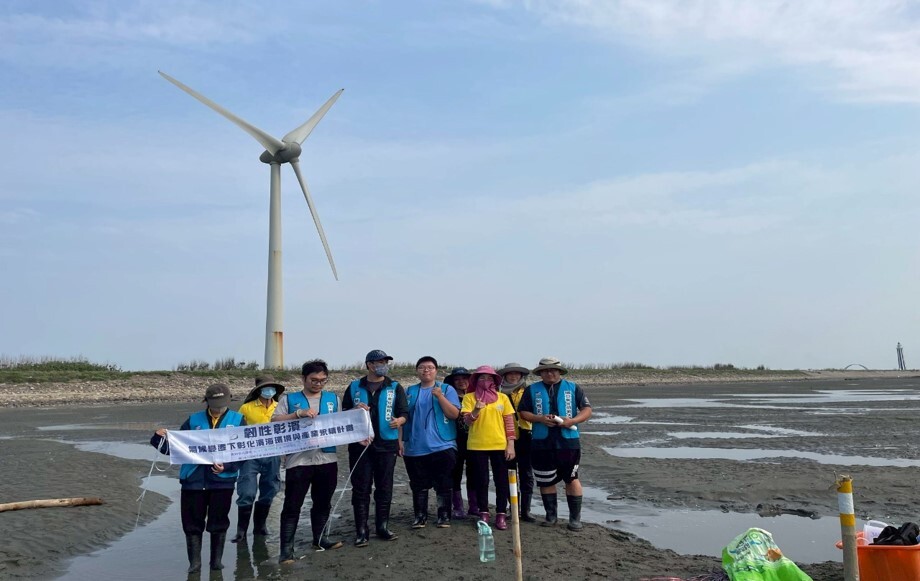
(3) Courses from the “Changhua Coastal Manila Clam Habitat Survey and Conservation and Restoration Promotion Program”
Through course instruction and hands-on education, NCUE integrates issues such as water resource management, climate change, water quality monitoring, and eco-friendly aquaculture into learning to cultivate students' understanding of the sustainable utilization of water resources and water environment management. Through practical surveys and testing, water resource knowledge is translated into practical environmental management capabilities.
Related courses in 2025 include:
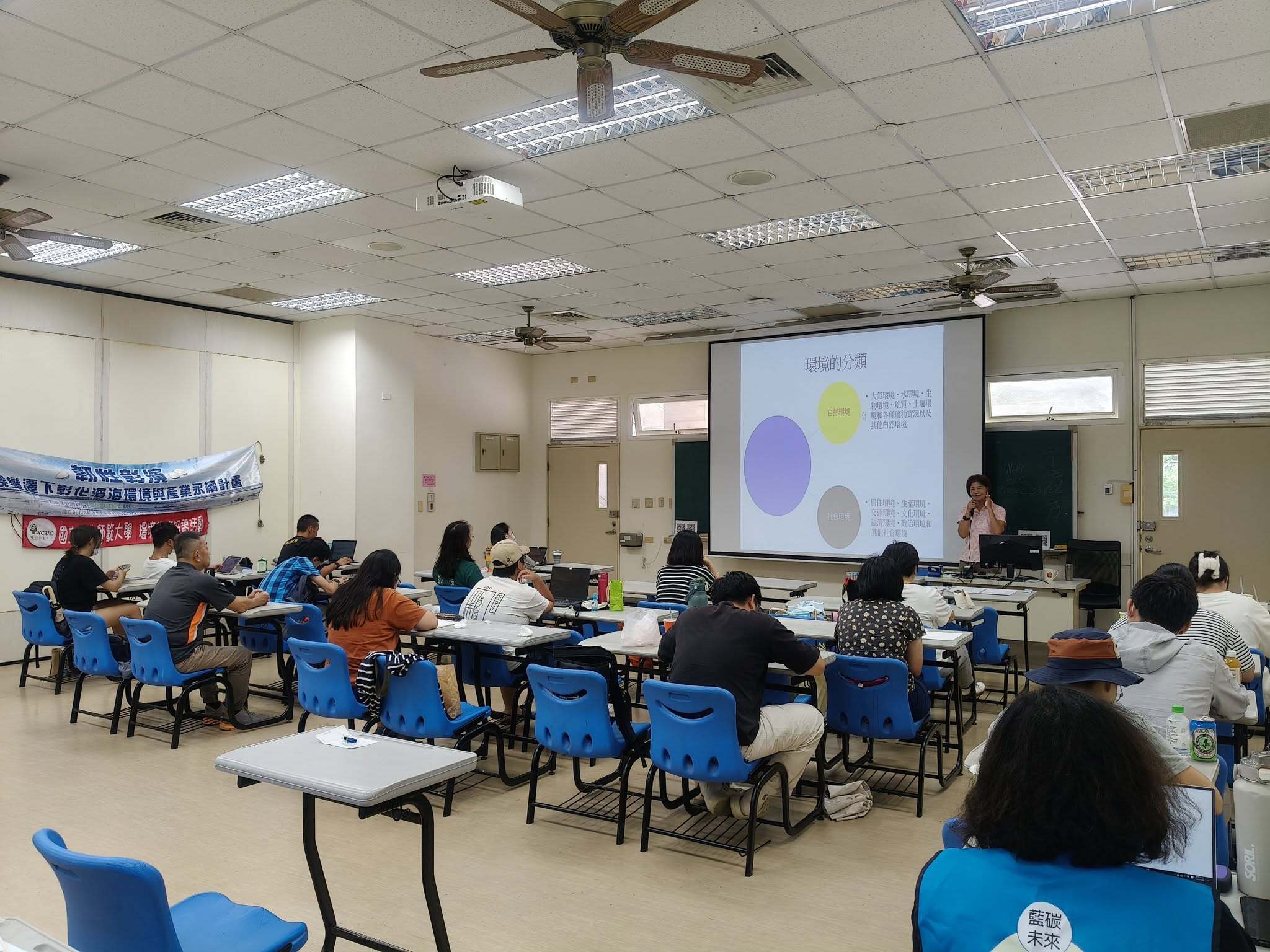
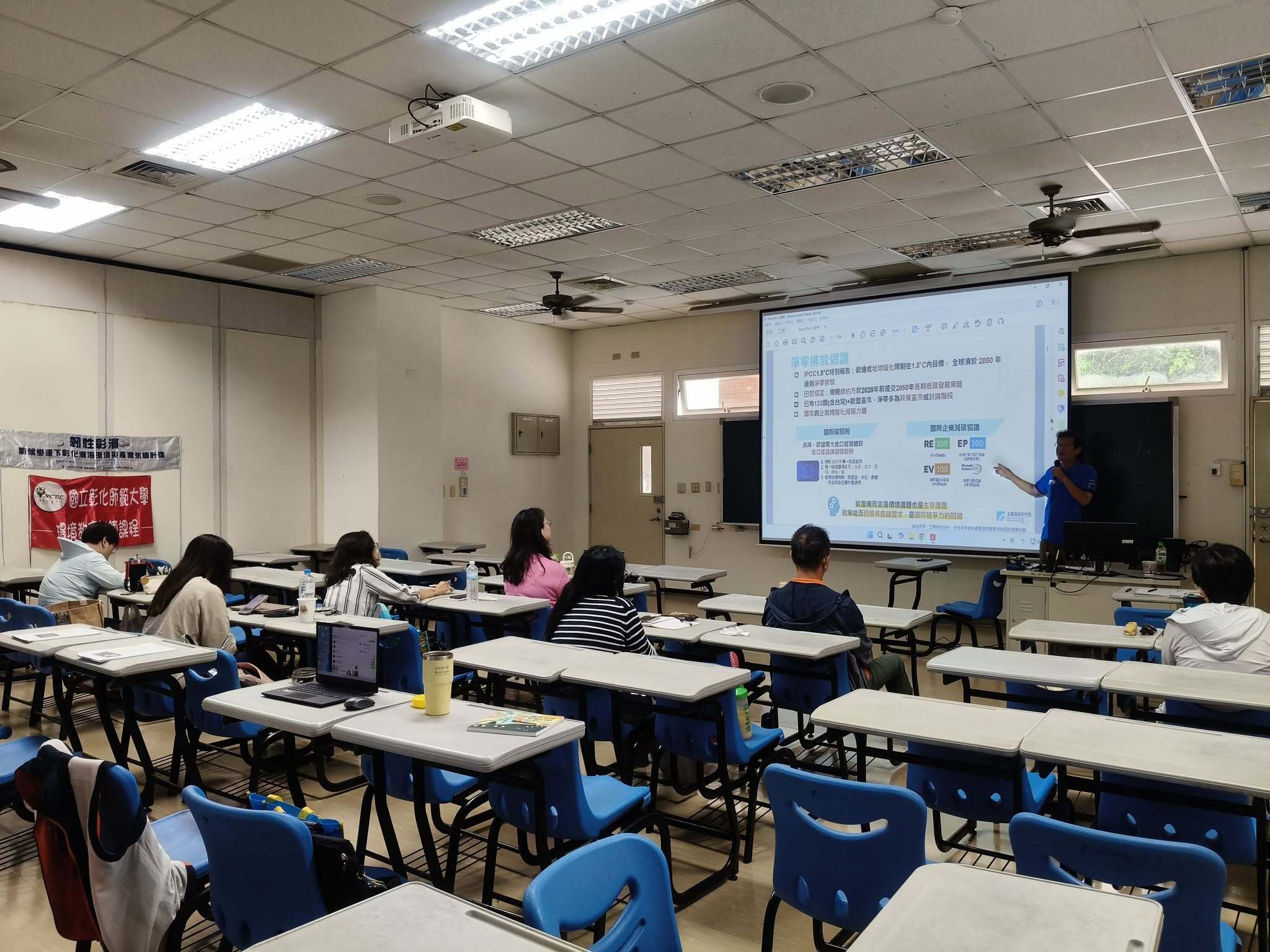
(a) Life Sciences and Human Living (Figure 8): Centered on climate change, net-zero carbon emissions, carbon footprint, and marine blue carbon, this course explores carbon sequestration in seagrass beds, mangroves, and intertidal sediments, as well as marine beneficial bacteria, eco-friendly aquaculture, and ecological stability, building students' cross-disciplinary understanding of aquatic ecology and sustainable utilization.
(b) Advanced Marine Biology (Figure 9): Combining marine biology, benthic biodiversity, and intertidal ecosystems, this course cultivates students' ability to identify organisms and habitat changes and their ability to understand the relationships among water quality, sediment, and biological communities.
(c) An Introduction to Marine Life Sciences: Using the Changhua coast as a case study, this course introduces marine ecology, intertidal zones, manila clams and other shellfish, water quality monitoring, blue carbon, marine conservation, and eco-friendly aquaculture, to connect classroom knowledge with local water environment issues.
(d) Clinical diagnosis and environmental management of aquaculture (Figure 10): This course trains students in hands-on testing of water quality, dissolved oxygen, sediment, and pollution risk assessment and guides them to explore water quality factors, microorganisms, stocking density, probiotics, and eco-friendly aquaculture management, so as to cultivate students' ability to translate testing results into recommendations for environmental and industry improvement.
Through the learning process of "understanding the water resource system - identifying environmental risks - conducting water quality testing - proposing management actions," these courses build students' awareness of reasonable water use and sustainable water environment management.
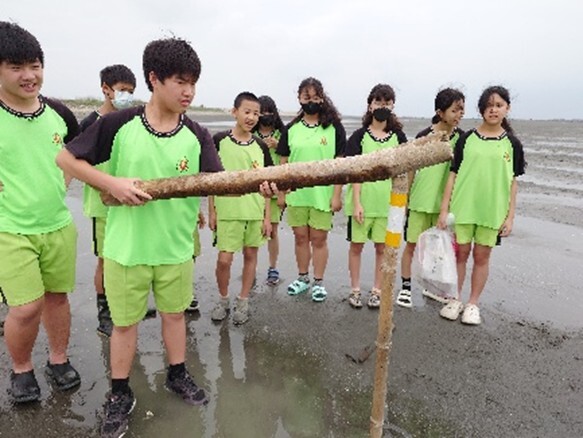
(4) Department of Geography "Hydrology" Course Field Investigation:
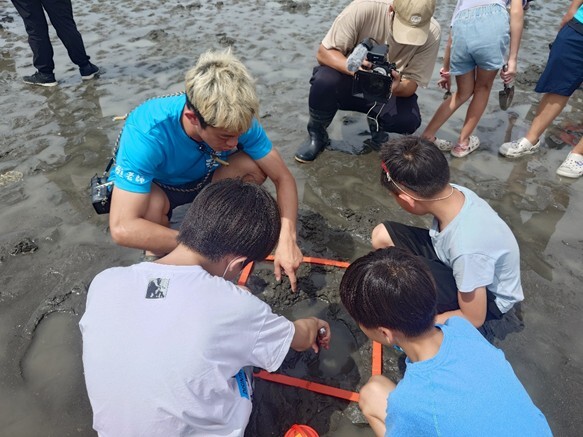
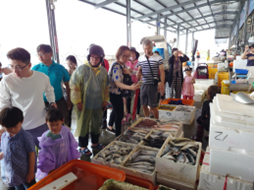
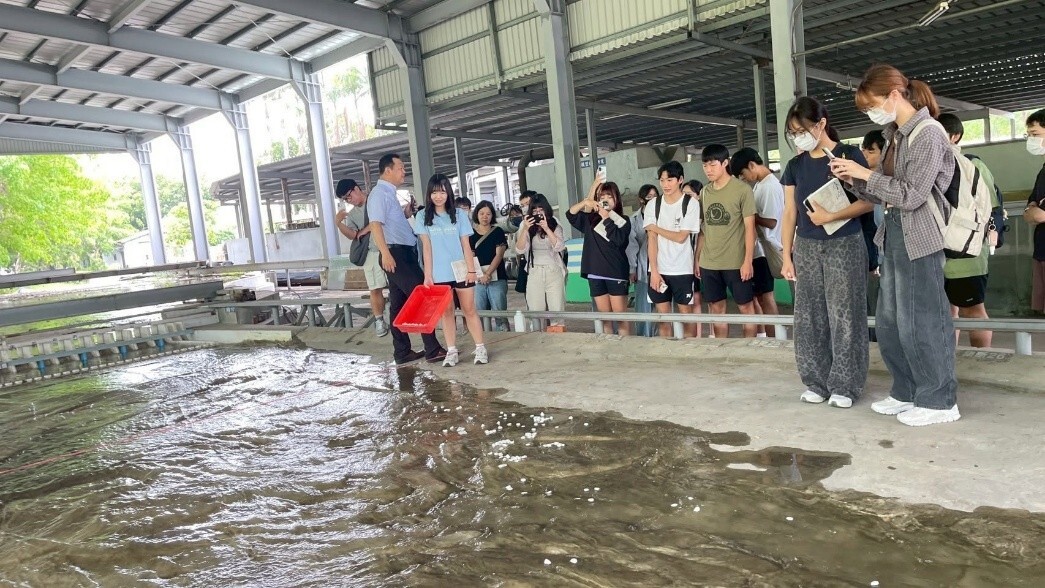
In 2025, NCUE offered a “Hydrology” course with about 40 students enrolled. Through theoretical lectures and off-campus field trips, this course teaches students to value water and use it wisely. The course covered water cycle, water balance, hydrological monitoring, and water resources engineering. Students measured flow and made on-site observations at the Fuma Canal to learn about water use, canal irrigation, and river management. They also visited the Water Resources Planning Branch to learn about flow velocity measurement, hydraulic models, and river channel management techniques. These activities showed students that water resources are limited and must be managed scientifically. Moreover, these visits built students’ environmental literacy in water conservation, water resource protection, and sustainable use (Figure 11).
(5) Field Observations at the Daguan Power Plant for Teacher Education
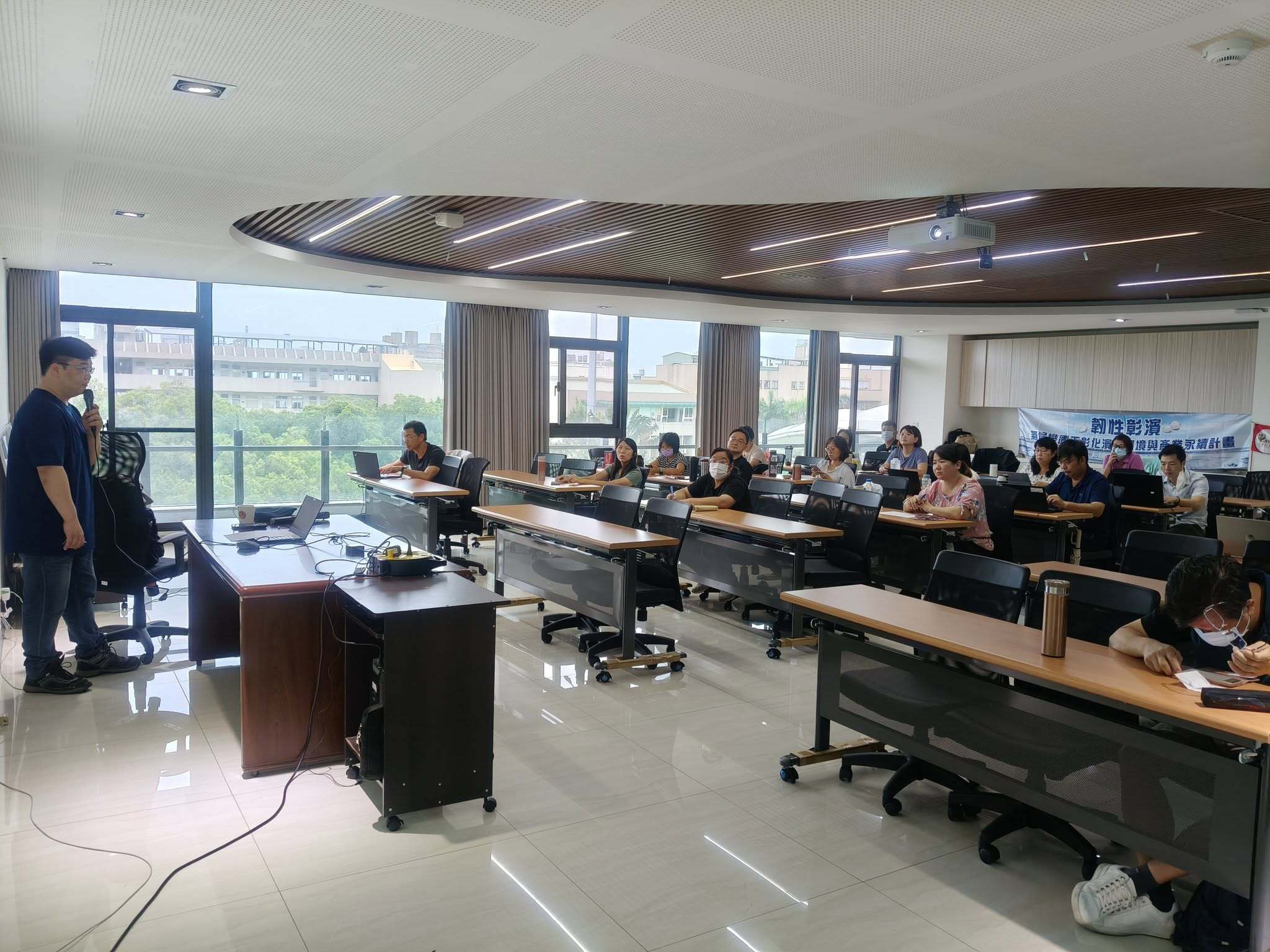
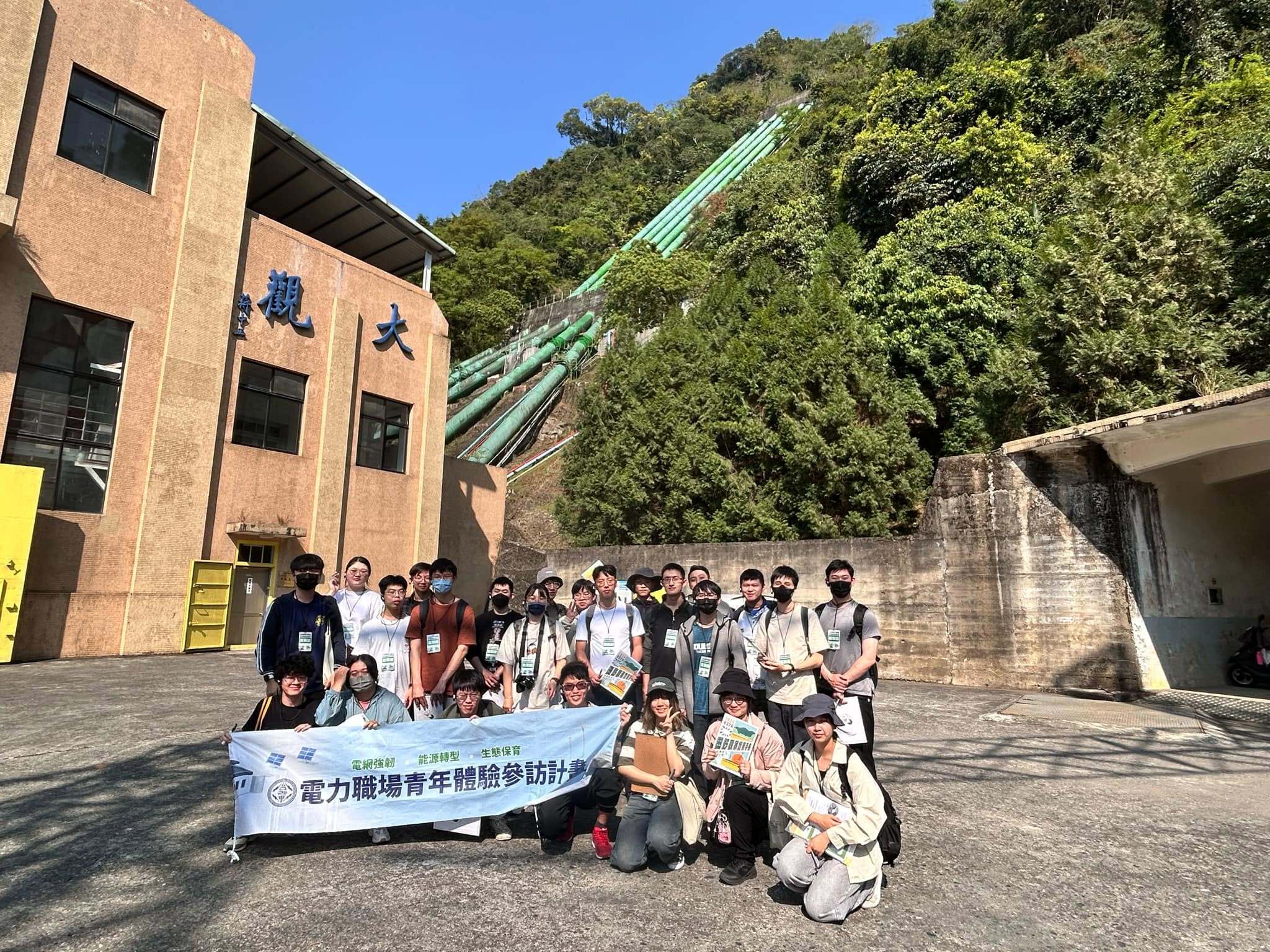
NCUE's Department of Geography integrates sustainable utilization of water resources and water safety issues into teacher education courses by arranging the students to conduct field observations at the Daguan Power Plant (see Figure 12). Through on-site investigation of hydroelectric power generation, reservoir catchment areas, water resource allocation, and environmental conservation issues, this field trip cultivates students' concepts of cherishing water resources and reasonable water use.
During the activity, students used map interpretation, contour line analysis, and on-site observation to explore catchment area topography, hydroelectric power generation conditions, and water resource management measures such as sediment retention dams to reduce siltation. The activities allow students to understand the close relationship between water resources and energy supply. Students further established their environmental literacy regarding water conservation, water resource protection, and sustainable utilization, and incorporated related concepts into future campus teaching and daily life.
(6) Thematic Lecture on Micro-Hydropower Generation and Sustainable Governance
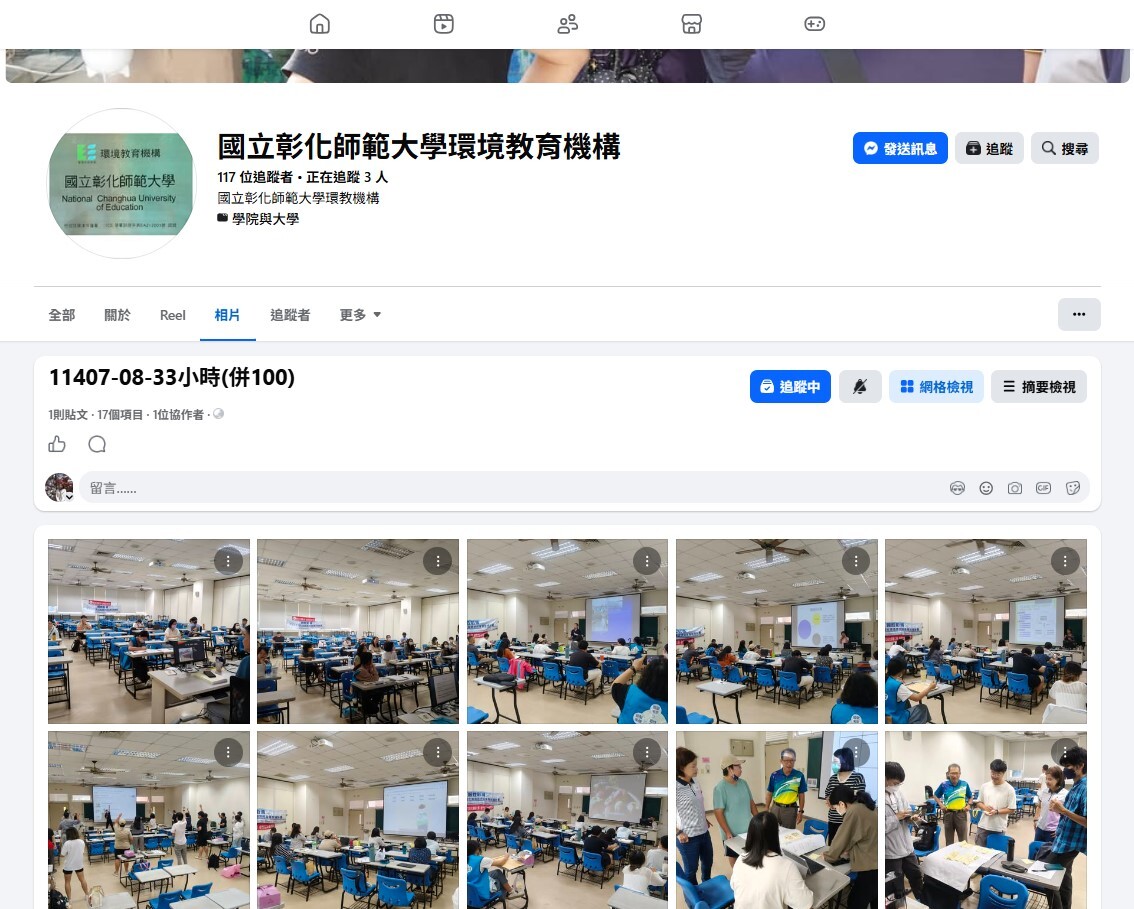
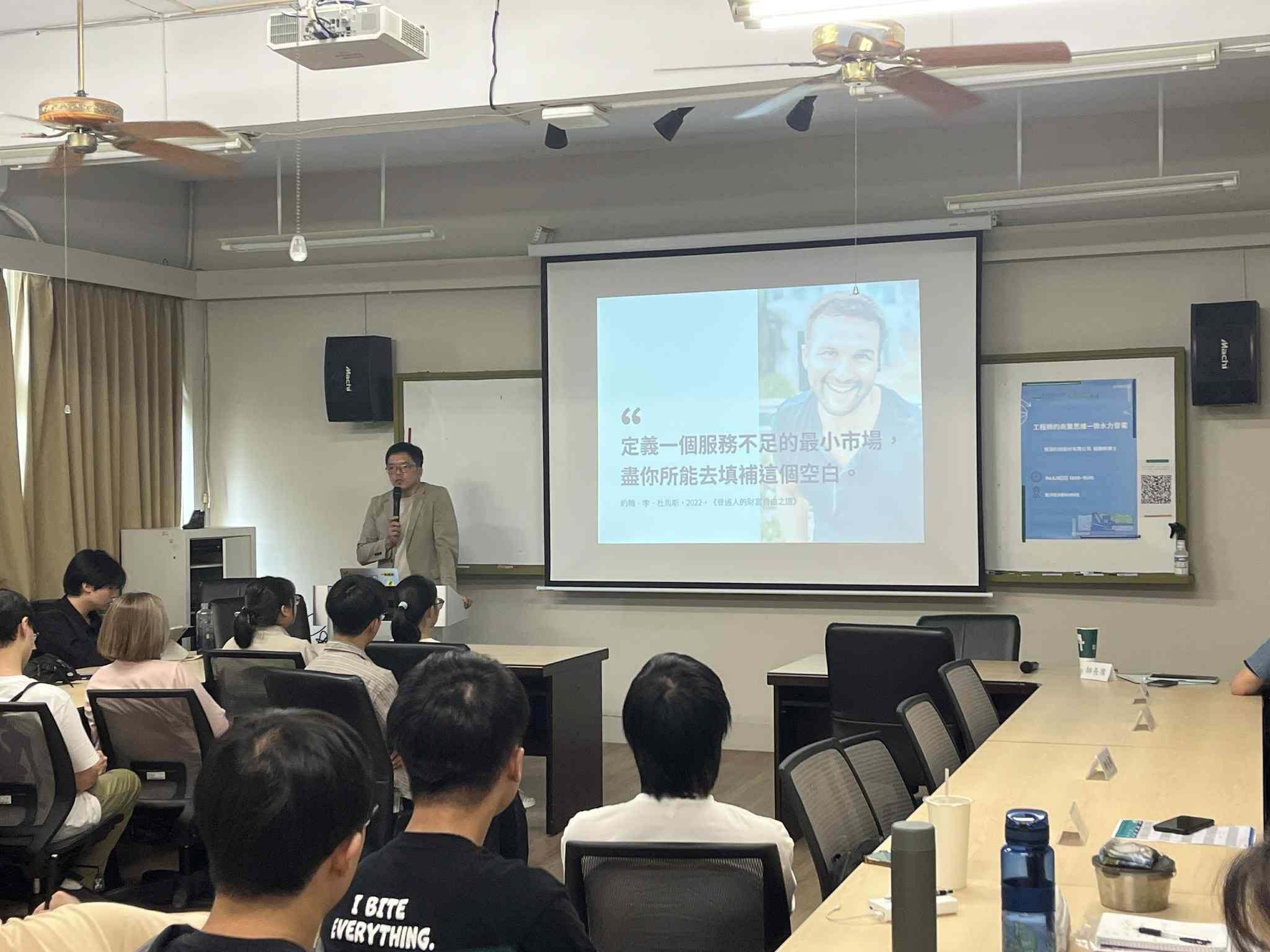
To enhance students' understanding of sustainable water resource management, water safety, and renewable energy applications, NCUE's Department of Geography integrated sustainable utilization of water resources and reasonable water use issues into geography education courses. On June 12, 2025, the department invited Dr. Sheng-Chi Yang, Chief Operating Officer of wawaTEK Co., Ltd., to give a thematic lecture titled "Business Innovation Thinking for Micro-Hydropower Engineers" (see Figures 13-14). The lecture introduced micro-hydropower generation, water resources engineering, and practical applications of sustainable water resource utilization It also shared case studies of introducing micro-hydropower generation into community canals, water resources facilities, and existing pipelines. To explain how the collaborative model of government, businesses, and local communities jointly promoted renewable energy, water resource management, and civic participation. Through case analysis, students were guided to understand the importance of the limited nature of water resources and sustainable utilization, establish concepts of water conservation, water environment protection, and sustainable living, and were encouraged to incorporate related concepts into future teaching and campus life. Event information webpages (Figure 14):
(a) https://www.facebook.com/photo?fbid=1115320547073370&set=pcb.1115320860406672
(b) https://geo.ncue.edu.tw/gallery/92/
5. Smart Water Meter Installation and Enhanced Water Management
By the end of 2025, NCUE had installed 7 ultrasonic smart water meters on Jinde Campus (15 meters in total) and 23 new ultrasonic smart water meters on Shida Campus. Also, every building on Shida Campus has its own groundwater and tap water meters to monitor its water use. NCUE analyzes the consumption and event data that the smart meters transmit wirelessly to assess water use, and the management system automatically plots flow trend charts that can be used to detect abnormal usage. Real-time data from the smart meters allow NCUE to manage campus water use effectively and monitor water resources. With smart meters installed across its campuses, NCUE consolidates all types of water resource data as a basis for water balancing, allocation, leak detection, and management.
Figure 15 shows the interface of NCUE’s campus-wide Energy Management System (EMS).
Website: https://ems.ncue.edu.tw/backend
6. Through smart water meters, real-time monitoring on the Smart Campus Sustainable Life Platform, public announcements, a repair reporting system, and adjustments to water-saving facilities, NCUE has strengthened water management on its campuses. It also enabled faculty and students to follow water resource conditions in real time, while raising their awareness of valuing water and using it wisely. NCUE also builds “water resource conservation” and “environmental sustainability” into its courses, field trips, and community partnerships, so that students move from understanding to action and develop both professional skills and a commitment to sustainability. Ultimately the effort promotes wise water use and water sustainability on campus.