
SDG 7.4.3
SDG 7.4.3 Energy efficiency services for industry
NCUE has long promoted smart energy applications and energy-saving and carbon reduction technologies across energy generation, energy conservation, energy storage, and system integration. In 2025, through collaboration with government agencies, research projects, carbon inventory services, industry guidance, and professional seminars, NCUE provided local industries with energy efficiency assessments, technical exchanges, and applications of its renewable energy research, promoting low-carbon transformation and energy sustainability in industry.
1. Promotion of Energy Storage and Clean Energy Research Projects
In 2025, NCUE conducted 35 energy storage and clean energy research projects: 16 National Science and Technology Council (NSTC) projects totaling NT$18,909,197 and 19 non-NSTC projects totaling NT$9,780,959 (Table 1).
| Type | No. of Projects | Total Budget |
|---|---|---|
| NSTC Projects | 16 | NT$ 18,909,197 |
| Non-NSTC Projects | 19 | NT$ 9,780,959 |
(1) NCUE's number of energy storage and clean energy research projects (NSTC) showed a growth trend in 2024 and 2025 (Figure 1).
(2) NCUE's research funding for energy storage and clean energy projects (both NSTC and non-NSTC) showed a growth trend in 2024 and 2025 (Figure 2).
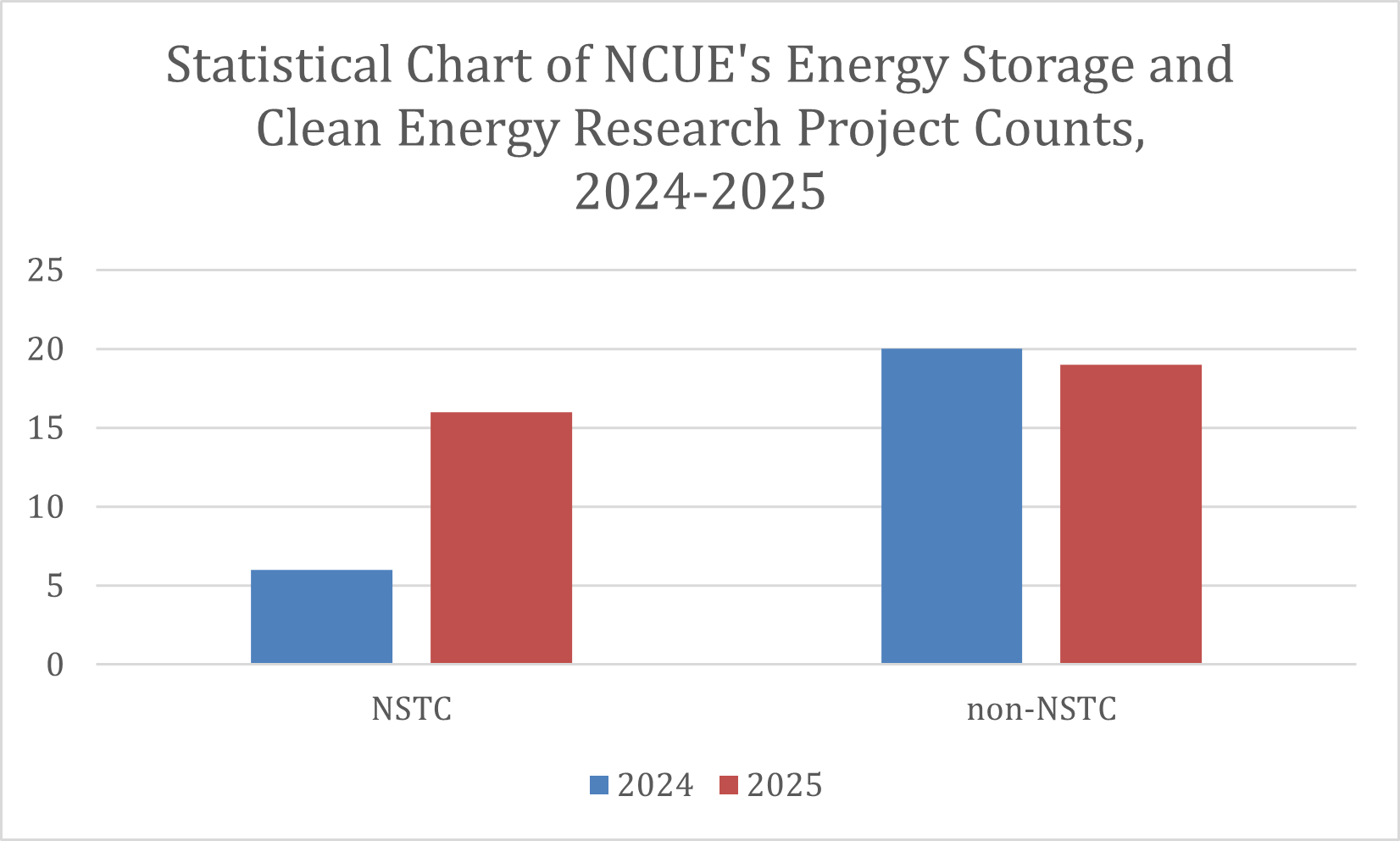
Figure 1. Statistical Chart of NCUE's Energy Storage and Clean Energy Research Project Counts, 2024-2025
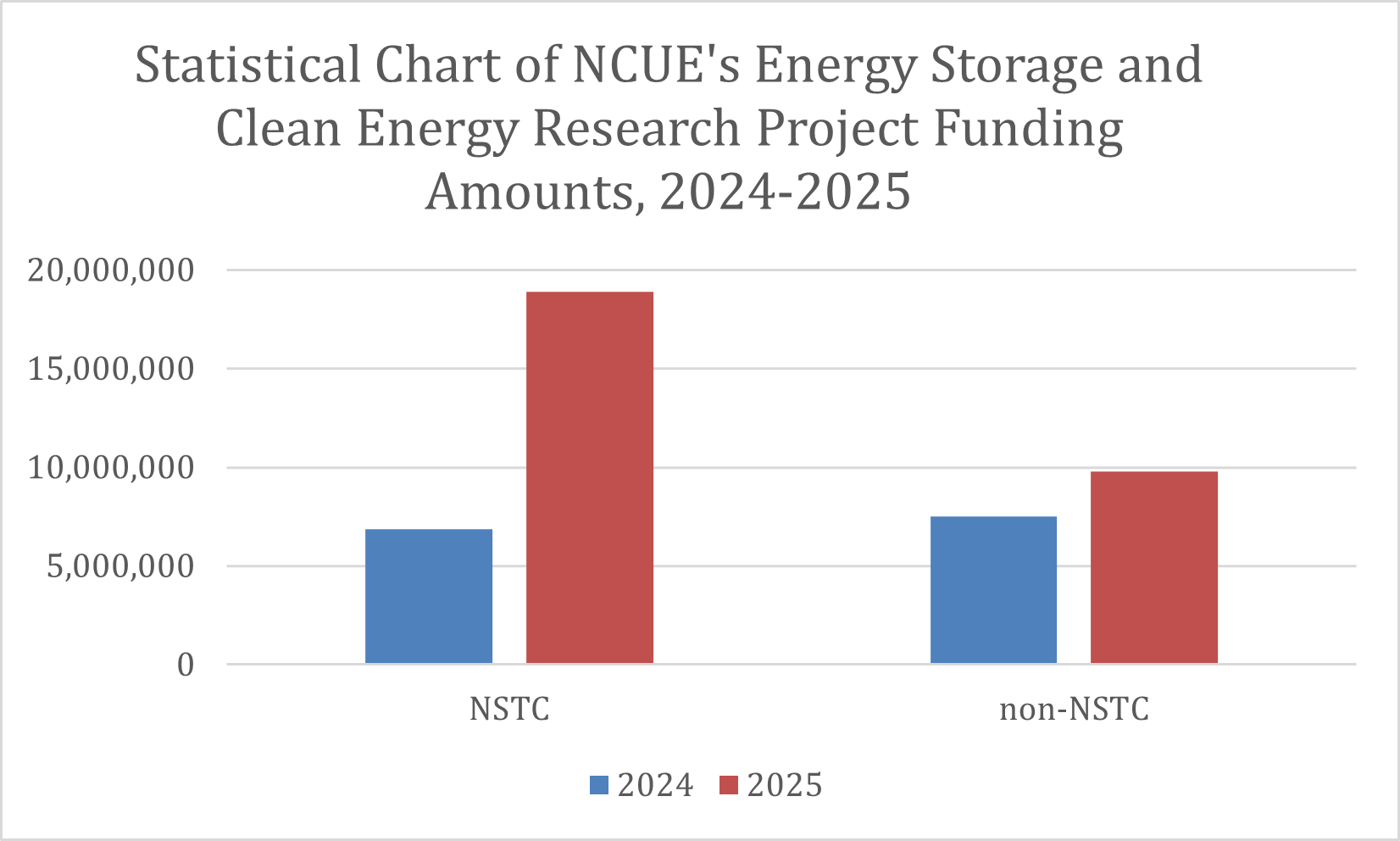
Figure 2. Statistical Chart of NCUE's Energy Storage and Clean Energy Research Project Funding Amounts, 2024-2025
2. Industrial Low-Carbon Technology Guidance and Application
In 2025, the Innovation Incubation Center of NCUE's Office of Research and Development provided guidance services to local industries, helping 7 manufacturers adopt low-carbon and energy-saving (electricity-saving) technologies (Tables 2 and 3). Figures 3–10 show the results and photos.
(1) In-depth energy-saving diagnosis: NCUE helped Jinn Bang Enterprise Co., Ltd. and Innova Rubber Co., Ltd. adopt energy-saving transformation measures and technologies.
(2) Carbon emission source data review: NCUE conducted carbon emission source reviews, GHG inventory report preparation, hotspot identification, and carbon accounting for six enterprises: An Kuo Precision Industrial Co., Ltd., Jinn Bang Enterprise Co., Ltd., Ji Mei Enterprise Co., Ltd., Chang Guang Co., Ltd., Wu Da Plastic Industry Co., Ltd., and Quan Sheng Energy Technology Co., Ltd. Beyond technical support, these services help manufacturers gradually build complete low-carbon management systems and carry out carbon reduction actions.
| Industrial Park | Company Name | Industry Type | Relevant Consultation Outcomes and Photos |
|---|---|---|---|
| Dali | Jinn Bang Enterprise Co., Ltd. | Metal Products Manufacturing |
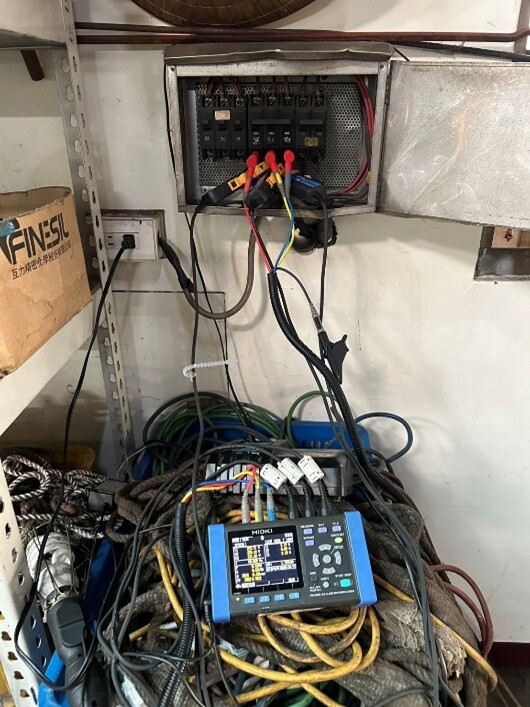
Figure 3. Measurement Equipment Provided by NCUE |
| Fuxing | Innova Rubber Co., Ltd. | Rubber Products Manufacturing |
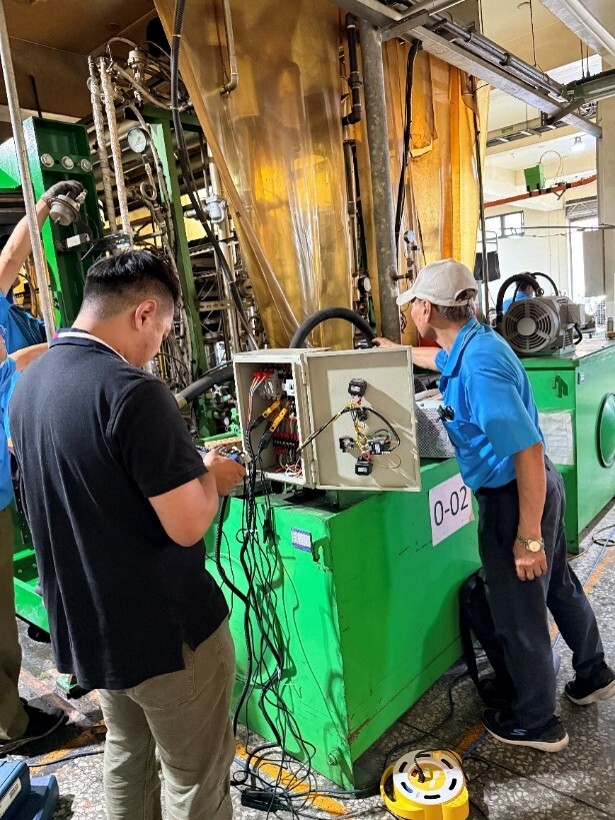
Figure 4. Faculty Visit and Discussion with the Manufacturer |
| Total | 2 companies | ||
| Industrial Park | Company Name | Industry Type | Relevant Consultation Outcomes and Photos |
|---|---|---|---|
| Dali | An Kuo Precision Industrial Co., Ltd. | Machinery and Equipment Manufacturing |
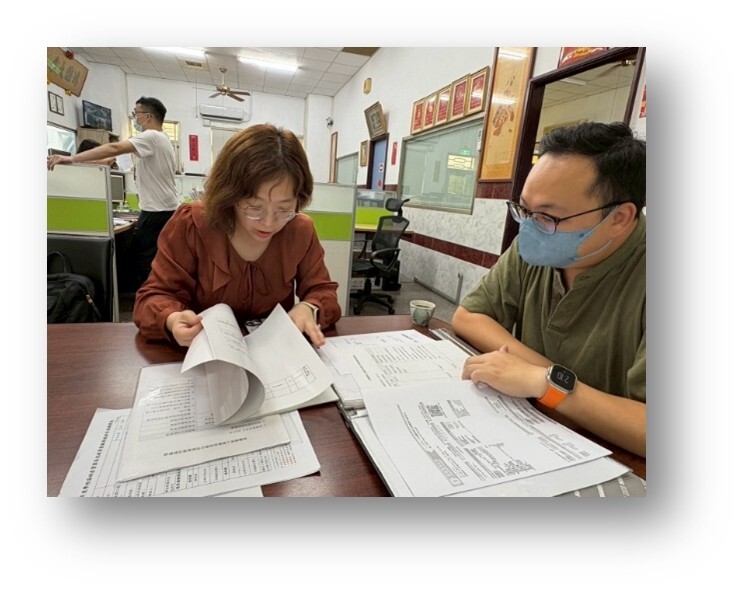
Figure 5. Faculty Visit and Discussion with the Manufacturer |
| Jinn Bang Enterprise Co., Ltd. | Metal Products Manufacturing |
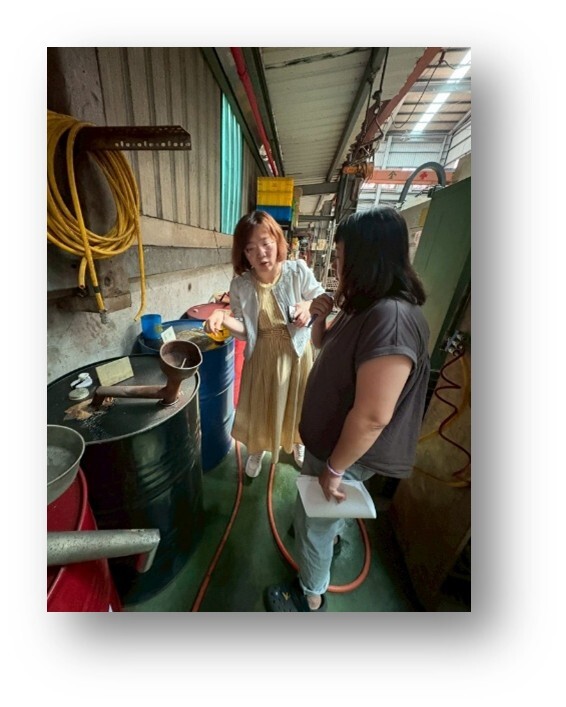
Figure 6. Faculty Visit and Discussion with the Manufacturer |
|
| Ji Mei Enterprise Co., Ltd. | Metal Products Manufacturing |
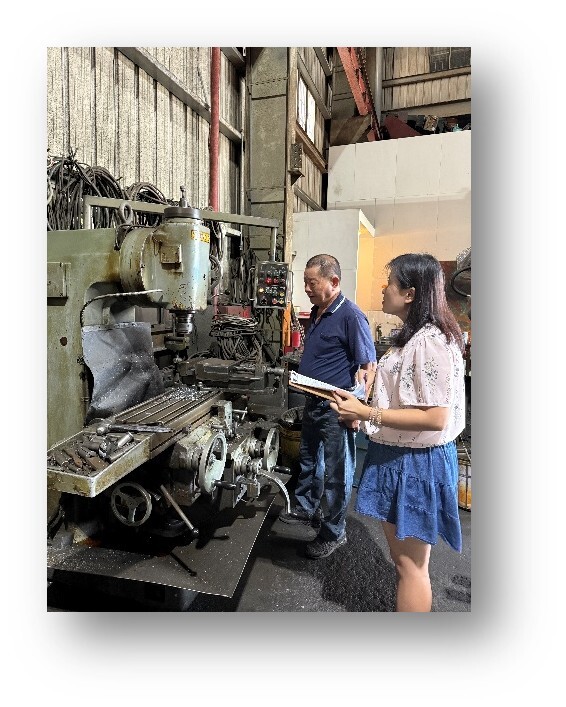
Figure 7. Faculty Visit and Discussion with the Manufacturer |
|
| Fuxing | Chang Guang Co., Ltd. | Rubber Products Manufacturing |
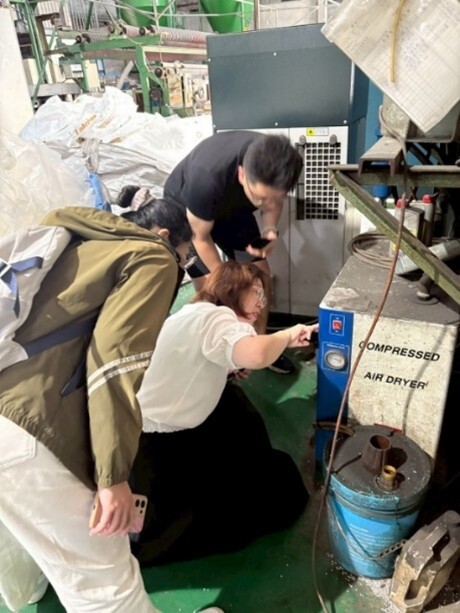
Figure 8. Faculty Discussion with the Manufacturer |
| Wu Da Plastic Industry Co., Ltd. | Rubber Products Manufacturing |
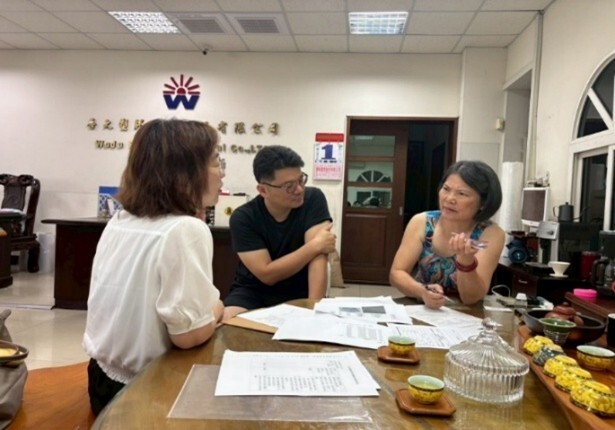
Figure 9. Discussion with the Manufacturer and On-Site Equipment Inspection |
|
| Quan Sheng Energy Technology Co., Ltd. | Metal Products Manufacturing |
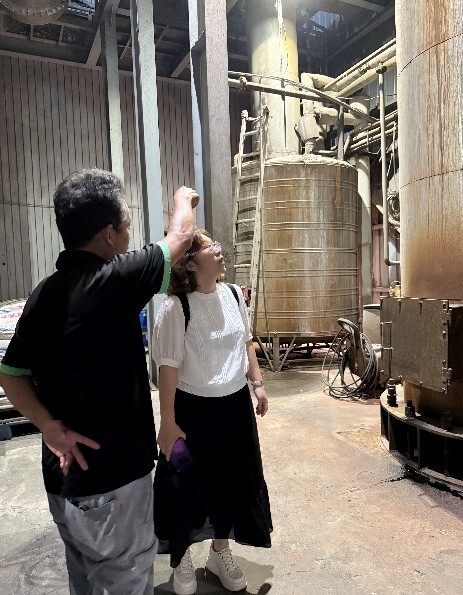
Figure 10. Discussion with the Manufacturer and On-Site Equipment Inspection |
|
| Total | 6 Companies | ||
3. AI-Driven Smart Manufacturing and Energy Efficiency Enhancement Services
NCUE's College of Engineering, together with the Industrial Technology Research Institute (ITRI), co-organized the "AI-Driven Smart Manufacturing Workshop," guided by the Industrial Development Administration, Ministry of Economic Affairs, focusing on the practical application of artificial intelligence on the manufacturing floor and attracting participation from manufacturers in central Taiwan. Through collaboration among industry, government, academia, and research institutions, the event helped manufacturers improve production efficiency and quality while responding to net-zero and sustainability disclosure requirements.
The workshop featured 6 keynote presentations (as shown in Figure 11), covering topics such as "AI Leading Industry Toward New Opportunities for Net-Zero Sustainability," "Framework and Smart Blueprint for Cultivating Mechanical AI Talent," "Implementing Smart Manufacturing Through AI and Computer-Aided Engineering," "AI Applications in Smart Manufacturing," "Application of AI Defect Detection in Automotive Metal Shock Absorber Sleeves," and "AI Applications in Smart Manufacturing Energy Management." Among these, NCUE's College of Engineering shared applications of AI in establishing energy optimization, predictive maintenance, and data governance mechanisms, and demonstrated—through "AI Applications in Smart Manufacturing Energy Management"—how real-time monitoring, anomaly detection, and dispatch optimization can reduce energy consumption and strengthen the consistency of ESG indicators.
Through technical sharing, practical case studies, and industry-academia exchange, this event translated AI technology into actionable tools and pathways for enterprises, helping local manufacturers enhance their energy management capabilities, reduce energy consumption, and advance smart manufacturing and net-zero transition. NCUE will continue to collaborate with ITRI, industry associations, and local industry-academia networks to promote technical workshops and exchanges, helping manufacturers progressively scale up from pilot applications, and facilitating the local implementation of smart energy management and low-carbon technologies in local industries.
Media Coverage (Figure 12): https://money.udn.com/money/story/5723/9128930
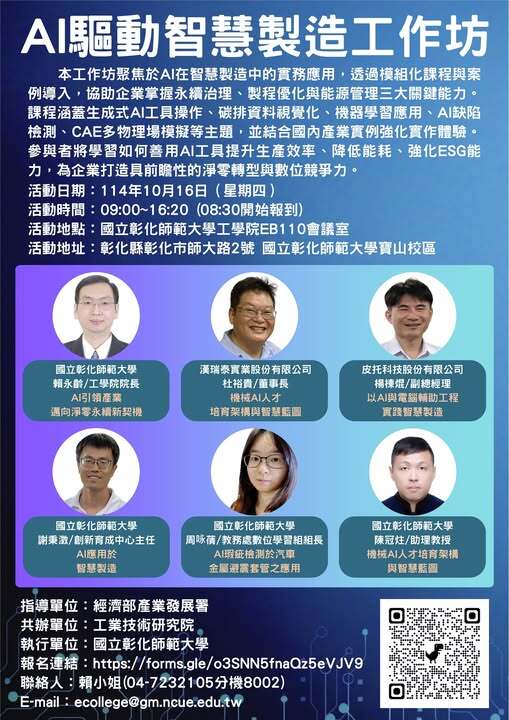
Figure 11. "AI-Driven Smart Manufacturing Workshop" Poster
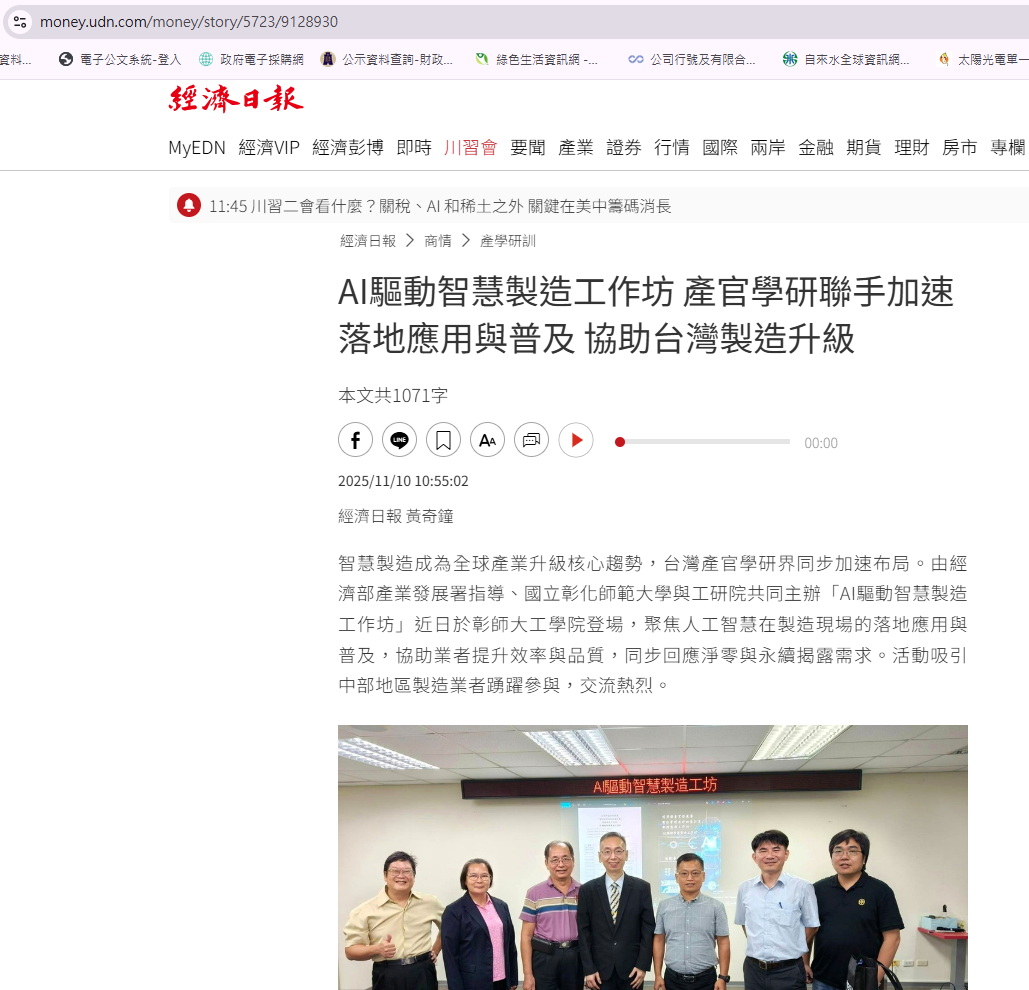
Figure 12. Economic Daily News, November 10, 2025: NCUE's AI-Driven Smart Manufacturing Workshop—Industry, Government, Academia, and Research Institutions Join Forces to Accelerate Implementation and Adoption, Helping Upgrade Taiwan's Manufacturing
4. Industrial Technology Discussion and Exchange
(1) NCUE's College of Engineering and College of Technology have long been dedicated to advancing smart energy applications, covering areas such as energy creation, energy conservation, energy storage, and system integration. As home to one of Taiwan’s flagship smart microgrid demonstration sites, the Shida Campus serves as the core hub for NCUE to deepen cross-sector partnerships among industry, government, academia, and research institutions. NCUE also continues to promote the "Smart Grid and Energy Management" faculty professional community, which integrates expertise in smart grids, energy management, microgrids, energy storage, and low-carbon technologies, providing industry with direct services in energy efficiency improvement, smart energy management, and renewable energy applications through specialized seminars and technical exchange. In 2025, a total of 4 free specialized seminars and technical exchange sessions were held, as shown in Table 4, promoting industry-government-academia-research exchange and helping local industries stay abreast of the latest net-zero transition and energy management technologies. Related activity photos are shown in Figures 13-16.
| No. | Activity Name | Date | Number of Participants |
|---|---|---|---|
| 1 | Energy Transition and Low-Carbon Strategy—A Case Study of YFY Inc. | April 29, 2025 | 19 |
| 2 | Electrification Propulsion Technology for Aviation Transportation and Flying Cars and the Key Role of Power Electronics | May 29, 2025 | 62 |
| 3 | Application of Smart Meters in Customer-Side Demand Response | July 17, 2025 | 11 |
| 4 | Net-Zero Microgrid Technology Forum | September 10, 2025 | 12 |
(a) In April 2025, the seminar "Energy Transition and Low-Carbon Strategy—A Case Study of YFY Inc." was held (Figure 13), inviting experts from YFY Inc. to share practical experience in corporate energy transition, net-zero carbon emissions, green power applications, and smart energy management, and to introduce carbon management platforms and circular economy applications, helping enterprises enhance their energy management capabilities and advance low-carbon transformation.
(b) In May 2025, the seminar "Electrification Propulsion Technology for Aviation Transportation and Flying Cars and the Key Role of Power Electronics" was held (Figure 14), inviting Professor Kaushik Rajashekara from the University of Houston to share the latest developments in aviation electrification, covering current carbon emission status, fuel cells, hydrogen energy, and power electronics technology development, providing industry with insights into next-generation clean energy applications and electrification technology trends.
(c) In July 2025, the technical exchange session "Application of Smart Meters in Customer-Side Demand Response" was held (Figure 15), focusing on smart meters, demand-side management, energy dispatch, and smart electricity use technologies, exploring topics such as real-time monitoring, load analysis, and system integration, enhancing capabilities in smart energy management and energy efficiency applications.
(d) In September 2025, the "Net-Zero Microgrid Technology Forum" was held (Figure 16), inviting Dr. Ting-Kuan Lee from Taiwan Microgrid Technology Co., Ltd. to share technologies related to microgrids, renewable energy integration, energy storage systems, and smart energy management, and to explain, through case analysis, the applications of microgrids in net-zero transition and energy efficiency improvement, helping industry master microgrid planning and practical development.
(e) Through keynote presentations, case sharing, and technical exchange, the above activities promoted collaboration between industry and academia in the fields of smart grids, energy management, microgrids, energy storage, and renewable energy, providing local industries with knowledge and technical support related to energy efficiency improvement and net-zero transition, helping enterprises strengthen their energy management capabilities, improve energy use efficiency, and advance the application and development of clean energy technologies.
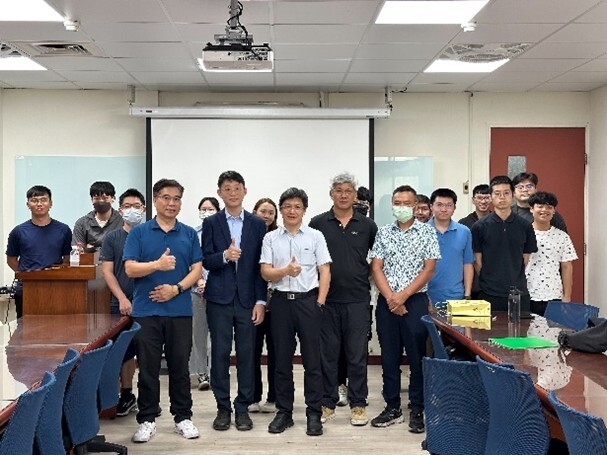
Figure 13. April 29, 2025 - Energy Transition and Low-Carbon Strategy—A Case Study of YFY Inc.
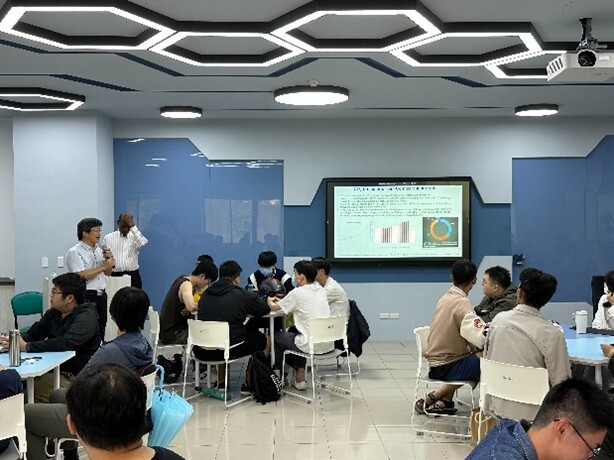
Figure 14. May 29, 2025 - Electrification Propulsion Technology for Aviation Transportation and Flying Cars and the Key Role of Power Electronics
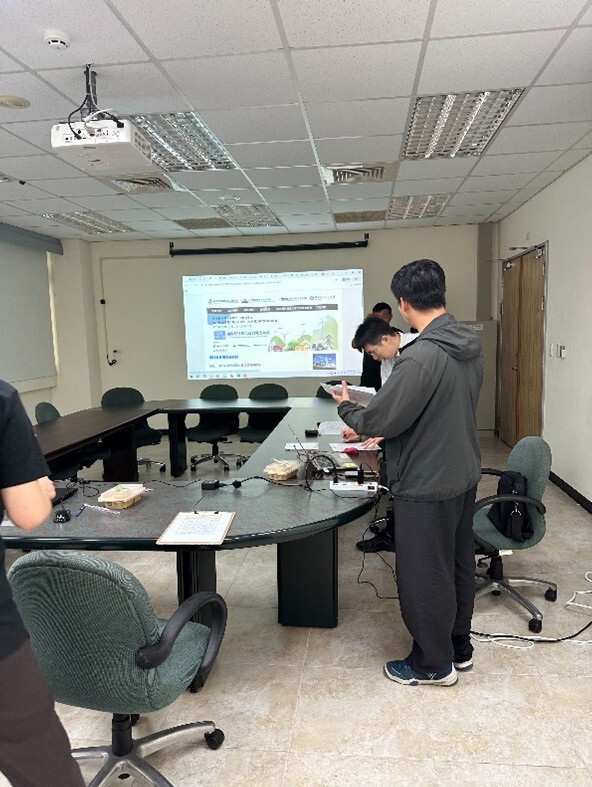
Figure 15. July 17, 2025 - Application of Smart Meters in Customer-Side Demand Response
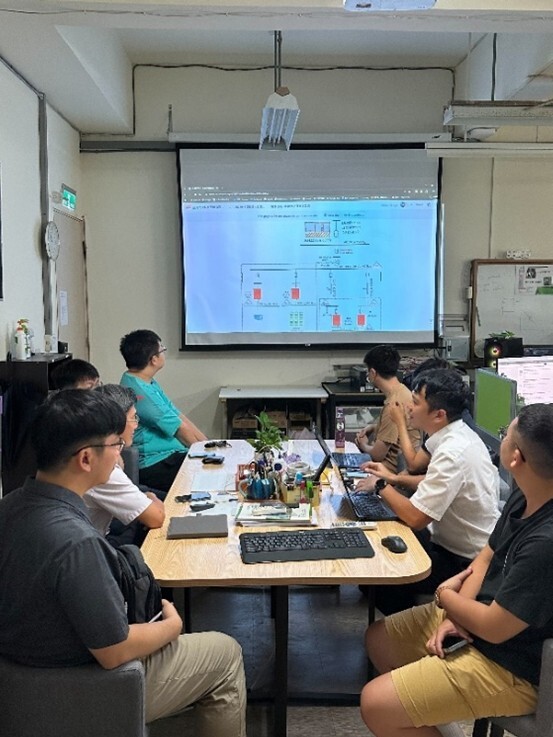
Figure 16. September 10, 2025 - Net-Zero Microgrid Technology Forum
(f) Links to the faculty professional community and the 2025 university-level faculty professional community outcomes (Figures 17-18):
- i. https://www.facebook.com/ncuetpc
- ii. https://acadaff.ncue.edu.tw/p/412-1002-4476.php?Lang=zh-tw
- iii. https://acadaff.ncue.edu.tw/var/file/2/1002/img/1042/802403802.jpg
- iv. https://acadaff.ncue.edu.tw/var/file/2/1002/img/1042/207482430.jpg
- v. https://acadaff.ncue.edu.tw/var/file/2/1002/img/1042/831581612.jpg
- vi. https://acadaff.ncue.edu.tw/var/file/2/1002/img/1042/387699391.jpg
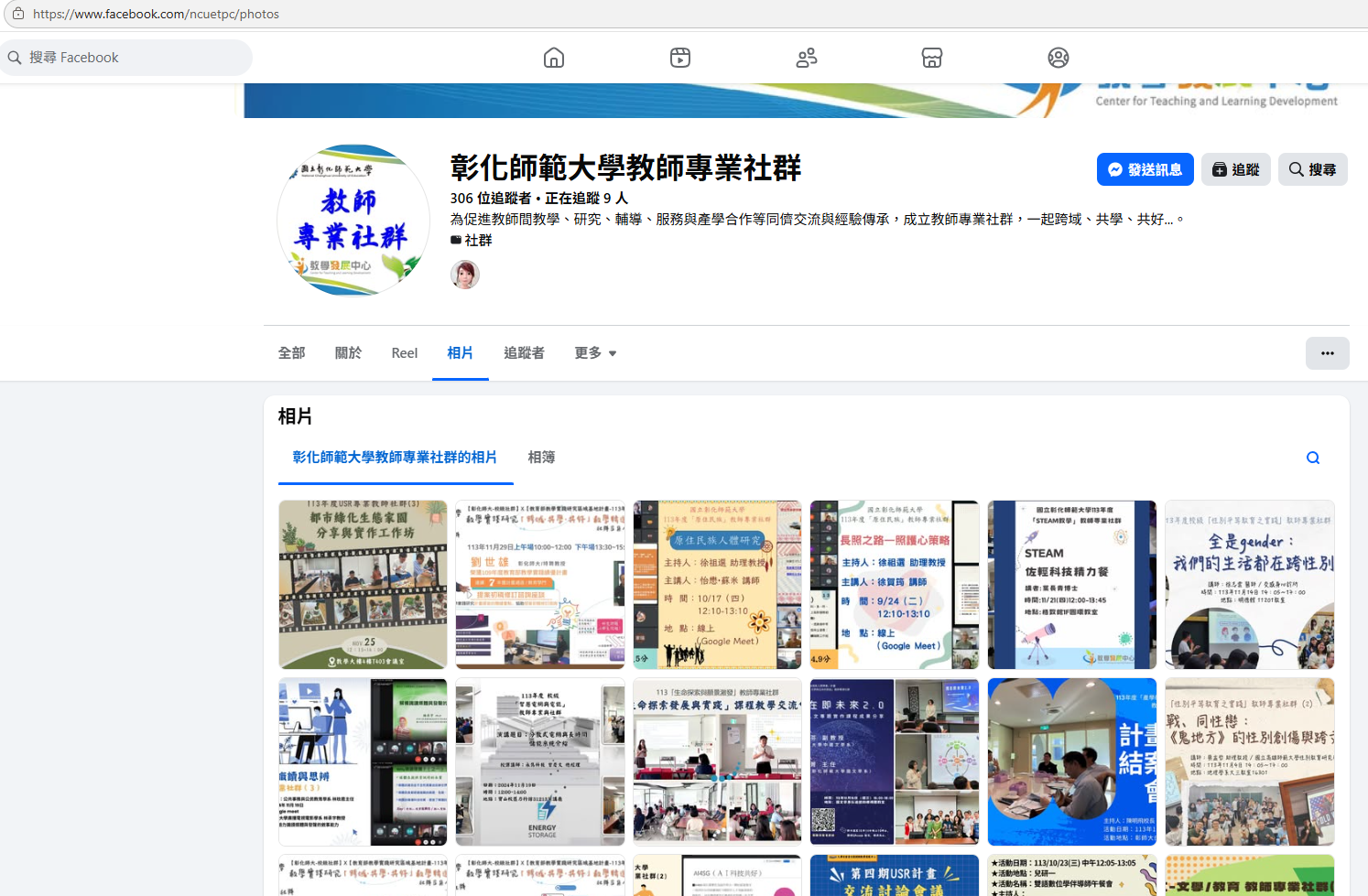
Figure 17. NCUE Faculty Professional Community Facebook Fan Page
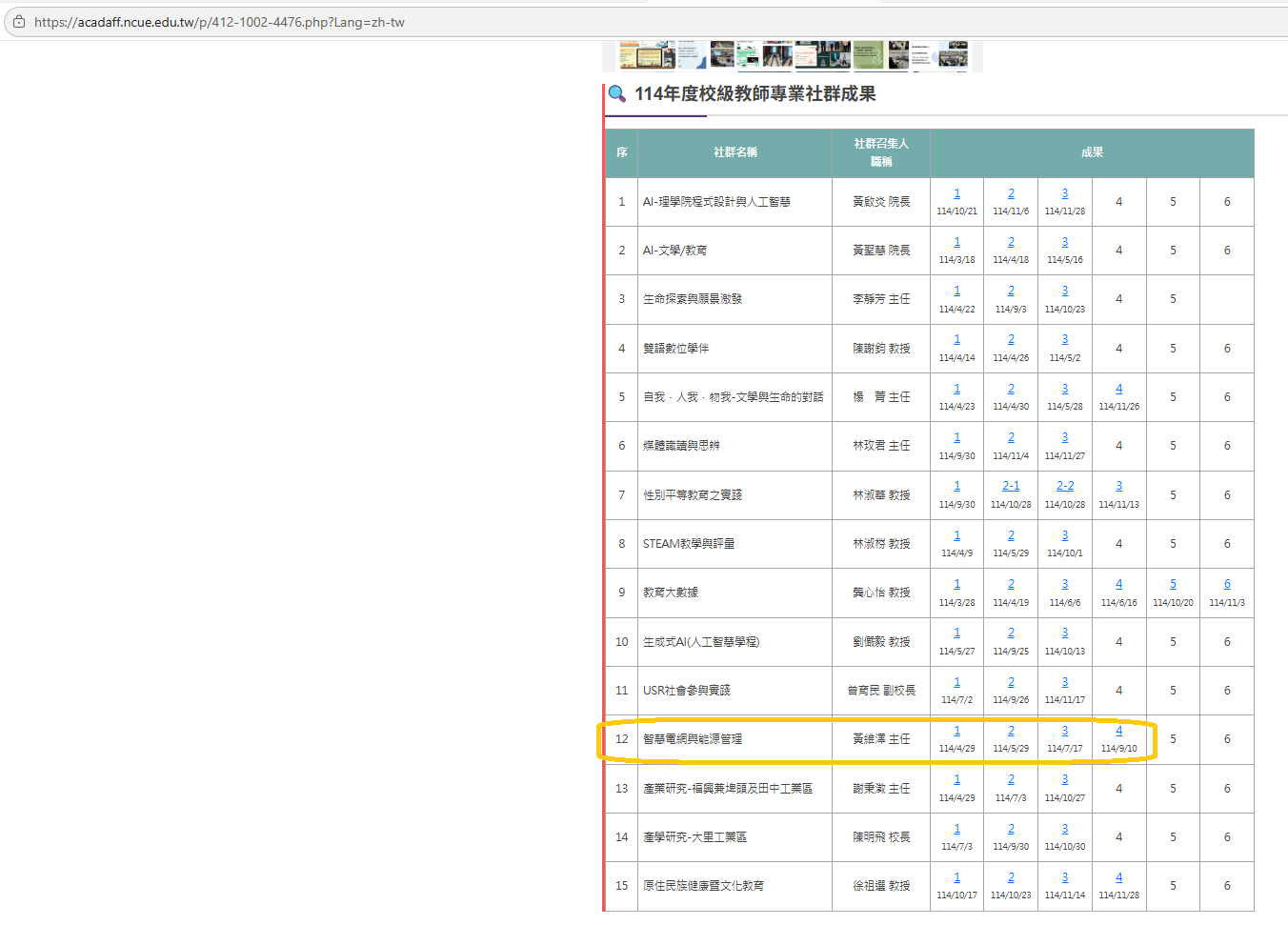
Figure 18. NCUE's 2025 University-Level Faculty Professional Community Outcomes Webpage
(2) NCUE's Department of Electrical Engineering organized the 2025 Summer Electromagnetic Education Leadership Symposium, held over 5 consecutive days from August 11 to August 15, 2025, with approximately 60 participants each day. Each day featured 6 hours of training courses, covering technological developments in monolithic microwave integrated circuits (MMICs), microwave passive circuits, transmission line principles and design, and RF front-end modules, helping industry and academia master advanced energy and communication application technologies. Related activity photos are shown in Figures 19-20.
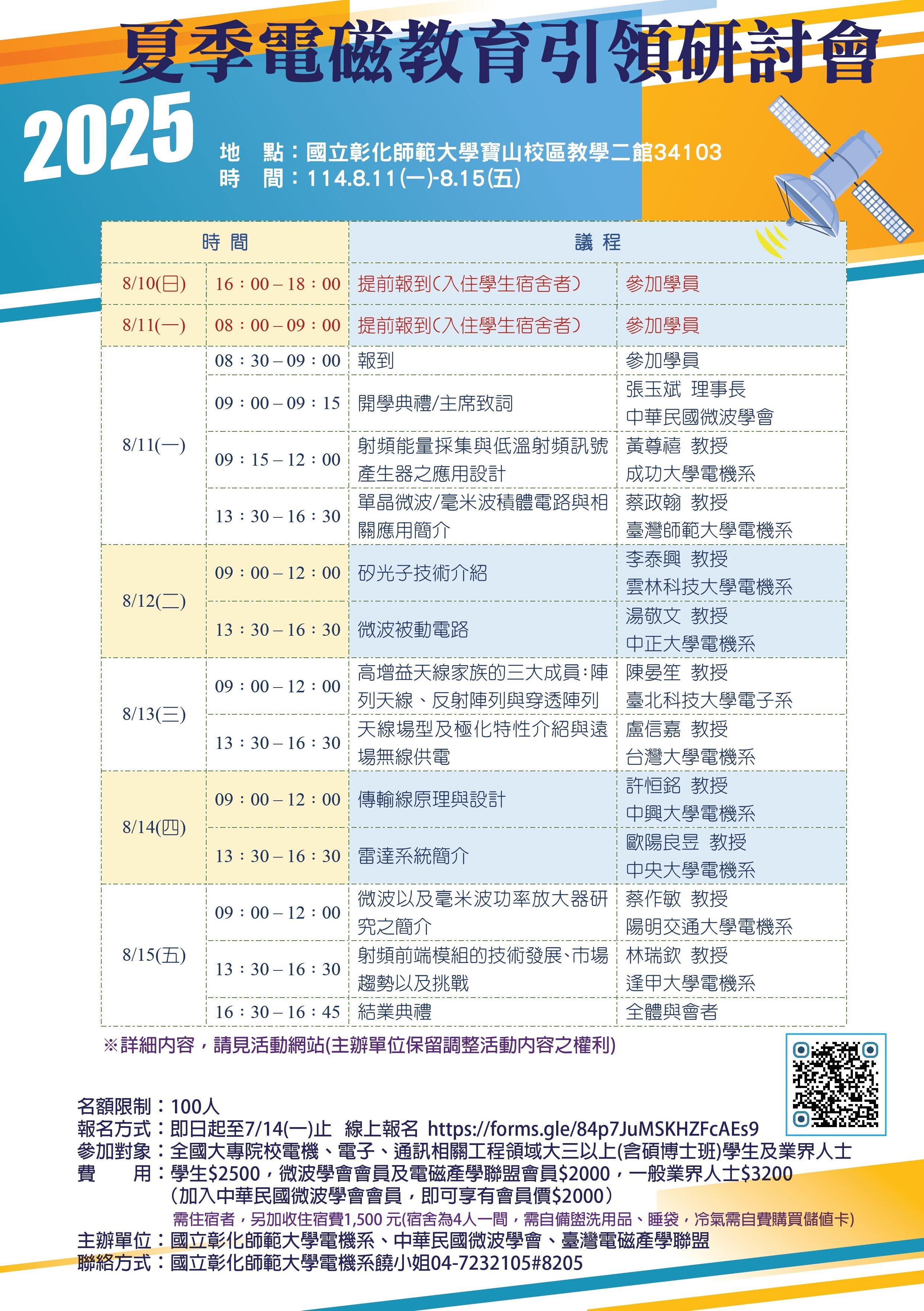
Figure 19. 2025 Summer Electromagnetic Education Leadership Symposium Flyer
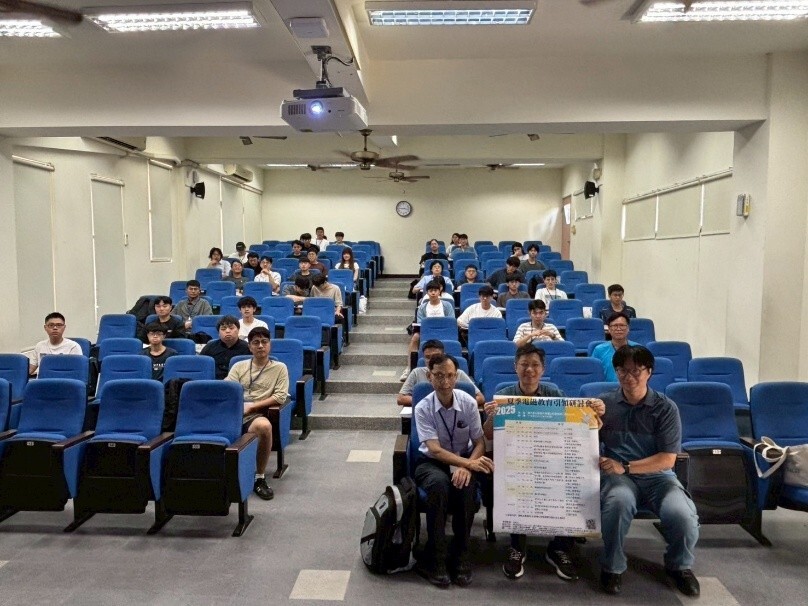
Figure 20. 2025 Summer Electromagnetic Education Leadership Symposium Activity Photos
5. Assisting the Government in Promoting Industrial Low-Carbon Transformation
To help local industries improve energy efficiency, advance low-carbon transformation, and strengthen green competitiveness, NCUE has actively collaborated with the Industrial Development Administration, Ministry of Economic Affairs, and the Industrial Technology Research Institute (ITRI) to hold the "Green Gold Industry Shining Value-Added Program: Industrial Low-Carbon Transformation Talk—Net-Zero Transition and Sustainable Green Gold Industry Forum" (as shown in Figure 21), held at NCUE's College of Engineering, providing local industries such as metal and electromechanical products and water hardware with services to improve energy efficiency and advance low-carbon transformation. The forum focused on smart manufacturing, AI energy consumption analysis, process optimization, carbon data governance, and net-zero transition strategies, sharing practical cases of corporate energy conservation, carbon reduction, and green manufacturing, and introducing government resources for industrial upgrading and energy-saving guidance, helping enterprises improve energy use efficiency, reduce carbon emissions, strengthen green competitiveness, and advance local industries toward the 2050 net-zero emissions goal.
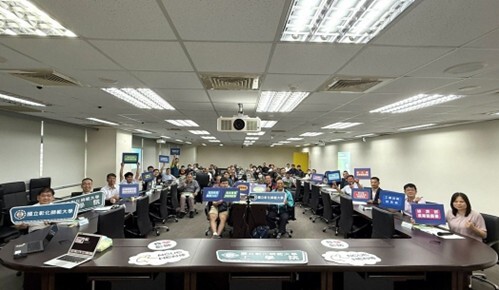
Figure 21. Group Photo from NCUE's Net-Zero Transition and Sustainable Green Gold Industry Forum, July 9, 2025
Through research projects, carbon inventory services, industry guidance, professional seminars, and technical training, NCUE supports local industries in all aspects of energy efficiency and clean energy technology. These efforts strengthen the industries' ability to save energy and cut carbon emissions, help apply renewable energy technologies at industrial sites, and advance regional energy transition and sustainable development.