
SDG 7.4.1
SDG 7.4.1 Local community outreach for energy efficiency
By leveraging government project grants and internal university resources, NCUE continues to provide energy efficiency and clean energy education to local residents, teachers and students at nearby schools, and local industries, strengthening their energy management skills and their ability to save energy and reduce carbon emissions. In 2025, these activities covered green energy education, green energy technology, green economy, low-carbon transformation guidance for industries, environmental education, clean vehicle infrastructure, course integration and continuous promotion, and University Social Responsibility (USR) green energy collaboration. Through student projects, professional training, industry guidance, environmental education activities, infrastructure development, and industry-academia collaboration, NCUE improves energy efficiency and clean energy awareness in local communities, encourages public participation in energy conservation and carbon reduction, and supports low-carbon, sustainable development in Changhua. For example, NCUE's USR project "Sustainable Changhua: Green Energy Perspective in Education, Technology, and Economy" combines living technology lessons on energy and power with Changhua County's wind power resources. Table 1 lists the project's 2025 activities.
| No. | Item | Performance Results |
|---|---|---|
| 1 | Green Energy Education | In 2025, NCUE held 10 workshops for elementary and junior high school teachers, with 142 participations by external teachers. NCUE also developed 1 set of lesson plans and teaching aids for students with special needs and 2 sets of green energy lesson plans for general students and trained 42 seed teachers. |
| 2 | Green Energy Technology | In 2025, NCUE students completed 8 capstone projects. |
| 3 | Green Economy | In 2025, NCUE organized 4 energy and carbon inventory training courses, training 67 NCUE faculty and students to obtain ISO14064 greenhouse gas inventory certificates. This year NCUE will focus on improving quality and enhancing carbon reduction applications, completing in-depth carbon inventories for 8 companies. |
1. USR Project "Sustainable Changhua: Green Energy Perspective in Education, Technology, and Economy"
(1) NCUE promotes clean energy through a program built around solar power generation systems and offers free teacher training courses and outreach activities. In class, participants learn about energy and build DIY teaching aids; through hands-on, experiential activities, they make solar-powered smart cars, which increases their interest and improves learning outcomes. The program raises participants' awareness of green energy, strengthens the professional knowledge of elementary and secondary school teachers, and puts energy education into practice. Table 2 lists the related 2025 courses and activities, and Figures 1–15 show course descriptions and photos.
Workshop information: https://hjjh.ntct.edu.tw/p/406-1008-455540,r154.php?Lang=zh-tw
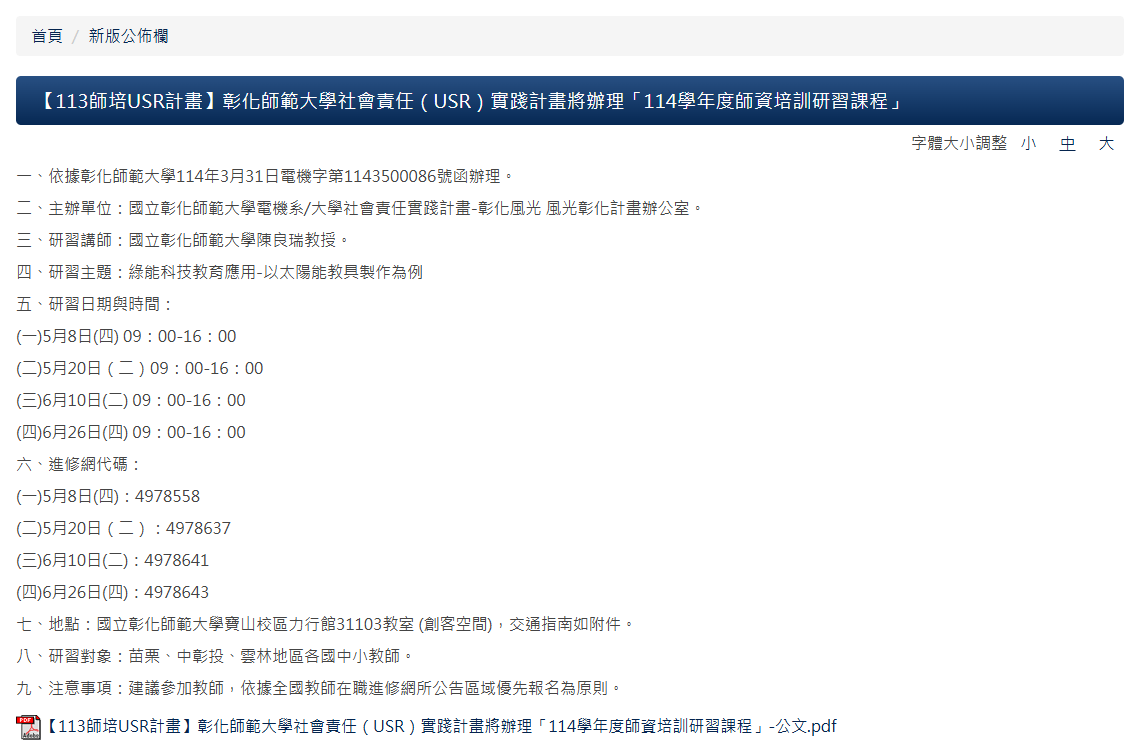
Figure 1. Workshop Information Announcement
| No. | Course Name | Date | Number of Participants | Location |
|---|---|---|---|---|
| 1 | Teacher Training Workshop on Solar Power Generation Applications (I)(II)(III)(IV) (Figures 2-3) | 2025/5/8 2025/5/20 2025/6/10 2025/6/26 |
50 | National Changhua University of Education |
| 2 | Applied Living Technology - Green Energy Development, Energy Storage, and Self-Sufficient Energy Teaching Training (Figures 4-5) | 2025/7/15 | 17 | Wang-Gong Fishing Harbor |
| 3 | Seed Teacher Integrated Teaching, Academic Year 2025–2026 (I)(II) (Figures 6–9) | 2025/7/1 | 25 | Changhua County Hanbao Elementary School |
| 4 | Energy Science Summer Camp (Figures 10-11) | 2025/7/9-7/11 | 35 | Pingtung County Shuiquan Elementary School |
| 5 | Solar Power System Installation (Figures 12-15) | 2025/8/18 | 15 | Changhua County Ershui Junior High School |
(a) Activity photos for "Application of Energy Education - Solar Teaching Aid Production" are shown in Figures 2-3.
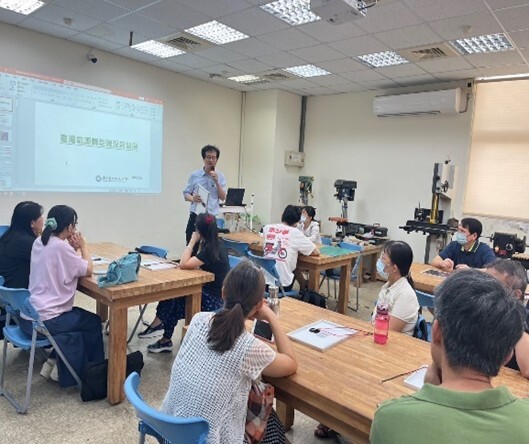
Figure 2. Green Energy Education Professional Knowledge Training
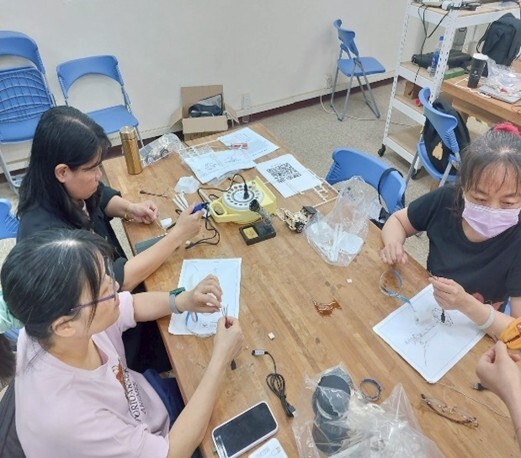
Figure 3. Teacher Training Session
(b) Activity photos for "Applied Living Technology - Green Energy Development, Energy Storage, and Self-Sufficient Energy Teaching Training" are shown in Figures 4-5.
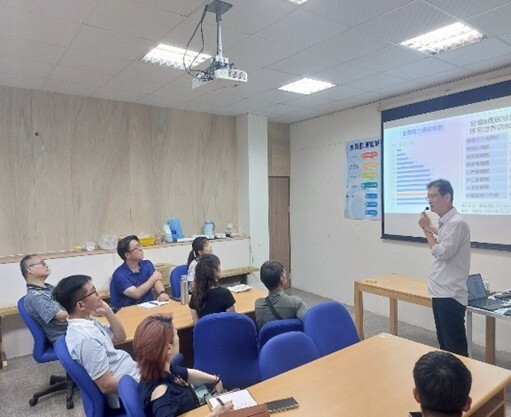
Figure 4. Group Photo of Teacher Members
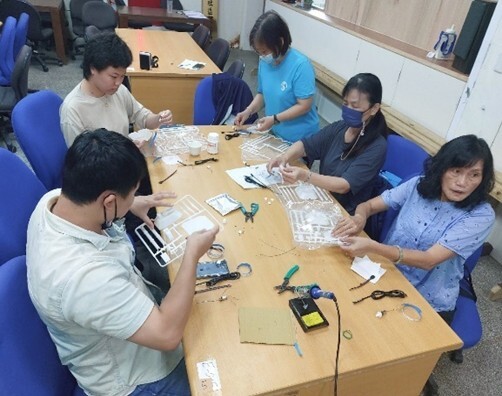
Figure 5. Hands-on Class Activities
(c) Activity photos for "Seed Teacher Integrated Teaching, Academic Year 2025–2026 (I)" are shown in Figures 6–7.
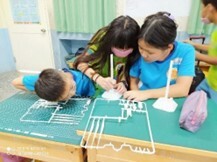
Figure 6. Hands-on Practice
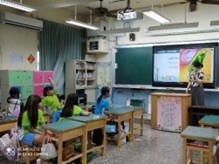
Figure 7. Course Instruction
(d) Activity photos for "Seed Teacher Integrated Teaching, Academic Year 2025–2026 (II)" are shown in Figures 8–9.
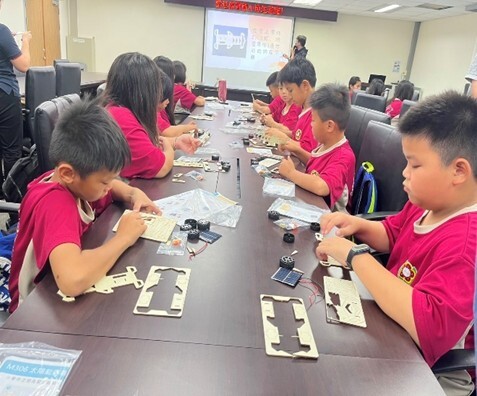
Figure 8. Instructor Teaching the Class
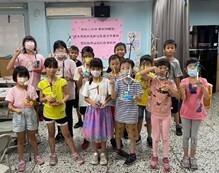
Figure 9. Hands-on Practice
(e) Activity photos for "Energy Technology Summer Camp" are shown in Figures 10-11.
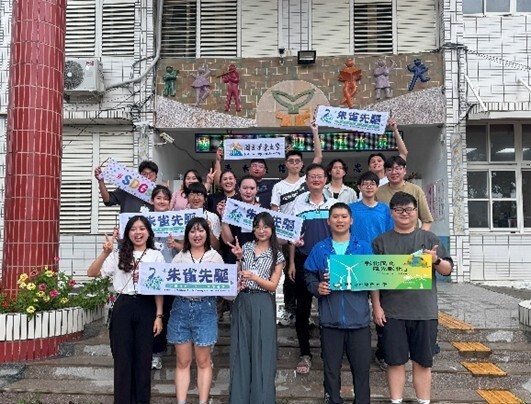
Figure 10. Teacher-Student Group Photo
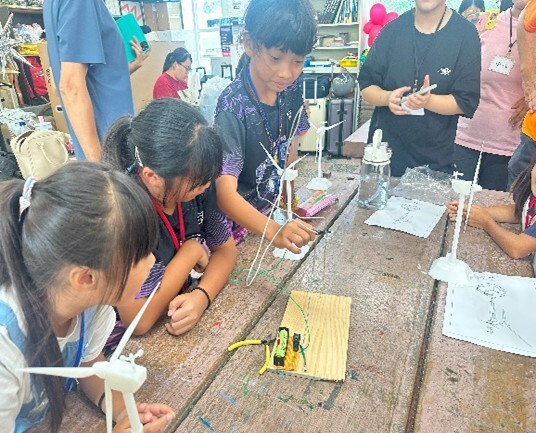
Figure 11. Wind Turbine Hands-on Practice
(f) Activity photos for "Solar Power System Installation" are shown in Figures 12-15.
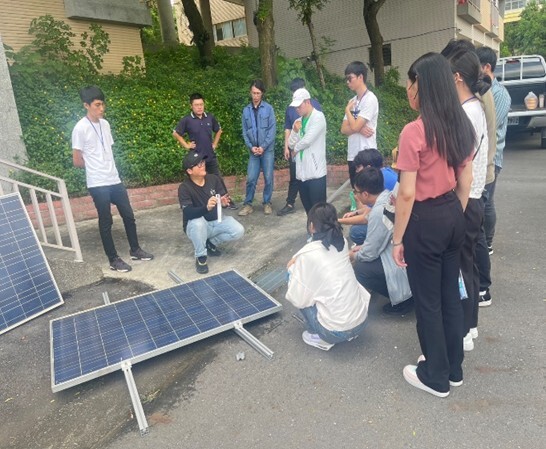
Figure 12. Teacher Leading Students in Solar Power Generation Training
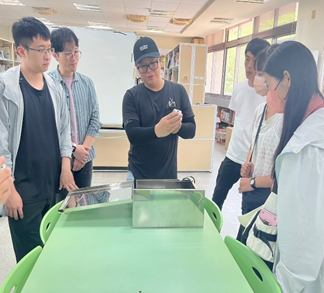
Figure 13. Explanation of the Solar Power System Installation Process
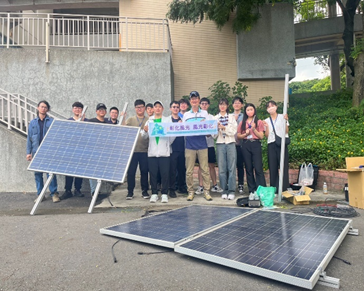
Figure 14. Solar Power System Installation Results
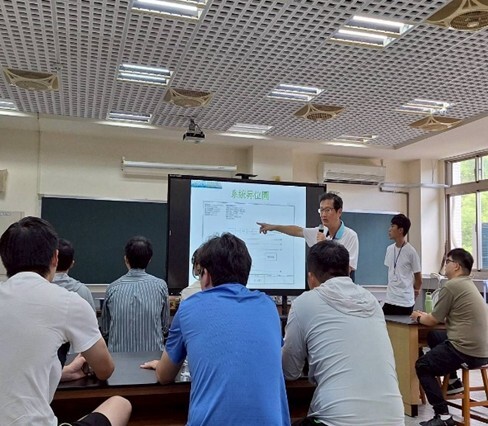
Figure 15. Classroom Explanation of Solar Power System Installation
(2) NCUE also helps small and medium-sized manufacturers in Changhua build energy management awareness. It organized 4 energy and carbon inventory training courses, through which 67 NCUE faculty members and students obtained ISO 14064 greenhouse gas inventory certificates. In 2025, NCUE focused on improving inventory quality and applying the results to carbon reduction, completing in-depth carbon inventories for 8 companies. Table 3 lists the 2025 training courses, and Figures 16–27 show photos.
| No. | Course Name | Date | Number of Participants | Training Location |
|---|---|---|---|---|
| 1 | NCUE Carbon Inventory Training Course (Figures 16–19) | 2025/3/8-5/18 | 59 | NCUE Wang Jin-Ping Activity Center |
| 2 | NCUE On-site Carbon Inventory Visits to Companies (Figures 20–23) | 2025/7/5, 7/29 | 15 | Changhua Industrial Park |
| 3 | NCUE Energy Management-Related Courses (Figures 24-27) | 2025/5/14-5/15 | 8 | NCUE Wang Jin-Ping Activity Center |
(a) Course photos for "NCUE Carbon Inventory Training Course (I)" are shown in Figures 16–19.
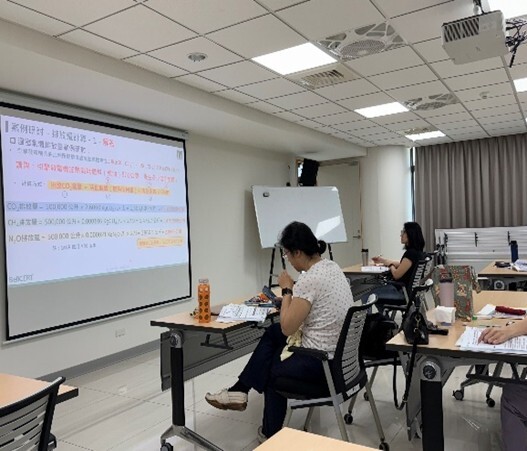
Figure 16. Host Discussing Category 4 Greenhouse Gas Inventory Plan with the Greenhouse Gas Committee
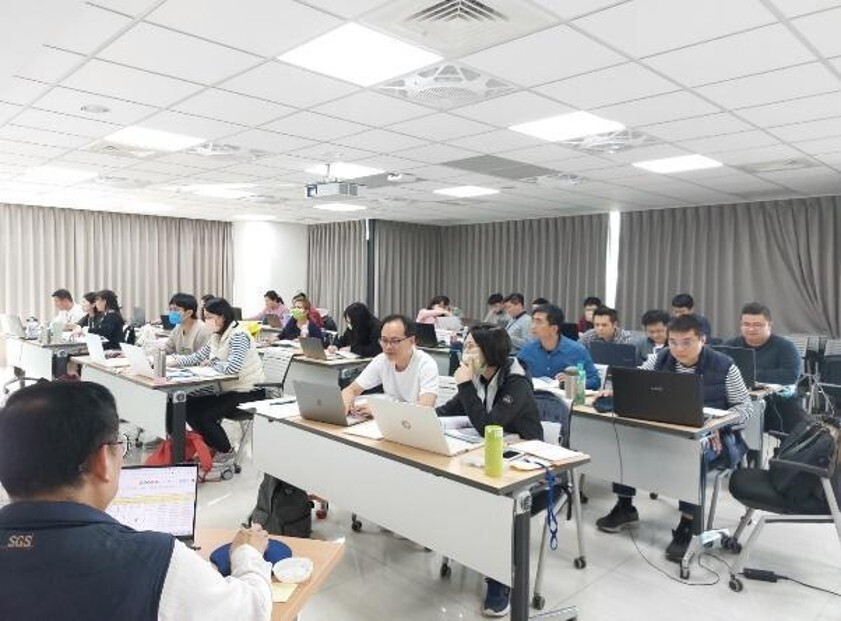
Figure 17. 2025/03/15 ISO 14064-1 Organizational Greenhouse Gas Internal Verifier Training Course and Certificate Class
Figure 18. 2025 iPAS Net-Zero Carbon Planning Manager (Elementary) Competency Assessment Guidance Course
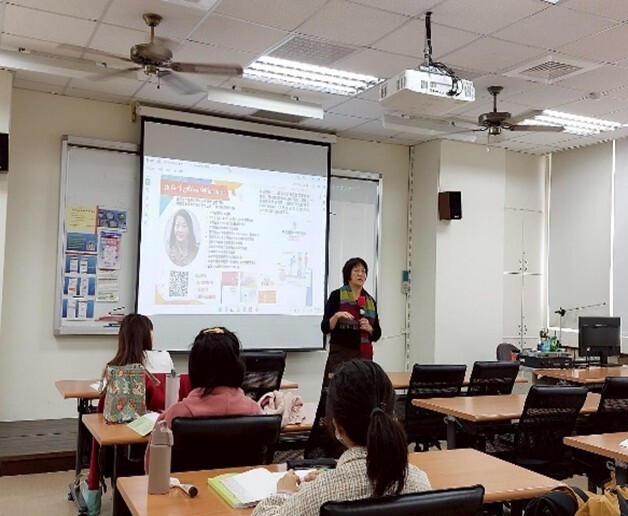
Figure 19. 2025 iPAS Net-Zero Carbon Planning Manager (Elementary) Competency Assessment Guidance Course
(b) Course photos for "NCUE On-site Carbon Inventory Visits to Companies" are shown in Figures 20–23.
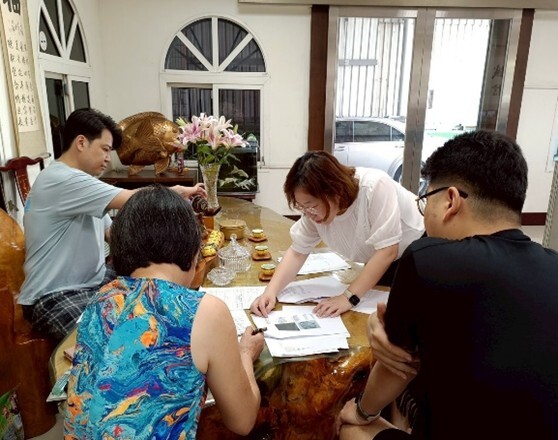
Figure 20. Explaining Carbon Inventory Practices at the Industrial Park
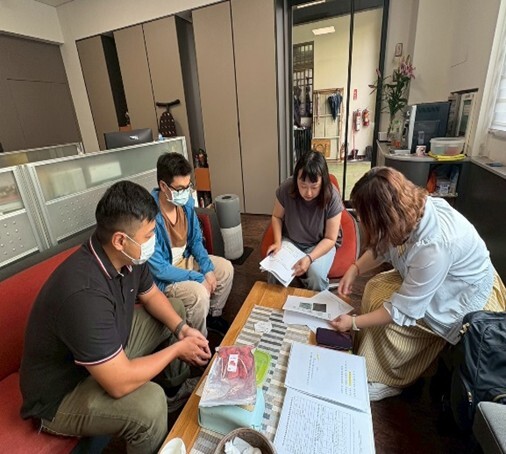
Figure 21. Company Visit and Carbon Inventory Report Discussion
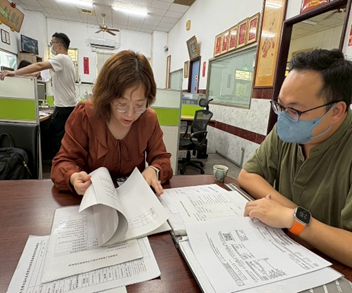
Figure 22. Company Visit and Carbon Inventory Report Discussion
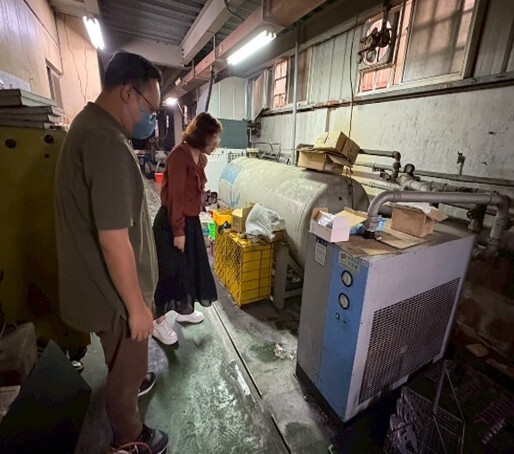
Figure 23. Company Visit - Practical Review of Carbon Emission Sources
(c) Course photos for "NCUE Energy Management-Related Courses " are shown in Figures 24-27.
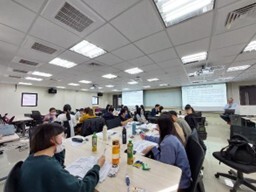
Figure 24. ISO 14064-2 Course Session
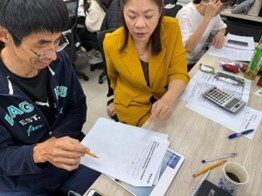
Figure 25. ISO 14064-2 Course Session
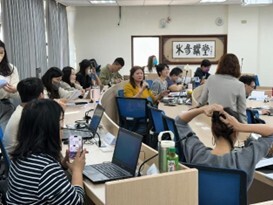
Figure 26. ISO 14064-2 Course Session
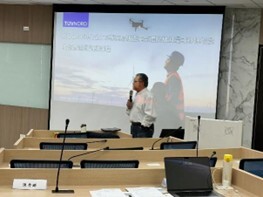
Figure 27. ISO 14064-2 Course Session
2. USR Green Energy Collaboration and Community Energy Education Promotion
As part of its University Social Responsibility (USR) work, NCUE signed a Memorandum of Understanding (MOU) with the Blue Ocean Changhua Offshore Wind Power Project of EDF power solutions to jointly promote marine engineering, fisheries science, environmental education, and renewable energy (see Figures 28–30). The two parties combine industry and academic resources in the NCUE-led "Changhua County Green Energy Popular Science Project." Through green energy education, science outreach, community engagement, and education in remote areas, the project improves local residents' understanding of offshore wind power, renewable energy, and the energy transition; strengthens community energy literacy and knowledge of clean energy applications; builds local capacity for sustainable energy development; and advances Changhua County's low-carbon, sustainable energy transition.
Campus headlines: https://www.ncue.edu.tw/p/406-1000-31776,r93.php?Lang=zh-tw
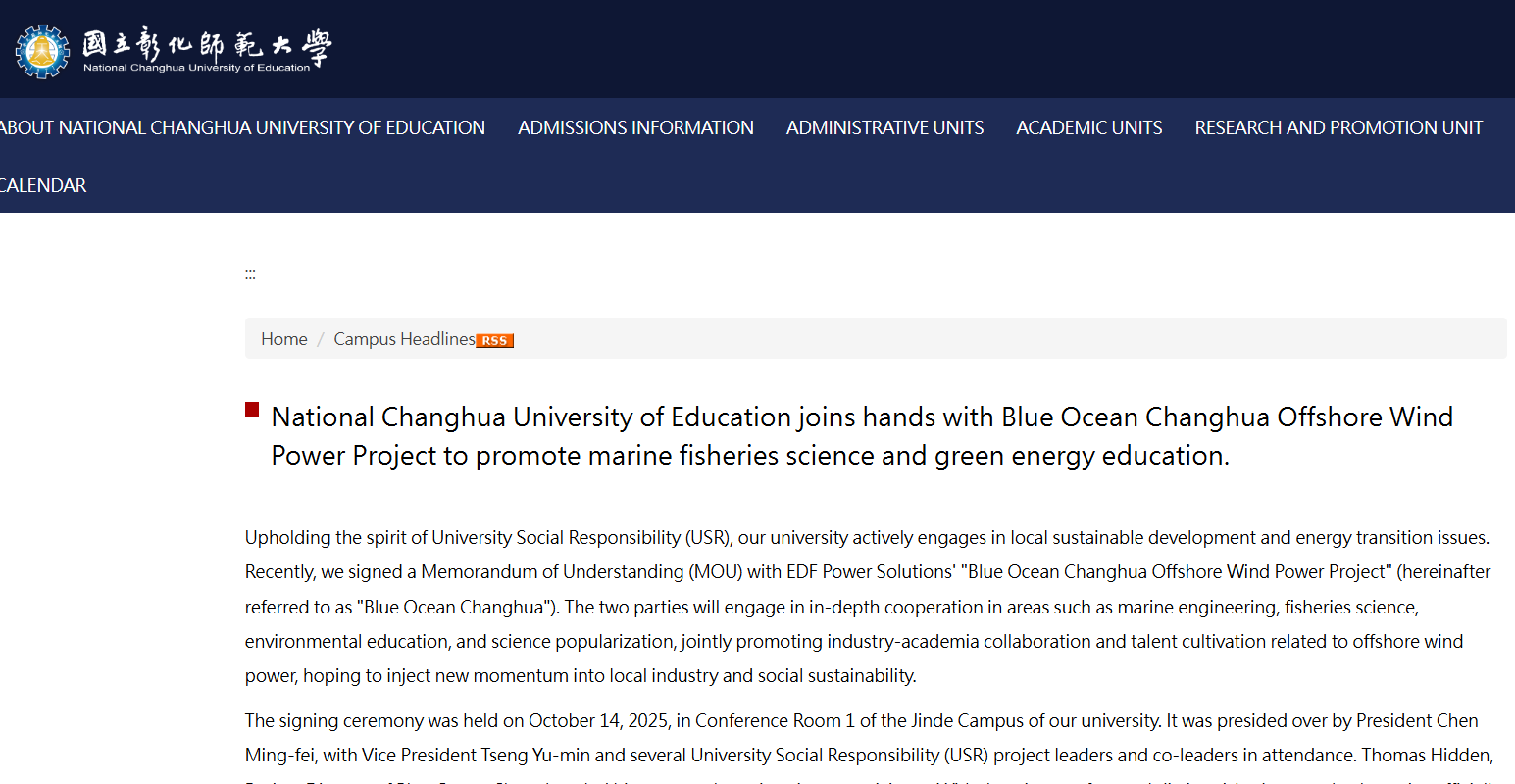
Figure 28. NCUE Campus Headlines - NCUE Partners with Blue Ocean Changhua Offshore Wind Power Project to Jointly Promote Marine Fisheries Science and Green Energy Education
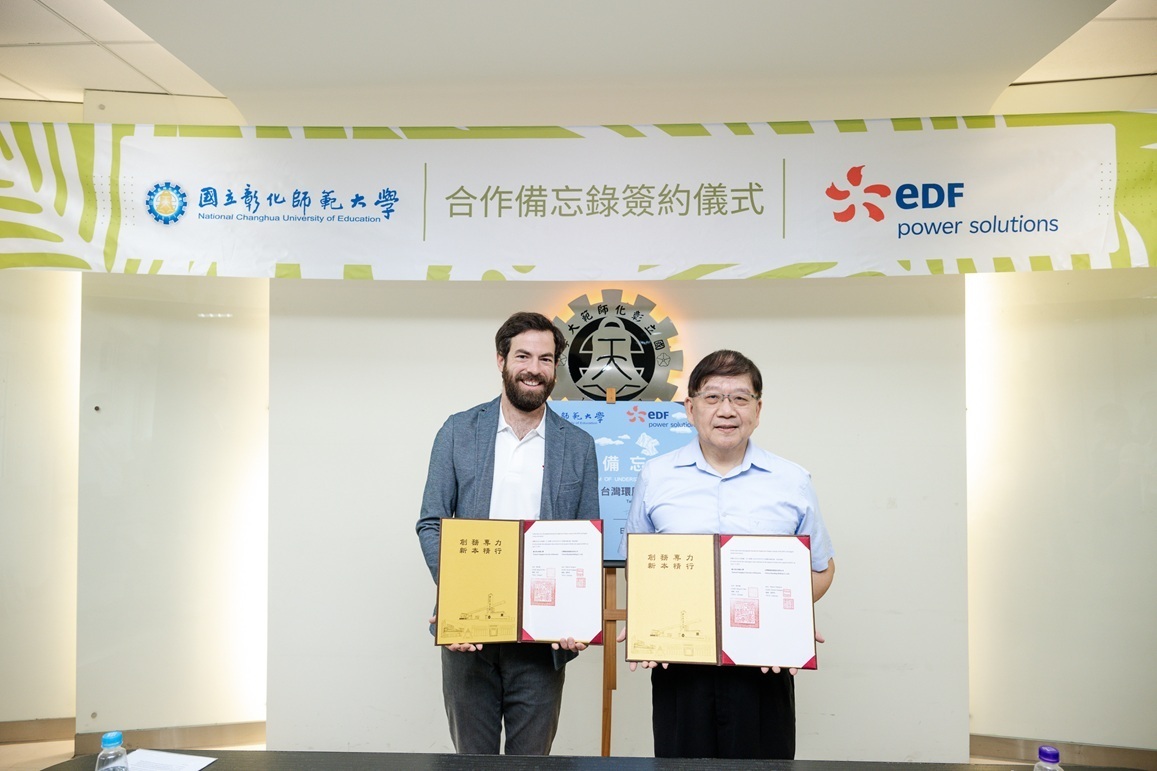
Figure 29. Signing Ceremony Between NCUE and Blue Ocean Changhua Offshore Wind Power Project (Right: NCUE President Ming-Fei Chen; Left: Blue Ocean Changhua Offshore Wind Power Project Director Thomas Hidden)
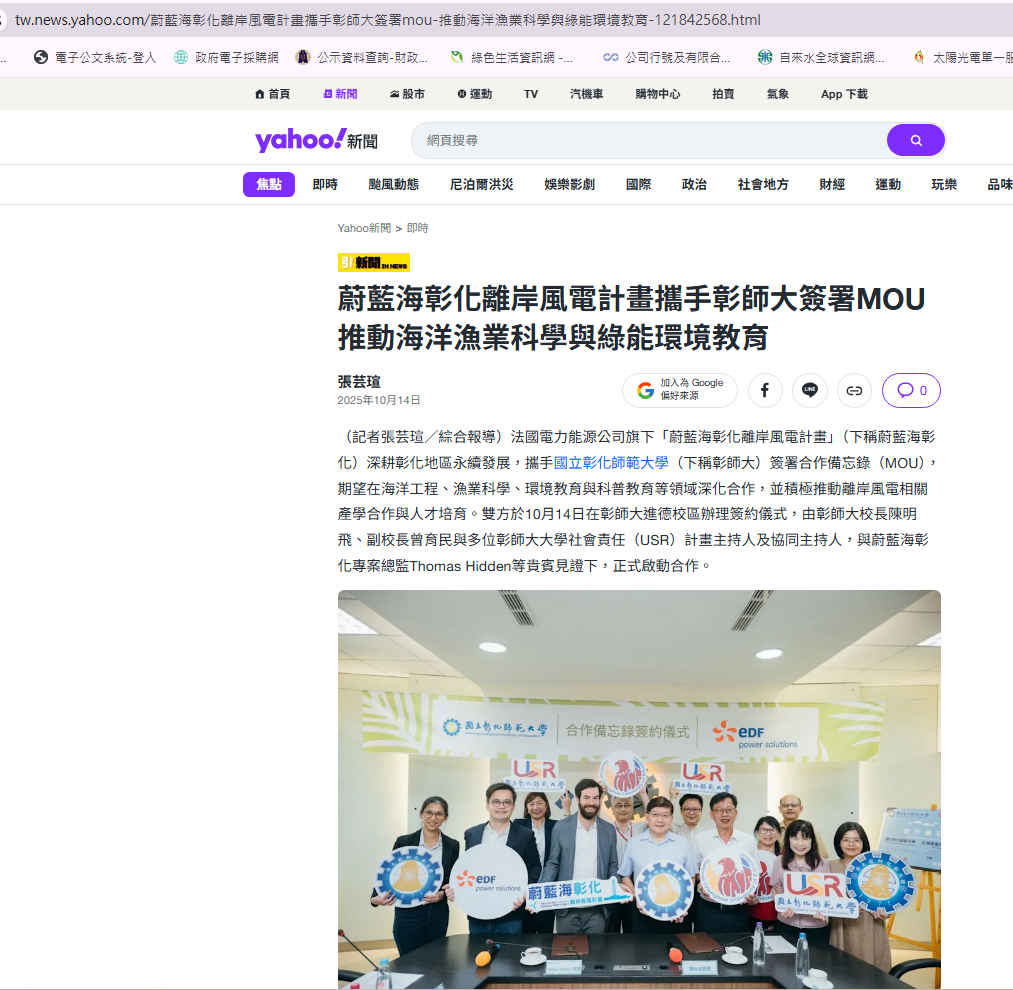
Figure 30. October 14, 2025 News Report - Blue Ocean Changhua Offshore Wind Power Project Partners with NCUE to Sign MOU Promoting Marine Fisheries Science and Green Energy Environmental Education
3. Industrial Low-Carbon Transformation Guidance
Under the 2025 Cross-District Low-Carbon Transformation Integration Promotion Program for Industrial Parks, commissioned by the Bureau of Industrial Parks, Ministry of Economic Affairs, NCUE's Innovation Incubation Center held low-carbon courses at the Fuxing, Tianzhong, and Dali Industrial Parks (Table 4). Figures 31–38 show photos of the courses.
| No. | Course Name | Date | Number of Participants | Training Location |
|---|---|---|---|---|
| 1 | Practical Training Course on Corporate Energy Efficiency Diagnosis | 2025/6/11 | 30 | Dali Industrial Park |
| 2 | From CBAM to Carbon Footprint: A Practical Guide for Enterprises Toward Net-Zero | 2025/6/27 | 25 | Dali Industrial Park |
| 3 | Corporate Guidance and ESCO Energy-Saving Improvement Matchmaking Session | 2025/9/18 | 20 | Dali Industrial Park |
| 4 | Deep Energy Saving for Manufacturing - Introducing ESCO Energy-Saving Improvements | 2025/3/19 | 48 | Tianzhong Industrial Park |
| 5 | Deep Energy Saving for Manufacturing - Introducing ESCO Energy-Saving Improvements | 2025/5/7 | 26 | Dali Industrial Park |
| 6 | Energy Saving and Power Management Strategy Explanation and Case Analysis | 2025/9/18 | 34 | Dali Industrial Park |
| 7 | Practical Training Course on Corporate Energy Efficiency Diagnosis | 2025/5/14 | 28 | Fuxing Industrial Park |
| 8 | From CBAM to Carbon Footprint: A Practical Guide for Enterprises Toward Net-Zero | 2025/6/13 | 27 | Tianzhong Industrial Park |
(1) Photos of the "Corporate Guidance and ESCO Energy-Saving Improvement Matchmaking Session" are shown in Figures 31-32.
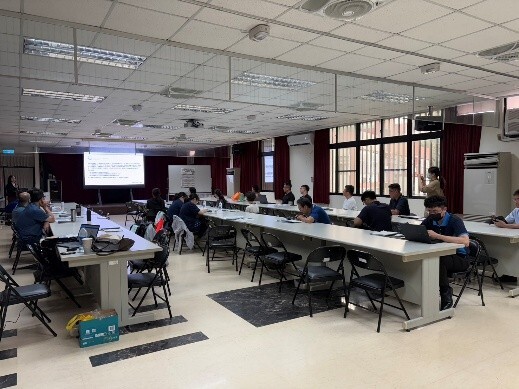
Figure 31. Photo from the Corporate Guidance and ESCO Energy-Saving Improvement Matchmaking Session
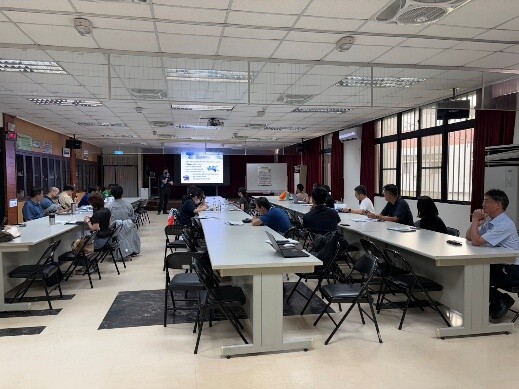
Figure 32. Photo from the Corporate Guidance and ESCO Energy-Saving Improvement Matchmaking Session
(2) Photos of the "Energy Saving and Power Management Strategy Explanation and Case Analysis" course are shown in Figures 33-34.
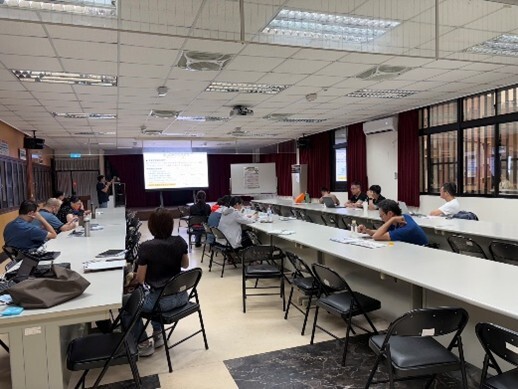
Figure 33. Photo from the Energy Saving and Power Management Strategy Explanation and Case Analysis Course
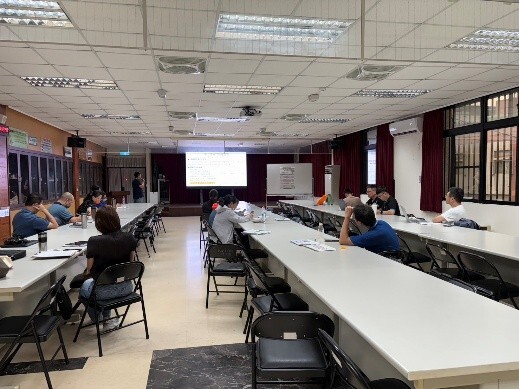
Figure 34. Photo from the Energy Saving and Power Management Strategy Explanation and Case Analysis Course
(3) Photos of the "Practical Training Course on Corporate Energy Efficiency Diagnosis" are shown in Figures 35-36.
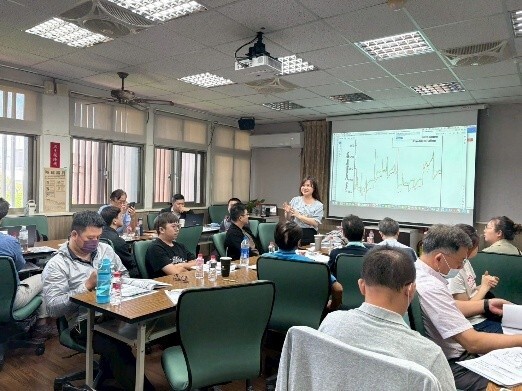
Figure 35. Practical Training Course on Corporate Energy Efficiency Diagnosis
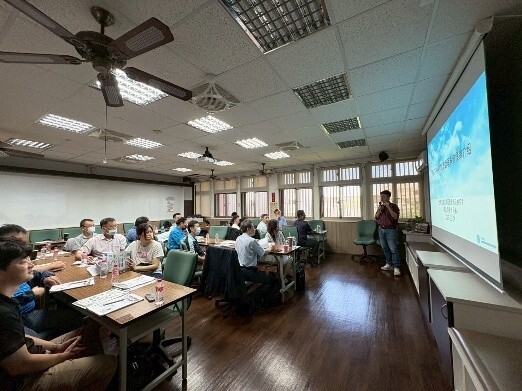
Figure 36. Practical Training Course on Corporate Energy Efficiency Diagnosis
(4) Photos of "From CBAM to Carbon Footprint: A Practical Guide for Enterprises Toward Net-Zero" are shown in Figures 37-38.
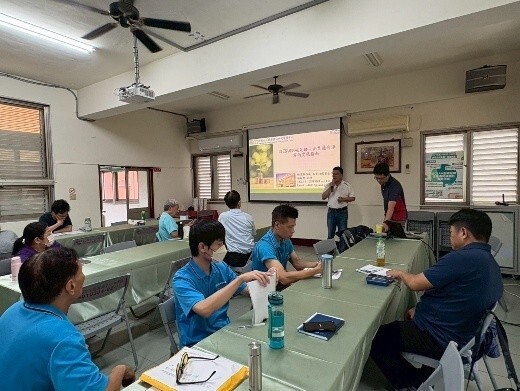
Figure 37. From CBAM to Carbon Footprint: A Practical Guide for Enterprises Toward Net-Zero
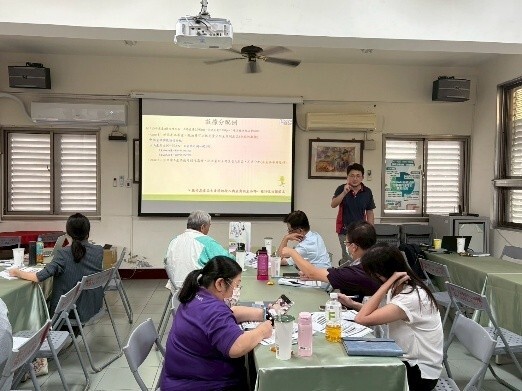
Figure 38. From CBAM to Carbon Footprint: A Practical Guide for Enterprises Toward Net-Zero
(5) NCUE's Innovation Incubation Center plans to apply to the Changhua County Government in 2026 for the "Changhua County Power-Saving Partner Energy-Saving Governance and Promotion Project," aiming to achieve power savings through public participation. The project will encourage local residents to incorporate energy-saving knowledge into daily life and plans to organize energy-saving education outreach activities, citizen collaboration workshops, and other promotional activities to build a power-saving culture.
4. Environmental Education Promotion
(1) NCUE's Environmental Education Center introduces energy efficiency through a range of environmental education outreach and practice activities, including courses that train seed instructors, amplifying the impact of net-zero green living.
Under the 2025 "New Taipei City Campus Carbon Inventory Demonstration School Pilot and Campus Carbon Inventory Talent Project," carbon emission inventories were conducted for 12 participating institutions in accordance with ISO14064-1 greenhouse gas inventory standards. Designated personnel from the 12 assisted institutions were trained as seed professionals with practical skills and knowledge in carbon inventory and energy management (as shown in Figure 39), and the project supported 25 seed teachers in successfully obtaining ISO14064-1:2018 Lead Verifier certificates.
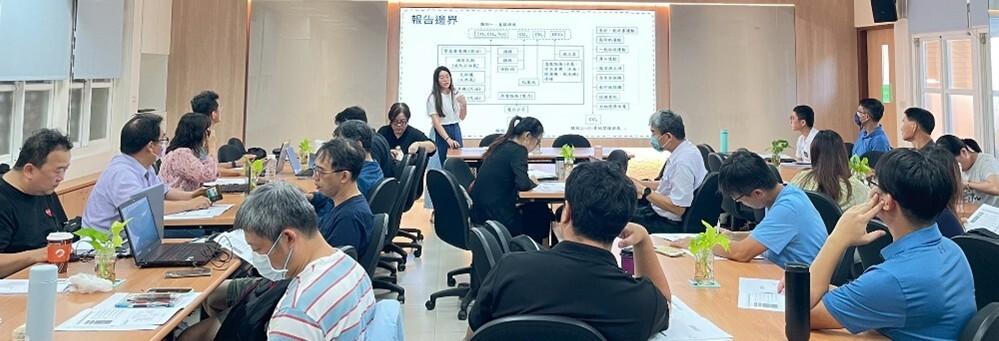
Figure 39. Greenhouse Gas and Carbon Inventory Knowledge Training Activity
(2) NCUE's College of Extension Education also promotes diverse greenhouse gas and net-zero sustainability certification training, providing continuous learning opportunities for the general public and professionals interested in ESG and low-carbon technologies. In 2025, 6 different themed courses were offered, including the ISO 14064-1:2018 Greenhouse Gas Internal Verifier Training Course (Figure 40), ESG Sustainability Report and Carbon Manager Training, and the iPAS Net-Zero Carbon Planning Manager (Elementary) Competency Assessment Guidance Course (Figure 41), training a total of 119 professionals with low-carbon expertise and skills.
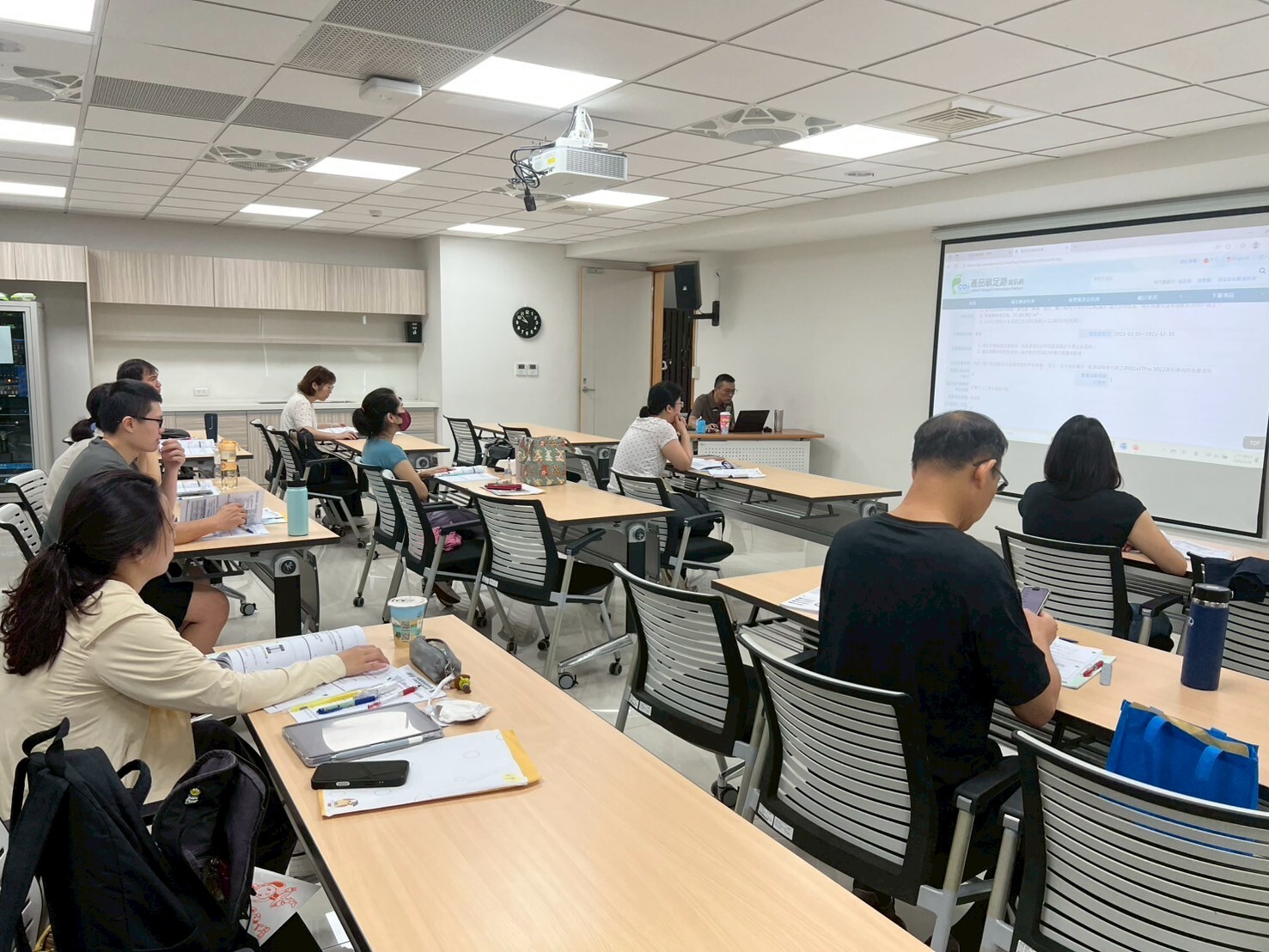
Figure 40. ISO 14064-1:2018 Greenhouse Gas Internal Verifier Training Course
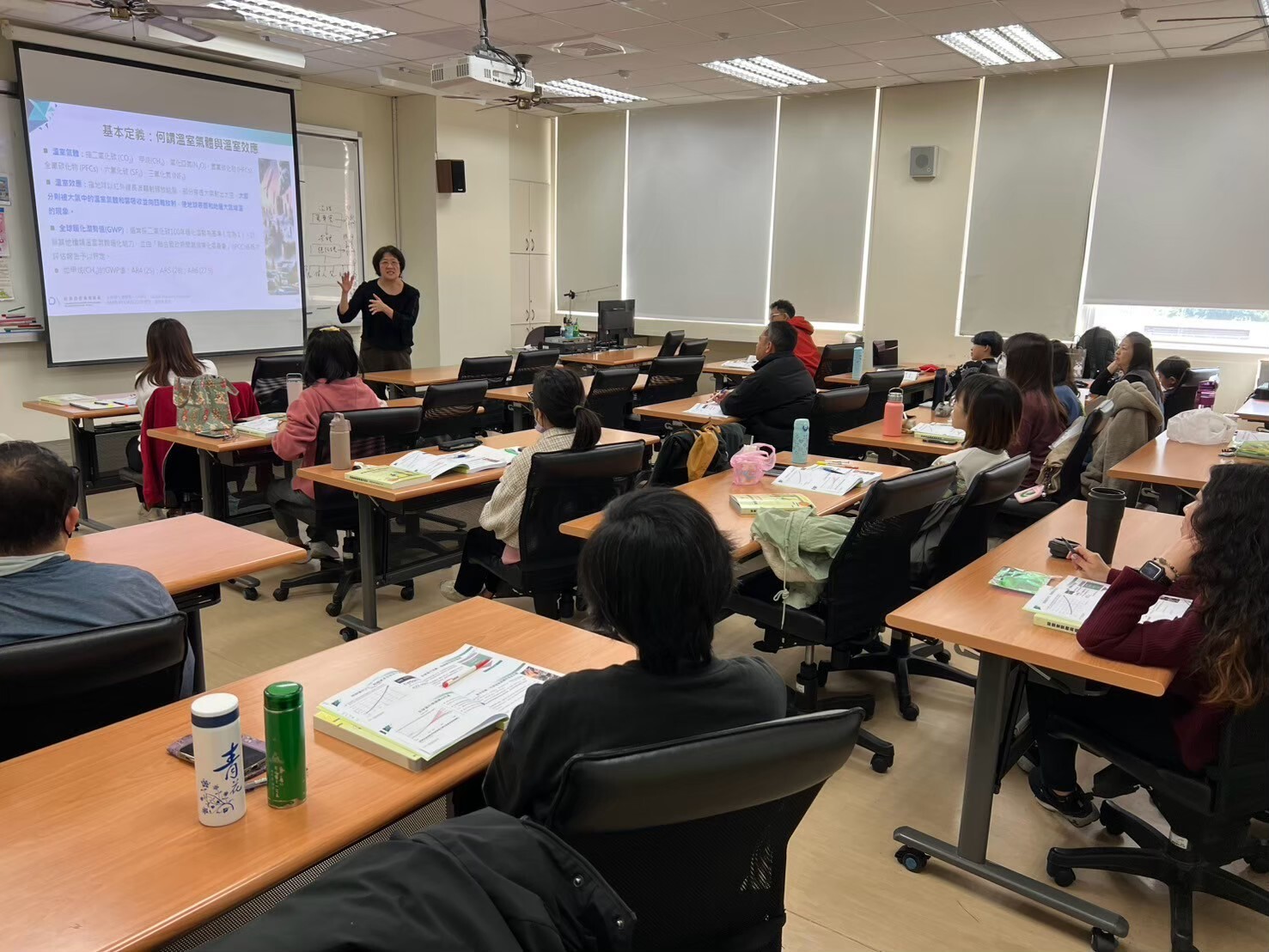
Figure 41. iPAS Net-Zero Carbon Planning Manager (Elementary) Competency Assessment Guidance Course
5. Smart Microgrid Site Visits and Outreach
Professor Liang-Rui Chen of NCUE led projects including the Ministry of Education's "Multi-dimensional Promotion of Solar Photovoltaic Installation Pilot Project Incentive" (NT$800,000). From March 19, 2024 to June 26, 2025, these projects' technology transfer activities and campus visits drew 339 participations by industry and education professionals in guided tours of NCUE's smart microgrid site and technical exchanges. In coordination with NCUE's University Social Responsibility "Sustainable Changhua: Green Energy Perspective in Education, Technology, and Economy" project, energy education was promoted through 6 arranged campus visits for external teachers and students, providing on-site teaching and learning opportunities, as shown in Figures 42-51 below.
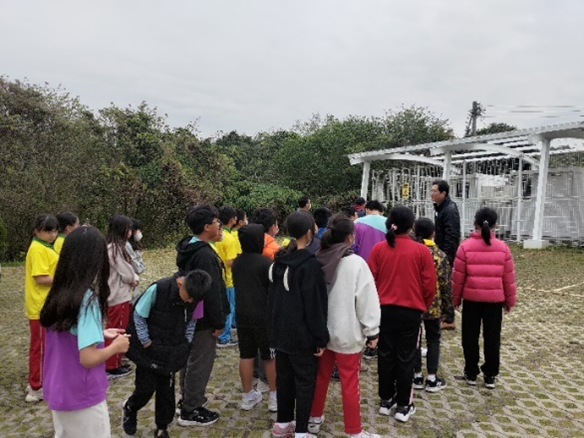
Figure 42. Smart Microgrid Field Tour
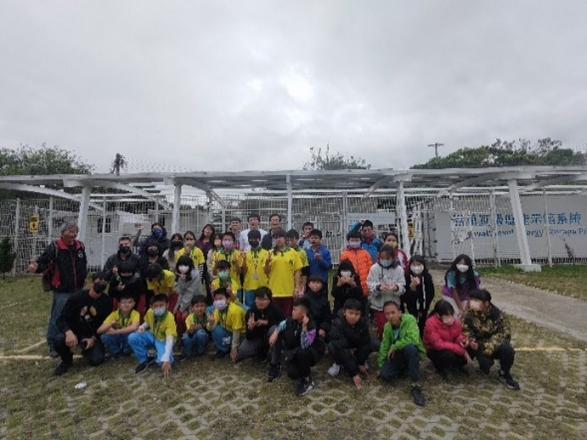
Figure 43. Smart Microgrid Field Factory Visit
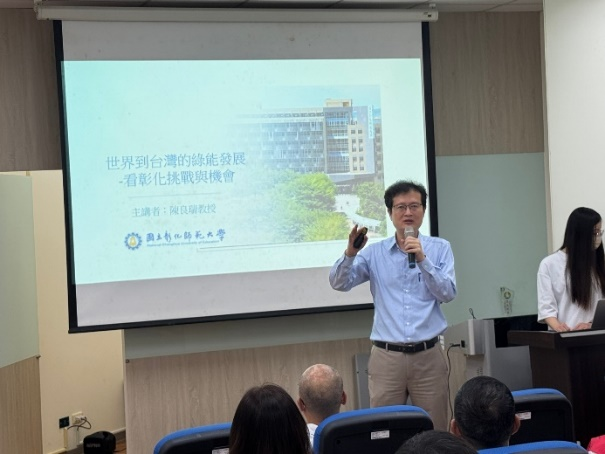
Figure 44. Pre-visit Lecture
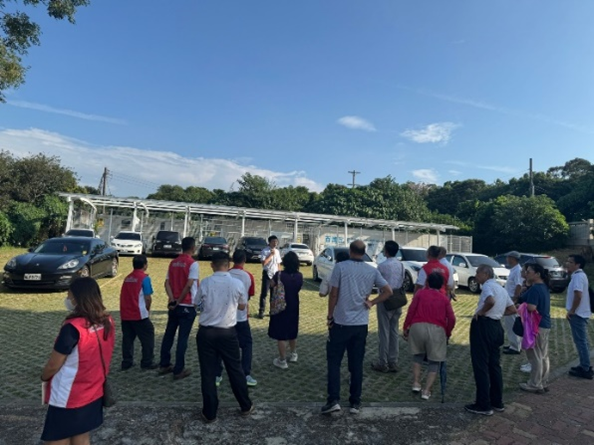
Figure 45. Smart Microgrid and Solar Power Generation System Field Tour
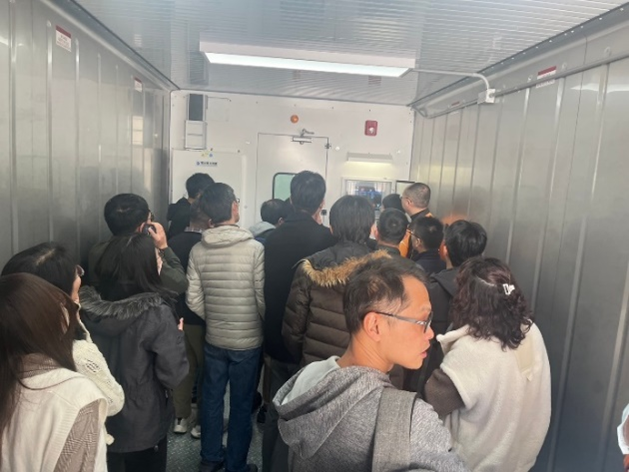
Figure 46. Central Region County and City Elementary and Junior High School Teachers Factory Visit
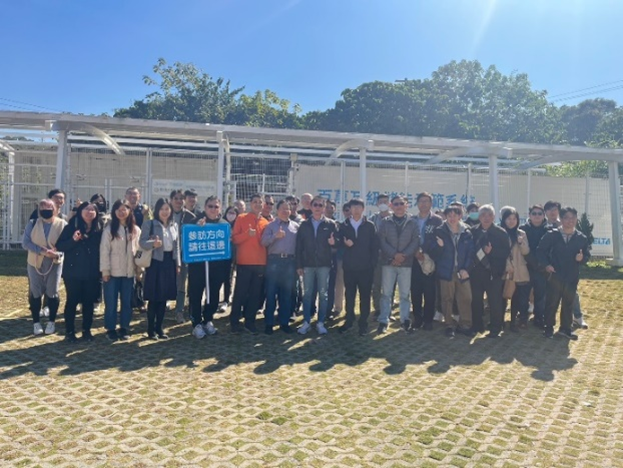
Figure 47. Central Region County and City Elementary and Junior High School Teachers Visit Group Photo
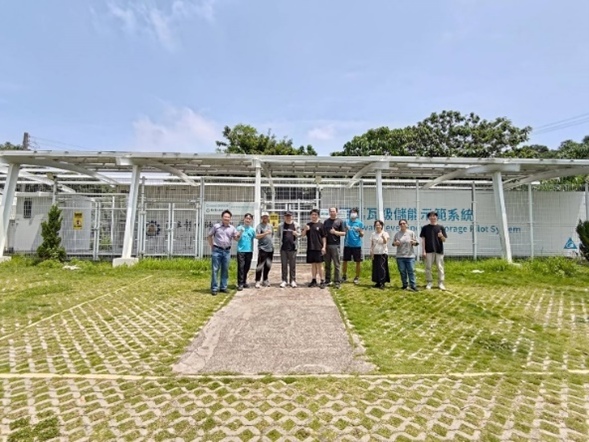
Figure 48. Elementary and Junior High School Teachers Visit
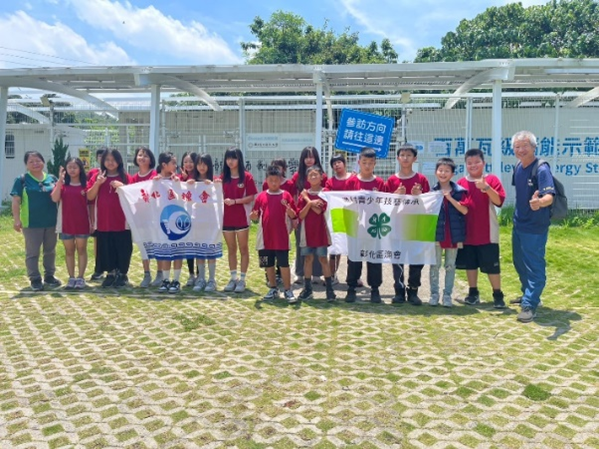
Figure 49. Hanbao Elementary School Teachers and Students Visit
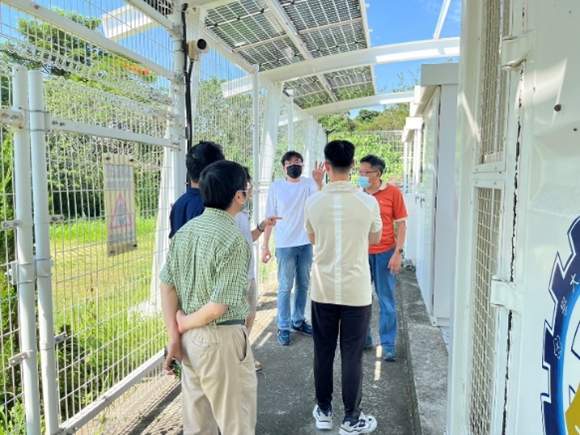
Figure 50. External Industry Personnel Visit
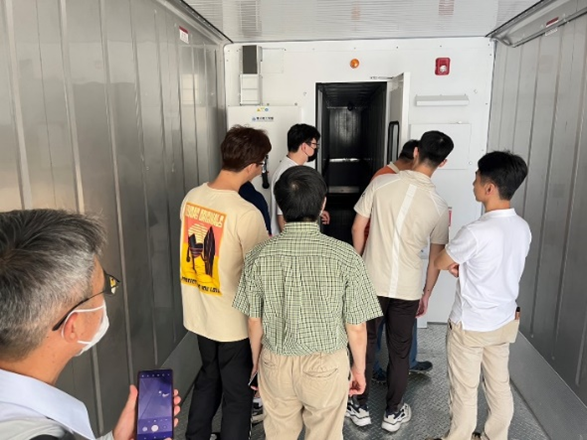
Figure 51. External Industry Personnel Visit
6. Clean Vehicle Infrastructure
(1) In accordance with the government's net-zero transition policy on "Vehicle Electrification and Decarbonization," NCUE installed car charging stations at both campuses in November 2024 (2 stations on Jinde Campus and 1 station on Shida Campus), and installed an additional 8 charging stations on Jinde Campus and 3 on Shida Campus in August 2026, providing charging services for community residents with electric vehicles. This is in accordance with government policy and relevant regulations, supporting the use of clean energy by community residents, strengthening clean energy awareness, promoting vehicle electrification and carbon-free transportation, and achieving the goals of energy conservation, carbon reduction, and sustainable practice. Related photos are shown in Figures 52-54.
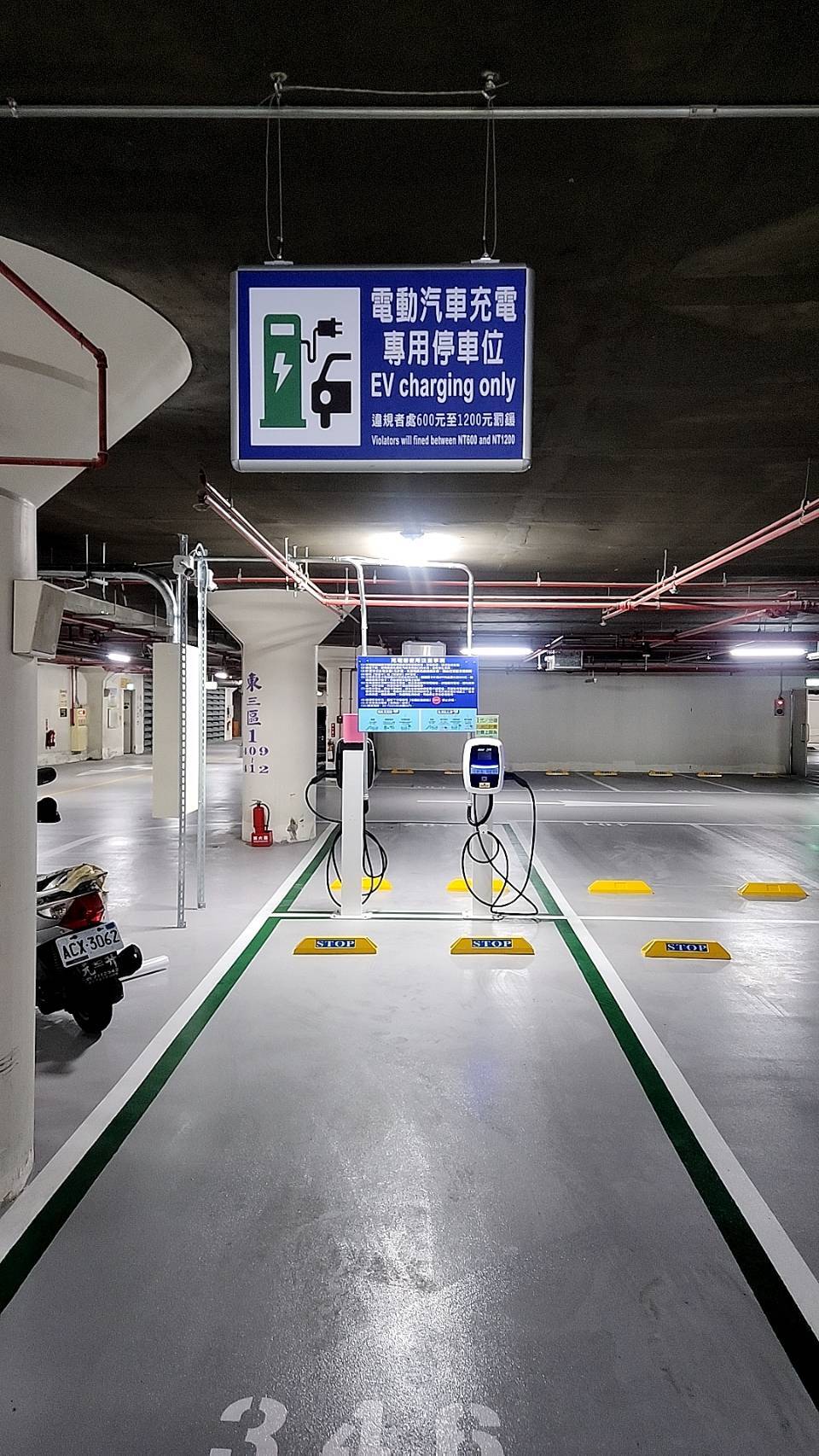
Figure 52. Charging Equipment at Jinde Campus Parking Spaces
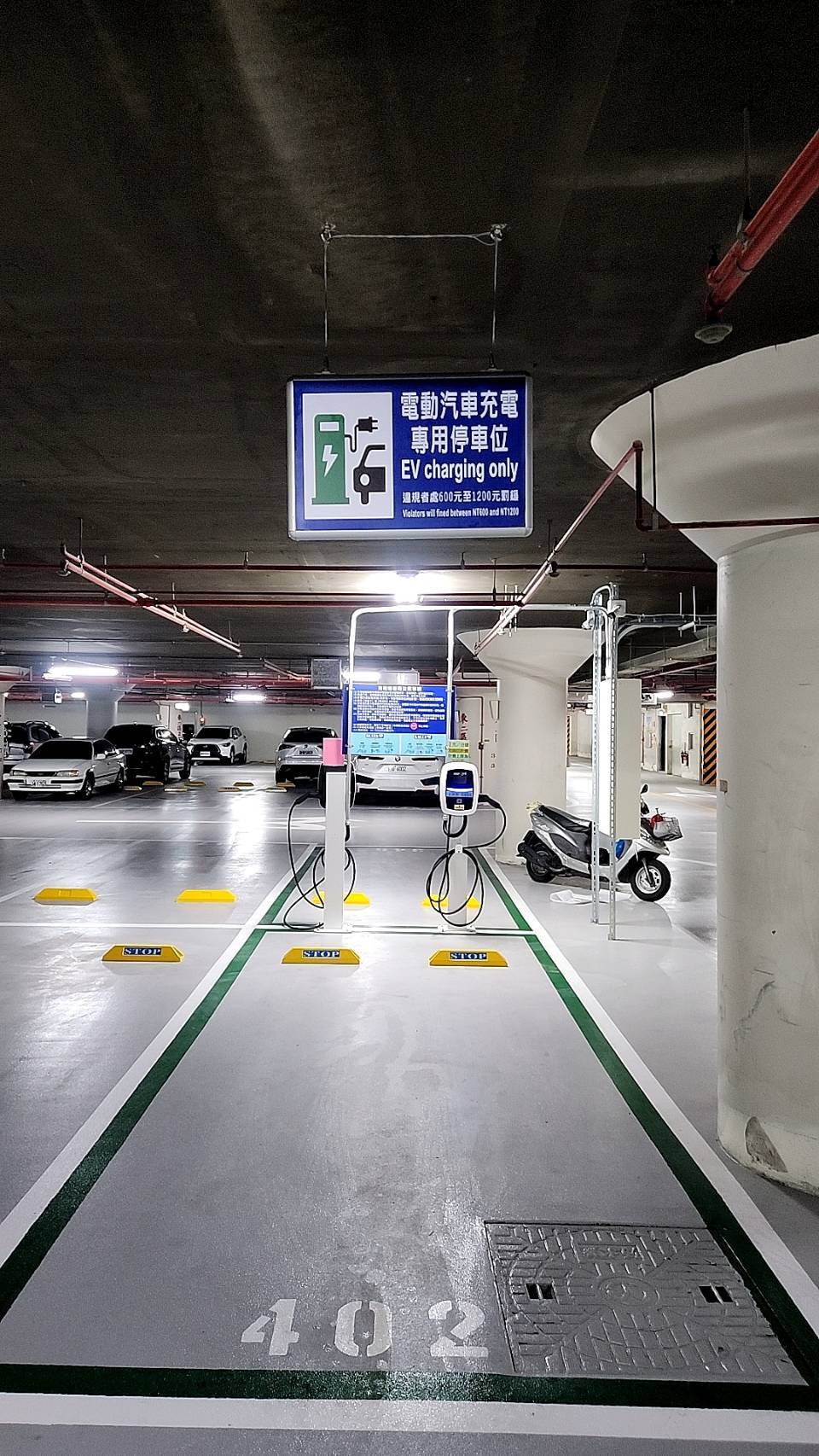
Figure 53. Charging Equipment at Jinde Campus Parking Spaces
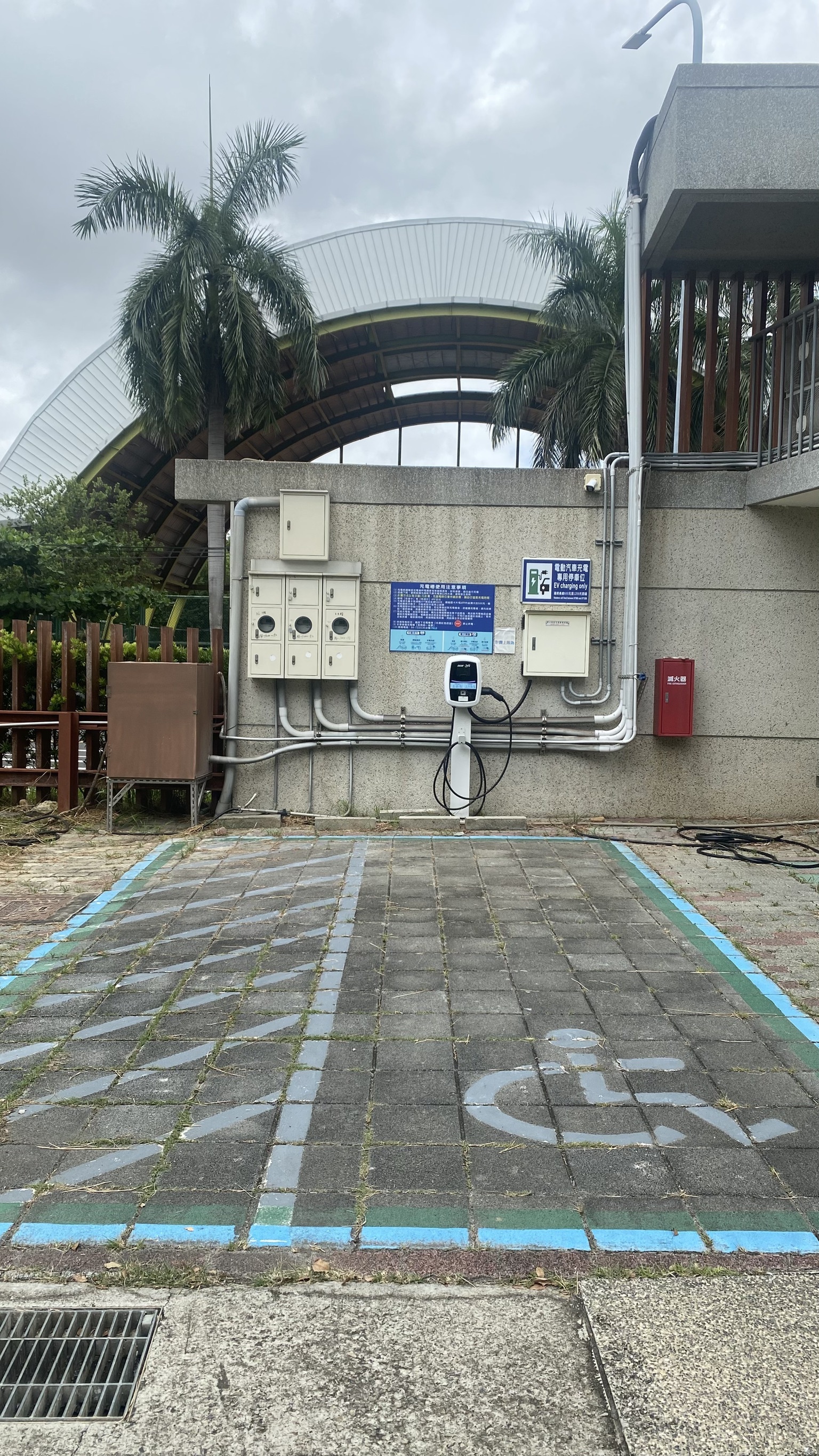
Figure 54. Charging Equipment at Shida Campus Parking Spaces
(2) Promotion of Public Transportation and Low-Carbon Commuting
Since 2014, NCUE has provided space at the main entrance of the Jinde Campus for the Changhua County Government to operate a public bicycle station (YouBike and MOOVO systems); the agreement was renewed in 2024 and runs through 2026 (MOOVO station shown in Figure 55). In 2025, NCUE coordinated with the Changhua County Government to establish an additional public bicycle station on the Shida Campus, which has now been completed and officially launched. On April 28, 2026, in response to faculty and student demand, the station was relocated to the entrance of the Shida Campus, with the fleet expanded to 30 e-bikes (as shown in Figure 56). This not only provides greater convenience and additional short-distance transportation options for faculty, staff, and students, but is also intended to encourage more faculty and students to make use of public transportation systems, thereby achieving the goals of low-carbon, environmentally friendly, and energy-efficient commuting.
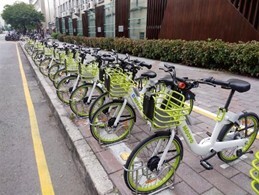
Figure 55. MOOVO Public Bicycle System Station at the Main Entrance of Jinde Campus
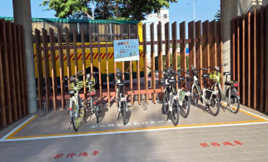
Figure 56. MOOVO System at Shida Campus
7. Course Integration and Continuous Promotion
In 2025, NCUE also offered related general education courses, such as "Green Energy Technology" and "Technology Application and Creative Practice." The courses cover solar energy, wind energy, bioenergy, and energy-saving control, and guide participants to use sensors, control systems, and creative design to build small energy-saving and renewable energy devices. Through hands-on projects and interactive discussions, students learn why energy efficiency and clean energy matter and apply what they learn in daily life, helping their communities move toward energy conservation, carbon reduction, and sustainable development.
Links to course information (Figures 57–58):
(1) https://webap0.ncue.edu.tw/DEANV2/UploadDEAN/SUBJECT/1141/00250_0CCGE0164120.pdf
(2) https://webap0.ncue.edu.tw/DEANV2/UploadDEAN/SUBJECT/1141/00241_0CCGE0182020.pdf
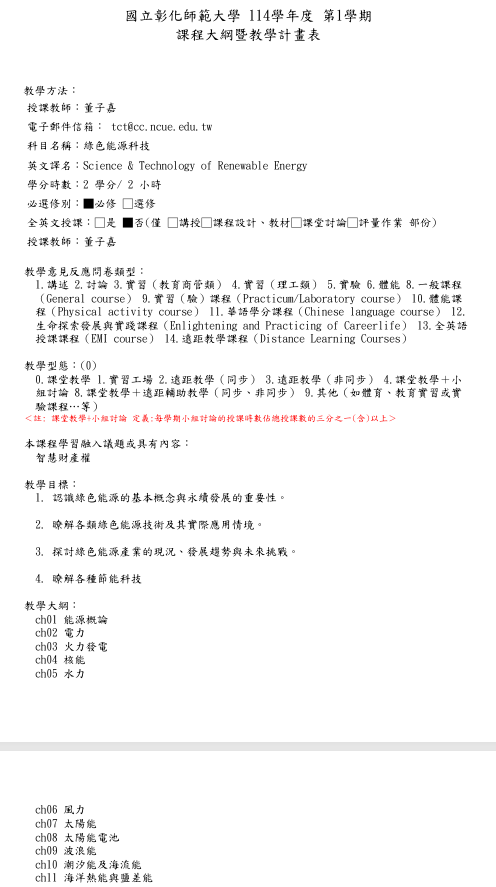
Figure 57. "Green Energy Technology" Course Syllabus
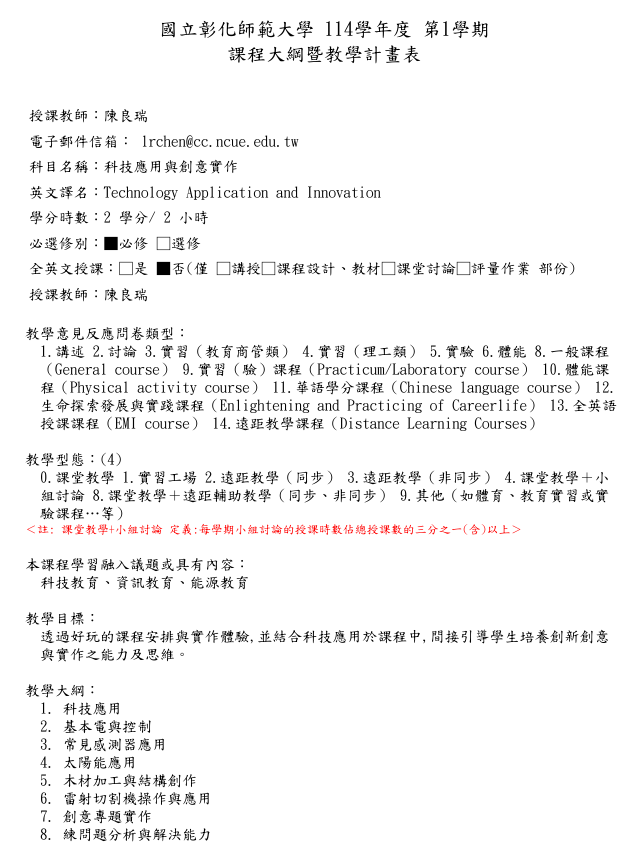
Figure 58. "Technology Application and Creative Practice" Course Syllabus