
SDG 7.2.3
SDG 7.2.3 Carbon reduction and emission reduction process
Following the net-zero transition policies of the Ministry of Education and the national government, NCUE has established a carbon management and emission reduction framework that covers energy conservation policies, renewable energy installations, energy storage, vehicle electrification, and the promotion of public transportation. Through systematic planning and implementation, NCUE has reduced its purchased electricity and carbon dioxide emissions, improved low-carbon operations on campus and in the surrounding community, and continued to move toward a sustainable, green campus.
1. Achievement of Annual Energy Conservation and Carbon Reduction Targets
In accordance with Ministry of Education regulations, NCUE has met its target of cutting electricity consumption by at least 1% every year, which has reduced its carbon dioxide emissions.
2. Institutionalized Energy Conservation and Carbon Reduction Management
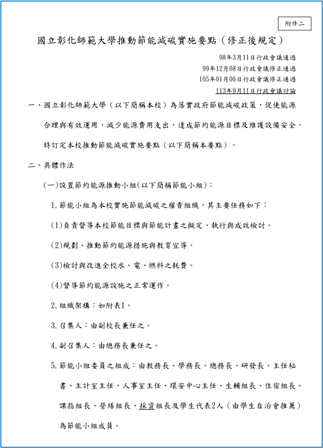
NCUE has adopted the Energy Conservation and Carbon Reduction Implementation Guidelines of NCUE (as shown in Figure 1), which set management measures for saving electricity, lighting energy, air conditioning energy, and water, and for environmental education, in order to reduce carbon footprint and carbon dioxide emissions.
3. Carbon Reduction through Photovoltaic Power Generation
NCUE has installed 2,558.375 kWp of PV capacity on the Jinde Campus and 571.5 kWp on the Shida Campus. Based on an average of 3.5 hours of sunshine per day in Changhua, Taiwan, the systems can generate (2,558.375 + 571.5) × 365 × 3.5 = 3,998,415 kWh (14,394 GJ). Based on the 2025 electricity carbon emission factor of 0.467 kg CO₂e / kWh published by the Energy Administration, Ministry of Economic Affairs, this solar power generation reduces carbon emissions by approximately 3,998,415 × 0.467 = 1,867,260 kg.
4. Energy Storage Systems for Peak Shaving and Valley Filling to Assist Emission Reduction
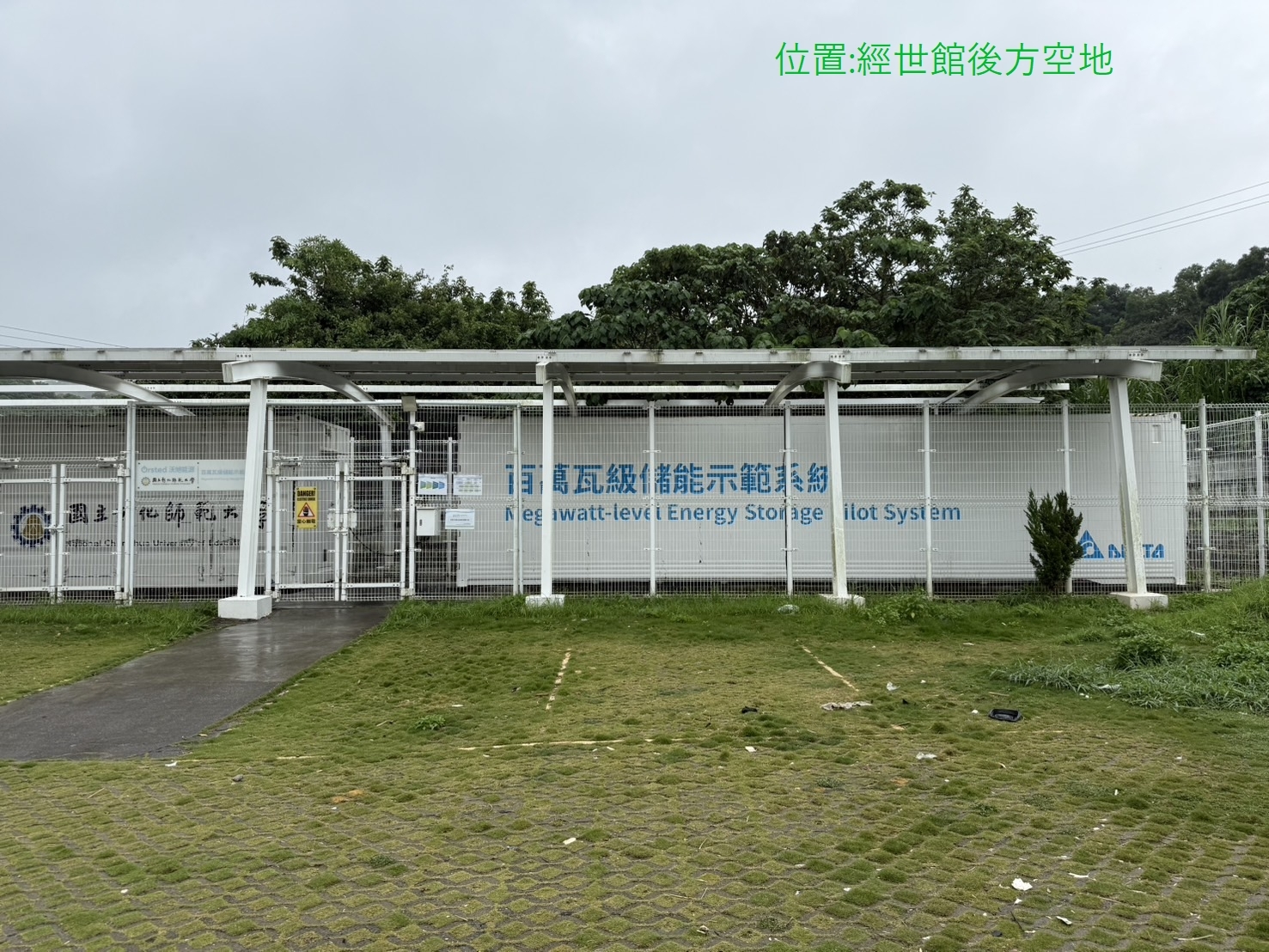
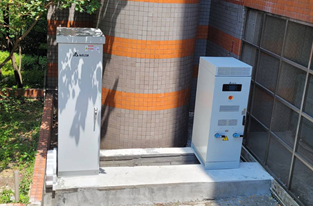
NCUE's Shida Campus is equipped with a 1 MW/1.26MWh energy storage system (Figure 2), along with two additional 100 kW/50 kWh energy storage systems that support the operation of the campus microgrid (Figure 3).
(1) The system stores electricity during off-peak nighttime hours and discharge it during daytime peak hours to shift loads (Figure 4). This lowers the output of coal-fired generating units at peak times and thus reduces power plant emissions. Peak shaving and valley filling with energy storage also flattens the daily load curve and lowers the maximum line current, which cuts power transmission losses by about 3% and further saves energy and reduces carbon emissions.
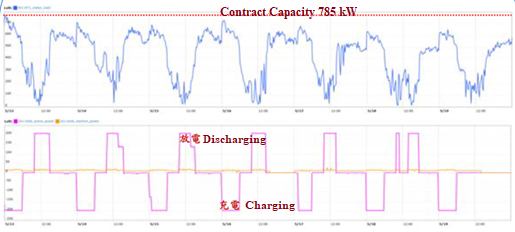
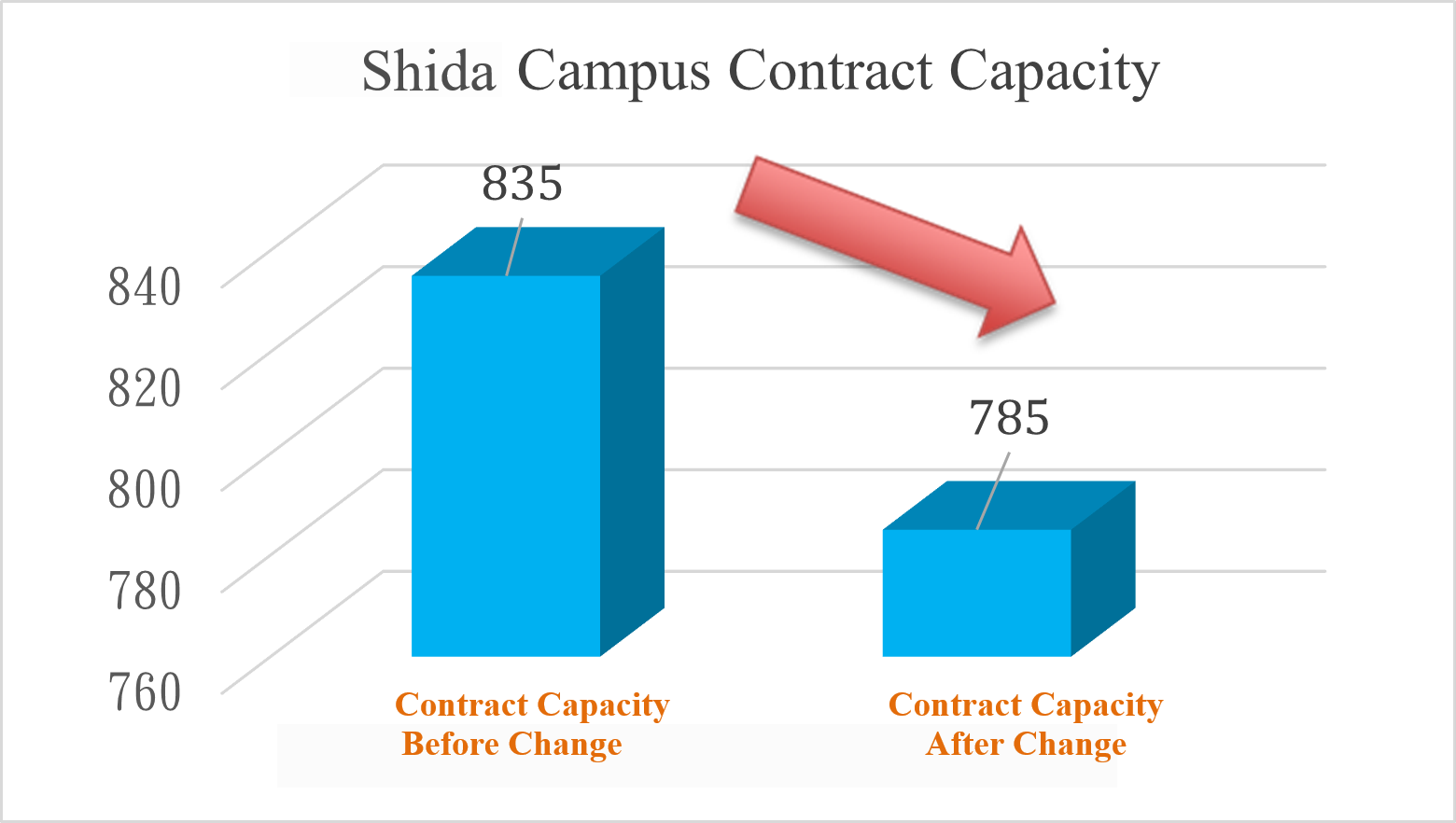
(2) NCUE utilizes an energy storage system to reduce the contract capacity from 835 kW to 785 kW (Figure 5), decreasing overall external power purchases.
5. Integration of Electric Vehicles with Energy Storage
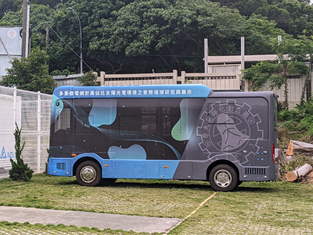
NCUE has also purchased a 30 kW/78 kWh battery electric bus to replace a conventional internal combustion vehicle (Figure 6). The bus demonstrates the goals of the EV100 initiative and, during downtime, serves as an energy storage system that supports the peak shaving and valley filling described above.
6. Promotion of Public Transportation and Low-Carbon Commuting
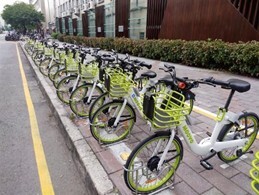
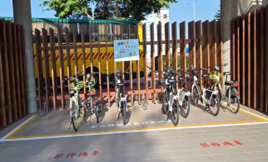
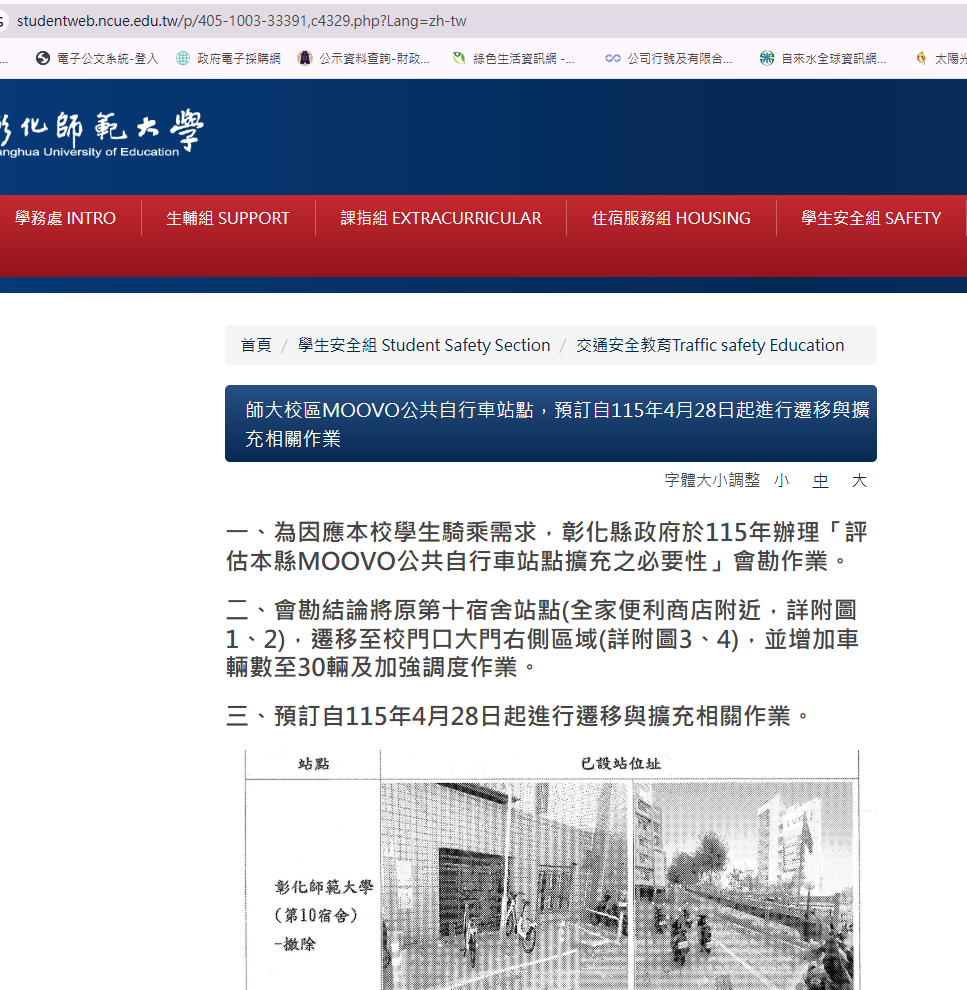
Since 2014, NCUE has provided space at the main entrance of the Jinde Campus for the Changhua County Government to operate a public bicycle station (YouBike and MOOVO systems); the agreement was renewed in 2024 and runs through 2026 (MOOVO station shown in Figure 7). In 2025, NCUE coordinated with the Changhua County Government to establish an additional public bicycle station on the Shida Campus, which has now been completed and officially launched. In 2026, in response to faculty and student demand, the station was relocated to the entrance of the Shida Campus on April 28, with the fleet expanded to 30 electric bicycles (as shown in Figure 8). This not only provides greater convenience and additional short-distance transportation options for faculty, staff, and students, but is also intended to encourage more faculty and students to make use of public transportation systems, thereby achieving the goals of low-carbon, environmentally friendly, and energy-efficient commuting. Related announcement webpage is shown in Figure 9. (https://studentweb.ncue.edu.tw/p/405-1003-33391,c4329.php?Lang=zh-tw)[cite: 62, 95]
7. Medium-sized Bus Replacement and Transportation Carbon Reduction
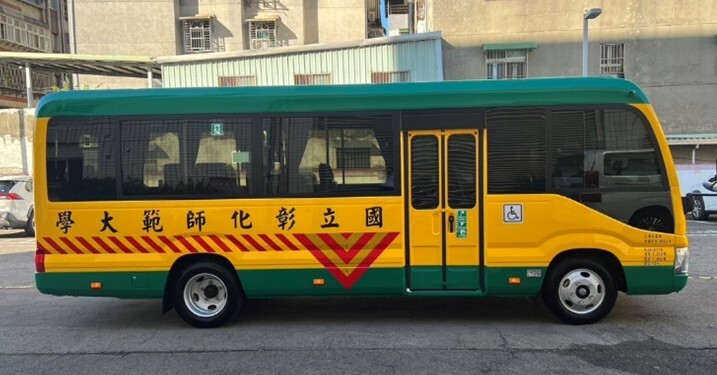
NCUE plans vehicle replacements based on vehicle service life and energy efficiency, and replaced medium-sized buses that had reached 19 years of service at the end of 2023, progressively reducing the energy consumption and carbon emissions associated with aging vehicles (as shown in Figure 10). Through vehicle replacement, NCUE improves the energy efficiency of campus transportation, reduces fuel consumption and carbon dioxide emissions, and, in conjunction with the subsequent installation of electric vehicles and charging facilities, is progressively advancing the decarbonization of campus transportation. Going forward, NCUE will continue to evaluate vehicle replacement based on operational efficiency and energy performance, giving priority to the introduction of low-carbon and electric vehicles, in order to achieve the goals of sustainable campus commuting, carbon management, and carbon dioxide emission reduction.
8. Charging Infrastructure and Zero-Carbon Transportation
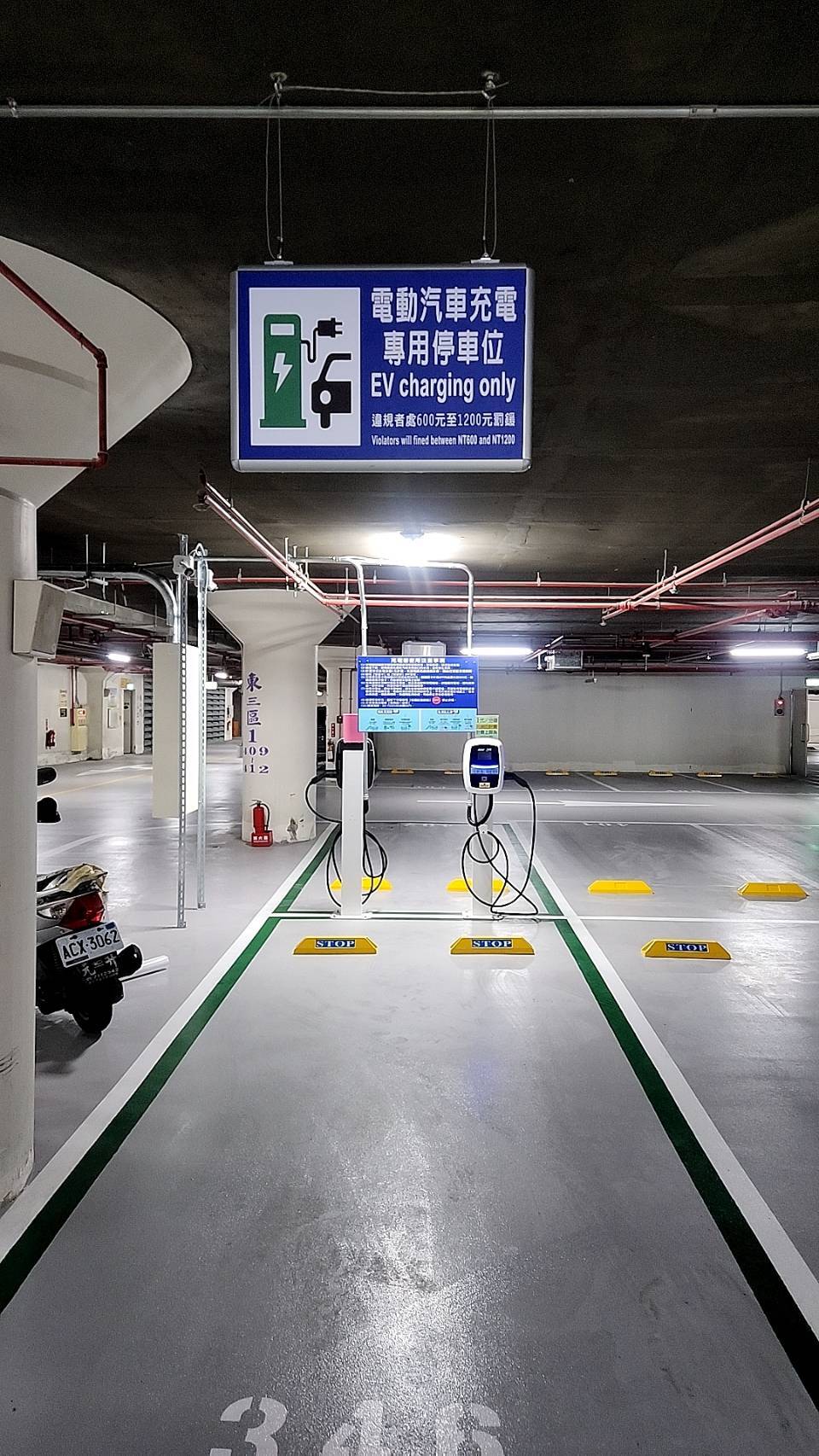
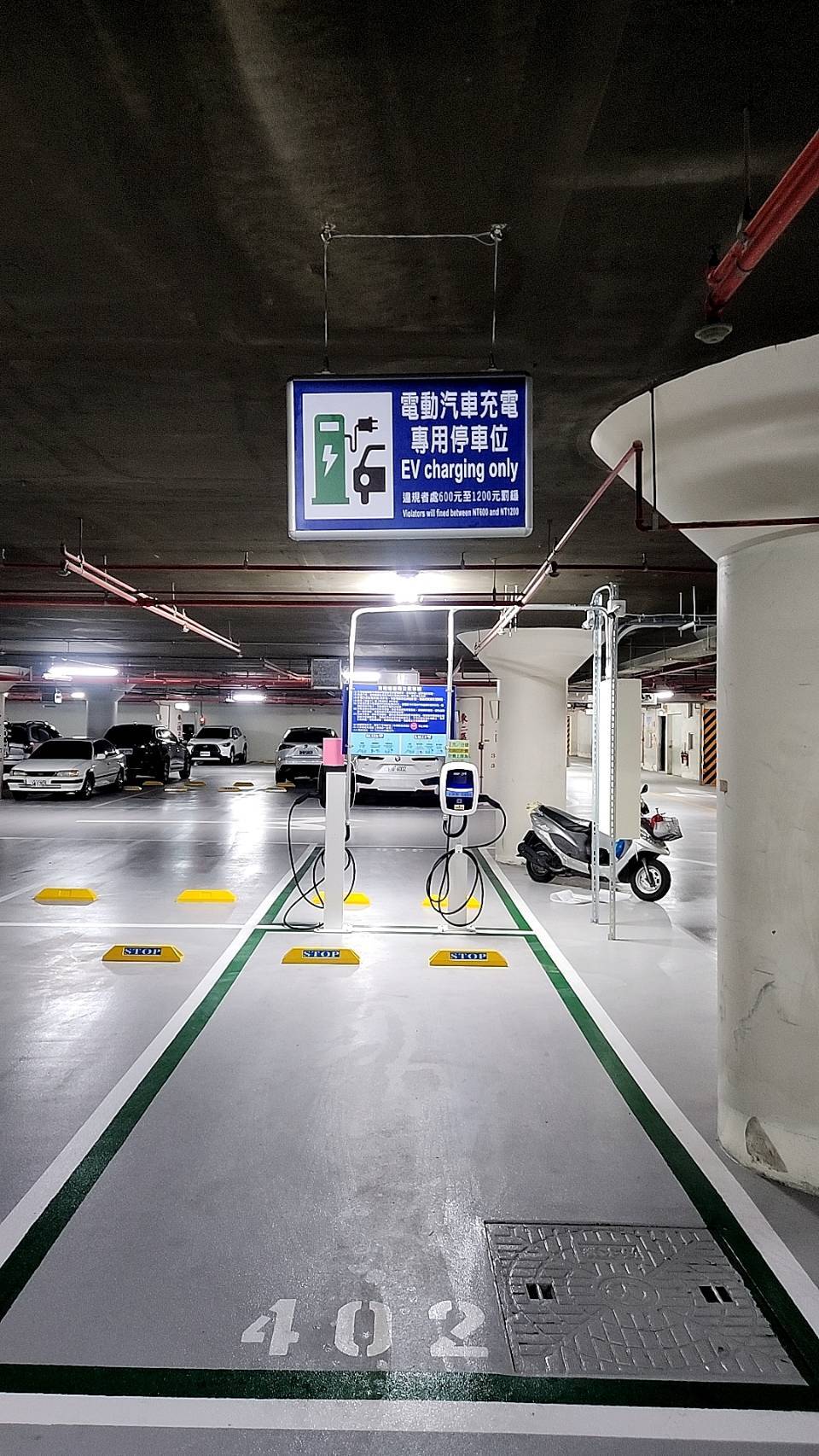
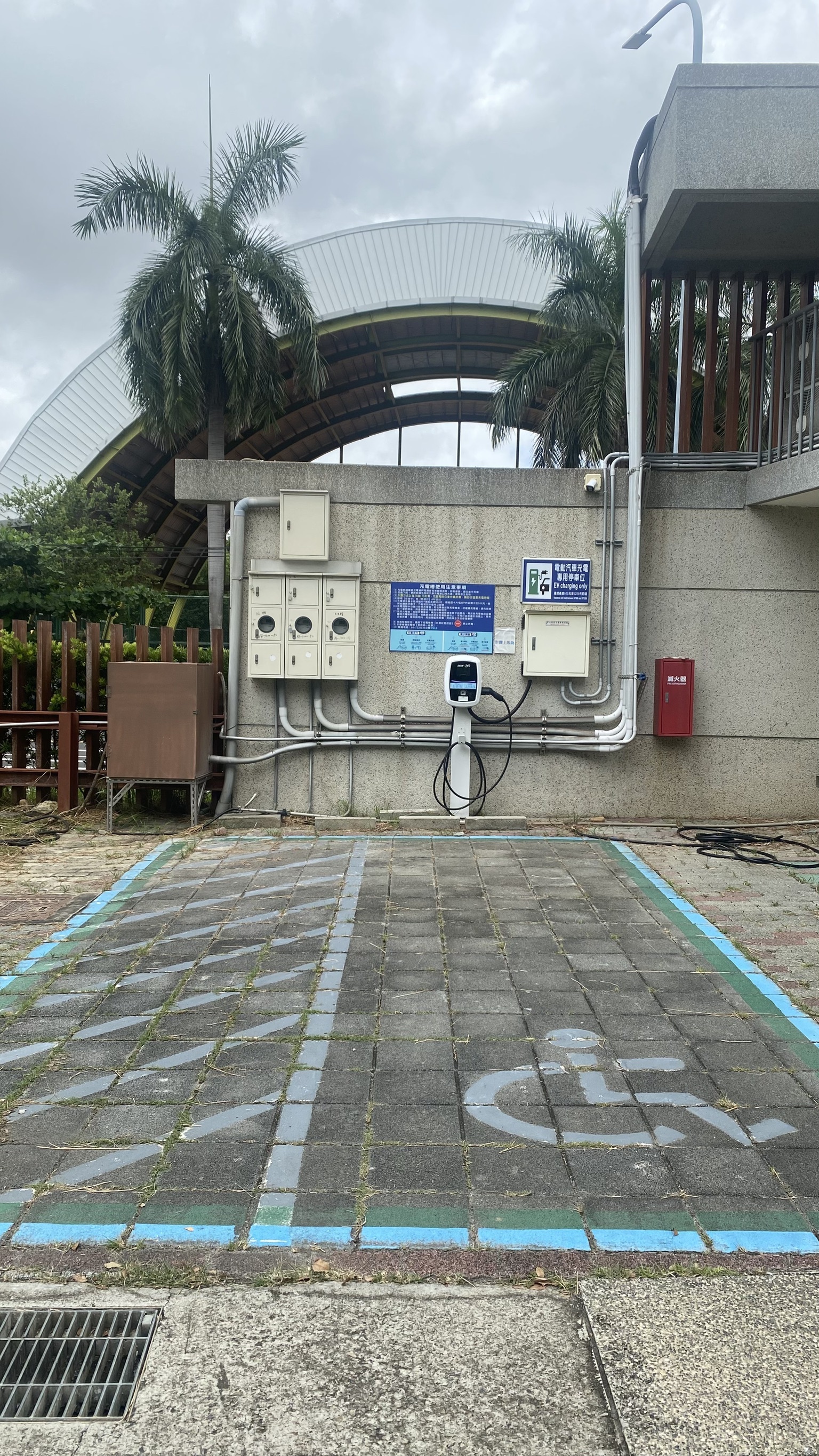
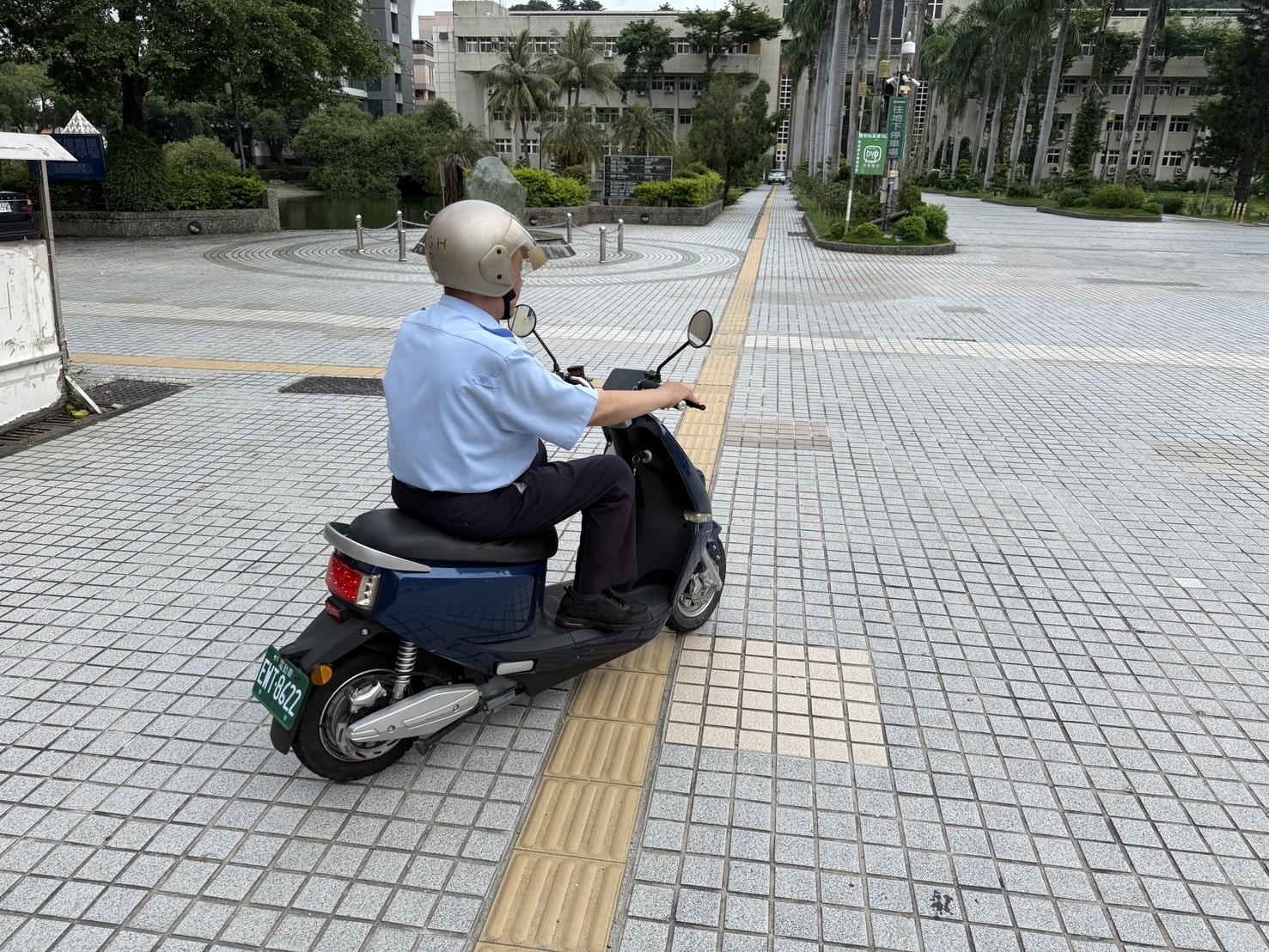
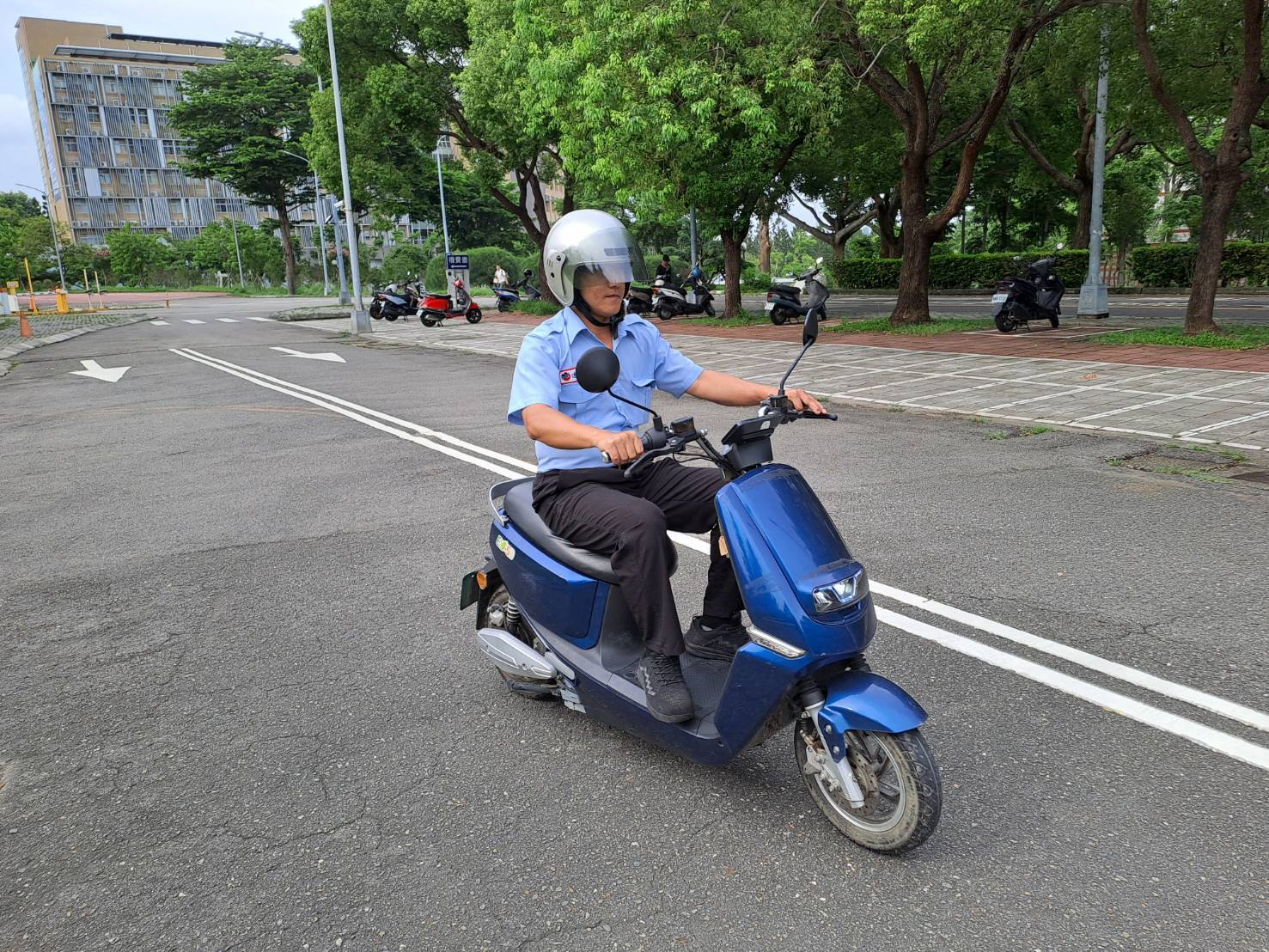
In line with the government's net-zero transition policy, NCUE plans and promotes vehicle electrification and zero-carbon transportation as part of its carbon management and emission reduction efforts. In November 2024, NCUE completed electric vehicle charging spaces on the Jinde Campus (2 stations) and the Shida Campus (1 station) (Figures 11–13), and in August 2026 it added 8 more on the Jinde Campus and 3 more on the Shida Campus. The chargers serve campus users and are also open to local residents, which promotes clean-energy vehicles and reduces transportation emissions. Campus security personnel have deployed smart green electric motorcycles (Figures 14–15) as their primary vehicles for daily patrols and security duties, which cuts carbon emissions and makes patrols more efficient and quieter. NCUE will continue to improve support measures for vehicle electrification by combining charging infrastructure with usage management rules, gradually building a low-carbon, sustainable campus transportation environment.
By integrating institutional management, renewable energy development, smart energy storage, and low-carbon transportation, NCUE has established a complete carbon emission reduction management process. The process meets NCUE's annual energy conservation and carbon reduction targets and creates a sustainable low-carbon environment that serves as a model for the campus and the community.