SDG 3.3.7
SDG 3.3.7 Mental health support for staff
NCUE faculty and staff are often under considerable physical and mental stress due to their demanding responsibilities in teaching, research, service and administration. Maintaining their physical and mental health well-being is essential for making sustainable contributions to NCUE’s development.
1. Policy basis and governance of the Staff Mental Health Service Program
The Staff Mental Health Service Program rests on a defined policy basis and a cross-departmental governance structure, so that support measures are delivered systematically and continuously:
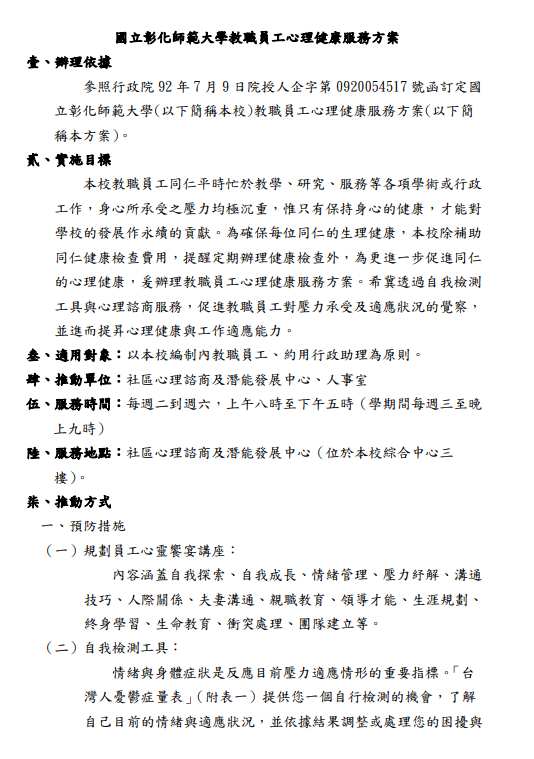
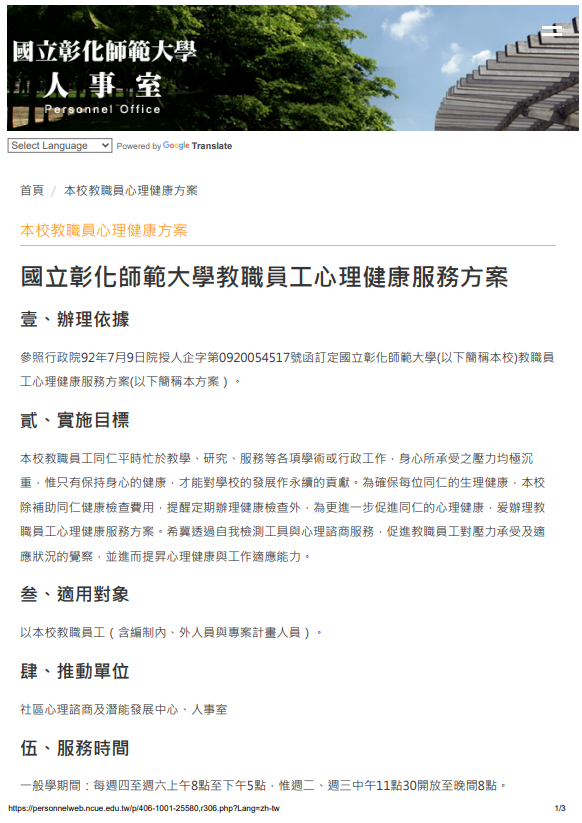
- (1) Policy basis: following the relevant Executive Yuan regulations, NCUE adopted the NCUE Staff Mental Health Service Program. Through counselling, preventive information and support measures, the program helps staff recognize their own stress levels and adjustment, and supports mental health and adjustment at work.
- (2) Governance and division of responsibility: the program is run jointly by the Personnel Office and the Community Counseling and Human Development Service Center. The Personnel Office is responsible for budgeting, administrative promotion and staff welfare; the Community Counseling and Human Development Service Center provides clinical counselling, crisis intervention, supervision of counselling psychologists and mental health talks. Together the two units maintain the prevention and support network for staff mental health.
- (3) Scope: the program covers established academic and administrative staff, staff outside the establishment (contract, temporary and fixed-term staff), project staff, and staff providing outsourced core services, so that all people working at the university have equal access.
2. Preventive mental health courses and stress-relief workshops
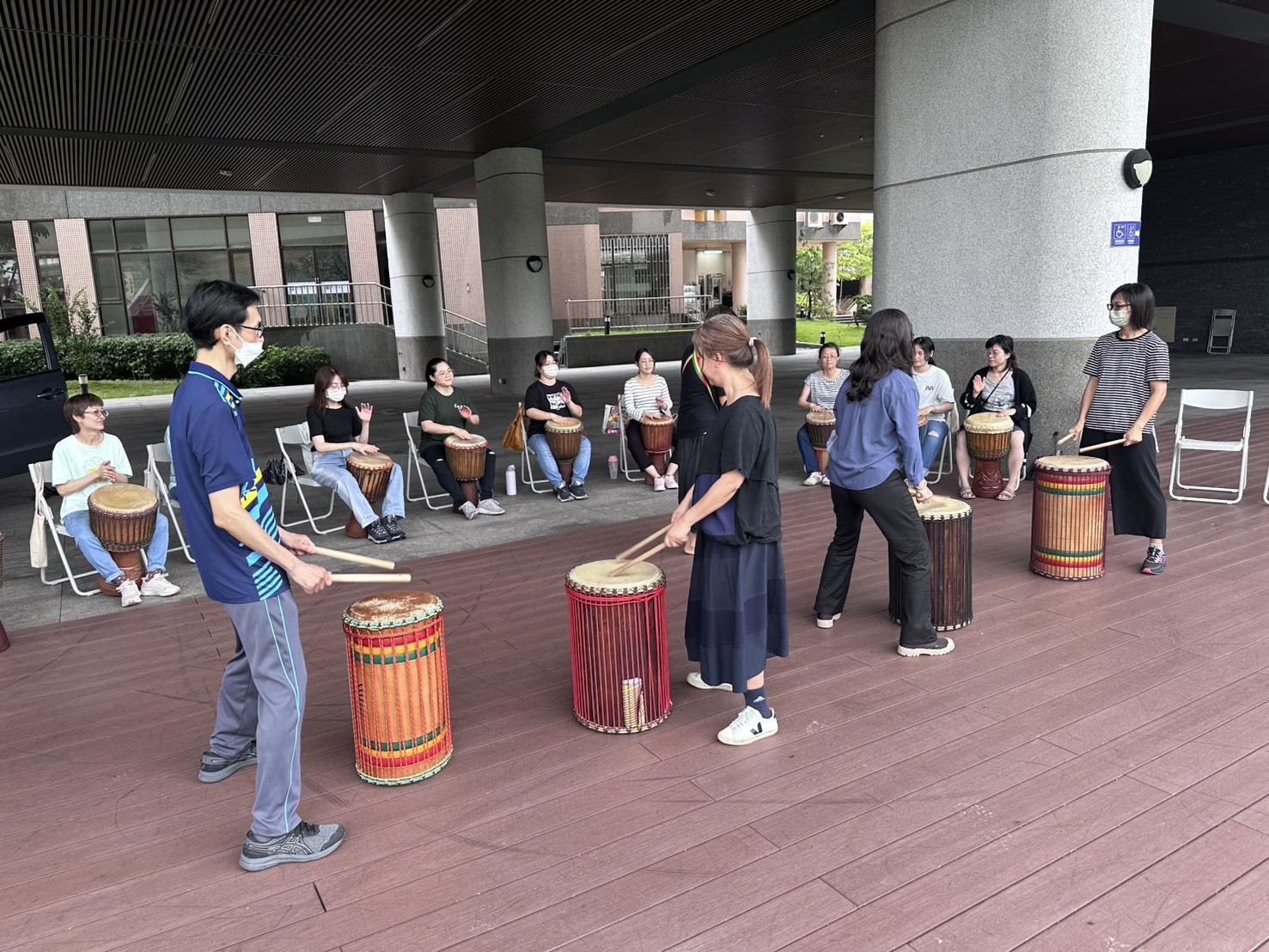
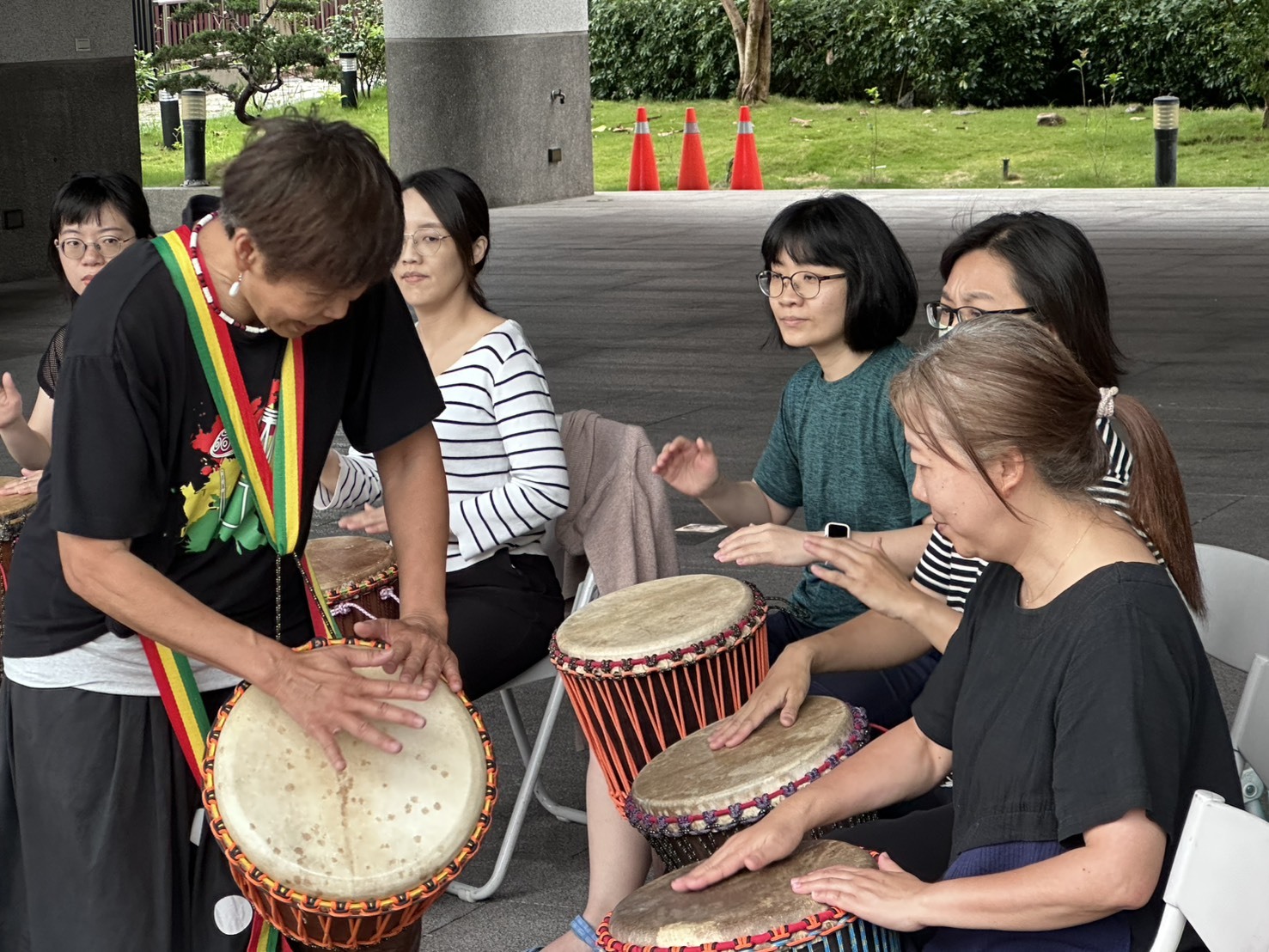
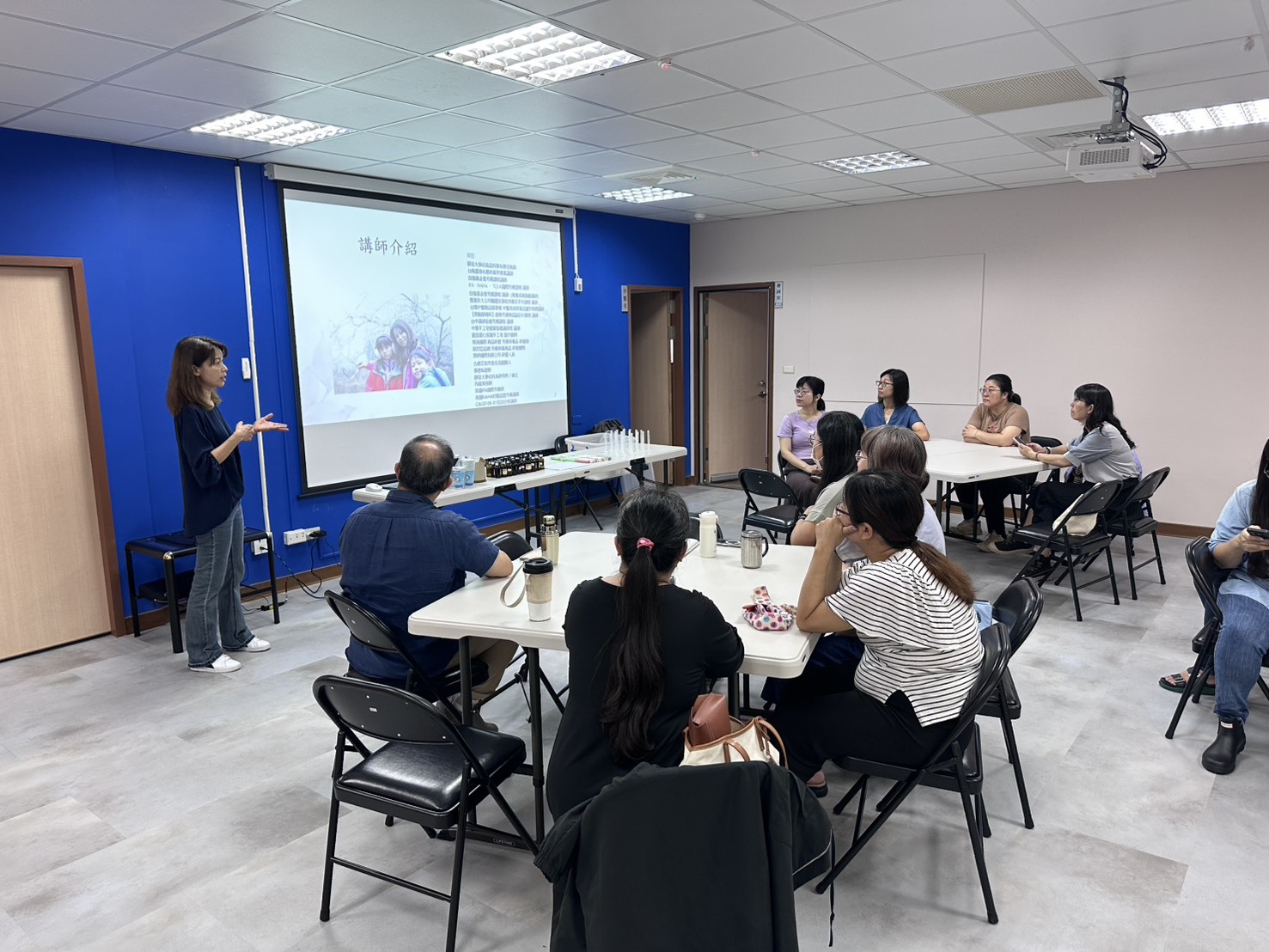
NCUE works on the principle that prevention is better than treatment. It holds regular preventive mental health talks, self-assessment activities and well-being workshops to help staff slow down and manage stress. (Figures 1–8)
(1) Self-assessment of mood and physical symptoms (depression scale)
NCUE promotes the Taiwanese Depression Questionnaire as a self-assessment tool, since mood and physical symptoms are key indicators of how well a person is coping with stress. The questionnaire is available online and on paper for staff to complete at any time, and explains what the scores mean: a score of 9 to 18 indicates that functioning is beginning to decline, while a score above 19 is a prompt to book a counselling appointment at the Community Counseling Center.
(2) Staff mental health courses and workshops, 2024–2025
NCUE runs experiential activities using counseling, essential oils, art and movement, and collects feedback to inform future planning. Recent activities were:
- (a) “African Drumming: Rhythms of the Grasslands, Striking Earth and Spirit”: three sessions on 15, 22 and 29 May 2025, with 60 attendances, using rhythm work to release stress.
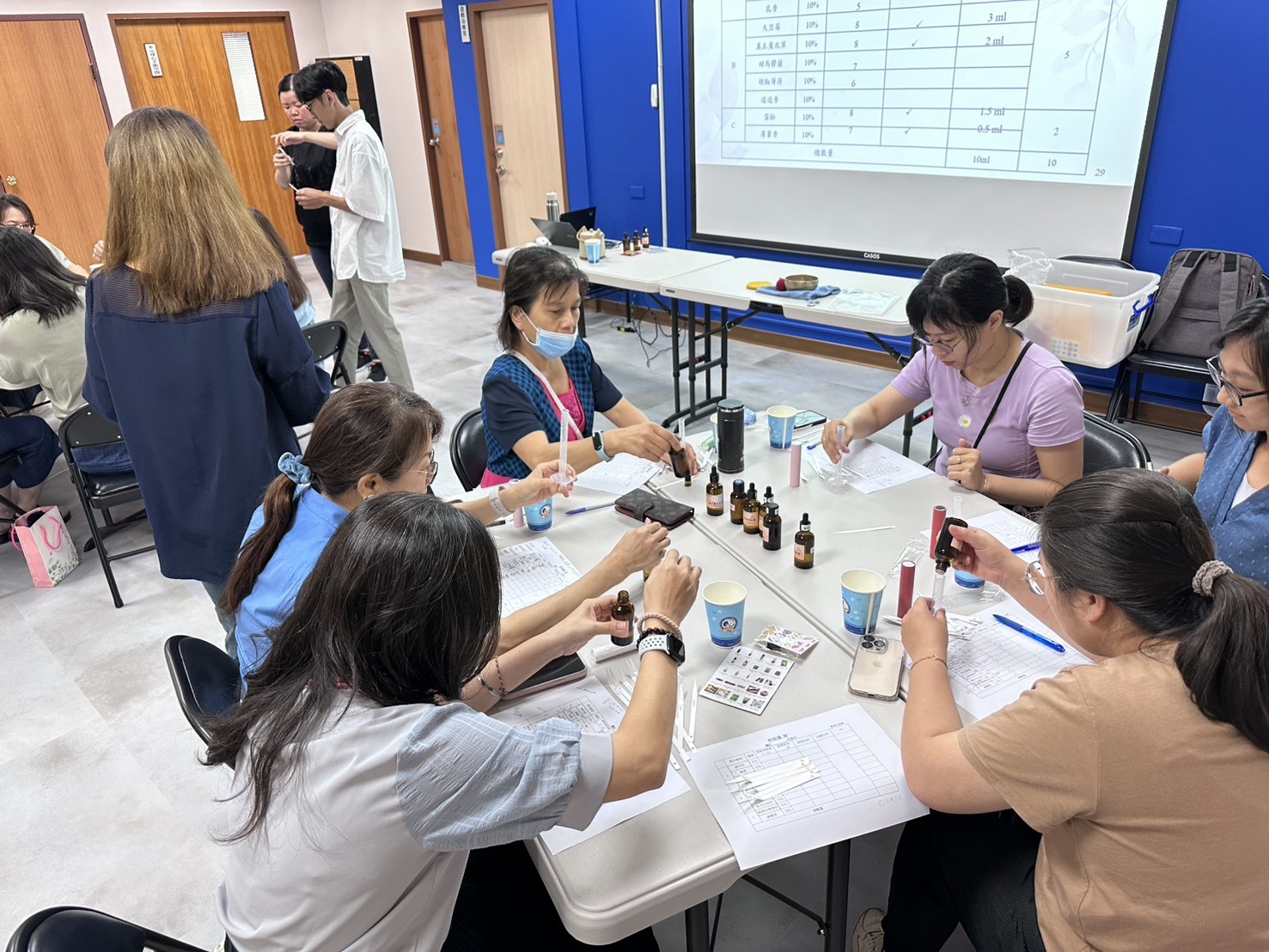
- (b) “Scent as Shelter: Blending Your Own Fragrance for Stress Relief”: one session on 13 June 2025 with 20 participants, using natural essential oils and fragrance blending.
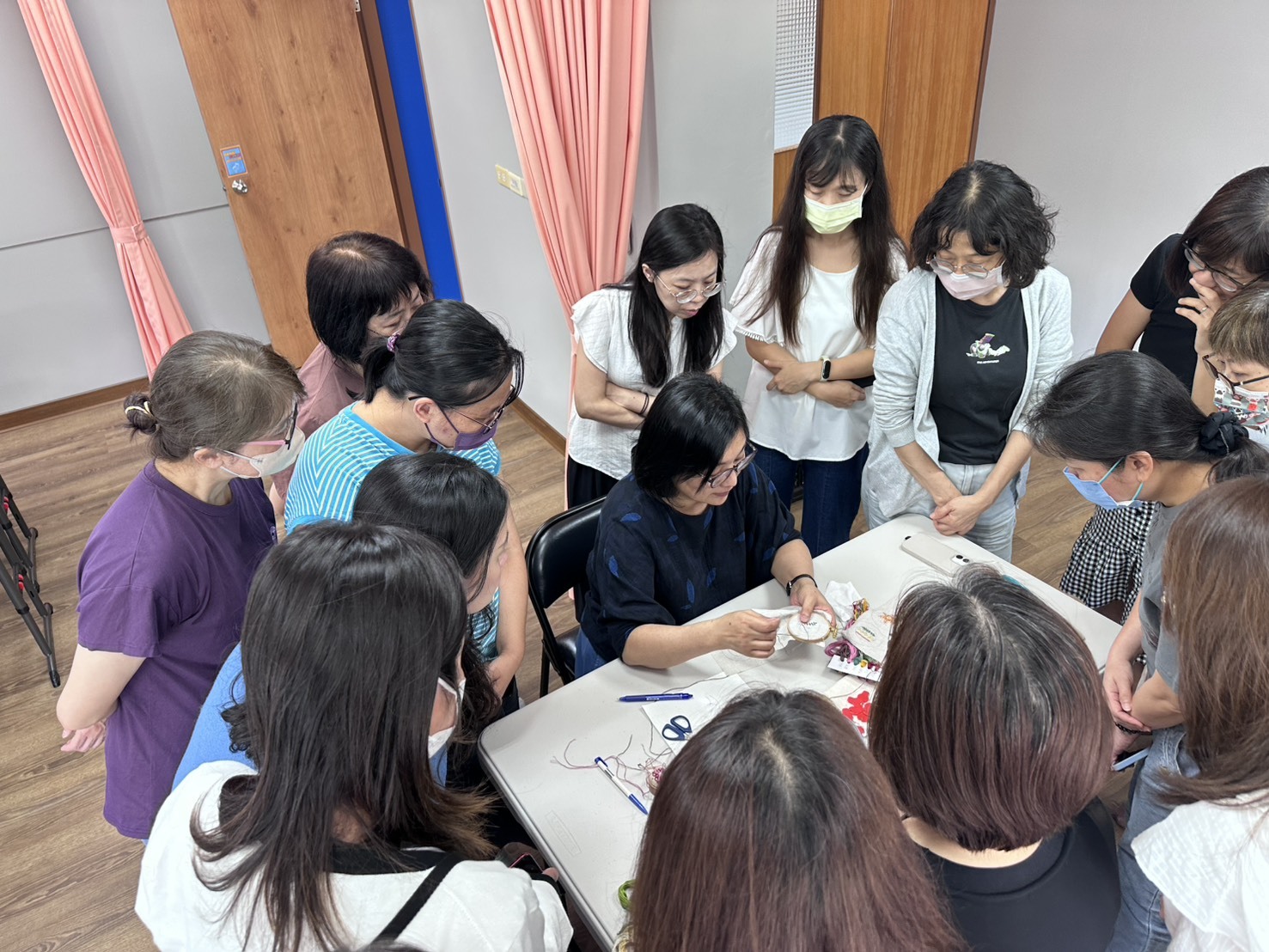
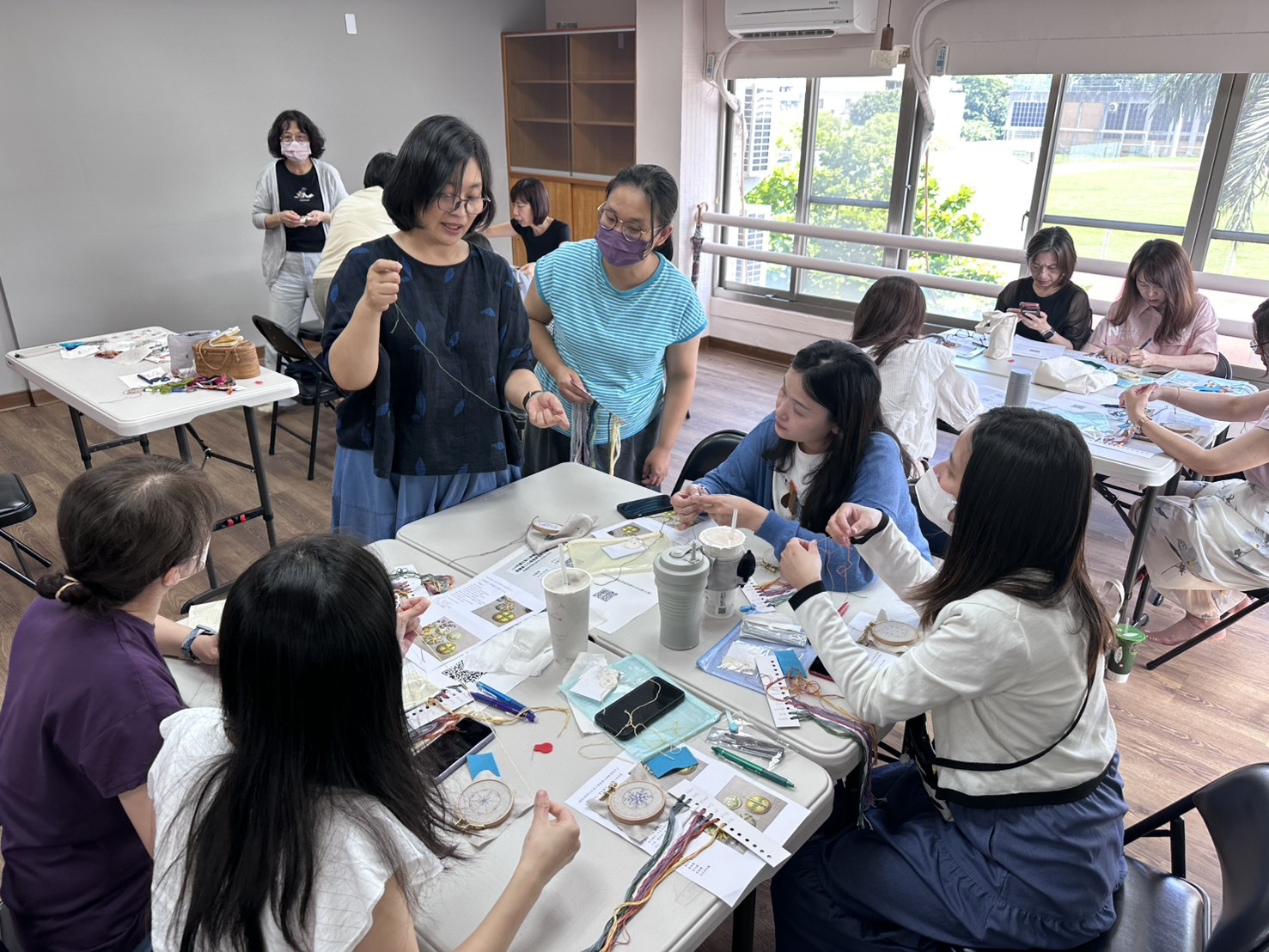
- (c) “Embroidered Badge Mandala Workshop”: one session on 19 June 2025 with 20 participants, using mandala visual art and hand embroidery to focus attention on the present and release work-related anxiety.
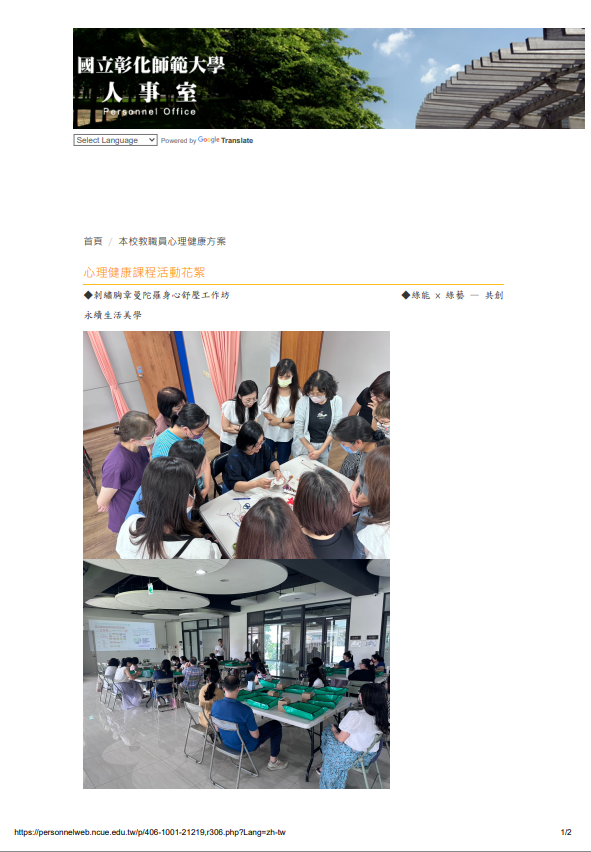
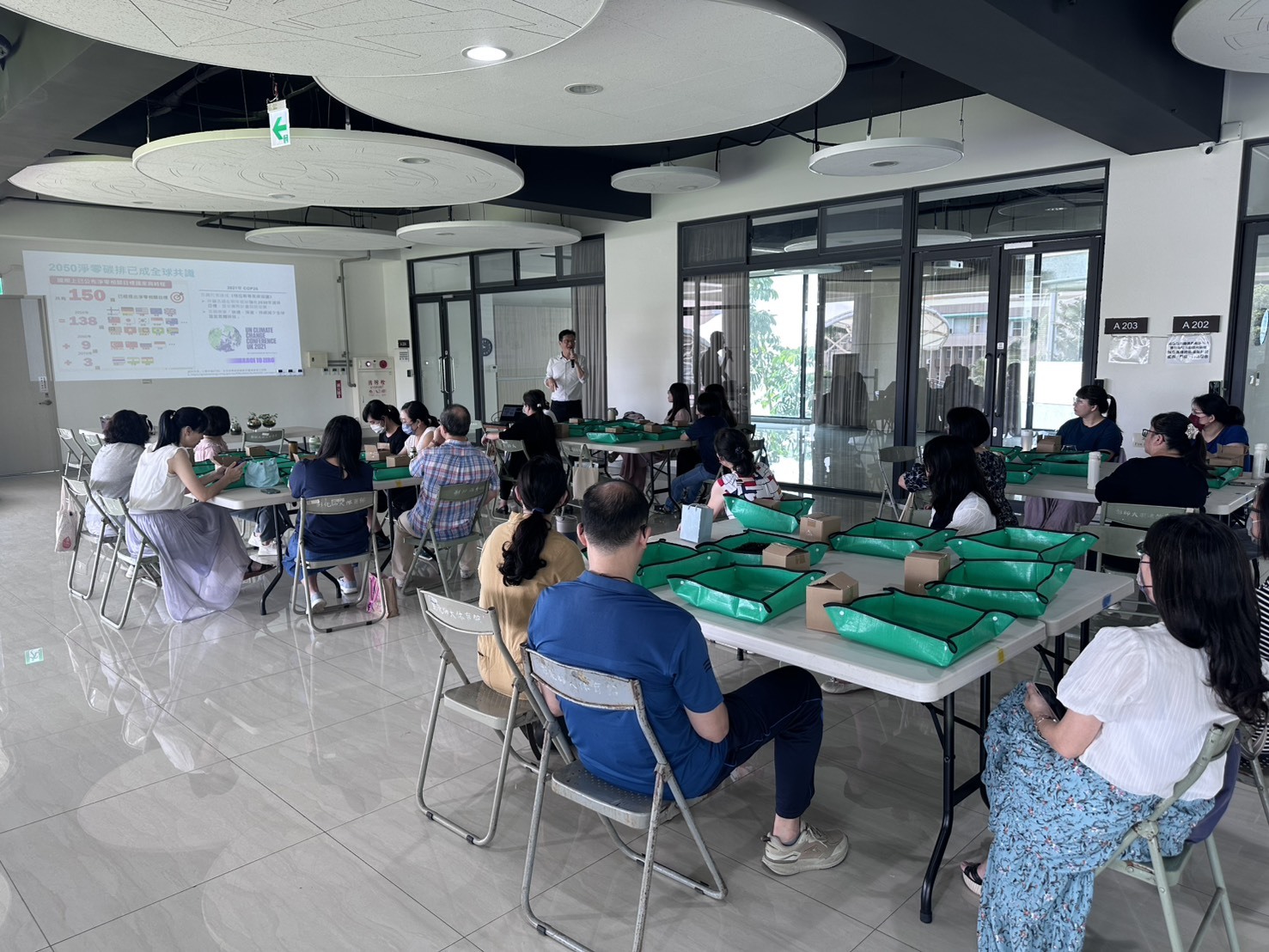
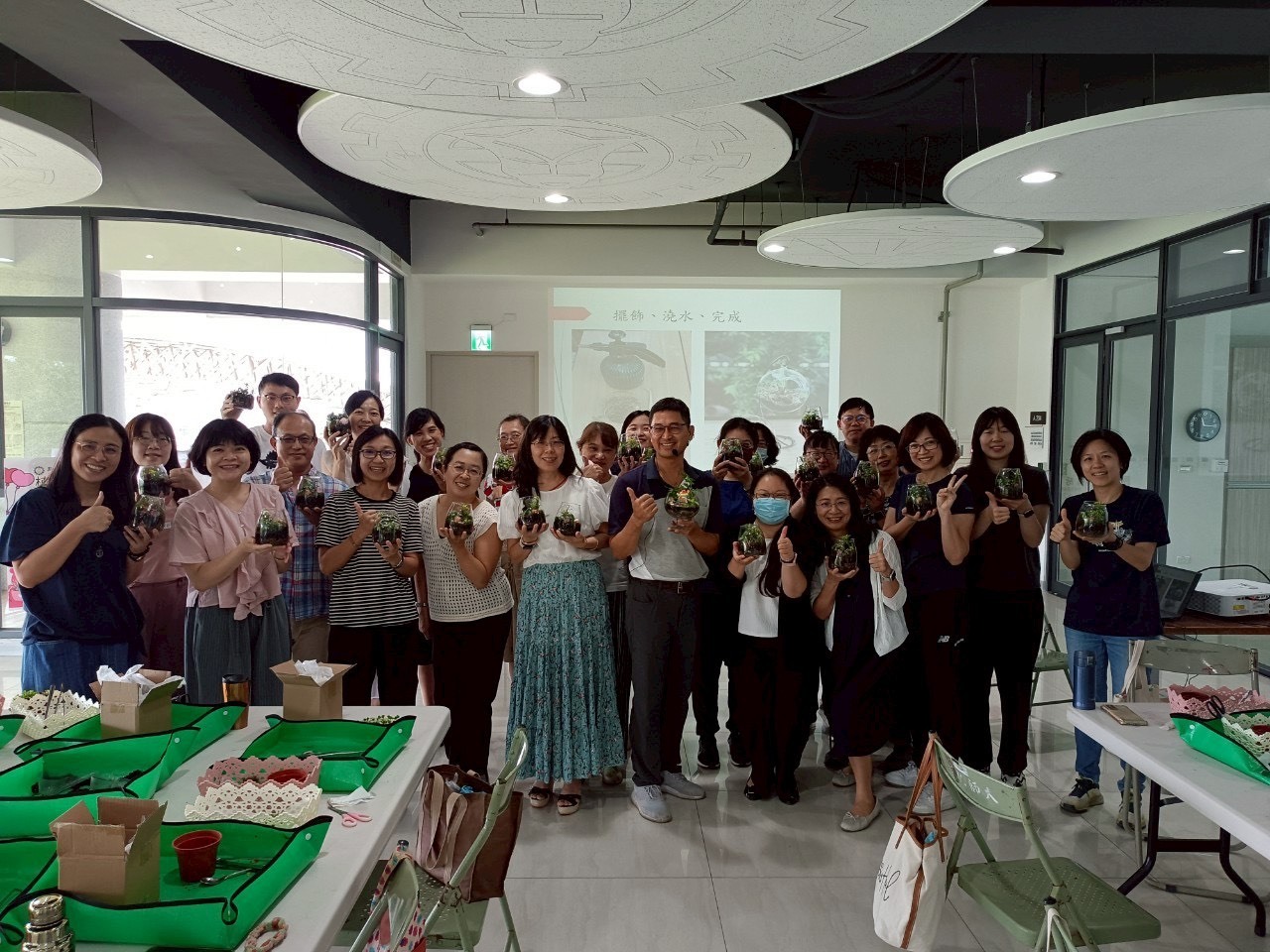
- (d) “Green Energy × Green Art: Creating a Sustainable Aesthetic”: one session on 14 July 2025 combining ecology and applied art, with 25 participants.
(3) Sleep and stress management within the health promotion program
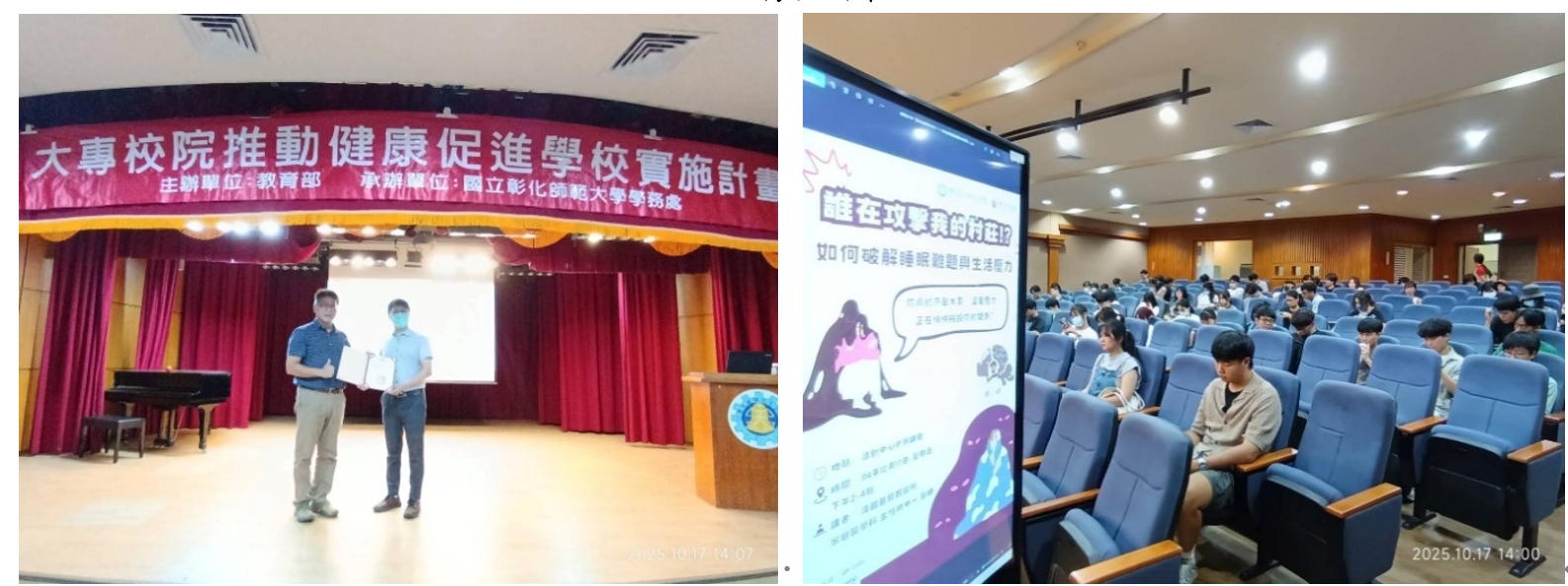
On 17 October 2025, the Health Center held the lecture “Who Is Attacking My Village? Solving Sleep Problems and Everyday Stress”, given by Dr Lin Chung-i, attending physician in the Department of Family Medicine at Changhua Christian Hospital, a medical center. The lecture examined the effects of stress on the autonomic nervous system and on sleep. It was open to staff as well as students, and one-to-one medical consultations were available on site. (Figure 9)
(4) Staff health examinations and health management
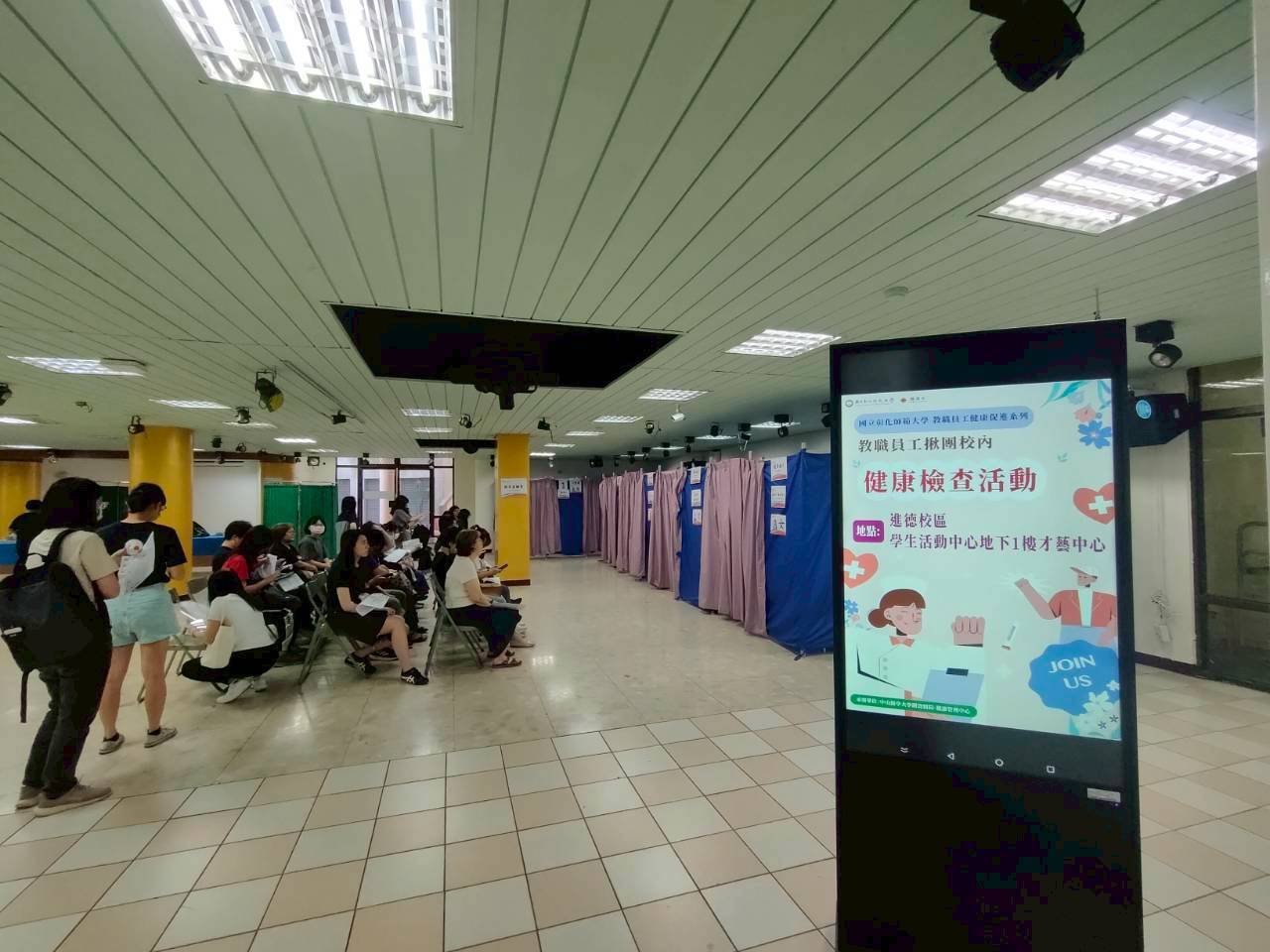
NCUE provides staff with a free health examination every two years. Five sessions were held on campus in 2024, at which 2,930 staff and students were examined; results and case records were filed for 100% of those examined. Where results such as chest X-rays are abnormal, the Health Center opens a record and provides long-term case health management. (Figure 10)
3. Employee Assistance Program (EAP): individual clinical counselling
For staff experiencing severe anxiety, adjustment difficulties or a major personal or workplace crisis, NCUE provides individual clinical counselling:
- (1) Twelve free counselling sessions and confidentiality: the Community Counseling and Human Development Service Center has approved private counseling rooms. Staff can book an appointment by telephone on extension 1444. The program provides up to 12 individual counseling sessions per person per year, delivered one-to-one by nationally licensed counselling psychologists at the center. Appointments, case content and session records are encrypted and held under professional ethical standards, and personal data is kept confidential. NCUE budgets for the full cost, so the service is free to staff.
- (2) Results for 2024: the program uses a detailed feedback questionnaire each year to gather suggestions from users. In 2024 it delivered 113 counseling sessions to 19 staff facing major challenges at work, in the family, or in emotional or personal relationships.
- (3) Tutor guidance skills and mental health seminar: in the second semester of the 2024–2025 academic year, NCUE held a tutors' meeting and guidance skills seminar. The seminar developed the capacity of university tutors and local school principals to respond to students in psychiatric crisis or emotional distress, and, with guidance from counseling psychologists, addressed the tutors' own mental health.
4. Workplace protection and job redesign for staff with disabilities
For employees with disabilities or facing particular difficulties, NCUE provides a comprehensive support system encompassing both physical facilities and support services:
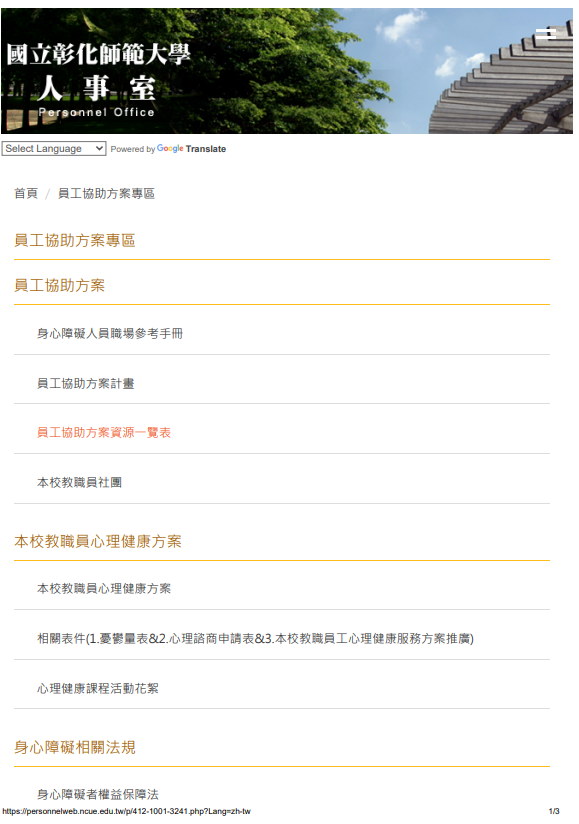
- (1) Employee Assistance Program area and Workplace Reference Handbook for Employees with Disabilities: the Personnel Office maintains a dedicated Employee Assistance Program website bringing together the available support. It has also produced the Workplace Reference Handbook for Employees with Disabilities, which sets out rights, benefits and support networks on and off campus for staff with disabilities.
- (2) Job redesign service: under the People with Disabilities Rights Protection Act, NCUE provides job redesigning for staff with disabilities. Where a member of staff encounters difficulty in their duties, the university can adjust or improve the working environment, simplify processes or redesign the role, either on its own initiative or on application, and can allocate budget to purchase assistive devices or accessible equipment. These measures support the dignity and stable employment of staff with disabilities.
Related links:
-
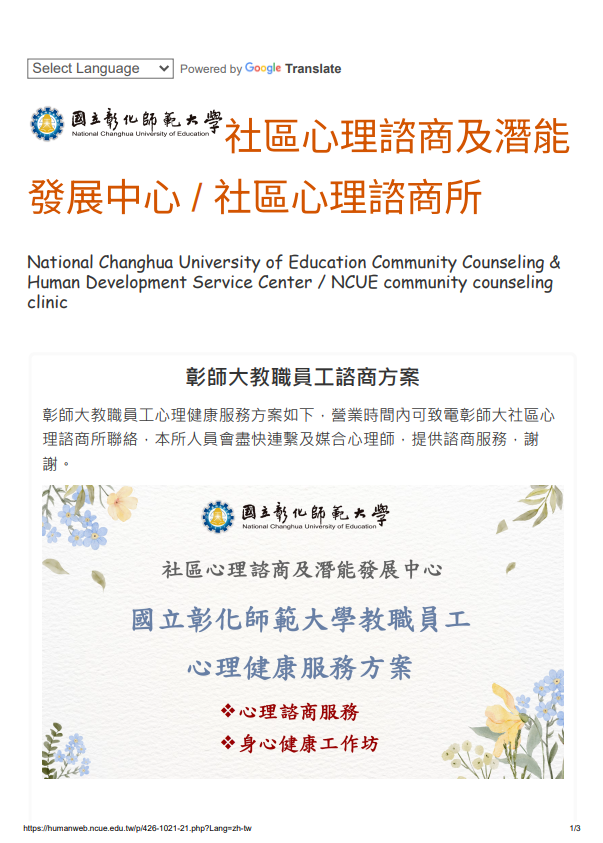
(1) NCUE Staff Counselling Program (Employee Assistance Program) website and application (Figure 11):
https://humanweb.ncue.edu.tw/p/426-1021-21.php?Lang=zh-tw -
(2) NCUE Staff Mental Health Service Program (Figure 12):
https://sdg.ncue.edu.tw/var/file/32/1032/img/321/706855176.pdf -
(3) NCUE staff mental health course and activity highlights (Figure 13):
https://personnelweb.ncue.edu.tw/p/406-1001-21219,r306.php?Lang=zh-tw -
(4) NCUE Employee Assistance Program area (job redesign and resources for staff with disabilities) (Figure 14):
https://personnelweb.ncue.edu.tw/p/412-1001-3241.php?Lang=zh-tw -
(5) NCUE Staff Mental Health Service Program (Figure 15):
https://personnelweb.ncue.edu.tw/p/406-1001-25580,r306.php?Lang=zh-tw