
SDG 3.3.1
SDG 3.3.1 Current collaborations with health institutions
To ensure healthy lives and promote well-being for people of all ages, NCUE works with health institutions at the local, national, and global levels. This work targets the elimination of sexually transmitted infections and HIV/AIDS, strengthens prevention and control, and reduces drug and substance abuse, improving the health and well-being of students, staff and local residents.
1. Global-level collaboration
NCUE builds working partnerships with internationally active institutions and organizations to advance cross-border academic exchange and clinical practice in physical and mental health:
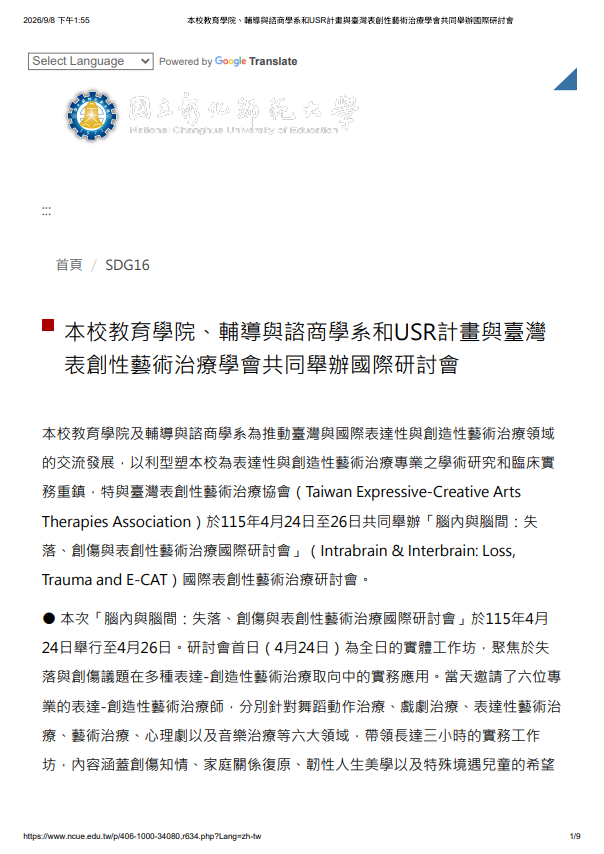
(1) Co-hosting the international conference “Intra-brain & Inter-brain: Loss, Trauma and E-CAT.”
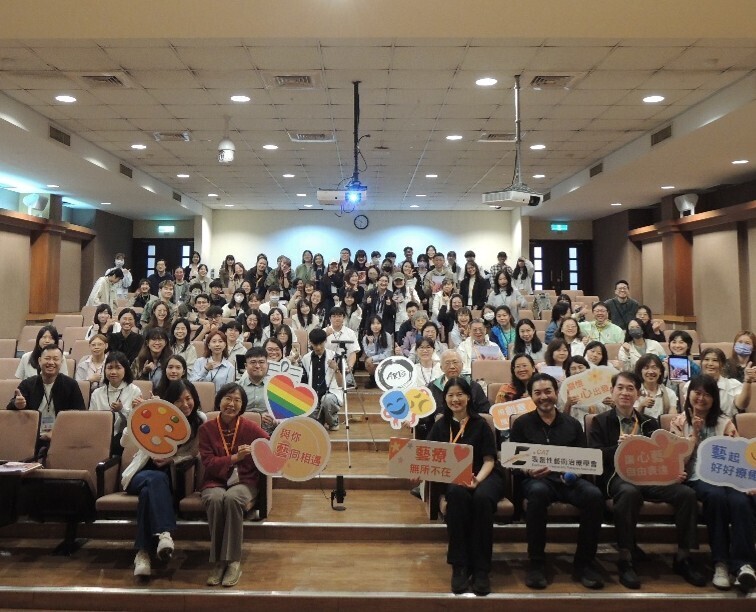
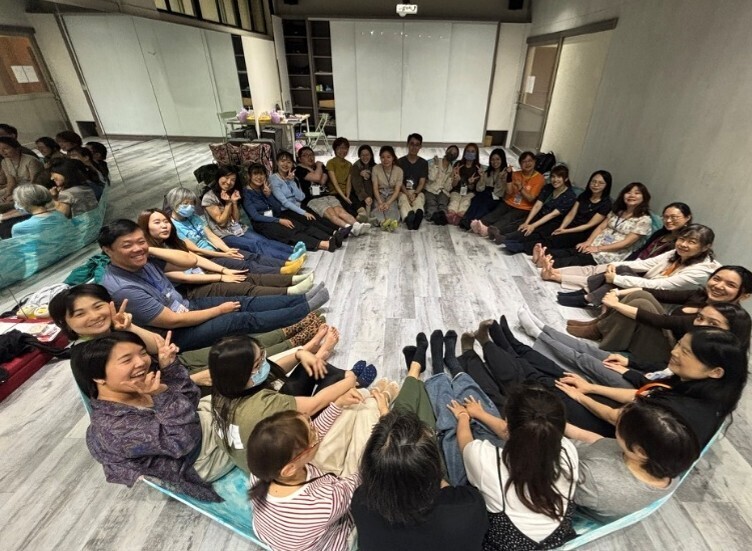
The College of Education, the Department of Guidance and Counseling, the University Social Responsibility (USR) project team, and the Taiwan Expressive-Creative Arts Therapies Association co-hosted this conference from 24 to 26 April 2026. Professor Rainbow T. H. Ho of the University of Hong Kong was invited to deliver a keynote speech entitled “Integration and Reconstruction Within and Between Brains: Expressive and Creative Arts Therapy for Healing and Recovery from Loss and Trauma,” which examined how E-CAT supports neural integration and interpersonal repair in people affected by trauma. Specialists from several fields discussed five key public health and mental health issues: art, aesthetics and trauma-informed neuroscience; group debriefing after crises and disasters; substance use disorders and addiction; victims of intimate partner violence and gender-based violence; and dementia care and bereavement. The conference extended NCUE's academic and practical research collaborations with international academic and health institutions, including the University of Hong Kong, and significantly enhanced domestic professional capacity in health care. (Figures 1-2)
Related links:
“Intra-brain & Inter-brain: Loss, Trauma and E-CAT” international conference (Figure 3)
https://www.ncue.edu.tw/p/406-1000-34080,r634.php?Lang=zh-tw
(2) Practice and research outcomes in rehabilitation counseling and applied behavior analysis (ABA).
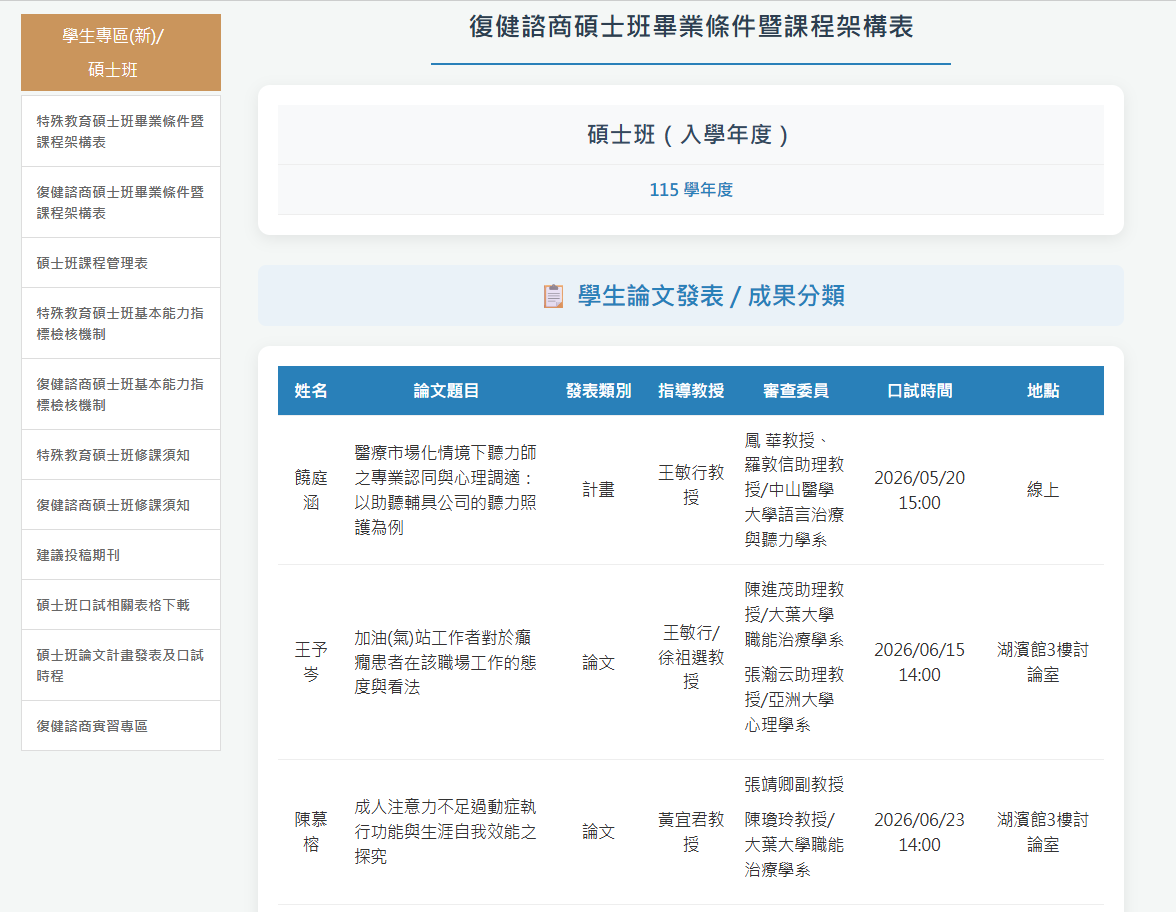
Professor Hua Feng of the Graduate Institute of Rehabilitation Counseling has supervised student research on the clinical application of ABA and positive behavior support to people with disabilities. Recent studies include the effects of behavioral skills training on social distance in adults with autism; the effects of a positive behavior support plan on self-injurious behavior in adults with visual and multiple disabilities; the effects of multiple-exemplar training on precursors to theory of mind in children with autism spectrum disorder; and an investigation of the challenges, responses and ethical issues in behavioral counseling services. This work supports practice in special education, rehabilitation care and community mental health, and provides behavior support and clinical counseling for people with autism, emotional and behavioral disorders, and multiple disabilities.
Related links:
Practice and research outcomes in rehabilitation counseling and applied behavior analysis (ABA) (Figure 4)
(3) Cross-border life education and spiritual healing.
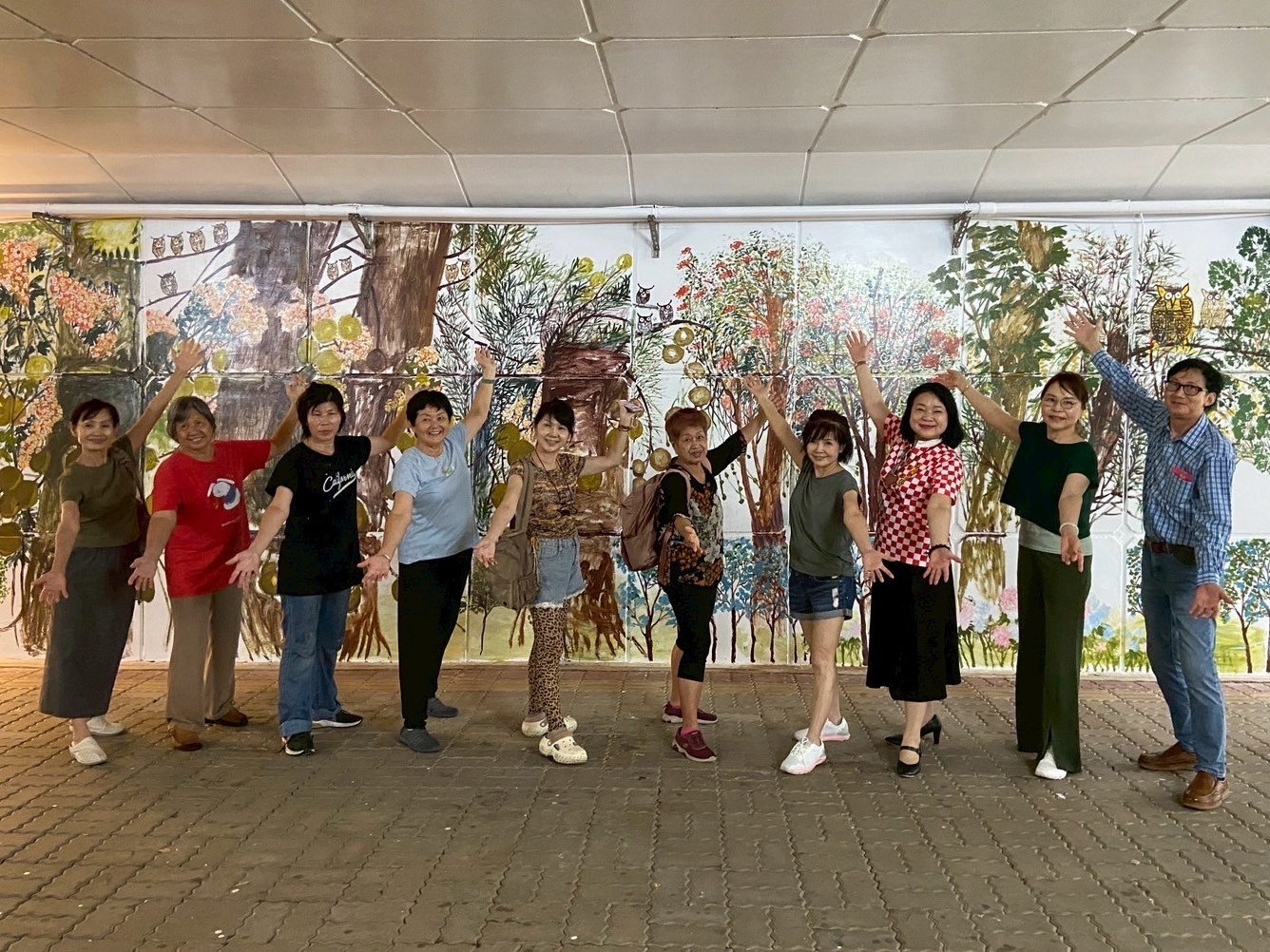
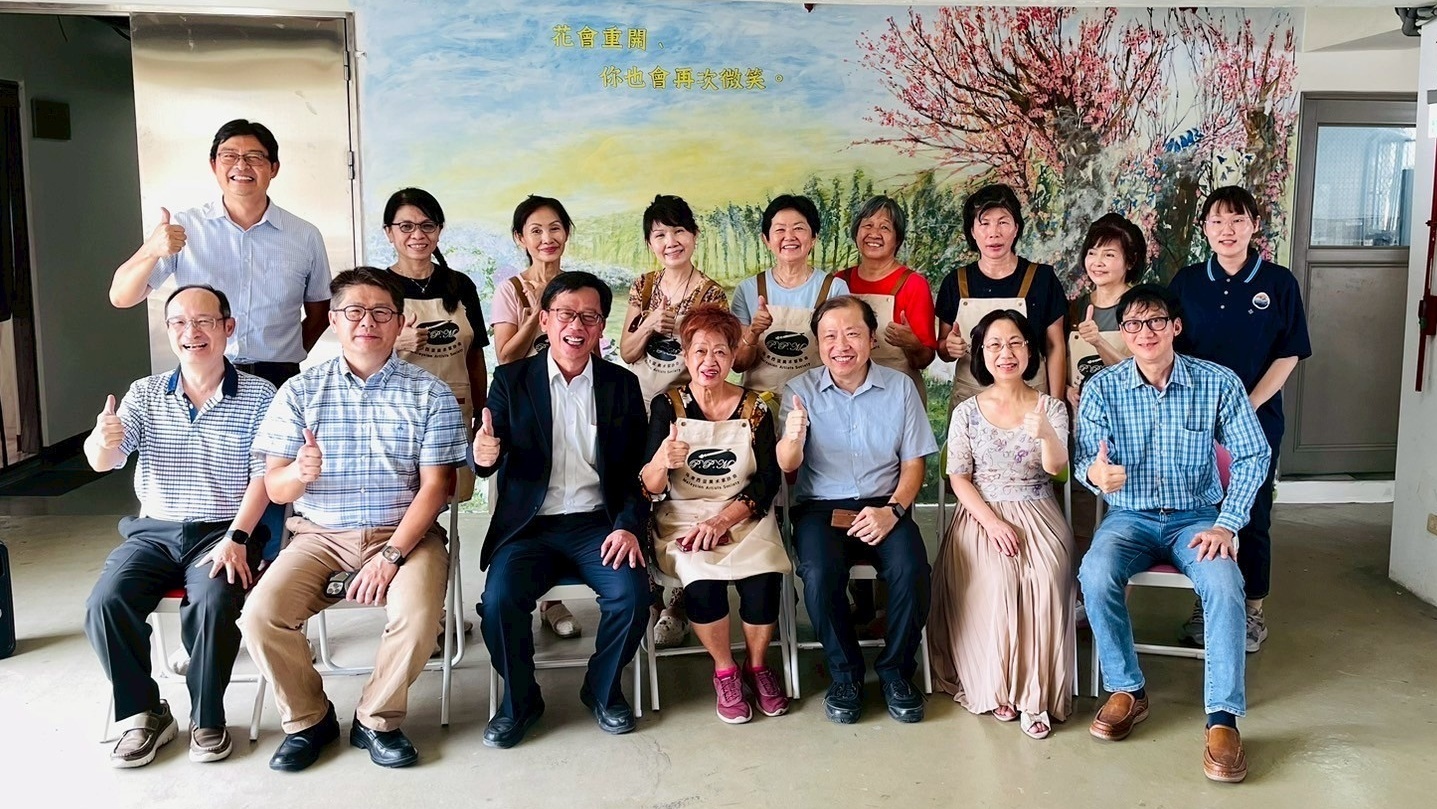
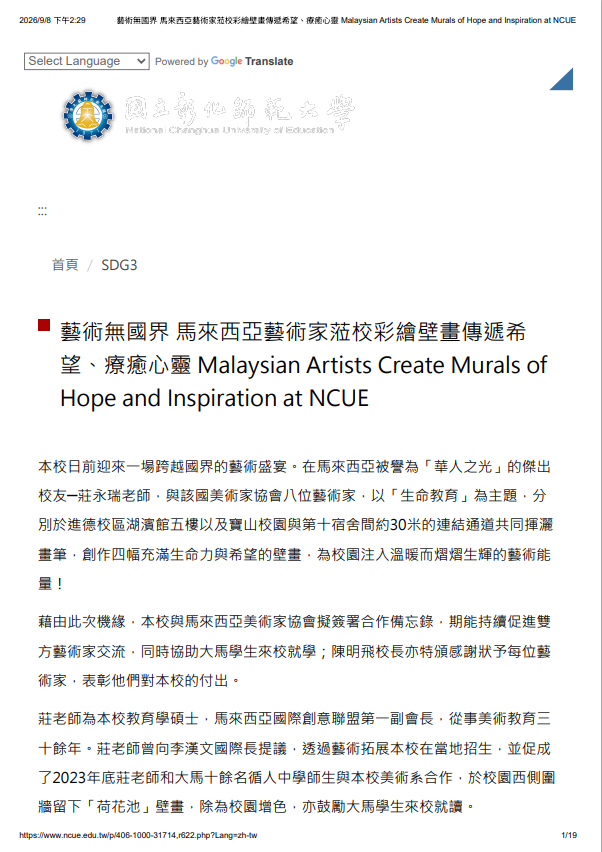
In line with its internationalization strategy and the United Nations Sustainable Development Goals (SDGs), NCUE conducts outreach with arts and health organizations worldwide. NCUE recently welcomed a cross-border celebration of art led by Yoon Sooi Chong, an NCUE Master of Education graduate who is hailed as a “pride of the Chinese community” in Malaysia and serves as First Vice President of the International Association of Creative Arts (IACA). He was joined by Shirley Chu, President of the Malaysian Artists Society, and seven other outstanding artists to create murals on campus through an outreach initiative centered on life education. During four days of intensive artistic creation, the artists worked with NCUE's Muslim students and international students from Indonesia, India and Pakistan, and other countries, as well as local Taiwanese student partners. They painted four large murals on the fifth floor of Hu-Bin Building on the Jinde Campus and along the 30-metre walkway between the Shida Campus and Dormitory 10. The murals take nature and hope as their subject and carry messages such as “The flowers will bloom again, and so will your smile” and “The world is beautiful because of you”, turning campus walkways into spaces of love and companionship. NCUE also signed a memorandum of understanding with the Malaysian Artists Society to continue leveraging art to promote international life education, psychological support, and health and well-being, while fostering positive energy and spiritual healing worldwide (Figures 5–6).
Related links:
Art without borders: Malaysian artists create murals of hope and inspiration at NCUE (Figure 7): https://www.ncue.edu.tw/p/406-1000-31714,r622.php?Lang=zh-tw
(4) Co-hosting the 15th International Expressive Arts Therapy Association (IEATA) conference.
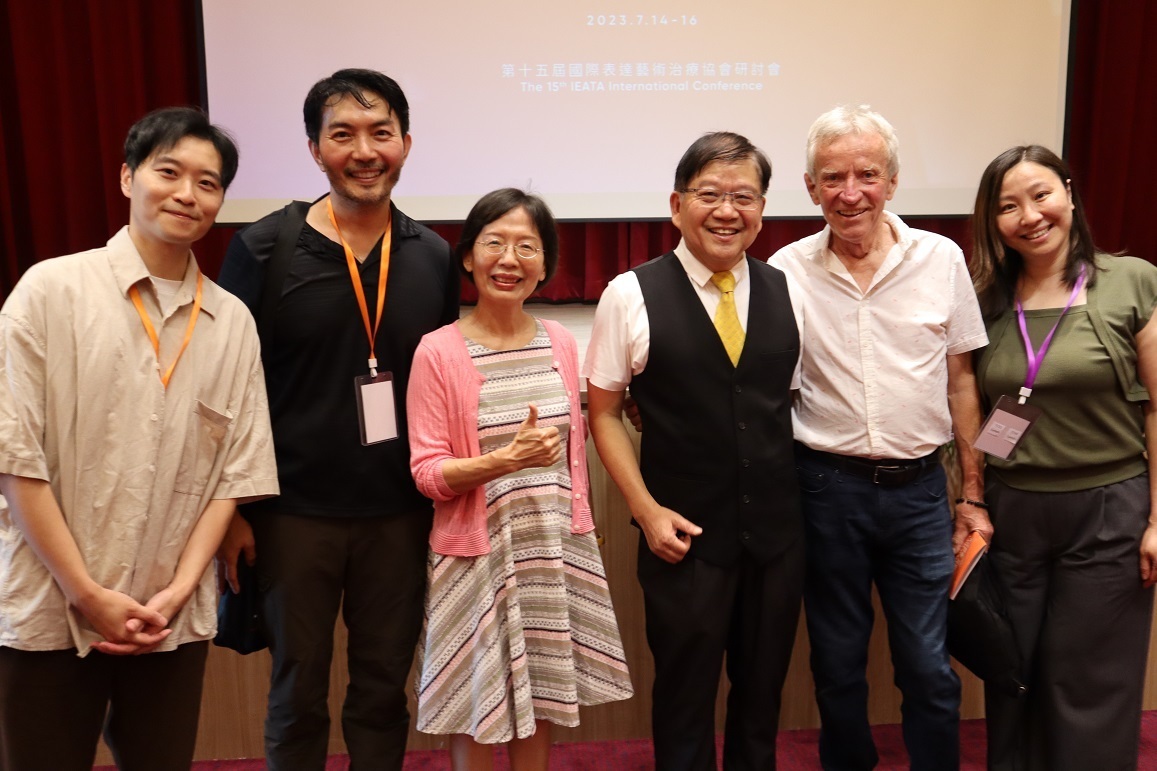
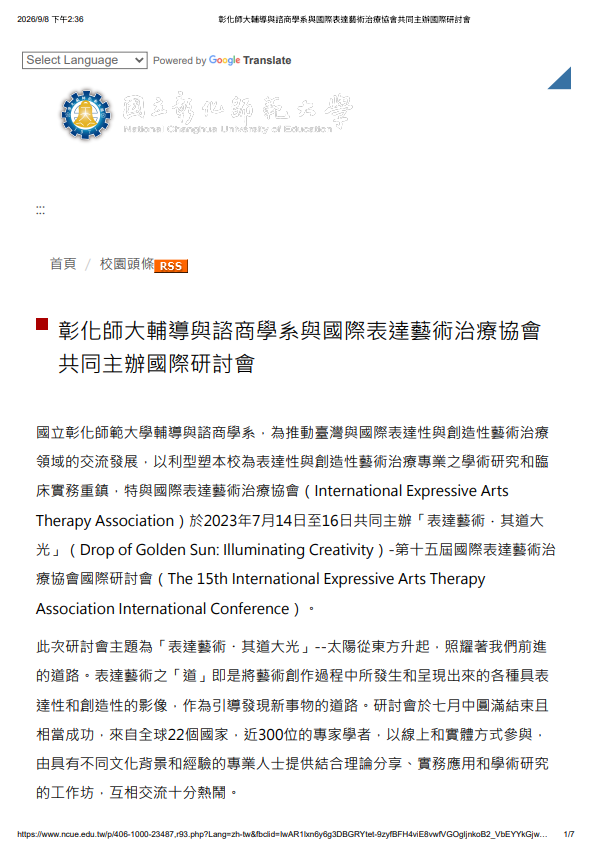
In July 2023 the Department of Guidance and Counseling co-hosted the international conference “Drop of Golden Sun: Illuminating Creativity” with IEATA. Nearly 300 scholars and practitioners from 22 countries took part online and in person, supporting international exchange in expressive arts therapy research and clinical practice. (Figure 8)
Related links:
Department of Guidance and Counseling co-hosts international conference with the International Expressive Arts Therapy Association (Figure 9)
2. National-level collaboration
NCUE works with the Ministry of Health and Welfare, the Ministry of Education and other central government agencies on national health promotion and psychological resilience programs. Outcomes are set out below:
Central government mental health support policies and related programs
(1) Social work program practicum and health outreach by the Department of Guidance and Counseling, Classes of 2025 and 2026
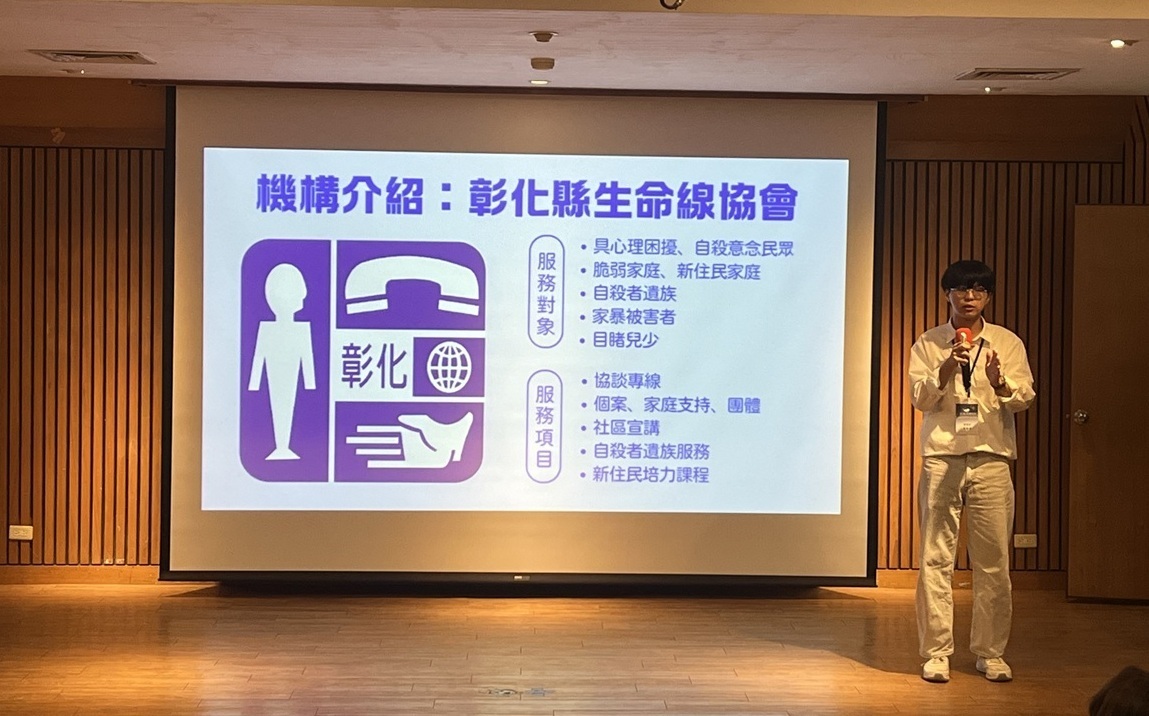
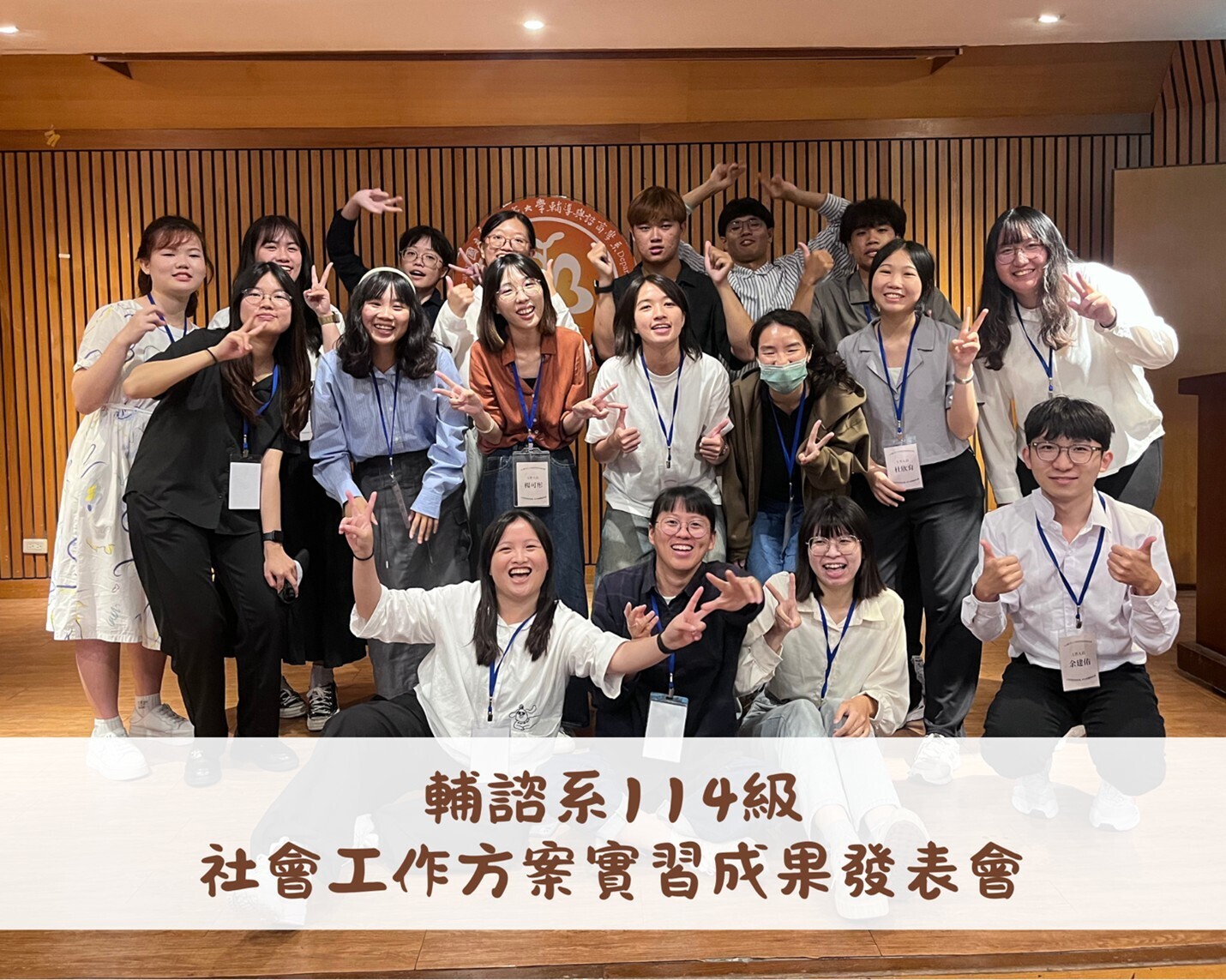
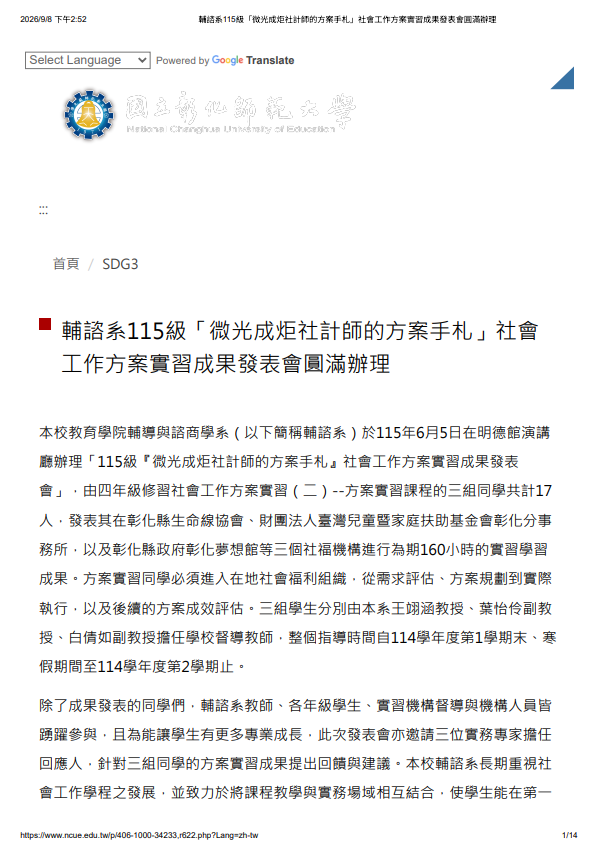
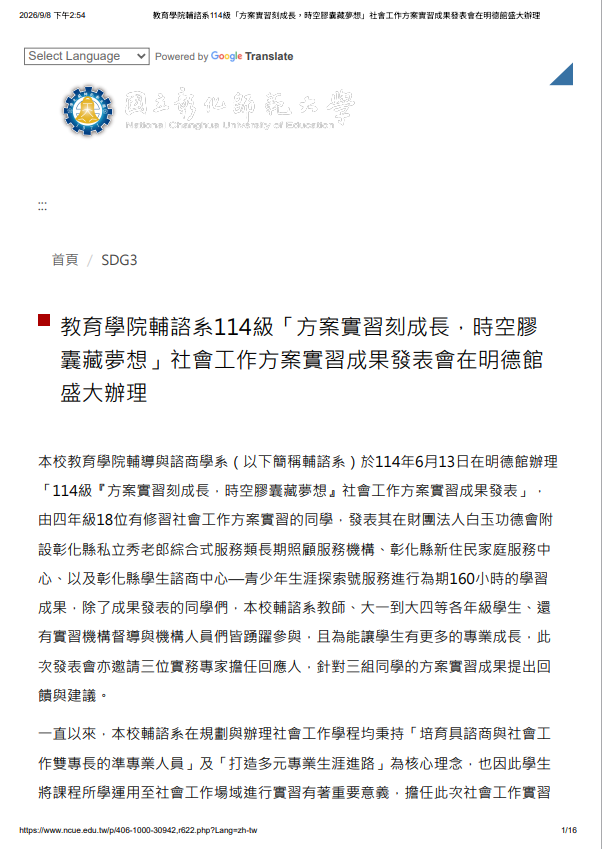
The department's social work program trains students in both counseling and social work and works towards health equity. Each year seniors complete 160 hours of health outreach at national and local social welfare and long-term care institutions. The Class of 2026 project “Micro-Light Becomes Torch” (Figure 10) included mental health education for children and young people in vulnerable families at the Changhua County Lifeline Association, child protection and health education at the Taiwan Fund for Children and Families, and support groups for urban indigenous women run with Dreamhouse of Changhua and Cevung Church. During the 2024–25 academic year the department also held the Class of 2025 presentation “Internships Shape Growth, Time Capsules Hold Dreams” (Figure 11), at which 18 students, supervised by Professor Yi-Han Wang, Associate Professor Yi-Ling Yeh, and Associate Professor Chien-Ju Pai, reported on placements at three national and local health and welfare institutions:
- (a) Women caregivers and long-term care for people with dementia (internship at the Xiu Lao Lang Long-Term Care Service Institution, Changhua County): six group sessions on adjustment, stress relief and self-care were designed for women caring for older people with dementia, improving the caregivers’ own condition and the quality of care provided.
- (b) New immigrant health and cultural equity (internship at the Changhua County New Immigrants Family Service Center): community talks and static cultural exhibitions reduced stereotyping of new immigrants and supported cross-cultural understanding.
- (c) Mental health and career rebuilding for vulnerable youth (internship at the Changhua County Student Counseling Center, Youth Career Exploration Unit): students used the social media platform Threads and self-produced picture books to present the life experiences of young people who are not in education, employment or training, encouraging public understanding and self-acceptance.
- (d) The presentation included professional feedback from Adjunct Professor Tseng Hua-yuan of NCUE, Professor Lan Yuan-Shan of Asia University, Huang Jui-Shan, Chief of the Social Work Division at the Social Affairs Bureau of Taichung City Government, and Lin Wu-Hsiung, Supervisor at the Dwen An Social Welfare Foundation, Taipei.
Related links:
(a) Class of 2026, “Micro-Light Becomes Torch” (Figure 12): https://www.ncue.edu.tw/p/406-1000-34233,r622.php?Lang=zh-tw
(b) Class of 2025, “Internships Shape Growth, Time Capsules Hold Dreams” (Figure 13): https://www.ncue.edu.tw/p/406-1000-30942,r622.php?Lang=zh-tw
(2) Baisha Celebrity Lecture Series: public outreach on psychological resilience and educational equity
NCUE regularly invites distinguished speakers to the Baisha Lectures, which are open to the public and to universities nationwide and carry mental health and health policy topics to a wider audience.
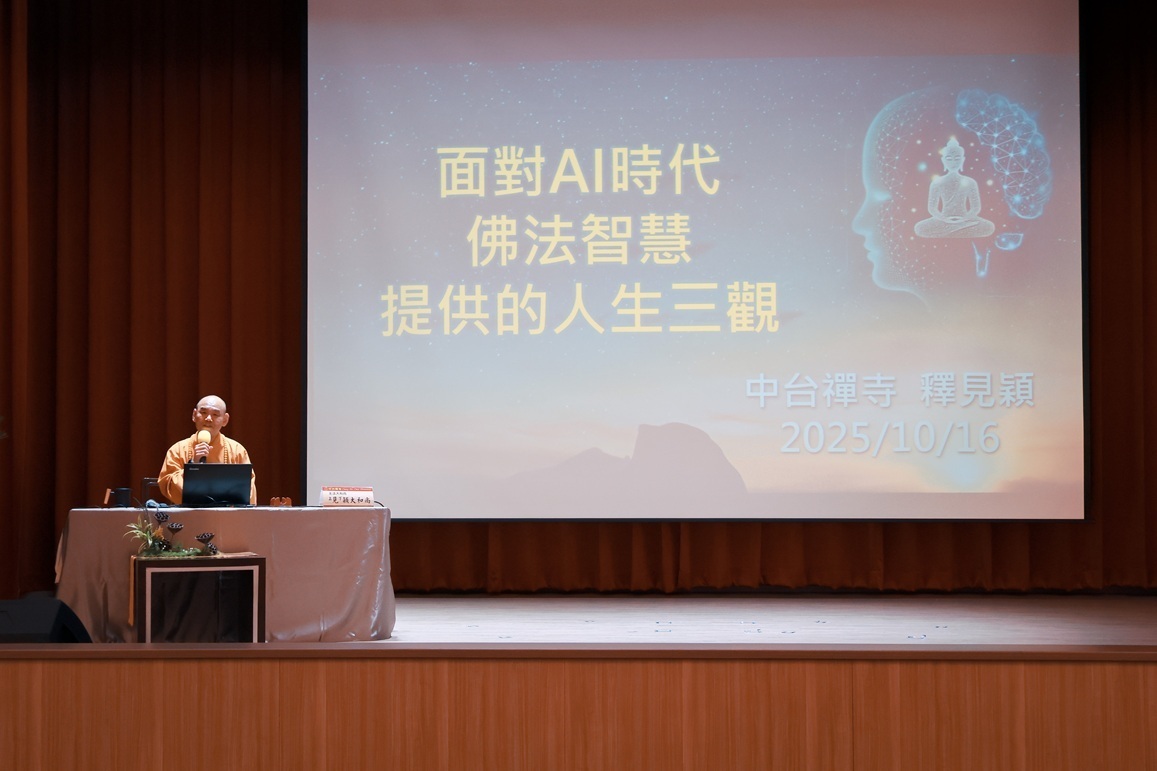
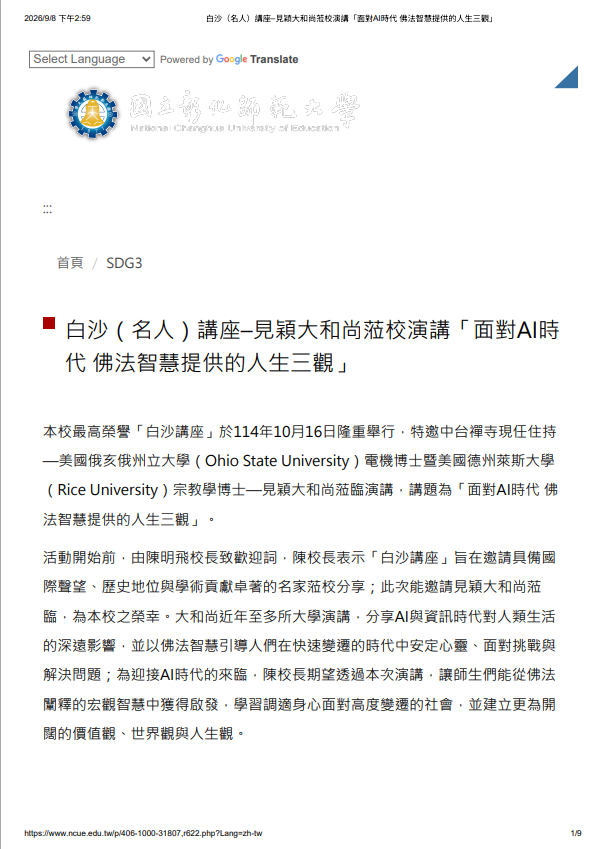
- (a) On 16 October 2024 Venerable Master Jianying, Abbot of Chung Tai Chan Monastery and holder of doctorates in electrical engineering and religious studies, spoke on “Three Perspectives on Life from Buddhist Wisdom in the Age of AI.” The lecture examined the effects of digital technology and AI on mental health, including job-loss anxiety, social isolation and the distress caused by disinformation, and set out coping methods based on self-discipline, focus, adaptability, compassion and equanimity. More than 400 students, staff and local residents attended, and the lecture was streamed live via Webex through the National University System of Taiwan. (Figure 14)
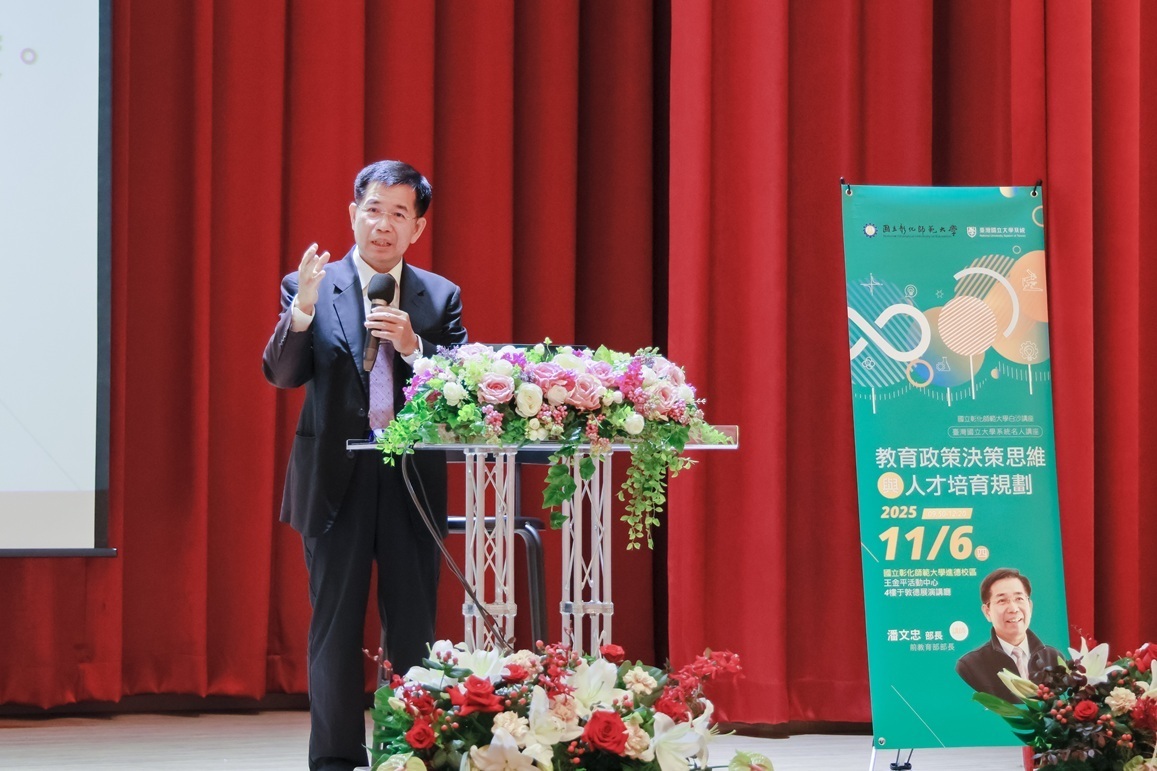
- (b) On 6 November 2025 Pan Wen-Chung, former Minister of Education, spoke on “Decision-Making in Education Policy and Talent Development Planning” to secondary and primary school principals and directors in Changhua County and to university staff and students. He set out the principles of adaptive development and educational equity and described policies introduced during his term, including the central-kitchen school lunch scheme for rural schools, which reduce urban-rural gaps in health and education. (Figure 15)
Related links:
(a) Lecture by Venerable Master Jianying (Figure 16): https://www.ncue.edu.tw/p/406-1000-31807,r622.php?Lang=zh-tw
(b) Lecture by former Minister of Education Pan Wen-Chung (Figure 17): https://www.ncue.edu.tw/p/406-1000-32227,r622.php?Lang=zh-tw
(3) Scientific inquiry and home-safety health outreach supported by the Ministry of Education’s Higher Education SPROUT Project
With funding from the Higher Education SPROUT Project, the College of Science ran a project course and competition in scientific inquiry and practice. Entrants used AI-based quantitative methods and cross-disciplinary tools to address everyday health and safety problems:
- (a) Anti-slip measures for home safety. The second-placed team measured the coefficient of static friction of tiled floors after applying commercially available anti-slip sprays and used microscopic analysis to explain the micro-etching mechanism involved. The results provide practical guidance for preventing slips and falls at home, especially for older adults and vulnerable households, contributing to preventive healthcare and everyday safety.
- (b) Water ecology and drinking water safety. Other teams analyzed algae removal from eutrophic water and water purification using alum, and identified purification strategies that balance efficiency, durability and cost.
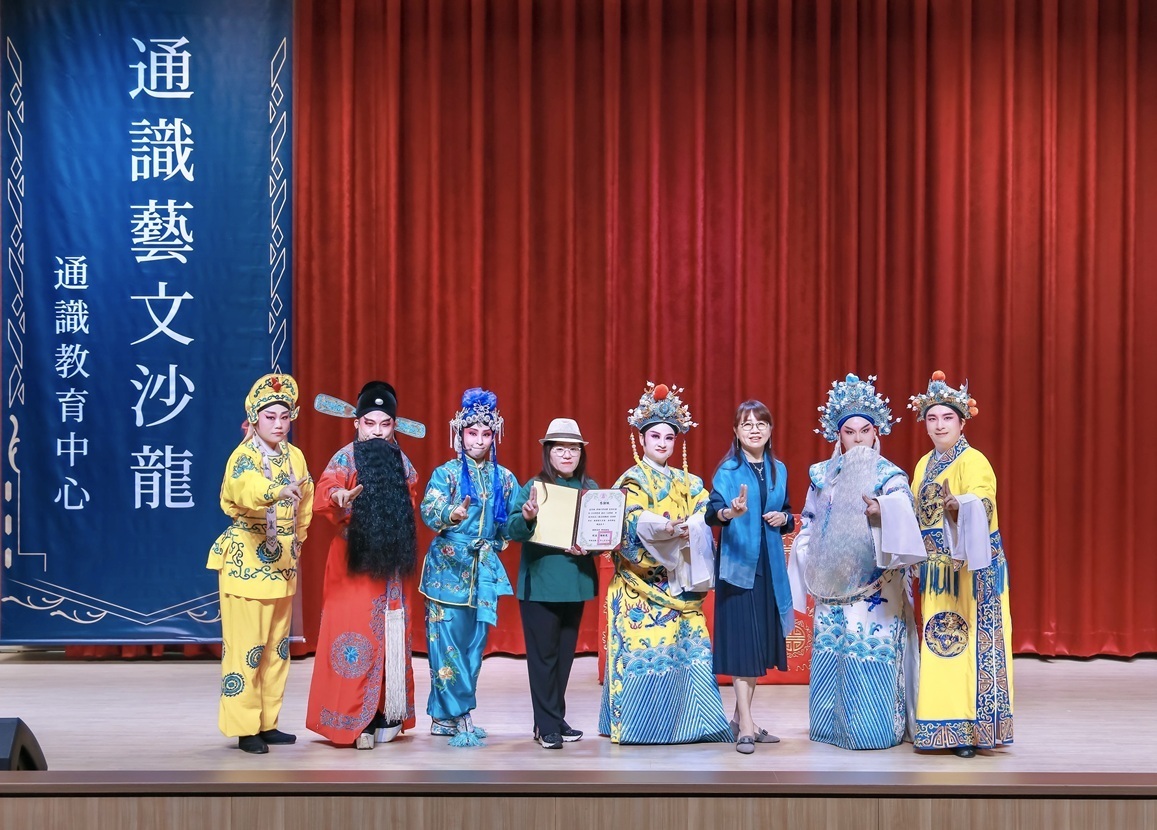
(4) In April 2026 the Center for General Education held a general education arts salon at which the Hanyang Beiguan Opera Troupe, a nationally designated traditional arts group, performed the concert “Beiguan Duet” and led an interactive session on traditional opera movement. Demonstrations of traditional stage movements and explanations of the classical musical instruments of the Fulu and Xipi schools gave students, staff and local residents a means of relieving academic and everyday stress. (Figure 18)
Related links:
(a) College of Science scientific inquiry activity (Figure 19): https://www.ncue.edu.tw/p/406-1000-34129,r622.php?Lang=zh-tw
(b) Beiguan opera troupe concert for mental well-being (Figure 20): https://www.ncue.edu.tw/p/406-1000-33697,r622.php?Lang=zh-tw
(5) Taiwan's first and longest-running university-based community counseling center and its refurbishment.
The Community Counseling and Human Development Service Center was established in 1994 and is the first and longest-running center of its kind in a Taiwanese university to serve the general public. To mark its 30th anniversary in 2024, and with the President's support and dedicated funding, NCUE began a refurbishment and equipment upgrade of the counseling facilities that year. The work was completed and the new counseling space opened in April 2025, providing the local community with more private and professional mental health and counselling services. (Figures 21-22)
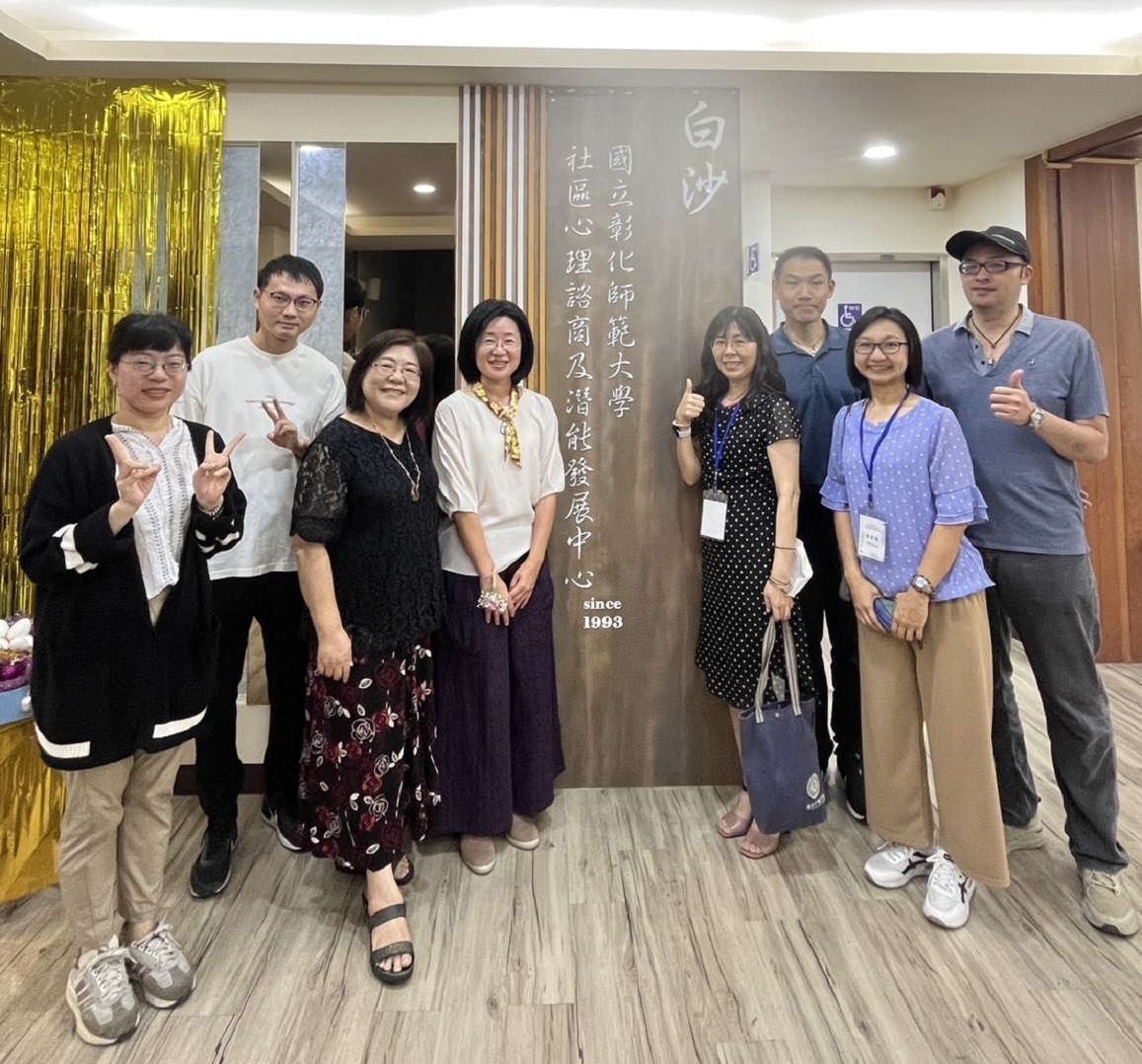
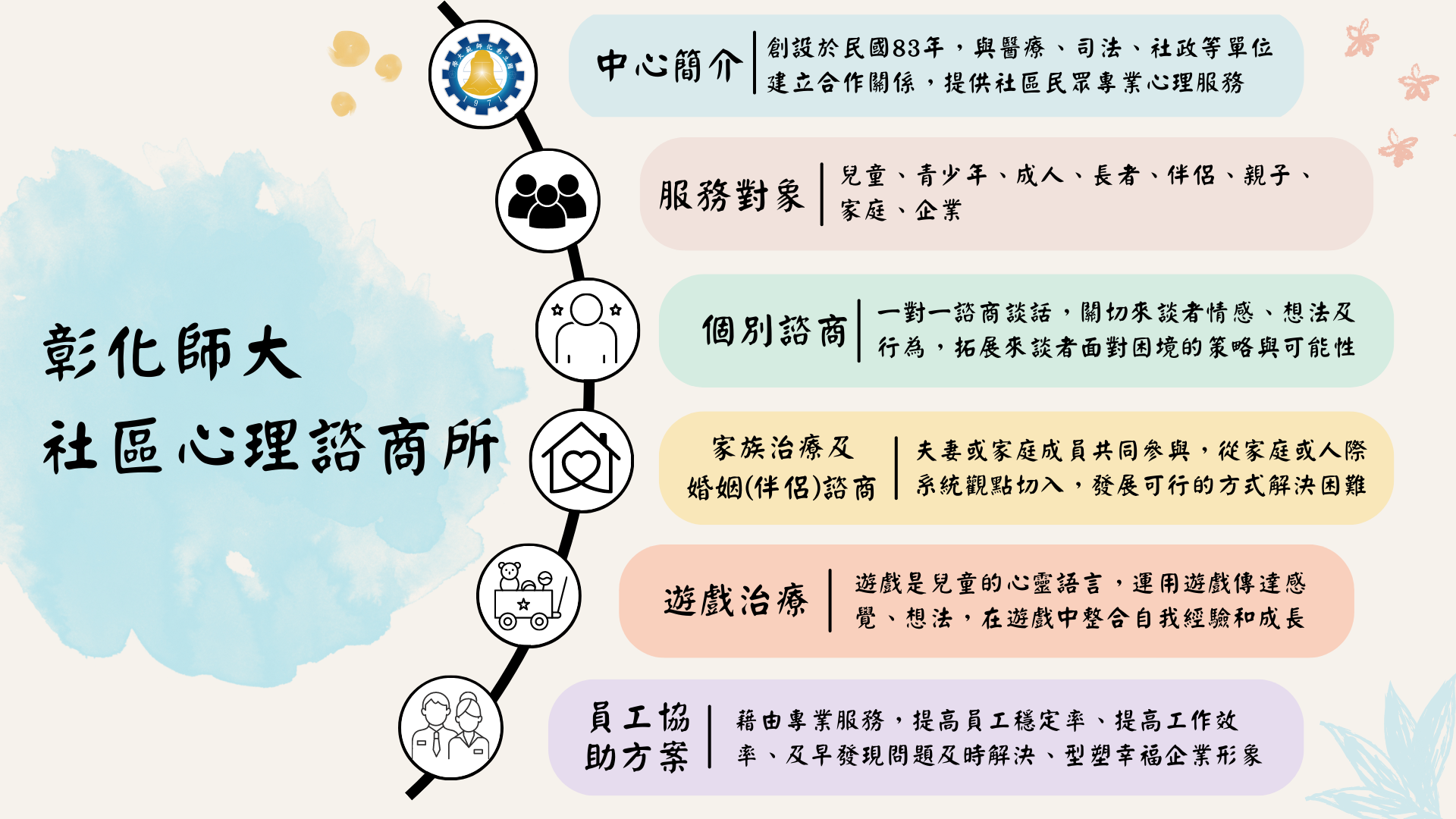
Related links:
Opening reception for the new counseling space at the 30th anniversary of the Community Counseling and Human Development Service Center (Figure 23)
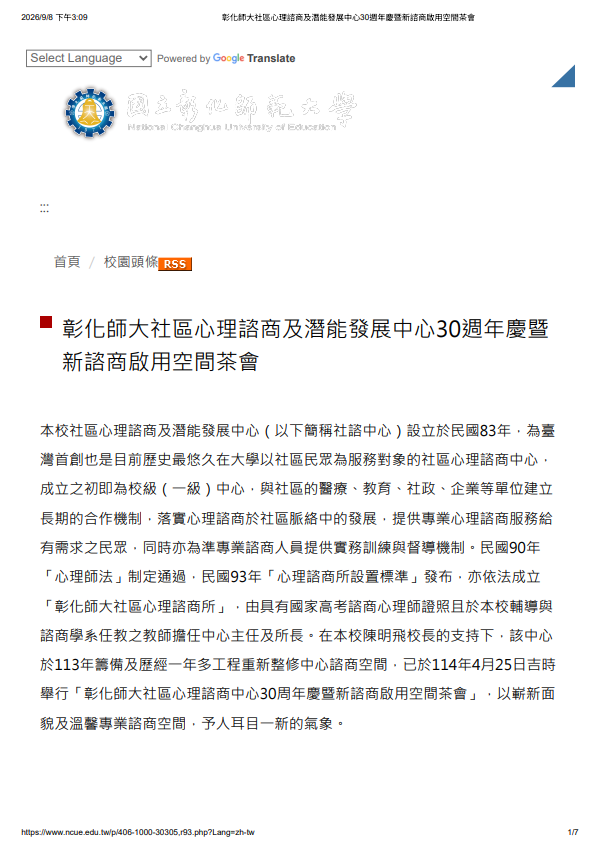
(6) Mental health support program of the Ministry of Health and Welfare
The Community Counseling and Human Development Service Center takes part in the Ministry of Health and Welfare's 2024 mental health support program for people aged 15–30 and aged 15–45 (Figure 24), providing free counseling to members of the public experiencing distress, depression or anxiety to help improve their mental health.
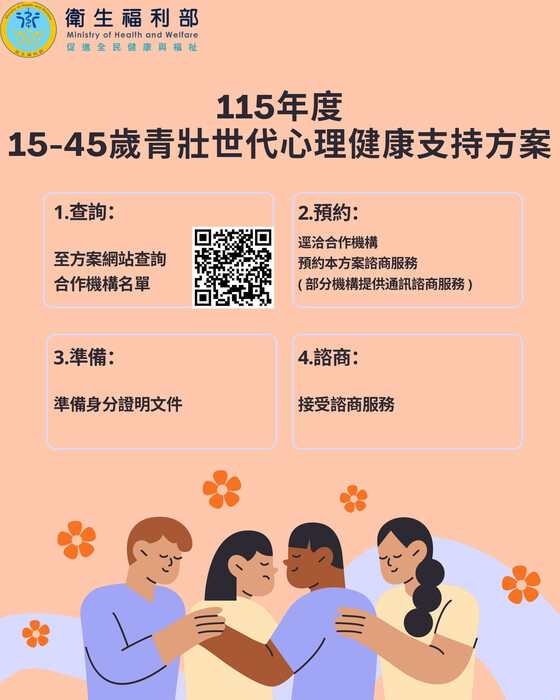
Related links:
Mental health support program for people aged 15–45, 2024–2026 (Figure 25)
https://humanweb.ncue.edu.tw/p/406-1021-34431,r11.php?Lang=zh-tw
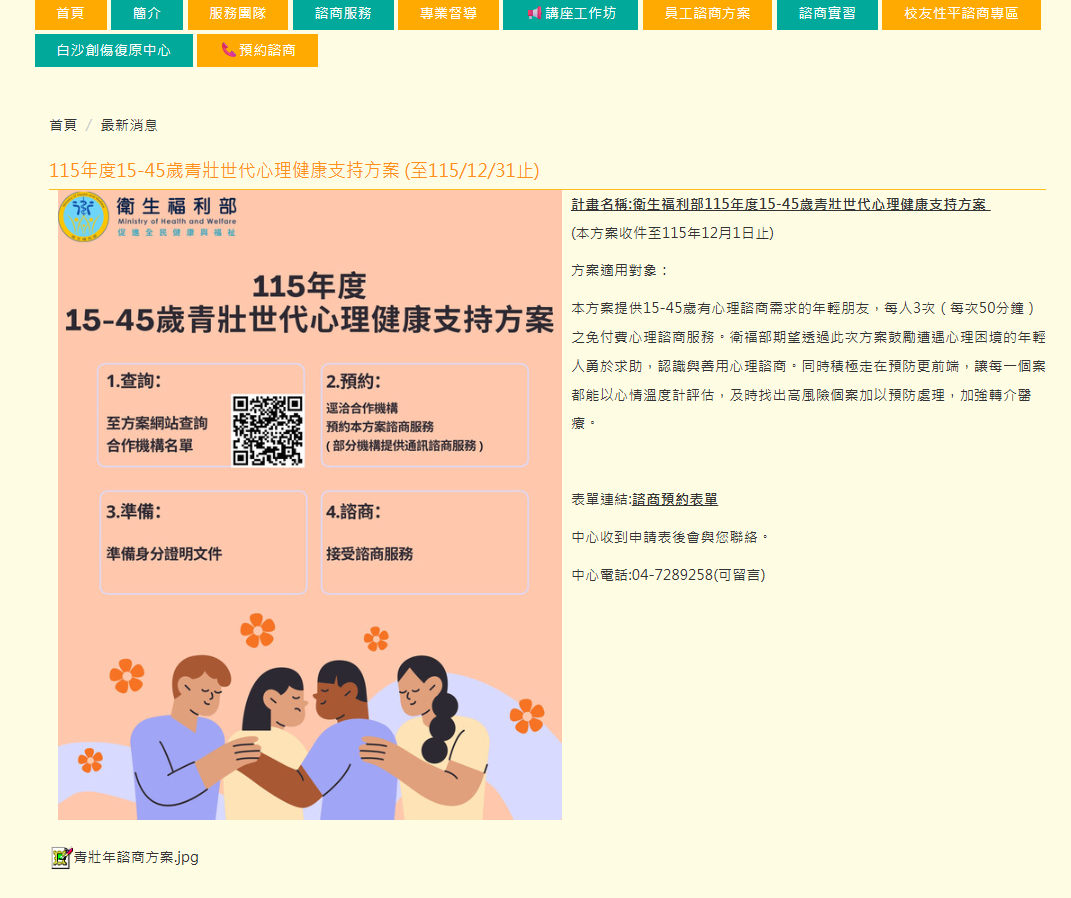
(7) Implementation of the Teacher Counseling and Guidance Support Service Program for the Ministry of Education and local government
NCUE delivers the Teacher Counseling and Guidance Support Service Program commissioned by the Changhua County Government. The program serves full-time and substitute teachers in schools up to upper-secondary level and recorded measurable results in 2024 in supporting teachers' well-being and counseling effectiveness.
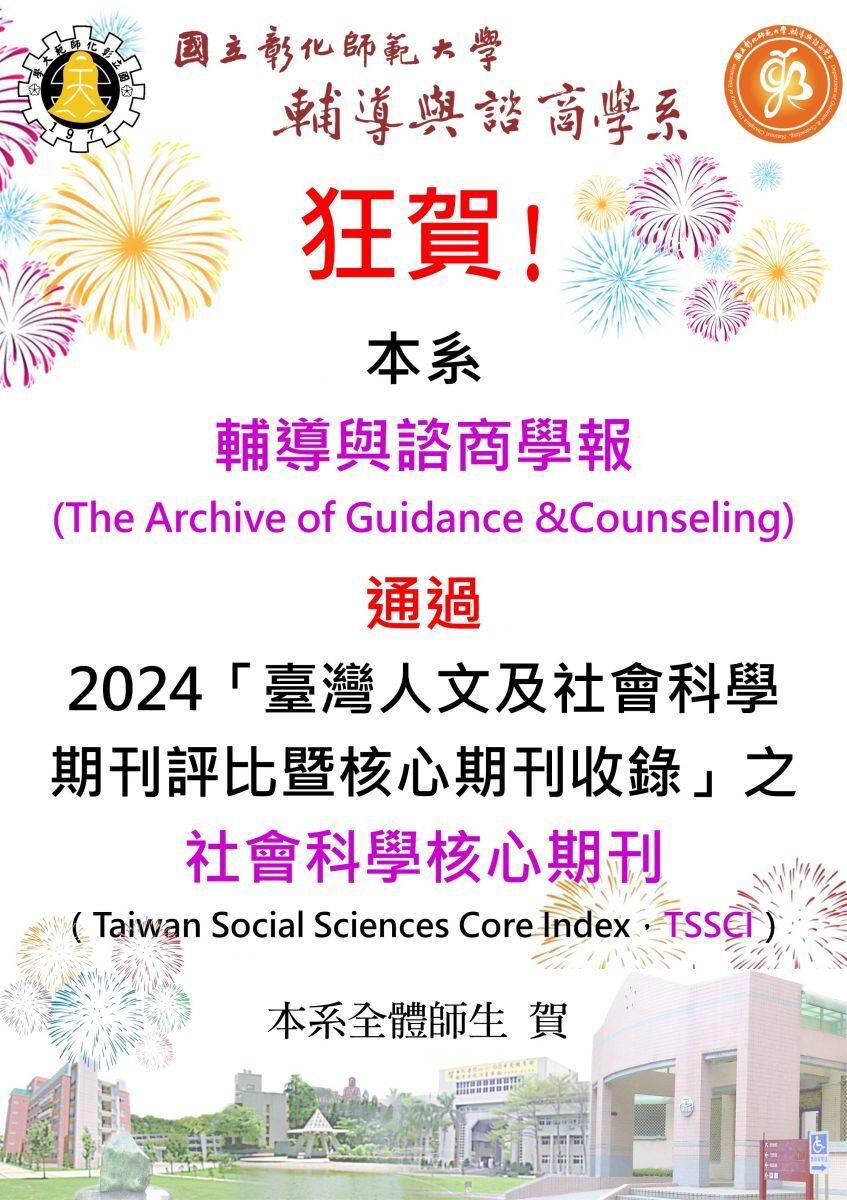
(8) The Archive of Guidance and Counseling accredited as a TSSCI core journal
In 2024 The Archive of Guidance and Counseling, edited and published by the Department of Guidance and Counseling, was listed at Level 2 in the Taiwan Social Science Citation Index (TSSCI), the national index of core journals in the humanities and social sciences.
Related links:
Official website of the Archive of Guidance and Counseling (Figure 26)
(9) Student substance abuse prevention with the Ministry of Education
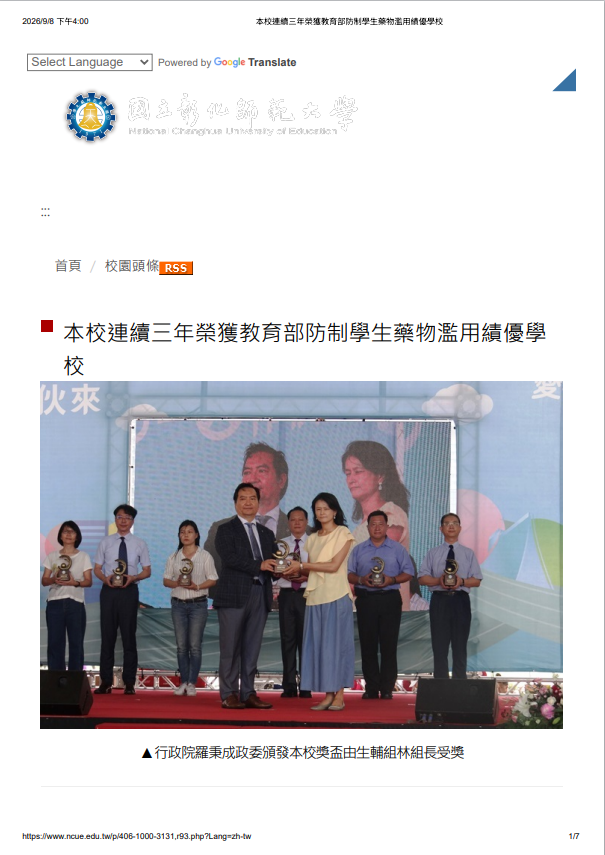
- (a) NCUE works closely with the Ministry of Education on student substance abuse prevention. In 2024, NCUE was once again named an Outstanding School for Student Substance Abuse Prevention among higher education institutions and is the only national university in Taiwan to have received this honor for three consecutive years. Students led by Wu Pei-fen of the Department of Information Management, College of Management, won a bronze award in the Ministry of Education's 6th Campus Drug and Bullying Prevention Short Film Competition, presenting the message of refusing drugs and preventing bullying from a student perspective; the film was distributed nationally through the Ministry's multimedia platform. In 2024, NCUE also ran the Service-Learning Program for Substance Abuse Prevention in Higher Education, with funding of NT$123,000 and 1,710 volunteer attendances at primary and junior high schools in rural areas.
- (b) For the 2025–2026 academic year, the Ministry of Education approved a total of NT$346,740 in funding. In 2025, 99 student volunteers delivered bilingual drug prevention sessions at two junior high schools and drama-based sessions at six primary schools, reaching a total of 1,058 students and teachers. Activities planned for 2026 cover three junior high schools using bilingual delivery and six primary schools using drama, with an estimated reach of 2,659 pupils. (Figures 27–30)
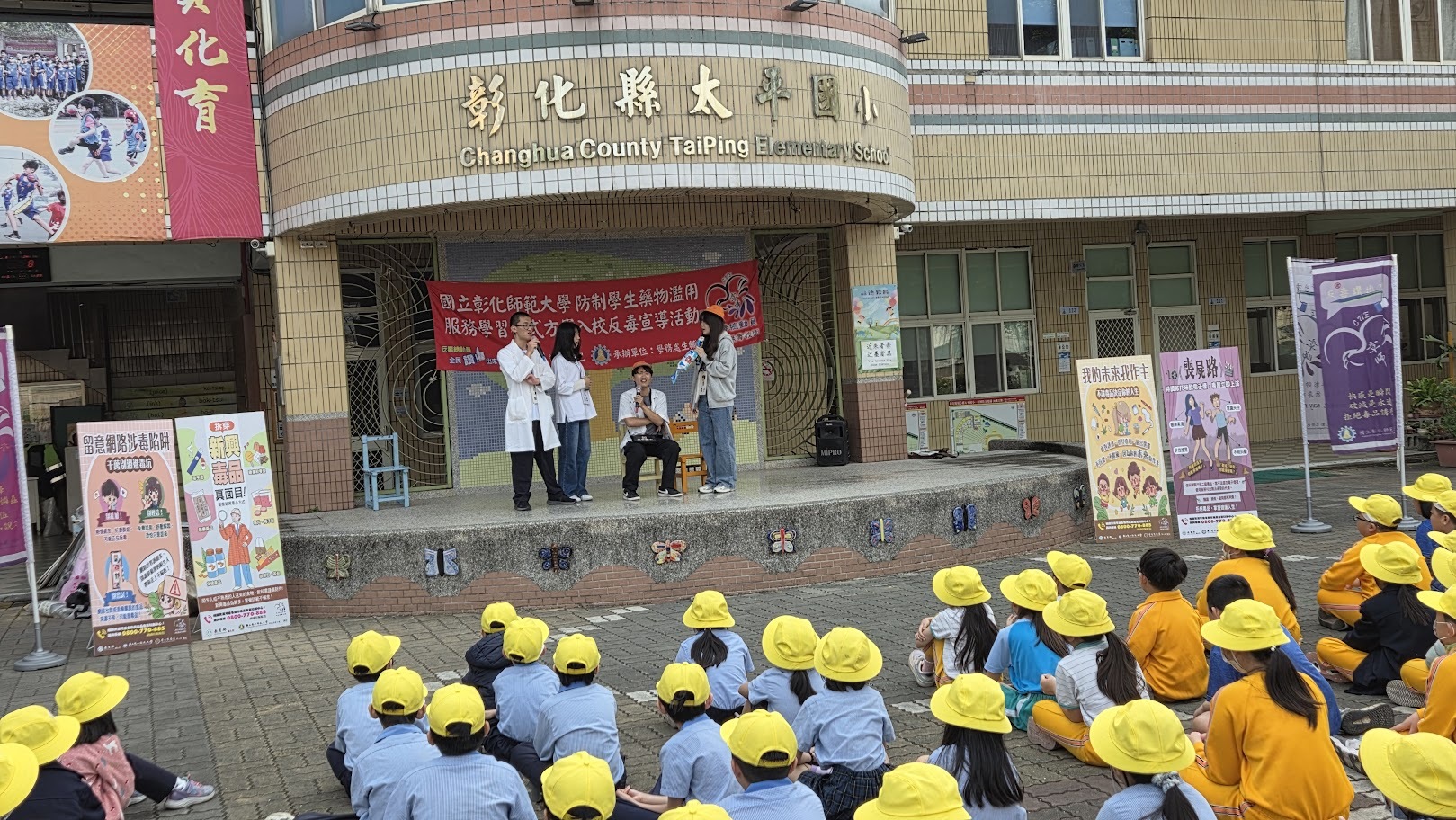
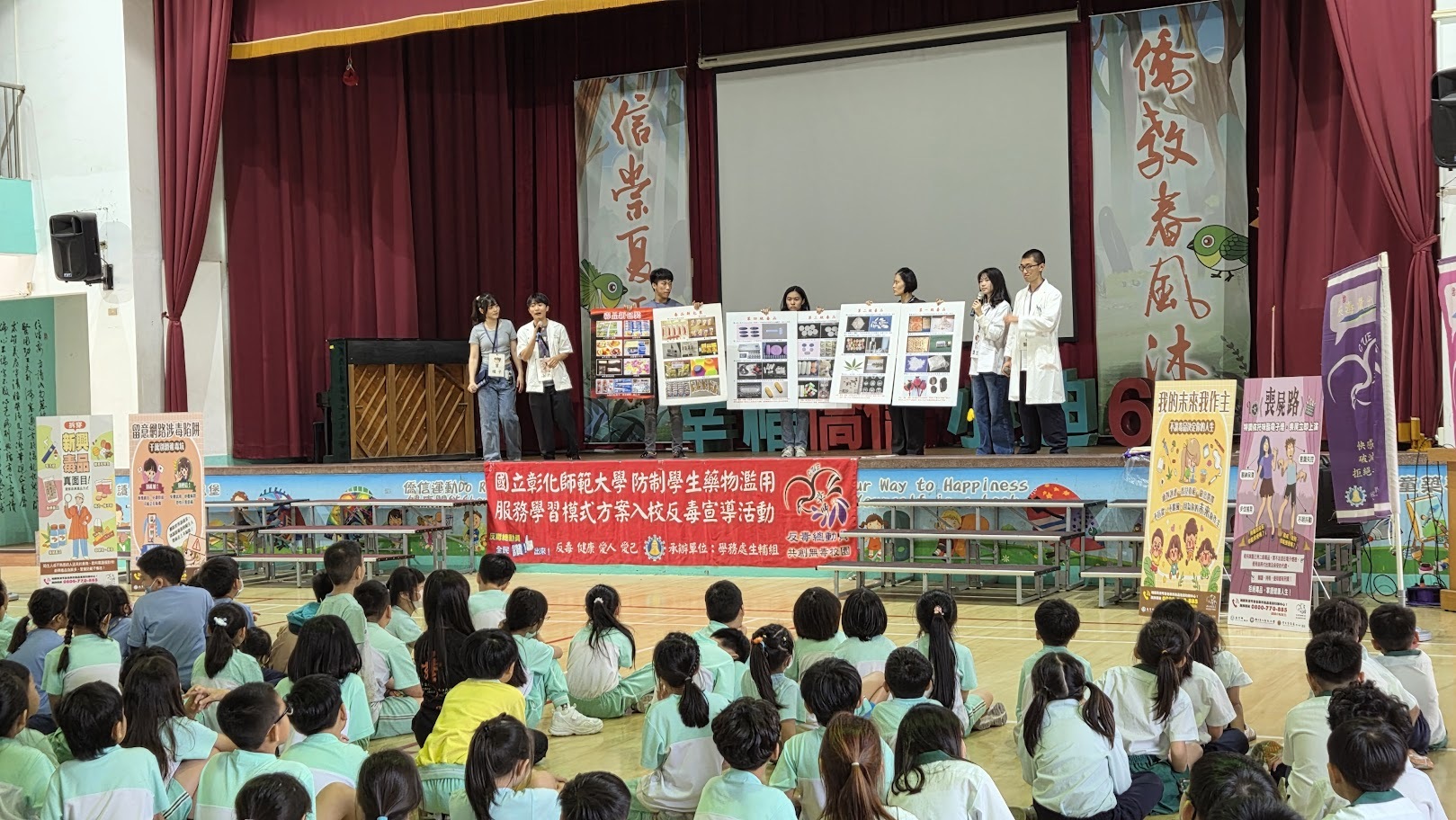
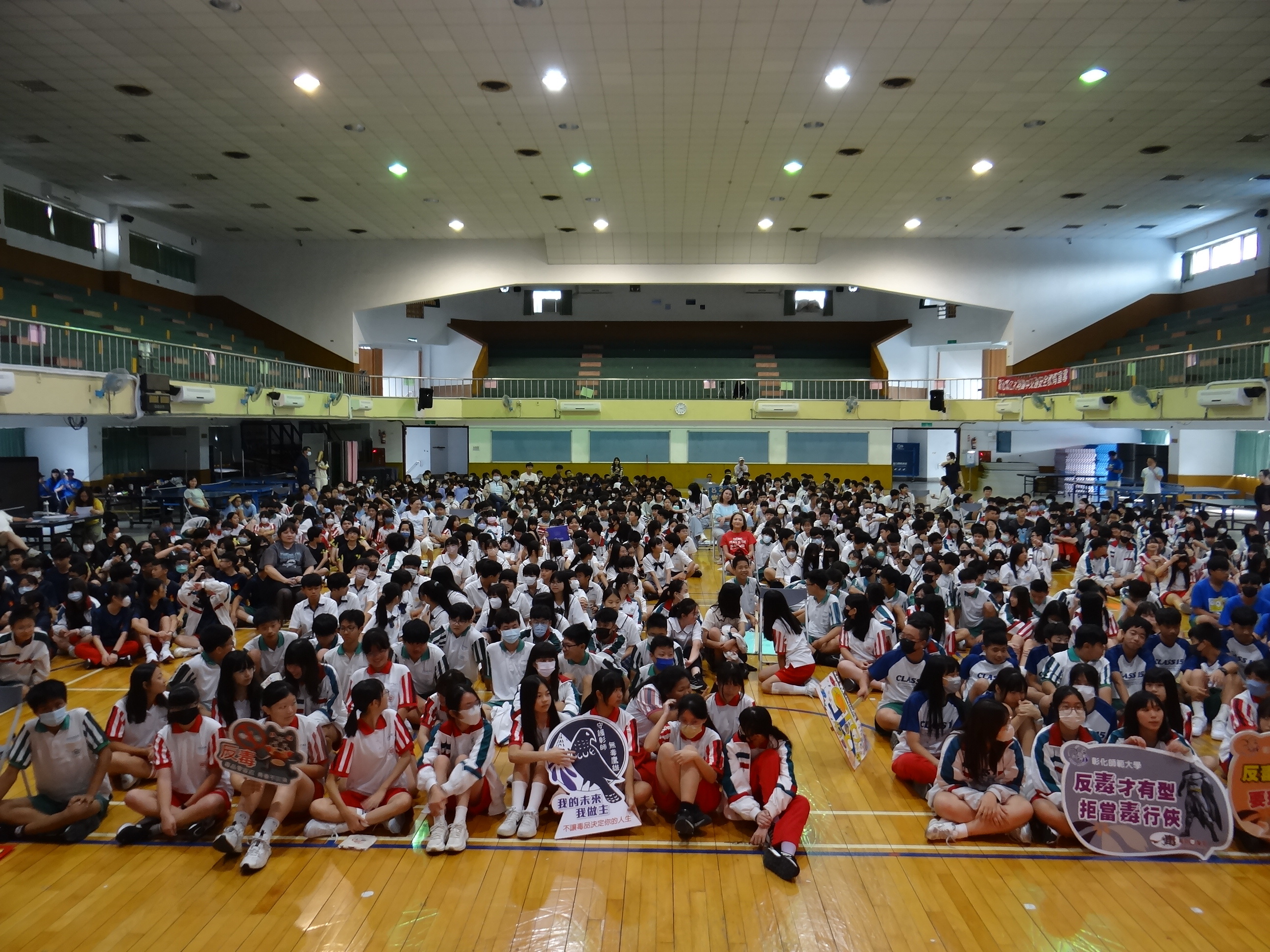

Figures 27–30. Service-Learning Program for Substance Abuse Prevention in Higher Education: school visits on substance abuse prevention at nearby and rural primary and junior high schools
Related links:
NCUE named an Outstanding School for Student Substance Abuse Prevention by the Ministry of Education for three consecutive years (Figure 31)
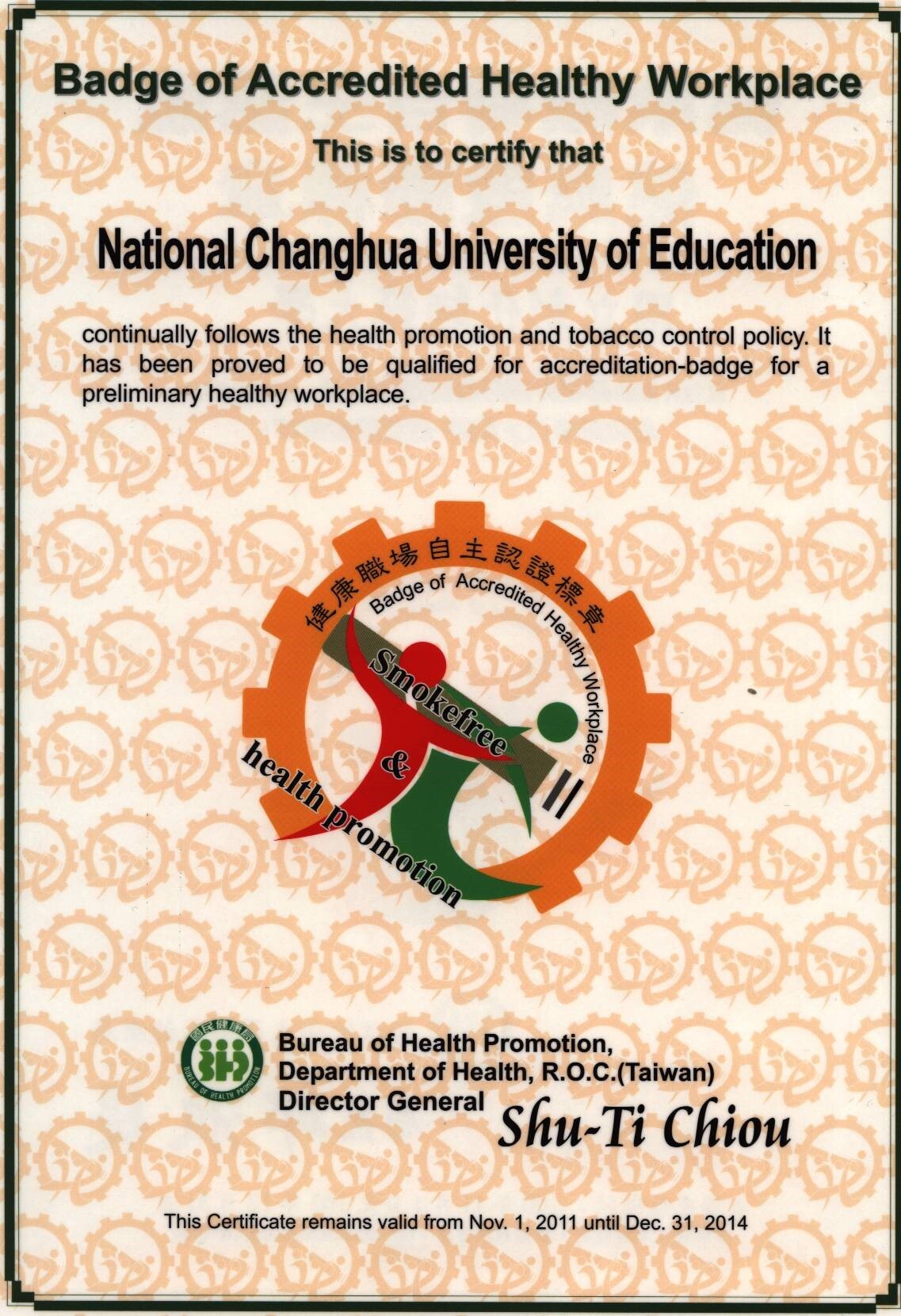
(10) Awarded the "Badge of Accredited Healthy Workplace (Health Promotion)" by the Executive Yuan
NCUE’s efforts to create a healthy campus and promote healthy lifestyles among faculty, staff, and students have received national recognition. NCUE was awarded the Badge of Accredited Healthy Workplace by the Executive Yuan and the Health Promotion Administration. (Figure 32)
(11) Health Promoting University funding and multi-theme delivery
NCUE works with government agencies on health promotion policy and preventive health measures for all staff and students. It received NT$300,000 under the Ministry of Education's 2025 Health Promoting University Program and runs regular talks and activities on healthy weight and diet, healthy living (including first aid education and blood donation), a smoke-free campus, and comprehensive sexuality education. In the 2025–26 academic year, NCUE held 35 health talks and awareness activities with 10,532 staff and student attendances. (Figures 33–40)
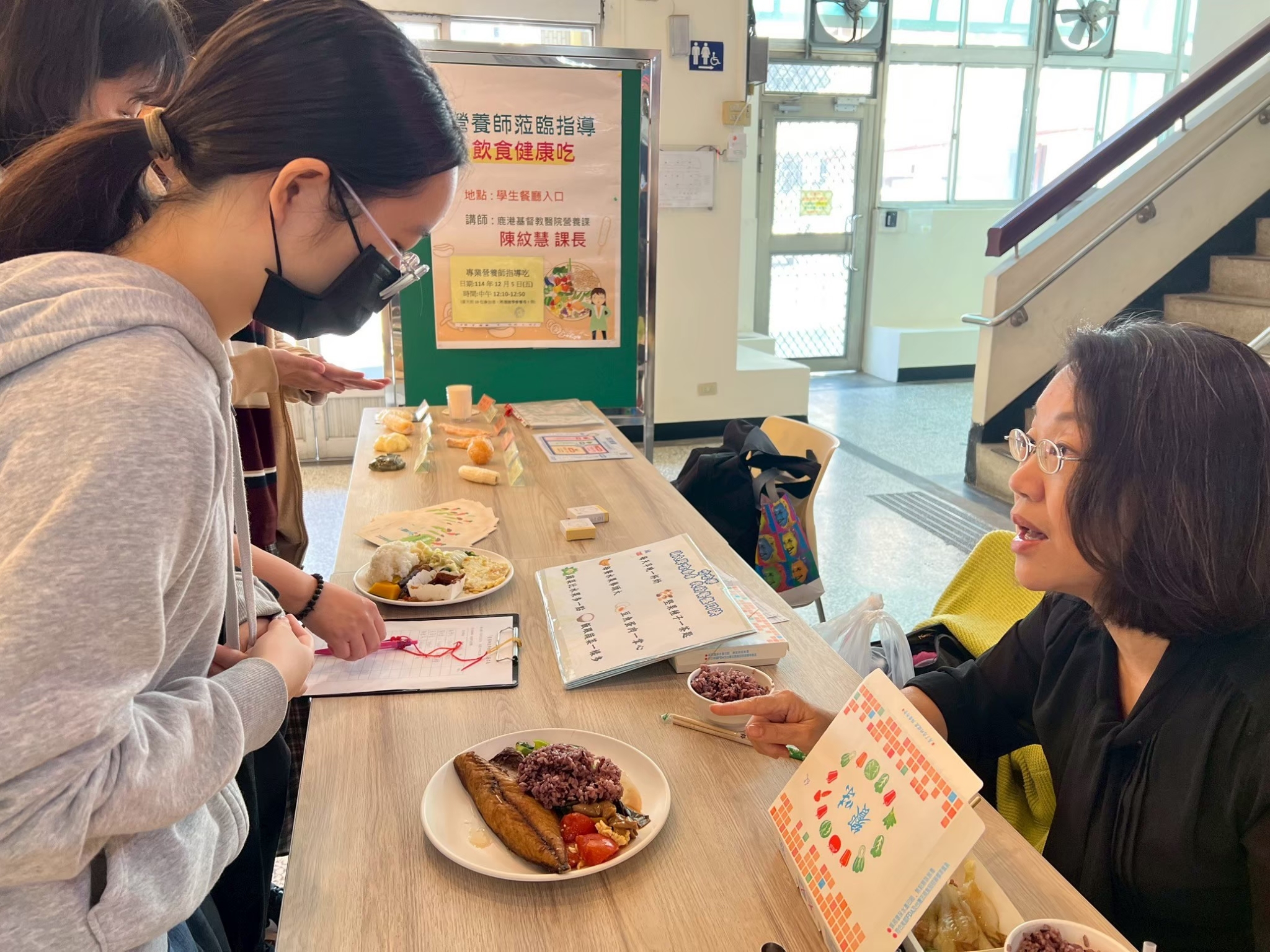
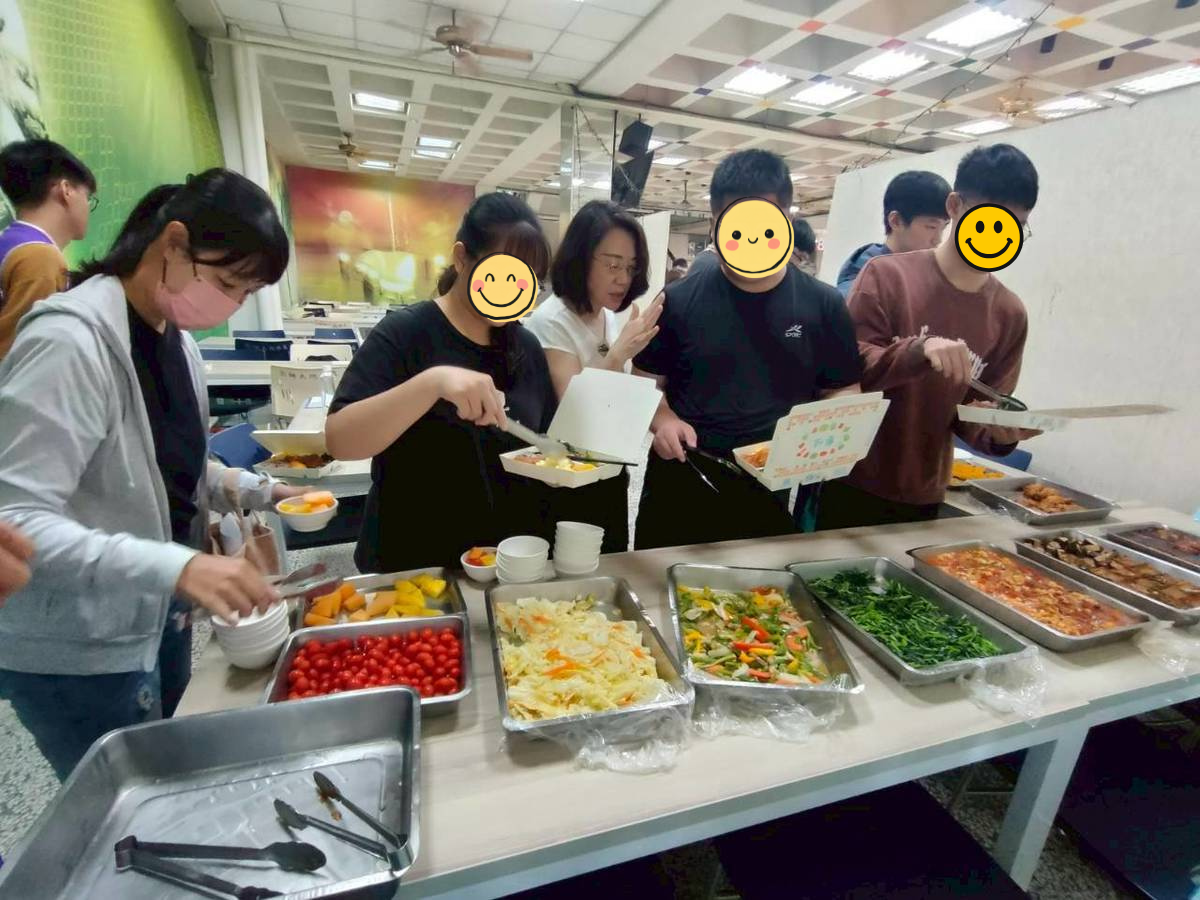
Figures 33–34. Healthy weight series: nutrition education
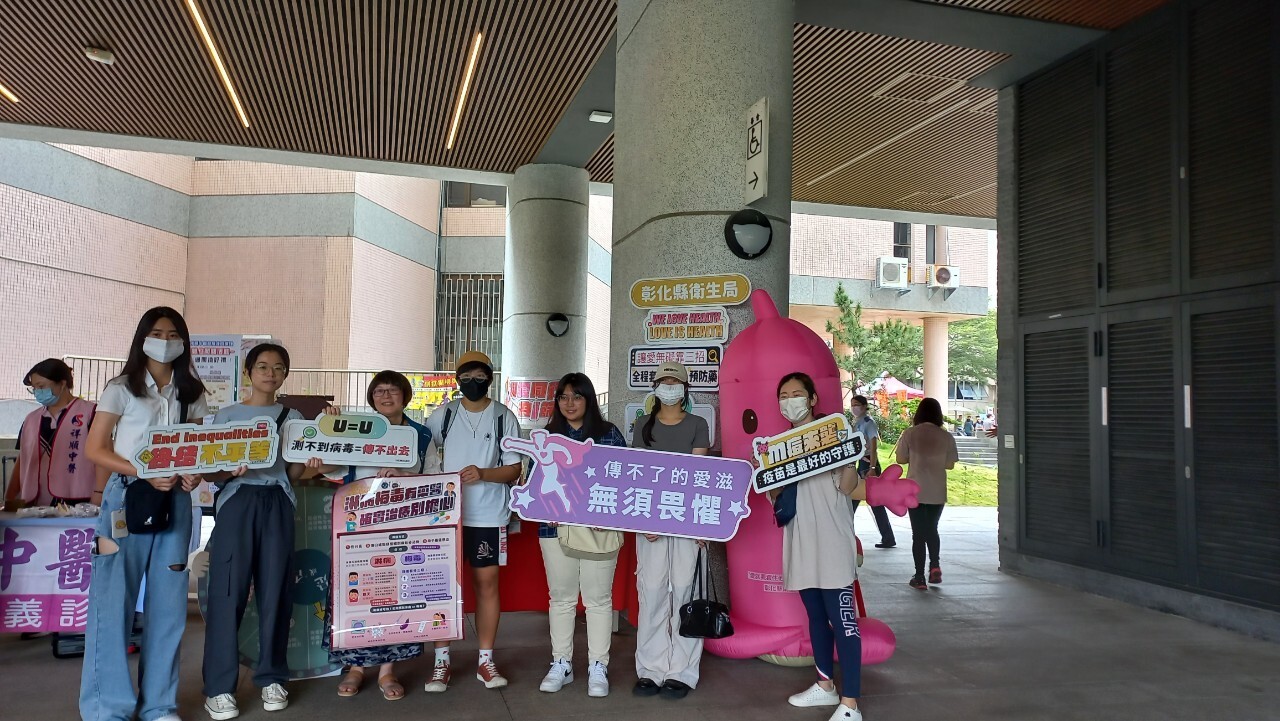
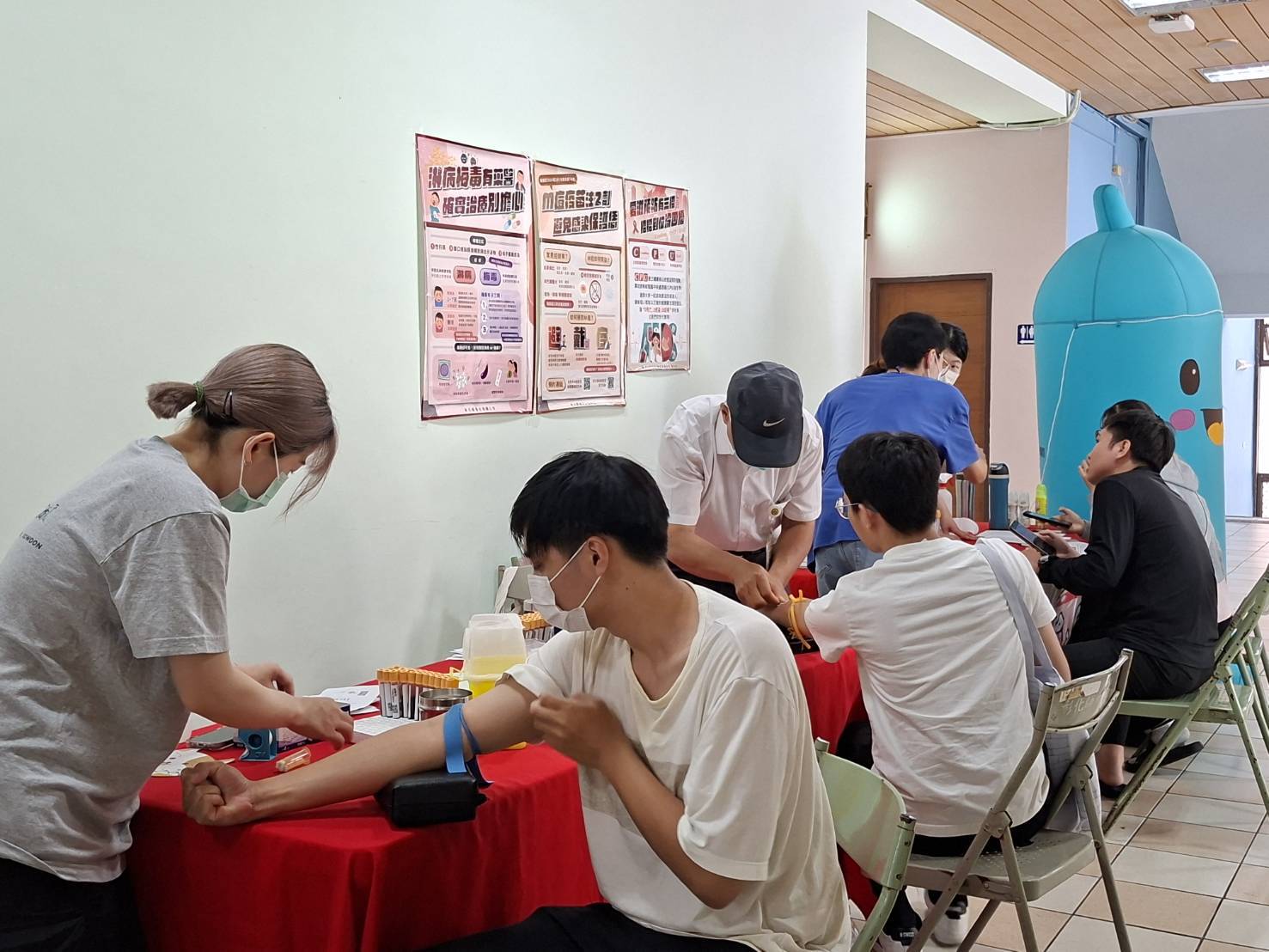
Figures 35–36. Comprehensive sexuality education awareness series
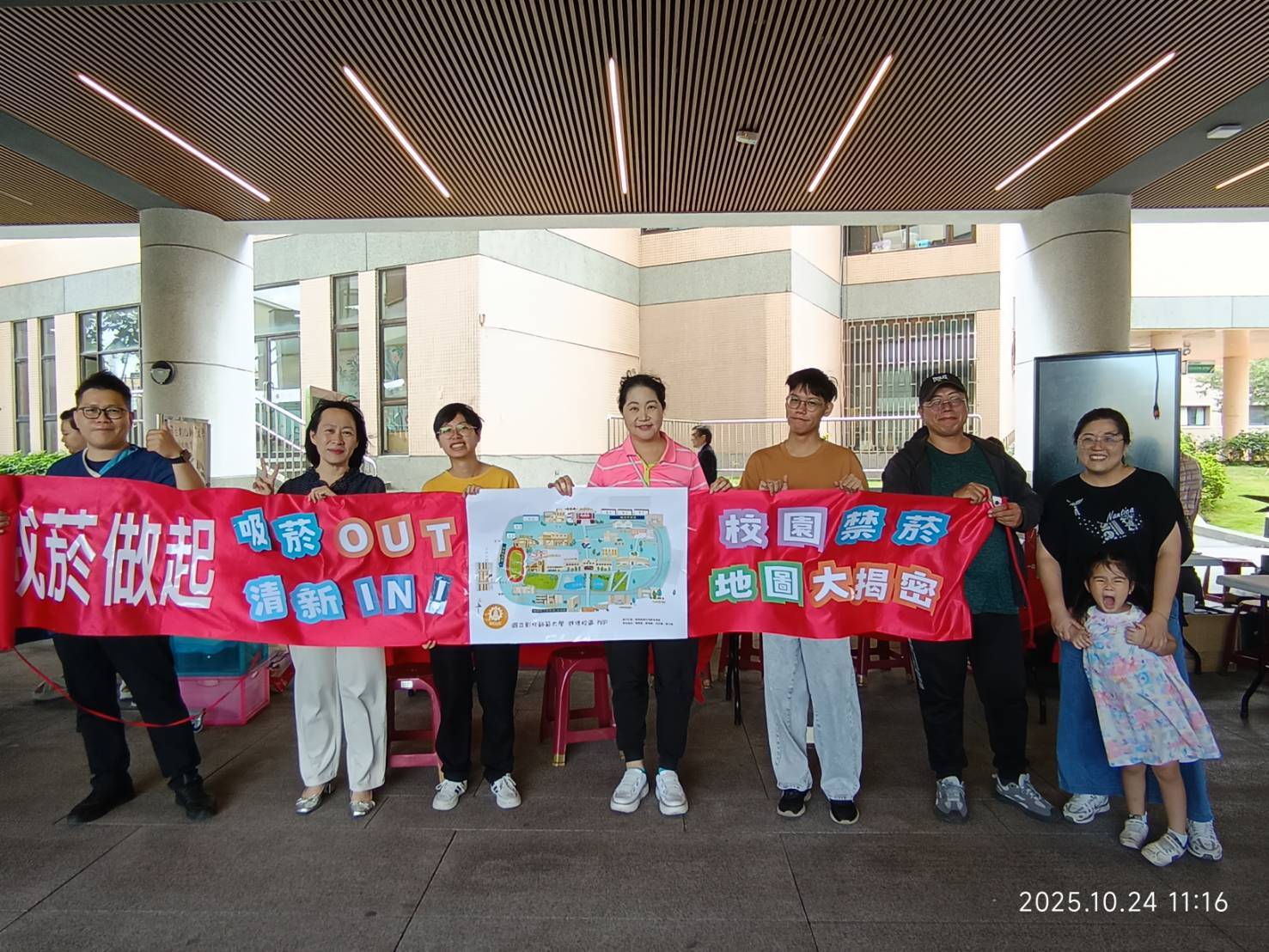
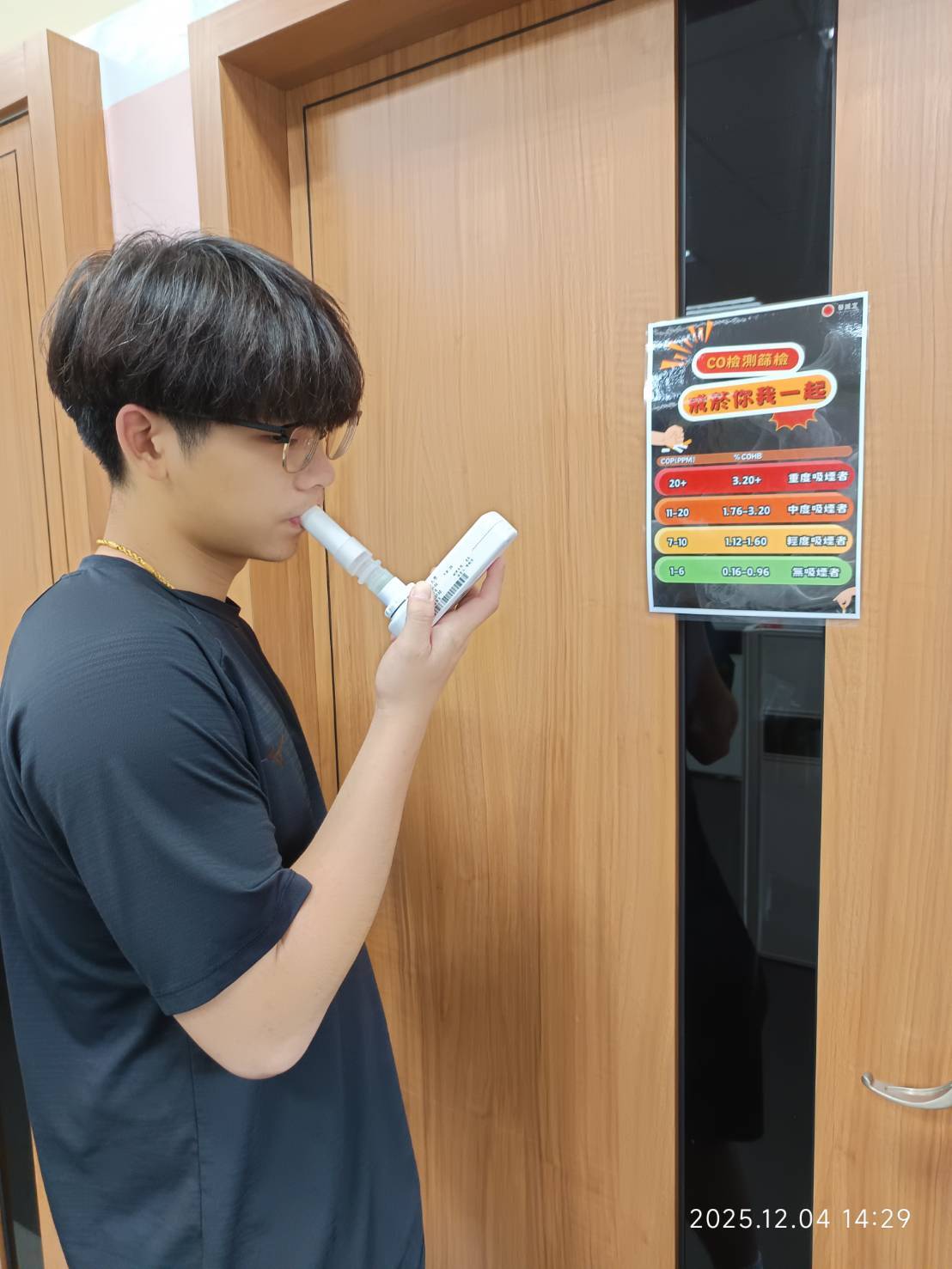
Figures 37–38. Smoke-free campus awareness series
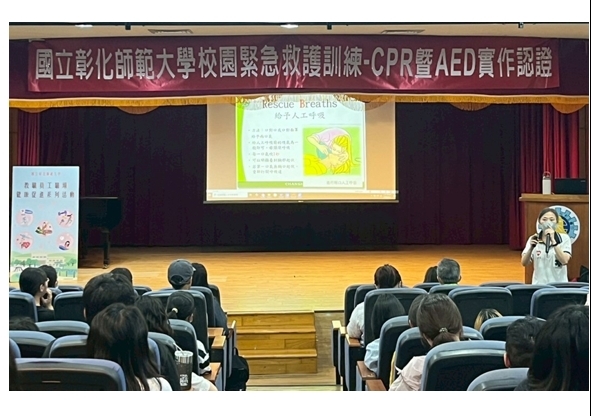
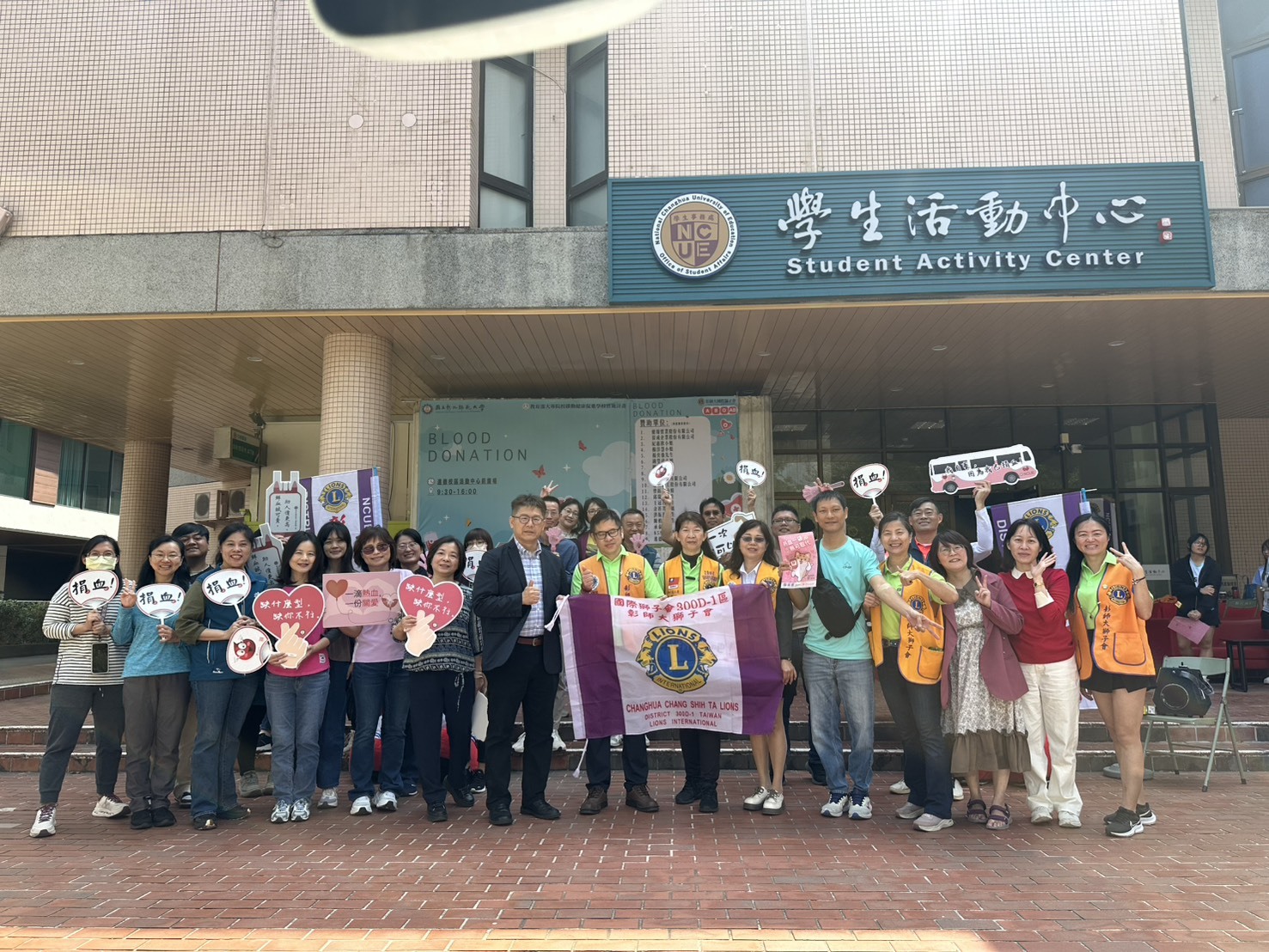
Figures 39–40. Healthy living awareness series: first aid education and blood donation
3. Local-level collaboration
NCUE partners with local government agencies, medical institutions, and community organizations to strengthen community health and deliver on its social responsibility:
(1) Bachelor's Degree Program for Indigenous People in Seniors Health Promotion and Care Management. The program works with government health agencies and local medical institutions to train indigenous professionals in elderly care and address the imbalance between supply and demand for long-term care among indigenous communities and urban indigenous residents. Its three main outcomes are outlined below.
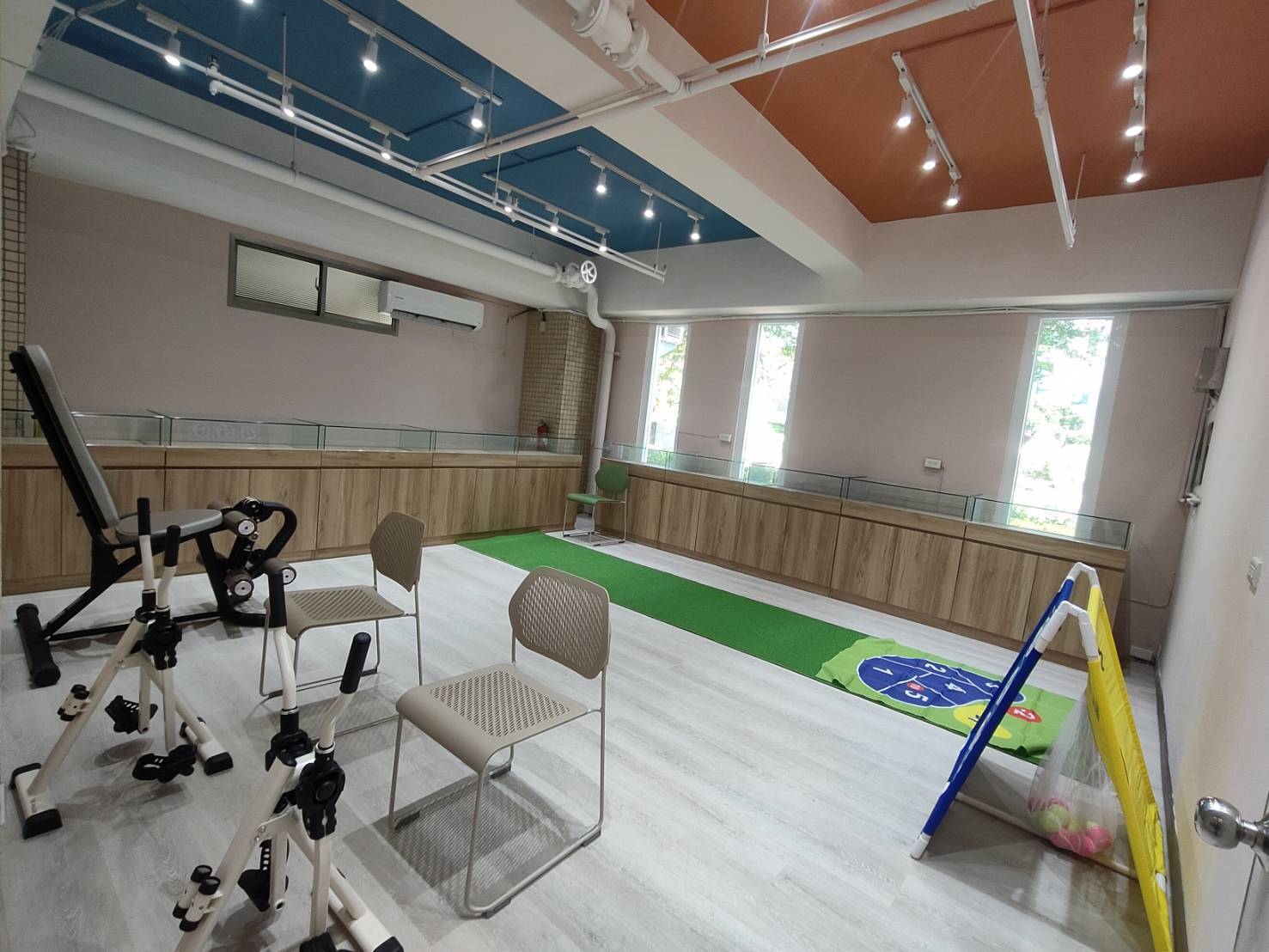
- (a) Taiwan's first indigenous cultural health station on a national university campus. The Ying-Yu NCUE Cultural Health Station, established jointly with the Council of Indigenous Peoples and the Changhua County Government, is the first cultural health station located on a university campus in Taiwan. It provides urban indigenous elders with chronic disease prevention, health promotion and health education, and serves as the primary practical training and community engagement site for students on the program, offering regular health checks, fitness assessment and activities that prevent or delay functional decline. (Figure 41)
- (b) Assistive technology and long-term care exhibitions. Students visited the Assistive Technology for Life (ATLife) and cultural health stations in other areas to learn about current assistive technology and clinical care practice. (Figure 42)
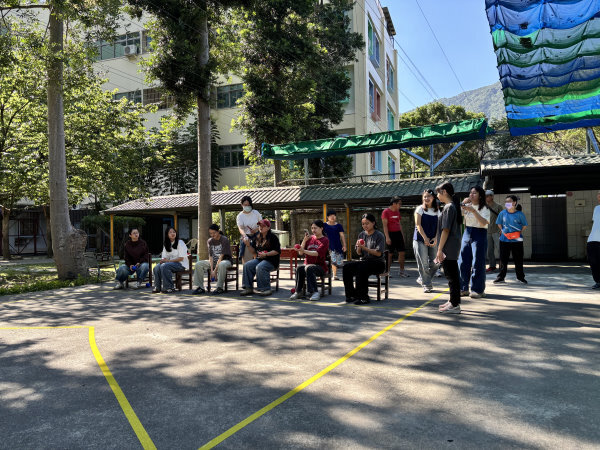
- (c) Field study at indigenous community and local long-term care institutions. Alongside their professional courses, students carried out field study and visits in indigenous communities, cultural health stations and local long-term care institutions to develop their understanding of the health needs of indigenous elders and of care practice. (Figure 43)
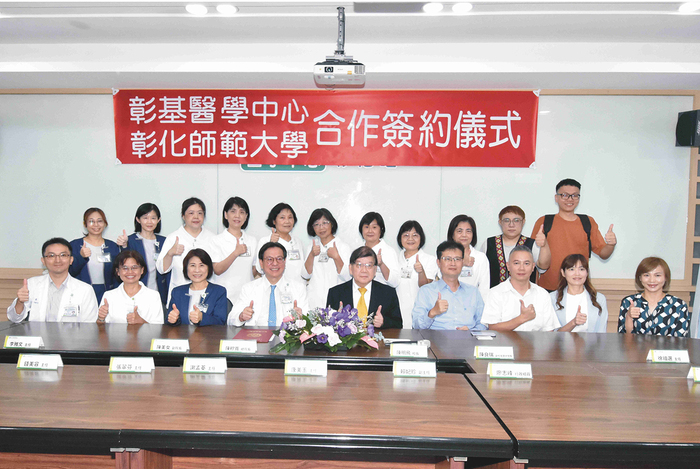
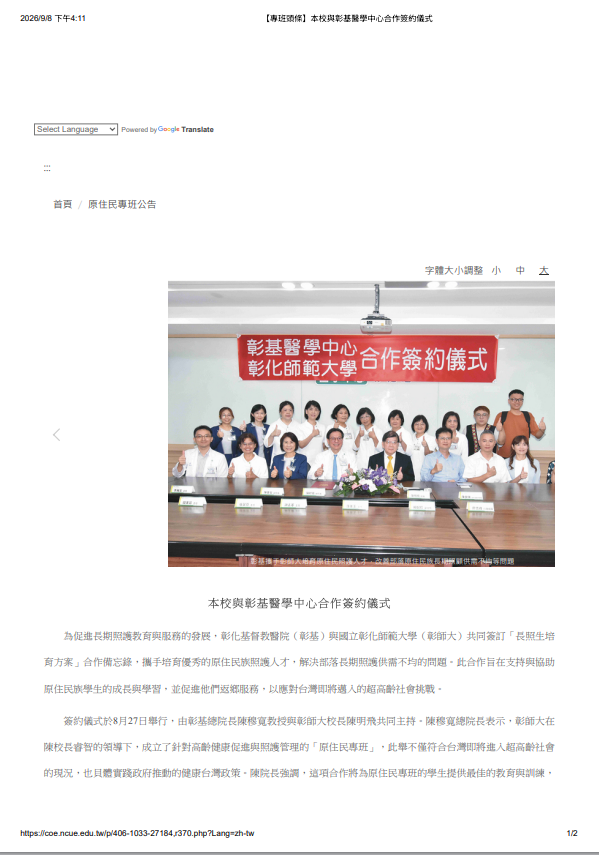
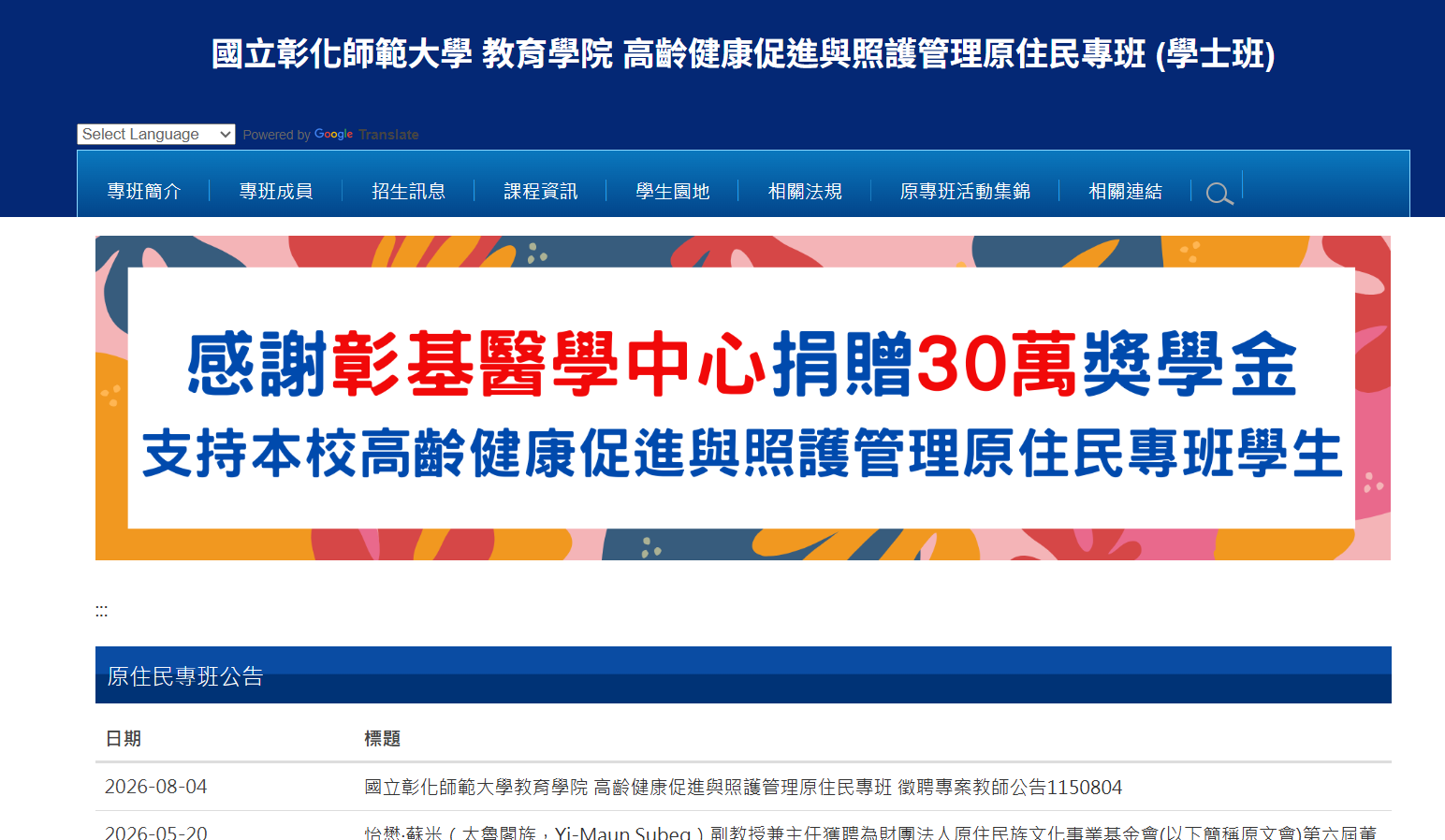
- (d) Collaboration with Changhua Christian Hospital, a medical center. The two institutions signed a memorandum of understanding on a long-term care student training scheme under which the hospital provides clinical and long-term care internships. The hospital also donated NT$150,000 in admission awards for high-achieving students and NT$300,000 in scholarships for students with strong academic and conduct records. (Figure 44)
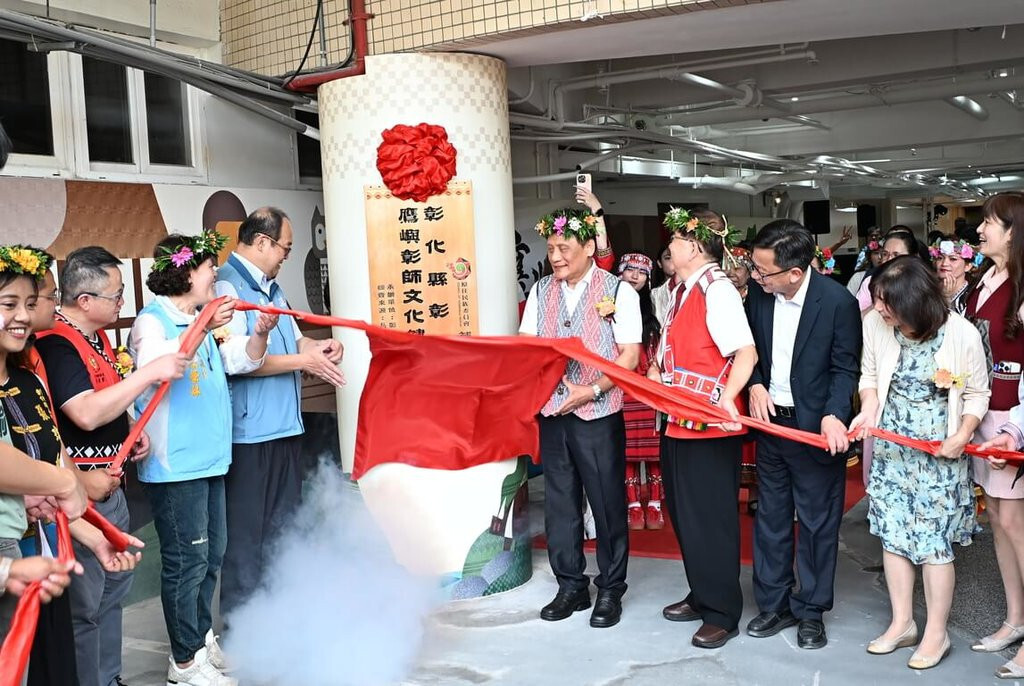
Related links:
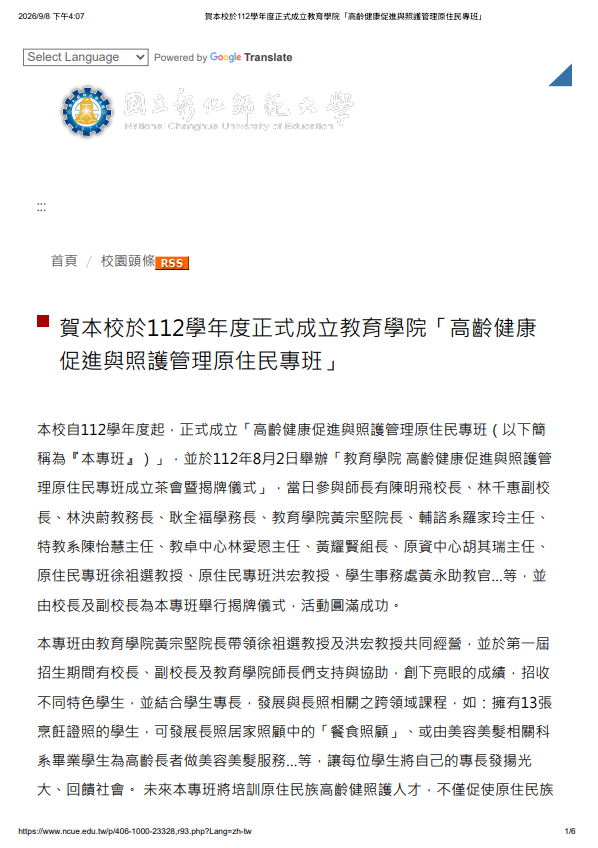
(a) Reception and opening ceremony for the College of Education Bachelor's Degree Program for Indigenous People in Seniors Health Promotion and Care Management (Figure 45): https://www.ncue.edu.tw/p/406-1000-23328,r93.php?Lang=zh-tw
(b) Signing ceremony between the program and Changhua Christian Hospital (Figure 46): https://coe.ncue.edu.tw/p/406-1033-27184,r370.php?Lang=zh-tw
(c) Bachelor's Degree Program for Indigenous People in Seniors Health Promotion and Care Management (Figure 47): https://coe.ncue.edu.tw/p/412-1033-4430.php?Lang=zh-tw
(d) Program Facebook page (Figure 48): https://www.facebook.com/profile.php?id=61575503323825

(2) Summer social work internship presentations and local mental health outreach
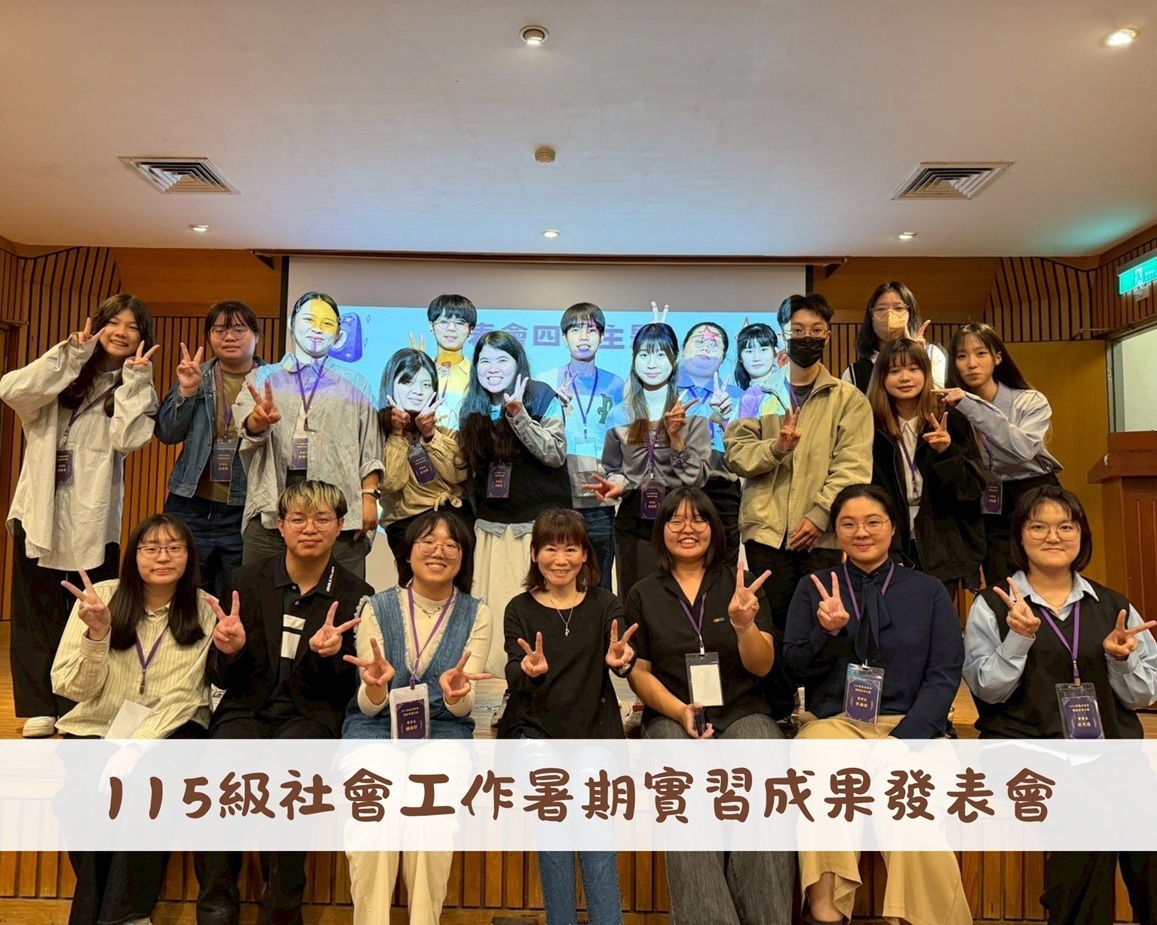
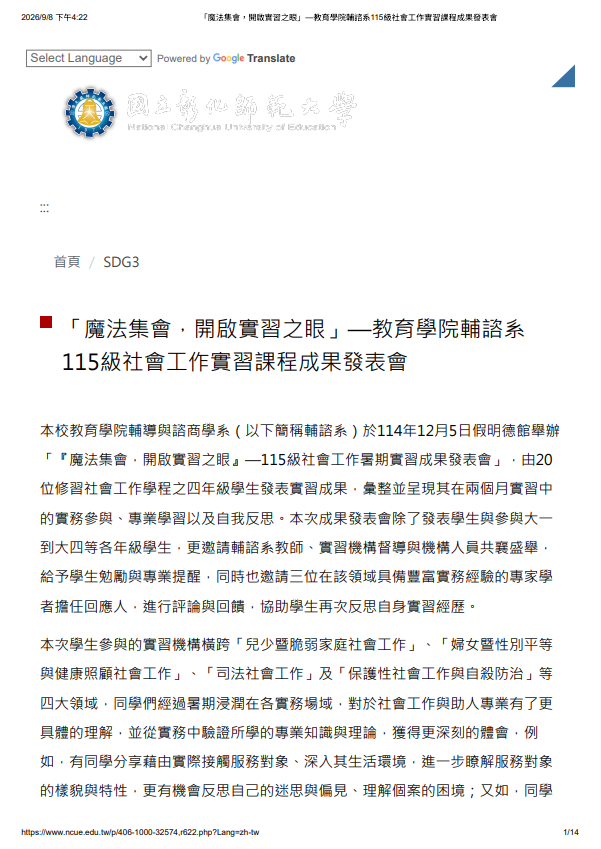
- (a) The Department of Guidance and Counseling and the College of Education hold an annual presentation of summer social work internships to strengthen local mental health services, child protection and psychological support. On 5 December 2025, 20 fourth-year students on the social work program presented their internship results at Ming-De Hall (Figure 49). During the summer, the students worked at professional institutions across central Taiwan in four areas: children, young people and vulnerable families; women, gender equality and health care; forensic social work; and protective social work and suicide prevention, including at the Changhua County Lifeline Association and the Tongxinyuan Community Rehabilitation Center. Working directly with clients and families, they helped deliver counseling and prevention programs and strengthened the local mental health safety net. Professional feedback was given by Huang Jui-Shan, Chief of the Social Work Division at the Social Affairs Bureau of Taichung City Government; Lin Wu-Hsiung, Supervisor at the Dwen An Social Welfare Foundation, Taipei; and Dr Chung Chih-Hung, Deputy Warden of Chiayi Prison.
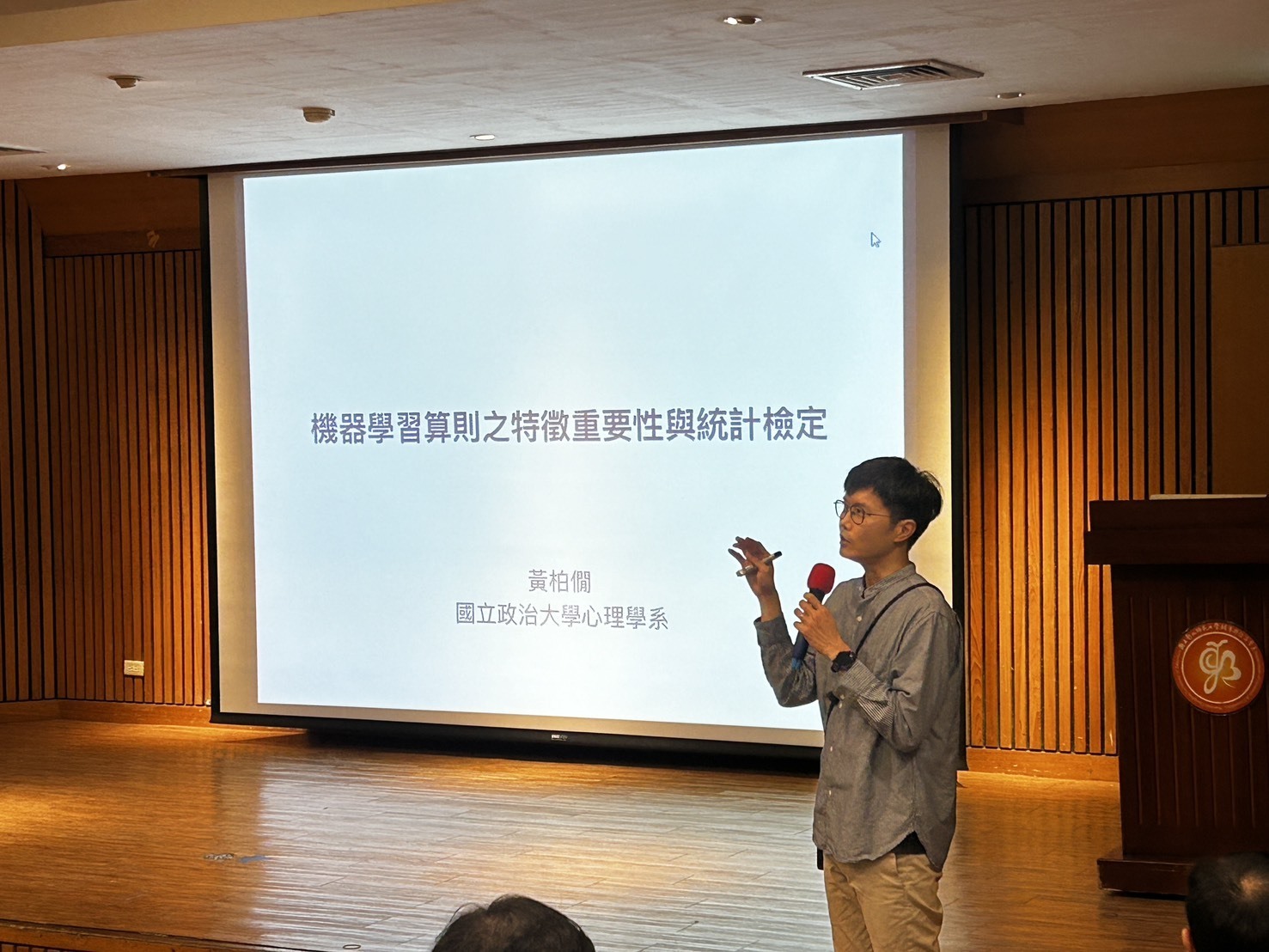
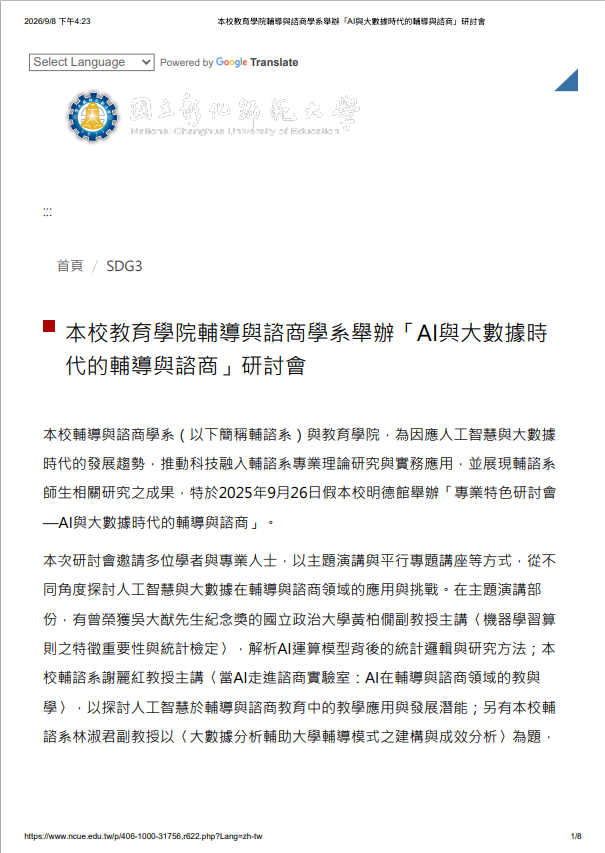
- (b) On 26 September 2025, the Department of Guidance and Counseling and the College of Education held a conference on guidance and counseling in the age of AI and big data (Figure 50). Speakers included Associate Professor Huang Po-Hsien of National Chengchi University and Professor Hsieh Li-Hung and Associate Professor Lin Shu-Chun of NCUE, who examined how technology and mental health services can be integrated. The conference presented 28 research posters covering the use of big data and AI analysis to address stigma around depression, internet addiction, dream analysis, career exploration and subjective well-being, providing guidance for schoolteachers, counseling professionals and the local public.
Related links:
(a) Class of 2026 summer internship results, “A Gathering of Magic: Opening Our Eyes on Placement” (Figure 51): https://www.ncue.edu.tw/p/406-1000-32574,r622.php?Lang=zh-tw
(b) Conference on AI and guidance and counseling (Figure 52): https://www.ncue.edu.tw/p/406-1000-31756,r93.php?Lang=zh-tw
(3) University social responsibility (USR): ecological and arts-based healing and outreach for diversity and inclusion.
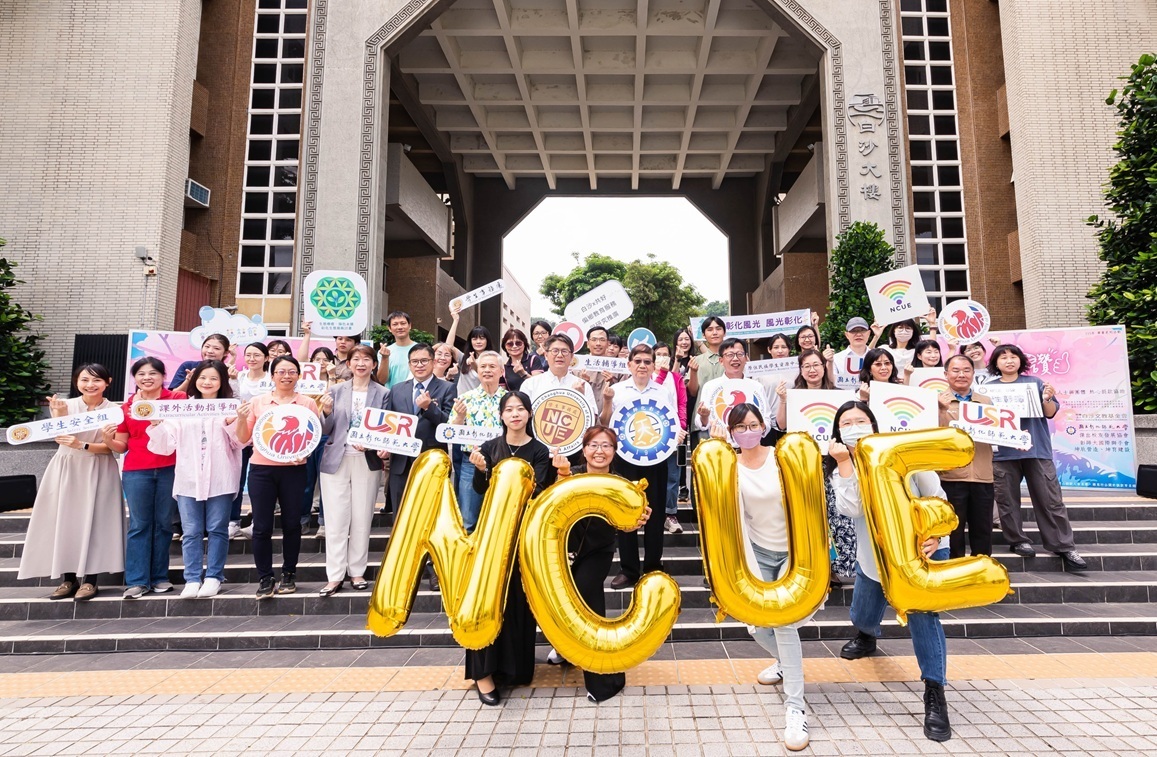
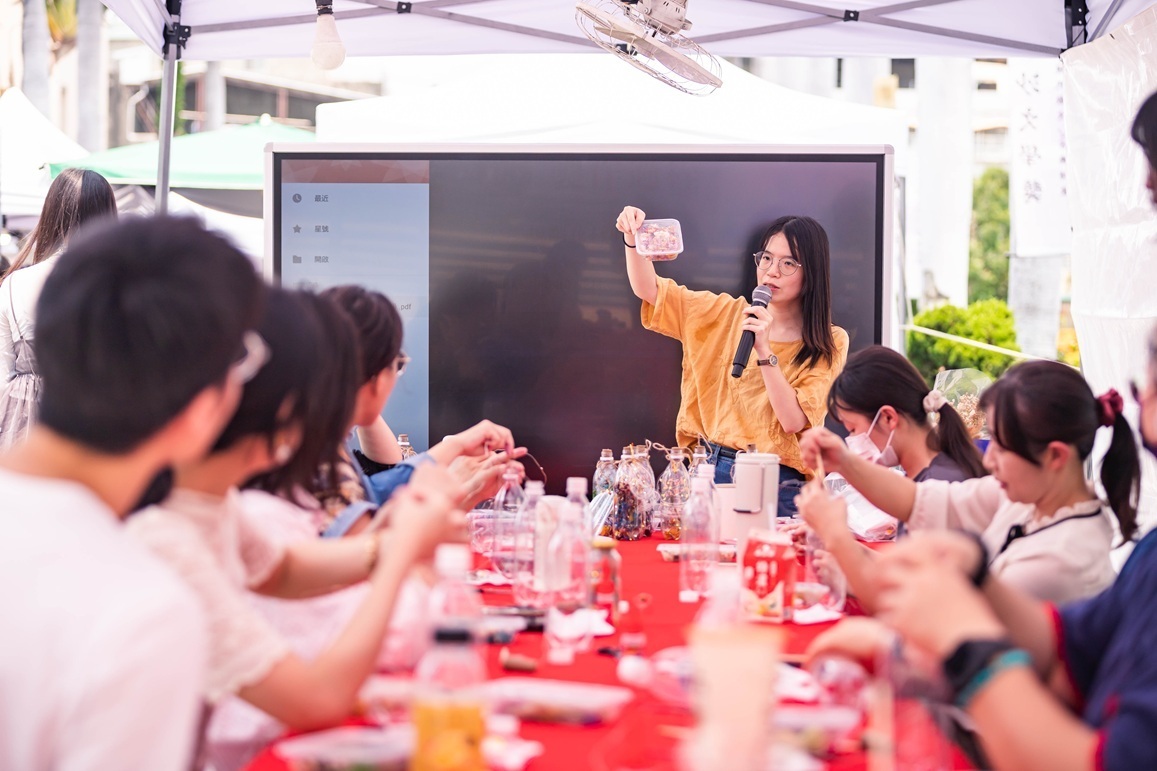
NCUE incorporates community engagement into its Ministry of Education University Social Responsibility (USR) projects. Outreach during the 2024 reporting period covered ecology, the arts, and ageing. (Figures 53–56)
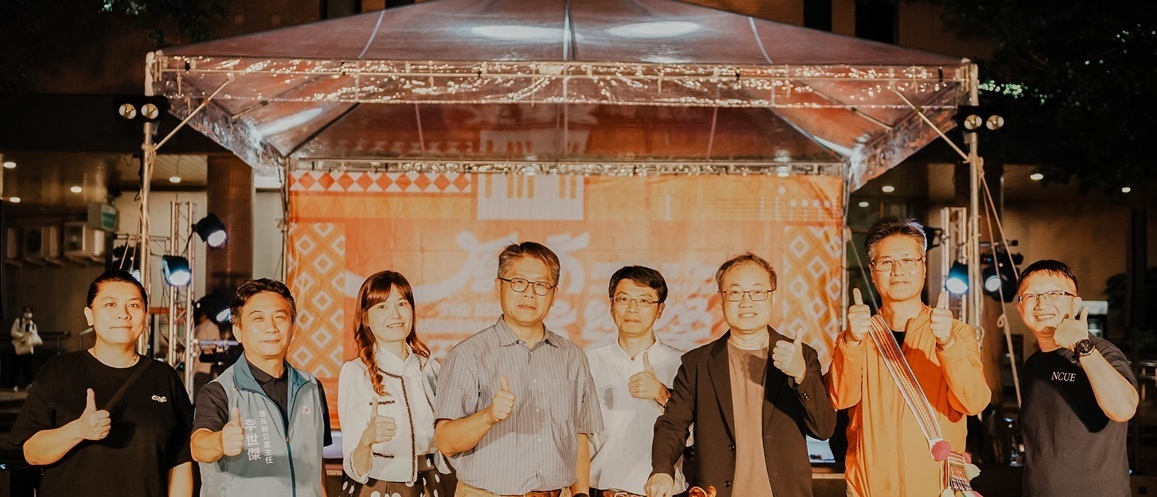
- (a) "Like for Life" photography exhibition and sustainability action station showcase. The event combined the themes of ecological healing and green sustainability, Baisha community service in rural areas, and the Resilient Changbin sustainability action station, presenting NCUE's work alongside the community. In the craft workshops, students and residents took part in "Twin Glimmers: Dried-Flower Vase Lamp Making" and the "Campus Imprint Collection" five-senses experience, which involved plant pounding dyeing and sachet making using natural essential oils and DIY diffuser stones, giving participants time to slow down among the scents and the ecological art.
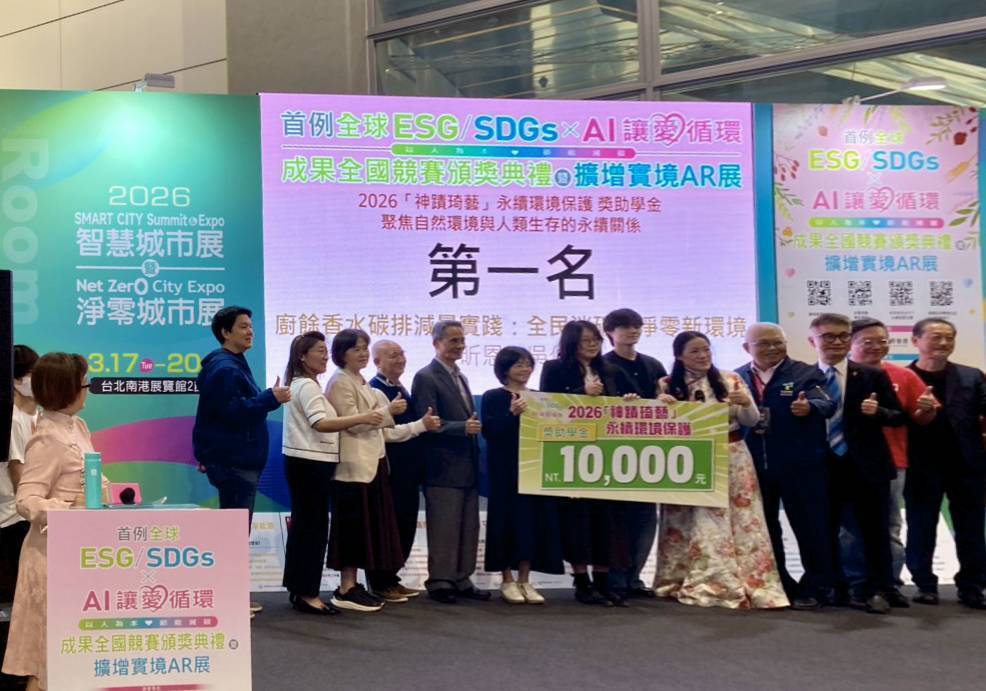
- (b) Food-waste perfume from the Department of Fine Arts "Surplus Food Fragrance Lab". Professor Wang Man-Ping of the Department of Fine Arts led a student team, the Surplus Food Fragrance Lab, which won first place in the sustainable environment category of the national "ESG/SDGs × AI Circulating Love" national competition in March 2026, the first competition of its kind held anywhere in the world. Their entry, "Carbon Reduction through Food-Waste Perfume", converts everyday wet kitchen waste into a granular base for perfume, crossing the established boundary between fragrance and food waste and linking environmental data with arts-based healing. The project serves as an outreach model for environmental health and ecological well-being.
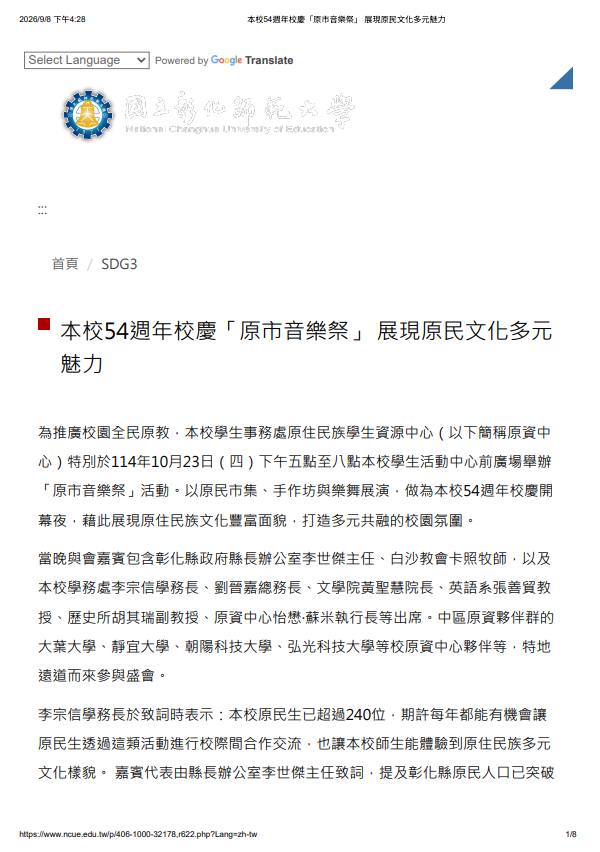
- (c) 54th anniversary Indigenous Market Music Festival: indigenous ageing and health promotion. The Indigenous Student Resource Center organized an indigenous market and music and dance performances, combining traditional knowledge of ageing, micro-enterprise promotion of indigenous coffee, and choirs of indigenous students from several universities and of primary school pupils. Three craft workshops were held — "Long Days Together", "Who Loves to Brew" and "Ram's Horn Hook Weaving" — and several hundred people joined a traditional circle dance, supporting intergenerational understanding, social connection in later life, and health equity across the campus and the community.
- (d) Resilient Changbin strategic alliance: health risk intervention in rural communities. In 2024 the Resilient Changbin USR team worked with medical providers and local government to make regular visits to the Dingbu, Lunjiao and Boai communities in Fangyuan Township, where medical resources are limited. The team provided health checks and fitness assessments for older residents, guidance on exercise prescription for older adults, and nutrition and seafood literacy education. The service narrowed the gap in health resources between coastal rural areas and urban areas.
Related links:
(a) NCUE “Like for Life” graduation series (Figure 57): https://www.ncue.edu.tw/p/406-1000-33731,r622.php?Lang=zh-tw
(b) Department of Fine Arts reframes surplus food (Figure 58): https://www.ncue.edu.tw/p/406-1000-33235,r622.php?Lang=zh-tw
(c) Indigenous Market Music Festival and health in later life (Figure 59): https://www.ncue.edu.tw/p/406-1000-32178,r622.php?Lang=zh-tw
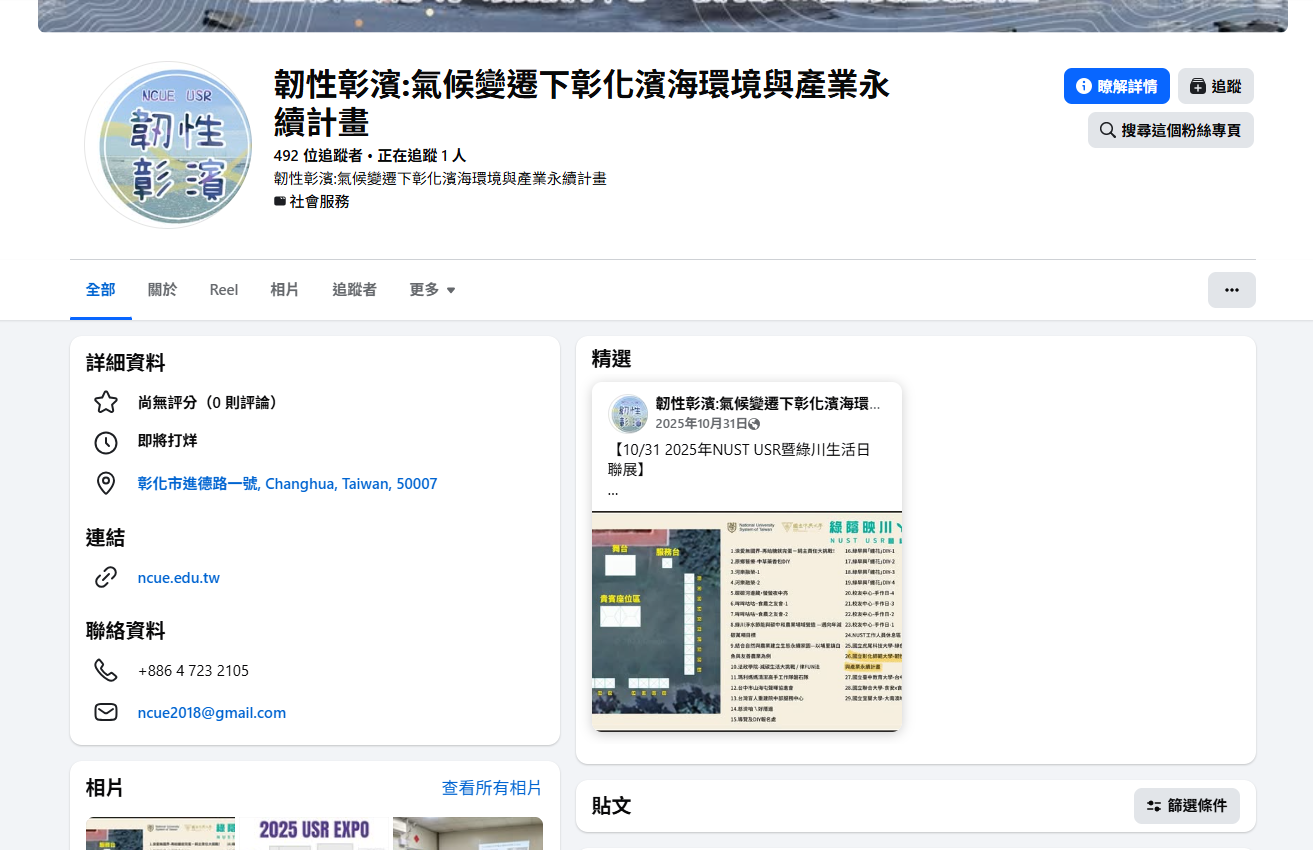
(d) Resilient Changbin and Shetou USR projects (Figure 60): https://www.facebook.com/NCUEUSR
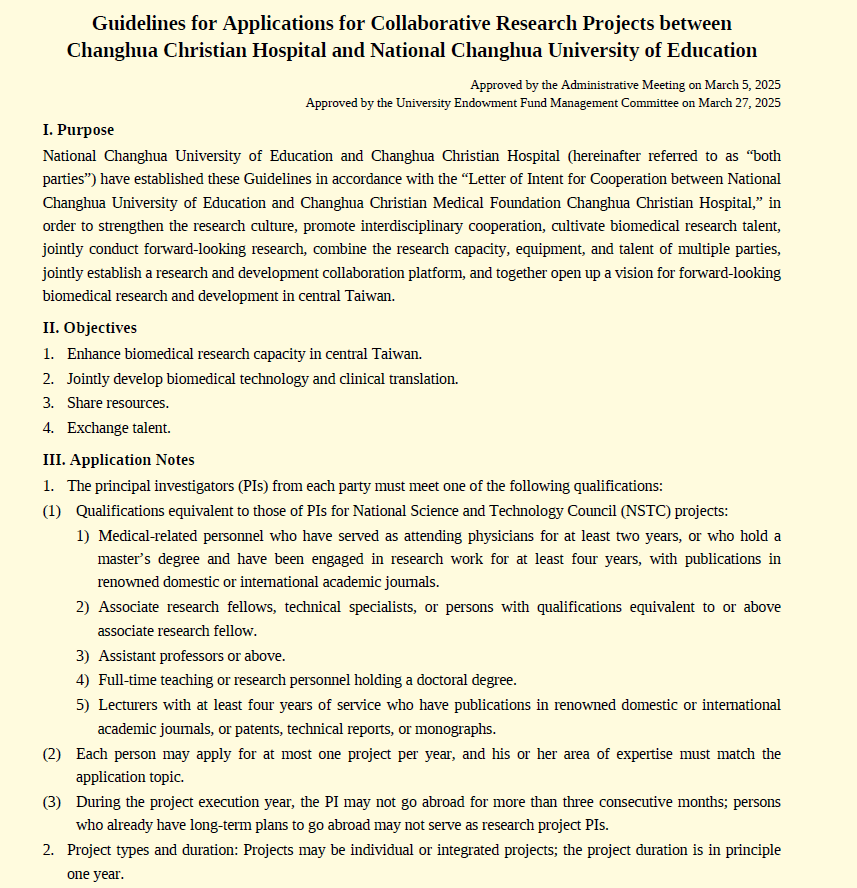
(4) Joint research program with Changhua Christian Hospital. NCUE and Changhua Christian Hospital run a joint forward-looking research program to strengthen research activity, cross-disciplinary collaboration and the training of biomedical researchers. Under the current application guidelines: (Figure 61)
- (a) Research focus: geriatric medicine, cross-disciplinary collaboration and health care.
- (b) Funding: total funding for individual and integrated sub-projects is set at NT$600,000, shared equally (50%–50%) by the two institutions and budgeted mainly as recurrent costs covering pharmaceuticals, consumables and temporary wages.
- (c) Eligibility of principal investigators: the criteria follow those of the National Science and Technology Council (NSTC). Applicants must be full-time staff of either institution holding the rank of assistant professor or above, full-time teaching or research staff with a doctorate, attending physicians with at least two years' experience, or holders of equivalent qualifications. Each person may submit only one application per year.
- (d) Required outputs: within two years of the start date, the two institutions must jointly apply for a research grant of at least NT$1 million; within three years of completion, they must jointly publish at least one SCI, SSCI, THCI or TSSCI paper, citing the project number and listing the collaborating investigator as a co-author.
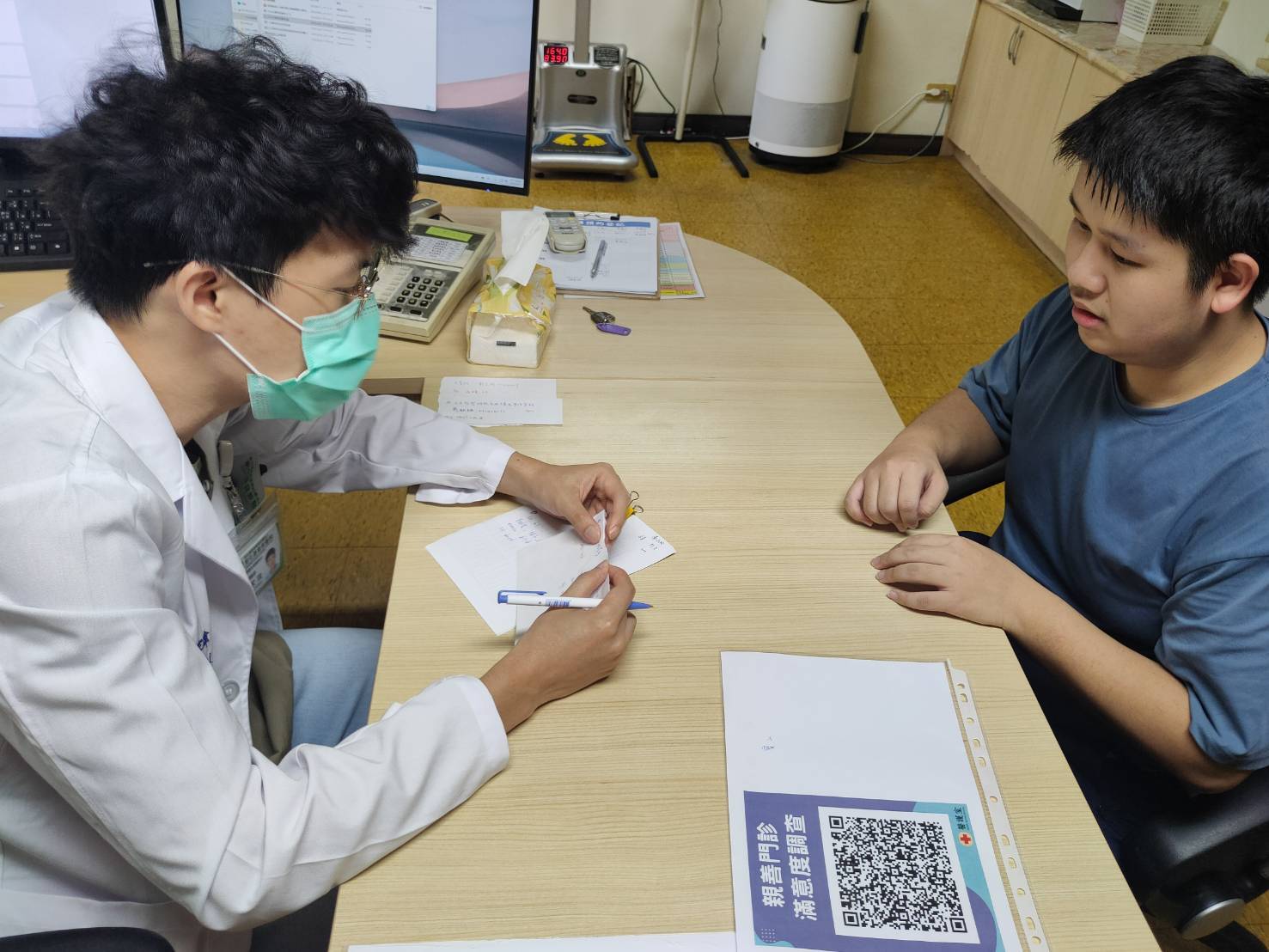
(5) free campus clinic and contracted hospital and on-site occupational health services. NCUE has referral arrangements with contracted medical institutions including Changhua Christian Hospital, Show Chwan Memorial Hospital and Changhua Hospital of the Ministry of Health and Welfare, all at medical center level. Each semester, specialists in family medicine, occupational medicine, psychiatry and traditional Chinese medicine from Changhua Christian Hospital hold clinics and provide health consultations on campus. In 2025, the free campus clinic recorded 389 visits (Figure 62) and on-campus injury and illness treatment and health consultation recorded 2,484 visits.
Related links:
(a) NCUE contracted hospitals (Figure 63)
https://healthweb.ncue.edu.tw/p/412-1041-3564.php
(b) NCUE free campus clinic (Figure 64)
https://healthweb.ncue.edu.tw/p/412-1041-3566.php
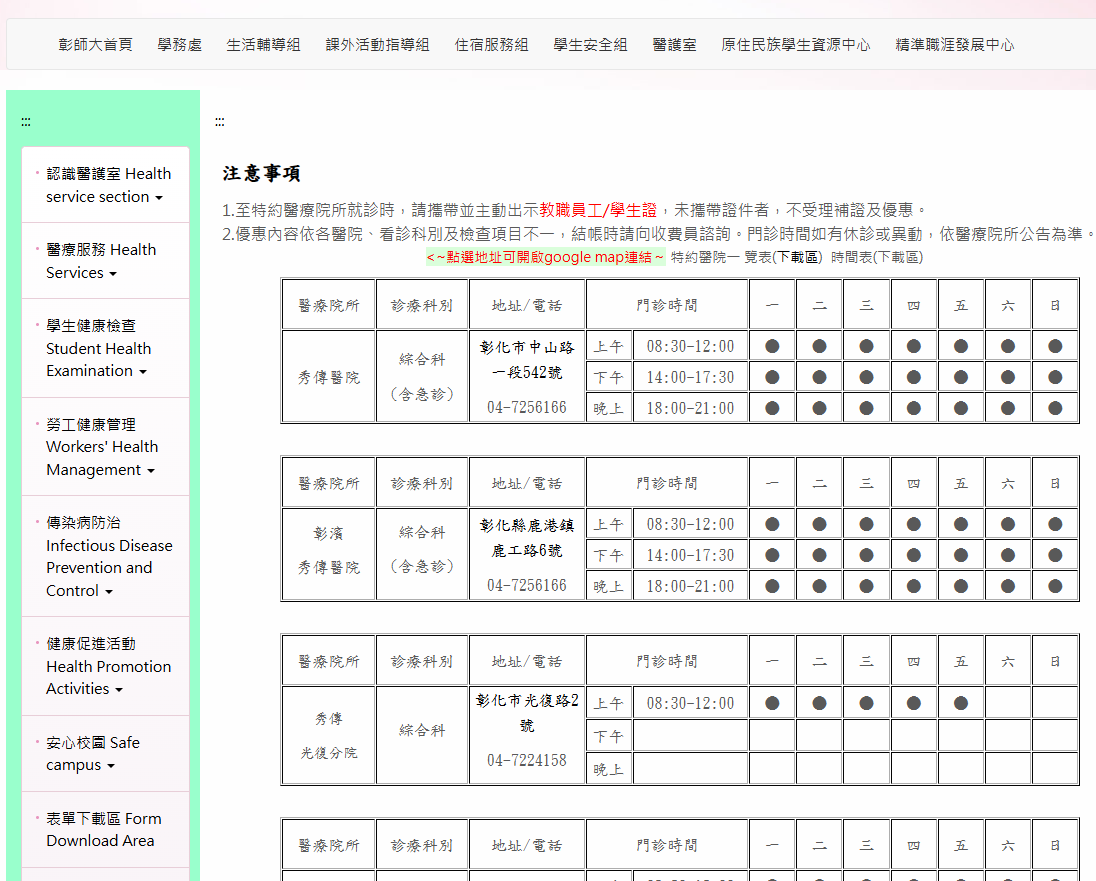
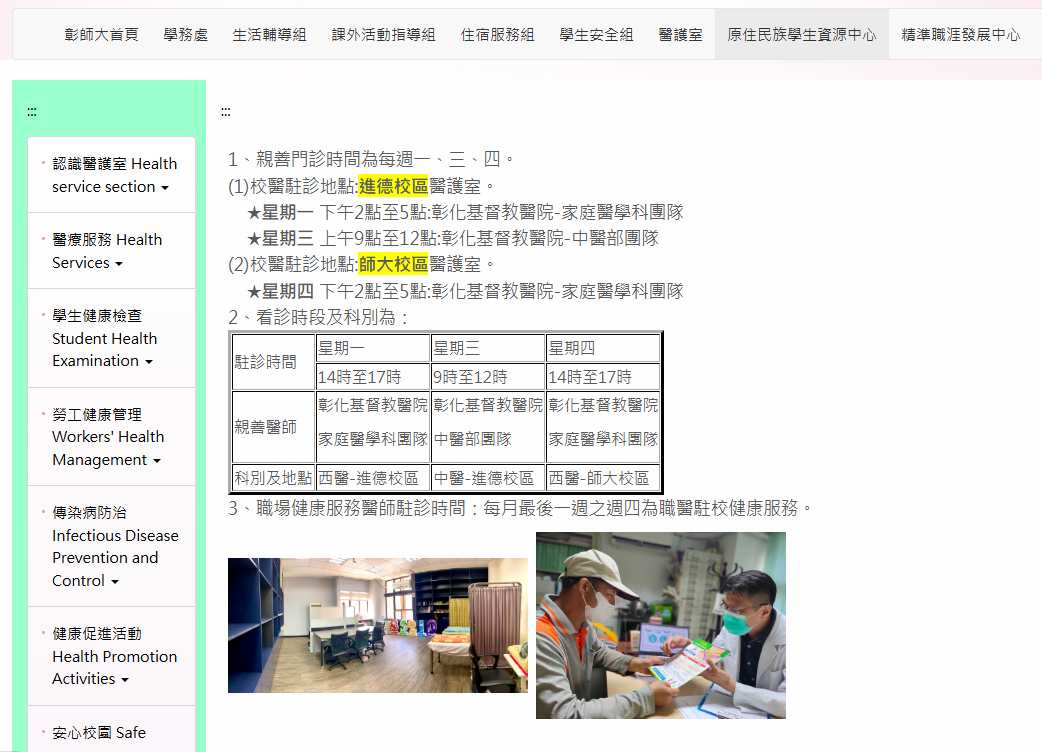
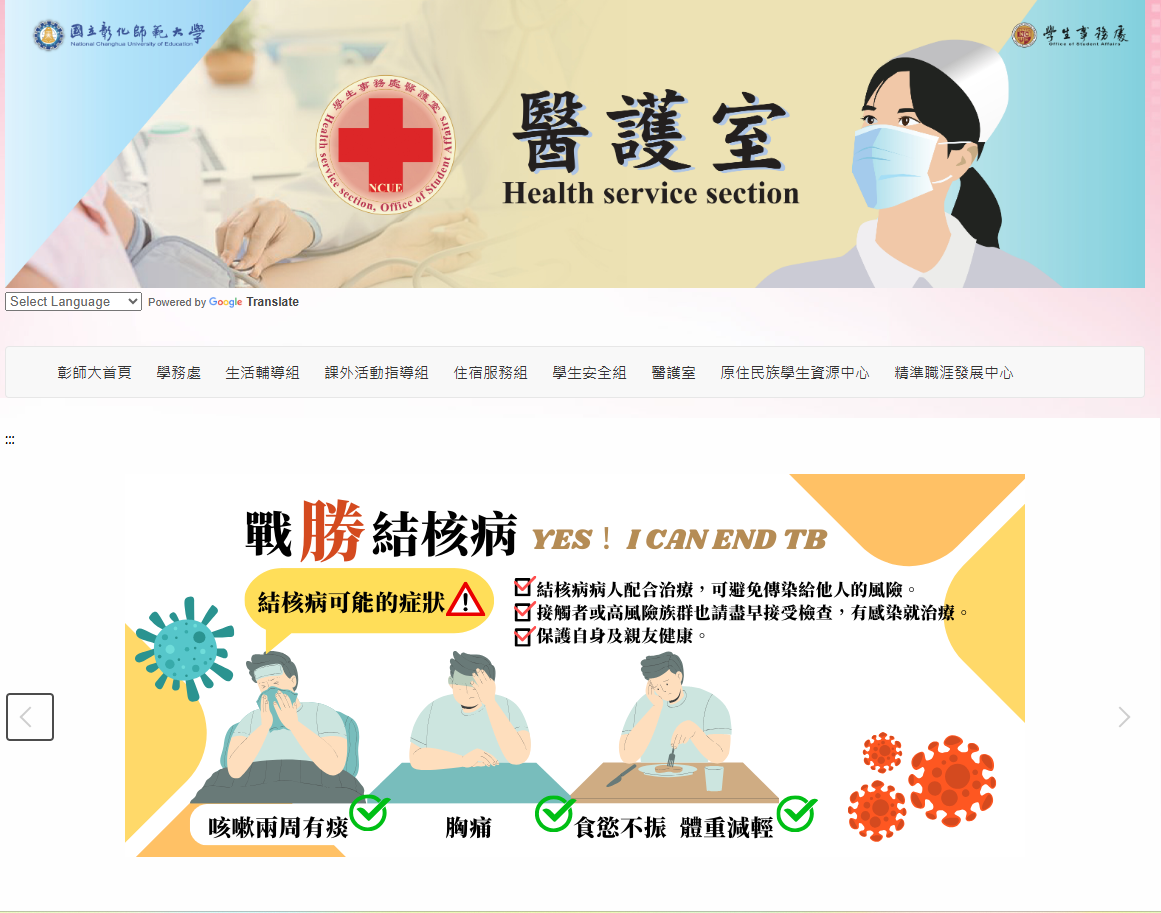
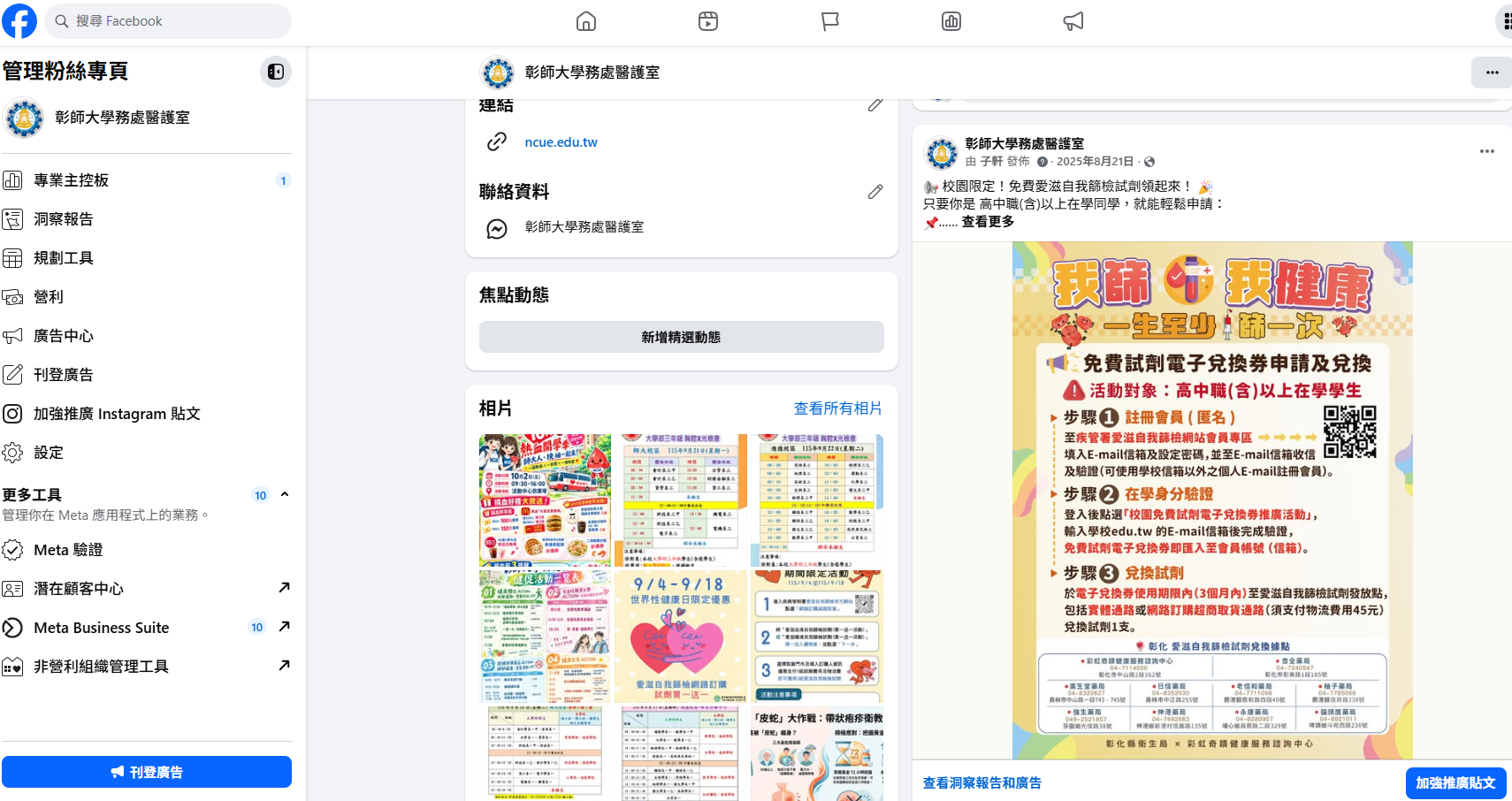
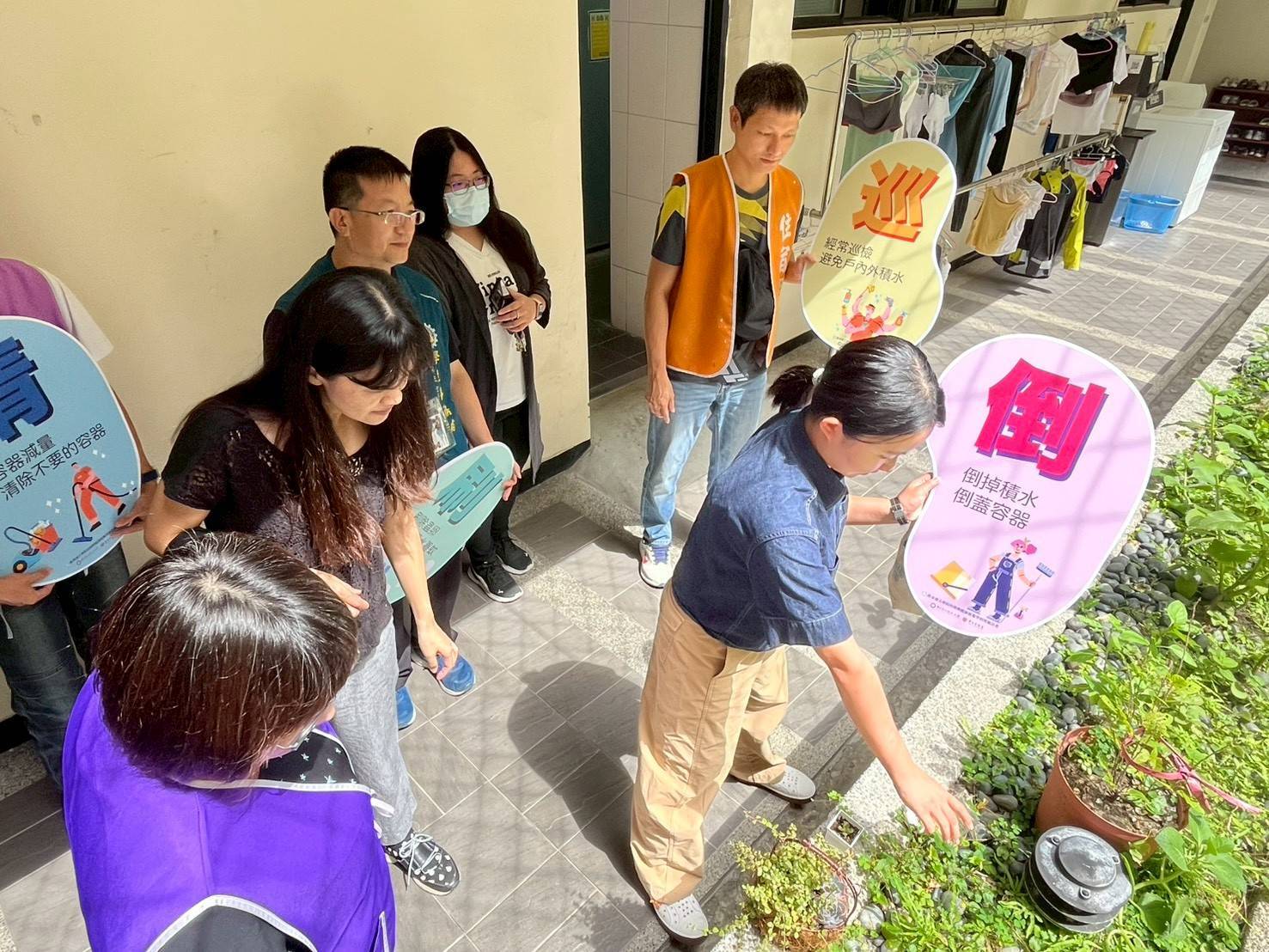
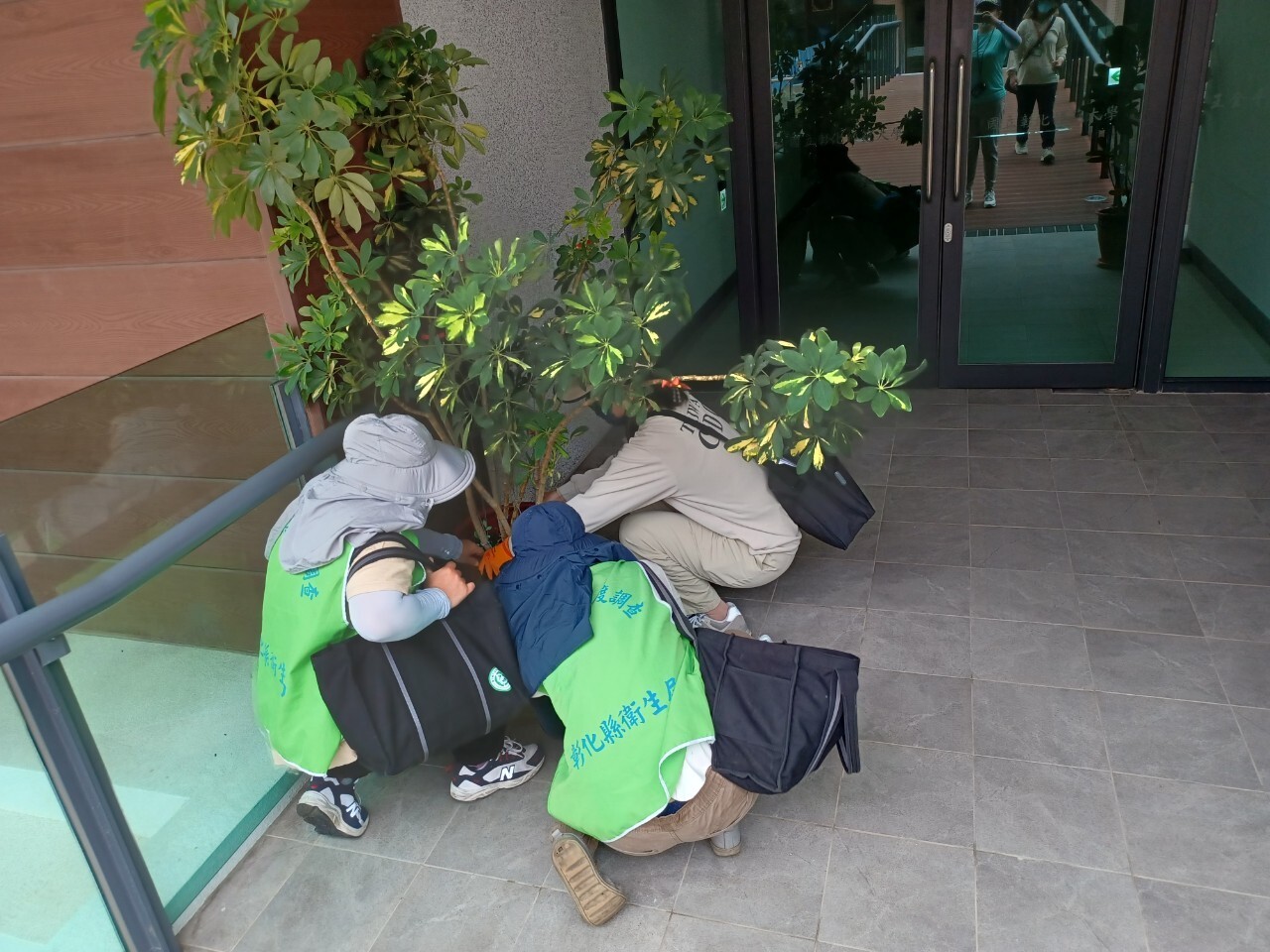
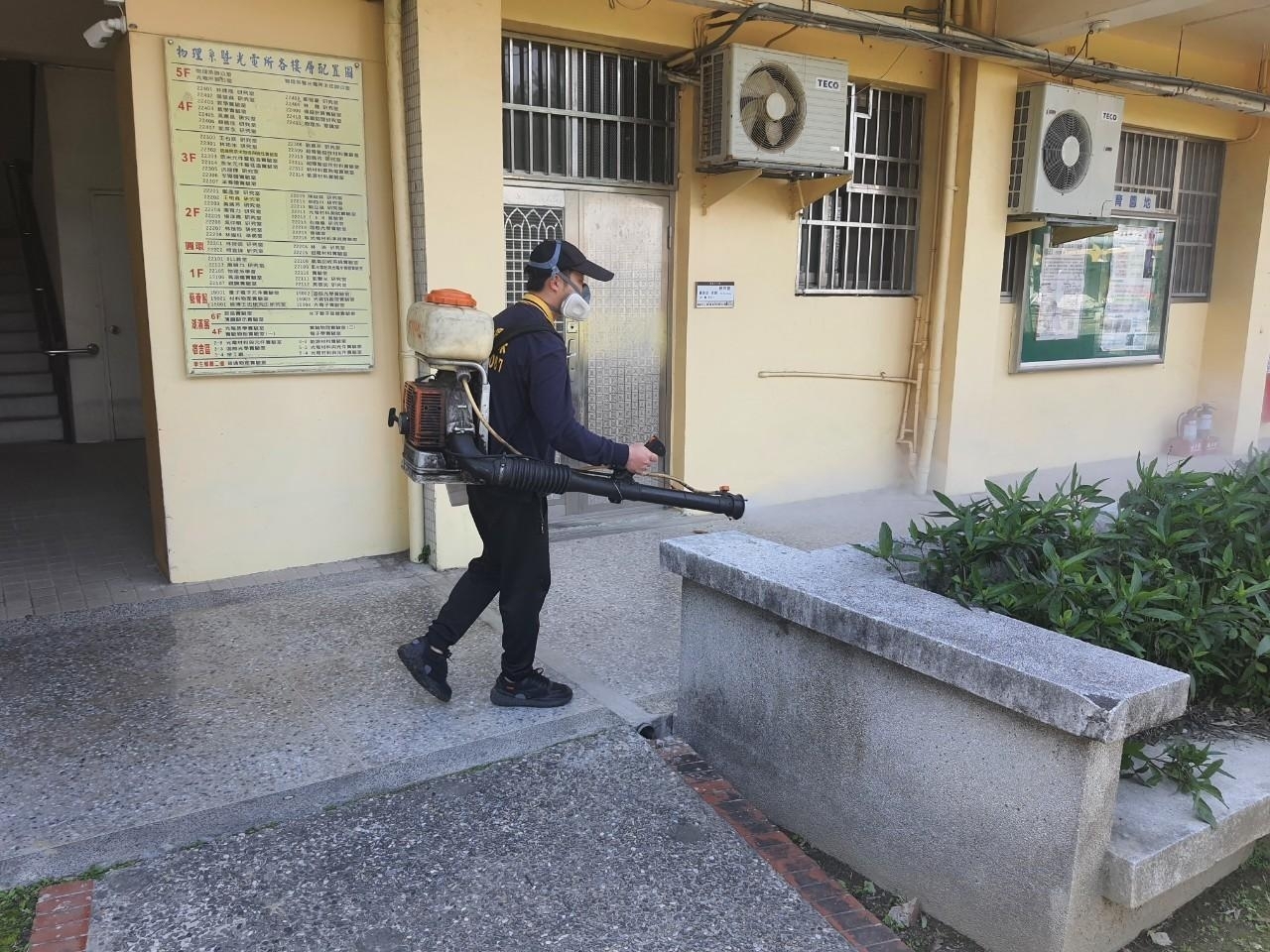
(6) Communicable disease prevention and control in collaboration with the public health bureau. NCUE works with the Changhua County Public Health Bureau on awareness and environmental inspection for tuberculosis, dengue fever, influenza, chickenpox and other communicable diseases that can spread on campus, following the inspect–clean–scrub–empty protocol for mosquito breeding sites. Environmental health and safety management includes regular use of the Campus Food Ingredients Registration Platform of the Ministry of Education, campus canteen inspections, and scheduled and unscheduled environmental cleaning disinfection. (Figures 65–66)
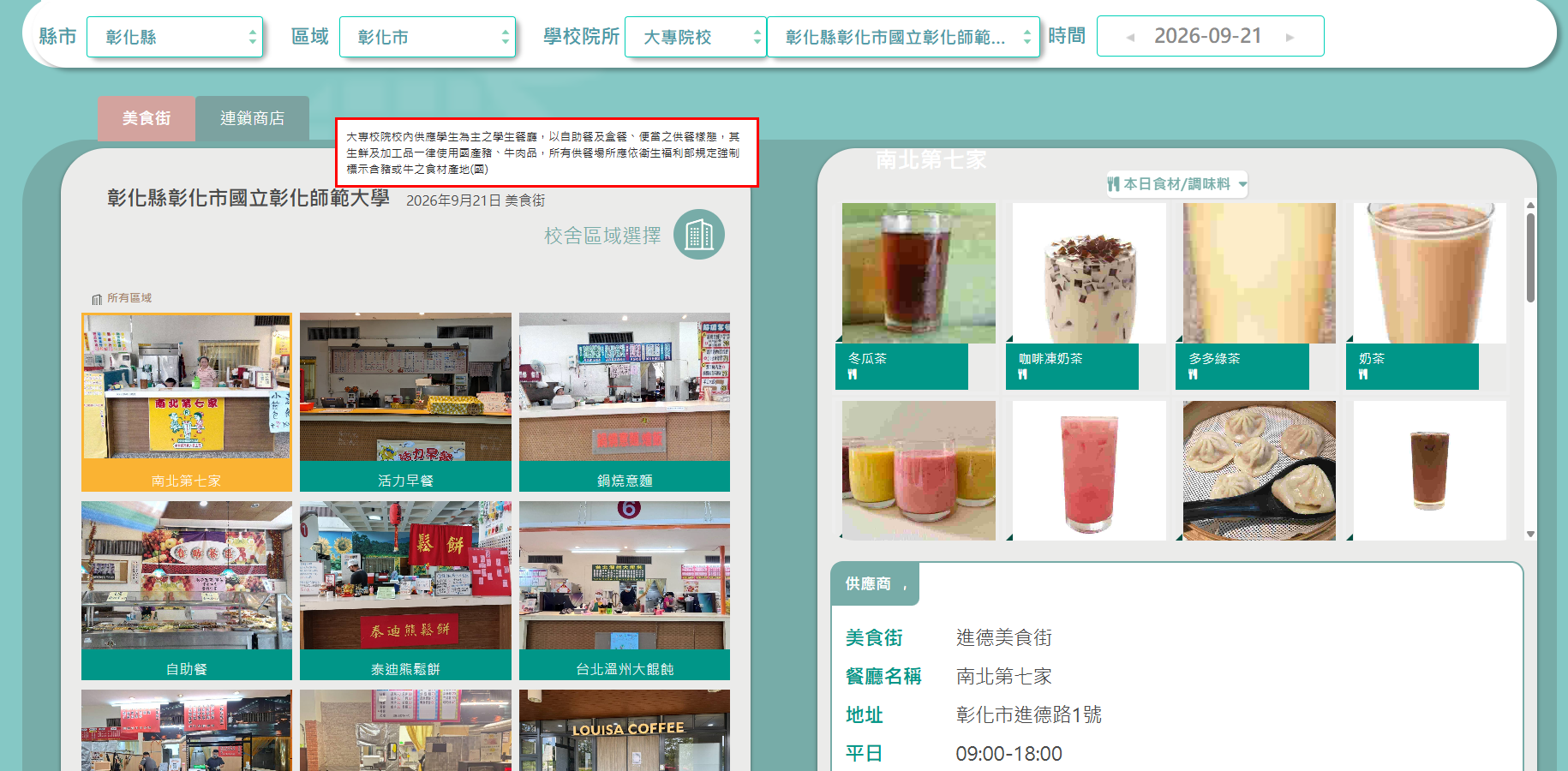
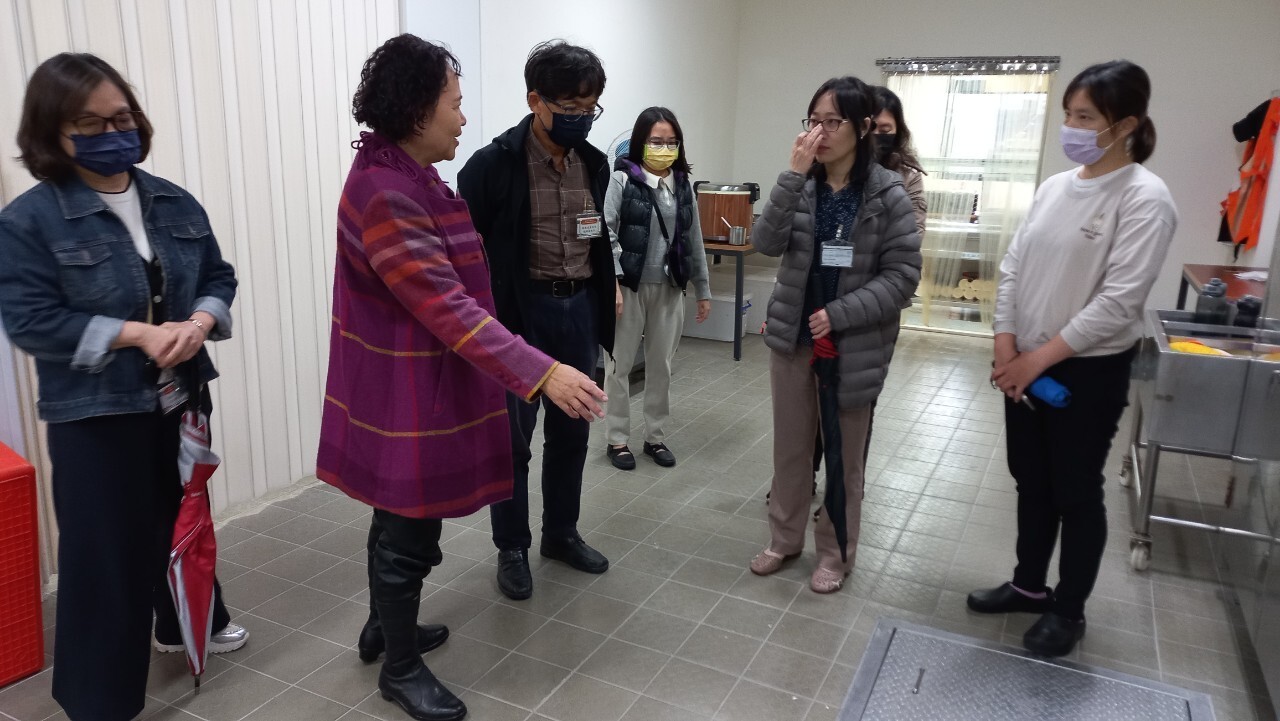
- (a) Health activity information and health education are published through notice boards, electronic announcements, digital signage, Facebook and website tickers. Topics include smoking cessation, comprehensive sexuality education, dengue fever, vaccination and respiratory illnesses such as Mycoplasma pneumonia. (Figures 67–68)
- (b) NCUE works with public health agencies on campus communicable disease prevention and awareness. (Figures 69–70)
-
(c) To establish a mechanism for tuberculosis prevention, control, and case follow-up on campus, NCUE actively implements the following measures in cooperation with local and national public health agencies:
- Following discussion and approval by the School Health Committee, NCUE established the Guidelines for Tuberculosis Prevention and Management, which require chest X-ray examinations for all incoming students and third-year students and apply to all faculty, staff, and students.
- Under Article 20 of the Occupational Safety and Health Act and Article 10 of the Regulations of the Labor Health Protection, new staff submit the original of a completed medical examination report on reporting for duty.
- NCUE provides faculty and staff with a free health examination every two years to monitor their health status.
- For individuals with abnormal chest X-ray results identified during the aforementioned health examinations, the Health Center opens health management records and coordinates with public health agencies to refers the cases for follow-up examinations in cooperation with public health agencies.
- If a case of tuberculosis is identified, health management begins immediately under the NCUE tuberculosis case management procedure, covering health management of the case and contacts, campus environmental assessment, notification, and tuberculosis health education.
- (d) NCUE maintains handwashing facilities and keeps classrooms clean and well-ventilated. Where necessary, it carries out thorough environmental cleaning, removes mosquito breeding sites, and conducts disinfection (Figure 71). It also monitors students' health and notifies communicable diseases as required to prevent further spread.
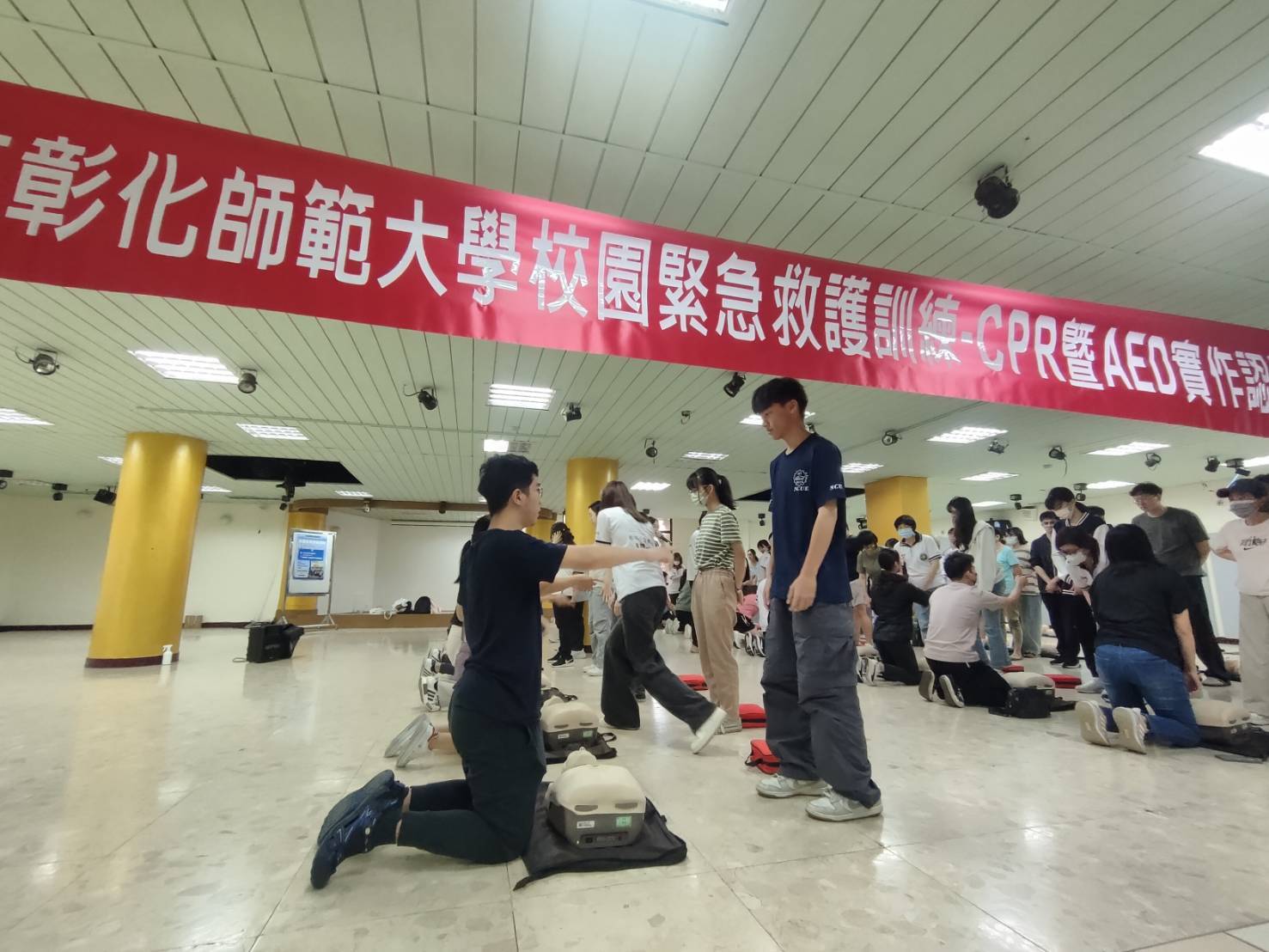
(7) General education courses on health and well-being delivered with medical partners. NCUE offers general education courses that build students' knowledge of health, well-being and preventive medicine within the formal curriculum. These courses enhance students’ understanding of the physical, mental and spiritual dimensions of public health and strengthen their ability to contribute to the development of social health and well-being. To link teaching with clinical practice, the university has a long-standing teaching partnership with local medical institutions: in 2025, emergency medicine specialists and nurses from the Emergency Department of Changhua Christian Hospital continued to teach the general education course on emergency care each semester (Figure 72), covering cardiopulmonary resuscitation (CPR) and the use of automated external defibrillators (AEDs). The course draws on clinical teaching staff from a local hospital and builds students' capacity to respond in an emergency, embedding health and well-being in the university's general education curriculum.
4. Annual health service statistics and health-related project funding
NCUE records the health services provided to staff and students, covering campus physician clinics and on-site occupational health services, injury and illness treatment and health consultation, emergency incidents and transfer to hospital, loan of medical aids and use of the lactation room, use of health equipment, and individual counseling in each college (Table 1). Health-related projects are listed in Table 2.
| Service item / year | 2023 | 2024 | 2025 |
|---|---|---|---|
| Part-time campus physician clinics and on-site occupational physician services | 317 visits | 433 visits | 389 visits |
| On-campus injury and illness treatment and health consultation | 2,857 visits | 3,243 visits | 2,484 visits |
| Emergency incidents and transfer to hospital | 24 people | 30 people | 16 people |
| Loan of medical equipment, lactation room and infection control supplies | 203 uses | 243 uses | 133 uses |
| Use of health equipment | 464 uses | 1,094 uses | 1,966 uses |
| Individual counseling services across colleges | 4,548 sessions | 4,933 sessions | 4,855 sessions |
| Total service volume | 8,413 | 9,976 | 9,843 |
| Year | Project title | Theme | Funding awarded (NT$) | Attendances | Total participants |
|---|---|---|---|---|---|
| 2025 | Ministry of Education Health Promoting University Program | Campus Health in Action – Happy Living UP! | 300,000 | 10,532 | 11,651 |
| Service-Learning Program for Substance Abuse Prevention in Higher Education | Drug prevention drama sessions at primary and junior high schools | 155,000 | 1,058 | ||
| Character Education Promotion and Deepening Program | Character education activity series | 103,010 | 1,600 | ||
| 2024 | Ministry of Education Health Promoting University Program | Fashion Health Fashion Guide | 150,000 | 8,102 | 12,512 |
| Service-Learning Program for Substance Abuse Prevention in Higher Education | Drug prevention drama sessions at primary and junior high schools | 123,000 | 1,710 | ||
| Character Education Promotion and Deepening Program | Character education activity series | 115,000 | 2,700 |