SDG 3.3.4
SDG 3.3.4 Sexual and reproductive health care services for students
NCUE recognizes sexual and reproductive health as a fundamental health right. Guided by the United Nations Sustainable Development Goals (SDG 3: Good Health and Well-being; SDG 5 Gender Equality), the Gender Equity Education Act and the Ministry of Education's Health Promoting School policy, NCUE has established a comprehensive support system for sexual and reproductive health by bringing together the Gender Equity Education Committee, the Student Psychological Counseling and Guidance Center, the Health Center of the Office of Student Affairs, academic units, and partner medical institutions.
Through health education, comprehensive sexuality education, psychological support, medical referral, and health promotion activities, NCUE provides faculty, staff, and students with services that are accessible, safe, respectful and free from discrimination, helping them develop accurate knowledge of sexual health and healthy behaviors.
The main objectives of NCUE’s sexual and reproductive health services are as follows:
- Implementing the eight key concepts of comprehensive sexuality education (CSE).
- Building sexual health literacy and self-protection skills.
- Strengthening the prevention of HIV/AIDS and sexually transmitted infections.
- Establishing a campus culture based on respect, equality and consent.
- Providing equitable and accessible sexual and reproductive health services.
- Fostering a campus environment that is welcoming, diverse and free from discrimination.
1. Embedding the eight key concepts of comprehensive sexuality education (CSE)
Following the UNESCO’s framework for comprehensive sexuality education, NCUE embeds the eight key concepts in its campus health promotion initiatives:
- (1) Relationships
- (2) Values, Rights, Culture and Sexuality
- (3) Understanding Gender
- (4) Violence and Staying Safe
- (5) Skills for Health and Well-being
- (6) The Human Body and Development
- (7) Sexuality and Sexual Behavior
- (8) Sexual and Reproductive Health
NCUE produces health promotion handbooks, health education posters, leaflets and digital materials, and organizes talks, campus campaigns and course activities to enhance students' knowledge, respect for others and responsible attitudes.
2. Clinical services and access to resources for students' sexual and reproductive health
NCUE employs dedicated nursing staff and contracted physicians who provide students with free, confidential sexual and reproductive health services:
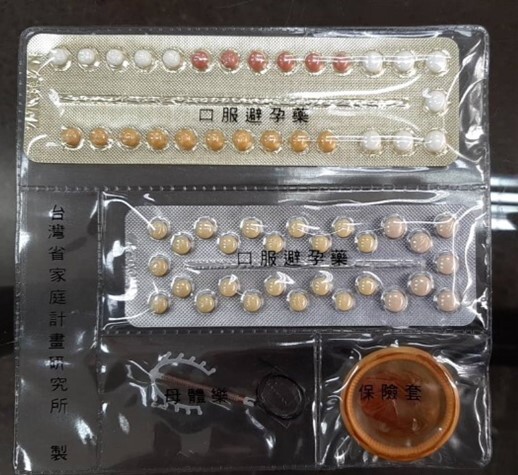
- (1) Telephone helpline and individual guidance. A helpline for sexual and reproductive health is staffed by dedicated health professionals and counselors from the Student Psychological Counseling and Guidance Center, who provide one-to-one confidential support on sexual health concerns, boundaries in intimate relationships and contraception. (Figure 1)
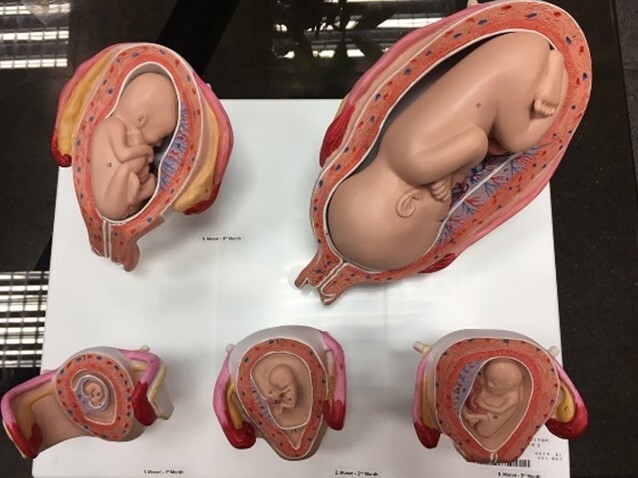
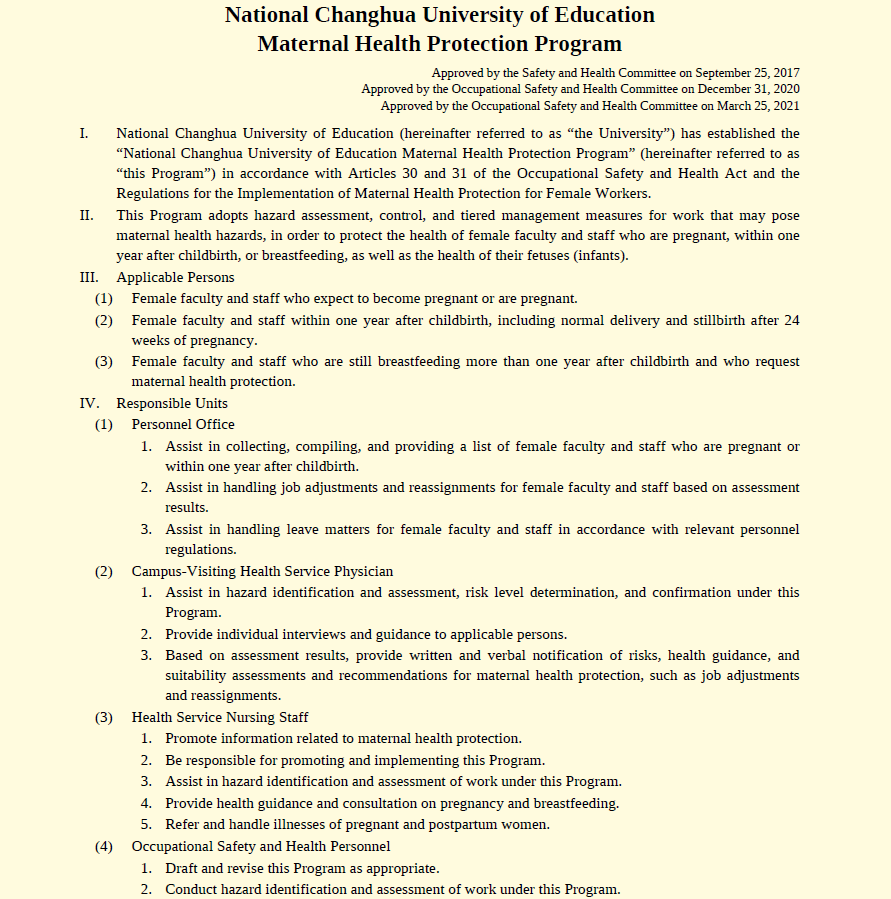
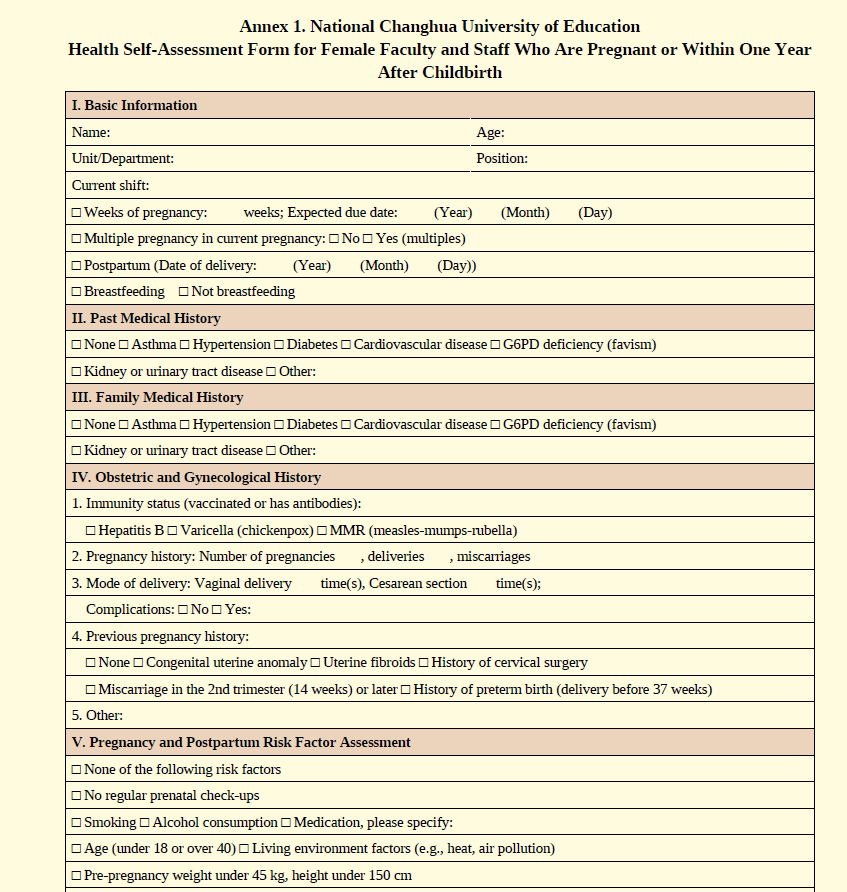
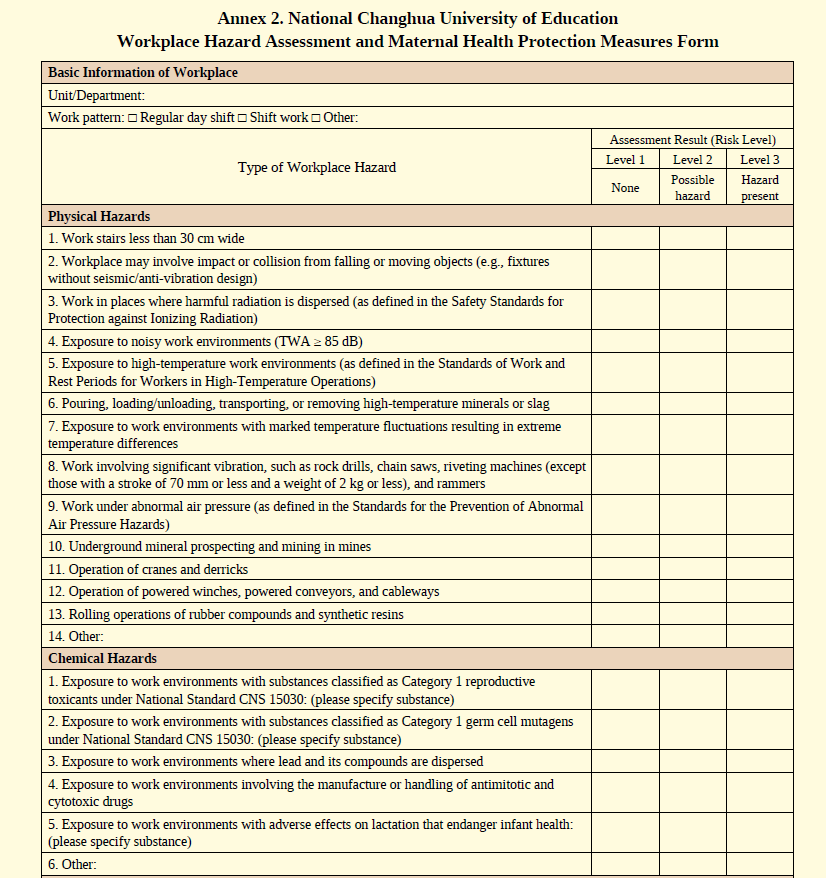
- (2) Maternal health protection plan and health consultation. NCUE protects the health of faculty, staff, and students who are pregnant or within one year postpartum through hazard assessment, control and graded management. An occupational medicine physician providing on-site health services conducts an individual consultation with each person, who also completes the Workplace Environment and Task Hazard Assessment Form for Maternal Health Protection. Based on the assessment, the physician then advises on protective measures and any adjustment of duties. (Figure 2)
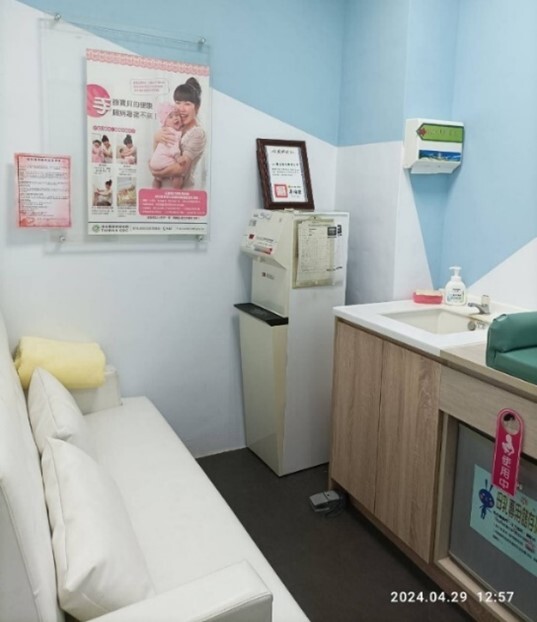
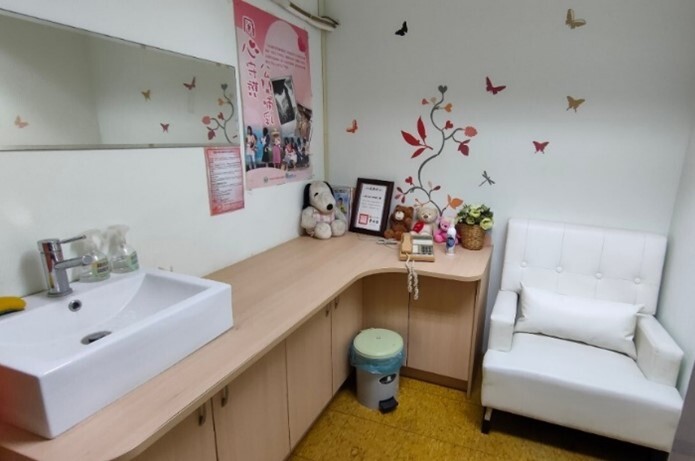
- (3) Family-friendly facilities and lactation rooms. The Jinde and Shida campuses have several lactation rooms that are safe, comfortable and compliant with Ministry of Health and Welfare standards, protecting the working and teaching rights of breastfeeding staff and of students with children. (Figures 3–4)
- (4) Comprehensive sexuality education week, designated free menstrual product locations, and menstrual equity initiatives
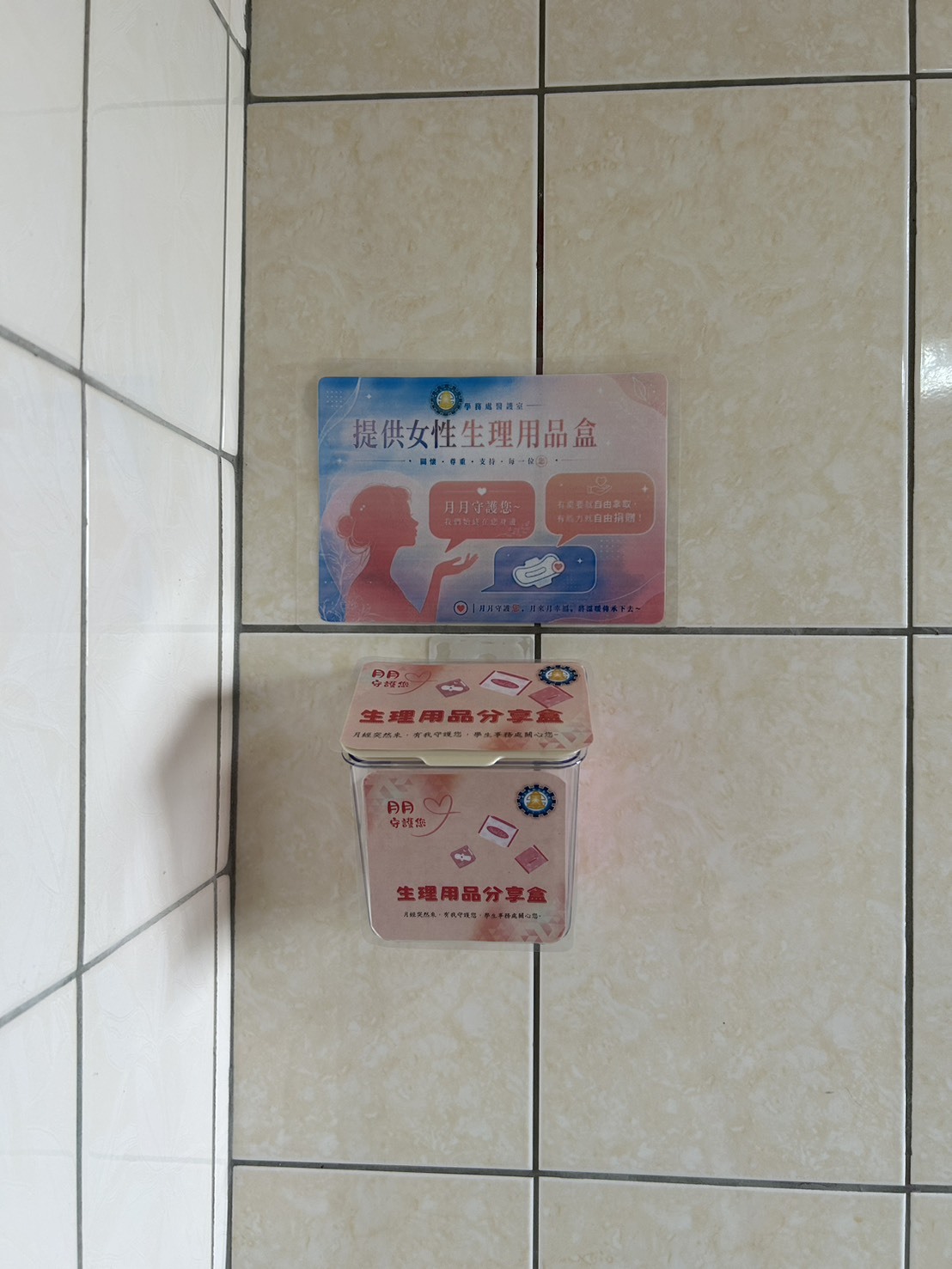
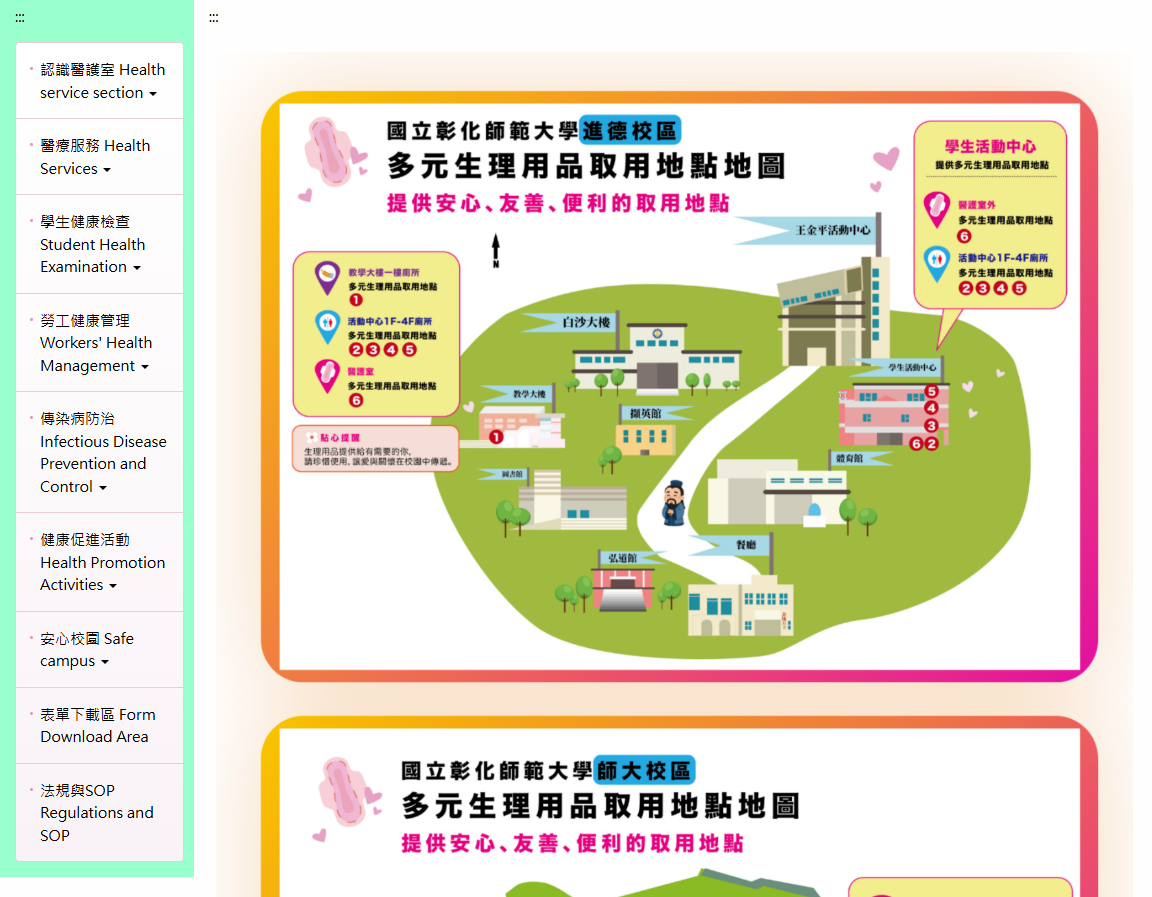
To advance menstrual equity, address period poverty and support students with an urgent need, NCUE set up eight designated free menstrual product locations across the two campuses during Comprehensive Sexuality Education Week, 18–22 May 2025 (Figure 5). These locations are situated in places that are easily accessible to students while ensuring privacy, such as women's toilets and areas near the Health Center, and supply sanitary pads and other products free of charge. The Health Center inspects, restocks and manages the points on a regular schedule.
NCUE also works with the local public health bureau on safer sex education and HIV/AIDS prevention: (Figures 6–7)
- (5) Condom vending machines and health education areas. NCUE has installed condom vending machines on both campuses, inspects and restocks them regularly, and provides teaching aids and materials on contraception and safer sex.
- (6) Self-testing kit dispensers. Dispensers on both campuses supply HIV self-testing kits that students can use privately and independently, reducing the risk of delayed testing due to privacy concerns and supporting regular self-monitoring.
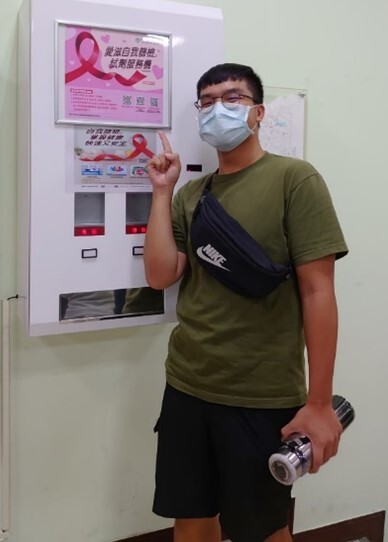
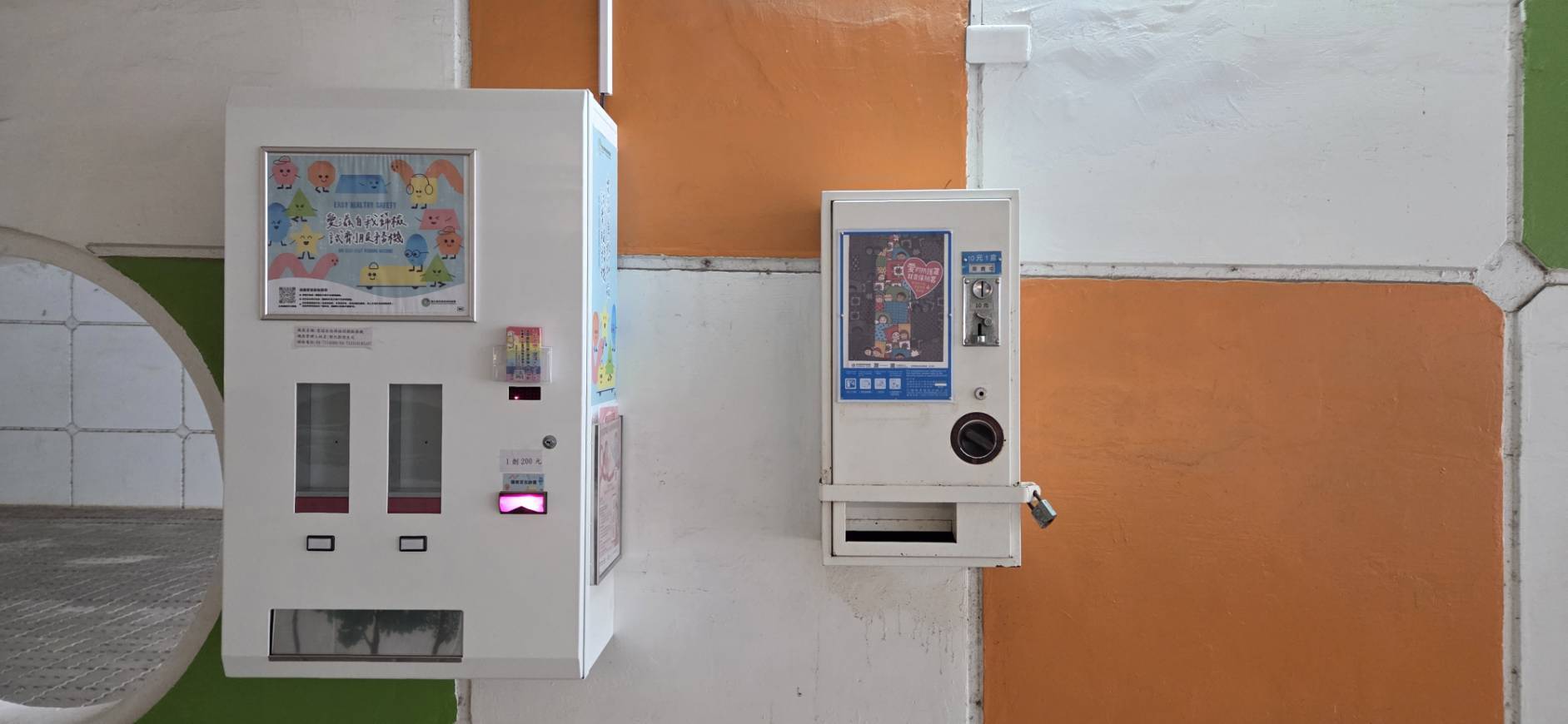
Figures 6–7. Condom vending machines and self-testing kit dispensers on both campuses
Related links:
- (a) NCUE Maternal Health Protection Plan (Figure 8).
- (b) NCUE Health Self-Assessment Form for Female Staff Who Are Pregnant or Within One Year of Childbirth (Figure 9).
- (c) NCUE Workplace Hazard Assessment and Maternal Health Protection Measures Form (Figure 10).
- (d) NCUE designated locations for free menstrual products (Figure 11): https://healthweb.ncue.edu.tw/p/412-1041-4520.php
3. Gender equity education outcomes and the Central District promotion center
NCUE’s achievements in promoting gender equity education have received widespread recognition. The Ministry of Education commissioned NCUE to establish and operate the Central District College & University Gender Equity Education Promotion Center. Drawing on its own resources, NCUE supports the work of gender equity education committees at 37 higher education institutions in central Taiwan, running meetings for executive secretaries and staff training and strengthening links between institutions.
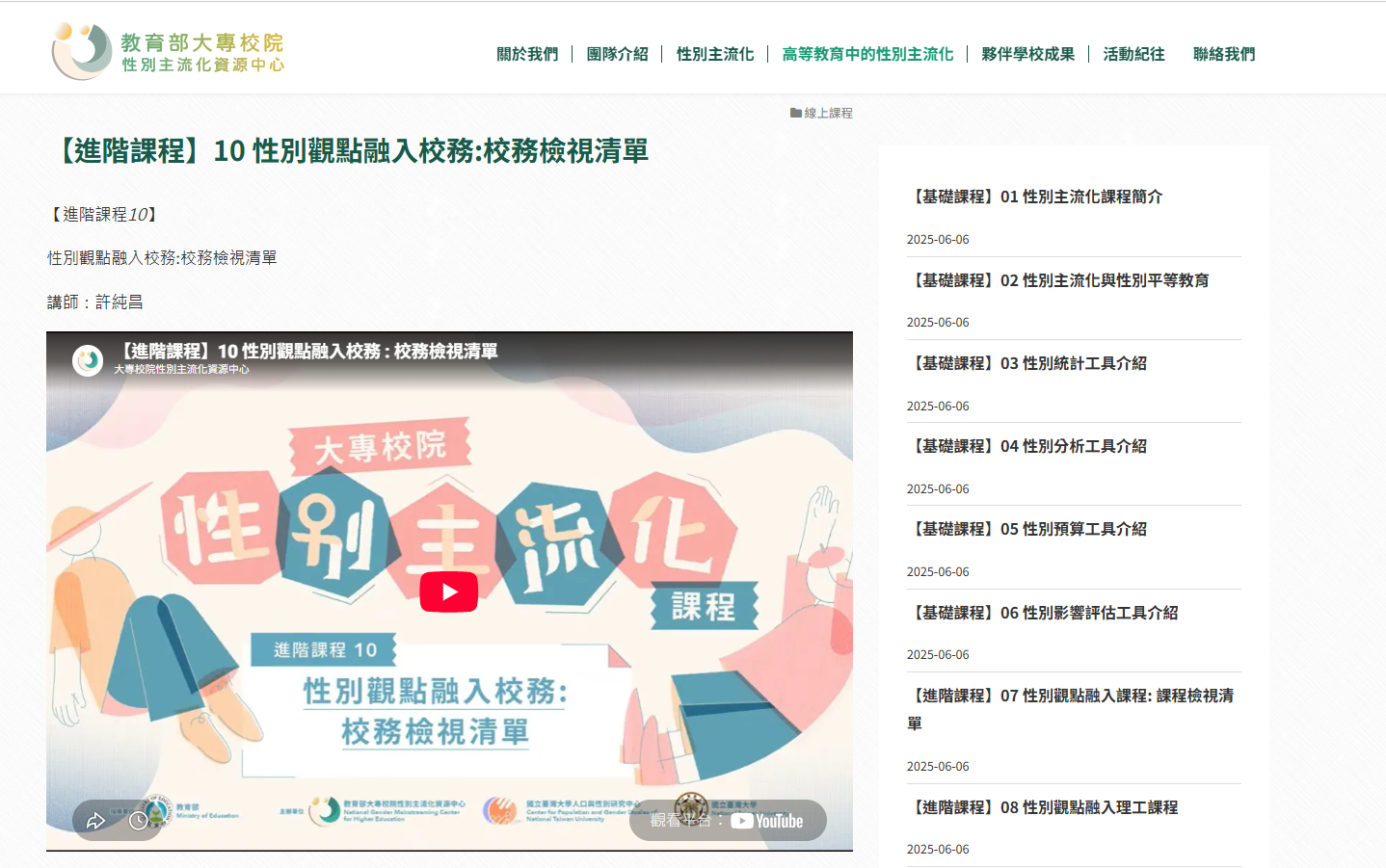
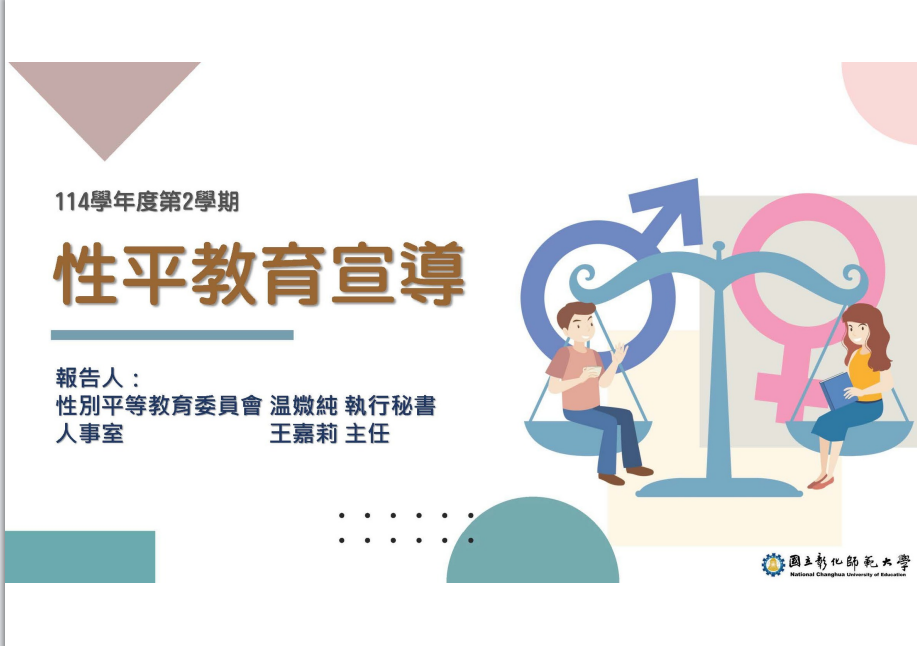
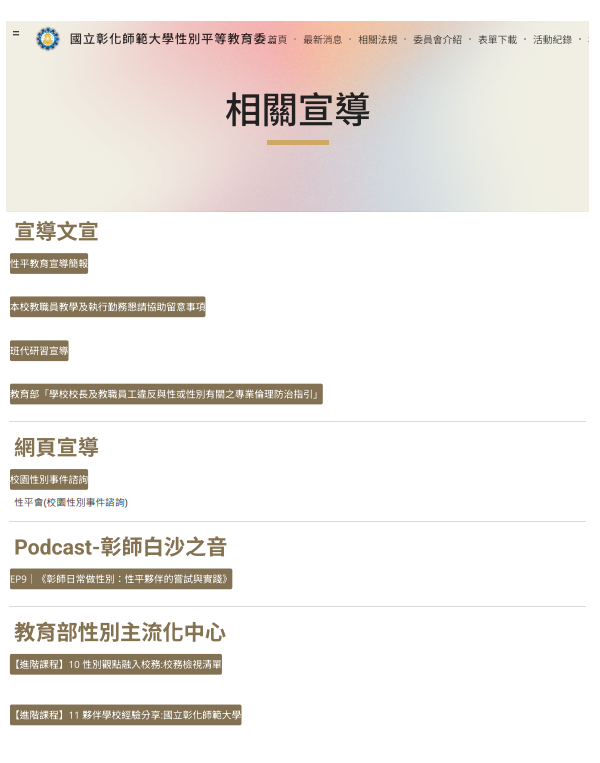
Online gender mainstreaming courses and digital outreach: NCUE has been a partner institution of the Ministry of Education's gender mainstreaming resource center for higher education for five consecutive years, the longest participation of any national university. In the second semester of the 2024–2025 academic year and the first semester of the 2025–2026 academic year, the university produced publicity materials and publications and ran digital outreach through its website, online platforms and media. It recorded and released two advanced online course videos for the Ministry of Education, “Embedding a Gender Perspective in University Governance” and “Partner School Experience Sharing”, and linked to them from the awareness section of the NCUE Gender Equity Education Committee website. (Figures 12–13) The videos share NCUE's practical experience of gender mainstreaming and its governance perspective with institutions nationwide.
Related links:
- (1) NCUE Gender Equity Education Committee – awareness materials (Figure 14): https://sites.google.com/gm.ncue.edu.tw/ncue-gender/相關宣導?authuser=0
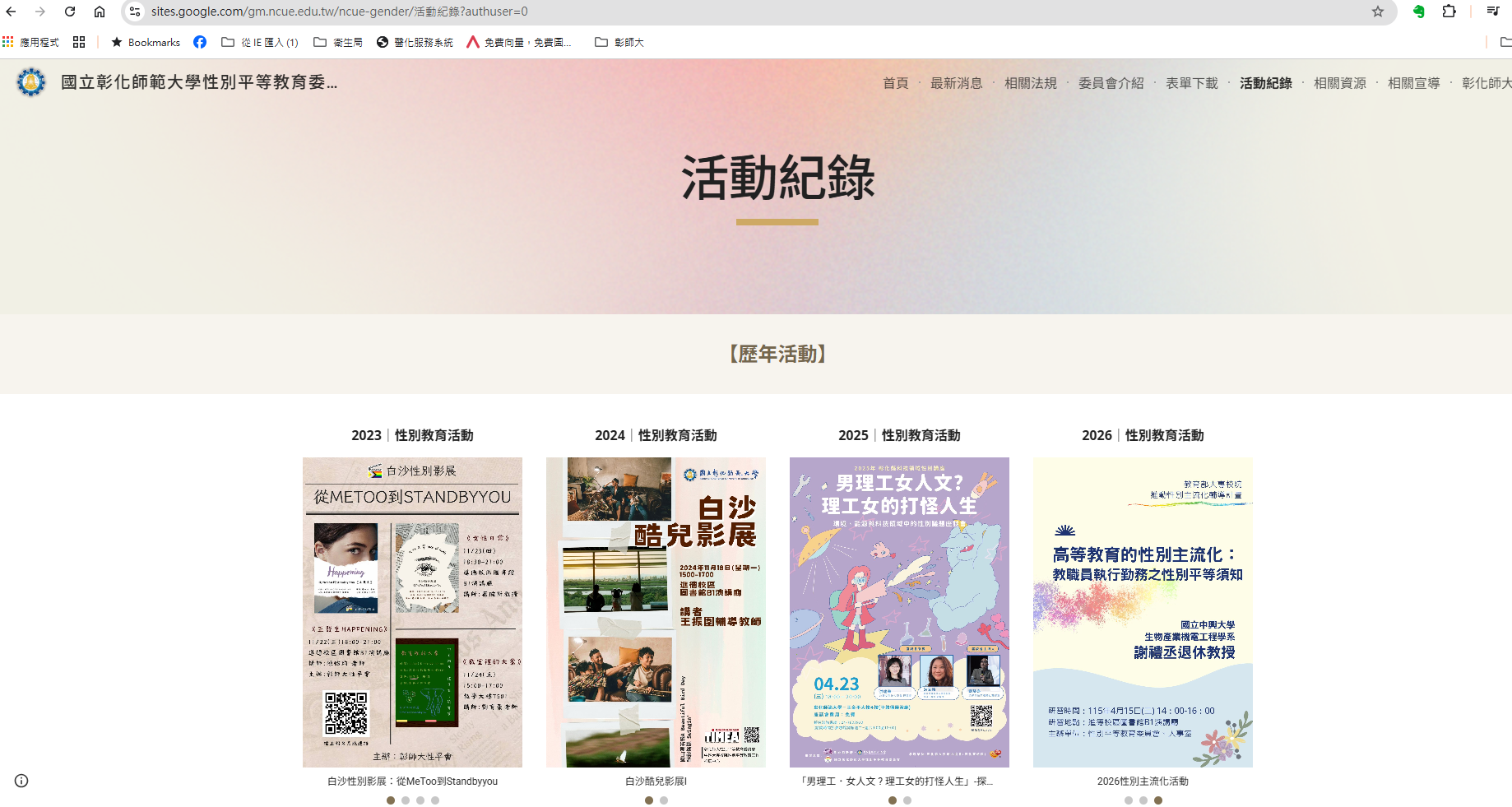
- (2) NCUE Gender Equity Education Committee – activity record (Figure 15): https://sites.google.com/gm.ncue.edu.tw/ncue-gender/活動紀錄?authuser=0
4. Student sexual health, comprehensive sexuality education and vaccination
Screening, prevention and vaccination for HIV/AIDS and sexually transmitted infections are core elements of NCUE's Health Promoting School program each year. Results are set out below. (Figures 16–21)
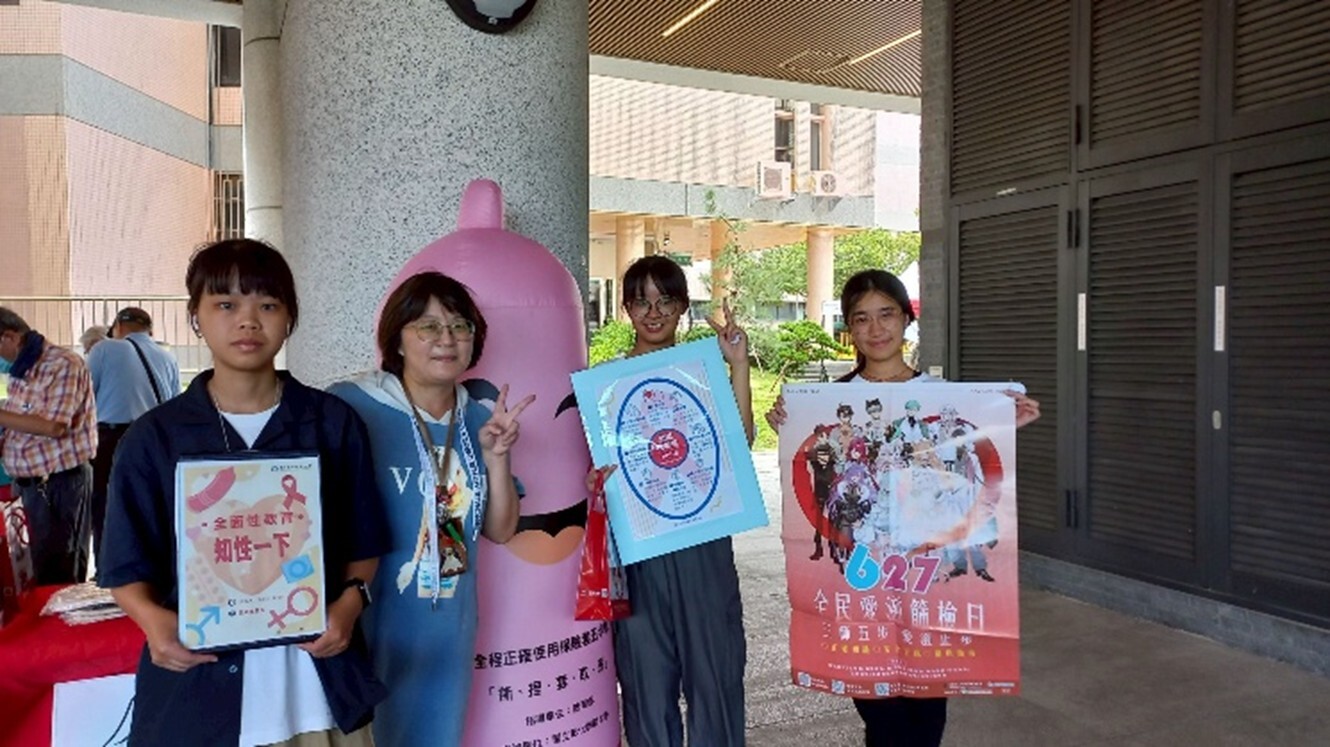
(1) Sexuality education and HIV prevention under the 2025–26 health promotion program
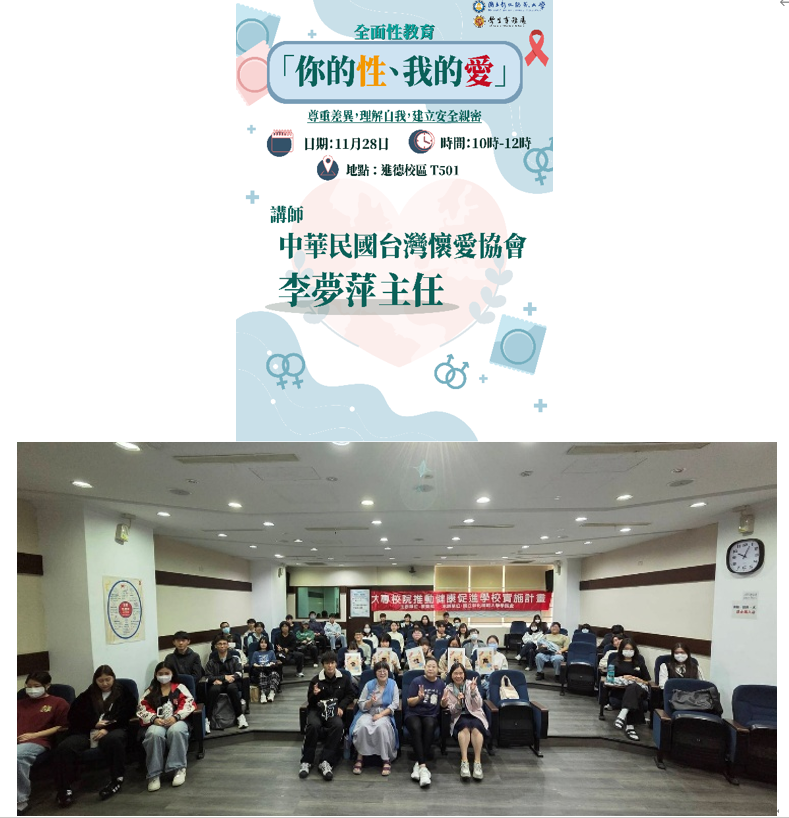
- “Your Sexuality, My Love” comprehensive sexuality education lecture, 28 November 2025: 62 participants (33 men, 29 women). Drawing on professional knowledge of clinical psychology and sexology, the lecture guided participants in developing healthy and safe attitudes to sexuality. Quantitative analysis using a paired t-test showed that participants' mean score for sexual health knowledge rose significantly from 82 before the lecture to 92 afterwards.
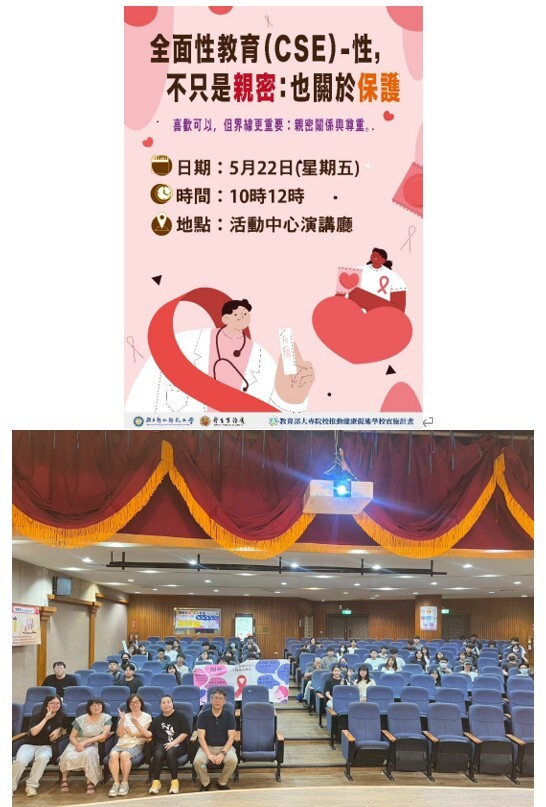
- “Sex Is Not Only Intimacy, but Also About Protection” health education lecture, 22 May 2026, Student Activity Center lecture hall: 69 staff and students (40 men, 29 women). The lecture covered safer sex and self-protection skills. On a paired t-test, participants' mean score for sexual health knowledge rose from 80.5 to 86.3.
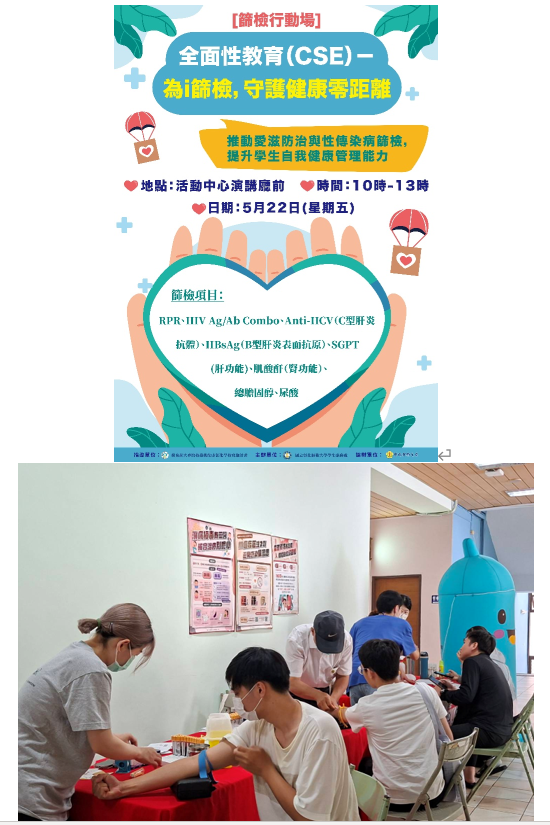
- “Screening for i: Protecting Health Without Distance” free screening service, 22 May 2026: run with the public health bureau alongside the CSE lecture above, offering free blood screening for HIV and related infections and one-to-one counselling at the Student Activity Center. 86 students (38 men, 48 women) took part.
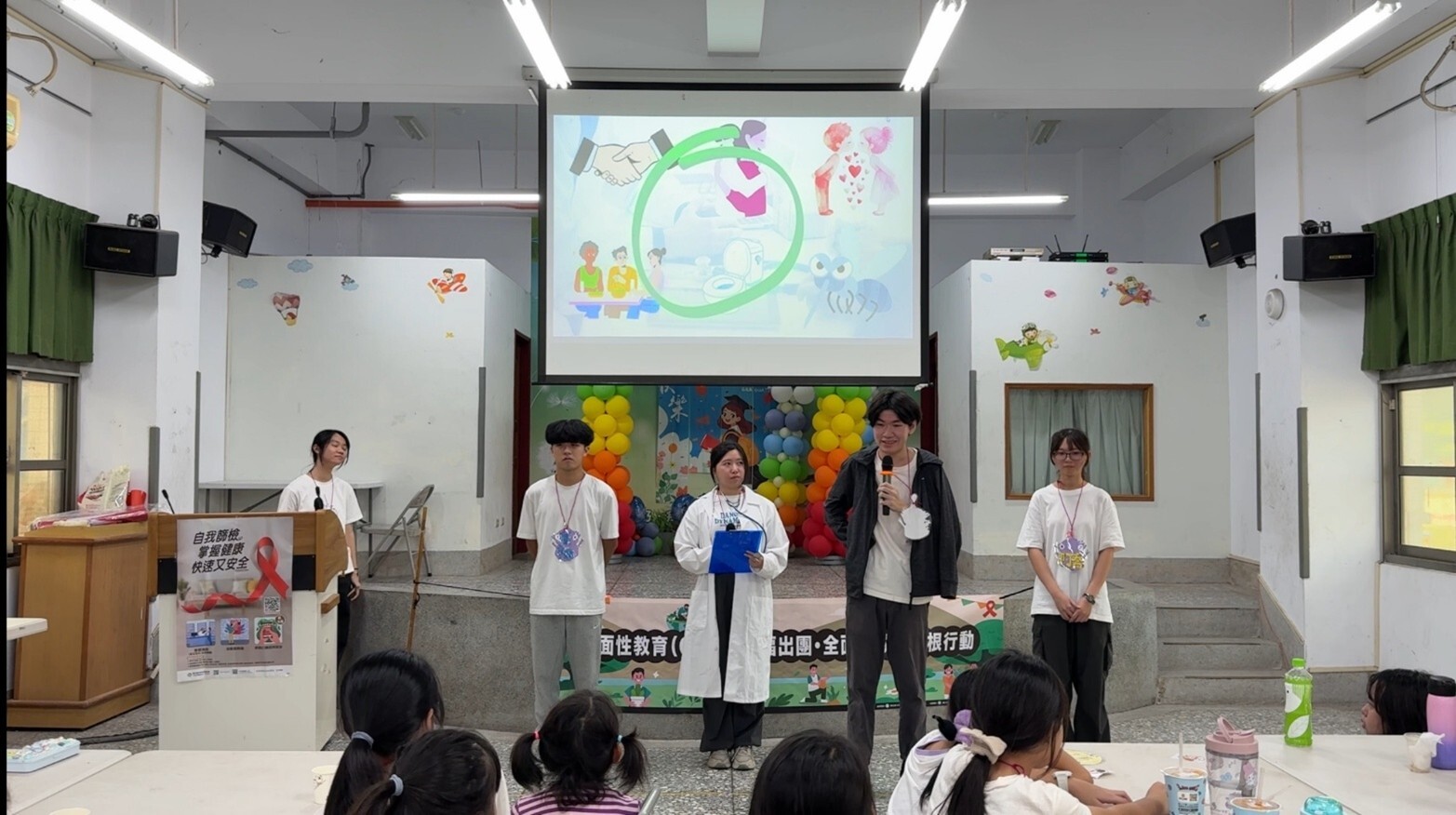
- “Sexual Health Outreach to Primary Schools”: with NCUE student service clubs, sessions were held on 19–25 August 2025 and 21 June 2026 at Renhe Elementary School in Xinyi Township, Nantou County, and Shipai Elementary School in Changhua City. Using short plays written by the student volunteers, interactive games and quizzes, the sessions covered bodily autonomy, respect for gender and the prevention of HIV/AIDS and sexually transmitted infections for 46 pupils (19 boys, 27 girls). Overall satisfaction was above 95%.
- “Comprehensive Sexuality Education: A Moment of Knowing” anniversary fair stall and online outreach, 24 October 2025: a creative stall featuring interactive challenge activities was combined with an online questionnaire, attracting 105 attendances (41 men, 64 women). Among the 35 people who completed both questionnaires, the mean score rose from 78 before to 96 afterwards.
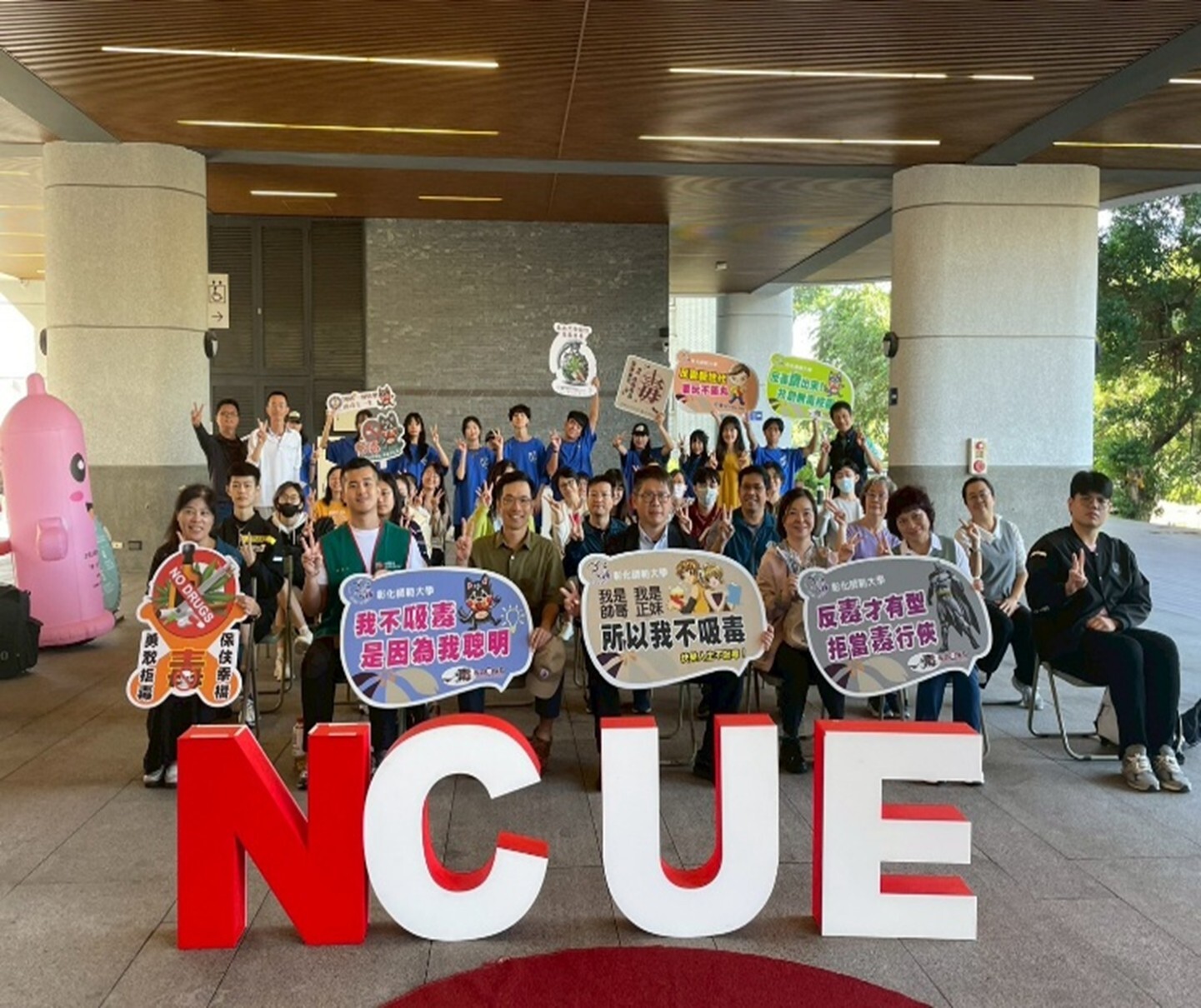
- “Smart Living, Drug Free: Campus Touring Exhibition” and HIV/AIDS prevention: held during Comprehensive Sexuality Education Week, 1–5 December 2025, and co-organised by the Health Center and the Student Service Section. The exhibition in the Student Activity Center plaza covered the harms of new psychoactive substances alongside related HIV risks such as needle sharing and unprotected sex. Over five days it reached 2,075 attendances (1,041 men, 1,034 women).
(2) Vaccination and prevention
NCUE works with local public health agencies and mobile medical teams to offer students a range of vaccinations. In 2023 and 2024, the university ran two government-funded mpox vaccination sessions, two self-funded human papillomavirus (HPV) vaccination sessions and one self-funded session for shingles and pneumococcal vaccination, with 306 doses administered in total. A dual-function mobile screening unit visits the campus each year to provide free breast and cervical cancer screening for female students. (Figure 22)

5. Relationship education, gender equality activities and a family-friendly workplace
NCUE is committed to creating a high-quality, welcoming campus environment for all students, faculty and staff that supports emotional well-being, challenges gender stereotypes, and promotes work–childcare balance. Results are outlined below.
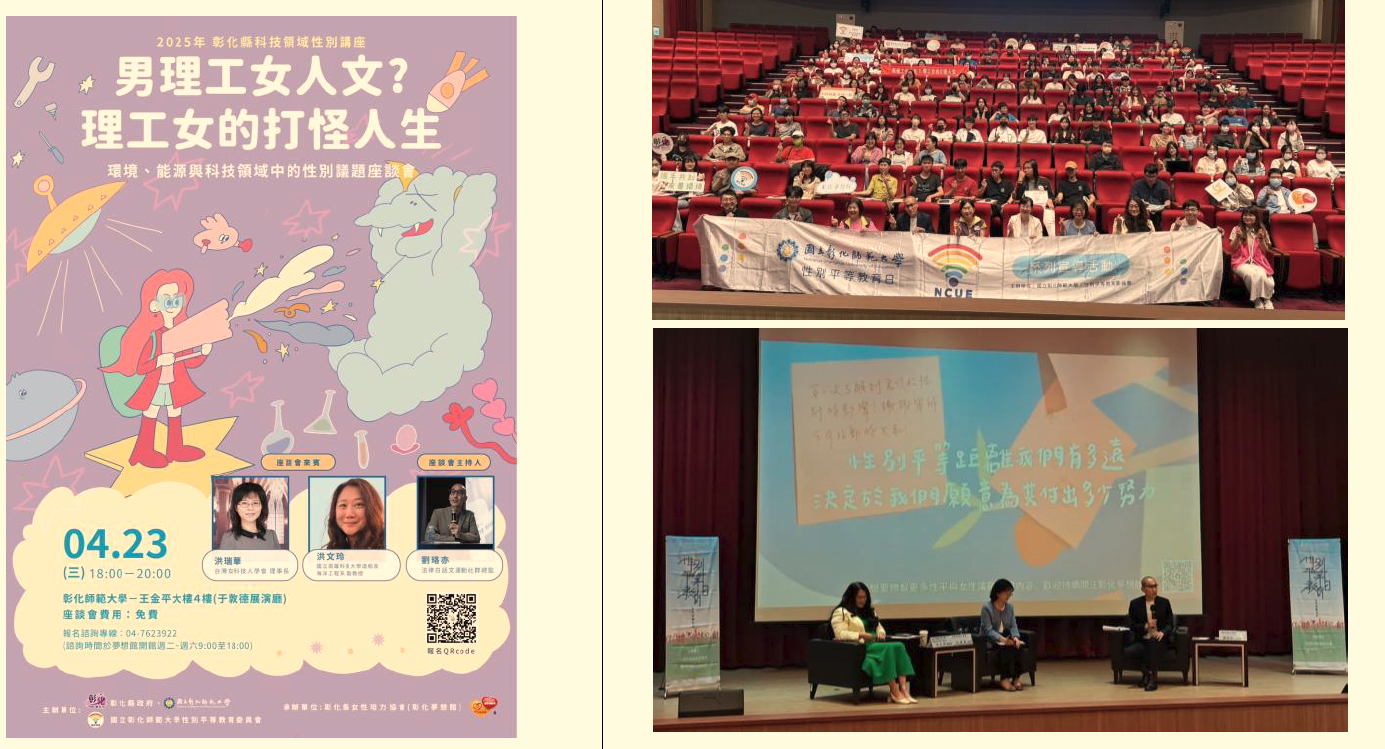
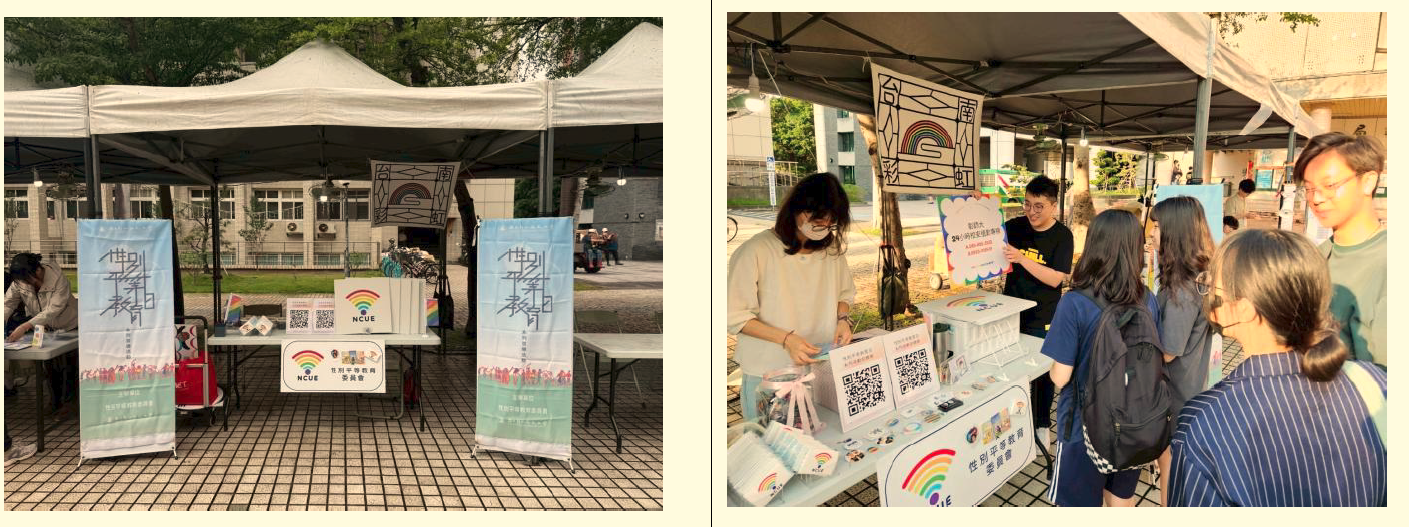
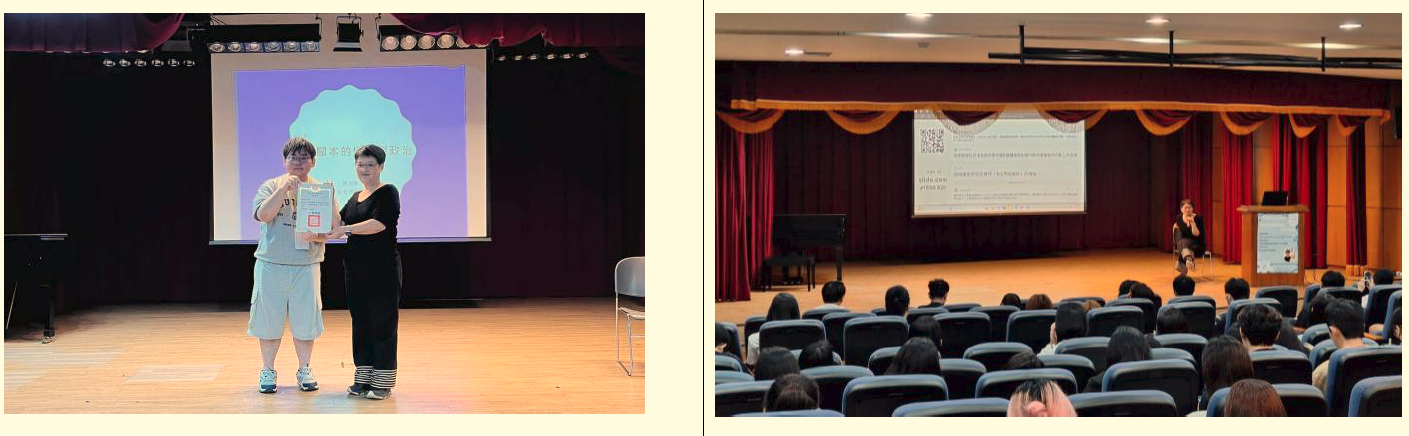
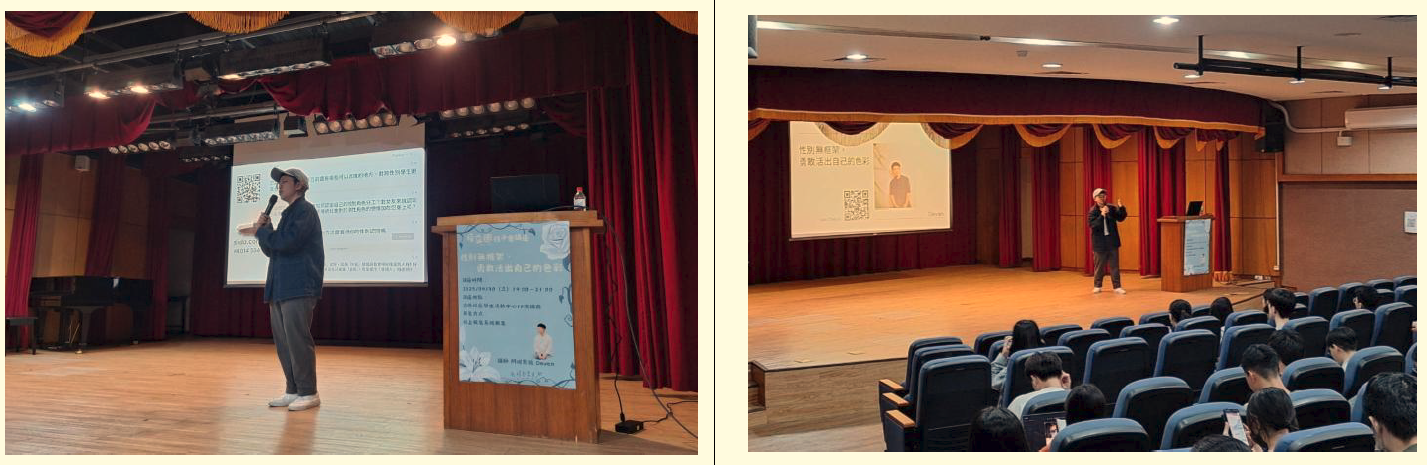
Gender Equity Education Day activity series, 2025. From 23 to 30 April 2025 the Gender Equity Education Committee, the Student Association and the Extracurricular Activities Section of the Office of Student Affairs ran a week of activities and seminars for Gender Equity Education Day. Working with administrative and academic units, local government, NPOs and community groups, they held four events covering gender and multicultural issues, with 696 staff and student attendances. (Figures 23–26)
- (1) “Men in STEM, Women in the Humanities? The Quest of Women in STEM” cross-disciplinary panel, 23 April 2025: speakers were Liu Lo-yi, Community Director of the Plain Law Movement; Associate Professor Hung Wen-Ling of National Kaohsiung University of Science and Technology; and Hung Jui-Hua, Chair of Taiwan Women in Science and Technology (TWiST). They discussed gender issues in the environment, energy and technology sectors and how women in STEM address stereotypes and bias. 162 students attended.
- (2) “Student Rights Week Stall: Gender Equality, No Waiting” interactive campaign, 28 April 2025: run with the Student Association during Student Rights Week, the stall used quiz games on the origins of Gender Equity Education Day and on everyday equality. 250 staff and students took part.
- (3) “The Sexual and Gender Politics of Intimate Relationship Scripts” lecture, 29 April 2025: Professor Chen Mei-Hua of the Department of Sociology, National Sun Yat-sen University, examined the gender systems and power relations underlying intimate relationships, from everyday practice and partner choice to the #MeToo movement. 155 people attended.
- (4) “Ata Boy Deven's Transition Journey: Living Without a Gender Frame” life-story talk, 30 April 2025: Deven, a transgender man, was invited to the university to share his experiences of growing up in a traditional family and feeling discomfort with his body from an early age, as well as his transgender journey, including affirming his gender identity, undergoing top surgery, and receiving hormone replacement therapy (HRT). He also introduced the “Ata Boy's Transition Journey” website and YouTube channel he founded. The talk provided guidance on gender equality, addressing discrimination and creating gender-friendly spaces. 129 staff and students attended.
6. Parental leave policy and kindergarten provision
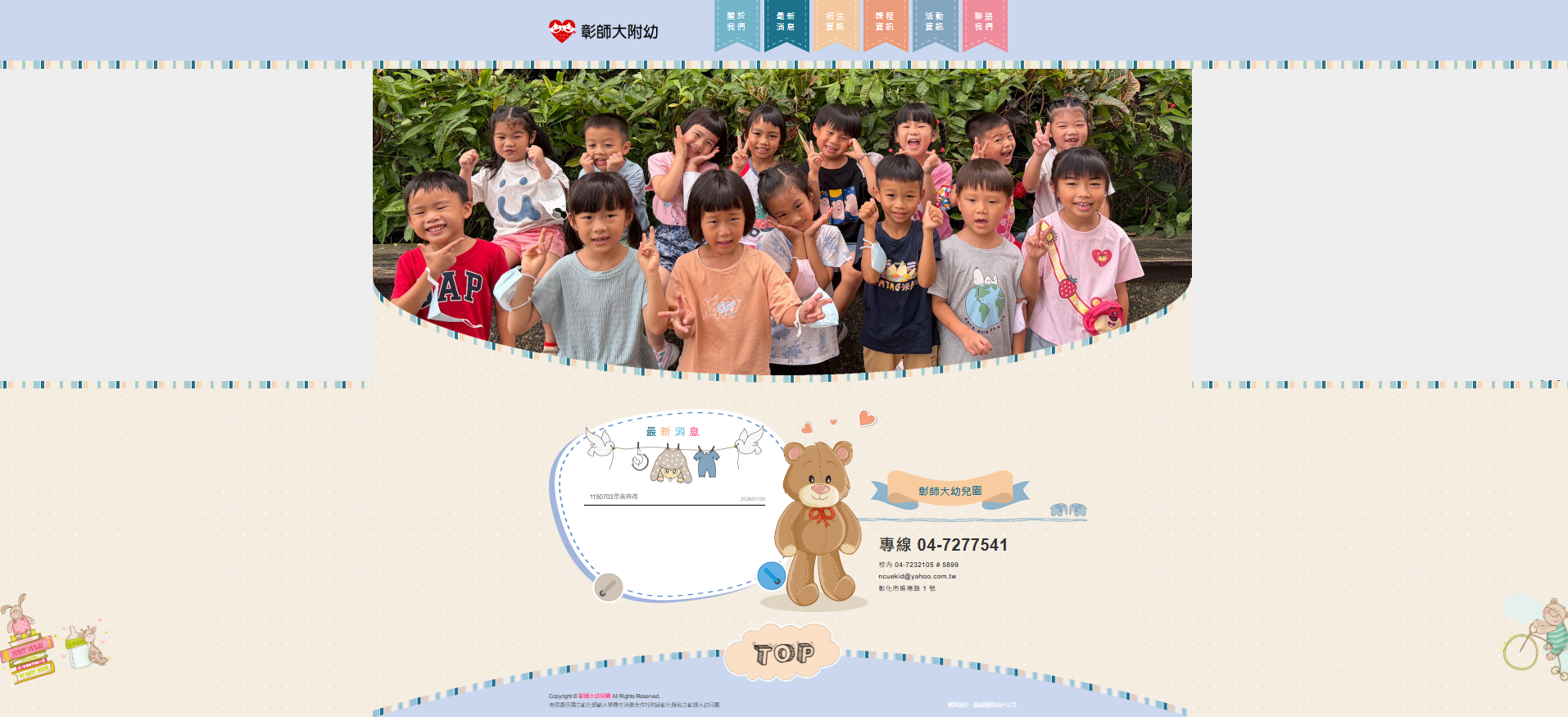
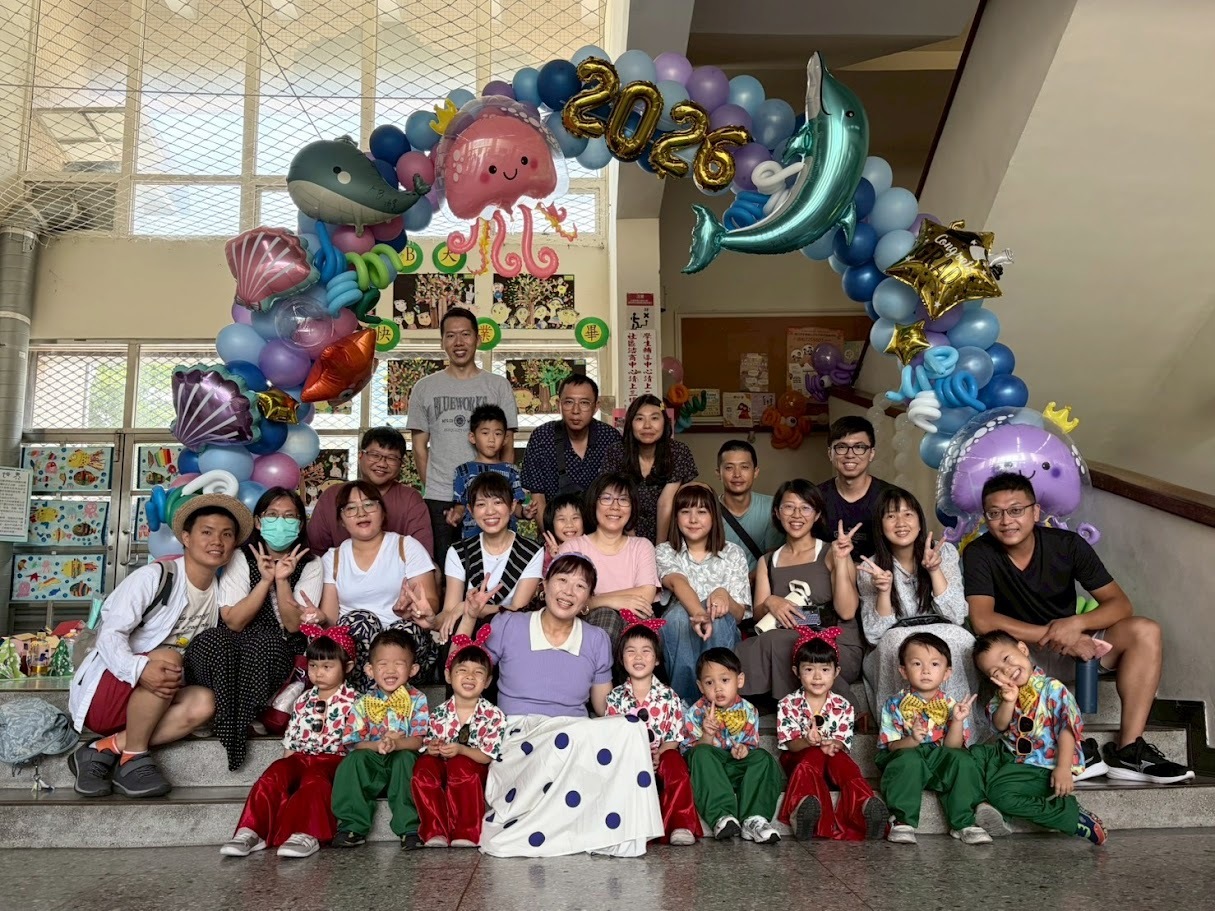
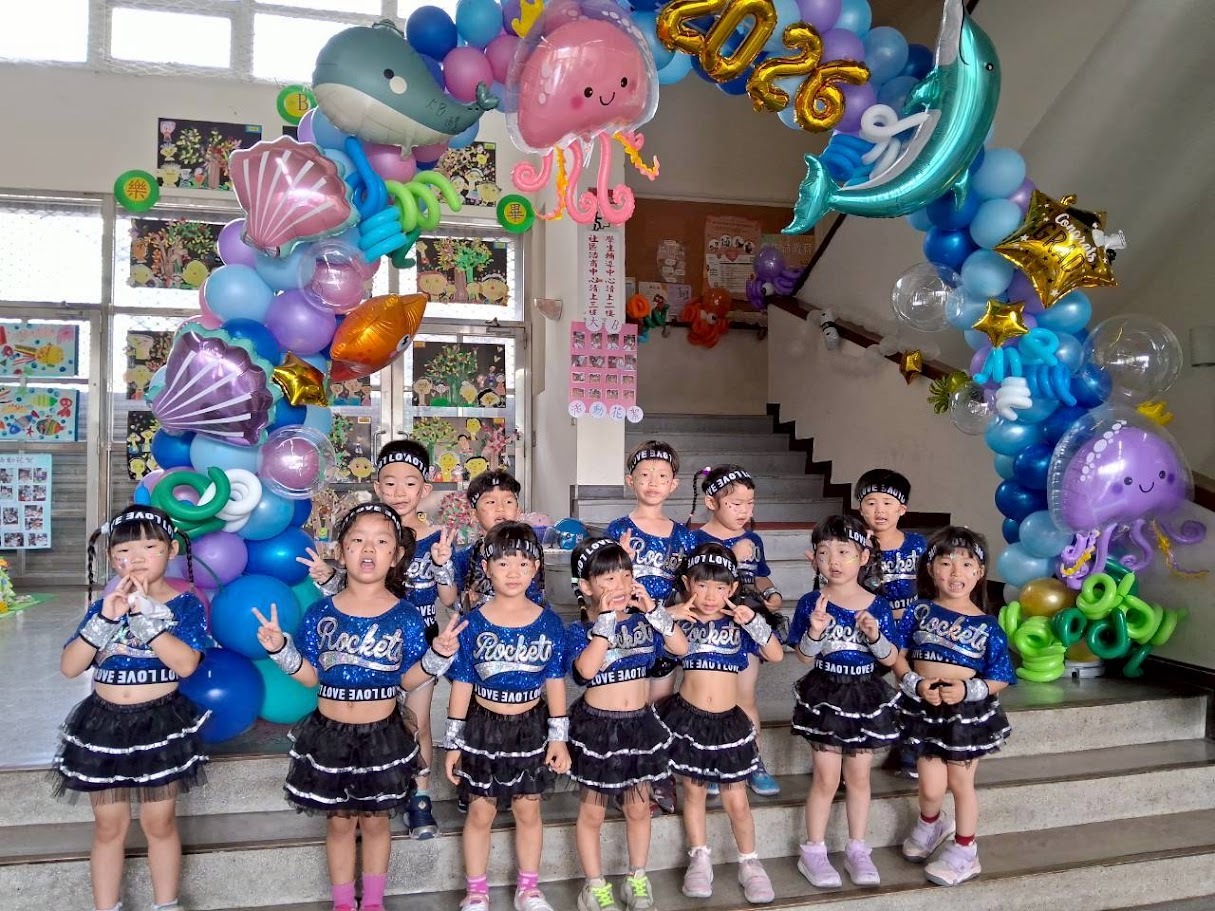
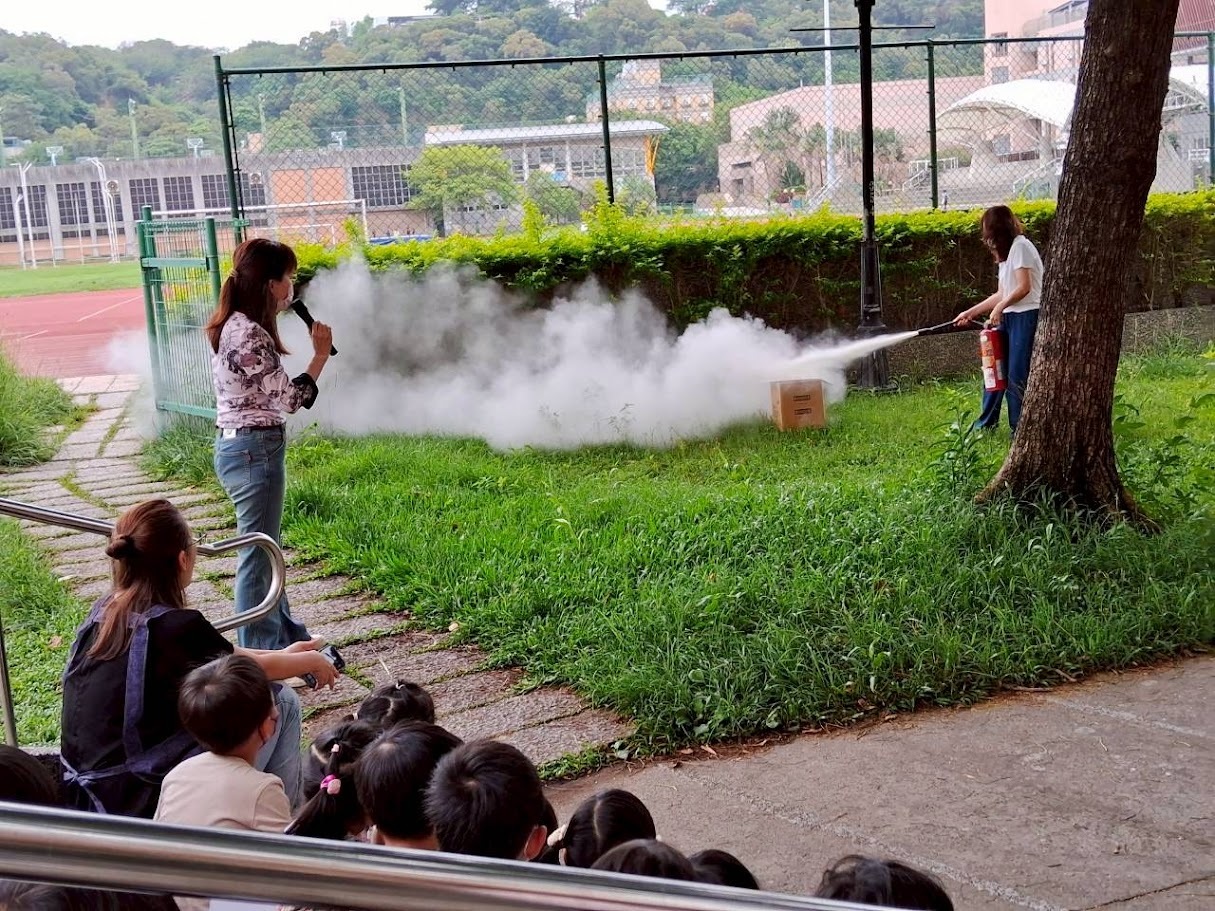
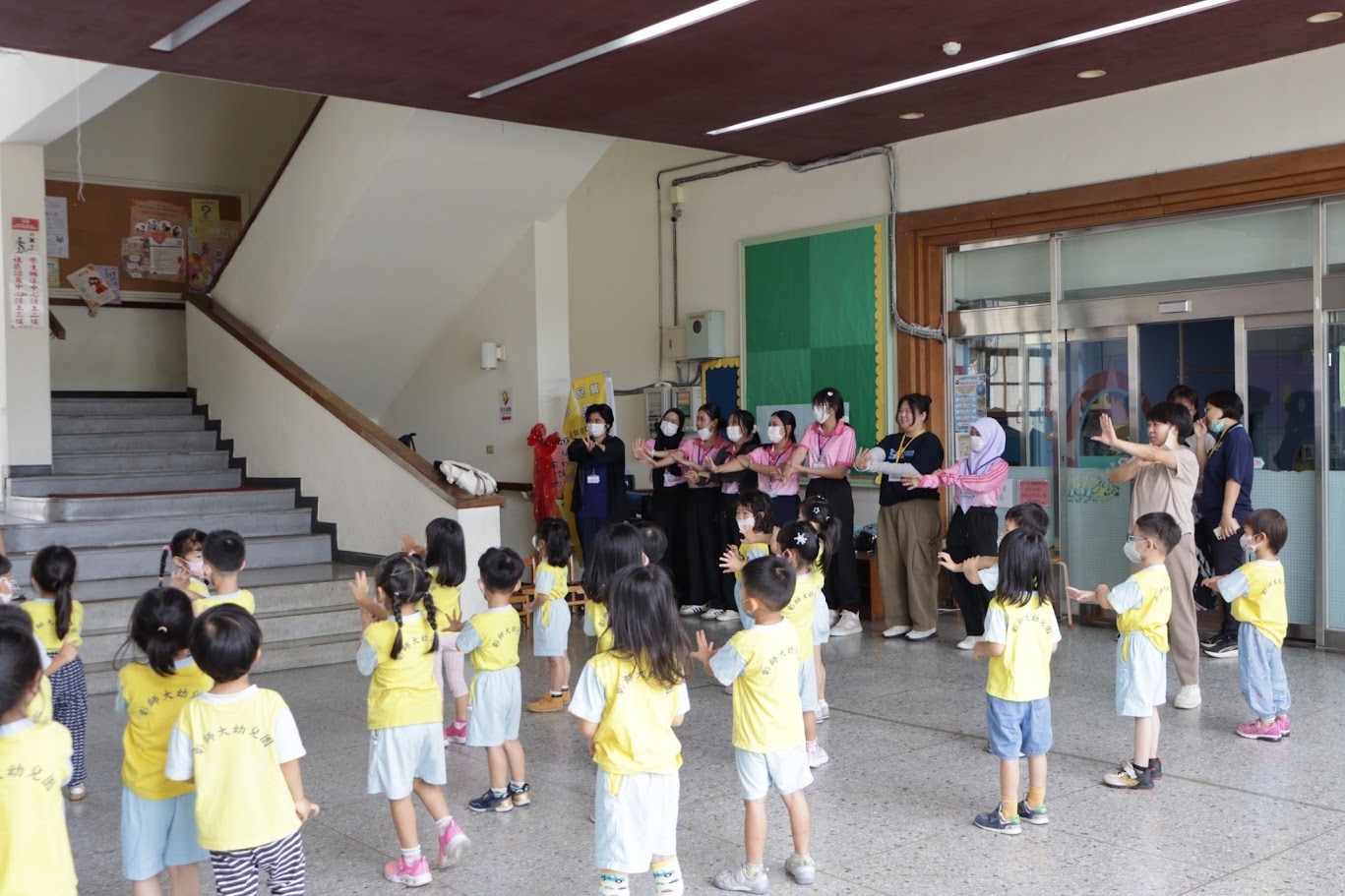
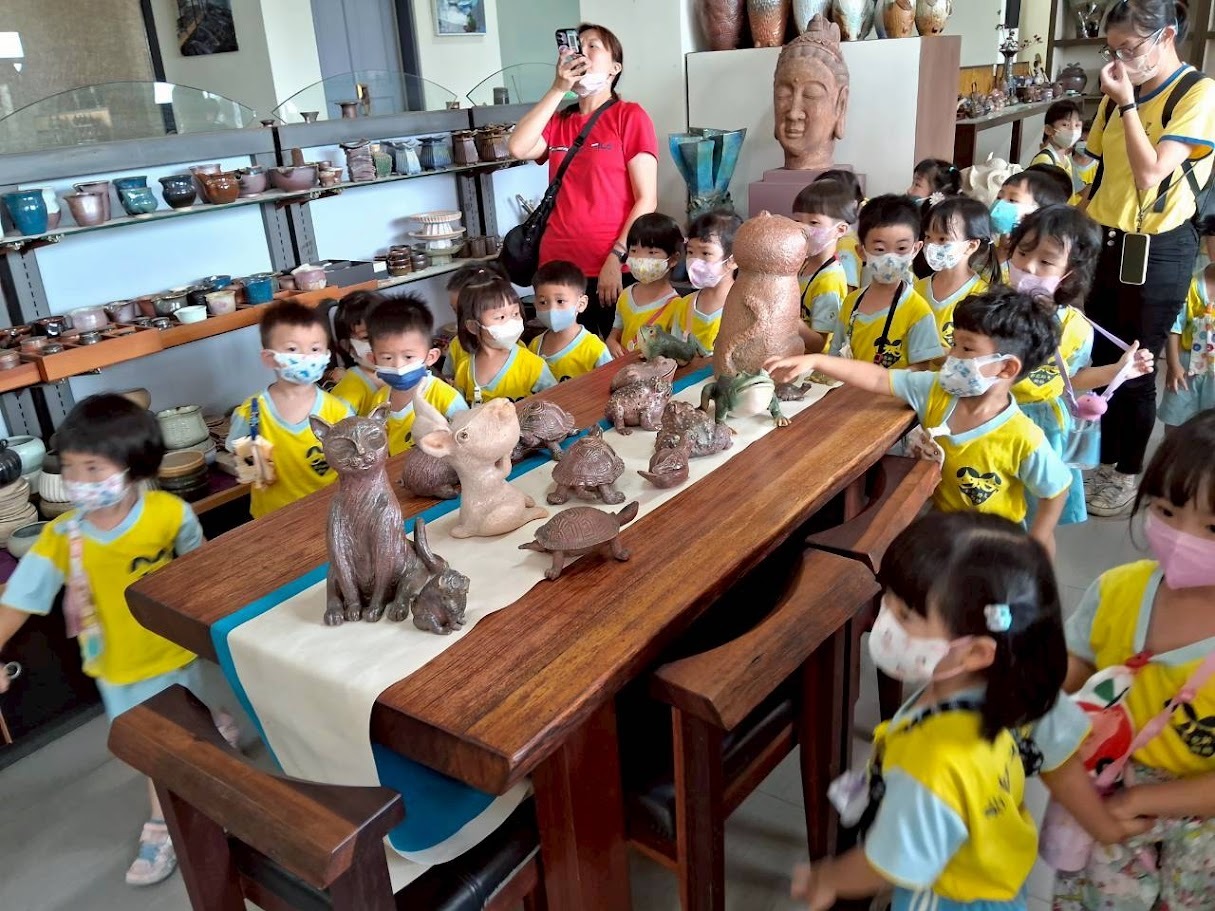
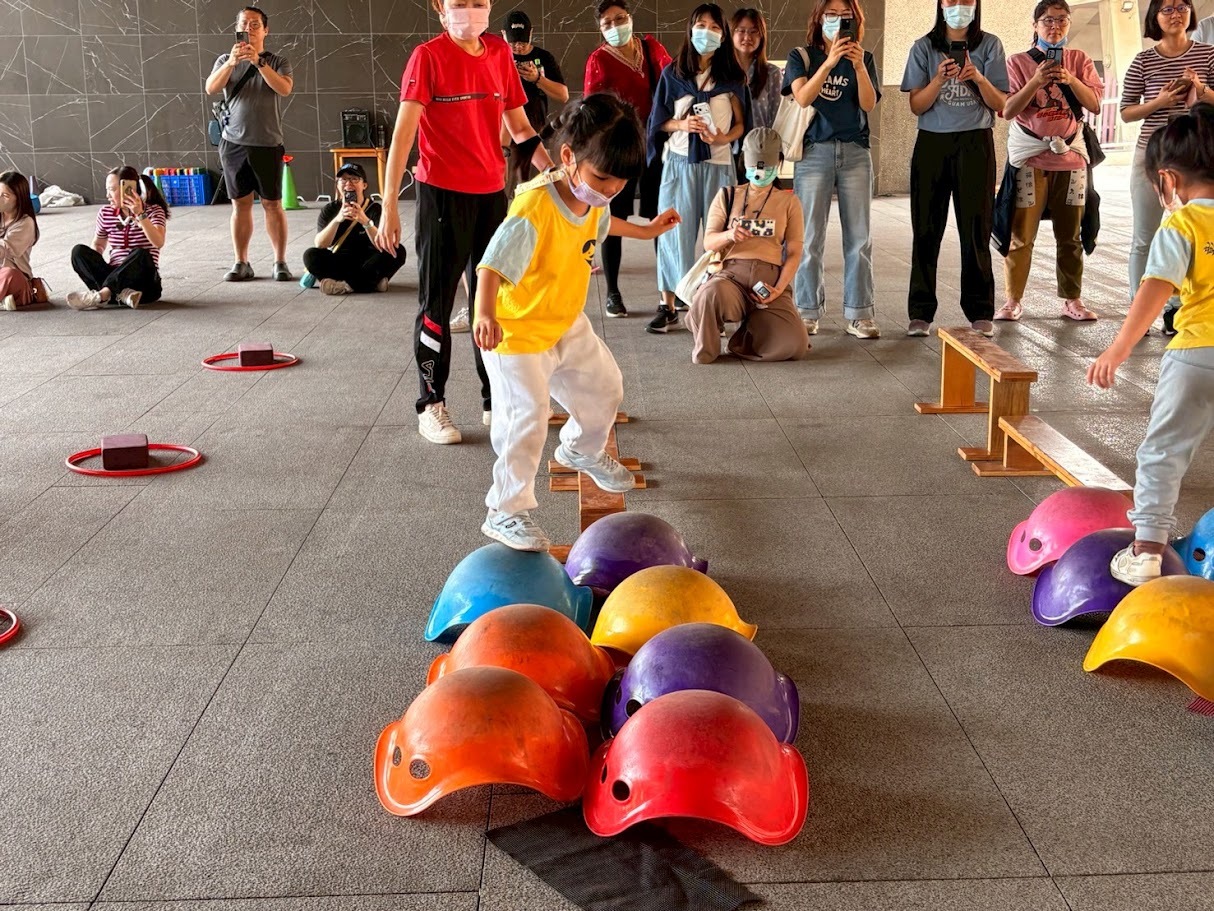
NCUE grants unpaid parental leave, as provided by law, to staff who have completed six months' service and have a child under the age of three, for a maximum of two years; seniority and position are protected. Eight staff took parental leave in 2024 and nine in 2025. The university's Staff and Student Cooperative also runs the Changhua Private NCUE Kindergarten, which cares for children from the age of two to school age, with 113 children enrolled in 2025 and 114 in 2026. The kindergarten holds regular fire drills, sports days and external visits, giving staff and students access to childcare on campus. Kindergarten of the Staff and Student Cooperative: learning in pictures (Figures 27–32).
Related links:
Changhua Private NCUE Kindergarten, run by the NCUE Staff and Student Cooperative (Figure 33): http://www.ncuekid.com.tw/