SDG 2.5.4
SDG 2.5.4 Sustainable food purchases
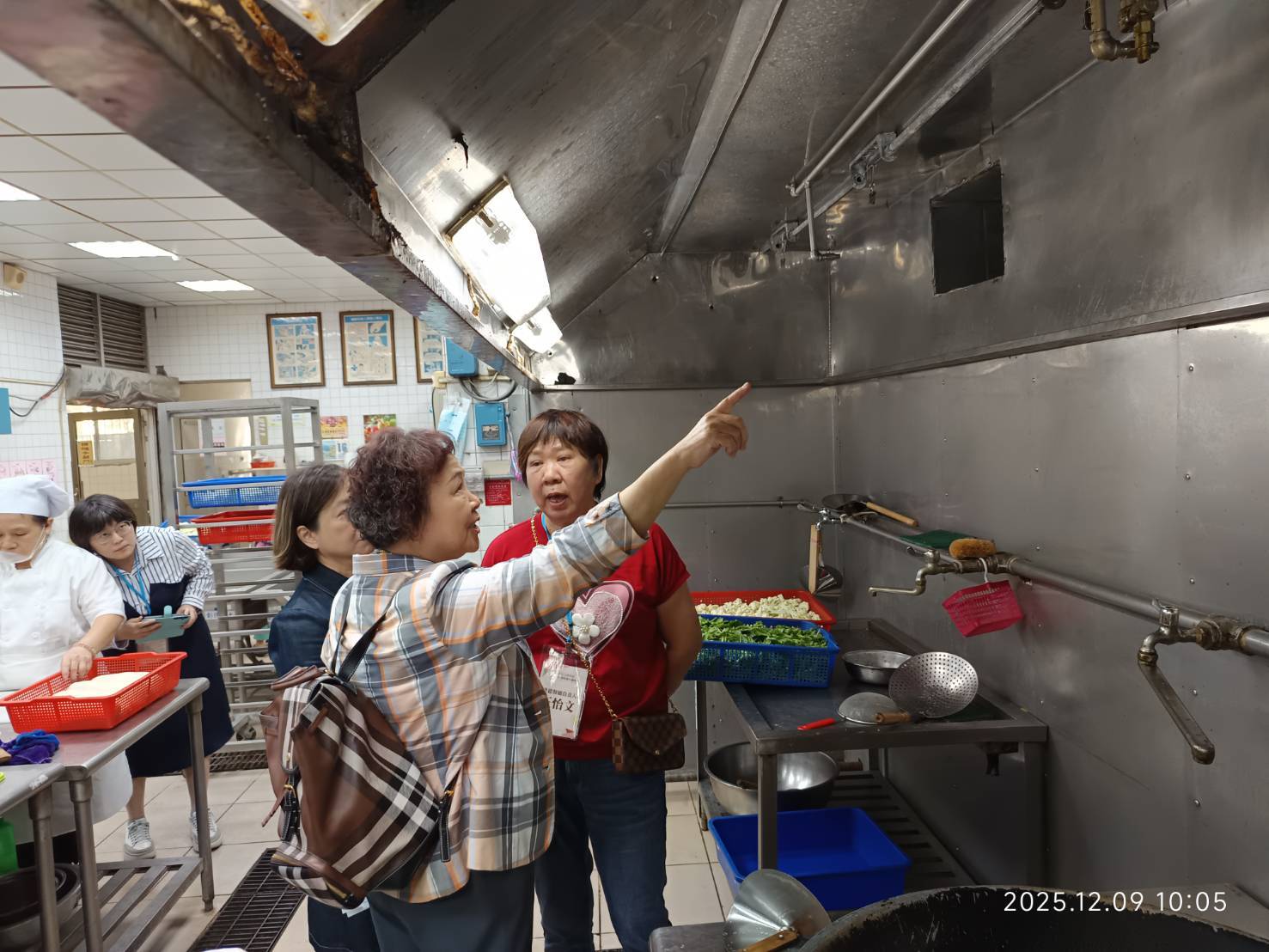
NCUE has consistently given priority to local, sustainable sources in its purchasing. The cafeterias buy seasonal and local ingredients first, which shortens food miles, cuts transport emissions and supports local consumption, while keeping ingredient quality under control so that students and staff can eat with no worries. The Ministry of Education conducts an annual visit; Figure 1 shows the visit of 9 December 2025. The strategies used are set out below.
1. With the extreme climate crisis approaching, NCUE upholds two basic principles when purchasing ingredients:
- (1) Giving priority to seasonal ingredients.
- (2) Giving priority to local ingredients, which lowers the carbon footprint, shortens food miles, and reduces energy use.
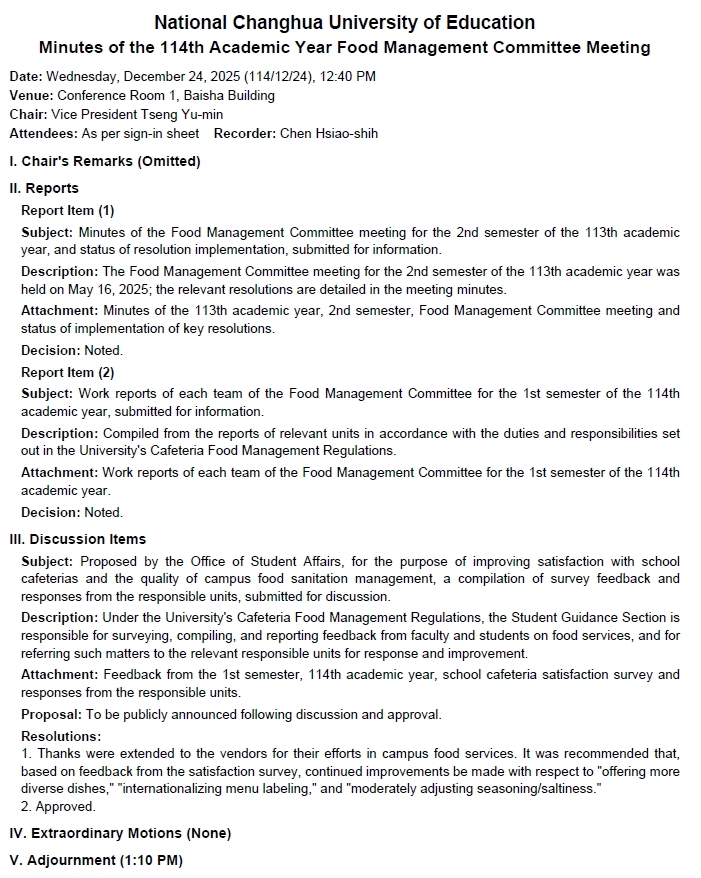
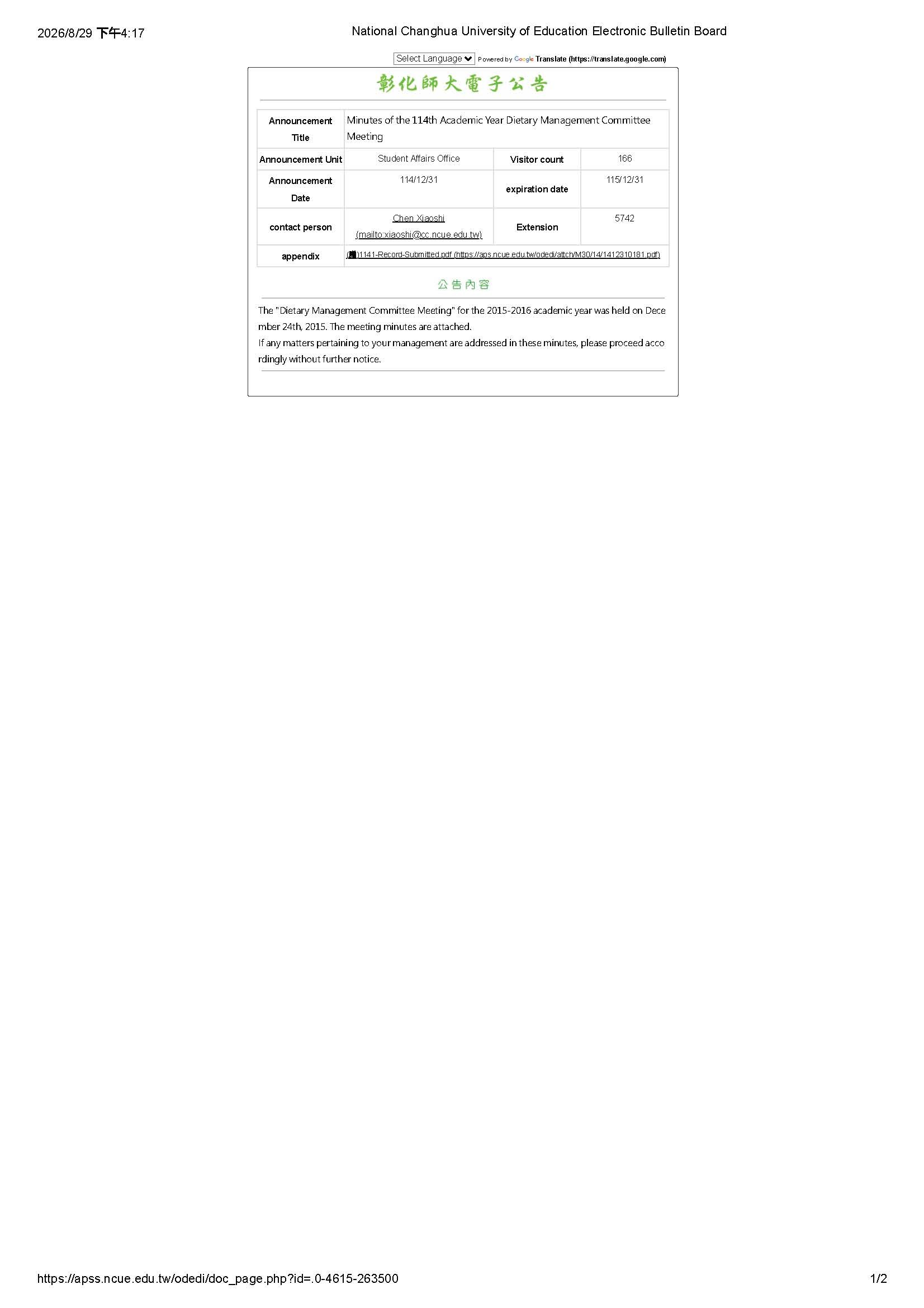
2. Under the three-tier campus food safety and hygiene management system, the Ministry of Education makes an on-site advisory visit each academic year. NCUE's Food Management Committee coordinates work across offices, and a dedicated nurse inspects catering premises each week. For the meeting minutes, see Figures 2 and 3.
3. To keep ingredient quality under control, NCUE requires and encourages the campus cafeterias to:
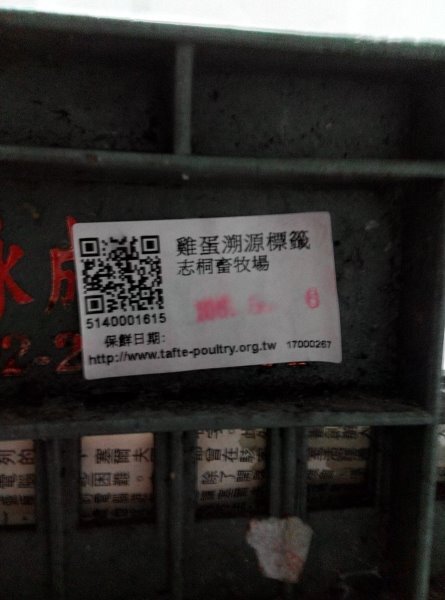
(1) Give priority to certified, traceable ingredients, such as produce carrying the Traceable Agricultural Products (TAP) mark, the Certified Agricultural Standards (CAS) mark, or a QR-code traceability label for agricultural, livestock or aquatic products (Figure 4).
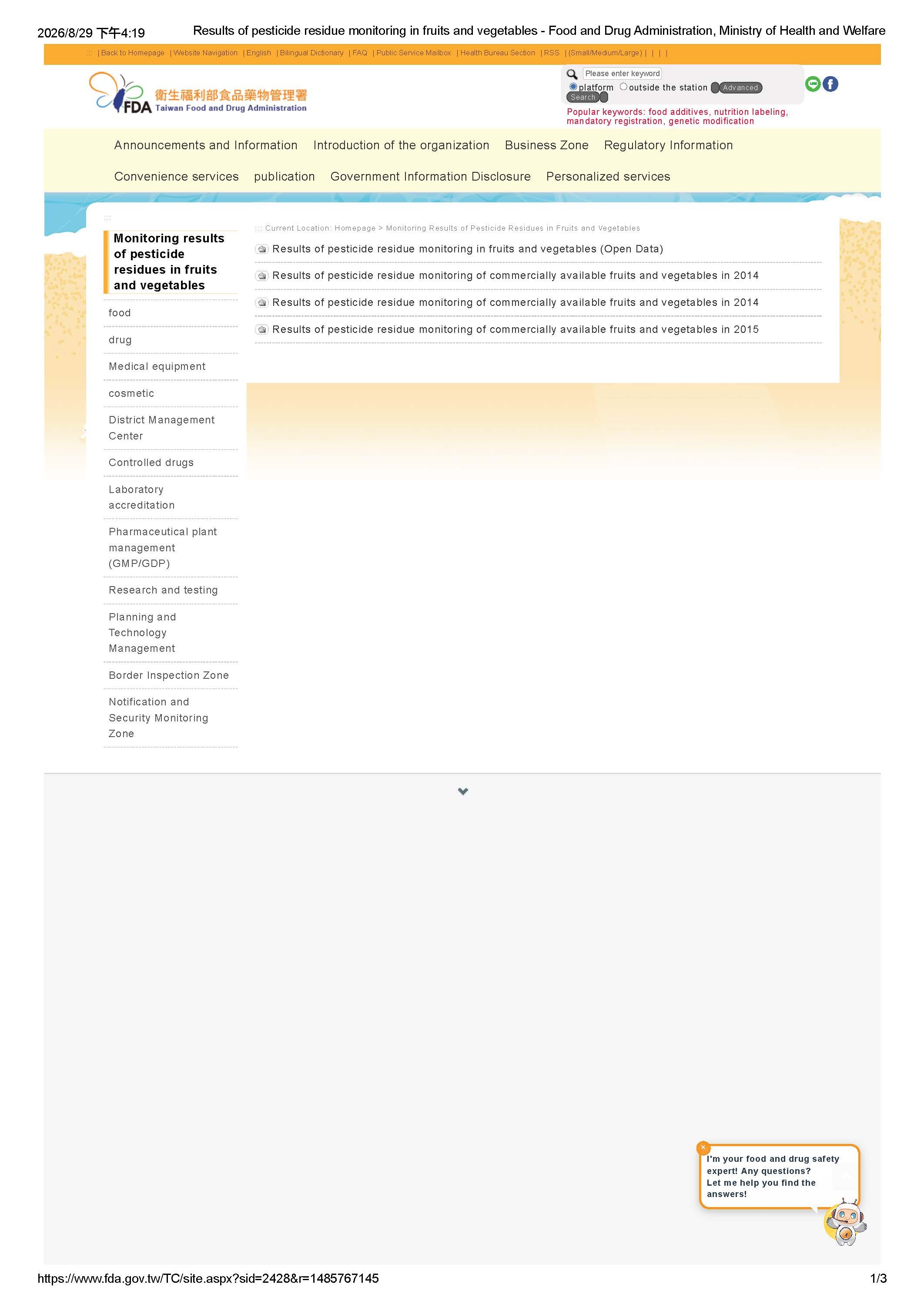
(2) Keep fresh fruit and vegetables safe to eat: NCUE checks cafeteria ingredients based on the agricultural product pesticide-residue monitoring website published by the Food and Drug Administration, Ministry of Health and Welfare (Figure 5).
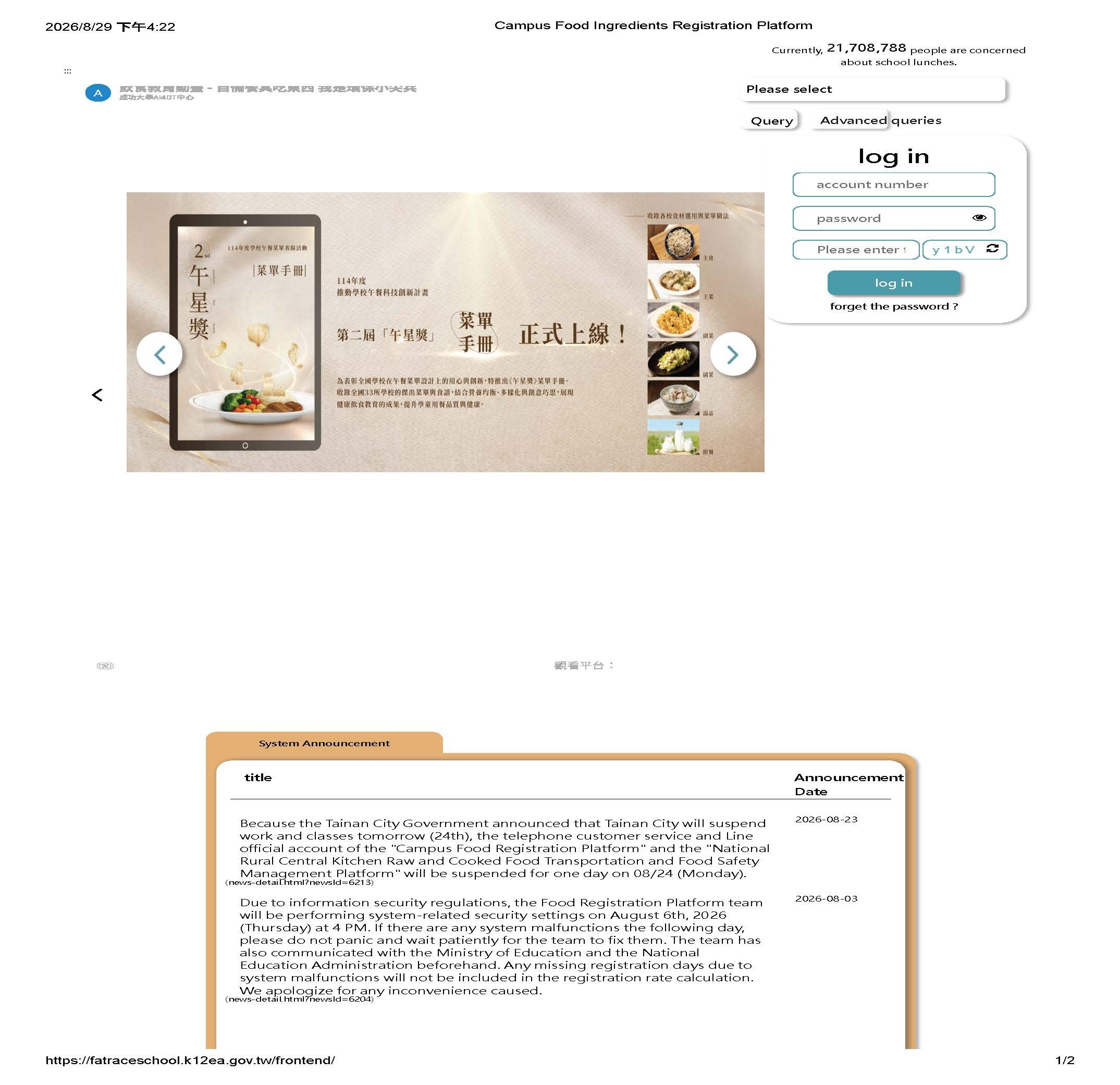
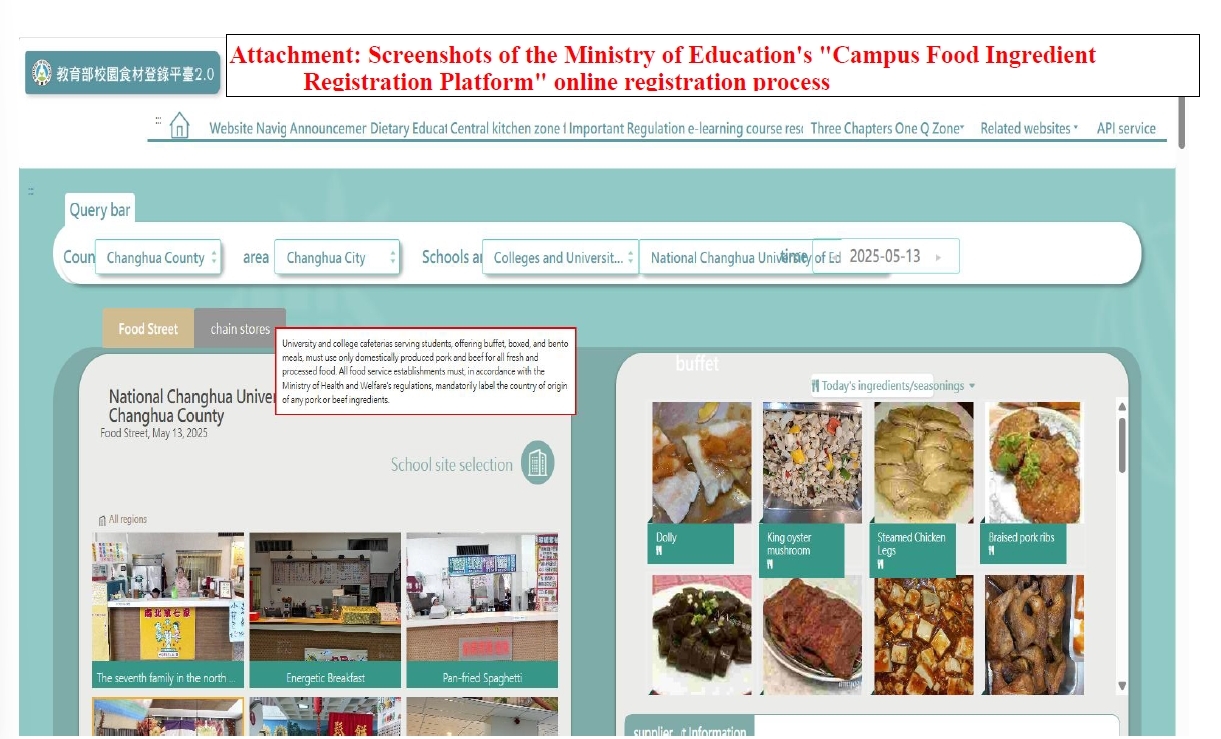
(3) Supervise vendors to register daily on the Ministry of Education's Campus Food Ingredients Registration Platform online, fully disclosing ingredient information (Figures 6 and 7).