SDG 2.5.2
SDG 2.5.2 Events for local farmers and food producers
NCUE runs courses and activities that let local farmers and food producers connect with one another and transfer knowledge about agricultural produce and food production. The University also uses related projects and campus celebrations to give local farmers and food producers free market stalls, promote local agricultural products, and help students, staff and community members learn about local specialties. Ultimately, the cooperation strengthens exchange with local farmers and food producers.
1. “Talking about Changhua” forum series: from food to stories of the land, exploring the many sides of Changhua
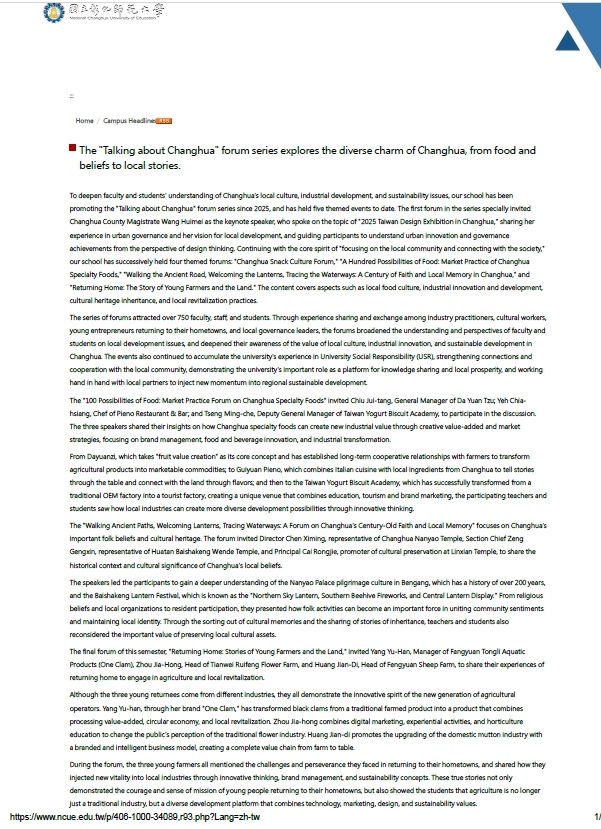
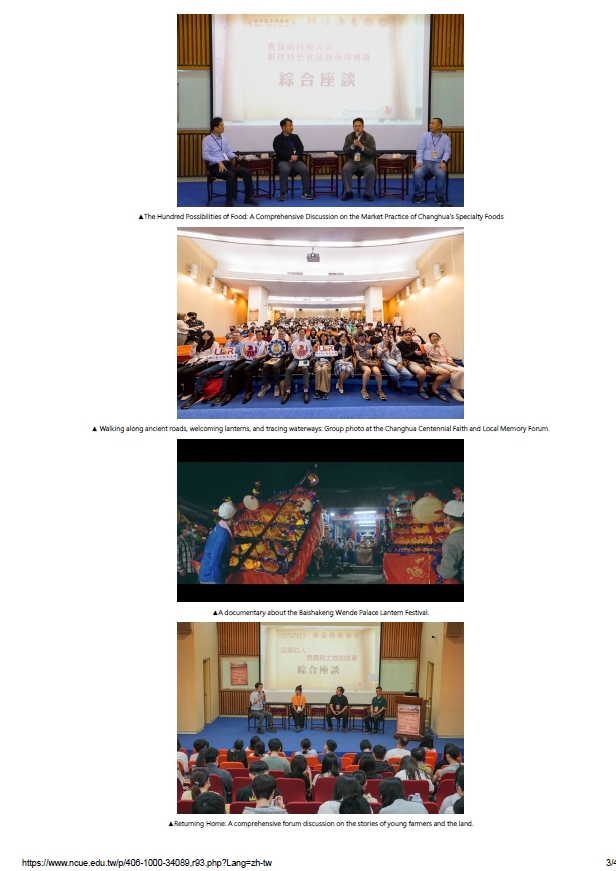
To deepen students' and staff's understanding of Changhua's local culture, industrial development, and sustainability issues, NCUE launched the “Talking Changhua” forum series in 2025. Forums held so far include “Changhua Snack Food Culture,” “A Hundred Possibilities for Food: Market Practice in Changhua's Local Delicacy,” and “People Who Return Home: Young Farmers and Stories of the Land.” The themes covered local food culture, industrial innovation and local revitalization. Across the three themes of industry, culture and agriculture, the series links Changhua's human stories with its development for students and staff to understand the county from several angles and to see the endless possibilities for local innovation and sustainable development. NCUE will continue to use cross-disciplinary exchange and local practice to strengthen ties between NCUE and the region, while training a new generation with social awareness to contribute to this land.
- (1) The forum “A Hundred Possibilities for Food: Market Practice in Changhua's Local Delicacy” brought together Chiu Jui-tang, general manager of Dayungs; Yeh Chia-hsiang, head chef of the Pieno bistro; and Tseng Ming-che, deputy general manager of Taiwan Yogurt Cookie Academy. The three speakers addressed brand management, catering innovation and industrial transformation, and explained how creative added value and market strategy can give Changhua's local delicacy new industrial value.
- (2) Dayungs works on the principle of “creating value from fruit,” builds long-term partnerships with farmers, and turns produce into competitive products. Pieno combines Italian cooking with local Changhua ingredients, telling stories at the table and linking flavor to the land. Taiwan Yogurt Cookie Academy has turned a traditional contract factory into a tourism factory that combines education, tourism and brand marketing. Together they showed participants how local industries can open up wider possibilities through innovative thinking.
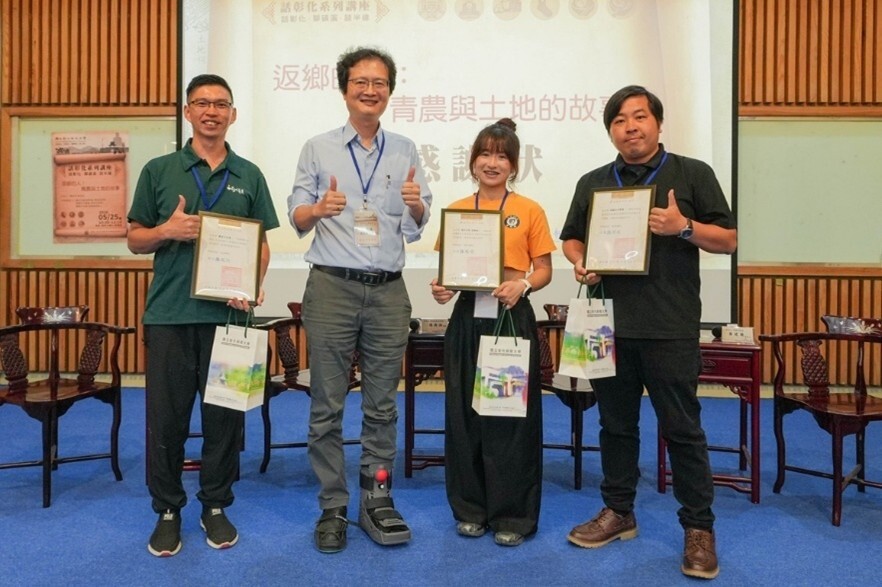
- (3) The forum “People Who Came Home: Young Farmers and Stories of the Land” featured Yang Yu-han, manager of Tongli Aquatic Products (1 Ko Shijimi) in Fangyuan; Chou Chia-hung, owner of Ruifeng Flower Farm in Tianwei; and Huang Chien-ti, owner of Fengyuan Goat Farm to describe returning home to work in agriculture and local revitalization. Although the three speakers come from different industries, all of them show the innovative outlook of a new generation of farm operators. Yang Yu-han's “1 Ko Shijimi” brand has taken the black clam from a traditional farmed product to a combination of added value of processing, circular economy and local revitalization. Chou Chia-hung combines digital marketing, experience activities and horticultural education to change how the public sees the traditional flower industry. Huang Chien-ti uses branding and smart management to upgrade the domestic goat-meat industry and to build a complete value chain from farm to table. For related event information, see Figures 1 and 2.
2. Passing on Indigenous food wisdom and building the resilience of food security
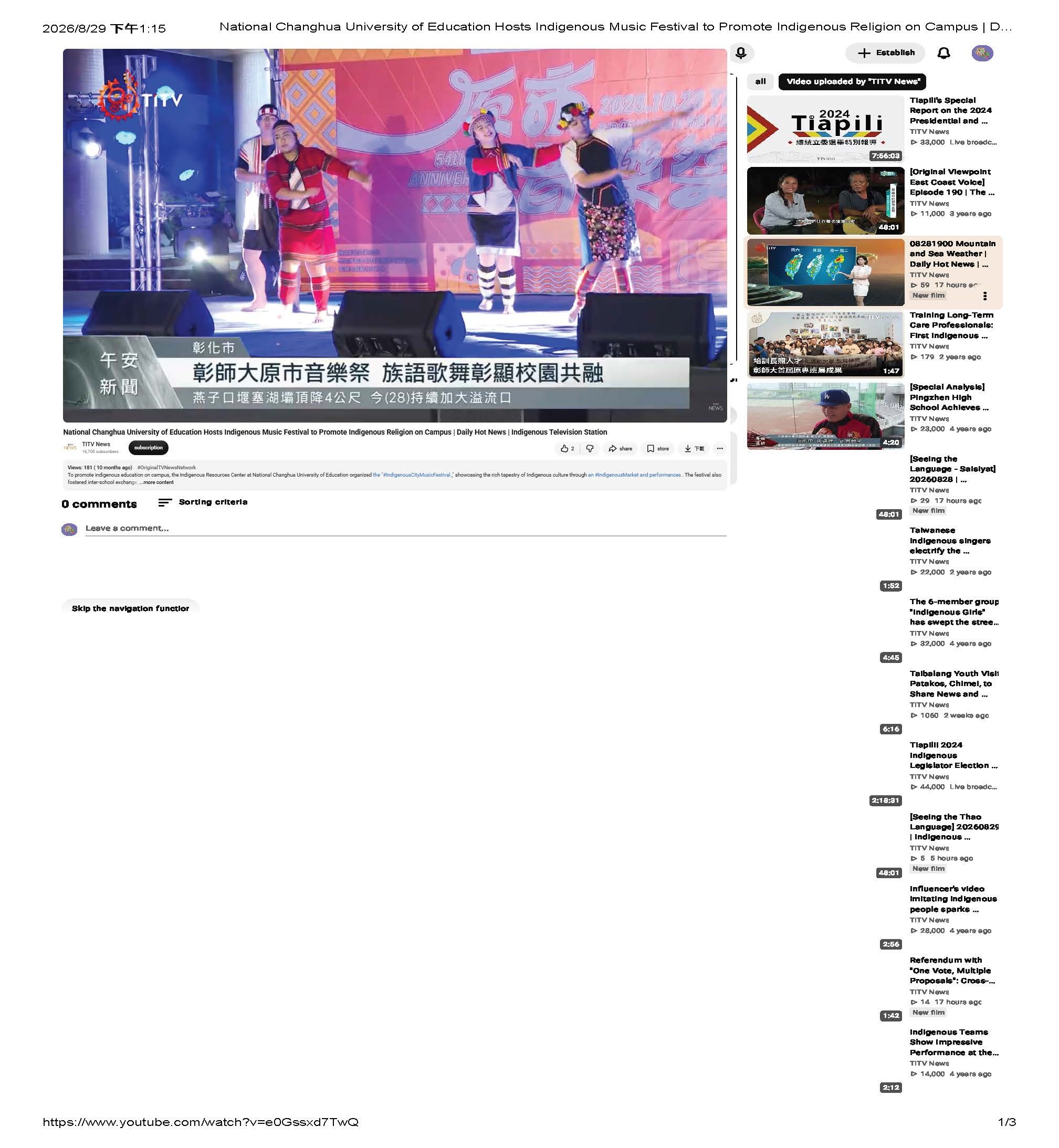
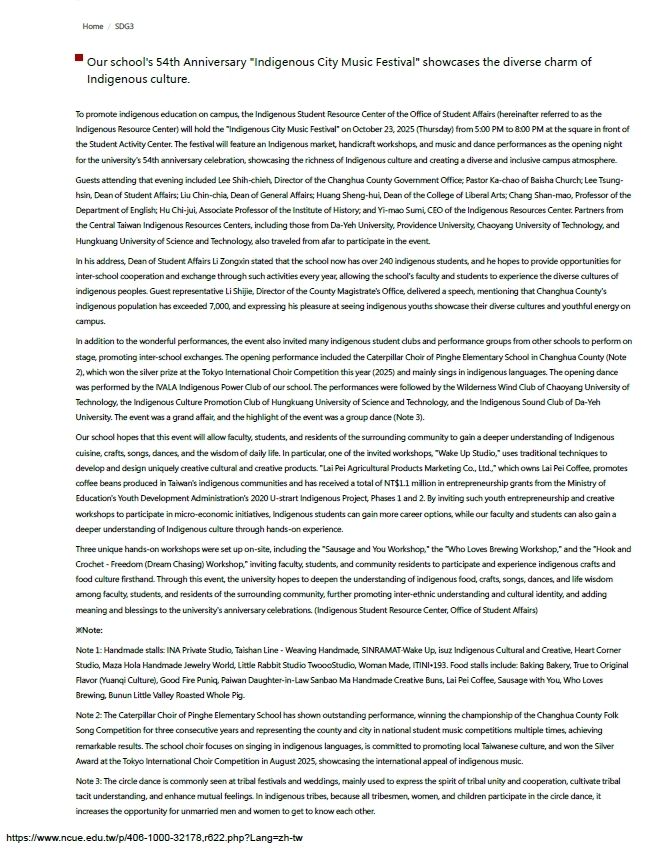
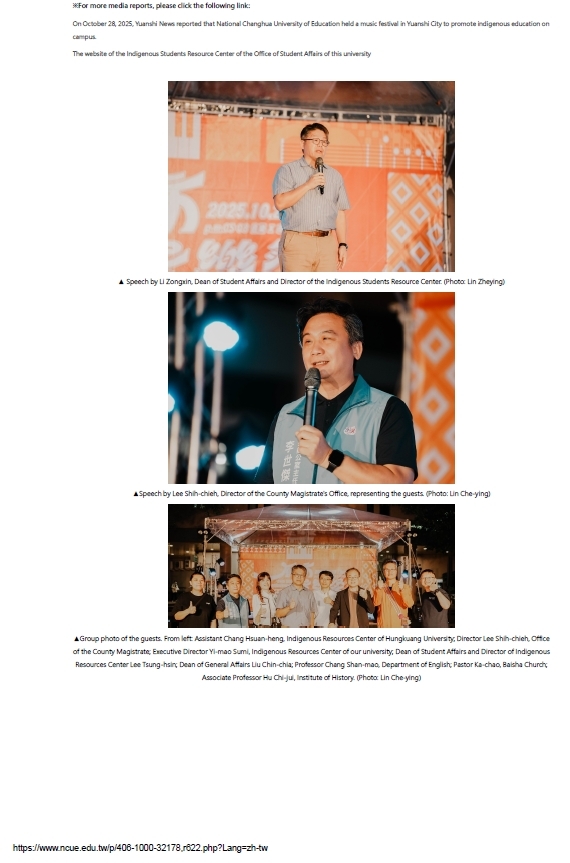
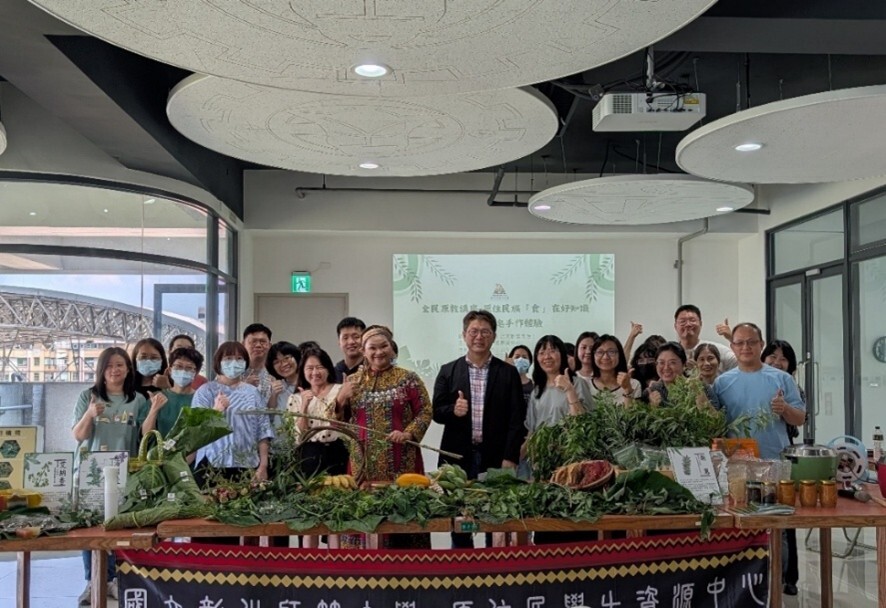
(1) “Indigenous Market Music Festival” as Indigenous education for all. On 23 October 2025 the NCUE Indigenous Student Resource Center held the “Indigenous Market Music Festival” as part of the University's 54th anniversary celebrations that opened free of charge to students, staff, and the public. The event combined Indigenous music performance, cultural experiences, and an market that featured Indigenous vendors selling local organic produce and traditional foods. The festival promoted local production, local consumption, and sustainable agriculture and raised the visibility of tribal industries. Cultural exchange and food-and-agriculture education introduced visitors to Indigenous food culture, food sustainability and healthy eating, while deepening understanding of Indigenous peoples' knowledge of living with the natural environment. The event promoted multicultural inclusion and demonstrated NCUE's work on Indigenous education for all and on SDG 2, Zero Hunger. For coverage, see Figures 3-5.
(2) Indigenous education lecture for all: “Indigenous Peoples' Knowledge of Food”
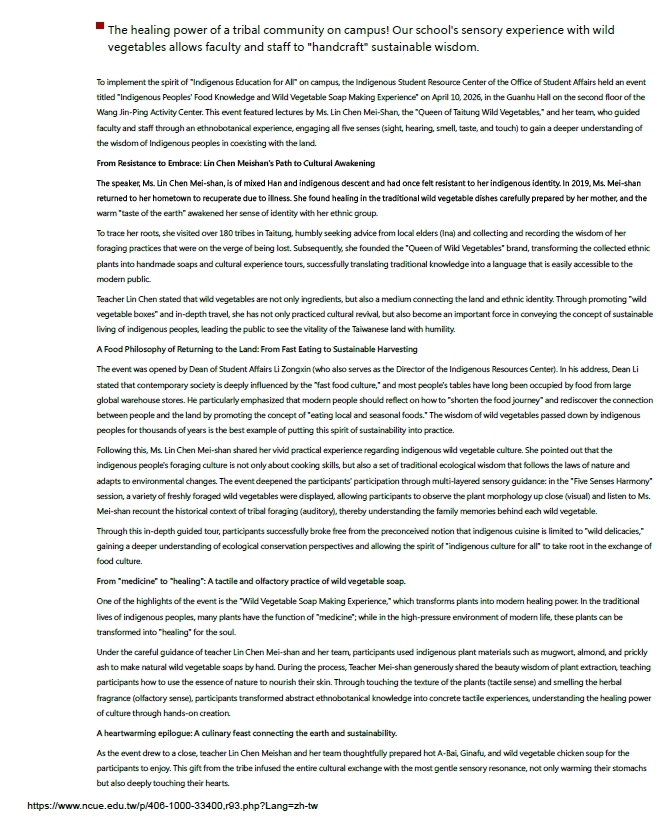
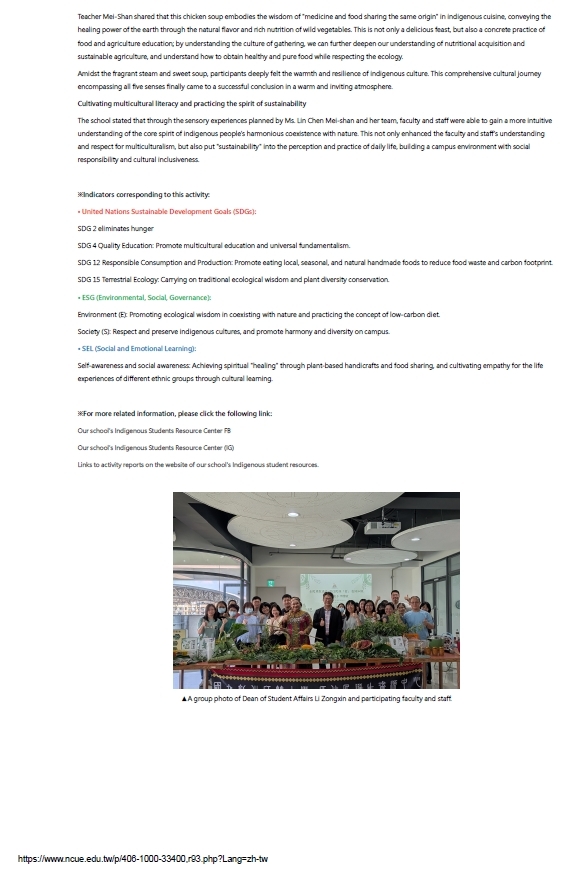
NCUE held the Indigenous education lecture for all “Indigenous Peoples' Knowledge of Food”, free of charge and aimed mainly at university staff. The lecture centered on Indigenous wild-vegetable culture and Traditional Ecological Knowledge (TEK). Through a talk and a hands-on wild-vegetable soap workshop, participants learned about identifying wild vegetables, sustainable foraging ethics, biodiversity, and ethnobotany. They also saw how Indigenous peoples have accumulated food knowledge and experience in using natural resources in response to environmental change. The course linked healthy eating, food security, food safety, and support for local produce to improve staff understanding of Indigenous food culture, sustainable agriculture and environmental conservation to deepen multicultural literacy, and to advance SDG 2, Zero Hunger, and sustainability education. For the event, see Figures 6 and 7.
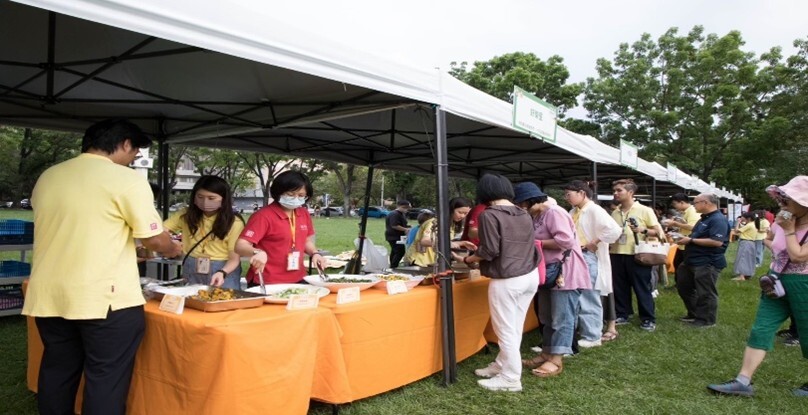
3. The Bliss and Wisdom Youth Club took part in the Boat of Happiness and Campus Organic Holiday free plant-based food exhibition.
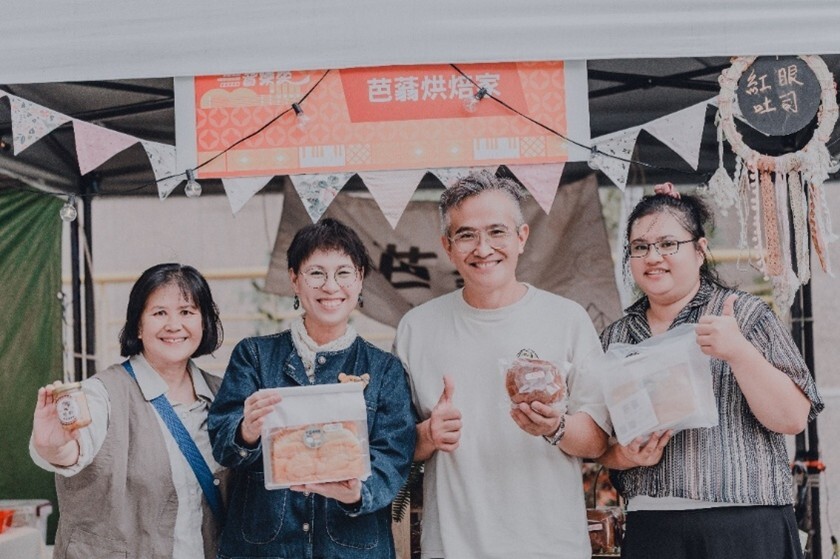
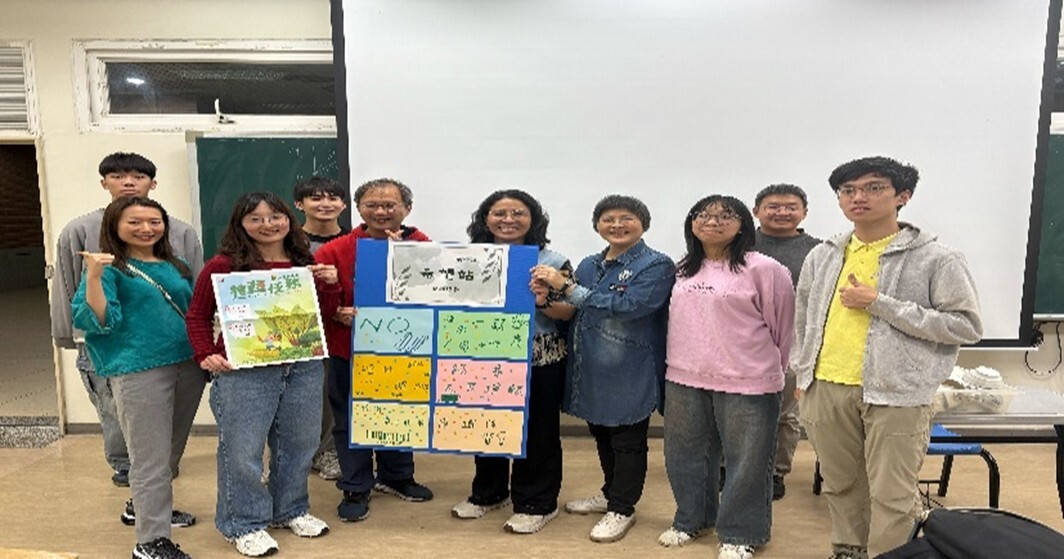
The club offered plant-based food from local smallholders, helped participating students and the public form sound dietary ideas, and aimed to create eating patterns that benefit the wider public (Figure 8). It also ran the free talk “2025 Campus Plant-Based Food Promotion – Veggie Possible” with the same aim (Figures 9 and 10).

4. General Education Course “Life and Career Development and Practice”
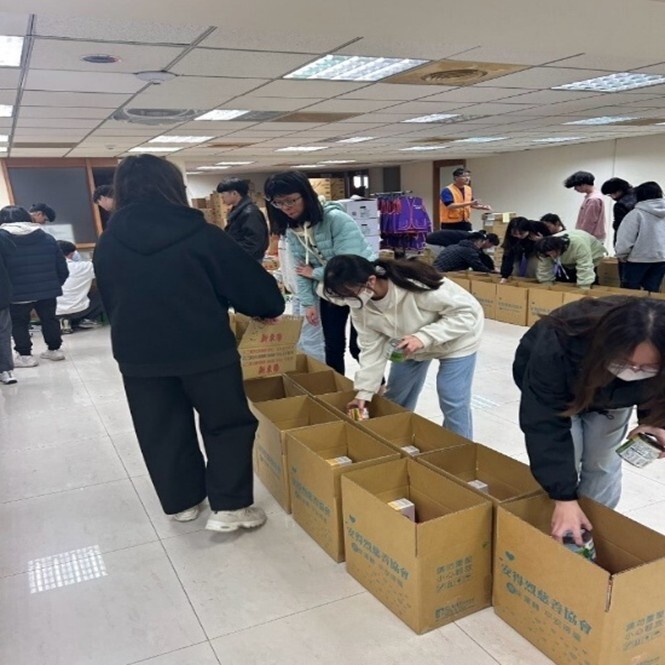
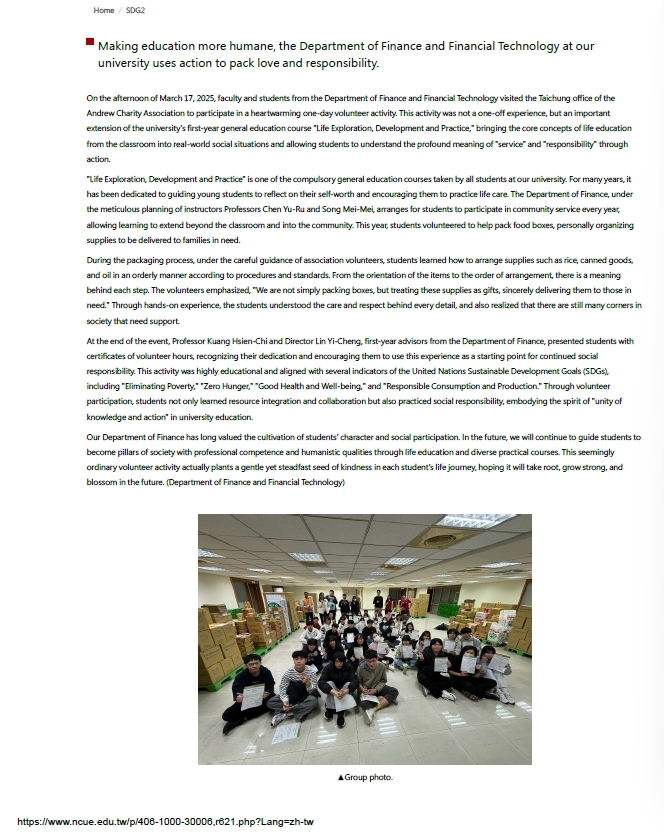
Through the required general education course “Life and Career Development and Practice,” NCUE works with a food bank to run free volunteer activities, with guided explanations that help students understand the importance of food and related knowledge. Volunteers repack supplies and, by putting themselves in the position of children from disadvantaged families receiving a gift, develop empathy for society, reflect on the planet's ecology, and recognize the importance of environmental, social and governance (ESG) practice for humanity's future. For the activity, see Figures 11 and 12.