
SDG 8.2.3
SDG 8.2.3 Employment policy on discrimination
NCUE has always emphasized equality and has established various relevant regulations and policies to protect the rights and interests of colleagues in the workplace. NCUE prohibits discrimination based on race, religion, physical or mental disabilities, immigration status, gender, etc., and is committed to preventing workplace discrimination, building a friendly campus, and creating a friendly work environment.
1. Section on the International Convention on the Elimination of All Forms of Racial Discrimination (ICERD)
NCUE has built a website for the implementation of the International Convention on the Elimination of All Forms of Racial Discrimination (ICERD). The content includes interpretations of ICERD articles, legal provisions, educational materials, and promotional information, all of which we strictly adhere to. (Figure 1)
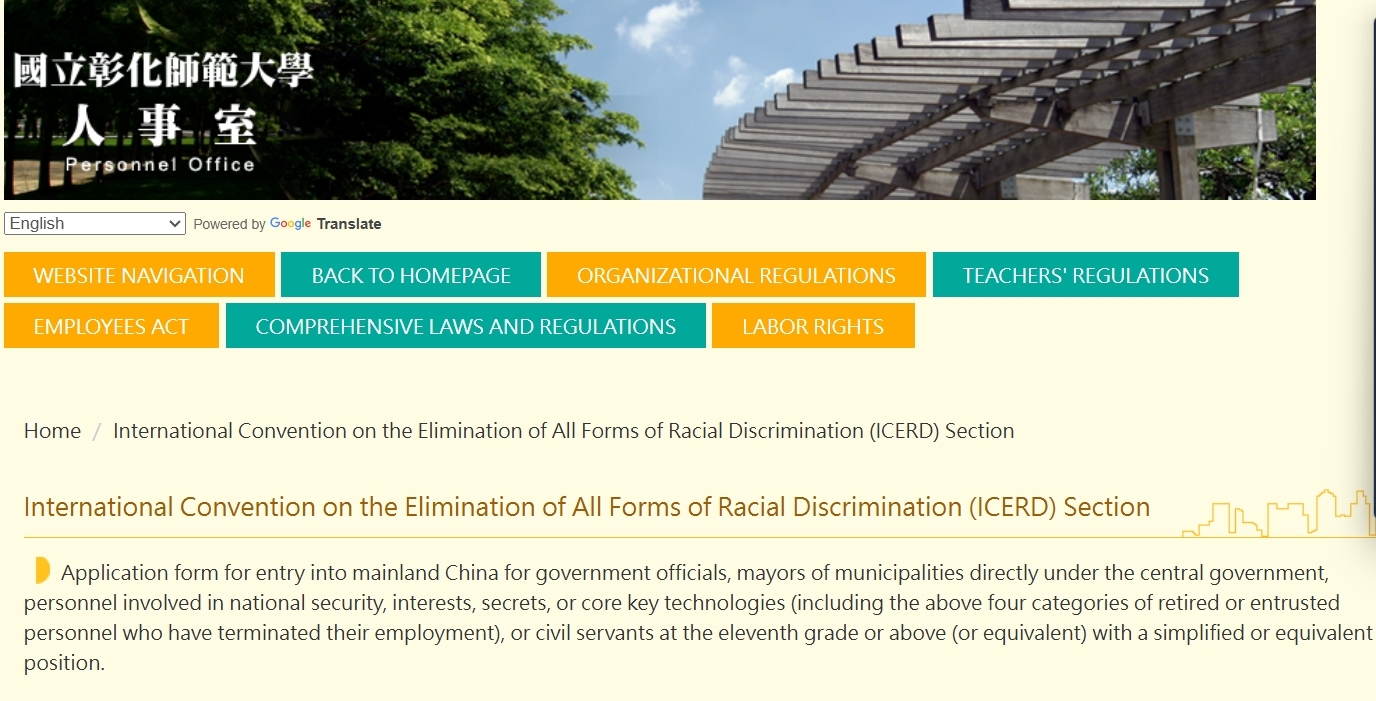
Figure 1. Section on the International Convention on the Elimination of All Forms of Racial Discrimination (ICERD)
2. Promoting Gender Equality
In 2000, NCUE established the "National Changhua University of Education Gender Equality Education Implementation Regulations," and in 2004, we set up the "National Changhua University of Education Gender Equality Education Committee Establishment Measures." These initiatives actively work towards creating an educational environment free from gender discrimination. We also proactively provide support to students who face disadvantages because of their gender or sexual orientation. For pregnant students, we protect their right to education and provide them with necessary assistance.
Furthermore, we have designed gender equality-related courses that are open to students to select. Through these efforts, faculty and students work together to establish a learning environment that promotes gender equality. (Figure 2)
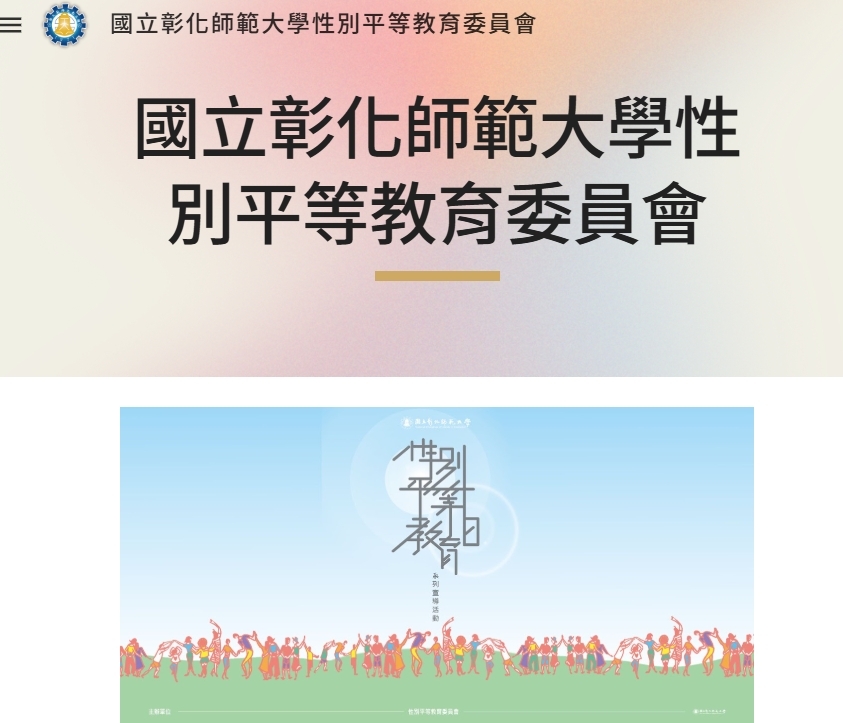
Figure 2. Promoting Gender Equality
3. Holding gender equality related study activities
In 2025, NCUE held a total of 110 sessions of study activities related to gender equality education (anti-discrimination and anti-harassment). Snippets from these sessions are shown in Figures 1-6. With an increase of 4.7% from 105 sessions in 2024, NCUE has publicized the crucial ideas of gender equality education, anti-discrimination, and anti-harassment. A total of 6,954 people participated in these activities, an increase of 15.2% from 6,038 in 2024. (Figures 3, 4, 5, 6, 7, and 8)
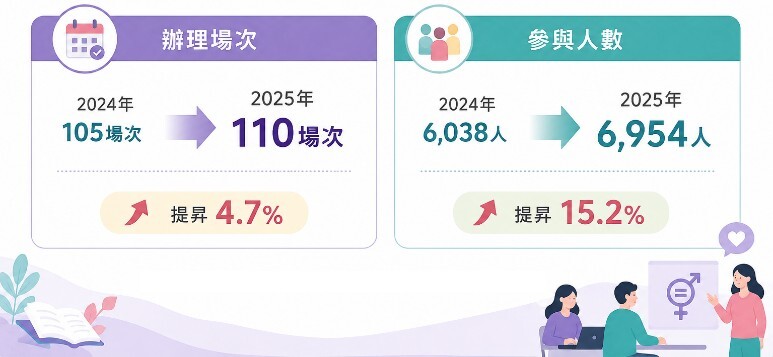
Figure 3. Comparison of Gender Equality Education Activities on Anti-Discrimination and Anti-Harassment, 2024–2025
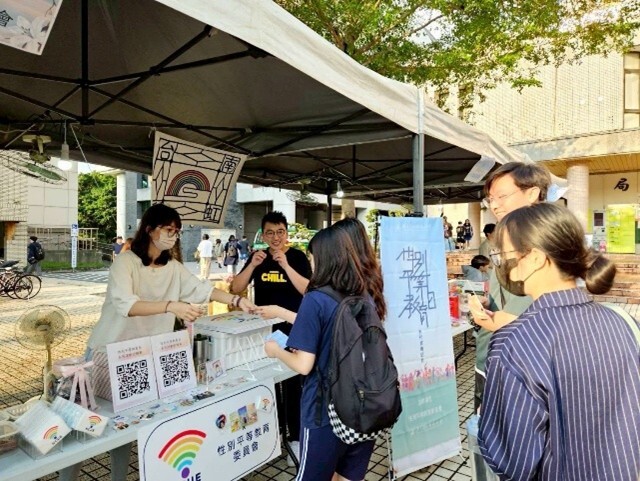
Figure 4. In response to the Ministry of Education's Gender Equality Education Day, NCUE organized its Gender Equality Education Day on April 28, 2025, focusing on Article 10 of CEDAW, “Education” as the main theme. Through promoting gender mainstreaming on campus, NCUE aimed to systematically assess the effects of planned actions, including regulations, policies, and programs, on both men and women across all areas and levels, echoing the principles of CEDAW. The event saw enthusiastic participation from faculty, staff, and students, with a total of 679 participants.
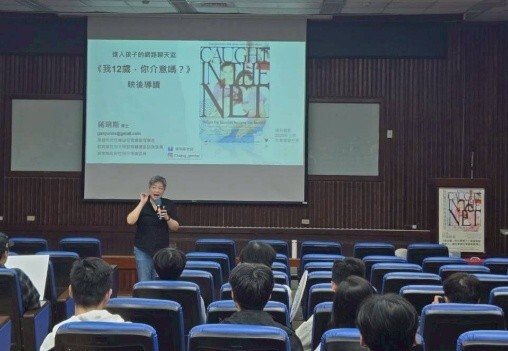
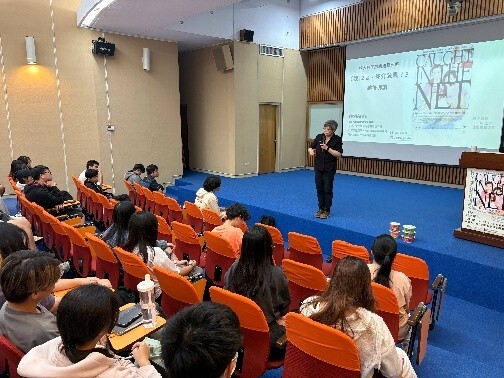
Figure 5. On October 31 and November 13, 2025, in support of the United Nations International Day for the Elimination of Violence against Women and the White Ribbon Campaign, NCUE held two sessions of the “Baisha Gender Film Festival.” The anti-harassment and anti-discrimination film “Caught in the Net” was screened, followed by post-screening discussions facilitated by invited speakers. A total of 243 participants attended the two events.
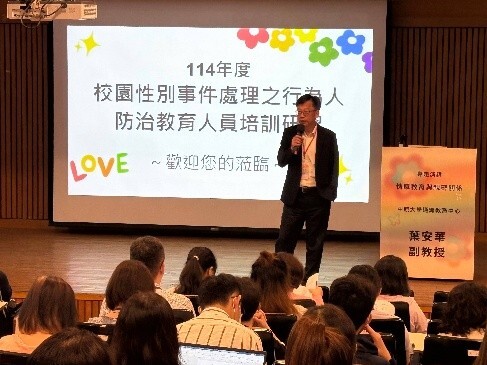
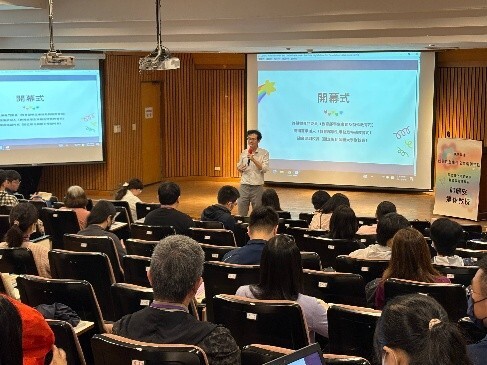
Figure 6. NCUE Vice Presidents Yu-Min Tseng and Liang-Jui Chen attended the 2025 Training Workshop for Personnel Providing Preventive Education to Respondents in Campus Gender-Related Incidents on June 4 and July 15, 2025. The workshop was commissioned by the Ministry of Education and organized by Professor Shu-Chu Chao of NCUE’s Department of Guidance and Counseling.
At the workshop, the Vice Presidents broadly promoted the importance of gender equality education, anti-discrimination, and anti-harassment, with the aim of using preventive education for respondents to raise awareness of vulnerable gender groups who face disadvantages due to gender and to help improve their circumstances

Figure 7. From October 31 to November 13, 2025, in conjunction with the “Baisha Gender Film Festival,” NCUE Library held a “Gender Equality Book Exhibition” in the atrium on the first floor of the library. The event aimed to help students not only acquire knowledge and skills in their respective fields but also explore and understand issues related to gender diversity. Through this lecture, students were encouraged to recognize both their own and others’ uniqueness, cultivate an awareness of gender diversity, and develop a caring and respectful attitude toward gender minority groups.
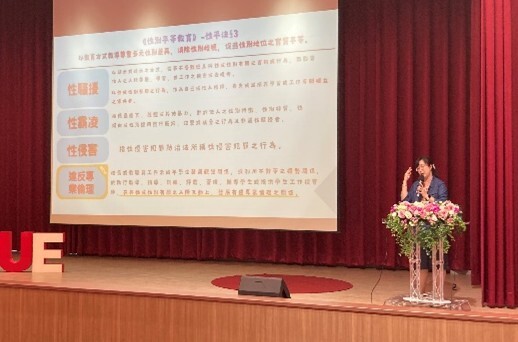
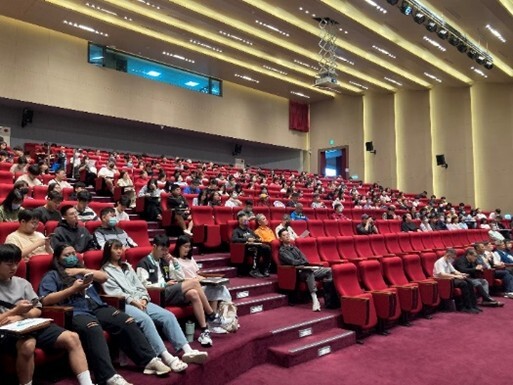
Figure 8. On April 14, 2025, Meichun Lydia Wen, NCUE’s Chief Secretary, gave a presentation on NCUE's policies and position on anti-harassment and anti-discrimination at the Faculty Knowledge Seminar. A total of 234 faculty members, staff, and students participated in the event.
4. Regular Review of Workplace Harassment
In accordance with Article 6, Paragraph 2, Subparagraph 3 of the Occupational Safety and Health Act and Article 11 of its Enforcement Rules, NCUE has established the "Plan for Preventing Illegal Infringements in the Performance of Duties" to address physical or mental harassment suffered by employees due to others' actions while performing their duties. This plan aims to properly design and implement necessary safety and health measures to prevent workplace illegal infringement. Relevant regulations, as shown in Figures 9, 10, and 11:
(1) Occupational Safety and Health Act (Figure 9)
https://law.moj.gov.tw/ENG/LawClass/LawAll.aspx?pcode=N0060001
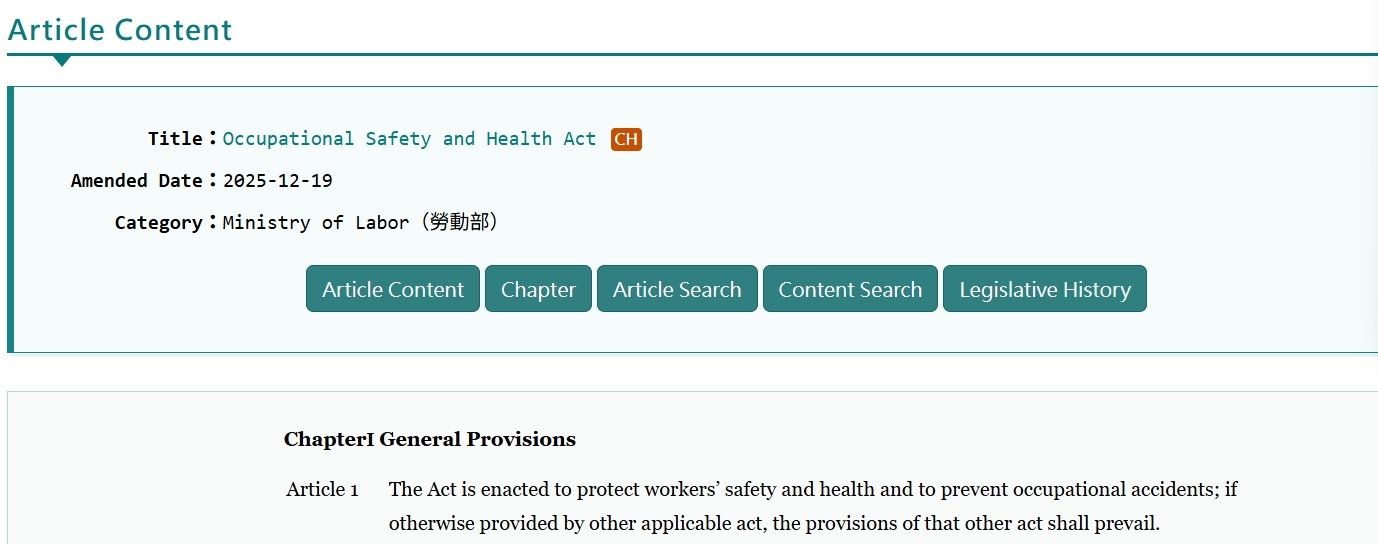
Figure 9. Occupational Safety and Health Act
(2) NCUE's Plan for Preventing Illegal Infringements in the Performance of Duties (Figure 10)
https://saftyweb.ncue.edu.tw/var/file/10/1010/img/1029/399403959.pdf
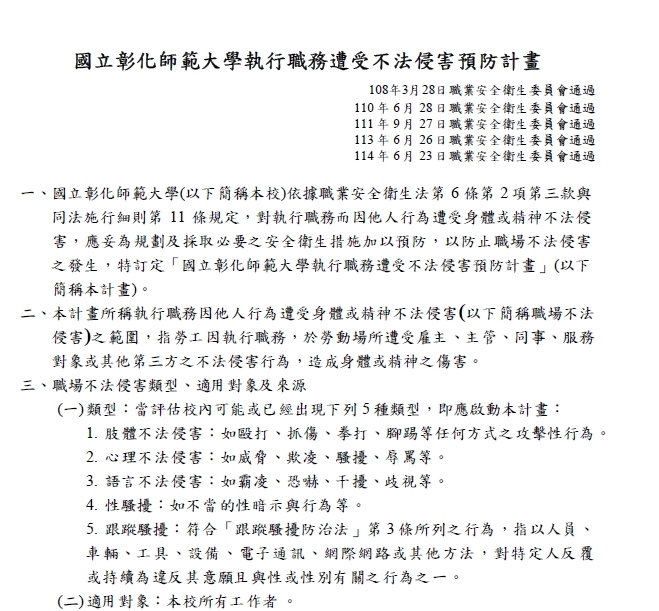
Figure10. NCUE’s Plan for Preventing Illegal Infringements in the Performance of Duties
(3) Written Statement Prohibiting Unlawful Workplace Infringement (Figure 11)
https://saftyweb.ncue.edu.tw/var/file/10/1010/img/1029/404164955.pdf
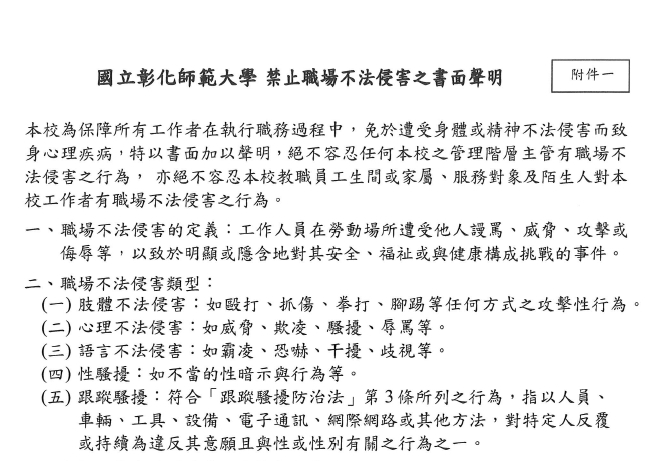
Figure 11. Written Statement Prohibiting Unlawful Workplace Infringement
5. Legal achievements:
(1) To protect teachers’ rights and foster cohesion on campus to provide education, the National Changhua University of Education Teacher Appeal Review Committee Organization and Evaluation Guideline has been established, and the Teacher Grievances Committee has been initiated.
(2) To protect the work rights of faculty and staff, ensure a work environment free from sexual harassment, and to safeguard the rights of those involved, NCUE has established the "NCUE Regulations for the Prevention, Complaint, Handling, and Punishment of Sexual Harassment" and the "NCUE Guidelines for Sexual Harassment Prevention and Handling." These provide NCUE faculty and staff, contracted service workers stationed at NCUE, job applicants, and service recipients with a work and service environment free from sexual harassment and gender discrimination. The guidelines aim to prevent sexual harassment in the workplace and eliminate gender discrimination. When NCUE becomes aware of sexual harassment or gender discrimination in the workplace, it takes appropriate corrective, remedial, grievance, disciplinary, and other handling measures to protect the rights and privacy of those involved.
(3) The ‘Organization and Key Evaluation Points for the NCUE’s Staff Appeal and Appraisal Committee’ was formulated to protect the rights and interests of NCUE’s employees, establish a channel for employee complaints, and enhance harmony on campus.
(4) NCUE is committed to creating a healthy, friendly workplace environment free from bullying, and has established the ‘Key Points for the Handling of Complaints by NCUE’s Faculty and Staff regarding Workplace Bullying’ Any faculty member or staff who experiences inappropriate treatment may file a complaint. The university will form an investigation committee in accordance with regulations to ensure fairness and protect the privacy of the parties involved, while providing necessary assistance and care, enabling every colleague to work with peace of mind in a safe, respectful, and supportive environment.
(5) Relevant laws and regulations, as shown in Figures 12, 13, 14, 15, 16, 17, and 18:
(a) National Changhua University of Education Teacher Appeal Review Committee Organization and Evaluation Guideline (Figure 12)
https://personnelweb.ncue.edu.tw/var/file/1/1001/img/861/302445154.docx
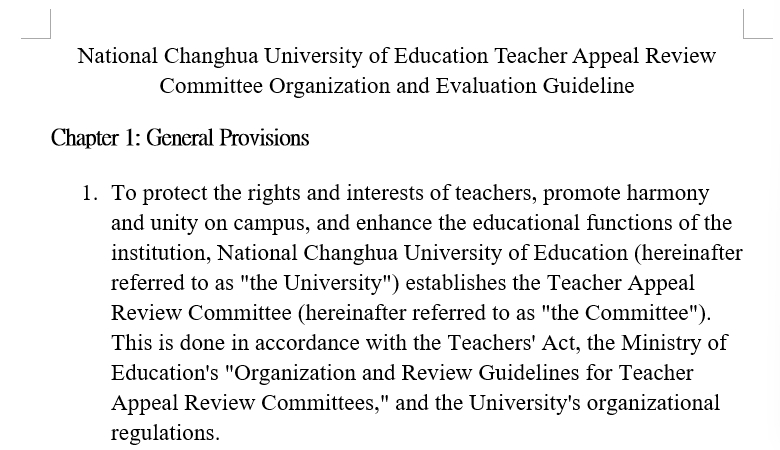
Figure12. National Changhua University of Education Teacher Appeal Review Committee Organization and Evaluation Guideline
(b) NCUE Regulations for the Prevention, Complaint, Handling, and Punishment of Sexual Harassment (Figure 13)
https://personnelweb.ncue.edu.tw/var/file/1/1001/img/873/901696976.pdf
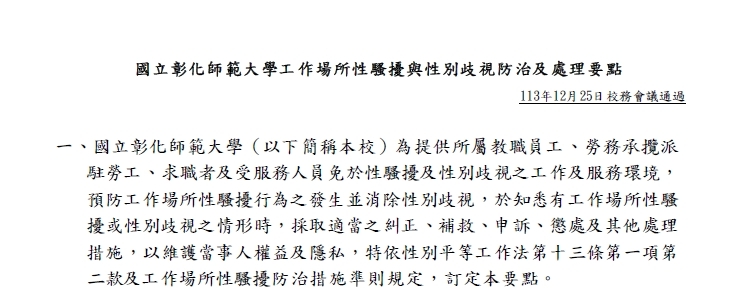
Figure13. NCUE Regulations for the Prevention, Complaint, Handling, and Punishment of Sexual Harassment
(c) NCUE Guidelines for Sexual Harassment Prevention and Handling (Figure 14)
https://personnelweb.ncue.edu.tw/var/file/1/1001/img/873/224639597.pdf
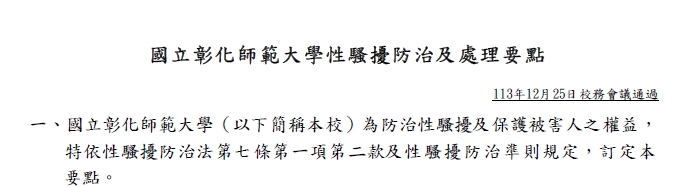
Figure14. NCUE Guidelines for Sexual Harassment Prevention and Handling
(d) Organization and Key Evaluation Points for the NCUE’s Staff Appeal and Appraisal Committee (Figure 15)
https://personnelweb.ncue.edu.tw/var/file/1/1001/img/881/202354694.pdf
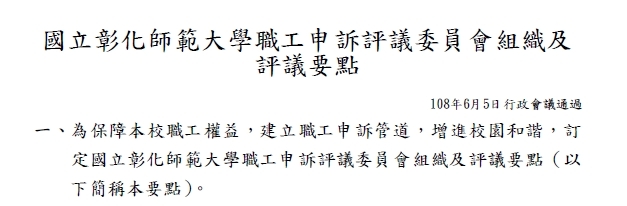
Figure15. Organization and Key Evaluation Points for the NCUE’s Staff Appeal and Appraisal Committee
(e) Key Points for the Handling of Complaints by NCUE’s Faculty and Staff regarding Workplace Bullying (Figure 16)
https://personnelweb.ncue.edu.tw/var/file/1/1001/img/881/353929796.pdf
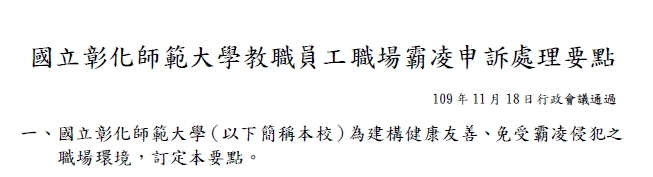
Figure16. Key Points for the Handling of Complaints by NCUE’s Faculty and Staff regarding Workplace Bullying
(f) Gender Equality in Employment Act (Figure 17)
https://law.moj.gov.tw/ENG/LawClass/LawAll.aspx?pcode=N0030014
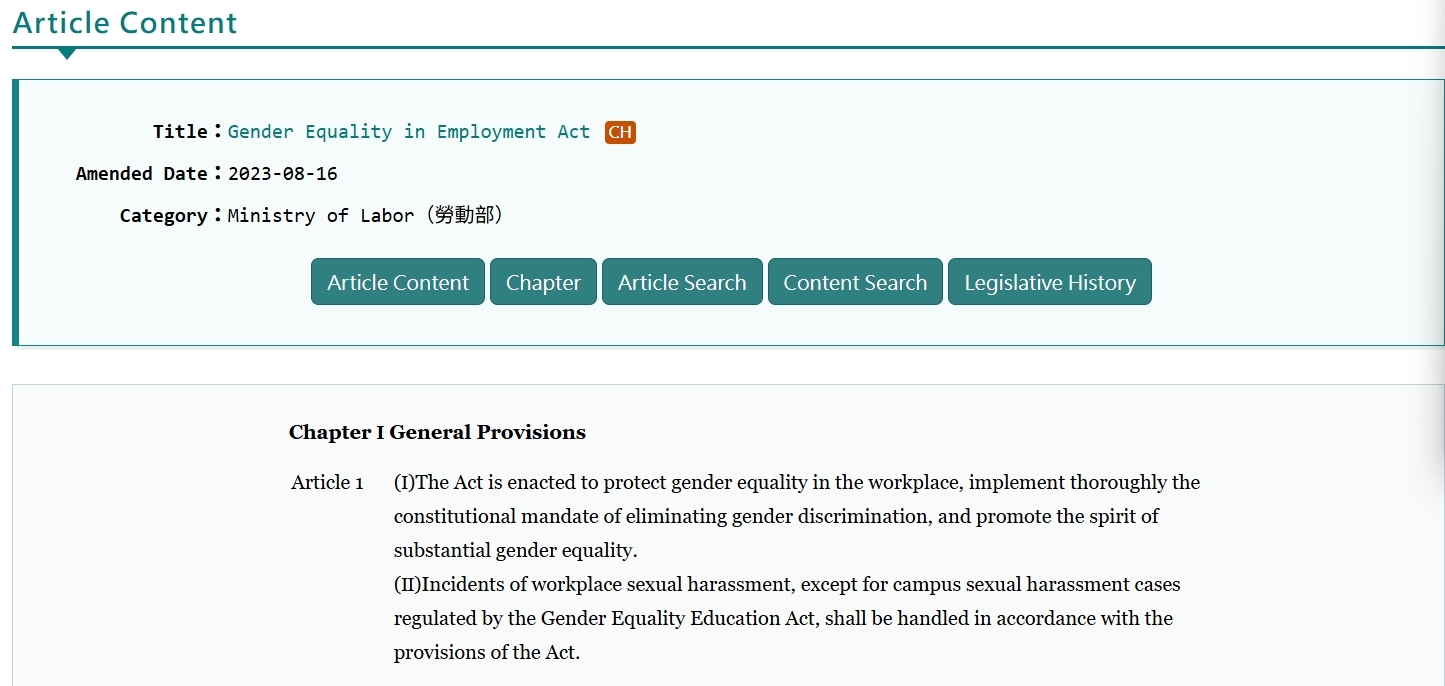
Figure17. Gender Equality in Employment Act
(g) Sexual Harassment Prevention Act (Figure 18)
https://law.moj.gov.tw/ENG/LawClass/LawAll.aspx?pcode=D0050074
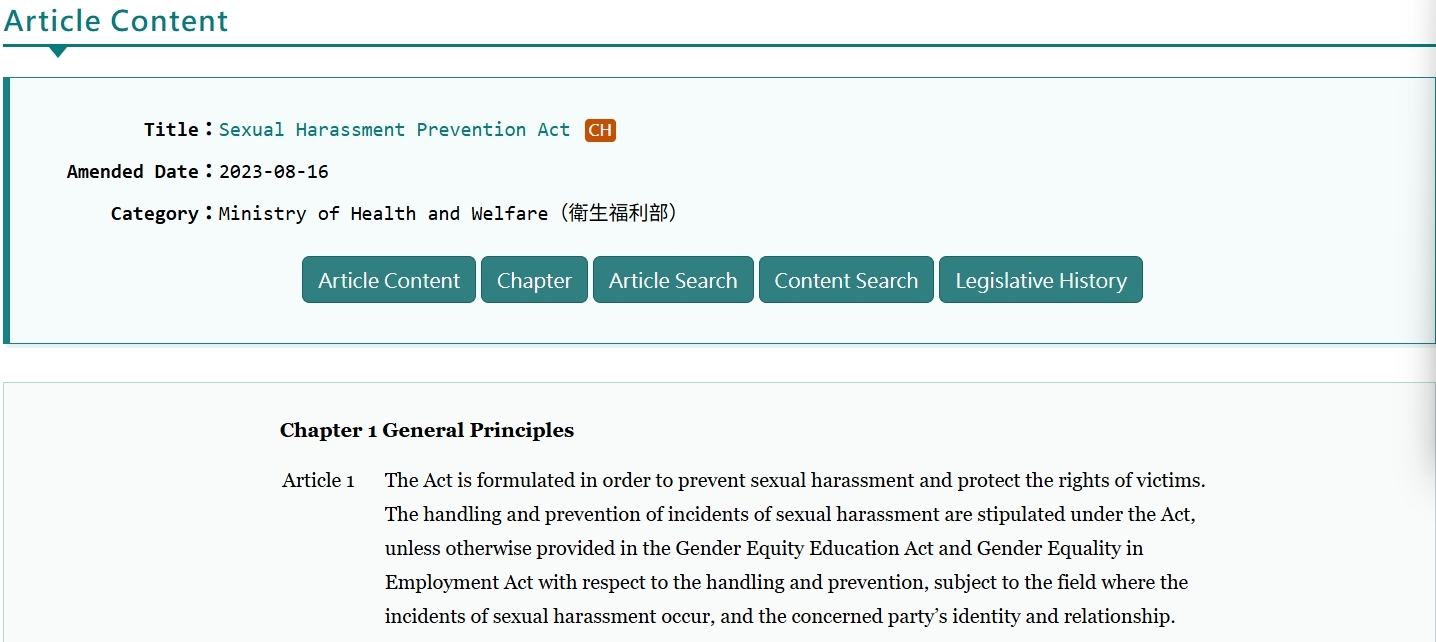
Figure18. Sexual Harassment Prevention Act
6. Implementation results for a friendly working environment:
(1) Two nursing rooms (one in each campus, as shown in Figure 1) for breastfeeding and expressing breast milk have been set up in accordance with the provisions under the Gender Equality in Employment Act, together with the formulation of the ‘Measures for the Use and Management of the Nursing Rooms under the NCUE’s Student Affairs Office’. In addition to the prescribed resting time, faculty and staff who are personally breastfeeding their baby are allocated another 60 minutes a day for them to breastfeed or express breast milk. (Figure 19)
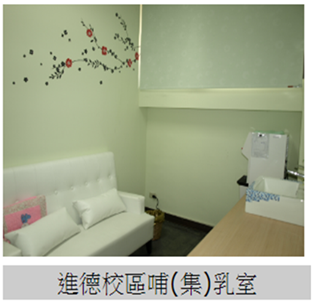
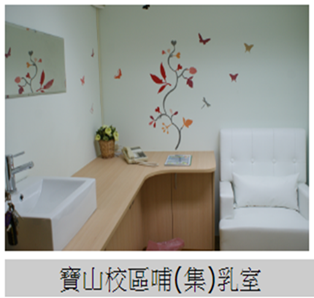
Figure 19. Breastfeeding (Nursing) Rooms
(2) The two campuses have smoke-free environments and enhanced facilities for barrier-free accessibility
(a) NCUE attaches great importance to the implementation of smoke-free environments and barrier-free facilities on campus. All buildings and facilities on campus have been inspected and improved in accordance with the design specifications for building accessibility. Millions of NT dollars are spent on improvements each year, with cumulative funding for enhancing accessible facilities of NT$158,867,700. Accessible facilities have been implemented quite thoroughly on both campuses, as shown in Figure 20.
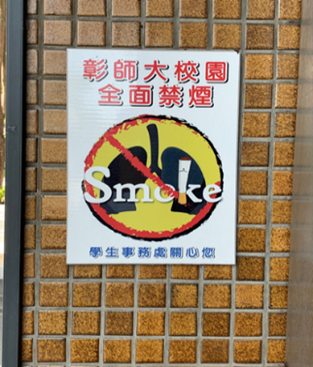
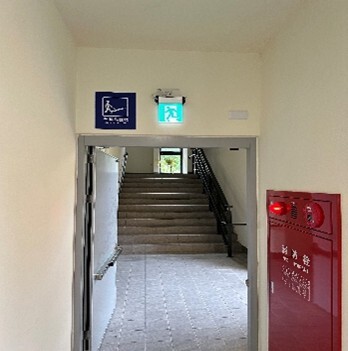
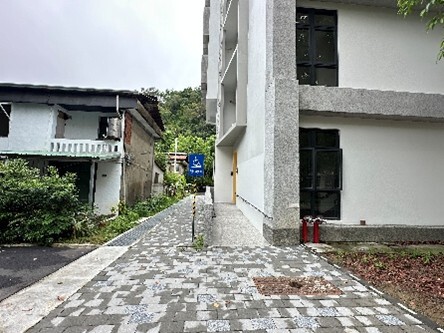
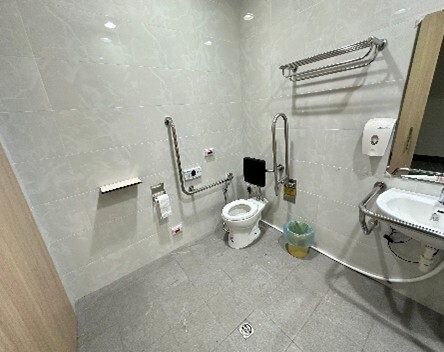
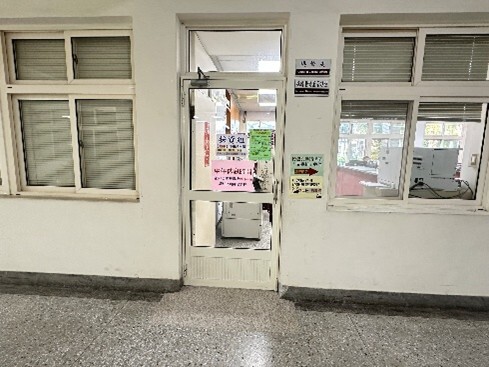
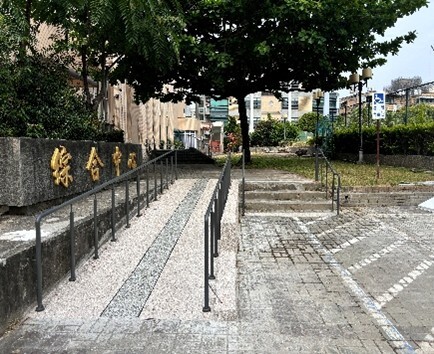
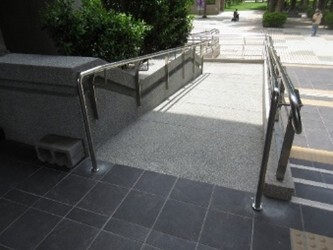
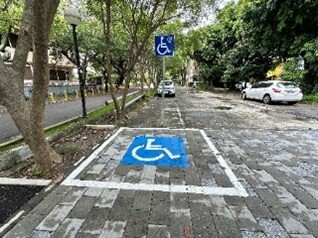
Figure 20. Smoke-free and accessible facilities on Campus
(b) Each of the 23 main buildings on campus has been equipped with accessible elevators and toilets, with an installation rate of 100%. All accessible facilities in buildings, such as ramps, guidance facilities, and stair handrails, are installed in compliance with the design specifications for building accessibility. The 7-student dormitories on campus have 31 accessible rooms, which can accommodate 68 students with disabilities. The type and quantity of our campuses’ accessible facilities are listed below. (Table 1, Table 2)
| Accessible facilities | Quantity | Installation rate |
|---|---|---|
| Elevators | 23 | 100% |
| Toilets | 61 | 100% |
| Ramps for refurbishment works | 19 | 100% |
| Stair handrails | 36 | 100% |
| Guidance facilities | 26 | 100% |
| Student dormitory | Total number of rooms | Number of rooms for students with disabilities |
|---|---|---|
| No. 3 | 77 | 3 |
| No. 5 | 90 | 4 |
| No. 6 | 63 | 1 |
| No. 7 | 140 | 3 |
| No. 8 | 179 | 6 |
| No. 9 | 151 | 6 |
| No. 10 | 187 | 8 |