
SDG 1.4.4
SDG 1.4.4 Policy addressing poverty
NCUE actively collaborates with local communities, elementary and junior high schools, vocational high schools, non-profit organizations, local businesses, and affiliated local governments to establish resource-linking platforms, jointly formulating plans and policies aimed at eradicating all forms of poverty, which NCUE then implements. The relevant achievements are as follows:
1. In response to the global Sustainable Development Goals (SDGs), NCUE continues to focus on eradicating poverty, providing quality education, and reducing inequality
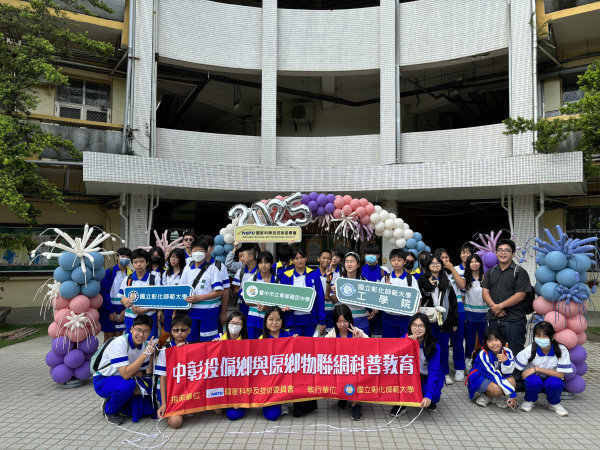
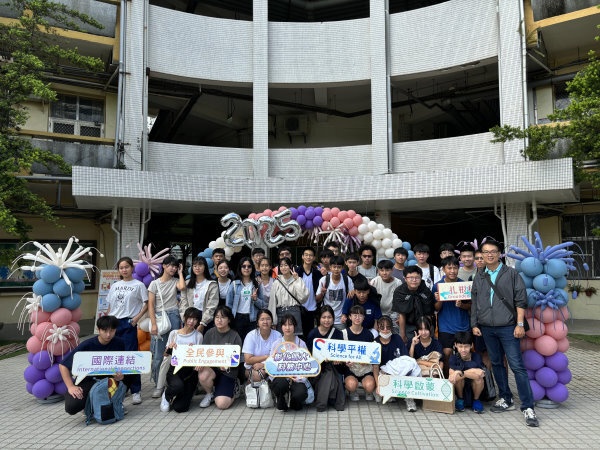
Through the sharing of educational resources and the popularization of science education, NCUE reduces barriers to learning participation for students from different socioeconomic backgrounds, demonstrating the university's commitment to social responsibility and educational equity. To achieve these goals, the Center of Science Education in NCUE has continued to promote the "Science Fun Day" activity, and in 2025, collaborated with partner schools from various science popularization projects across the university. Through the popularization of science education, quality learning resources are brought to different regions, helping to narrow the urban-rural education gap and making education an important pathway for improving socioeconomic conditions and breaking the cycle of poverty.
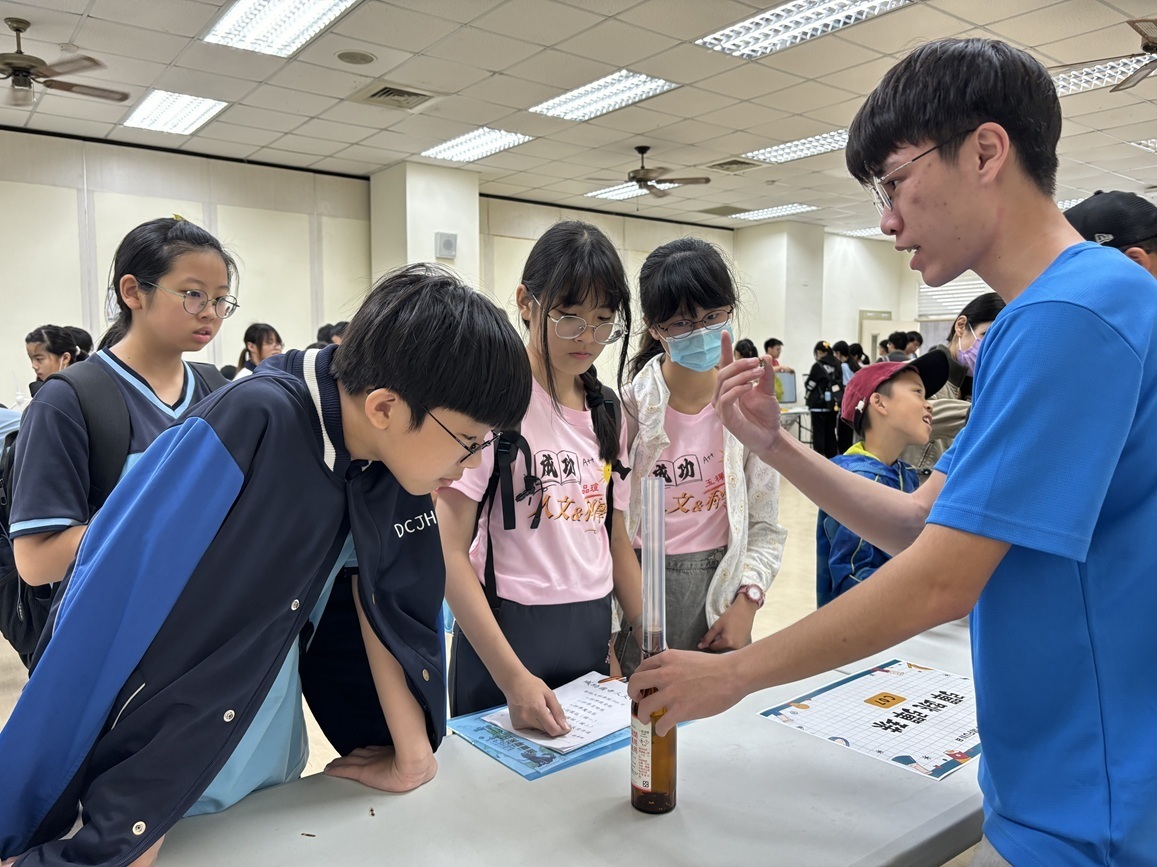
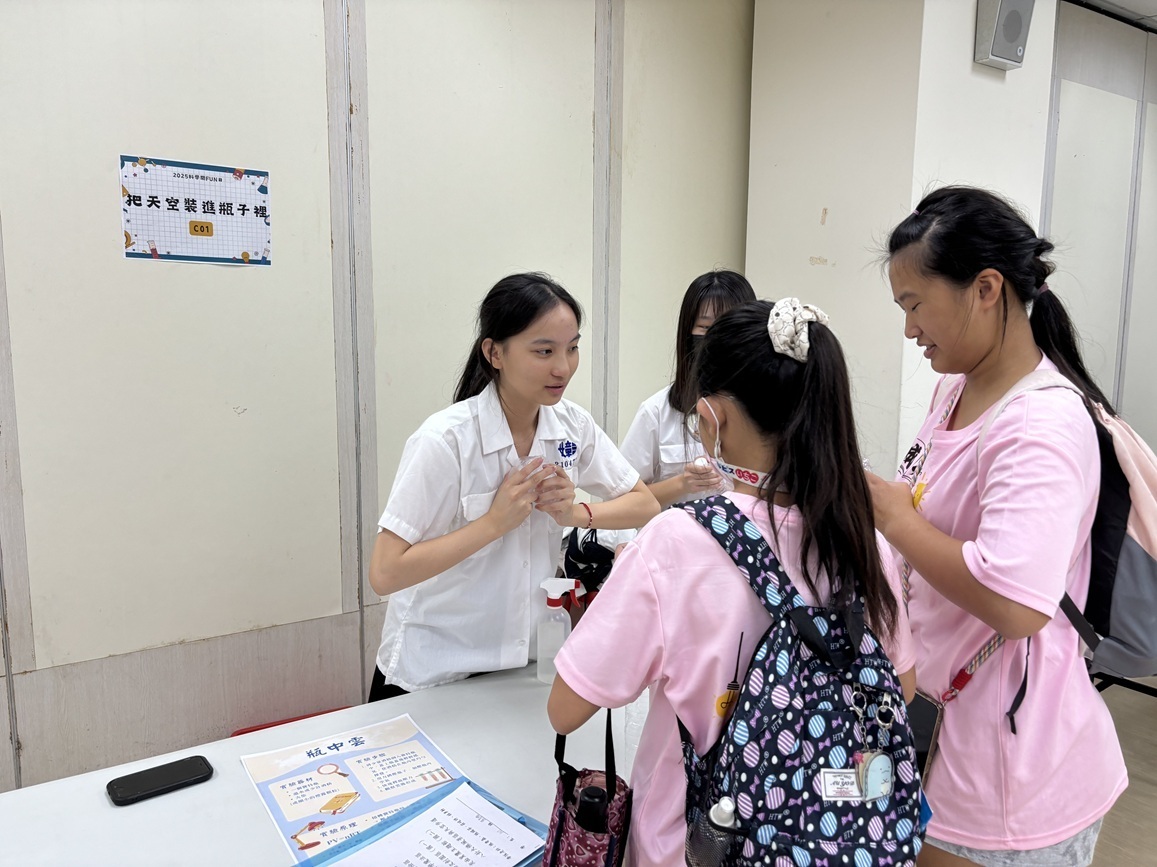
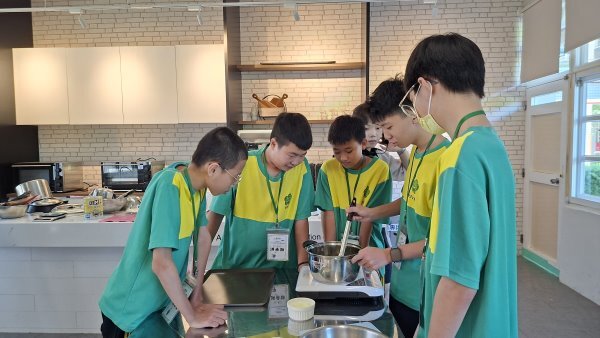
The "Science Fun Day" has been held since 2016 and was expanded starting in 2021. In 2025, the event attracted over 500 participants and was open for on-site registration by community residents, with participants including elementary, junior high, and senior high school students as well as community members. The event was jointly organized by NCUE's Center of Science Education, College of Science, and College of Engineering, featuring life-oriented and engaging science experience activities in areas such as the "Science Magic Zone," "Science Adventure Zone," and "Science Exploration Zone," allowing students at different learning stages to engage with science through hands-on operation and exploration, cultivating their learning interests and scientific literacy, and enhancing their understanding of scientific fields as well as future academic and career development.
To enhance equity in access to educational resources, NCUE specially invited schools from the Changhua-Nantou-Taichung region to participate in "Science Fun Day" and provided approximately NT$350,000 in transportation subsidies for both rural and remote schools, reducing the economic burden associated with transportation and participation, thereby ensuring that economic conditions do not become a barrier for students to access quality science education.
In 2025, schools from the Changhua-Nantou-Taichung region invited to participate included Cheng-Kung Junior High School, Fei-Sha Junior High School, Ching-Cheng High School, Tung-Hua Junior High School, Hsien-Hsi Junior High School, Da-An Junior High School, Da-Cheng Junior High School, and Tian-Jhong Senior High School.
In addition to providing rural and remote students with opportunities to access university educational resources, the event also gave participating schools opportunities to showcase their distinctive features, teacher-student literacy-based teaching outcomes, and student learning achievements, forming a supportive network for collaborative resource-sharing between universities and elementary/secondary schools.
Additionally, the event opened multiple laboratories in the College of Science to the public, with graduate students introducing scientific research topics such as plant genetic engineering, quantum electronic devices, marine biotechnology, organic chemistry, new materials, and superconductivity and magnetism in an accessible and easy-to-understand manner, allowing participating students and the public to closely engage with university research environments and the latest scientific achievements.
The College of Engineering also showcased advanced technologies such as wind power generation and smart IoT, giving participants of different ages and backgrounds the opportunity to engage with emerging technologies, expanding the public accessibility of educational resources.
Through these strategic outreach policies and concrete implementation measures, NCUE not only provides rural students with equal opportunities to participate in science learning, but also reduces the educational gap caused by geographic location and economic conditions through transportation subsidies of approximately NT$350,000, cross-school collaboration, and the opening of university educational resources. Through sustained educational investment, NCUE empowers students with scientific literacy, learning interests, and future academic development capabilities, creating a more comprehensive learning environment for rural students in Changhua County, fulfilling the educational philosophy of " ensuring success for every child," and using education as an important pathway to promote social mobility, reduce inequality, and gradually break the cycle of poverty. (Figures 1-6)
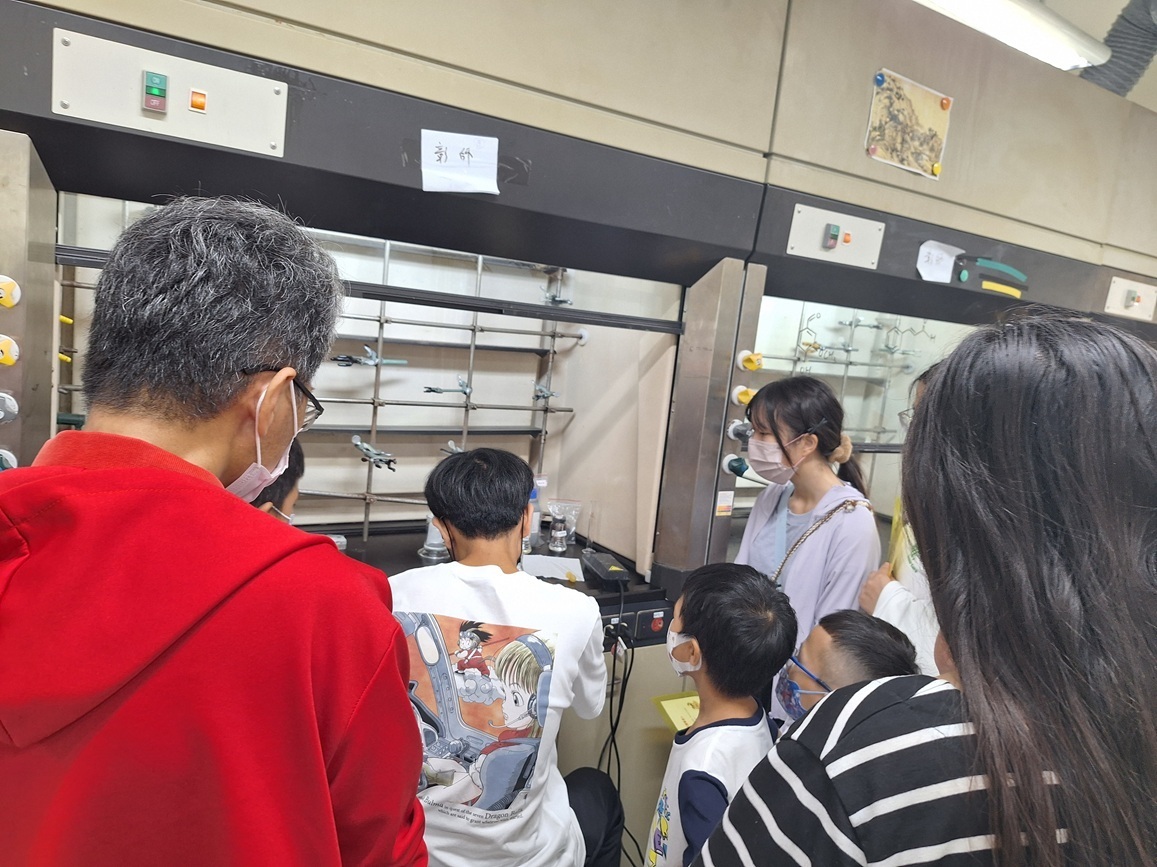
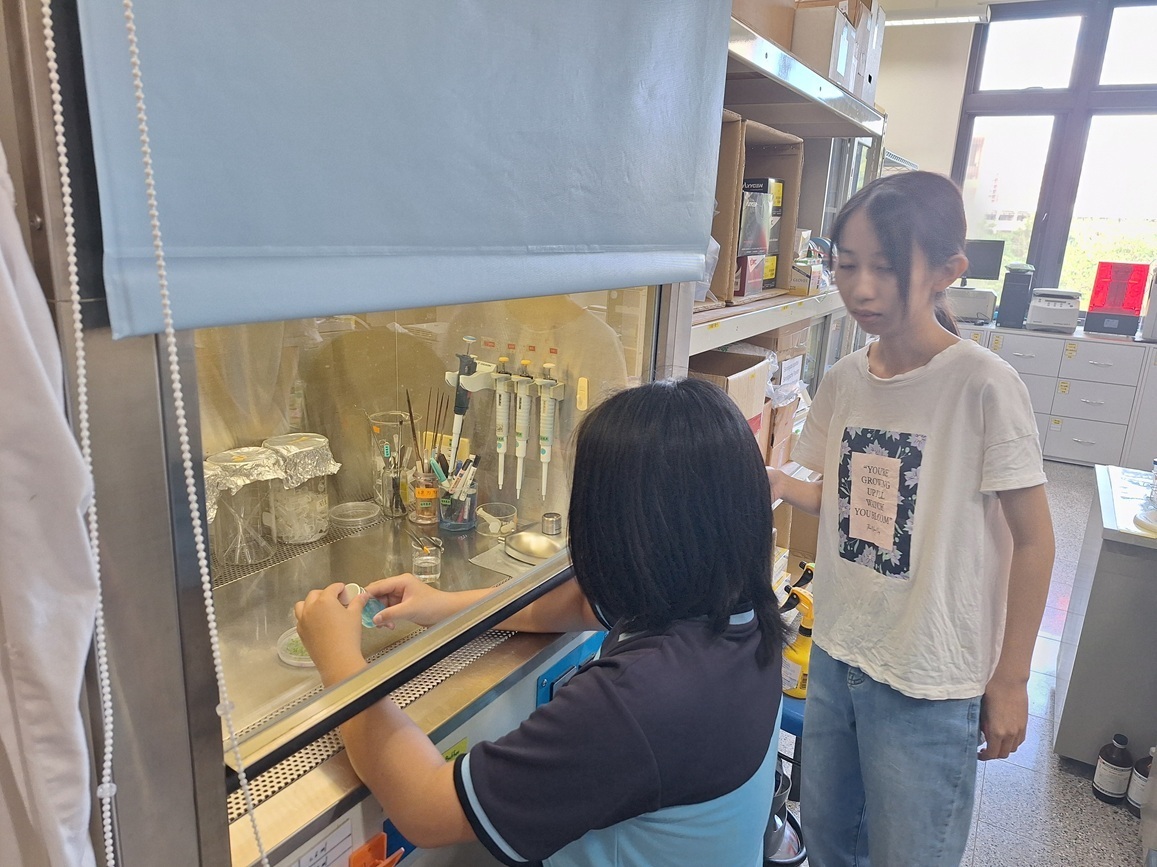
NCUE Campus Headlines – NCUE "2025 Science Fun Day" ~ Hands-On Activities, Play with Science! https://www.ncue.edu.tw/p/406-1000-32244,r635.php?Lang=zh-tw
2. To fulfill the university's mission of social responsibility, "NCUE x Common Good" team has partnered with 8 rural elementary, junior high, and senior high schools
Across 4 counties and cities—Changhua County, Yunlin County, Taichung City, and Tainan City—and formed the “Baisha Quality Education Alliance” together with National Taichung University of Education and National University of Tainan, integrating resources from universities, local governments, partner schools, and educational partners to establish a cross-institutional collaboration and resource-sharing mechanism. Starting in 2025, the project was upgraded from a "Sprouting" project to a "Deep Cultivation" project and renamed "NCUE x Common Good – Rural Education Service and Research Promotion Project," continuing to deepen rural education services, educational research, and local connections, and expanding the project's impact.
The project's core objective is to cultivate teaching talent equipped with educational expertise, social responsibility, and sustainability literacy. Through joint guidance from partner schools' faculty, field mentors, and NCUE faculty, school-based distinctive courses are developed to meet the needs of each school, incorporating local culture, literacy-oriented approaches, interdisciplinary learning, career education, and inclusive education into specialized teaching plans. This enhances rural students' learning ability, digital literacy, career readiness, and inclusiveness, increasing their motivation and learning effectiveness. The project embodies the spirit of the 12-year Basic Education's principle of "adaptive learning and talent development" and holistic education, realizing the educational philosophy of "self-initiation, interaction, and common good."
During the summer of 2025, the project organized week-long "NCUE x Common Good" summer camps across 8 rural elementary and junior high schools across 4 counties and cities, serving 247 students and training 69 pre-service teachers in teaching practice. Through career exploration assessment tools and individualized interviews, the project also assisted 47 disadvantaged rural students from 2 partner schools in completing their individual Personal Future Plans (PFP). In addition, the project promoted the design and practice of inclusive education curricula, enhancing pre-service teachers' differentiated instruction abilities and creating a more inclusive learning environment, fulfilling the goals of equal educational opportunity and sustainable development.
The characteristics and outcomes of the project's implementation are as follows:
- (1) Training Innovation: Through branch campus discussion sessions with partner schools, field mentors from 8 rural high schools, junior high schools, and elementary schools across 4 counties and cities were invited to share the current state of rural education, teaching needs, and practical experience. Together with pre-service teachers, curriculum discussions, joint lesson preparation, and practical guidance were conducted, deepening pre-service teachers' understanding of rural education issues and developing school-based curricula according to each school's characteristics, establishing a bidirectional exchange and co-creation mechanism between the university and partner sites.
- (2) Diverse Curriculum: Integrating 16 teacher education courses, including "Secondary Education Practicum and Service-Learning," "Interdisciplinary Teaching Application and Practice," and "Career Planning," the project organized 9 capacity-building workshops and 14 branch campus discussion sessions with partner schools, covering topics such as literacy-oriented instruction, UCAN career cluster introduction, drone teaching, transition guidance and services, interdisciplinary curriculum design, and career planning. Cross-disciplinary and cross-subject collaborative teaching plans were developed, and a total of 69 pre-service teachers completed training and were sent to 8 rural schools across 4 counties and cities to conduct summer camps, serving 247 students.
- (3) Transition Guidance: Centered on student needs, through career exploration assessments, individualized interviews, and career planning guidance, students were assisted in exploring their strengths and clarifying their future direction, establishing individual Personal Future Plans (PFP). In 2025, the project served 47 disadvantaged rural students from 2 partner schools, enhancing their capabilities in further education and career planning.
- (4) Inclusive Education: With "inclusiveness" as one of the core competencies, inclusive education capacity-building training was planned, covering topics such as the philosophy of inclusive education, reasonable accommodations, Universal Design for Learning (UDL), curriculum adjustment, classroom management, adaptive physical education, and the eight major strategies of inclusive education. This was combined with the practice of differentiated instruction in summer camps. Starting in 2025, an inclusive education promotional handbook is compiled annually, providing teaching references for teachers and pre-service teachers at partner sites, continuously promoting the philosophy of inclusive education. (Figures 7-10)
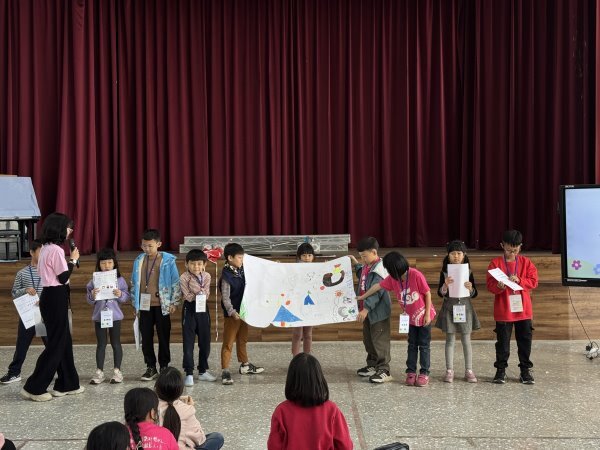
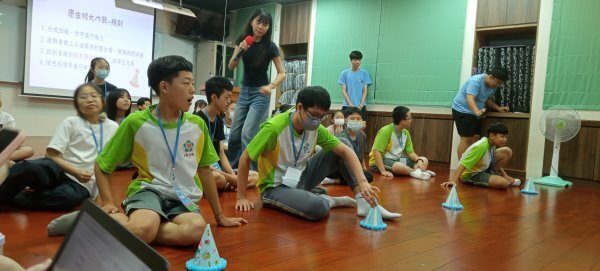
NCUE Common Good Website: https://sites.google.com/view/ncue-teach/%E9%A6%96%E9%A0%81