SDG 1.4.2
SDG 1.4.2 Local start-up financial assistance
NCUE actively promotes "Local Start-up Economic Assistance" through the University Social Responsibility (USR) Project "Resilient Changbin: Climate Change and the Sustainability of Changhua's Coastal Environment and Industries" and the "Sustainable Changhua: Green Energy Perspective in Education, Technology, and Economy" project, integrating cross-disciplinary expertise within the university with government and enterprise resources to help local communities, youth teams, and industries access external resources. NCUE provides start-up guidance, technical support, brand marketing, and low-carbon transformation assistance, lowering the barriers to local entrepreneurship and industrial transformation, and supporting the development of financially and socially sustainable local businesses (Table 1). The relevant implementation strategies are as follows:
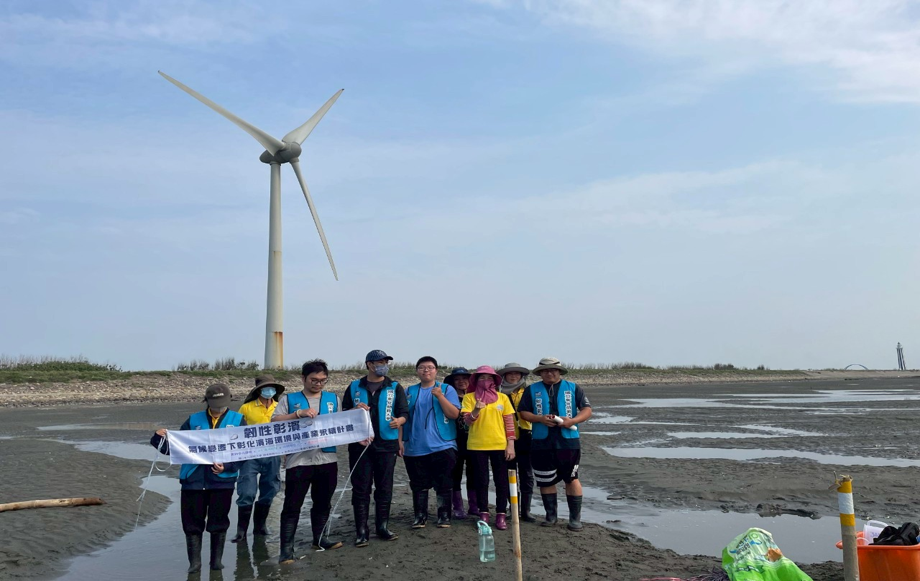
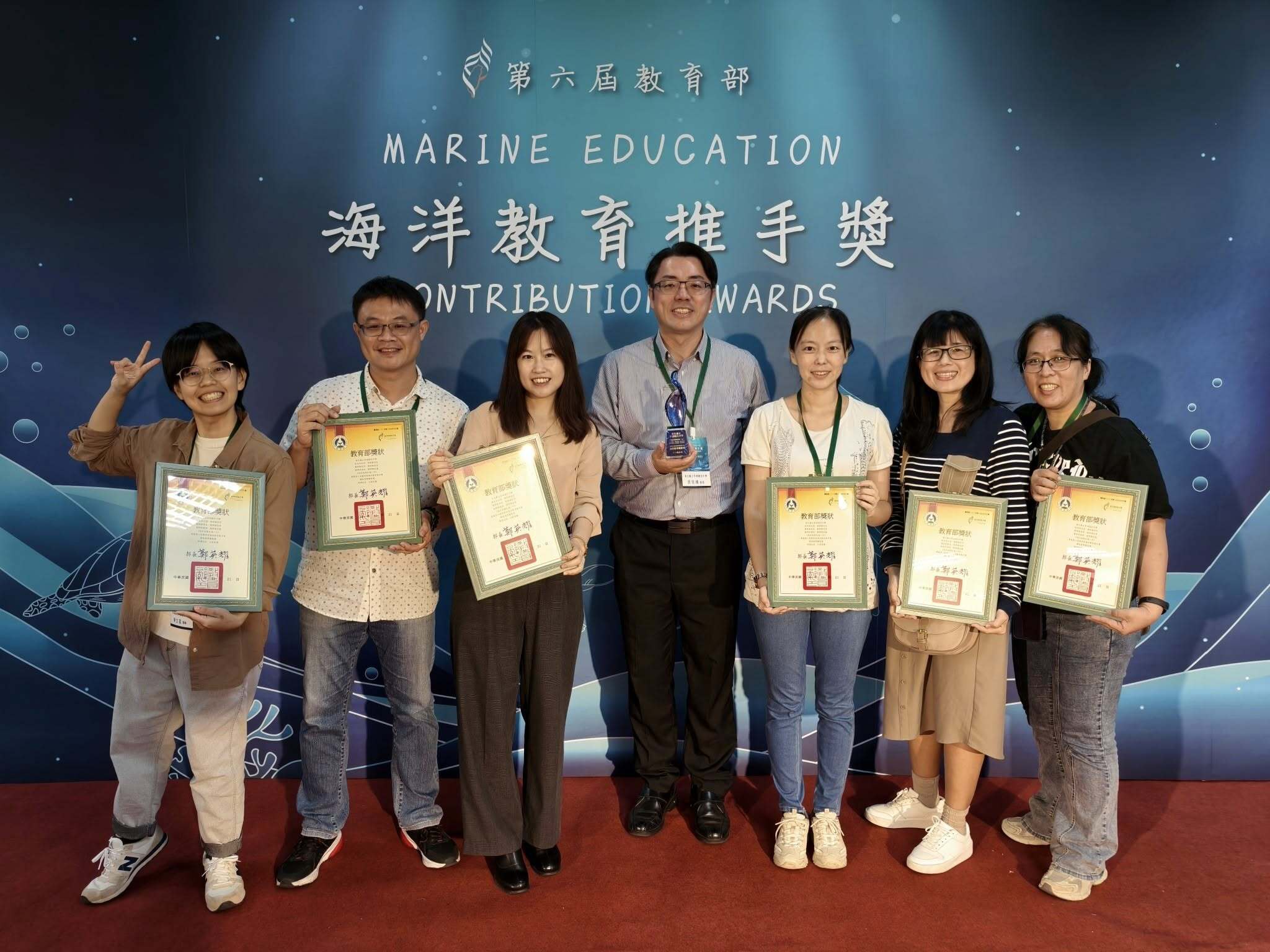
1. “Resilient Changbin: Climate Change and the Sustainability of Changhua's Coastal Environment and Industries” Project: Supporting Local Youth Entrepreneurship and Industrial Sustainability (Figure 1-2)
(1) Assisting Local Teams in Securing External Resources
- (a) Government Resource Referral: Assisted the Wanggong Community Development Association and the Changhua Marine Food Research Base in securing subsidies from the Ocean Conservation Administration's "Local Marine Conservation Guardianship Program" for three consecutive years.
- (b) Joint Applications for Entrepreneurship and Local Regeneration Projects: Collaborated with "One Clam (1koshijimi)" to apply for the Ministry of Agriculture's "Rural Practice Co-Creation Project," establishing a cross-disciplinary youth entrepreneurship hub to promote local industry and the circular economy.
- (c) Enterprise Resource Matching: Matched enterprises to invest in local environmental education and industrial development, enabling local teams to acquire advanced technical and operational resources.
(2) Providing Business Management and Branding Guidance for Youth Entrepreneurship Teams
- (a) Cross-Disciplinary Professional Guidance: Integrating expertise in accounting, business management, fine arts, electrical engineering, and Taiwanese literature to provide guidance in financial bookkeeping, business management, brand design, product packaging, and local culture.
- (b) Market Expansion and Promotion: Supported local youth teams such as "One Clam (1koshijimi)," "IMMU Young," and "Lab of Kueh" in participating in the "2025 Taiwan Design Expo – Changhua Tour," increasing product exposure and market expansion opportunities.
(3) Introducing Technical Support to Stabilize Local Industry Livelihoods
- (a) Water Quality Monitoring and Aquaculture Technology: Assisted coastal aquaculture industries with water quality monitoring and environmental analysis, increasing the yield rate of farmed clams to over 70%, reducing farming risks, and maintaining local industry income.
- (b) Industrial Technology Introduction: Collaborated with cross-university teams to develop biochar from clam and cockle shells, advancing applications in 3D printing, construction materials, and eco-friendly products, enhancing the value of local industrial resource reuse.
(4) Promoting the Circular Economy and Establishing Sustainable Sites
Jointly established the "Changbin Coastal Sustainability Experimental Base" with the National Academy of Marine Research. Integrating renewable energy, environmental monitoring, and circular economy principles, the base serves as a flagship demonstration site for regional industrial and community sustainability.
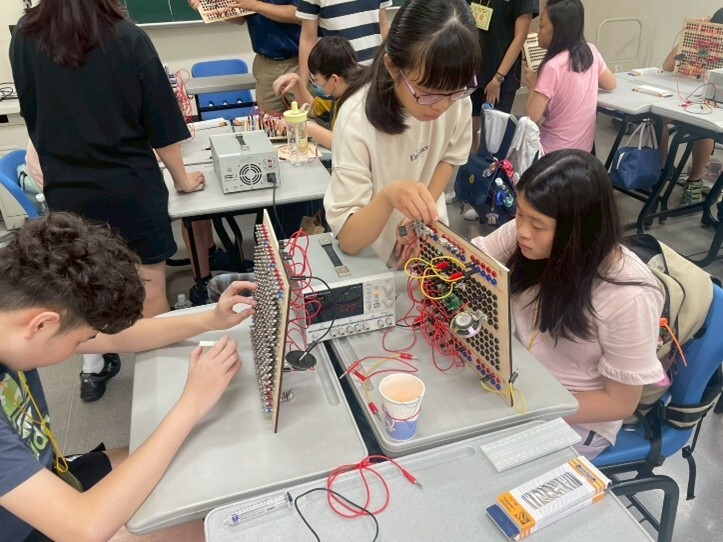
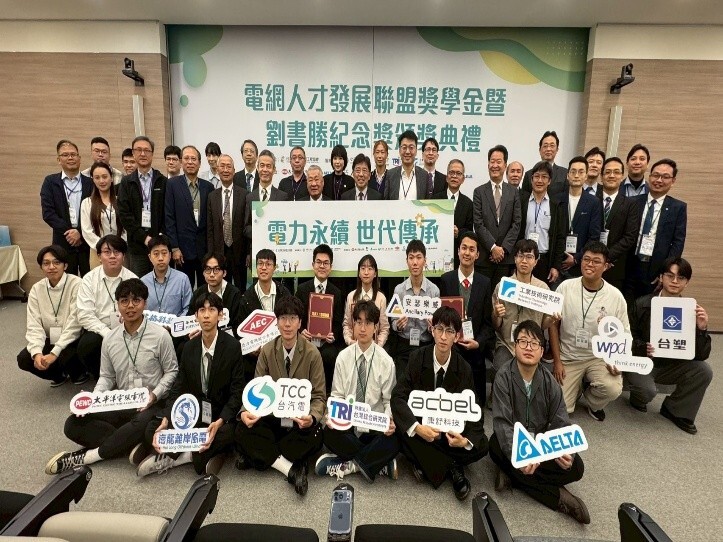
2. “Sustainable Changhua: Green Energy Perspective in Education, Technology, and Economy” Project: Assisting Local Industries in Low-Carbon Transformation (Figure 3-4)
(1) Providing Low-Carbon Transformation Guidance for Enterprises
In collaboration with the Changhua Association of Industry-Academia Advancement and local industrial parks, NCUE provided enterprises with energy diagnostics, carbon inventory assessments, and carbon reduction strategy recommendations, helping enterprises understand their energy use and carbon emissions and plan future improvements.
(2) Matching Government and Industry Resources to Lower Transformation Barriers
By integrating resources from enterprises such as Jiaying Lithium Source, Taiwan Micro Grid Technology, and Xiangzhong Industrial, NCUE assisted local enterprises in adopting green energy and energy-saving technologies, and supported enterprises in applying for government subsidies related to low-carbon transformation and green energy.
(3) Cultivating Local Green Transformation Talent
Through the USR Green Micro-Course, NCUE promoted the cultivation of green and ESG talent. In 2025, 34 courses were offered, with a cumulative total of 1,102 participants, and 30 individuals obtained relevant qualification certifications, enhancing the human resources and professional capabilities needed to advance sustainable transformation in local industries.
In summary, through the "Resilient Changbin" and "Sustainable Changhua" projects, NCUE provides substantive support to local teams and industries in areas such as resource matching, entrepreneurship guidance, technical support, brand marketing, the circular economy, and low-carbon transformation. These efforts effectively reduce startup and operational overhead, enhance market competitiveness, and reinforce the long-term economic resilience and sustainable development capacity of local industries.
| Project | Project Focus | 2024 | 2025 |
|---|---|---|---|
| Resilient Changbin: Climate Change and the Sustainability of Changhua's Coastal Environment and Industries | Stabilizing traditional industry livelihoods, guiding youth entrepreneurship in developing "sustainable business models," establishing a cross-disciplinary youth entrepreneurship hub, providing local employment opportunities for youth, cultivating advanced net-zero skills, and enhancing the economic competitiveness of local talent | 2,750,000 | 6,800,000 |
| Sustainable Changhua: Green Energy Perspective in Education, Technology, and Economy | Guidance for enterprise carbon reduction and transformation, ISO energy management, and cultivation of talent for greenhouse gas inventory | 2,750,000 | 2,750,000 |
| Total Subsidies Received from the Ministry of Education's University Social Responsibility (USR) Project | 5,500,000 | 9,550,000 | |
Additionally, to assist local communities in establishing financially sound and socially sustainable businesses, the Innovation Incubation Center of NCUE actively promotes entrepreneurial and economic assistance initiatives. By integrating government resources, professional faculty expertise, and local industry needs, the center provides comprehensive support for both startups and traditional industries. Focusing on precision machinery, smart electric vehicles, and green energy as its core technological fields, the center aligns with national policies to create a diversified industrial platform and develop industrial clusters. Through well-established incubation networks and lateral/vertical integration mechanisms, it helps enterprises reduce the costs of startup and operation, enhancing their international competitiveness and brand value. Additionally, by assisting enterprises in applying for government subsidy projects and matching them with venture capital resources, the center effectively strengthens enterprises' capital and market expansion capabilities.
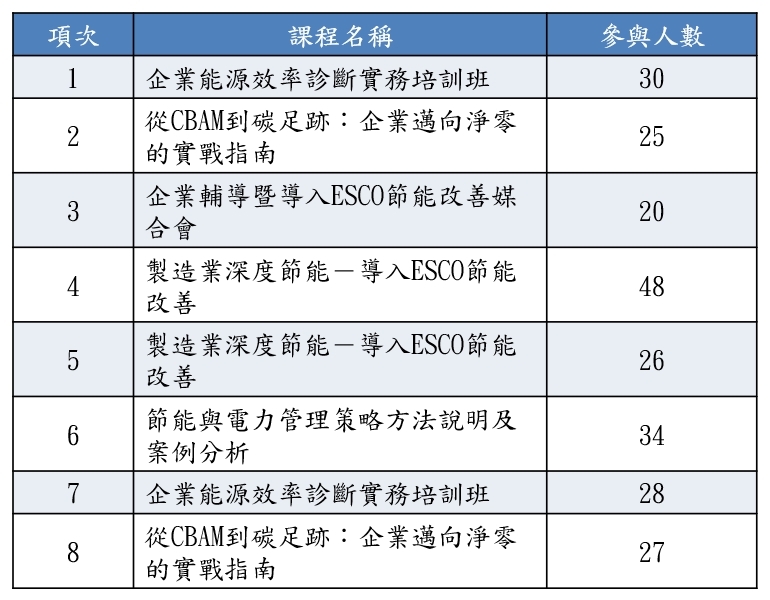
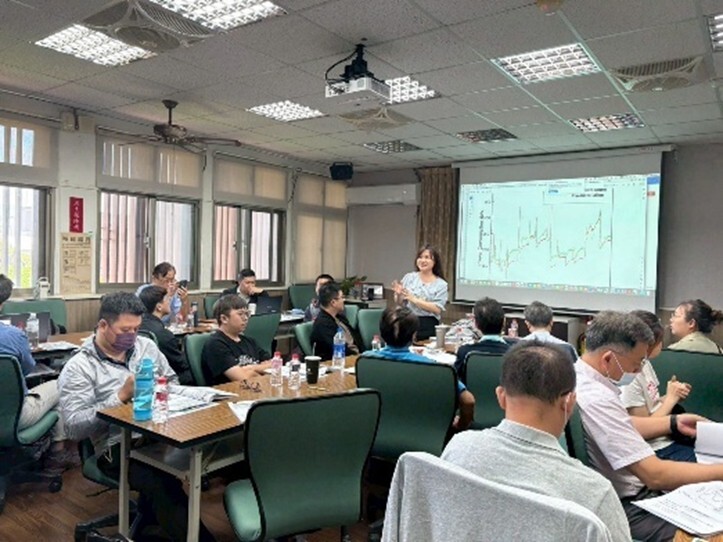
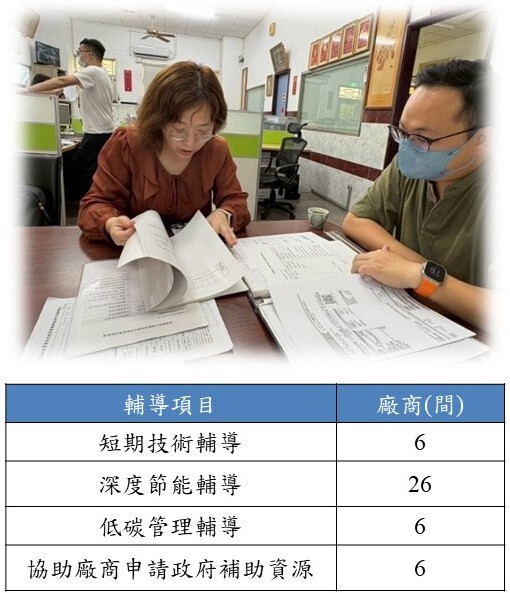
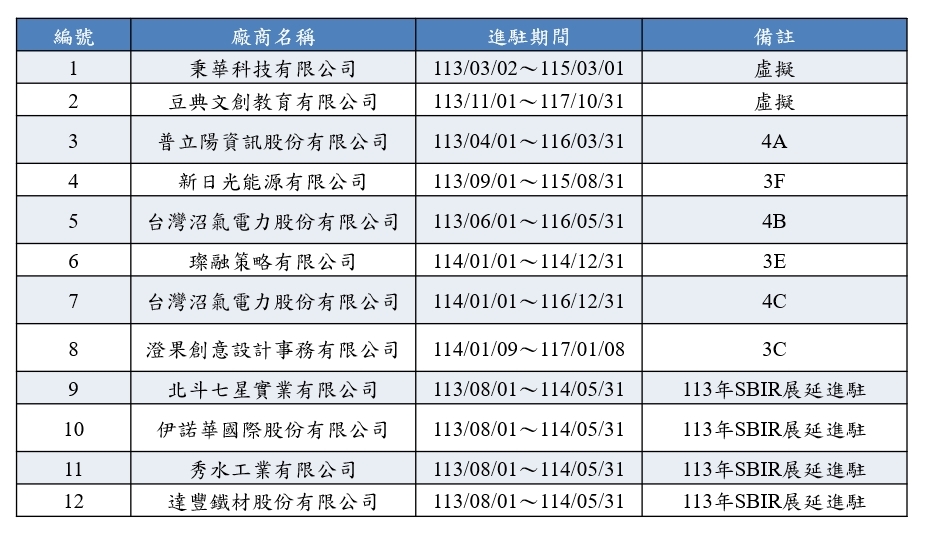
Through the "2025 Cross-Regional Low-Carbon Transformation Integration and Promotion Program for Industrial Parks," commissioned by the Bureau of Industrial Parks, Ministry of Economic Affairs, NCUE’s Innovation Incubation Center delivered 8 low-carbon specialized courses across Fusing, Tianjhong, and Dali Industrial Park respectively, with a cumulative total of 238 participants (Figures 5-6), helping enterprises stay current with the latest regulatory trends and green transformation technologies. At the same time, the center provided specialized project-based guidance on short-term technology, low-carbon management, and energy-saving technology to 44 local enterprises (Figure 7), and by integrating resources from 12 resident companies (Figure 8), successfully assisted 6 of them in obtaining government funding. Furthermore, through integration and brand marketing strategies, the center continues to establish a regional innovation and entrepreneurship platform, substantially strengthening the economic foundation of the community and promoting sustainable industrial development.