People are at the core of sustainable development. NCUE is duty-bound to create a fair, just, and inclusive future. Promoting continuous improvement to ensure that everyone has access to basic services is therefore of utmost importance. To eradicate poverty, NCUE organizes various training programs and projects to enhance access to basic services for students and related stakeholders.
To practice local care through high-quality education and reduce inequality, NCUE seeks to improve everyone's access to basic services by implementing various projects (including National Science and Technology Council projects, Ministry of Education projects, University Social Responsibility (USR) Projects, and University Social Responsibility (USR) Hub Projects), offering language promotion courses, organizing service-oriented student associations to provide outreach in remote rural areas, and holding public seminars and community education activities. The following sections present the achievements of relevant plans/policies on education, service, electricity, and health promotion:
Table of Programmes for Services Access Highlights and Achievements
Category
Responsible units
Plan/policy
Highlights
Photos
Education
Special Education Center
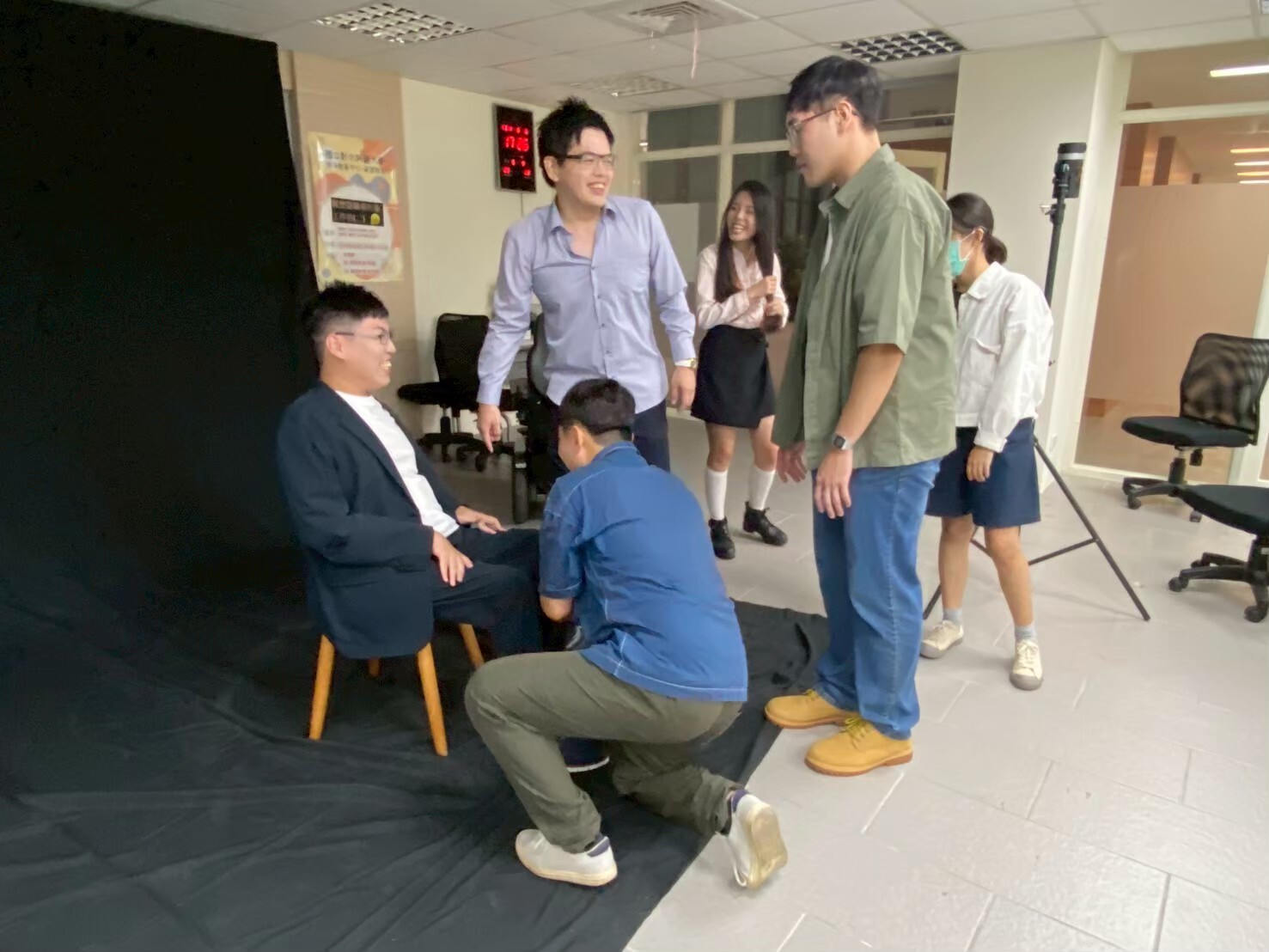
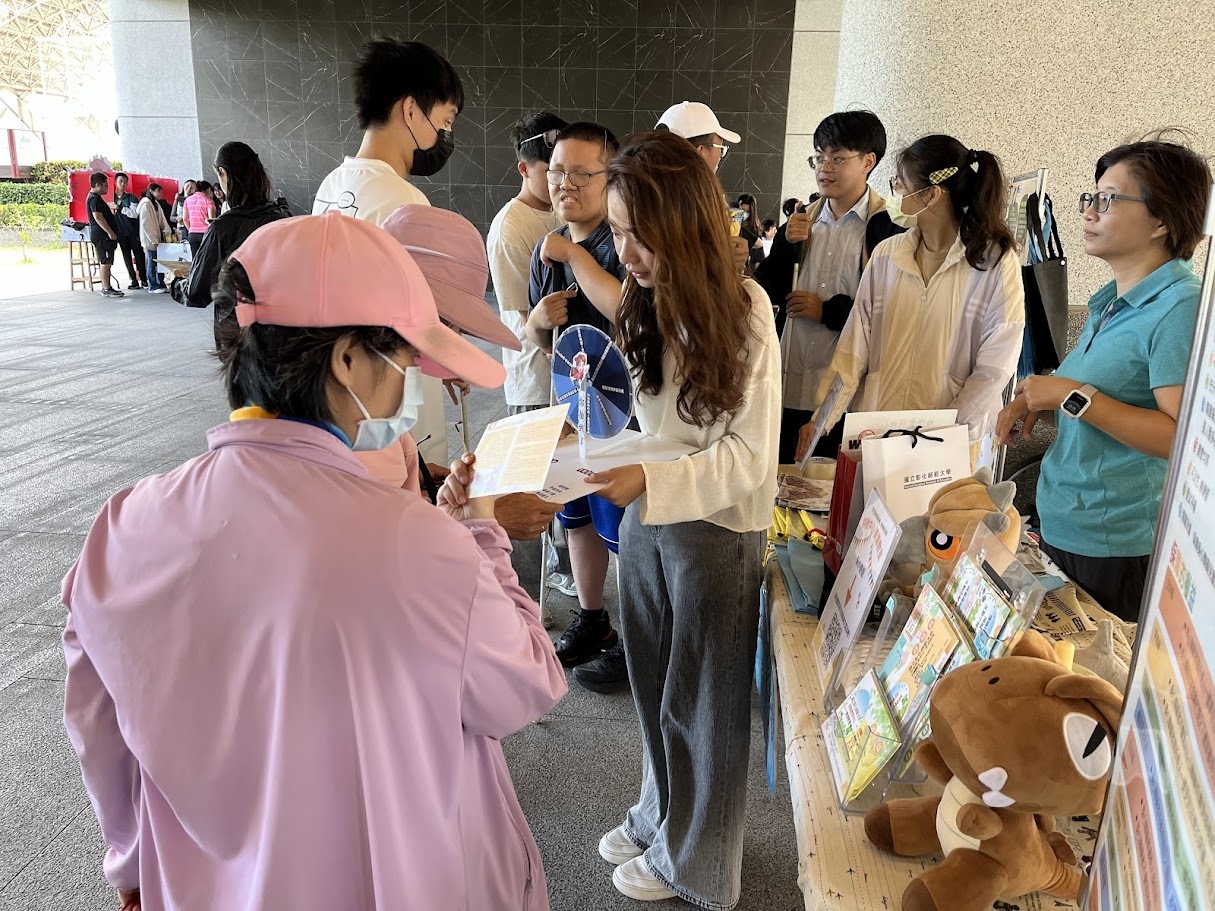
The Project of Recruiting and Guiding Students with Physical and Mental Disabilities by Universities and Colleges in 2025 (Figures 1-2)
Provided relevant support services to NCUE students with physical and mental disabilities; 2,571 people received help with learning, 339 people received assistance with daily life, 83 people received help with job transitions, and 651 people received guidance and counseling services.
Figure 1. Résumé and Professional Image Workshop (II)
Figure 2. "Love in Understanding and Acceptance" – Special Education Awareness Campaign at the University Anniversary
Education
Special Education Center
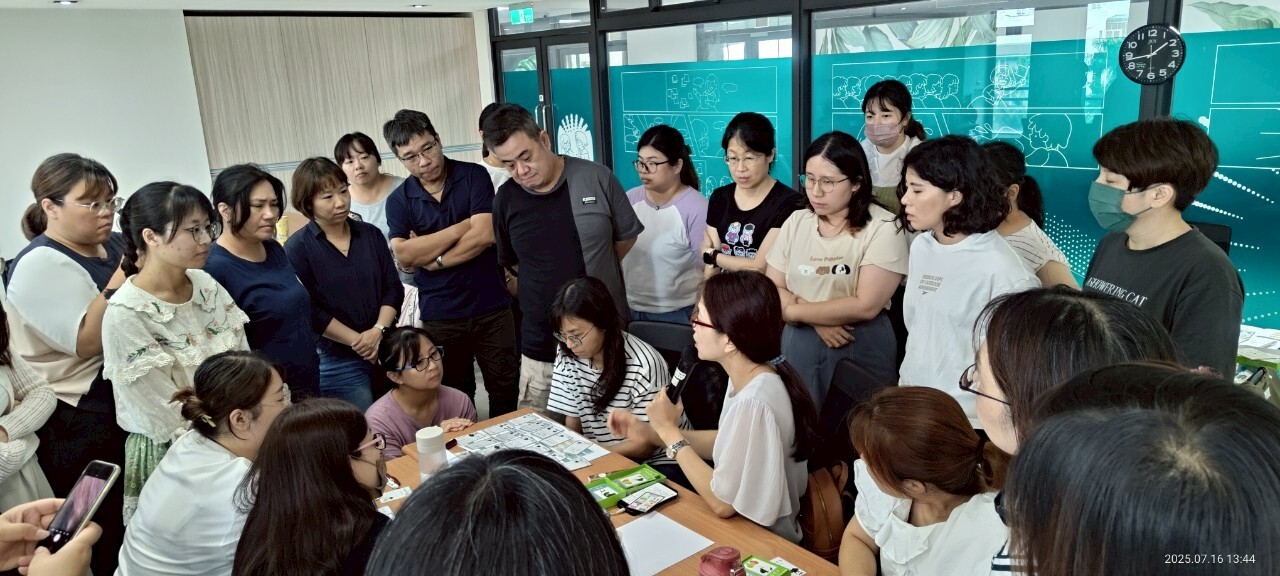
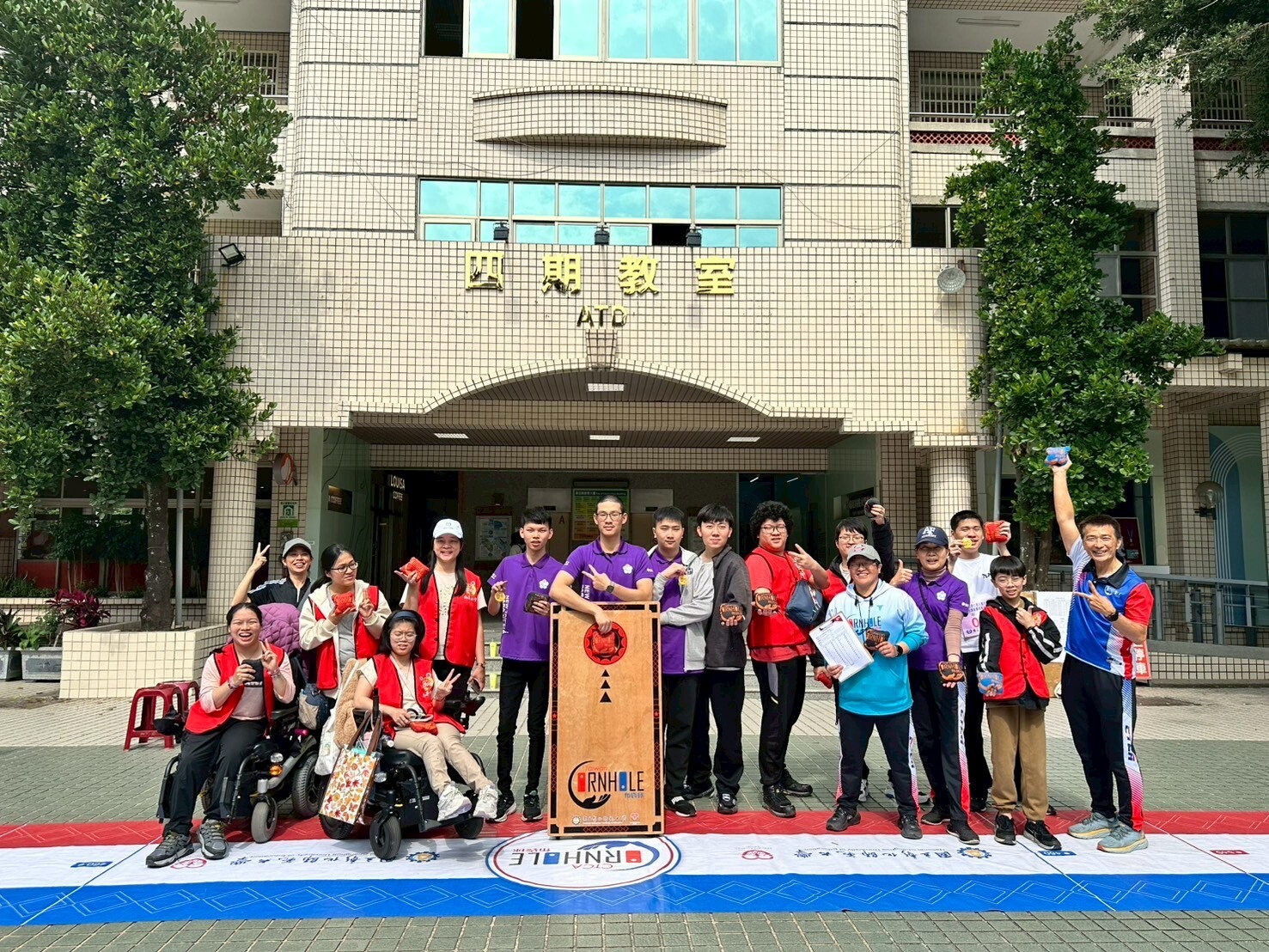
2025 Implementation Plan for the Promotion of Special Education in the Changhua–Nantou–Yunlin Identification and Guidance District and the Subsidy Program for Special Education Centers in Universities and Colleges (Enhancing Professional Competency) (Figures 3-4)
Held 19 professional competency activities for special education personnel in higher education, including 7 mandatory introductory courses, 9 mandatory advanced courses, and 3 elective advanced courses.
Figure 3. Introduction to the Dream Realization Cards
Figure 4. Resource Classroom Sports Activity
Education
Special Education Center
2025 Implementation Plan for the Promotion of Special Education in the Changhua–Nantou–Yunlin Identification and Guidance District (Figures 5-6)
Provided special education consultation services to a total of 59 people
Conducted 3 school visits to provide on-site counseling and guidance
Published two issues of the Special Educator's Journal to benefit special education departments, special education resource centers, special education administrative entities, faculty and students at all levels, and community members nationwide.
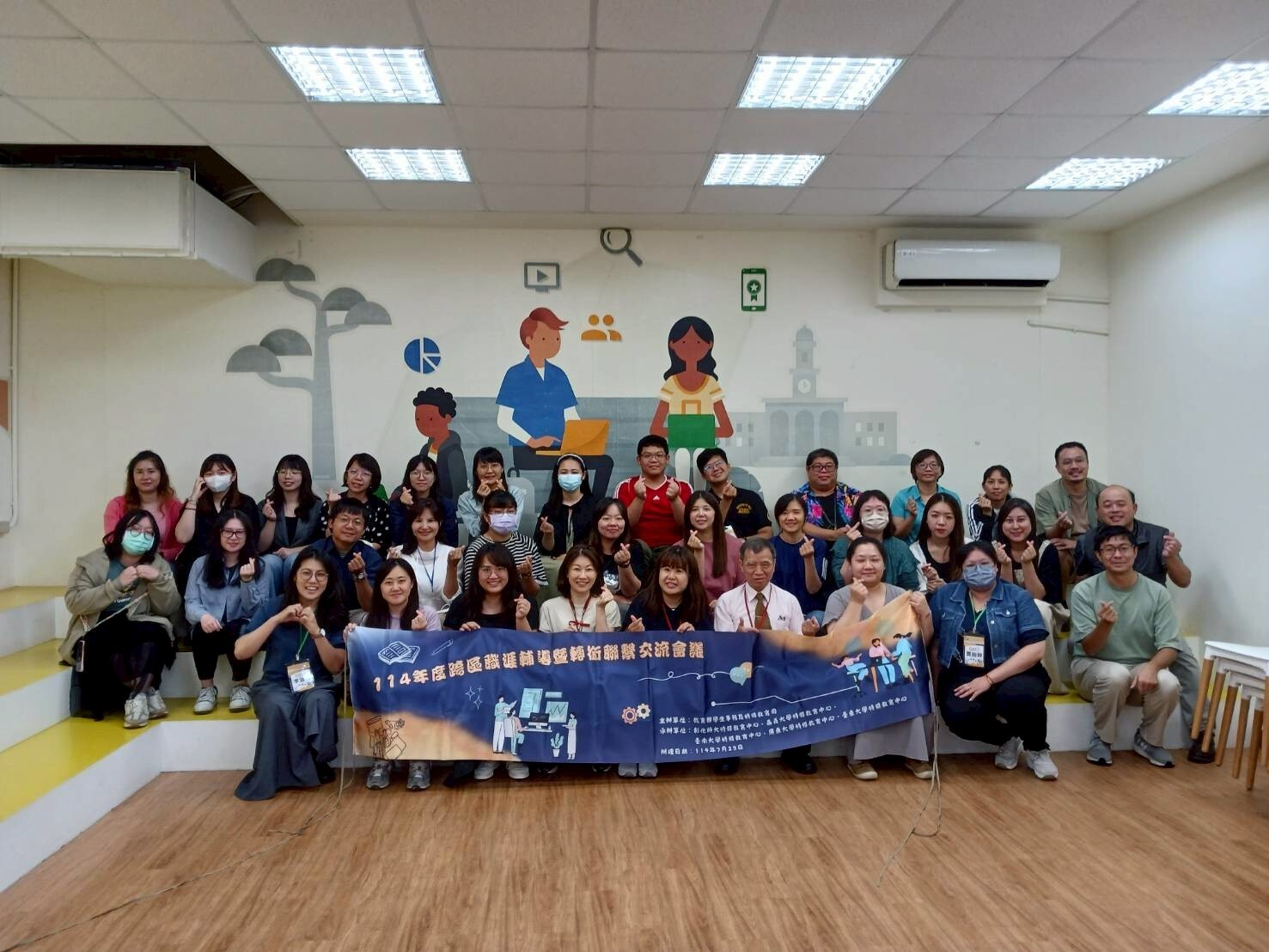
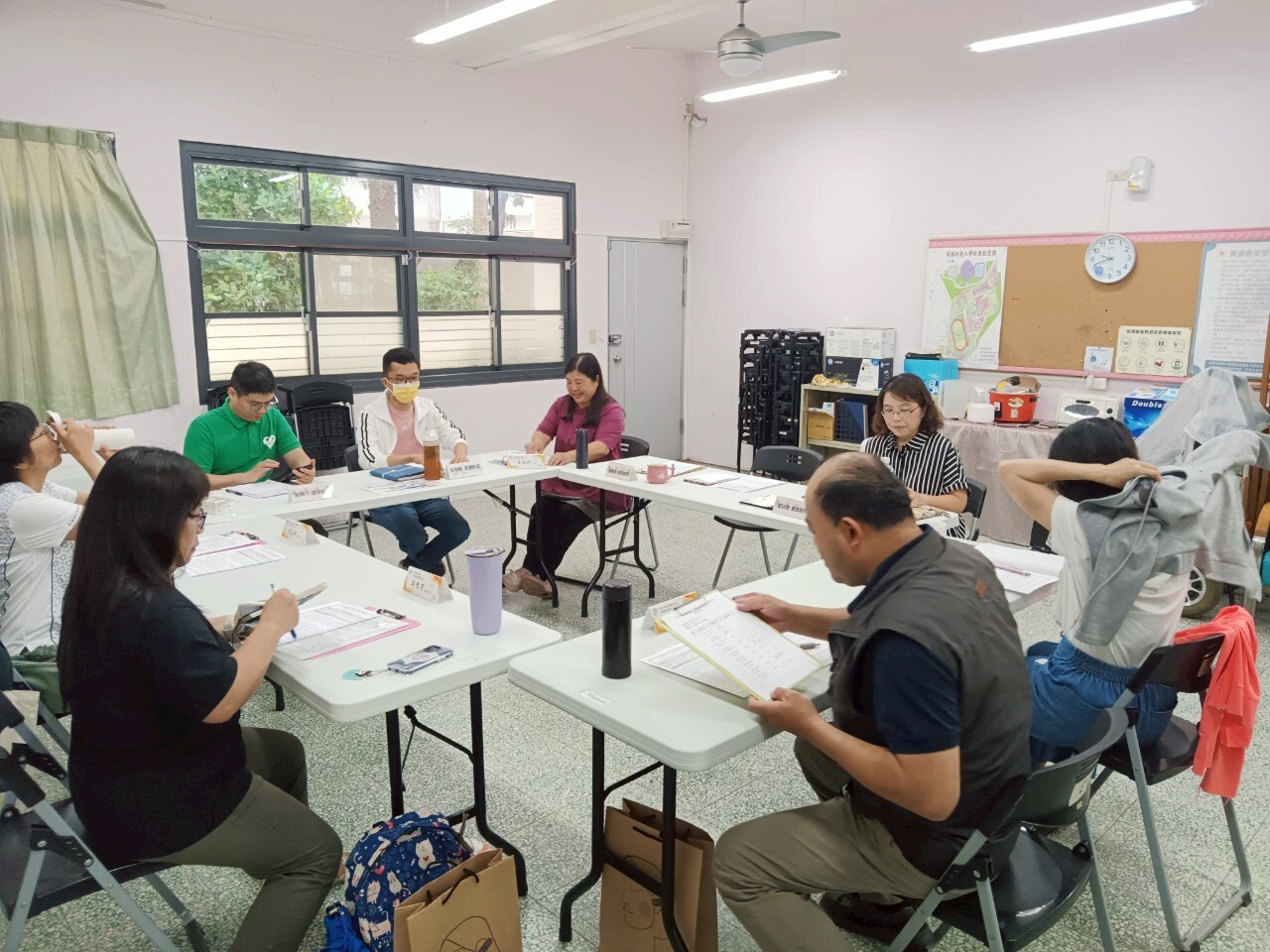
Conducted 2 briefing sessions on the identification of students with disabilities in universities and colleges, 1 review meeting on special education work in the counseling district, and 1 liaison meeting on the transition of university/college students with disabilities.
Figure 5. Transition Exchange Meeting
Figure 6. School Guidance Discussion Meeting
Education
Center for Teacher Education
University Distinctive Project Application for Phase IV (2025-2027) - University Social Responsibility (USR) Project: "NCUE x Common Good: Rural Education Service and Research Promotion Project" (Figures 7-8)
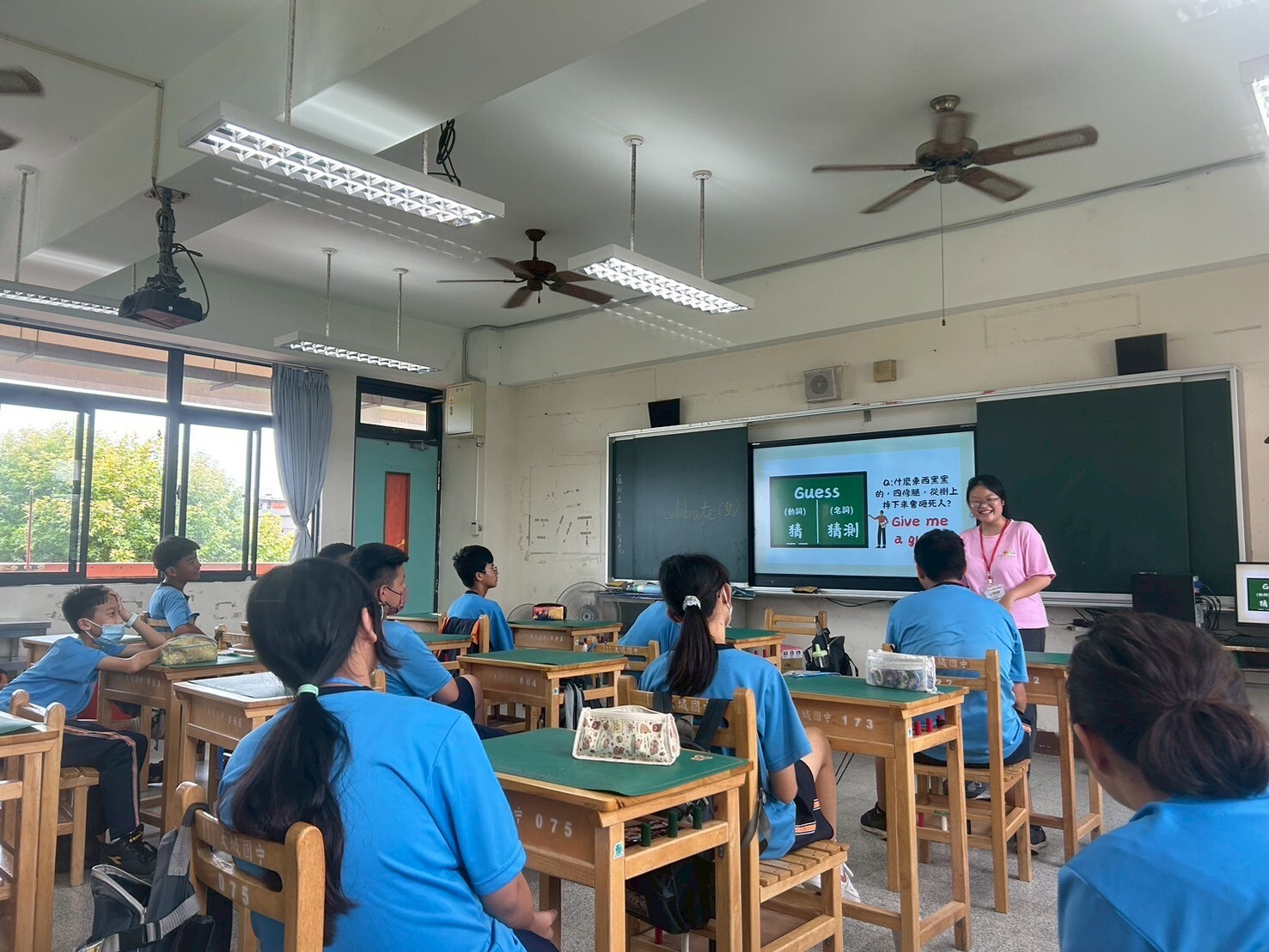
Organized a one-week "NCUE x Common Good" camps in 8 rural elementary, junior high, and senior high schools across 4 counties and cities, serving approximately 247 students
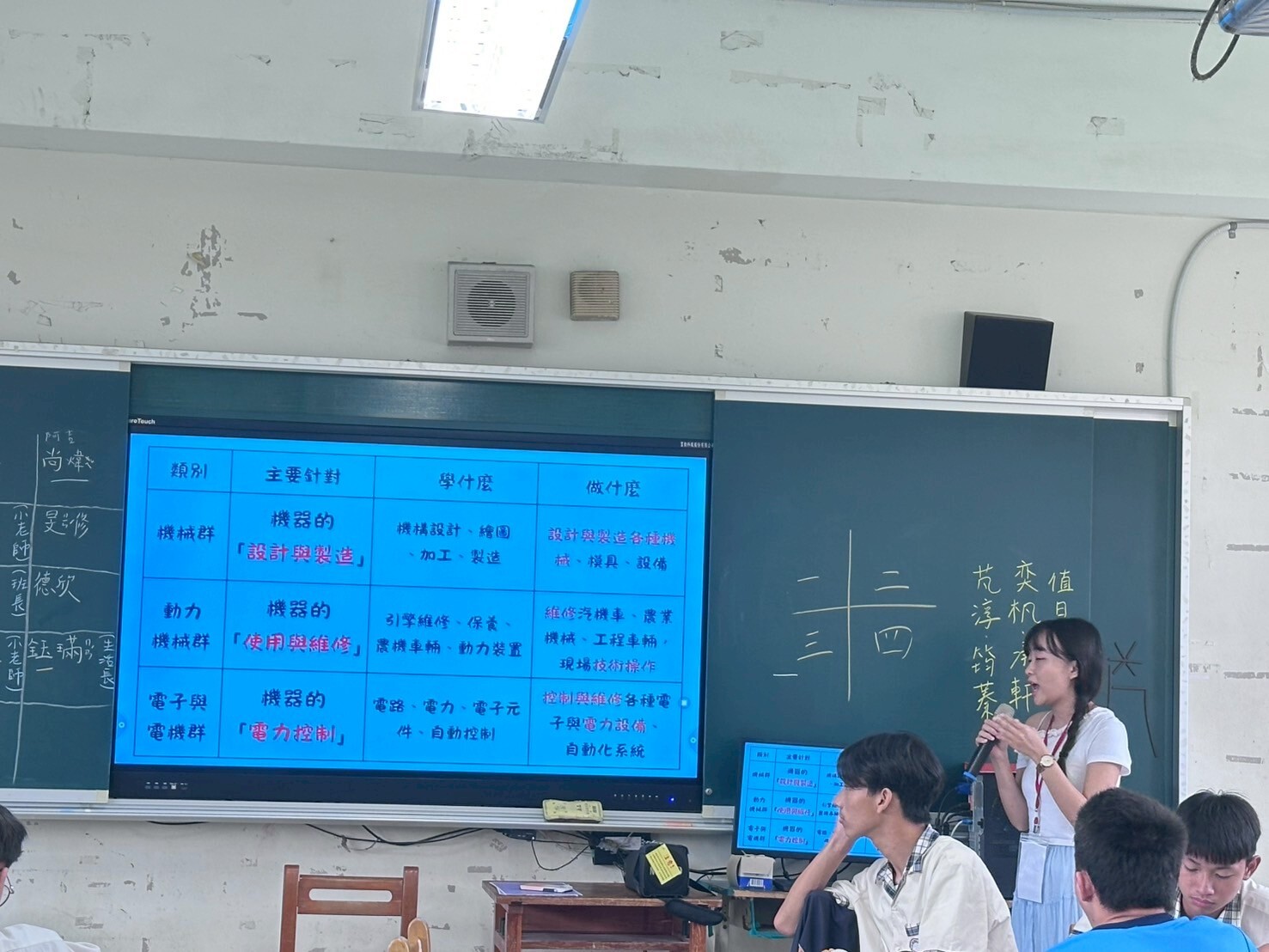
Using career exploration assessment tools to serve approximately 47 disadvantaged students from 2 rural schools, helping them complete individual career-exploration activities
Figure 7. Summer Camp in Dacheng Junior High School – English Class
Figure 8. Dacheng Junior High School– Career Exploration Course for Students
Education
College of Extension Education
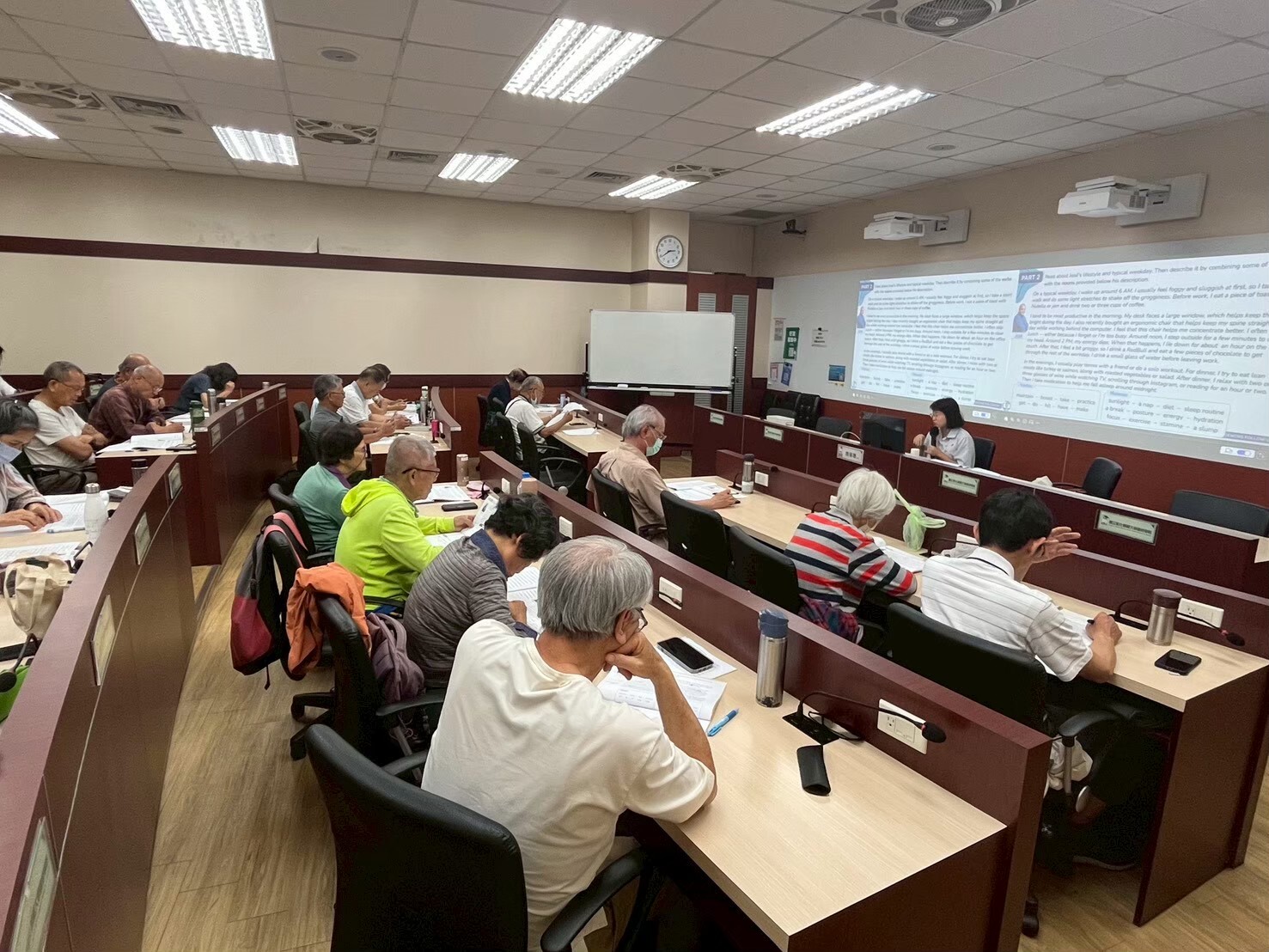
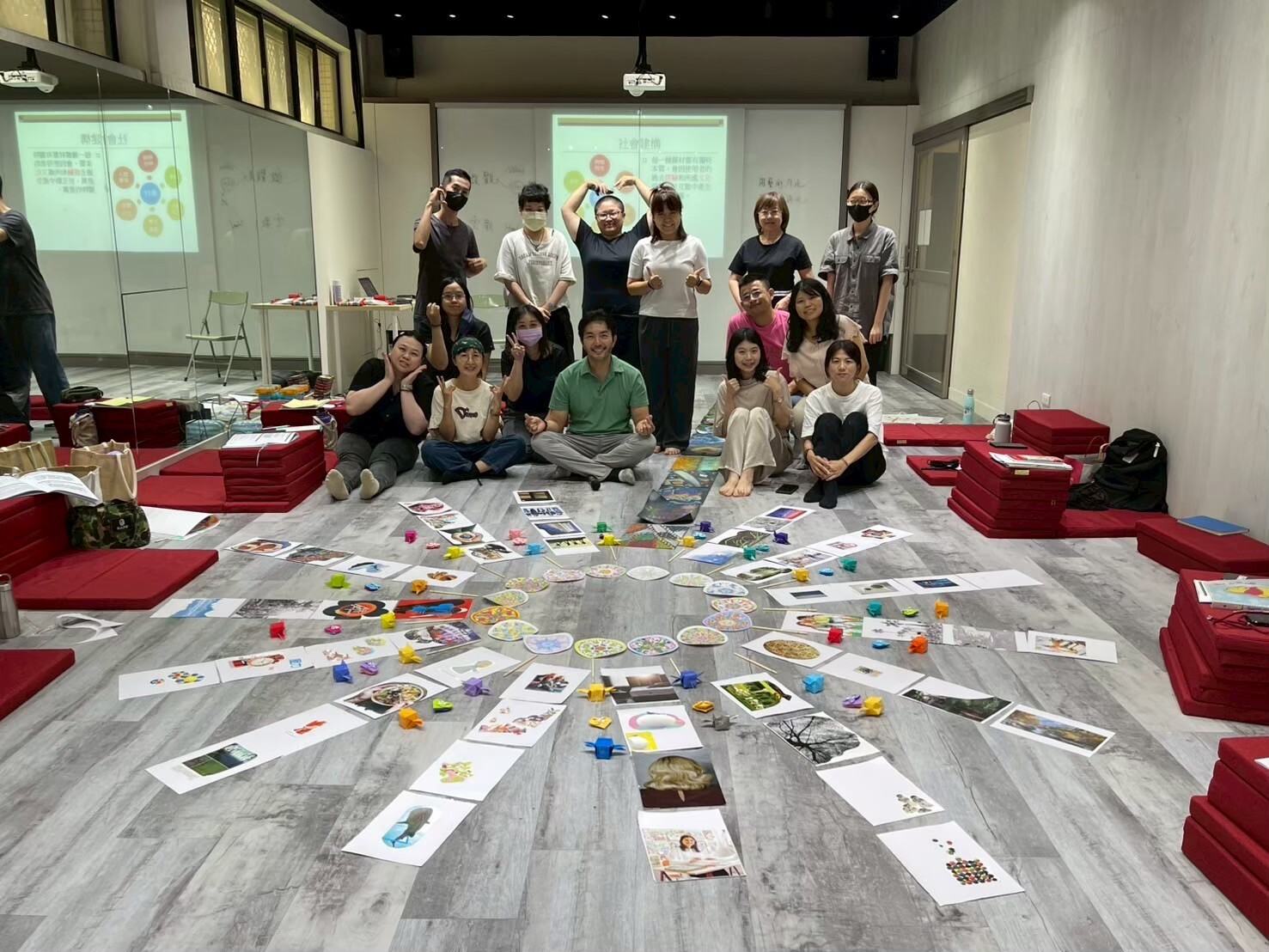
Public lectures and community education activities (Figures 9-10)
Provided courses on senior education (28 classes, 893 participants), enhancement of teachers' capabilities (49 courses, 1,200 participants), training programs for 15 principals and directors of elementary and junior high schools on school management competencies, training for 44 second-generation successors and female leaders in SMEs, workplace skills enhancement training for professionals (128 classes, 2,263 participants), and various continuing education courses (58 classes, 811 participants).
Figure 9. English Class in the Community University for the Seniors
Figure 10. Art Therapy Course
Service
Extracurricular Activities Team, Office of Student Affairs
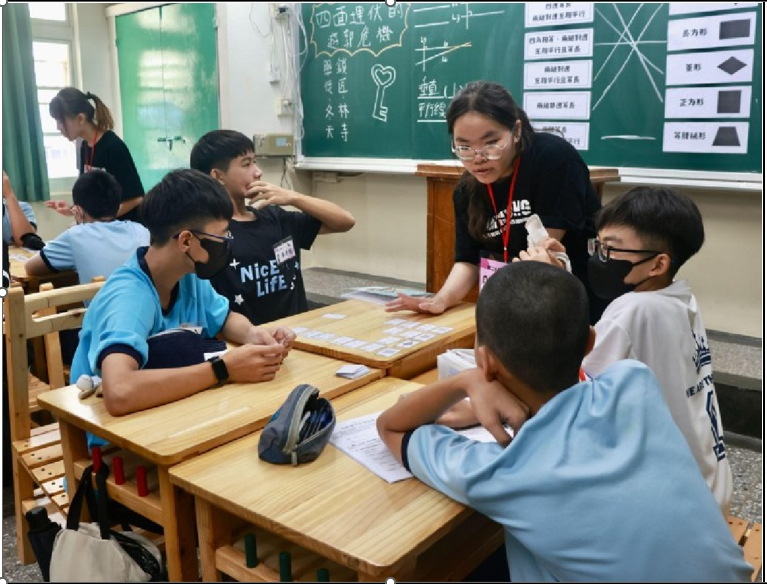
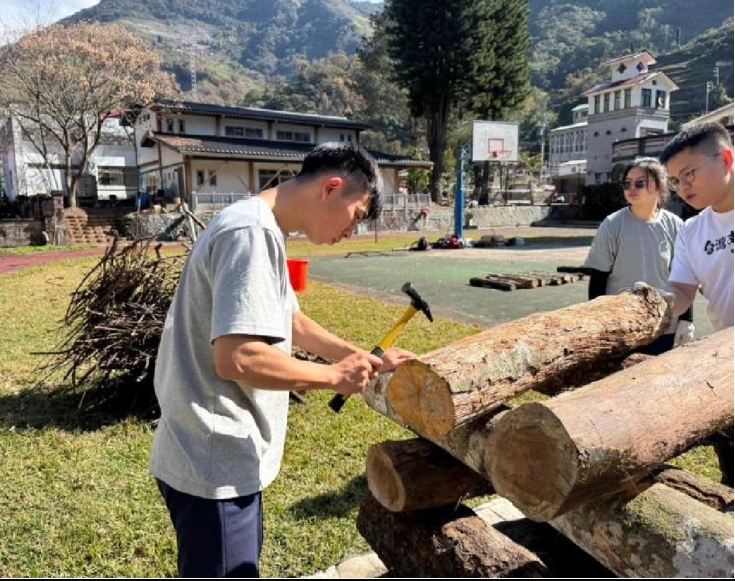
Service Clubs - Mountain Service Club, Rural Service Club, Fishing Village Service Club, Board Game Club (Figures 11-12)
Service-oriented student clubs organize learning activities during the semester, such as event planning, drama techniques, group activities, and outdoor games. During winter and summer vacation, they visit remote rural schools to provide recreational camps for local elementary school students. For example, the Mathematics Youth Service Corps organized a summer camp centered on "Contextual Logical Thinking" and "Practical Mathematics in Daily Life," incorporating popular anime scenarios into everyday themes such as financial management, media literacy, and logical reasoning, guiding children to develop correct discernment and thinking skills through contextual exploration. Additionally, to enhance children's learning motivation and curiosity, the team ingeniously transformed coordinate geometry, ratio calculations, and statistical charts into fun station-based challenges, Monopoly-style games, and large-scale evening events, allowing children to naturally overcome their aversion to mathematics through learning by playing, while cultivating teamwork and a spirit of independent exploration. In 2025, NCUE organized a total of 6 service activities, with 111 volunteer participants and a total of 510 people served.
Figure 11. Mathematics Youth Service Corps – Mathematics Class
Figure 12. Mountain Service Club – Building a Campfire
Electricity
Department of Electrical Engineering
University Distinctive Project Application for Phase IV (2025-2027) - University Social Responsibility (USR) Project: Sustainable Changhua: Green Energy Perspective in Education, Technology, and Economy (Figures 13-14)
USR Micro-Course on Green Energy: A total of 1,102 students enrolled in the USR Micro-Course on Green Energy.
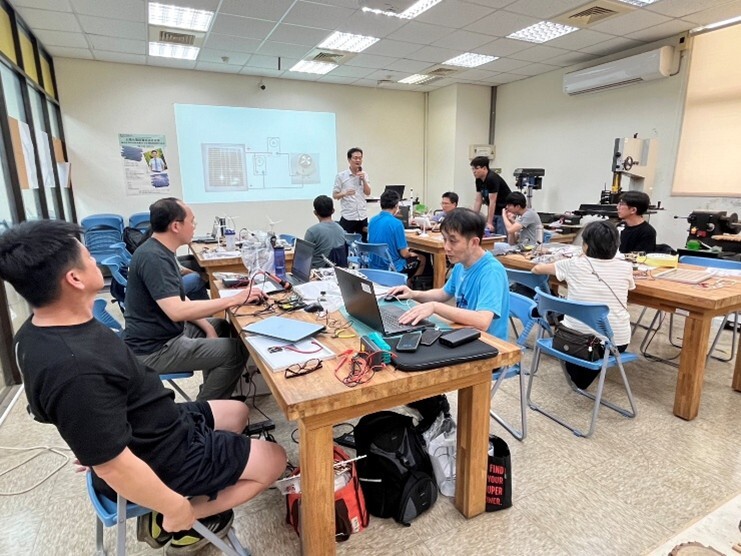
Green Energy Education: 10 teacher training workshops were conducted with a total of 142 participants. One set of special education teaching materials and tools and 2 sets of general student green energy teaching materials were developed, and 40 seed teachers were trained.
Green Energy Technology: Completed 8 project productions.
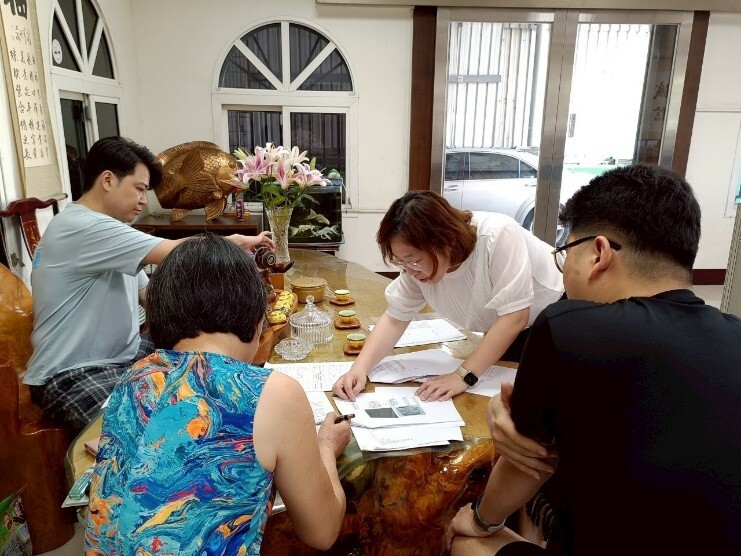
Green Economy: Conducted 4 energy and carbon footprint training courses, with a total of 59 individuals obtaining relevant certifications. Among them, 59 were from partnering enterprises and 8 were students, continuously advancing the goals of sustainable talent cultivation and low-carbon transformation through industry-academia collaboration.
Figure 13. Green Energy Education – Seed Teacher Training
Figure 14. Course Explanation for Carbon Footprint Verification
Ecology
Department of Fine Arts
University Distinctive Project Application for Phase IV (2025-2027) - University Social Responsibility (USR) Project: "Ecological Healing and Green Sustainability": Changhua Ecological Art Project (Figures 15-23)
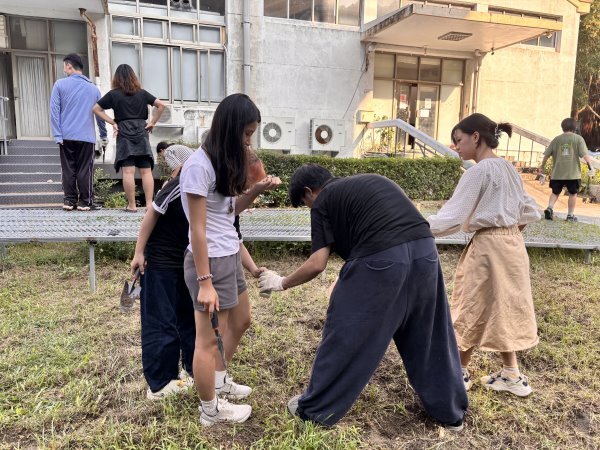
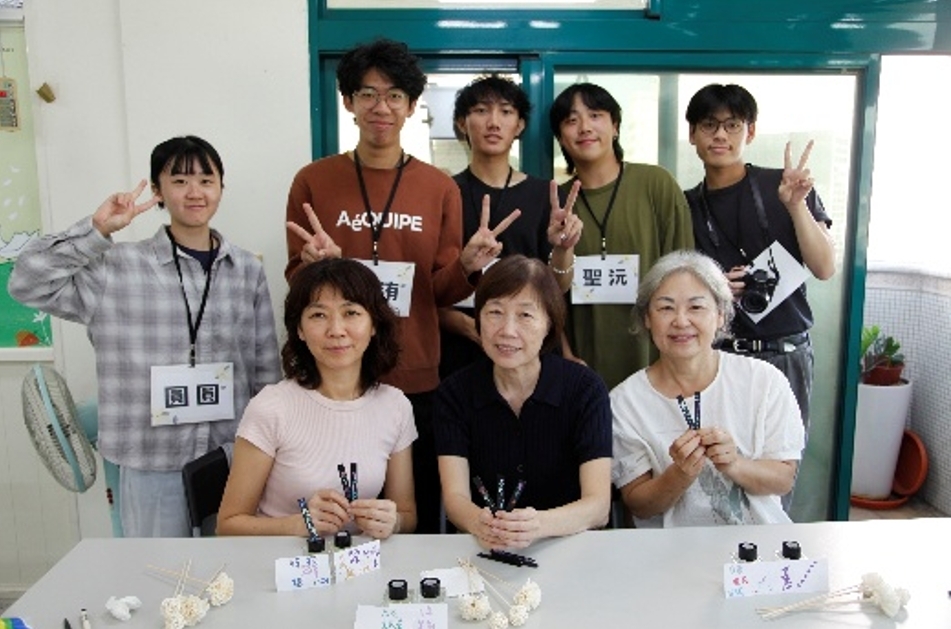
Established the "Art Therapy and Companionship" credit program, promoting courses such as "Art and Auxiliary Therapy" and "Horticultural Therapy Research" to cultivate 50 students' professional competencies and practice in the community, building a talent cultivation model that spans from coursework and training to field service. The program also continued to deepen course content in "Media Art," "Artificial Intelligence and Its Applications," "Curatorial Theory and Practice," and "Social and Cultural Media," covering topics such as audiovisual technology, ecological art, and land restoration, cultivating 342 students in cross-disciplinary learning and expanding their employment competitiveness. (Figures 15-16)
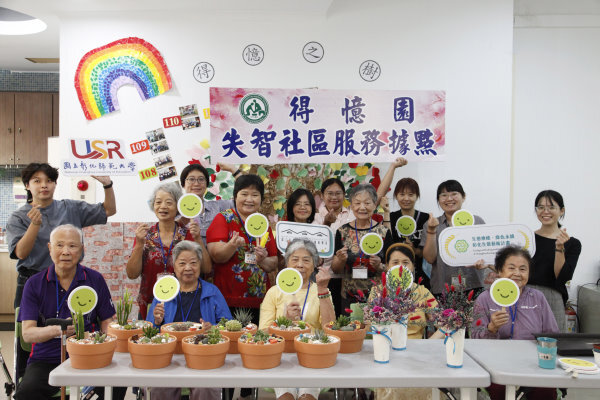
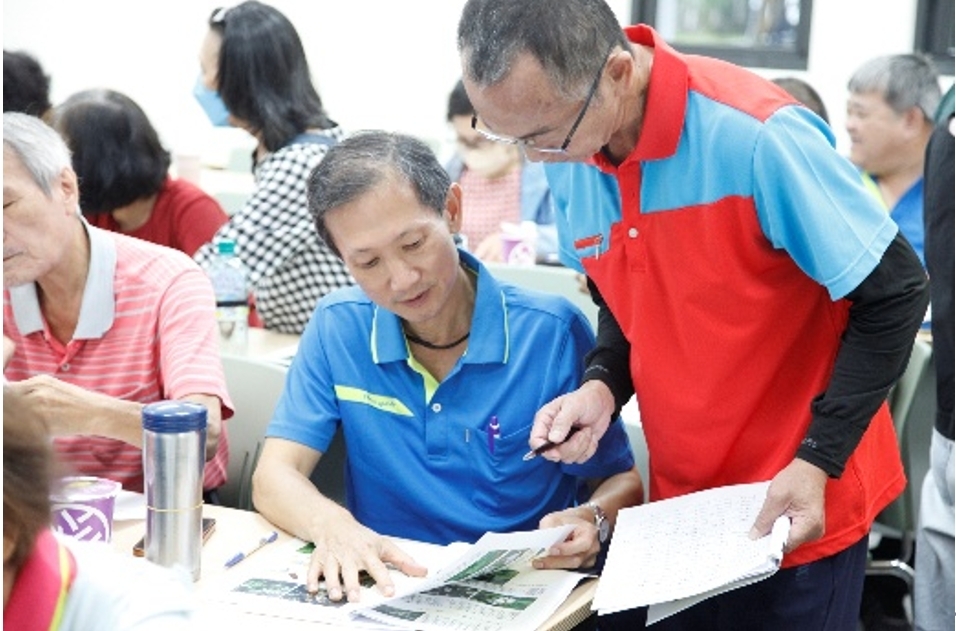
In collaboration with the Changhua Elderly Learning Center, held 14 horticultural therapy workshops, attracting 187 elderly participants and 94 elementary and university and college students. In partnership with Changhua Christian Hospital and its Dementia Center, organized 12 horticultural therapy workshops and health promotion activities, serving a total of 218 participants. Together with the Xiangshan Community Development Association in Changhua City, organized 9 sessions of the "Xiangshan Community Tour Guide Volunteer Training Series," training a cumulative total of 23 local volunteers. In collaboration with the Chung-Chang Honorable Citizens' Home, held 3 sessions of bird-watching and horticultural therapy workshops, with a cumulative total of 106 elderly participants. Additionally, 3 workshops were held at local sites including Huabei and Guangfu communities and the Yongfu Church community, enhancing the accessibility of health promotion and social support services for local communities. (Figures 17-19)
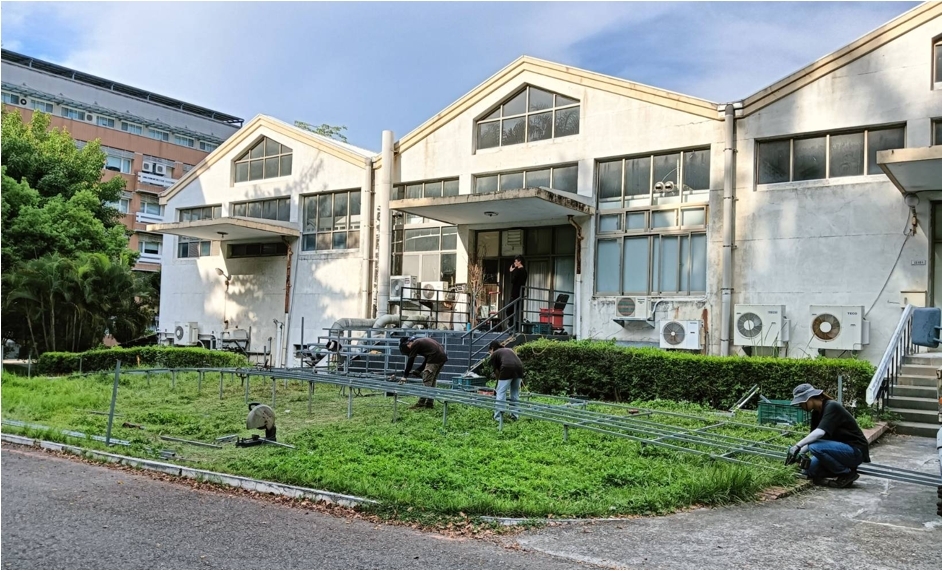
In partnership with Providence University, Tainan National University of the Arts, Changhua Arts High School, and administrative units within NCUE, organized 6 capacity-building activities for faculty and students both on and off campus, including horticultural therapy, ecological performances, and ecological garden construction, reaching 253 participants and enhancing ecological education and outreach capabilities among faculty and students both on and off campus. (Figures 20-21)
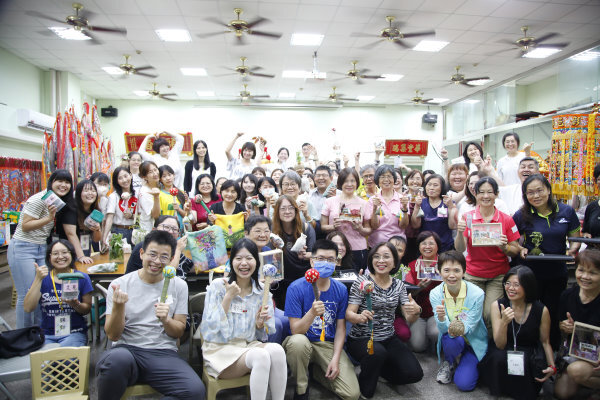
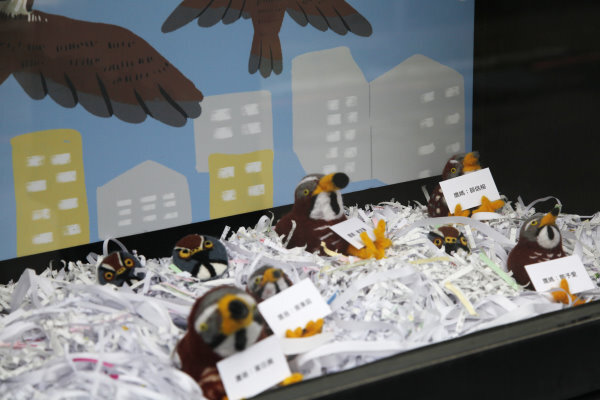
Organized ecological art exhibitions, including the "Travel Guide for the Grey-faced Buzzard – Encounters of the Four Seasons" NCUE × Providence University Cross-Institutional Exchange Exhibition, "Tomorrow's Realm: Ecological Imagination of Symbiosis and Regeneration," and "Ideal Habitat – 2025 Grassland Art Season," as well as participating in the "USR EXPO Joint Exhibition," reaching over 3,258 visitors. (Figure 22)
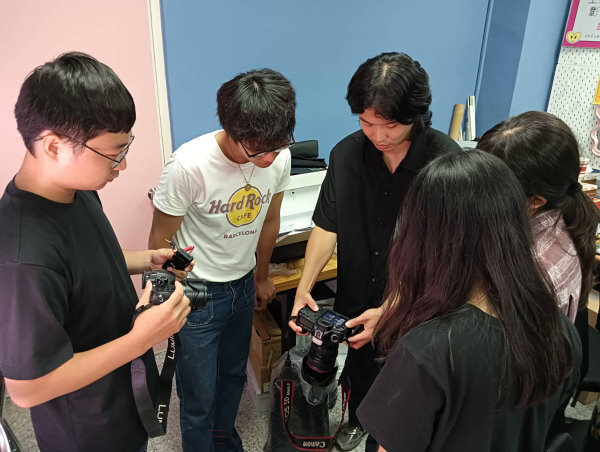
Cultivated 25 seed teaching assistants; the 10-member audiovisual production team created 35 thematic documentaries, accumulating professional expertise and employment competitiveness, forming a virtuous cycle connecting curriculum, community, and career development. (Figure 23)
Figure 15. Students Enrolled in "Horticultural Therapy Research" Applying Course Knowledge to Service-Learning Teaching in the Local Community
Figure 16. "Social and Cultural Media" Course – Students Learning about Ecological Restoration and Experiencing Soil Tilling and Seed Sowing
Figure 17. Seniors and Young Students at the Elderly Learning Center Learning Together
Figure 18. Seniors from Changhua Christian Hospital's Dementia Center Taking a Group Photo after Completing the Horticultural Therapy Workshop
Figure 19. Local Volunteers from Xiangshan Community Studying Ecological Tour Guide Assessment Materials
Figure 20. In Collaboration with the Graduate Institute of Architecture and Art, Tainan National University of the Arts – Combining Architectural Practice and Ecological Aesthetics through the Design and Construction of the "Ecological Garden"
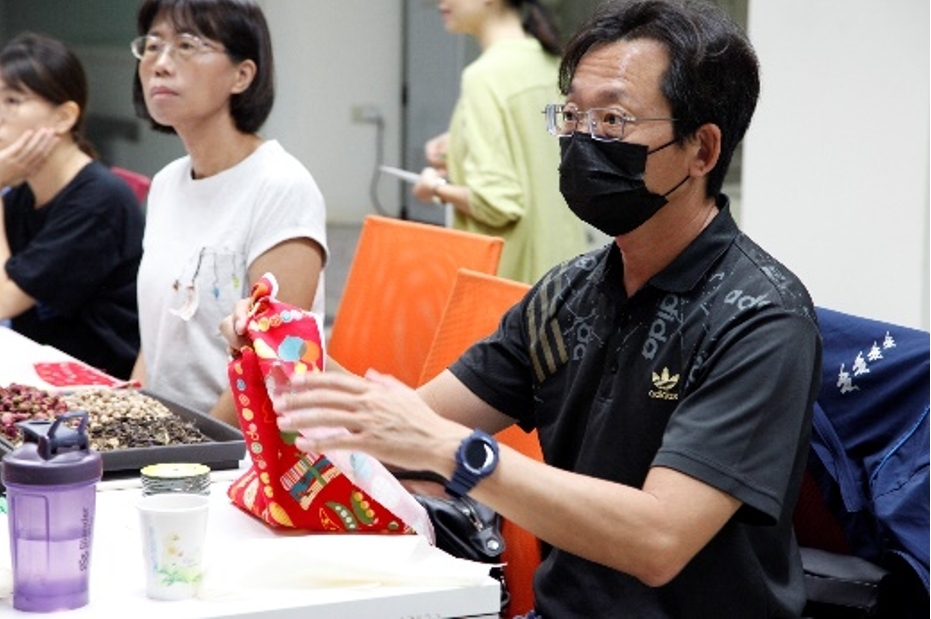
Figure 21. Local Elementary and Secondary School Teachers Participating in a Teacher Community Activity on Horticultural Therapy
Figure 22. In Partnership with Providence University, "Travel Guide for the Grey-faced Buzzard – Encounters of the Four Seasons" Exhibition Featuring Felted Wool Artworks Created by Both Universities on the Theme of the Grey-faced Buzzard
Figure 23. Project Co-Principal Investigator Professor Hao-Ning Chang Leading the Audiovisual Production Team in an Audiovisual Training Workshop