SDG 5.3.4
SDG 5.3.4 Women’s application in underrepresented subjects
1. Gender Studies Awards and Scholarships of the Department of Guidance and Counseling
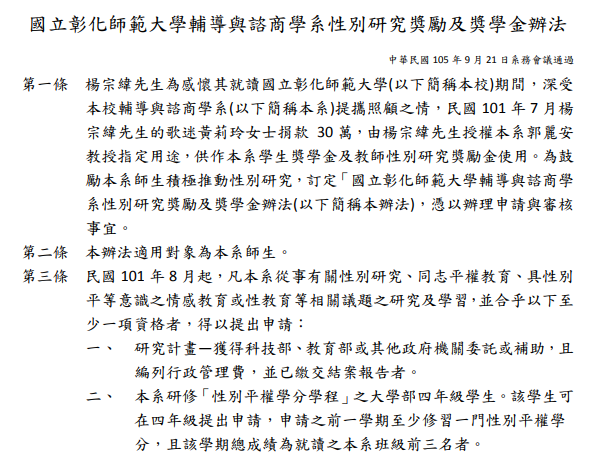
1. NCUE has established the Regulations for the Gender Studies Awards and Scholarships of the Department of Guidance and Counseling, National Changhua University of Education. This award goes to someone in this department who engages in research on related topics such as gender research, gay equality education, emotional education with gender equality awareness, or sex education. Entrusted or subsidized by the Ministry of Science and Technology, the Ministry of Education or other government agencies, , each case will receive a subsidy of NT$30,000 after the administrative fees have been included and after the case closure report has been paid. In addition, scholarships are set up for students with minority genders to apply, and scholarships for gender equality credits are provided. The first place is awarded NT$10,000, NT$8,000 for the second place, and NT$5,000 for the third place. Please refer to the website:
As shown in Figure 1.
2. Guidelines for Promoting Gender Equality Education Awards
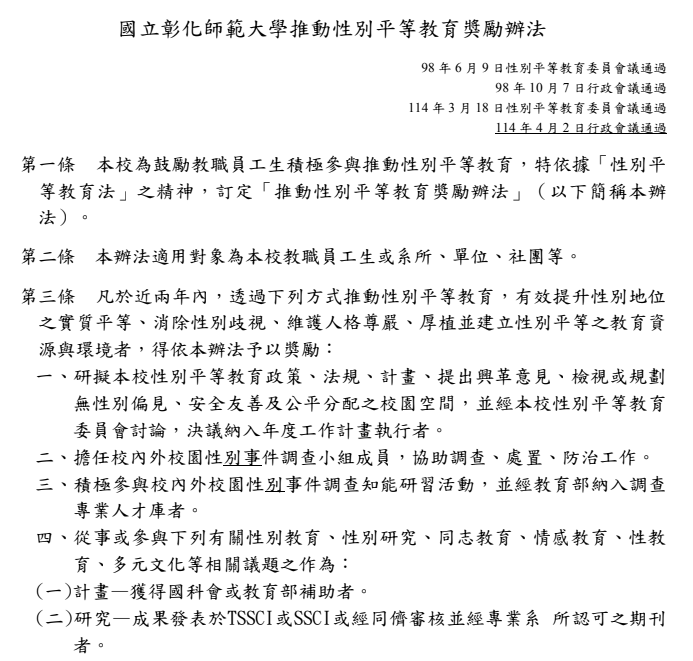
2. NCUE encourages the establishment of gender equality education courses by expressly stipulating Article 3 of the Guidelines for Promoting Gender Equality Education Awards. Those who promote gender equality education through the following methods in the previous two years to enhance the substantive equality of gender status, eliminate gender discrimination, safeguard human dignity, and cultivate and establish educational resources and environments for gender equality may be rewarded in accordance with these measures: Engage in or participate in the following activities related to gender education, gender research, gay education, emotional education, sex education, multiculturalism, and other related topics: (I) Projects—those who have received subsidies from the National Science Council or the Ministry of Education. (II) Research—Achievements published in TSSCI, SSCI or journals reviewed by peers and recognized by professional departments. (III) Teaching—Teaching appraisal has an average score of 4.25 or better. (IV) Research and development of teaching materials—officially published. Please refer to the school’s incentives for promoting gender equality education:
As shown in Figure 2
3. Innovative Measures in Community Gender Equality and Talent Pool
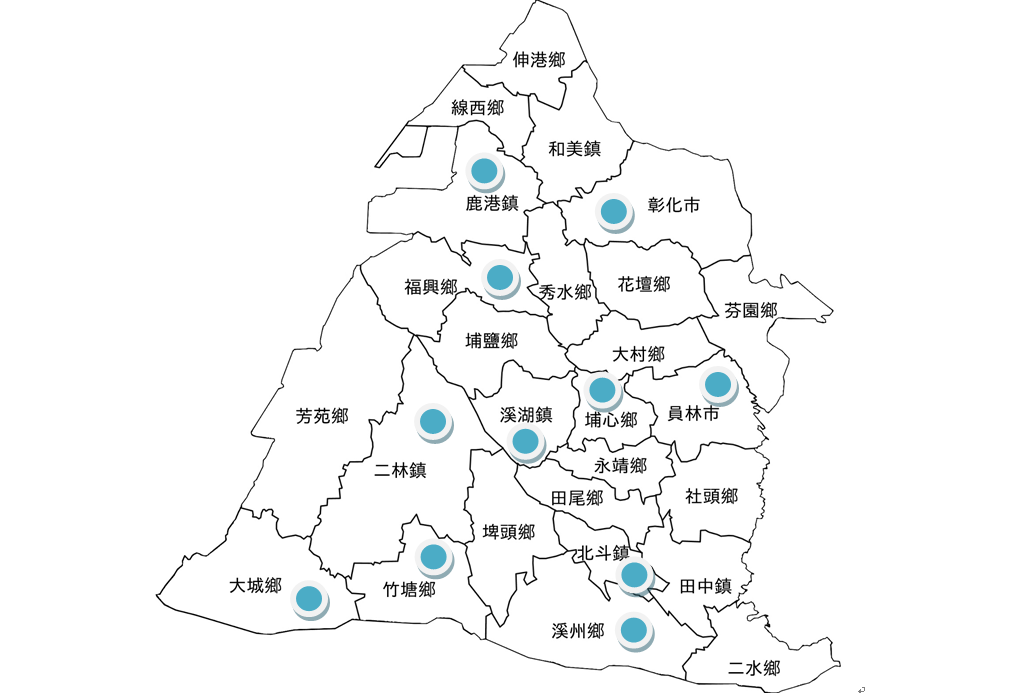
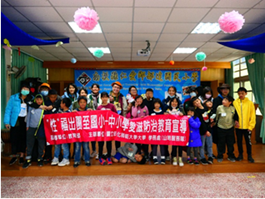
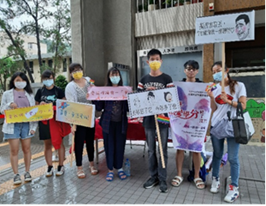
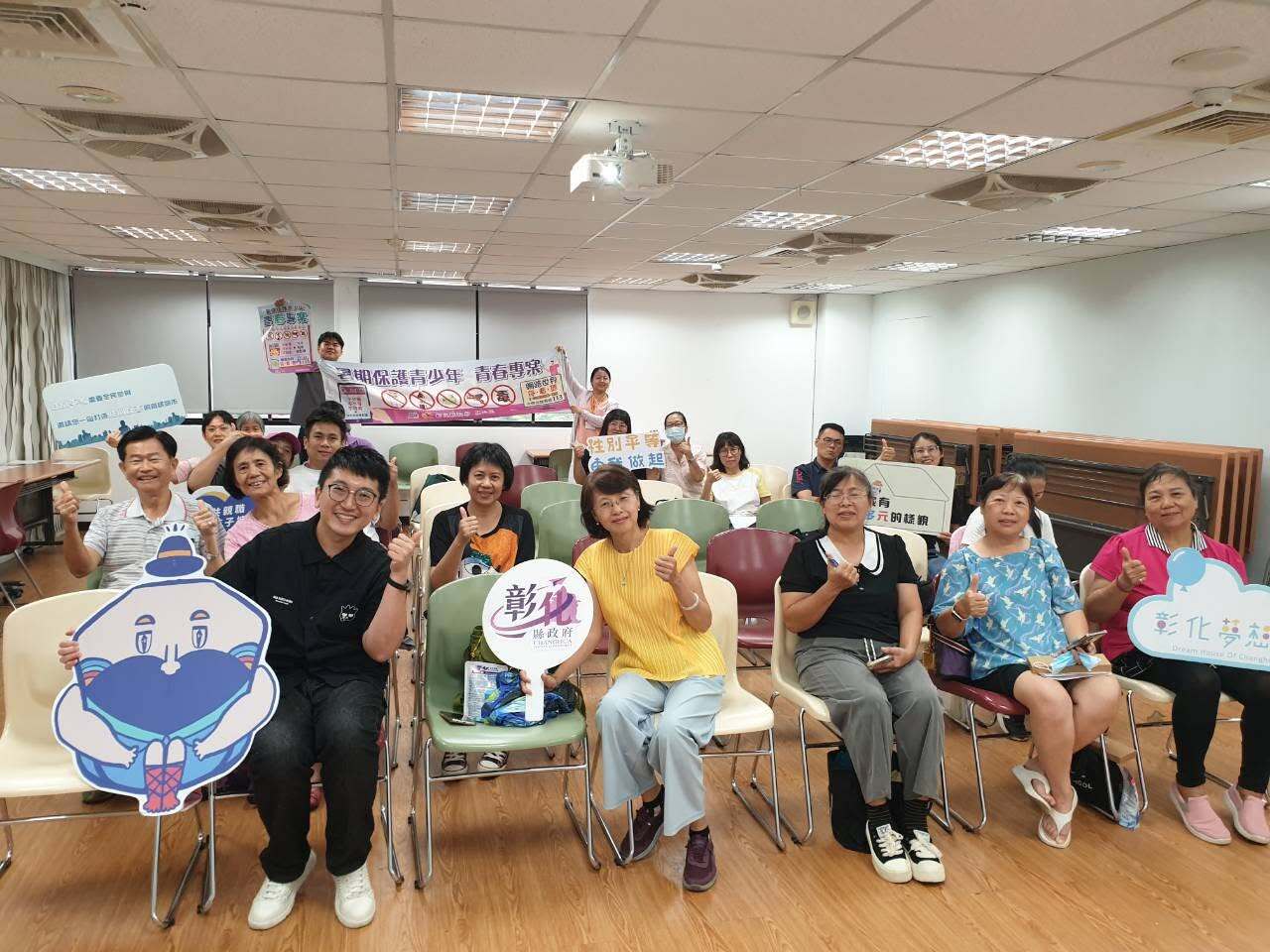
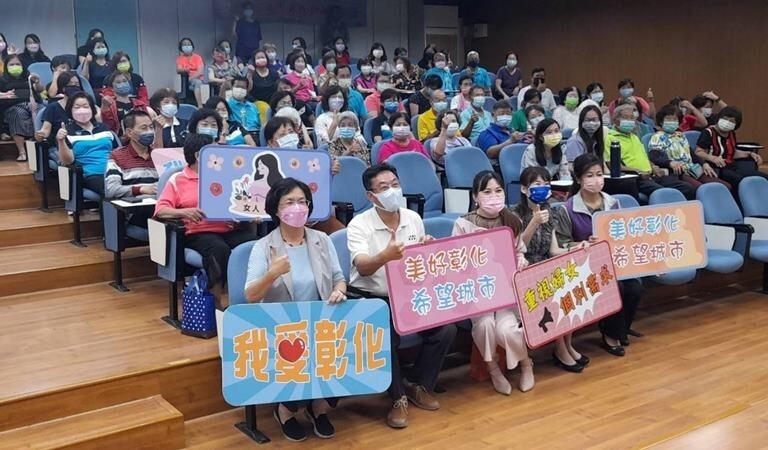
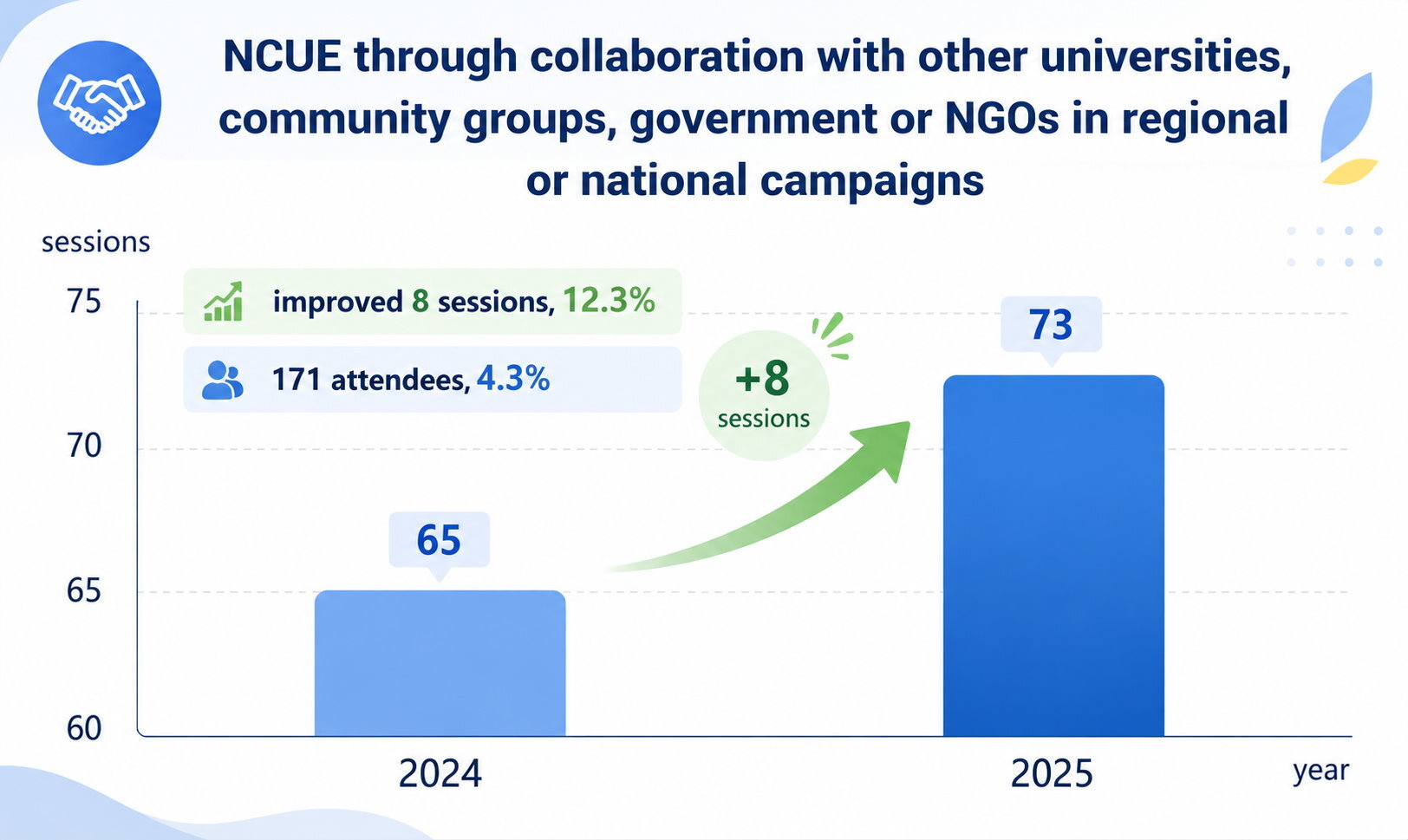
3. In addition, we have incorporated school and local characteristics in developing innovative measures to promote gender equality policies and participation in community gender equality education. We assist neighboring local governments or schools up to junior high school to promote gender equality. 9 people in NCUE are included in the Changhua County Government’s Gender Talent Pool, an increase of 1 person (11.1%) compared to 2024. In 2025, the school’s Talent Pool personnel, National Changhua University of Education Community Counseling & Human Development Service Center, and the service clubs of the Rural Service Team and the Mountain Service Team, all assisted neighboring local governments or schools up to junior high school to promote gender equality by holding 73 sessions, an increase of 8 sessions (12.3%) from 65 in 2024. The total number of attendees was 4,123, indicating an increase of 171 (4.3%) from 3,952 in 2024. See Figure 3 and 4 for reference.
4. Gender Mainstreaming Resource Center & Seed Teacher Training
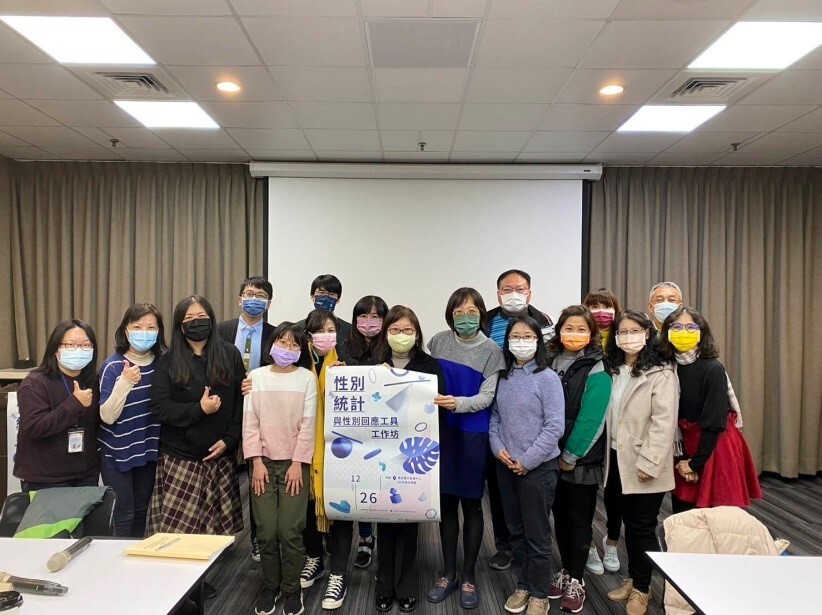
4. In 2025, NCUE participate in the Ministry of Education's project for the fifth consecutive year, entrusted to National Taiwan University, to establish a "Gender Mainstreaming Resource Center" at colleges and universities. As a partner institution, we collaborated with 12 other colleges and universities, including National Taiwan University and Chung Shan Medical University, to pilot the promotion of gender mainstreaming on our respective campuses. The pilot institutions conducts gender statistics, gender analysis, gender budgeting, gender training, and gender mainstreaming processes to gather the experiences as reference for the Ministry of Education to set up gender mainstreaming resource centers in universities and colleges in the future. NCUE’s Directors are also actively involved in the gender training program and are committed to working with authorities and other universities to promote gender mainstreaming and the Convention on the Elimination of All Forms of Discrimination against Women (CEDAW).
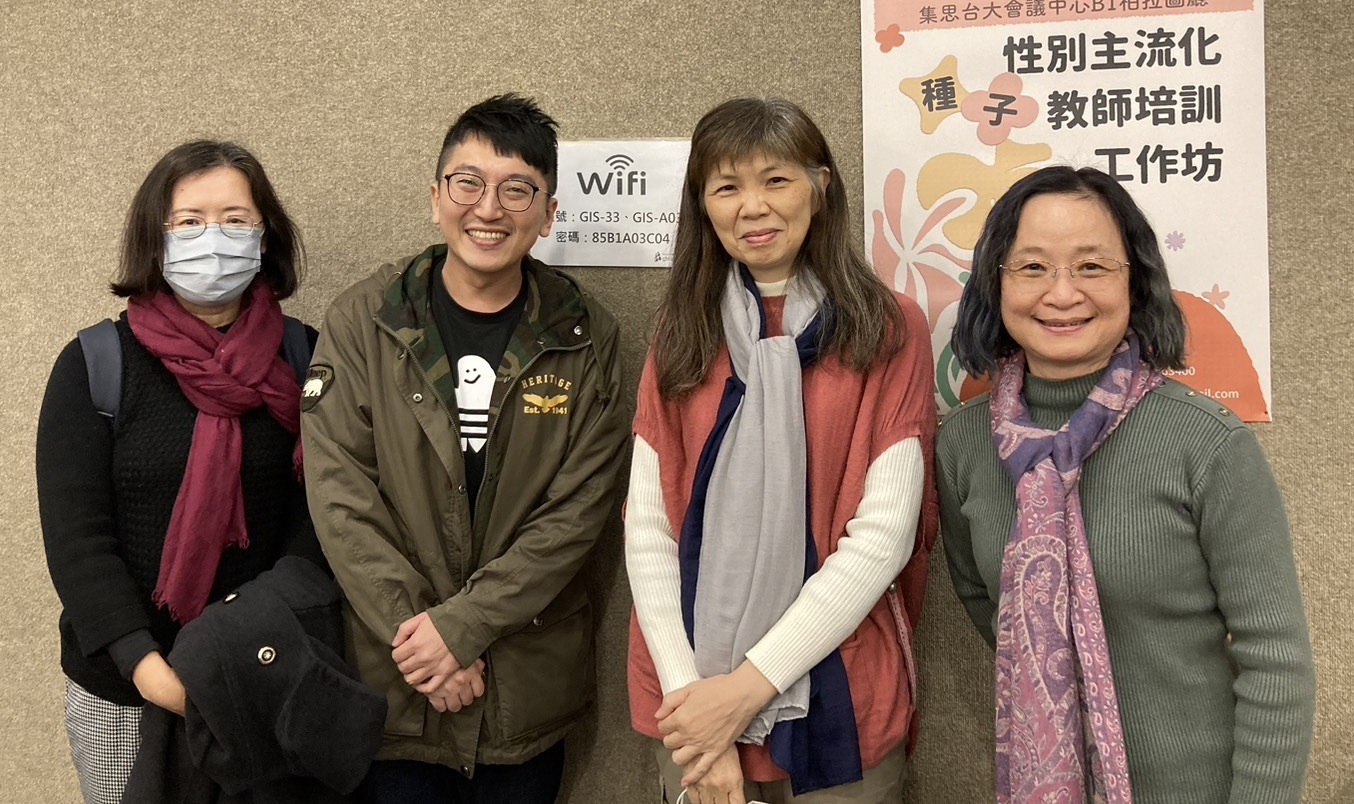
Additionally, three female faculty members from our university were recommended and specially trained to represent the school in the "Gender Mainstreaming Seed Teacher Training Workshop": Professor Mei-Chun Lin from the Department of Public Affairs and Civic Education, Professor Mei-Hua Chen from the Graduate Institute of Sports and Health, and Professor Shu-Jung Chen from the Department of Electromechanical Engineering. The aim is to integrate gender mainstreaming into the curriculum and encourage women to apply for underrepresented fields such as politics, sports, and electromechanical engineering. See Figure 5 and 6 for reference.
5. National Science and Technology Council (NSTC) Gender Equity Projects
5. In 2025, NCUE’s faculty members were involved in twelve gender equity-related projects of the National Science and Technology Council (NSTC) and other entities. It’s an increase of 2 cases (33.33%) compared to 2024. These projects included: Professor Chih-Hui Lin from the Department of Special Education: "Empowerment Program on Emotional Education and Self-Protection Issues for Young Women with Mild Intellectual Disabilities — Development of a Digital Autonomous Learning Course." Professor Shu-Chu Chao from the Department of Guidance and Counseling: "Research Project on Gender Equality Education Curriculum Development and Promotion Strategies — Visibility, Learning, and Action on Diverse Gender Issues in University Campuses", Professor Shu-Chu Chao from the Department of Guidance and Counseling and Professor Heng-Chang Chi from the Department of Geography: "Commissioned Project on Consensus Workshops for Integrating Gender Equality Education into University Teacher Training Programs", Professor Chin-Yen Chen and Assistant Professor Shu-Hua Lin from the Department of Guidance and Counseling: "Curriculum Revision for the Prevention of Sexual Assault, Harassment, or Bullying on Campus, and the Training Program for Prevention Education Professionals in Higher Education Institutions". These projects represent comprehensive and interdisciplinary academic collaborations with other universities, government agencies, or academic institutions.
6. Gender and Climate Change Initiatives
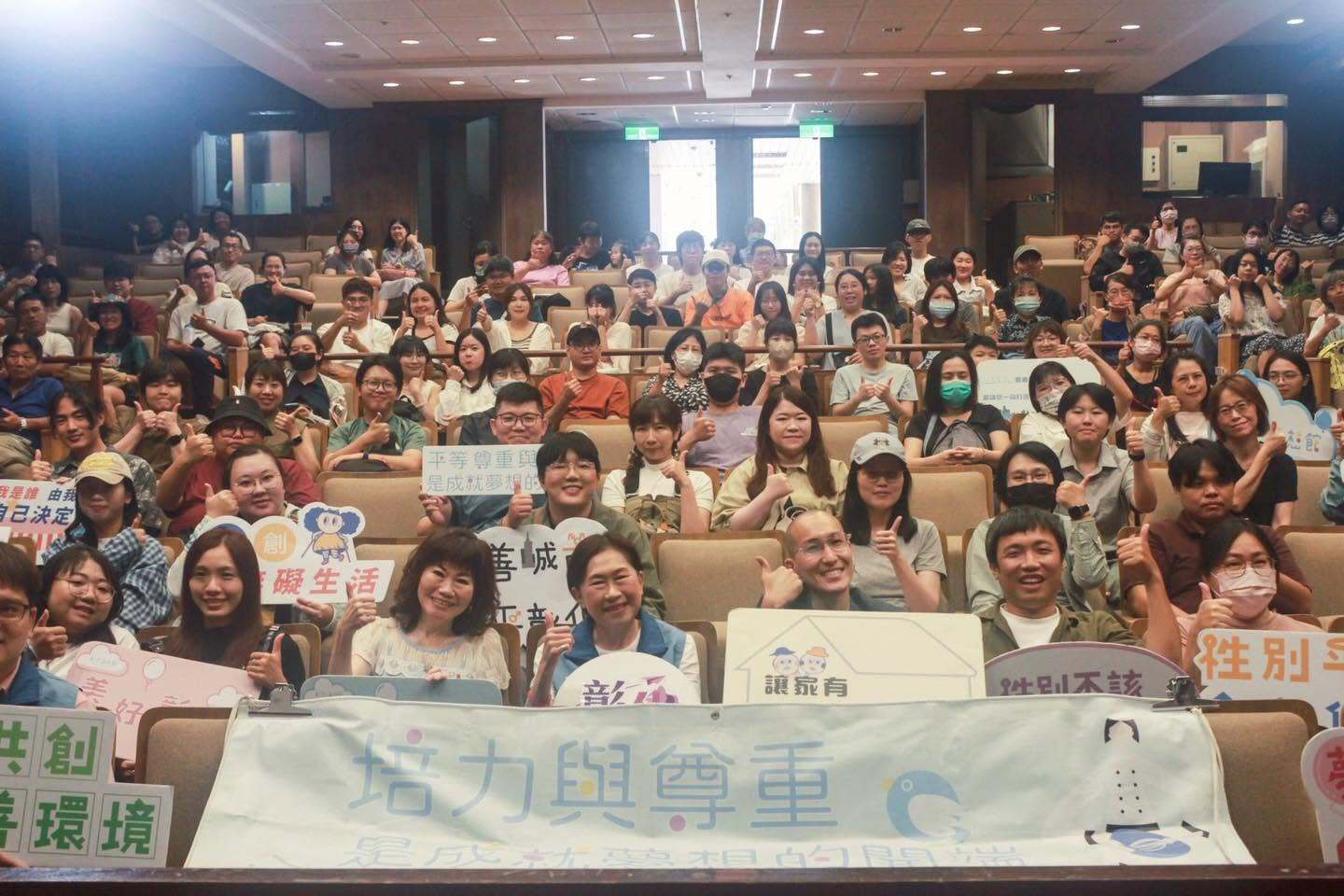
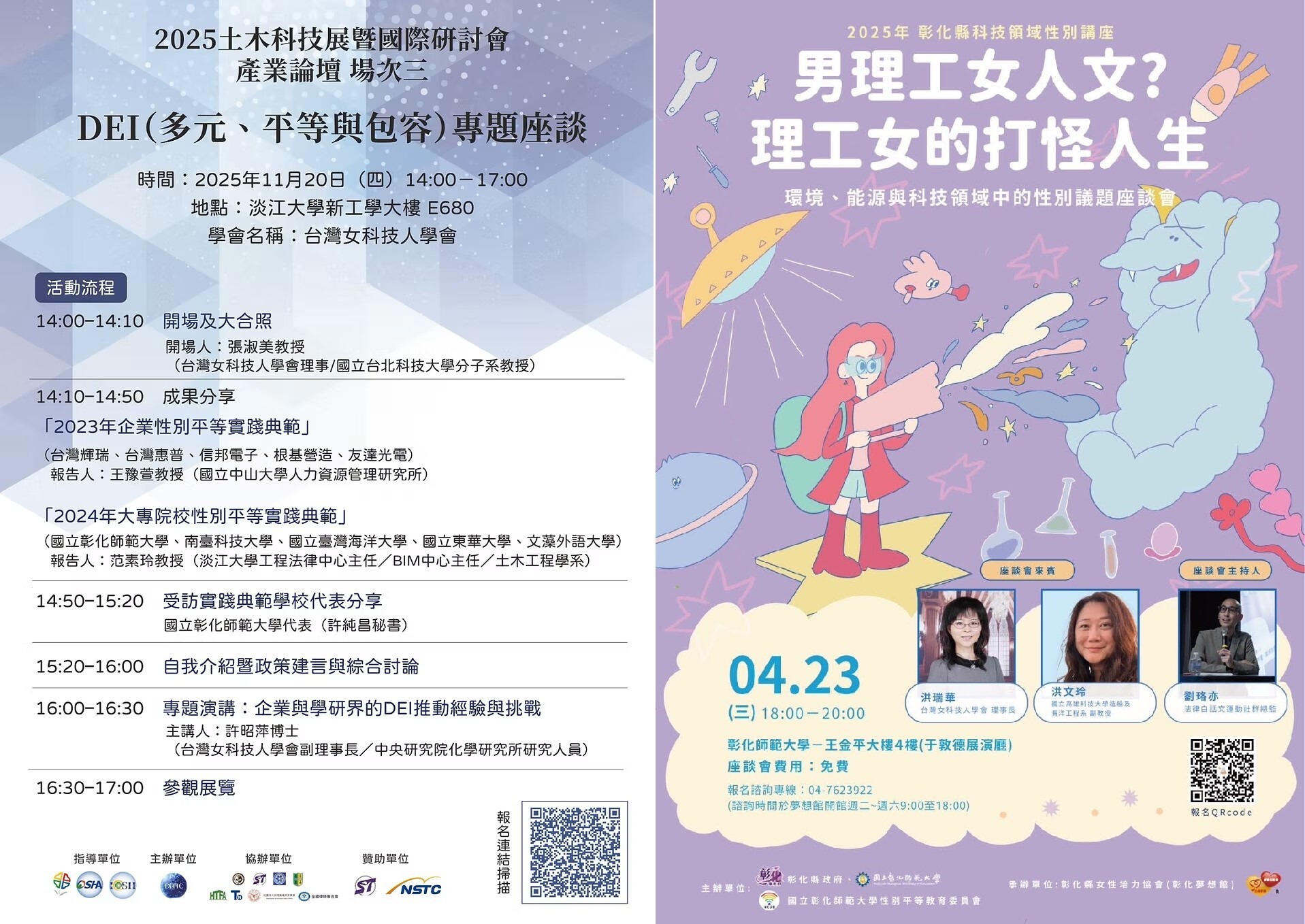
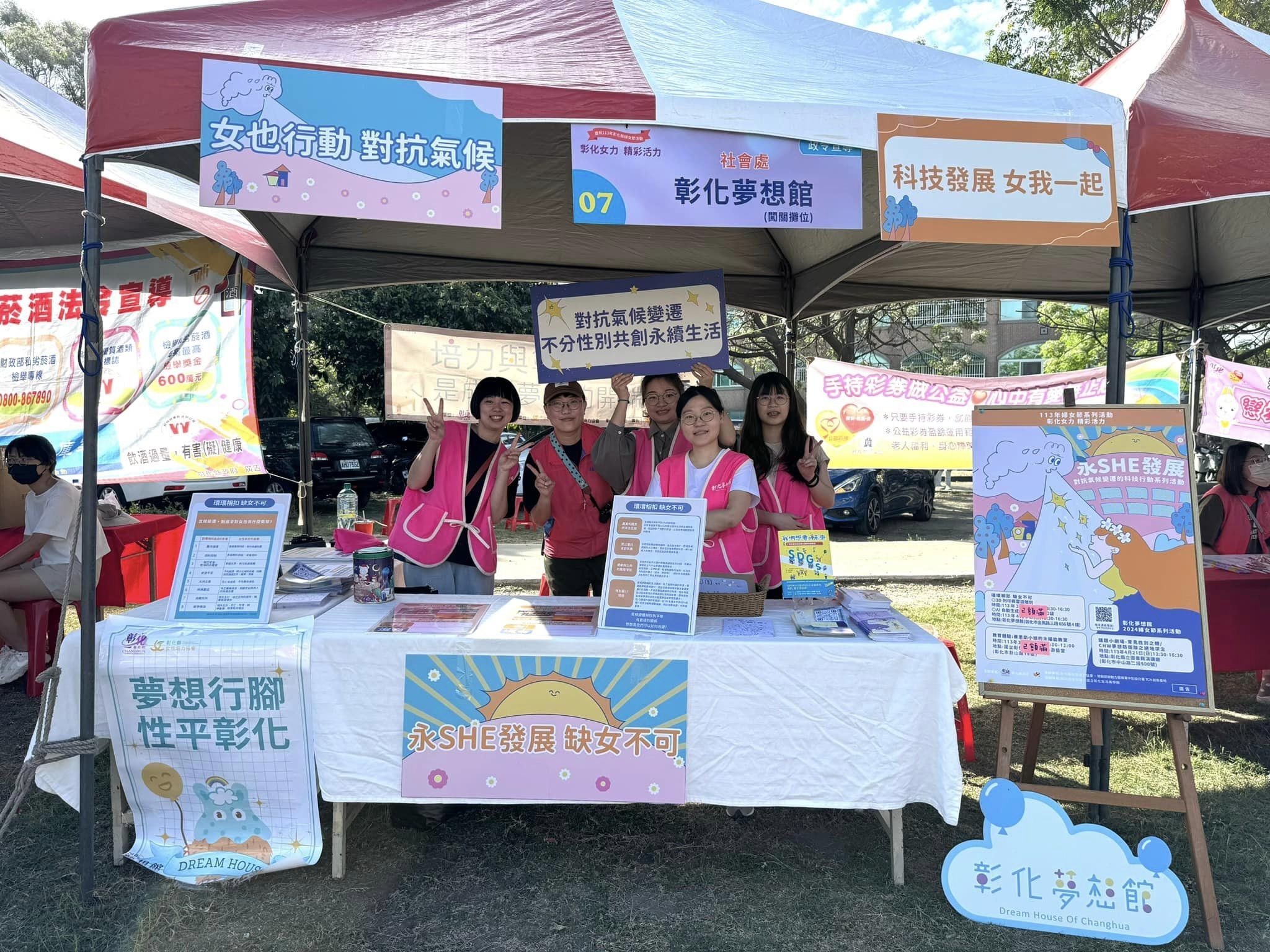
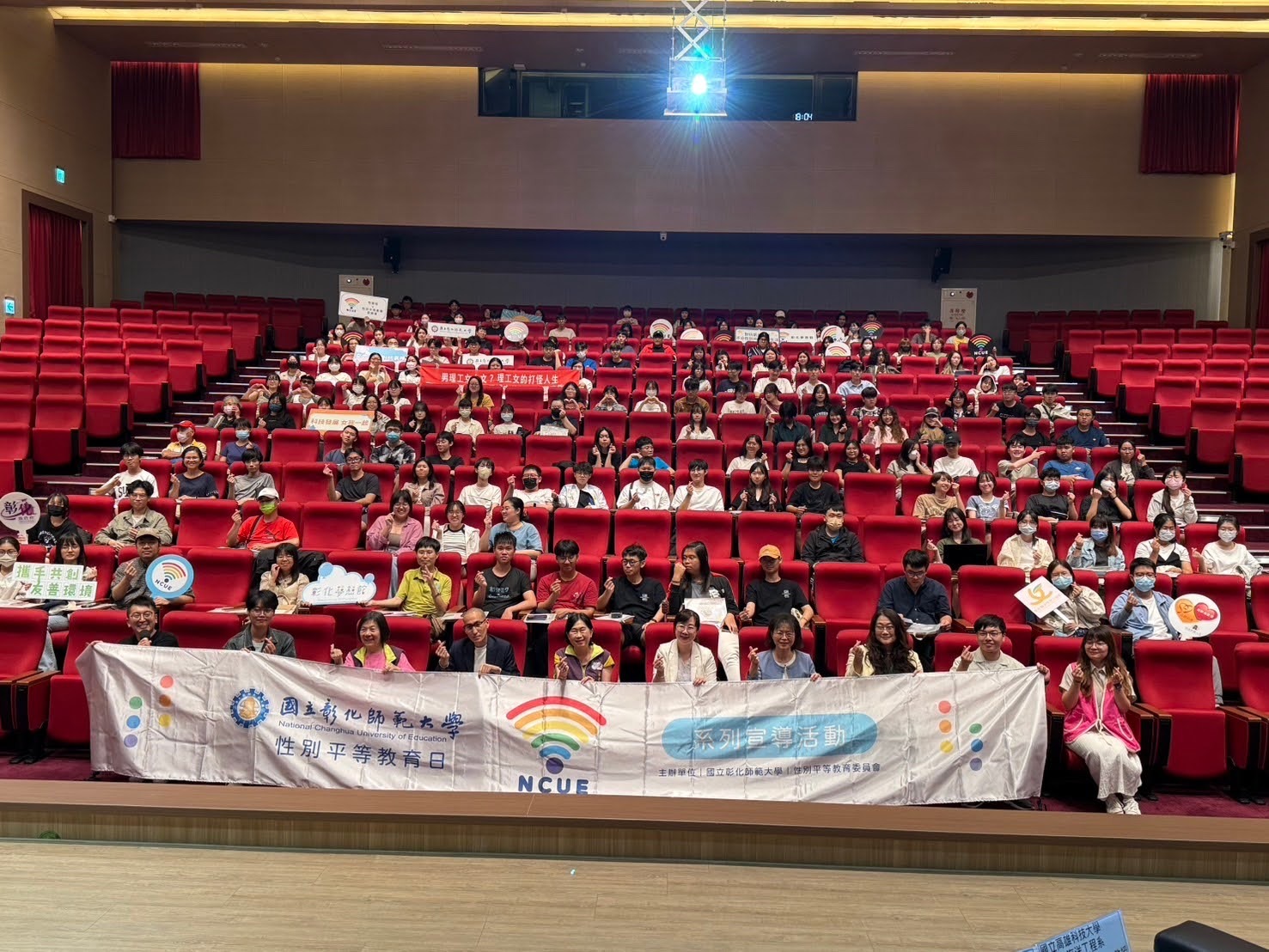
6. In 2025, NCUE collaborated with the Changhua County Government and Changhua Dream House to organize a series of activities on "Gender and Climate Change." Through theatrical performances, markets, and booths, the event promoted concepts such as "Tech Development: Women Together," "Women in Action: Fighting Climate Change," and "Sustainable SHE Development: Women are Essential." These initiatives aimed to increase the visibility of women in underrepresented fields (such as technology, climate, and disaster management) and to inspire participation of female students from related disciplines at our university, including the College of Science, Department of Biology, Graduate Institute of Science Education, and Department of Geography. See Figure 7 and 8 for reference.
7. Central Taiwan Regional Center for Gender Equity Education
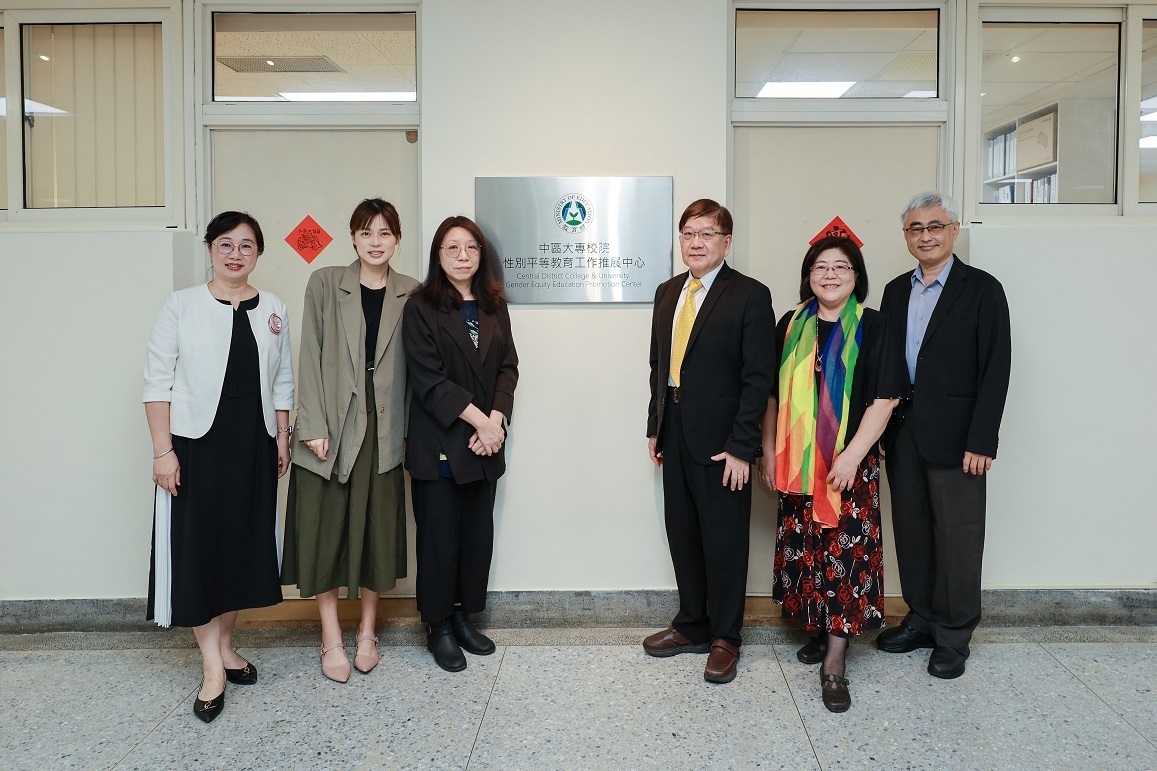
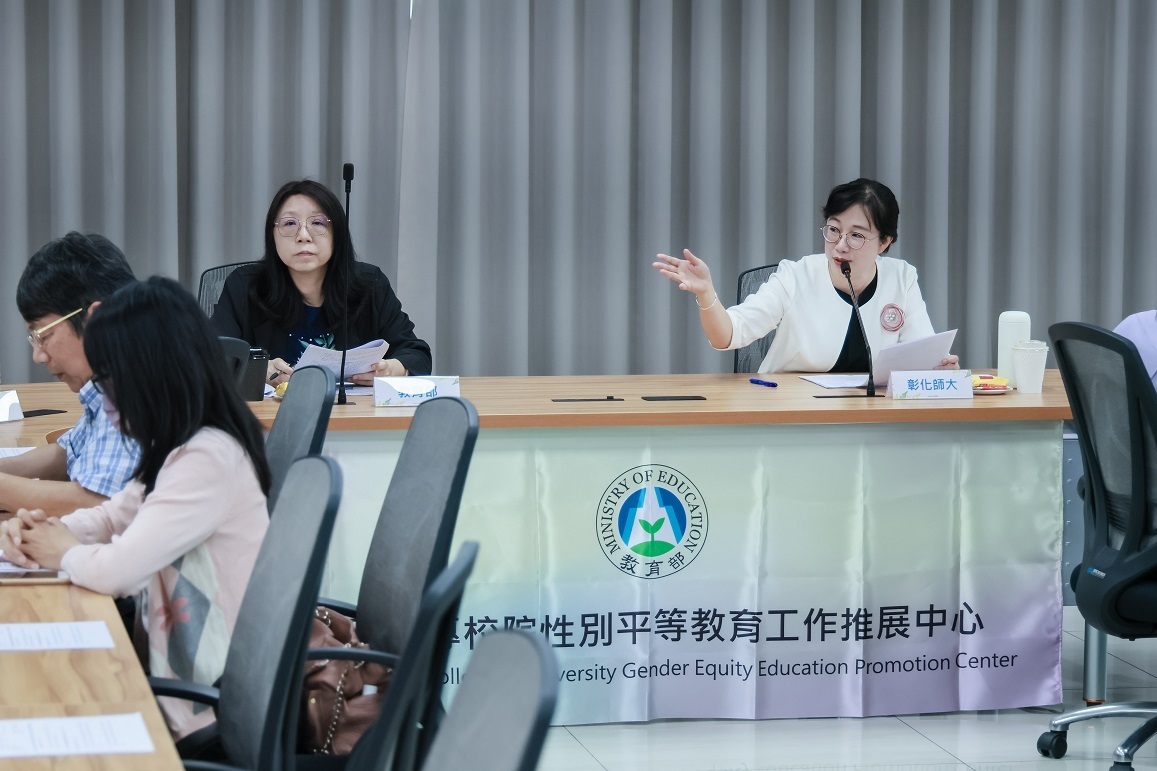
7. Due to the NCUE’s outstanding achievements, experiences, and resources in promoting gender equality, the Ministry of Education entrusted NCUE to establish the Central Taiwan Regional Center for the Promotion of Gender Equity Education in Higher Education Institutions. The center assists universities and colleges in central Taiwan in advancing gender equity education, with the aim of strengthening the operation of gender equity education committees, raising awareness among related personnel, and enhancing cross-institutional resource integration through an effective regional organization, as shown in Figures 9 and 10.
Cooperation in Regional and National Campaigns
The cooperation between NCUE and other universities, community groups, and government or non-governmental organizations in regional or national campaigns is shown in Figures 11.