
|
|
|
|
|
|
|
|
|
|
|
|
|
|
|
|
|
SDG 17.2.1 Relationships with regional NGOs and government for SDG policy
1. Introduction
National Changhua University of Education (NCUE) is the only national university in Changhua County, comprising seven colleges. We are committed to advancing sustainable development in line with the United Nations Sustainable Development Goals (SDGs). By engaging in various collaborative initiatives, NCUE has established strong partnerships with government agencies and non-governmental organizations to implement sustainable development policies jointly. To drive these efforts, NCUE has adopted three core models for promoting sustainable development goals:
(1) Administrative Governance Level: By participating in key government policy programs, NCUE has aligned its strategies with national sustainable development policies, integrating SDG concepts into university governance and development planning. The following section will showcase 10 cases for illustration.
(2) Academic Research Level: Faculty members with expertise in various college fields led research projects that align with SDG to produce research of academic value and meet sustainable development needs. The following section will showcase 18 cases for illustration.
(3) Professional Consultation Level: Our faculty members utilize their professional knowledge to serve in committee positions within government or non-governmental organizations, assisting in the formulation and promotion of relevant sustainable development policies and providing concrete and feasible professional recommendations. The following section will showcase 15 cases for illustration.
(4) SDGs Target Correspondence Statistics: The 43 projects of sustainable development promoted by the three models above are all related to one or more SDG targets. Statistics show that the listed projects cover all 17 United Nations Sustainable Development Goals, with a total of 128 corresponding instances, fully demonstrating the comprehensive participation and contribution of NCUE in the field of sustainable development. To refer to detailed explanations of each project, see Table 1
Table 1. Correspondence between 43 SDG Projects and SDG Targets in 2024
|
United Nations Sustainable Development Goals |
Number of Corresponding Project Cases |
|
|
SDGs1 |
No Poverty |
4 |
|
SDGs2 |
Zero Hunger |
3 |
|
SDGs3 |
Good Health and Well-being |
7 |
|
SDGs4 |
Quality Education |
30 |
|
SDGs5 |
Gender Equality |
4 |
|
SDGs6 |
Clean Water and Sanitation |
3 |
|
SDGs7 |
Affordable and Clean Energy |
7 |
|
SDGs8 |
Decent Work and Economic Growth |
13 |
|
SDGs9 |
Industry, Innovation and Infrastructure |
8 |
|
SDGs10 |
Reduced Inequalities |
12 |
|
SDGs11 |
Sustainable Cities and Communities |
12 |
|
SDGs12 |
Responsible Consumption and Production |
3 |
|
SDGs13 |
Climate Action |
5 |
|
SDGs14 |
Life Below Water |
3 |
|
SDGs15 |
Life on Land |
3 |
|
SDGs16 |
Peace, Justice |
4 |
|
SDGs17 |
Partnerships for the Goals |
7 |
|
Total |
128 |
|
2. Participation in Key Government Policy Programs to Promote Goals of Sustainable Development Policy (10 Cases Listed)
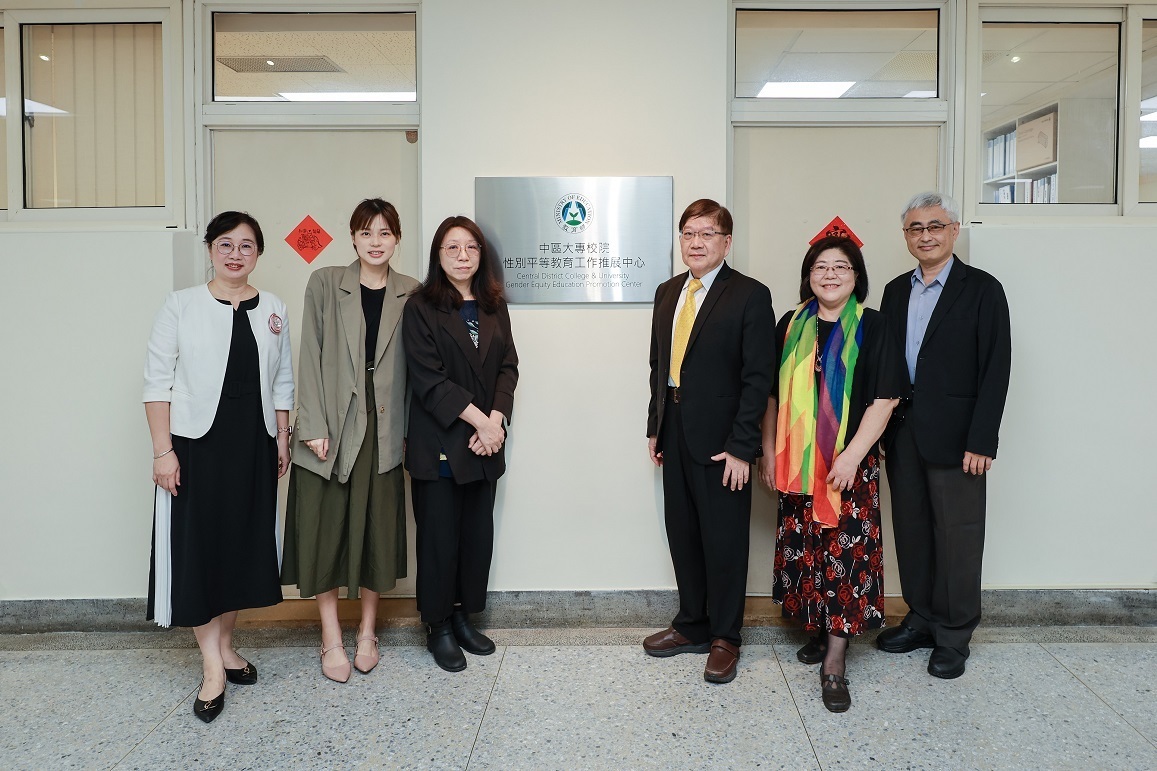
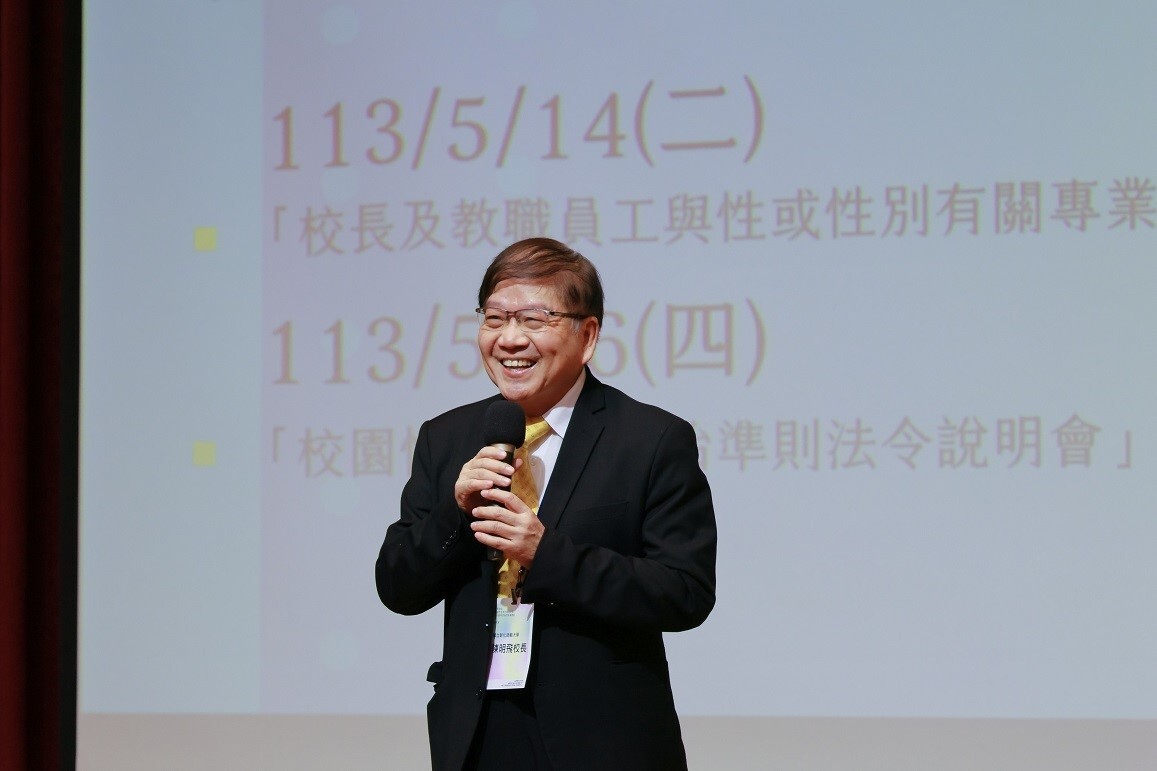
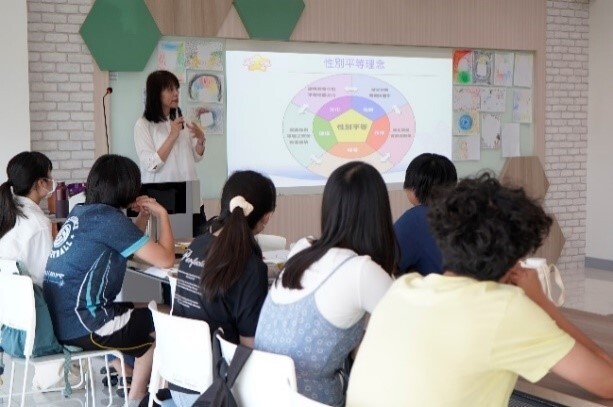
(1) Implementing the Ministry of Education's "Plan of Central District College & University Gender Equity Education Promotion Center" (2024): NCUE undertook the gender equality education-related affairs promoted by the Ministry of Education in central Taiwan. Through organizing "Executive Secretary Forums," "Processing Clerk Succession Meetings," "Capacity Building Activities - Practice Exchange and Discussion of Gender Equality Work," "Briefing on Regulations Governing Prevention of Gender-Related Incidents on Campuses," and "Briefing on Professional Ethics Standards Related to Sex or Gender for Presidents, Faculty, and Staff," NCUE worked to improve the operation of committees of gender equality education at universities and colleges in central Taiwan, to strengthen horizontal connections among schools, to enhance gender equality awareness among personnel, and to establish organizations of gender equality education with substantial effectiveness.
Central District College & University Gender Equity Education Promotion Center Website:
https://sites.google.com/gm.ncue.edu.tw/central-gendercenter
Campus Headlines: https://www.ncue.edu.tw/p/406-1000-26470,r93.php?Lang=zh-tw
|
|
|
|
Figure 1: Our university established the Central District College & University Gender Equity Education Promotion Center, commissioned by MOE, located on the second floor of the Baisha Building's west wing |
Figure 2: President Chen Ming-fei of |
SDGs Relevance: Quality Education, Gender Equality, Reduced Inequalities
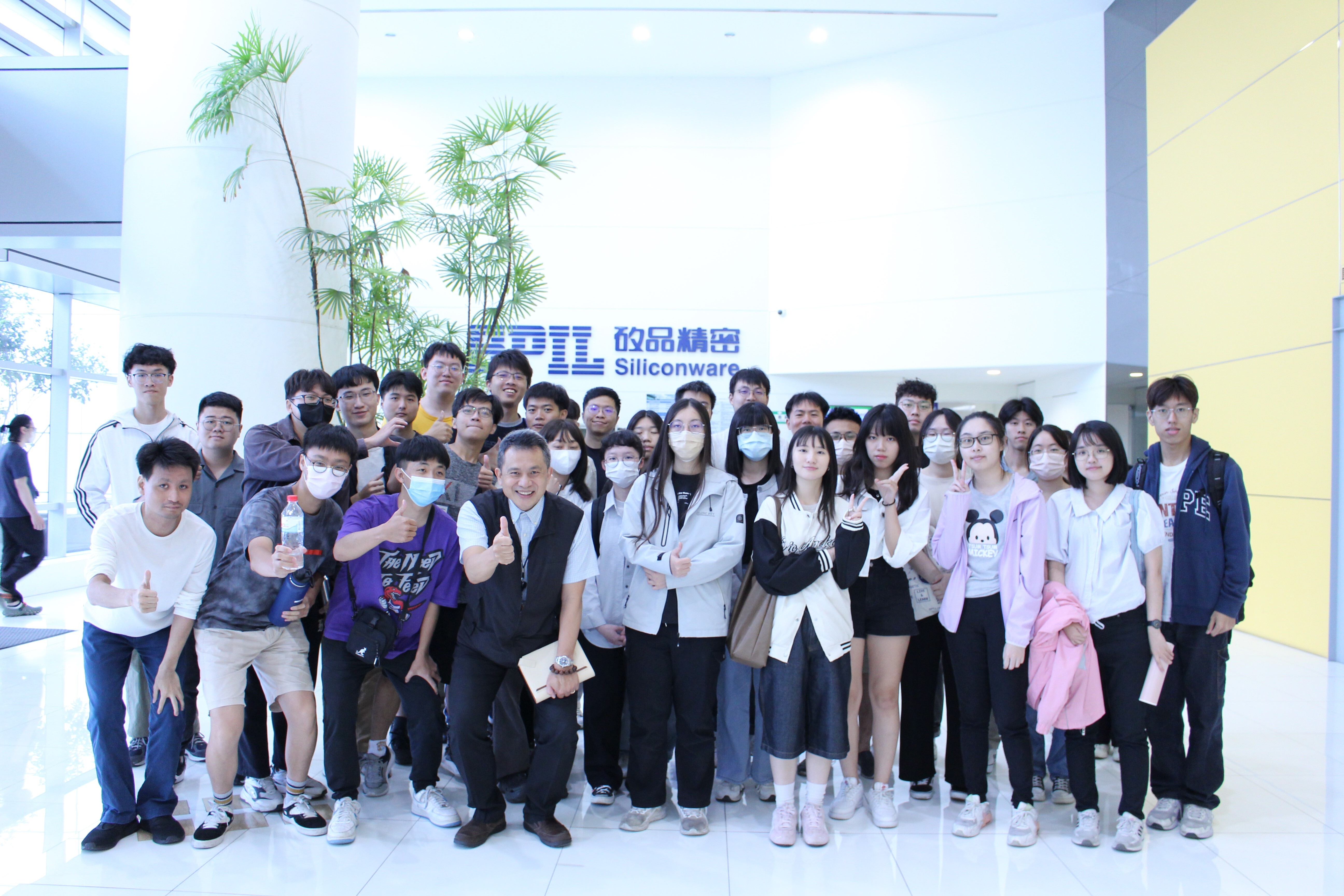
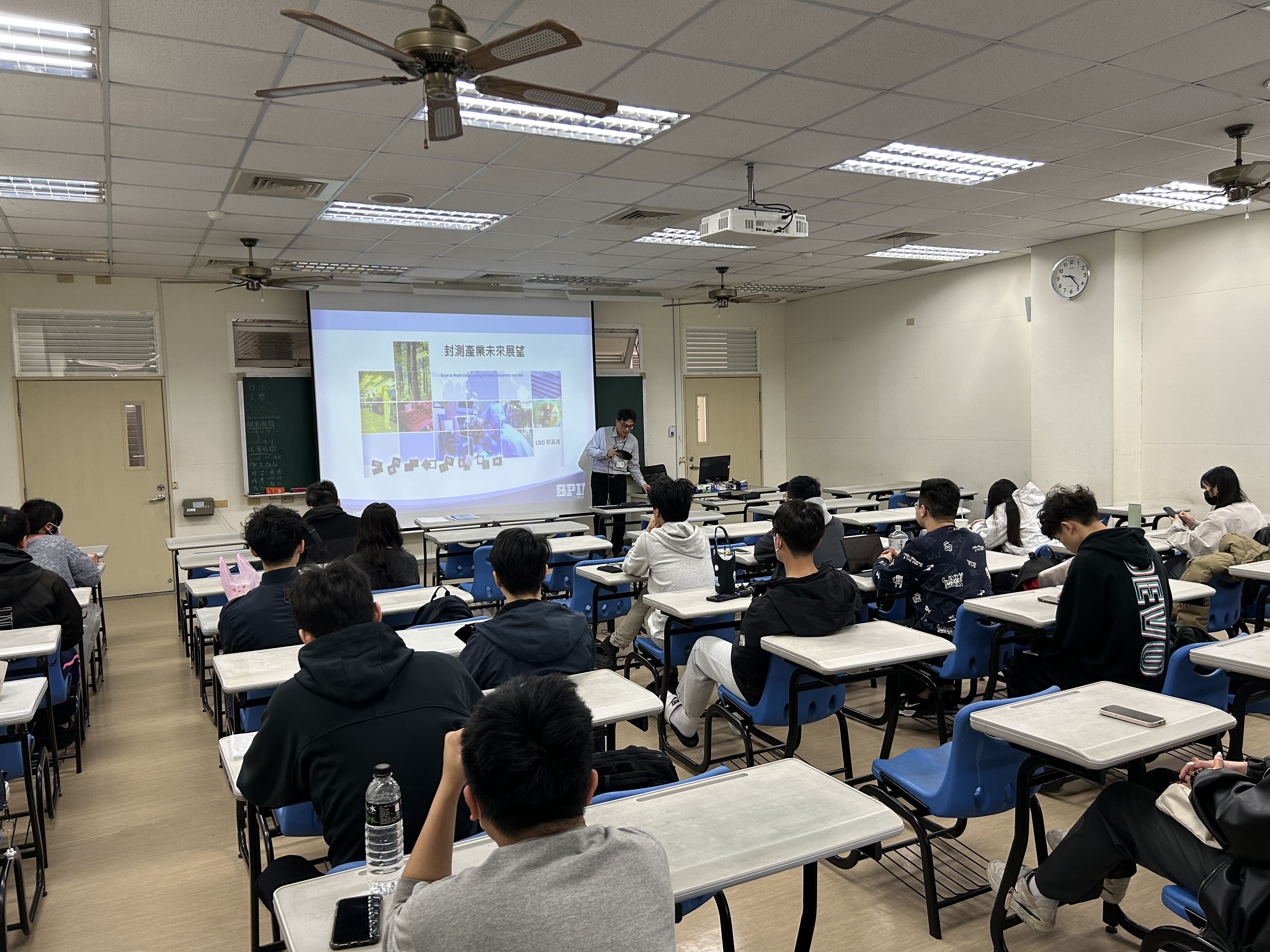
(2) Implementation of the Ministry of Education's "Industry-Academia Collaboration Program for Cultivating Practical Talent in the Semiconductor Industry at Colleges and Universities " (2024): NCUE by established a semiconductor talent cultivation program to align with the Executive Yuan's national development policies regarding the "Five Plus Two Industry Innovation Plan " and "Six Core Strategies". NCUE considered local companies and their characteristics when choosing collaborative enterprises, and we collaborated with Silicon ware Precision Industries to establish the Industry-Academia Collaboration Program for Cultivating Practical Talent in the Semiconductor Industry at Colleges and Universities. The company provided 30 job positions, including Customer Service CP Engineers, Process Engineers, and Manufacturing Supervisors, and assigned 14 senior high-level professionals to serve as industry mentors. These mentors collaborate with our faculty to teach semiconductor knowledge, skills, and corporate culture to program students, thereby cultivating their semiconductor competencies. Students who pass the course assessments can join the company after completing the program.
|
|
|
|
Figure 3: Visit Silicon ware Precision Industries |
Figure 4: Talent training program class in session |
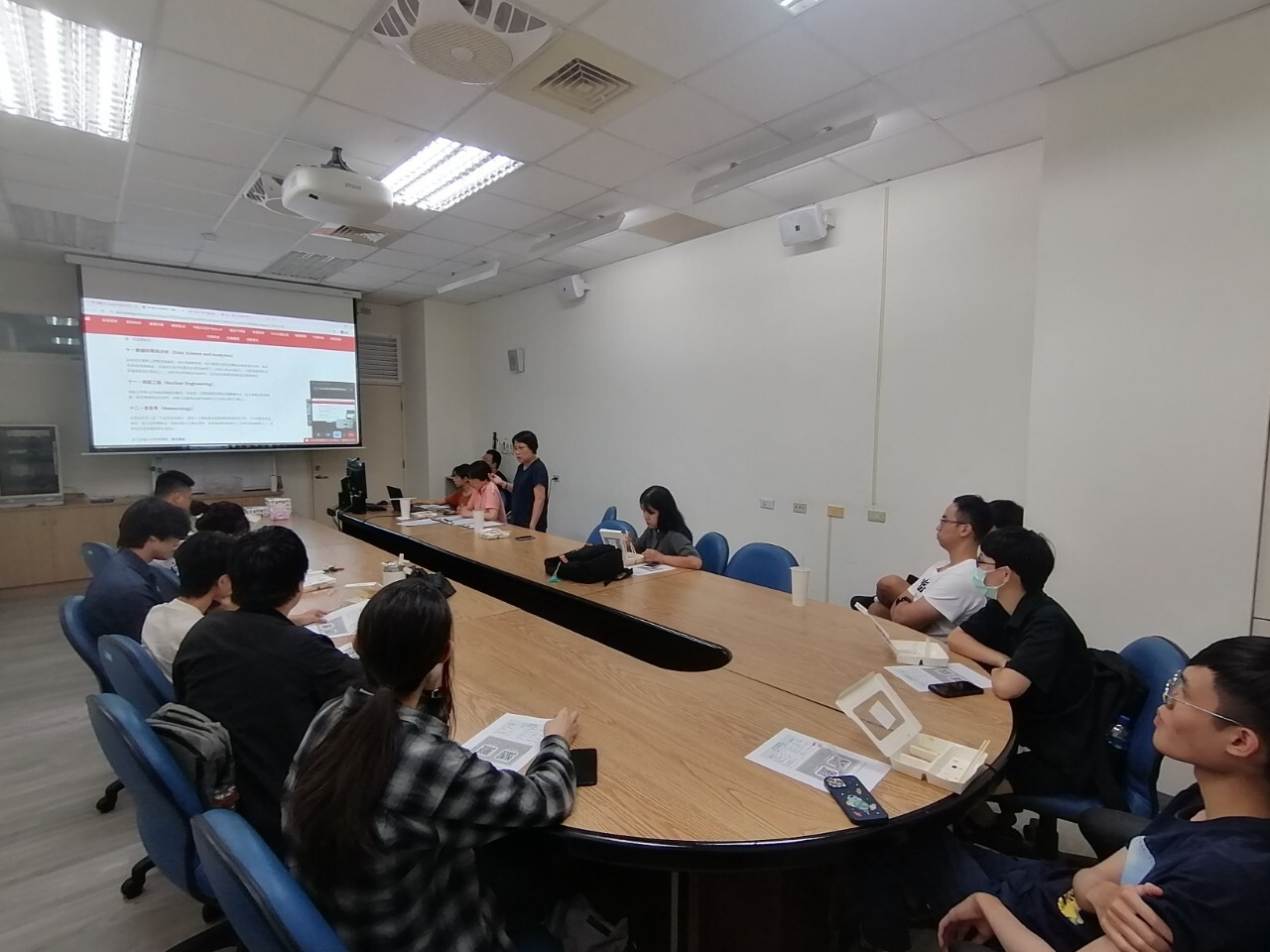
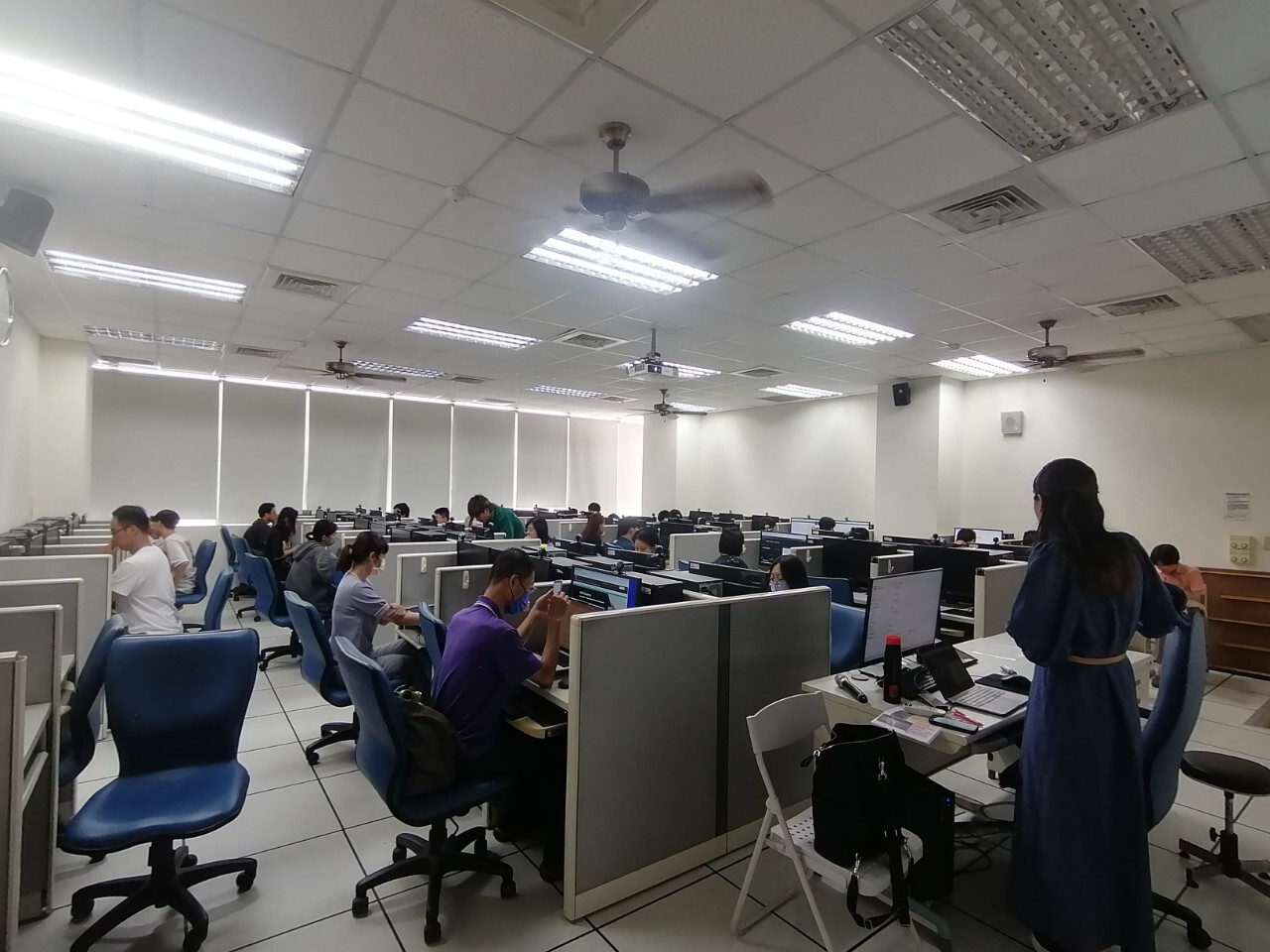
(3) Implementation of the Ministry of Education's Third Phase of Big Data in Education Micro Program (2024): This program developed students' ability to understand big data concepts and effectively use various big data analysis tools for practical applications in education. It provided professional knowledge and skills of big data in education and promoted the establishment of interdisciplinary learning. The program also encouraged faculty and students to use everyday technology to solve real-world problems and to collaborate with industry or other stakeholder groups. This collaboration helps learning groups to jointly identify, define, develop, and propose solutions to practical field challenges, thereby improving students' ability to apply technology. See Appendix 17.2.1-A(PDF) for additional details.
|
|
|
|
Figure 5: Project implementation process |
Figure 6: Project class in session |
SDGs Relevance: Quality Education, Partnerships for the Goals
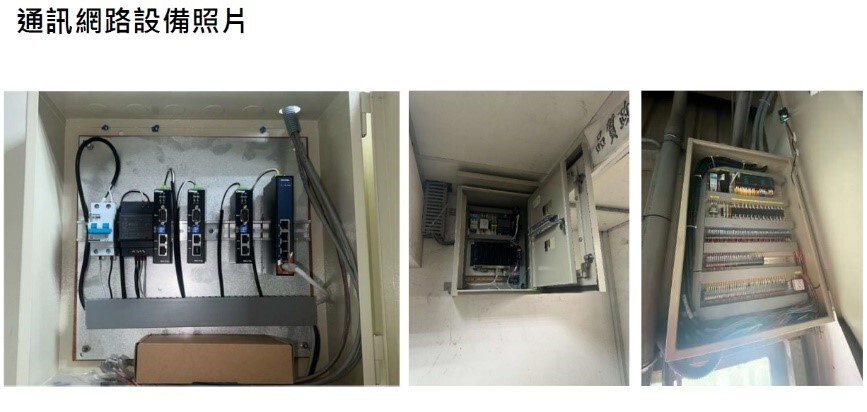
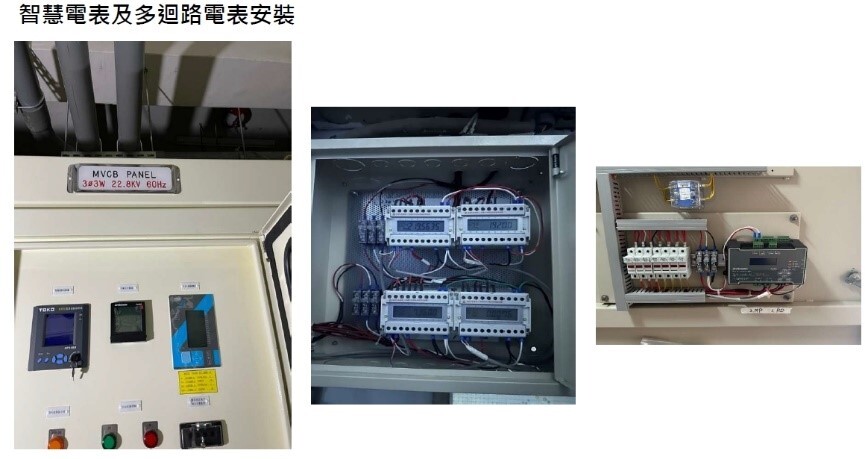
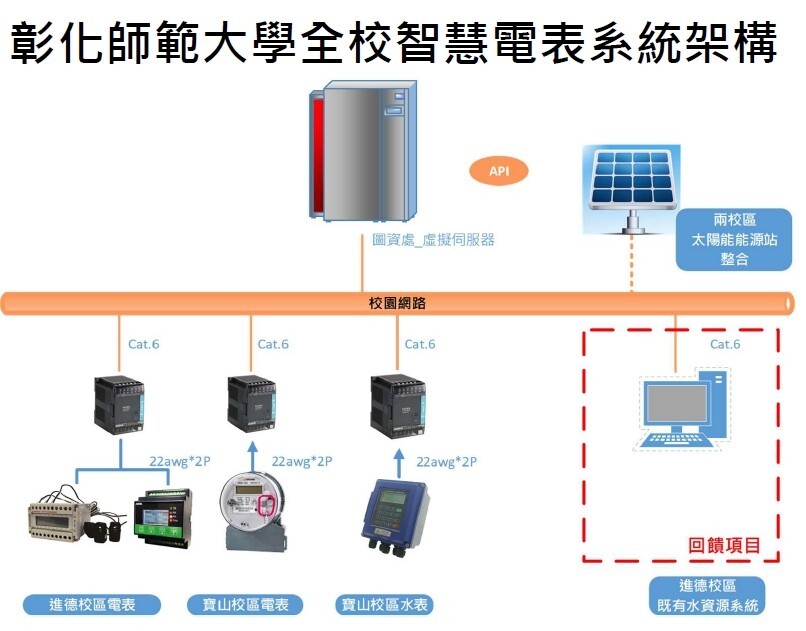
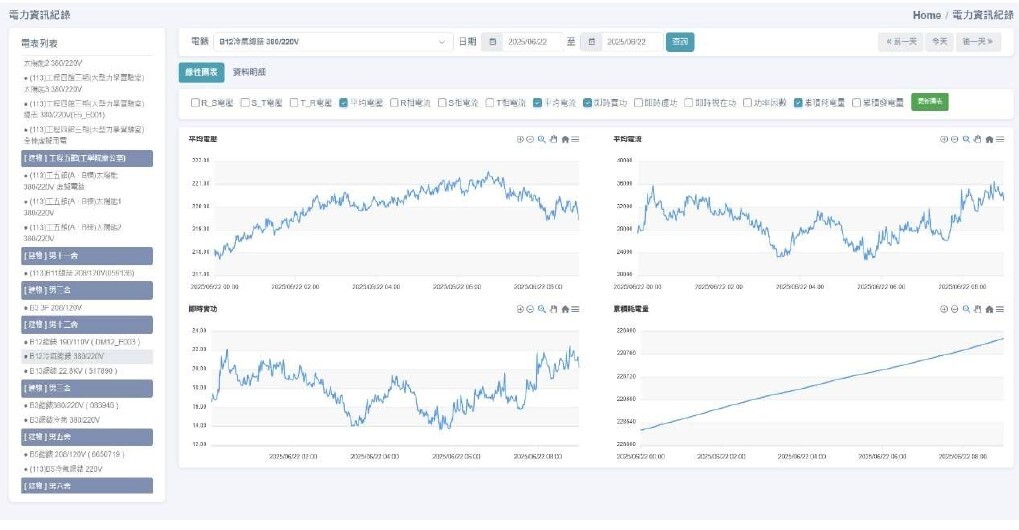
(4) Implementation of the Ministry of Education's Plan to Enhance Energy Conservation in Colleges and Universities (2024): Our university enhanced efficiency of energy usage and implemented energy conservation and carbon reduction through the installation of smart meters and an Energy Management System (EMS). The plan involved installing 40 smart meters in five buildings frequently used by faculty and students at the Jinde Campus, including the College of Science Building, Academic Main Hall, Student Activity Center, Qiao-Si Hall, and Gymnasium. These meters collect detailed electricity usage information including current, voltage, power, and electricity consumption at one-minute intervals. Simultaneously, an Energy Management System (EMS) was established. This EMS system features core functions including "electricity usage visualization, electricity management reports, and over-contract alerts." The system architecture adopts a hierarchical design with both local and cloud interfaces, providing real-time electricity monitoring, over-contract alerts (such as Email or Line Notify), power report generation, electricity usage comparative analysis, electricity unit and tariff plan management, permission management, and operational logging and fault alarm functions. Additionally, the EMS supports the analysis of electricity tariff plan optimization and the assessment of renewable energy integration benefits (such as solar energy and energy storage). See Appendix 17.2.1-B(PDF) for additional details.
|
|
|
|
Figure 7: Communication network equipment |
Figure 8: Smart meter installation |
|
|
|
|
Figure 9: Smart meter architecture |
Figure 10: Win Power EMS schematic diagram |
SDGs Relevance: Affordable and Clean Energy, Quality Education, Climate Action
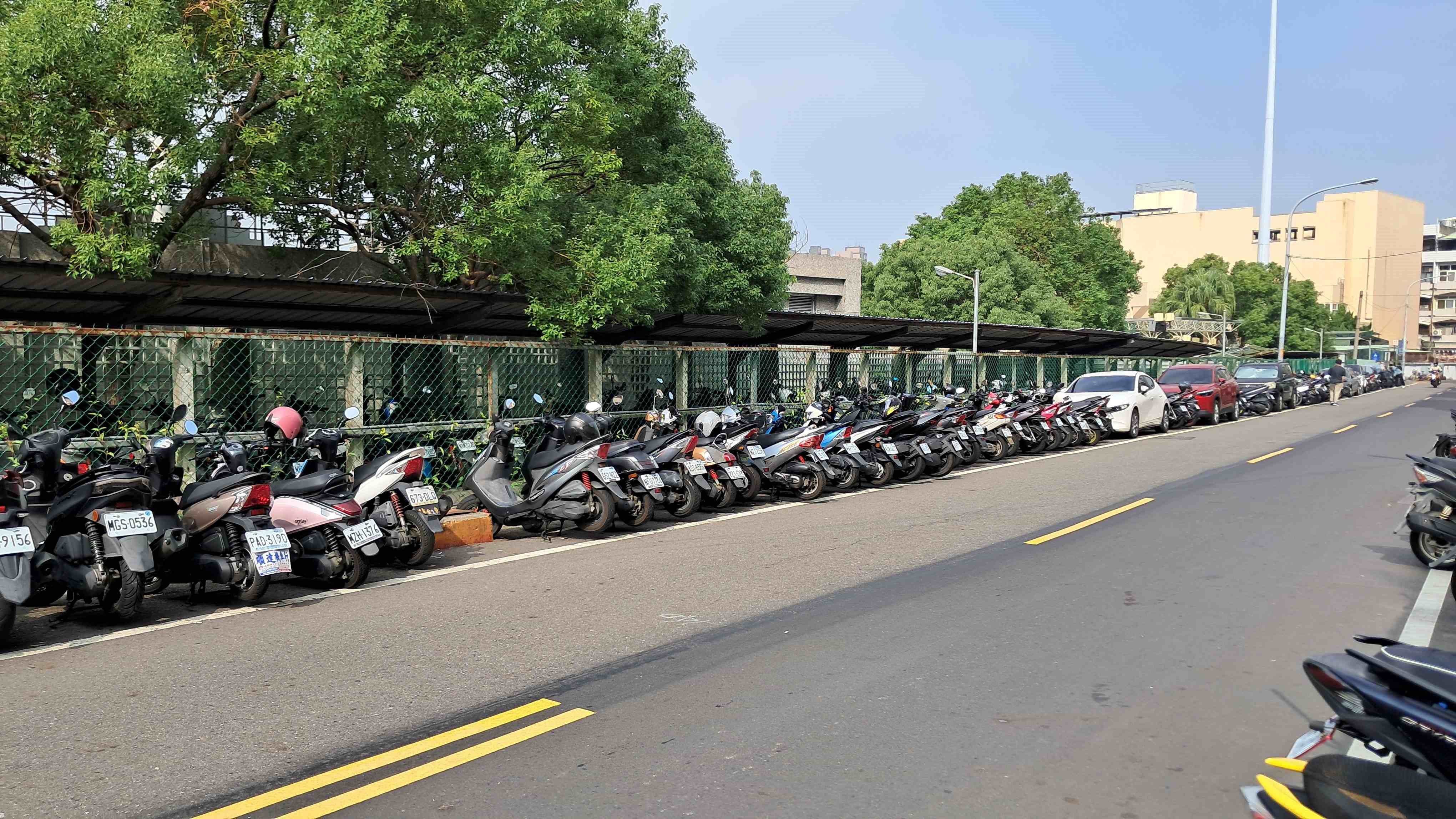
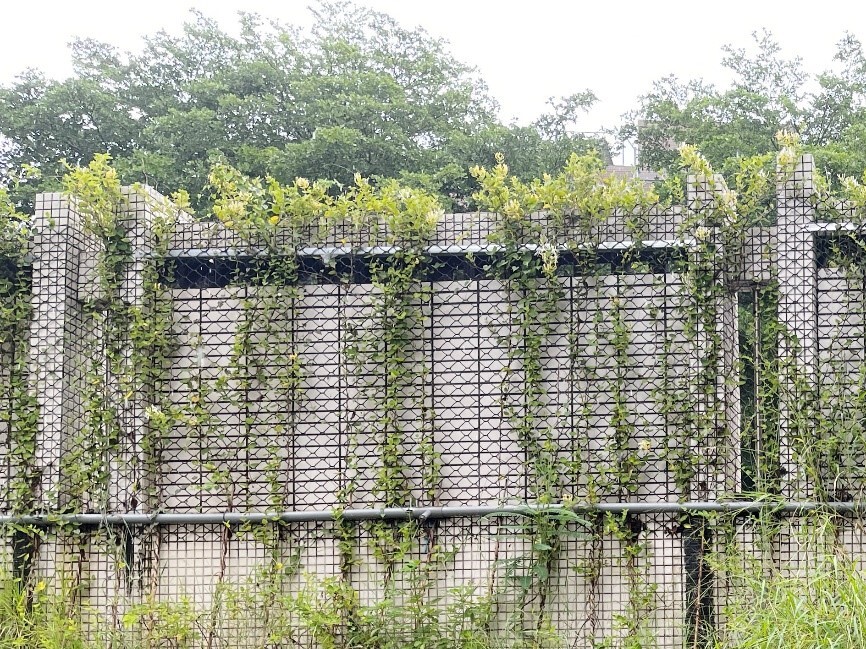
(5) Implementation of the Ministry of Education's Subsidized Project for Campus Green Hedges in Public and Private Schools at All Levels (2024): To create a green ecological campus, NCUE applied for the campus green hedge project that uses native Taiwanese plants to green perimeter walls, increase vegetation coverage, reduce environmental temperature, and purify air. This project includes improvements to walls at both Jinde and Baoshan campuses, replacing original corrugated iron or concrete barriers with greenery featuring climbing fig, honeysuckle, camphor trees, and osmanthus. These climbing plants transform cold walls into lush, multi-layered aesthetic features that showcase the beauty of native Taiwanese plants while enhancing campus and community environments.
|
|
|
|
Figure 11: Improvement of the eastern perimeter wall at Jinde Campus |
Figure 12: Improvement of the perimeter wall of Teaching Building 1 at Baoshan Campus |
SDGs Relevance: Sustainable Cities and Communities, Climate Action, Life on Land
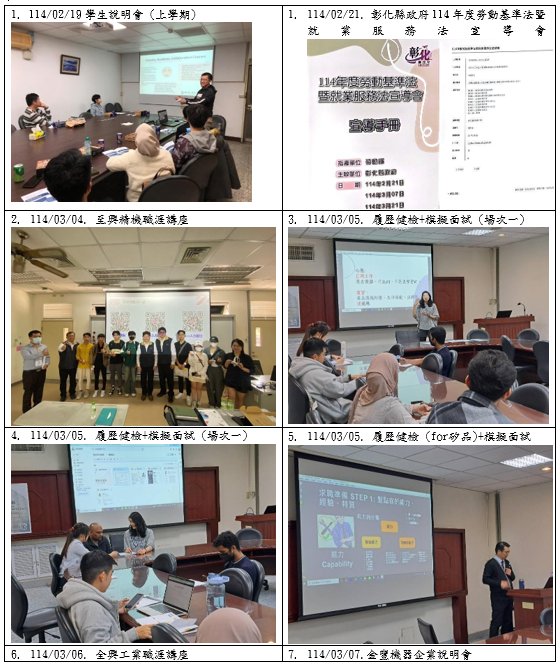
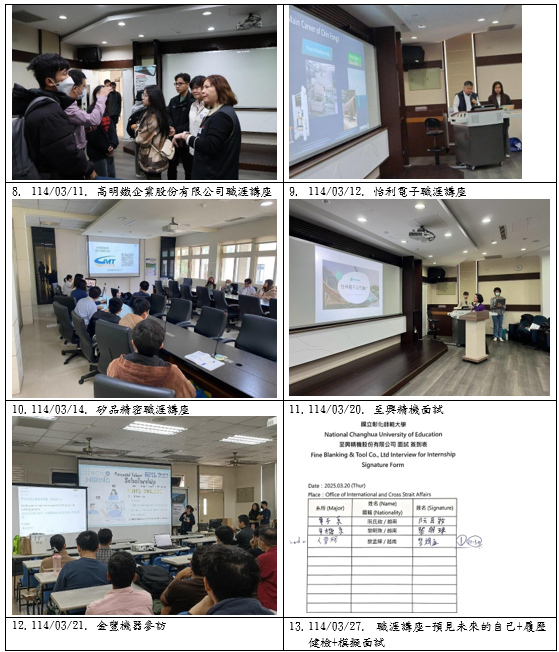
(6) Implementation Outcomes of the Ministry of Education's Pilot Program for Professionalized Career Counseling of International Students Remaining in Taiwan for Employment (2024): NCUE received Ministry of Education subsidies to implement the " Pilot Program for Professionalized Career Counseling of International Students Remaining in Taiwan for Employment," coordinated by the Office of International Affairs. The program enhanced international students' career readiness and local employment opportunities through career guidance platforms, internship matching, resume writing support, mock interviews, and corporate visits. This improved workplace adaptability and job competitiveness. By integrating internal and external resources, it encouraged student-industry collaboration, promoted sustainable international talent development, and strengthened our internationalization and social responsibility efforts, all while supporting our goal of cultivating globally mobile talent.
|
|
|
|
Figure 13: Photos of staying in Taiwan program results |
Figure 14: Photos of staying in Taiwan program results |
SDGs Relevance: Quality Education, No Poverty, Decent Work and Economic Growth, Industry, Innovation and Infrastructure, Partnerships for the Goals
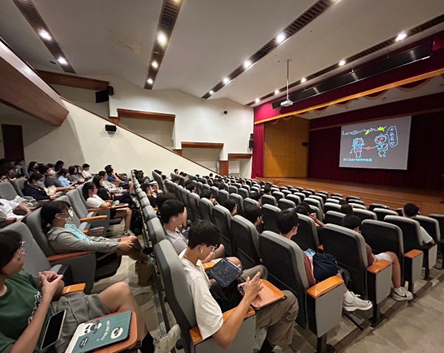
(7) Implementation of the Ministry of Education's Campus Mental Health Promotion Program (2024): NCUE enhanced campus mental health through a comprehensive campus mental health promotion program based on the "whole-school guidance model." Through curriculum teaching and activity participation, we have established correct values among students and help relevant personnel enhance professional competence and increase sensitivity. The program was organized through three major dimensions: (a)organizing related issue activities, (b) offering general education courses, and (c) training relevant personnel to enhance professional competence." Additionally, some key lectures were recorded as digital teaching materials to widely disseminate correct physical and mental health values, creating a warm, caring, and healthy campus atmosphere. See Appendix 17.2.1-C(PDF) for more detail.
|
|
|
|
Figure 15: Promoting mental health support |
Figure 16: Life education workshop |
SDGs Relevance: 3. Good Health and Well-being, 4. Quality Education, 5. Gender Equality
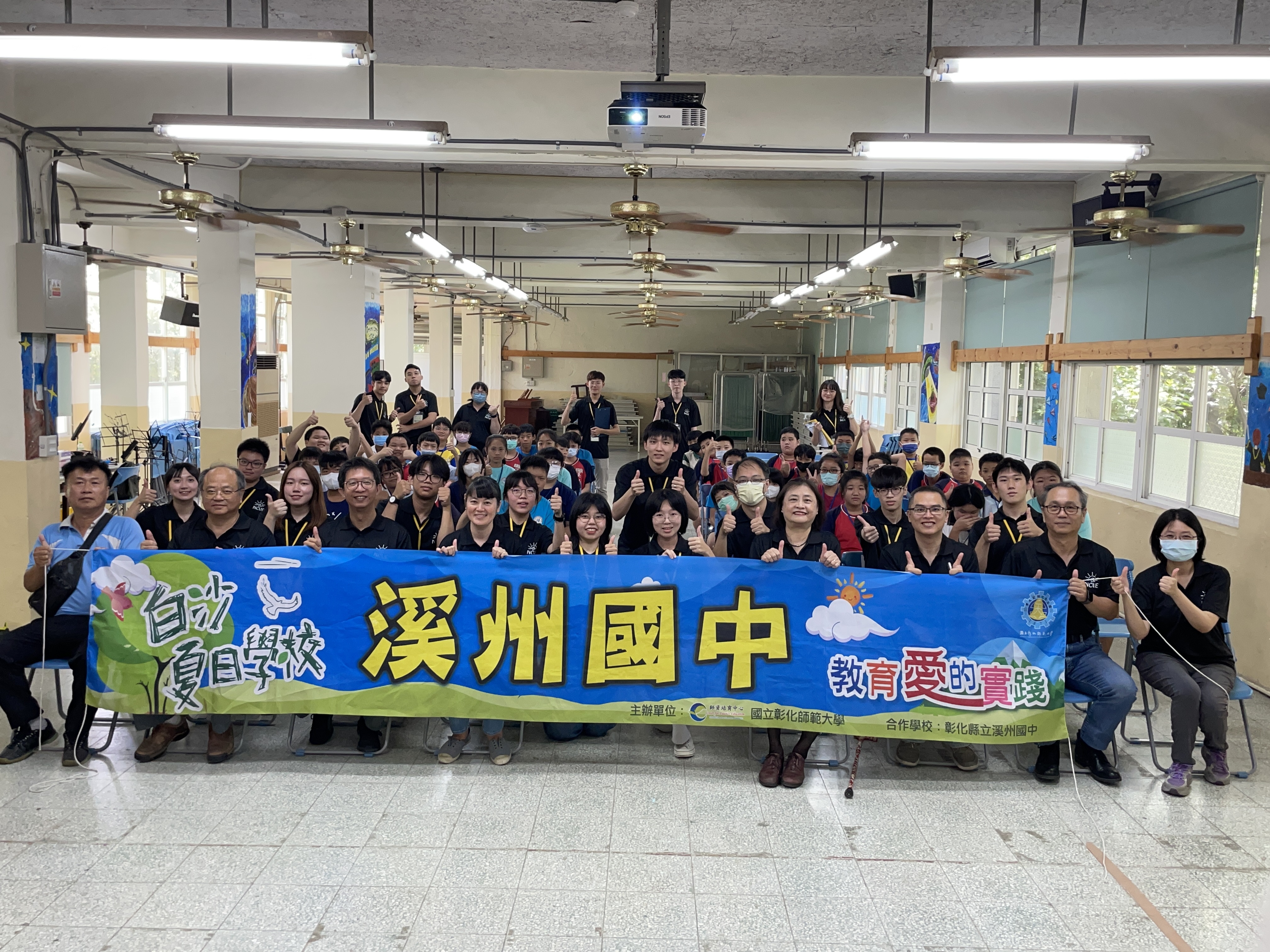
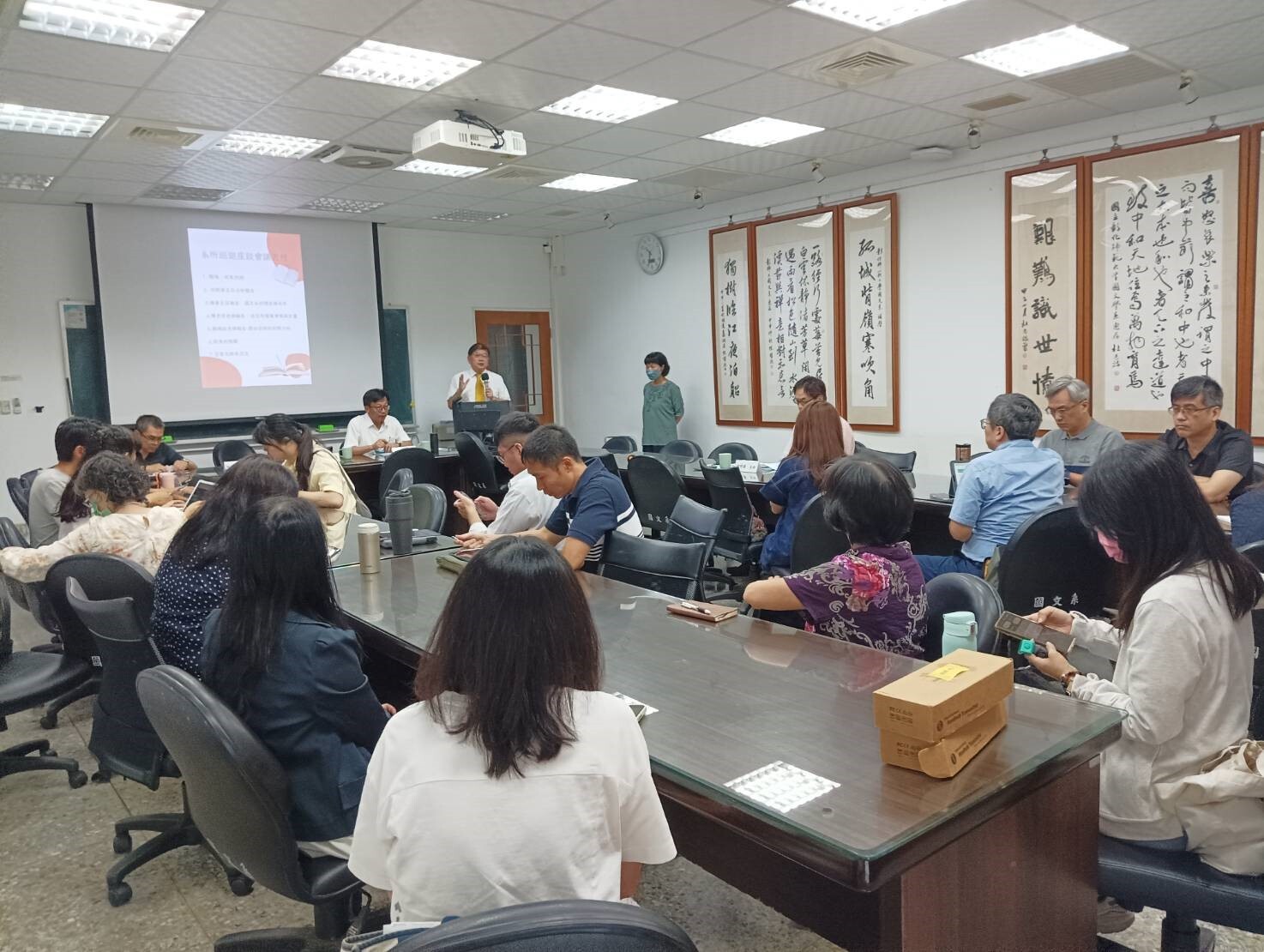
(8) Implementation of the Ministry of Education's "Teacher Quality Enhancement and Characteristic Development Program" (2024): NCUE has long been dedicated to providing high-quality pre-service teacher education, focusing on developing students’ professional skills and innovative teaching abilities for their future careers. This program focused on cultivating excellent teachers with communication, cooperation, and reflective practice capabilities. It emphasized not only so the tripartite cooperation among university professors, secondary school teachers, and student teachers, promoting mutual teaching professional development. It also expanded and deepened the results of local educational guidance work over the years, actively responding to local educational field needs, improving learning opportunities and quality for rural and disadvantaged students, and demonstrating higher education's positive social impact. The program enabled students to learn and gave back to society, further cultivating their educational responsibility and local practice capabilities. These results showcased our university's commitment and action in contributing to society through the educational profession. See Appendix 17.2.1-D(PDF) for more details.
|
|
|
|
Figure 17: Baisha Summer School (Xizhou Team) |
Figure 18: The Photo of Institutional Research Center - Chinese Department Project Forum |
SDGs Relevance: Quality Education, Decent Work and Economic Growth, Reduced Inequalities.
(9) Implementation of the Ministry of Education's "Professional Development Training Program for Novice Elementary and Secondary School Teacher Induction and Guidance" (2024): NCUE guided quality novice teachers in developing their educational careers, through Ministry of Education's "Professional Development Training Program for Novice Elementary and Secondary School Teacher Induction and Guidance", which constructed a support system for novice teachers. NCUE has planned specific approaches across three dimensions to guiding novice teachers: (a) Professional Development Training for New Teacher Induction, (b)Mentor Teacher Training Mechanism, and (c) Teacher Recurrent Workshop. Through systematic plans for novice teacher induction guidance and professional development training courses, NCUE aimed to inspire novice teachers' aspirations for education and enhance their classroom management and innovative teaching competencies. See Appendix 17.2.1-E(PDF) for more details.
|
|
|
|
Figure 19: Co-creating Educational Truth, Goodness, and Beauty - Teacher Li Ming-rong's Class in Session |
Figure 20: 【Character Strength】 Character Strength That Accompanies Us All the Way - Satir Dialogue and 7 Good Habits - Teacher Sun Pei-shan's Class |


SDGs Relevance: Quality Education, Decent Work and Economic Growth
(10) Implementation of the Ministry of Education's "Educational Internship Excellence Award Selection Work Plan" (2024): The Educational Internship Excellence Award was created by the Ministry of Education to cultivate outstanding teachers, and NCUE has been commissioned to organize the award since 2006. The Educational Internship Excellence Award aims to evaluate the tripartite relationship in educational internships, establishing awards for individuals participating in educational internships, including the Exemplary Award for internship supervising teachers, the Excellence Award for internship mentoring teachers, the Model Award for intern students, and the Unity Award for cooperative teams. Through this reward system, we share the experiences of supervising teachers as exemplars, promote the excellent teaching of mentoring teachers, establish models for intern students, foster team cooperation spirit, help intern students develop practical abilities to transform professional standard theories, encourage more outstanding prospective teachers to enter the education field, and ultimately achieve a sense of professional calling. See Appendix 17.2.1-F(PDF) for more details.
|
|
|
|
Figure 21: Ministry of Education Political Vice Minister posed with Winners of Internship Supervising Teacher Exemplary Award |
Figure 22: Ministry of Education Political Vice Minister posed with Winners of Internship Mentoring Teacher Excellence Award |
|
|
|
|
Figure 23: Ministry of Education Political Vice Minister posed with Winners of Intern Student Model Award |
Figure 24: Group photo at the award ceremony |


SDGs Relevance: Quality Education, Decent Work and Economic Growth.
3. SDG Projects Implemented by Faculty (18 Cases Listed)
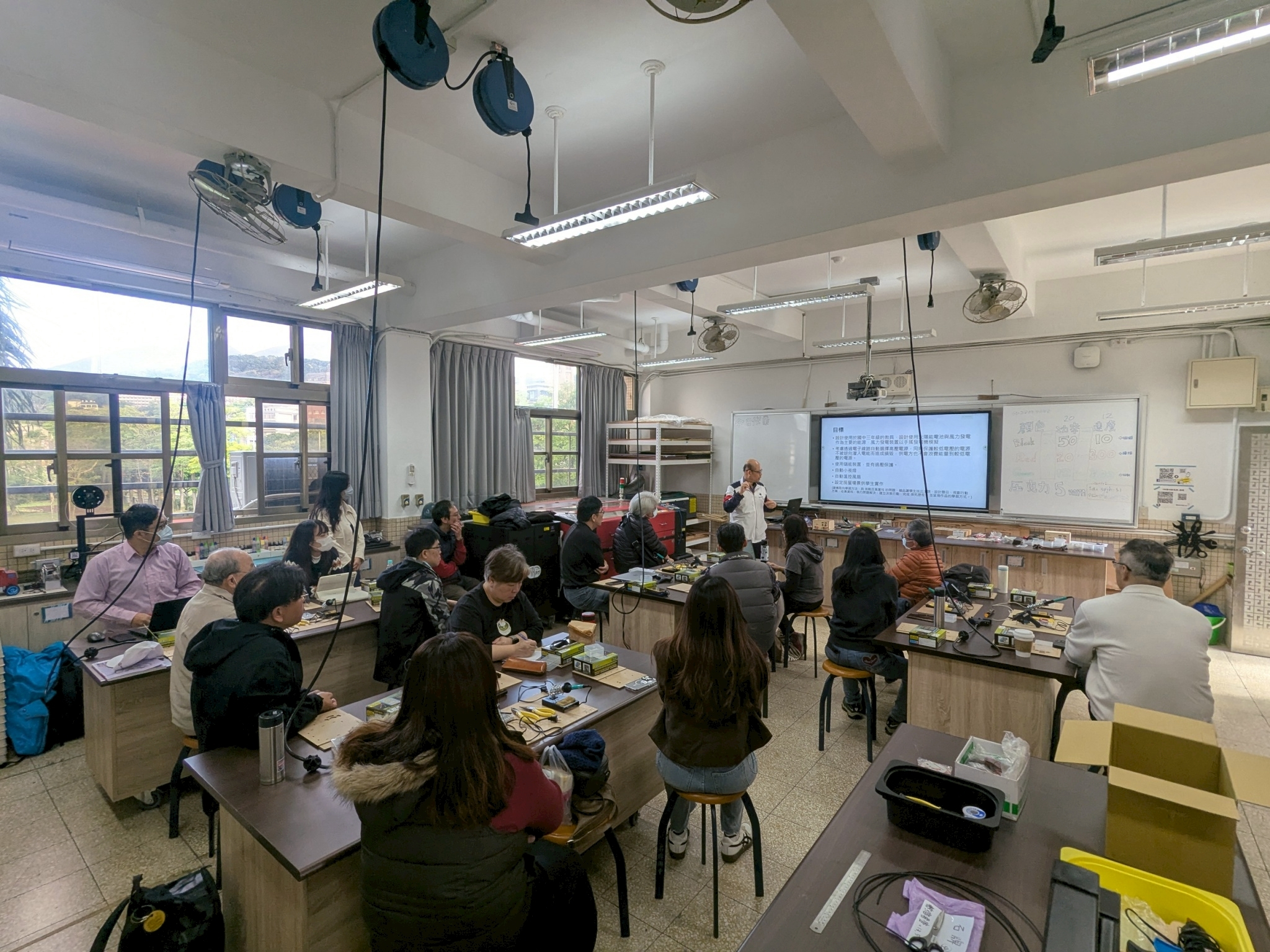
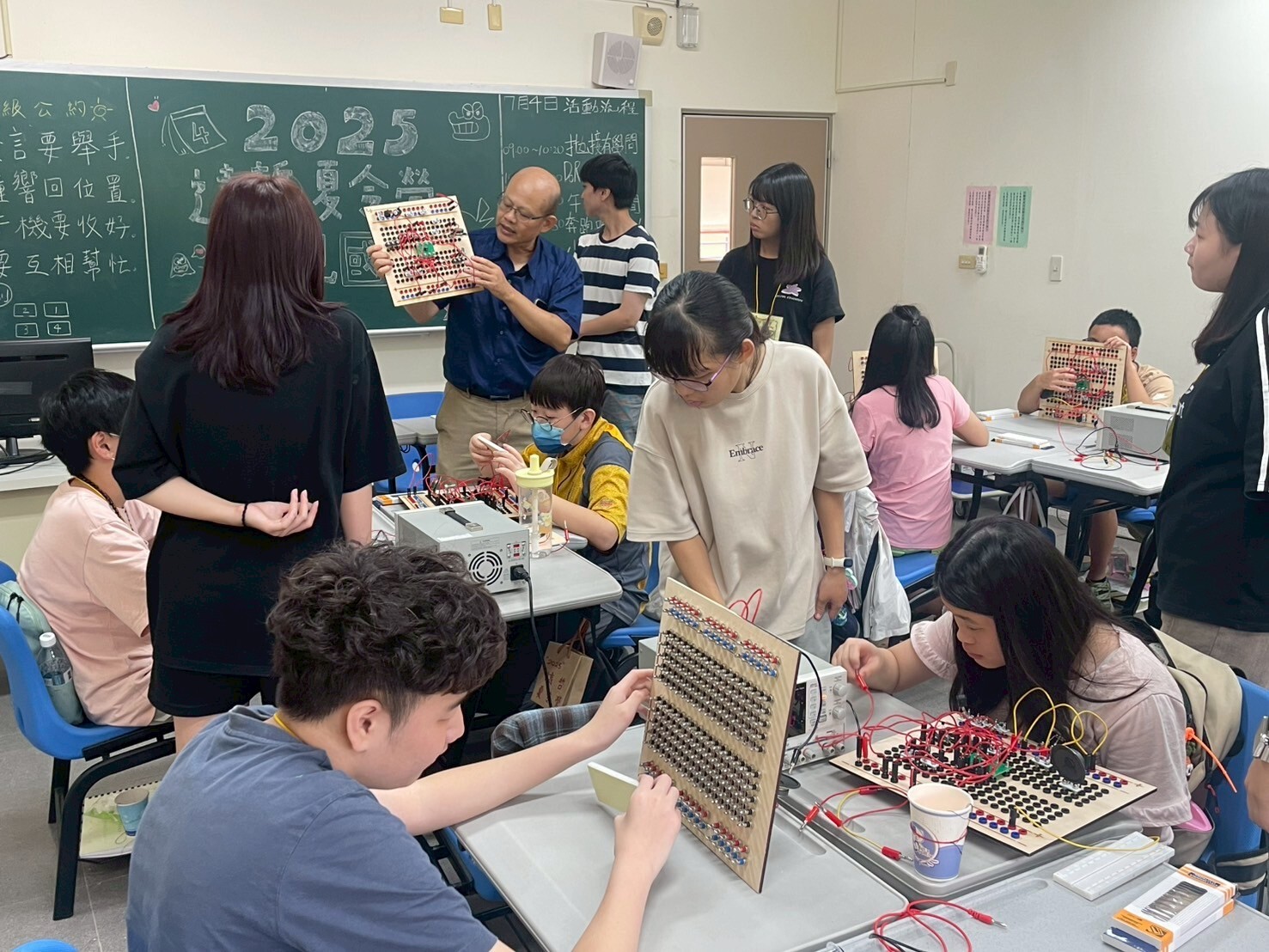
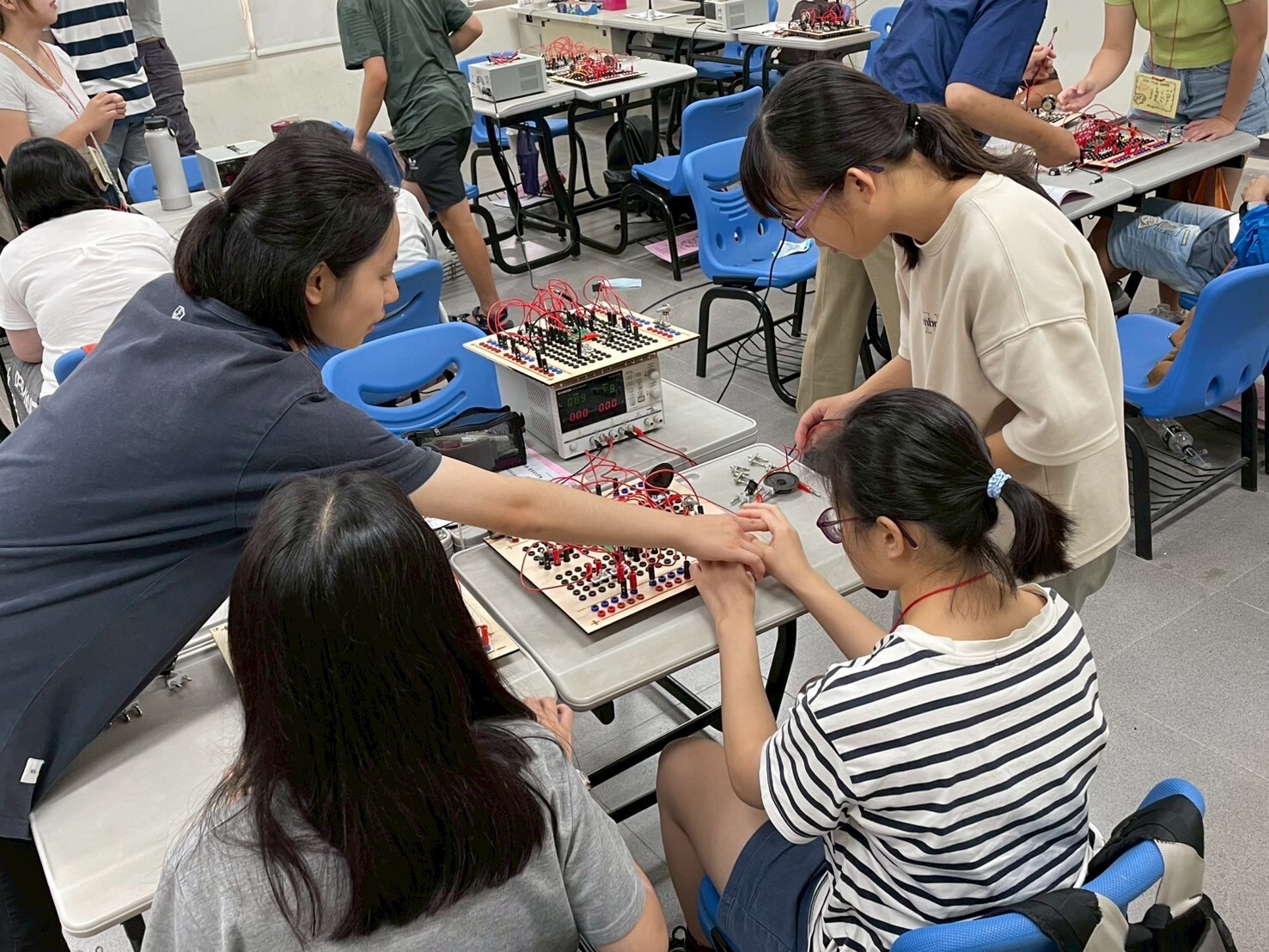
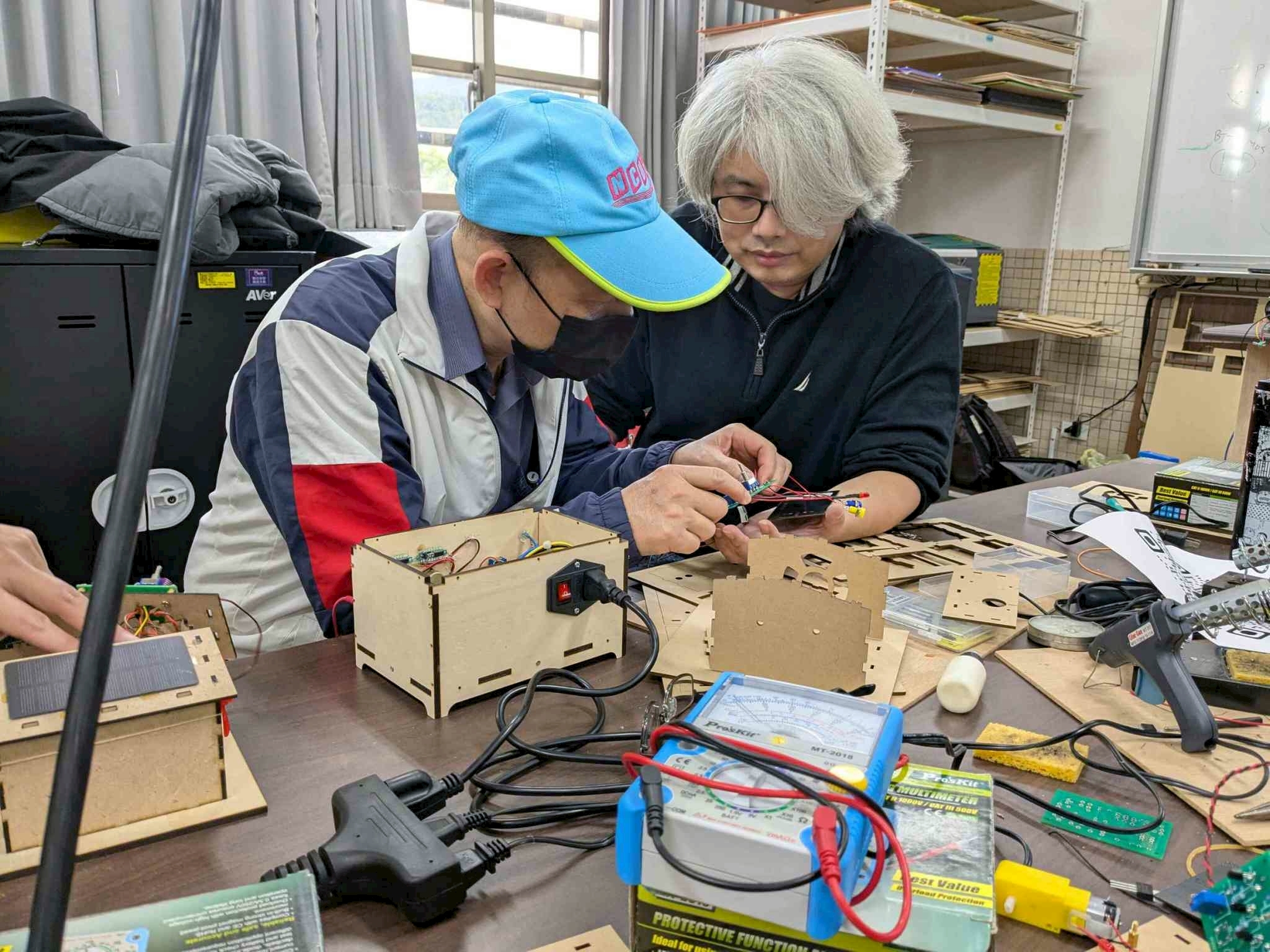
(1) Professor Chen Wei-li from the Department of Electronic Engineering served as Co-Principal Investigator of the "Sustainable Changhua: Green Energy Perspective in Education, Technology, and Economy" Project. This project aimed to care for disadvantaged students by developing living technology teaching aids, enabling them to engage in hands-on practical activities. It also worked on cultivating green energy seed teachers for elementary and secondary schools by organizing teacher training workshops.
|
|
|
|
Figure 25: Semiconductor Green Energy Smart House Teaching Kit applied in Science and Technology curriculum of 9th Grade |
Figure 26: Hands-on practice process |
|
|
|
|
Figure 27: Hands-on practice process |
Figure 28: Semiconductor Green Energy Smart House Teaching Kit applied in the Grade 9 Science and Living Technology curriculum of 9th Grade |
SDGs Relevance: Quality Education, Affordable and Reduced Inequalities.
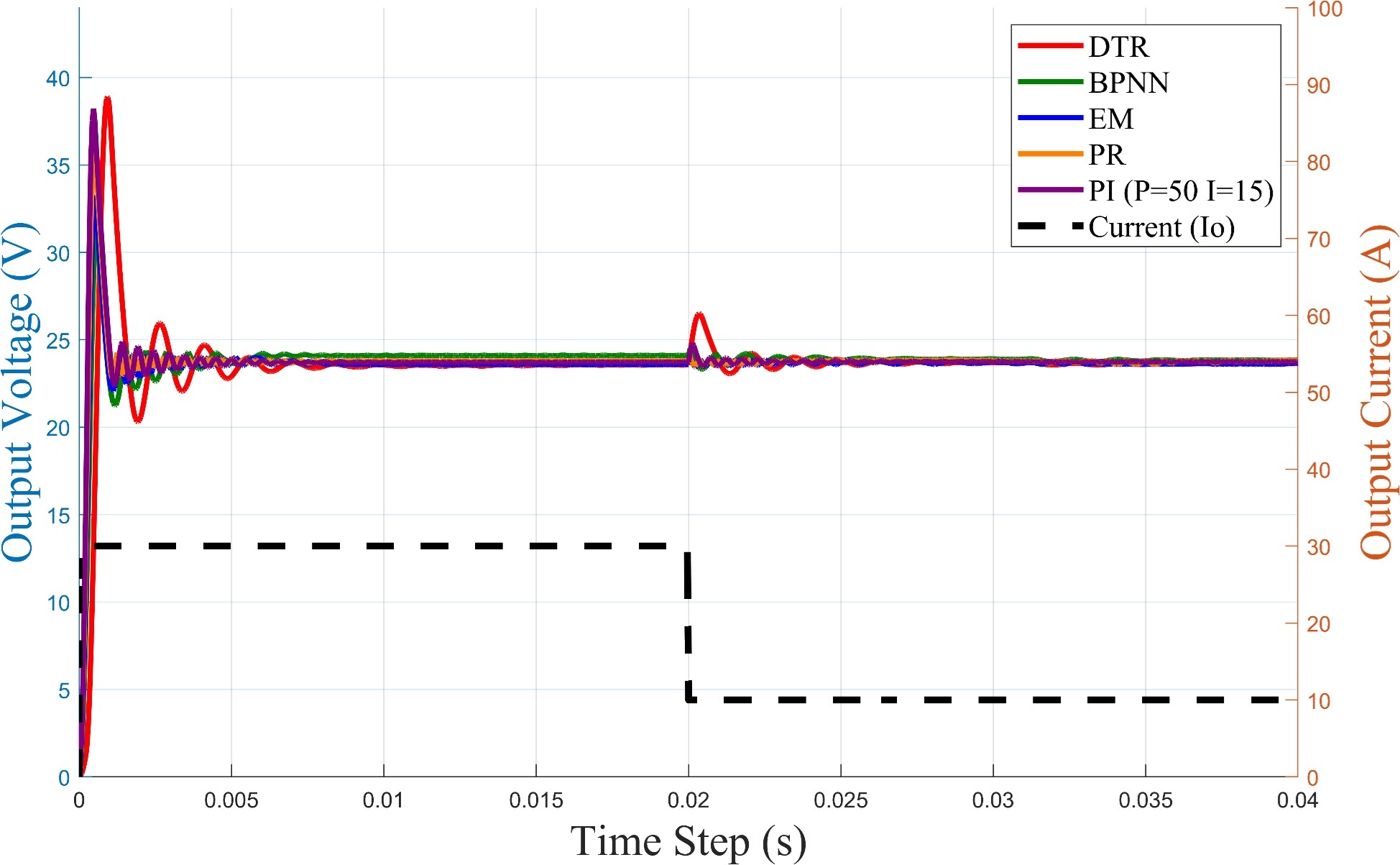
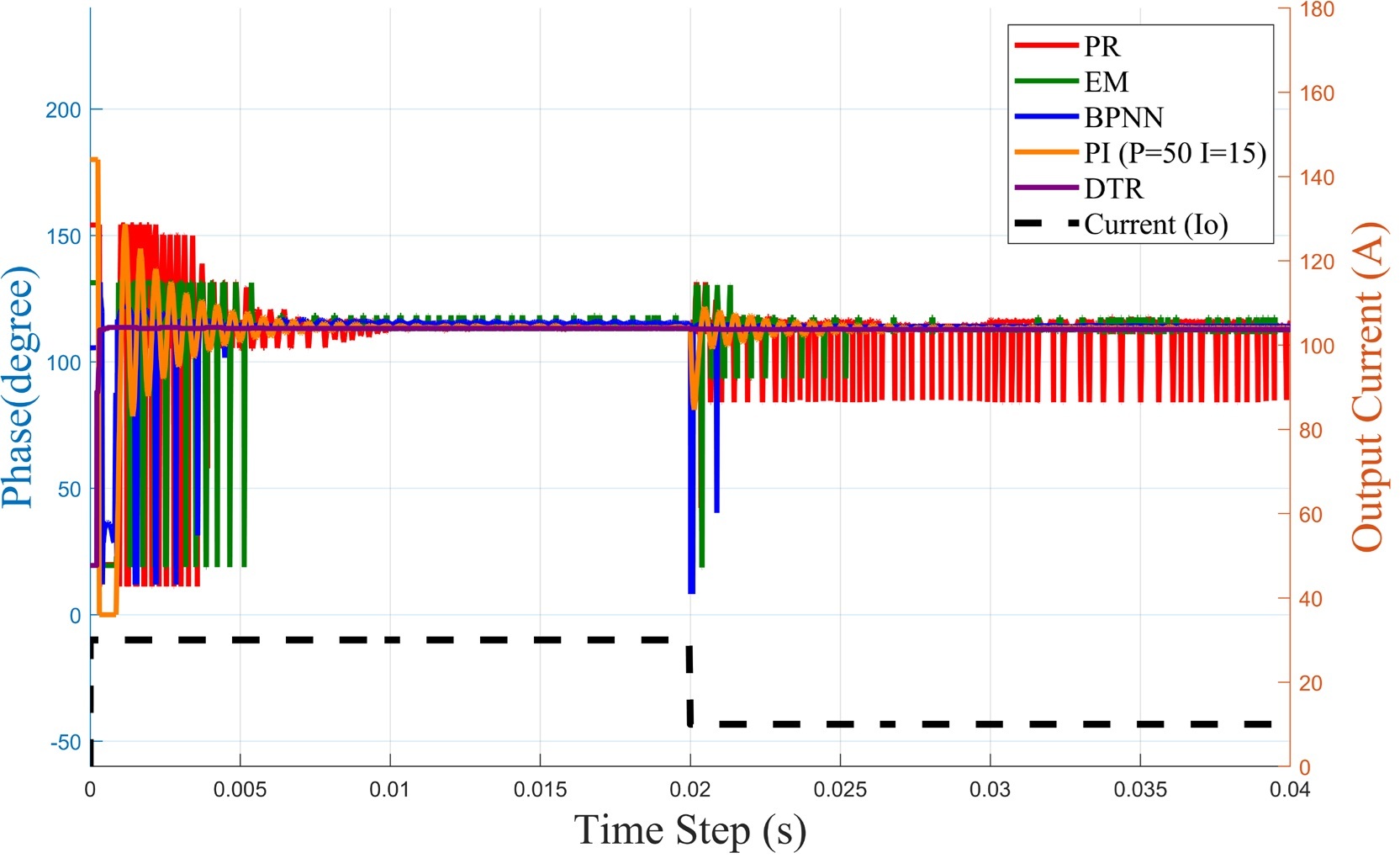
(2) Professor Chen Kuan-Chu from the Department of Electrical Engineering serves as the principal investigator for the project of National Science and Technology Council "Development of Electric Vehicle Charging Systems Based on Neural Network Control." The development of electric vehicle charging system technology is both crucial and urgent because electric vehicles can effectively reduce carbon emissions. This project promotes the development of Taiwan's electric vehicle industry by conducting research on various related technologies for electric vehicle charging systems. The overall goal is to develop adaptive learning high-efficiency intelligent charging control systems, and it concentrates on achieving high-efficiency electric vehicle battery charging and neural network control system design.
|
|
|
|
Figure 29: The Data of Research Results |
Figure 30: The Data of Research Results |
SDGs Relevance: Affordable and Clean Energy, Industry, Innovation and Infrastructure
(3) Professor Hsieh Ping-Chen from the Department of Mechatronic Engineering serves as the principal investigator for the "Industry-Academia Cooperation Program for Smart Sensing and Decision Control Talent Development”, which is organized by the Industrial Development Administration, Ministry of Economic Affairs. This project addresses recent global industrial development trends and other international priorities, including energy conservation, consumption reduction, and achieving net-zero carbon emissions. Green smart manufacturing is a new operational challenge that Taiwan's manufacturing industry must prioritize over the next decade. In the process of production manufacturing and automation equipment moving toward green smart manufacturing development, smart sensing and decision control technology play a very important role. Therefore, the goal of this project is to cultivate students in the mechanical field to gain deeper understanding of sensing and circuits, signal processing and analysis, machine learning, decision control, green manufacturing, carbon inventory and energy-saving technologies, and establish capabilities in related hardware equipment usage and software programming. This project cultivates smart mechanical talents with cross-disciplinary knowledge and integrated capabilities. Beyond strengthening students' employment competitiveness, students may become a new force in developing green smart manufacturing domestically after graduation. See Attachment 17.2.1-G(PDF) for more details.
SDGs Relevance: Quality Education
(4) Professor Chu Ling-Yi from the Department of Geography serves as the principal investigator for the National Science and Technology Council’s project, "Beyond Geopolitics: Space and Subjectivity of Matsu's Blue Tears." Matsu has been situated in geopolitical changes. By examining the interconnections between oceans, waves, rocks, sand, atmosphere, haze, diatoms, dinoflagellates, fishermen, and tourists, this research encourages a reconsideration of alternative approaches to cross-strait relations after the cold war between ROC and PRC. See Attachment 17.2.1-H(PDF) for more details.
SDGs Relevance: Reduced Inequalities, Life Below Water, Life on Land, Peace, Justice And Strong Institutions
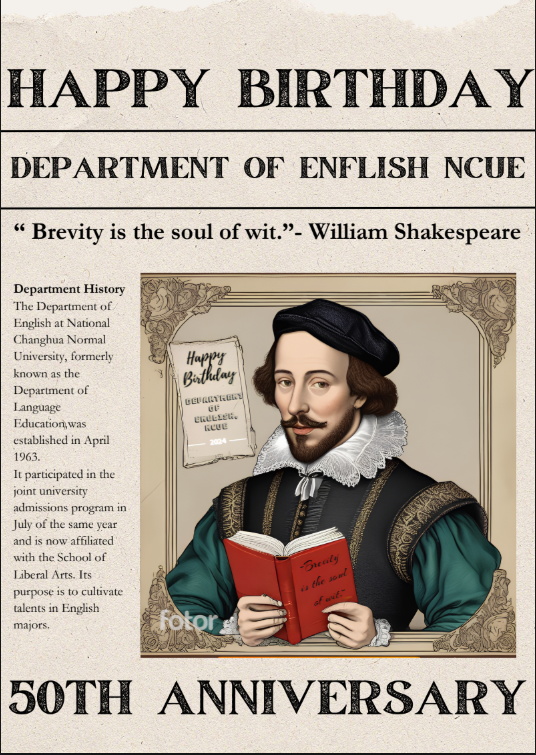
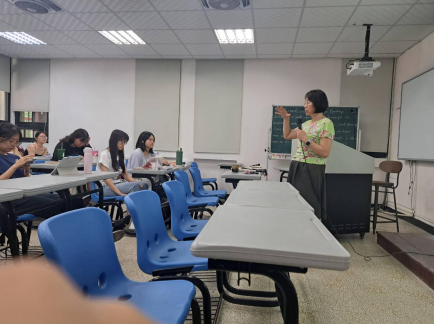
(5) Professor Chu Hsiang-Chun from the Department of English serves as the principal investigator for the Ministry of Education’s project, "Watching Movies, Learning Literature: Cultivating Visual Literacy through Literary Film Appreciation." The rise of artificial intelligence has accelerated the transmission and diffusion of visual information, making the cultivation of abilities to identify audiovisual image information more important. This project integrates the interdisciplinary learning of literature, knowledge of film technology, AI-collaborative graphic design, and short video production to enhance students' visual literacy and professional film technology knowledge.
|
|
|
|
Figure 33: The Event Poster of the ClassFigure |
Figure 32: The Poster of Class Production |
|
|
|
|
31: Literature and Film Class Session |
|

SDGs Relevance: Quality Education, Gender Equality, Reduced Inequalities
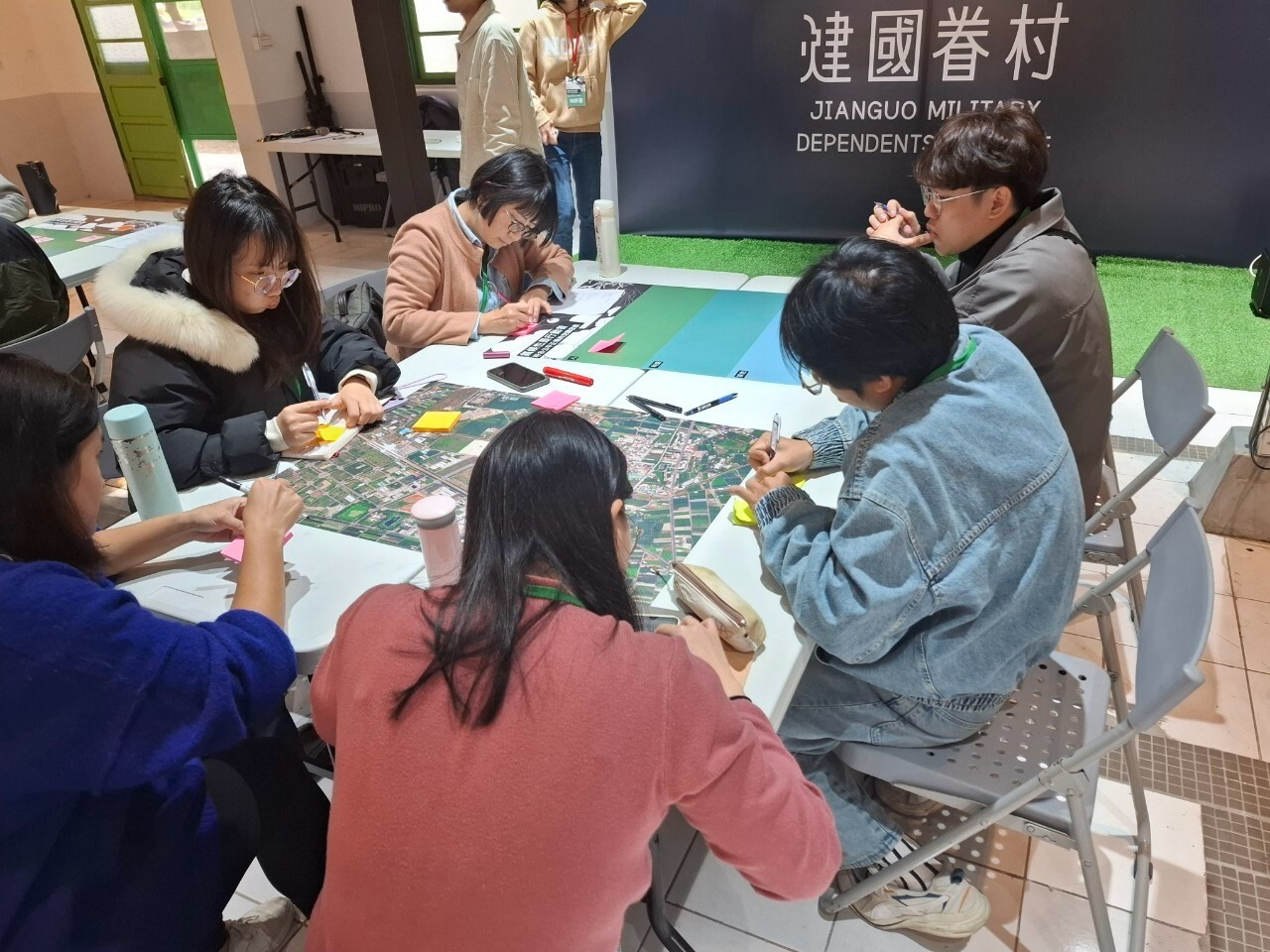
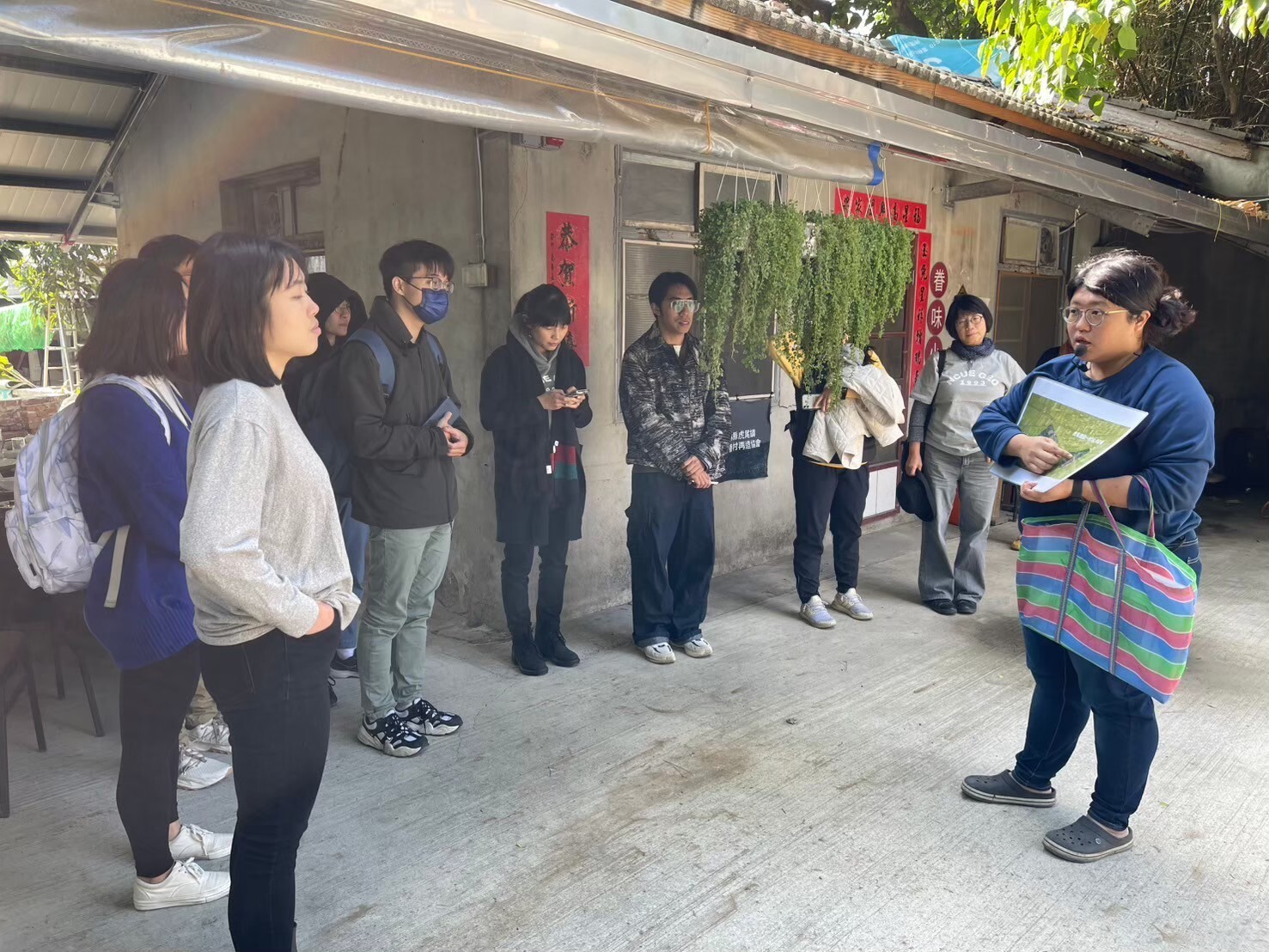
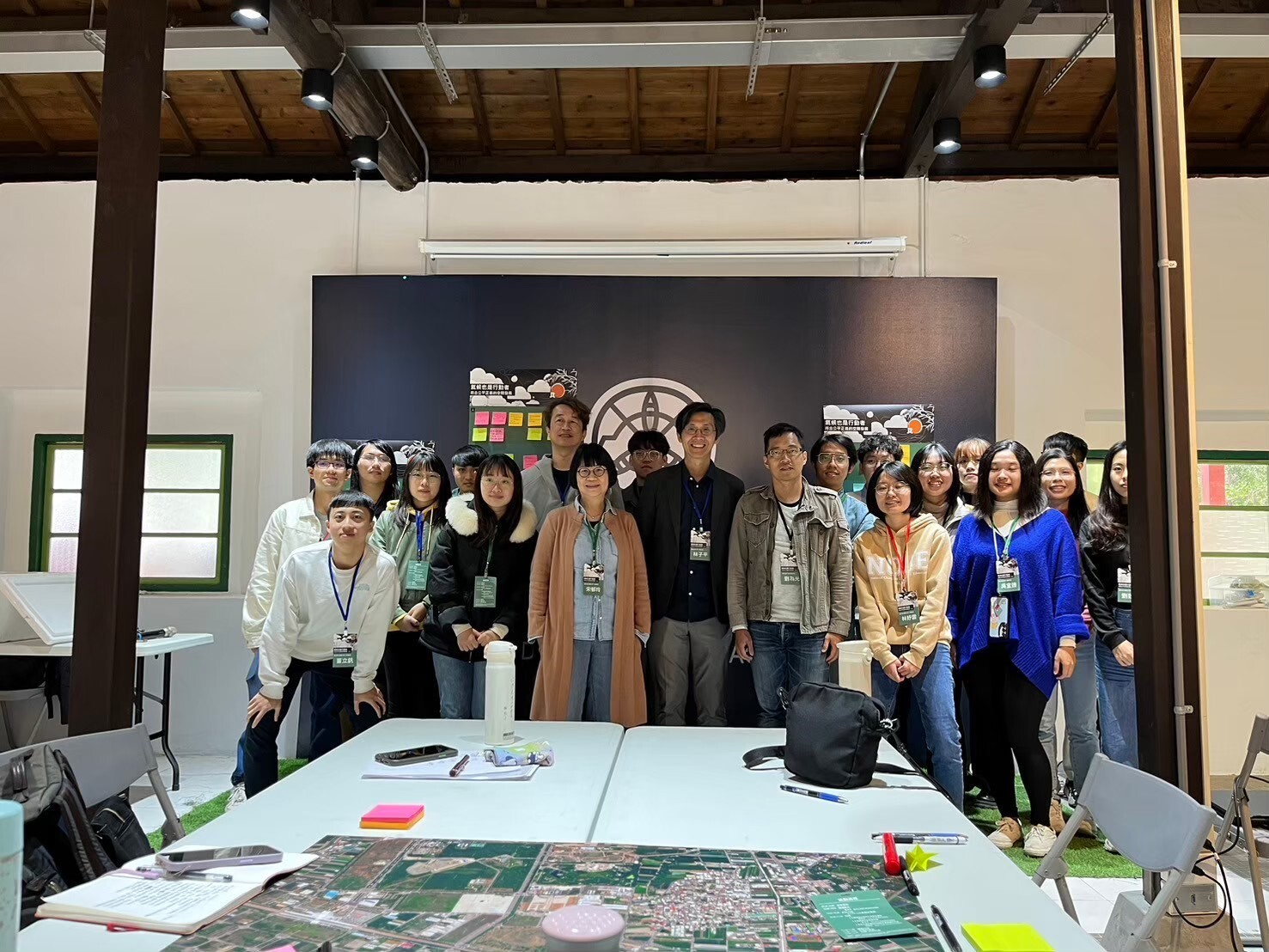
(6) Professor Lu Pei-Wen from the Department of Geography executes the National Science and Technology Council’s Climate Resilience Development and Disaster Prevention Adaptation Governance Project. With participatory approaches to just transition as the core, this project constructs methods for pursuing climate resilience development within the scope of disaster prevention adaptation governance, to strengthen climate resilience development and disaster prevention adaptation, sustaining Taiwan and the overall global ecological environment.
|
|
|
|
Figure 34: Activity |
Figure 35: Activity Highlights |
|
|
|
|
Figure 36: Group Photo |
|
SDGs Relevance: Affordable and Clean Energy, Reduced Inequalities, Sustainable Cities and Communities, Climate Action, Life Below Water, Life on Land, Peace, Justice And Strong Institutions
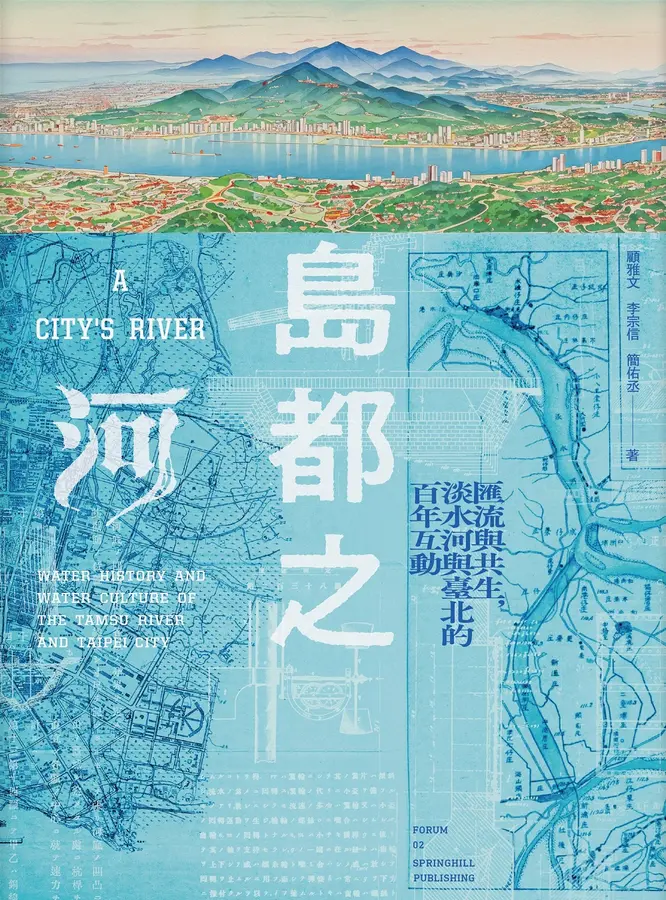
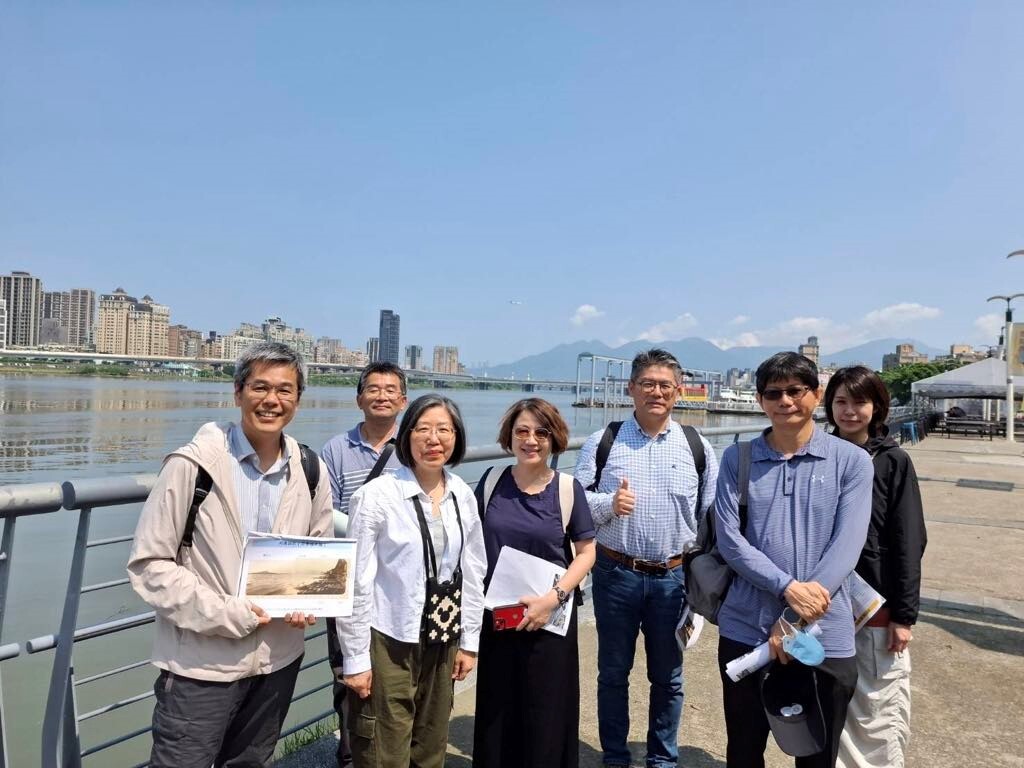
(7) Professor Li Tsung-Hsin from the Graduate Institute of History serves as the principal investigator for the Water Resources Planning Institute, Water Resources Agency, Ministry of Economic Affairs’ project "Research of Tamsui River Water Culture - Water Environment Changes and Disaster Adaptation." This project aims to protect the Earth's water resources and environment, with work items including:
(a) Inventory, Compilation, and Impact Analysis of Historical Spatial Data/Maps Related to Water Environment Changes.
(b)Tracing the Historical Context of River Channel Changes and Watershed Governance
(c) Water Culture Nurtured by River Channels, Disasters, and Folk Beliefs
(d) Research and Analysis of Water Culture for Adaptation to Climate Change
(e) Administrative Coordination, Work Briefings, and Report Compilation
The research investigation is executed using four methodologies:
(a) Collection and Study of Existing Research Findings and Historical Records; (b) Inventory and Pre-processing of Historical Spatial Data/Maps; (c) On-site Investigation (Fieldwork and Oral History); and (d) Cross-disciplinary Research Discussions.
This approach, along with tasks such as presentations and report compilation, aims to achieve the research objective regarding water environment change and disaster adaptation.
|
|
|
|
Figure 37: Main Cover Image of the Project |
Figure 38: Field Survey Highlights |
SDGs Relevance: Quality Education, Sustainable Cities and Communities
(8) Professor Shen Chi-Tai from the Graduate Institute of Human Resource Management serves as the principal investigator for the National Science and Technology Council’s project "Perceived Supervisor Emotional Blackmail and Harmonious Passion: The Dual Mediating Effects of Rumination and Psychological Capital." Workplace emotions and a positive work environment significantly impact the physical and mental health and well-being of a nation's citizens, while work passion is also an issue that researchers are focused on. Particularly, harmonious passion represents that individuals have full autonomy at work and, through free will choices, engage in work activities they love, effectively enhancing individual work performance and behavioral expression. However, under circumstances where supervisor-subordinate relationships are unequal, supervisor emotional blackmail may seriously affect subordinates' work autonomy and engagement, reducing harmonious passion. Furthermore, clearly understanding how supervisor emotional blackmail affects subordinates' harmonious passion help researchers grasp the entire the process of influence. Therefore, this research attempts to construct an integrated dual mediation model, exploring how perceived supervisor emotional blackmail triggers subordinates' ruminative cognitive thinking, thereby reducing psychological capital and ultimately affecting subordinates' harmonious passion.
SDGs Relevance: Good Health and Well-being, Gender Equality
(9) Professor Peng Chih-Wei from the Department of Accounting serves as the principal investigator for the Department of Accounting’s project "Integrated Research on ESG Disclosure Dilemmas." Domestic listed companies and OTC need to disclose the quality of management through ESG sustainability reports, but literature and practitioners have quite divergent views on ESG performance and ESG disclosure, which cause challenges of ESG disclosure. This project attempts to examine how, from the perspective of organizational behavior and sustainable governance, [these factors] affect the challenges of ESG disclosure. It also seeks to analyze the economic consequences of these ESG disclosure challenges, hoping to fill the gaps in the literature. The relevant research findings can also provide a reference for regulatory authorities when formulating industrial policies. See Attachment 17.2.1-I(PDF) for more details.
SDGs Relevance: Quality Education, Sustainable Cities and Communities, Climate Action
(10) Professor Chiang Chia-Yu from the Department of Business Administration serves as the principal investigator for the Ministry of Education’s project "Focusing the Light: Developing Sustainable Management Accounting Talent with an SROI Perspective through Project-Based Learning and Design Thinking in Non-Profit Settings." This project leads students into non-profit organization fields, focusing on the "Visually Impaired Barista and Empowerment Workshop" project of the Light of Love Association. Students participate in the training and work of visually impaired baristas, understanding the project's operational mechanisms, funding utilization methods, and social impact through interaction with project stakeholders, combined with design thinking's innovative thinking processes to propose concrete solutions. This project is expected to cultivate interdisciplinary management accounting talent with SROI quantitative analysis skills, sustainable management vision, and social problem-solving capabilities. These talents may support Taiwan in achieving SDG of UN in the future and assist non-profit organizations in strengthening resource management, promoting financial transparency, and enhancing social responsibility.
SDGs Relevance: No Poverty, Quality Education, Decent Work and Economic Growth, Reduced Inequalities, Partnerships for the Goals
(11) Professor Lin Su-Lin from the Graduate Institute of Vehicle Technology serves as the principal investigator for the Ministry of Education’s project "Teaching Practice Research on Applying Innovative Diversified Teaching Strategies to Artificial Intelligence and Advanced Vehicle Technology Courses. This project collaborates with the industry, inviting industry professionals to co-teach and lead practical case studies, utilizing diverse strategies to cultivate practical innovation skills in AI and vehicle technology. This approach aims to strengthen students' professional expertise and facilitate their transition into the workplace, thereby contributing to the development of related industries and students' career advancement.
SDGs Relevance: Quality Education, Affordable and Clean Energy, Decent Work and Economic Growth, Industry, Innovation and Infrastructure, Reduced Inequalities, Sustainable Cities and Communities
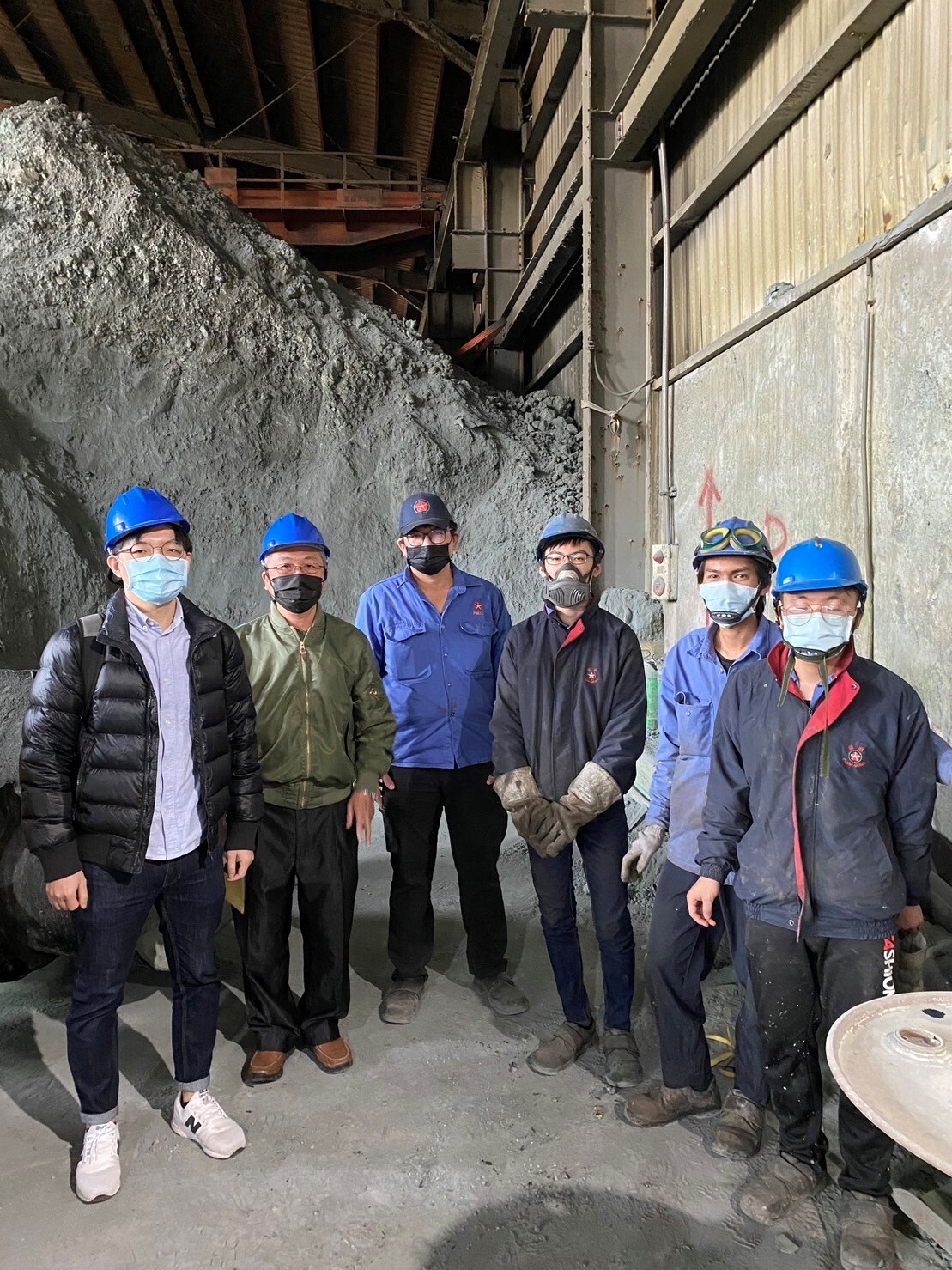
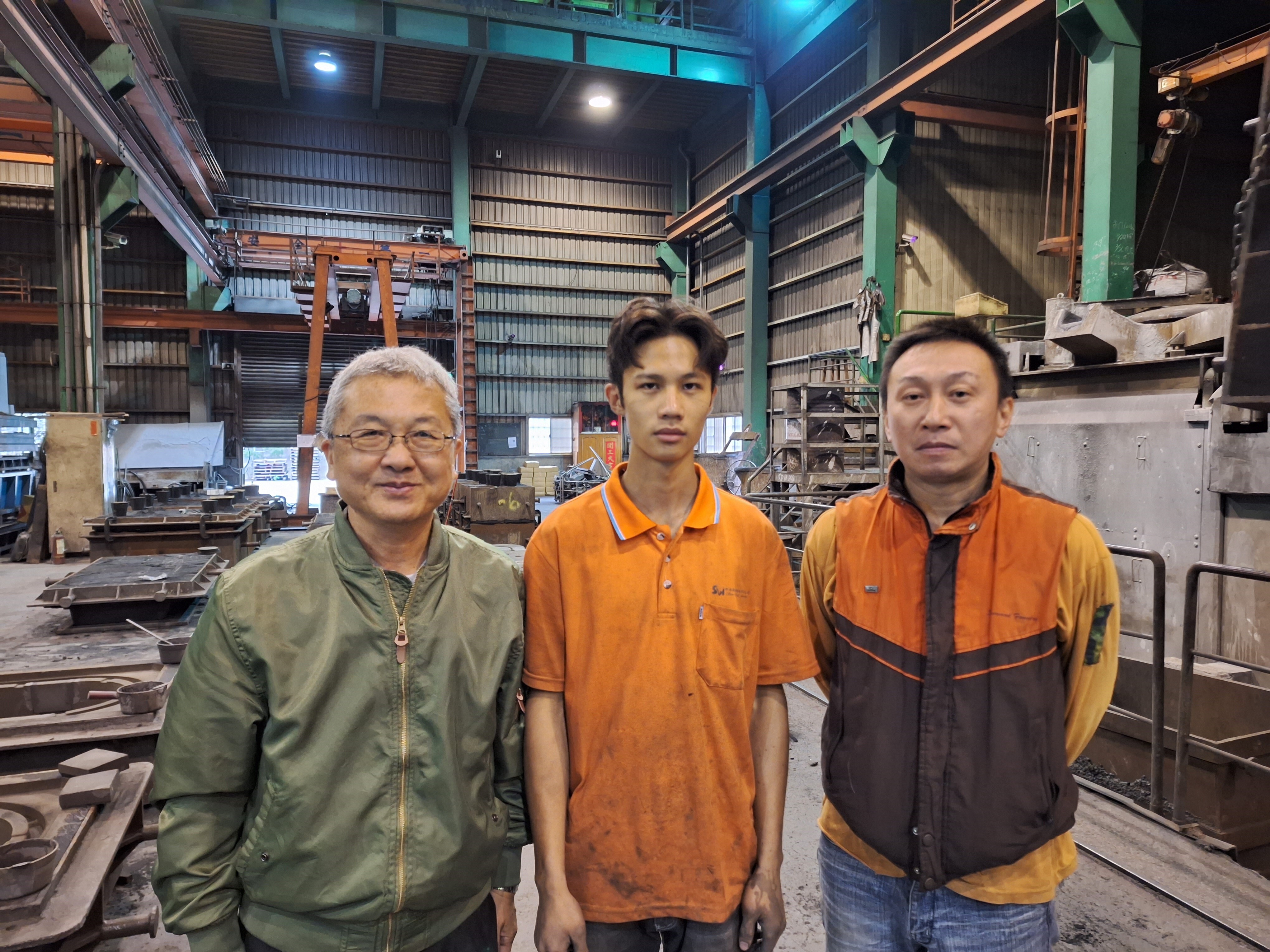
(12) Professor Chen Ti-Cheng from the Department of Electrical and Mechanical Technology serves as the principal investigator for the Ministry of Education’s project:"2024 Teaching Practice Research Project - Industry-Oriented Cooperative Learning to Enhance Professional Technical Talent Practical Capabilities Using Industry Practice Seminar Courses as an Example. This research project explores using industry-oriented cooperative learning models to enhance the professional knowledge and practical skills of students in foundry industry-academia collaboration programs. This project focuses on industry-oriented cooperative learning models, and enables students to develop simultaneously in academic knowledge and practical skills.
|
|
 |
|
Figure 39: Inspecting |
Figure 40: Inspecting Hua Mo Industry |
SDGs Relevance: No Poverty, Good Health and Well-being, Clean Water and Sanitation, Decent Work and Economic Growth, Industry, Innovation and Infrastructure, Responsible Consumption and Production
(13) Professor Lin Su-Lin from the Graduate Institute of Vehicle Technology serves as the principal investigator for the National Science and Technology Council’s project: "Research and Development of Non-Line-of-Sight Imaging Technology Using Artificial Intelligence and Doppler Radar." This project is dedicated to developing advanced Non-Line-of-Sight (NLOS) imaging technology that combines Artificial Intelligence and radar sensors, aiming to improve the safety of autonomous vehicles, particularly in complex traffic areas like Taiwan. Related applications of these technologies will contribute to urban livability and national health in Taiwan.
SDGs Relevance: Quality Education, Affordable and Clean Energy, Industry, Innovation and Infrastructure, Reduced Inequalities, Sustainable Cities and Communities
(14) Professor Chang Ching-Ching from the Department of Special Education serves as the principal investigator for the Ministry of Education’s project: "Action Research on the Application of Coach Training in Practicum in Gifted Education." Coach training is a continuous, dynamic, and interactive process of learning. Through demonstration, support, and encouraging self-reflection by the coach, it utilizes existing knowledge and skills to continuously improve the coacher’s work practices and develop new skills. The theme of this teaching research coach training methods into gifted education teaching practicum courses, developing students' professional knowledge and skills. See Attachment 17.2.1-J(PDF) for more details.
SDGs Relevance: Quality Education
(15) Professor Lin Su-Ching from the Graduate Institute of Education serves as the principal investigator for the National Science and Technology Council’s project "Exploring the Relationship between Teacher Professional Development Programs and Student Learning - Application of Relational Systems Evaluation Model, Developmental Evaluation, and Five-Stage Model." This project applies relational systems evaluation as a model to build principals' and teachers' evaluation capabilities, enhancing participants' evaluation thinking, cultural competence, and evaluation knowledge. It implements the reform concept of 12-year basic education, "teachers are curriculum designers, implementers, and evaluators"; breaking through traditional effectiveness evaluation levels of teacher professional development program, combining the advantages of developmental evaluation and five-stage models, considering participants' reactions, learning, application, organizational support, and impact on student learning assessment. This project introduces process-oriented guided inquiry teaching methods, allowing principals and teachers from different types of schools to have more professional dialogue, innovating teaching theory and practice, promoting teacher professional development and enhancing student learning effectiveness. See Attachment 17.2.1-K(PDF) for more details.
SDGs Relevance: Quality Education
(16) Professor Hsieh Yi-Hsing from the Department of Guidance and Counseling serves as the principal investigator for the Ministry of Education’s project "The Improvement Effects of Self-Control Training Integrated into General Psychology Teaching on Undergraduate Students' Bedtime Procrastination and Class Quality." This research, designs a self-control training curriculum for undergraduates with bedtime procrastination habits, integrating conceptual knowledge of the course into general psychology course teaching. This course aims to enhance students' self-control and thereby improve bedtime procrastination and class quality. This research uses the pre-post test, employing bedtime procrastination scales to screen students with procrastination habits from two classes as experimental and control groups. The experimental group (students of Class B) underwent 50-minute self-control training groups per week for 8 weeks, while the control group (students of Class A) underwent 50-minute group activities per week. Experimental results showed that the scale score of bedtime procrastination of the experimental group decreased, self-control increased, and class quality improved, compared to the control group. See Attachment 17.2.1-L(PDF) for more details.
SDGs Relevance: Good Health and Well-being, Quality Education
(17) Professor Kao Kun-Che from the Department of Chemistry serves as the principal investigator for the National Science and Technology Council’s project "Surface Plasmon-Induced Hot Carrier Transfer: Applications of Interface Structure Control and Photocatalytic." This project uses precisely controlled chemical synthesis methods to prepare model catalysts with well-defined structures, exploring the unique photoelectrochemical properties of surface plasmon nanostructures in fundamental research. It aims to clarify the relationship between interface structure and photocatalytic reactions. On the application level, developing new generation high-performance surface plasmon photocatalysts can more effectively utilize solar energy to drive high-energy-consuming catalytic reactions, reducing carbon emissions and improving energy usage efficiency. See Attachment 17.2.1-M(PDF) for more details.
SDGs Relevance: Clean Water and Sanitation, Affordable and Clean Energy, Industry, Innovation and Infrastructure
(18) Professor Liu Yen-Yi from the Department of Biology serves as the principal investigator for the National Science and Technology Council’s project "Establishment of an Integrated Visualization and Analysis Platform and Research on Drug Resistance Transmission Patterns in Important Nosocomial Pathogens in Taiwan, Utilizing Pangenome Multi-Locus Sequence Typing Principles and Machine Learning Methods." The rapid increase of antimicrobial-resistant microorganisms has become a major global public health challenge, making disease treatment increasingly difficult. Attention to antimicrobial resistance fingerprint epidemiological distribution is crucial for today's medical community and global public health. Therefore, this research establishes virtual antimicrobial resistance fingerprint conversion methods, providing epidemiological distribution that contributes to promoting new drug development to address increasing antimicrobial resistance challenges, ensuring that the rise of antimicrobial-resistant microorganisms does not adversely affect health and social stability. See Attachment 17.2.1-N(PDF) for more details.
SDGs Relevance: Good Health and Well-being
4. Faculty Members Serving as Committee Members in Relevant Organizations to Promote Sustainable Development Policies (15 Cases Listed)
As the only national university in Changhua County, NCUE comprises seven colleges and has achieved remarkable academic accomplishments and industry-academia collaboration performance. The professional achievements of faculty members across various fields are highly recognized by local government agencies. In addition to accepting invitations from various government departments to serve as advisory or members of review committees, faculty of NCUE actively participate in relevant committees and review meetings of government agencies and ministries. By providing concrete recommendations for formulation reference of government agencies' policy, NCUE contributes to achieving the government's SDG sustainable development policy objectives across various dimensions.
(1) Professor Lin Su-Ching from the Graduate Institute of Education serves as a member of the "University Teacher Education Center Evaluation Committee" of the Ministry of Education, evaluating the strengths and weaknesses of teacher evaluation centers at various universities. See Attachment 17.2.1-O(PDF) for more details.
SDGs Relevance: Quality Education
(2) Professor Lin Su-Ching from the Graduate Institute of Education serves as a member of the Changhua County Government's "Teacher Professional Review Committee," reviewing teacher professional issues.

Figure 41: Appointment letter for Professor Lin Su-Ching serving as a member of the Changhua County Government's "Teacher Professional Review Committee"
SDGs Relevance: Quality Education
(3) Professor Kung Hsin-Yi from the Graduate Institute of Education serves as a member of the National Academy for Educational Research's Researcher Review Committee, reviewing matters related to researchers' appointment, promotion, evaluation, administrative service performance assessment, academic ethics cases, and rewards and punishments.
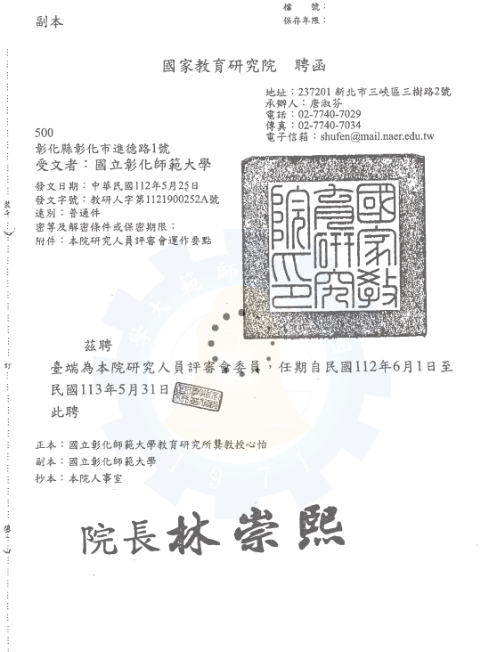
Figure 42: Appointment letter for Professor Kung Hsin-Yi from the Graduate Institute of Education serving as a member of the National Academy for Educational Research's Researcher Review Committee
SDGs Relevance: Quality Education
(4) Professor Chan Meng-Chi from the Department of Special Education serves as a member of the Ministry of Education's "Special Education Evaluation Committee," evaluating special education work of special education classes in high school. See Attachment 17.2.1-P(PDF) for more details.
SDGs Relevance: Quality Education
(5) Professor Yang Ya-Hui from the Department of Special Education serves as a member of the "Consultative Committee Member for the 2024 Academic Year's Entrance Examination of Students with Disabilities for Higher Education Institutions," providing appropriate measures of examination service.
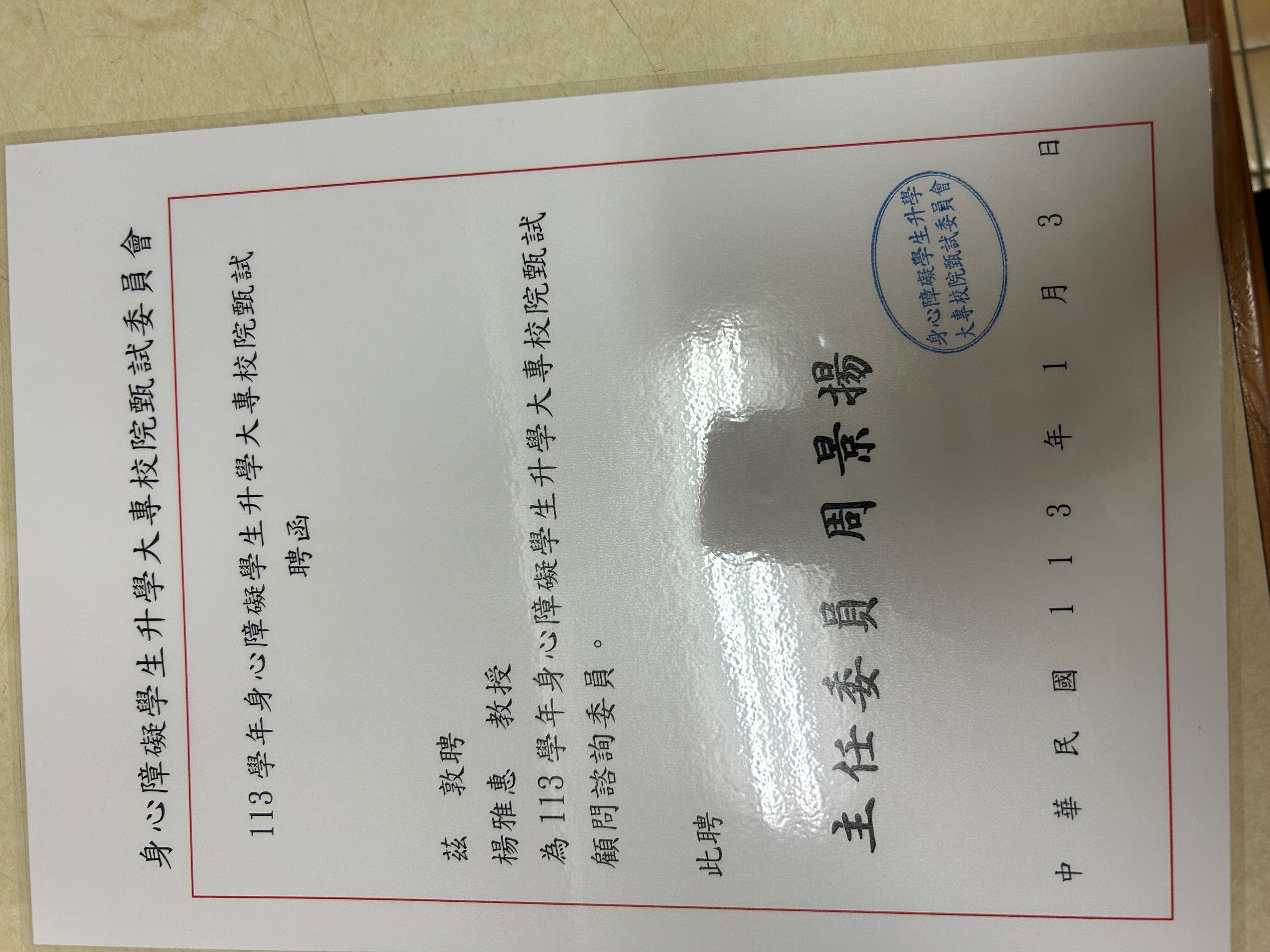
Figure 43: Appointment letter for Professor Yang Ya-Hui from the Department of Special Education serving as a member of the "Consultative Committee Member for the 2024 Academic Year's Entrance Examination of Students with Disabilities for Higher Education Institutions"
(6) Professor Yang Mei-Chih from the Department of Special Education serves as a member of the "Committee Member of the Inmate Psychological and Physical Treatment and Evaluation Team for 2024 at Taichung Prison, Agency of Corrections, Ministry of Justice," providing opinions on mental and physical treatment assessments for inmates before serving their sentences.
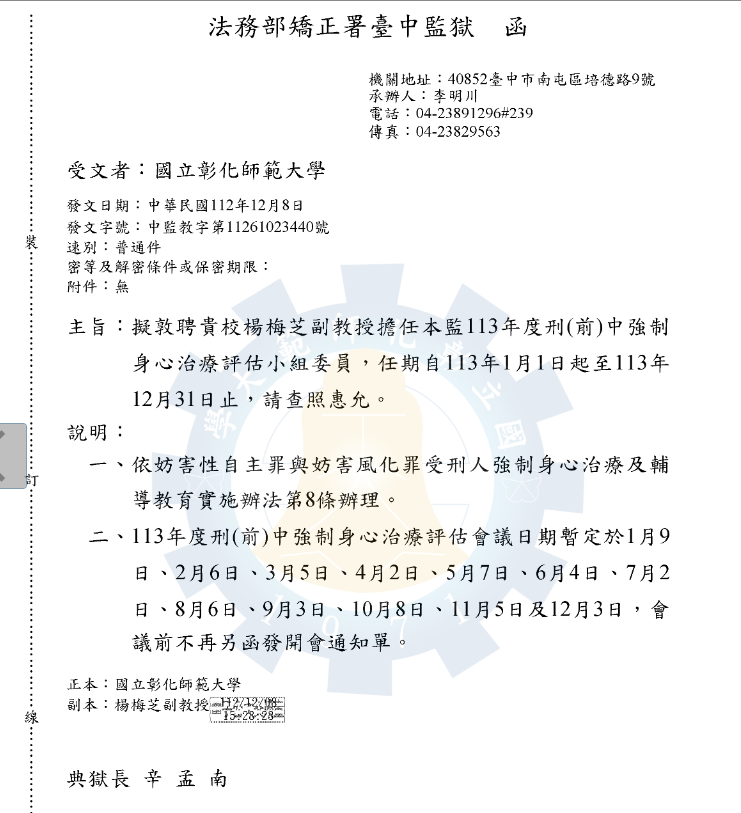
Figure 44: Appointment letter for Professor Yang Mei-Chih from the Department of Special Education serving as a member of the "Committee Member of the Inmate Psychological and Physical Treatment and Evaluation Team for 2024 at Taichung Prison, Agency of Corrections, Ministry of Justice"
SDGs Relevance: Good Health and Well-being, Quality Education, Peace, Justice and Strong Institutions, Partnerships for the Goals
(7) Associate Professor Kung Hui-Yi from the Department of English serves as the principal investigator of the Changhua County English Teaching Resource Center Project for Academic Year 2023, assisting in reviewing lesson plans, teaching reflections, and self-evaluation reports of foreign teachers in Changhua County, providing feedback and suggestions, and conducting on-site teaching supervision of foreign English teachers. Related website: https://www.cieetrc.chc.edu.tw/
SDGs Relevance: Quality Education, Partnerships for the Goals
(8) Professor Pei-Wen Lu of the Department of Geography, College of Liberal Arts, serves as a "Review Committee Member for the National Land Management Agency (NLMA), Ministry of the Interior." She assists in the policy review of matters related to national land planning deliberation or coordination, including the review of national land plans' establishment or modification, cross-functional zone plans for national defense and major public facilities or utilities, soliciting opinions for the National Land White Paper, and the review and improvement of the national land plan. Related website: List of Review Committee Member for NLMA: https://www.nlma.gov.tw/ch/moicommittee/comm7/56
SDGs Relevance: Decent Work and Economic Growth, Industry, Innovation and Infrastructure, Sustainable Cities and Communities, Climate Action
(9) Professor Lu Pei-Wen from the Department of Geography, College of Liberal Arts, serves as a member of the Ministry of the Interior's Construction and Development Fund Management Committee from 2023 to 2025, assisting the government in the effective collection, custody, and utilization of the construction and development fund, contributing to the promotion and development of national construction.
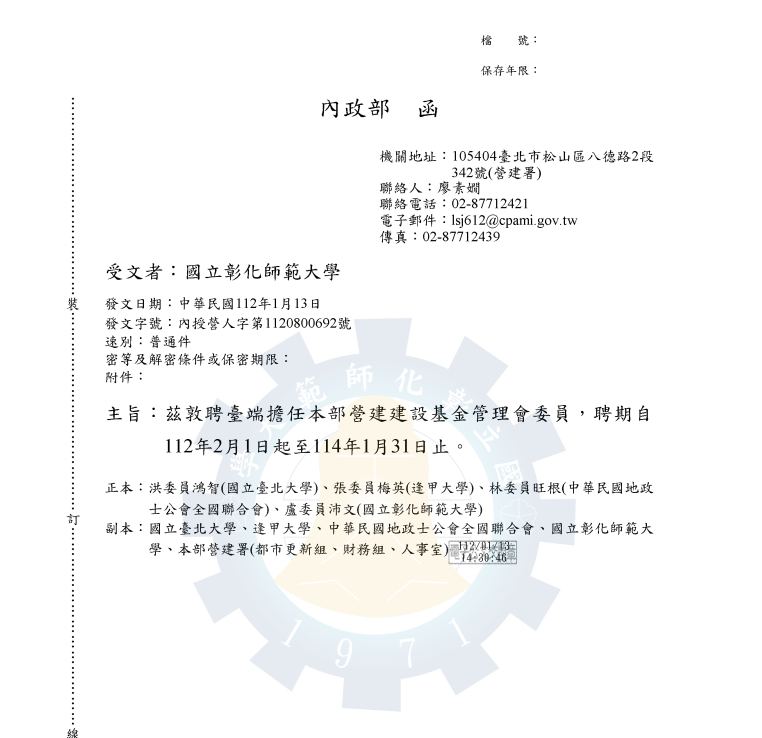
Figure 45: Letter regarding Associate Professor Lu Pei-Wen from the Department of Geography serving as a member of the Ministry of the Interior's Construction and Development Fund Management Committee
SDGs Relevance: Decent Work and Economic Growth, Reduced Inequalities, Sustainable Cities and Communities
(10) Professor Lien Yi-Pin from the Graduate Institute of Statistics and Information serves as a member of the Institutional Review Board for Biomedical Science Research (IRB-BM) at Academia Sinica, reviewing the protection measures for the rights and welfare of research subjects, as well as other matters related to biomedical research projects. Related website: https://bm.irb.sinica.edu.tw/posts/140169
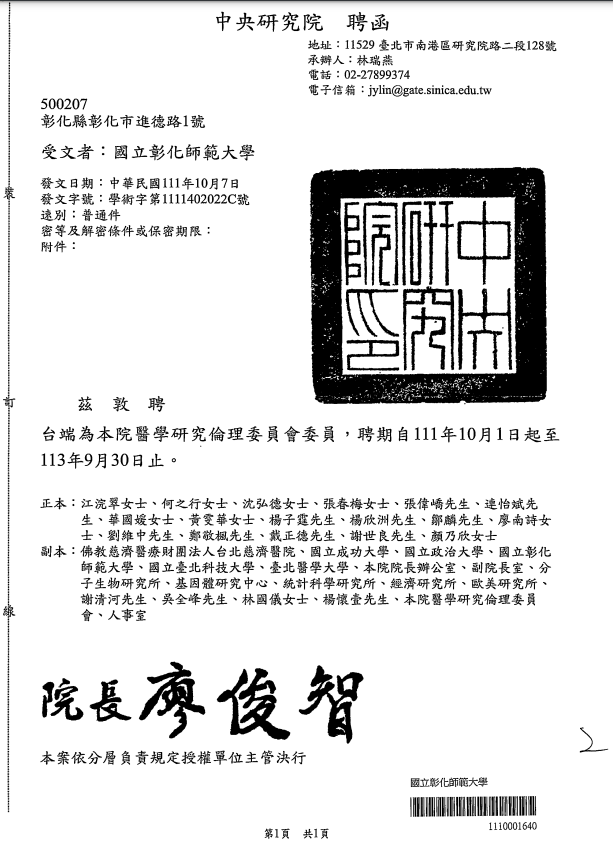
Figure 46: Appointment letter for Professor Lien Yi-Pin from the Graduate Institute of Statistics and Information serving as a member of Institutional Review Board for Biomedical Science Research (IRB-BM) at Academia Sinica.
SDGs Relevance: Good Health and Well-being, Quality Education, Peace, Justice and Strong Institutions, Partnerships for the Goals
(11) Assistant Professor Liao Hsing-Kuo from the Department of Electrical Engineering and Mechanical Technology, College of Technology, was seconded to the Ministry of Education as Chief Secretary from September 1, 2020, to May 19, 2024, assisting MOE in coordinating inter-ministerial affairs. During the secondment, Mr. Liao actively planned and promoted important educational policies and regulations, working to improve the educational environment and receiving the Ministry of Education's Model Civil Servant Award for 2023.
Campus headlines: https://www.ncue.edu.tw/p/406-1000-23435,r93.php?Lang=zh-tw
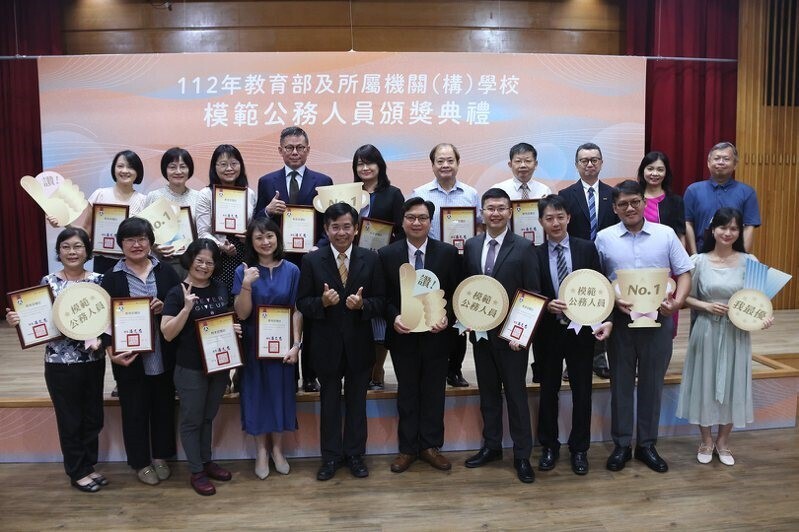
Figure 47: The Ministry of Education held a Model Civil Servant Award ceremony on August 23, 2023, with 19 recipients selected, including various levels of positions such as technicians, inspectors, secretaries, section chiefs, division chiefs, nurses, head nurses, physicians, and senior administrative personnel
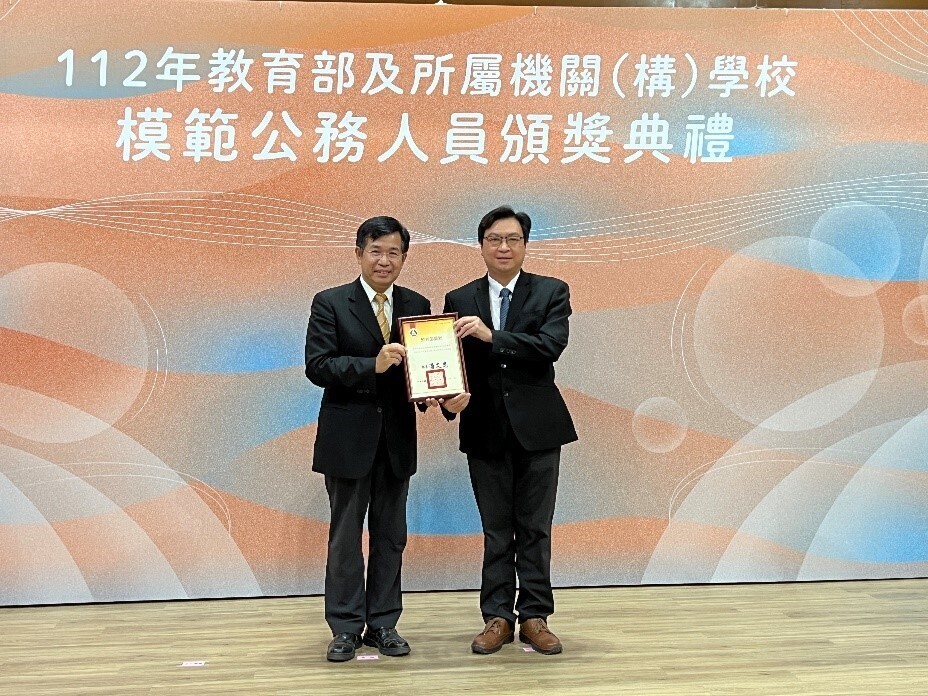
Figure 48: Chief Secretary Liao Hsing-Kuo (right) receiving the certificate from Minister Pan Wen-Chung (left).
SDGs Relevance: Quality Education
(12) Professor Huang Tun-Chun from the Graduate Institute of Human Resource Management, College of Technology, serves as a review committee member of the National Science and Technology Council's Humanities and Social Sciences Research Center, assisting in the TSSCI journal selection of the management field, serving the academic community and promoting the improvement of academic and journal standards. See Attachments 17.2.1-Q(PDF), 17.2.1-R(PDF), and 17.2.1-S(PDF), 17.2.1-T(PDF) for more details.
SDGs Relevance: Quality Education
(13) Professor Huang Wei-Tse from the Department of Electrical Engineering and Mechanical Technology serves as a member of the Ministry of Economic Affairs' third-term "Power Reliability Review Committee," assisting the Ministry of Economic Affairs in conducting fair and impartial national power dispatch while ensuring power system reliability, enhancing power system safe operation, and ensuring uninterrupted power supply for public livelihood, economic, and industrial use.
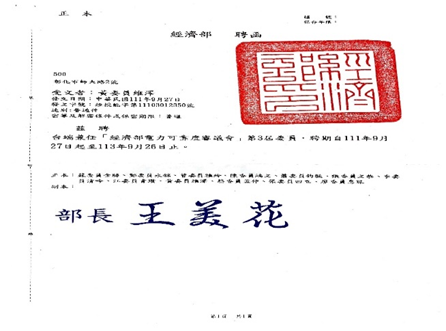
Figure 49: Appointment letter for Professor Huang Wei-Tse serving as a member of the Ministry of Economic Affairs' "Power Reliability Review Committee"
SDG Relevance: Decent Work and Economic Growth, Reduced Inequalities, Sustainable Cities and Communities
(14) Professor Chiang Chia-Yu from the Department of Business Administration, College of Management, serves as a member of the "Miaoli County Cable Television Rate Review Committee," assisting local government in implementing communication and broadcasting regulatory policies, reviewing cable television operators' fee standards and their reasonableness, and ensuring a balance between rights of public viewing and industry development. The duties of the committee include: reviewing cost structure and service quality of rate adjustment applications, collecting opinions from the public and consumer groups, providing professional reviews and policy recommendations to promote information access and digital equity, and implementing public interest.
SDGs Relevance: No Poverty, Decent Work and Economic Growth, Reduced Inequalities, Sustainable Cities and Communities
(15) Professor Chiang Chia-Yu from the Department of Business Administration serves as a member of the "Operational Performance Evaluation Committee for Private Participation in Public Construction Projects at the National Taiwan Museum of Fine Arts". Professor Chiang is responsible for reviewing the performance results of private participation (PPP) in arts and cultural facility operation projects, and evaluating aspects such as management, service quality, financial operations, cultural promotion, and social benefits. The committee aims to ensure effective utilization of cultural public resources, enhance the sustainable operation efficiency of art venues, promote cultural equity and public participation, and strengthen the governance framework of public-private partnerships.
SDGs Relevance: Decent Work and Economic Growth, Sustainable Cities and Communities, Responsible Consumption and Production, Partnerships for the Goals