

|

|
|
|

|
|
|
|
|
|
|
|

|
|
|

|
|
SDG 16.2.3 Identify and engage with local stakeholders
According to the medium to long-term campus development plan that NCUE formulated in 2022 and revised in 2024 (Annex 16.2.3A(PDF)), Chapter IV outlines the future development priorities. This plan builds upon the previous NCUE development plan from 2016 to 2023. We focus on building an open learning environment at NCUE by publicizing school-related information, so that the public can monitor the development of the school in various ways; regarding teaching, we offer courses and activities relating to local identities and encourage teachers and students to jointly explore regional issues and strengthen their connection with local institutions, so that the University and local communities can experience innovative cooperation, mutual benefit, and common prosperity.
1. Disclosure of information on NCUE’s operations:
The “Information Disclosure” section is available on the homepage of NCUE’s official website. It presents university-related information on administration, evaluation and reports, scientific research and procurement, and internal control, and Information Security and Personal Data Protection Section. Local stakeholders can access the information online and provide NCUE with suggestions, guidance, and supervision based on it. Link: https://www.ncue.edu.tw/
2. Cooperation: The University and Local Stakeholders.
(1) Tighter Connections with Local Institutions and Co-exploration of Local Issues:
We invite local experts, scholars, and regional institutions (such as county and city governments, social welfare organizations, local enterprises, and community colleges) to understand and assess community issues, assist in community development, and lead more active and harmonious social engagement.
(a) The Community Counseling and Human Development Service Center of NCUE is the first of its kind among the domestic universities, specifically designed to serve local residents. This center provides mental health services to specific community members and institutions, promoting psychological well-being and potential development of local residents. The university shares its resources with community colleges to provide local residents with a comprehensive education system. Furthermore, the university also strengthens the cooperation with local government to address challenges together.
From 2022 to the present, the university has undertaken the “Counselling and Support Service for Teachers” on behalf of the Changhua County Government. The service can help teachers gain a better understanding of stress tolerance and adaptability, thereby improving their mental health and overall capacity of adjust.
Thanks to the aforementioned policies, the cooperation between the university and the local community is expected to promote mutual benefits and shared prosperity.
The NCUE Community Counseling and Human Development Service Center website can be found here: https://humanweb.ncue.edu.tw/
(b) To help faculty alleviate stress and care for their physical and mental well-being, while also fostering stronger connections between NCUE and the local community, the NCUE Community Counseling and Human Development Service Center specially organized two stress-relief activities in 2024.
i. The activity "Aromatherapy and Feminine Nourishment" led by professional aromatherapists who guided participants in using fragrance to relax their minds. Through content from books and hands-on experiences, the activity helped faculty rediscover and reconnect with their physical and mental states (Figure 1). Link: https://humanweb.ncue.edu.tw/p/406-1021-28567,r516.php?Lang=zh-tw
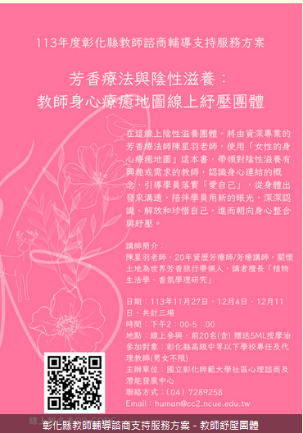
Figure 1. The “Aromatherapy and Feminine Nourishment” activity
ii. In the "Year-End Blessing and Gratitude Embroidery" activity, embroidery creators were invited to lead hands-on Christmas wreath activities combining botanical and festive imagery, allowing faculty members to find peace of mind through creative work and connect with one another. These two activities were not merely opportunities for relaxation, but also excellent ways for the university to collaborate with local aromatherapy and art practitioners, enabling community resources to become the most heartwarming support for faculty members (Figure 2). Link: https://humanweb.ncue.edu.tw/p/406-1021-28567,r516.php?Lang=zh-tw
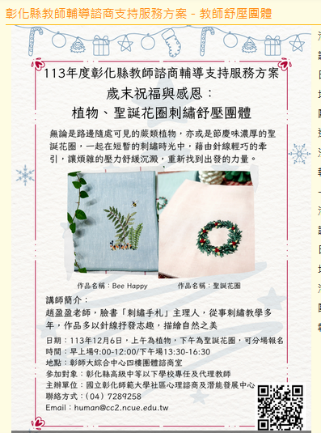
Figure 2. The “Year-End Blessing and Gratitude Embroidery” activity
iii. Conducting Child-Centered Play Therapy (CCPT) Activities: Toys are the vocabulary of children, and play is their language. Through Child-Centered Play Therapy, children in need are able to express their thoughts, needs, and feelings. Throughout this process, therapist intervention and regular parental consultations can significantly improve children's behavioral, emotional, and social difficulties, fostering their optimal growth and development (Figure 3). Link: https://humanweb.ncue.edu.tw/p/406-1021-26288,r516.php?Lang=zh-tw
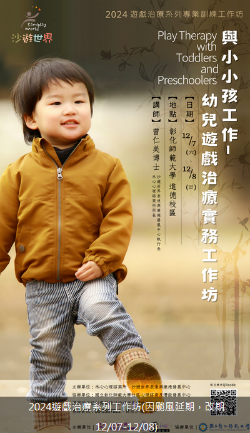
Figure 3. The poster for 2024 Play Therapy Workshop Series
(2) Caring for local industrial parks
To reflect the public nature of higher education and fulfill the university’s social responsibility, NCUE’s Innovation Incubation Center of the Research and Development Department actively promotes innovative businesses and assists traditional industries. In cooperation with the national strategy, we build a diversified platform taking precision machinery, smart electric vehicles, and green energy industries as the core technologies to form a refined incubation network and develop local competitive industries. Using the expertise and resources of the university, we help enterprises that are pursuing sustainable development goals to start up and grow. By providing long-term assistance in improving industrial technology and helping manufacturers to obtain the subsidies in R&D provided by the government, we cultivate industrial cooperation and expand the benefits of the guidance provided by the university in the Taichung-Changhua-Nantou Region.
In recent years, NCUE has gathered diverse resources from several of its departments, academic and research institutions in neighboring areas, the Changhua County Industrial Advancement Association, public associations, and the service centers of industrial parks and has integrated the resources of teams formed by full-time teachers with practical experience. Through the guidance of experts in various professional fields, we provide manufacturers with extensive and thorough proposals, and strive to implement them. In cooperation with a neighboring university (Dayeh University), we set up the “Changhua County Local Innovative Organization Alliance” and undertook cross-discipline and cross-university cooperation to promote R&D among small and medium-sized enterprises, as well as industry–university cooperation in innovation in the Taichung-Changhua area. Faculty members with relevant expertise are sent to cooperate in R&D with manufacturers facing a problem or otherwise in need. We also encourage enterprises to apply for the subsidies in R&D provided by the government (such as SBIR and CITD) to reduce their R&D costs, enhance their innovation and R&D capabilities, and increase their innovation momentum.
(3) Through university-industry collaboration and student internships, NCUE encourages students to participate in the National University-Industry Innovation Implementation Competition, guiding students to conduct in-depth research and exploration in their respective fields and apply their knowledge practically. Through strategic collaboration in university-industry research, NCUE strengthens integration with industry, promotes the alignment of academia with industrial practice, cultivates relevant practical technical talent for the industry, and through hands-on experiences, students gain firsthand understanding of enterprise operations as preparation for their future entry into the workplace. In 2024, a total of 253 teams from universities and colleges nationwide registered for the competition, with 173 project advancing to the finals (Figure 4).
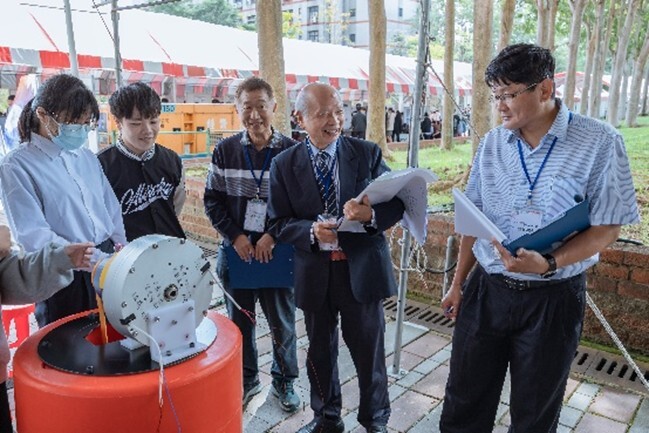
Figure 4. Students introducing projects in 2024 National University Industry-University Innovation Implementation Competition
(4) Joining hands and linking with regional industries in Changhua
Enterprises in Changhua County are mostly small- and medium-sized. The challenges faced by industrial development at this stage include technical personnel shortages, process and product upgrades, process optimization and automation, cloud platform integration and relevant data analysis, process-yield monitoring technologies, wastewater treatment and environmental monitoring, energy and water conservation, and green energy implementation. These challenges have motivated the teachers in NCUE who are specialized in related fields to leverage resources drawn from partner universities, introduce the concepts and technologies of ‘smart machinery’, and the Internet of Things to transform traditional industries into smart manufacturing industries aligned with Productivity 4.0, transforming Changhua County into a ‘smart city’. NCUE uses the Environmental Education Center as a platform, the professional skills and abilities of faculty members working in various fields and schools are combined to integrate the theory and practice of environmental sustainability, to students are guided to design core and professional courses or activities related to regional environmental issues, positive attitudes and values towards the environment are promoted, environmental education is cultivated, photoelectric green energy applications and eco-friendly breeding technology are promoted, teachers and talents are nurtured for the transformation and reconstruction of communities, and the environment and industry are improved so as to achieve sustainable environmental management and utilization.
NCUE remove University Social Responsibility Implementation Project: "Beautiful and Treasured Clams in Fangyuan and Dacheng: Sustainable Industry and Environment Project of Changhua’s Two Cities Amid Climate Change" website can be found here: https://zh-tw.facebook.com/NCUEUSR/
(5) In the 2023 academic year, the Department of Electrical and Mechanical Technology of NCUE remove established the Smart Casting and Manufacturing Industry-Academia Collaboration Program (4+2+1 teaching model). The program has enrolled 9 students. In the 2024 academic year, the department started the Smart Mechatronics Integration Collaboration Program. 26 students enrolled for this program. This specialized program primarily requires students to learn at the partner companies from Monday to Thursday, and return to the university for classes on Friday and Saturday. This new educational model, developed in cooperation with the industry, aims to balance both education and employment. It also helps key industries address the shortage of talent and establishes a teaching internship platform between the industry and the university.
The program promotes the practical and applied educational philosophy of vocational education, emphasizing “learning by doing, and doing while learning.” Furthermore, the Ministry of Education provides support for economically disadvantaged students. Specifically, the supporting program offers an annual scholarship of NTD$ 40,000 to those enrolled in four-year technological and vocational colleges, whose family’s annual income does not meet NTD$700,000.
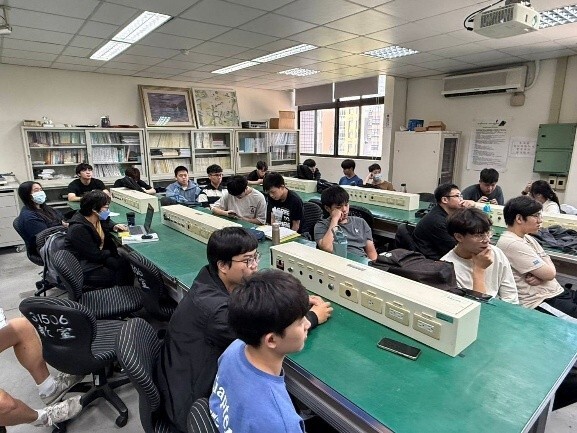
Figure 5. Students in the 2024 Smart Casting and Manufacturing Industry-Academia Collaboration Program
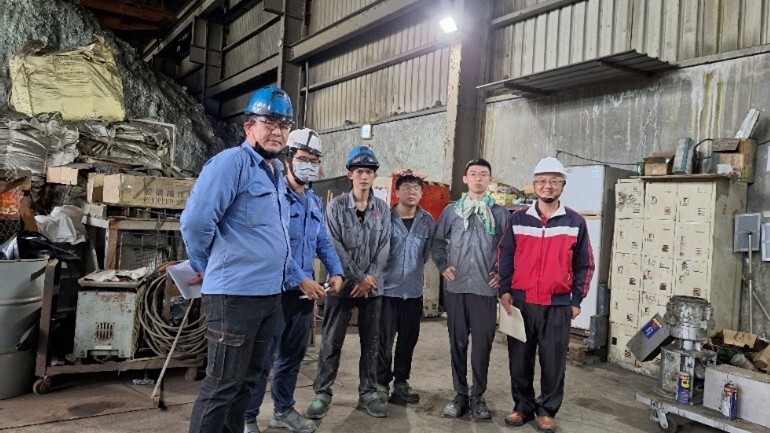
Figure 6. Faculty members visiting students at their internship sites
(6) In Academic Year 2023, NCUE established the Industry College in collaboration with Siliconware Precision Industries Co., Ltd. (SPIL), the world's third-largest semiconductor assembly and testing company, to jointly cultivate high-quality professional talent, focusing on nationally prioritized industries while enhancing faculty practical innovation and teaching quality. In terms of student recruitment for this program, NCUE actively provide opportunities for non-STEM students to participate in this initiative to achieve diversified cross-sector industry collaboration objectives. For Academic Year 2024, one class will be established with an enrollment of 25 students (Figures 7-8).
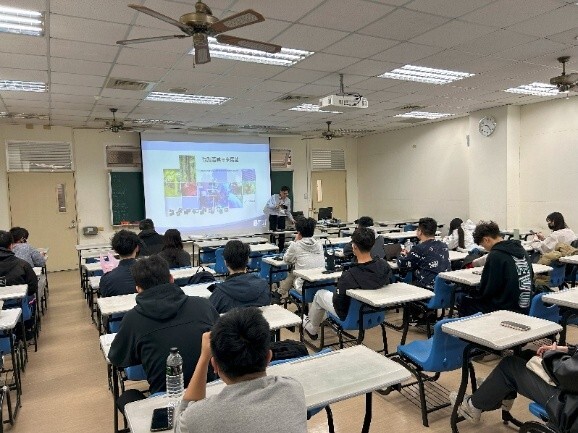
Figure 7. Students in the Industry College class
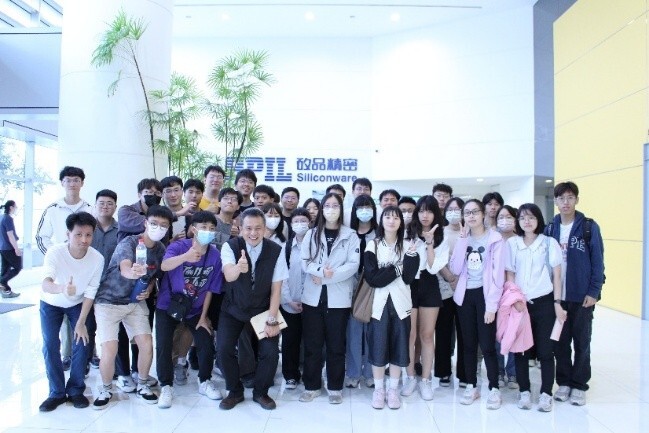
Figure 8. Industry College visiting Siliconware Precision Industries Co., Ltd.
(7) Cooperation in building Changhua’s green energy industry
Changhua owns a wind farm that is important at a global level. A green energy industry will definitely take root in Changhua. However, energy storage equipment is crucial to the development of green energy, and the development of smart energy, especially green energy, is one of the strong features of the College of Engineering in NCUE.
Energy company Ørsted donated a 1 MW/1.26 MWh megawatt-size battery energy storage system (BESS) (figure 9) to NCUE, which is the first university in the world to accept such a piece of equipment. In the cooperation project, NCUE offers the land while Ørsted provides equipment and personnel. The two parties cooperate to support the green energy development policy of the Changhua County Government. NCUE will focus on the development of smart energy during the selection of faculty members, master’s and doctoral dissertations, and student projects, and will play a determining role in Taiwan’s green energy industry. NCUE focuses on energy storage equipment and involves graduate students in developing energy management systems and applying AI (artificial intelligence) to the energy sector. These innovations were transferred to companies such as the Aerospace Industrial Development Corporation (AIDC) and Yuchen System Technology to enhance industry-academic collaboration and cultivate talent.
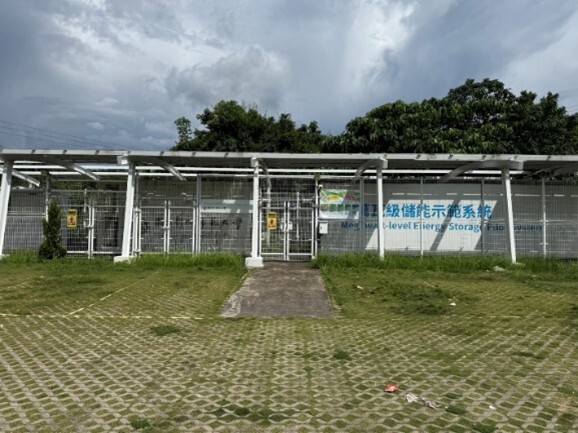
Figure 9. The 1 MW/1.26 MWh Energy Storage System in Baoshan Campus
In addition, NCUE continues to invest in equipment and research related to energy storage systems and electric vehicles, such as small distributed 100 kW/50 kWh BESS (Figure 10) and electric bus (Figure 11). Combining a total of 2688.75 kW of solar photovoltaic power in Jinde and Baoshan campuses and the microgrid dispatching technique, the school's smart green energy pilot system will serve as a major indicator for the industry and academia.
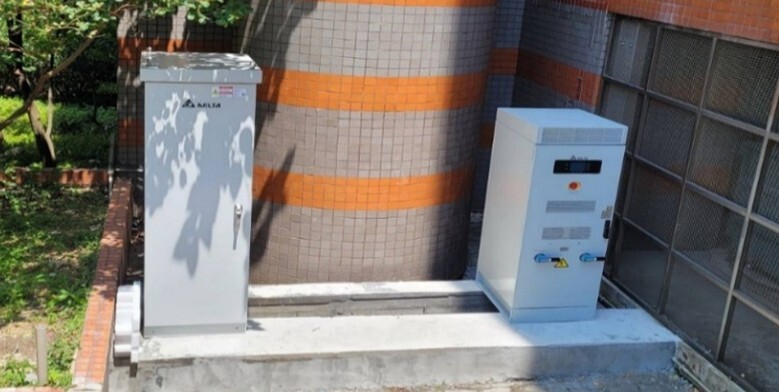
Figure 10. The 100 kW/50 kWh Energy Storage System in Baoshan Campus
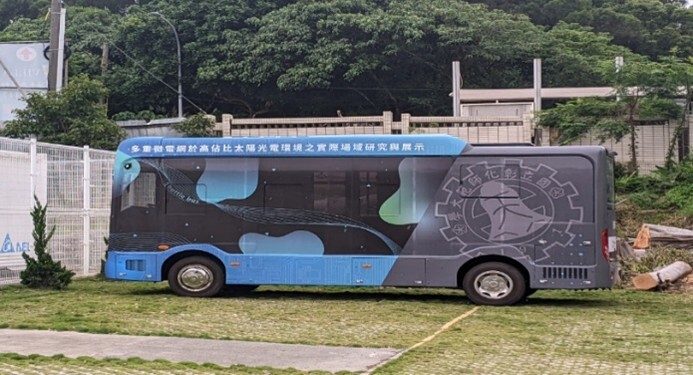
Figure 11. The 30 kW/78 kWh Pure Electric Bus.
Link: https://economic.chcg.gov.tw/03bulletin/bulletin02_con.asp?bull_id=281030
(8) Baisha Quality Education Alliance.
Focusing on integrating regional sources and improving the education quality in rural areas, the university seeks to fulfill its social responsibility, enhance cultivation teachers’ teaching skills, and prompt them to put theory into practice. In partner with Changhua County, Nantou County, Yunlin County, and the National Taichung University of Education, NCUE and its allies jointly established the “Baisha Quality Education Alliance.” The alliance is to serve disadvantaged students in rural areas, providing them with better learning opportunities and educational resources to strengthen their inquiring skills, digital literacy, and career development.
"NCUE x Common Good: Deep Cultivation and Advancement of Local Communities" website: https://sites.google.com/view/ncue-teach
Signing ceremony with 11 rural schools from 3 counties: https://www.ncue.edu.tw/p/406-1000-22265,r93.php?Lang=zh-tw
(9) NCUE Signs MOU and Industry-Academia Cooperation Project with Changhua Christian Hospital
NCUE actively assists local hospitals in improving medical care and medical equipment. After conducting several collaboration meetings in 2024, the Office of Research and Development, College of Engineering, and Changhua Christian Hospital jointly convened a research and development cooperation meeting (Figure 12). During the meeting, on-site discussions were held regarding the needs of the nursing department and innovation incubation center, with NCUE faculty members matched to help resolve clinical medical, medical equipment, or nursing department problems faced by the hospital. Subsequently, it was resolved to continue organizing matching meetings to actively address issues faced by Changhua Christian Hospital, while promoting the establishment of joint research project guidelines to deepen cooperation, enhance medical welfare for local residents, strengthen NCUE's social impact, fulfill NCUE's social responsibility, and enable more people to receive better medical care (Figure 12).
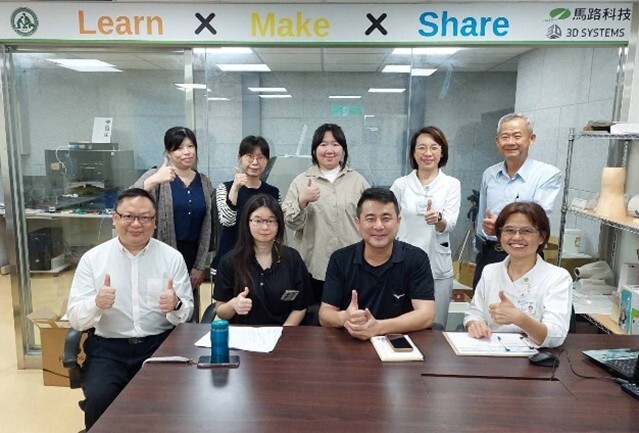
Figure 12. NCUE and Changhua Christian Hospital jointly convened a research and development cooperation meeting
(10) NCUE collaborates with Changhua County Police Bureau, Changhua Fire Department, community landlords, and other institutions to establish an off-campus rental housing safety assistance system, including off-campus housing information platforms, rental property safety certification, rental dispute mediation, and emergency safety assistance services to protect students' rights and safety: (Office of Student Affairs)
(a) NCUE has established the "The Student Off-Campus Rental Service Plan" in accordance with the "The Implementation Plan of the Ministry of Education for Promoting Student Rental Services in Senior High Schools and Above," with specific measures for promoting student off-campus rental safety and service work as follows (Link: https://studentweb.ncue.edu.tw/var/file/3/1003/img/505/145137072.pdf(PDF)
(b) NCUE conducts rental visits and establishing off-campus rental service platform (Link: https://house.nfu.edu.tw/NCUE)
i. Establishing registry of off-campus rental student residences: The Student Safety Section completes the establishment of the university-wide off-campus rental student registry within two months after the start of each academic year and fills out relevant data for student rental visits and rental building safety assessments as required by the Ministry of Education.
ii. Conducting rental student visit: Class advisors visits to the off-campus rental residences of their students according to the rental student registry during the first semester of each academic year and submit visit record forms to the Student Safety Section for record. The Student Safety Section continues to track and visit student off-campus rental situations during the second semester, conducts sampling inspections of building safety for newly renting sophomore students, and completes safety visit record.
iii. Providing rental service information: In conjunction with NCUE's cloud-based rental network, the university provides information on cooperative landlords, encourages rental students to utilize the platform and promotes the use of standardized rental contract templates, shares common rental dispute cases, and relevant regulations.
iv. Providing landlord rental information: Verified cooperative landlord listings are published on NCUE's cloud-based rental network.
(c) NCUE facilitates dispute resolution channels and provides legal consultation services:
i. Handling rental consultation and rental dispute coordination: The Student Safety Section establishes a rental service counter to provide student rental consultation and mediation services, and cases are referred to professional organizations as needed to provide more comprehensive services and reduce the occurrence of rental disputes.
ii. Strengthening parents’ rental awareness: Each May, NCUE sends off-campus rental precautions to parents of sophomore students, reminding them of key points to note during property viewing and contract signing to facilitate the communication and coordination between parents and their children.
iii. Conducting rental safety seminars: Experts and scholars are invited each academic year to conduct rental safety seminars, enabling rental students to understand essential rental practices, including signing contracts, providing knowledge about renting and strengthening security, fire safety, and building safety knowledge to enhance rental students' awareness of rental safety and, therefore, preventing rental disputes. On April 30, 2024, NCUE invited Instructor Lin Yi-ying from Feng Chia University to conduct a student off-campus rental seminar "Rental Etiquette and Legal Knowledge," with 61 participants, helping to protect students' off-campus rental safety. (Figures 13-14)
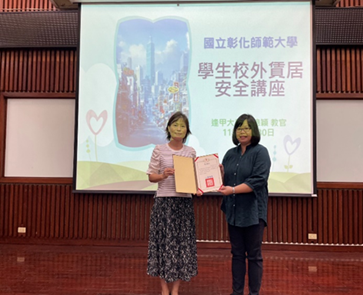
Figure 13. Awarding of Certificate of Appreciation for the Lecture
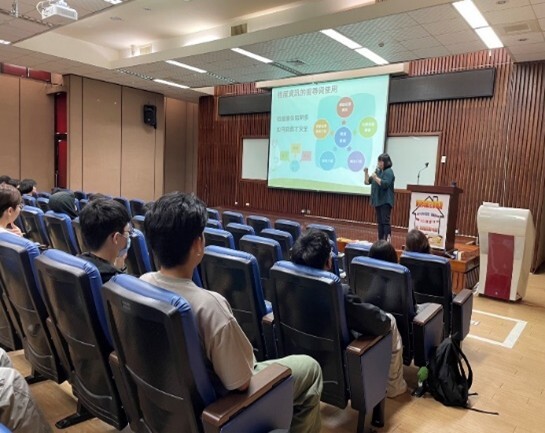
Figure 14. Students listening attentively
iv. Commending outstanding rental service landlords: NCUE periodically recognizes landlords who care for rental students or provide excellent rental services, giving commendations to those with verified achievements to help establish good landlord-tenant relationships.
(d) Promoting off-campus rental property safety certification: To safeguard the safety of rental students, NCUE promotes initiatives that aim to enhance students' and landlords' awareness of safety prevention and anti-theft capabilities, reducing the risk of security incidents.
(e) Other rental service-related matters:
i. Maintains anti-voyeurism detection devices available for off-campus rental students to borrow.
ii. Annually combines rental student registries with students’ basic information to establish relevant residential data for off-campus rental students, providing safety emergency incident notification and contact processing.
(f) The Office of Student Affairs has established the "National Changhua University of Education Off-Campus Rental Network," where students can search for housing information published by NCUE that complies with Ministry of Education regulations. This website also provides: Ministry of Education off-campus rental property safety visit forms, Ministry of Education off-campus rental property safety self-assessment checklists, a list of 2024 certified safe landlord, rental safety certification instructions, and other materials, all of which help ensure student off-campus rental safety. Link: https://house.nfu.edu.tw/NCUE
(11) NCUE invests in renovating underground parking garage to provide community residents with comfortable, convenient, and modern parking spaces while offering parking discounts and diversified services:
(a) In 2024, NCUE allocated NT$16,681,213 to renovate the parking garage, aiming to strengthen services for the community and NCUE faculty and students and provide quality parking spaces. The renovated parking garage is shown in Figures 15-16.
(b) The underground parking garage on Jinde Campus is open for temporary parking rentals by community members or external individuals on weekdays (free for the first 30 minutes) and also open for long-term rentals. Residents of the nearby Fuxing Village enjoy preferential monthly rental fees, enabling NCUE resources to be shared with the community. The link of NCUE Parking Garage Management Regulations: https://generalweb.ncue.edu.tw/var/file/4/1004/img/131/260494054.pdf(PDF)
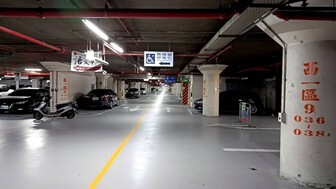
Figure 15. The renovated parking lot
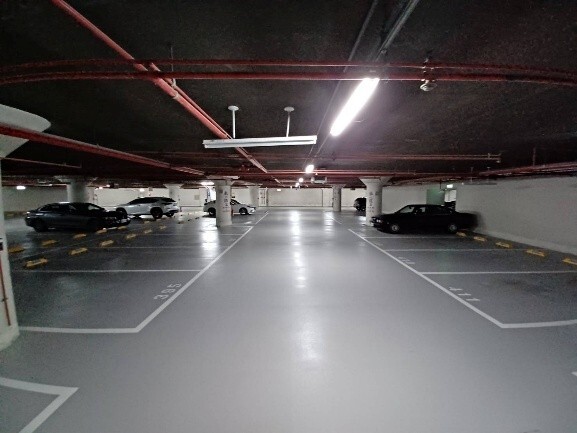
Figure 16. The renovated parking lot
(c) To reduce greenhouse gas emissions and air pollution, NCUE installed 2 electric vehicle charging stations in November 2024 (Figures 17-18) to meet the charging needs of community residents with electric vehicles. In addition to providing parking convenience, this also responds to the electric vehicle market by providing diversified charging services. NCUE will continue to plan and expand charging stations in the future to meet the increasingly popular electric vehicle market. The link of the NCUE's "Electric Vehicle Charging Parking Space Management Guidelines": https://generalweb.ncue.edu.tw/var/file/4/1004/img/131/418956510.pdf(PDF)
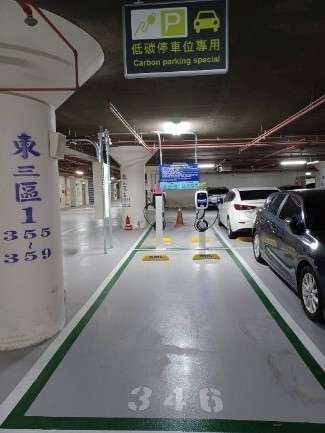
Figure 17. Parking Space with charging pile on Jinde Campus
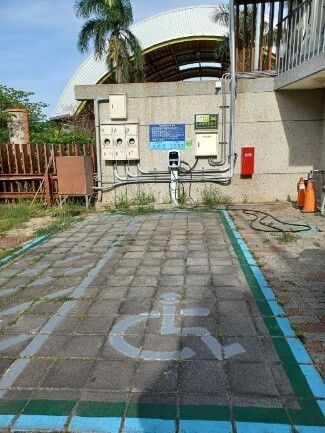
Figure 18. Parking Space with charging pile on Jinde Campus
(12) Other External Local Stakeholder Engagement - Undergraduate Student Research Projects:
(a) Associate Professor Ching-Mu Chen from the Department of Geography is supervising student Chiao-Yi Wu in executing the NSTC Undergraduate Student Research Project (2024/07/01~2025/02/28) titled "Pet Owners Face Housing Challenges, Furry Companions Also Want a Home." In recent years, due to changes in lifestyle and social structure, the number of pets and the output value of related industries have increased annually. Various counties and cities have begun promoting "pet-friendly space recruitment and certification programs" to facilitate pet owners in identifying venues suitable for pets. In the rental market, pet owners can only understand whether a property allows pets through information provided by landlords, and the number of pet-friendly properties is limited. Most landlords still hold reservations about whether to allow pets. To understand "why pet-friendly properties remain extremely rare," this research focuses on Taichung City, a metropolitan area near the university, as the research area. The study will first use hedonic pricing theory to construct a Spatial Lag Model for rent, quantifying the effect of landlords' openness to pet-friendly policies on rental prices in Taichung City's rental market (Figure 19).

Figure 19. Pet Owners Face Housing Challenges, Furry Companions Also Want a Home
(b) Associate Professor Yi-Ching Chen from the Department of Geography supervises student Yu-Nung Yang in executing the NSTC Undergraduate Student Research Project (2024/07/01~2025/02/28) titled "Impact of Mangrove Expansion on Flooding in the Tidal Reach of Erlin Creek and Vegetation Thinning Strategies." This research aims to understand whether the current vegetation conditions of Erlin Creek may cause flooding. If so, vegetation thinning must be implemented. Vegetation thinning also needs to consider sustainable policies promoted in recent years to protect existing river ecology while achieving flood mitigation. This research can serve as a reference for future vegetation management in Erlin Creek and other tidal reaches, maintaining river flood capacity through strategic thinning while balancing ecological conservation, helping to establish a more resilient river management model (Figure 20).

Figure 20. Impact of Mangrove Expansion on Flooding in the Tidal Reach of Erlin Creek and Vegetation Thinning Strategies
(c) Professor Yu-Ling Song from the Department of Geography supervises student Yu-Jie Han in executing the NSTC Undergraduate Student Research Project (2024/07/01~2025/02/28) titled "Are They One of Us? Exploring the Impact of Post-COVID-19 'Anti-China' Sentiment on the Sense of Place Construction of Female Mainland Spouses in Taiwan." This research aims to explore the identity issue of female mainland spouses regarding "being part of Taiwan" in the post-pandemic era. Mainland spouses constitute Taiwan's largest new immigrant group, and the intersectionality of ethnicity and gender exclusion has led them to form negative feelings for places. Previous research has lacked exploration of how rural places influence female mainland spouses' choices of survival strategies in terms of identity. Therefore, this study uses Fangyuan Township as the research site, conducting in-depth interviews with 13 respondents to understand the migration experiences of female mainland spouses to Taiwan. Through examining various aspects such as daily life and social interactions, the study reveals the differences in sense of place among Fangyuan female mainland spouses before and after the pandemic, and their changes in national identity, thereby understanding their transformation in survival strategies (Figure 21).

Figure 21. Are They One of Us? Exploring the Impact of Post-COVID-19 'Anti-China' Sentiment on the Sense of Place Construction of Female Mainland Spouses in Taiwan
(d) Professor Hsin-Hung Wu from the Department of Business Administration supervises student Yu-Hsiang Han in executing the NSTC Undergraduate Student Research Project (2024/07/01~2025/02/28) titled "Exploring the Application of Random Forest in Customer Relationship Management—A Case Study of a Chain Supermarket in Central Taiwan." This research uses the Random Forest analysis method built into SPSS Modeler 14.1, utilizing market segmentation to predict key features affecting supermarket customer levels based on recency, frequency, monetary value, gender, age, and geography as independent variables. This study analyzes branch database data from a chain supermarket in Central Taiwan, incorporating market segmentation variables as independent variables, then through Random Forest analysis, finally identifying important features affecting customer levels, which can assist the supermarket operator as a reference to increase revenue and improve customer relationship management (Figure 22).

Figure 22. Exploring the Application of Random Forest in Customer Relationship Management—A Case Study of a Chain Supermarket in Central Taiwan