
|
|
|
|
|
|
|
|
|
|
|
|
|
|
|
|
|
SDG 17.4.3 Education for SDGs in the wider community
NCUE actively achieves various SDGs sustainable development policy objectives by organizing relevant educational activities for external audiences. This report selectively compiles and presents 10 examples of related initiatives implemented in 2024, detailed as follows:
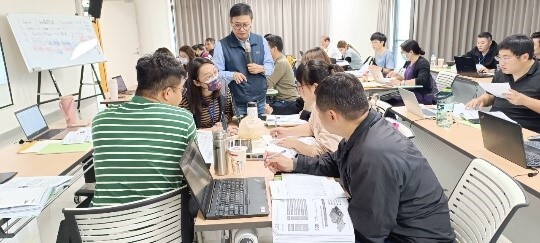
1. NCUE's Sustainable Development Practice – Lifelong Learning: The College of Extension Education organizes annual educational activities and courses to meet the extension education and learning needs of faculty and staff at NCUE, community residents, and the general public. The lifelong learning courses offered in 2024 are described below:
(1) Language Learning Programs: Multiple language learning courses were offered, including English, Japanese, Korean, French, German, Spanish, Thai, Vietnamese, and Indonesian, enabling community residents to develop second language competency according to their learning interests. In 2024, 39 classes were conducted with a total of 1,398 teaching hours, with 482 participants completing the programs and acquiring second language abilities.
(2) Community Senior University: To provide continuing education opportunities for older community members, NCUE has operated Changhua County Senior University since 1995, encouraging residents aged 55 and above to return to campus for learning. In 2024, two semesters were conducted, each lasting 16 weeks, with a total of 28 classes offered. The diverse curriculum included Japanese, English, calligraphy, traditional Chinese painting, arts, and smartphone application classes, with 882 participants completing the programs.
(3) Professional Development for Secondary School Teachers: Annual programs are conducted in coordination with the Ministry of Education and secondary school teacher development needs, offering in-service teacher second specialty and enhancement courses to improve teaching professional competency. In 2024, 70 courses were offered across different fields including Southern Min language, information technology, living technology, bilingual teaching, scouting education, and special education, providing 2,922 training hours with 1,384 participants.
(4) Leadership Training for Elementary and Secondary School Principals and Directors: As the only secondary teacher preparation institution in central Taiwan, NCUE has organized annual "Leadership Training Programs for Elementary and Secondary School Principals and Directors" since 2020 to fulfill university social responsibility. Each program continues for 4 months, and to date, 83 senior administrative leaders from elementary and secondary schools have been trained.
(5) Changhua County Business Talent Development: Located in Changhua County, NCUE collaborates with the Changhua County Government and private enterprises to assist local businesses in talent development for sustainable operations aligned with current trends. Since 2016, NCUE has annually conducted second-generation successor and female leadership training programs for small and medium enterprises, developing capabilities in management, innovative operations, digital marketing, communication, and negotiation. This training program has successfully graduated 379 participants to date. Additionally, to assist Changhua County enterprises in addressing climate change issues and the European Commission's Carbon Border Adjustment Mechanism (CBAM) to be implemented from 2030, NCUE organized the "ESG Sustainability Planning Training Program" in 2024, conducting four sessions each of "ISO 14064-1 Organizational Greenhouse Gas Internal Verification Personnel Training Course and Certificate Program" and "ISO 14067 Carbon Footprint Management and Calculation Foundation Course and Certificate Program," delivered by professional instructors from SGS International Certification Company, training a total of 192 enterprise participants to develop deeper understanding of carbon emission calculation and verification.
(6) Professional Enhancement Courses for Working Adults: NCUE plans vocational training courses based on community residents' needs and local industry requirements to enhance workplace professional competency. In 2024, 1,277 classes were conducted with a total training duration of 4,077 hours, assisting 2,451 participants in improving their knowledge and capabilities.
(7) Community Extension Education Courses: Various extension education courses are offered from time to time, covering business operations, information technology, business management, marketing, and handicraft creation, enabling community residents to continue self-development according to their learning interests. In 2024, 60 classes were conducted with 1,369 course hours, attracting 1,213 participants.
|
|
|
|
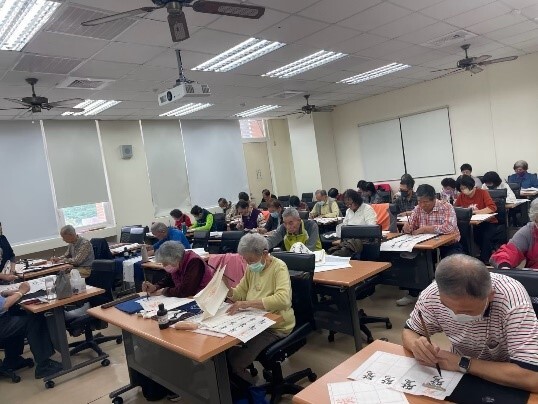
Figure 1: Senior University - Calligraphy Class |
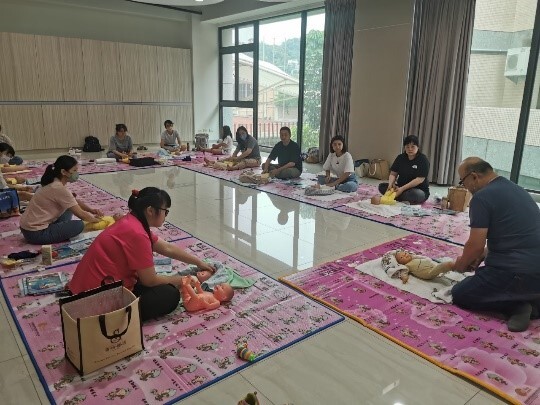
Figure 2: Lifelong Learning Course - Baby Yoga |
|
|
|
|
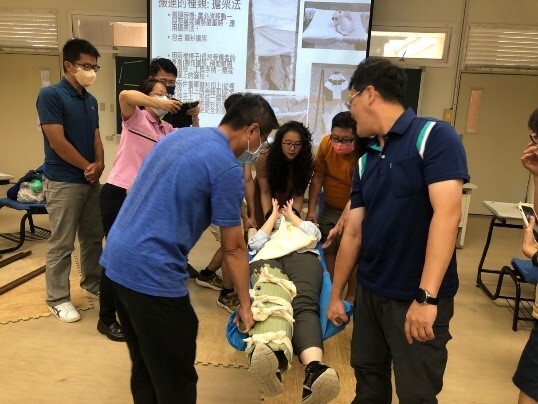
Figure 3: Teacher In-Service Training - Scout Education Second Specialty Credit Program |
Figure 4: Business Talent Training Course - ESG Sustainability (ISO 14064-1) |
SDG Alignment: Good Health and Well-Being, Quality Education
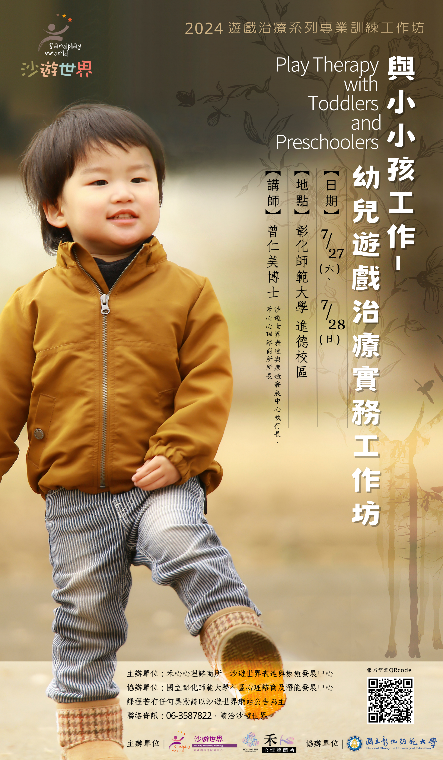
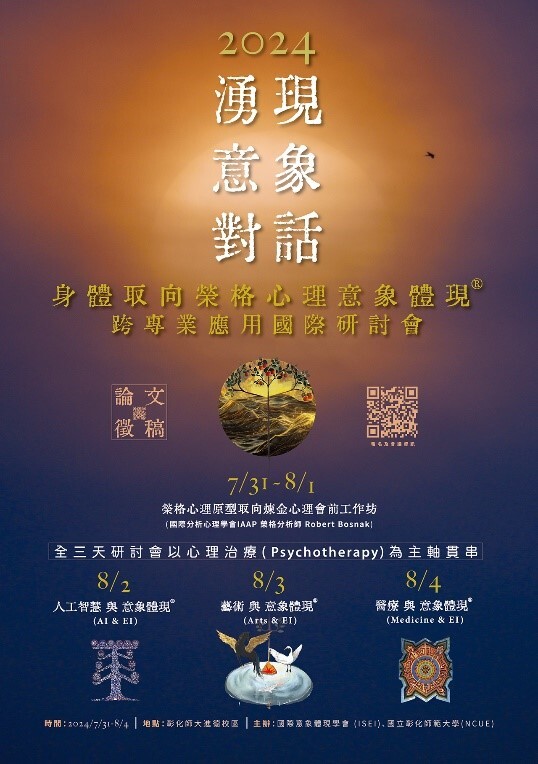
2. The Community Psychological Counseling and Potential Development Center organized Early Childhood Play Therapy Practice Workshops to promote practical exchange in early childhood play therapy. The workshops invited psychologists, counselors from schools at all levels, social workers, child welfare professionals, and graduate students from related disciplines to explore methods of conducting play therapy with young children within the context of kindergarten culture, and how to collaborate with parents and teachers to formulate appropriate consultation goals and conduct efficient parent-teacher consultations through focused dialogue. The center also organized "Supervision" series workshops for trauma, artisan handicraft series lectures and workshops to enhance psychological resilience among relevant practitioners and improve community health and well-being.
|
|
|
|
Figure 5: Early Childhood Play Therapy Practice Workshop |
Figure 6: Body-Oriented Experiential Dream Workshop |
SDG Alignment: Good Health and Well-Being, Quality Education
3. The Language Center of the Office of International Affairs organized the "3rd Nantou County Mayor's Cup English Reading Assessment and Guided Writing Competition for Elementary and Secondary Schools" in collaboration with Tongde Senior High School in Nantou County, aiming to achieve the 2030 Bilingual Policy goal of "cultivating bilingual talent for Taiwan to engage with the world and comprehensively activating the bilingual transformation of the education system." The competition encompassed three levels, elementary, junior high, and senior high school, with two components: "English Reading Assessment" and "Guided Writing," completed within 70 minutes. Through this collaboration, the Language Center once again demonstrated its expertise in English language assessment and test development experience, promoting the quality of English proficiency assessment in elementary and secondary schools while strengthening connections with local educational institutions and establishing a solid foundation for continued future cooperation.
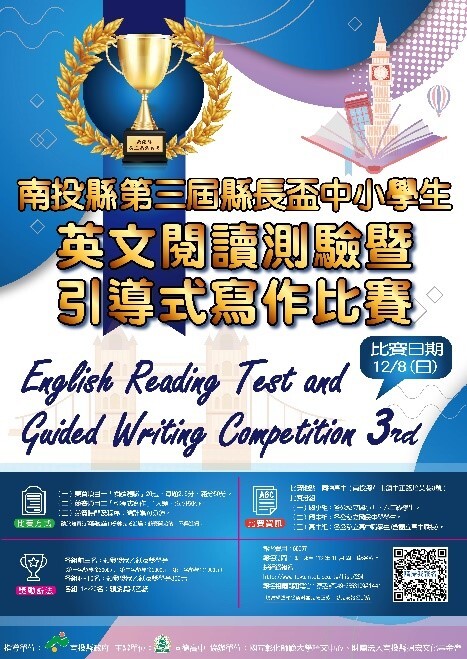
Figure 7: English Reading Assessment and Guided Writing Competition Poster
SDG Alignment: Quality Education
4. Teacher Education Center's Advancement of Teacher Quality and Characteristic Development Program:
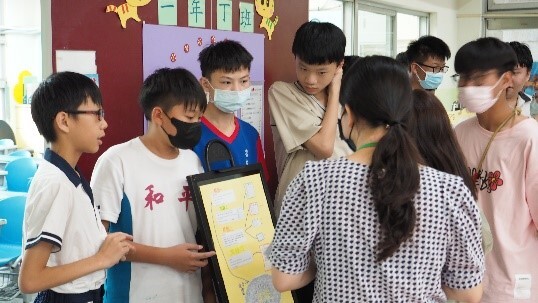
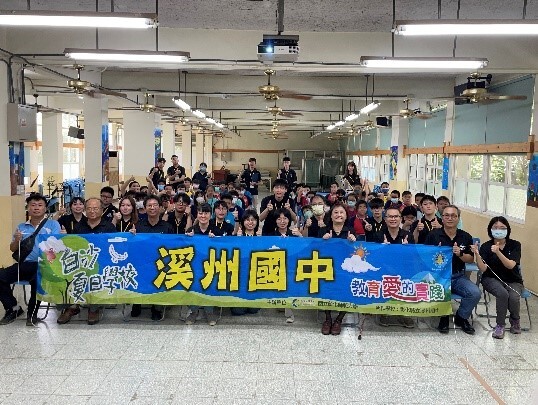
NCUE has organized the Baisha Summer School since 2011, where pre-service teacher form school administration and teaching teams, simulating diverse roles such as principals, academic affairs, student affairs, general affairs, and homeroom teachers to guide new elementary and junior high school students in adapting to campus life through creative and passionate transition courses. In summer 2024, 39 pre-service teachers were stationed at Xizhou Junior High School and Xinyi Elementary and Junior High School in Changhua County, leading 113 seventh-grade students to experience the joy of learning and welcome their new junior high school life.
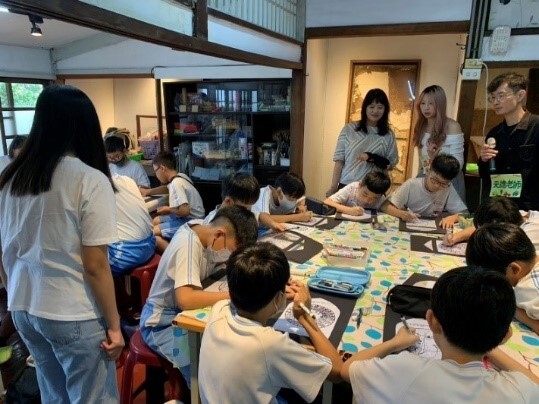
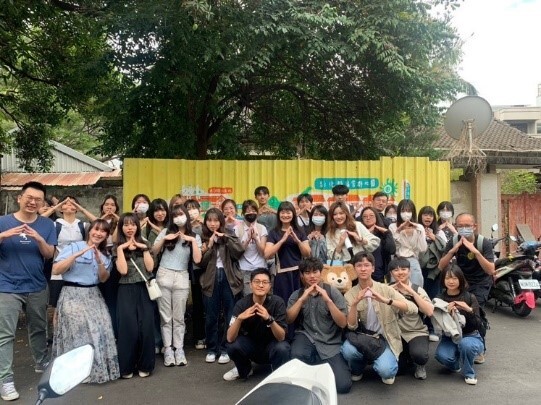
Additionally, the Department of Fine Arts continued its collaborative partnership with the gifted program students and teachers of Nanguo Elementary School in Changhua County. From March to May 2024, 30 fine arts pre-service teachers were led to the Nanguo County Magistrate's Residence for in-depth community exploration and educational exchange. Starting from the historical and cultural significance of the Nanguo County Magistrate's Residence, the program guided and inspired pre-service teachers to integrate local characteristic elements, expanding visual arts and multi-sensory experiences. Pre-service students learned how to utilize architectural elements flexibly, breaking limitations of space and teaching, enabling art and education to deeply integrate into community contexts and realize the spirit of localized and life-oriented education. The program explored the fusion of Japanese cultural characteristics of the Nanguo County Magistrate's Residence with Taiwan's local culture, understanding the core values of multicultural arts education with attitudes of respect and tolerance to appreciate artistic expressions from different cultures. Through arts education, the program promoted local revitalization and cultural heritage, creating sustainable and humanistic learning environments, realizing deep connections and collaborative future creation between schools and communities.
|
|
|
|
Figure 8: Baisha Summer School - Xinyi Elementary and Junior High School Curriculum Fair |
Figure 9: NCUE Fine Arts Department Teacher Candidates Teaching Nanguo Elementary Students to Paint Stained Glass Windows |
|
|
|
|
Figure 10: Opening Ceremony of Baisha Summer School at Xizhou Junior High School |
Figure 11: Group Photo of Nanguo Elementary School Faculty and NCUE Faculty and Students |
SDG Alignment: Quality Education, Sustainable Cities and Communities
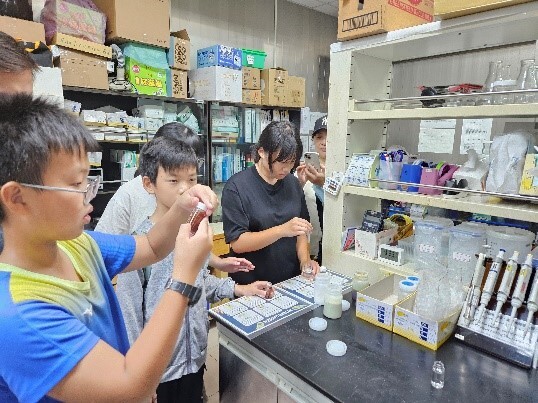
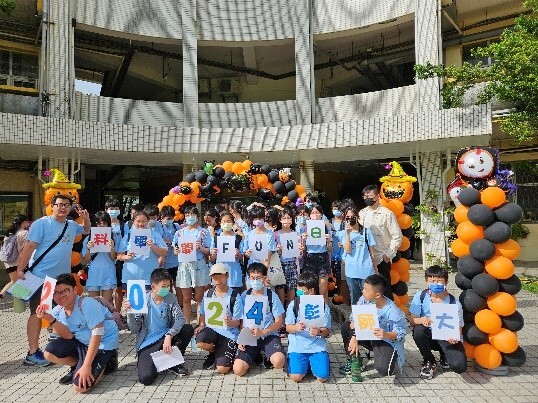
5. The Science Education Center organizes mathematics and science teacher enhancement activities and student science and mathematics inquiry activities to improve literacy-oriented teaching competencies of high school, junior high, and elementary teachers and enhance students’ interest and literacy in science and mathematics learning. Specific implementation methods include: science education guidance for rural areas, on-site services for inquiry-based experimental courses for high school mathematics/science/bilingual experimental classes, assistance in establishing professional learning communities for teachers, organizing related mathematics and science teacher enhancement workshops, implementation and promotion of science inquiry lesson plans, teaching activity design demonstration competitions, and organizing national secondary school mathematical modeling competitions to enhance literacy-oriented teaching competencies of in-service and pre-service teachers at all levels and improve student interest and literacy in science and mathematics learning. Science popularization activities are also organized, widely inviting rural schools and community residents from central Taiwan to participate, and to bring society and students closer to science.
|
|
|
|
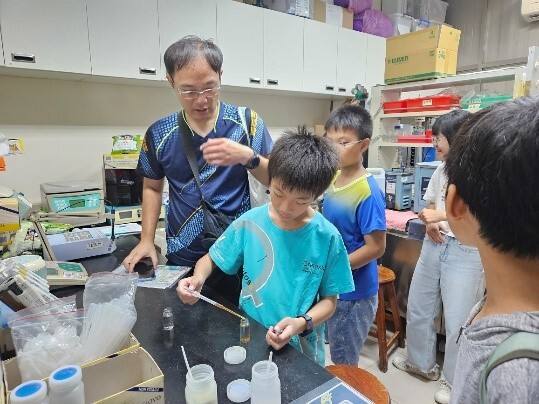
Figure 12: Laboratory Visit |
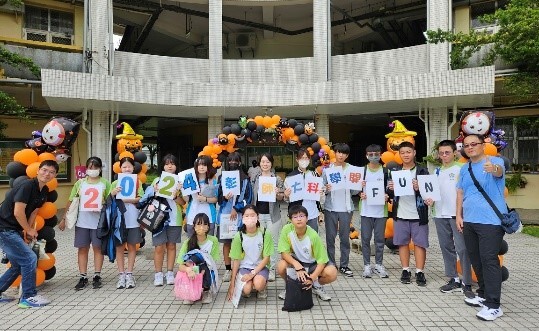
Figure 13: Science Open Day |
SDGs Alignment: Quality Education, Reduced Inequalities, Sustainable Cities and Communities
6. The coastal areas of Changhua face severe climate change challenges, including extreme high temperatures, sudden heavy rainfall, water pollution, and bacterial proliferation, leading to massive shellfish deaths and aquaculture industrial crises. Changhua County was voted the most boring county online and urgently needs to develop digital tours combining mobile media materials. Coastal townships are aging toward super-aged communities, with aquaculture workers facing aging pressures, and the average bedridden period for elderly people in Taiwan is as high as 7 years, lacking local professional sports care teams to achieve active aging goals. The coastal areas of Changhua lack local environmental education seed teachers and carbon auditing professionals equipped to address climate change. Furthermore, the few young entrepreneurs who are willing to return to the area lack adequate guidance and a service platform, which prevents them from linking up and growing together. The USR program of NCUE aims to promote "Resilient Changhua Coast" environmental sustainability and social resilience development of Changhua County's coastal corridor settlements, offering innovative diverse courses, cultivating local characteristic talent, empowering young entrepreneurs through co-learning to achieve sustainable local industry operations. Link: https://www.facebook.com/NCUEUSR
SDGs Alignment: Sustainable Cities and Communities, Climate Action, Life Below Water
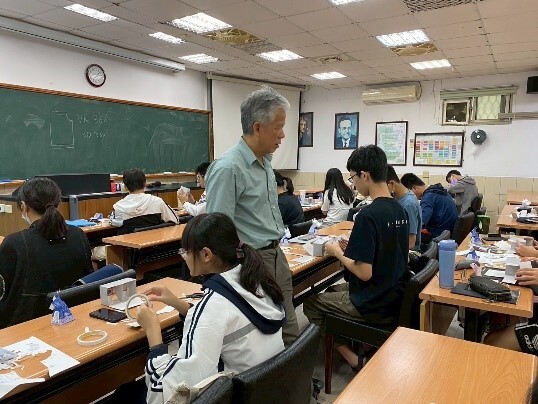
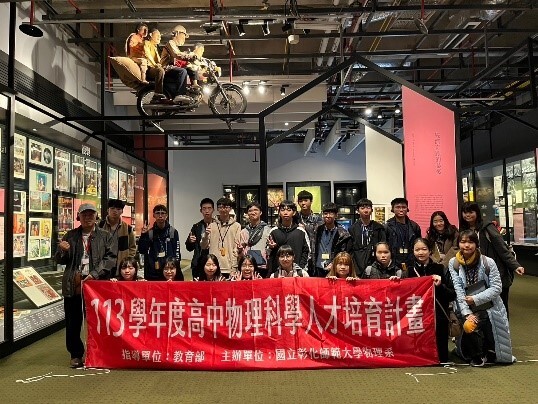
7. The Department of Physics has organized the Ministry of Education's High School Physics Gifted Student Cultivation Program since 2014, annually recruiting 59 first and second-year high school students. The teaching content balances theory and practice, with curriculum design focusing on cultivating students' physics concept construction, logical reasoning, and inquiry abilities, incorporating teaching aid design and experimental operation to strengthen students' hands-on and problem-solving capabilities. In addition to regular courses, field study activities are organized, including visits to science parks and science museums in northern, central, and southern Taiwan, arranging university general physics laboratory visits and experiments to help students deepen their interest in physics and expand their horizons while connecting academic knowledge with applications. Overall, the program implementation progress is pretty well with high student participation, helping to strengthen high school students' commitment to natural science fields and establish future academic and research directions.
|
|
|
|
Figure 14: Teacher Instruction |
Figure 15: The Group Photo of High School Physics Science Talent Cultivation Program |
SDGs Alignment: Quality Education, Reduced Inequalities
8. The Special Education Center undertakes commissioned and subsidized projects from the Ministry of Education. Internally, it provides support services for NCUE students with disabilities in learning assistance, life support, school adaptation, and transition services. Externally, it provides special education consultation services, conducts special education competency workshops, college special education on-site visits, college special education assessment, and publishes special education publications for guidance district schools and community residents.
For on-campus students with disabilities guidance, in 2024, the Special Education Center provided support services to 72 students with disabilities, academic learning assistance to 2,029 students, life support services to 258 students, career and transition services to 130 students, and counseling services to 280 students.
For community residents, students, teachers at all educational levels, and related guidance personnel, the center provides consultation hotline services to resolve issues in teaching practices, parental guidance, and student counseling, and conducts special education on-site visits for guidance districts to understand schools' implementation of special education work. The center regularly publishes special education publications to assist professional development of special education teachers and related staff, and organizes transition coordination meetings for students with disabilities at colleges and universities to actively understand current situations, limitations, and resource needs of various schools in conducting transition guidance activities. In 2024, 86 special education consultation services were completed, 1 on-site visit guidance was conducted, 2 issues of Special Education Gardener journal were published, and 1 guidance district special education work review meeting and 1 transition coordination meetings for students with disabilities at colleges and universities were held.
Additionally, to enhance special education competencies of special education teachers, administrative staff, and related guidance personnel at all educational levels in the guidance district, the center annually investigates needs of first-line staff and combines special education policies of with future special education development directions to plan mandatory courses, elective courses, advanced courses, and thematic case study professional competency activities for special education guidance personnel. In 2024, 6 basic special education competency workshops, 6 advanced competency workshops, 1 advanced course, and 14 related special education courses were conducted, totaling 27 special education professional competency activities.
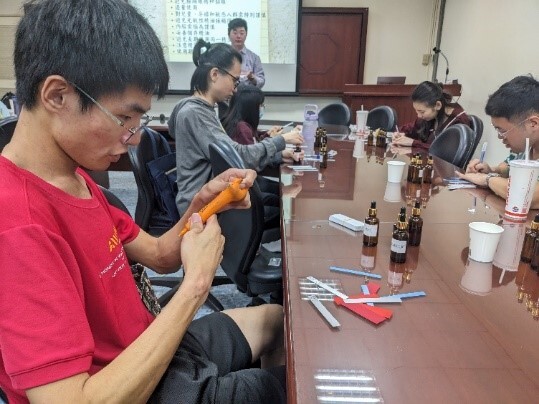
To address the continued increase in students with emotional and behavioral disorders and autism in colleges and universities, and responding to the characteristics of Changhua, Yunlin, and Nantou regions where resource distribution is uneven and special education resources are weak, the center develops support systems for students with emotional and behavioral disorders and autism to assist guidance personnel in the jurisdiction through four service aspects: (a) forming support networks through professional learning exchange communities, (b) integrating and connecting internal school resource networks, (c) providing on-site guidance for difficult cases, and (d) providing immediate consultation services. The center invites experienced guidance personnel from the guidance district, psychiatrists from medical institutions, and professors specializing in special education to serve as consultation committee teams, to provide strong support and assistance for guidance personnel, offering different services according to needs of individual cases. In 2024, the Special Education Center held 3 special education competency workshops, 9 professional exchange community activities, 2 emotional and behavioral disorders and autism special education advocacy events, and 1 difficult case on-site guidance.
|
|
|
|
Figure 16: Mind, Body, and Spirit Relief Solutions - Aromatherapy Workshop |
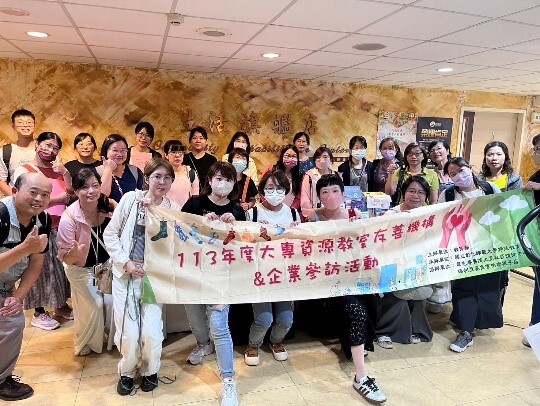
Figure 17: Career and Life Development - Friendly Institution and Enterprise Visit Activity |
|
|
|
|
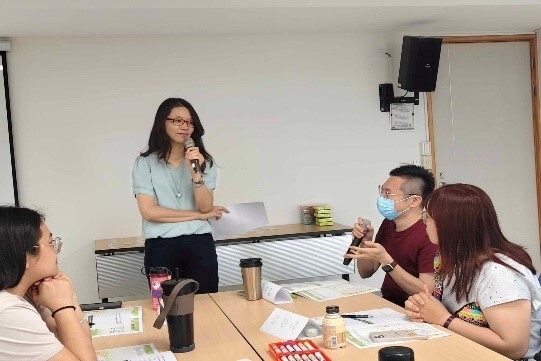
Figure 18: Interpersonal Relationship Building and Social Skills Training - L.O.V.E Listening and Communication Studies |
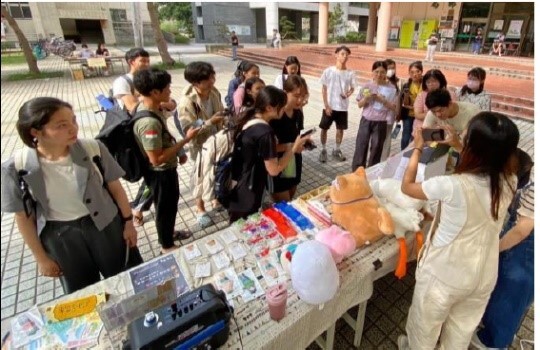
Figure 19: Emotional and Behavioral Disorders and Autism Advocacy Activity |
SDG Alignment: Good Health and Well-Being, Quality Education, Reduced Inequalities, Sustainable Cities and Communities
9. The College of Science and the Science Education Center jointly organized the 2024 Science Fun Day, collaborating with the National Science Education Program to invite participating schools. This event attracted over 10 schools registering and more than 450 participants and it was also open for on-site registration by community residents. Hands-on science booths were set up with "Science Magic Zone," "Science Adventure Zone," and "Science Exploration Zone" featuring practical, interesting science challenge activities. Although the activities spanned multiple scientific fields, they were presented in accessible ways, allowing elementary, junior high, and senior high school students to experience the wonders of science, providing reference for students interested in science in their academic career planning. The event aimed to bring the public closer to science, demonstrating that scientific knowledge exists not only in textbooks but can be learned in daily life. The 2024 Science Fun Day created a more comprehensive and quality educational environment for children in rural areas of Changhua County, and achieve the educational goal of "nurturing every child." Campus Headlines: https://www.ncue.edu.tw/p/406-1000-28558,r93.php?Lang=zh-tw
|
|
|
|
Figure 20: Laboratory Visit |
Figure 21: Xianxi Junior High School Faculty and Students |
SDG Alignment: Good Health and Well-Being, Quality Education, Reduced Inequalities
10. 2024 Yanwang Cup National Science HomeRun Hands-On Competition
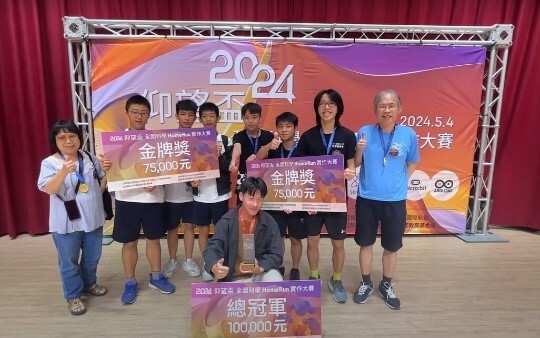
This competition featured a total prize pool of NT$700,000 with a grand prize of NT$100,000, attracting nearly 800 secondary school teachers and students from 18 counties and cities nationwide. Participating works used simple control boards for project research, with studies required to include at least two scientific concepts, combining electronic technology with engineering structures. The competition encouraged students to engage in active inquiry, leverage curiosity and imagination to identify problems, gain insights from data analysis through repeated verification, and finally demonstrate results through clear and accessible explanations or operations. By organizing such science competitions and activities, students' ability to integrate technological tools, materials, and resources, and their spirit of inquiry were enhanced. This competition developed students with scientific knowledge, hands-on practical skills, and learning habits, integrating these comprehensively into daily life.
Campus Headlines: https://www.ncue.edu.tw/p/406-1000-25946,r93.php?Lang=zh-tw
|
|
|
|
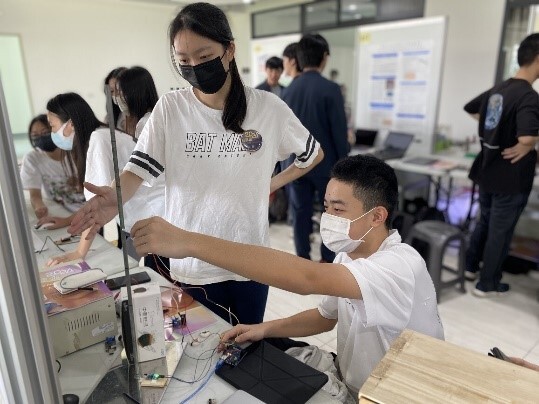
Figure 22: Evaluation Scene |
Figure 23: Grand Prize and Gold Medal Winners' Victory Speech Group Photo |
SDG Alignment: Good Health and Well-Being, Quality Education, Reduced Inequalities