
|
|
|
|
|
|

|
|
|
|
|
|
|
|
|
|
|
SDG 15.3.3 Local biodiversity included in planning and development
The buildings on our university campuses were constructed in compliance with relevant laws and regulations. Biodiversity was also taken into consideration during the planning and developmental stages. For example, during the construction of Wang Jin-Ping Activity Center, we added foliage by planting yew plum pine, Chinese juniper, crape myrtle, bamboo, camellia, etc., around the center. Relevant photos are as shown in Figure 1.

Figure 1. The yew plum pine and Chinese juniper planted next to the staircase leading to Wang Jin-Ping Activity Center
“Beautiful and Treasured Clams in Fangyuan and Dacheng: Sustainable Industry and Environment Project of Changhua’s Two Cities Amid Climate Change” and “Changhua Coastal Meretrix lusoria Habitat Survey and Conservation Education Promotion Program”
NCUE developed programs including “Coastal Biological Resources” and “Sustainable Development and Practice of Coastal Biological Resources” and encouraged students to integrate theory and practice. The courses focused on coastal biodiversity, eco-friendly aquaculture, water and sediment testing, fish consumption culture, and low-carbon aquaculture promotion, alongside community collaboration to advance marine conservation and sustainable fisheries. In the same year, the industry–academia collaboration project “Changhua Coastal Meretrix lusoria Habitat Survey and Conservation Education Promotion Program” was carried out at Xinbao Wetland and Wanggong Harbor. The project aimed to invite schoolkids to step into the role of marine scientists through activities such as: “Hard Clam Habitat Surveys” (four seasonal sessions including sediment improvement trials), “Volunteer Surveyor Training” (4 sessions, 41 participants), “Seed Teacher Training” (3 sessions, 91 participants), and the “Hard Clam Detective Team” (4 sessions, 185 participants).
In partnership with Caohu Junior High School, Hanbao Elementary School, and Lukang Elementary School to integrate scientific investigation with local education, the curriculum and hands-on activities included water quality testing, biodiversity surveys, bivalve classification, coastal tourism, and conservation education.
Results showed that sediment improvement significantly boosted growth of coarse-grain substrate indicator species such as hard clams and Meretrix, suppressed the dominance of Cyclina sinensis, and enhanced carbon sequestration potential, as well as benthic biodiversity. The participation of schoolkids increased the amount of survey data and helped raise community conservation awareness, creating a demonstrative model combining science and education (Figure 2).
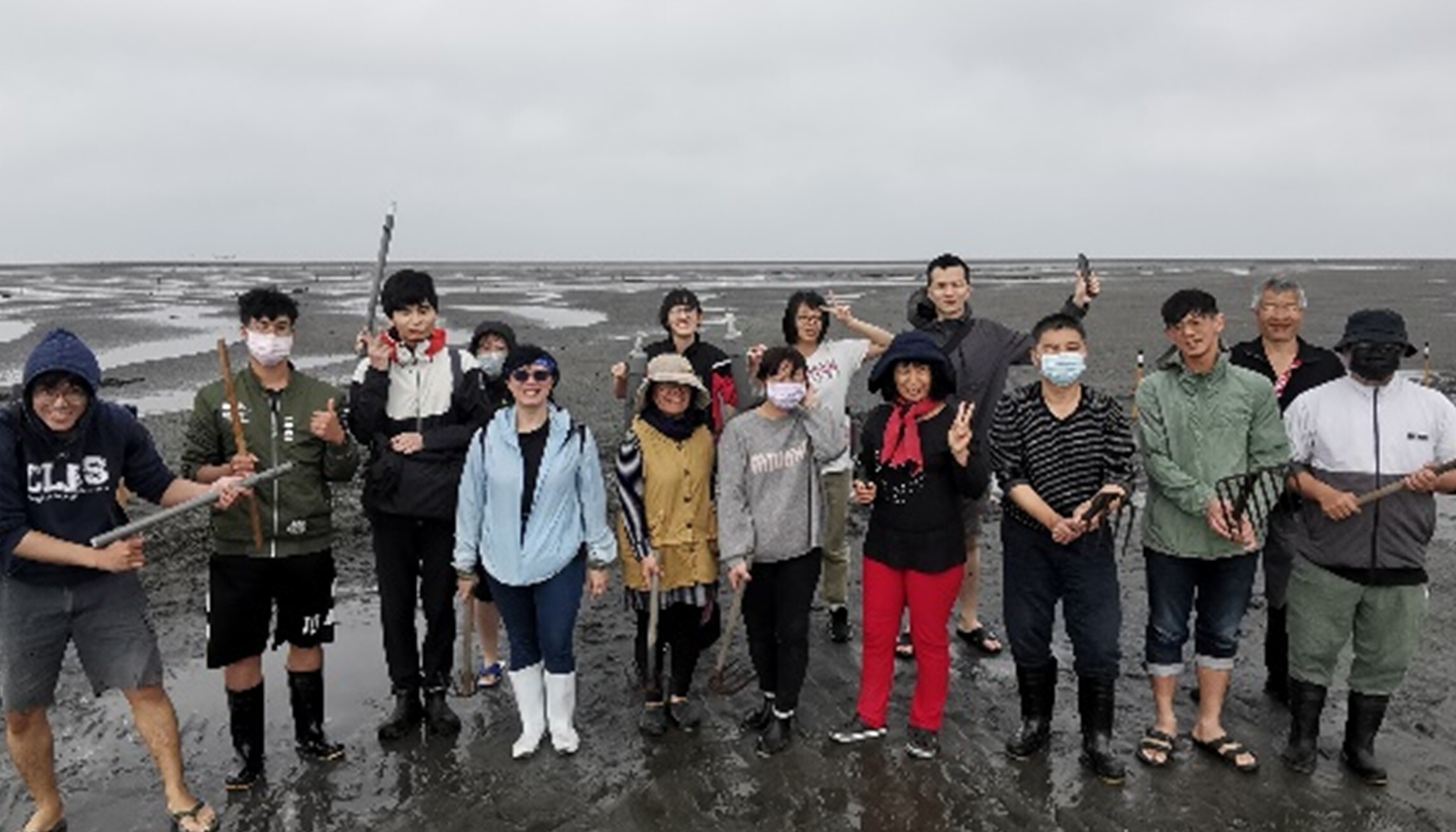
Figure 2. The NCUE team and Changhua Marine Food Research Center jointly conducted habitat sampling and surveys during winter