
|
|
|
|
|
|
|
|
|
|
|
|
|
|
|
|
|
SDG 15.2.5 Sustainable management of land for agriculture (educational outreach)
NCUE has implemented activities including: Environmental Education Center’s “Environmental Educator Certification Courses (24, 33, and 100 hours)” and the project “Beautiful and Treasured Clams in Fangyuan and Dacheng: Sustainable Industry and Environment Project of Changhua’s Two Cities Amid Climate Change”, Department of Geography’s “Geographical Writing and Local Practices — Reconstructing Geographical Records of the Fangyuan Coastal Community in Changhua”, “From Knowledge Gaps to Sustainable Groundwater Action Plans: Disaster Risk Communication and Value Construction in the Land Subsidence Areas of Changhua”. The following section contains project descriptions.
Table 1. Related activities and projects
|
Project Name |
Funding Agency |
|
Beautiful and Treasured Clams in Fangyuan and Dacheng: Sustainable Industry and Environment Project of Changhua’s Two Cities Amid Climate Change |
Ministry of Education |
|
Topographical Writing and Local Practices — Reconstructing Geographical Records of the Fangyuan Coastal Community in Changhua |
Ministry of Education |
|
Climate Resilience Development and Disaster Adaptation Governance: A Participatory Approach with Just Transition — Subproject III “From Knowledge Gaps to Sustainable Groundwater Action Plans: Disaster Risk Communication and Value Construction in the Land Subsidence Areas of Changhua” |
National Science and Technology Council |
1. Environmental Educator 100-hour Certification Course
The Environmental Education Center trains environmental education professionals. In coordination with the “Beautiful and Treasured Clams in Fangyuan and Dacheng: Sustainable Industry and Environment Project of Changhua’s Two Cities Amid Climate Change” project, it offered related courses for local and national communities from July to October 2024. Details are shown in Table 2, with activities in Figures 1–2.
Table 2. Environmental education course activities
|
Course Title |
Time |
Number of students |
|
Environmental Educator 100-hour Certification Course |
July 2024 |
8 |
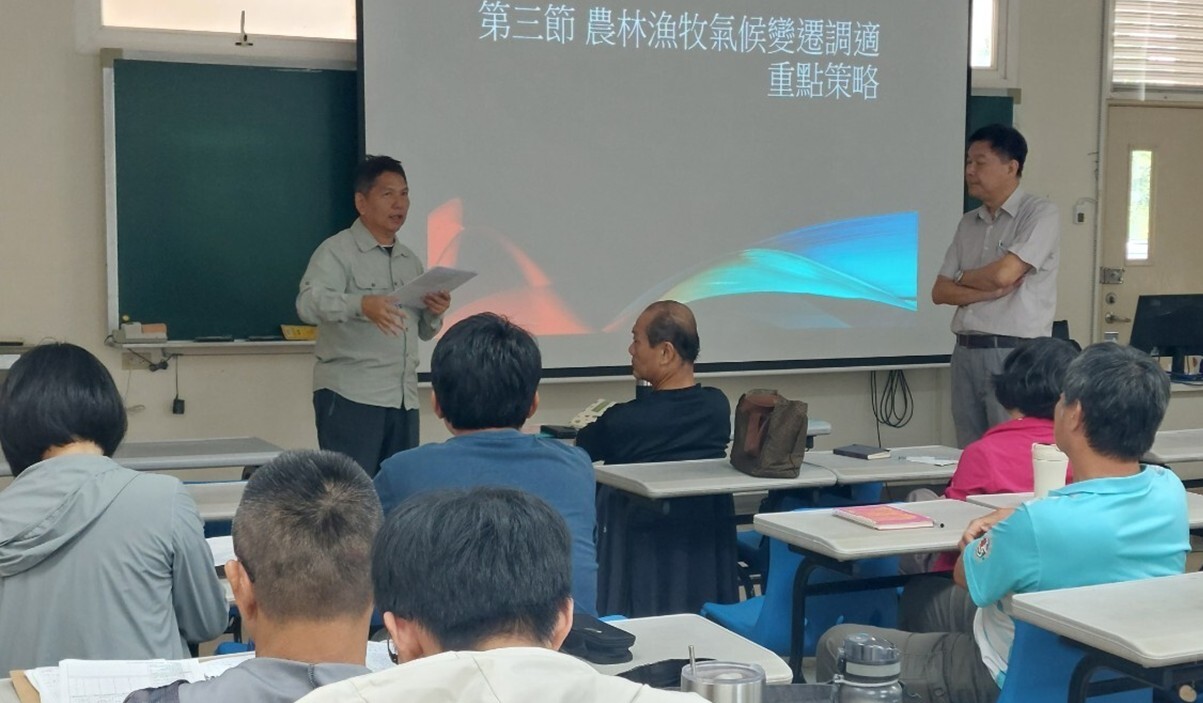
Figure 1. Environmental Educator 100-hour Certification Course – Classroom Instruction
Link to course activities: https://www.facebook.com/media/set/?set=a.1082290977017597&type=3
2. Topographical Writing and Local Practices — Reconstructing Geographical Records of the Fangyuan Coastal Community in Changhua
Using the coastal community of Fangyuan Township, Changhua, as the field of practice, this project adopted the method of topographical writing to investigate the spatial features of traditional courtyard houses (sanheyuan) that were abandoned along the coast. In addition, the project traced the histories of the houses, including its development and the lives of local residents. The aim of the project was to reconstruct the geographical records of these villages that have faded with time, integrating rural geography theories with the skills of topographical writing, while also assisting the community in gradually achieving the goals of landscape preservation and transformation. Under the guidance of Professor Yu-Ling Song, thirty students from the Department of Geography enrolled in the course Rural Geography conducted three rounds of fieldwork in Fangyuan Township, Changhua County. A presentation of the students’ research findings was held at the Oilseed Academy, where local village heads, community leaders, artists, and returning youth were invited. The event also featured roundtable discussions, following the “World Café” format to facilitate the exchange of ideas among participants, and reflect on the results of each group’s investigation of the old houses.
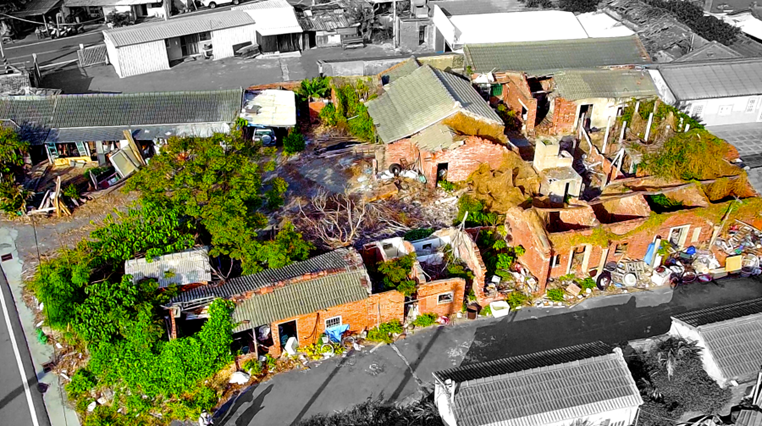
Figure 2. Aerial photography of abandoned sanheyuan (traditional courtyard houses) in the Fangyuan area of Changhua County.

Figure 3. Project Presentation at Oilseed Academy
3. From Knowledge Gaps to Action Plans for Sustainable Groundwater: The project originally focused on filling knowledge gaps and facilitating risk communication surrounding land subsidence disasters, with the aim of establishing local development values aligned with the principles of a just transition. In recent years, however, with the growing scale of renewable energy development under increasing pressure from the climate crisis, the focus shifted to exploring the just transition issues arising from solar and wind power projects in the Fangyuan and Dacheng areas of Changhua. Currently, 10 local village chiefs, landowners, farmers, residents, and solar energy developers have been interviewed, and further interviews are planned. Through qualitative interviews, the study aims to identify gaps in knowledge and risk communication, and to propose potential solutions.