
|
|
|
|
|
|
|
|
|
|
|
|
|
|
|
|
|
SDG 15.2.4 Educational programmes on ecosystems
NCUE’s educational programs on ecosystems include Environment Education Centre’s “Environmental Educator 24-hour and 100-hour Certification Course”, and “Beautiful and Treasured Clams in Fangyuan and Dacheng: Sustainable Industry and Environment Project of Changhua’s Two Cities Amid Climate Change" ; Department of Biology’s “Changhua Coastal Meretrix lusoria Habitat Survey and Conservation Education Promotion Program” ; Department of Fine Arts’s ” Ecological Homelands and Urban-Rural Sustainability: A Changhua Ecological Art Project”. The following section contains project descriptions.
|
Project Name |
Funding Agency |
|
Beautiful and Treasured Clams in Fangyuan and Dacheng: Sustainable Industry and Environment Project of Changhua’s Two Cities Amid Climate Change |
Ministry of Education |
|
Ecological Homelands and Urban-Rural Sustainability: A Changhua Ecological Art Project |
Ministry of Education |
1. Environmental Educator 24-hour and 100-hour Certification Course
The Environmental Education Center (EEC) nurtures relevant environmental education talents. In conjunction with the project “Beautiful and Treasured Clams in Fangyuan and Dacheng: Sustainable Industry and Environment Project of Changhua’s Two Cities Amid Climate Change" EEC provided relevant education courses for the local and nationwide communities from July to October 2024, with the details shown in Table 1 and the activities shown in Figure 1-2:
Table 1. Environmental education course activities
|
Course Title |
Time |
Number of students |
|
Environmental Educator 24-hour and 100-hour Certification Course |
August 2024 |
20 |
|
Environmental Educator 100-hour Certification Course |
July 2024 |
8 |
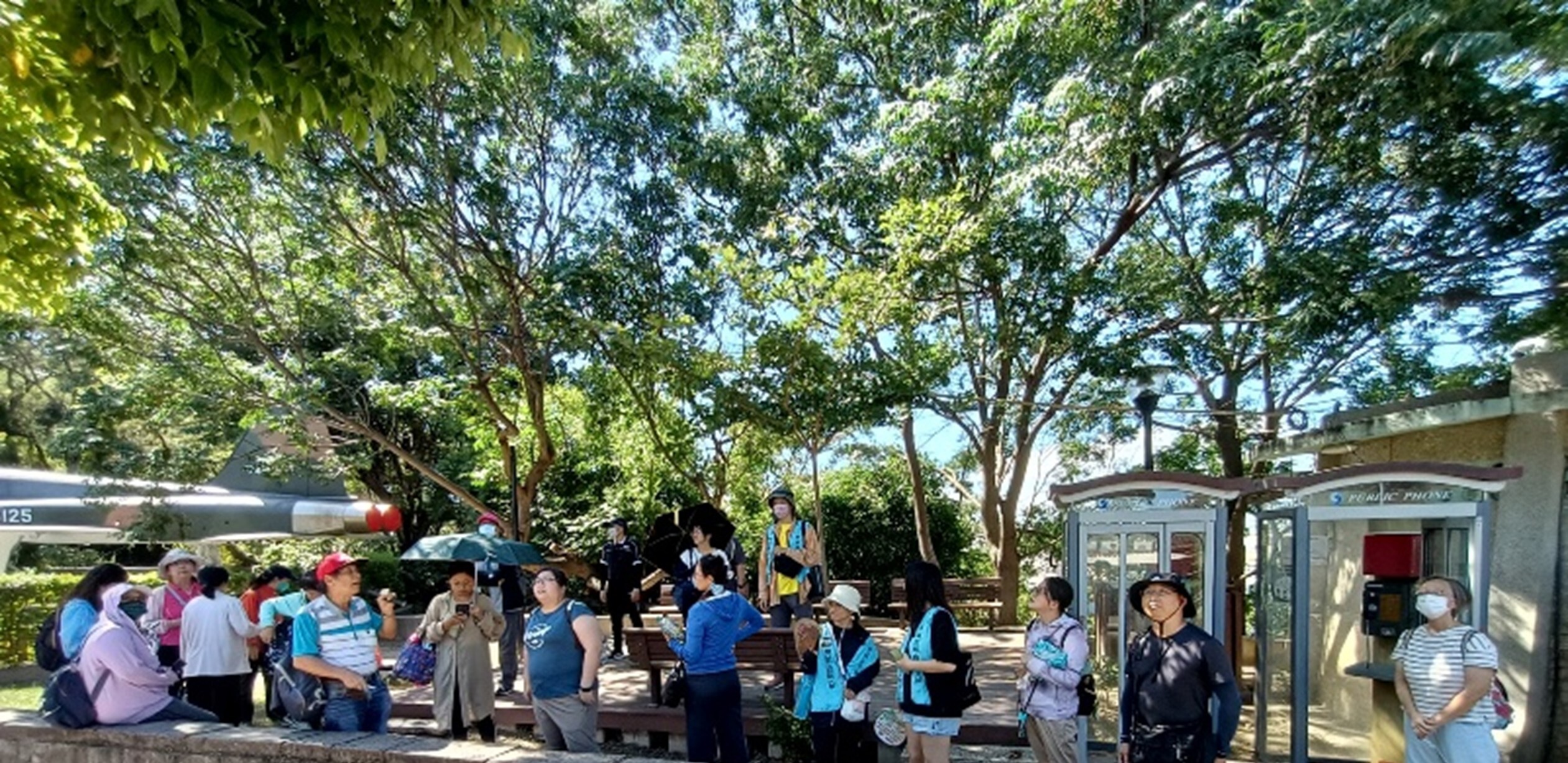
Figure 1. Specialized Program for Environmental Educator 24-hour Certification at NCUE
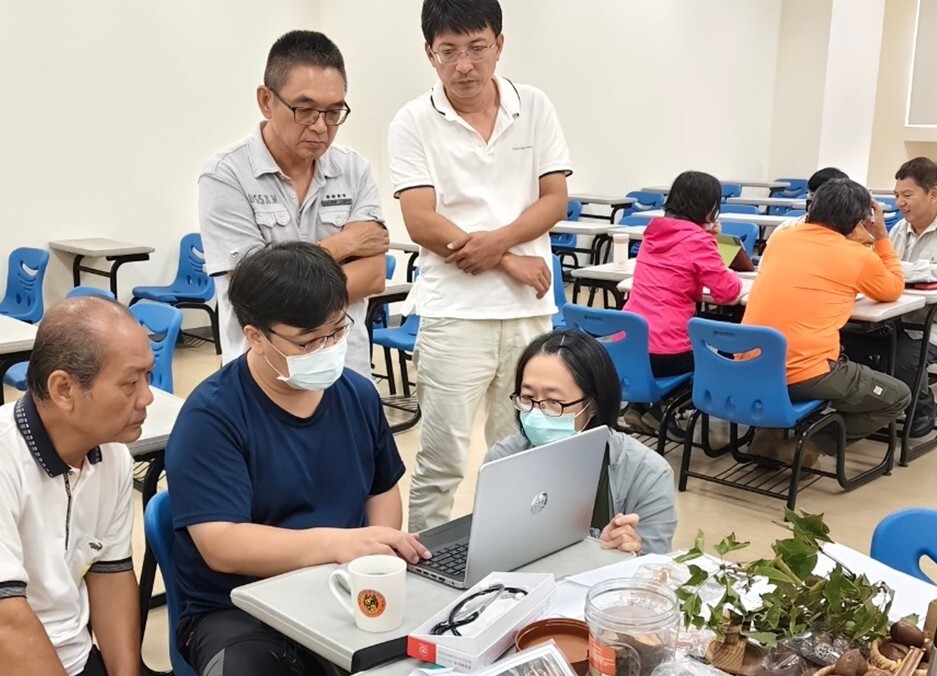
Figure 2. Environmental Educator 100-hour Certification Course
Links to course activities
https://www.facebook.com/media/set/?set=a.1080081833905178&type=3
https://www.facebook.com/media/set/?set=a.1082290977017597&type=3
2. “Beautiful and Treasured Clams in Fangyuan and Dacheng: Sustainable Industry and Environment Project of Changhua’s Two Cities Amid Climate Change” and “Changhua Coastal Meretrix lusoria Habitat Survey and Conservation Education Promotion Program”.
NCUE developed programs including “Coastal Biological Resources” and “Sustainable Development and Practice of Coastal Biological Resources”, and encouraged students to integrate theory and practice. The courses focused on coastal biodiversity, eco-friendly aquaculture, water and sediment testing, fish consumption culture, and low-carbon aquaculture promotion, alongside community collaboration to advance marine conservation and sustainable fisheries. In the same year, the industry–academia collaboration project “Changhua Coastal Meretrix lusoria Habitat Survey and Conservation Education Promotion Program” was carried out at Xinbao Wetland and Wanggong Harbor. The project aimed to invite schoolkids to step into the role of marine scientists through activities such as: “Hard Clam Habitat Surveys” (four seasonal sessions including sediment improvement trials), “Volunteer Surveyor Training” (4 sessions, 41 participants), “Seed Teacher Training” (3 sessions, 91 participants), and the “Hard Clam Detective Team” (4 sessions, 185 participants).
In partnership with Caohu Junior High School, Hanbao Elementary School, and Lukang Elementary School to integrate scientific investigation with local education, the curriculum and hands-on activities included water quality testing, biodiversity surveys, bivalve classification, coastal tourism, and conservation education.
Results showed that sediment improvement significantly boosted growth of coarse-grain substrate indicator species such as hard clams and Meretrix, suppressed the dominance of Cyclina sinensis, and enhanced carbon sequestration potential, as well as benthic biodiversity. The participation of schoolkids increased the amount of survey data and helped raise community conservation awareness, creating a demonstrative model combining science and education (Figure 3).
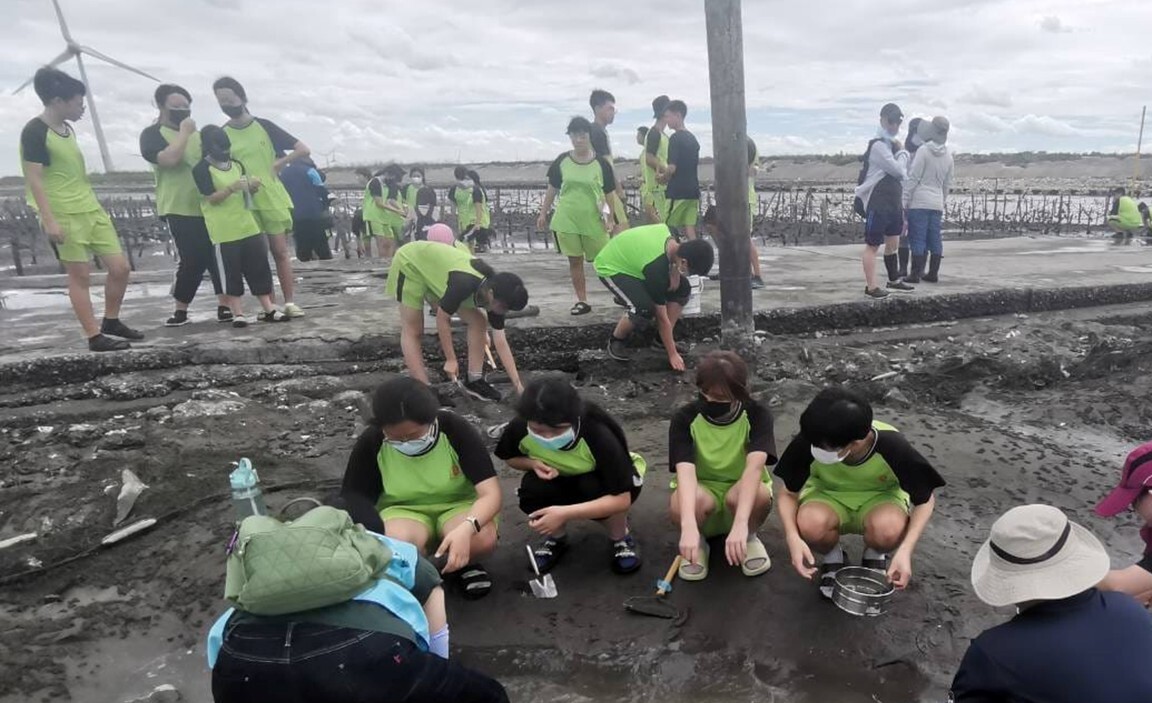
Figure 3. Meretrix lusoria Habitat Observation and Survey
3. Ecological Homelands and Urban-Rural Sustainability: A Changhua Ecological Art Project
(1) Plant Anatomy / Outdoor Teaching at the Botanical Garden of National Museum of Natural Science
This course adopted the format of an “ecological field trip,” with the lecturer guiding 20 students out of the classroom and into real plant ecological sites, students were able to extend their knowledge of plants into hands-on observation and experience. Through professional ecological tours, students in this class not only learned to identify plant species and their characteristics, but also understood their roles of various plants within the ecosystem.
The course directly aligns with the core spirit of SDG 15, “Life on Land,” emphasizing the protection, restoration, and sustainable management of terrestrial ecosystems. Through on-site observation, students gained a deeper appreciation for plant biodiversity and understood the importance of maintaining ecological balance and promoting sustainable development for modern society. At the same time, experiential learning fosters students’ local ecological awareness and conservation mindset. This encourages them to apply their knowledge in future research or community projects, thereby helping the university fulfill its responsibility to promote local ecological sustainability and cultivate talent.
This course was based on Plant Morphology. The lecturer brought 25 students out of the campus and into diverse natural sites in central Taiwan. Through field investigations, students practiced identifying different plant species, and observed the external morphology of roots, stems, and leaves, as well as their environmental adaptations. Not only did this hands-on approach deepen students’ understanding, but also encouraged them to apply their knowledge of plants, The course inspired students to connect ecological theories with field observations, cultivating both ecological sensitivity and mindful observation.
Incorporating ecological guided tours, the course encouraged students to transfer their specialized knowledge of plant morphology into contents that were accessible to the general public to enhance their communication and environmental education skills. By studying plant diversity and distribution, students gained a clearer understanding of the roles of different plants within terrestrial ecosystems. The students also reflected on the interactions between humans and the environment. The course fostered students’ awareness of terrestrial ecosystem conservation, which closely aligns with SDG 15: Life on Land.