
|
|
|
|
|
|
|
|
|
|
|
|
|
|
|
|
|
SDG 15.2.3 Maintain and extend current ecosystems’ biodiversity
NCUE has undertaken multiple ongoing projects and activities, including: Environmental Education Center’s “Environmental Educator 24-hour and 100- hour Certification Course”; the Department of Biology’s “Smart Development of New Eco-Friendly Pest Control Technologies for Ant Management in Commercial Applications”; Center for General Education has developed relevant General Education Courses, and Department of Fine Arts’s “Ecological Homelands and Urban-Rural Sustainability: A Changhua Ecological Art Project”, as indicated in Table 1. The following section contains project descriptions.
Table 1: Related projects and events
|
Project Name |
Funding Agency |
|
Environmental Educator 24-hour and 100- hour Certification Course |
- |
|
Smart Development of New Eco-Friendly Pest Control Technologies for Ant Management in Commercial Applications |
Ministry of Science and Technology |
|
“Plants and Human Civilization”, “Changhua Studies” |
- |
|
Ecological Homelands and Urban-Rural Sustainability: A Changhua Ecological Art Project |
Ministry of Education |
1. Environmental Educator 24-hour and 100- hour Certification Course
The Environmental Education Center (EEC) nurtures relevant environmental education talents. In conjunction with the project “Beautiful and Treasured Clams in Fangyuan and Dacheng: Sustainable Industry and Environment Project of Changhua’s Two Cities Amid Climate Change" project, EEC provided relevant educational courses for the local and nationwide communities from July to October 2024, with the details shown in Table 2 and the activities shown in Figure 1-2:
Table 2. Environmental education course activities
|
Course Title |
Time |
Number of students |
|
Specialized Program for Environmental Educator 24-hour Certification |
August 2024 |
20 |
|
Environmental Educator 100-hour Certification Course |
July 2024 |
8 |

Figure 1 Specialized Program for Environmental Educator NCUE
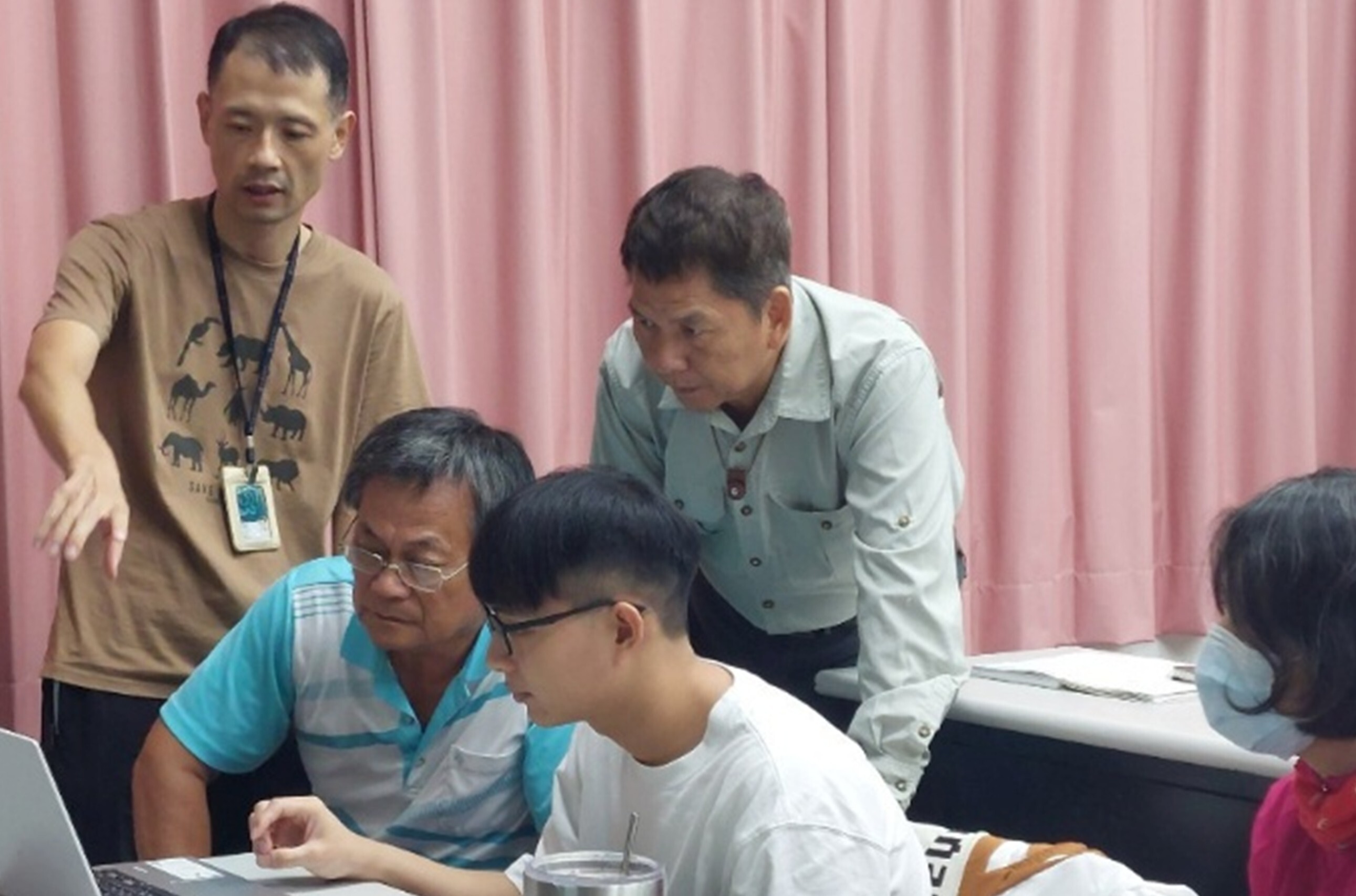
Figure 2 Environmental Educator 100-Hour Certification Course – Classroom Instruction
Links to course activities
https://www.facebook.com/media/set/?set=a.1080081833905178&type=3
https://www.facebook.com/media/set/?set=a.1082290977017597&type=3
2. Smart Development of New Eco-Friendly Pest Control Technologies for Ant Management in Commercial Applications
This project applies technology developed by Professor Chung-Chi Lin’s ant control team and the university’s spin-off A. nT Environmental Technology Co., Ltd. to provide scientific, effective, and eco-friendly ant control services currently lacking in the market.
Invasive ant outbreaks, driven by species spread, ecological change, and farming shifts, have expanded from isolated counties to 13 regions, becoming a nationwide issue. Despite annual investments exceeding NT$100 million, lack of specialized ant control expertise has hindered project results.
The market urgently needs a professional company capable of integrating and developing methods and agents for all invasive ant species in Taiwan, combining theory with practice, to eradicate harmful ants in priority areas and gradually expand control efforts nationwide (Figures 3-4).
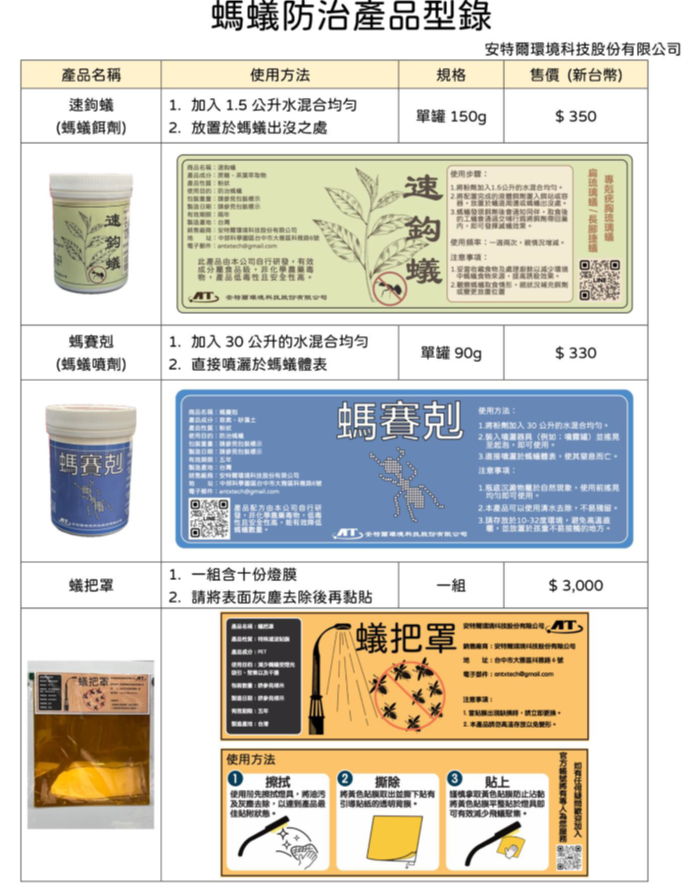
Figure 3. Ant Control Product Catalog
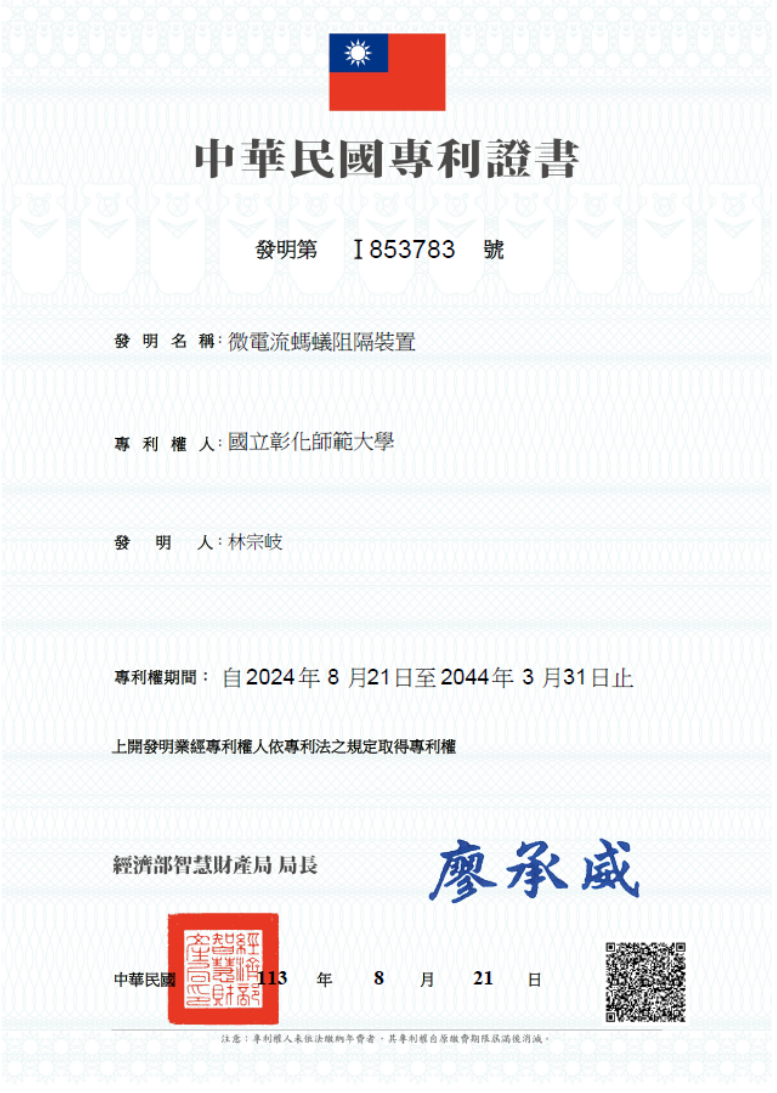
Figure 4. Relevant Patent Certificates
3. Center for General Education
The Center for General Education offered relevant general education courses in the 2024 academic year.
“Plants and Human Civilization”
https://webap0.ncue.edu.tw/DEANV2/UploadDEAN/SUBJECT/1122/00242_0CCGE0179120.pdf(PDF)
“Changhua Studies”
https://webap0.ncue.edu.tw/DEANV2/UploadDEAN/SUBJECT/1122/00262_0CCGE0185320.pdf(PDF)
4. Ecological Homelands and Urban-Rural Sustainability: A Changhua Ecological Art Project
(1) NCUE Campus Arbor Day Event – Free Distribution of Indoor Potted Ivy
To enhance campus greening and promote ecological awareness among faculty and students, the Environmental Education Center and the Department of Biology, in collaboration with the USR project “Ecological Homeland · Urban-Rural Sustainability: Changhua Ecological Art Project”, jointly organized the National Changhua University of Education Campus Arbor Day Event – Free Distribution of Indoor Potted Ivy. Centered on promoting campus greening, the event encouraged faculty and students to incorporate plants into classrooms, offices, and everyday living spaces, fostering daily practices of greening both indoors and outdoors.
The event drew enthusiastic participation from the campus community. During the preparation phase, 60 ivy plants were distributed to pre-registered participants, followed by a lottery-based distribution of 137 more, totaling 197 plants distributed to over 230 participants. Participants engaged in hands-on planting, participants not only enhanced their awareness of plant care but also deepened their understanding of the role of plants in carbon reduction, cooling, and air quality improvement. Ivy, as a plant with air-purifying and greening functions, provided participants with opportunities to develop a practical understanding of maintaining and expanding ecological benefits, thereby supporting the social responsibility of higher education institutions’ roles in terrestrial biodiversity conservation, climate action, and sustainable lifestyles.
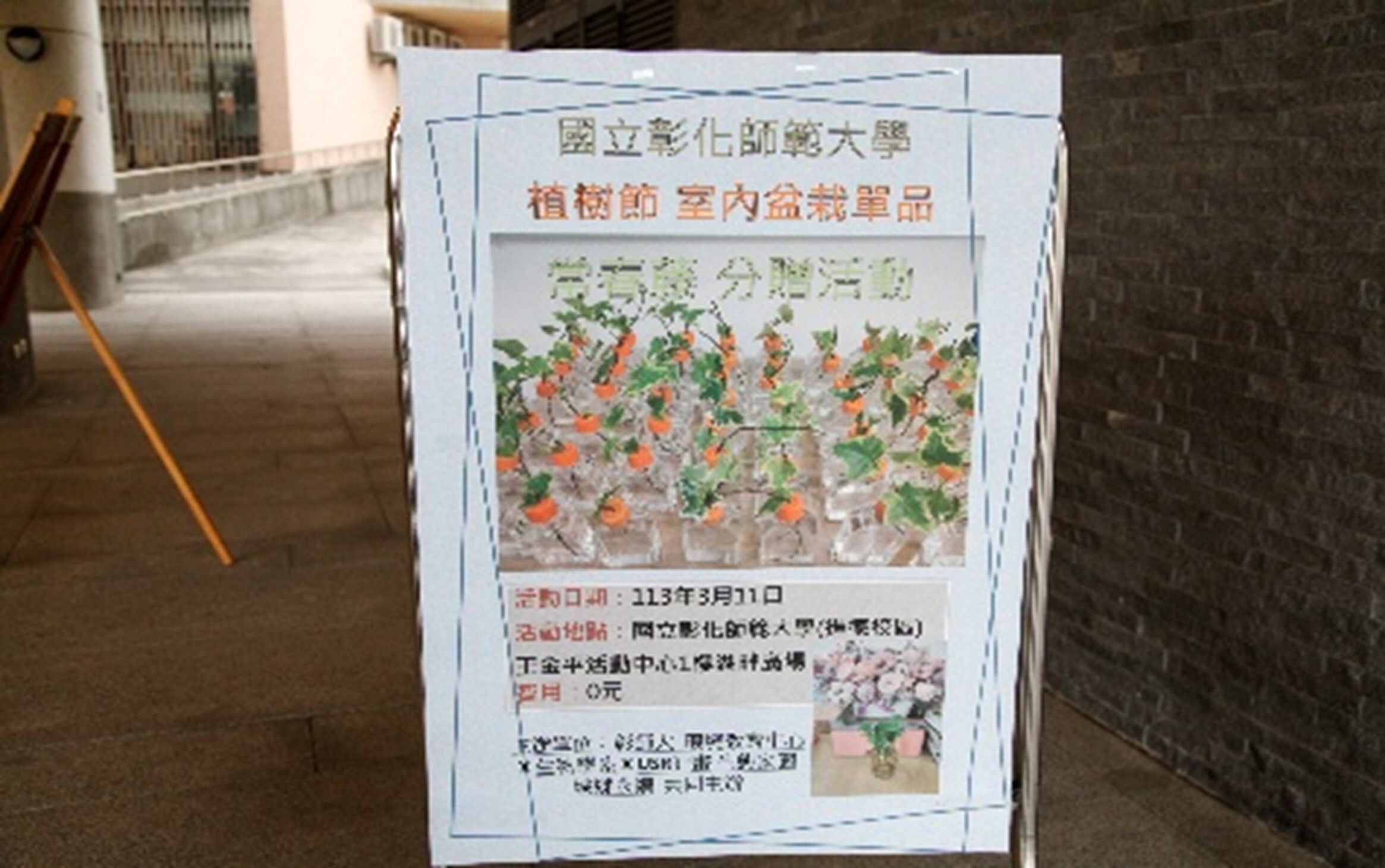
Figure 5. Event poster
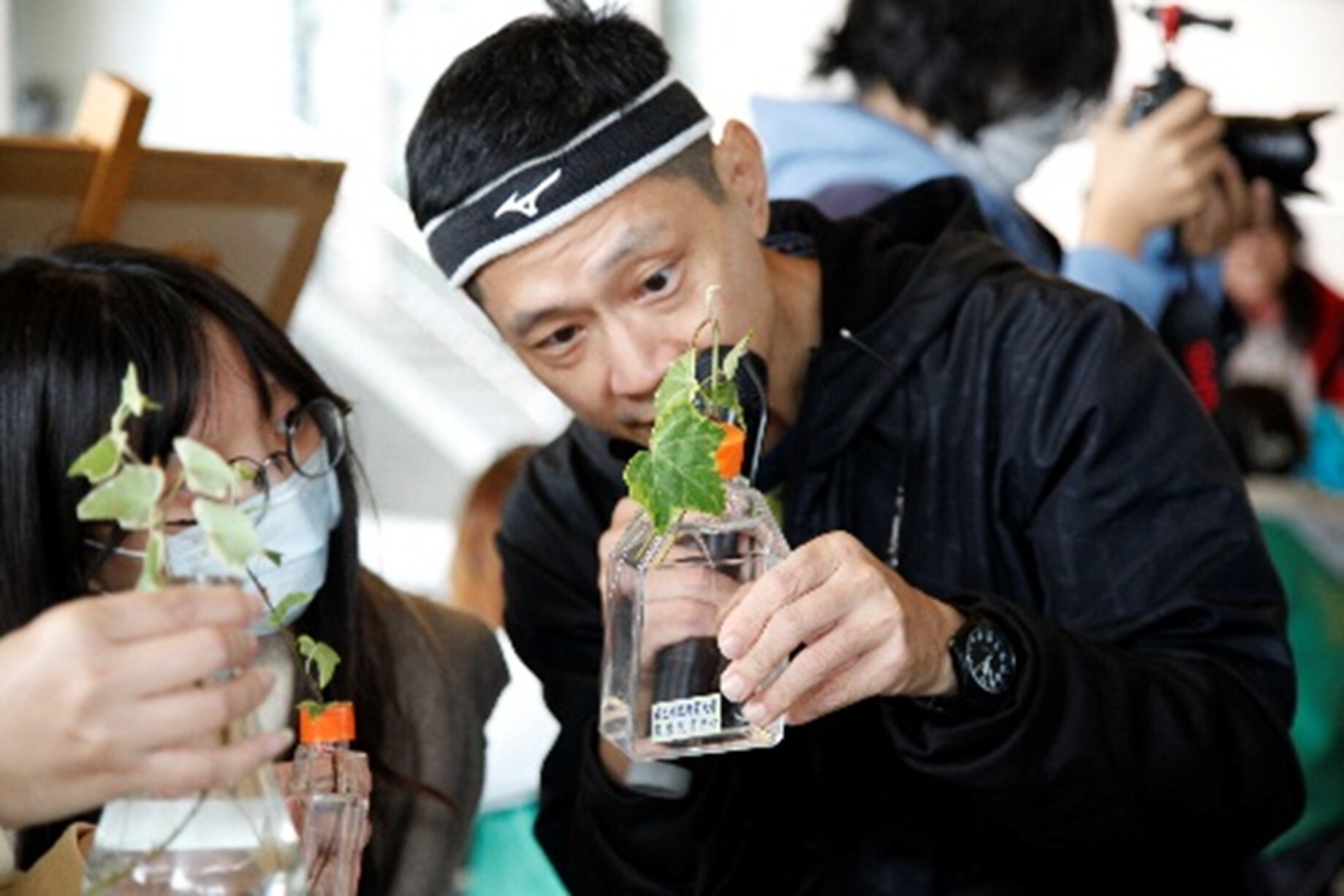
Figure 6. Professor Shih-Feng Fu (Director of the Environmental Education Center and Department of Biology) interacting with students

Figure 7. The event drew enthusiastic participation from faculty, students, and administrative staff on campus.
Relevant links: https://reurl.cc/GNnnGD
(2) Plant Anatomy / Outdoor Teaching at the Botanical Garden of National Museum of Natural Science
This course adopted the format of an “ecological field trip,” with the lecturer guiding 20 students out of the classroom and into real plant ecological sites, students were able to extend their knowledge of plants into hands-on observation and experience. Through professional ecological tours, students in this class not only learned to identify plant species and their characteristics, but also understood their roles of various plants within the ecosystem.
The course directly aligns with the core spirit of SDG 15, “Life on Land,” emphasizing the protection, restoration, and sustainable management of terrestrial ecosystems. Through on-site observation, students gained a deeper appreciation for plant biodiversity and understood the importance of maintaining ecological balance and promoting sustainable development for modern society. At the same time, experiential learning fosters students’ local ecological awareness and conservation mindset. This encourages them to apply their knowledge in future research or community projects, thereby helping the university fulfill its responsibility to promote local ecological sustainability and cultivate talent.
(3) Plant Morphology / Plant Field Trip at Sun Moon Lake Bi-Shui Trail
This course was based on Plant Morphology. The lecturer brought 25 students out of the campus and into diverse natural sites in central Taiwan. Through field investigations, students practiced identifying different plant species, and observed the external morphology of roots, stems, and leaves, as well as their environmental adaptations. Not only did this hands-on approach deepen students’ understanding, but also encouraged them to apply their knowledge of plants, The course inspired students to connect ecological theories with field observations, cultivating both ecological sensitivity and mindful observation.
Incorporating ecological guided tours, the course encouraged students to transfer their specialized knowledge of plant morphology into contents that were accessible to the general public to enhance their communication and environmental education skills. By studying plant diversity and distribution, students gained a clearer understanding of the roles of different plants within terrestrial ecosystems. The students also reflected on the interactions between humans and the environment. The course fostered students’ awareness of terrestrial ecosystem conservation, which closely aligns with SDG 15: Life on Land.