
|
|
|
|
|
|
|
|
|
|
|
|
|
|
|
|
|
SDG 14.3.1 Conservation and sustainable utilization of the oceans (events)
NCUE has at least four programmes to promote conservation and sustainable utilization of the oceans, seas, lakes, rivers and marine resources. They include the Environmental Education Centre’s “Beautiful and Treasured Clams in Fangyuan and Dacheng: Sustainable Industry and Environment Project of Changhua’s Two Cities Amid Climate Change”; the Center for General Education’s “Water Resources and Human Civilization” and “Introduction to Marine Life Sciences”, Department of Geography’s “Monitoring of Agro–Fishing Socio-Ecological Systems in the Coastal Wetlands of Western Taiwan (3/3)”, as shown in Table 1. They are discussed in detail below:
Table 1. Related activities and projects
|
Project Name |
Funding Agency |
|
Beautiful and Treasured Clams in Fangyuan and Dacheng: Sustainable Industry and Environment Project of Changhua’s Two Cities Amid Climate Change |
Ministry of Education |
|
“Water Resources and Human Civilization” and “Introduction to Marine Life Sciences” |
- |
|
Monitoring of Agro–Fishing Socio-Ecological Systems in the Coastal Wetlands of Western Taiwan (3/3) |
National Science and Technology Council |
|
Transformations of Changhua’s Coastal Landscape: Cross-Scale Spatial Development and Socio-Ecological Dynamics Driven by Artificial Structures — The Case of the Fangyuan Coast and the Seaside Walkway (Main Project with Subproject VI) |
National Science and Technology Council |
1. Beautiful and Treasured Clams in Fangyuan and Dacheng: Sustainable Industry and Environment Project of Changhua’s Two Cities Amid Climate Change:
Under the project, the courses “Coastal Biological Resources” and “Sustainable Development and Practices of Coastal Biological Resources,” integrate theoretical instruction with practical application. The curricula covers coastal biodiversity, eco-friendly aquaculture techniques, water and sediment quality testing, seafood culture, and the promotion of low-carbon aquaculture. In addition, the project also collaborated with local communities to promote marine conservation and sustainable fisheries.
Project FB Page Link: https://www.facebook.com/NCUEUSR/
2. Center for General Education
The Center for General Education offered one class on “Water Resources and Human Civilization” and “Introduction to Marine Life Sciences” in 2024; the related links are listed below:
https://webap0.ncue.edu.tw/DEANV2/UploadDEAN/SUBJECT/1122/00255_0CCGE0169820.pdf(PDF)
https://webap0.ncue.edu.tw/DEANV2/UploadDEAN/SUBJECT/1131/00243_0CCGE0175120.pdf(PDF)
3. Monitoring of Agro–Fishing Socio-Ecological Systems in the Coastal Wetlands of Western Taiwan (3/3)
NCUE’s Department of Geography is undertaking the National Science and Technology Council (NSTC) project “Monitoring of Agro–Fishing Socio-Ecological Systems in the Coastal Wetlands of Western Taiwan (3/3).” Fangyuan was designated as the core observation site to establish a place-based demonstrative observation program. This project implements long-term, fundamental, and critical monitoring of core socio-ecological system components, serving as the Changhua Station within the Long-Term Socio-Ecological Research (LTSER) network. Field research at the station encompasses water quality assessments, ecological surveys, and geomorphological monitoring in the Fangyuan, Hanbao, and Wanggong wetlands. A complete year of baseline surveys was accomplished in 2024, and continuous monitoring will be maintained in subsequent years. In-depth interviews with key local stakeholders constitute a vital element of the station’s social research and provided the LTSER platform’s local engagement network. These interviews systematically document and analyze stakeholder roles, functions, and relationships, as well as their experiences and observations of socio-ecological transformations, thus providing a robust social–ecological data foundation for the platform. Drawing upon insights from these interviews and local documentary sources, the station developed questionnaires to further assess residents’ perceptions of environmental and renewable energy issues. Station staff also actively participate in local events to identify emerging concerns and explore collaborative opportunities with community partners. The long-term monitoring program aims not only to advance scientific understanding but also to address locally relevant needs. Activities photos are shown in the accompanying figure 1.
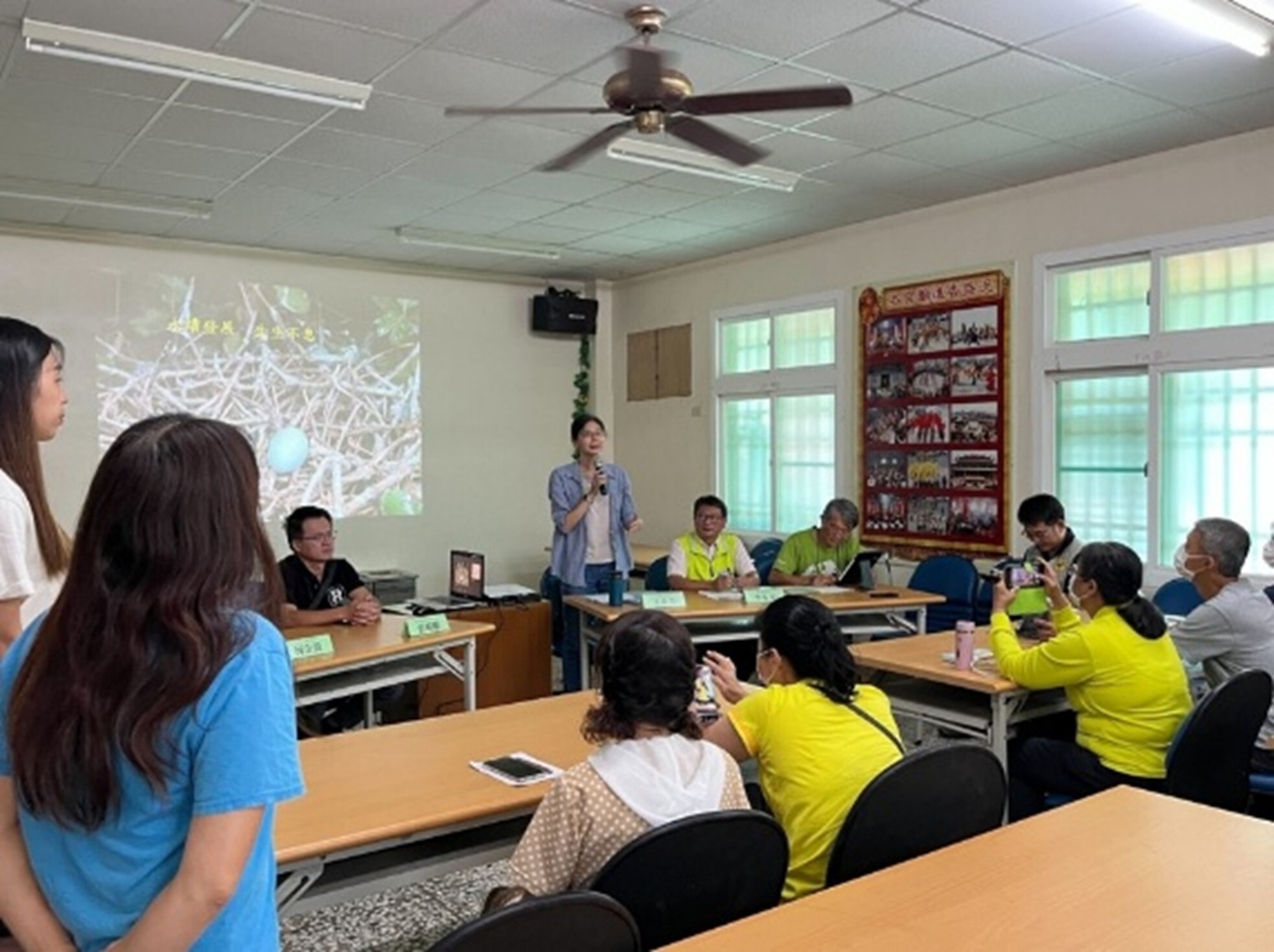
Figure 1. Coastal Wetland Conservation in Changhua Seminar
4. Transformations of Changhua’s Coastal Landscape: Cross-Scale Spatial Development and Socio-Ecological Dynamics Driven by Artificial Structures — The Case of the Fangyuan Coast and the Seaside Walkway (Main Project with Subproject VI)
Through a three-year project, this study examines the agro-fishery production landscape, the social structure/governance system, and demographic changes of Fangyuan Township, Changhua County. During the process, 60 local stakeholders were interviewed, including government agencies, producers, social organizations, and industry groups. The research investigates how the intervention of “artificial structures”—such as offshore wind turbines along the coast, a seaside walkway in the intertidal zone, and onshore installations including wind turbines and solar panels—affects the local production landscape. It further explores the interconnections and interactions within the related socio-ecological networks, analyzing the resulting socio-ecological impacts on the Fangyuan coastal area, as well as the balance between these impacts and the tourism development associated with the extension of the local “sea-cow” (oxen trained to carry the catch in the sea) cultural heritage.