
|
|
|
|
|
|
|
|
|
|
|
|
|
|
|
|
|
SDG 14.2.2 Sustainable fisheries (community outreach)
NCUE’s Environmental Education Center, Department of Biology, and Department of Geography has applied funding from governmental agencies to provide free educational programs and field research related to fisheries, aquaculture, and tourism for local communities, as well as for junior and senior high school teachers and students. These initiatives are grounded in place-based education principles and aim to strengthen community engagement while enhancing participants’ knowledge and interest in fisheries, aquaculture, and associated eco-tourism industries. Implementation strategies are subject to iterative review and adaptive modification based on project performance evaluations, ensuring that program delivery remains responsive to local needs and emerging challenges. In addition to raising awareness, the programs are intended to foster the development of future professionals capable of contributing to the sustainable growth of fisheries, aquaculture, and eco-tourism sectors in the region. A summary of related projects is shown in Table 1:
Table 1. Related activities and projects
|
Project Name |
Funding Agency |
|
Beautiful and Treasured Clams in Fangyuan and Dacheng: Sustainable Industry and Environment Project of Changhua’s Two Cities Amid Climate Change |
Ministry of Education |
|
Changhua Coastal Hard Clam Habitat Survey and Conservation Education Promotion Project |
Wanggong Community Development Association, Fangyuan Township, Changhua County |
|
Monitoring of Agro–Fishing Socio-Ecological Systems in the Coastal Wetlands of Western Taiwan (3/3) |
National Science and Technology Council |
|
Geographical Writing and Local Practices — Reconstructing Geographical Records of the Fangyuan Coastal Community in Changhua |
Ministry of Education |
|
Transformations of Changhua’s Coastal Landscape: Cross-Scale Spatial Development and Socio-Ecological Dynamics Driven by Artificial Structures — The Case of the Fangyuan Coast and the Seaside Walkway (Main Project with Subproject VI) |
National Science and Technology Council |
1. Environmental Education Centre and Department of Biology: “Beautiful and Treasured Clams in Fangyuan and Dacheng: Sustainable Industry and Environment Project of Changhua’s Two Cities Amid Climate Change” and “Changhua Coastal Hard Clam Habitat Survey and Conservation Education Promotion Project”:
Under these projects, the University offered the courses “Coastal Biological Resources” and “Sustainable Development and Practices of Coastal Biological Resources,” which integrate theories and practices. The curricula covered coastal biodiversity, eco-friendly aquaculture techniques, water and sediment quality testing, fish consumption culture, and the promotion of low-carbon aquaculture. In collaboration with local communities, the courses also advanced marine conservation and sustainable fisheries. In the same year, NCUE carried out the industry–academia collaboration project “Changhua Coastal Hard Clam Habitat Survey and Conservation Education Promotion Project,” conducting a series of marine citizen science courses at Xinbao Wetland and Wanggong Fishing Harbor. Activities included:
(1) Habitat surveys of hard clams (winter, spring, summer, and autumn; four sessions in total, including sediment improvement trials)
(2) Volunteer training for habitat surveys (4 sessions, 41 participants)
(3) “Seed Teacher Training” (3 sessions, 91 participants)
(4) “Little Clam Detectives” educational activities (4 sessions, 185 participants)
The training and practical sessions encompassed water quality testing, biodiversity surveys, bivalve classification, coastal tourism, and conservation education promotion. NCUE also collapsed with Cao-Hu Junior High School, Hanbao Elementary School, and Lukang Elementary School to integrate scientific investigation with local education. Project results show that sediment improvement effectively promotes the growth of coarse-sediment indicator species such as hard clams and corbicula, suppresses the dominance of ring clams, and enhances carbon sequestration potential and benthic biodiversity. In addition, the participation of citizen scientist also effectively increases survey data and strengthens community water resource safety and conservation awareness, successfully establishing a demonstration model that combines scientific research with educational promotion. Activities Photos are showed in Figure 1.

Figure 1. Sustainable Development and Practices of Coastal Biological Resources Course: students and teachers were testing water and sediment quality.
Project FB Page Link: https://www.facebook.com/NCUEUSR/
2. Monitoring of Agro–Fishing Socio-Ecological Systems in the Coastal Wetlands of Western Taiwan (3/3)
NCUE’s Department of Geography is undertaking the National Science and Technology Council (NSTC) project “Monitoring of Agro–Fishing Socio-Ecological Systems in the Coastal Wetlands of Western Taiwan (3/3).” Fangyuan was designated as the core observation site to establish a place-based demonstrative observation program. This project implements long-term, fundamental, and critical monitoring of core socio-ecological system components, serving as the Changhua Station within the Long-Term Socio-Ecological Research (LTSER) network. Field research at the station encompasses water quality assessments, ecological surveys, and geomorphological monitoring in the Fangyuan, Hanbao, and Wanggong wetlands. A complete year of baseline surveys was accomplished in 2024, and continuous monitoring will be maintained in subsequent years. In-depth interviews with key local stakeholders constitute a vital element of the station’s social research and provided the LTSER platform’s local engagement network. These interviews systematically document and analyze stakeholder roles, functions, and relationships, as well as their experiences and observations of socio-ecological transformations, thus providing a robust social–ecological data foundation for the platform. Drawing upon insights from these interviews and local documentary sources, the station developed questionnaires to further assess residents’ perceptions of environmental and renewable energy issues. Station staff also actively participate in local events to identify emerging concerns and explore collaborative opportunities with community partners. The long-term monitoring program aims not only to advance scientific understanding but also to address locally relevant needs. Activities photos are shown in the accompanying figure2-3.
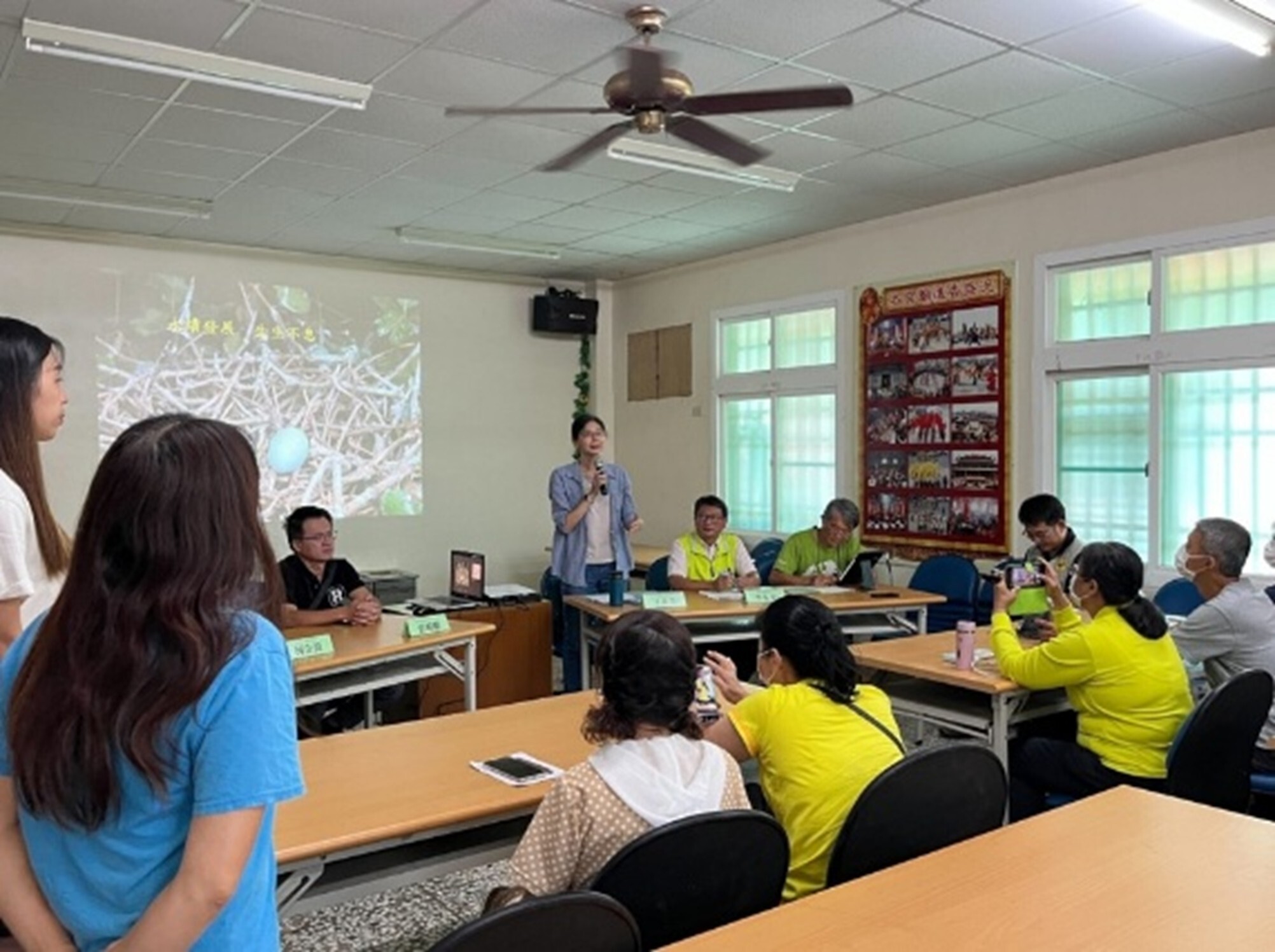
Figure 2. Changhua Coastal Wetland Conservation Seminar
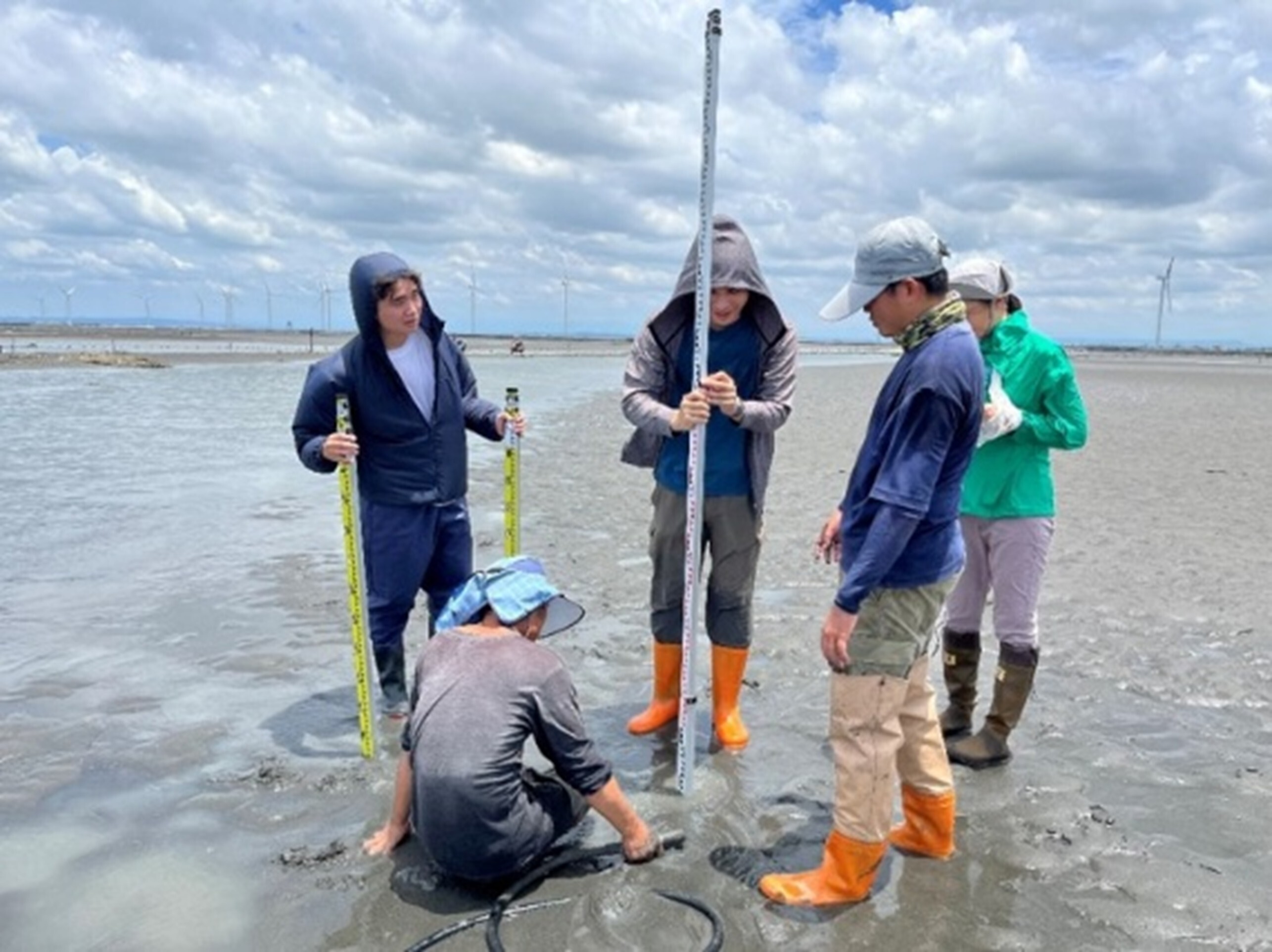
Figure 3. Faculty members and students are conducting topographic monitoring at Hanbao Wetland.
3. Geographical Writing and Local Practices — Reconstructing Geographical Records of the Fangyuan Coastal Community in Changhua
Using the coastal community of Fangyuan Township, Changhua, as the field of practice, this project adopts the method of geographical writing to investigate the spatial forms of abandoned traditional courtyard houses (sanheyuan) along the coast and to trace their developmental backgrounds, including the life histories of local residents. The aim is to reconstruct the geographical records of these sunset villages, integrating rural geography theories with the skills of geographical writing, while also assisting the community in gradually achieving the goals of landscape preservation and transformation.
Under the guidance of Professor Song Yu-Ling, thirty students from the Department of Geography enrolled in the course Rural Geography conducted three rounds of fieldwork in Fangyuan Township, Changhua County. A final presentation of the research findings was held at the Oilseed Academy, where local village heads, community leaders, artists, and returning youth were invited to participate in roundtable discussions, following the “World Café” format, to exchange ideas and reflect on the results of each group’s investigation of old houses.
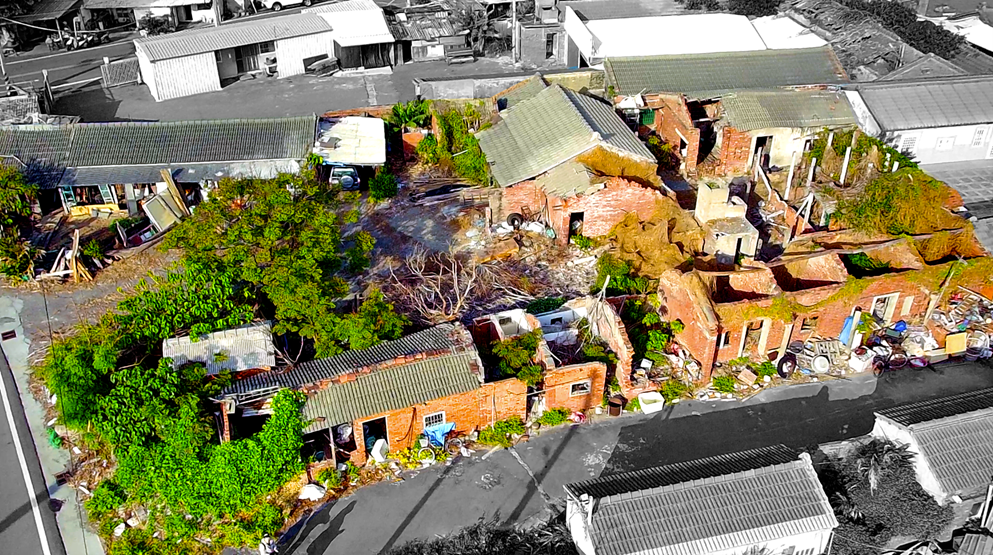
Figure 4. An aerial photo of abandoned sanheyuan (traditional courtyard houses) in Fangyuan, Changhua County
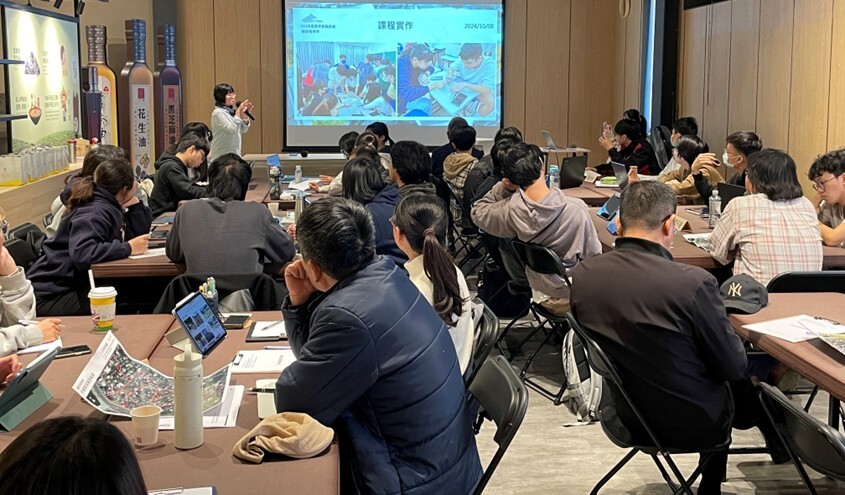
Figure 5. The Project Presentation
4. Transformations of Changhua’s Coastal Landscape: Cross-Scale Spatial Development and Socio-Ecological Dynamics Driven by Artificial Structures — The Case of the Fangyuan Coast and the Seaside Walkway (Main Project with Subproject VI)
Through a three-year project, this study examines the agro-fishery production landscape, the social structure/governance system, and demographic changes of Fangyuan Township, Changhua County. During the process, 60 local stakeholders were interviewed, including government agencies, producers, social organizations, and industry groups. The research investigates how the intervention of “artificial structures”—such as offshore wind turbines along the coast, the Fangyuan Wetlands Trail in the intertidal zone, and onshore installations including wind turbines and solar panels—affects the local production landscape. It further explores the interconnections and interactions within the related socio-ecological networks, analyzing the resulting socio-ecological impacts on the Fangyuan coastal area, as well as the balance between these impacts and the tourism development associated with the extension of the local “sea-cow” (oxen trained to carry the catch in the sea) cultural heritage.