
|
|
|
|
|
|
|
|
|
|
|
|
|
|
|

|
|
SDG 13.4.2 Achieve by date
1. NCUE expects to achieve the concrete goal of carbon neutrality by 2045, and establishes a sustainable campus. NCUE's low-carbon energy and carbon neutrality implementation plan is shown in Table 1, while Table 2 presents NCUE's 2021-2030 Total Planned New Solar Power Installation Capacity.
Table 1. NCUE's Low-Carbon Energy and Carbon Neutrality Implementation Plan
|
Time Period |
Major Completed Measures |
Indicators and Expected Results |
|
Before 2020 |
Initial solar power system installation |
Jinde Campus installed 467 kW solar power system, with 15.57% of peak electricity consumption supplied by low-carbon energy |
|
2021-2022 |
Major solar power system expansion |
1. Total capacity of 3129.875 kWp at both campuses 2. 98.18% of Jinde Campus peak electricity consumption supplied by low-carbon energy 3. 63.5% of Baoshan Campus peak electricity consumption supplied by low-carbon energy |
|
2024 |
Net Zero Energy House demonstration site completion |
1. Single building 100% renewable energy 2. Significant increase in low-carbon energy ratio at both campuses (1) 100% of Jinde Campus peak electricity consumption supplied by low-carbon energy (2) 72.8% of Baoshan Campus peak electricity consumption supplied by low-carbon energy |
|
2026-2030 |
Solar power system expansion planning |
Total capacity 4097.875 kWp, low-carbon energy ratio during peak hours >100% at both Jinde and Baoshan campuses |
|
2029 |
Energy conservation targets achieved |
Cumulative savings of at least 1.3 million kWh by 2029 compared to 2022 total annual electricity consumption |
|
2030 |
Solar power installation completion |
Annual power generation exceeding 5,115,308 kWh (18,415 GJ) |
|
Before 2045 |
Campus-wide carbon neutrality achieved |
Achieve preliminary carbon neutrality goal |
Table 2. NCUE's 2021-2030 Total Planned New Solar Power Installation Capacity
|
Campus |
Year |
Solar Power Energy Generated during Peak Hours (kW) |
Power Consumption during Peak Hours (kW) |
Proportion of Solar Power to Power Consumption |
|
Jinde |
Before 2020 |
467 |
3000 |
15.57% |
|
2021-2022 |
2558.375 |
2600 |
98.18% |
|
|
2026~2030 |
2788.375 |
2200 |
>100% |
|
|
Baoshan |
Before 2020 |
0 |
1000 |
0% |
|
2021-2022 |
571.5 |
900 |
63.5% |
|
|
2026~2030 |
1309.5 |
785 |
>100% |
2. Completed Before 2020 (Solar Power Generation Initial Stage)
(1) Jinde Campus installed a 467 kWp solar power generation system with peak generation of 467 kW, with low-carbon energy accounting for approximately 15.57% of the campus peak electricity consumption of 3,000 kW.
(2) Baoshan Campus had not yet installed solar power systems, with peak electricity consumption of 1,000 kW and a low-carbon energy ratio of 0%.
3. Completed in 2021-2022 (Major Solar System Expansion)
(1) Jinde Campus: Solar power installation capacity expanded to 2,558.375 kWp, with solar peak generation increasing to 2,558.375 kW. Peak electricity consumption was reduced to 2,600 kW, achieving a low-carbon energy ratio of 98.18%.
(2) Baoshan Campus: Newly installed 571.5 kWp solar power system, with solar peak generation increasing to 571.5 kW and peak electricity consumption reduced to 900 kW, achieving a low-carbon energy ratio of 63.5%.
4. Completed in 2024
(1) Enhanced Energy Conservation Performance
(a) Jinde Campus: Solar power peak generation maintained at 2,558.375 kW, with peak electricity consumption further reduced to 2,200 kW, achieving a low-carbon energy ratio exceeding 100%.
(b) Baoshan Campus: Solar power peak generation maintained at 571.5 kW, with peak electricity consumption reduced to 785 kW, raising the low-carbon energy ratio to 72.8%.
(2) Carbon Emission Reduction Benefits
(a) Jinde and Baoshan campuses currently have installed 2,558.375 kWp and 571.5 kWp of photovoltaic systems respectively. Based on the average daily sunlight duration of 3.5 hours in the Changhua region of Taiwan, the total power generation amounts to 3,998,415 kWh [(2,558.375+571.5)×365×3.5= 3,998,415 kWh]. According to the Ministry of Economic Affairs' published 2024 carbon emission factor for electricity of 0.474 kg CO2/kWh, this represents approximately 3,998,415×0.474=1,895,249 kg of carbon emission reduction.
(b) Combined with NCUE's 1,410 kWh energy storage system, excess solar power generation can be completely stored and renewable energy can be transferred for nighttime use. Therefore, NCUE can not only achieve carbon neutrality during daytime using renewable energy but also increase nighttime carbon neutrality through large-scale energy storage systems, enhancing renewable energy utilization rates and carbon neutrality ratios.
(3) Net Zero Energy House Demonstration Site Construction
NCUE completed the construction of the Net Zero Energy House demonstration site in early 2024 (Figure 1). This building consists of rooftop photovoltaic systems, small wind turbines, and indoor energy storage systems, enabling a single building to achieve 100% renewable energy. This demonstration site promotes the policy goal of net-zero carbon emissions.
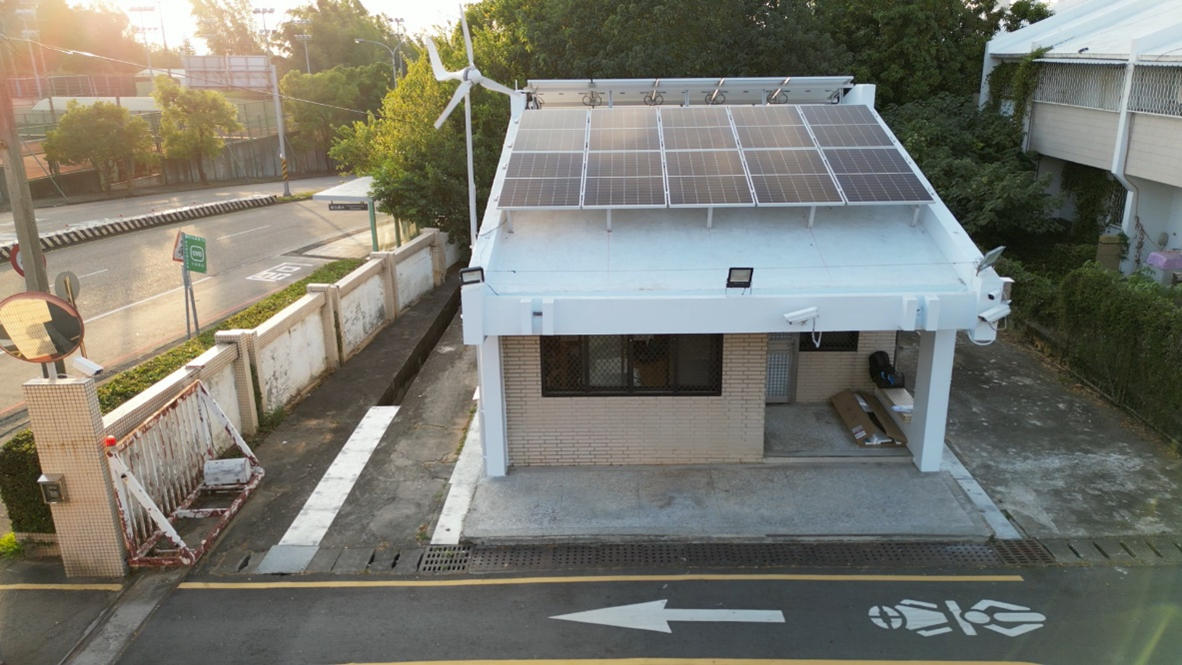
Figure 1. Net Zero Energy House Demonstration Site
5. 2026-2030 Planning
(1) Solar Power Generation Capacity Expansion
By the end of 2030, NCUE expects to progressively expand to 4097.875 kWp of installed solar photovoltaic system capacity (Jinde Campus will reach 2788.375 kWp, and Baoshan Campus will reach 1309.5 kWp), with annual power generation exceeding 5,115,308 kWh (18,415 GJ).
(2) Achieving Carbon Neutrality During Peak Hours
(a) Jinde Campus: Solar power installation capacity will expand to 2788.375 kWp, maintaining peak electricity consumption at 2,200 kW, with low-carbon energy ratio continuously exceeding 100%.
(b) Baoshan Campus: Solar power installation capacity will significantly expand to 1,309.5 kWp, maintaining peak electricity consumption at 785 kW, with low-carbon energy ratio exceeding 100%.
6. Energy Conservation and Carbon Reduction Advancement
Continuing the excellent achievements of saving nearly 18% of electricity consumption over the past 15 years, NCUE plans to continue investing more than NTD$5 million annually over the next decade, with a goal of reducing total electricity consumption of existing facilities by 1% each year (saving more than 150,000 kWh of energy annually). It is expected that by 2029, existing equipment will reduce total annual power consumption by at least 1.3 million kWh compared to 2022.
7. Achieving Campus-wide Carbon Neutrality by 2045
(1) Through the integration of photovoltaic expansion, energy-saving measures, and energy storage management, NCUE will progressively increase the proportion of renewable energy in total campus electricity consumption, expecting to achieve preliminary carbon neutrality by 2045 and establish a sustainable campus energy structure.
(2) Building upon the 2045 carbon neutrality foundation, NCUE will continue to deepen renewable energy applications, intelligent energy management, and equipment upgrades, advancing toward comprehensive net-zero emissions by 2050, aligning with global sustainable development goals.