

|
|

|

|

|
|
|

|
|
|
|
|
|
|
|

|
|
SDG 13.3.2 Climate Action Plan, shared
1. NCUE actively participates in and promotes climate action-related research and application projects (as shown in Table 1), collaborating across ministries and industries to combine scientific research, environmental education, industry guidance, and disaster prevention technology to assist local communities in facing climate change challenges and promoting sustainable development. These actions encompasses climate science research, water resource and agricultural planning, disaster prevention monitoring, invasive species control, and local industry low-carbon transition, providing policy recommendations, scientific data, and technical support. These project outcomes not only strengthen local governments' climate response capabilities but also promote environmental awareness and participation among community residents, forming a shared action model that integrates research, education, and practical application.
Table 1. Related Research and Application Projects
|
No. |
Principal Investigator |
Project name |
|
1 |
Professor Jien-Yi Tu |
National Science and Technology Council Project/ Impacts of Large-scale Circulation Changes on Precipitation in the Asian Monsoon Region under Global Warming (III) |
|
2 |
Professor Chuian-fu Ken |
Ministry of Education/ Beautiful and Treasured Clams in Fangyuan and Dacheng: Sustainable Industry and Environment Project of Changhua’s Two Cities Amid Climate Change project |
|
3 |
Professor Ling Jiang |
Changhua Coastal Clam Habitat Survey and Conservation Education Promotion Project |
|
4 |
Professor Chung-chi Lin |
Taoyuan International Airport Corporation Project / Commissioned Planning and Design for Invasive Red Fire Ant Control Operations |
|
5 |
Professor Chung-chi Lin |
Ministry of Economic Affairs Project / Smart Development of Novel Environment-Friendly Control Technology Applied to Ant Pest Control Commercial Development Project |
|
6 |
Professor Chung-chi Lin |
Animal and Plant Health Inspection Agency, Ministry of Agriculture Project / Expansion of Drone-Based Management System for Invasive Fire Ant Control and Agricultural Pesticide Application |
|
7 |
Professor Chung-chi Lin |
National Park Service, Ministry of the Interior, Kenting National Park Headquarters / 2024 Kenting National Park Yellow Crazy Ant Control Project |
2. Project content descriptions are as follows:
(1) Impacts of Large-scale Circulation Changes on Precipitation in the Asian Monsoon Region under Global Warming (III)
(a) Government Research Information System: https://www.grb.gov.tw/search/planDetail?id=16551737
(b) Analysis of changes in autumn tropical cyclone activity in the South China Sea from 1979-2023, revealing the causes of interdecadal variations to provide scientific basis for disaster prevention policies and climate prediction.
The South China Sea, located southwest of Taiwan within the Asian monsoon region, generates typhoons that frequently bring abundant moisture to Taiwan, the Indochina Peninsula, and China's southeastern coast, increasing rainfall. From 1979 to 2023, the frequency of tropical cyclone (TC) activity in the South China Sea (SCS) during autumn (September to November) showed clear interdecadal variation characteristics around the year 2000, with fewer occurrences in later periods. This is related to reduced formation within the South China Sea itself and decreased numbers of tropical cyclones moving from the Northwest Pacific (WNP) into the South China Sea. Data analysis revealed that low-level anticyclonic anomalies extending from the Bay of Bengal through the South China Sea to the tropical Northwest Pacific effectively suppress tropical cyclone formation and subsequent movement frequency in the South China Sea and tropical Northwest Pacific, potentially causing interdecadal-scale variations in South China Sea tropical cyclone activity frequency. (Figures1-2)
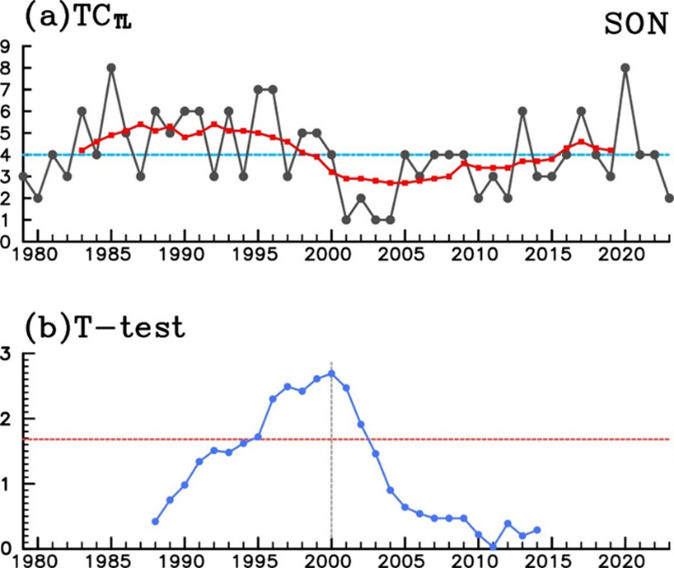
Figure 1. (a) Annual and interdecadal (9-year moving average) time series of total tropical cyclones (TC) generated in the South China Sea during autumn from 1979 to 2023. The long-term average of this time series is 4.1 (indicated by horizontal line). (b) t-values of mean difference between two interdecadal periods before and after each year from 1988 to 2014. If a year's t-statistic exceeds 1.68 (marked by horizontal line), the difference between the two interdecadal periods bounded by that year is statistically significant at the 0.05 level
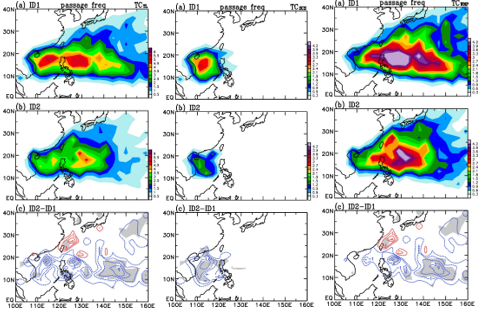
Figure 2. Mean values of autumn total tropical cyclone (TC) passage frequency: (a) ID1 (1979-1999), (b) ID2 (2000-2023), and (c) the differences (ID2-ID1). In (c), areas with statistical significance above 0.1 level are shaded. Contour intervals in (a), (b), and (c) are all 0.5. Left panel shows total passage frequency, middle panel shows typhoons generated only in the South China Sea, right panel shows typhoons generated only in the Northwest Pacific
(2) "Beautiful and Treasured Clams in Fangyuan and Dacheng: Sustainable Industry and Environment Project of Changhua's Two Cities Amid Climate Change"
Focusing on the coastal areas of Fangyuan and Dacheng in Changhua, combining environmental education, ecological conservation, air pollution awareness, beach cleaning actions, wetland protection, energy conservation and carbon reduction, and green energy promotion to assist local communities in enhancing resilience under climate change. The project promotes aquaculture industry upgrading through product packaging and marketing research, while introducing intelligent monitoring and community participation to strengthen water quality management and biodiversity, committed to dual sustainability of industrial development and ecological environment, creating new paradigms for local characteristics and sustainable development.
(a) This research project collaborates with the Changhua Aquaculture and Fisheries Development Association to develop a series of services and surveys for aquaculture industry adaptation strategies in Changhua under climate change. In addition to assisting association members with water resource safety testing for fishponds, coastal water intake channels, and groundwater wells, based on stakeholder feedback collected from the USR project, services have been expanded to golden clam operators and survey areas have been increased to include the upper, middle, and lower reaches of rivers serving as water sources for fishponds. All the above services are provided free of charge, aiming to maintain sustainable safety of water resources for aquaculture operators and coastal areas. Related activity photos are shown in Figures 3-4.
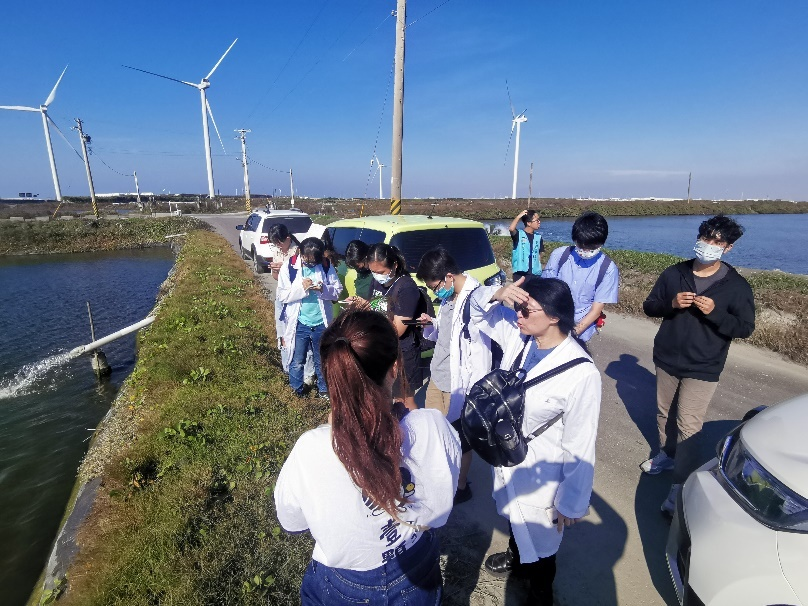
Figure 3. Conducting field investigation activities to strengthen practical aquaculture experience
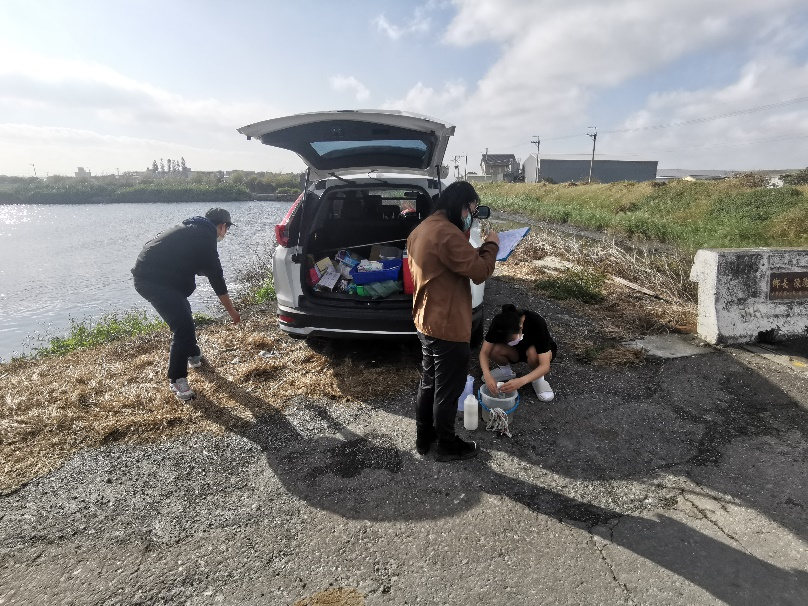
Figure 4. March 2024 - Water Quality Investigation Team: The 2024 Department of Biology USR project implementation, adding or changing investigation sites based on stakeholder feedback, testing not only upper, middle, and lower reaches of rivers but also drainage from factories and livestock farms with pollution concerns
(b) "Sustainable Development and Practices of Coastal Biological Resources": The course includes workshops on "The Application of Beneficial Bacteria in Aquaculture" and "Aquaculture and Greenhouse Gases". Participants include course students, teachers, local aquaculture operators, and organizations, working together to maintain the health and sustainability of local aquatic ecosystems. Related activity photos are shown in Figure 5.
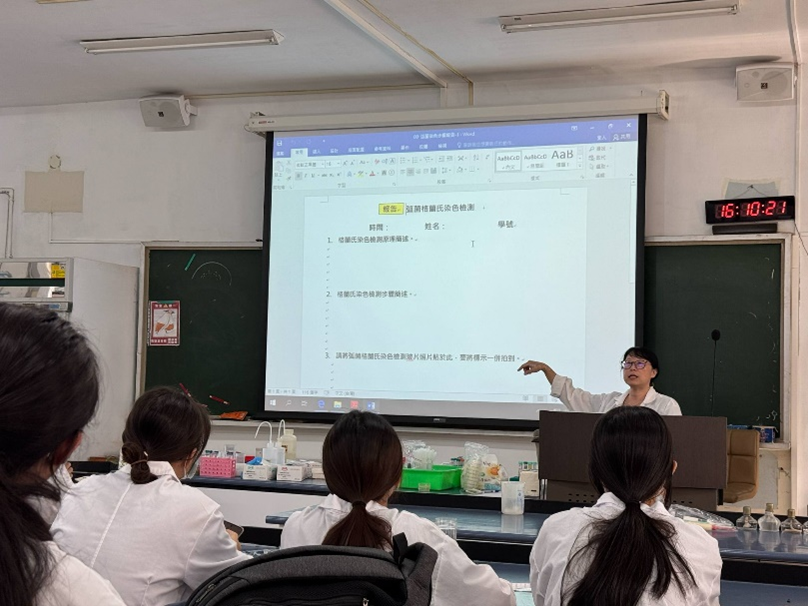
Figure 5. 2024/04 "Aquaculture and Greenhouse Gases" course, with participants including students, teachers, local aquaculture operators and organizations, promoting environmentally friendly low-carbon production strategies to jointly maintain the health and sustainability of local aquatic ecosystems
(c) Project activity Facebook fan page link: https://www.facebook.com/NCUEUSR/photos/?tab=album&ref=page_internal
(3) Changhua Coastal Hard Clam Habitat Survey and Conservation Education Promotion Project
(a) NCUE promotes the "Changhua Coastal Hard Clam Habitat Survey and Conservation Education Promotion Project," implementing a series of marine citizen scientist courses at Xinbao Wetland and Wanggong Harbor through industry-academia cooperation, including "Volunteer Investigator Training," "Seed Teacher Training," and "Hard Clam Detective Squad" activities. Course content covers water quality testing, biodiversity surveys, bivalve classification, and coastal tourism and conservation education promotion, integrating with Caohu Junior High School, Hanbao Elementary School, and Lukang Elementary School to closely combine scientific investigation with local education, enhancing environmental protection awareness among faculty, students, and communities.
(b) The same project also emphasizes practical operations in ecological restoration and climate adaptation. Through "Hard Clam Habitat Surveys" (conducted once each in winter, spring, summer, and autumn, including sediment improvement experiments), it was discovered that sediment improvement can effectively promote the growth of indicator species such as hard clams and corbicula, suppress the dominance of ring clams, and enhance carbon sequestration potential and benthic biodiversity. (Figure 6)
(c) Through extensive participation of citizen scientists, not only has the volume of survey data significantly increased, but community conservation awareness has also been effectively enhanced, forming a demonstration cooperation model that combines scientific research, educational promotion, and climate adaptation.
(d) Project activity Facebook page link: https://www.facebook.com/NCUEUSR/photos/?tab=album&ref=page_internal
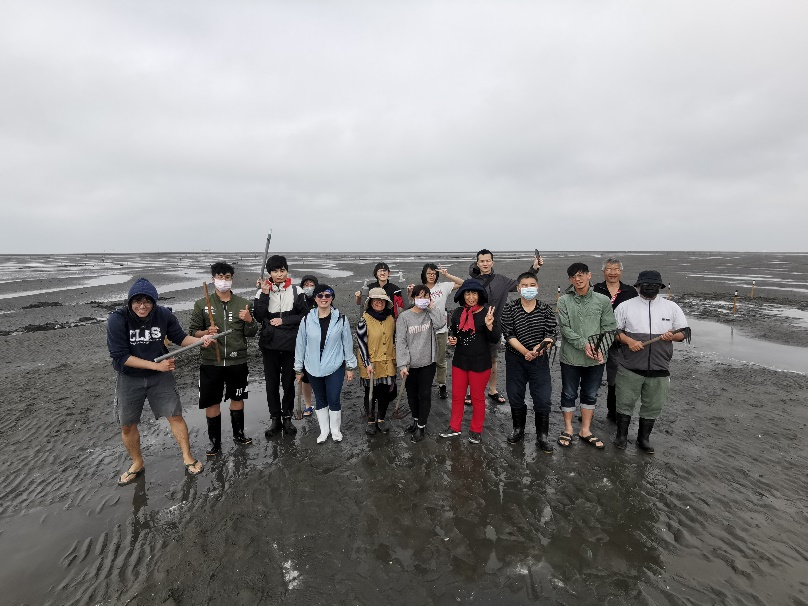
Figure 6. Winter joint sampling and investigation of hard clam habitats by NCUE team and Changhua Marine Food Research Center
(4) Invasive Ant Species Control: Conducting ecological monitoring, control technology research and development, and application for red fire ants and yellow crazy ants to assist airports, national parks, and agricultural areas in reducing invasive species damage.
(a) Taoyuan International Airport Corporation Project / Commissioned Planning and Design for Invasive Red Fire Ant Control Operations (Figure 7).
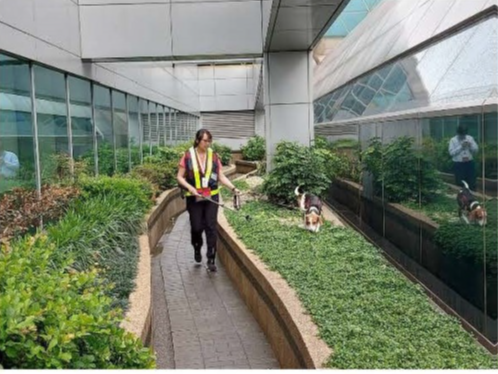
Figure 7. NCUE Taoyuan International Airport Fire Ant Control Team using fire ant detection dogs to assist in searching for invasive red fire ants at Taoyuan Airport
(b) Ministry of Economic Affairs Project / Smart Development of New Environmentally Friendly Control Technology for Commercial Application in Ant Control (Figure 8).
Addressing the increasingly severe problem of harmful ants in agricultural environments, the team focuses on environmentally friendly ant control technology as the overall research and development axis, and commercializes these ant control technologies for practical application in ant control operations. Environmentally friendly ant control technology applications can be divided into four major categories: pesticide carrier technology (crystal gel baits can replace existing liquid baits), biochemical ant control technology (bee repellent can be added to baits to solve the problem of ant intrusion in apiaries), physical ant control technology (insect repellent films can be applied to street lights to reduce flying ant disturbance to the public), and harmful ant identification technology (detection dogs and image recognition can assist frontline personnel in rapidly identifying ant species).
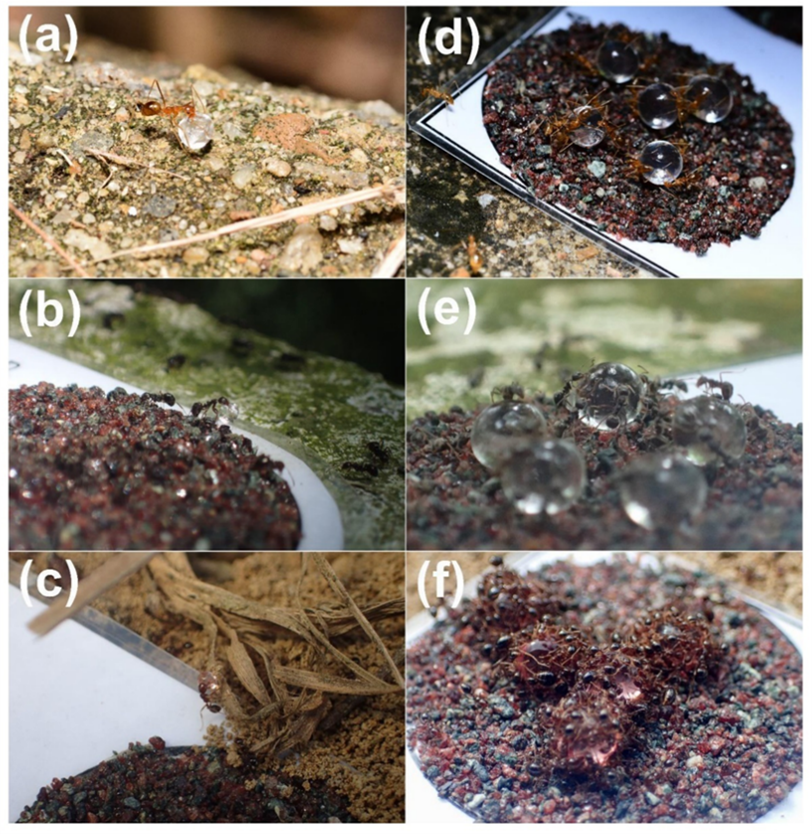
Figure 8. Research on the effectiveness of crystal gel baits in controlling various harmful ants
(c) Animal and Plant Health Inspection Agency, Ministry of Agriculture Project / Strengthening Hualien County Red Fire Ant Control Project (Figures 9-10).
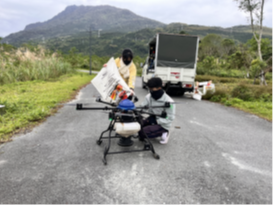
Figure 9. Using drones for comprehensive bait application across 3,200 hectares of control areas, with specialized enhanced control for peripheral isolated outbreaks, coordinated with garbage truck promotion of fire ant control operations
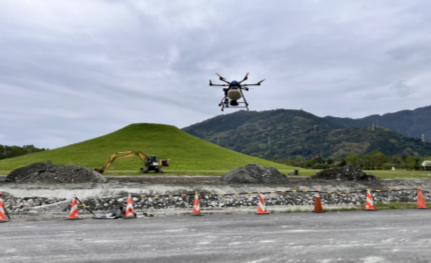
Figure 10. Drone pesticide application operations showing bait loading and aerial distribution
(d) Kenting National Park Project / 2024 Kenting National Park Yellow Crazy Ant Control Project.
In areas where yellow crazy ant super colonies severely threaten land crabs in the park, this project will conduct large-scale bait control applications in major land crab hotspot areas (Banana Bay and Gangkou Coastal Forest) to control yellow crazy ant super colony population density, monitor yellow crazy ant population dynamics in control sample areas, understand the effectiveness of bait control applications, and evaluate long-term control strategies and recommendations for yellow crazy ant populations in Kenting National Park (Figure 11).
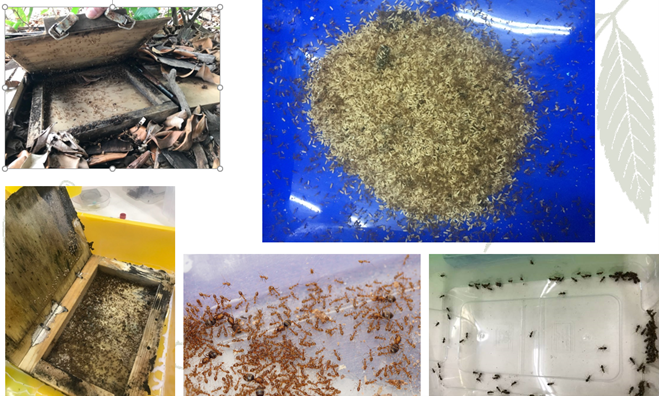
Figure 11. Artificial Ant Colony Trap Box devices placed in soil surface layers, near tree roots, or in leaf litter layers where yellow crazy ants prefer to nest. These can be used for population monitoring of yellow crazy ant super colonies in the environment and also have the control effect of directly removing reproductive nests (containing queens) from the environment.