
|
|
|
|
|
|
|
|
|
|
|
|
|
|
|
|
|
SDG 13.3.1 Local education programmes on climate
1. NCUE actively promotes local climate change-related educational activities. In 2024, through the Ministry of Education, National Science and Technology Council, and USR (University Social Responsibility) projects, NCUE provided local educational programs and activities related to climate change risks, impacts, mitigation, adaptation, impact reduction, and early warning, covering curriculum design, field participation, community engagement, interdisciplinary research, and local action. The relevant projects are listed in Table 1. Additionally, NCUE offers related general education and professional courses such as "Environmental Change and Human Civilization" and "Hydrology" in the Department of Geography, which explore the impacts of climate change on the environment.
Course syllabus information:
(1) https://webap0.ncue.edu.tw/DEANV2/UploadDEAN/SUBJECT/1122/00212_0CCGE0180020.pdf(PDF)
(2) https://webap0.ncue.edu.tw/DEANV2/UploadDEAN/SUBJECT/1131/43018_1ARGR0009230.pdf(PDF)
Table 1. Project Number and Name
|
No. |
Project Name |
|
1 |
From Theory to Practice - Discussing Climate Change and Sustainability |
|
2 |
Climate Resilience Development and Disaster Prevention Adaptation Governance: A Participatory Approach with Just Transition -- Climate Resilience Development and Disaster Prevention Adaptation Governance: A Participatory Approach with Just Transition |
|
3 |
Beautiful and Treasured Clams in Fangyuan and Dacheng: Sustainable Industry and Environment Project of Changhua’s Two Cities Amid Climate Change |
|
4 |
Ecological Homelands and Urban-Rural Sustainability:A Changhua Ecological Art |
2. From Theory to Practice - Discussing Climate Change and Sustainability
This project, in the second semester of the 2024 academic year, promoted climate change-related content through the established "Climate Change and Environmental Sustainability" course. The course content included important topics and concepts such as "extreme climate," "carbon inventory," "carbon footprint," "circular economy," "net-zero emissions," "carbon neutrality," "carbon management," "greenhouse gas reduction and removal (carbon sinks)," "nature-based solutions," and "climate change adaptation and disaster prevention." Through classroom lectures, off-campus visits, special lectures, and practical activities (as shown in Table 2), students were guided to understand and practice climate action.
Table 2. Off-campus Visits, Special Lectures, and Practical Activity Content
|
Date |
Activity Type |
Course Content |
Number of Participants |
|
4/14 |
Field Visit |
Content: Visit to Taichung Agricultural Research and Extension Station. (Figure 1) Effectiveness: Through field visits, understanding food local production (breeding, cultivation, management, strategies) in response to climate change, smart rice production, low-carbon rice production technology and rice carbon footprint, agricultural carbon reduction and sequestration strategies. |
41 |
|
4/21 |
Practical Exercise (I) |
Content: Greenhouse gas inventory experience sharing and practical exercise. Effectiveness: Through collaboration with practitioners, introducing carbon inventory methods and leading students to actually calculate carbon emissions for specific venues, helping students better understand carbon emission-related issues. |
41 |
|
4/28 |
Special Lecture (I) |
Content: Net-zero and carbon issue development. Effectiveness: Through expert lectures, helping students understand current global hot topics related to carbon economics. |
41 |
|
5/12 |
Practical Exercise (II) |
Content: Essential thinking for the carbon footprint of products- life cycle assessment. (Figure 2) Effectiveness: Through collaboration with practitioners, leading students to actually calculate product carbon footprints and emissions, helping students understand carbon footprint differences among different products and the importance of local production. |
41 |
|
5/19 |
Special Lecture (II) |
Content: Climate change risk assessment and adaptation - from disaster prevention and rescue to climate change adaptation. (Figure 3) Effectiveness: Through expert lectures, helping students understand climate change risks and how to conduct disaster risk assessment. |
41 |
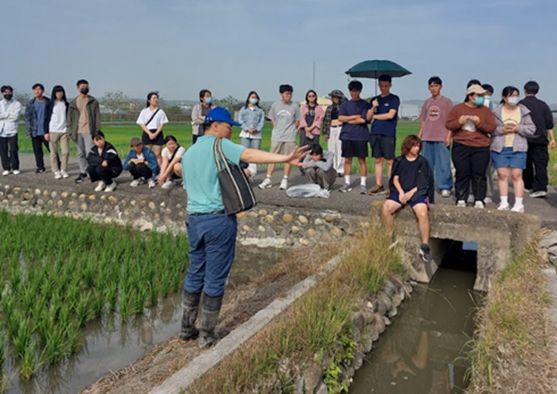
Figure 1. Visit to Taichung Agricultural Research and Extension Station in Dacun Township, Changhua County
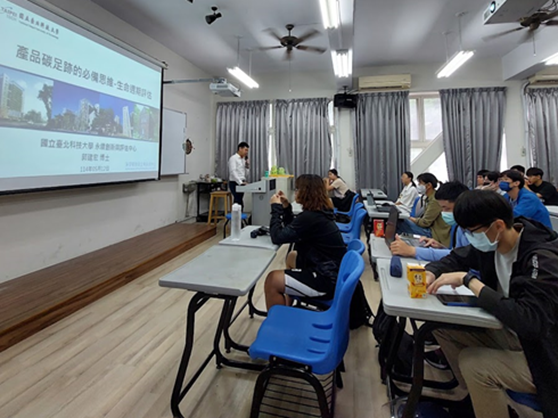
Figure 2. Inviting Dr. Chien-Hung Kuo to introduce core concepts of carbon footprint and product life cycle assessment
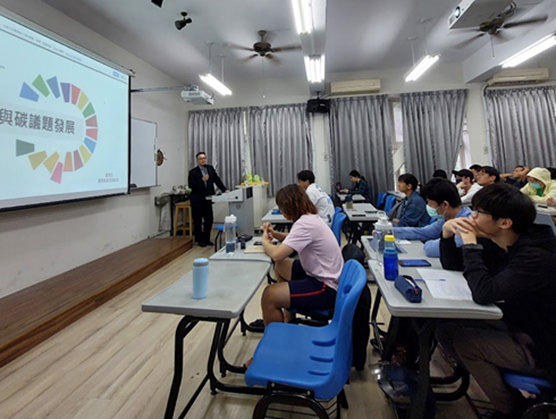
Figure 3. Inviting Executive Director Kung-Yueh Chao from International Climate Development Institute to give a lecture
3. Climate Resilience Development and Disaster Prevention Adaptation Governance: A Participatory Approach with Just Transition:
This research promotes just transition strategies under climate resilience through a participatory approach, aiming to strengthen disaster adaptation governance.
(1) In spring 2025, a "Climate Action Actors" workshop was held in Huwei Township, Yunlin County, introducing image analysis technology to explore urban development, industrial transformation, and heat risks, consolidating action directions. The research team established a comprehensive awareness system and completed spatiotemporal analysis of heat risks in Yunlin, Changhua, and Taichung, laying the data foundation for local climate justice; conducted comparative analysis of just transition literature and policies, discovering Taiwan's unique characteristics.
(2) Regarding offshore wind power issues, pointing out that current compensation mechanisms fail to implement fair participation, the research team combined routine collaboration with international exchange, establishing cooperation with Dartmouth College in the United States to promote long-term research on renewable energy issues. Research results are expected to develop methodologies for incorporating justice principles in climate decision-making and propose fair disaster prevention and adaptation policy recommendations.
(3) Related activity photos are shown in Figures 4-5.
Table 3. Two Activities and Participants
|
Item |
Activity Name |
Participants |
|
1 |
Climate Resilience Development and Disaster Prevention Adaptation Governance: A Participatory Approach with Just Transition |
Tzu-Ping, Lin, Distinguished Professor, Department of Architecture, NCKU Yang-Ting, Shen, Associate Professor, Department of Architecture, NCKU Pei-Wen, Lu, Associate Professor, Department of Geography, NCUE Sheng-Yu Yang, Assistant, Department of Geography, NCUE Yu-Fei, Lin, Assistant, Department of Geography, NCUE Yi-Zhen, Wu, Assistant, Department of Architecture, NCKU Yo-Hao, Chen, Assistant, Department of Architecture, NCKU Zhen-Huan, Chen, Assistant, Department of Landscape Architecture, CYCU Zhi-Tao, Peng, Doctoral Student, Department of Landscape Architecture, CYCU |
|
2 |
Taiwan Just Transition Strategy Analysis |
Zhon-Gen, Liu, Associate Professor, Department of Sociology, NTU Shun-Nan, Jiang, Postdoctoral Researcher, Department of Sociology, NTU Yi-Zhen, Huang, Postdoctoral Researcher, Department of Sociology, NTU Shan-Pei, Su, Full-time Assistant, NYCU Hua-Mei, Qiu, Associate Professor, Department of Sociology, NSYSU Yun-Zhi, Su, Researcher, Department of Sociology, NSYSU Dong-You, Shi, Researcher, Department of Sociology, NSYSU Wei-Cheng, Chen, Master's Student, Graduate Institute of Building and Planning, NTU Yu-Xin, Xu, Full-time Researcher, Center for Innovative Democracy, NCCU |
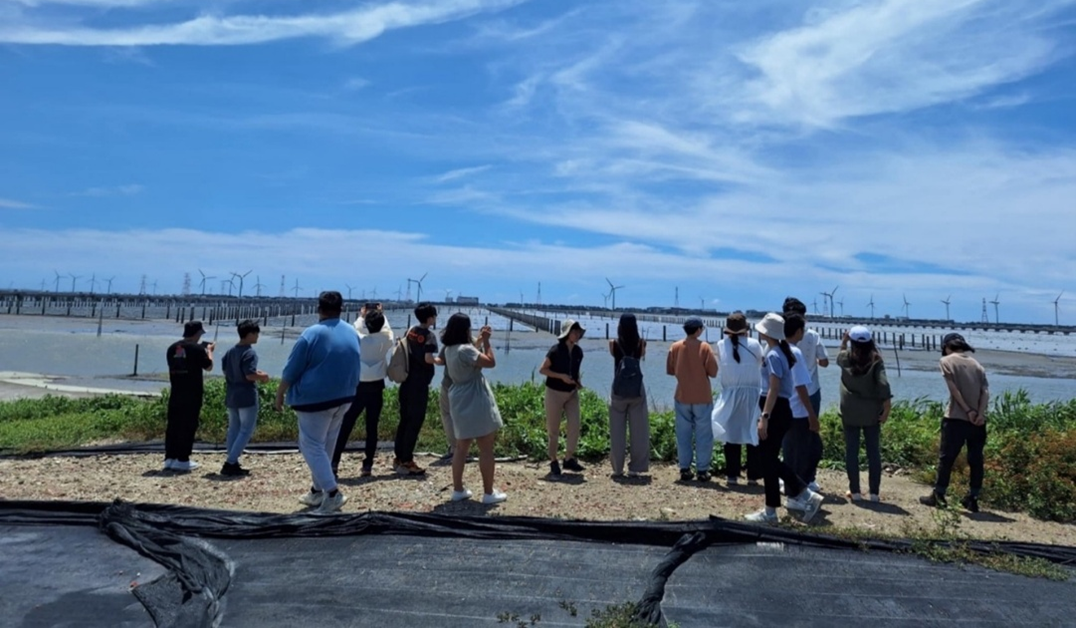
Figure 4. Wind and Solar Power Survey on Fangyuan Coastline
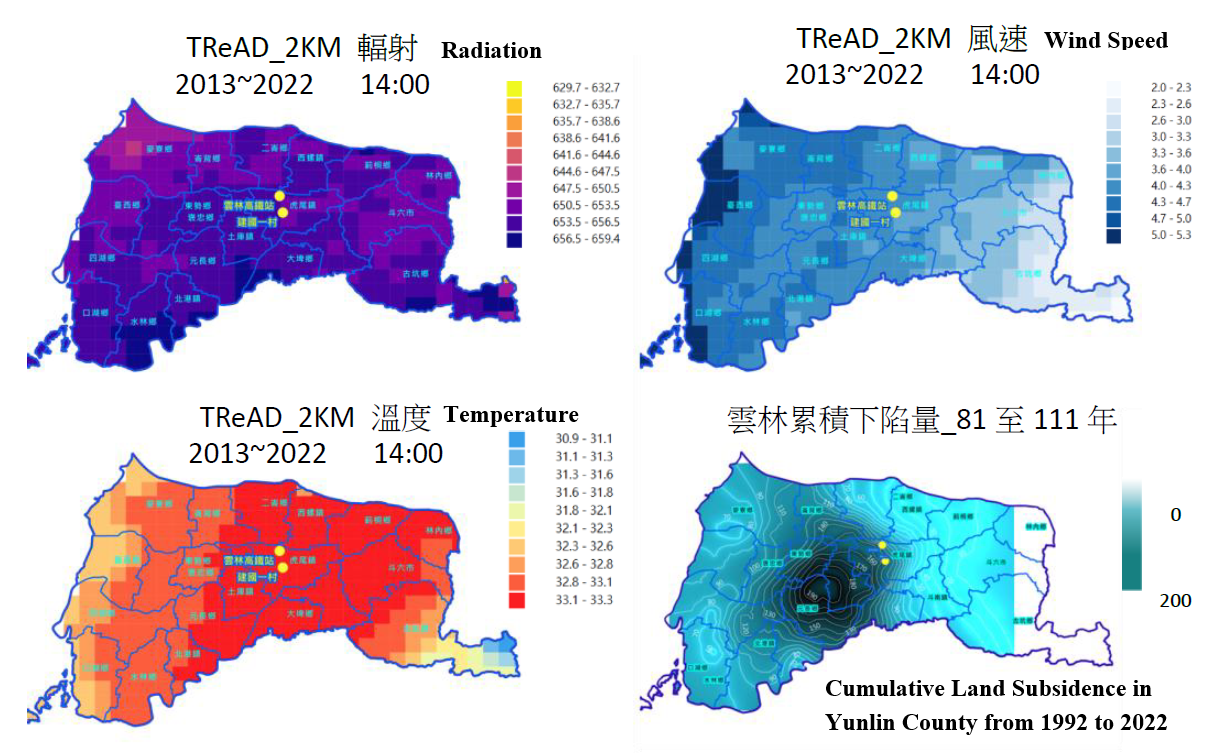
Figure 5. Yunlin County Radiation Map (upper left), Temperature Map (lower left), Wind Speed Map (upper right), Land Subsidence Map (lower right)
4. Ministry of Education's "Beautiful and Treasured Clams in Fangyuan and Dacheng: Sustainable Industry and Environment Project of Changhua's Two Cities Amid Climate Change" Project
(1) In recent years, NCUE has actively integrated SDG 13 Climate Action with SDG 14 Life Below Water, deeply engaging with Changhua's coastal areas, particularly Fangyuan Township and Dacheng Township. In collaboration with aquaculture associations and clam farmers, NCUE has promoted carbon inventory, carbon footprint calculation, and sustainable development courses (Figure 6). Teachers and students not only assist communities in establishing carbon rights inventory processes and promoting blue carbon ecosystem protection, but also design interdisciplinary courses such as smart green living planning, emphasizing the integration of theory and practice to cultivate students' innovative thinking and social engagement capabilities. Through industry-academia collaboration, volunteer work, and internship activities, NCUE not only promotes community sustainable development but also enhances youth retention rates and local cohesion, demonstrating NCUE's core values of fulfilling social responsibility and giving back to the community.
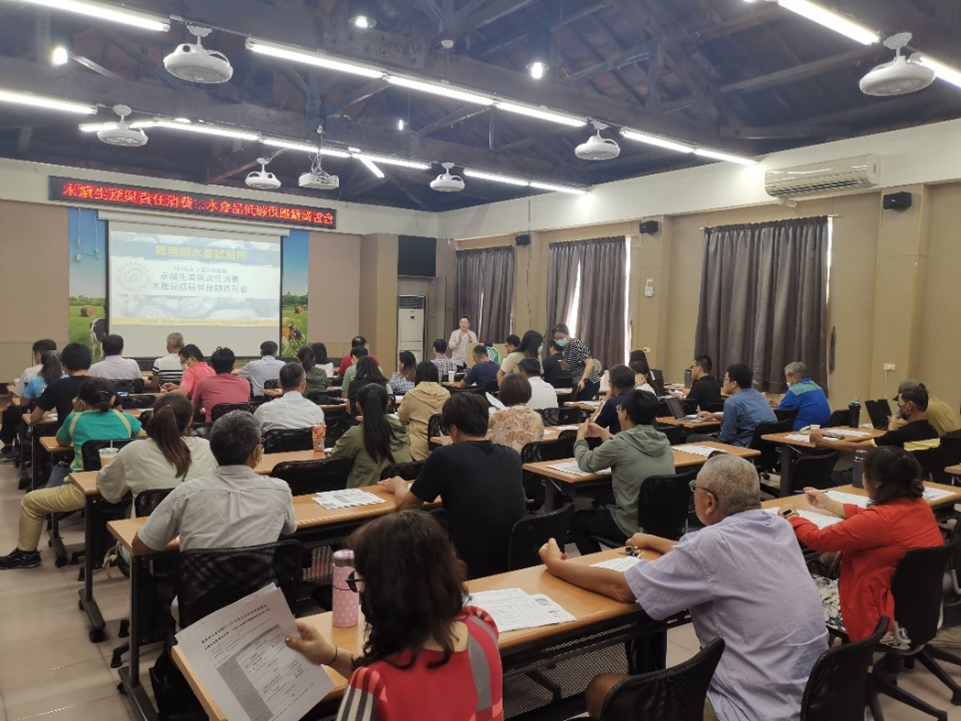
Figure 6. May 30, 2024 - Joint organization of Sustainable Production and Responsible Consumption: Aquatic Product Low-Carbon Supply Chain Workshop with Changhua County Fishermen's Association and Fisheries Research Institute
(2) The Environmental Education Center cultivates relevant environmental education talents, complementing the "Beautiful and Treasured Clams in Fangyuan and Dacheng: Sustainable Industry and Environment Project of Changhua's Two Cities Amid Climate Change" project. From July to October 2024, relevant education courses were provided for local and national communities, with information shown in Table 4 and activity photos in Figures 7-8.
Course image information links:
(a) https://www.facebook.com/media/set/?set=a.1080081833905178&type=3
(b) https://www.facebook.com/media/set/?set=a.1082290977017597&type=3
Table 4: Environmental Education Course Activities
|
Course Activity |
Date |
Number of Participants |
|
Environmental Education Personnel 24-hour Certification NCUE Special Class |
July 2024 |
20 |
|
Environmental Education Personnel 100-hour Class |
July-October 2024 |
8 |
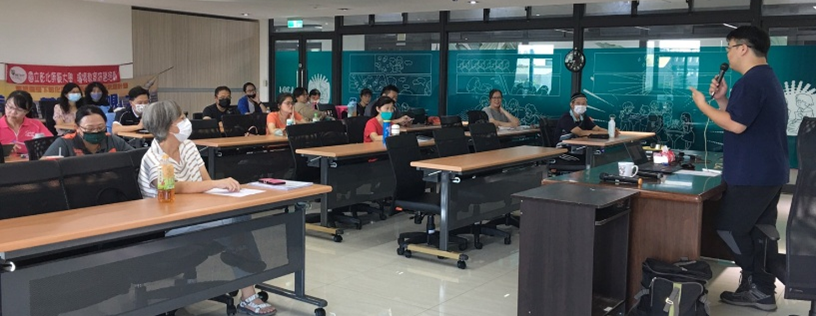
Figure 7. Environmental Education Personnel NCUE Special Class

Figure 8. Environmental Education Personnel 100-hour Class
5. In response to the ecological crisis of global warming, NCUE's Department of Fine Arts proposed the USR project "Ecological Homelands and Urban-Rural Sustainability: A Changhua Ecological Art Project" in 2023-2024, focusing on "local care" as the main theme to achieve the United Nations Sustainable Development SDGs "13 Climate Action" goal. Related free activities were held in 2024 as shown in Table 5, with activity descriptions as follows:
Table 5. Related Free Activities in 2024
|
No. |
Activities |
|
1 |
NCUE Campus Tree Planting Day Activity - Free Distribution of Indoor Potted English Ivy |
|
2 |
"Curatorial Theory and Practice" Course Conducting Neighborhood Green Survey |
|
3 |
Organizing Multiple Horticultural Therapy Workshops On and Off Campus |
|
4 |
Organizing Ecological Art Exhibition " Eco Art & Eco Ark " Ecological Art Exhibition |
|
5 |
Organizing Multiple Ecological Workshops & Lectures |
(1) NCUE Campus Tree Planting Festival Activity - Free Distribution of Indoor Potted English Ivy:
To enhance campus community awareness of climate change mitigation and greening actions, the Environmental Education Center collaborated with the Department of Biology to jointly organize the "NCUE Campus Tree Planting Festival Activity - Free Distribution of Indoor Potted English Ivy," promoting greening concepts and carbon footprint reduction awareness through practical planting activities. The activity attracted enthusiastic responses from faculty and students on campus, with 60 English ivy plants distributed during the early bird phase and an additional 137 plants distributed through lottery drawings, totaling 197 plants. By bringing plants into classrooms, offices, and living spaces, the activity practiced "inside-out" environmental adaptation and mitigation strategies while improving air quality and individual connections with nature. This activity not only responded to the needs for greening, cooling, and environmental adaptation under climate change but also deepened faculty and students' understanding and practice of sustainable lifestyles. (Figure 9)
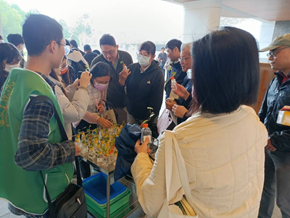
Figure 9. Teachers and students enthusiastically participating in the tree planting festival distribution activity
(2) "Curatorial Theory and Practice" Course Conducting Street Green Survey:
To respond to challenges brought by global warming and climate change, a street green survey was incorporated into the Department of Fine Arts' "Curatorial Theory and Practice" course in the 2024 spring semester, with 53 students participating. The course guided students to various locations in Changhua, using black globe thermometers and thermal imaging cameras for field measurements, analyzing temperature differences in different street areas and further exploring the causes and current status of urban heat island effects. Through field surveys and data collection, students learned about the relationship between urban green canopy coverage and temperature regulation, understanding the important role of tree planting and green space planning in mitigating climate change impacts. This course not only enhanced students' sensitivity to local environmental issues but also cultivated their use of evidence-based methods to focus on ecological sustainability and climate action, implementing SDGs climate action goals and promoting youth generation participation in local environmental adaptation and transformation. (Figure 10)
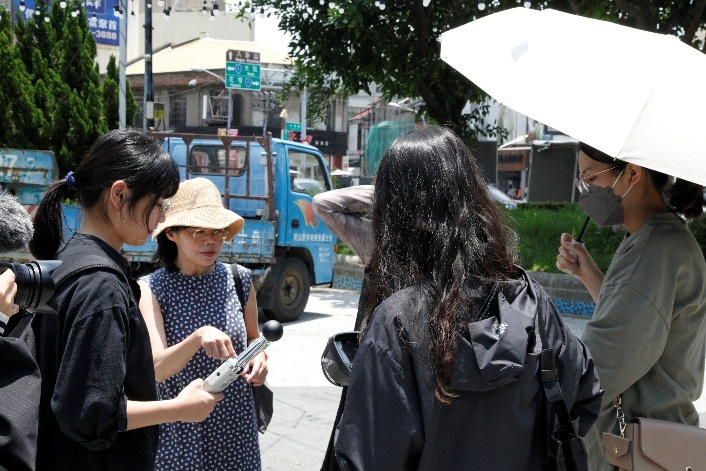
Figure 10. "Curatorial Theory and Practice" course leading students into Changhua locations for street green surveys
(3) Organizing Multiple Horticultural Therapy Workshops on and off Campus:
Using "greening for cooling and carbon reduction" as a practical mitigation strategy for urban heat island effects, multiple on-campus and off-campus horticultural therapy workshops were planned and promoted, emphasizing the dual benefits of green plants for environmental regulation and mental health. Through actual participation in planting and gardening activities, participants understood the relationship between green spaces and climate change. Collaborating with external organizations including Changhua Christian Hospital, Changhua Lifelong Learning Center, Zhongzhang Veterans Home, Changhua County We Care Association, David Lan Presbyterian Church, and Huatan Church to deeply promote ecological and climate education in communities; on campus, students from "Horticultural Therapy" and " Art and alternative Therapies " courses engaged in hands-on operations and independently designed courses, organizing workshops including " Green Spirit – Plant-Inspired Mirror: Five Senses Self-Portrait Active Aging Workshop," " Green Spirit - Memory of Wind: Wind Chime Handcraft Active Aging Workshop," " Green Spirit - Natural Imprints: Leaf Printing Life Workshop," "Green Seeds: Horticultural Therapy Workshop," and "Green Healing: Horticultural Therapy Active Aging Workshop." This project not only deepened green living awareness but also combined local practice with educational action, cultivating fundamental civic literacy for climate change mitigation and adaptation. (Figures 11-14)
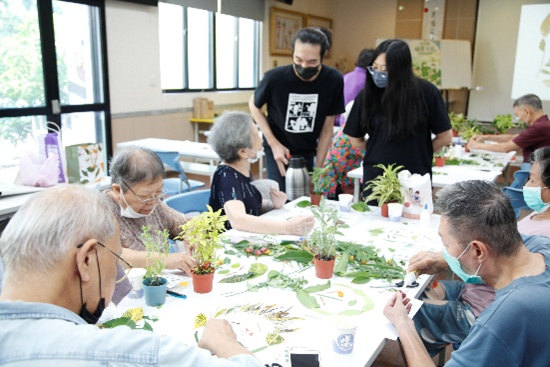
Figure 11. Elderly residents at Zhongzhang Veterans Home engaged in creation during " Green Spirit – Plant-Inspired Mirror: Five Senses Self-Portrait Active Aging Workshop"

Figure 12. Group photo with works from " Green Spirit - Memory of Wind: Wind Chime Handcraft Active Aging Workshop"
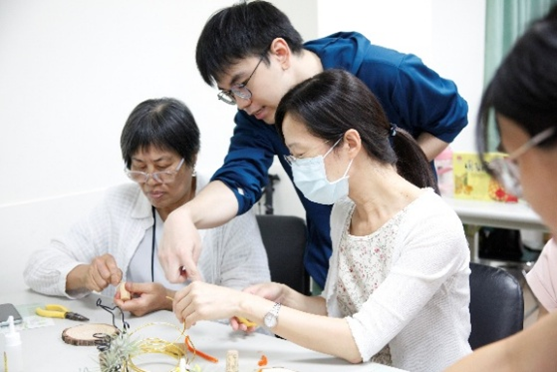
Figure 13. Students independently designing lesson plans for "Green Seeds: Horticultural Therapy Workshop" and conducting field teaching at Changhua Christian Hospital
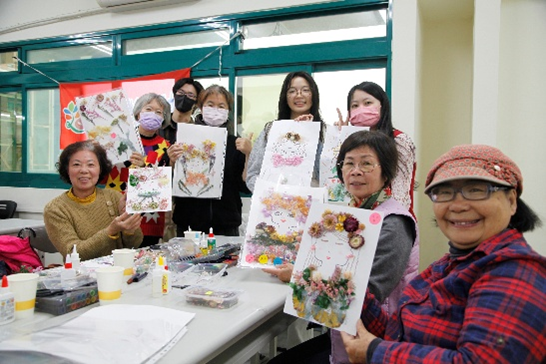
Figure 14. Group photo with elderly residents at Lifelong Learning Center after students completed lesson plan teaching for "Green Healing: Horticultural Therapy Active Aging Workshop "
(4) Organizing " Eco Art & Eco Ark " Ecological Art Exhibition:
Through participation in the O-Bank Education Foundation's selected exhibition " Eco Art & Eco Ark - Ecological Art Exhibition," Department of Fine Arts student Hong-Qi, Xu's work "Green Ark" was collected by the O-Bank Education Foundation during the exhibition period. The collected work "Green Ark" was a "climate action" from the November 2023 Changhua "Green Companionship - Ecological Art Exhibition," where the creator mobilized 32 NCUE Department of Fine Arts participants to walk the boat from National Changhua University of Education to Changhua Christian Hospital, connecting the two institutions based on their local ecosystem alliance concept. This boat sailed north to the O-Bank Education Foundation through the 2024 " Eco Art & Eco Ark " and became a symbol of permanent alliance between the two institutions through the collection opportunity. Transcending time and space through ecological concepts, this is not only a practice of "climate action" but also an expectation for the global future, hoping that this Noah's Ark loaded with green plants can preserve a precious plant seed bank of current ecology for the future world. (Figures 15-16)
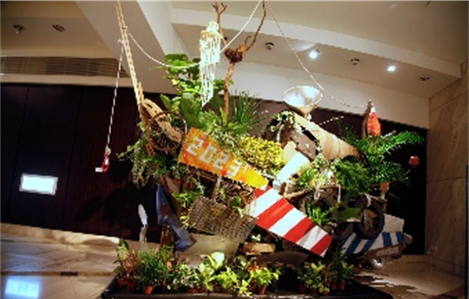
Figure 15. " Eco Art & Eco Ark " exhibition, exhibitor Hong-Qi, Xu's work "Green Ark"
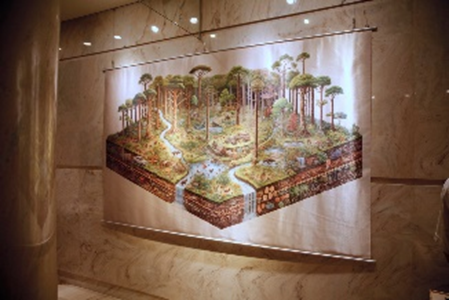
Figure 16. " Eco Art & Eco Ark " exhibition, exhibitor Bi-He, Cai's work "Artificial Heat Island - AI Forest"
(5) Organizing Multiple Ecological Workshops & Lectures:
Grey-faced buzzards and purple crow butterflies are representative migratory species in central Taiwan, whose activities are closely related to local climate conditions. Climate change will lead to increased frequency of extreme weather events such as droughts and heavy rains, which may not only change their migration routes and timing but also affect their habitat and foraging conditions. Incorporating the ecological phenomena of grey-faced buzzards and purple crow butterflies into courses, lectures including "The Ecological Beauty of Baguashan Mountain," "Baguashan Mountain and Grey-faced Buzzards," and "Phantom Dance of Purple Crow Butterflies" were organized. Through collaboration with Providence University's Department of Ecology and Humanities, using wool felt art creation and other methods, students were guided to focus on biodiversity and climate issues, responding to "Climate Action" in the SDGs. Through interdisciplinary integration of ecology, art, and humanities practice, students' perception and identification with local ecological environments were cultivated, deepening their understanding and action capacity regarding global environmental change. (Figure 17)
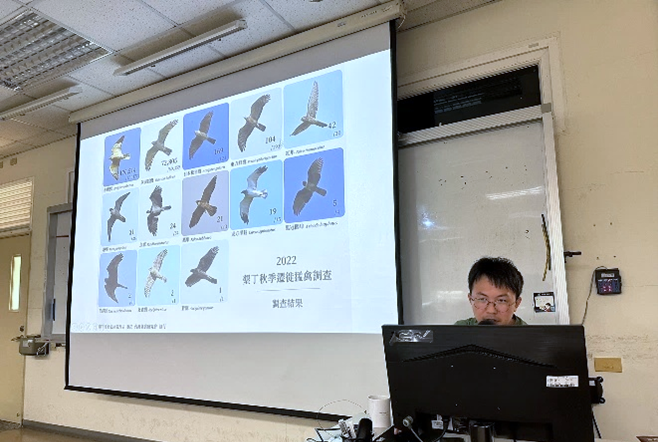
Figure 17. Cultural and historical ecology speaker Wei-Han, Li explaining migratory raptor-related surveys
6. In the first semester of the 2024 Academic Year, a hydrology course was offered in the Department of Geography with approximately 43 students enrolled. The course content covered understanding of water cycles and water resource balance, along with field investigations. The investigation site was the Zhongguakeng Creek watershed in Nantou County (as shown in Figure 18), observing the crises faced by mountain streams under the impact of climate change and possible actions to take. Nature-based solutions are an adaptive strategy option for responding to climate change. The activity explained the advantages and disadvantages of nature-based solutions for stream governance, while helping students understand sustainable wild stream governance strategy options available for consideration today.
Zhongguakeng Creek is a tributary of Wu River. In the past, traditional engineering caused damage to the stream environment. Now, concrete is being removed to create a naturally friendly environment, seeking a win-win outcome for both humans and natural ecology. Students on-site can fully appreciate the pleasure that natural streams bring to people and observe water flow velocity, water depth, and aquatic organisms. This field investigation activity allows reflection on how individuals and society should respond to climate change impacts and the possible effects of response strategies from a sustainable perspective.
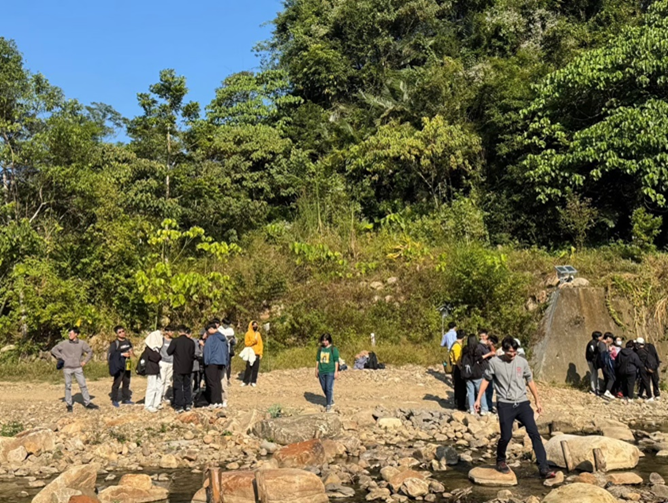
Figure 18. Group discussions at Zhongguakeng Creek Stream site