
|
|
|
|
|
|
|
|
|
|
|
|
|
|
|
|
|
SDG 11.4.7 Local authority collaboration regarding planning and development
1. To promote school business and international academic exchange, NCUE provides accommodation to individuals for business, teaching research, or exchange programs. Specifically, Guest rooms 1–8 of the General Building and Rooms 4–5 of Dormitory 10 are dedicated for this purpose. The fees are as follows:
(1) The rooms in the General Building (Rooms 1–8) charge NTD$1,000 as a cleaning fee per room per day.
(2) The rooms in Dormitory 10 (Rooms 4–5) charge a management fee of NTD$3,000 per month per room or NTD$6,000 per month for an entire floor. Additionally, the guests are expected to pay for utilities (water, electricity, and gas). When a room is shared by more than one guest during a month, the utility cost is split by the guests based on their respective days of stay.
(3) The guest accommodation is of high quality and well-equipped. The details can be found below: https://apss.ncue.edu.tw/odedi/doc_page.php?id=./512.4.012-45
2. Parking and Green Energy Facilities
NCUE’s Jinde Campus provides free motorcycle parking spaces for visitors. The underground parking lot is also open for rental use for retired university personnel, community members, and visitors. Approximately 10% of the total monthly rental parking spaces are allocated for community use. NCUE is located in Fuxing Village, Changhua City, so residents of Fuxing Village enjoy discounted monthly rental rates. The application are accepted on a limited quota, offering an alternative parking option for nearby residents. Furthermore, to jointly create a net-zero green lifestyle and promote green energy deployment for low-carbon living in compliance with government policies and relevant regulations, NCUE installed 2 EV charging station in the underground parking lot of Jinde Campus, and 1 charging station at the surface parking lot of Baoshan Campus in November 2024. The installations help NCUE in achieving the goals of energy conservation, carbon reduction, and sustainable development (Figures 1-5.)
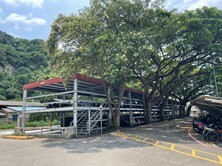
Figure 1. Multi-Story Motorcycle Parking Tower at the West Side Entrance of NCUE
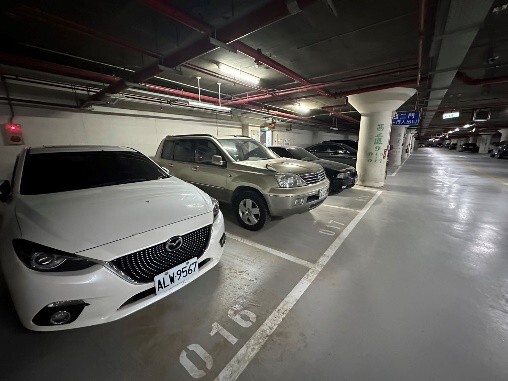
Figure 2. NCUE Parking Lot
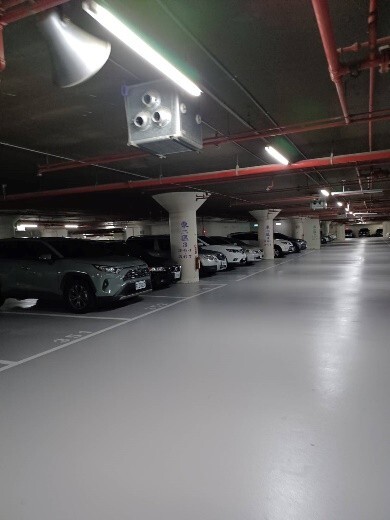
Figure 3. NCUE Parking Lot
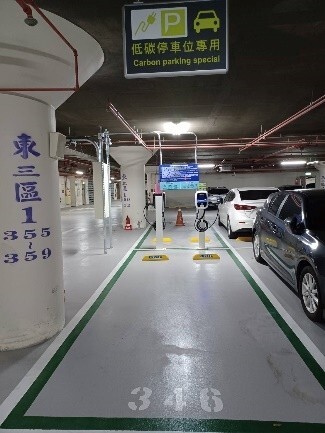
Figure 4. Charging Station at NCUE Jinde Campus Parking Spaces
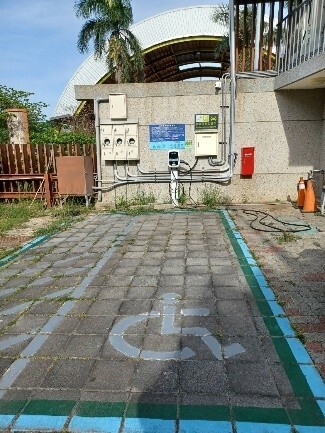
Figure 5. Charging Station at NCUE Baoshan Campus Parking Spaces
3. Public Space Sharing
NCUE campus is open to the public free of charge, with facilities such as the library, sports fields and courts, art exhibitions, and restrooms available for free public use as well. The famous Baisha Lake within the campus, surrounded by garden-like landscaping and sports fields, serves as a large, distinctive park, providing an excellent weekend leisure destination. Details are shown in Figures 6-8.
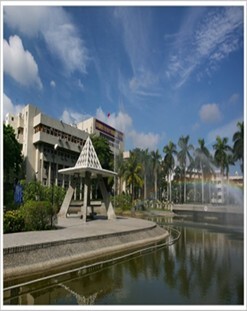
Figure 6. Baisha Lake
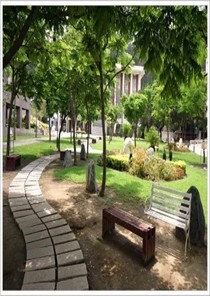
Figure 7. Landscaped Garden
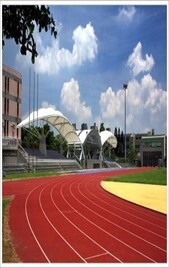
Figure 8. Sports Venues on Campus are Open to the Public Free of Charge
4. Social Housing Cooperation
(1) Taiwan is actively promoting social housing initiatives through collaborations between central and local governments. Under this policy, the government (directly or through subsidies) constructs housing or utilizes privately-owned housing that meets living standards, adopting a rental-only model to provide units at below-market rates or free of charge to lower-income households or disadvantaged groups. The National Land Management Agency, Ministry of the Interior, has designated a 0.5-hectare parcel of state-owned land in a prime area of Changhua County, adjacent to NCUE. For the construction of a 10-story social housing complex with 2 basement levels, accommodating a total of 275 households. Construction began at the end of 2022 and is scheduled for completion in 2025. Once completed, new residents will also be able to enjoy discounted parking privileges at NCUE and benefits from the pleasant and green campus environment nearby.
(2) Construction information website: https://urbanrenewal.wealth.com.tw/news-detail/115
(3) Changhua County Changhua City - Central Government Social Housing Progress Inquiry: https://sh.hurc.org.tw/N/N-500-001
5. Public Transportation Connectivity
(1) The main entrance of NCUE's Jinde Campus has been rented to the Changhua County Government for the installation and operation of public bicycles since June 28, 2014 (YouBike system). The contract was renewed in 2024, and was planned to continue through 2026.Currently, the YouBike system was changed to the MOOVO system, as shown in Figure 1. In 2025, NCUE contacted the Changhua County Government to evaluate the expansion of 3 additional public bicycle stations near the Baoshan Campus and Jinde Campus. In addition to providing more options and convenience for short-distance transportation for faculty and students, NCUE aimed to encourage more teachers and students to use public transportation systems through installing more bicycle stations at both campuses. By continuously improving bicycles systems, NCUE is one step closer to achieving the goals of low carbon emissions, environmental protection, and energy conservation.
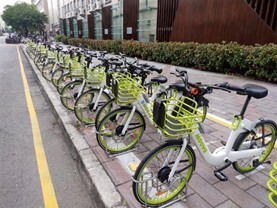
Figure 9. MOOVO Bicycle System
(2) To improve on-campus and public transportation connectivity, NCUE successfully secured approval for the "Bus on Campus Program" from the Directorate General of Highways, Ministry of Transportation and Communications. Changhua Bus Route 2 was extended to serve Jinde Campus, operating between Changhua Train Station and the Baoshan Campus. Free rides are offered between Jinde Campus and the train station, improving convenience for students commuting between the train station and both campuses. The service provides safe, comfortable, and convenient public transportation options, as shown in Figure 3. The bus route is as illustrated in Figure 4, and schedule information available on the Changhua Bus website:
https://www.changhuabus.com.tw/service_info.asp?id=1166
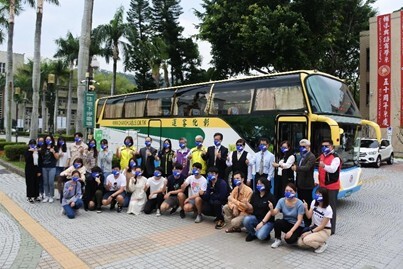
Figure 10. Changhua Bus Provides Convenient Shuttle Services Between NCUE’s Two Campuses.
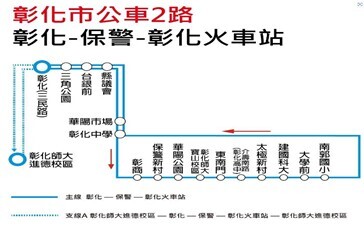
Figure 11. Changhua Bus Route 2 Map
(3) The extension of the Taichung Metro Green Line to Changhua City brings tangible benefits to regional transportation and the development of green commuting. The Changhua City section, approximately 4 kilometers in length, will increase the number of from the originally planned 3 stations to 4 stations. The newly added G20a station, located in front of the main gate of Taiwan Fertilizer Company (as shown in Figure 6), is about 1 kilometer from NCUE's Jinde Campus. This new station will significantly enhance the accessibility and convenience of public transportation for the university's faculty, students, parents, and visitors.
NCUE also supports the concept of Transit-Oriented Development (TOD) by participating in local public hearings and coordinating campus planning efforts. By integrating the campus environment with the urban transportation system, NCUE aims to jointly advance people-centered, sustainable mobility solutions that balance environmental and community development. These initiatives demonstrate NCUE's commitment to actively engaging in regional public transportation planning and sustainable urban development.
For related information, please refer to: Taichung City Government/Popular Announcements/Public Hearing Information
(a) https://www.taichung.gov.tw/2976921/post
(b) https://www.taichung.gov.tw/media/1260164/%E5%85%AC%E8%81%BD%E6%9C%83%E7%B0%A1%E5%A0%B1.pdf(PDF)
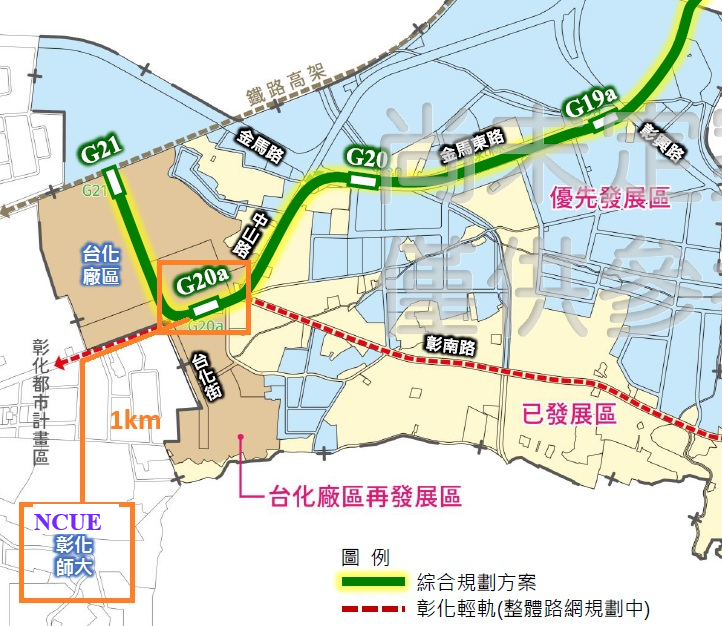
Figure 12. Route Adjustment and Station Planning Map for Taichung Metro Green Line Extension to Changhua Section
6. Pedestrian Safety Improvement at Campus Entrance
(1) To address safety concerns arising from the lack of sidewalks on Jinde Road in front of the campus entrance, where pedestrians and vehicles shared for space, NCUE faculty and students collaborated with Associate Professor Peiwen Lu from the Department of Geography to conduct a planning experiment in the "Urban Design" course. In May 2024, a "Road Marking Renovation Workshop" was held, where students personally designed and painted road markings to reconfigure road space. Improvements included narrowing lane widths, adding diagonal motorcycle parking spaces, and creating a temporary 156-meter-long, 2-meter-wide pedestrian walkway, offering a demonstration model for improving pedestrian safety. This became Taiwan's first student-led road marking experiment, serving as an innovative reference for local traffic design.
(2) Following a proposal from university faculty and students, the Changhua City Office approved short-term road use rights (from May 25 to June 1, 2024) and supported the trial under its pedestrian-friendly walkway initiative. As a result, the Changhua City Office decided to officially implement marked pedestrian walkways along Jinde Road and Shijian Road (also known as "Bento Street"). The section of Jinde Road with community consensus has completed online bidding procedures, and a simulation diagram of the completed project is shown in Figure 13. This demonstrates how academic advocacy and experimental action can effectively influence local government decision-making.
(3) At the same time, the Changhua City Office further advanced the "Changhua City NCUE Friendly Human-Centered Commercial District Revitalization Plan," which includes setting back campus walls and constructing physical sidewalks to enhance the pedestrian network surrounding the campus. This case highlights collaborative problem-solving between the university and local government in urban planning and pedestrian safety, promoting a safer and more inclusive urban environment.
(4) Related news:
(a) https://news.pts.org.tw/article/697139
(c) https://news.pts.org.tw/article/742056
(d) https://www.facebook.com/100064185033913/posts/1095099699306188/?_rdr
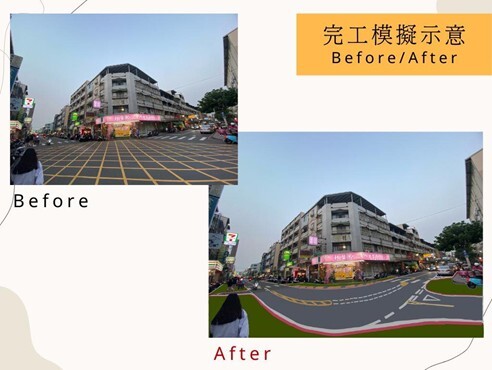
Figure 13. Simulation Diagram of the Completed Project