
|
|
|
|
|
|
|
|
|
|
|
|
|
|
|
|
|
SDG 11.2.6 Record and preserve cultural heritage
NCUE actively promotes the documentation and preservation of local intangible cultural heritage, encompassing indigenous cultural preservation, local art initiatives, and cultural experience activities for international students. Through education, art, and hands-on participation, the university contributes to the transmission of traditional knowledge and culture, while strengthening community cultural resilience and sustainable development. The following four aspects illustrate NCUE's concrete practices in cultural heritage preservation:
1. Indigenous Cultural Transmission and Documentation
(1) Since 2017, NCUE has established the "Indigenous Student Resource Center," which integrates diverse resources to support indigenous students and to safeguard indigenous cultural heritage. Each year, activities are organized to preserve and transmit traditional indigenous cultures (intangible heritage) and enhance faculty and students' understanding of indigenous traditions. In 2024, activities included “Brewing Plant Introduction and Practice,” “Amis Lover Bag Workshop,” “Bamboo Bird Scarer Crafting,” and tribal visits, as detailed in Table 1. These activities provide hands-on experiences and teachings that allow participants to gain a deeper understanding of indigenous cultures and traditions, promoting their protection and transmission.
Table 1: Overview of Indigenous Cultural Activities Organized in 2024
|
No. |
Activity |
Number of Participants |
|
1 |
Brewing Plant Introduction and Practice |
27 |
|
2 |
Amis Lover Bag Workshop |
19 |
|
3 |
Bamboo Bird Scarer Making |
17 |
|
4 |
Pingtung Anpo and Shenshan Tribal Visit |
17 |
|
5 |
Kanakanavu River Festival Cultural Experience |
14 |
|
6 |
Migong Festival Tribal Work Team |
13 |
|
7 |
Sulu Tribe Ancestral Spirit Festival and Cultural Continuation Workshop |
6 |
|
8 |
Faculty and Staff Visit to Qingliu Tribe |
30 |
(2) Descriptions of 2024 Indigenous Cultural Activities:
(a) Teacher Li-xing Zhaluo from Nanhe Elementary School in Laiyi Township, Pingtung County, was invited as the instructor for the "Brewing Culture Workshop," teaching students about millet brewing, yeast fermentation, and ethnic culture (Figure 1).
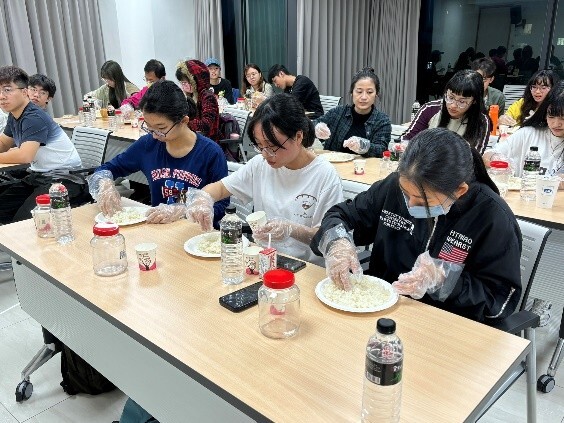
Figure 1. Students Learning the Brewing Process
(b) Amis Teacher Chen Yu-mei was Invited to Teach Students on Making Lover Bags (Figure 2).
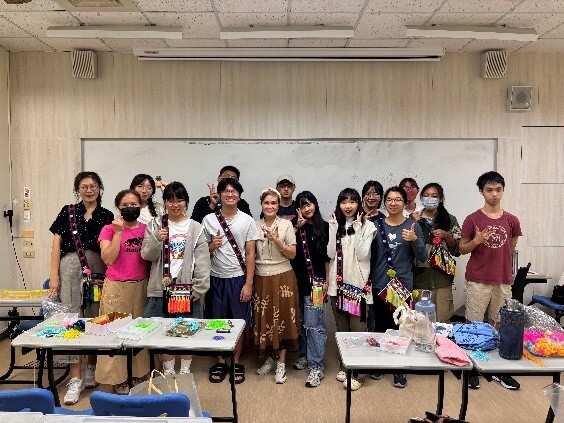
Figure 2. Group Photo with Completed Amis Lover Bags
(c) Indigenous tribes in Taiwan primarily cultivate millet as their main food source. To prevent birds from stealing the grain, they use bamboo to make bird scarers for deterrent effect (Figure 3).
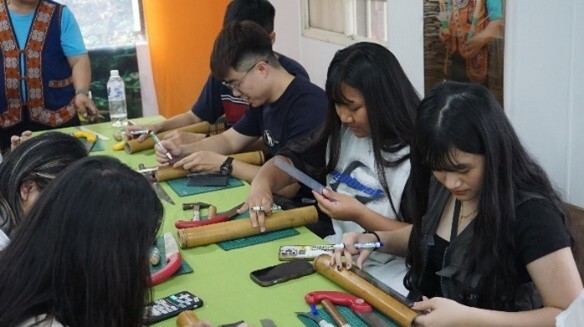
Figure 3. Students Participating in Hands-On Activities
(d) NCUE collaborated with China Medical University and National Taiwan University of Sport to arrange student visits to Paiwan and Rukai tribes. Through discussions and cultural exchange with local tribal members, students were able to learn about local resources and distinctive cultures, and experience the beauty of indigenous culture (Figure 4).
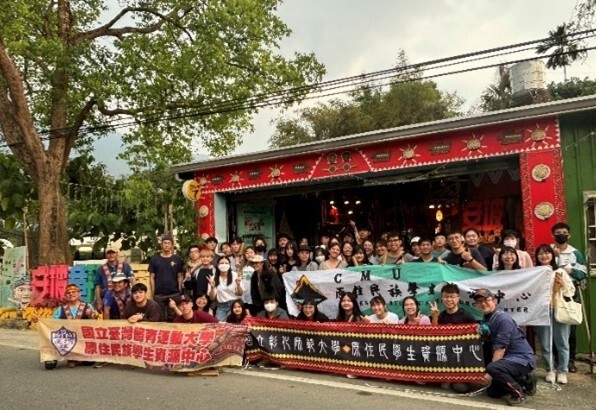
Figure 4. Pingtung Anpo Tribal Visit
(e) The River Festival is a unique ceremony of the Kanakanavu people. Through participation in the ceremony and explanations from tribal elders and workers, students' understanding of traditional culture was enhanced (Figure 5).
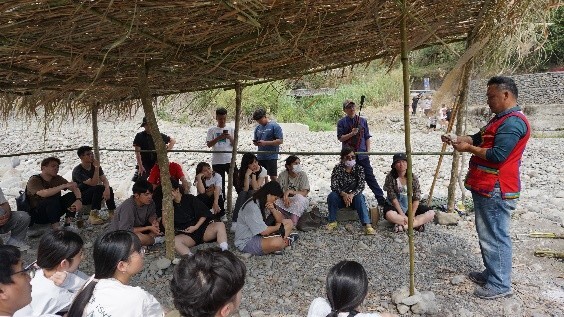
Figure 5. Kanakanavu River Festival Cultural Exchange
(f) The Migong Festival is an important ceremony of the Kanakanavu people. By assisting with ceremonial activities and receiving explanations from tribal elders, students understand the importance of indigenous cultural preservation (Figure 6).
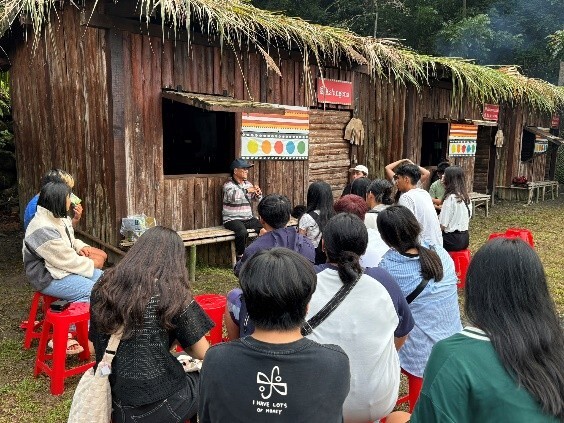
Figure 6. Migong Festival Tribal Work Team
(g) Through participating in the Sulu Tribe Ancestral Spirit Festival, students learned about the significance of Atayal traditions in respecting the mountain forest (Figure 7).
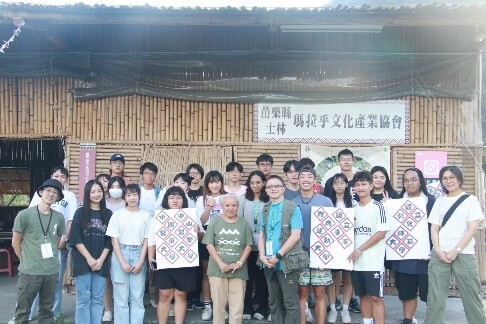
Figure 7. Sulu Tribe Ancestral Spirit Festival and Cultural Continuation Workshop
(h) Through actual tribal visits, faculty and staff's understanding of indigenous culture was enhanced (Figure 8).
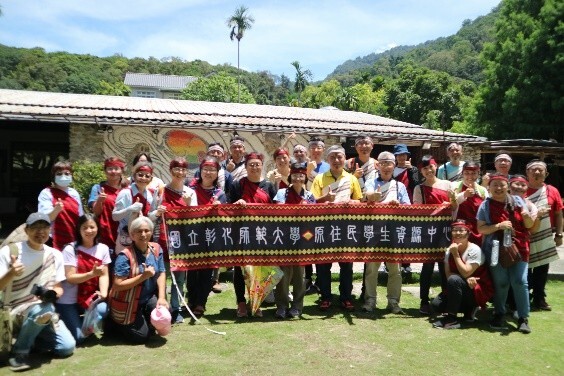
Figure 8. Faculty and Staff Visit to Qingliu Tribe
(i) More activity photos can be found on the Indigenous Resource Center page: https://www.facebook.com/profile.php?id=100095763901800
2. Art Initiatives in Public Spaces
(1) Since 2019, NCUE has been collaborating with the Changhua County Cultural Affairs Bureau to promote "Art Initiatives in Public Space Projects," including "Nanguo Dormitory Complex Art Initiative," "Xiaoxi Alley Aesthetics," "Hexing Youth Innovation Base," and "Zhongxing Village Art Initiative," among other distinctive spatial aesthetic projects. The projects have received widespread acclaim.
(2) In 2025, a new collaboration was launched, named "【Mountain Wind】- Literary Trail Art Intervention Space Project." The Bagua Mountain Literary Trail is a mountain path that incorporates aspects such as humanities, history, and natural landscapes. The Poets' Pavilions and a Changhua literature timeline can be visited when walking along the Literary Trail. Through 7 artwork installations that integrate landscape, history, and literature, the project highlights three major themes, namely ecology, flow, and connection. The art pieces added new values to public art and cultural spaces, while inviting the public to revisit the shared memories of local cultures in nature (Figures 9-12).
Related news reports and video webpages:
(a) https://www.bocach.gov.tw/News_Content.aspx?n=20&sms=9968&s=52054
(b) https://art.ltn.com.tw/article/breakingnews/5111466
(c) https://www.youtube.com/watch?v=LGrhnArcwnU
(d) https://udn.com/news/story/7325/8879131
(g) https://2995542.nvns.net/uninews_view.php?new_sn=93307
(h) https://news.pchome.com.tw/living/thehubnews/20250717/index-75276184587089306009.html
(i) https://taiwanreports.com/archives/926716
(j) https://pronews.tw/2025/07/17/158312/
(k) https://www.youtube.com/watch?v=d8CWJ-77rXI
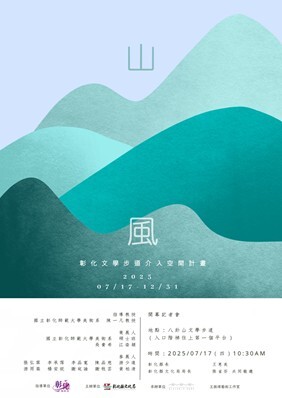
Figure 9. Changhua County Government Invited Faculty and Students from NCUE Department of Fine Arts to Organize the "Mountain Wind" Literary Trail Art Intervention Space Project Exhibition, Displaying a Total of 7 Works
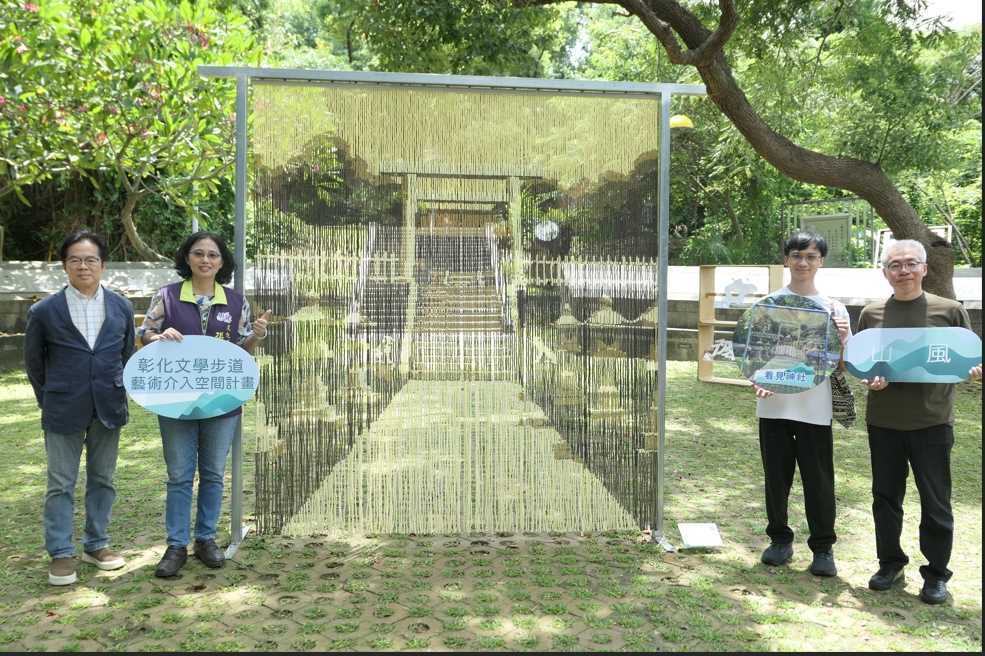
Figure 10. Chang Hong-lin's "Seeing the Shrine": Using Fictional Torii and Image Curtains, the Work Juxtaposes Scenes of the Former Changhua Shrine with Today's Landscape, Leading Viewers to Travel Through Time and Feel the Environmental Changes Between Past and Present
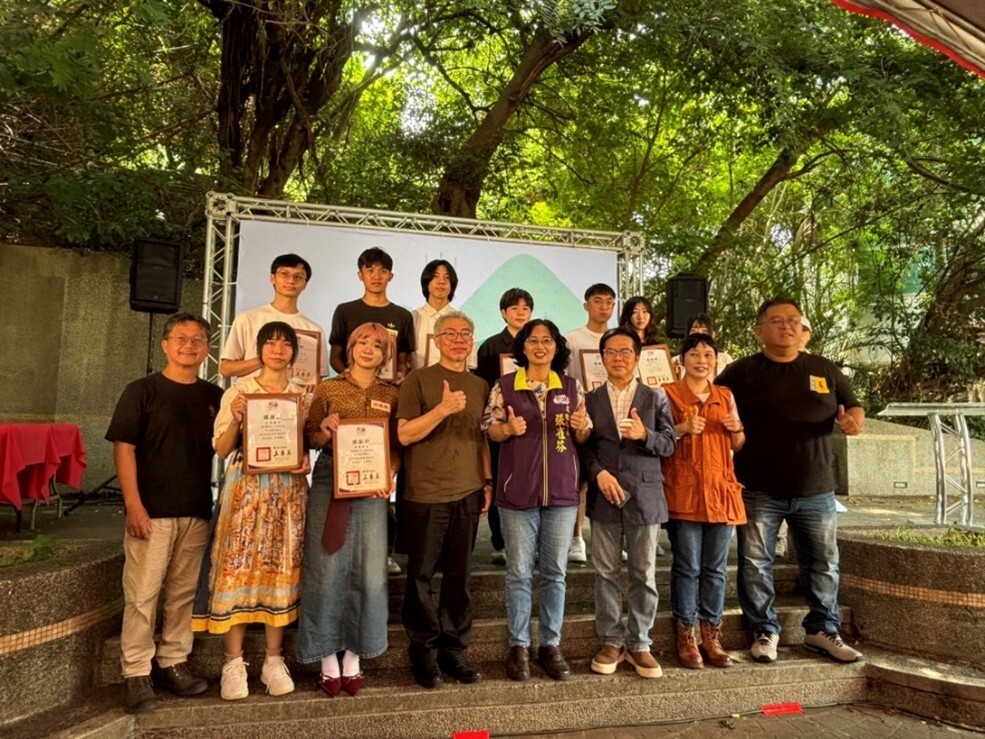
Figure 11. July 17, 2025 Press Conference - Group Photo of Changhua County Cultural Affairs Bureau Director and Participating Faculty and Students From NCUE
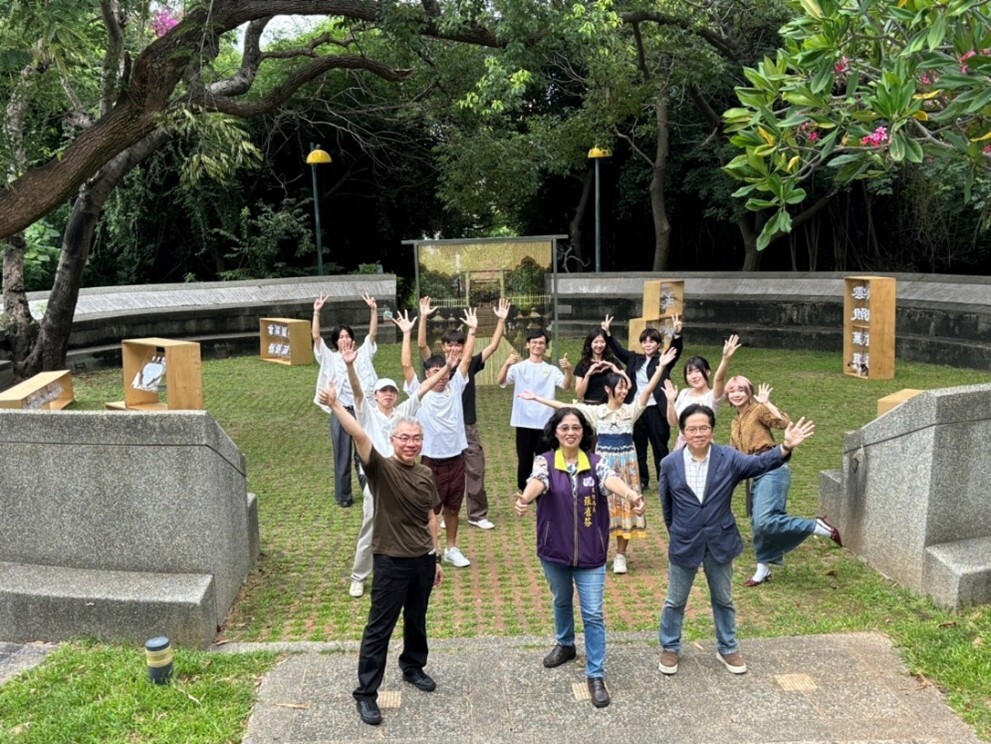
Figure 12. Director Chang Que-fen with NCUE Faculty and Students.
3. International Students' Local Cultural Experience
(1) In 2024, NCUE's Office of International and Cross-strait Affairs organized two "Taiwan National University System" cultural exchange activities to deepen international students' understanding and connection with Taiwan's local culture, promoting sustainable development and cultural preservation in local communities, and actively implement UN Sustainable Development Goal 11: "Sustainable Cities and Communities."
(2) During the events, NCUE and international students visited Checheng Village in Shuili Township, Nantou County, where they participated in woodworking workshops. Participants learned how the local traditional timber industry has transformed into a sustainable living community that integrates cultural and creative spirit and promotes the use of renewable forest materials, while appreciating historically significant nostalgic wooden buildings such as Checheng Train Station and the Wood Industry Exhibition Hall (Figure 13). Students also took part in ceramic painting at the ceramic cultural park in Dingkan Village, Shuili Township, and learned about Taiwan's oldest and traditional rural cultural characteristic—the wood-fired snake kiln (Figure 14). The workshop highlighted the importance and inheritance of traditional crafts and cultural heritage. In the local cultural experience in Erlin Township, southern Changhua, students began by creating unique scarecrows, personally experiencing the traditional farming leisure activity of "kang kiln" after rice harvest in ancient times, learning to make Taiwan's authentic sweet treat red turtle cake (Figure 15). In addition, they used rice straw to create massage sticks that encompassed five elements that is said to be beneficial to their health. These activities greatly deepened international students' understanding and connection with local rice food culture and rural life.
(3) Through conducting rich traditional cultural experiences, NCUE not only enhanced international students' understanding of Taiwanese culture, but also promoted the development of local characteristic industries. The workshops also served as a platform that helps improving community cultural resilience and cohesion, as well as preserving cultural heritage. By promoting sustainable community management, NCUE and collaborating communities collectively contributed to building sustainable cities and communities.
(4) Campus Headlines: https://www.ncue.edu.tw/p/406-1000-28883,r93.php?Lang=zh-tw
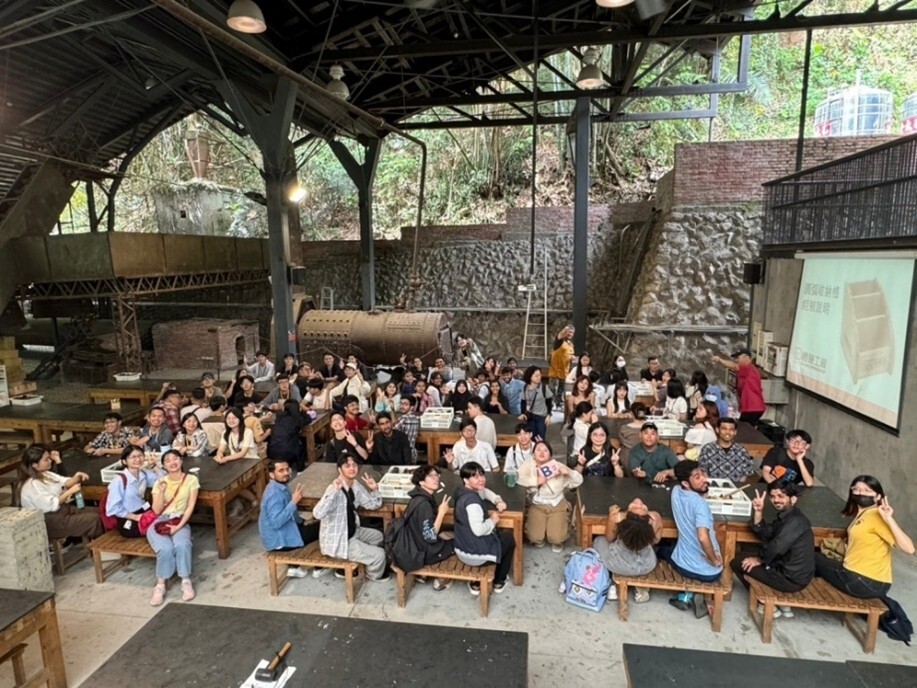
Figure 13. Students at the Woodworking Experience Factory in Checheng Village, Shuili Township
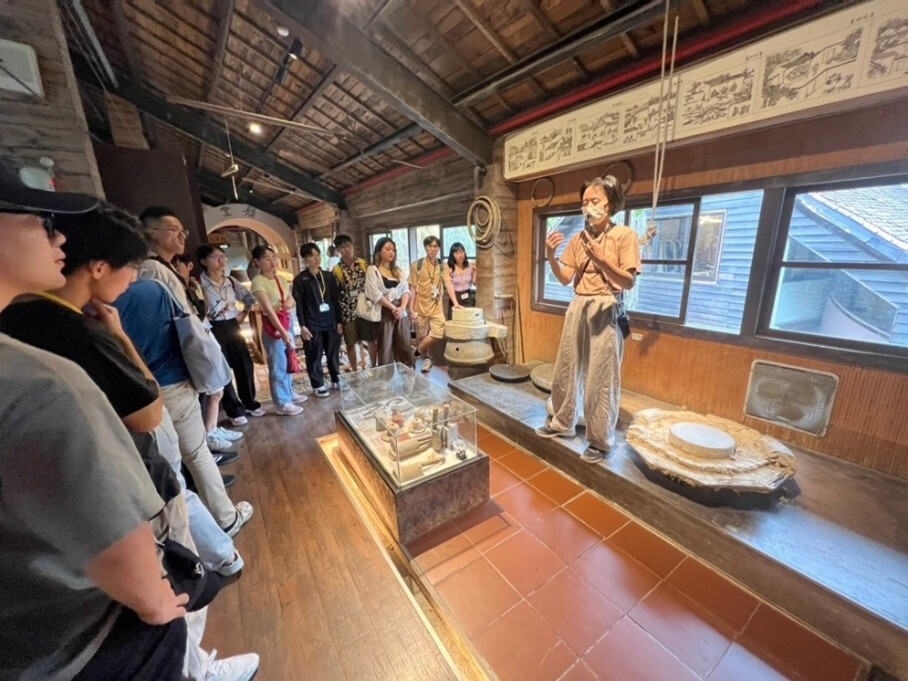
Figure 14. Students Exploring Snake Kiln Ceramic Culture in Kanding Village, Shuili Township
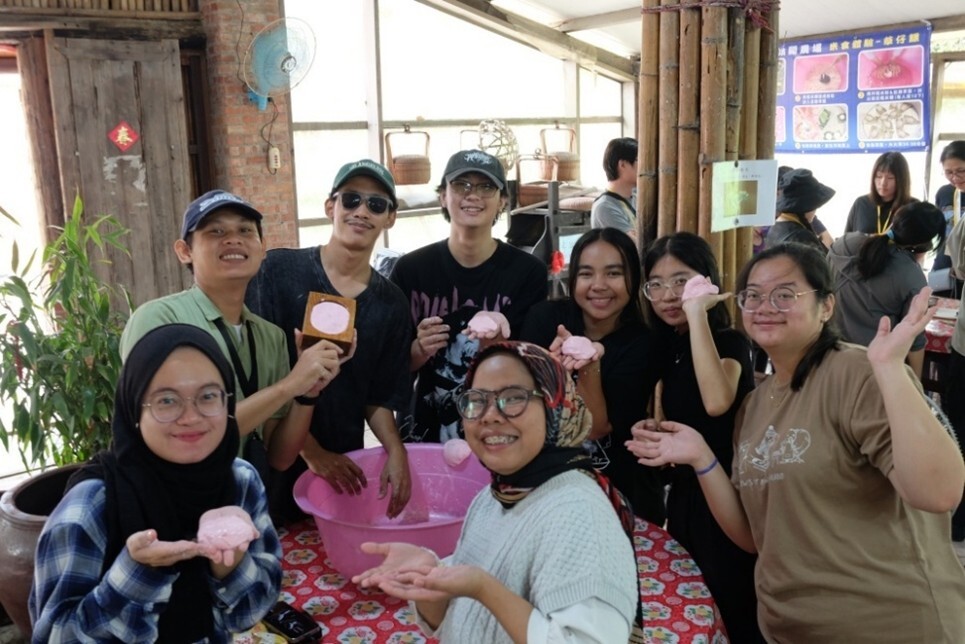
Figure 15. Students Learning to Knead Red Turtle Cake
4. Supporting Local Cultural Industry Development
NCUE's University Social Responsibility Implementation Project: "Beautiful and Treasured Clams in Fangyuan and Dacheng: Sustainable Industry and Environment Project of Changhua’s Two Cities Amid Climate Change" collaborated with the Changhua Aquaculture Association to offer interdisciplinary environmental practical application courses. The courses invited industry mentors and university students to learn and grow together. Targeting SDG 11, the project assisted young farmers in the community in developing the "Changhua Food Research Base," organizing co-cultivation workshops and integrating local agricultural and fishery products with marketing resources. In 2024, a "Coastal Settlement Value Assessment" workshop was held to strengthen diverse community partnerships, promote local brand image, and support cultural and industrial sustainable development (Figure 16).
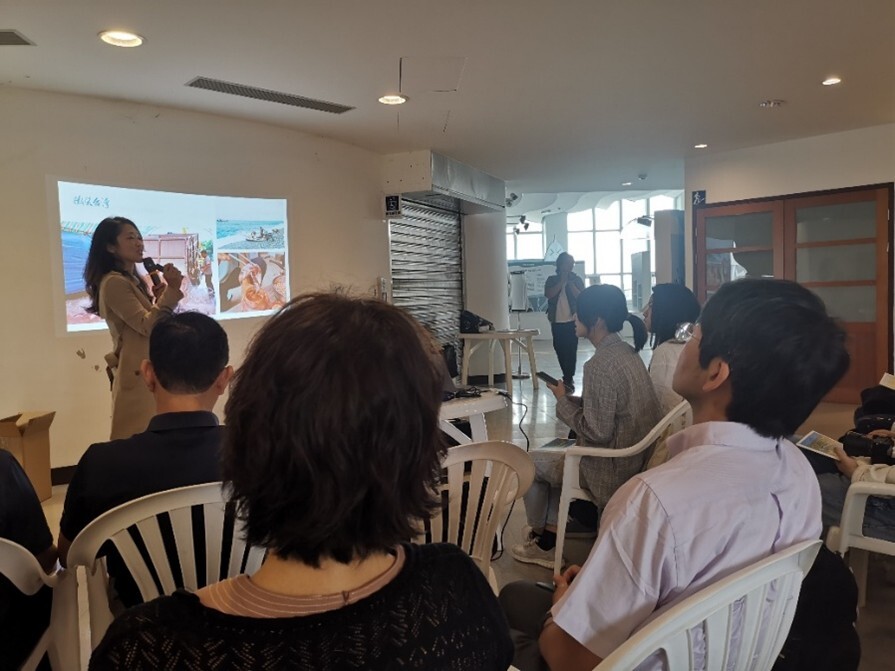
Figure 16. Youth Innovation Workshop - Coastal Settlement Value Assessment held on April 10, 2024