

|

|

|
|

|
|

|
|

|
|
|
|

|
|
|

|
|
SDG 10.6.6 Support for underrepresented groups
NCUE continues to promote a friendly workplace environment and strengthen support mechanisms for faculty and staff with disabilities, those from disadvantaged backgrounds, and underrepresented groups. Through the "Employee Assistance Program (EAP)," we provide comprehensive services including psychological counselling, career guidance, and legal consultation to help faculty and staff cope with life and work pressures. For faculty and staff with disabilities, NCUE have reasonable job adjustment mechanisms in place to protect their work rights and safety. We also continuously strengthen gender equality policies and have established a Gender Equality Education Committee and diverse gender support systems to create a workplace culture of inclusion and respect for diversity. Through these measures, NCUE is committed to achieving SDG 10 "Reduced Inequality," enhancing internal institutional fairness and inclusiveness, as detailed below:
1. Assistance programs offered to faculty members and staff:
NCUE has established its “Faculty and Staff Mental Health Service Program (please see Appendix 10.6.6A(PDF))”, which offer psychological counseling and physical health services.
(1) NCUE conducts annual psychological counselling service activities which are a part of the assistance programs to protect the mental health of faculty members and staff. A feedback form is designed to collect the opinions of the applicants, which serves as a basis to decide how to improve and whether to conduct the activities again.
(2) NCUE allocated a special fund of NTD$200,000 for the psychological counselling services provided in 2024, which served 113 person-times, helping a total of 19 employees.
Appendix 10.6.6A(PDF) - Faculty and Staff Mental Health Service Program, National Changhua University of Education. (Website: https://personnelweb.ncue.edu.tw/p/406-1001-25580,r306.php?Lang=zh-tw)
2. Strengthening support mechanisms for providing legal consultation to disadvantaged faculty and staff: NCUE collaborates with professional legal advisors to provide regular free legal consultation services, assisting with issues related to labor rights, workplace discrimination, and gender equality, ensuring that their rights are fully protected and further promoting a fair and just workplace environment. (Please refer to Appendix 10.6.6B(PDF): Legal Consultation Official Document)
Appendix 10.6.6B(PDF) - Legal Consultation Official Document
3. Creating a Gender-Friendly Workplace
(1) In consideration of the needs of faculty, staffs and students who are pregnant, with limited mobility, or with young children, the Gender Equality Education Committee of NCUE has drawn up the first ‘Caring parking card’ in colleges and universities nationwide. Since 2009, all faculty, staff, and students in need, and even school guests, can apply for the use of the “Caring parking card”. A vehicle with a “Caring parking card” can park in barrier-free parking spaces (the card must be placed visibly on the windshield of the vehicle), as shown in Figure 1 and Figure 2.
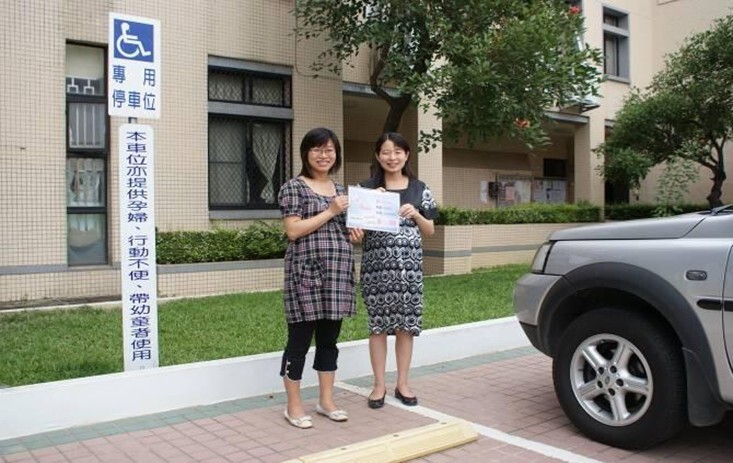
Figure 1: Vehicle with a “Caring parking card” can park in barrier-free parking spaces (the card must be placed visibly on the windshield of the vehicle)

Figure 2: A vehicle with a ‘Caring parking card’ can park in barrier-free parking spaces (the card must be placed visibly on the windshield of the vehicle). A total of 6 applications were received in 2024.
(2) NCUE provides faculty and staffs with day care services and nursery rooms
(a) NCUE has launched the “Changhua Private Kindergarten Affiliated to the University Co-operative Limited of the National Changhua University of Education.” This kindergarten enrolls the children of the school’s faculty and staff, as well as provides childcare services of preschool education for children over 2 years old. Use of services is chargeable. Please refer to the kindergarten website: https://www.ncuekid.com.tw/
(b) In addition, NCUE has set up the “Important points for maintaining the education rights of students of the National Changhua University of Education during pregnancy and guidance-assisting measures.” We actively safeguard the education rights of pregnant students and use school or social resources through referrals to assist pregnant students with childcare needs after giving birth or having children.
Please refer to the regulations:
https://genderweb.ncue.edu.tw/ezfiles/16/1016/img/1021/683030982.pdf(PDF)
The parent law of this law is the Gender Equity Education Act of the Ministry of Education. For the English version, please refer to:
https://law.moj.gov.tw/Eng/LawClass/LawAll.aspx?PCode=H0080067
Establishment of policy: 2004
Policy review: 2023
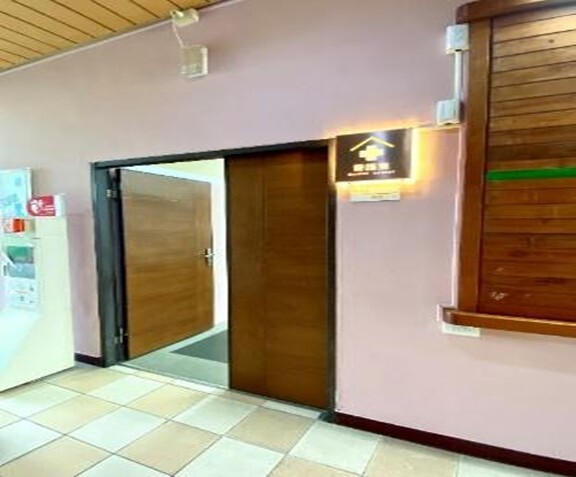
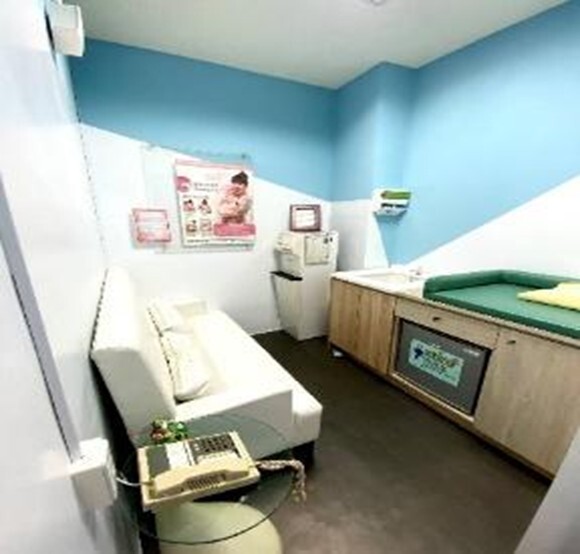
(c) NCUE has a total of three well-equipped and comfortable nursery rooms, which are located in the medical room of the Jinde campus and Mingde hall, as well as the medical room of the Baoshan campus, as shown in Figure 3. In addition, we have set up “National Changhua University of Education Nursery Room Setup and Management Measures.” Please refer to the regulations: https://genderweb.ncue.edu.tw/ezfiles/16/1016/img/1021/166393770.pdf(PDF)
|
|
|
|
Figure 3: NCUE has 2 nursery spaces in the medical room on 1F of the Student Activity Center at Jinde campus, which is convenient for students who need to nurse their infants |
|
4. Services to support economically-disadvantaged students:
To alleviate students’ financial burdens, a plan to “replace part-time work with studying” was designed to guide economically-disadvantaged students so that they can strike a balance between their studies and economic needs. NCUE supports them from the first year at the university through the last, fulfilling the goal of “all-round care for students’ learning process,” and helping them to “fly high in academic life, be an eagle to fulfill their dreams.” The learning process includes life guidance for studying with ease, professional care with psychological guidance, guidance on improving students’ autonomous learning, and career guidance on improving students’ abilities. Table 1 presents the status of the distribution of the recipients of 2024 The Soaring Eagles Program and the number of students who received the aid. The number of economically disadvantaged students who received counseling has reached 2,505 individuals.
Table 1: Statistics for the distribution of The Soaring Eagles Program rewards of NCUE in 2024 are as follows:
|
2024 |
Daily life counselling |
Psychological counselling |
Learning counselling |
Career counselling |
Total |
|
Number of students served |
329 |
798 |
1,343 |
35 |
2,505 |
|
Expenditures of rewards for students (NTD$) |
3,944,000 |
N/A |
8,636,400 |
110,000 |
12,690,400 |
Appendix 10.6.6C(PDF): Fundamentals for The Soaring Eagles Program rewards of the National Changhua University of Education.
5. Services to support students with disabilities
A Resource Classroom has been set up in the Special Education Centre of NCUE. In order to provide students with disabilities with appropriate consulting and evaluation services so that they can successfully complete their studies, and to improve their emotional, learning, social, and professional adaptation, the ‘Resource Classroom’ of NCUE is specially designed to arrange counselling during the learning process. The Resource Classroom is responsible to provide general, life, and academic counselling. The onsite services available at NCUE’s resource room are detailed in Table 2, with the number of individuals receiving various services illustrated in Table 3 (Please see: https://ncue7232105.wixsite.com/ncue/blank-4).
Table 2. Statistics for the number of individuals using services available at the resource room
|
Statistics of various services provided in the Resource Classroom |
Students served (person-times) |
|
Data query |
296 |
|
Use of assistive equipment |
9 |
|
Printing coursework |
589 |
|
Self-study |
793 |
|
Exam service |
80 |
|
Data transfer |
17 |
|
Academic counselling |
245 |
|
Life counselling |
256 |
|
Transition counselling |
10 |
|
General counselling |
14 |
Table 3. Statistics for the number of individuals served through the resource services
|
Types of services provided by the Resource Classroom |
Number of students served |
|
Schoolwork counselling |
240 |
|
Examination service |
80 |
|
Study companion service |
927 |
|
Borrowing assist equipment |
38 |
|
Textbook conversion |
29 |
6. Support services for indigenous students
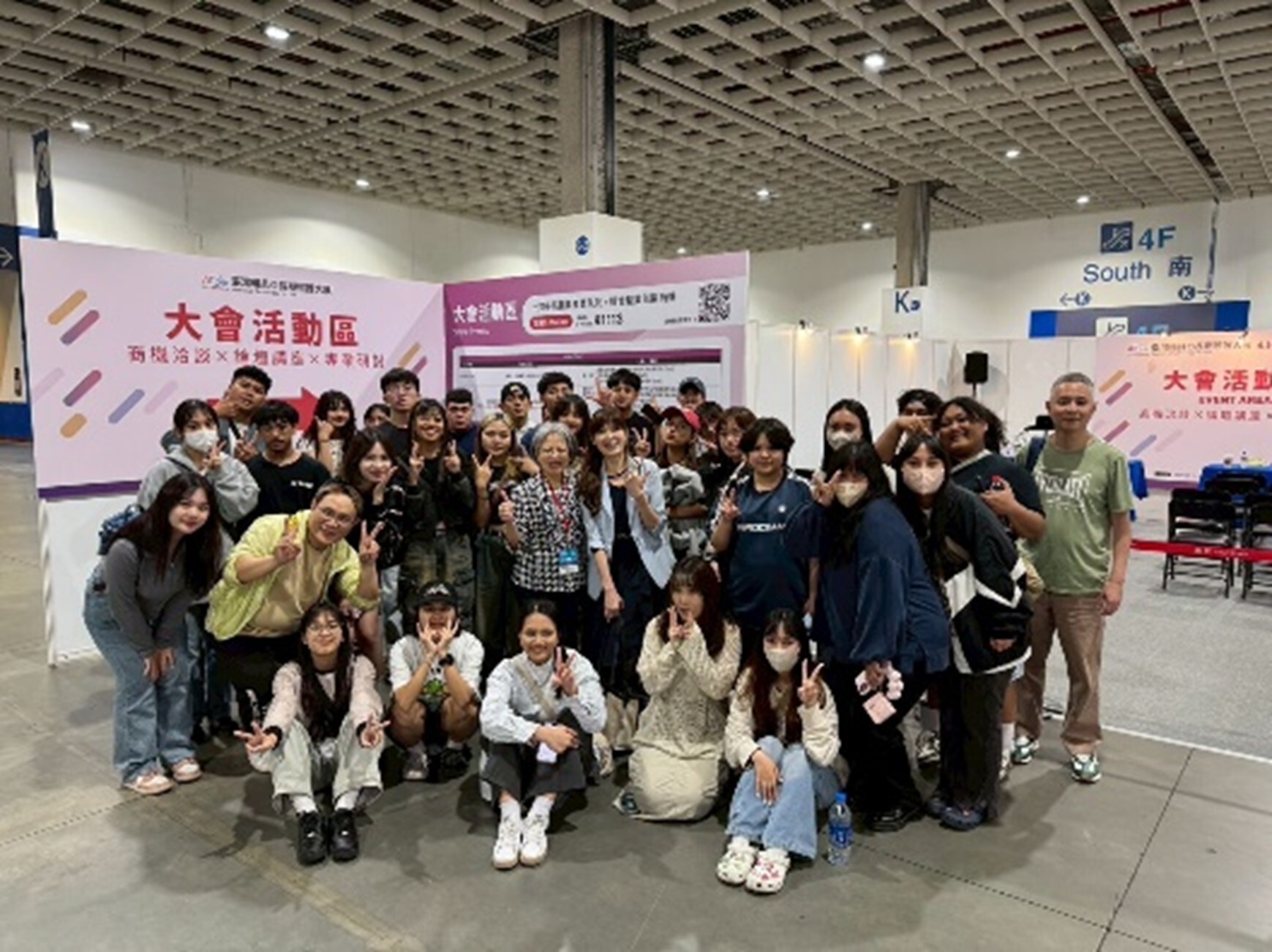
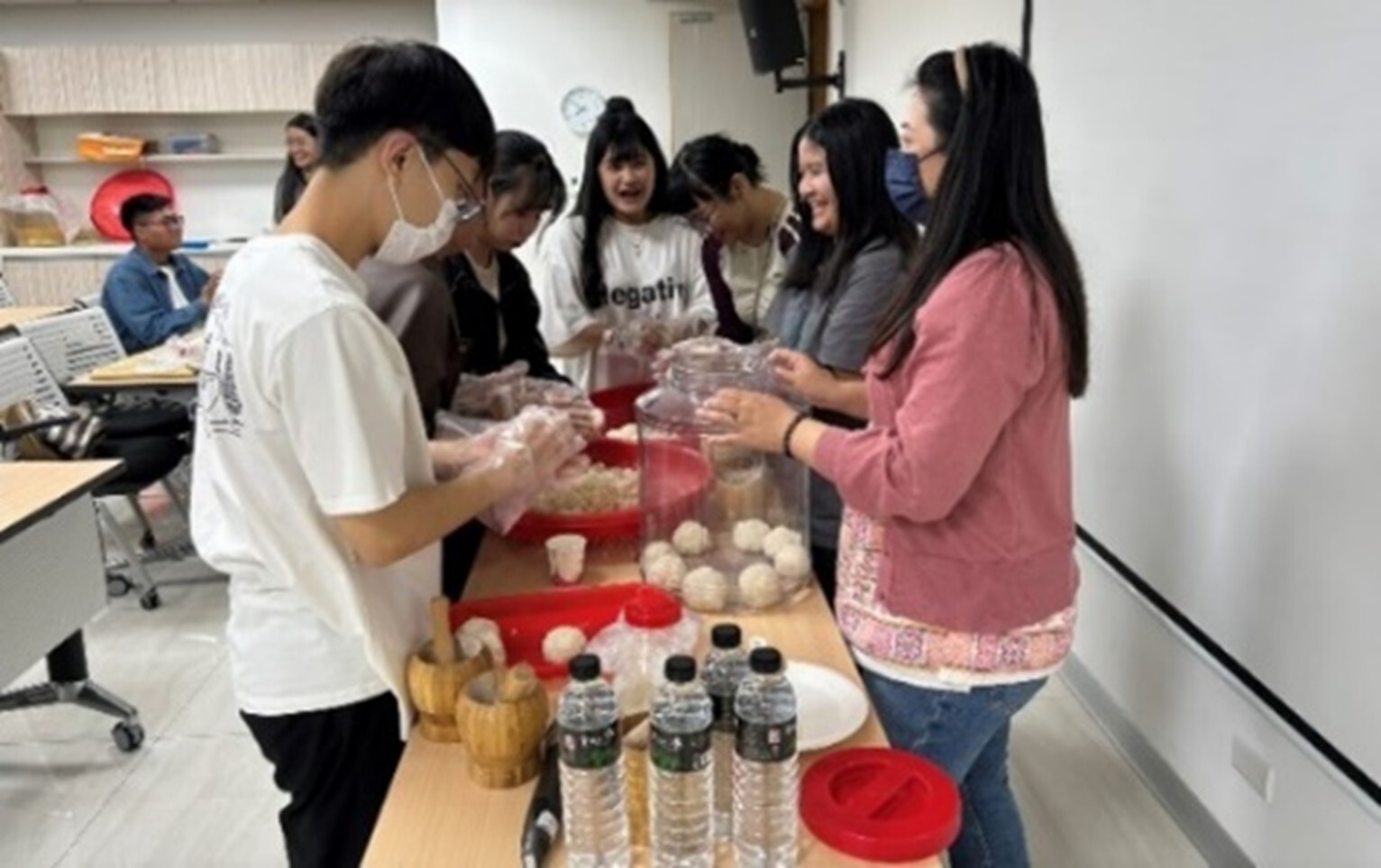
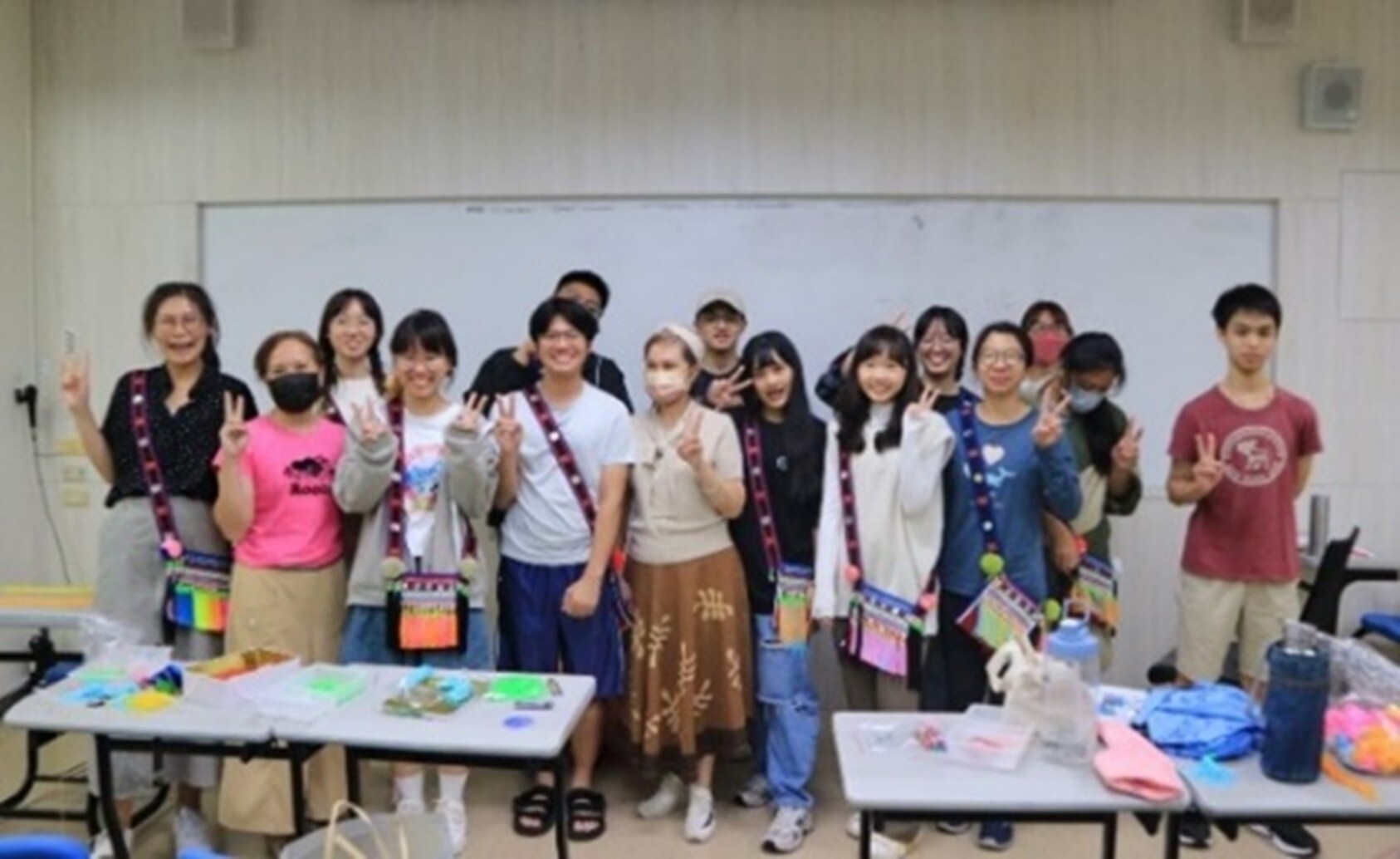
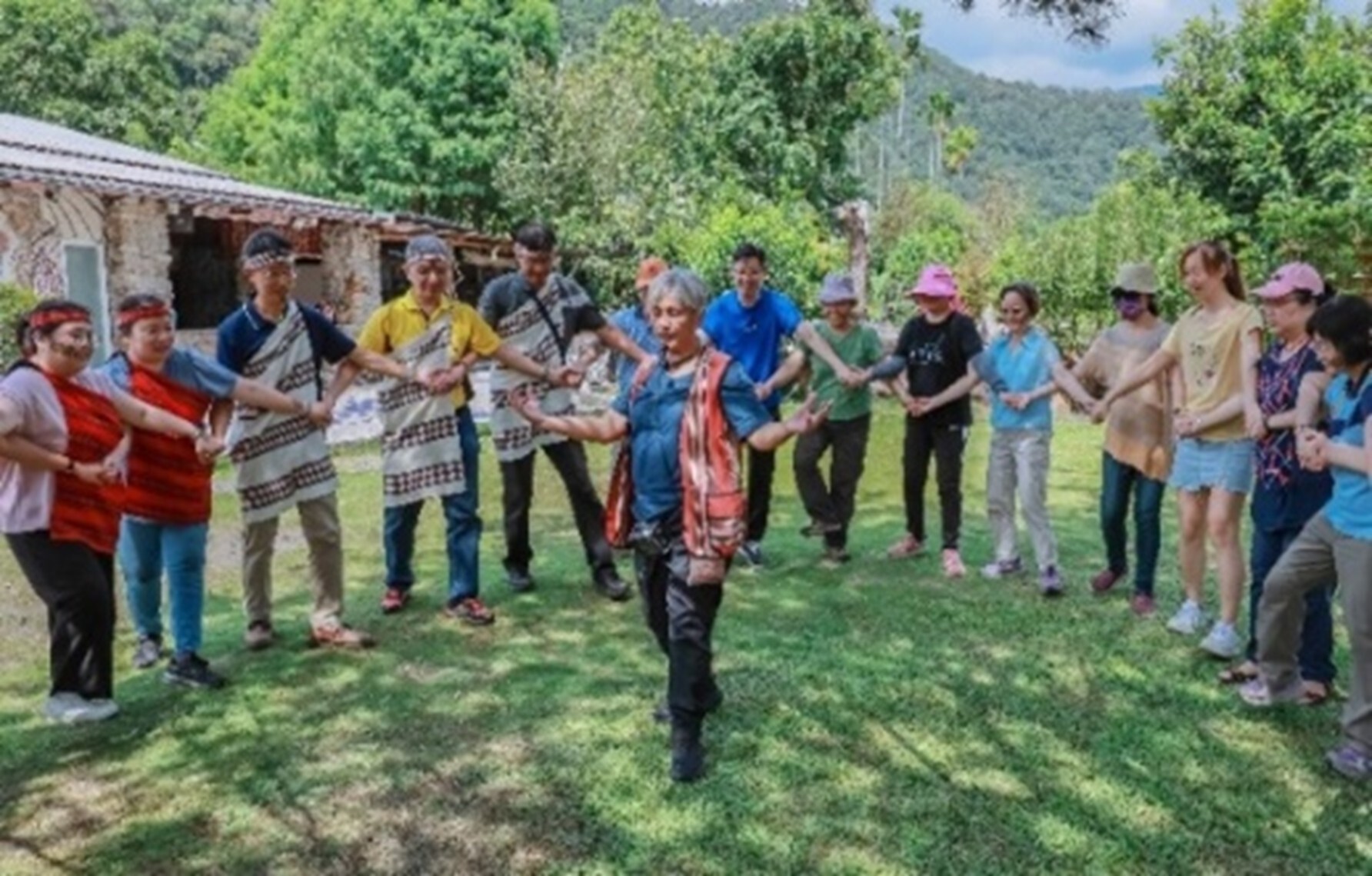
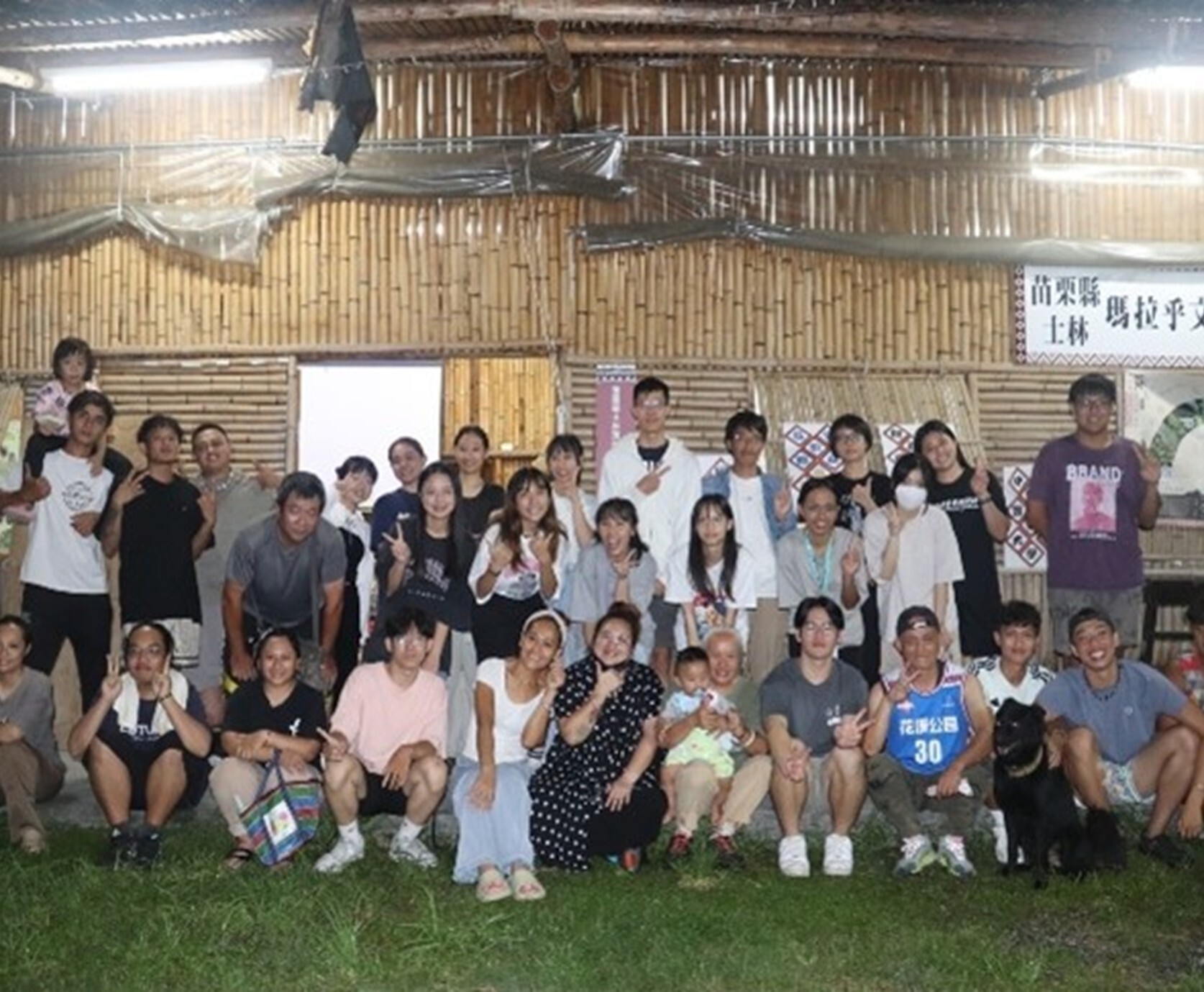
(1) In order to effectively provide various types of assistance and services, such as life, schoolwork, and employment counselling for students from indigenous ethnic groups (hereinafter referred to as indigenous students), NCUE established the Indigenous Students Resource Center in 2017, and organized the above service activities 29 times in 2024, in which 931 students participated. The list of services and number of students served are as shown in Table 4. Snippets from various visits and activities are as shown in Figures 4-14, please refer to this link: https://studentweb.ncue.edu.tw/p/412-1003-2282.php?Lang=zh-tw
(2) In addition, NCUE also offers relevant resources tailored to the needs of indigenous students. These resources have been pooled with both on-campus and external resources as components of our comprehensive services. Relevant information is available on our Indigenous Students Resource Center’s website, and the following link:
https://studentweb.ncue.edu.tw/p/412-1003-2249.php?Lang=zh-tw
FB Page: https://www.facebook.com/profile.php?id=100095763901800
(3) NCUE secures NT$300,000 scholarship from Changhua Christian Hospital (CCH) to support indigenous students' professional development: NCUE has secured support from Changhua Christian Hospital to provide NT$300,000 annually starting from the 2024 academic year as scholarships for outstanding studious students, and NT$150,000 annually starting from the 2025 academic year as incentive awards to encourage excellent candidates to enroll. Additionally, NCUE has established a formal partnership with Changhua Christian Hospital to provide work-study opportunities for students and has planned three long-term care internship venues at CCH, helping students gain early exposure to clinical practice and ensuring stable career development pathways for their future.
|
|
|
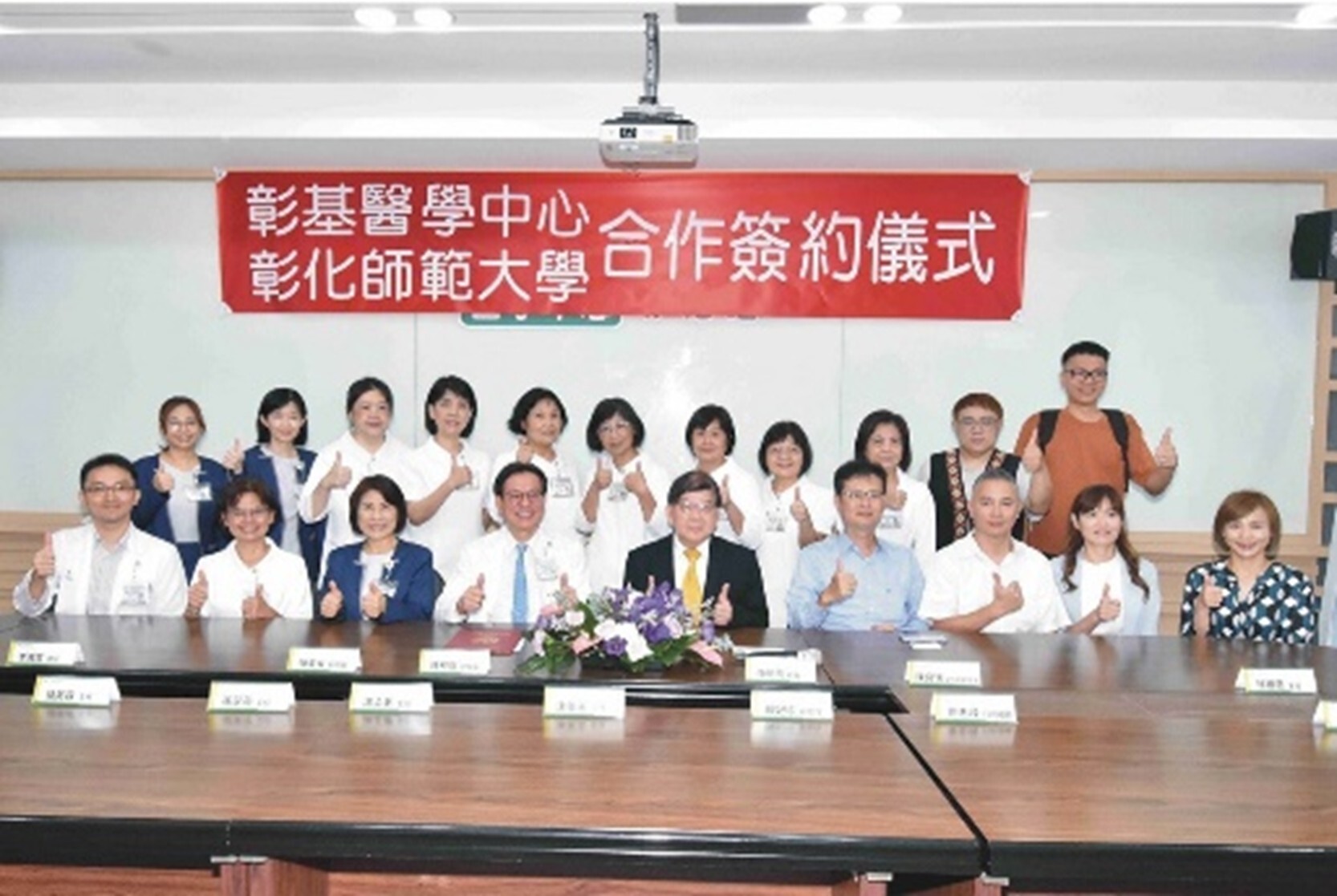
Appendix 10.6.6D(PDF): Administrative Guidelines for the Changhua Christian Hospital Scholarship Program for Indigenous Students and Excellence-based Admission Incentive Program
Campus Headlines: https://www.ncue.edu.tw/p/406-1000-28052,r93.php?Lang=zh-tw
(4) Continuous pursuit of central government funding for indigenous student resources
Associate Professor Subeq Yi-Maun, Executive Director of the Indigenous Students Resource Center at the Office of Student Affairs, is planning to apply to the Council of Indigenous Peoples for a project to promote indigenous wisdom-based long-term care and cross-disciplinary technology talent development on campus. This project aims to combine long-term care education with community services, incorporating artificial intelligence (AI) technology applications to enhance care quality and service efficiency, and strengthen connections between the campus and indigenous communities. The project content covers three core areas: first, cross-disciplinary indigenous talent development, cultivating a new generation of professionals with both cultural literacy and technological capabilities; second, intelligent long-term care in indigenous homelands, establishing integrated mechanisms for local care and smart systems; third, promoting cultural health by integrating ethnic culture into healthcare and living environments to achieve the goals of cultural coexistence and sustainable development.
Table 4. Statistics on activities for indigenous students and number of students served
|
Category |
Service Content |
Number of Students Served |
|
Life Services |
Second semester of 2023 Beginning of Semester Care Activity |
14 |
|
First semester of 2024 Beginning of Semester Care Activity |
37 |
|
|
2024 Academic Year Central Region Indigenous Students Joint Orientation Event |
73 |
|
|
Farewell Care Activity |
34 |
|
|
Christmas Care Dinner |
69 |
|
|
End-of-Semester Care Banquet |
18 |
|
|
Academic Guidance |
Midterm Study Group |
24 |
|
Participation in the “Guidance and Learning Enhancement” Program |
8 |
|
|
Career Guidance |
DISC Interpersonal Communication Workshop |
20 |
|
My MBTI Personality Type + Career Analysis Course |
20 |
|
|
Visit to Qapu Tribe’s Bamboo Industry |
16 |
|
|
Cultural Lectures |
Brewing Plants Introduction and Hands-on Workshop |
27 |
|
Amis Tribe alofo Crafting Course |
19 |
|
|
Sizazazau Making Workshop |
17 |
|
|
Bamboo Weaving Course |
15 |
|
|
Visit to Djineljepan Tribe in Pingtung |
17 |
|
|
Visit to Kabalehadhane Tribe in Pingtung |
17 |
|
|
Visit to Qapu Tribe in Taoyuan |
15 |
|
|
Tribal Work Team |
Kanakanavu’s Kaisisi Cakʉran |
14 |
|
Kanakanavu Mikong Ritual |
13 |
|
|
SuRu Tribe Pinyurak Ritual & Cultural Heritage Workshop |
6 |
|
|
Comprehensive Indigenous Education |
Dialogue on Tribal Youth Organizations |
25 |
|
“Family Ritual” Documentary Screening and Lecture |
80 |
|
|
Ethnic Cultural Sensitivity: Starting from Truly Seeing |
33 |
|
|
“Urban Indigenous?” – Discovering the Taipei Indigenous Metaverse |
31 |
|
|
Inheritance and Rebirth: Cultural Pulse of the Kanakanavu Mikong Ritual |
27 |
|
|
Unforgettable Cultural Memories – Stories of Indigenous Wild Vegetables |
30 |
|
|
Alang Gluban Faculty Visit |
30 |
|
|
Grassland Music Concert |
182 |
|
|
Total |
858 |
|
|
|
|
|
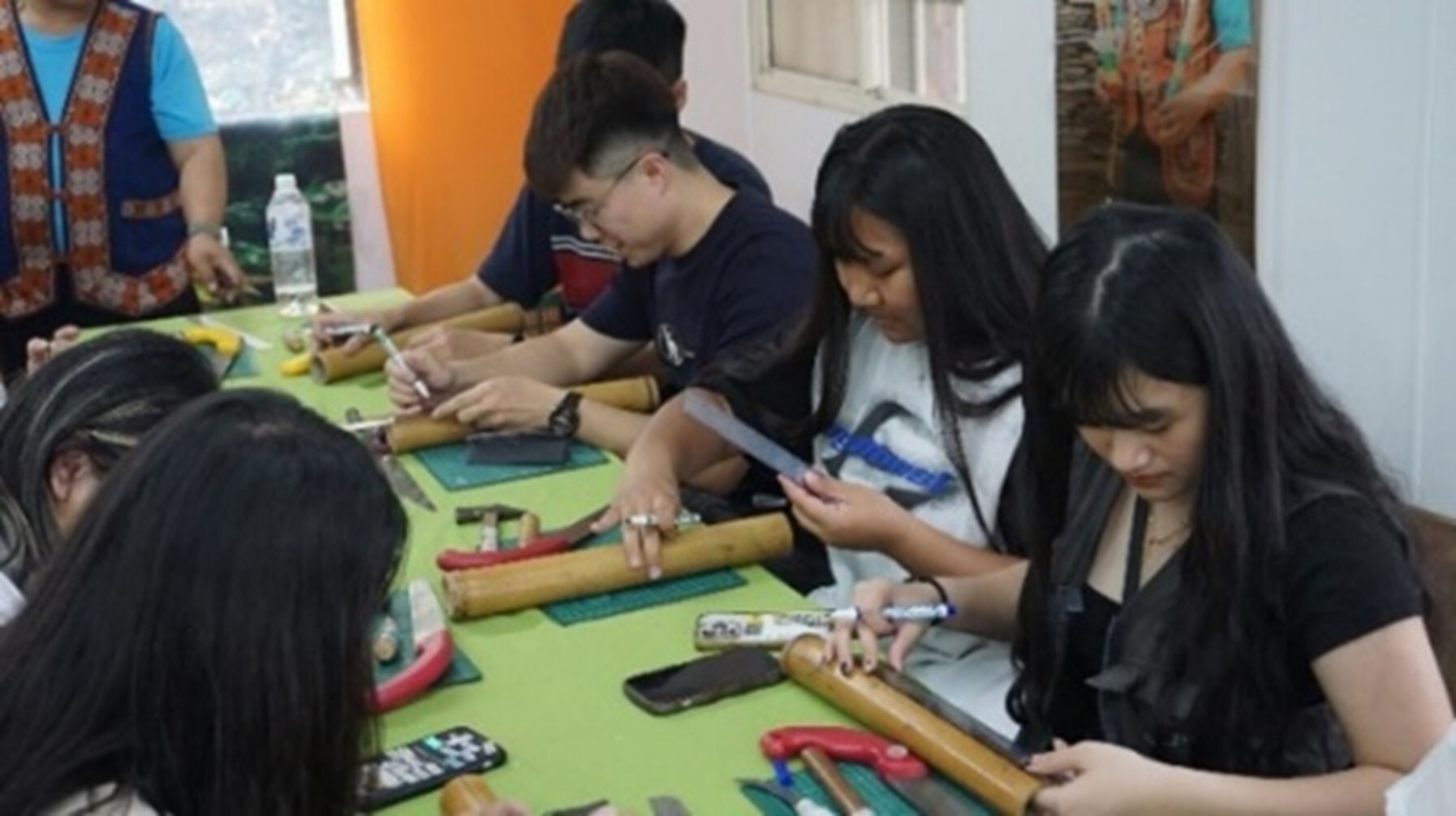
Figure 6: Students learning the traditional brewing process |
Figure 7: Group photo with completed Amis-Alofo |
|
|
|
|
Figure 8: Students engaged in the crafting process |
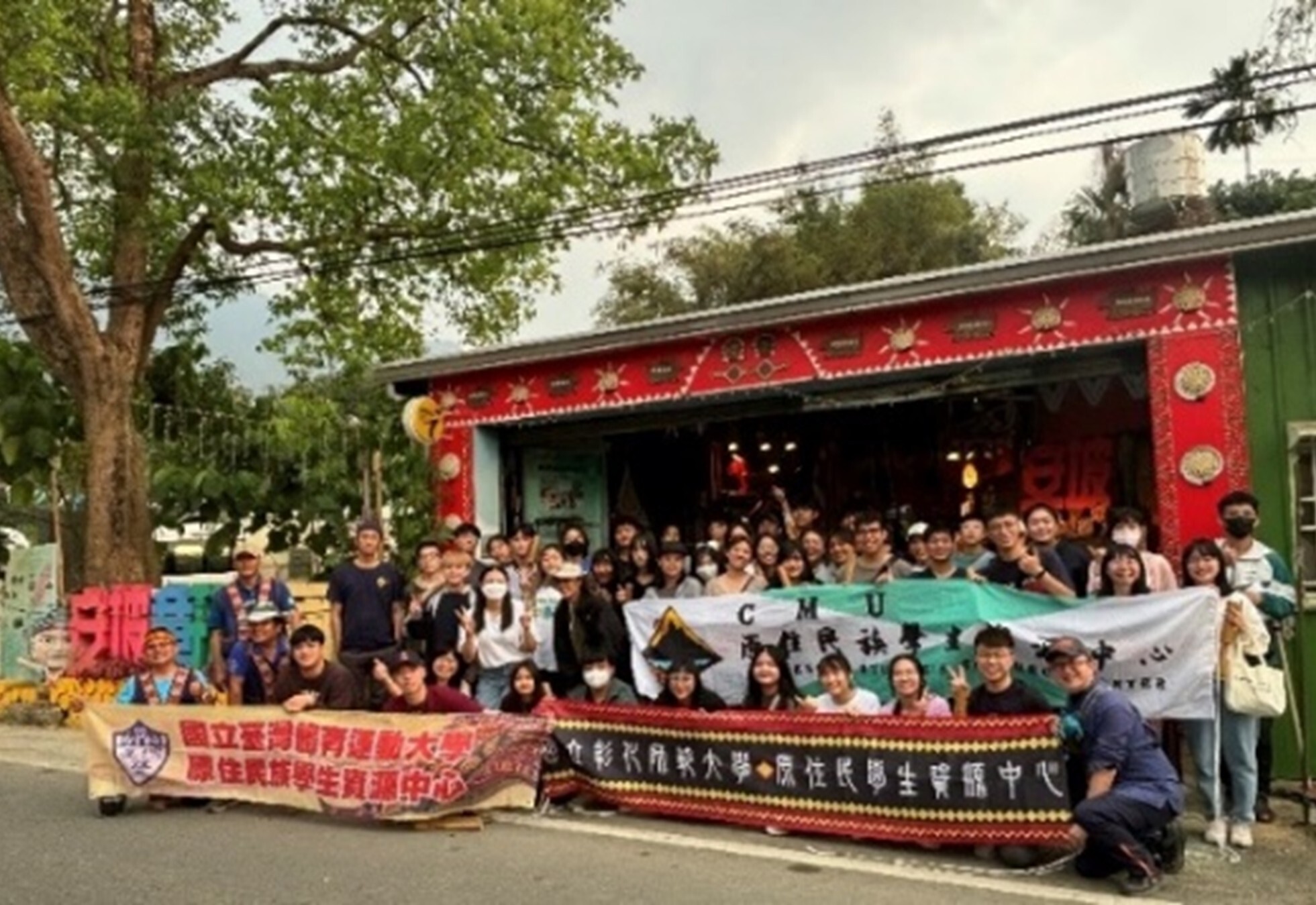
Figure 9: Visit to Djineljepan Tribe in Pingtung |
|
|
|
|
Figure 10: Cultural Observation of the Kanakanavu Tribe's Kaisisi Cakʉran |
Figure 11: Mikong Festival Tribal Work Team |
|
|
|
|
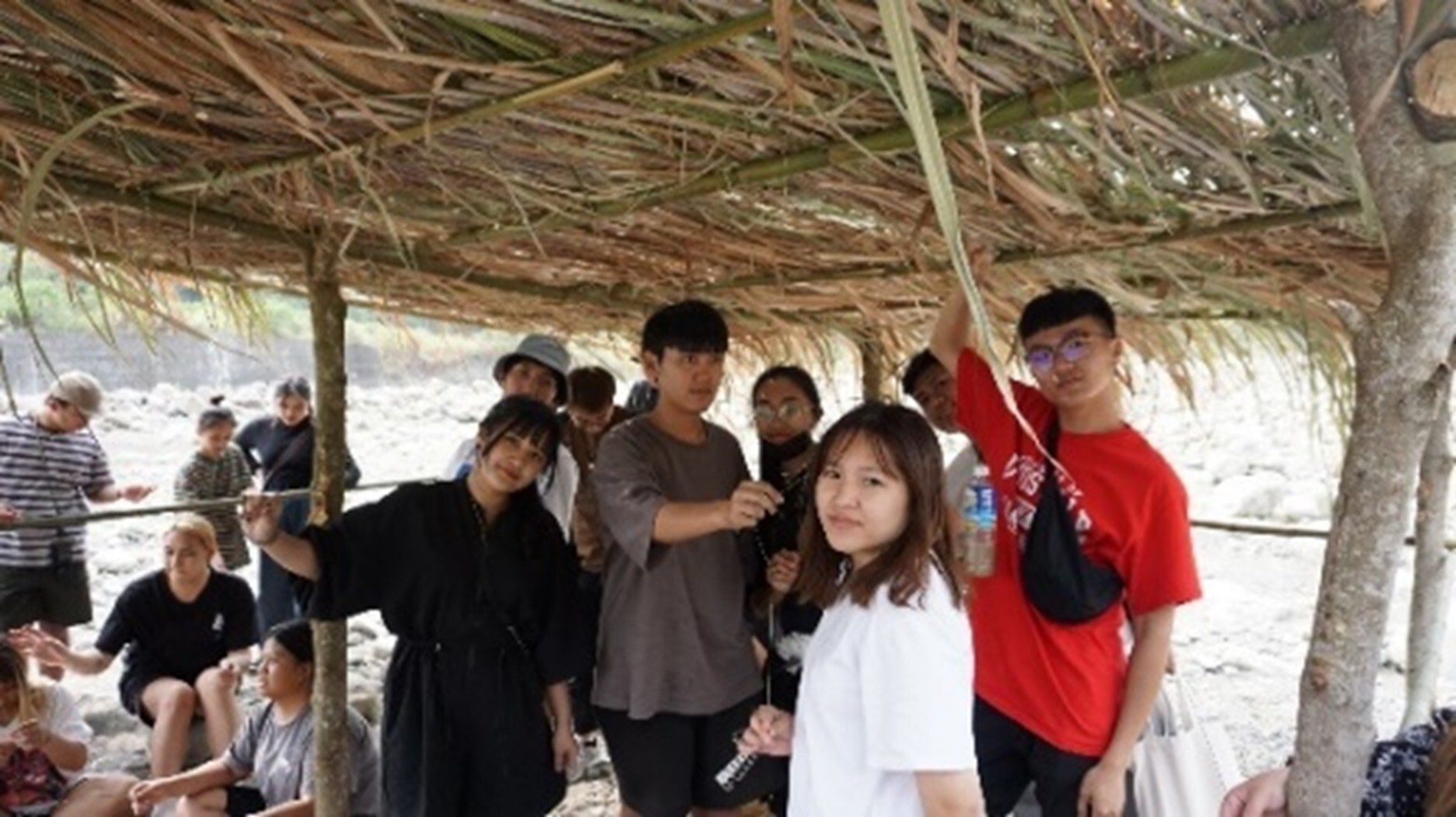
Figure 12: Tribal Visit for Faculty Members of the Alang Gluban |
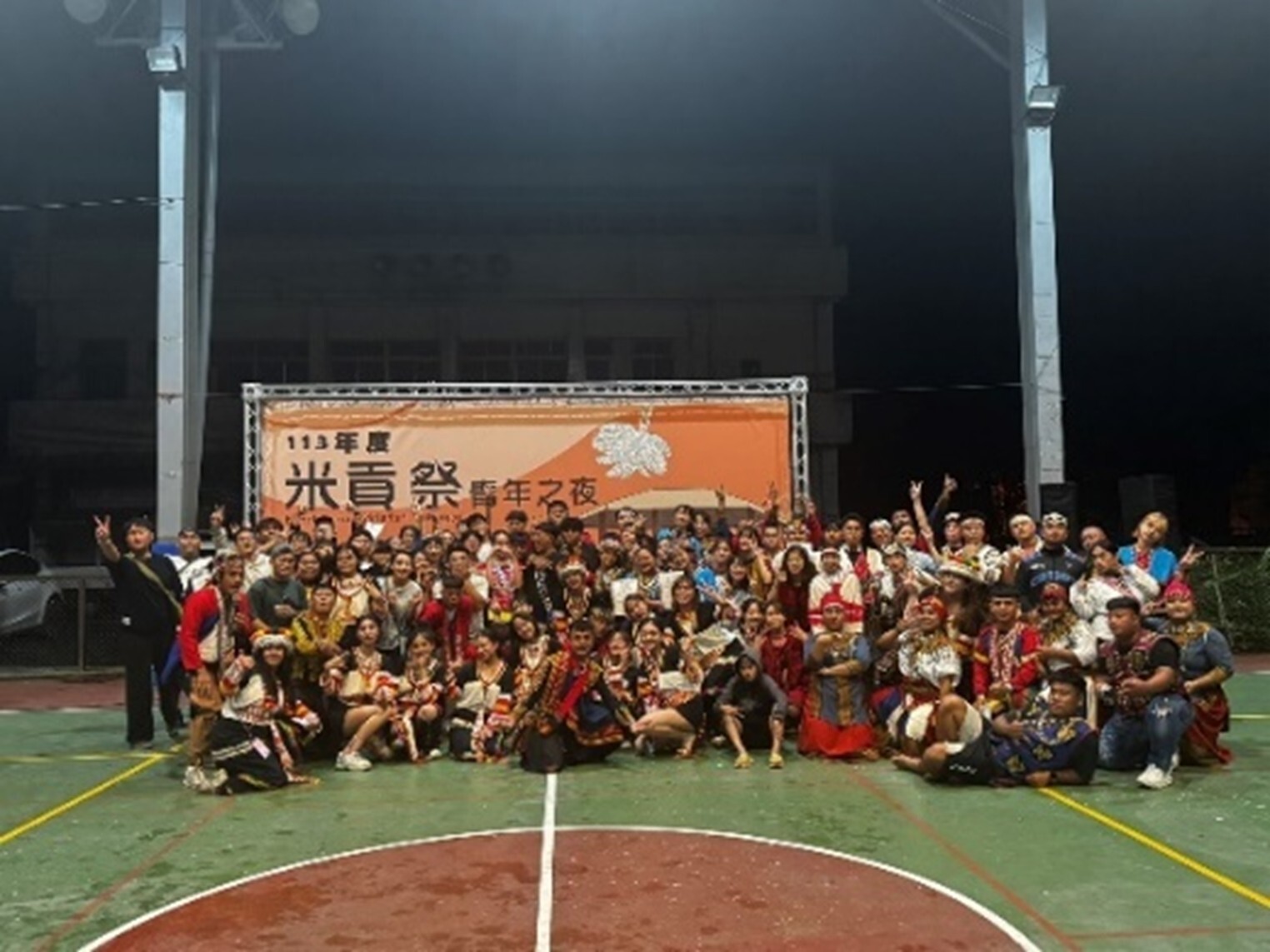
Figure 13: Pinurak & Cultural Heritage Workshop of the SuRu Tribe |
|
|
|
|
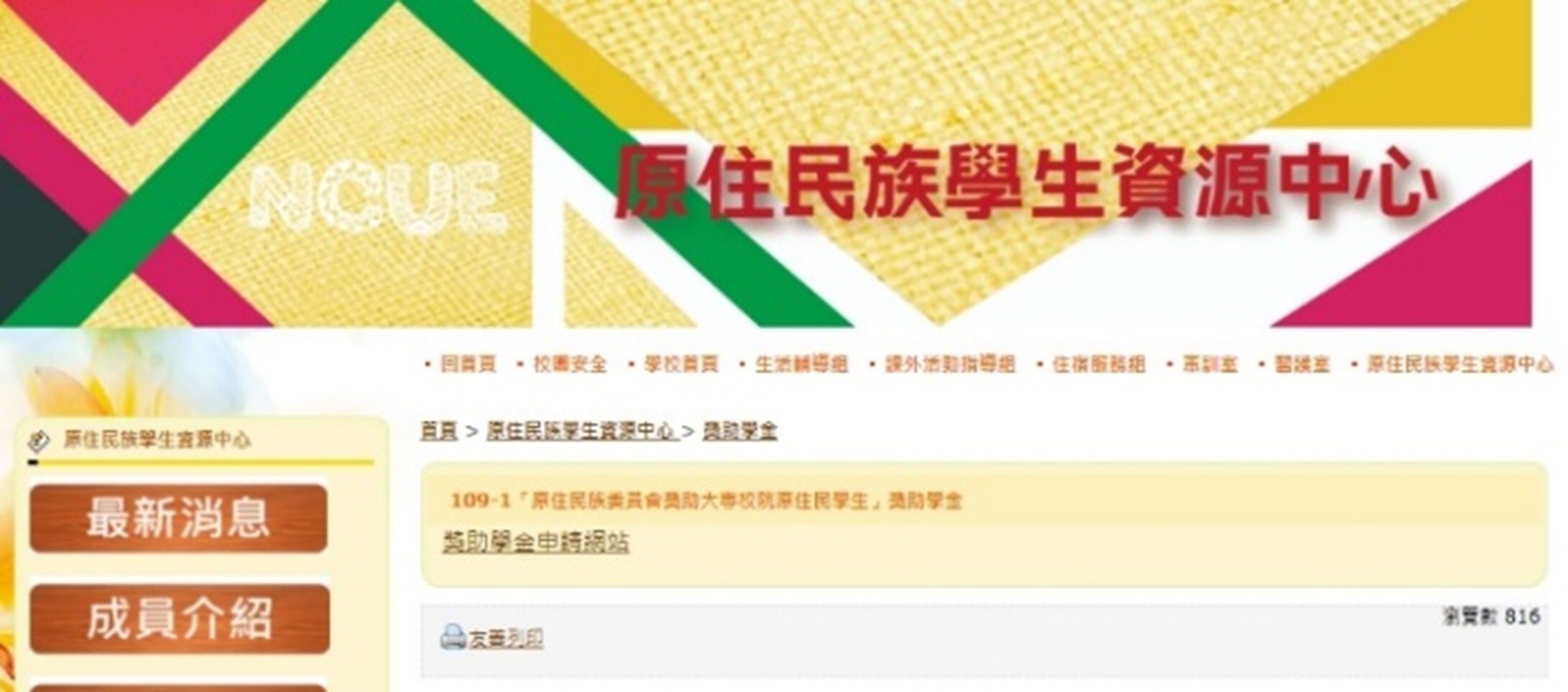
Figure 14: Website of the Indigenous Students Resource Center |
|
Please refer to Appendix 10.6.6E(PDF), Key Points on Setting up the Indigenous Students Resource Center.
6. Services of student unions and associations
(1) The Student Union has the right to send representatives to attend school meetings and make suggestions on university affairs
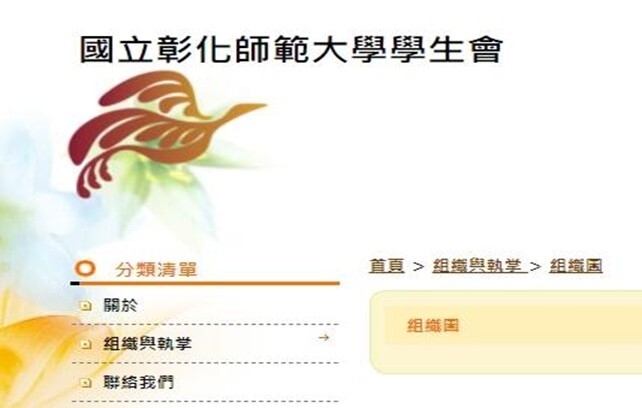
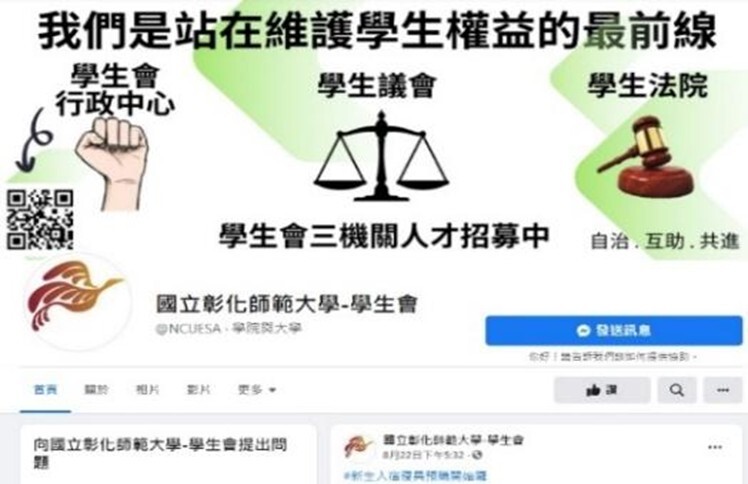
A student union has been set up to implement the idea of student autonomy, to cultivate democratic accomplishment, and to promote the communication of opinions on campus and the equality of student associations. NCUE’s Students’ Union website and Facebook fan page are as shown in Figures 15 and 16. The union’s task is to manage students’ public affairs, to participate in various activities on behalf of all members, plan and coordinate university-level activities internally, coordinate the fund usage and auditing of the student union, and send representatives to participate in school meetings. The organization has the right to make suggestions on university affairs, suggest issues that reflect the opinions of most students, protect students’ rights and interests, and arbitrate student affairs.
|
|
|
|
Figure 15. Website of the Student Union: https://ncuesa.ncue.edu.tw/ |
Figure 16. Facebook fans page of the Student Union: https://www.facebook.com/NCUESA |
Please refer to Appendix 10.6.6F(PDF), Articles of the Association of the Student Union of National Changhua University of Education.
(2) Student service clubs provide social services
Service clubs organize learning activities during the academic year, such as event planning, drama techniques, recreational activities, and outdoor games, and provide educational and recreational camps for local elementary school students in remote areas during winter and summer vacations. Taking the Aboriginal Service Club as an example, it organized children's educational and recreational camps and engaged in community service during both winter and summer vacations in 2024. The themes focused on "self-awareness" and "media literacy." The environment we live in is constantly changing, and these issues continue to receive attention. Through lively and interesting courses and activities, we hope to help children understand the relationship between the online world and us, enabling them to understand the importance of media literacy. In this internet age, how to cultivate oneself to become a young media consumer is also an important topic. In addition, to enhance children's learning motivation, multiple station-based educational activities and NPC checkpoint activities were set up, through which they learned about multiculturalism and other knowledge. In 2024, a total of 7 service activities were organized, with 189 volunteer participants, serving a total of 400 people.

Figure 17: Closing ceremony photo of the 2024 summer service activities by the Aboriginal Service Club
Please refer to Appendix 10.6.6G(PDF), Number of service association participants.