

|

|

|
|

|
|

|

|

|

|
|

|

|
|

|

|
|
SDG 10.6.3 Access to university underrepresented groups recruit
To facilitate the enrollment of underrepresented groups, NCUE provides a sufficient number of admission or employment channels for students, faculty, and staff.
1. Students:
(1) NCUE provides opportunities for disadvantaged students (such as indigenous students, students with disabilities, and economically disadvantaged students).
(a) NCUE encourages its departments to actively provide quotas to increase the admission opportunities for disadvantaged students.
i. In recent years, NCUE has actively provided additional quota for indigenous people and students with disabilities to be admitted to NCUE through different channels.
ii. NCUE established its “Indigenous Peoples’ Special Class for Aging Health Promotion and Care Management”, which offered 35 admission openings for indigenous students.
iii. NCUE offers multiple entrance programs for students with disabilities, such as independent and screening-based admissions, to enhance their opportunities to study at our school.
iv. To increase the opportunities for economically disadvantaged students (including those from low-income households, middle-low-income households, and special circumstances backgrounds), and to uphold the principles of social justice, NCUE has implemented a "Priority Admission" mechanism since 2018. This mechanism involves lowering admission criteria to increase the admission chances for economically disadvantaged students. Additionally, starting from 2019, we have introduced our "The Soaring Eagles Admissions Group". Under this initiative, certain departments shall allocate a number of admission slots to each category, with reduced test score requirements and exemption from interviews, all aimed at enhancing the opportunities for economically disadvantaged students to enroll at NCUE.
v. In order to encourage departments to actively provide additional quotas for disadvantaged students, NCUE’s “Measures for the Establishment and Promotion of the Admission Strategy Committee” stipulates that the actual total registered number of additional quotas (including overseas students, students with disabilities, and indigenous students) of various programs in a department in the current academic year will be multiplied by NTD$ 5,000 as additional subsidies expenses for the department.
Please refer to Appendix 10.6.3A, “Measures for the Establishment and Promotion of the Admission Strategy Committee”.
(b) Reduce the burden for disadvantaged students—waive the registration fee as well as subsidize the transportation and accommodation expenses for ‘individual application’.
i. NCUE exempts economically disadvantaged students (low-income households and middle-to-low-income households) from the registration fee when they take our self-held admission examinations, such as the ‘Second-stage Screening Test for Individual Application for Bachelor’s Programmes’, ‘Transfer Examination for Bachelor’s Programmes’, ‘Reference Screening Test and Admission Examination for Master’s and Doctoral Programmes’, and ‘Separate Admission of Students with disabilities to Bachelor’s Programmes’.
Please refer to Appendix 10.6.3B, Department Rules of Admission Guide for Individual Application for University Admission in 2024.
Please refer to Appendix 10.6.3C, NCUE’s 2024 Admission Guide for Separate Admission of Students with Disabilities.
Please refer to Appendix 10.6.3D, Transfer Admission Examination Guide for Bachelor’s Programmes in 2024.
Please refer to Appendix 10.6.3E, Guide on Reference to Master’s and Doctoral Programmes in 2024.
Please refer to Appendix 10.6.3F, Admission Guide for Master’s Programmes in 2024.
Please refer to Appendix 10.6.3G, Admission Guide for Doctoral Programmes in 2024.
ii. During the second-stage screening test for ‘individual application’ and the ‘Admission Screening for 4-year Technological Undergraduate and 2-year Vocational Junior College Programmes’, the transportation and accommodation expenses of students will be subsidized according to their place of household registration, and the departments will give the subsidies to the qualified candidates on the day of the screening test.
(c) Implement projects such as the Higher Education Sprout Project and The Soaring Eagles Project to increase admission opportunities for disadvantaged students.
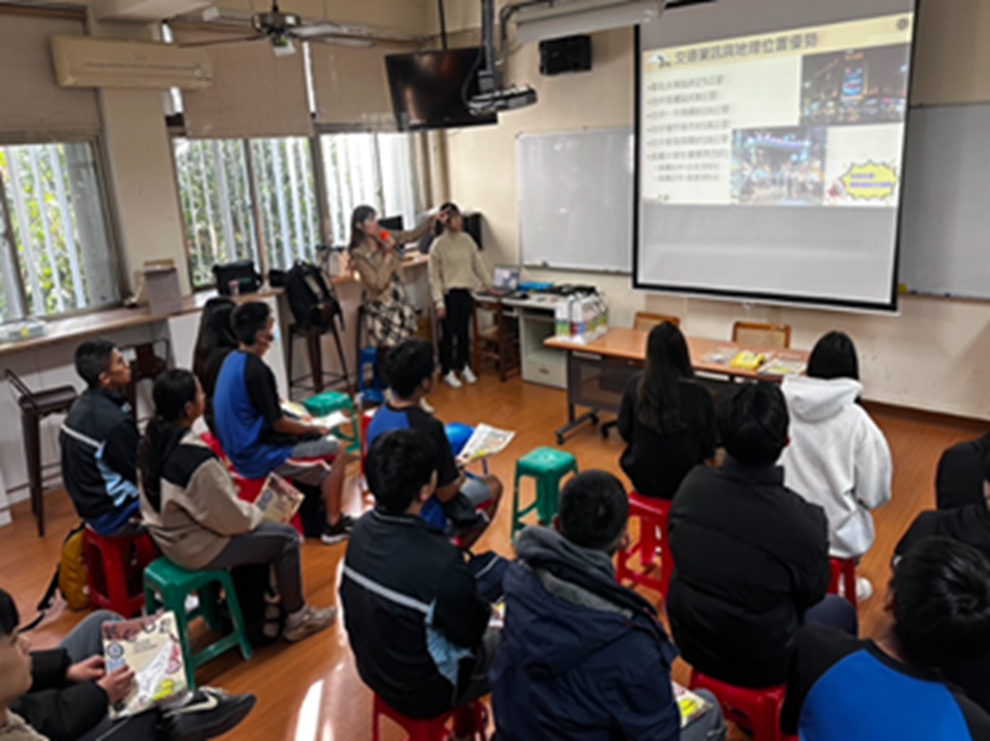
With the promotion of the Higher Education Sprout Project, NCUE has increased diversified admission opportunities for senior high school students year by year. This includes encouraging departments to actively provide quotas to increase admission opportunities for disadvantaged students, waiving registration fees, subsidizing transportation and accommodation fees for “individual application”, and holding lectures in senior and vocational high schools. NCUE continues to conduct the “Caring for Regional High Schools and Vocational High Schools” micro-course activities to attract more students who come from families in the lowest 20% income group in Taiwan to study at NCUE. Figure 1 is a snippet of our “Mentoring and Learning” activity, and Figure 2 features the implementation of Adaptive Teaching Micro-Course. Through these activities, NCUE aims to attract more students from families in the lowest 20% income bracket in Taiwan to enroll at NCUE. As of the end of 2024, 388 students from families in the lowest 20% income group are studying at NCUE, accounting for 5.3% of all students.
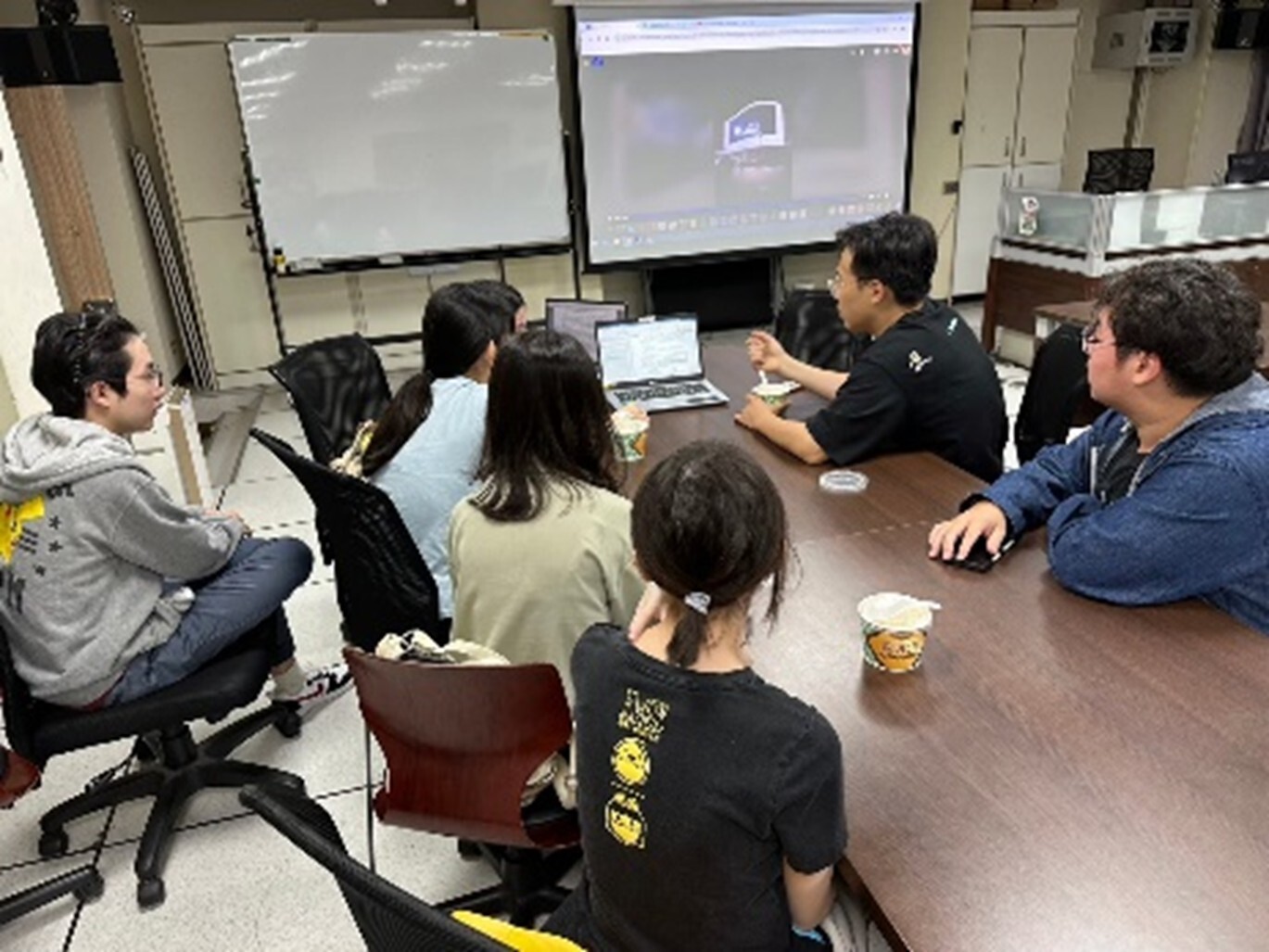
Figure 1. Guided Learning and Inquiry-Based Practice - Discussing Software Development Operation and Usage with Industry Mentors
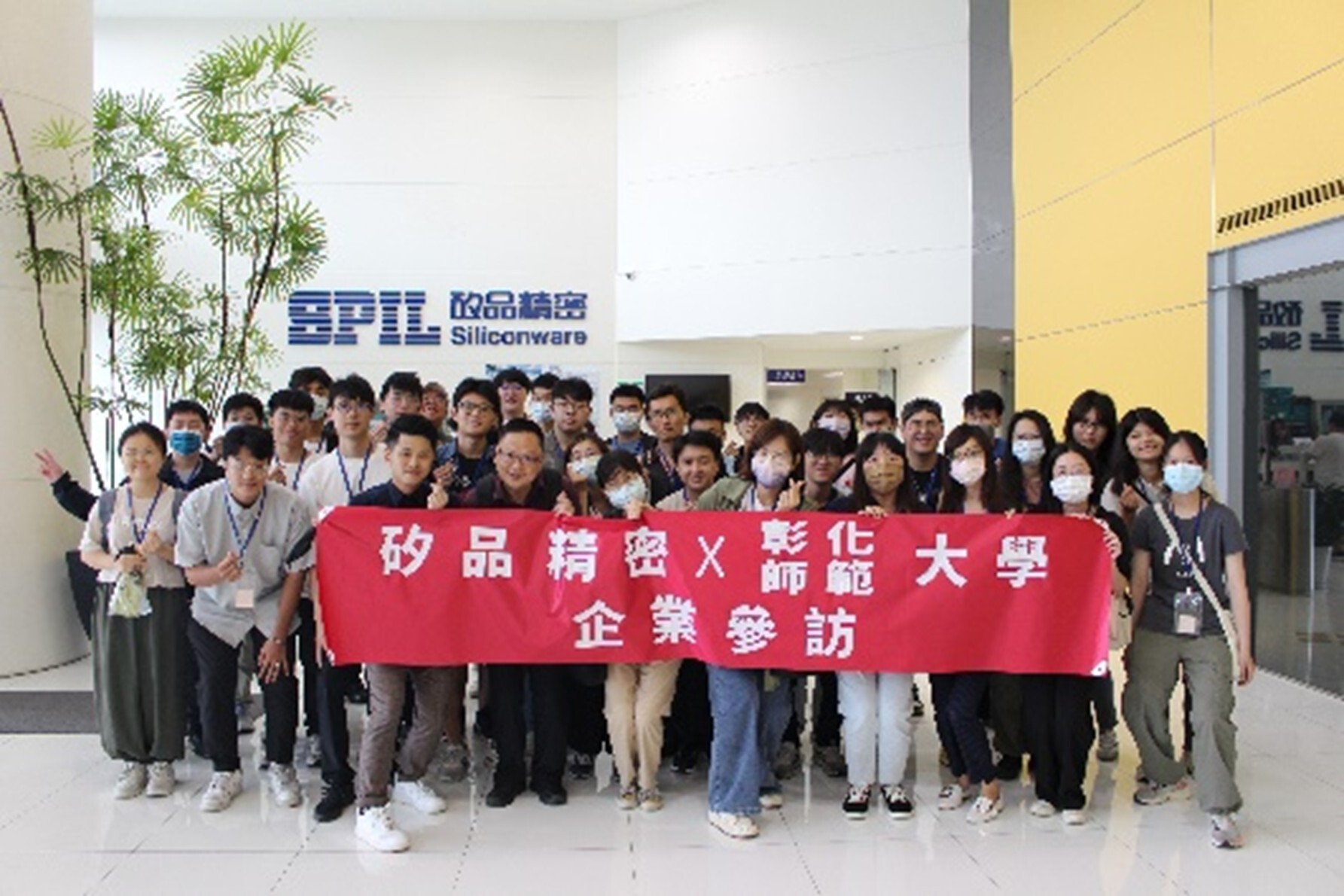
Figure 2. Industry-Academia Enterprise Internship Visit - Siliconware Precision Industries Co., Ltd.
(d) Subsidize disadvantaged students to enter university, and simultaneously plan and improve the mechanism of schooling and study counselling to promote social class mobility.
In order to encourage economically disadvantaged students (children from low-income families, middle-to-low-income families, and families in special circumstances) to study hard and to improve their chances of entering national universities, NCUE has planned a series of improving schooling, study, and counselling mechanisms that enable students to exhibit their personal potential in National Changhua University of Education, in the hope of achieving the goal of increasing the number of economically disadvantaged students admitted annually.
In 2024, the departments provided 221 admission seats for economically disadvantaged students (children from low-income families, middle-to-low-income families, and families in special circumstances). A total of 94 students were admitted.
(e) Striving to Establish Indigenous Special Programs and Contributing to Indigenous Student Development
i. NCUE established the "Indigenous Special Program for Healthy Aging Promotion and Care Management" in the 112 academic year (2023-2024), providing 35 admission slots for indigenous students annually. This represents the first academic unit at our university with indigenous students as the primary focus. The admission process emphasizes students' autonomous learning achievements, motivation for indigenous cultural learning, social care and service experience, and diverse learning performance.
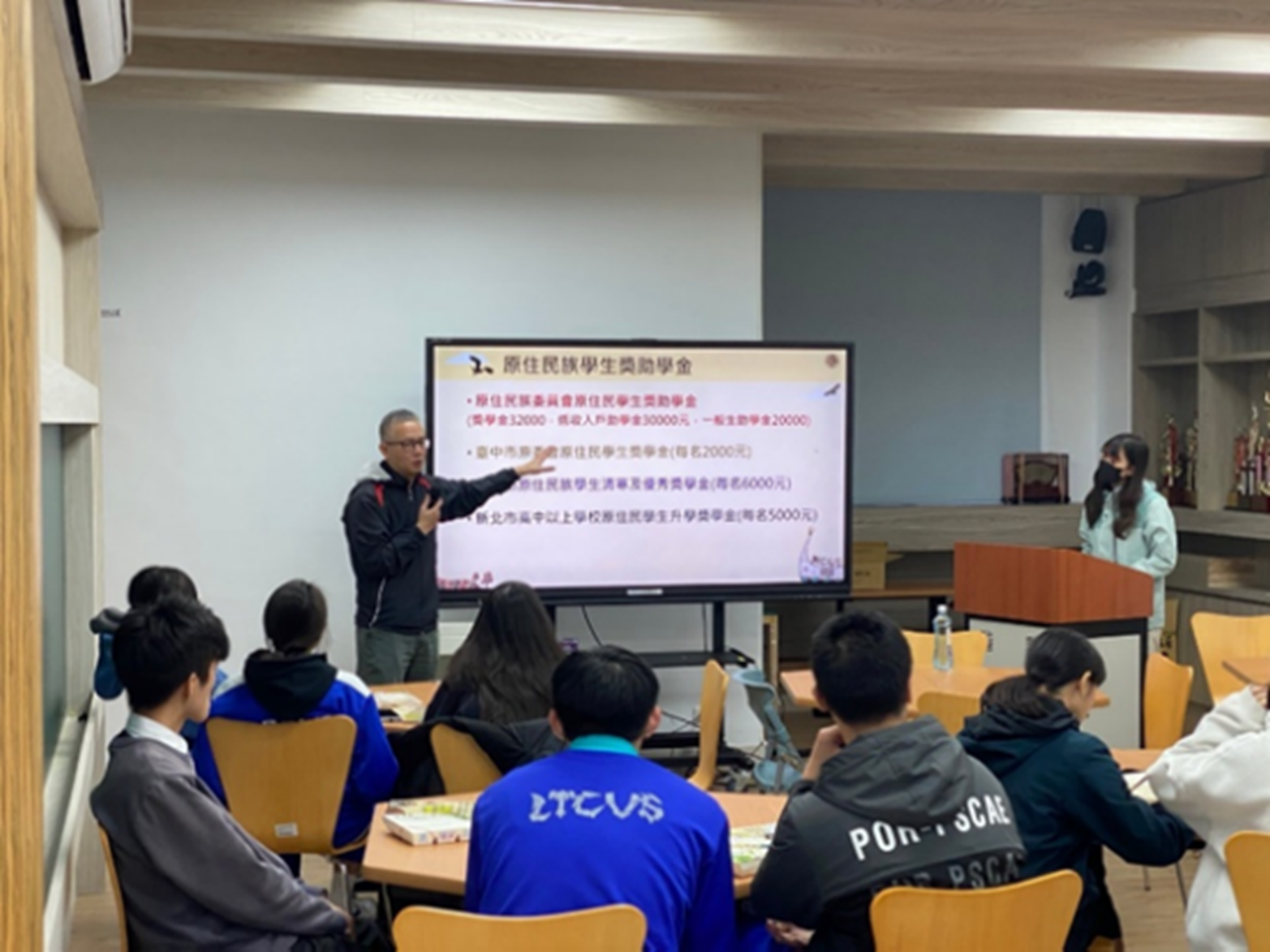
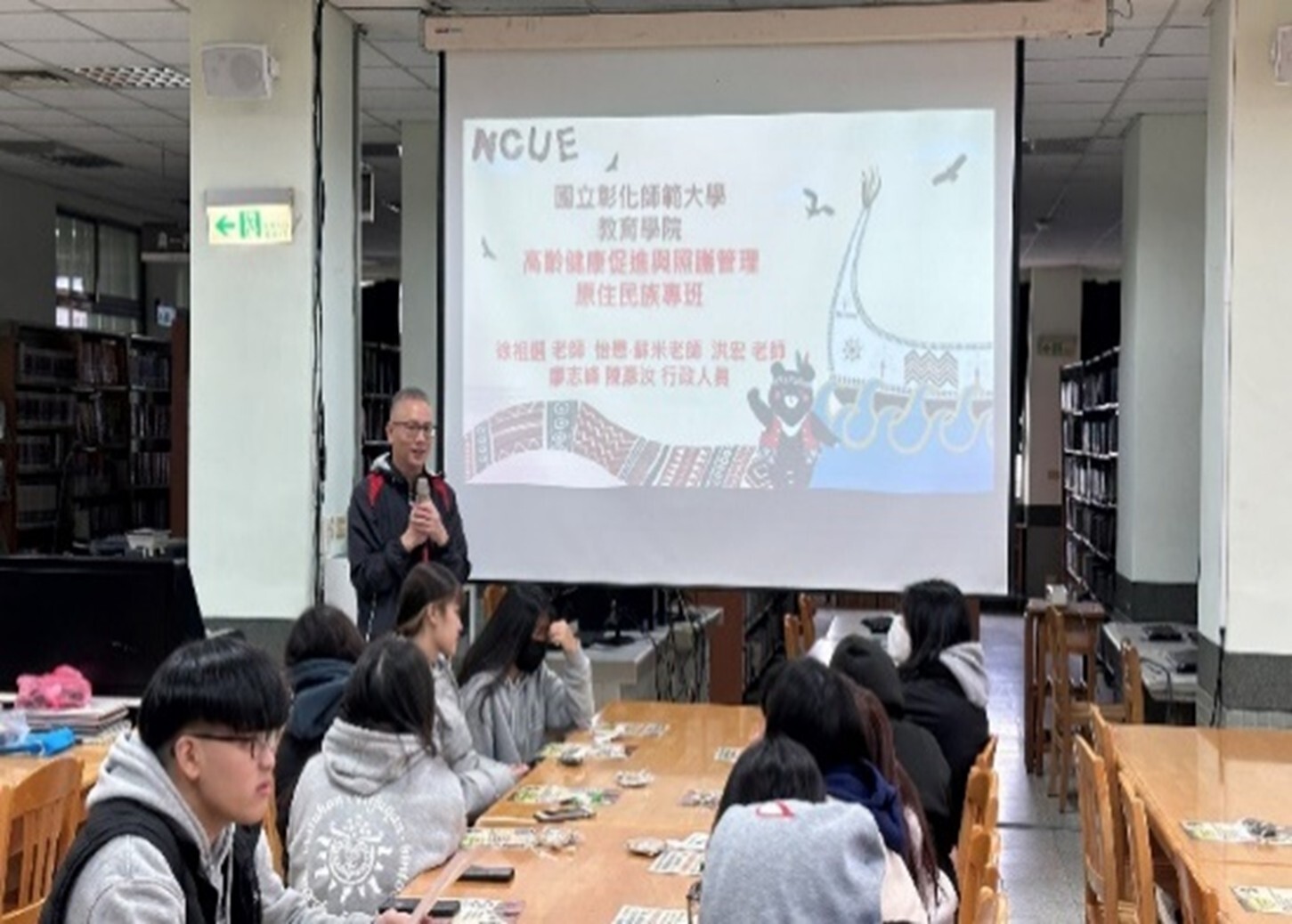
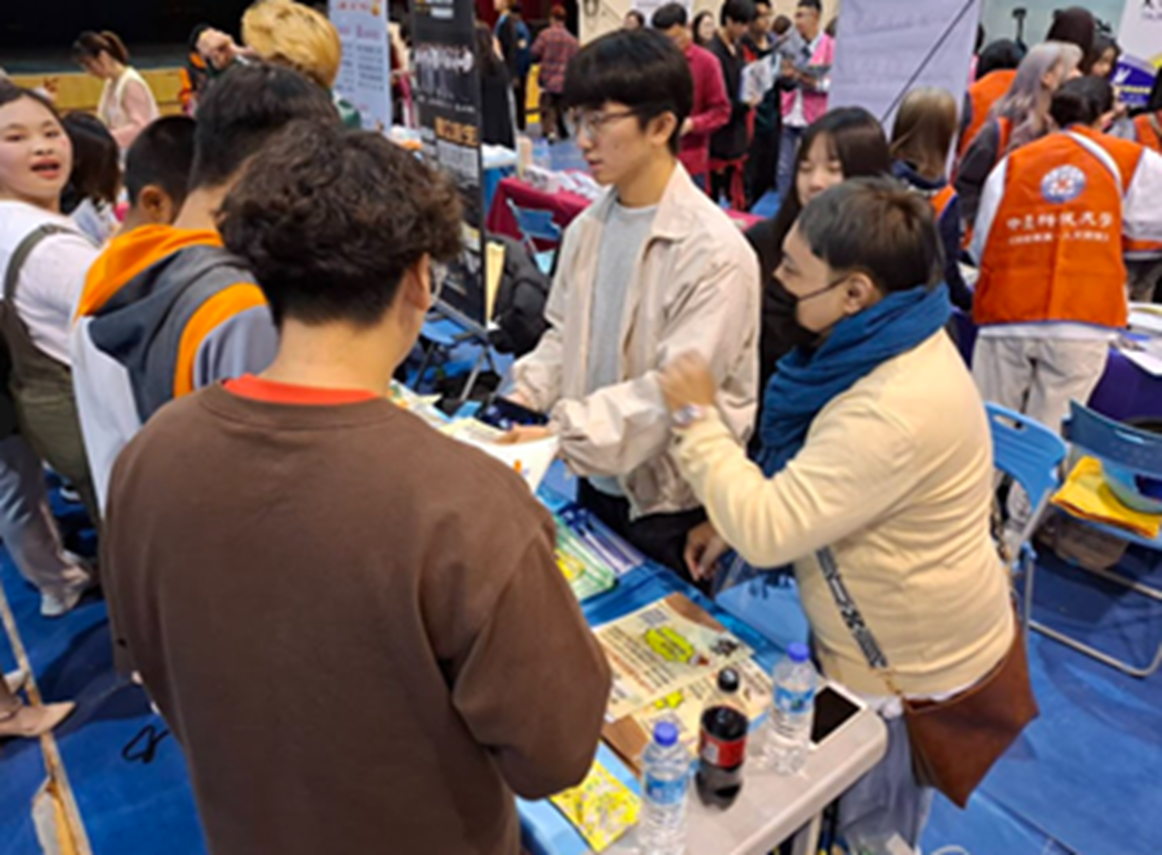
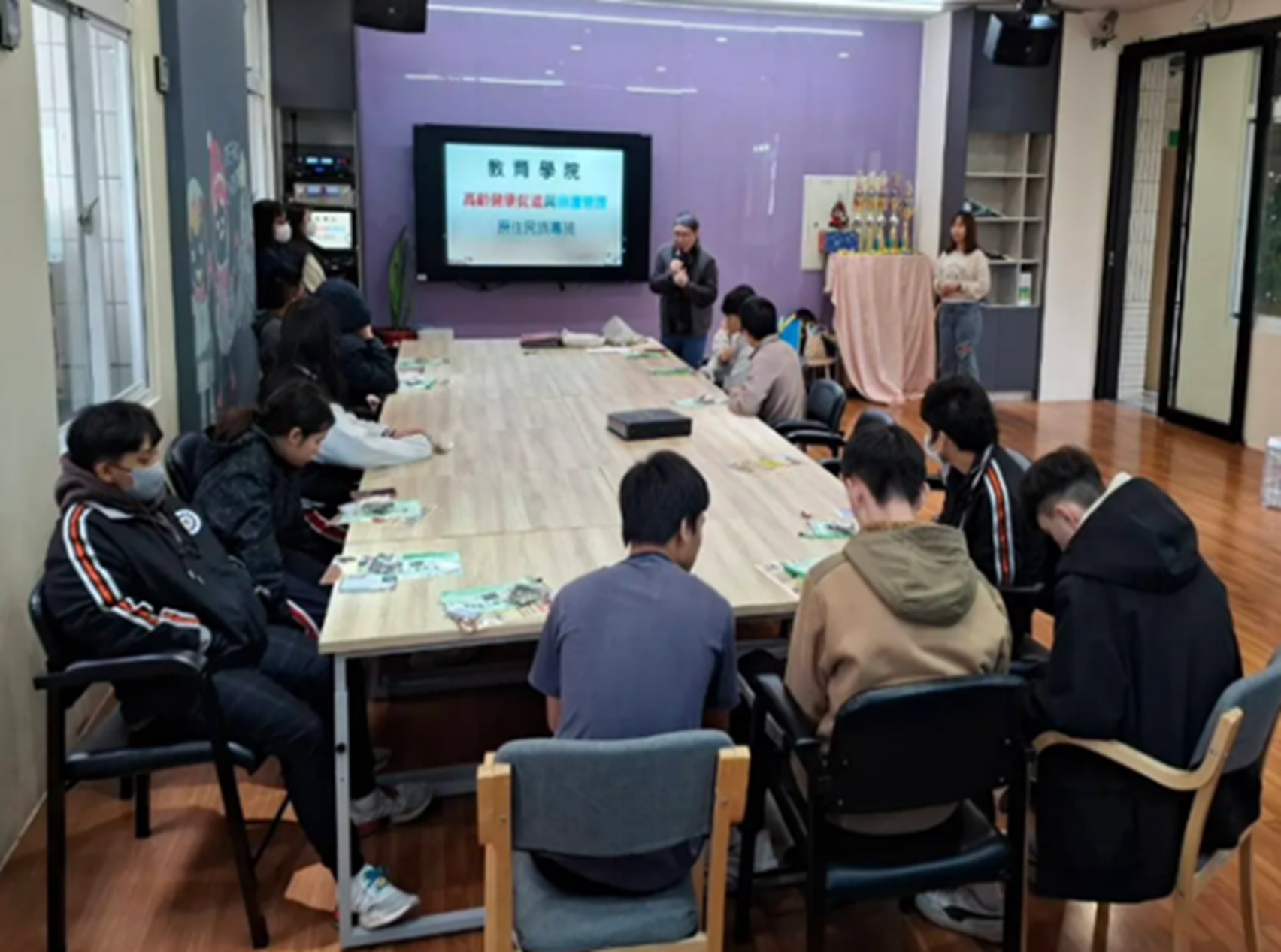
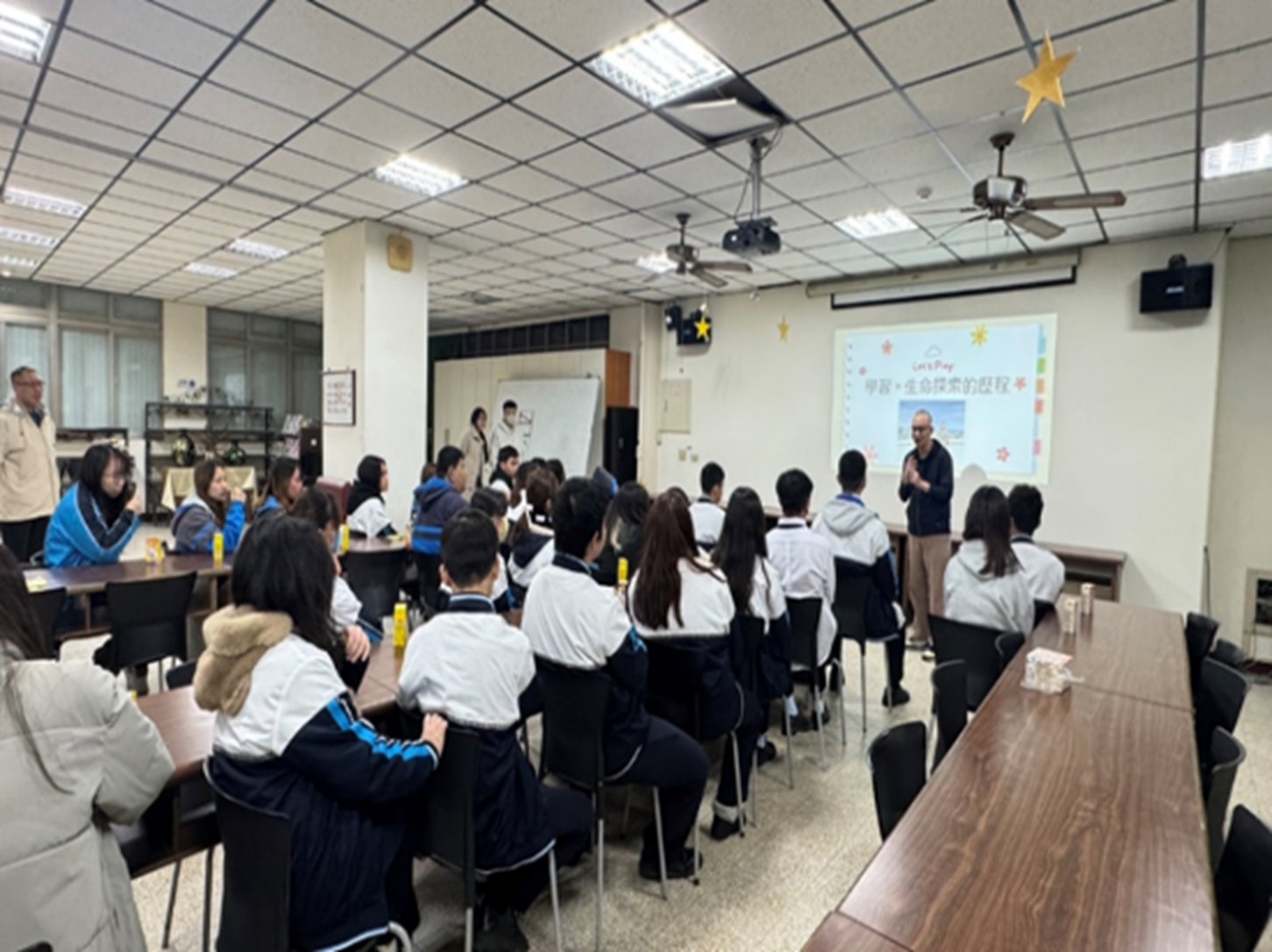
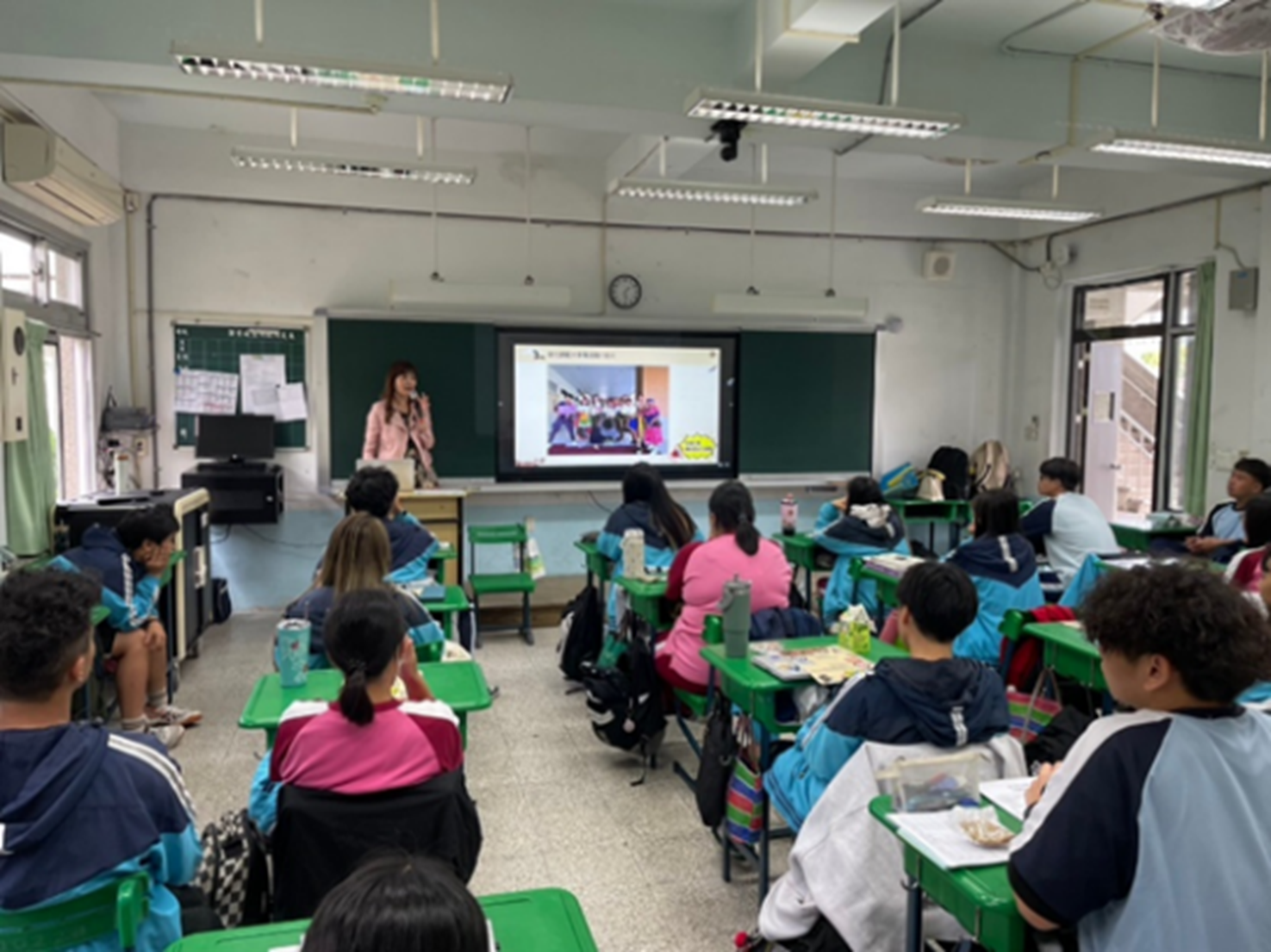
ii. In 2024, the Indigenous Special Program visited 21 key indigenous schools to conduct recruitment promotion activities. Approximately 226 people participated. The details of the promotional activities are shown in the table below and in Figures 3-10.
|
No. |
Date |
School |
Number of Indigenous Student Participants |
|
1 |
12/20 (Fri) |
Youth Senior High School |
5 |
|
2 |
12/20 (Fri) |
Shulin Senior High School |
29 |
|
3 |
12/20 (Fri) |
Luofu Senior High School |
23 |
|
4 |
12/27 (Fri) |
Lotung Commercial Vocational High School |
16 |
|
5 |
01/02 (Thu) |
Fucheng Senior High School |
7 |
|
6 |
01/03 (Fri) |
Sanmin Vocational High School of Home Economics and Commerce |
4 |
|
7 |
01/03 (Fri) |
National Chi Nan University Affiliated Senior High School |
0 |
|
8 |
01/03 (Fri) |
National Puli Industrial Vocational Senior High School |
10 |
|
9 |
01/06 (Mon) |
Shinmin Senior High School |
26 |
|
10 |
01/07 (Tue) |
National Caotun Commercial & Industrial Vocational Senior High School |
0 |
|
11 |
01/08 (Wed) |
National Shuili Vocational High School of Commerce and Industry |
4 |
|
12 |
01/08 (Wed) |
National Ren-ai Agricultural Vocational Senior High School |
4 |
|
13 |
01/08 (Wed) |
Taichung Municipal Shalu Industrial High School |
20 |
|
14 |
01/09 (Thu) |
Y-sun Senior High School |
12 |
|
15 |
01/14 (Tue) |
Sansin High School of Commerce and Home Economics |
16 |
|
16 |
01/15 (Wed) |
Taichung Municipal Hou-Zong Senior High School |
0 |
|
17 |
02/21 (Fri) |
Wuyu Senior High School |
12 |
|
18 |
02/21 (Fri) |
Taichung Municipal Dongshih Industrial High School |
3 |
|
19 |
02/27 (Thu) |
Chaochou Senior High School |
5 |
|
20 |
02/27 (Thu) |
Stella Maris Ursuline High School |
27 |
|
21 |
03/03 (Mon) |
Tungder High School |
3 |
|
Total |
226 |
||
|
|
|
|
Figure 3. On-campus Outreach Activity at Taichung Municipal Shalu Industrial High School |
Figure 4. On-campus Outreach Activity at Lotung Commercial Vocational High School |
|
|
|
|
Figure 5. On-campus Outreach Activity at Shulin Senior High School |
Figure 6. On-campus Outreach Activity at Youth Senior High School |
|
|
|
|
Figure 7. On-campus Outreach Activity at Luofu Senior High School |
Figure 8. On-campus Outreach Activity at Puli Industrial Vocational Senior High School |
|
|
|
|
Figure 9. On-campus Outreach Activity at Y-sun Senior High School |
Figure 10. On-campus Outreach Activity at Stella Maris Ursuline High School |

(2) Providing exceptionally talented students with multiple admission approaches
NCUE is open to students with outstanding athletic performance. 17 students were admitted to NCUE’s Department of Sports through athletic performance screening, which offered 119 places in 2024.
2. Employees:
Having enacted the National Changhua University of Education Commitment of Sustainability, NCUE spares no effort to take care of employees with disabilities. To ensure inclusion and equity, NCUE abides by the rules stipulated by the Employment Service Act, Gender Equity Education Act, and People with Disabilities Rights Protection Act, and ensures that no forms of discrimination or inequality due to race, belief, disability, and gender are allowed under the rules and regulations of the university, ensuring equal pay for faculty members. The number of employees with disabilities in NCUE conforms with the People with Disabilities Rights Protection Act. We continuously provide help in optimizing the work environment, and prioritize accommodating employees with disabilities so that they can have a safe and secure work environment.
(1) NCUE provides adequate employment channels for the recruitment of faculty and staff from underrepresented groups, in accordance with regulations.
(a) Pursuant to Article 38 of the People with Disabilities Rights Protection Act: Any given government department (agency/ organization) of individual levels, public school, or public business agency / organization / institution whose total number of employees is no less than 34 shall employ people with disabilities with the capability to work, and the number of employees with disabilities shall be no less than 3% of the total number of employees. In 2024, NCUE had 805 employees, among whom 25 had disabilities, and the proportion of employees with disabilities was 3.11%, which was higher than the stipulated standard. The statistics on the employment of staff with disabilities at NCUE are shown in Table 1.
(b) Pursuant to Article 4 of the Indigenous Peoples Employment Rights Protection Act: Among the total number of the following personnel hired by each level of schools, there shall be 1 indigenous individual for every 100 workers: 1. Contract employees; 2. Stationed police; 3. Mechanics, drivers, janitors, cleaners; 4. Fee administrators; 5. Non-technical workers not requiring the qualifications of civil servants. The total number of personnel listed in the preceding paragraph shall be one indigenous individual for every school at all levels with over 50 employees but less than 100 employees.
The total number of these five categories of staff employed by NCUE was 6 in 2024, with 1 stationed police, 2 mechanics, and 3 janitors. According to the above regulations, the employment of indigenous faculty or staff members was not required. However, in order to take care of disadvantaged groups, NCUE had employed 1 indigenous faculty member, which was higher than the stipulated standard. The statistics on the employment of aboriginal staff at NCUE are shown in Table 1.
Table 1. Statistics on the employment of staff with disabilities and aboriginal staff at NCUE in 2024
|
Standard |
Percentage (number) of employees from disadvantaged groups that should be employed by NCUE according to regulations in 2024 |
Actual percentage (number) of employees from disadvantaged groups in 2024 |
Total number of faculty and staff members in NCUE in 2024 |
|
People with Disabilities Rights Protection Act |
Faculty and staff members with disabilities 3% (24 people) |
Faculty and staff members with disabilities 3.11% (25 people) |
The total number of faculty and staff members in NCUE was 805 |
|
Indigenous Peoples Employment Rights Protection Act |
Indigenous faculty and staff members 0%(0 person) |
Indigenous faculty and staff members 0.2% (2 people) |
The total number of employees from the five categories was 6 |
Please refer to Appendix 10.6.3H, People with Disabilities Rights Protection Act.
Please refer to Appendix 10.6.3I, Indigenous Peoples Employment Rights Protection Act
Please refer to Appendix 10.6.3J, National Changhua University of Education Commitment of Sustainability
(2) Supporting mechanism for employees with disabilities and indigenous employees: Applying to implement the Job Accommodation for People with Disabilities plan on behalf of the staff, priority allocation of dormitory rooms to employees with disabilities, and accessible facilities in dormitories.
(a) On behalf of hearing-impaired and visually impaired faculty members, NCUE applied to the Changhua County Government and implemented the “Job Accommodation for People with Disabilities” plan. A total of NTD$295,342 was allocated to NCUE. The subsidized services and used amounts are as follows:
i. Transcription services: 120 hours in total, with NTD$500 / hour compensation subsidized, totaling NTD$60,000.
ii. Assistance from helpers in the workplace: 218 hours in total, with NTD$183 / hour compensation subsidized, totaling NTD$39,894.
iii. Transportation expenses: The amount is NTD$6,000 in total
iv. Vision assistance services: 456 hours in total, with NTD$183 / hour compensation subsidized, totaling NTD$83,448.
v. Desktop video magnifier: subsidy amount totaling NTD$106,000.
Please refer to Appendix 10.6.3K - Application documents submitted to Changhua County Government concerning job accommodation.
(b) Prior allocation of dormitory rooms to employees with disabilities: On the first floors of the Zhong and Xiao Buildings of the university’s dormitories (single room), suites with a bedroom and toilet with accessible bathroom facilities are available for qualified faculty members and staff to use.
(c) In accordance with the policy of our nation's Council of Indigenous Peoples, on indigenous seasonal ritual holidays, individuals with indigenous status may choose one day off during the year from the seasonal ritual holiday dates of their own, their parents', or their spouse's ethnic group. NCUE reiterates the right to take leave for indigenous seasonal rituals, strengthen advocacy, ensure proper implementation, and inform indigenous colleagues within our organization. We should proactively show care and inquire about colleagues' situations regarding seasonal ritual leave, and consider individual needs such as travel distance for returning home and the schedule of seasonal rituals to provide relevant flexible leave arrangements.
Please refer to Appendix 10.6.3L - Official document on policy compliance of the Council of Indigenous Peoples and strengthening advocacy.