

|

|
|
|

|
|
|
|
|
|
|
|

|
|
|

|
|
SDG 10.4.1 Proportion of students with disabilities
Number of students
Figure 1 shows the FTE number of students enrolled in NCUE. The total number of FTE students in 2024 was 7,308 including 5,079 Bachelor’s students, 1,767 Master’s students, and 462 Doctoral students.
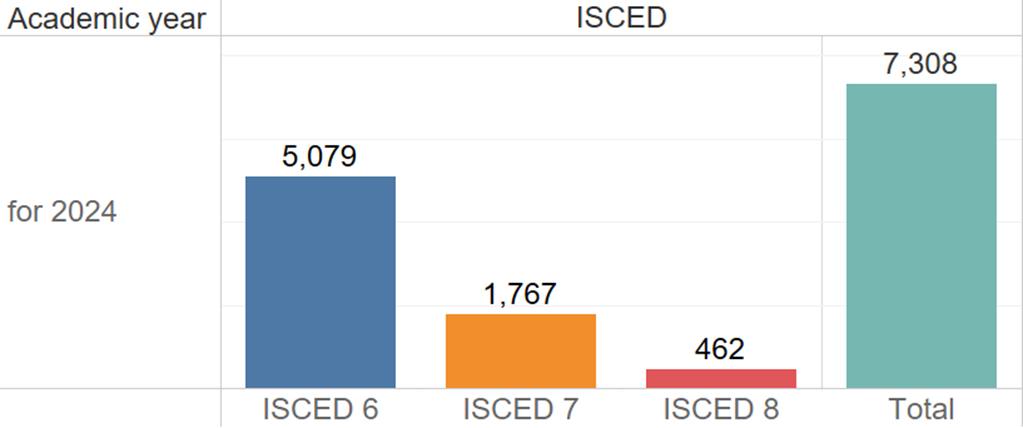
Figure 1. Statistics on the total FTE number of students enrolled in NCUE
Number of students with disability
In 2024, there were 113 students with disabilities enrolled in NCUE, and the proportion of students with disabilities was113/7,308=1.55%. The statistics for students with disabilities in various academic programs are as presented in Table 1.
Table 1. Statistics of the number of students with disabilities at NCUE
|
Educational system |
Extremely severe |
Severe |
Moderate |
Mild |
Other (determined by the Committee Responsible for the Identification and Placement of Gifted and Disabled Students)) |
Total |
|
Doctoral programme |
1 |
0 |
2 |
4 |
0 |
7 |
|
Master's programme |
0 |
0 |
4 |
22 |
1 |
27 |
|
Bachelor's programme |
0 |
9 |
8 |
61 |
1 |
79 |
|
Total |
1 |
9 |
14 |
87 |
2 |
113 |
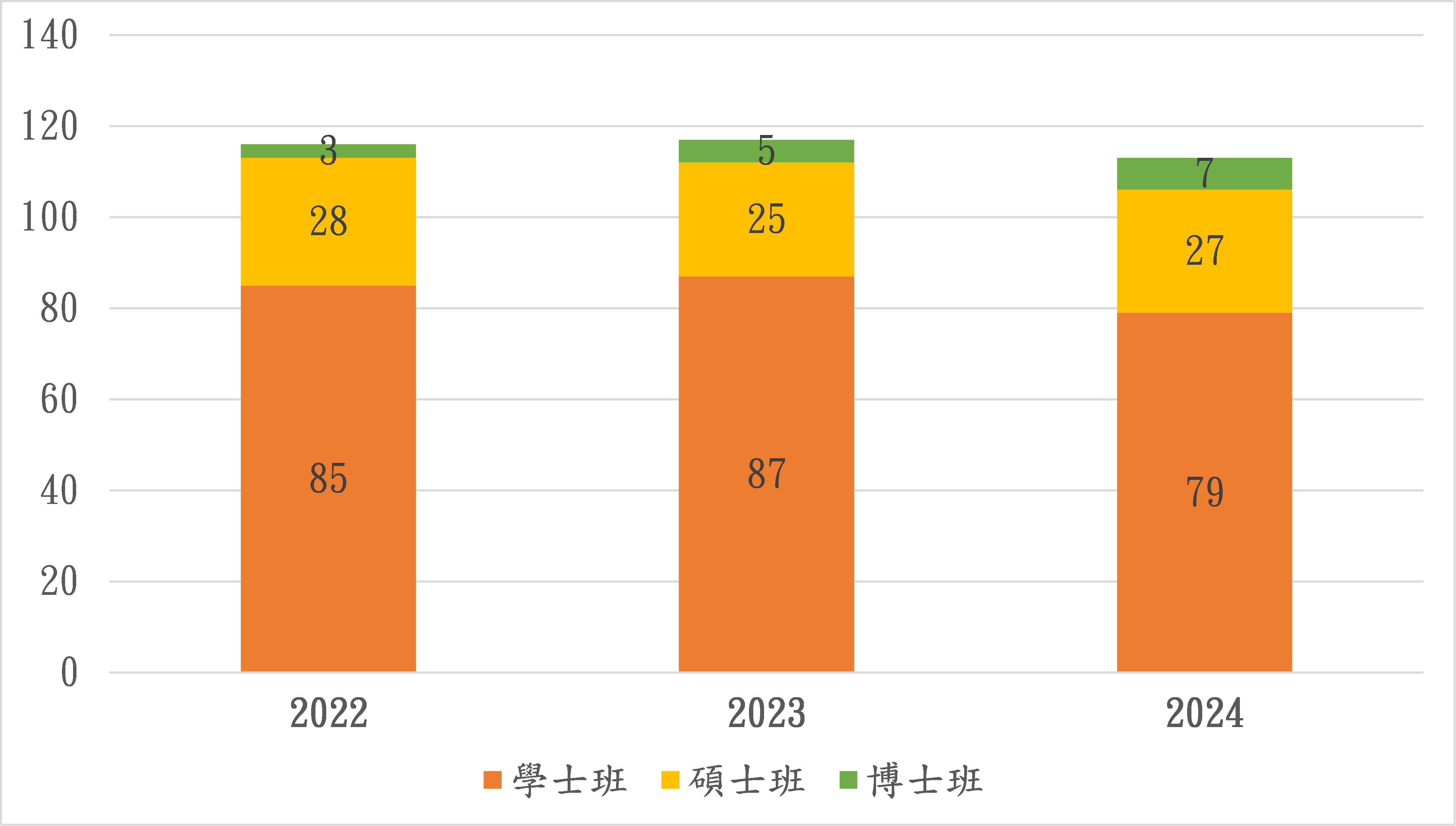
Figure 2: Statistical Chart of Students with Disabilities from 2022 to 2024
NCUE provides students with disabilities with a fair chance of admission by applying to study in NCUE through multiple approaches. After students with disabilities are admitted, they are also provided with comprehensive care on enrollment and studies (including coursework guidance, support in daily life, and transition guidance). By establishing an accessible environment on our campus and ensuring their dormitory accommodation, the individual’s potential can be fully developed. Furthermore, the Ministry of Education has subsidized more than NT$3,600,000 for NCUE to support students with disabilities with verification reports to adapt to university life. The details are as follows:
1. Providing students with disabilities with multiple admission channels
(1) NCUE is one of a few national universities to proactively pave the way for students with disabilities to receive higher education: NCUE proactively paved the way for students with disabilities to receive higher education by joining the National Joint University and College Admission System for Students with Disabilities. We admitted 8 students through the system in 2024. Since 2015, NCUE has been admitting students with disabilities through an independent system, and admitted 8 students through this type of channel in 2024. The system helps students with disabilities to enter a national university and pursue their dreams by majoring in their preferred disciplines.
Table 2. Providing students with disabilities with multiple admission channels
|
Admission Channel |
Admission Quota |
Number of Applicants |
Number of Admissions |
|
2022 Bachelor's Program, Independent Admission Exam for Students with Disabilities |
8 |
48 |
8 |
|
2022 University Admission Screening (Placement) for Students with Disabilities |
17 |
- |
14 |
|
2023 Bachelor's Program Independent Admission Exam for Students with Disabilities |
8 |
43 |
7 |
|
2023 University Admission Screening (Placement) for Students with Disabilities |
21 |
- |
11 |
|
2024 Bachelor's Program Independent Admission Exam for Students with Disabilities |
8 |
43 |
8 |
|
2024 University Admission Screening (Placement) for Students with Disabilities |
17 |
- |
8 |
(2) To encourage departments to provide extra admission quota for disadvantaged students, NCUE’s Measures of Establishing the Recruitment Strategy Committee and the Implementation stipulates that each department can receive an additional operating fund calculated according to the number of extra admission quota (including those designated for overseas students, students with disabilities, and indigenous students) provided, amounting to NTD$5,000 multiplied by the actual number of students enrolled.
2. Number of Students with Disabilities in the Past Three Years:
|
Year/Program |
Bachelor's |
Master's |
Doctoral |
Total |
|
2022 |
85 |
28 |
3 |
116 |
|
2023 |
87 |
25 |
5 |
117 |
|
2024 |
79 |
27 |
7 |
113 |
3. Supporting students with disabilities in their enrollment and studies
(1) The Resource Classroom provides comprehensive enrollment and study services for students with disabilities: Various guidance and services that help students with disabilities adapt to university life are funded by the subsidies provided by the Ministry of Education, for which NCUE applies based on the Work Plan of Recruiting and Guiding University and College Students with Disabilities. The Ministry of Education subsidized NCUE with more than NTD$3,652,822 in 2024 to provide students with disabilities with appropriate services in counselling and assessment, and help them finish their studies successfully, with better adaptation to emotional issues, academic matters, society, and employment. We specifically arrange for these students to receive counseling during their studies, which includes general counseling, life counseling, and academic counseling. The on-site services provided by our university's resource room are shown in Table 3, and the number of students served in different service categories is presented in Table 4. (please refer to: https://ncue7232105.wixsite.com/ncue/blank-4)
Table 3. Statistical Summary of On-site Services Provided by the Resource Room
|
Statistics of various services provided in the Resource Classroom |
Students served (person-times) |
|
Data query |
296 |
|
Use of assistive equipment |
9 |
|
Printing coursework |
589 |
|
Self-study |
793 |
|
Exam service |
80 |
|
Data transfer |
17 |
|
Academic counselling |
245 |
|
Life counselling |
256 |
|
Transition counselling |
10 |
|
General counselling |
14 |
Table 4. Statistics of Resource Room Service Categories
|
Types of services provided by the Resource Classroom |
Number of students served |
|
Schoolwork counselling |
240 |
|
Examination service |
80 |
|
Study companion service |
927 |
|
Borrowing assistive equipment |
38 |
|
Textbook conversion |
29 |
(2) Academic support services: The Resource Classroom provides individual with remedial teaching on difficult courses, exam services (explaining highlighted contents, reviews of specific questions, etc.), learning material conversion, and learning equipment loans, while student helpers and volunteers are on site to assist students with learning (adding/dropping courses, recording, explaining highlighted points, copying notes, etc.), and students can receive help with special education grant applications.
(a) Individual remedial teaching (difficult courses): The Resource Classroom arranges for students with disabilities to be individually taught by tutors on courses that are deemed difficult by them, such as psychological and educational tests, English, and statistics, helping them to catch up on coursework.
(b) Examination services (explaining highlighted contents, reviews of specific questions, etc.): According to the types and degrees of disabilities of different students with disabilities, the Resource Classroom has designed a “Special examination service table” to provide appropriate help according to the needs of course teachers and students.
(c) Learning assistance by student helpers and volunteers (adding/dropping courses, recording, explaining highlighted contents, copying notes, etc.): Student helpers and volunteers are arranged by the Resource Classroom to take shifts to help students add/drop courses, with recording, copying notes, and explaining highlighted contents. Designated student helpers are also arranged to help students with disabilities search for information.
(d) Learning material conversion: Students receive help converting their textbooks into Braille or enlarged fonts, or convert written data to electronic files.
(e) Students can apply to use assistive equipment
(f) Application for special education scholarships and grants (handled by the Office of Student Affairs) and application for external scholarships and grants
(3) Life support services: Regular orientation and mobility training are held to help students with disabilities familiarize themselves with the on-campus environment. Regular extracurricular activities, get-togethers, and teacher–student forums are held to allow students with special needs to get to know, understand, and support each other, while counselling teachers can exchange opinions with students and provide timely assistance. If the students face difficulties due to personal issues, they will be referred to the counseling center for psychological counseling (individual counselling and growth groups). The various learning support services provided by our university for students with disabilities are shown in Table 5, and the details of various activities organized are presented in Table 6.
(a) Orientation and mobility training: The Taiwan Foundation for the Blind is usually invited to conduct orientation and mobility training to help blind students familiarize themselves with the campus environment as quickly as possible.
(b) Extracurricular activities and get-togethers: To allow students with special needs to get to know, understand, and support each other, the Resource Classroom hosts dinner parties, external visits, and experience sharing by alumni on civil service examinations or teacher selection exams for students at the beginning and end of each semester.
(c) Student forums: To promote the learning effectiveness of students in classes and to understand their progress, the Resource Classroom regularly holds forums for counselling teachers and students that allow counselling teachers to exchange opinions with students and provide timely assistance.
(d) Psychological counselling (individual counselling and growth groups): If students with disabilities face difficulties due to personal issues, the Resource Classroom will refer them to NCUE’s Psychological Counselling and Guidance Centre so that they can participate in individual counselling and growth groups.
(e) Arrangement of on-campus accommodation and transportation
(f) Assistance to improve the accessible environment
Table 5. Students (person-times) served by different types of services in 2024
|
Support service category |
Number of participants |
|
Schoolwork assistance service |
2029 |
|
Life assistance service |
256 |
|
Career and schooling system transition service |
130 |
|
Consulting and counselling |
280 |
Table 6. Statistics of supportive activities provided by the Resource Classroom to students with disabilities in 2024
|
Activity Title |
Number of Participants |
|
Student Forum at Baoshan Campus, 2nd Semester of AY 2023 |
15 |
|
Student Forum at Jinde Campus, 2nd Semester of AY 2023 |
2 |
|
Career Test: Discover Your Employability (online test) |
8 |
|
One-on-One Career Orientation Counselling, 2nd Semester of AY 2023 |
8 |
|
Joint Intercollegiate Exchange Activity between NCUE and Feng Chia University |
5 |
|
Entrepreneurship Lecture for Students with Disabilities: Back to the Starting Point – The Startup Journey of Sunnytreeroll |
20 |
|
Special Education Advocacy Activity – Q&A on Special Education Resources |
306 |
|
General Education Lecture, 2nd Semester of AY 2023 – Special Education Advocacy: Guide Dogs, the Angel Eyes of the Visually Impaired |
49 |
|
Alumni Career Sharing Session – Experiences on National Examinations and Employment in State-Owned Enterprises |
19 |
|
Off-campus Visits and Experiential Learning Activities, 2nd Semester of AY 2023 |
23 |
|
End-of-Semester Gathering and Farewell Party, 2nd Semester of AY 2023 |
11 |
|
Student Forum at Jinde Campus, 1st Semester of AY 2024 |
28 |
|
Student Forum at Baoshan Campus, 1st Semester of AY 2024 |
17 |
|
One-on-One Career Orientation Counseling, 1st Semester of AY 2024 |
10 |
|
Alumni Career Sharing Lecture – My Supercar Teacher Dream |
19 |
|
Special Education Advocacy Activity, 1st Semester of AY 2024 – Love in Understanding and Acceptance |
226 |
|
Special Education Advocacy and Resource Classroom Service Introduction (with 2025 Desk Calendar for Homeroom Teachers and Special Education Promotion Committee) |
150 |
|
General Education Lecture, 1st Semester of AY 2024 – The Warm Fragrance of Coffee by a Visually Impaired Barista: Touching Aroma, Savoring Life |
36 |
|
Career Workshop – Recognizing Industrial Trends and Enhancing Workplace Flexibility |
18 |
|
Wellness Workshop – Aromatherapy Solutions for Mind and Body Relaxation |
23 |
|
Job Redesign Workshop – Designing Your Workplace Stage |
— |
|
End-of-Semester Gathering and Transition Meeting, 1st Semester of AY 2024 |
18 |
|
Off-campus Visits and Experiential Learning Activities, 1st Semester of AY 2024 |
13 |
|
Freshman Parents’ Forum, 1st Semester of AY 2024 |
17 |
(4) Support services concerning transition counselling: NCUE provides student transition communication services, as well as graduate transition communication and tracking services.
(a) Student transition communication services
(b) Graduate transition communication and tracking services:
4. A campus environment with accessible facilities for students with disabilities
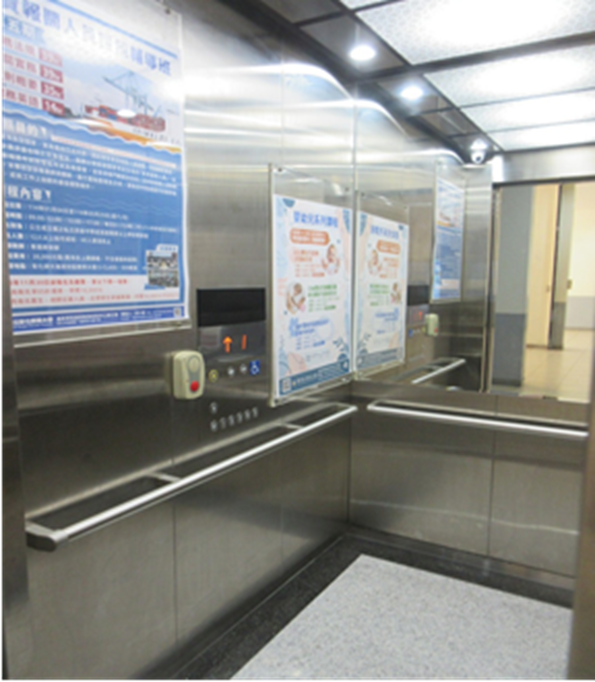
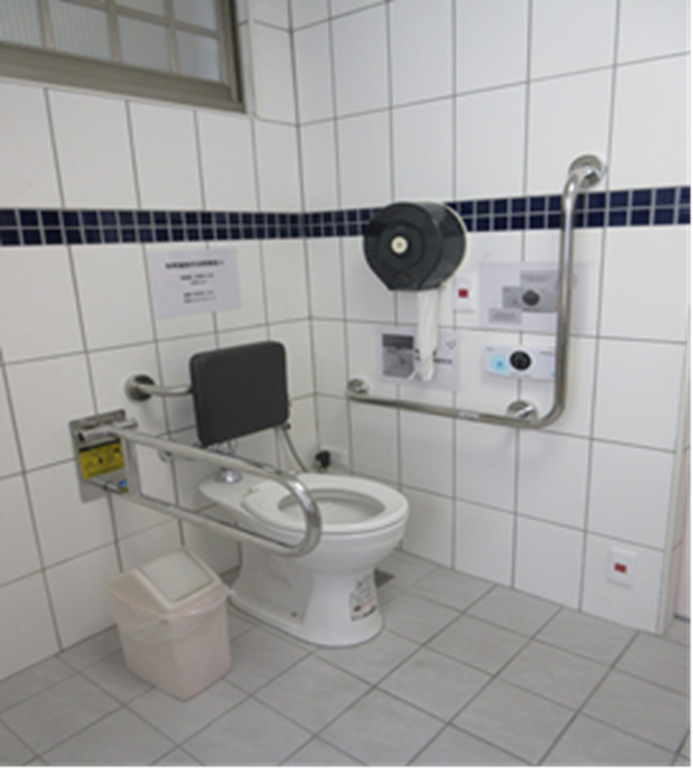
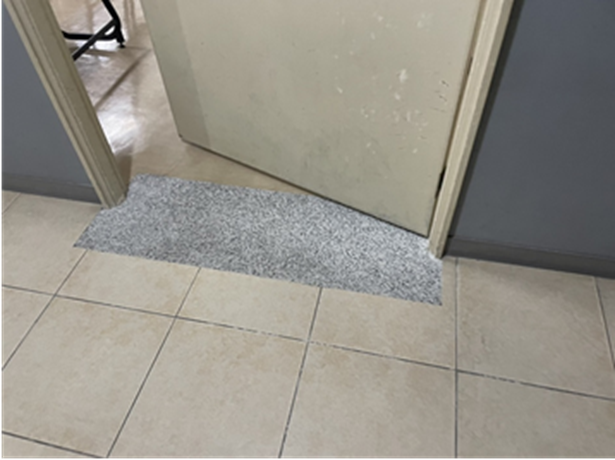
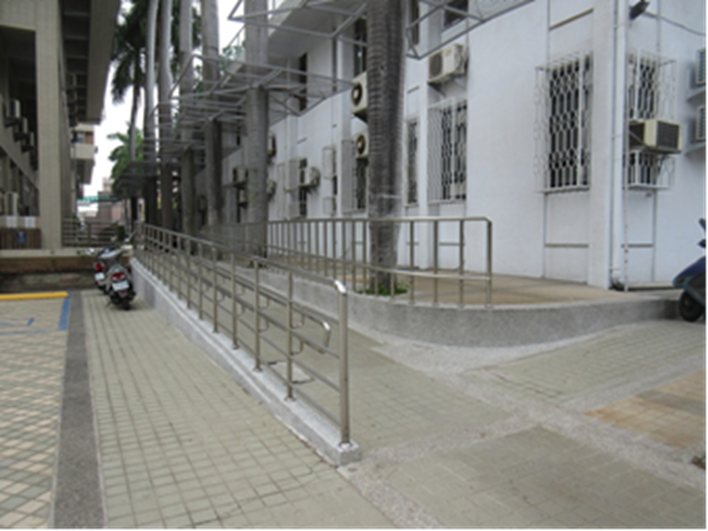
NCUE places great emphasis on creating an accessible campus. All buildings and campus facilities are inspected and improved in accordance with accessibility regulations. Every year, millions of dollars are invested in improving accessibility-related facilities. To date, the cumulative expenditure on accessibility improvements has reached NT$153,292,100, resulting in a highly accessible environment.
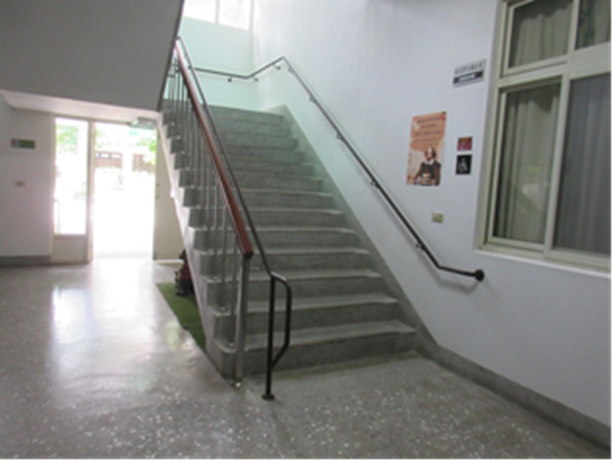
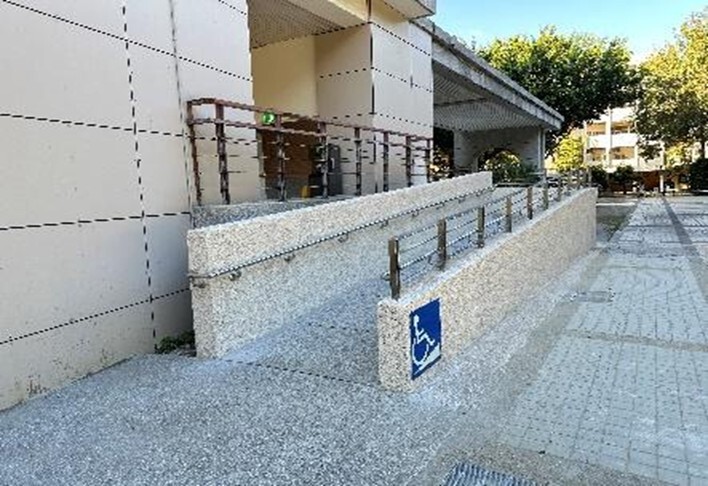
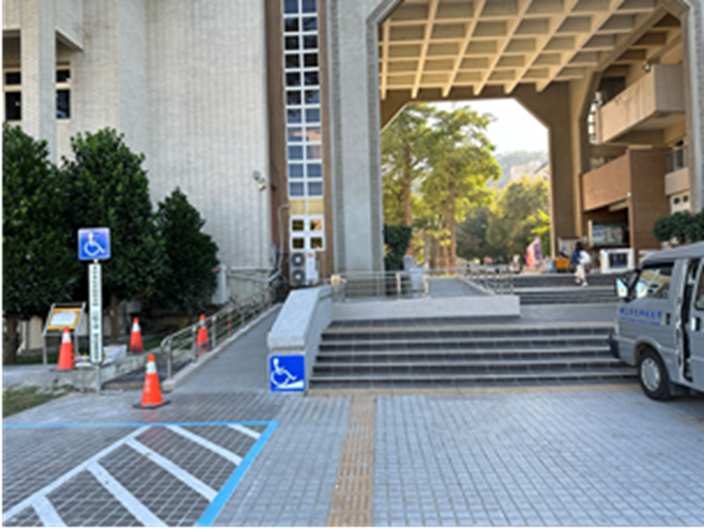
There are 23 main buildings on campus, each equipped with accessible elevators and restrooms, achieving a 100% installation rate, as shown in Table 7. The buildings' accessible ramps, guiding facilities, and stair handrails all comply with accessibility regulations. Examples of these accessible facilities are illustrated in Figures 3-10.
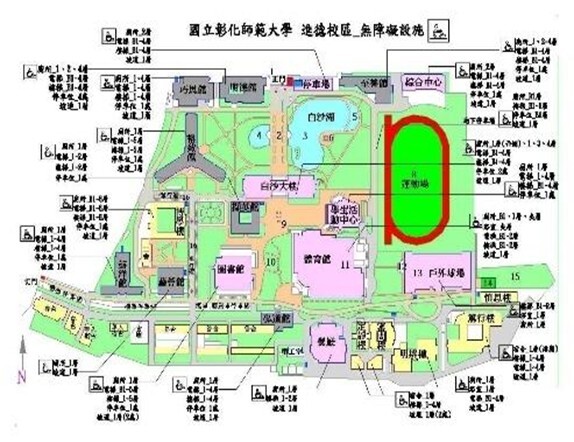
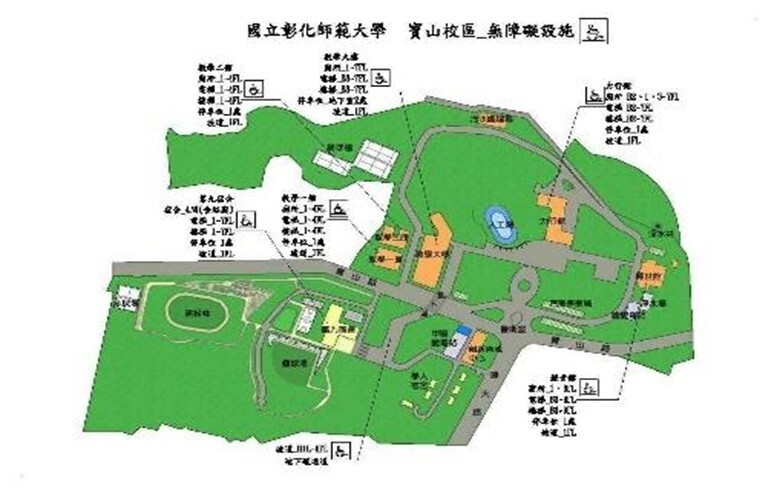
Accessibility maps for both the Jinde and Baoshan campuses are provided in Figures 11 and 12, ensuring a barrier-free campus environment for students with disabilities.
Table 7: Accessible facilities available on campus
|
Accessible Facility |
Quantity |
Installation Rate |
|
Accessible elevator |
23 |
100% |
|
Accessible toilet |
61 |
100% |
|
Renovated accessible ramp |
19 |
100% |
|
Accessible stair handrails |
36 |
100% |
|
Guide facility |
26 |
100% |
|
|
|
|
Figure 3: Accessible stair handrail |
Figure 4: Accessible ramp |
|
|
|
|
Figure 5: Accessible elevator |
Figure 6: Accessible toilet |
|
|
|
|
Figure 7: Accessible ramp |
Figure 8: Accessible ramp with service bell |
|
|
|
|
Figure 9: Handrails for accessible ramp |
Figure 10: Accessible ramp and parking space |
|
|
|
|
Figure 11: Map of the accessible facilities on NCUE’s Jinde campus |
Figure 12: Map of the accessible facilities on NCUE’s Baoshan campus |

5. Maintaining Lighting Equipment to Create a Safe Campus
NCUE is gradually replacing T5 fluorescent lights with LED lights across all campus buildings, with a target of at least 500 fixtures replaced annually. For both new constructions and renovations of older buildings, LED energy-efficient lighting fixtures are being installed. In public areas of the campus, lighting fixtures are being converted to motion-sensor types or equipped with timers. This approach not only enhances energy efficiency but also improves the safety of public spaces within the campus.
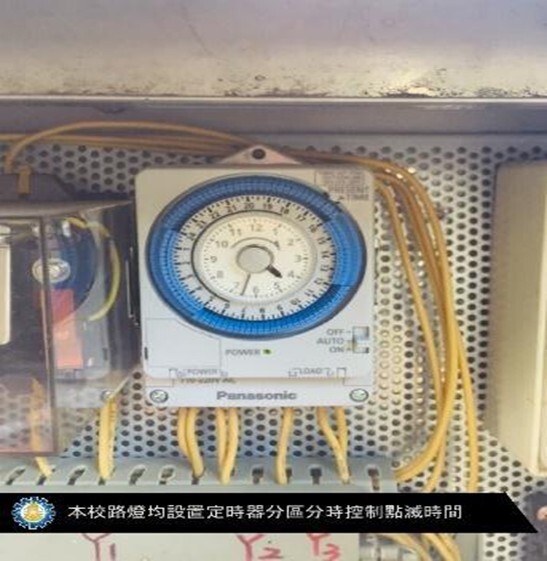
Figure 13: All street lights on campus are equipped with timers for zoned and time-controlled activation
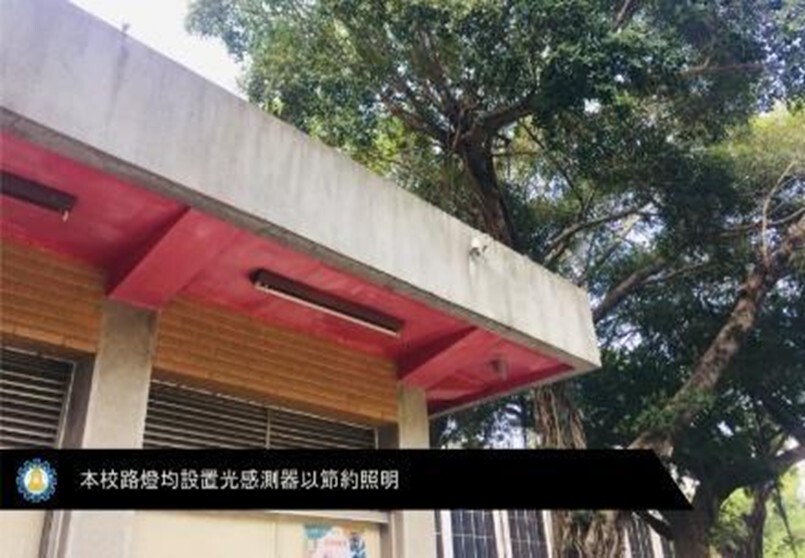
Figure 14: All street lights on campus are equipped with timers for zoned and time-controlled activation
6. Priority accommodation for students with disabilities
NCUE has seven dormitory buildings. The distribution of rooms in each building and the number of rooms provided for students with disabilities are shown in Table 8. The dormitories can accommodate up to 3,300 students in total.
Priority for dormitory accommodation is given annually to first-year students, students with disabilities, overseas Chinese students, government-sponsored students, students from offshore islands, outstanding athletes, indigenous students from disadvantaged backgrounds, and students from low to middle-income families. Students from low-income families are provided with free accommodation. The remaining beds are allocated to other students through a lottery system. The overall accommodation rate reaches 95%.
Students with disabilities enjoy tuition fee concessions and guaranteed accommodation. Based on their physical and mental conditions, they are assigned to accessible rooms. The living space and bathroom facilities in these rooms are shown in Figures 15-16.
Table 8: Statistics on accommodation for students with disabilities in 2024
|
Dormitory |
Number of rooms |
Number of rooms allocated to students with disabilities |
|
3rd dormitory |
77 |
3 |
|
5th dormitory |
90 |
4 |
|
6th dormitory |
63 |
1 |
|
7th dormitory |
140 |
3 |
|
8th dormitory |
179 |
6 |
|
9th dormitory |
151 |
6 |
|
10th dormitory |
187 |
8 |
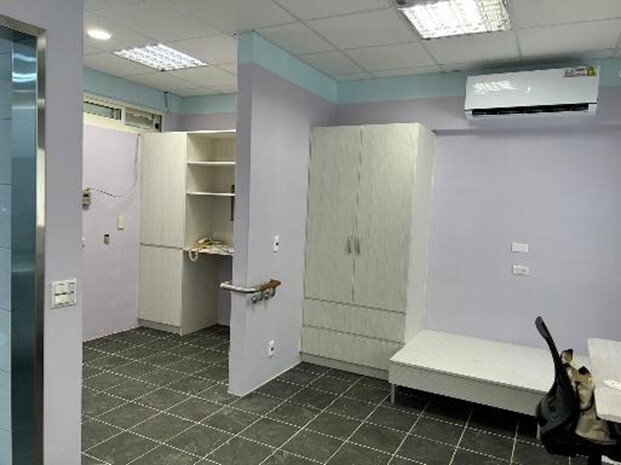
Figure 15: Accessible facilities in dormitories
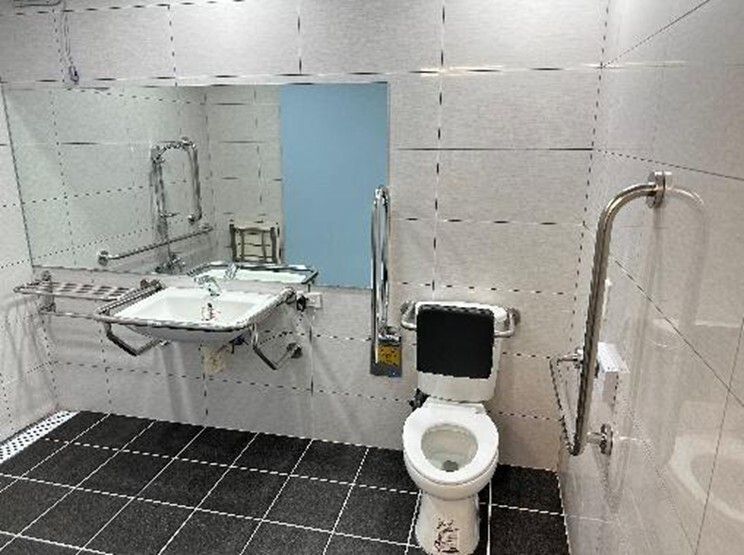
Figure 16: Accessible facilities in dormitory toilets
7. Operating funds for counseling for students with disabilities
According to the Fundamentals for Subsidizing Universities and Colleges on Recruiting and Counselling Students with Disabilities issued by the Ministry of Education (https://edu.law.moe.gov.tw/LawContent.aspx?id=FL026216), NCUE applies for an annual subsidy from the Ministry of Education provided by the Work Plan of Recruiting and Guiding University and College Students with Disabilities, so as to provide various forms of counseling and services to students with disabilities. In 2024, the Ministry of Education subsidized more than NTD$ 3,652,822 to help students with disabilities with verification reports adapt to university life, expand their networks, and increase their ability to study various courses, so that they can finish their studies successfully. The funds are also used to provide support services that enhance their adaptation to emotional issues, academic matters, society, and employment.