
|
|
|
|
|
|
|
|
|
|
|
|
|
|
|
|
|
SDG 10.3.1 Proportion of international students from developing countries
Number of students
Figure 1 shows the number of FTE students at NCUE. The total number of FTE students in 2024 was 7,308, including 5,079 Bachelor’s students, 1,767 Master’s students, and 462 Doctoral students.
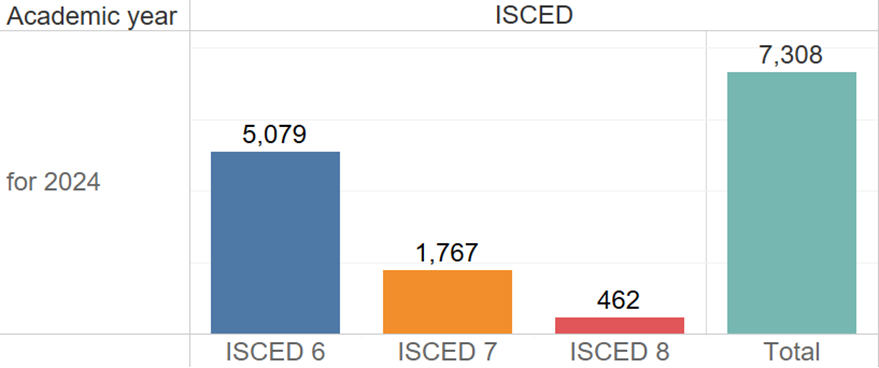
Figure 1. Total number of FTE students at NCUE
Number of international students from developing countries
1. Number of international students from developing countries
In 2024, there were a total of 451 students from developing countries at NCUE (including those from Hong Kong and Macau), accounting for 6.17% of the total student population. The distribution of students among different academic programs is as shown in Table 1, with a higher proportion in the master’s degree programs. Table 2 provides an analysis of the countries of international students at NCUE, with students coming from countries such as Malaysia, Vietnam, India, etc.
Table1. Percentage of Grade I international students from developing countries/regions at NCUE in 2024
|
Program |
Students from developing countries |
Number of students |
Percentage |
|
Bachelor’s program |
321(including 64 TEEP students, 20 exchange students from China, and 1 exchange student from Indonesia) |
5,079 |
6.32% |
|
Master’s program |
112(including 23 TEEP students, 7 exchange students from China, and 3 exchange students from Indonesia) |
1,767 |
6.34% |
|
Doctoral program |
18(including 7 TEEP students) |
462 |
4.00 % |
|
Total |
451(including 94 TEEP students, 27 exchange students from China, and 4 exchange students from Indonesia) |
7,308 |
6.17% |
※Note: TEEP is an abbreviation of Taiwan Experience Education Program.
Table2. Statistics on the number of Grade I international students from developing countries/regions in NCUE in 2024(TEEP included):
|
Country |
Year 2024 |
|
Malaysia |
135 |
|
China (including Hong Kong and Macao) |
105 (including 78 students from Hong Kong and Macao, and 27 exchange students from China) |
|
Vietnam |
29 (including 5 TEEP students) |
|
India |
67 (including 58 TEEP students) |
|
Indonesia |
83 (including 18 TEEP students, and 4 exchange students) |
|
Mongolia |
3 |
|
South Africa |
2 |
|
Philippines |
0 |
|
Pakistan |
23 (including 12 TEEP students) |
|
Iran |
0 |
|
Eswatini |
1 |
|
Türkiye |
1 |
|
Kazakhstan |
1 |
|
Thailand |
1 (including 1 TEEP student) |
|
Total |
451 (including 78 students from Hong Kong and Macao, 94 TEEP students, and 31 exchange students) |
Record date set by Ministry of Education: Oct. 15, 2024
2. Providing More Admission and Employment Opportunities in Taiwan for Students from Developing Countries
(1) Establishment of the International Foundation Program: This is a 1+4 system where only Chinese language courses are offered in the first year. If students meet the A2 (Level 1) basic level standard in listening and reading tests of the Test of Chinese as a Foreign Language (TOCFL) during or after the Chinese language preparatory period, they can continue to pursue undergraduate studies in the Department of Electronic Engineering. In the 2024 academic year, the International Foundation Program had a total of 35 students from Indonesia, Vietnam, Mongolia, and the Philippines. During the Chinese language preparatory period, tuition and miscellaneous fees are completely waived, with students only responsible for dormitory costs. When continuing to study in the Department of Electronic Engineering, first-year students are exempted from both tuition, miscellaneous fees, and accommodation costs. This program is currently planning to expand the connected professional departments. In addition to the original Department of Electronic Engineering, it will add bachelor's programs in Electrical Engineering, Mechatronics Engineering, Electrical and Mechanical Technology, Business Administration, and Computer Science and Information Engineering, providing more admission opportunities for students from developing countries.
(2) Implementation of the International Industrial Talents Education Special Program: This program is expected to begin enrollment in the fall of 2025, with students entering the International Master Program in Engineering at the College of Engineering. The program primarily targets university graduates from countries such as Malaysia, Indonesia, Thailand, India, Vietnam, and the Philippines. Its development goals are to deepen industry-academia collaboration and cultivate high-quality artificial intelligence application talents. After graduation, students will remain in Taiwan for employment or be employed by Taiwanese enterprises' overseas locations. Therefore, our partner enterprises will participate in curriculum design and provide paid internship opportunities and monthly living allowances. Upon graduation, students will be given priority employment by partner enterprises. If the aforementioned employment opportunities do not materialize, NCUE will provide job placement assistance. This program is taught entirely in English. However, after enrollment, the Language Center will provide free Chinese language credit courses and non-credit Chinese courses for students to enhance their Chinese language proficiency. Students are also encouraged to pass the A2 (Level 2) basic level in listening and reading of the Test of Chinese as a Foreign Language (TOCFL) in their second year of enrollment to strengthen their employment prospects in Taiwan.
(3) Active Recruitment from South Asian/Southeast Asian Countries: Strengthening recruitment from South Asian/Southeast Asian countries: Through the TEEP (Taiwan Experience Education Program) scholarship program, NCUE provides internship opportunities for students from these regions and encourages them to apply for admission after completing their internships. In 2024, Indian interns numbered 58, representing the largest group, with some becoming international students in the College of Engineering after completing their internships. Additionally, in 2024, NCUE participated in Taiwan Higher Education Fairs held in Indonesia, Malaysia, and Vietnam. We also made three visits to high schools in Indonesia or Thailand, conducting promotional activities in approximately 10 high schools, attracting local students to apply for admission through preferential measures such as tuition/accommodation fee reductions and our excellent teaching quality.
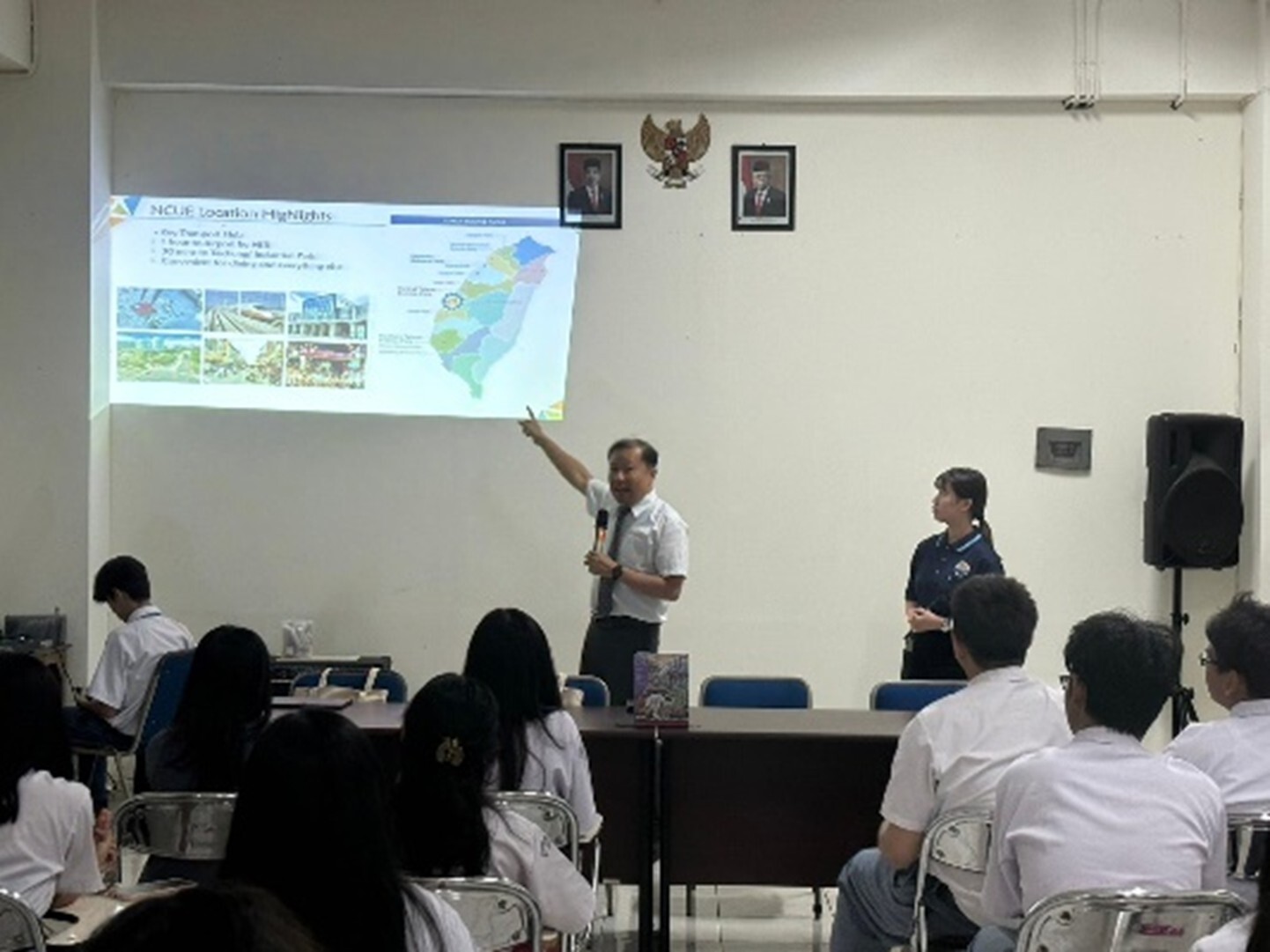
Figure 2. In 2024, the Dean of International Affairs and staff from the Office of International Affairs visited local high schools in Indonesia to conduct in-class promotional activities
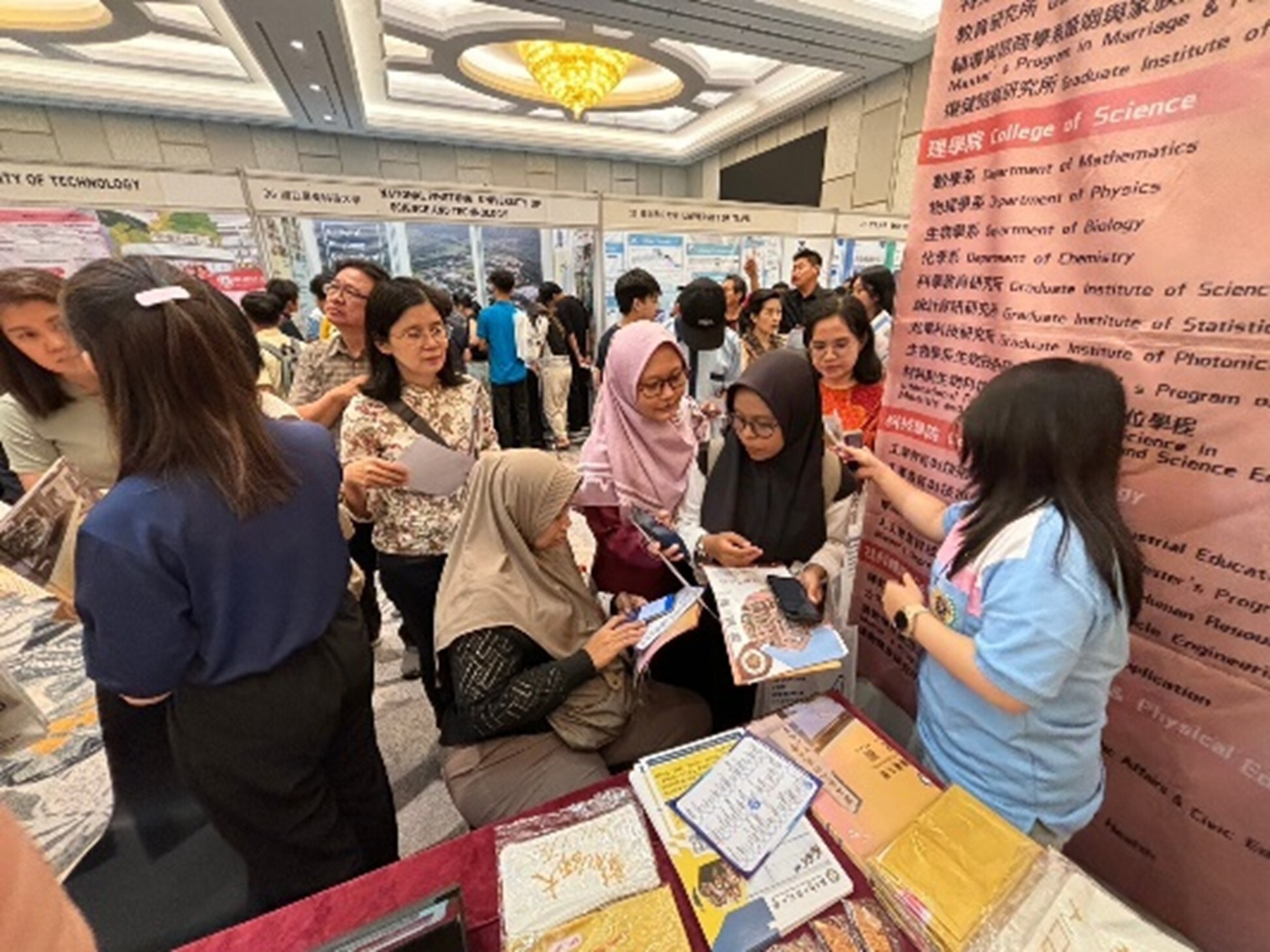
Figure 3. In 2024, the Dean of International Affairs and staff from the Office of International Affairs traveled to Indonesia to participate in the education fair and conduct recruitment activities.
2. Assistance measures offered by NCUE for students from developing countries
(1) Table 3 presents the items of economic assistance NCUE offered to students from developing countries in 2024. NCUE provides financial support to students from developing countries in various ways, such as government, school, and non-governmental scholarships, epidemic prevention subsidies, and opportunities to participate in research projects and work-study in schools, as well as reduction of tuition, miscellaneous fees, and accommodation fee, so that students can be reassured to study in Taiwan. On the other hand, in response to the global COVID-19 pandemic, NCUE has organized or participated in various forms of events, both in-person and online, to maintain and enhance exchanges with our sister universities in developing countries.
(2) Promoting the Dual-Advisor System for All Classes: In addition to the existing academic advisors for each grade/class in departments, an international advisor is added to each department to provide timely consultation and guidance for international students in academic, living, and psychological aspects. Furthermore, the Office of International Affairs trains student buddies from various departments to assist international students in solving daily life and academic problems, helping them adapt to life in Taiwan more quickly.
(3) Promoting the Professionalization Program for Career Counseling of International Students in Taiwan: The Office of International Affairs has been coordinating this program since the 2024 academic year, appointing two bilingual dedicated career counselors and integrating resources from the Office of Student Affairs to implement: 1. One-on-one career consultation services for staying in Taiwan; 2. Corporate visits for international students; 3. Corporate campus recruitment activities and briefings; 4. Establishing industry-academia cooperation mechanisms with enterprises and providing employment guidance, tracking, and care services for participating students; 5. Organizing career lectures, resume reviews, mock interviews, and employment regulation workshops. To date, over 100 international students have participated in career consultation, and we have organized 7 career lectures, 4 resume review sessions, 4 mock interviews, 3 corporate visits, and 1 international student job fair. (Job Fair News: https://www.ncue.edu.tw/p/406-1000-30684,r93.php?Lang=zh-tw )
(4) Industry Collaboration and Internship Programs: Our university is currently planning to collaborate with enterprises such as Siliconware Precision Industries Co., Ltd. to design internship courses and negotiate interdisciplinary corporate training programs, helping international students gain early exposure to real workplace environments, accumulate practical experience, and enhance their employment competitiveness. According to current tracking data, 14% of international graduates have successfully remained in Taiwan for further studies or employment, with the majority coming from developing countries in Southeast Asia and South Asia, demonstrating positive results.
Table 3. Use of NCUE Funds for Financial Aid Projects Supporting Students from Developing Countries in 2024 (TEEP Included)
|
Item |
Services |
Number of students served and the amount |
|
Tuition and miscellaneous fee reduction for overseas Chinese students |
Those who received the aid could have their tuition and miscellaneous fees reduced by 1/3 in the fall and spring semesters. |
53 students, NTD$ 392,402 |
|
Key Points of NCUE’s Implementation of Rewards for Foreign Students |
Those who received the rewards could be exempted from tuition, miscellaneous, and accommodation fees for one academic year. |
99 students, NTD$ 5,056,667 |
|
Installment arrangements for tuition and miscellaneous fees |
Economically-disadvantaged overseas Chinese students and foreign students with proof could pay their tuition and miscellaneous fee in up to three installments. |
17 students, NTD$ 604,556 |
|
Scholarships for outstanding students (Office of Student Affairs) |
Including the Scholarship for Distinct Academic Performance, Scholarship for Outstanding Talent, and Scholarship for Service and Dedication |
9 students, NTD$ 52,000 |
|
Work-study student subsidies |
The served students include students with disabilities, indigenous students, students eligible for the aid plan for disadvantaged students in colleges and universities (students from low-income households as well as low-to medium-income households, families in hardship, and children of persons with disabilities), students whose families were facing financial difficulties due to unexpected events, as well as economically-disadvantaged overseas Chinese students and foreign students. |
29 students receive work-study student subsidies totaling NTD$ 1,435,040 |
|
Graduate scholarships |
Awarded to those with outstanding performance in academic research. |
Scholarships: NT$250,096 for 46 students; Work-study funds: NT$194,368 for 11 students; Total: NT$444,464 |
|
Taiwan Experience Education Program (The TEEP program) |
The scholarship, including accommodation, airfare, living expenses, insurance, etc., was granted for up to 6 months. |
60 students, NTD$ 5,697,300 |
|
Professionalization Program for Career Counseling for International Students Staying in Taiwan after Graduation |
The Program enhances employability for students from developing countries through language courses, career counseling, and internships, supporting their development in Taiwan. |
A program budget of NT$3,000,000. |
For the details of other forms of aid provided by agencies of the central government and civil organizations, please refer to Appendix 10.3.1A(PDF), Financial Assistance for Students from Developing Countries.
3. Exchange activities between NCUE and institutions in developing countries
In recent years, NCUE has been responding to the government's New Southbound Policy initiative, aiming to enhance relationships with countries in the ASEAN region, South Asia, and other nations. This involves deepening bilateral academic and talent exchanges, fostering mutual resource complementarity and sharing, and working collaboratively to promote regional prosperity and stability. NCUE continued to actively seek cooperation with New Southbound countries through both online and in-person approaches. This collaboration included activities such as enrollment initiatives, student exchanges, joint research endeavors, and summer camps. At the same time, NCUE organized various events on campus to promote cultural exchanges between the two sides, ensuring that disadvantaged international students receive care and support from the university. Examples are listed as shown below.
(1) Academic and learning exchange activities:
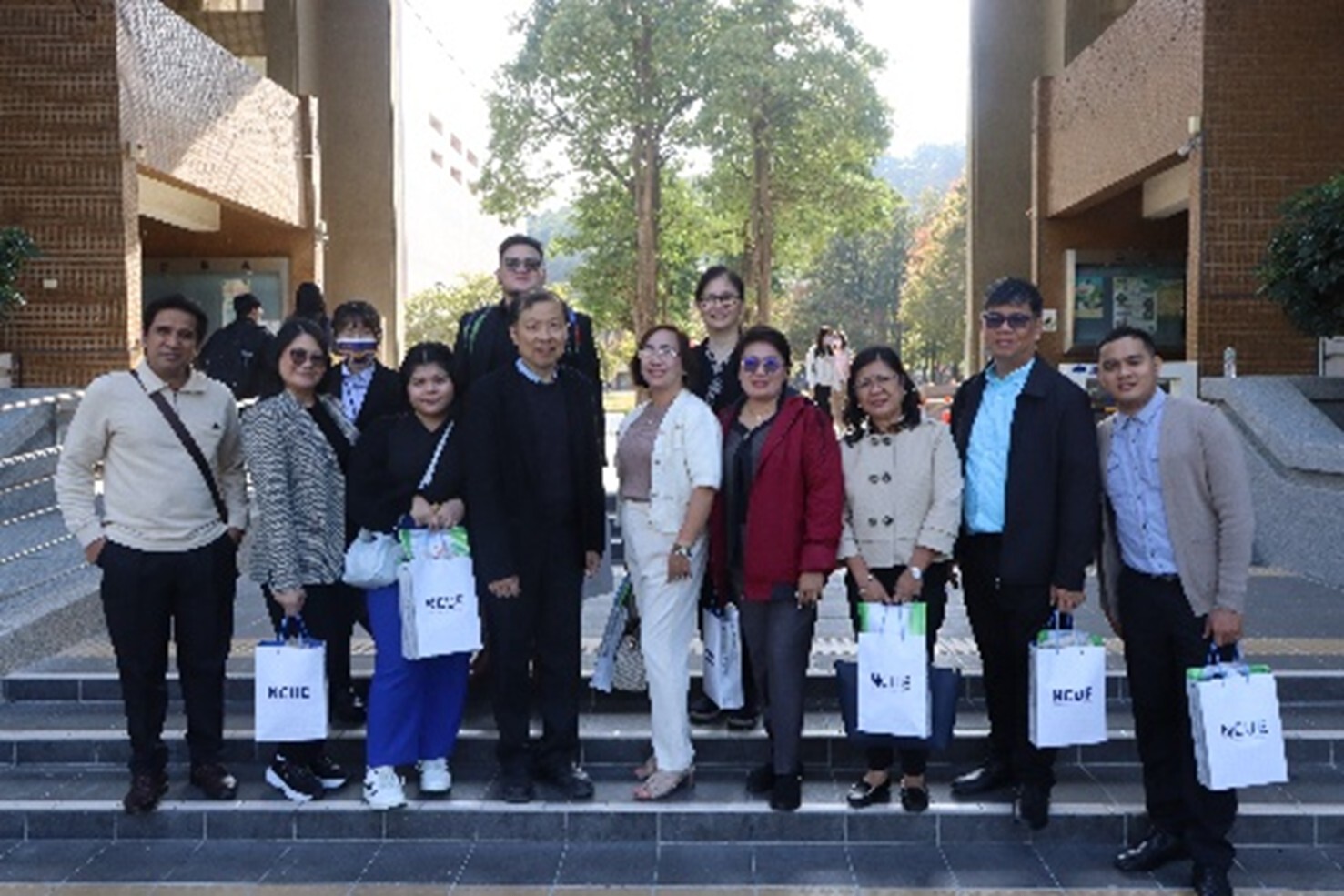
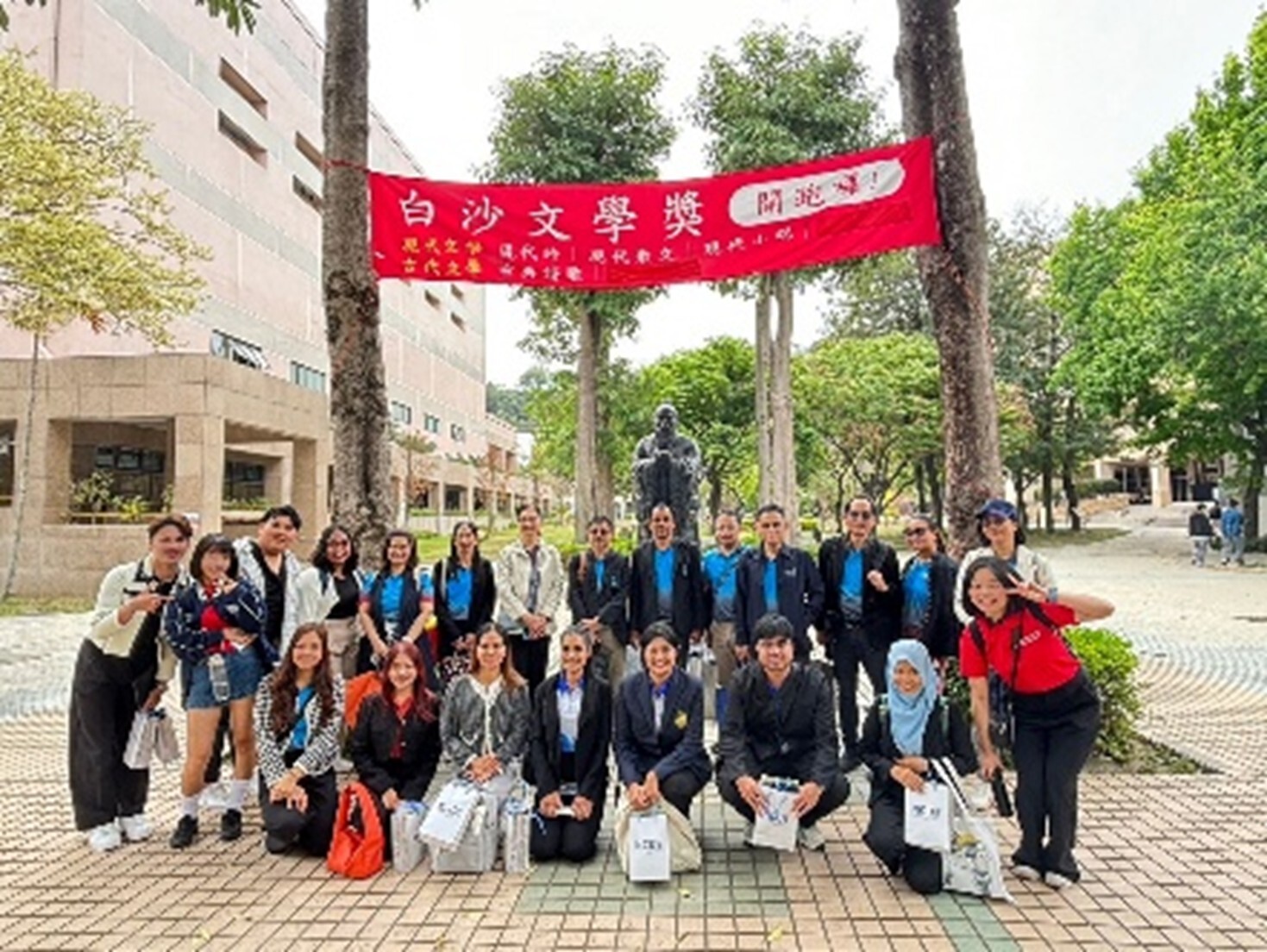
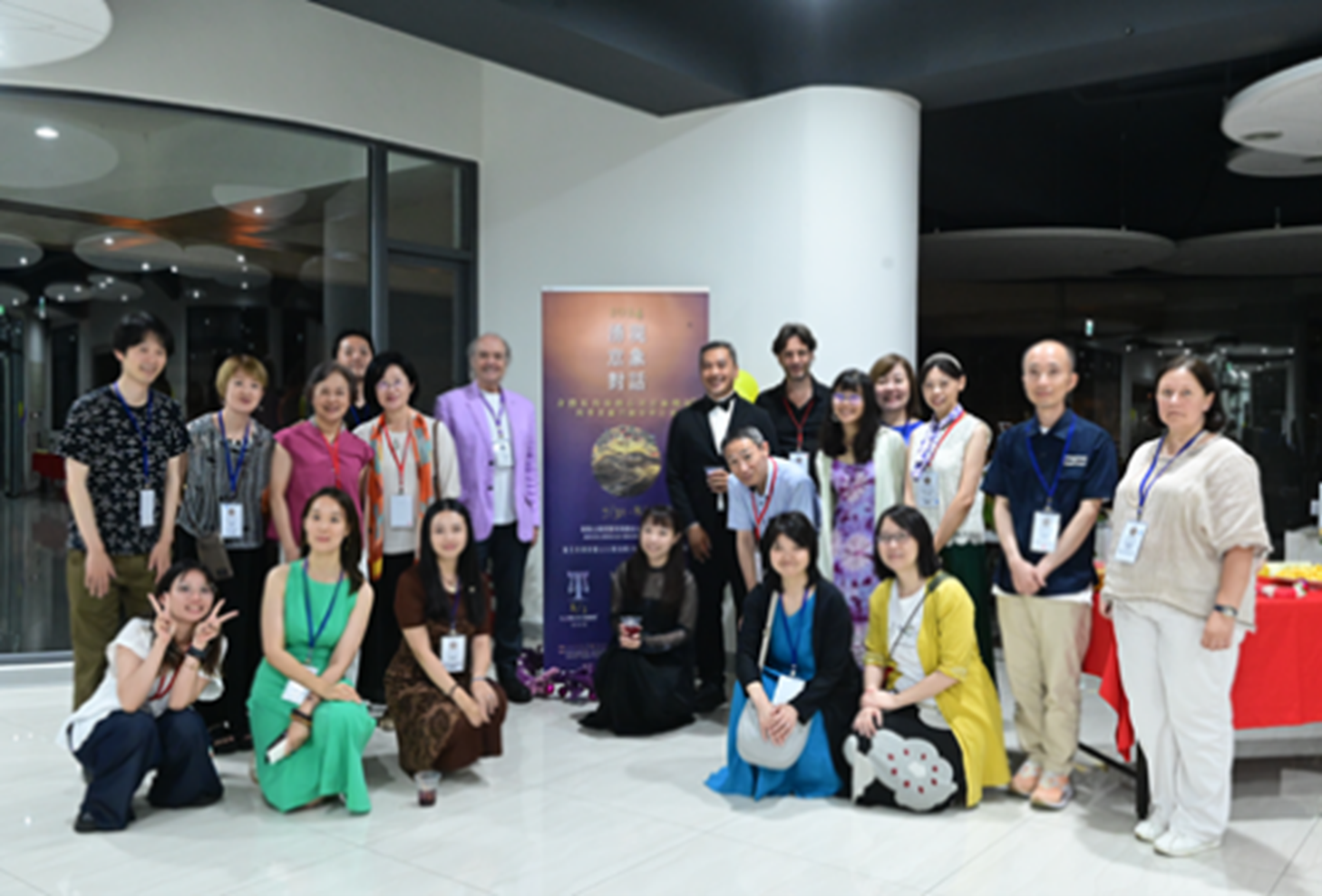
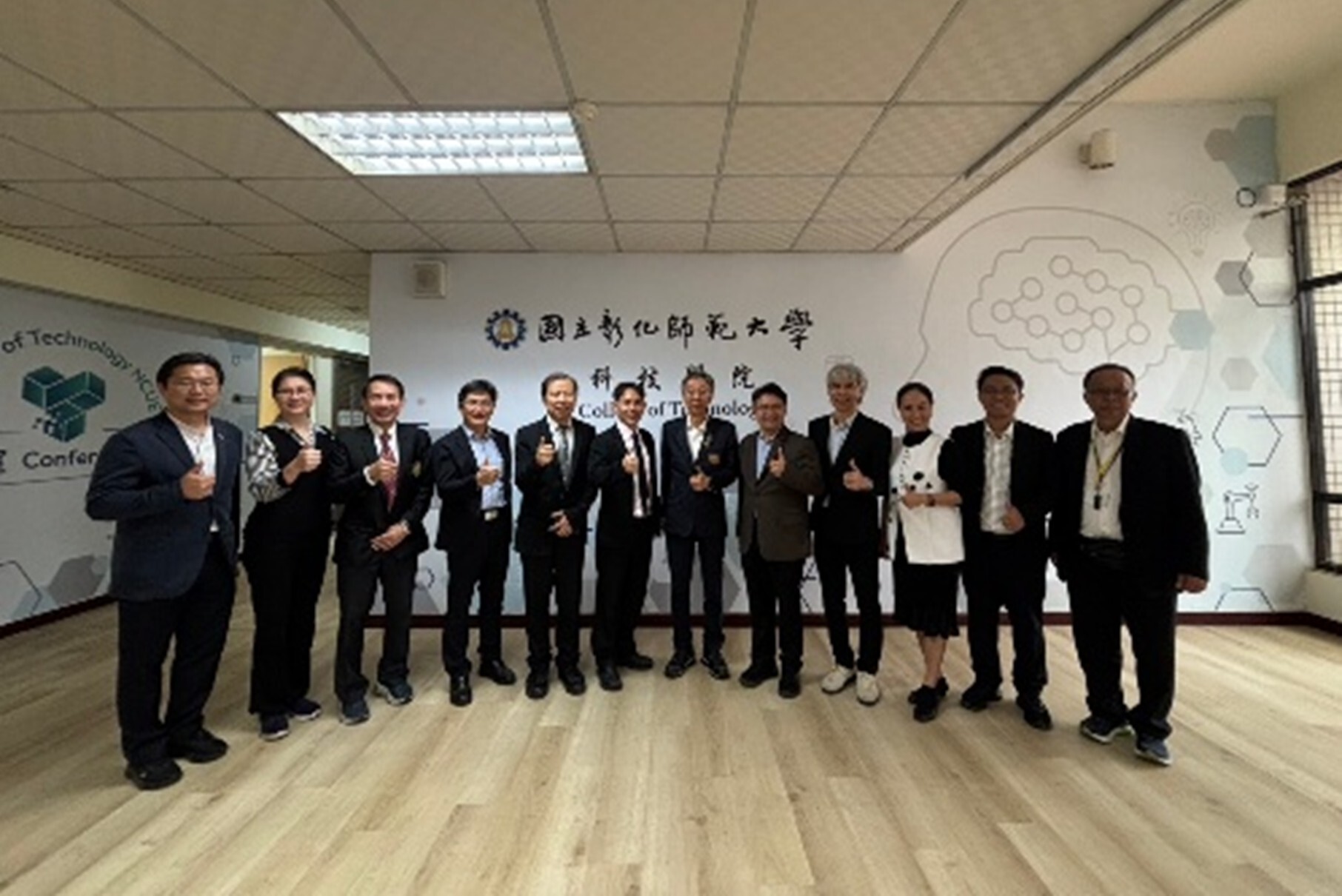
NCUE has more than 240 partner universities around the world, among which 34 are located in underdeveloped and developing countries. NCUE communicated with its overseas partners online and offline through different plans such as teacher training, internships, program establishment, lectures, and academic conferences. Those events enhanced the international participation of teachers and students, and supported our partners with NCUE’s expertise and experiences in academic research and teaching. We conducted such activities with partner universities in countries such as India, Indonesia, Thailand, the Philippines, and Malaysia. The academic and learning exchange activities between NCUE and collaborating schools in developing countries are listed in Table 4, and snippets of these activities are shown in Figures 4-7.
Table 4. List of academic and learning exchange activities between NCUE and collaborating schools in developing countries in 2024
|
Date |
Subjects |
Number of Participants |
|
2024/01/08 |
Academic exchange and cooperation with Rizal System University, Philippines |
9 |
|
2024/01/21–28 |
Visit by NCUE Office of International Affairs to two universities and two high schools in Thailand, and two high schools and one university in Indonesia |
2 |
|
2024/02/18–28 |
Visit by teachers from Tsun Jin High School, Malaysia for exchange |
1 |
|
2024/03/26–27 |
Academic exchange and study program with faculty and students from Thaksin University, Thailand |
21 |
|
2024/04/29–05/03 |
Academic exchange and study program with faculty and students from Thaksin University, Thailand |
13 |
|
2024/05/06 |
Academic exchange with Universitas Komputer Indonesia (UNIKOM) and International Women University (IWU) |
6 |
|
2024/05/18 |
Cultural visit in Nantou organized for international students at NCUE |
90 |
|
2024/06/22 |
Department of Special Education hosted the “2024 International Conference on Special Education and Thesis Presentation—Inclusion and Practice of General and Special Education” |
Approximate 50 |
|
2024/06/23–30 |
Southwest University “Bayu Cultural Journey” Summer Camp (overseas program) |
3 |
|
2024/06/29–07/07 |
Northeast Normal University 2024 Cross-Strait University Students Summer Camp |
5 |
|
2024/07/01–31 |
NCUE faculty and students’ exchange and practicum program at Chinese Independent High Schools in Malaysia |
6 |
|
2024/07/03 |
Academic exchange with faculty from Kasetsart University, Thailand |
3 |
|
2024/07/08 |
Academic exchange and cooperation with faculty from Indian Institute of Technology Gandhinagar (IITGN) |
3 |
|
2024/07/10–21 |
“Sunshine Teaching and Confucius Footprints” volunteer teaching program at Central China Normal University |
3 |
|
2024/08/01–04 |
Department of Guidance and Counseling hosted the “Emergence · Imagery · Dialogue: International Conference on Multidisciplinary Professions and Imagery Expression” |
Approximate 130 |
|
2024/08/12–21 |
Visit by NCUE Office of International Affairs to 12 high schools and universities in Indonesia |
2 |
|
2024/9/16 |
Academic exchange with faculty from Universitas Negeri Semarang (UNNES), Indonesia |
3 |
|
2024/10/14–30 |
Faculty and students from Northwest Normal University participated in a study camp at NCUE |
18 |
|
2024/11/15 |
Academic exchange with faculty from King Mongkut’s University of Technology Thonburi (KUMTT), Thailand |
8 |
|
2024/11/16 |
Cultural visit in Southern Changhua organized for international students at NCUE |
85 |
|
2024/11/19 |
Academic exchange and cooperation with faculty from Indian Institute of Technology Gandhinagar (IITGN) |
3 |
|
2024/11/23–27 |
Graduate Institute of History hosted the “7th Baisha International Symposium on Historical Geography”—Presentation of the “Land Deed Spatial-Temporal Retrieval System” |
Approximate 50 |
|
2024/11/26–29 |
Faculty from Kasetsart University, Thailand participated in the “College of Science × Kasetsart University Joint Academic Symposium” |
50 |
|
2024/12/04–08 |
Academic exchange by faculty from the Department of Chinese Literature visiting universities in Malaysia |
3 |
|
|
|
|
Figure 4. Academic exchange and cooperation with Rizal System University, Philippines (2024/01/08) |
Figure 5. Academic exchange and study program with faculty and students from Thaksin University, Thailand (2024/03/26-27) |
|
|
|
|
Figure 6. " Emergence · Imagery · Dialogue: International Conference on Multidisciplinary Professions and Imagery Expression " organized by Department of Guidance and Counseling (2024/08/01-04) |
Figure 7. Academic exchange with faculty from King Mongkut's University of Technology Thonburi (KMUTT), Thailand (2024/11/15) |
(2) A series of multicultural activities:
NCUE regularly organizes a series of multicultural activities for students every year, as shown in Table 5. These include the Lecture Series on Global Education and cultural experience workshops, inviting foreign institutions in Taiwan, professionals, or foreigners to the campus to share their ideas on different cultural themes or to conducts practical activities to enable students to gain a better understanding of multiculturalism. NCUE associated with the organization of overseas Chinese and foreign students to hold series of cultural lectures, workshops, exhibitions, stage shows, and school fairs, such as International Week, OCSA Week, and spring festival celebration events (as shown in Figure 8), which facilitate the cultural exchanges between foreign and local students. The Cultural Experience Tours are conducted multiple times a year to show overseas students Taiwan’s cultural attractions and lead them to delve more deeply into the communities to learn about their customs, as shown in Figure 9. In the activities of the “Chinese Culture International Summer Camp,” NCUE invited overseas students to participate in a series of courses involving the Chinese language, local culture, and crafts, and leading them to visit neighboring towns to gain first-hand experience about Taiwanese culture.
Table 5. List of multicultural exchange activities held on campus at NCUE in 2024
|
Date |
Topic |
Number of participants (Approx.) |
|
2024/01/16 |
Winter Vacation Orientation & Let’s Celebrate the Year of Dragon! |
80 |
|
2024/03/01 |
Spring Festival Event - Lunar New Near Gathering |
100 |
|
2024/03/04-05 |
Aichi University of Education -Academic Exchange Meeting |
43 |
|
2024/03/27-29 |
OCSA and Taiwanese Student Cultural Exchange Week: Activities and theatrical performance "Mirror " |
300 |
|
2024/04/29-05/03 |
Thaksin University Mandarin Language Camp |
23 |
|
2024/05/18 |
Cultural trip to Nantou |
90 |
|
2024/06/08 |
OCSA Graduation Gala Theatrical Performance & “Farewell to Seniors” Event |
280 |
|
2024/06/12 |
Exchange student experience-sharing session |
35 |
|
2024/06/25 |
OCSA Graduation Farewell party |
80 |
|
2024/09/20 |
Mid-autumn Party and Orientation Banquet for International Students |
150 |
|
2024/09/21-22 |
Freshmen Orientation |
150 |
|
2024/10/16 |
Temple University – Program Information Session |
50 |
|
2024/10/26 |
Campus Fair - food and cultural booths by international students |
30 |
|
2024/10/27-11/02 |
OCSA Sports day |
70 |
|
2024/11/13 |
Temple University – Dual Degree Information Session |
55 |
|
2024/11/16 |
Cultural Trip to Southern Changhua |
82 |
|
2024/12/15 |
International student educational visit |
130 |
|
2024/12/17-19 |
Exchange student experience-sharing session |
130 |
|
2024/12/20 |
Christmas banquet |
100 |
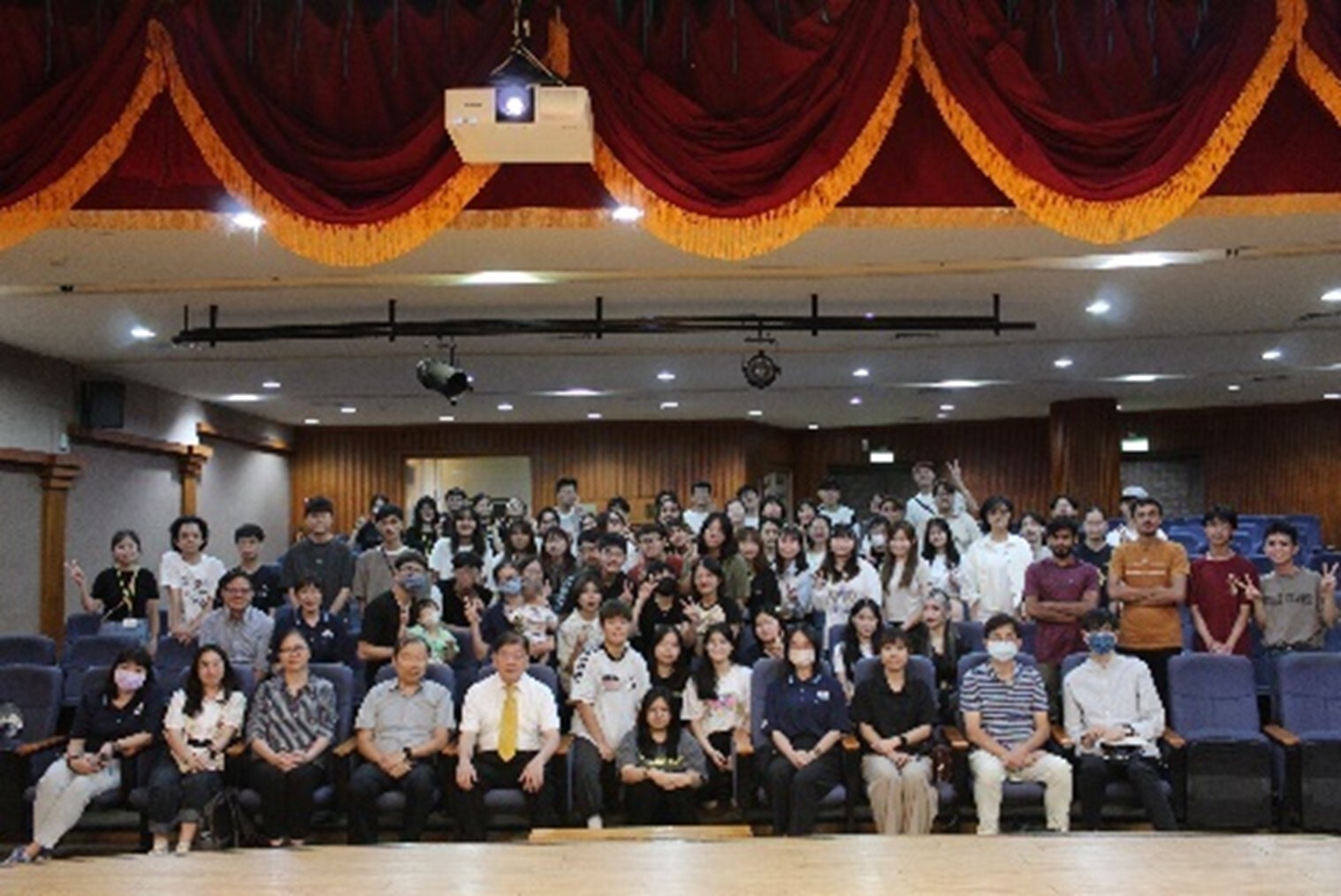
Figure 8: Our university organizes a Mid-autumn Party and Orientation Banquet for international students, allowing them to experience the festive atmosphere and warmly welcome new students
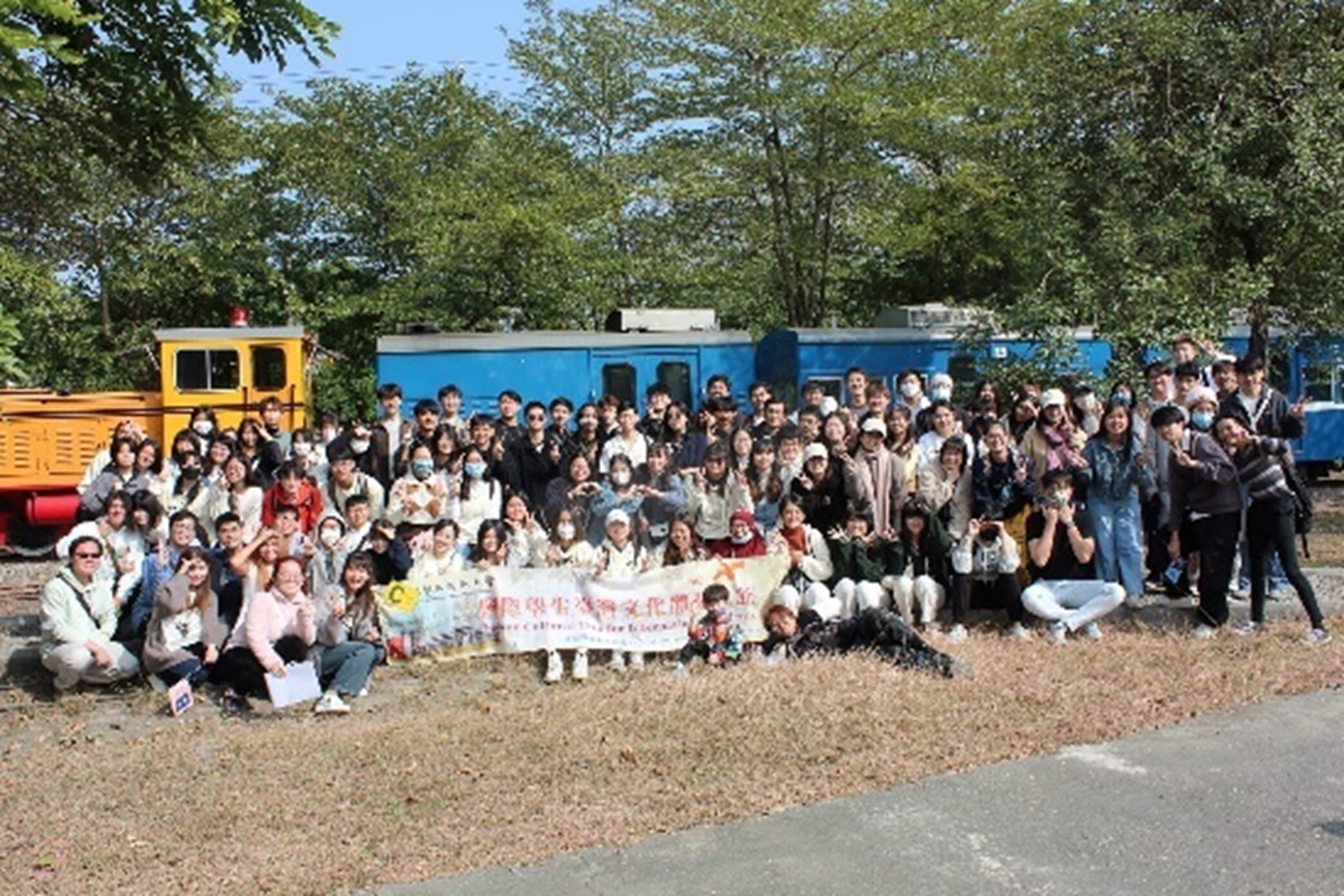
Figure 9: Our university organizes annual educational and cultural visits for international students, guiding them to explore local communities and experience traditional customs and practices
Please refer to Appendix 10.3.1B(PDF) for more cultural exchanging activities with developing countries.
4. Offering Multicultural Courses to Deepen Students' Understanding of Other Ethnic Cultures:
In the 2024 academic year, our university offered 86 multicultural-related courses, both compulsory and elective, across various departments (including the Physical Education Office), the Teacher Education Center, and the Center for General Education. This provides ample and diverse resources for culturally inclusive education.