

|
|
|

|
|
|
|
|
|
|
|
|
|
|
|

|
|
SDG 7.4.4 Policy development for clean energy technology
1. NCUE actively engages with government regulation and standards on environmental protection, energy saving, and water conservation, and is committed to using clean energy and improving the efficiency of existing energy consumption. Specifically, the following measures have been adopted:
(1) All new buildings have obtained the Green Building Certification by regulatory authorities.
(2) Split-type air-conditioners are purchased in accordance with the latest environmental regulations. These are inverter air-conditioners with Level 1 standard in terms of energy efficiency (CSPF efficiency > 5.1 kWh/kWh) equipped with automatic power-off function to enhance energy efficiency.
(3) LED energy-saving lamps (efficiency > 100 lm/W) are to be installed when constructing new buildings and during the refurbishment of old buildings.
(4) All installed power transformers are amorphous, environmentally friendly, and energy-saving (core loss reduced by 80% of the traditional iron core).
(5) The motors are rated as high efficiency (IE3 and above), having either a soft starter or frequency converter installed for all high-power motors and motors that are frequently used.
(6) The light switches in all public areas have been replaced with motion sensors or timers.
(7) The construction of a high MWh energy storage system aims to shift the power grid consumption from peak hours to off-peak hours. The intention is to promote the stability of the national power grid and increase the efficiency and stability of NCUE’s power supply.
(8) The heating systems, such as boilers or heat pumps, have their water temperature reduced from 50°C to 45°C during summer to avoid unnecessary energy waste.
(9) To reduce electricity consumption by water dispensers, only the ground floor water dispensers in each building (excluding dormitory areas) are set to provide cold water.
(10) Accessible elevators are equipped with power regenerative devices to optimize energy efficiency.
(11) To implement effective energy-saving management systems and enhance energy conservation effectiveness while reducing electricity costs, NCUE's Baisha Building has integrated temperature monitoring, load shedding, and shutdown controls into air conditioning systems. These functions are coordinated with demand control mechanisms to regulate peak electricity usage and avoid exceeding contracted peak loads. The system will be extended to all campus buildings in the future. Link to system information: http://120.107.186.21/AppUpdate/iCAS
For more information on the energy-saving air conditioning system installed in Baisha Building, please refer to Annex 7.4.4A(PDF) - Jinde Campus Power Management and Baisha Building Small Air Conditioning Energy-Saving Control System - Training Presentation (12) NCUE is currently installing comprehensive smart meter systems, in addition to a new EMS system to manage energy more efficiently. The campus-wide installation is scheduled to complete by the end of 2025.
(13) By the end of 2024, NCUE has completed the installation of 3129.875kWp of photovoltaic solar devices (as shown in Table 1 installation schedule), responding to government clean green energy policies and zero carbon emissions. Through real-time monitoring systems, real-time inquiry of power generation data, historical statistical data, and system operating status information of photovoltaic equipment at all campuses is available to effectively manage and track NCUE's solar power generation efficiency.
(a) NCUE Gymnasium Solar Power Real-time Monitoring System:
https://tatungsolarweb.azurewebsites.net/tv/5000011/
(b) Relevant information on Solar power monitoring system in other campus buildings:
http://solarsystem.cyberpower.com/solarV4/id_login.aspx
Please refer to Annex: 7.4.4B(PDF) Query interface demonstration of NCUE’s Solar Power Monitoring System in Other Buildings
Table 1. Schedule of NCUE’s Photovoltaic Solar Device Installation
|
Campus |
Year |
Newly Added Capacity (kWp) |
Accumulated Capacity (kWp) |
Estimated Annual Power Generation (kWh) |
|
Jinde Campus |
Before 2020 |
467 |
467 |
583,750 |
|
2021~2022 |
2091.375 |
2558.375 |
3,197,968 |
|
|
2026~2030 |
230 |
2788.375 |
3,478,433 |
|
|
Baoshan Campus |
Before 2020 |
0 |
0 |
0 |
|
2021-2022 |
571.5 |
571.5 |
714,375 |
|
|
2026~2030 |
738 |
1309.5 |
1,636,875 |
2. In order to create a net-zero green lifestyle and promote green energy deployment for low-carbon living, NCUE installed electrical car charging stations in the parking lots of both campuses in November 2024, with 2 stations at the Jinde Campus underground parking lot, and 1 station at the surface parking lot of Baoshan Campus. The charging stations are open to faculty, students, nearby local residents, and visitors of NCUE. These installations comply with government policies and relevant regulations to support community residents in adopting a lifestyle that centers around clean energy, energy conservation, carbon reduction, and sustainable practice. Relevant photos are as shown in Figures 1-3.
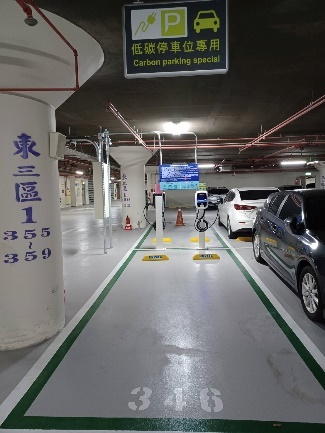
Figure 1. Electrical Car Charging Station at NCUE’s Jinde Campus Parking Spaces
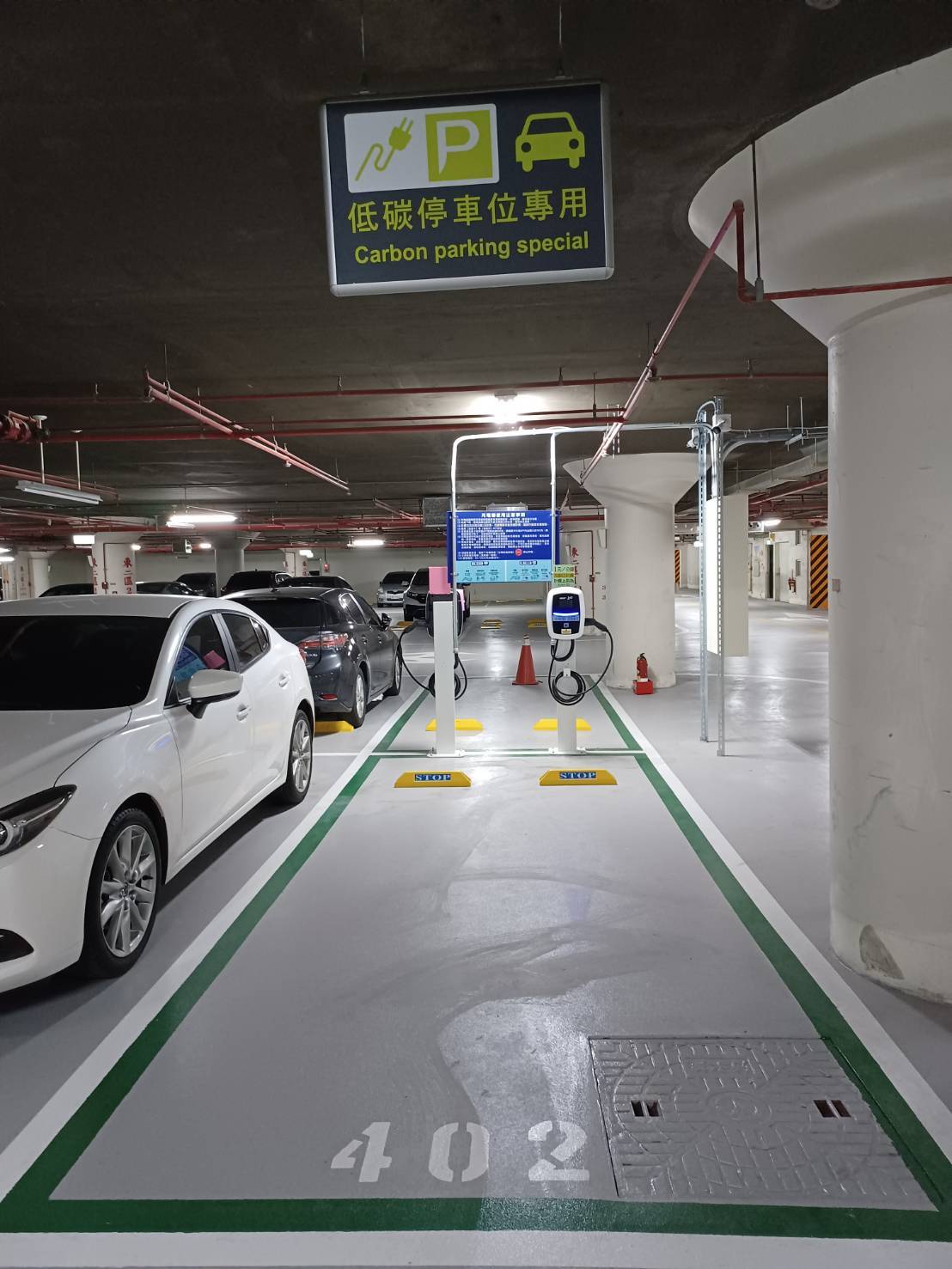
Figure 2. Electrical Car Charging Station at NCUE’s Jinde Campus Parking Spaces
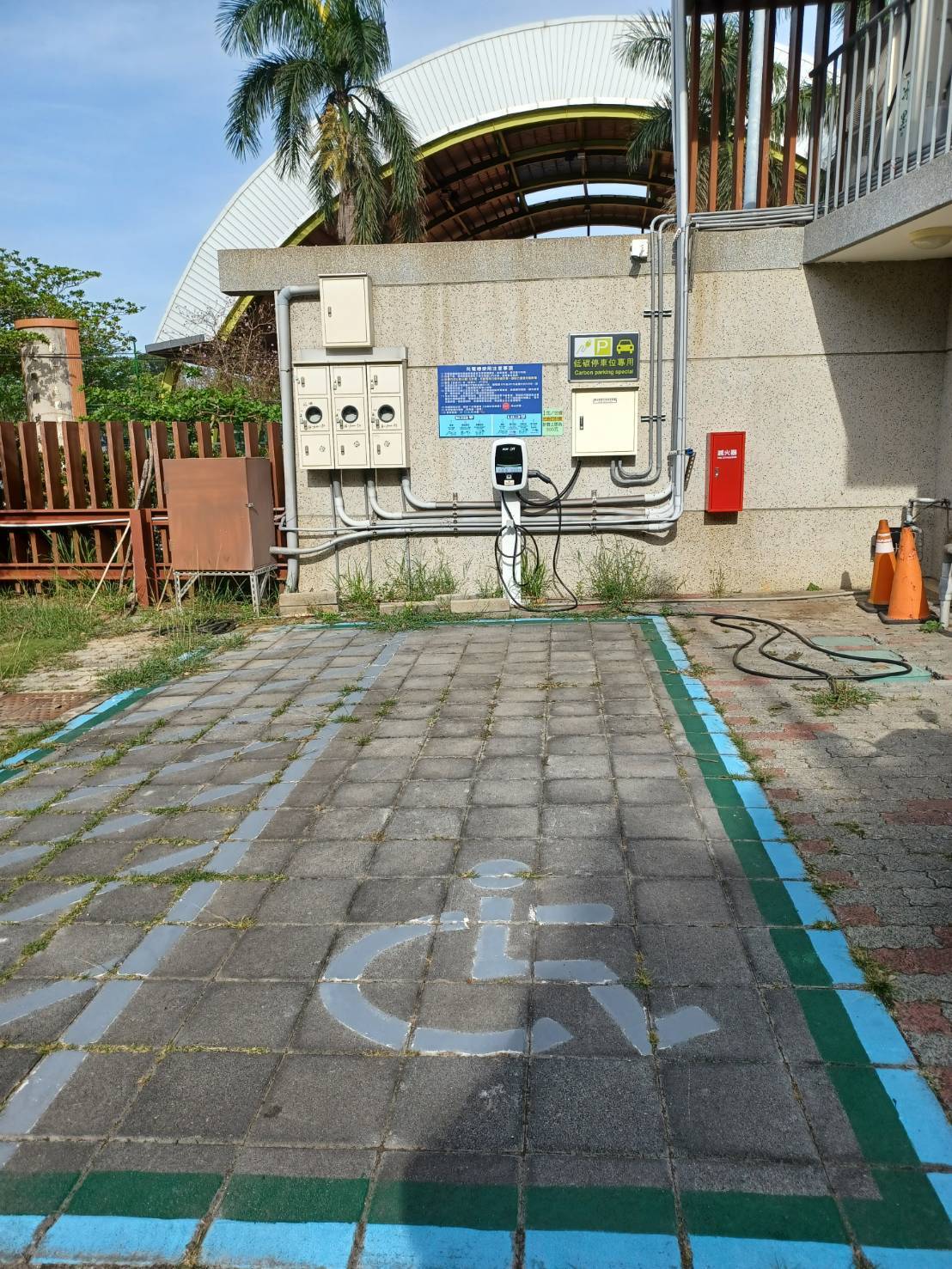
Figure 3. Electrical Car Charging Station at NCUE’s Baoshan Campus Parking Spaces
3. By building a megawatt-size energy storage pilot system and installing a photovoltaic system on the roof of each building on campus, NCUE has effectively increased the development of energy-saving technologies and clean energy use. NCUE has also become a model campus for green energy, providing the government with a successful reference case for formulating policies related to clean energy and energy-saving technologies.
(1) NCUE’s existing 1 MW/1.26 MWh energy storage system, 100 kW/50 kWh energy storage systems, 30 kW/78 kWh electric bus V2G/G2V charging station, and our combined solar power capacity of 2688.75 kW at both Baoshan and Jinde Campuses can serve as a practical field and demonstration system for smart green energy microgrids.
(2) NCUE conducted the National Science and Technology Council (NSTC) project "Research and Demonstration of Multiple Microgrids in a High-Proportion Photovoltaic Solar Environment," establishing a microgrid demonstration system integrating renewable energy, energy storage systems, V2G/G2V, and demand response. This practical demonstration system serves as a valuable reference and support for the development of related technical policies.
4. NCUE has been actively supporting energy policies introduced by the government. In 2024, NCUE conducted projects for National Institute of Energy Research and National Science and Technology Council (NSTC), project names are as shown in Table 1. Furthermore, NCUE professors served as committee members such as the "MOEA's Electric Reliability Review Committee" (Figure 4) and the "Green Factory Label Clean Production Technology Review Committee" (Figure 5).
Table 1: NCUE's Energy-Related Research Projects and Budgets in 2024
|
No. |
Funding Agency |
Project Name |
Project Budget |
|
1 |
National Institute of Energy Research |
Research on Phase Switching Technology Integrating Feeder Operation Information |
NT$ 650,000 |
|
2 |
National Science and Technology Council |
Research on Applying Reconfigurable Networked Microgrids to Enhance Regional Distribution Network Operation Efficiency and Resilience |
NT$ 3,199,000 |
|
3 |
National Science and Technology Council |
Research on Applying Machine Learning and Swarm Optimization Algorithms to Energy Management in Zero Energy Building Microgrids |
NT$ 1,874,000 |
|
4 |
National Science and Technology Council |
Taiwan Energy Digital Transformation Industry-Academia Technology Alliance (3/3) |
NT$2,400,000 |
|
5 |
National Science and Technology Council |
Energy Management System Industry-Academia Technology Alliance (3/3) |
NT$2,350,000 |
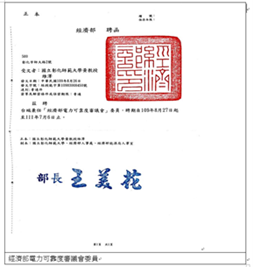
Figure 4. MOEA’s Electric Reliability Review Committee
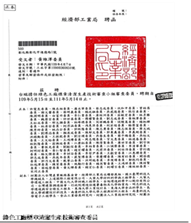
Figure 5. Green Factory Label Clean Production Technology Review Committee
5. NCUE has long maintained close collaboration with local governments to advance clean energy and energy conservation technology policies. In 2024, the College of Engineering at NCUE was invited by the Changhua County Government to join the "Changhua County Industrial Net-Zero Carbon Reduction Counseling Team." Working together with nine central-region universities and the Metal Industries Research & Development Center, the team assisted the county government and local enterprises in conducting greenhouse gas inventories, providing technical consultation and professional guidance to support the implementation and progress of local energy transition and carbon reduction policies (Figure 6).
Through this cross-sector collaboration, NCUE not only strengthened the technical capabilities of local industries in achieving net-zero transition but also enhanced academia's influence in the development of clean energy and energy conservation technology policies, providing significant support for Changhua County's low-carbon sustainable development efforts.
Changhua County Government News:
(1) https://www.chcg.gov.tw/ch2/newsdetail.aspx?bull_id=399579
(2) https://www.ner.gov.tw/news/6721f242ee7df60022e54538
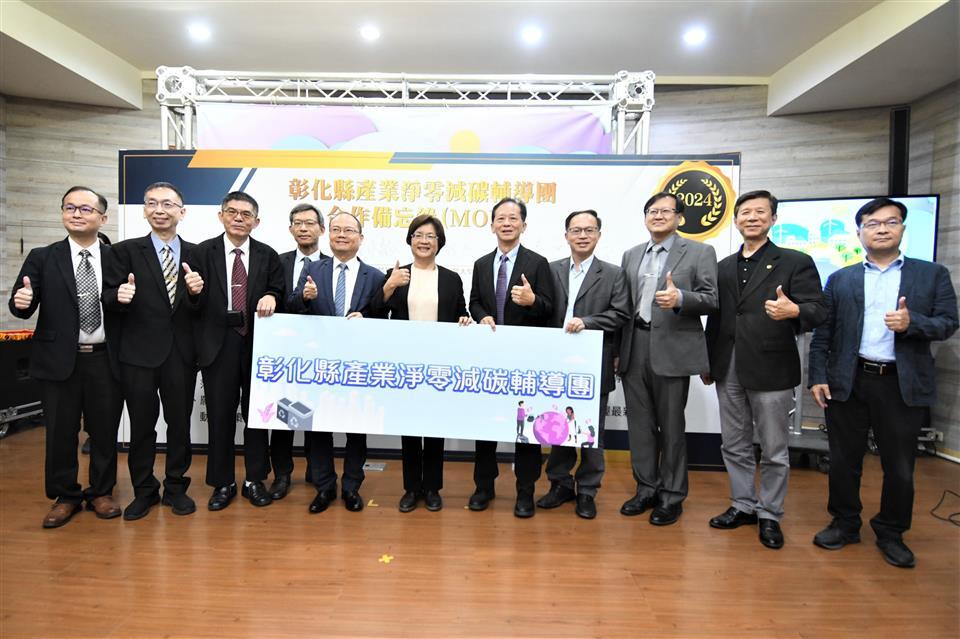
Figure 6. Establishment of Changhua County Industrial Net-Zero Carbon Reduction Counseling Team