

|
|
|
|
|
|
|
|
|
|
|
|
|
|
|

|
|
SDG 7.4.2 100% renewable energy pledge
NCUE is committed to increasing the usage of renewable energy usage in the school year by year. The installation of a megawatt-size energy storage pilot system in the Baoshan Campus not only helped improve the campus’ energy use efficiency significantly, but also helped set the foundation for the development of more than 20 research projects. The project encompassed multiple fields, such as smart grids, microgrids, power and electronic related devices, and strategic management of energy storage equipment. NCUE will be constructing an Internet of Things (IoT) smart grid as a demonstration project at Baishan Campus, which will utilize energy storage system to adjust and optimize energy usage on campus. In addition, NCUE plans to install monitoring equipment in various buildings to collect power usage data to further the development of forecasting models on energy usage. By optimizing efficiency, NCUE aims to become a pioneer in the field of green energy research.
1. In 2022, the total installed rooftop photovoltaic capacity at NCUE’s Baoshan Campus reached 581.5 kW, complemented by a 20kW ground-mounted system. Meanwhile, the Jinde Campus achieved a total rooftop photovoltaic capacity of 2087.75 kW. With the integration of energy storage systems, NCUE was able to achieve 100% renewable energy generation during certain off-peak daytime periods. For example, as illustrated by the data from June 30, 2024 (Figure 1), historical net load records show that the photovoltaic solar systems supplied the entire campus electricity demand during specific daytime intervals, with surplus energy stored in a megawatt-scale energy storage system for nighttime use.
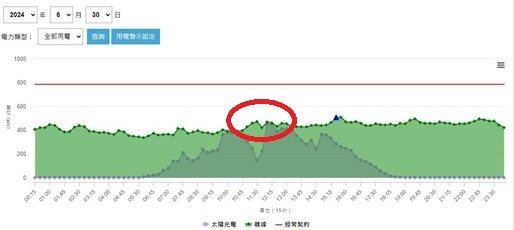
Figure 1. Net load curve for the Baoshan Campus on June 30, 2024
2. NCUE plans to expand its solar power capacity by an additional 230 kWp at the Jinde Campus and 738 kWp at the Baoshan Campus during 2026-2030, as detailed in Table 1. NCUE's 2021-2030 Total Planned New Solar Power Installation Capacity. In 2024, peak solar power generation at the Jinde Campus reached 2,558.375 kW, while peak electricity consumption was reduced to 2,200 kW, with low-carbon energy ratio exceeding 100%. At the Baoshan Campus, peak generation reached 571.5 kW, with peak electricity consumption reduced to 785 kW, resulting in a low-carbon energy ratio exceeding 72.8% (Figures 2-3).
Table 1. NCUE's 2021-2030 Total Planned New Solar Power Installation Capacity
|
Campus |
Year |
Solar Energy Generated during Peak Hours (kW) |
Power Consumption during Peak Hours (kW) |
Proportion of Solar Power to Power Consumption |
|
Jinde |
Before 2020 |
467 |
3000 |
15.57% |
|
2021-2022 |
2558.375 |
2600 |
98.18% |
|
|
2026~2030 |
2788.375 |
2200 |
>100% |
|
|
Baoshan |
Before 2020 |
0 |
1000 |
0% |
|
2021-2022 |
571.5 |
900 |
63.5% |
|
|
2026~2030 |
1309.5 |
785 |
>100% |
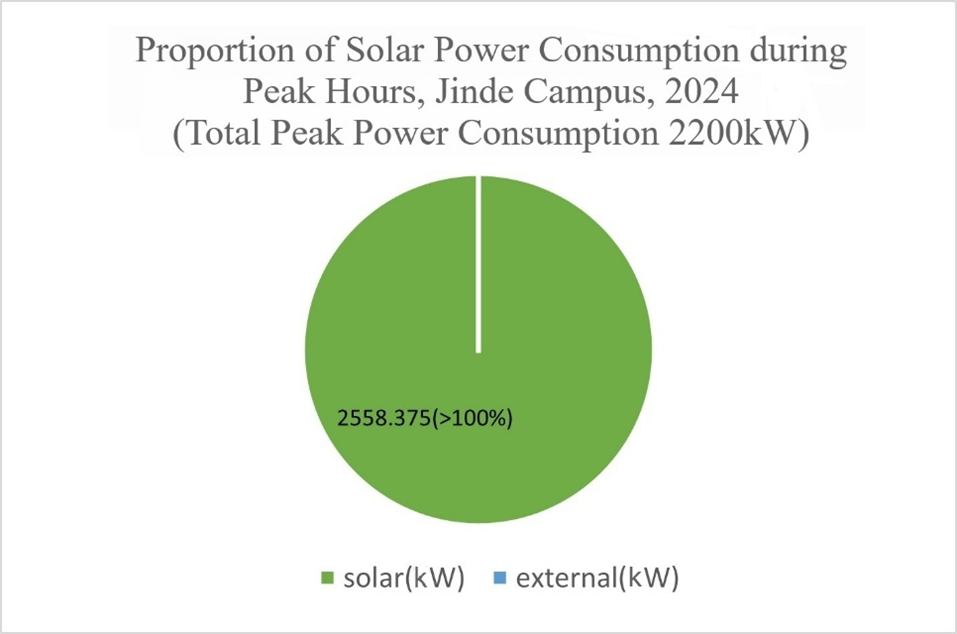
Figure 2. Proportion of Solar Power Consumption during Peak Hours at the Jinde Campus in 2024
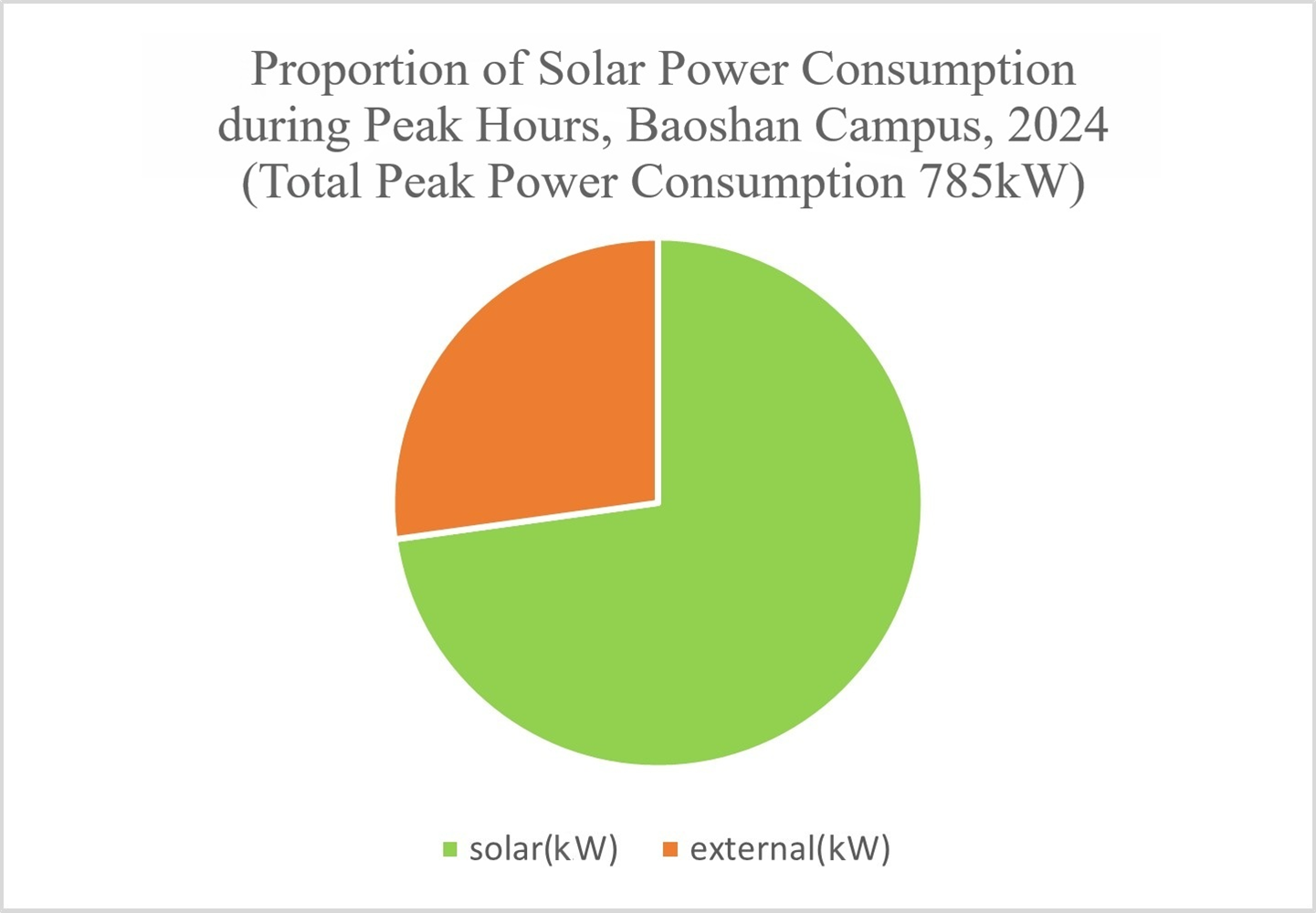
Figure 3: Proportion of Solar Power Consumption during Peak Hours at the Baoshan Campus in 2024
3. At Baoshan Campus, NCUE has a smart grid system in place, which consists of the main campus microgrid and three sub-microgrids, with the first one located near the Sewage Treatment Plant (sub-grid #1), the second one at the Teaching Building (sub-grid #2), and the third one located at the College of Technology (sub-grid #3) (Figure 4). The network uses smart energy management, with each sub-microgrid equipped with rooftop photovoltaic solar panels and 100 kW/50 kWh energy storage system (Figure 5). Notably, sub-grid #3 also features a 30 kW/78 kWh electric bus charging station that enables bidirectional battery control for vehicle-to-grid and grid-to-vehicle (V2G/G2V) applications. In conjunction with smart meters and an energy management system (EMS), the university is able to achieve zone-based control of net loads, advancing toward the vision of a 100% renewable energy supply.
Furthermore, during periods of unstable weather when solar power generation declines, the university can utilize up to 1.2 MW of stored energy to provide prompt power output, ensuring a e stable and sustainable renewable energy supply (Figure 6).
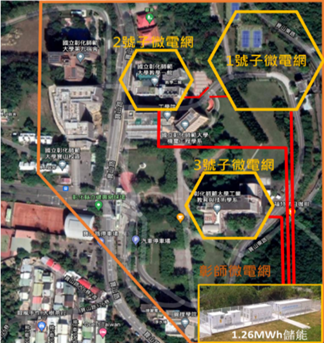
Figure 4. Microgrid Planning on Campus
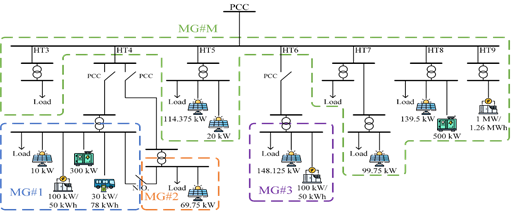
Figure 5. Placement of Microgrid Photovoltaic Solar Power, Energy Storage Systems, and Electric Bus Charging Stations
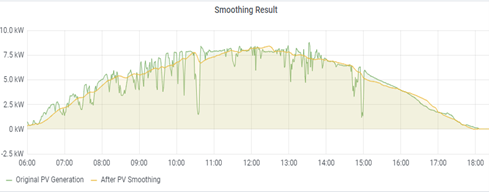
Figure 6. Smoothing Out Solar Power Supply with Energy Storage System
4. NCUE has completed the construction of the Net Zero Energy House demonstration site in early 2024 (Figure 7). The building features rooftop solar panels, small wind turbines, and an indoor energy storage system, achieving the 100% renewable energy usage vision. This demonstration site will be used to promote the use of renewable energy.
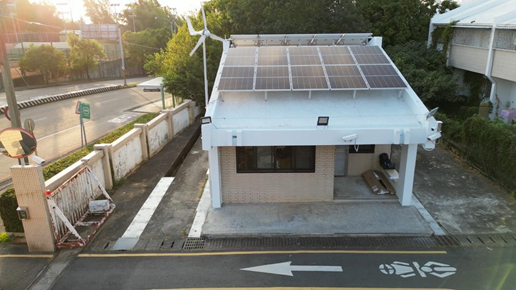
Figure 7. Net Zero Energy House Demonstration Site
5. On September 29, 2020, NCUE’s President re-signed the NCUE Environmental Safety and Health Policy, witnessed by members of NCUE’s Occupational Safety and Health Committee. The policy contents are as follow: To build a sustainable green university, all NCUE faculty and staff shall actively abide by the relevant laws and regulations, implement education and publicity, maintain campus safety, prevent disasters from happening, cherish environmental resources, work towards energy conservation and carbon reduction, and strive for pollution prevention and continuous improvement, thereby creating a zero-disaster and pollution-free ecological campus and doing our part as members of the global village. (as shown in Figure 8)
Please refer to webpage for relevant information on NCUE/ Center of Protection and Occupational Safety and Health /University-level laws and regulations/NCUE’s Environmental Safety and Health Policy (signed by the president):
https://saftyweb.ncue.edu.tw/var/file/10/1010/img/1030/249454384.pdf(PDF)
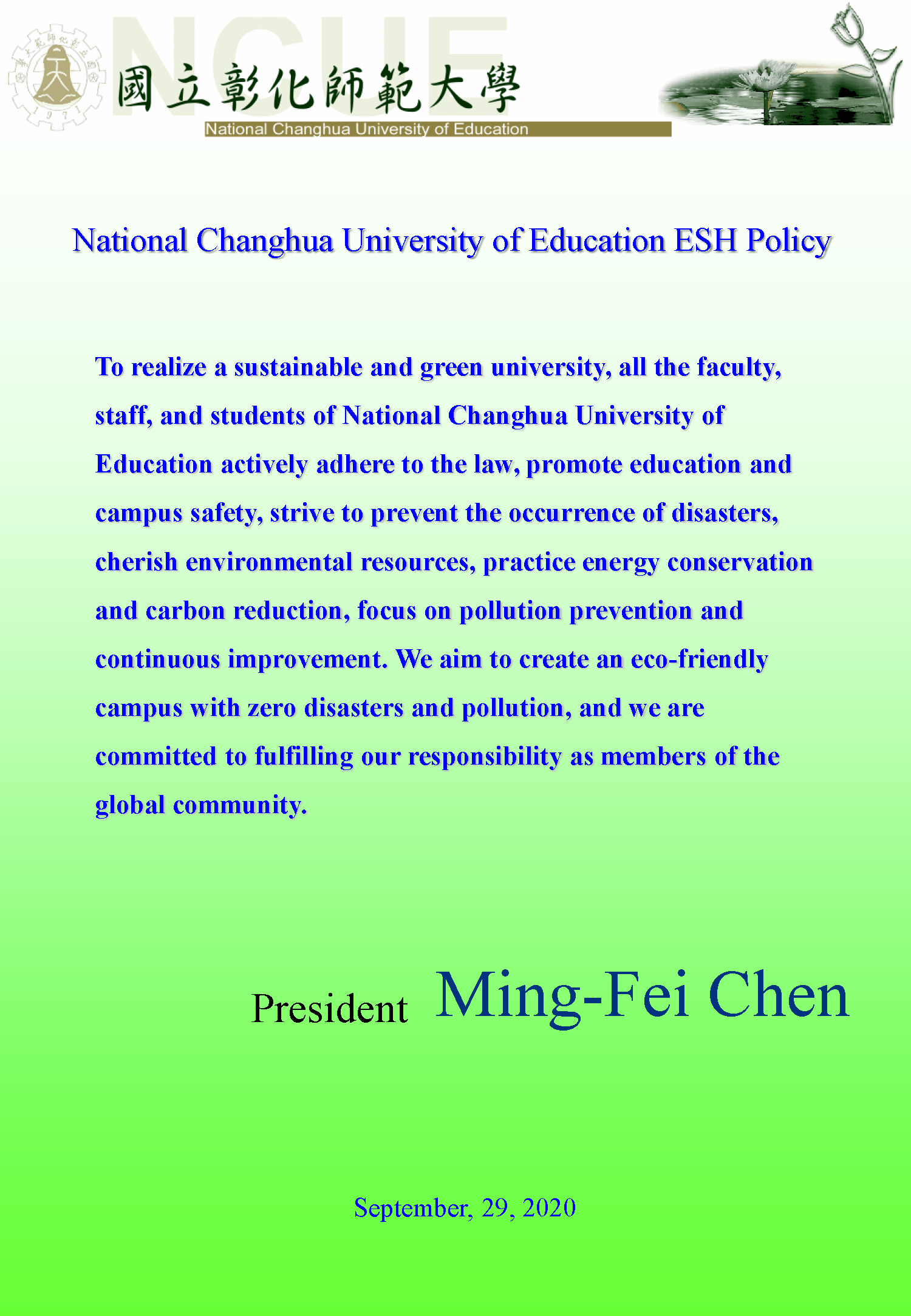
Figure 8. NCUE’s Environmental Safety and Health Policy
6. In September 2025, NCUE's President re-signed the Carbon Neutrality Declarationas shown in Figure 9. The declaration reads as follows:
National Changhua University of Education adheres to the Greenhouse Gas Protocol, implements management of carbon emissions, and continuously promotes energy conservation and carbon reduction measures along with related curricula. The university is committed to achieving the concrete goal of carbon neutrality by 2045, with the aim of transforming our institution into a sustainable campus where faculty and students are equipped with the concepts and capacity for action in sustainable development, thereby becoming important advocates for Taiwan's sustainable development in the future.
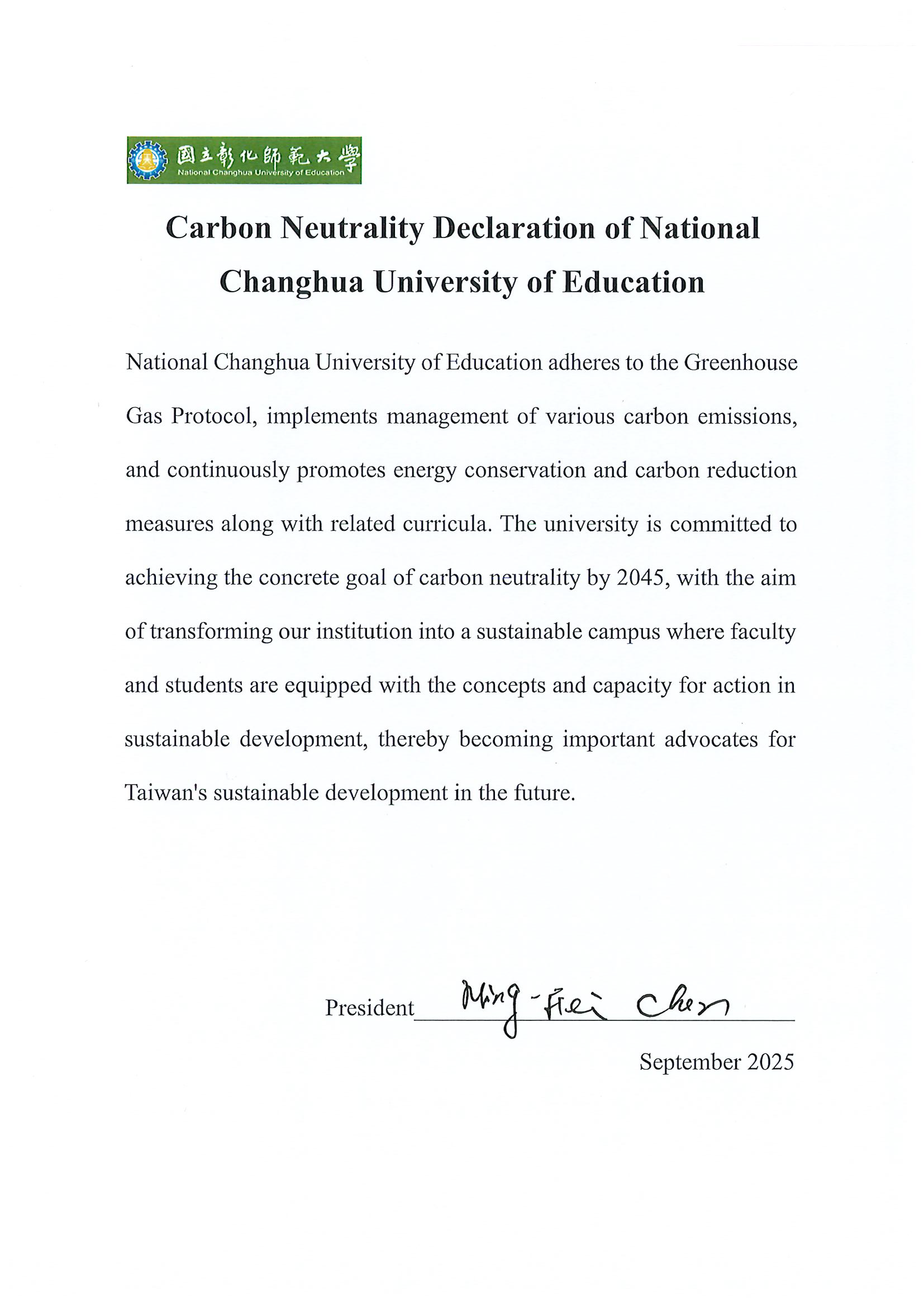
Figure 9. NCUE's Carbon Neutrality Declaration
7. NCUE's President signed NCUE’s Commitment to Sustainable Development in September 2022. The detailed content is as shown in Figure 10. Please refer to Annex 7.2.4A NCUE’s Commitment to Sustainable Development.
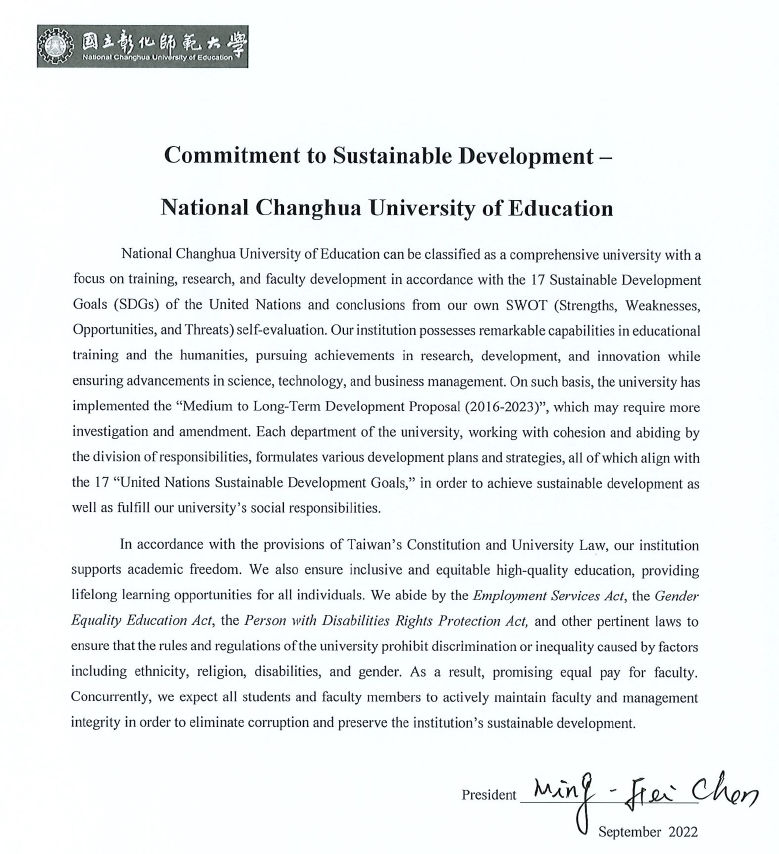
Figure 10. NCUE’s Commitment to Sustainable Development