

|

|

|

|

|

|
|

|

|

|

|

|

|

|

|

|

|
SDG 7.2.5 Energy wastage identification
1. NCUE regularly convenes group meetings concerning the campus-wide energy-saving initiatives at the end of each year. Each year, the group review the effectiveness of that year’s energy-saving policies, and formulate measures for the following year. The meeting is presided over by the chancellor, with the respective buildings’ management units appointed as team members. In addition, the respective energy management unit would report on the increase in electricity consumption for each building during the past year. Offices that have achieved significant results shall be duly rewarded, while those with excessive increases in electricity consumption shall be penalized. The purpose is to establish energy-saving as a habit. The results of past reviews indicate that air-conditioning is currently our largest source of energy consumption, followed by the lighting system.
2. NCUE has implemented an energy management system (EMS) (as shown in Figure 1) that monitors the hourly, daily, monthly, and annual electricity consumption of more than 33 buildings on campus. The data are used to monitor the daily electricity consumption of the buildings, analyze NCUE’s electricity consumption habits, and even verify the results of our annual energy-saving measures.
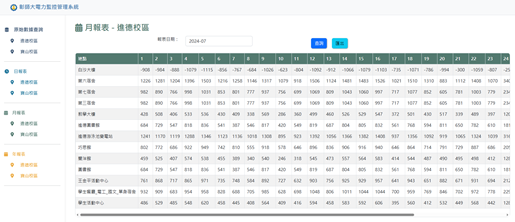
Figure 1. Screenshot of NCUE’s Energy Management and Monitoring System
3. Specific functions of the EMS are as follows:
(1) Measures the real-time voltage, current, power, demand, frequency, and other important parameters of each building.
(2) Generates reports to display the cumulative energy consumption of all buildings in the entire campus on an hourly, daily, and monthly basis.
(3) Forrelated system interface, please refer to Annex 7.2.5A(PDF) Introduction to NCUE's Energy Management System.
4. NCUE has installed smart meters (as shown in Figure 2) in both the Baoshan and Jindeh campuses. Communication-type electric meters and current transformers have been added to each circuit within the high and low voltage transformer stations. A new energy management system has been implemented to collect and transmit information back to the energy management system database.
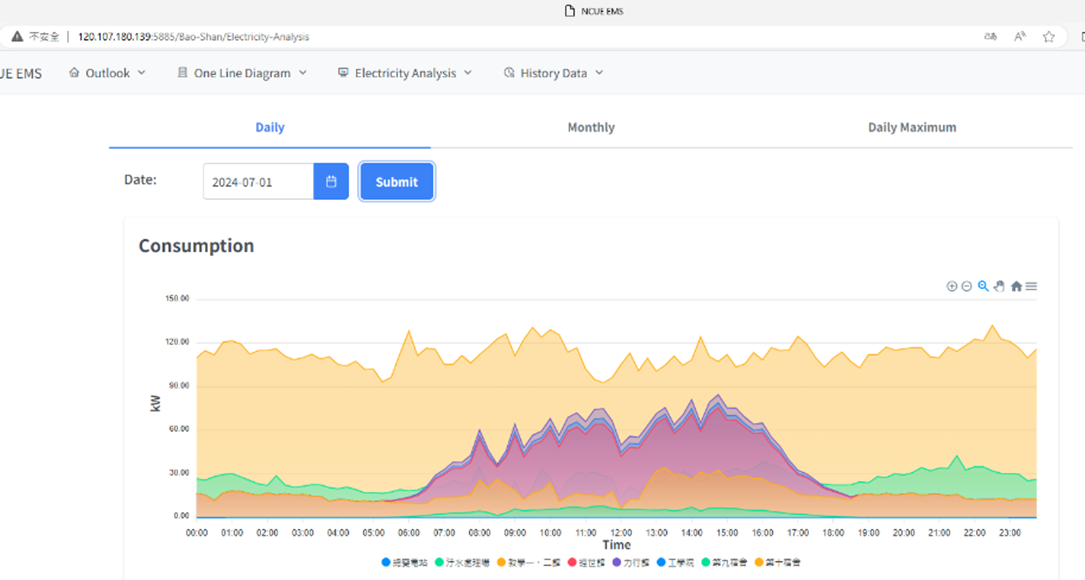
Figure 2. Screenshot from NCUE's Smart Meter Monitoring and Management System
5. To implement effective energy-saving management systems and enhance energy conservation effectiveness while reducing electricity costs, NCUE's Baisha Building has integrated temperature monitoring, load shedding, and shutdown controls into air conditioning systems. These functions are coordinated with demand control mechanisms to regulate peak electricity usage and avoid exceeding contracted peak loads. The system will be extended to all campus buildings in the future (as shown in Figure 3). Link to system information: http://120.107.186.21/AppUpdate/iCAS
For more information on the energy-saving air conditioning system installed in Baisha Building, please refer to Annex 7.2.5B(PDF) - Jinde Campus Power Management and Baisha Building Small Air Conditioning Energy-Saving Control System - Training Presentation.
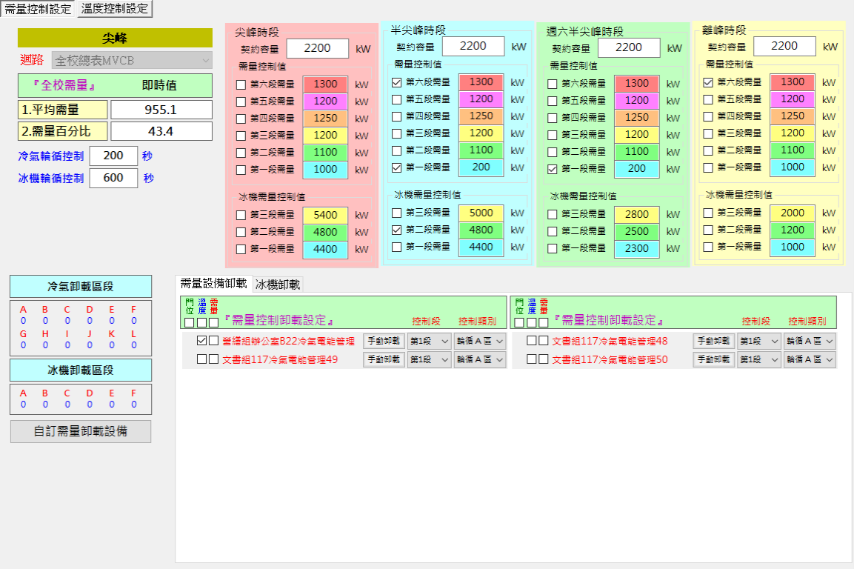
Figure 3. Baisha Building Air Conditioning Energy Management System Controlling HVAC Load Shedding
6. NCUE is currently installing comprehensive smart meter systems, in addition to a new EMS system to manage energy more efficiently. The campus-wide installation is scheduled to complete by the end of 2025 (as shown in Figures 7-8). Five buildings at the Jinde Campus are frequently used by faculty and student, namely the Science Building, Teaching Building, Student Activity Center, Qiao-Si Hall, and Gymnasium. 40 smart meters have been installed in the aforementioned buildings. These meters collect detailed electricity usage data including current, voltage, power, and electricity consumption at one-minute intervals.
At the same time, an Energy Management System (EMS) is being set up, featuring core functions including electricity usage visualization, electricity management reports, and over-contract warnings. The campus-wide installation of EMS is expected to be completed by the end of 2025. Through installing smart meters and the Energy Management System (EMS), NCUE enhances campus energy usage efficiency and implements energy conservation and carbon reduction.
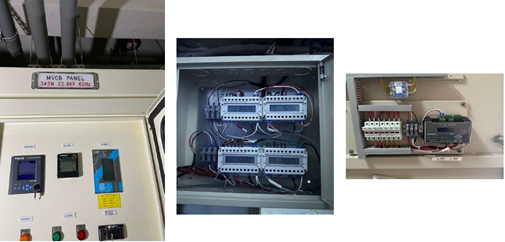
Figure 4. Campus-wide Smart Meter Installation (Schematic Diagram of Meters of the Same Brand)
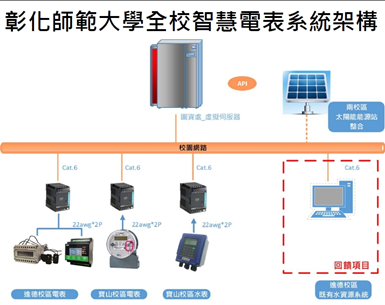
Figure 5. Campus-wide Smart Meter Architecture Diagram