
|
|
|
|
|
|
|
|
|
|
|
|
|
|
|
|
|
SDG 6.5.5 Cooperation on water security
1. NCUE actively collaborates with various levels of government and relevant units to jointly promote water resource safety and protection works. Through multiple projects and free activities, the school particularly emphasizes the management and sustainable development of coastal and freshwater resources, and strengthens water safety education, striving to improve local water resource utilization and protect the ecological environment.
(1) Local and Regional Cooperation: Industry and Environment Sustainability Project
(a) Coastal Water Resource Protection and Industry Support
NCUE collaborates with the Changhua County local government and Aquaculture Development Association to conduct water quality testing and manage aquaculture water source safety. Through the "Beautiful and Treasured Clams in Fangyuan and Dacheng: Sustainable Industry and Environment Project of Changhua’s Two Cities Amid Climate Change" project and "Changhua Coastal Hard Clam Habitat Survey and Conservation Education Promotion Project," the school conducts water quality surveys of fishponds and coastal waters, and monitors and conducts sediment improvement experiments in the upper, middle, and lower reaches of rivers to ensure water source safety. Simultaneously, through educational activities, we raise local community awareness of water resource protection and promote local non-toxic, eco-friendly aquatic products.
(b) Youth Water Education Promotion: NCUE Geography Exploration Camp
NCUE organizes geography exploration camps for junior high school students, using "learning by doing" to guide students in understanding Taiwan's water resources and natural disaster issues. The camp includes:
i. Visiting Shigang Dam and Water Resource Museum to introduce dam earthquake damage and domestic water management
ii. Exploring green energy equity issues against the 2050 net-zero emissions background, conducting field surveys of Fangyuan Wetlands Trail, and wind power generation facilities.
iii. Experiencing oyster harvesting activities to understand wetland ecology and local aquaculture culture. These activities cultivate correct understanding of water resources and the environment.
Camp links:
(c) Water Safety Cooperation Training
NCUE's swimming pool is leased and operated by New Image Enterprise Co., Ltd., which established Xinxiang Swimming Academy and is committed to collaborating with government and schools to promote water activity safety training and actively develop water domain safety education. Specific achievements are shown in Table 1.
Table 1. 2024 Water Safety Education Courses
|
No. |
Cooperative Unit |
Course Name |
Participants |
|
1 |
Special Police Fourth Headquarters, NPA, MOI |
Police Special Examination Swimming Course Training |
600 |
|
2 |
24 Elementary Schools in Changhua County |
Water Self-rescue Ability Course |
16,956 |
|
3 |
Elementary to High School Students |
Xinxiang Swimming Team |
80 |
(2) International Exchange: Promoting Local Culture and Sustainability Education
Collaborating with the Office of International and Cross-strait Affairs, NCUE invited 16 foreign faculty and students to survey Fangyuan Township, Changhua County. Through the activity they experienced the distinctive charm and culture of Taiwan's Changbin area, learned coastal community water resource utilization and industrial characteristics, and promote water safety and sustainability concepts to the international level (Figure 1).
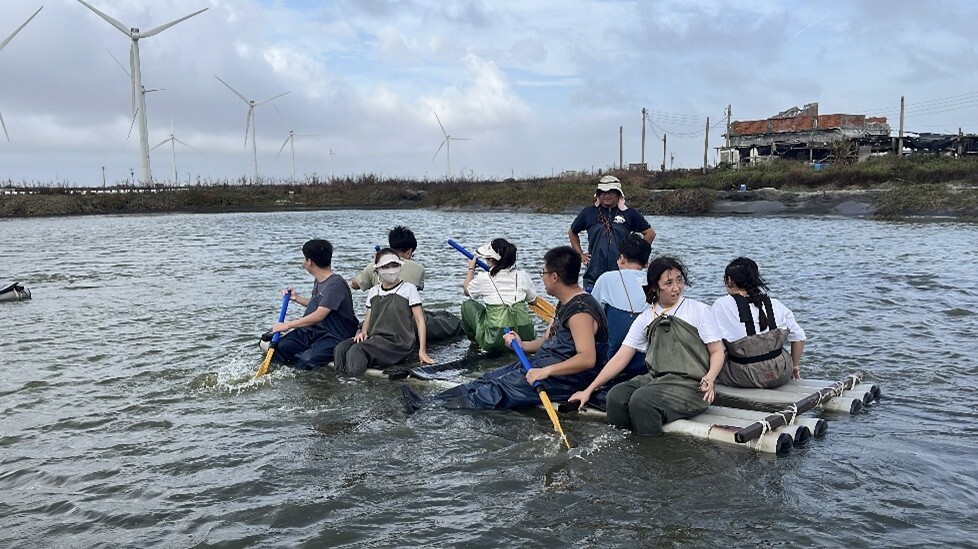
Figure 1. Northwest Normal University Cultural Tour - In-depth Experience of Local Wetlands and Fishery Culture
(3) Central Government Cooperation: Water Culture Construction and Policy Support
(a) The Graduate Institute of History undertakes the Water Resources Planning Institute's "Tamsui River Water Culture Research - Water Environment Change and Disaster Adaptation Project." The project focuses on the water environment changes and cultural formation of the Tamsui River basin over the past century, analyzing river channel changes, resource utilization, disaster adaptation, and watershed governance contexts, and summarizing water culture development characteristics.
For related information, please refer to webpages:
i. https://www.wra.gov.tw/wrap/cp.aspx?n=39953
ii. https://web.wra.gov.tw/wralib/WraLib/wSite/books_96414
(b) The Department of Geography undertakes the National Science and Technology Council's "Taiwan Western Coastal Wetland Agricultural and Fisheries Social-Ecological System Monitoring" project. The department established long-term observation stations at Fangyuan, Hanbao, and Wanggong wetlands, conducting water quality, ecological, topographic, and local public perception surveys, and integrating social-cultural and ecological change contexts to provide scientific data support for government sustainable governance.
Taiwan Long-term Social-ecological Research Changhua Station LTSER Changhua related webpages:
i. https://www.facebook.com/profile.php?id=100083565782372#
ii. https://ltsertwchanghua.org/
(4) Water Resource Professional Course Promotion:
NCUE's Department of Geography offers the " Special issues of hydrology and water resource in Taiwan " course to promote water resource concepts and water cycle knowledge, and helping NCUE’s students learn Taiwan's and international water resource issues and challenges. In the "Hydrology" course, students can learn fundamental hydrological concepts and analytical methods, understanding groundwater and surface water relationships and their impact on water resource management. During the semester, the course also arranges students to visit important central Taiwan water resource engineering sites such as Shigang Dam, Jiji Weir, and Zhonggua Creek for geographical field experience and learn how to achieve the dual goals of water resource protection and renewable energy through reservoir management, further supporting regional water security development. Course outlines:
(a) https://webap0.ncue.edu.tw/DEANV2/UploadDEAN/SUBJECT/1131/43035_1ARGR3137430.pdf(PDF)
(b) https://webap0.ncue.edu.tw/DEANV2/UploadDEAN/SUBJECT/1131/43018_1ARGR0009230.pdf(PDF)
Through the above projects and courses, NCUE actively participates in water resource safety and protection, contributes to promoting sustainable water resource utilization, and demonstrates achievements in educational promotion and professional talent cultivation, laying the foundation for Taiwan's water resource sustainability and water culture heritage.
2. Explanation of various project activities:
(1) NCUE's "Beautiful and Treasured Clams in Fangyuan and Dacheng: Sustainable Industry and Environment Project of Changhua's Two Cities Amid Climate Change" project:
(a) Fangyuan Township, located in the southwest of Changhua County and close to the sea, is the second largest administrative area in the county. It used to be prosperous before. The township has the largest wetlands in the intertidal zone in Taiwan. At the mouth of the Jhuoshuei River, Fangyuan has a six-kilometer coastline, an emblematic Taiwanese fishing village that connects to the local rivers and faces strong northeast monsoon. Clam aquaculture is the main industry in the area. In recent years, environmental problems, such as pollution of coastal wetlands and climate change, have had a tremendously negative impact on local industries. Therefore, it is crucial to promote environmental education to spread awareness about environmental protection. In response to the call of the Ministry of Education, NCUE has launched courses and activities to train local teachers in environmental education to assist in the joint focus on environmental issues (Figure 2). The statistics for class openings and participants in 2024 are shown in Table 2:
Table 2. 2024 Course/Activity Topics and Participant Statistics
|
NO. |
Course/Activity Topic |
Number of Sessions |
Number of Participants |
|
1 |
Aquaculture Probiotics Workshop |
1 |
25 |
|
2 |
Water Quality Investigator Workshop |
1 |
25 |
|
3 |
Aquaculture Association Environmental Education Promotion |
1 |
300 |
|
4 |
Marine Seed Citizen Scientist Workshop |
1 |
34 |
|
5 |
Junior Citizen Scientist Workshop |
1 |
25 |
|
6 |
Cao-Hhu Junior High School Environmental Education Promotion Activity |
1 |
500 |
|
7 |
Sustainable Aquatic Product Supply Chain Seminar |
1 |
50 |
|
8 |
Aquaculture Water Quality Investigator Workshop |
1 |
26 |
|
9 |
Minglun Junior Wetland Citizen Scientist Workshop |
1 |
40 |
|
10 |
Hard Clam Citizen Survey Workshop |
1 |
23 |
|
11 |
Taiwan Coastal Fisheries and Aquaculture Workshop |
1 |
36 |
|
12 |
Eco-friendly Aquaculture Workshop |
1 |
36 |
|
13 |
Chengkung Senior High School Fish Education Workshop |
1 |
30 |
|
14 |
Teachers' Green Energy Fish Education Workshop |
1 |
18 |
|
15 |
Caohu Junior High School Green Energy Fish Education |
1 |
25 |
|
16 |
Changhua Coastal Resources Survey Workshop |
1 |
36 |
|
17 |
Changbin Water Park Environmental Education Conference |
1 |
36 |

Figure 2. Participating in the Beach Shellfish and Fish Education Workshop with local residents
(b) This research project collaborates with the Changhua Aquaculture Association to develop a series of services and surveys for aquaculture industry adaptation strategies in Changhua under climate change. In addition to assisting association members with water resource safety testing for fishponds, coastal water intake channels, and groundwater wells, this project has also expanded its services to include golden clam farmers based on stakeholder feedback collected through the USR program. The project has also added new survey areas covering the upper, mid, and lower reaches of the rivers that feed fish ponds. All the above services are provided free of charge, aiming to maintain sustainable safety of water resources for aquaculture operators and coastal areas. Related activity photos are shown in Figures 3-4.
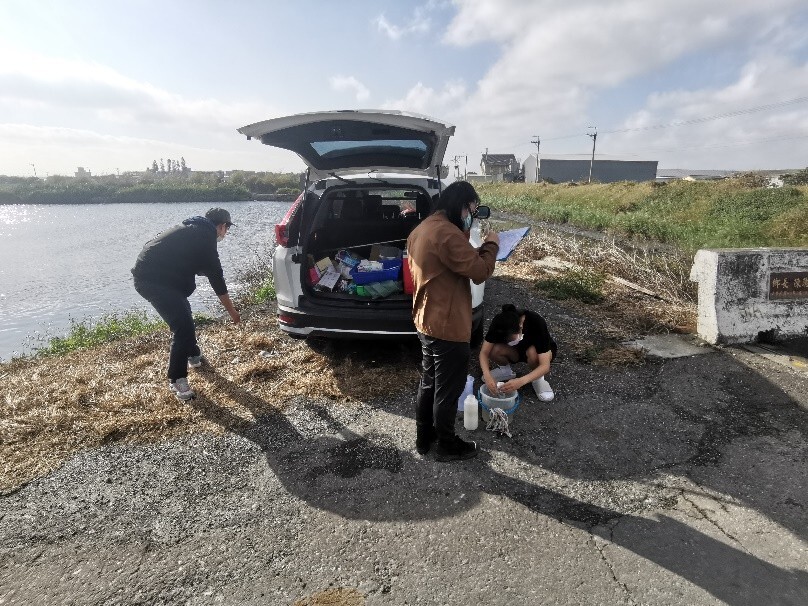
Figure 3. 2024/03 Water Quality Survey Team - 2024 Department of Biology conducts USR project, investigating water quality of rivers and coastal fishpond inlet and outlet waters.
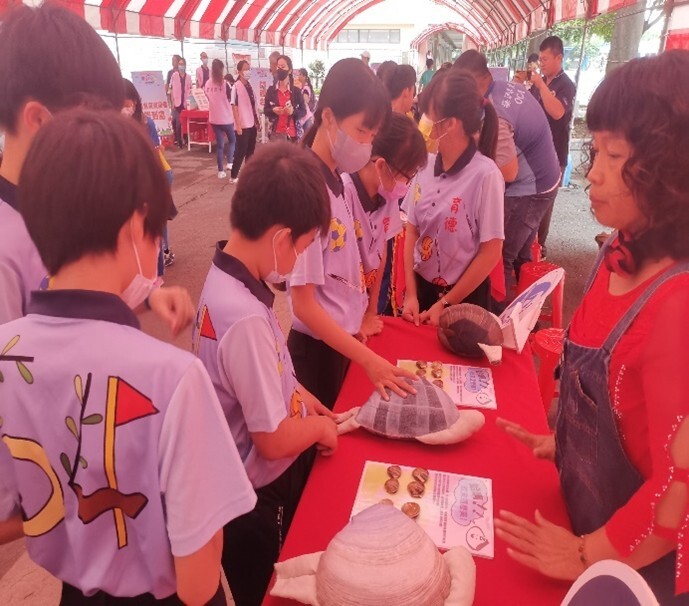
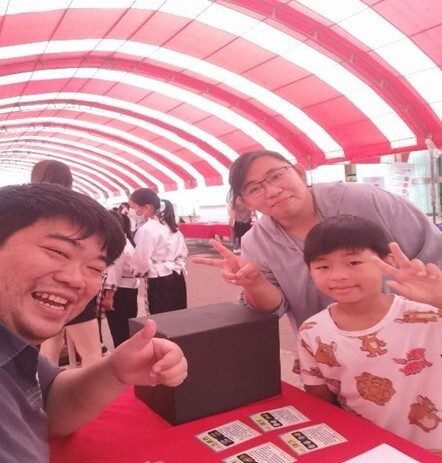
Figure 4. 2024/04 Cao-Hu Junior High School Environmental Education Promotion Activity, assisting Cao-Hu Junior High School in promoting environmental education to help local junior and elementary school students understand the importance of water quality environment.
Link to the FB page of the projects:
https://www.facebook.com/NCUEUSR/photos/?tab=album&ref=page_internal
(c) "Sustainable Development and Practices of Coastal Biological Resources": The course includes workshops on "The Application of Beneficial Bacteria in Aquaculture" and "Aquaculture and Greenhouse Gases". Participants include course students, teachers, local aquaculture operators, and organizations, working together to maintain the health and sustainability of local aquatic ecosystems. Related activity photos are shown in Figure 5 and Figure 6.
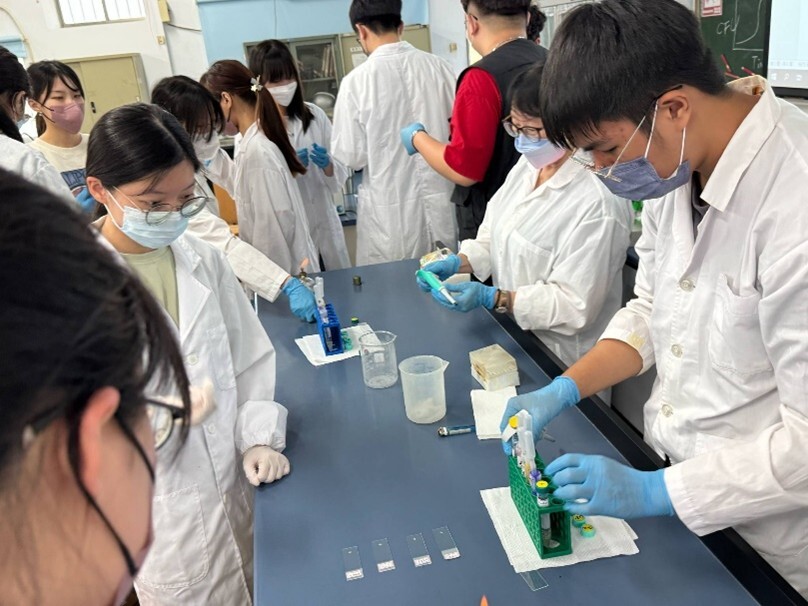
Figure 5. 2024/04 Course workshop: faculty and students learned from the aquaculture operators about the use of beneficial bacteria which is helpful for maintaining good water quality and improving aquatic product quality.
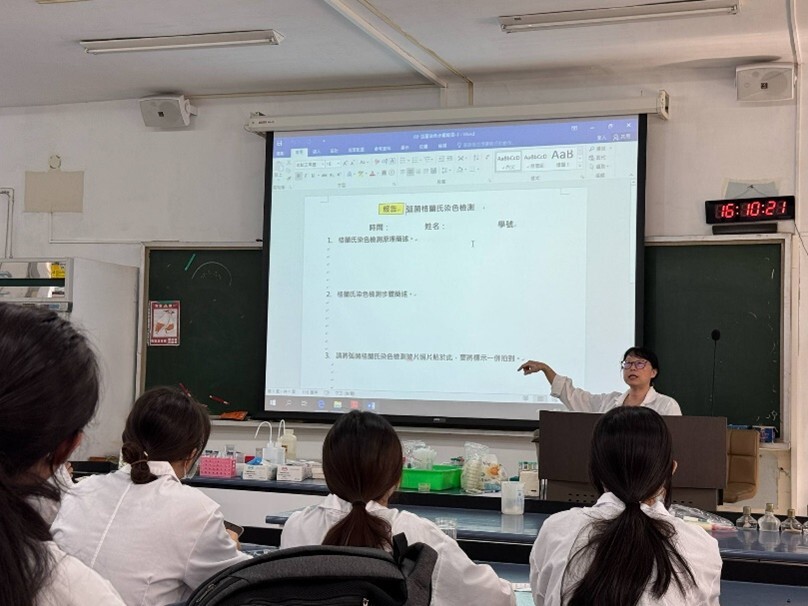
Figure 6. 2024/04 The course shares environmentally friendly aquaculture concepts. Participants include teachers, students, and local aquaculture practitioners. It promotes environmentally friendly industrial production strategies and works together to maintain the health and sustainability of local aquatic ecosystems.
(d) Related activity information links:
i. "Beautiful and Treasured Clams in Fangyuan and Dacheng: Sustainable Industry and Environment Project of Changhua's Two Cities Amid Climate Change" Project Website:
https://www.facebook.com/NCUEUSR/
ii. "Beautiful and Treasured Clams in Fangyuan and Dacheng: Sustainable Industry and Environment Project of Changhua's Two Cities Amid Climate Change" - Album URL:
https://www.facebook.com/NCUEUSR/photos/?tab=album&ref=page_internal
(2) NCUE promotes the "Changhua Coastal Hard Clam Habitat Survey and Conservation Education Promotion Project," using an industry-academia cooperation model to combine local communities, schools, and government units to jointly promote water safety and ecological conservation.
(a) Marine citizen scientist series courses are conducted at Xinbao Wetland and Wanggong Fishing Harbor (Figure 7), including four-season "Hard Clam Habitat Surveys" (including sediment improvement experiments), volunteer investigator training, “seed teacher training”, and "Hard Clam Detective Squad." These courses enhances the attention of coastal community residents, faculty and students, and local governments to water quality monitoring and water safety.
(b) The courses and practices cover water quality testing, biodiversity surveys, bivalve classification, coastal tourism and conservation education. They also integrate with local schools such as Caohu Junior High School, Hanbao Elementary School, and Lukang Elementary School to promote local education, incorporating water resource investigation and water safety knowledge into teaching to deepen public understanding of sustainable water resource utilization.
(c) Project results show that sediment improvement effectively promotes the growth of coarse-sediment indicator species such as hard clams and corbicula, suppresses the dominance of ring clams, and enhances carbon sequestration potential and benthic biodiversity. In addition, the participation of citizen scientist also effectively increases survey data and strengthens community water resource safety and conservation awareness, successfully establishing a demonstration model that combines scientific research with educational promotion.
(d) Project activity Facebook page link: https://www.facebook.com/NCUEUSR/
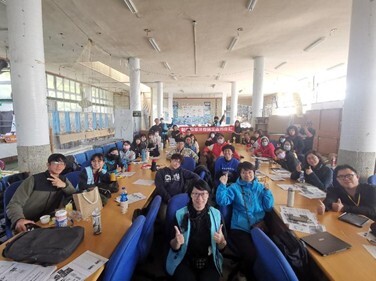
Figure 7. Marine citizen scientists in Seed Teacher Training Workshop for marine ecological quantitative surveys, focusing on identification and counting of common shellfish in Changhua coastal wetlands
(3) NCUE Geography Exploration Camp Activities
(a) Earthquakes and Water Resources: Shigang Dam supplies daily water to the greater Taichung area. Through dam explanations and visits to the Water Resources Museum (as shown in Figures 8-10), students learn how natural disasters and resources affect people's lives.
Activity highlights webpage:
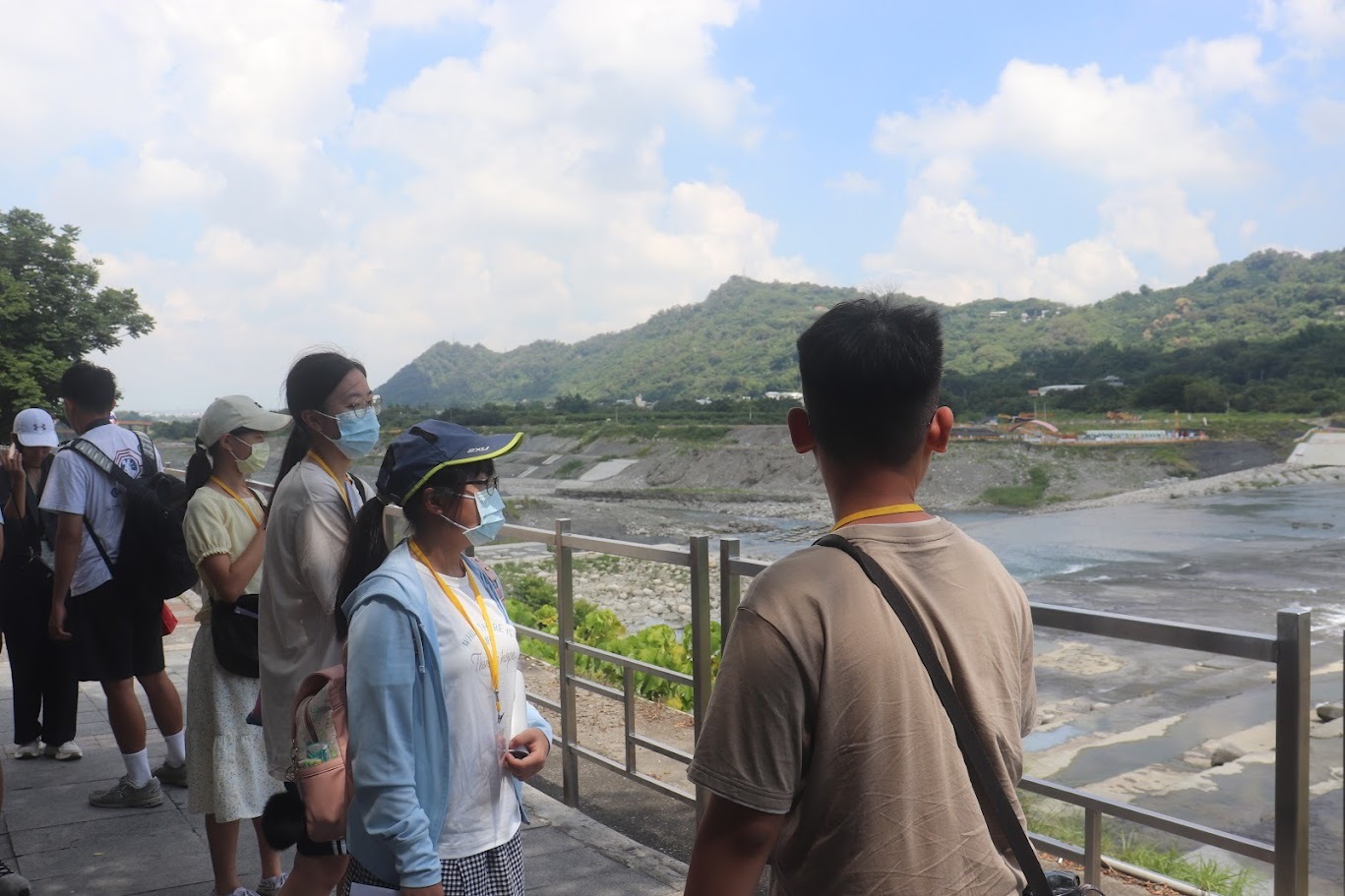
Figure 8. Visiting the Shigang Dam
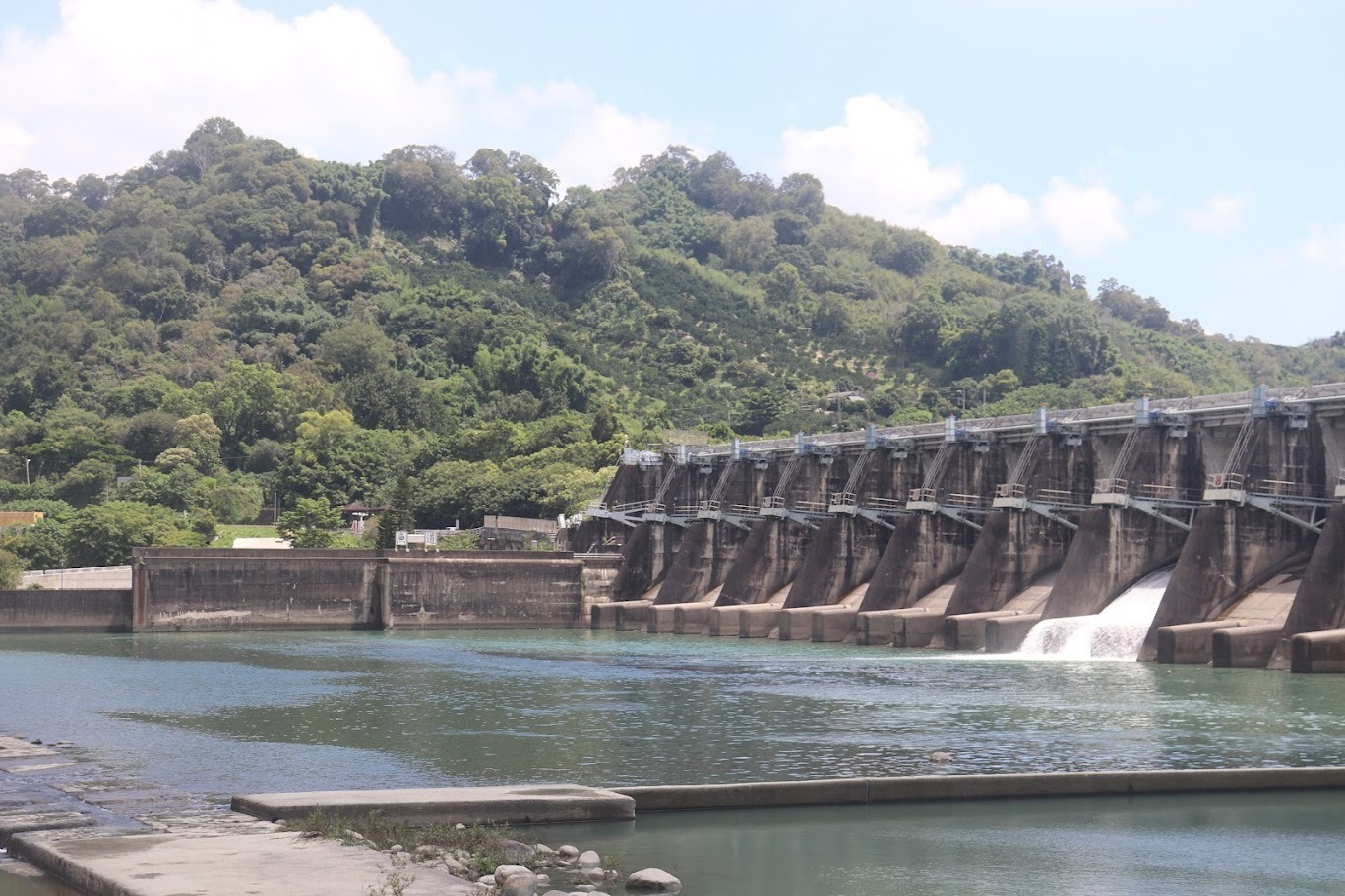
Figure 9. Shigang Dam
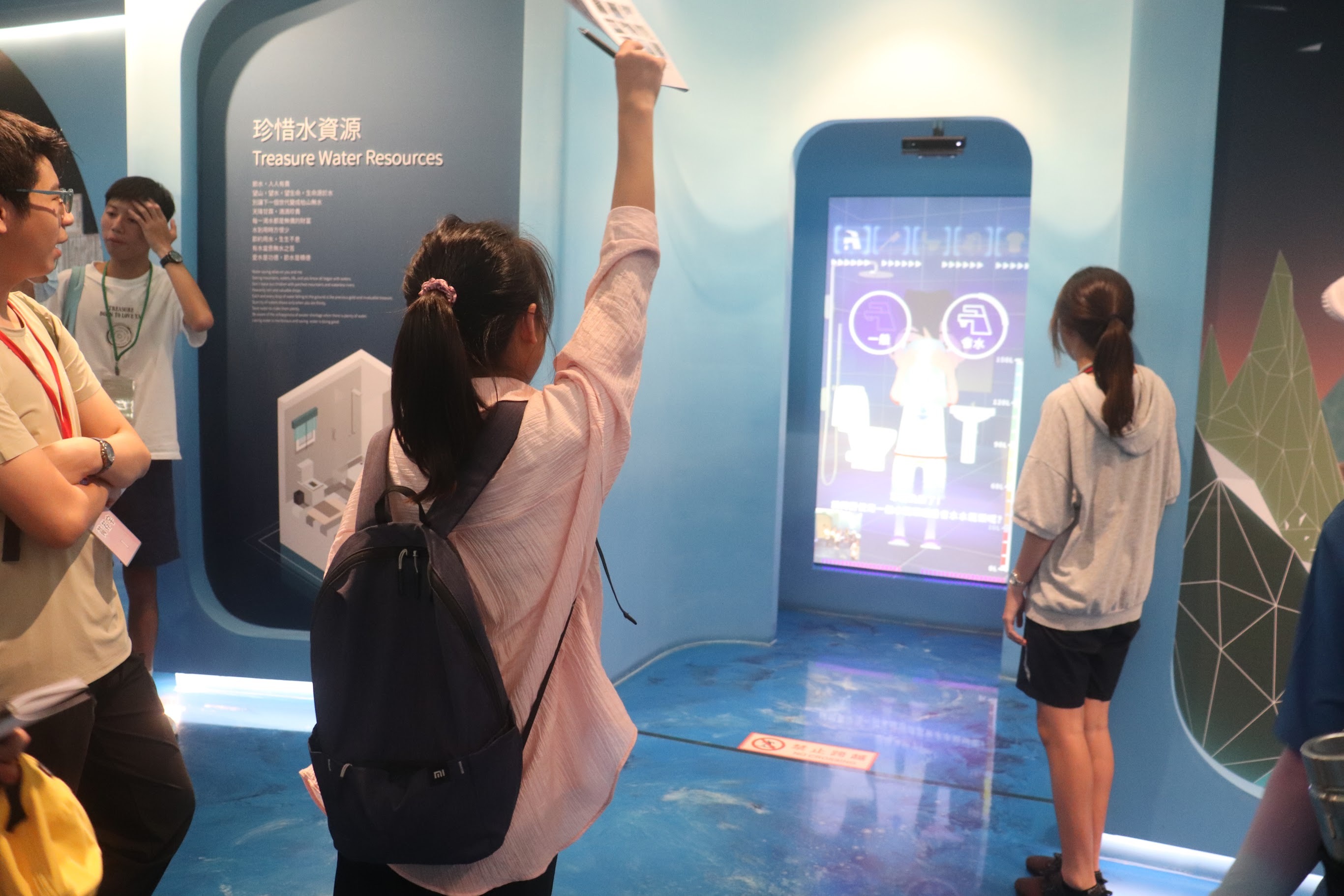
Figure 10. Visiting the Water Resources Museum
(b) Wetlands and Energy:
The "Taste of Yuan" · "Oyster" Coastal Flavors" camp arranged students to visit the Fangyuan Wetlands Trail and experience local oyster harvesting activities to deeply understand Fangyuan's wetland ecology and aquaculture fisheries (Figures 11-13), leading them to explore renewable energy such as wind turbines and solar power, further reflecting on energy and social justice issues.
Activity highlights webpage:
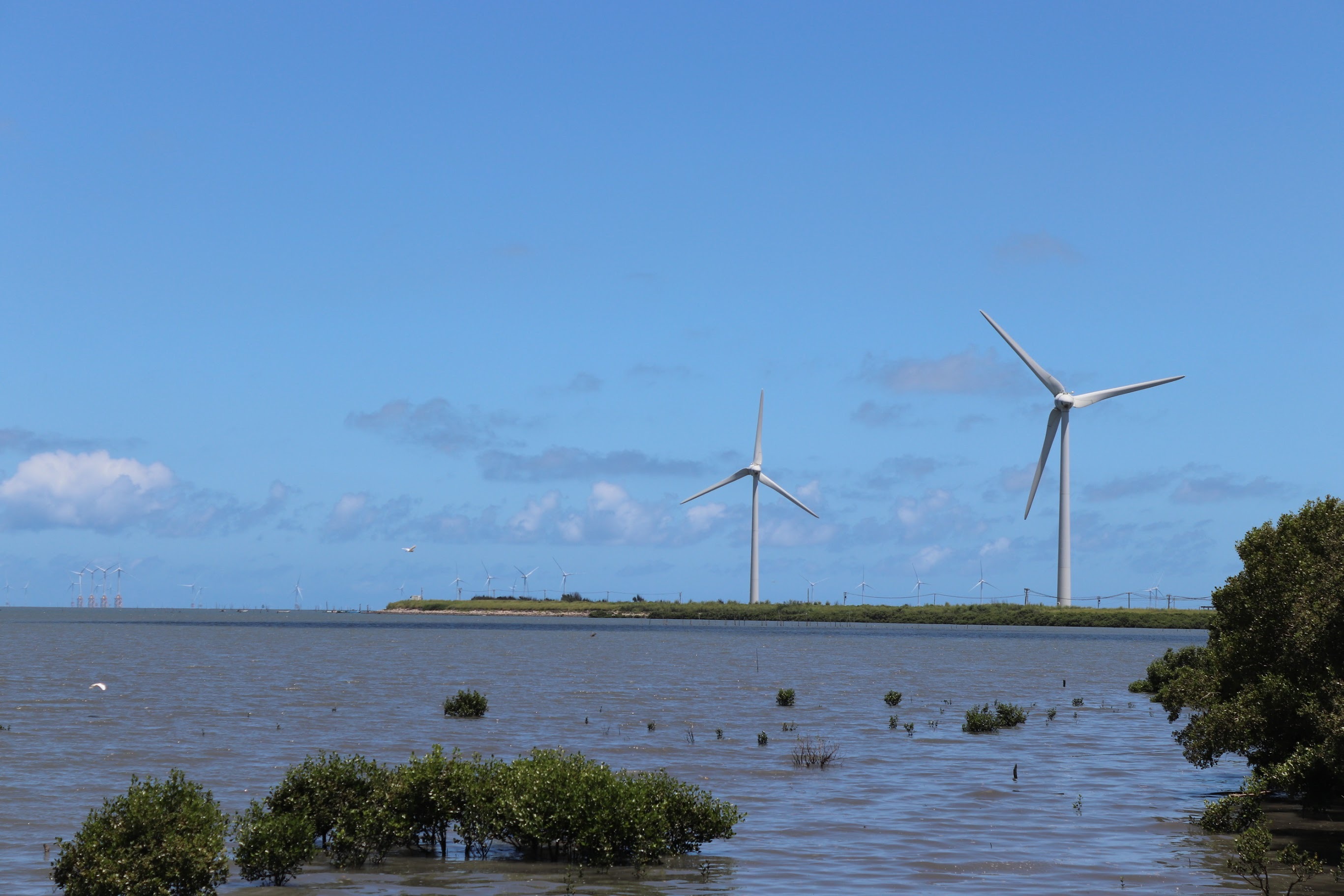
Figure 11. Wind Turbines along Fangyuan Coast
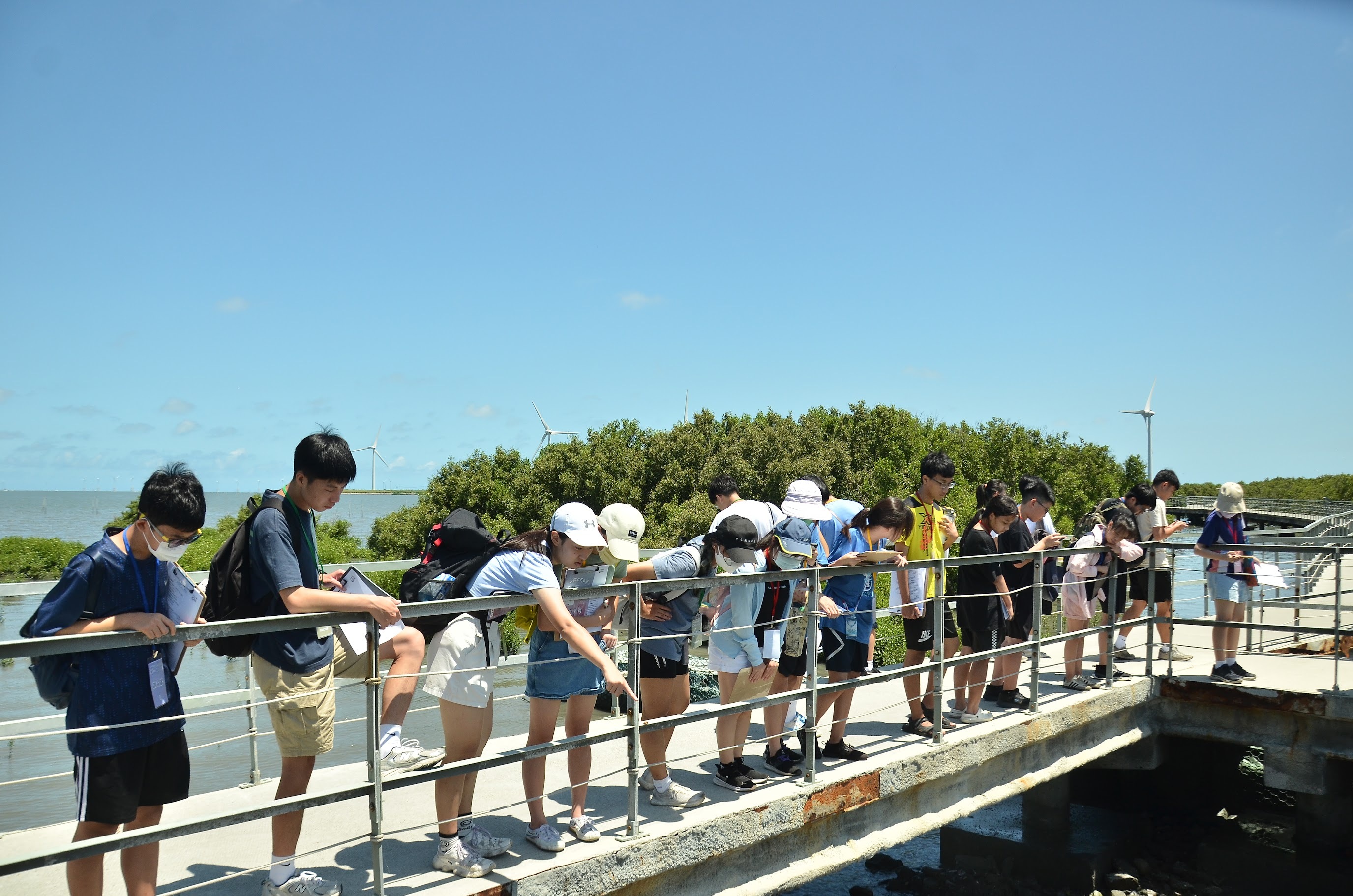
Figure 12. Fangyuan Wetlands Trail
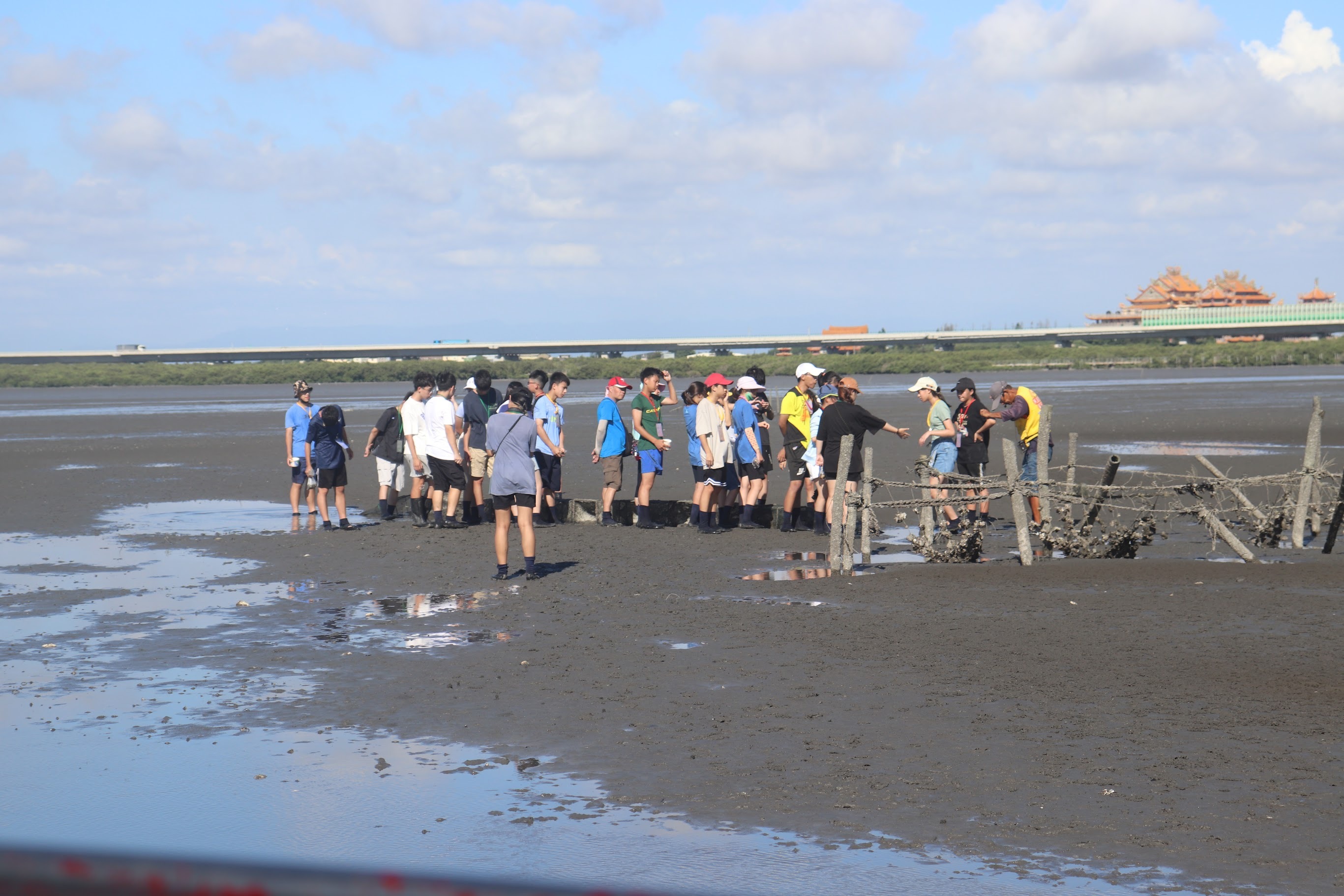
Figure 13. Oyster harvesting activity
(4) Water Safety Cooperation Training
(a) From September to December 2024, NCUE co-organized "Police Special Examination Swimming Course Training" with Special Police Fourth Headquarters, NPA, MOI (as shown in Figure 14), with 600 participants completing the training, achieving significant results in enhancing professional training for police personnel.
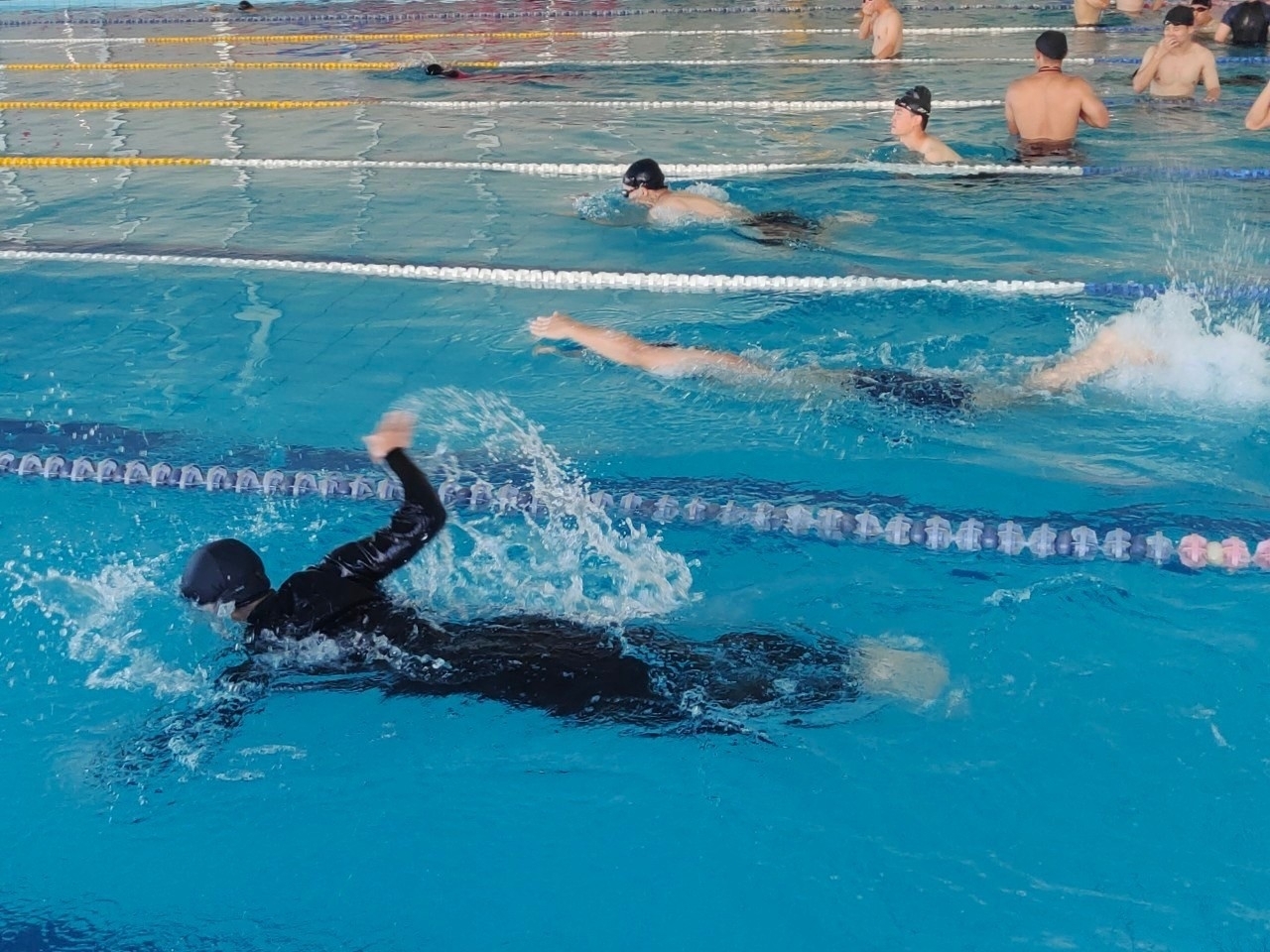
Figure 14. Police Special Examination Swimming Course
(b) In 2024, water self-rescue ability courses for 24 elementary schools were conducted at NCUE's swimming pool, with Professional coaches from Xinxiang Swimming Academy teach and guide primary school students, enabling them to acquire the ability to save themselves in the water or improve their swimming skills (as shown in Figure 15), with a total of 16,956 participants throughout the year.
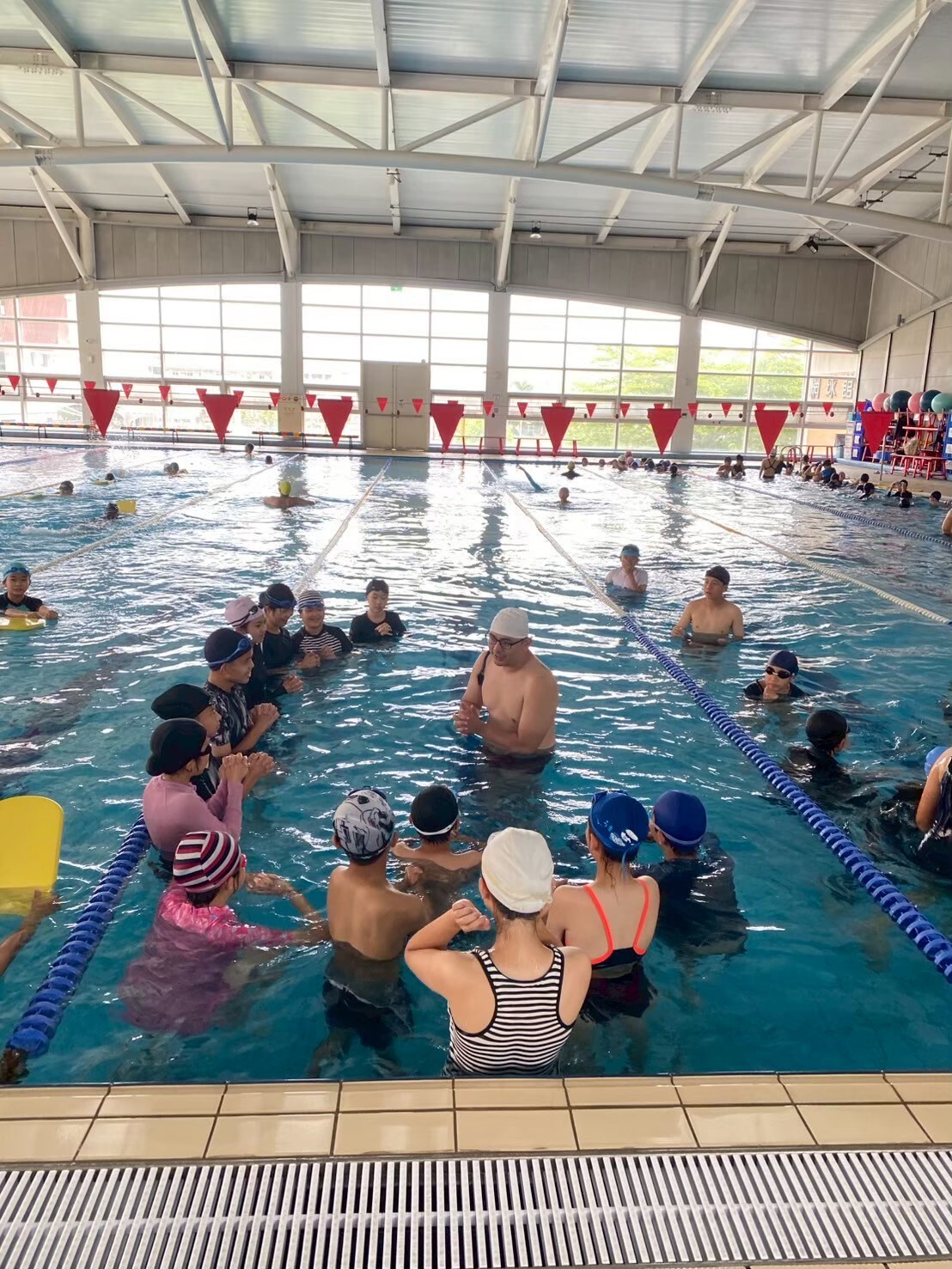
Figure 15. Elementary and Junior High School Water Self-rescue Ability Courses
(c) To cultivate swimming expertise among youth in Changhua City and nearby communities and train future top swimmers, the "Xinxiang Swimming Training Team" was established, currently with about 80 students from elementary to high school, conducting regular weekly training with good results (as shown in Figure 16).

Figure 16. Xinxiang Swimming Training Team Practice Highlights
(5) Field Investigation of Department of Geography’s "Hydrology":
In the first semester of Academic Year 2024, a hydrology course was offered in the Department of Geography with approximately 43 students enrolled. The course content covered understanding of water cycles and water resource balance, along with field investigations. The investigation site was the Zhongguakeng Stream watershed in Nantou County (as shown in Figure 17), and the observation targets are the crises of mountain streams under the impact of climate change and possible actions to take. Nature-based solutions are an adaptive strategy option for responding to climate change. The activity introduced the advantages and disadvantages of nature-based solutions for stream governance, while helping students understand sustainable wild stream governance strategy options available for consideration today.
Zhongguakeng Stream is a tributary of the Wu River. In the past, traditional engineering caused damage to the stream environment. Now, concrete is being removed to create a naturally friendly environment, seeking a win-win outcome for both humans and natural ecology. Students can fully appreciate the pleasure that natural streams bring to people and observe water flow velocity, water depth, and aquatic organisms on site. This field investigation activity allows reflection on how individuals and society should respond to climate change impacts and the possible effects of response strategies from a sustainable perspective.
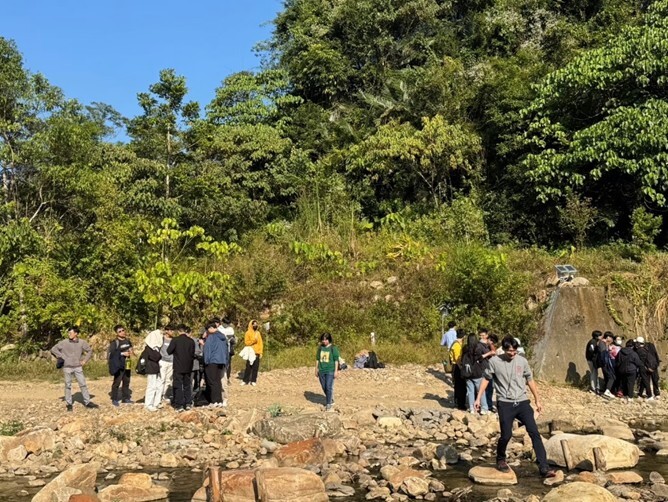
Figure 17. Group discussions at the Zhongguakeng Stream.