

|
|
|

|

|
|
|

|

|

|

|

|

|
|
|

|

|
SDG 6.4.1 Water reuse policy
1. NCUE has established smart campuses that operate on a sustainable living platform and has implemented various strategic tools in accordance with the United Nations’ sustainable development indicators. The main effects focus on smart governance and education, public safety, water resources, smart energy, healthcare, and intelligent transportation. Regarding water resources, conductivity and pH values are monitored at the three wells on campus. Real-time data are obtained through water quality detection sensors, and the detected data are then transmitted to the water resources monitoring system in real time on the Internet. These facilitate the effective management of the wells’ water quality and the optimal distribution and utilization of the water resources.
2. The requirements stipulated under the Green Building Label certification have been implemented for all new buildings. Those constructed and completed after 2003 are equipped with rainwater recovery ponds, and the recovered rainwater is used for sprinkler irrigation, thereby effectively recycling the precipitation received on campus. Since 2003, NCUE has four completed buildings and one building that is still under construction. All new buildings meet regulations and are awarded Green Building Labels. Related green building and certificate data are shown in Table 1, with individual green buildings and certificates shown in Figures 1-10.
Table 1. List of green buildings at NCUE and related information
|
No. |
Information on green building |
Green Building Certification number |
|
|
1 |
Building name |
Main Teaching Building, Jinde Campus |
Candidate green building certificate number (Figure 1) (93)CGB355 |
|
Official opening |
Approximately 2006 |
||
|
2 |
Building name |
College of Engineering Building, Baoshan Campus |
Green building certificate number (Figure 3) GB0100602 |
|
Official opening |
Approximately 2012 |
||
|
3 |
Building name |
Wang Jin-pyng Activity Centre, Jinde Campus |
Green building certificate number (Figure 5) GB-BC-01-00773 |
|
Official opening |
Approximately 2019 |
||
|
4 |
Building name |
Construction of new student dormitory, Baoshan Campus |
Green building certificate number (Figure 7) GB-RS-01-00317 |
|
Official opening |
Approximately 2021 |
||
|
5 |
Building name |
College of Science Building (phase 1) |
Candidate green building certificate number (Figure 9) CGB-BC-01-02148 |
|
Official opening |
It is completed in 2025 |
||

Figure 1: Green Building Candidate Certificate for the Teaching Building at Jinde campus
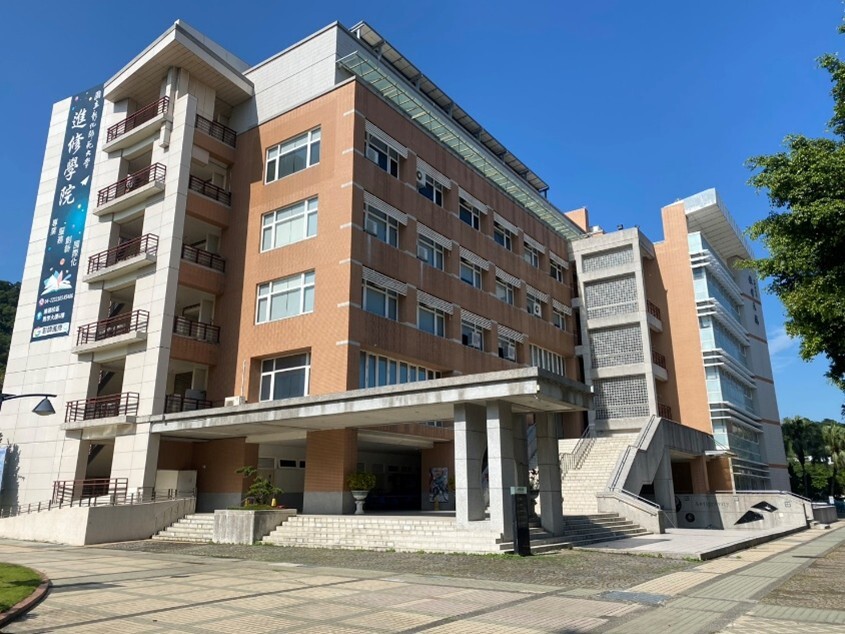
Figure 2. Teaching Building at Jinde Campus
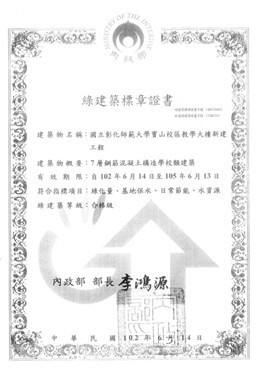
Figure 3. Green Building Candidate Certificate for the Building of College of Engineering at Baoshan Campus
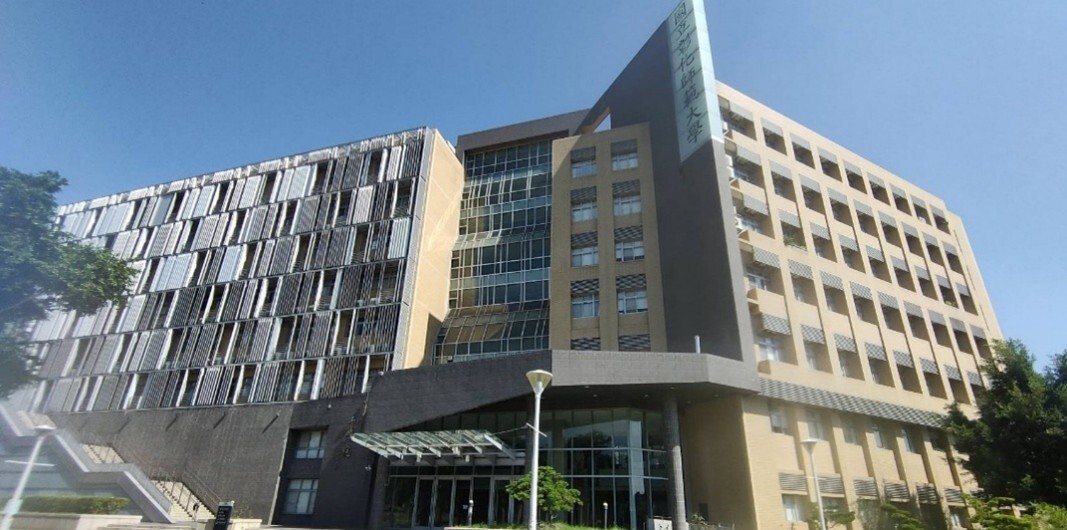
Figure 4. College of Engineering at NCUE’s Baoshan Campus
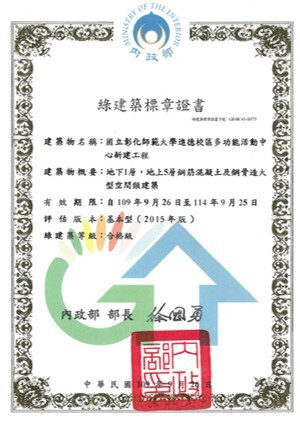
Figure 5: Green Building Candidate Certificate for Wang Jinping Activity Center
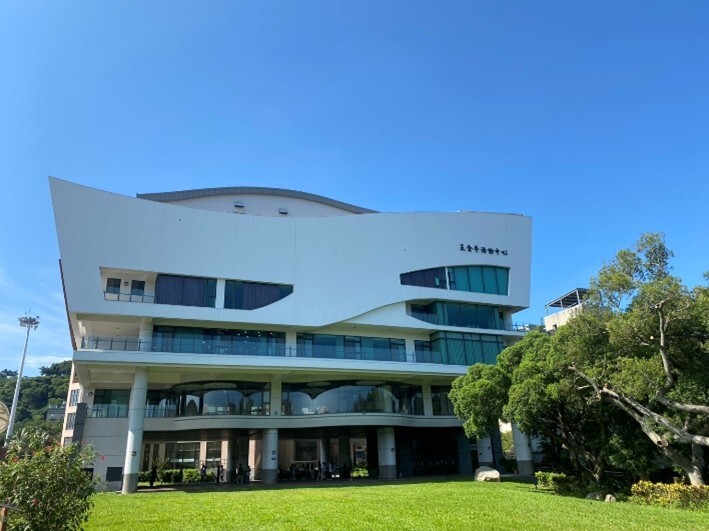
Figure 6. Wang Jinping Activity Center
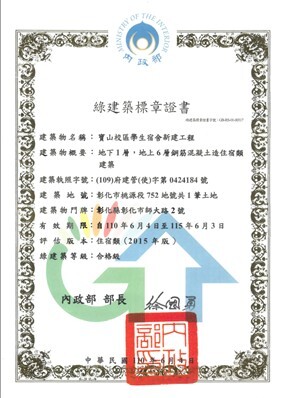
Figure 7: Green Building Certificate for NCUE Baoshan Campus’s Student Dormitory New Construction Project
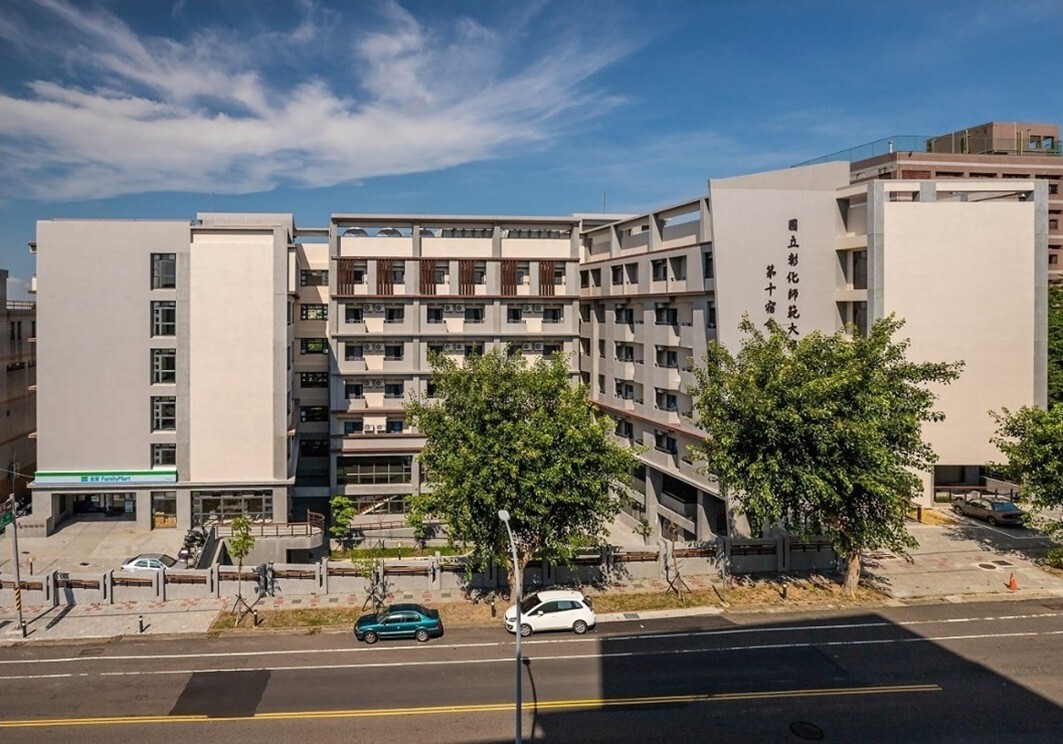
Figure 8. 10th Student Dormitory
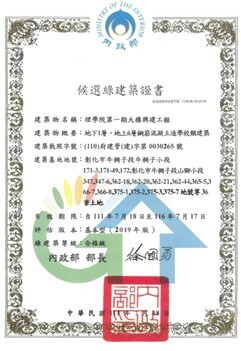
Figure 9: Candidate Green Building Certificate for Phase 1 of the College of Science Building project
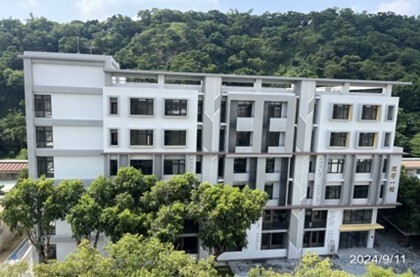
Figure 10. the Building of College of Science
3. The artificial Baisha Lake sited on the Jinde Campus has an area of approximately 9,000 m3, and the detention basin in the Baoshan Campus is 4,500 m3. NCUE is currently implementing the regulations and policies for installing rainwater recycling pools for sprinkler irrigation in new buildings. The rainwater recycling pools in Dormitory 10 and the School of Engineering have a total capacity of 275.72 m3. These two features serve the functions of flood storage during precipitation and enable the collection of rainfall and the absorption of drainage discharged from the surrounding buildings and green spaces. After collection, the rainwater and drainage are used in the sprinkler irrigation for the lawns and flowerbeds on campus. As shown in Figures 11-12.
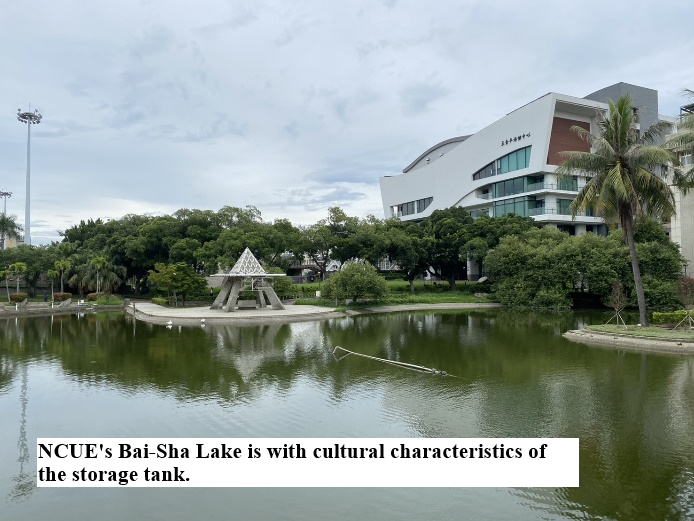
Figure 11. NCUE’s Baisha Lake, a storage tank with landscape characteristics
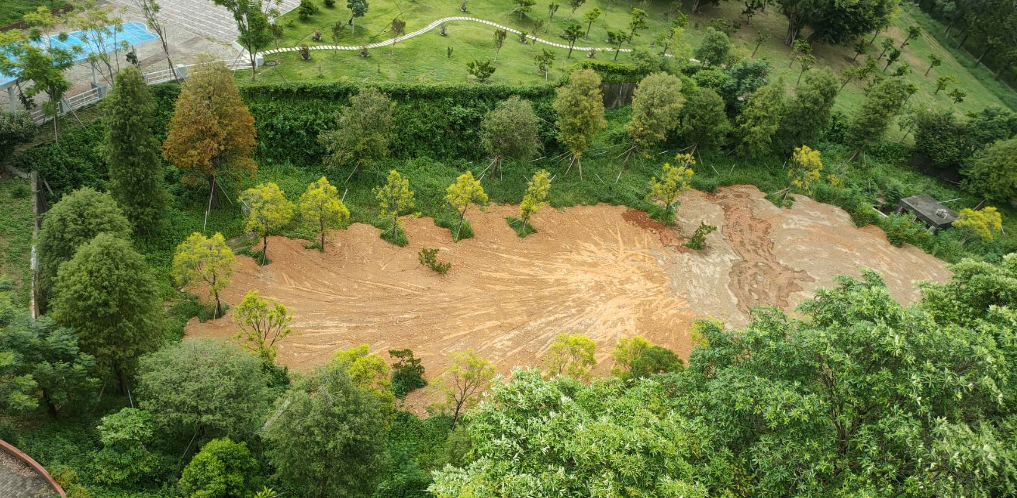
Figure 12: Detention basin at the Baoshan Campus
4. NCUE plans to install 7 ultrasonic smart water meters at the Jinde Campus and add 23 new ones at the Baoshan Campus by the end of 2025 (schematic diagram shown in Figure 13). At the Baoshan Campus, each building will be equipped with groundwater and tap water meters to monitor water usage data for each building. The university can evaluate the water usage patterns by analyzing the water consumption and event data wirelessly transmitted from smart water meters. The flow trend charts automatically generated by the management system can be used to detect abnormal water usage. Real-time data obtained from smart water meters enables effective management of on-campus water usage and provides instant water resource monitoring information. By installing smart water meters across the campus, NCUE can consolidate various water resource data throughout the campus to serve as a basis for water resource balancing, allocation, leak detection, and management.
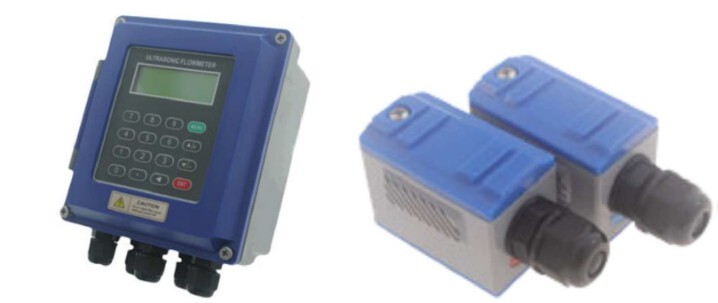
Figure 13. Smart water meter diagram