

|

|

|

|

|

|

|

|

|

|

|

|

|
|

|

|

|
SDG 6.3.5 Water-conscious planting
1. All the plant cultivation, and removal activities are discussed and implemented after the Campus Construction Review Committee meetings. To implement water conservation and ecological sustainability, the landscape design extensively deploys grass vegetation to reduce water evaporation and loss, and NCUE selects drought-tolerant plants as the main cultivation types, including Comphor Tree, Podocarpus macrophyllus, Melia azedarach, Dragon Chinese Juniper, Osmanthus fragrans, Podocarpus costalis, Lagerstroemia indica, Dwarf Ixora, Garden Croton, Duranta Erecta, Common Jasmin Orange, Azalea, Aglaia odorata, and Ficus pumila (Figures 1 and 3), to effectively reduce irrigation water demand while balancing the green aesthetics with sustainable water resource utilization.
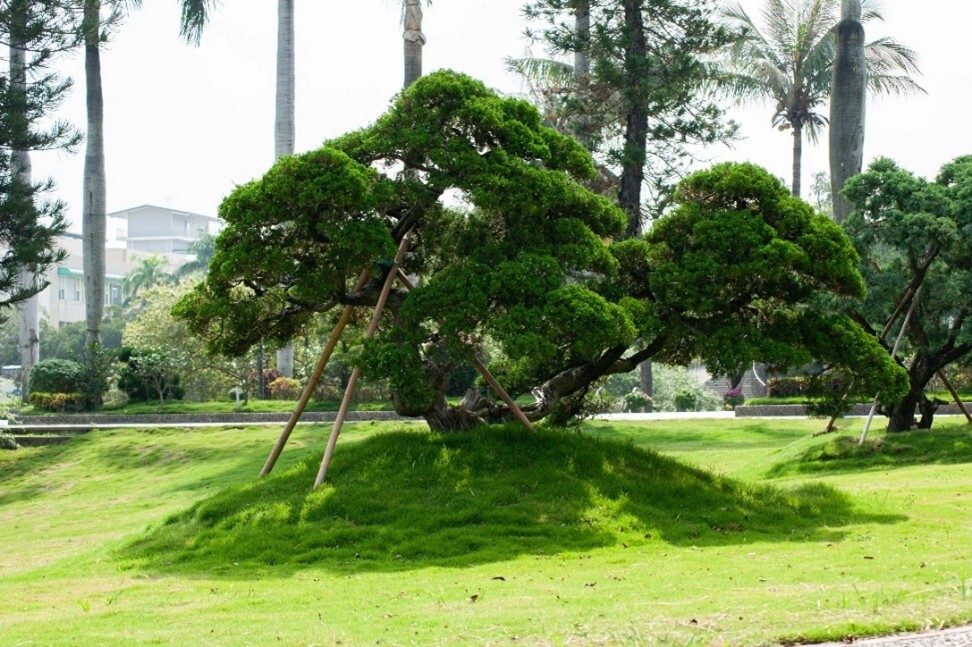
Figure 1. Jinde Campus - Extensive grass vegetation to reduce water loss
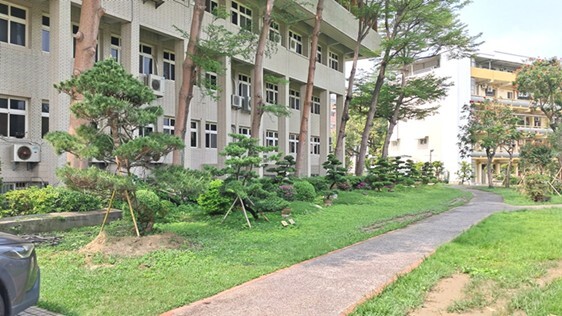
Figure 2. Jinde Campus - Buddhist pines grown along the trail near the Baisha Building
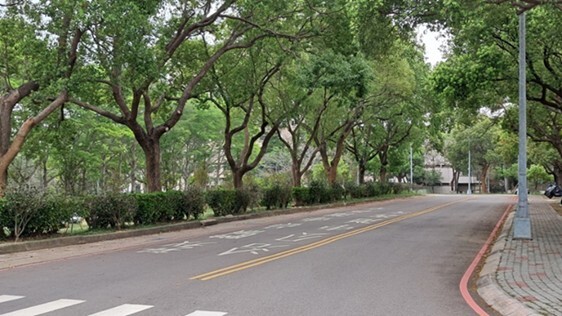
Figure 3. Baoshan Campus - comphor trees grown at the entrance of the campus
2. Additionally, sprinkler irrigation systems have been installed at both campuses (Figures 4-7). The systems were designed based on the principle of using the minimum possible number of sprinklers with maximum possible coverage area, and the daily irrigation time is strictly controlled to ensure optimal water supply for plants as well as to effectively save water consumption.
3. With a donation of US$500,000 from NCUE’s alumnus Chairman Jui-fen Shiao, NCUE has been promoting landscaping and planting improvements on both the Jinde and Baoshan campuses since 2023, adding diverse drought-tolerant and landscape plants, including common crepe myrtles, Buddhist pines, sargent junipers, black pines, Taiwan pines, crepe myrtles, green ebonies, pink shower trees, bald cypresses, ‘’white cloud trees, silver junipers, Cherry blossoms, Camellias, paper flowers, and sweet olives. To date, a total of 6,395 trees have been planted (1,920 at Jinde Campus and 4,475 at Baoshan Campus), further enhancing campus green coverage and ecological resilience.
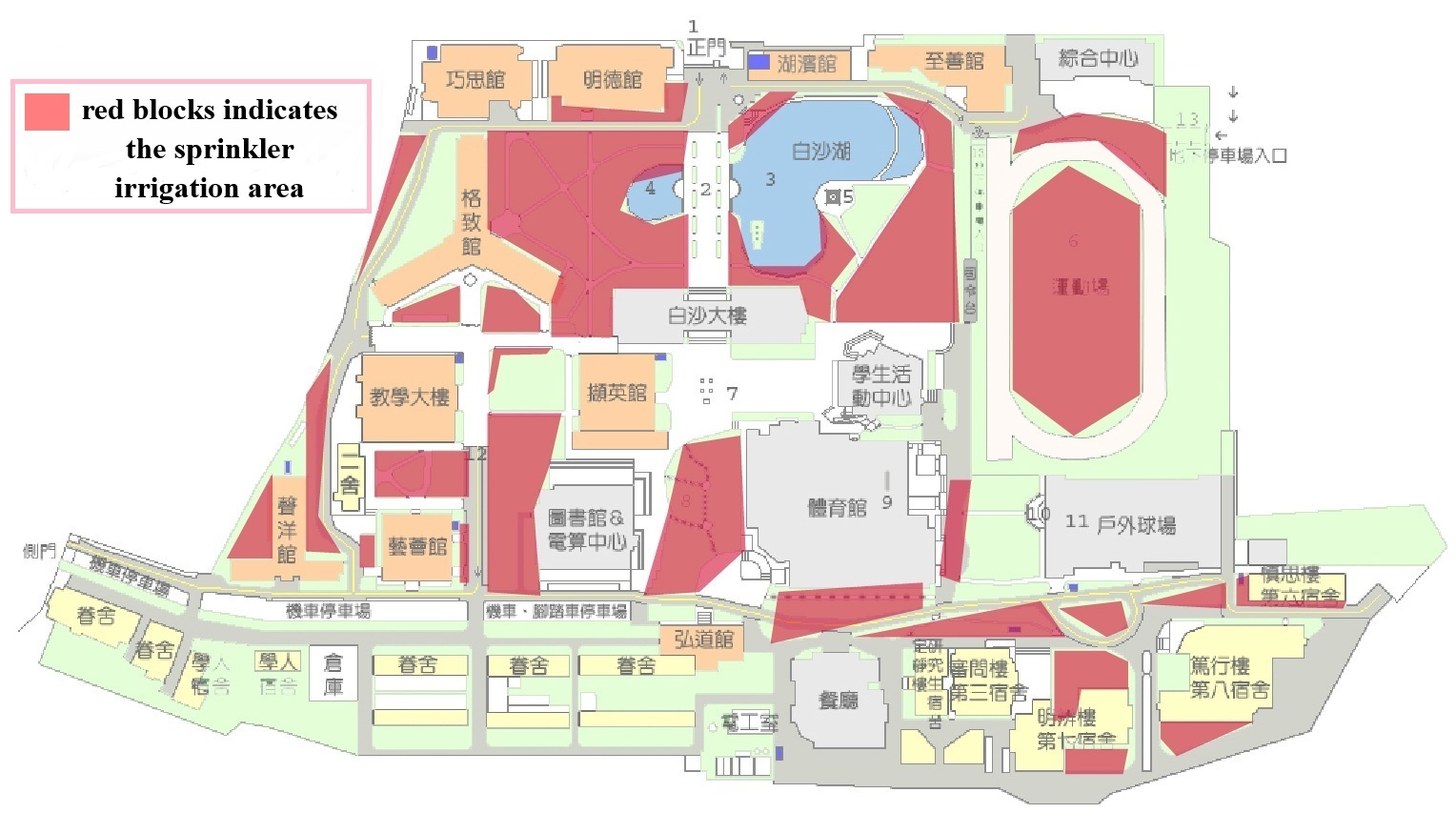
Figure 4. Jinde Campus irrigation area map (red blocks)
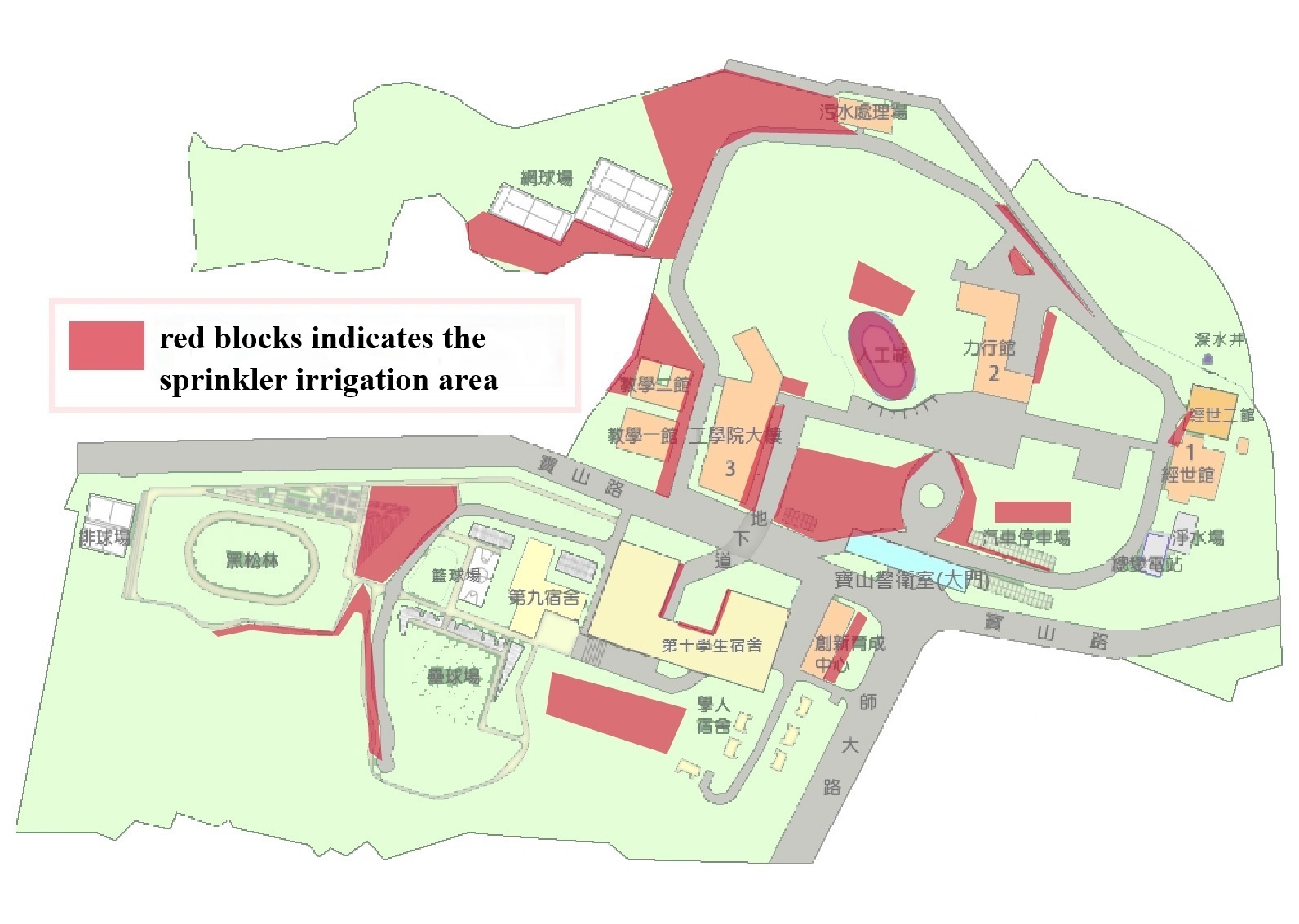
Figure 5: Baoshan Campus sprinkler irrigation area map (red blocks)
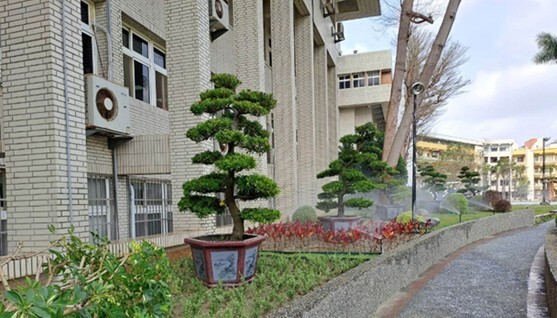
Figure 6. Jinde Campus - Sprinkler irrigation system is in the flower bed of the Baisha Building
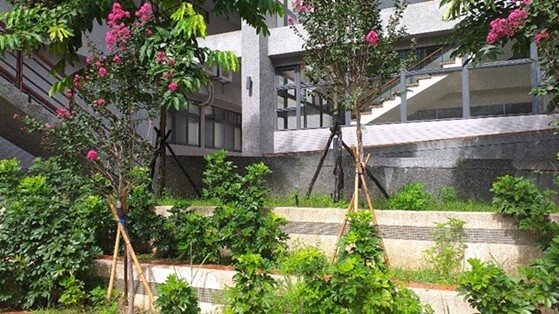
Figure 7. Baoshan Campus - Sprinkler irrigation system is in the flower bed of Student Dormitory No. 10
4. By prioritizing drought-tolerant plants, applying scientific irrigation systems, and continuously optimizing planting projects, our school has successfully improved the quality of campus greening and minimized water consumption, achieving the multiple goals of water conservation, sustainability, and landscaping.