|
|
|
|
|
|
|
|
|
|
|
|
|
|
|
|
|
SDG 4.4.1 Proportion of first-generation students
Number of students starting a degree
In 2024, the Full-Time Equivalent (FTE) number of students starting their degrees was as follows:
1. Bachelor’s degree programs: 1,154 students
2. Master’s degree programs: 680 students
3. Doctoral degree programs: 79 students.
Please refer to Figure 1 for details.
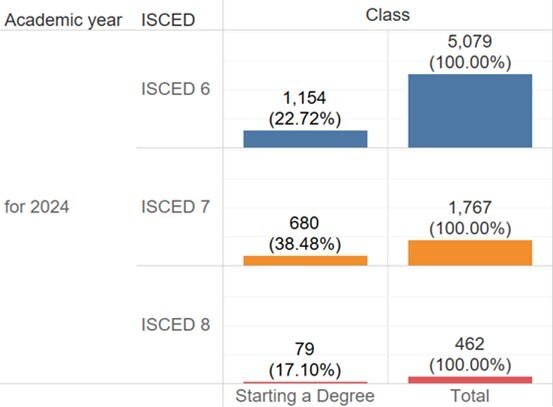
Figure 1. Students Starting a Degree at NCUE in 2024
Number of first-generation students starting a degree
In 2024, among full-time students, the number of first-generation students starting a degree was 670, accounting for 35.02% of the total 1,913 students (Table 1, Figure 2).
Table1. 2024 Number of First-Generation Students Starting a Degree
|
Program Level |
Number of First-Generation Students |
Total First-Year Students |
Percentage |
|
ISCED6 |
199 |
1,154 |
17.24% |
|
ISCED7 |
421 |
680 |
61.91% |
|
ISCED8 |
50 |
79 |
63.29% |
|
Total |
670 |
1,913 |
35.02% |
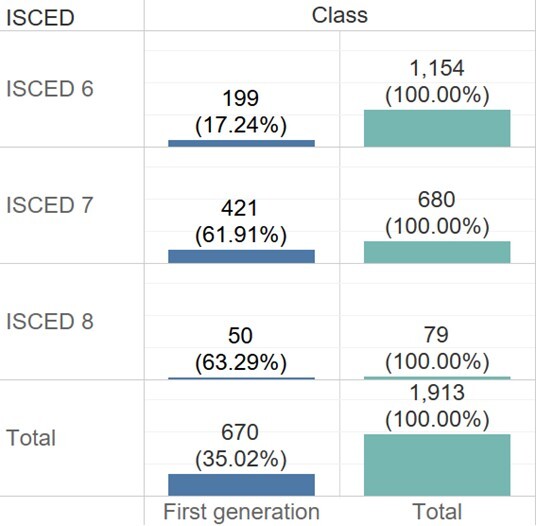
Figure 2. Number of First-Generation Students Starting a Degree in 2024
Supplementary Information:
1. Higher Education in Taiwan Has Become Highly Accessible:
According to the Ministry of the Interior’s 14th week statistical report in 2025, as of the end of 2024, the registered population aged 15 and above in Taiwan was 20.658 million. Among them, 10.449 million people had higher education (college degree or above), accounting for 50.6%. Furthermore, OECD statistics showed that in 2023, the average proportion of the population aged 25-64 with higher education across countries was 41%, while Taiwan’s rate was as high as 58%, significantly higher than the average. Compared to major countries, Taiwan ranked second only to Canada’s 63%, indicating that higher education in Taiwan is quite widespread.
Statistical Bulletin – 2025 by the Ministry of the Interior, please refer to: https://www.moi.gov.tw/cl.aspx?n=21335
2. Improving the Education Guidance Mechanism for First-Generation University Students
For first-generation university students, their parents received limited formal education, unable to directly provide immediate learning assistance and resources to the next generation, which easily causes challenges in academic learning, interpersonal relationships, and cultural adaptation. To promote equal educational opportunities, NCUE is dedicated to fulfilling its social responsibility as a national university by promoting upward social mobility, reducing inequitable treatment caused by economically or culturally disadvantaged backgrounds. In alignment with the Higher Education Sprout Project, NCUE provides various guidance programs for students who qualify under the criteria of “first-generation university students from families with three generations without higher education”. Through holistic care covering all stages from admission pathways, academic assistance, to graduation preparation, we help first-generation university students focus on their learning and cultivate their career competitiveness.
(1) Pre-Admission Guarantees and Increased Admission Opportunities
To assist students in pursuing their studies smoothly and demonstrating their potential, NCUE actively establishes diverse support mechanisms, encouraging each department to allocate additional or reserved admission quotas through different channels, and offering admission opportunities for disadvantaged students. Additionally, we exempt admission-related fees and provide transportation subsidies for disadvantaged students to alleviate their economic pressure.
(a) Reserved Quotas for University Admission: Through the university application admission channel, NCUE provides certain quotas for priority admission of economically disadvantaged students, and establishes the mechanism of “Eagle Rising Group and Priority Admission,” which emphasizes students’ learning motivation and their perseverance throughout their educational journeys. Admission decisions are made based on comprehensive document reviews rather than solely on standardized test results. In the academic year from 2023 to 2024, NCUE admitted 1 and 17 students through this mechanism, respectively.
(b) Fee Exemption for Entrance Examinations and Transportation: To alleviate students’ economic burden and strengthen assistance for disadvantaged students, NCUE exempts application and examination fees for economically disadvantaged students participating in admission exams and provides subsidies for transportation and accommodation. Since the academic year from 2023 to 2024, NCUE has provided approximately NTD 28,000 in subsidies.
(2) Post-Admission Learning Support throughout All Stages in Education
To ensure students can pursue their studies without financial worries, NCUE implements a guidance mechanism of “Learning Instead of Part-Time Work,” enabling economically disadvantaged students to balance both their academic studies and living needs. From the beginning of enrollment to the end of graduation, we thoroughly implement “comprehensive support for students’ learning journey,” helping students achieve the goal of “flying in their academic journeys and realizing their dreams.” The learning journey includes guidance for worry-free student life, professional psychological counseling, enhancement of self-directed learning guidance, and guidance for competency and career development. Table 2 shows the number of students receiving guidance and incentive funds under the mechanism of Eagle Rising and Priority Admission of NCUE in 2024. The number of guidance sessions provided to economically disadvantaged students has reached 2,505. Among these, 640 guidance sessions were provided for first-generation university students, who collectively received incentive grants totaling NTD 3,687,600.
Table 2. Distribution of Incentive Grants under the Eagle Rising Program of NCUE in 2024
|
|
Life Guidance |
Psychological Counseling |
Learning Guidance |
Career Guidance |
Total |
|
Number of guidance sessions |
329 |
798 |
1,343 |
35 |
2,505 |
|
Students receiving incentive grants |
3,944,000 |
- |
8,636,400 |
110,000 |
12,690,400 |
|
Number of first-generation university students |
122 |
149 |
360 |
9 |
640 |
|
First-generation university students who received incentive grants |
1,317,600 |
- |
2,340,000 |
30,000 |
3,687,600 |
(a) Life Guidance for Worry-Free Student Life:
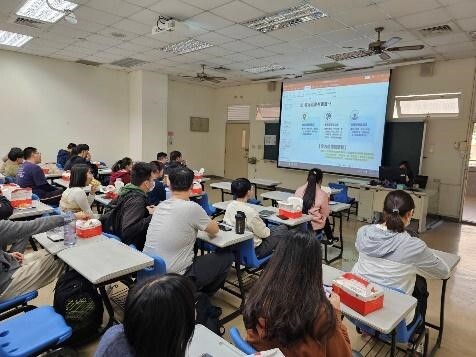
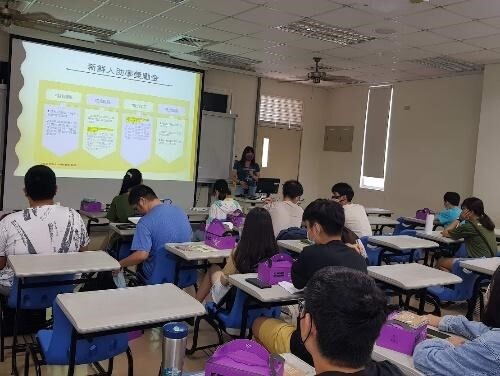
Through measures such as tuition and miscellaneous fee waivers, guaranteed accommodation, and post-counseling support, including emergency relief, campus meal vouchers, and scholarships, NCUE helps students overcome short-term living and financial hardships. Figures 3-4 show the implementation of Eagle Rising incentive grants and freshman financial aid briefings, as well as sharing sessions of Eagle Rising students’ growth.
|
|
|
|
Figure 3. Briefing on Eagle Rising Program Incentive Grants of NCUE (2024) |
Figure 4. Briefing on Freshman Financial Aid |
(b) Psychological Counseling and Supportive Companionship:
For students in need of psychological counseling, NCUE provides individualized counseling services, group counseling services, diverse mental health promotion activities (including lectures and workshops), and establishes individualized case management and follow-up for students who need counseling. These services provide students with comprehensive psychological support and assistance, deepening “precision guidance & counseling” to build student resilience and emotional well-being.
(c) Learning Guidance for Academic Excellence and Competency Enhancement:
Oriented by students’ needs, mentor-teachers personally guide students in setting learning goals and strategies, planning diverse competency enhancement programs to expand their depth and breadth of learning and developmental appropriateness. The guidance is complemented by various enhancement lectures and workshops, such as a micro-program to further enhance students’ knowledge and competency.
(d) Library and Digital Resources for Expanded Learning Support:
Libraries in NCUE currently hold approximately 440,000 volumes in their collection (including Chinese and English books), with an annual investment of approximately NTD 29 million to enrich its library collection. We actively participate in various electronic resource consortia, such as the Taiwan Academic E-book and Database Consortium (TAEBDC), the Consortium on Core Electronic Resource in Taiwan (CONCERT), the University Library E-book Procurement Consortium, and the Chemistry and Physics Promotion Center Consortia. NCUE provides approximately 30 types of electronic resources, including Elsevier ScienceDirect, Springer, Wiley, IEEE, and other electronic resources to meet students’ learning and research needs. Students can actively utilize the university’s libraries, computer labs, laboratories, and other resources, all of which offer students a high-quality learning environment.
(e) Emergency Relief Fund for NCUE Students:
To support students from financially disadvantaged families and those who face unforeseen emergencies (including first-generation university students from families with three generations of no higher education), NCUE provides emergency relief funds of up to NTD 100,000 per student to help them overcome financial hardship. https://alumni.ncue.edu.tw/p/405-1017-4685,c1366.php
(3) Comprehensive Career Guidance Before Graduation for Employment Transition
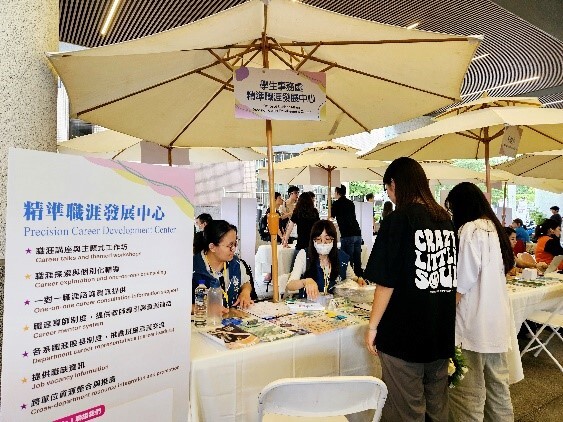
(a) Establishment of the “Precision Career Development Center” in February 2025: NCUE established the Precision Career Development Center as a dedicated unit to integrate on-campus career guidance resources and develop a support platform, fostering cross-departmental cooperation and working closely with various departments and institutes to provide students with diverse and precise career guidance services.
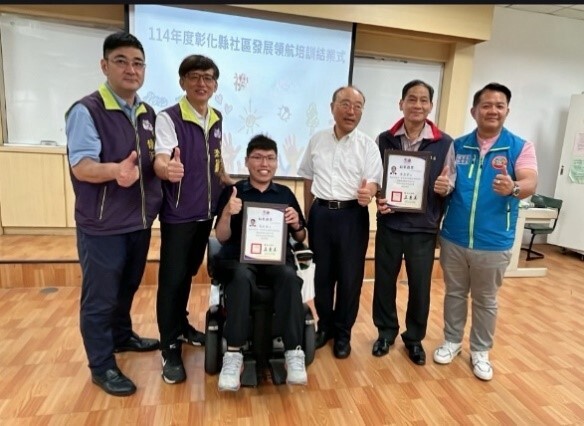
(b) Enhancing the Diversity and Stability of Students’ Future Development: To broaden the diversity and stability of students’ future development, NCUE applied for the “2024 Employment Service Subsidy Program in Collaboration with Universities and Colleges” launched by the Taichung-Changhua-Nantou Regional Branch of Workforce Development Agency, Central Taiwan Branch, Ministry of Labor. Under this program, we hired professional consultants to provide individualized career guidance services, with a total of 48 participants, including 8 first-generation university students. NCUE aimed to help students clarify their self-understanding and enhance their self-worth affirmation from an objective perspective, while broadening their horizons on future trends of labor markets (Figures 5-6).
|
|
|
|
Figure 5. Social Engagement Practice – Community Development Leadership Training |
Figure 6: Job Fair – Precision Career Development Center Providing Guidance Services |
(4) Encouraging Students to Engage in Remote Rural School Services to Demonstrate Self-Worth
NCUE encourages students to extend their learning beyond the campus by engaging in remote rural education services. Through the service experience, students not only put their professional knowledge and skills into practice, but also realize their self-worth and gain confidence and a sense of achievement through positive feedback from students. The Baisha Summer School, the Schweitzer-Inspiring Service Program, and the University Social Responsibility Implementation Project: NCUE x Collaborative Education: – Enhancing 12-Year Basic Education in Rural Communities serve as exemplary fields for these values, demonstrating the power and significance of first-generation university students in educational service.
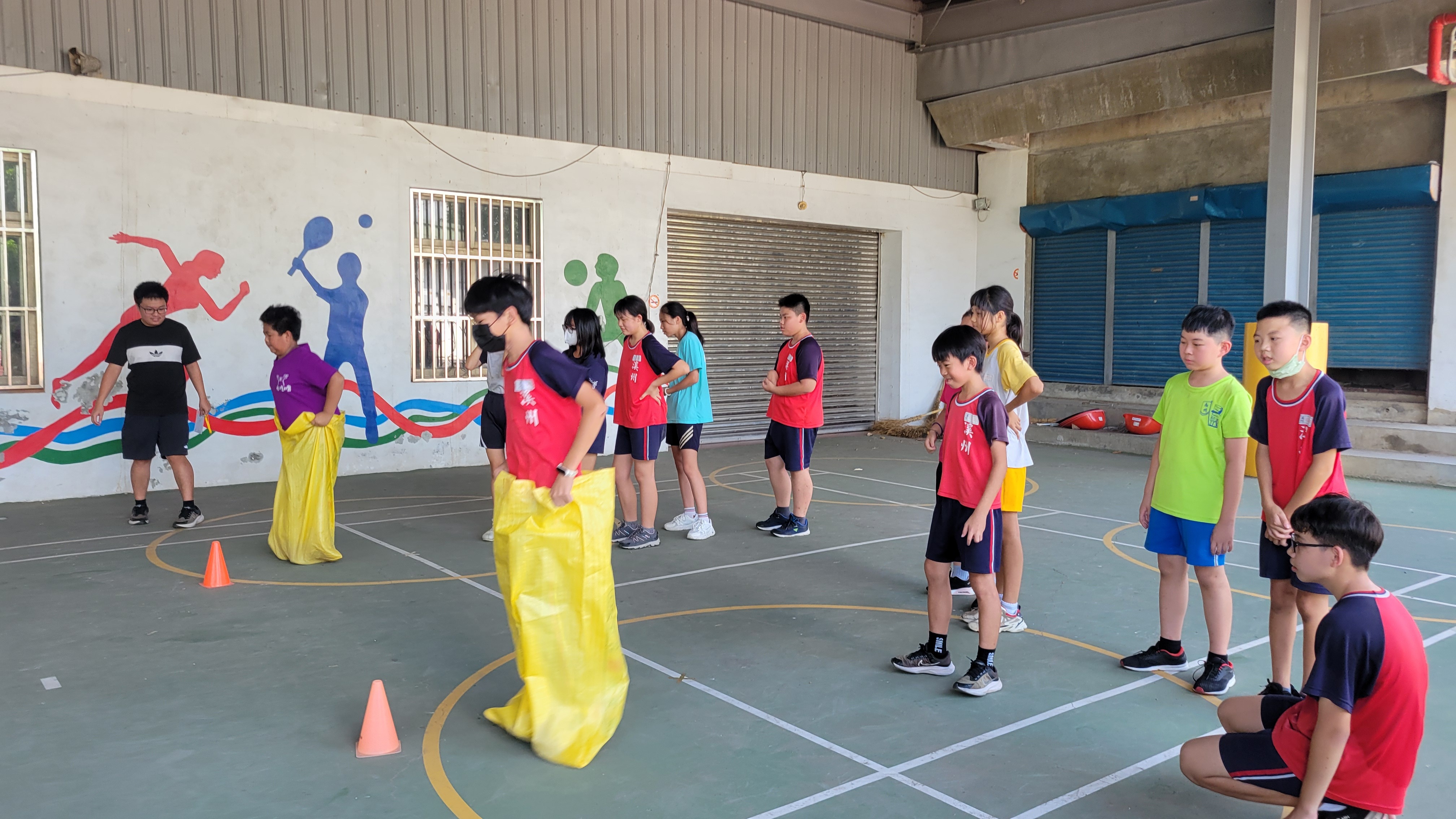
(a) Baisha Summer School: Since 2011, the Baisha Summer School has been held annually. It is organized by a team of pre-service teachers who take on various roles such as principal, members of academic affairs, student affairs, general affairs, as well as homeroom teachers. Through this immersive experience, they simulate the operations of a real school and lead newly-enrolled elementary and junior high school students to adapt to campus life while engaging in creative and enthusiastic bridging courses. In the summer of 2024, a total of 39 pre-service teachers (including 4 first-generation university students) served at Sijhou Junior High School and Hsin-Yi Public Junior High and Elementary School in Changhua County. They guided 113 incoming seventh graders to experience the joy of learning and to embrace their new life in junior high school. (Figures 7-10)
|
|
|
|
Figure 7. Baisha Summer School – Closing Ceremony at Hsin-Yi Public Junior High and Elementary School |
Figure 8. Baisha Summer School – Curriculum Expo at Hsin-Yi Public Junior High and Elementary School |
|
|
|
|
Figure 9. Baisha Summer School – Sports Day at Sijhou Junior High School |
Figure 10. Baisha Summer School – Opening Ceremony at Sijhou Junior High School |



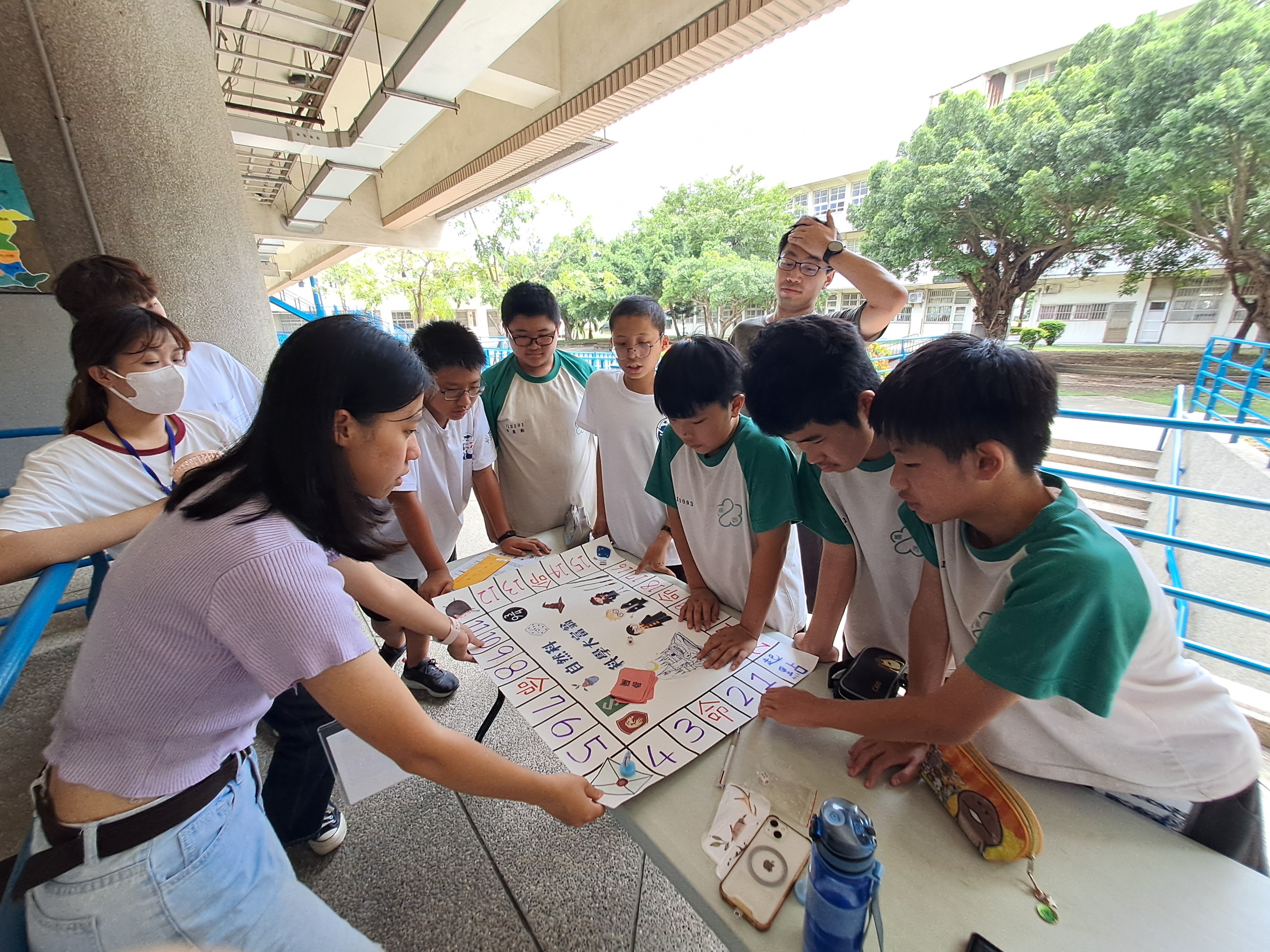
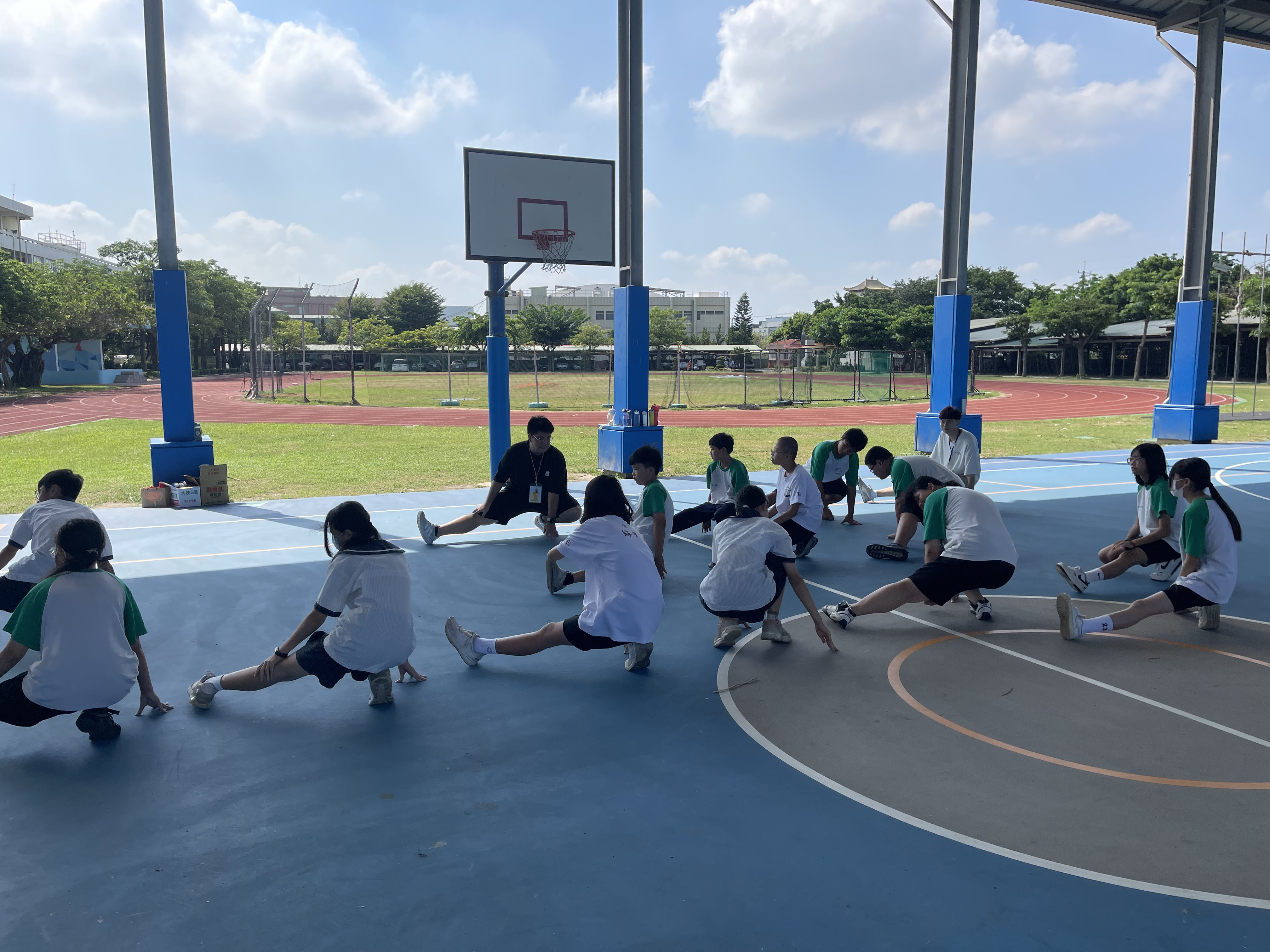
(b) Schweitzer-Inspiring Educational Service Program: Since 2006, the Schweitzer-Inspiring Educational Service Program has embodied the spirit of Dr. Schweitzer by promoting care for the underprivileged and professional services. The participants provide academic tutorial sessions and character education in remote rural schools. In the summer vacation of 2024, 19 pre-service teachers (including 2 first-generation university students) served 27 students transitioning from seventh to eighth grade at Hsienhsi Junior High School in Changhua County (Figures 11-12).
|
|
|
|
Figure 11. Schweitzer-Inspiring Educational Service Program – Academic Subject Stations |
Figure 12. Schweitzer-Inspiring Educational Service Program – Sports Day |
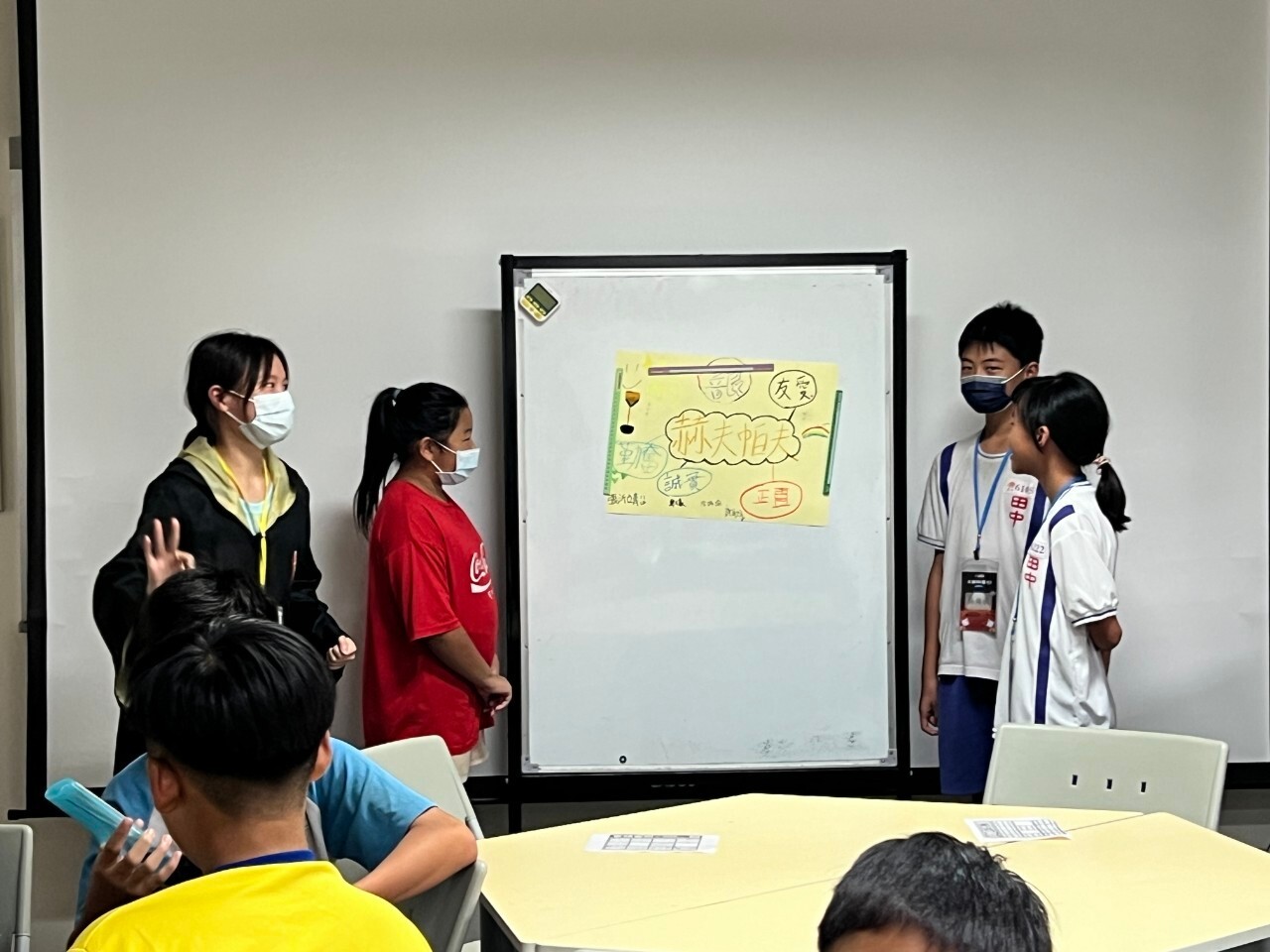
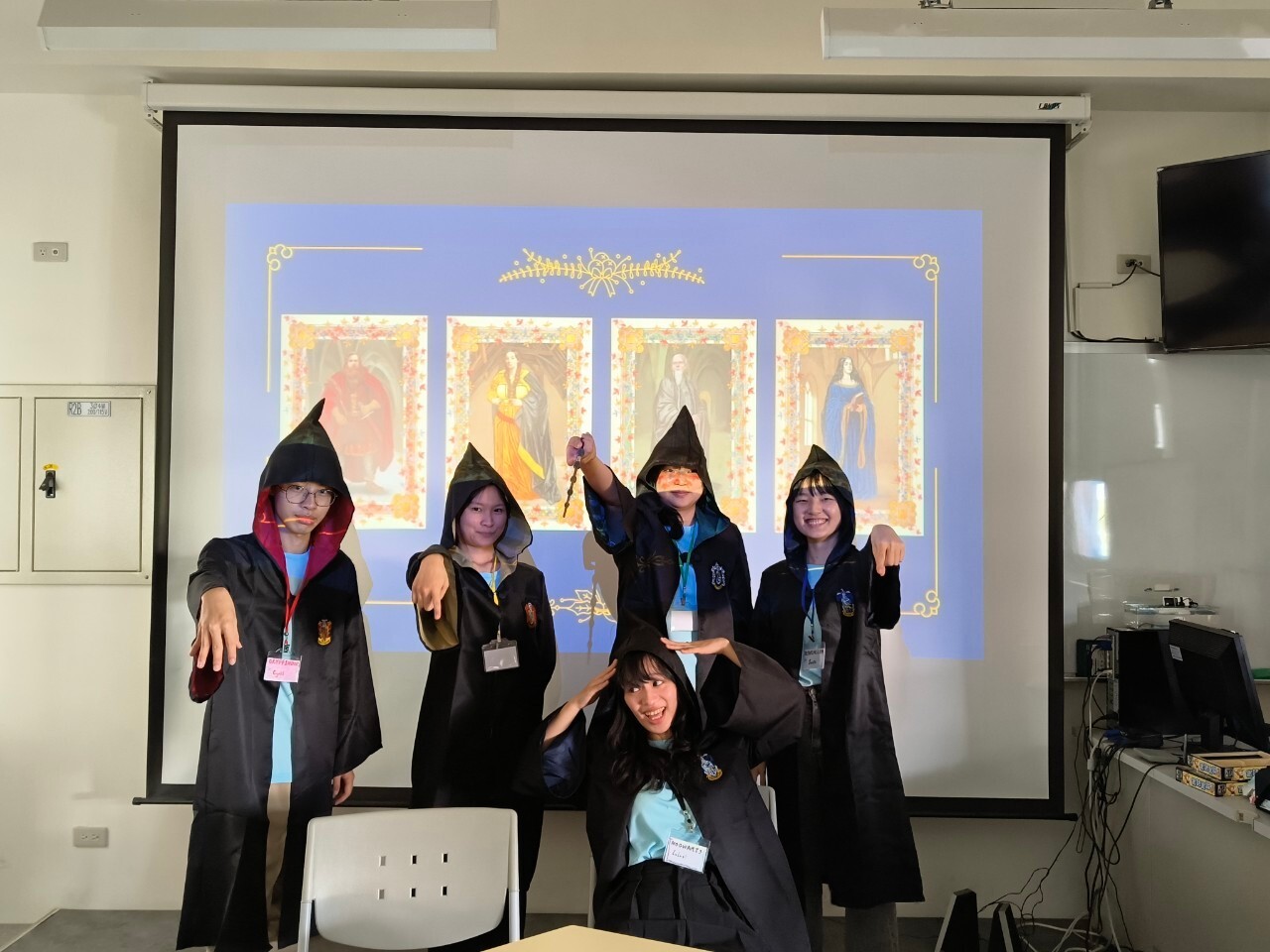
(3) USR NCUE x Collaborative Education Project: Launched in 2020, this project aims to fulfill the university’s social responsibility, enhance pre-service teachers’ professional teaching knowledge, and strengthen their practical teaching competence. It also promotes the integration of regional resources to provide underprivileged students in rural areas with better learning opportunities and educational resources. In 2024, NCUE co-organized summer camps with six schools across Changhua, Yunlin, and Nantou Counties. These camps incorporated localized curricula and interdisciplinary courses. For example, the bilingual support program “Magical Voyage” at the junior high division of Tianjhong Senior High School employed immersive English activities and role-playing to build students’ confidence and improve their English communication skills. A total of 61 pre-service teachers participated as volunteers (including 12 first-generation university students) by serving 231 junior high school students (Figures 13-14).
|
|
|
|
Figure 13. Enhancing Students’ English Communication Skills through Immersive English Activities |
Figure 14. Group Photo in the Classroom |