
|
|
|
|
|
|
|
|
|
|
|
|
|
|
|
|
|
SDG 4.3.1 Public resources (lifelong learning)
NCUE, as an institution for secondary education teacher training in Taiwan, has long been offering free in-service training courses for teachers from various towns and cities. We also provide numerous free physical and online educational resources for individuals who are not studying at NCUE. Furthermore, NCUE opens its campus spaces, library, sports fields, and courts to the public, allowing external visitors to access these facilities and equipment.
1. Free Courses Leading to a Certificate or Award
NCUE regularly and periodically organizes free courses and workshops, providing participants with certificates or proof of attendance. The courses and workshops offered by NCUE include professional training for mathematics teachers, training for science education seed teachers, English teaching resources and courses, Science Fun Day, training for novice teachers, and various public lectures.
(1) Professional Training for Mathematics Teachers:
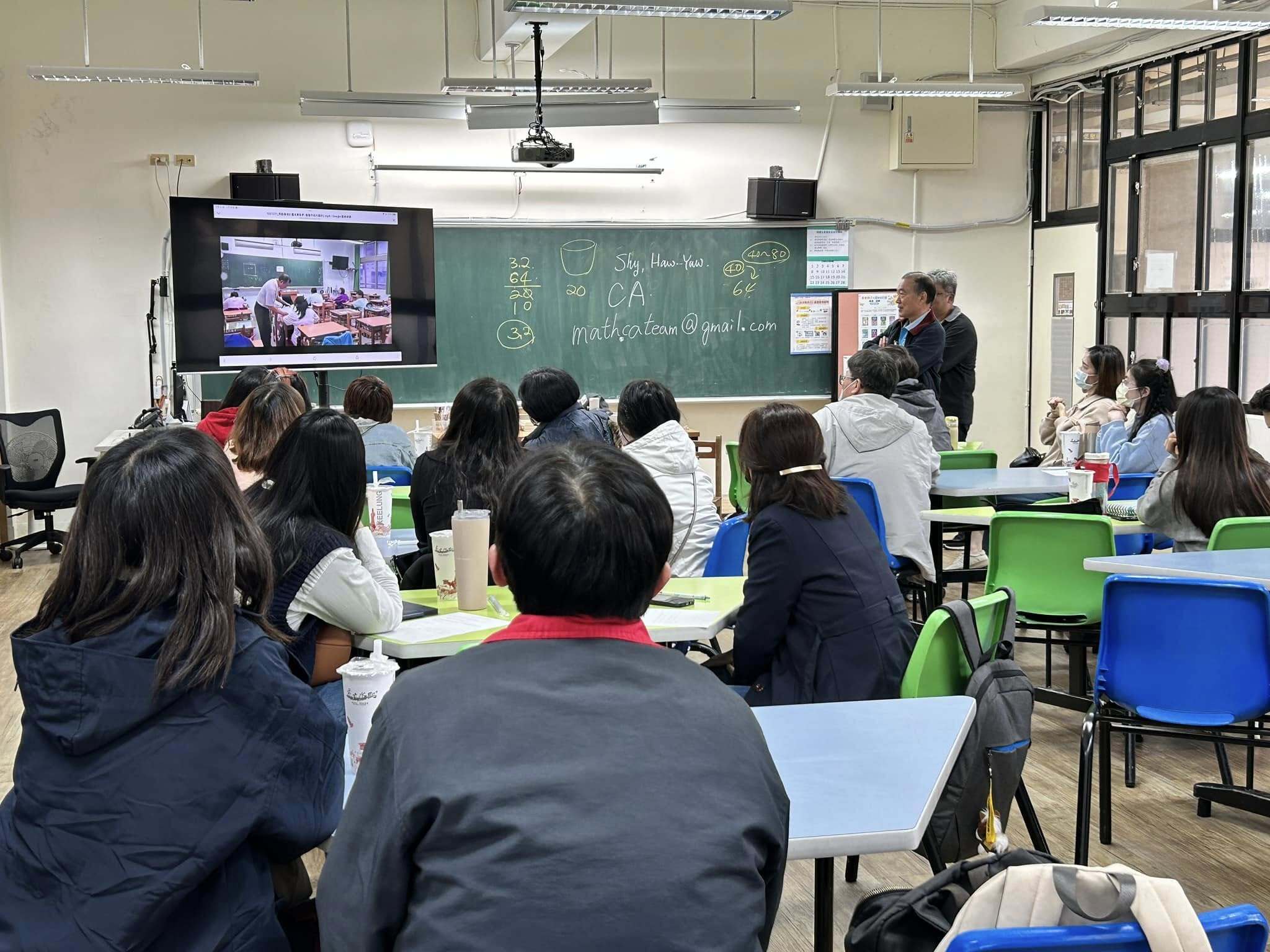
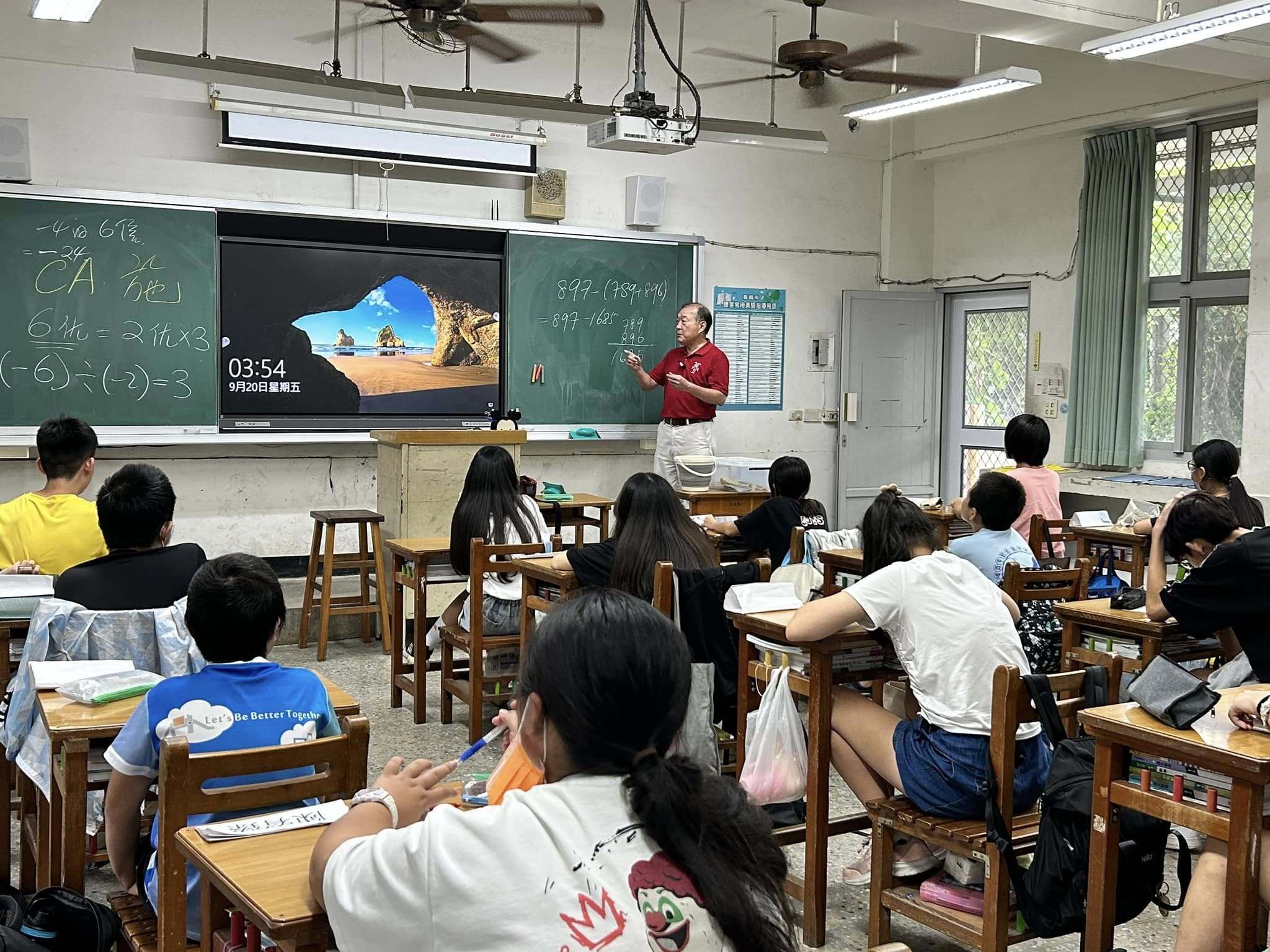
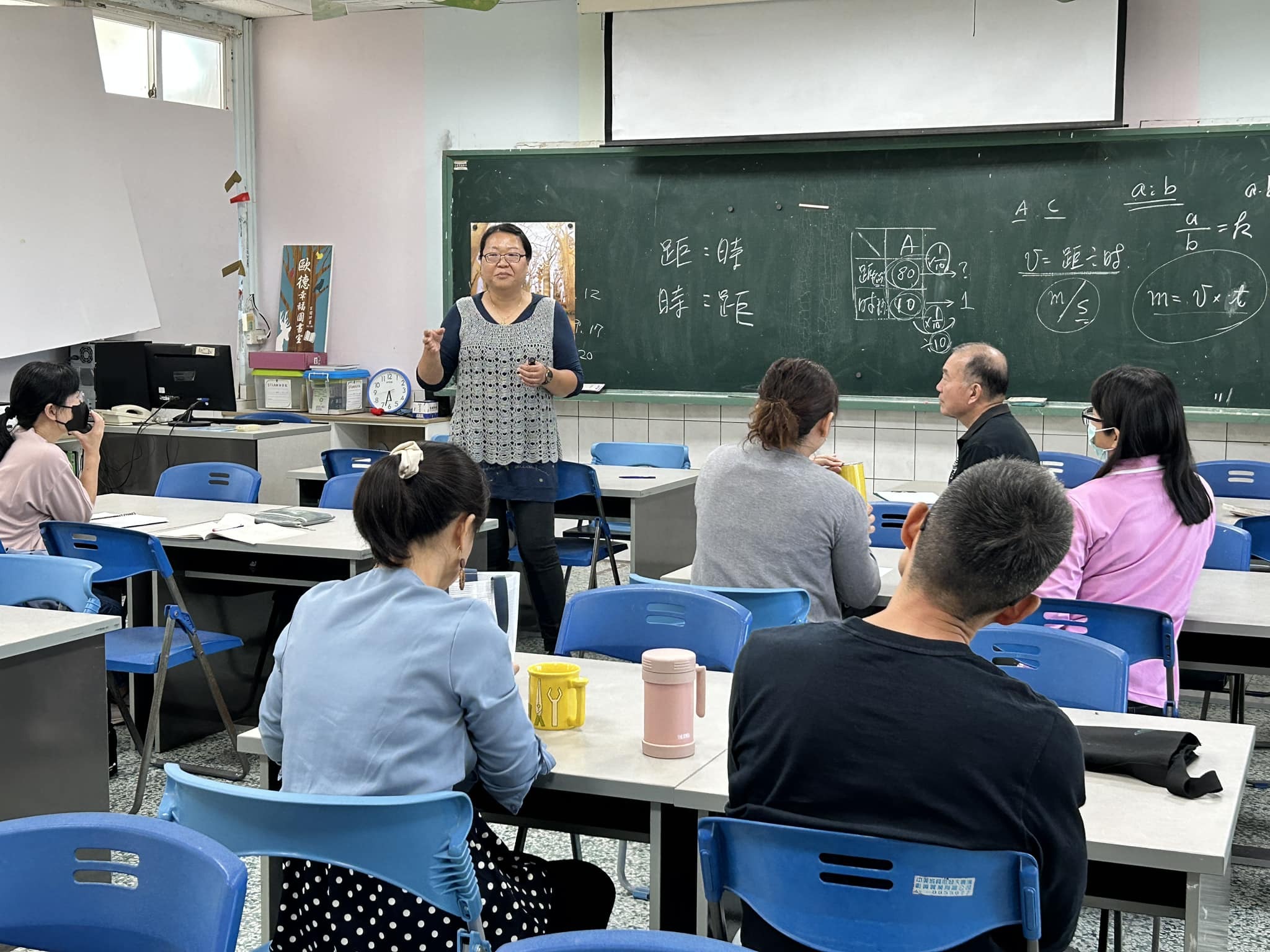
Since 2015, NCUE has been promoting the “New World of Mathematics Rooting Project.” We organize dozens of free seed teacher training sessions annually, with all participants receiving certification for their learning hours upon completion. The courses facilitate the integration of mathematical knowledge through observation and practical application, helping teachers understand the context of mathematical concepts and the main ideas behind the knowledge. This enables primary, junior high, and senior high school teachers to guide students in developing concepts more comprehensively and completely during instruction, as well as to adapt their teaching methods more flexibly.
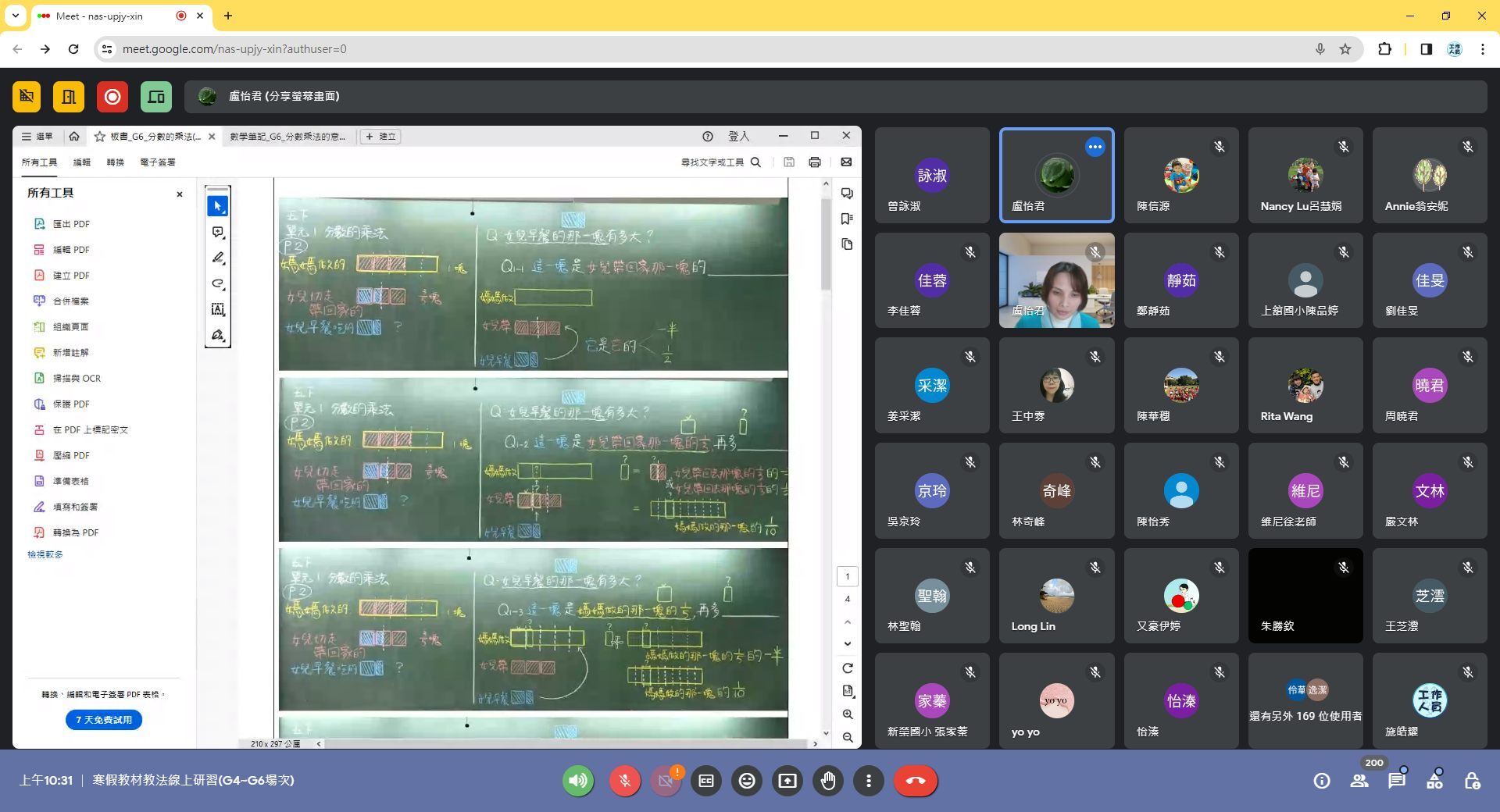
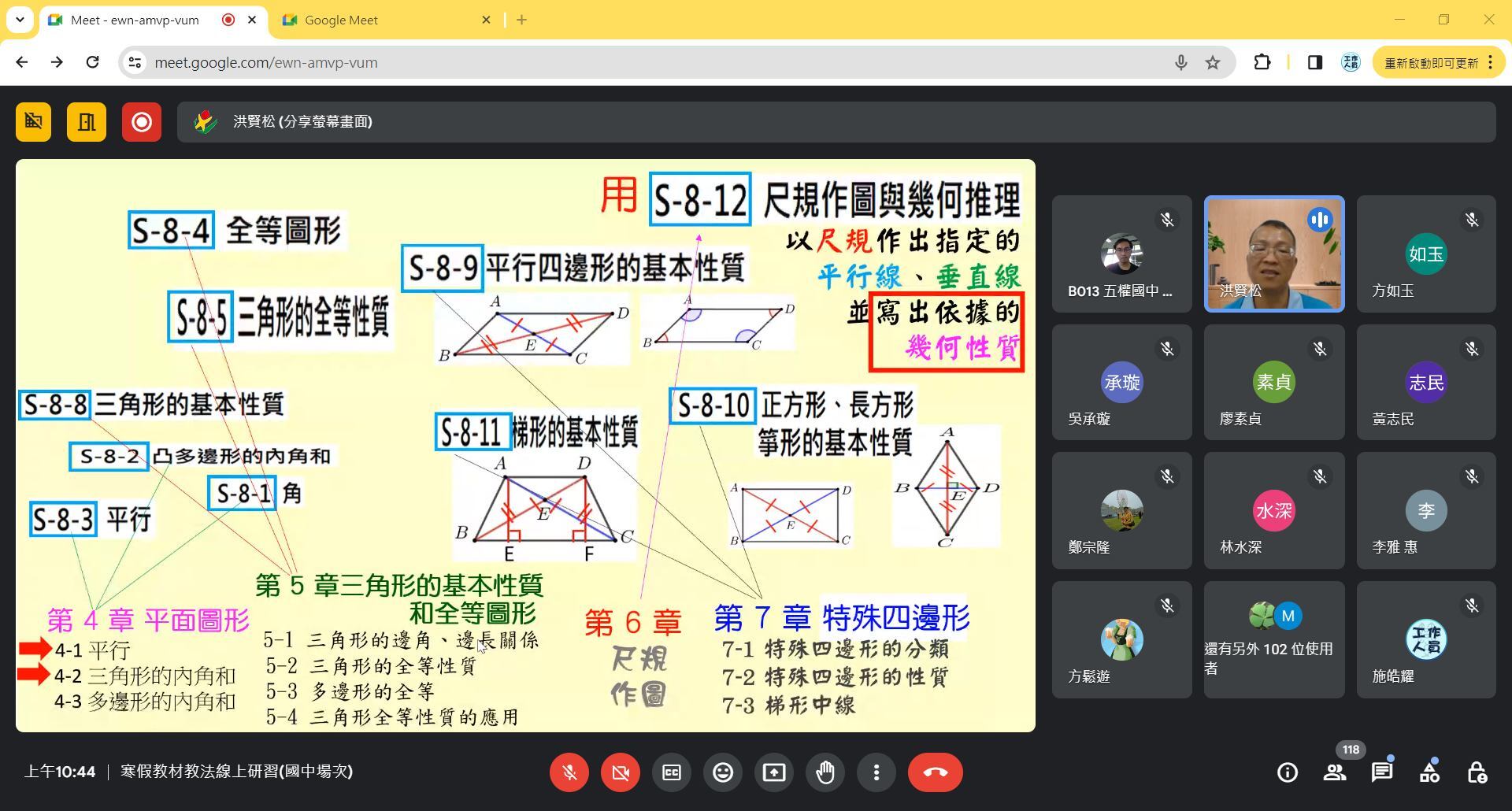
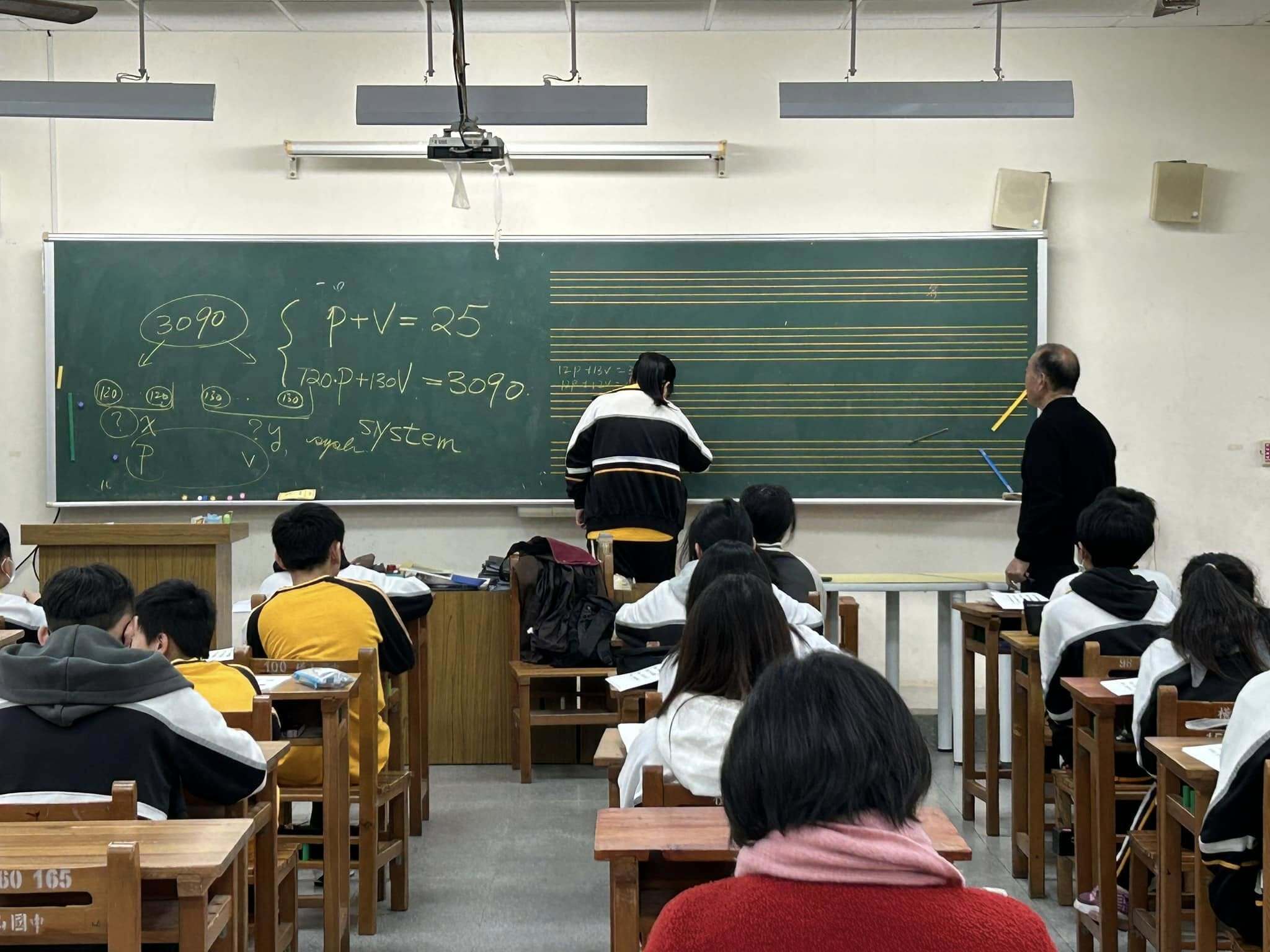
In 2024, we held Literacy Practice Instructor Training Workshops, Literacy Practice Teaching Materials and Methods Instructor Training Workshops, and Teaching Materials and Methods Workshops for Mathematics Teachers from grades 1 to 9, totaling 50 sessions (including both physical and online workshops), with 4,565 primary and secondary school teachers participating. Whether for physical or online courses, teachers can obtain certification for their learning hours upon completion of the training courses (Figure 1-6).
Project website: https://www.nhmath.com/NH-MATH/
Facebook: https://www.facebook.com/nhmath.tw
Albums: https://www.facebook.com/nhmath.tw/photos_albums
Demonstration Teaching Video: https://www.youtube.com/@NewHorizonofMathematics/videos
|
|
|
|
Figure 1. 2024.01.24 Online Workshop |
Figure 2. 2024.02.01 Online Workshop |
|
|
|
|
Figure 3. 2024.03.01 |
Figure 4. 2024.03.18 Workshop on Teaching Enhancement |
|
|
|
|
Figure 5. 2024.09.27 |
Figure 6. 2024.12.12 Workshop on Teaching Enhancement |
(2) National Program for Enhancing Inquiry-Based Curriculum Design and Implementation Skills of Science Teachers in Junior High and Elementary Schools:
In alignment with the national policy to promote 12-Year Basic Education, NCUE annually offers several free science courses titled “Inquiry and Practice.“ These courses aim to assist natural science teachers in Junior High and Elementary schools across Taiwan in continuously improving their integrated teaching professional competencies. The training cultivates teachers’ abilities to design and implement inquiry-based teaching curricula, enabling these seed teachers to embody the spirit of inquiry in their classrooms and achieve the goal of enhancing the scientific literacy of future citizens.
In 2024, a total of 15 free courses were held across the country, with 404 teachers participating and obtaining certification for their learning hours.
Website: https://cirn.moe.edu.tw/Module/index.aspx?sid=1197
Event pictures: https://cirn.moe.edu.tw/Module/PhotoDetail.aspx?sid=1197&mid=13636&photoclassid=1021#
(3) English Teaching Resources:
In alignment with the national policy to promote bilingual education, NCUE has developed English audio-visual digital materials and designed numerous instructional videos for teachers to utilize in their courses. To assist in-service teachers in senior high schools and vocational high schools in using these digital materials and integrating them into English teaching curricula in high schools, NCUE conducted 9 free educational training courses in 2024, with 207 teachers participating and obtaining certification for learning hours.
https://www.facebook.com/adledu/posts/883600213780231/
(4) Cultivation of Science Research Talents among High School Students:
The Department of Physics at NCUE has been running the “High School Students Talent Cultivation Program for Science Research (Physics Division)” for over a decade, providing a comprehensive one-year curriculum spanning the first and second year of senior high school. The first-year curriculum is designed to strengthen students’ fundamental physics knowledge, deepen their conceptual understanding, and cultivate students’ basic skills for conducting physics research projects. The second-year curriculum focuses on guiding students through training for experimental operation and development in research-oriented thinking, fostering students’ independent inquiry abilities. The program also includes study tours and workshops at science-related institutions, allowing students to broaden their learning experiences through diverse contexts.
Facebook: https://www.facebook.com/NcueGifted
Project Website: https://phys5.ncue.edu.tw/gifted/index.htm
Video: https://www.youtube.com/watch?v=c8DaaYvdDz4
(5) Science FUN Day:
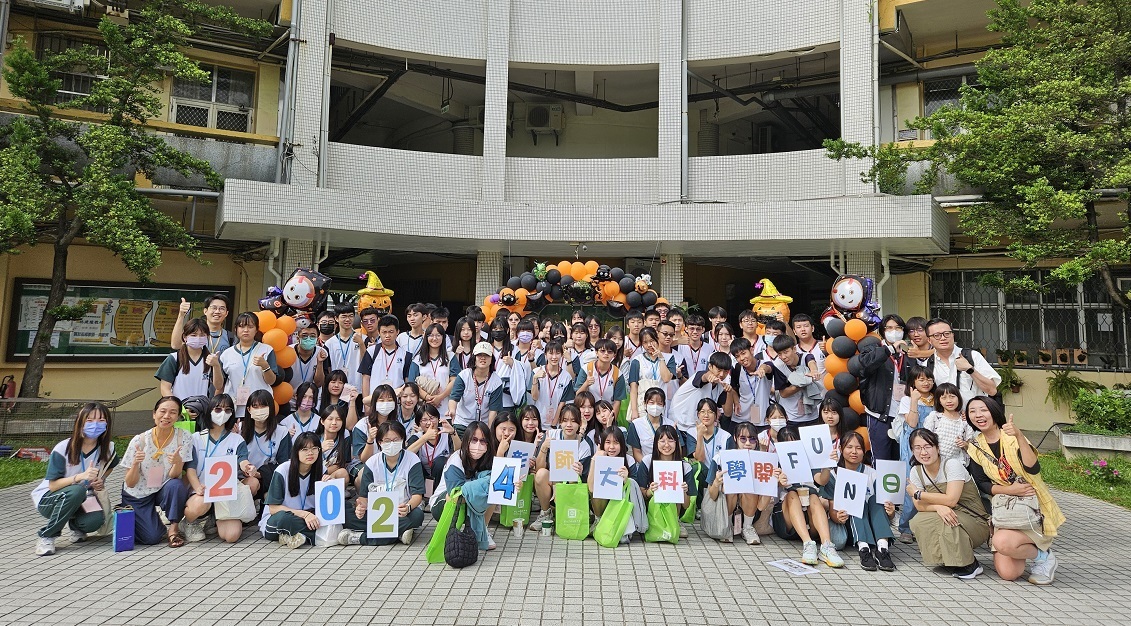
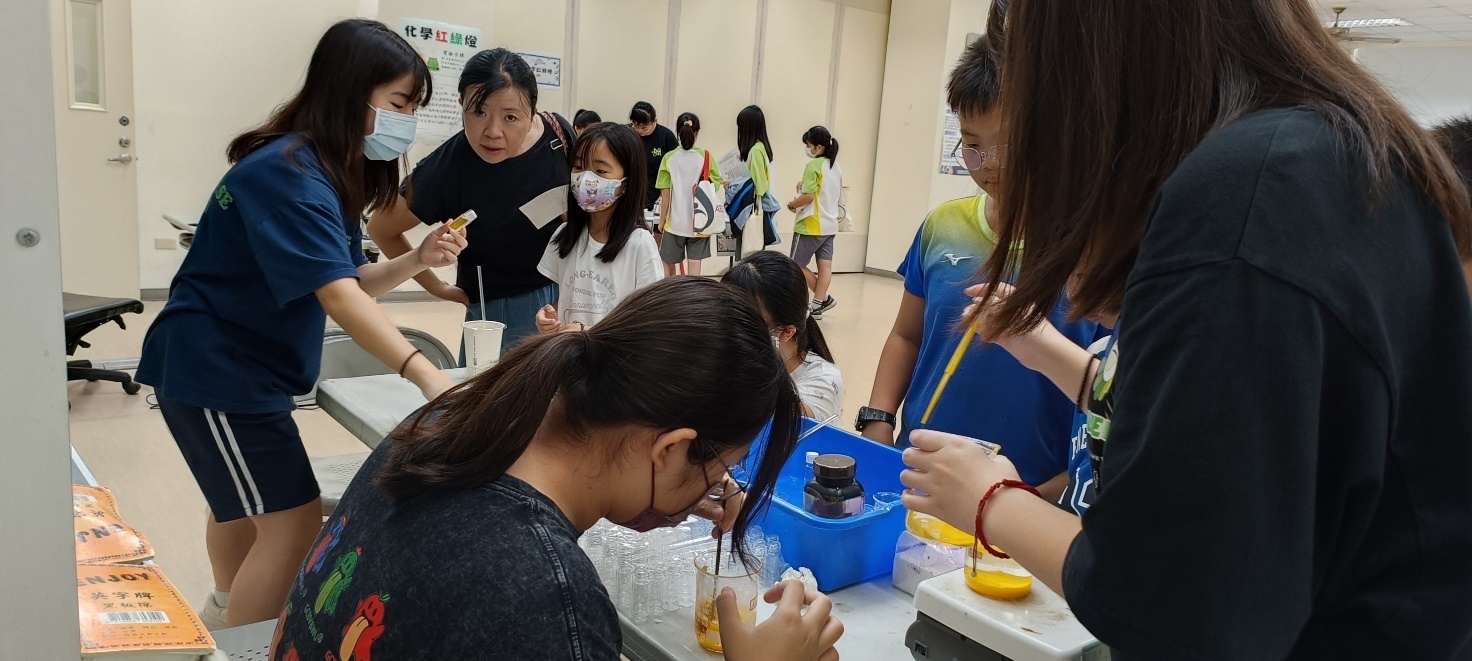
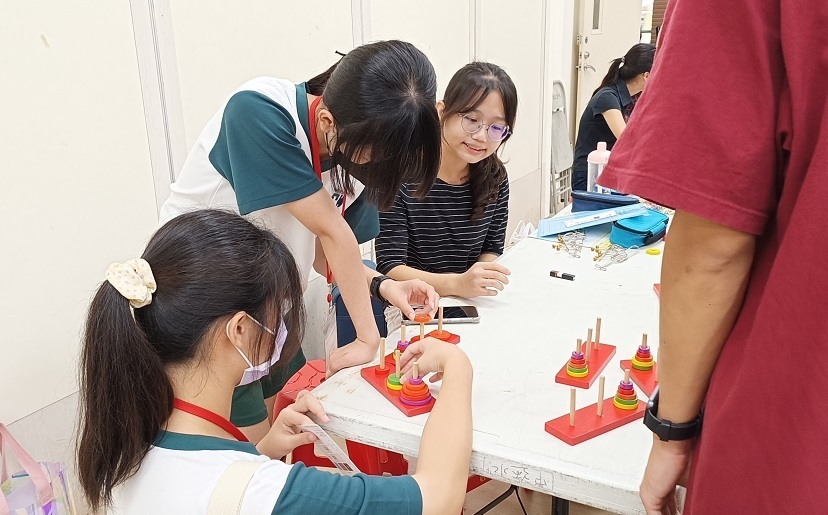
To improve the scientific literacy of the citizens, cultivate a scientific attitude in daily life, and provide students in remote areas of Changhua County with the opportunity to learn high-quality scientific knowledge, NCUE holds the “Science FUN Day” for free once a year. Exciting and interesting challenge games related to science are set, and the participants can conduct DIY scientific experiments to experience the thrills of science, thereby enabling the public to integrate logical thinking and scientific attitudes into their lives.
In 2024, challenge games related to science were designed for the public and students to obtain knowledge easily and learn science in a fun way. The challenge games covered Science Magic Zone, Science Adventure Zone, and Science Exploration Zone. Given the life-oriented and interesting activities with science breakthroughs and in-depth explanations, the junior high school and high school students were allowed to operate and experience various fields of science, attracting over 10 partner schools, including junior high schools and senior high schools, with more than 450 people to participate in the event. Notably, in 2024, fees for tour buses were specifically subsidized for remote rural schools, enabling rural elementary and secondary school students to participate in this event. Through a Science Fun Day every year, participants can receive a “certificate of completion” and a “surprise package” as rewards after completing the challenge games as instructed (see Figures 7-9).
NCUE campus headlines: https://www.ncue.edu.tw/p/406-1000-28558,r93.php?Lang=zh-tw
|
|
|
|
Figure 7. 2024 Science FUN Day - Group Photo |
|
|
|
|
|
Figure 8. 2024 Science FUN Day - Science Experiment |
Figure 9. 2024 Science FUN Day -Science Experiment |
(6) Resources for Students with Special Educational Needs:
The Special Education Center in NCUE provides comprehensive support both internally and externally. Internally, we offer support, including learning assistance, daily living support, school adaptation, and transition services for students with disabilities. Externally, we provide special education consultation services to schools in our guidance area, community residents, and students, helping resolve issues related to teacher instruction, parental education, and student counseling practice. Meanwhile, we also conduct on-site visits to schools in our guidance area to understand their implementation of special education programs. Additionally, the Special Education Center in NCUE regularly publishes special education publications to support the professional development of special education teachers and related personnel, and organizes transition coordination meetings for students with disabilities in universities and colleges to actively understand the current status, limitations, and resource needs of transition guidance activities across schools.
In 2024, we provided special education consultation services to 86 individuals, conducted 1 on-site school visit for guidance, published 2 issues of the Special Educators Quarterly, and organized 1 special education work review meeting for our guidance area, 1 transition coordination meeting for students with disabilities in universities and colleges, 6 basic competency training sessions in special education, 6 advanced competency training sessions, 1 advanced curriculum session, and 14 special education-related courses, totaling 27 special education professional competency activities.
Website of Special Education Center in NCUE: https://spcweb.ncue.edu.tw/
(7) Training for Novice Teachers:
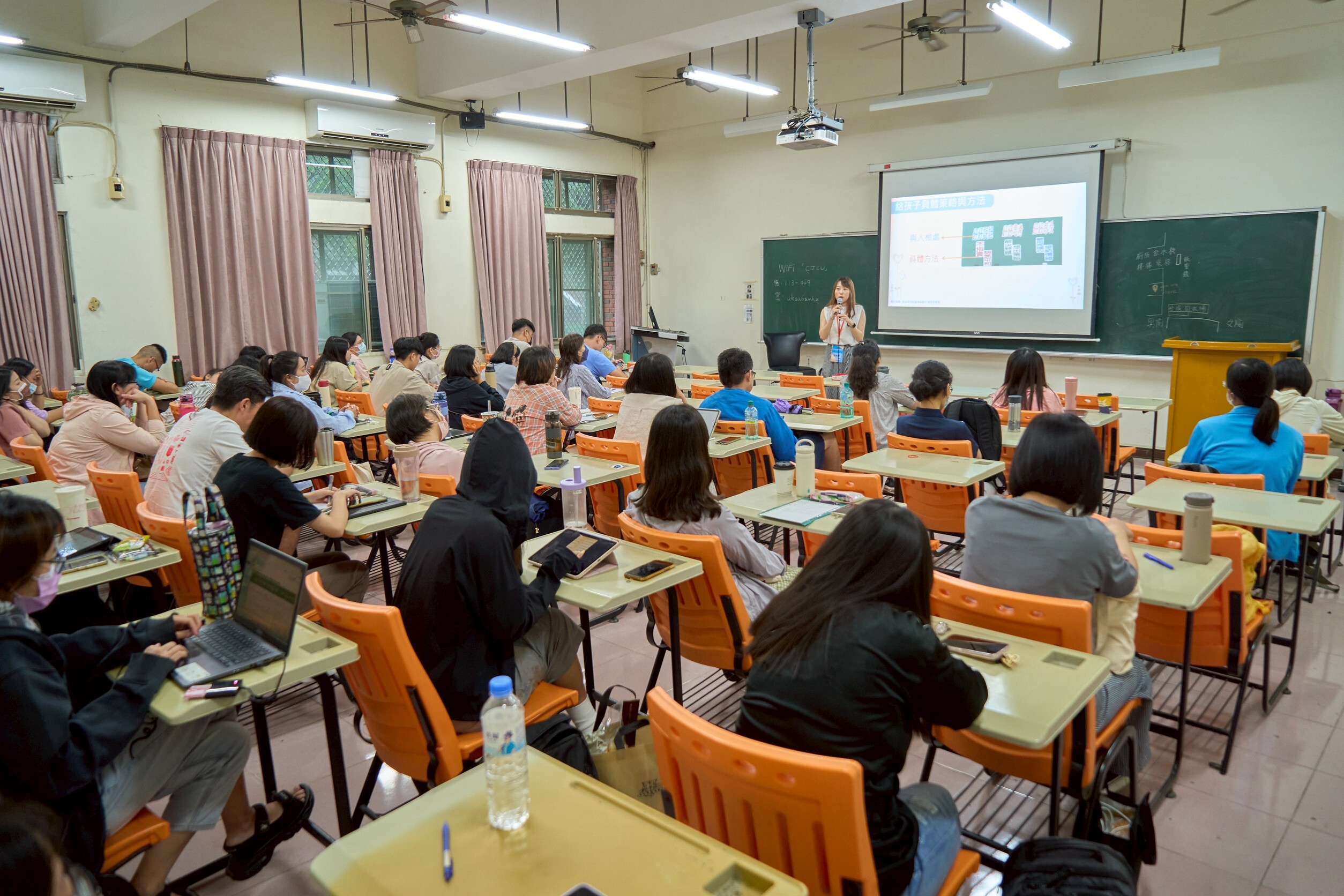
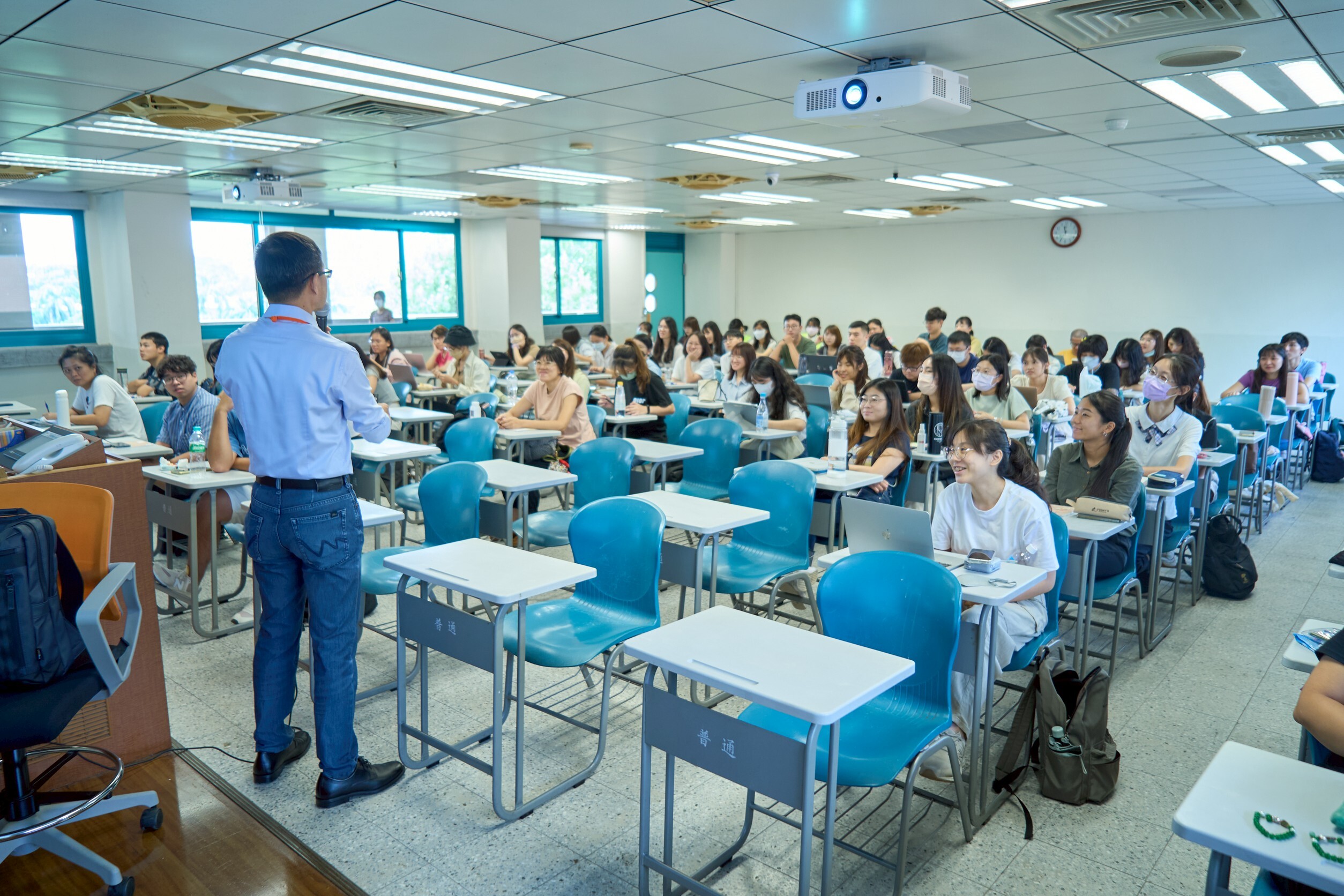
Since 2017, NCUE has organized several training sessions annually, focusing on career orientation and introduction to teaching practices for novice teachers. These courses target newly appointed teachers as full-time teachers in public schools at the secondary level and below. The training aims to enhance novice teachers’ classroom management and innovative teaching competencies, thereby facilitating their adaptation to the teacher position and equipping themselves for it. In 2024, the program adopted a hybrid mode combining a synchronous online session for one day and a physical workshop for two days, conducted from August 5 to August 16 across northern, central, and southern regions in Taiwan. Participation from different educational levels included 430 kindergarten teachers, 2,320 elementary school teachers, 585 junior high school teachers, and 341 senior high school teachers, with a total of 3,676 novice teachers participating in the training (Figures 10-11).
|
|
|
|
Figure 10. Teaching Session on “Teaching Power × Leadership”– Case Studies in Effective Teaching Strategies and Classroom Management |
Figure 11. Teaching Session on “Character Power” – Social Emotional Learning (SEL) and the Practice of Character Education |
(8) Chinese Language Tutors Training Program:
NCUE’s Language Center is committed to promoting open educational access by regularly hosting language lectures free of charge to the public. These lecture covers topics such as Chinese teaching, German, Japanese culture, and English proficiency tests, providing free opportunities for external participants to enhance general language literacy among the public. Simultaneously, the Language Center maintains an active presence on social media platforms, continuously promoting language knowledge by providing learning resources and cultural introductions through posts and interactive engagement.
Furthermore, NCUE has long organized the “Chinese Tutors Training Program,” which provides free training for students interested in Chinese language teaching. The program also welcomes offering auditors and observers, enabling non-NCUE participants to access Chinese language teaching resources. In 2024, two training sessions of the Chinese Language Tutors Training Program were conducted, totaling 30 hours with 50 participants (Figure 12).
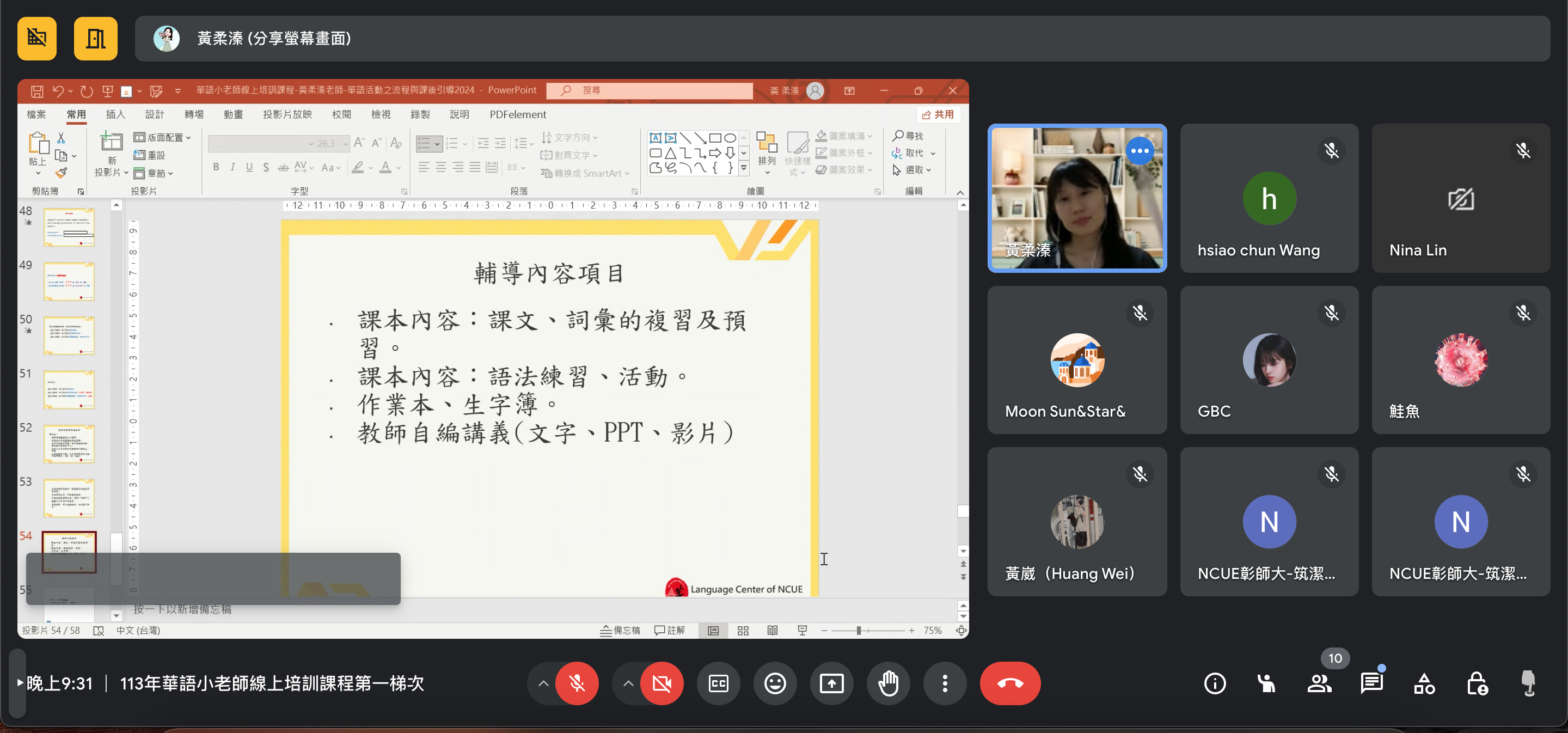
Figure 12. Online Lectures on 2024 Chinese Language Tutors Training Program (Free of Charge)
(9) Public Lectures:
NCUE holds many lectures or activities every academic year, which are also open to the public. In 2024, we held at least 103 themed lectures open to people not studying on campus.
Please refer to the attachment for the event list 4.3.1A-List of public lectures.
2. Free Access to Campus Facilities and Equipment:
The campus in NCUE is freely open to the general public. Spaces and facilities such as the library, sports fields and courts, art exhibitions, and restrooms are also available for free use by the public.
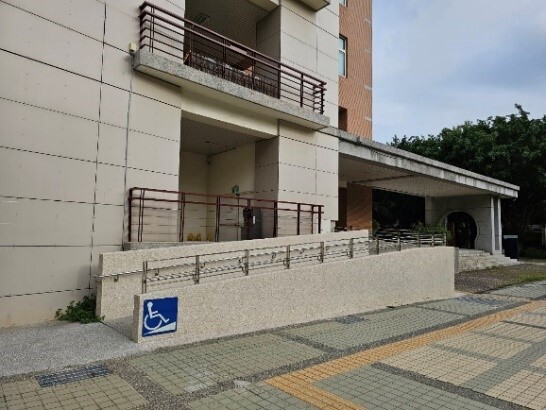
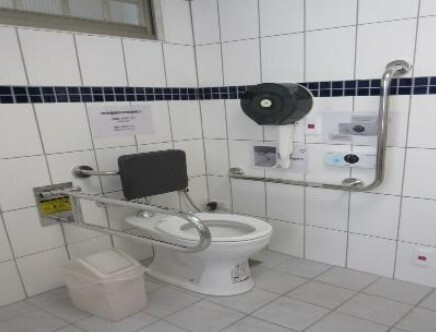
NCUE places great emphasis on the accessibility of campus facilities. All buildings and campus facilities are inspected and improved in accordance with accessibility regulations. We have installed accessible elevators, accessible restrooms, accessible ramps, and accessible guidance facilities to facilitate easy access for individuals with disabilities.
(1) Campus Spaces:
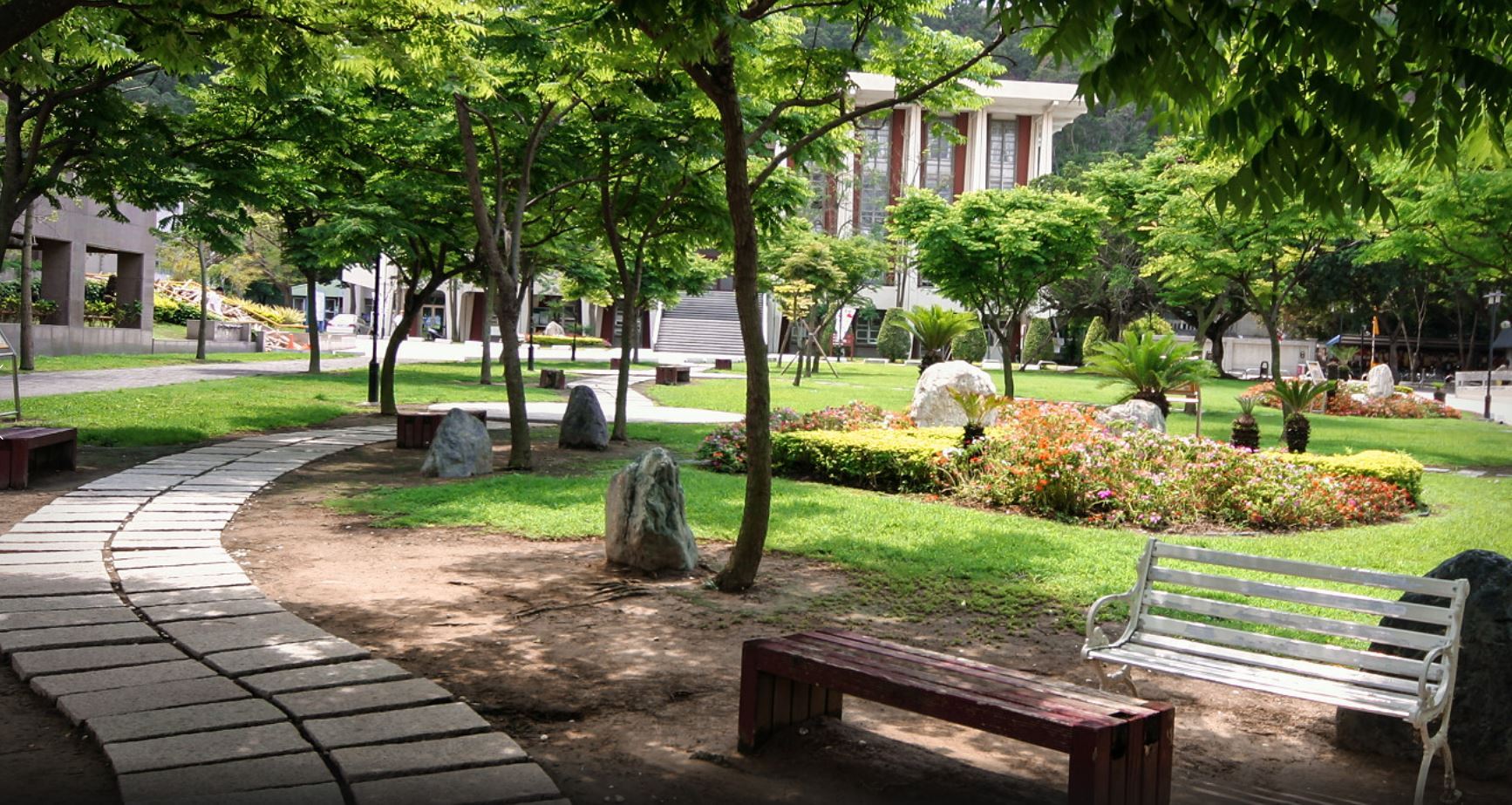
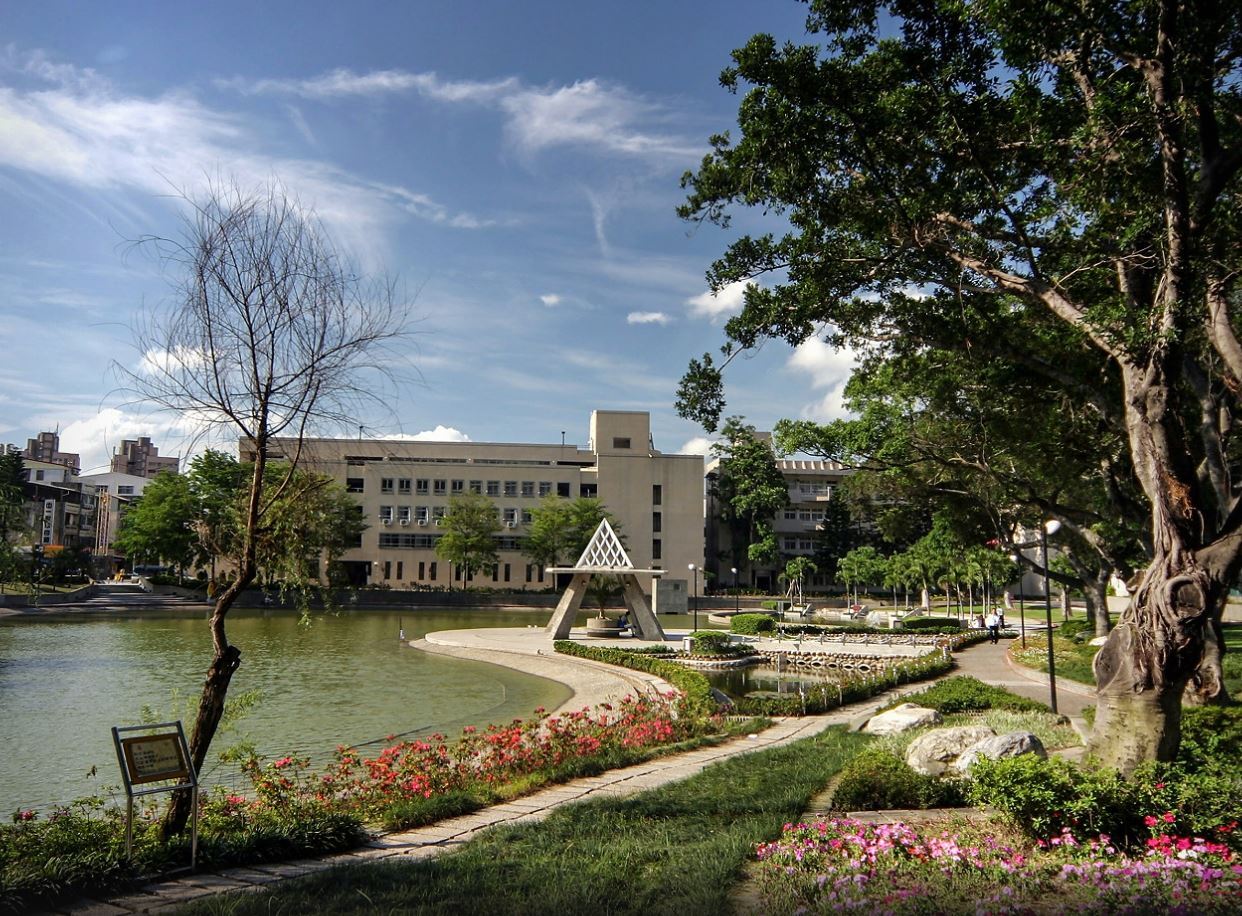
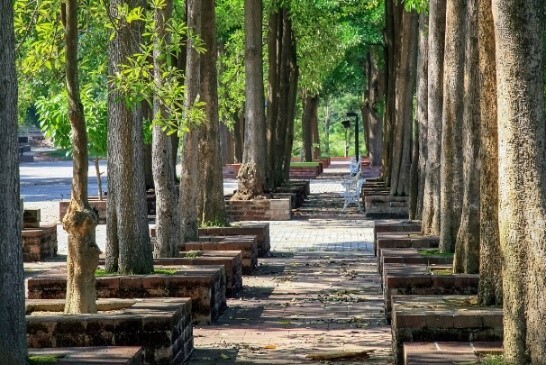
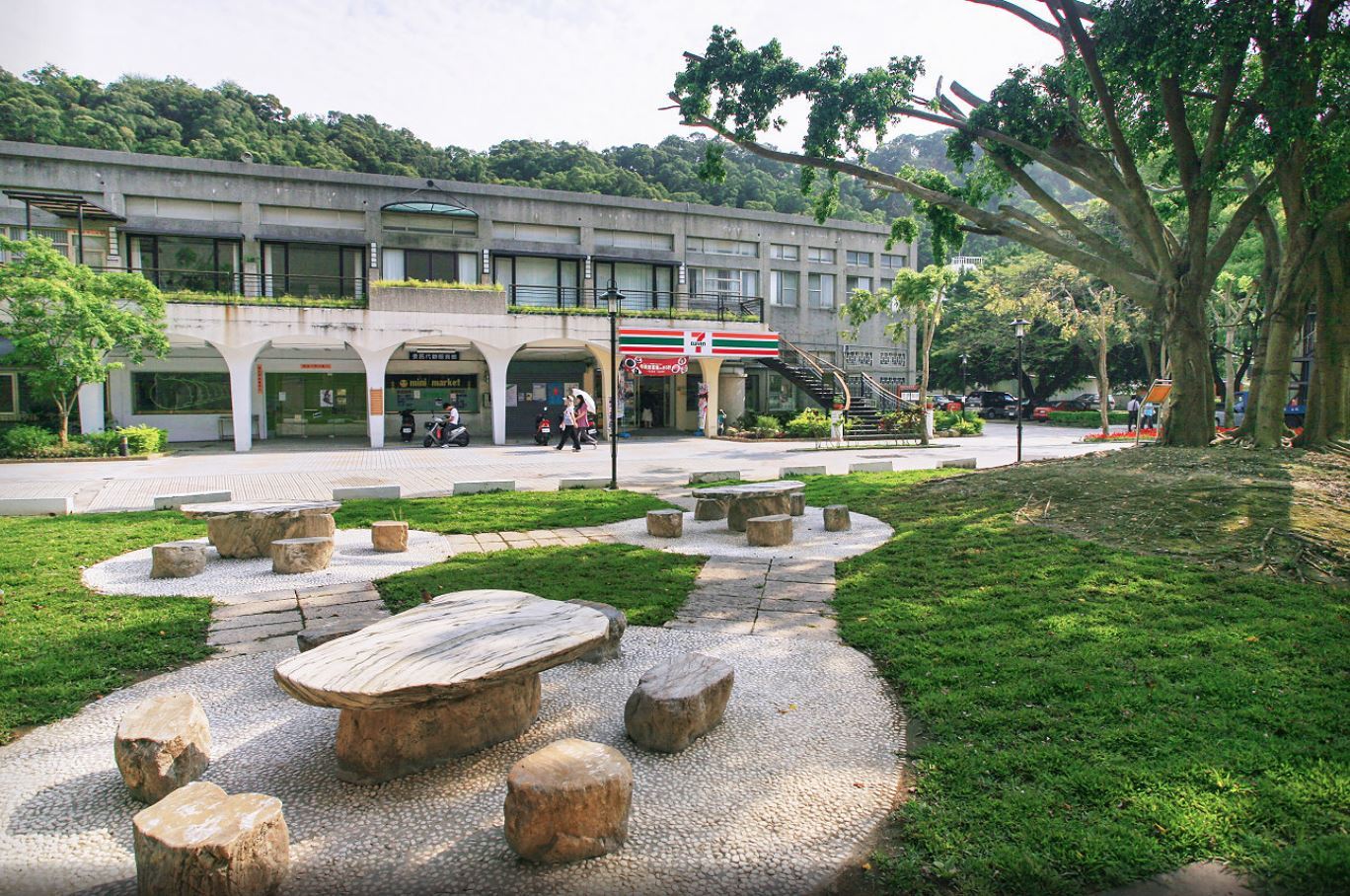
NCUE’s two campuses are surrounded by 43.5 hectares of beautiful green space. The campuses are open to the public to enter freely to take a walk around. Pedestrian trails are specially built for people to walk through the flower gardens or around Baisha Lake. Visitors can also use facilities such as water dispensers and toilets (see Figure 12-15). NCUE places considerable emphasis on building a campus environment with accessible facilities. There are 23 major buildings on the campus, each of which is equipped with accessible elevators and accessible toilets, with a 100% installation rate. The buildings and campus facilities are inspected and enhanced in accordance with the accessibility regulations, with accessible elevators, toilets, ramps, and guide services installed for people with disabilities (see Figures 13-18).
|
|
|
|
Figure 13. Free Access to Campus Facilities and Equipment |
Figure 14. Free Access to Campus Facilities and Equipment |
|
|
|
|
Figure 15. Free Access to Campus Facilities and Equipment |
Figure 16. Free Access to Campus Facilities and Equipment |
|
|
|
|
Figure 17. Accessible Ramp |
Figure 18. Accessible Restroom |
(2) Sports Fields and Pitches:
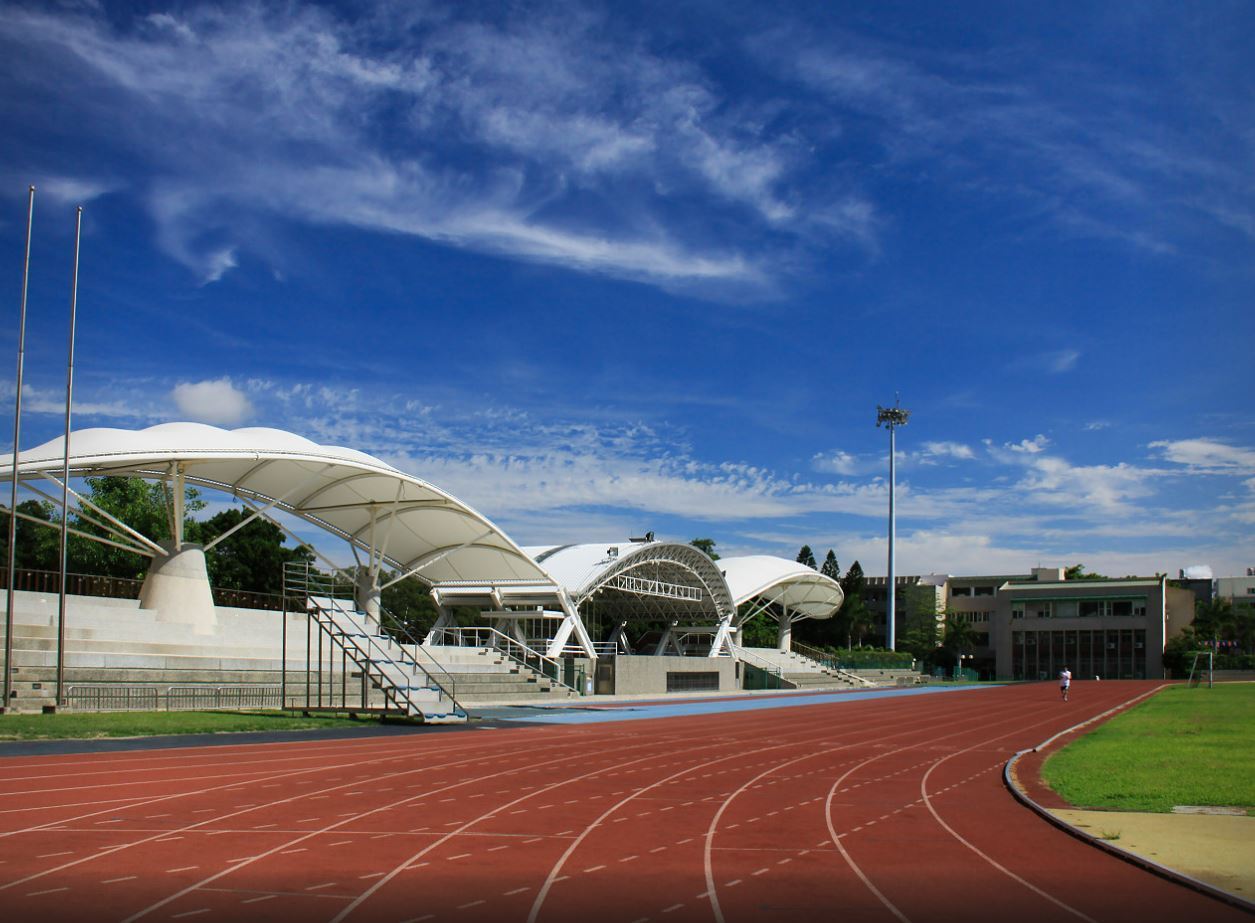
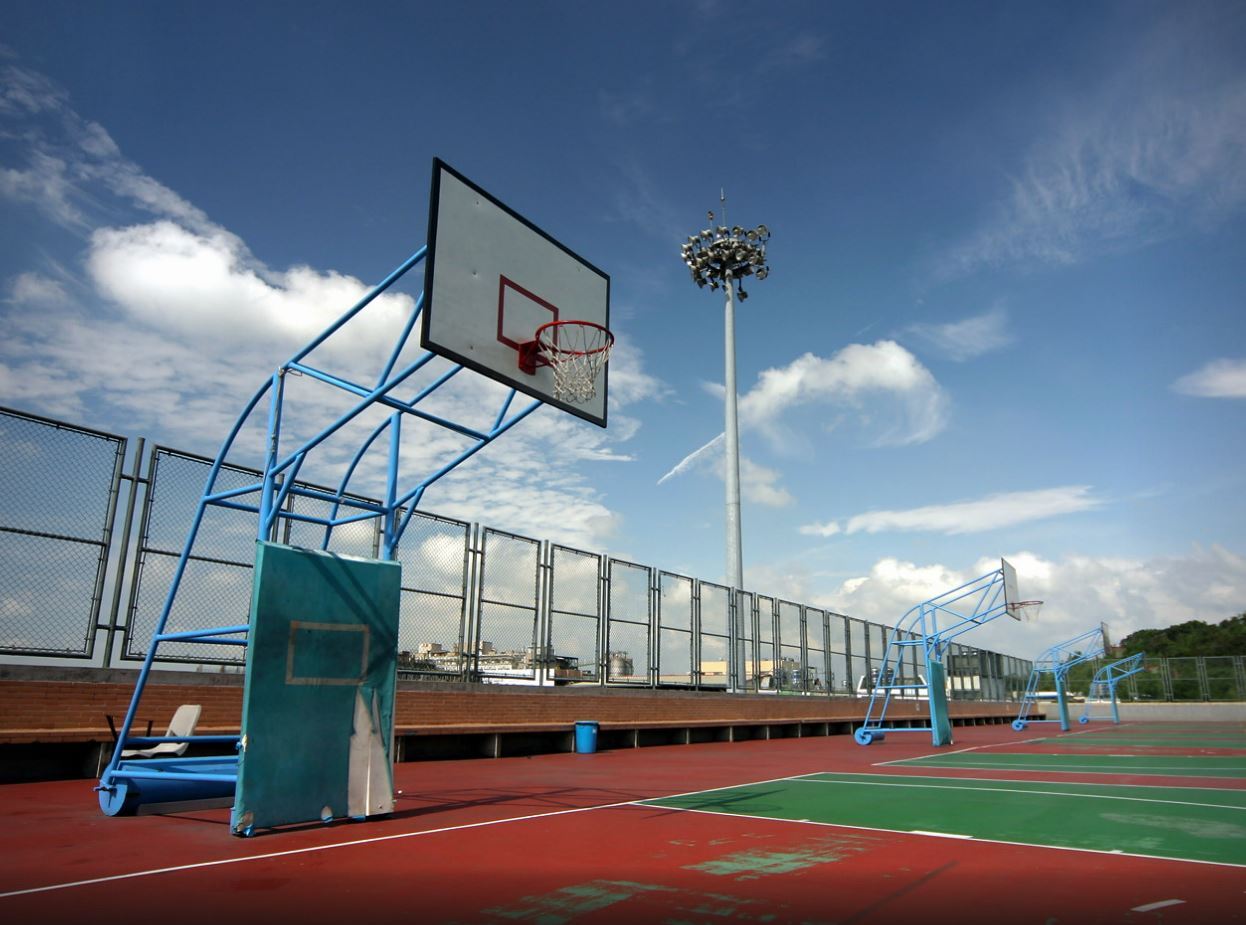
The sports venues and facilities of NCUE are freely available not only to teachers and students but also to the general public. For example, the tracks and fields of the university, and the volleyball court, basketball courts, and football fields on the Baoshan campus, are open to enable work with the community and promote exercise for all (see Figures 19-20).
|
|
|
|
Figure 19. Free Access to Campus Facilities and Equipment – Sports Venue |
Figure 20. Free Access to Campus Facilities and Equipment – Courts and Fields |
(3) Library:
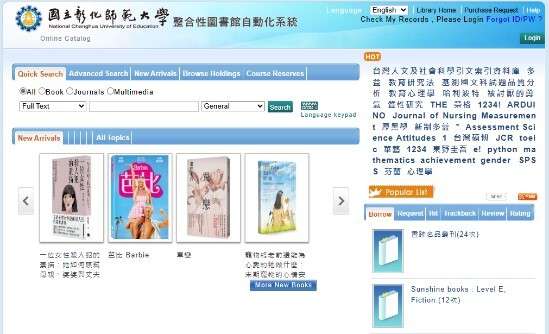
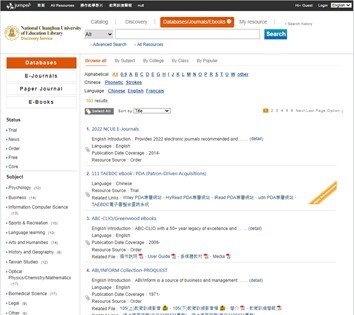
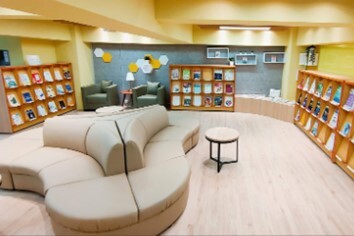
The library in NCUE implements Guidelines for the Management of Visiting and Reading for Outsiders (https://olis.ncue.edu.tw/public/data/011916282971.pdf). Non-university members can hold valid credentials in exchange for a temporary visitor’s card to enter the library for free. They can avail of the library’s rich collection of resources comprising more than 420,000 Chinese and English books, electronic databases, e-books, periodicals, newspapers, and audio-visual materials (see Figures 21-24). Please refer to the library collection resources in NCUE for details: https://olis.ncue.edu.tw/np.asp?ctNode=1037&mp=1
Guidelines for the Management of Visiting and Reading for Outsiders can be seen in Annex 4.3.1B-Library Regulations.
|
|
|
|
Figure 21. Library Resource of NCUE_ Abundant Collection of Resources |
Figure 22. Library Resource of NCUE _ Digital Resource |
|
|
|
|
Figure 23. Reading Area in the Library |
Figure 24. Reading and Computer Area in the Library |
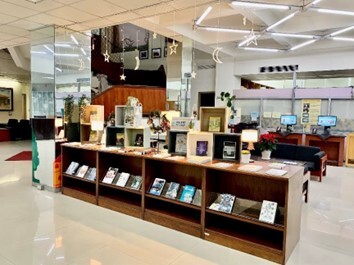
(4) Free Access to Materials for the Visually Impaired: NCUE established the “Audio Book Center for Universities and Colleges” in 1989, initiating the recording of audiobooks for visually impaired users and offering collection and circulation services. In 1991, the Center expanded its service targets to serve visually impaired readers nationwide. Anyone requiring access to Braille books, large print books, or audiobooks can apply for membership at the Visual Impairment Materials Center for the Visually Impaired in NCUE by completing a membership application form and providing relevant documents. Upon approval, mambers can gain free access to services provided by NCUE for visually impaired readers, including audio book borrowing and return services, online reference services, monthly new books announcements, regular provision of book catalogs and audio book updates, reader recording requests, book recommendation and acquisition services, audio textbook surveys, production and distribution of audio textbook, general audio book recording, and dissemination of audio textbooks for students with visual impairment. As of August 2025, a collection of 18,716 audiobook resources in total is available for loan (Figure 25). Website:
https://visual.ncue.edu.tw/index.php?do=rule&pid=2
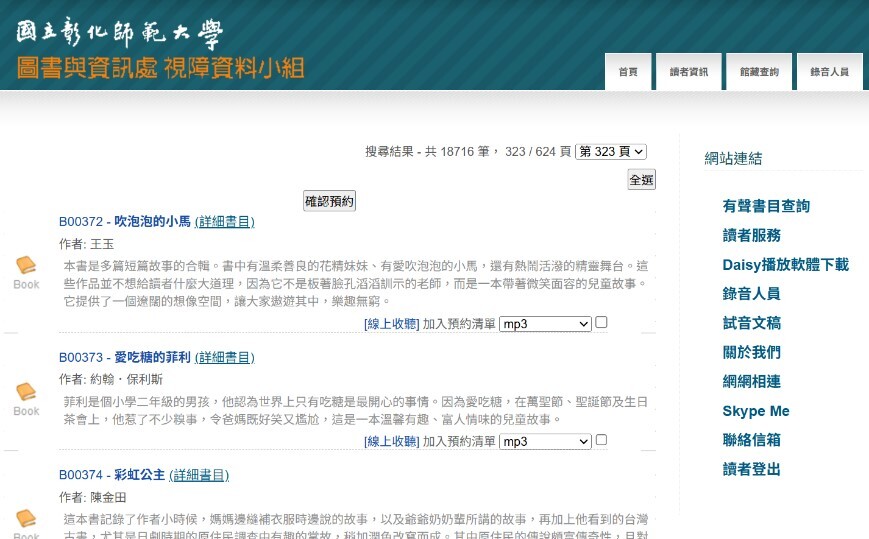
Figure 25. Catalogue of Audio Book Collection for the Visually Impaired
(5) Exhibition Venues:
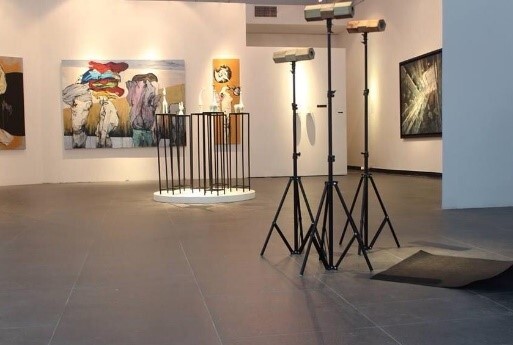
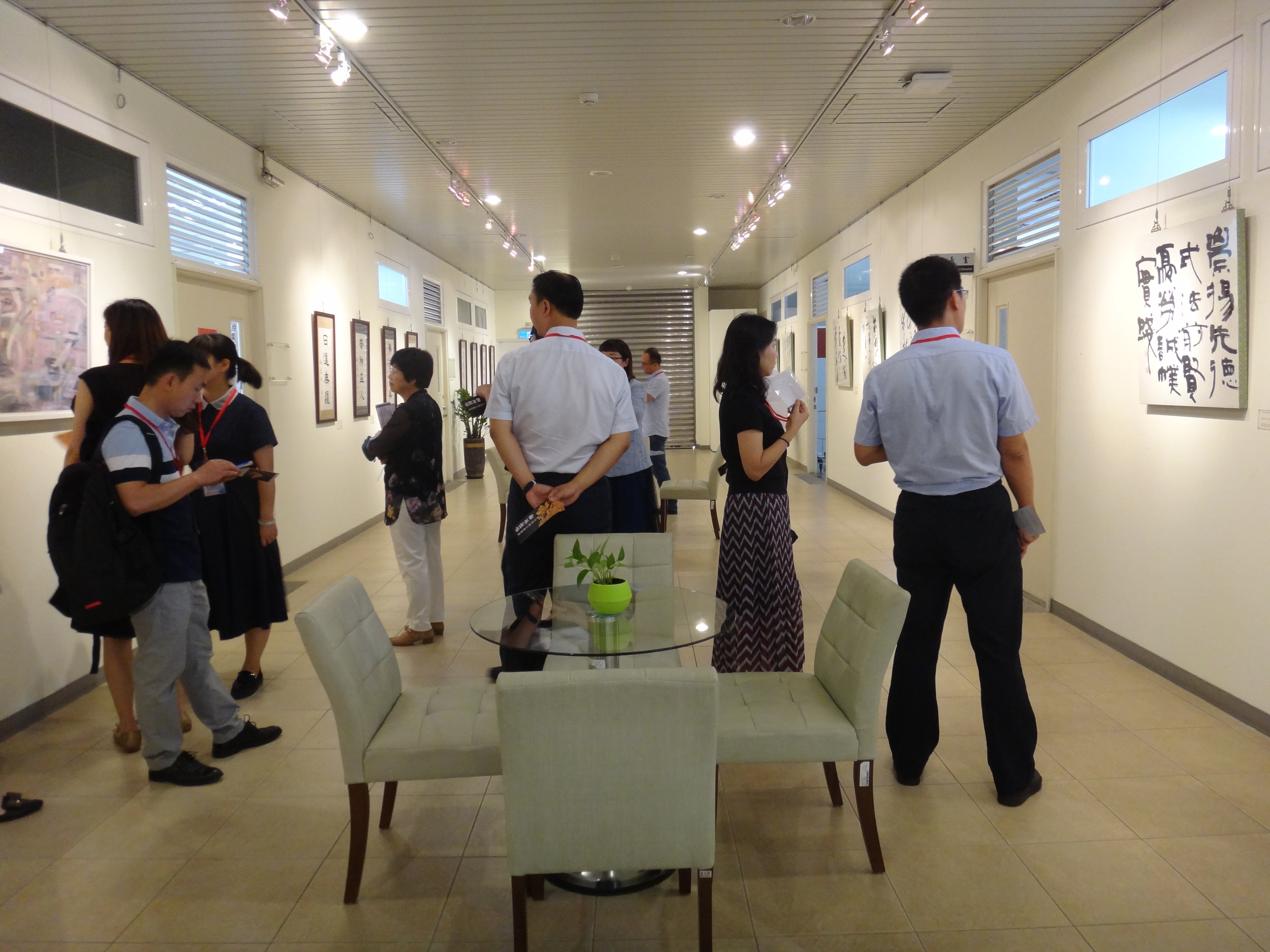
NCUE has set up exhibition venues such as the Yi-Hui Building (Baisha Art Center), the Art and Culture Corridor of the College of Extension Education, and the School History Museum. The exhibitions are held on a regular or irregular basis each year, and are open to the public for free (see Figures 26-27).
|
|
|
|
Figure 26. Exhibition Space of NCUE |
Figure 27. Exhibition Space of NCUE |
3. Free Access to Online Resources
NCUE provides a wealth of free online resources, including digital learning MOOCs courses; we have established the English language learning website: Yincai.com, which provides free English textbooks for the 10th grade to 12th grade students in vocational high schools; the free learning resources website – New World of Mathematics – for elementary and junior high school/high school teachers and students; the academic research institution data collection website, which permanently preserves the research results NCUE’s faculty and students, and provides users with free access; we have also established Educational Internship Information to provide free access to educational internship-related resources for intern students, internship institutions, and mentoring teachers.
(1) “Adaptive Learning Platform” English learning website:
NCUE implements the “2021–2024 Experimental Project of the Development of Adaptive Instruction Materials for Senior High School English Language Teaching” by the Ministry of Education. The project focuses on developing English audio-visual teaching materials for Grade 10–12 students at senior high schools and vocational high schools, and provides adaptive diagnosis and promotion on the platform. It emphasizes augmenting students’ autonomous learning ability and eliminating the M-shaped learning divide in the English language due to gender, family socioeconomic status, education level, and urban-rural differences among schools with free and high-quality educational content. The objective is to achieve the 4th goal of sustainable development: ensuring inclusive and equitable quality education and promoting lifelong learning opportunities for all.
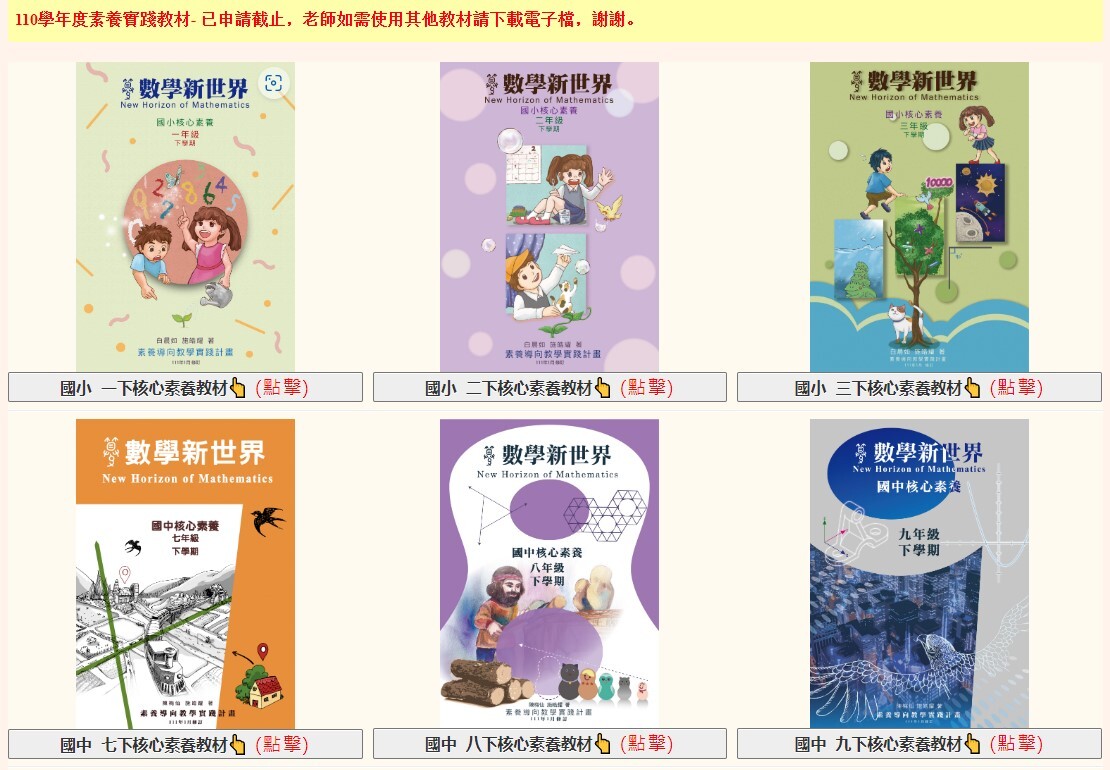
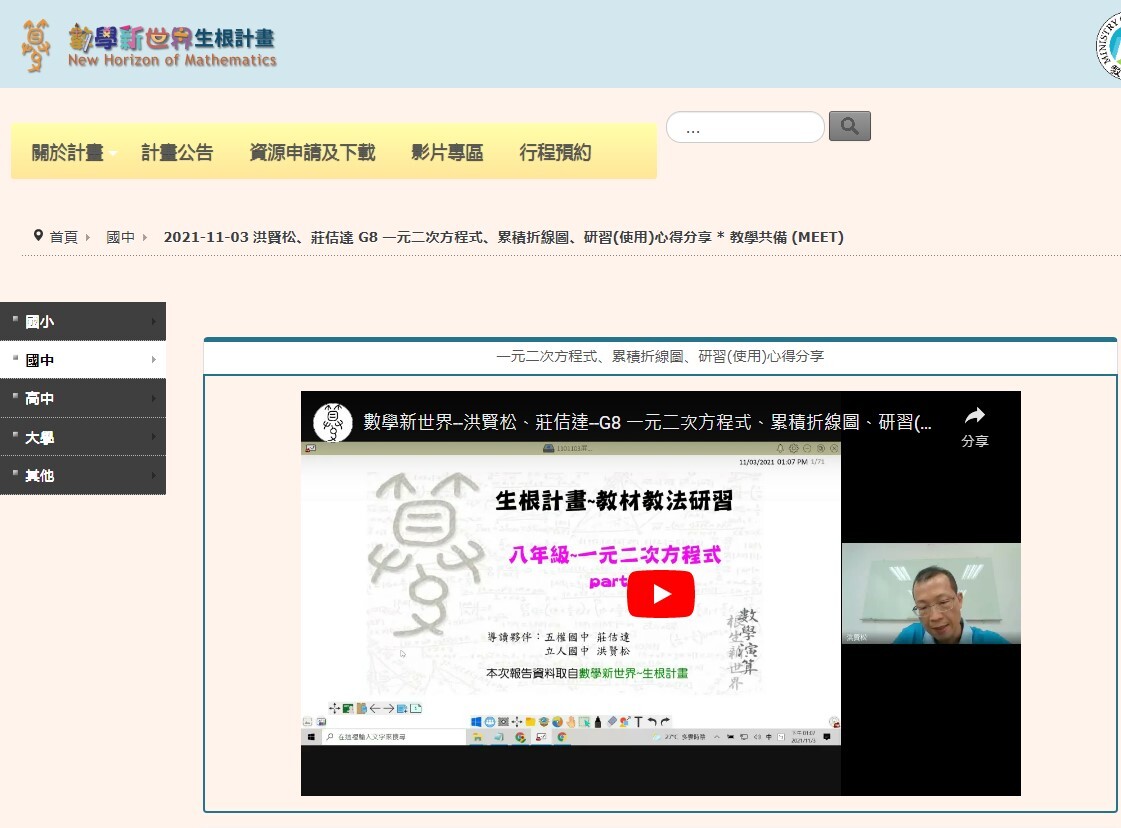
(2) Elementary and Secondary School Mathematics Learning Resources Provided by the “New Horizon Mathematics Project”: Since 2015, NCUE has conducted the “New Horizon of Mathematics Project.” In addition to training seed teachers and visiting classrooms to teach students in elementary and secondary school, the project focuses on improving the mathematical teaching resources of elementary and secondary schools, with materials such as over 500 instructional videos offered by mathematics experts, worksheets for learning units, teachers’ handbooks, and teaching materials for the core literacy of students. All resources are available online and on the website. Visitors (regardless of their identities) can download the materials for free (see Figures 28-29).
Project website: https://www.nhmath.com/NH-MATH/
Teaching and learning materials downloads zone: https://www.nhmath.com/NH-MATH/resources
Video section: https://www.nhmath.com/NH-MATH/video
|
|
|
|
Figure 28. Mathematics Teaching Materials Are Available for Free Downloads |
Figure 29. Mathematics Teaching Videos Are Available for Free Download |
(3) Teaching Resources in Science Education for Elementary and Secondary School Teachers:
Graduate Institute of Science Education in NCUE implements the “National Project for Enhancing Inquiry-Based Curriculum Design and Implementation Skills of Science Teachers in Elementary and Junior High Schools,” commissioned by the K-12 Education Administration of the Ministry of Education. This project trains seed teachers and coaching teachers in inquiry-based teaching, forms professional teacher development teams, establishes community networks, and promotes inquiry-based curricula nationwide to enhance the inquiry competencies of elementary and junior high school students.
The seed teachers and coaching teachers in this project participate in the development of teaching module prototypes and compete in teaching plans and professional teaching competitions. Subsequently, professors specializing in inquiry-based education review the teaching plans and instructional videos developed by these seed teachers and coaching teachers, selecting outstanding inquiry-based teaching plans and videos.
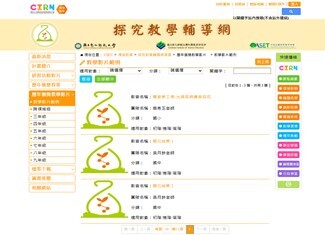
These excellent teaching resources are made available on the CIRN website for free downloads and reference by teachers nationwide (Figures 30-31).
The resources can be accessed at: https://cirn.moe.edu.tw/WebContent/index.aspx?sid=1197&mid=13596
|
|
|
|
Figure 30. CIRN Website – Providing Free Teaching Plans |
Figure 31. CIRN Website –Providing Free Teaching Plans |
(4) Educational Internship Information:
To promote the tripartite relationship among supervising teachers, mentoring teachers, and student teachers, and to strengthen collaborative exchanges among universities with teacher education programs, educational internship institutions, and local educational administrative agencies, NCUE launched a specially developed online platform named “Educational Internship Information” in 2013 (website: https://eii.ncue.edu.tw/index.aspx), providing the following functions:
(a) Internship Opportunity Matching: The platform enables educational internship institutions to complete the “Survey Form for Internship Institutions’ Intention,” which undergoes review by educational administrative authorities to safeguard student teachers’ internship rights and ensure the quality of their working environments. Additionally, specialized sections are provided for schools in remote (rural) areas, schools with special indigenous focus, bilingual schools, and schools with education for native languages (Taiwanese, Hakka, Indigenous languages) to assist student teachers in finding suitable internship institutions.
(b) Internship Information Exchange: NCUE announces internship-related regulations, professional development activities, and information on internship vacancies on the platform. It also includes special sections such as an “Overseas School Educational Internship Prefecture” and an “International Educational Observation and Internship Program Audio-Visual Section” to assist student teachers in accessing information on overseas observation and internship opportunities, thereby enhancing their multicultural experiences and international competencies.
(c) Tripartite Interaction and Performance Evaluation: The platform facilitates digital communication among supervising teachers, mentoring teachers, and student teachers. It supports functions such as internship assignment setting, discussion of individual internship-related issues, internship performance evaluation, and recording of student teachers’ leave and attendance.
(d) Educational Internship Data and Analysis: In coordination with the “National Pre-Service and In-service Teacher Integrated Database,” the platform provides questionnaire surveys for pre-service teacher interns to help universities with teacher education programs understand their student teachers’ internship implementation. Related data analysis also serves as a reference for the Ministry of Education’s policy planning.
Website of Educational Internship Information: https://eii.ncue.edu.tw/index.aspx